Get 20% OFF All Premium 3D & STL Models!

In the world of automotive design and visualization, capturing the essence of luxury is paramount. From the sweeping lines of a grand tourer to the intricate details of a bespoke interior, every curve and surface tells a story of craftsmanship and engineering prowess. For 3D artists, game developers, architects, and product visualizers, bringing these iconic vehicles to life in the digital realm requires models that are not just accurate, but imbued with a level of fidelity that resonates with the real-world grandeur.
Imagine needing to populate a high-end architectural visualization, create a realistic driving simulator, or design an immersive AR showroom. The demand for exquisite 3D car models is constant, and the bar for quality is ever-rising. This is precisely where meticulously crafted assets become indispensable. Today, we delve into the art and science of integrating such models into professional pipelines, focusing on a truly magnificent example: the Rolls Royce 2013 3D Model available on 88cars3d.com. This model represents the pinnacle of digital automotive luxury, offering unparalleled detail and optimization for a vast array of applications.
Navigating the landscape of 3D asset creation and integration often begins with understanding the myriad of file formats available. Each format serves a specific purpose, offering unique advantages in terms of compatibility, data preservation, and application. Choosing the right format is crucial for a smooth workflow, whether you’re working on automotive rendering, game development, or 3D printing.
The .blend format is the native file type for Blender, the popular open-source 3D creation suite. When you download a .blend file, you’re getting a fully editable Blender scene, complete with the model’s geometry, materials, textures, lighting, cameras, and even animation data. This makes it incredibly powerful for artists who use Blender, as it preserves all aspects of the original setup. For the Rolls Royce 2013 3D model, the .blend file provides a direct gateway to modify every aspect, from adjusting shaders to tweaking the mesh or setting up custom animations within a familiar environment. Its primary use case is for Blender users who need maximum flexibility and direct access to the scene’s original configuration.
.fbx (Filmbox) stands as one of the most widely adopted proprietary file formats for 3D data interchange. Developed by Autodesk, it’s a robust format that can store model geometry, UV data, materials, textures, skeletal animation, and even camera and light data. Its strength lies in its excellent compatibility across various 3D applications like 3ds Max, Maya, Cinema 4D, and critically, real-time engines such as Unreal Engine and Unity. For game developers and those working on real-time pipelines, .fbx is often the go-to choice due to its efficient handling of animation and hierarchical data. The Rolls Royce 2013 model in .fbx format is ideal for direct import into game engines, ensuring that pivots, hierarchies, and basic material assignments translate effectively.
.obj (Wavefront OBJ) is a universal format, prized for its widespread compatibility across almost every 3D software application. It stores geometry (vertices, faces, UVs) and can reference external .mtl (material) files for basic color and texture information. While incredibly versatile for mesh data, .obj lacks support for animations, rigging, or advanced material properties, making it primarily useful for static models. It’s an excellent choice when you need a clean mesh for cross-software compatibility or when starting a new project in a different application where you’ll build materials from scratch. For the Rolls Royce, the .obj provides a solid geometric foundation that can be easily imported and textured in virtually any 3D program.
.glb (GL Transmission Format Binary) is the binary version of glTF, a royalty-free specification for the efficient transmission and loading of 3D scenes and models by applications. It packages geometry, materials, textures, and animation into a single compact file. Its optimization for web-based, AR (Augmented Reality), and VR (Virtual Reality) displays makes it increasingly popular. .glb files are lightweight and designed for quick loading, making them perfect for virtual showrooms, interactive product configurators on websites, or mobile AR experiences. The Rolls Royce 2013 .glb model is perfectly suited for demonstrating its luxury in a browser-based viewer or an AR application on a smartphone, providing immediate visual impact without extensive loading times.
.stl (Stereolithography) is almost universally recognized as the standard file format for 3D printing. It represents a 3D model as a series of connected triangles, describing only the surface geometry of an object without color, texture, or material information. While simplistic, its ubiquity ensures compatibility with nearly all 3D printers and slicing software. When preparing the Rolls Royce 2013 for physical fabrication, the .stl format is essential. It provides the necessary data for a slicer to generate toolpaths, allowing hobbyists and professionals to bring the digital luxury car into the physical world, whether for scale models or functional prototypes.
.ply (Polygon File Format) is another format that describes 3D objects as a collection of polygons, often used for storing data from 3D scanners. It can store a wider range of properties than .obj or .stl, including color, transparency, and even normal information per vertex or face. This makes it a valuable format for precision mesh representations, often utilized in scientific visualization, CAD applications, or when working with highly detailed scan data where preserving additional vertex information is critical. While less common for general artistic workflows compared to .fbx or .obj, its inclusion ensures that the Rolls Royce model can be used in specialized analysis or reverse engineering pipelines.
The .unreal file is not a standalone format but typically refers to assets packaged specifically for direct import and use within the Unreal Engine. This often implies an .fbx file that has been correctly exported with Unreal’s specific naming conventions and scaling, or even a pre-prepared asset package. For the Rolls Royce 2013 model, the availability of an “.unreal” file suggests an asset that has been tested and optimized for the engine, potentially with PBR materials already set up, collision meshes generated, and correct pivot points established, ready for immediate deployment in a game or interactive experience.
Similar to .blend for Blender, .max is the native project file for Autodesk 3ds Max, a powerful 3D modeling, animation, and rendering software. A .max file contains the complete scene data, including geometry, materials, textures, lighting, camera settings, and animation. This format offers full editability and preserves all the intricate details of the original setup, making it ideal for 3ds Max users who require deep customization or wish to integrate the Rolls Royce into complex animation sequences or high-fidelity renders directly within their preferred software.
The Rolls Royce 2013 3D Model from 88cars3d.com is not merely a collection of polygons; it’s a digital homage to British automotive luxury. Its creation involves a meticulous balance of artistic interpretation and technical precision, ensuring that the final asset is both visually stunning and highly functional.
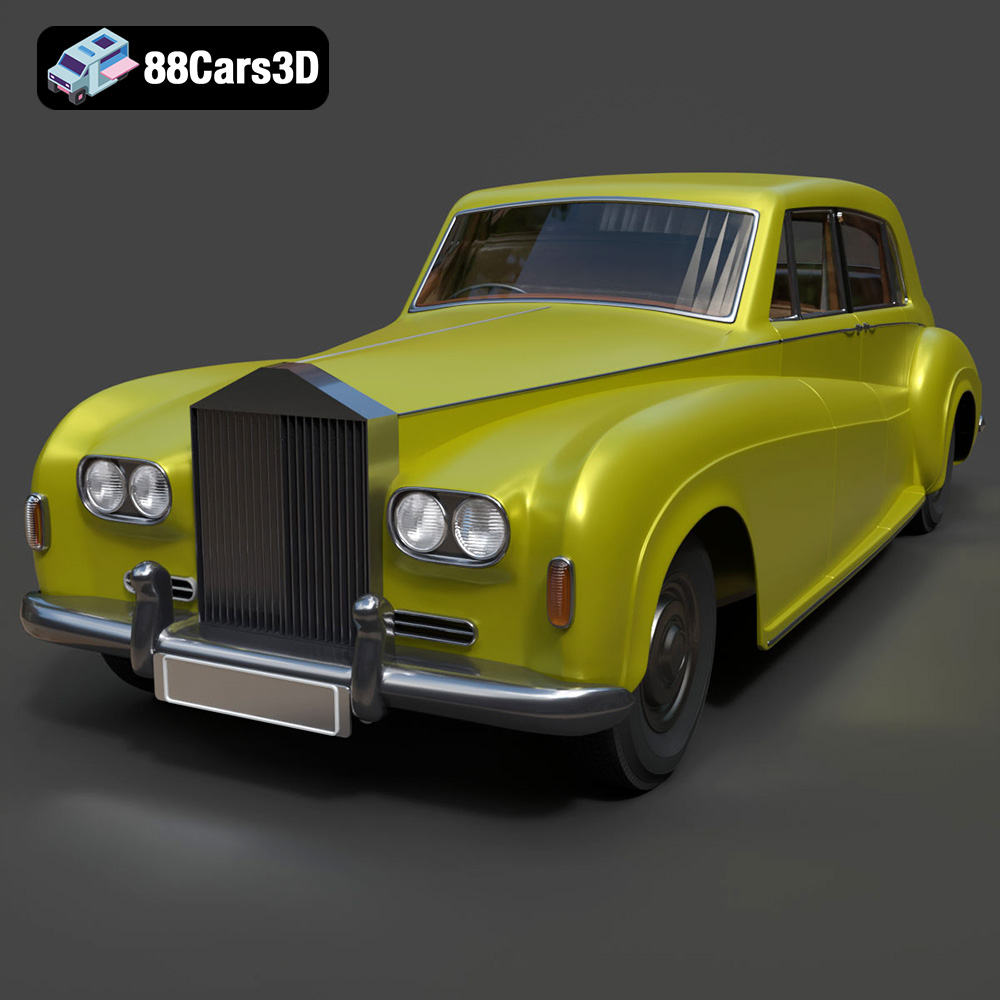
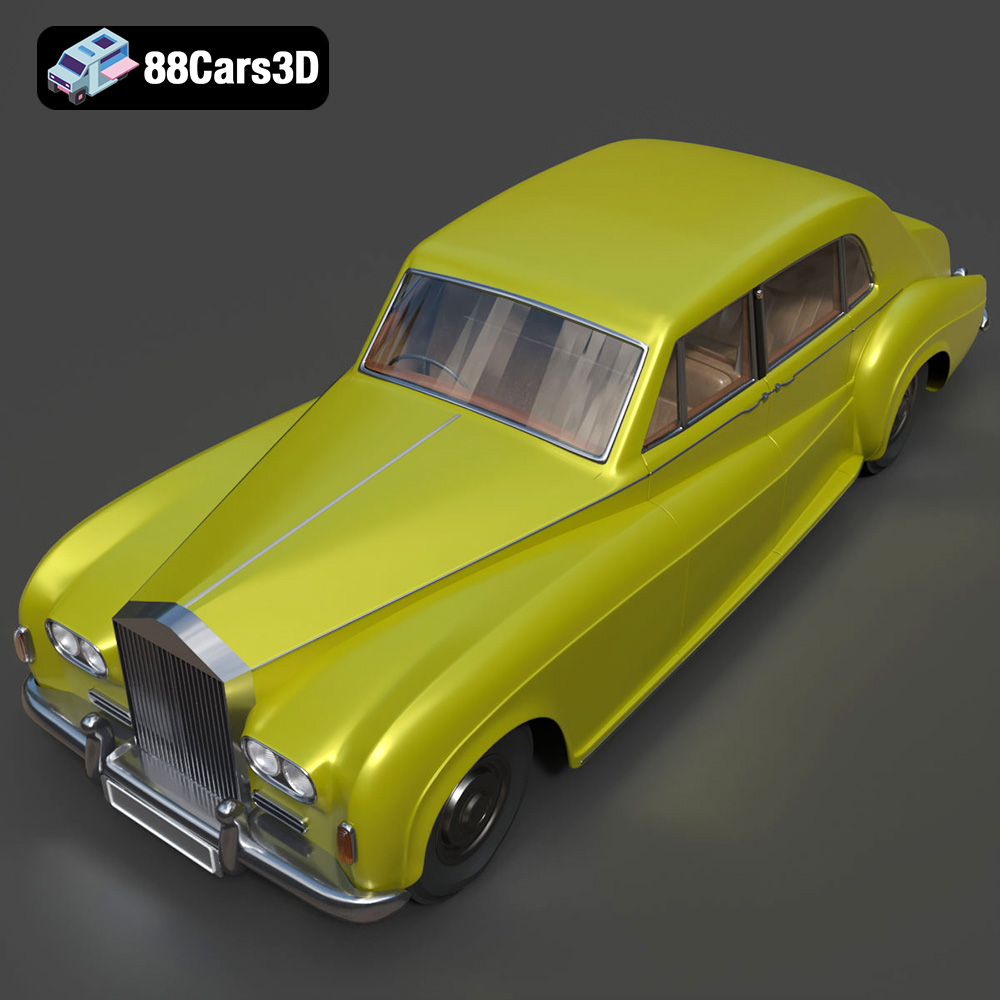
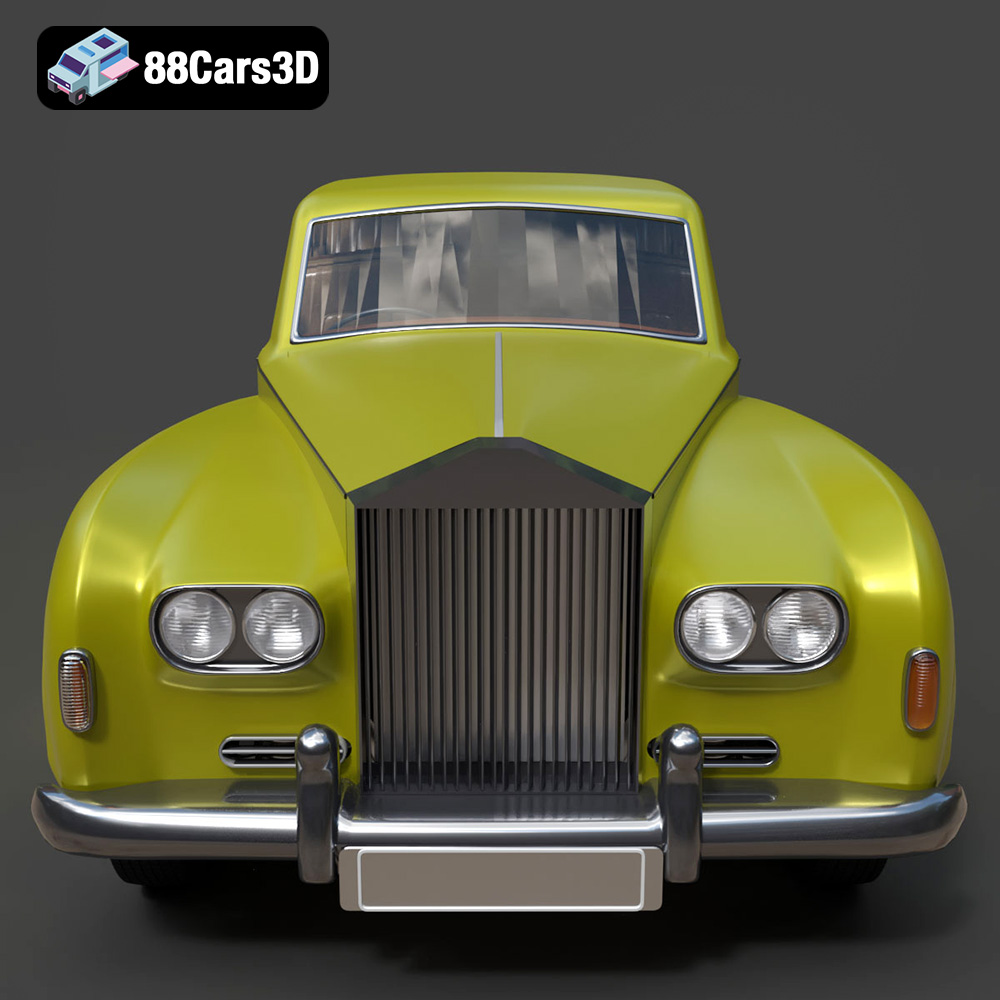
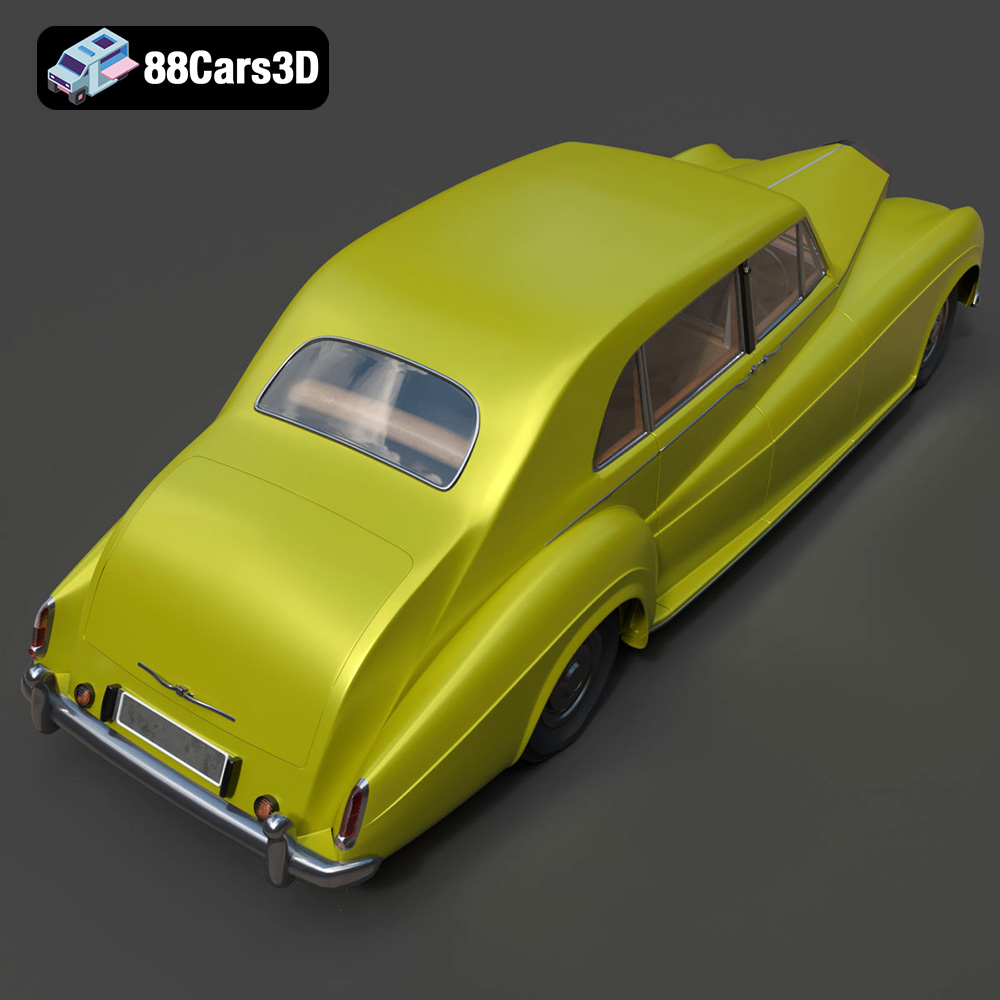
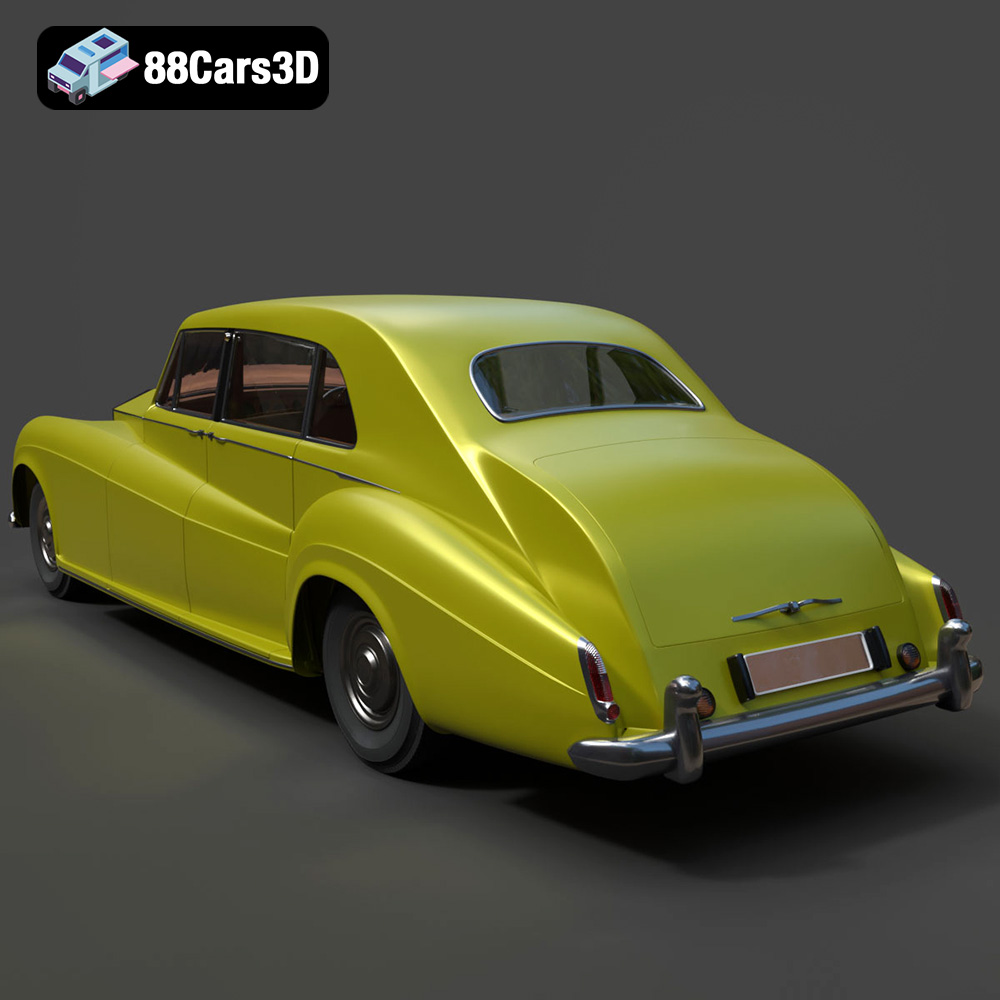
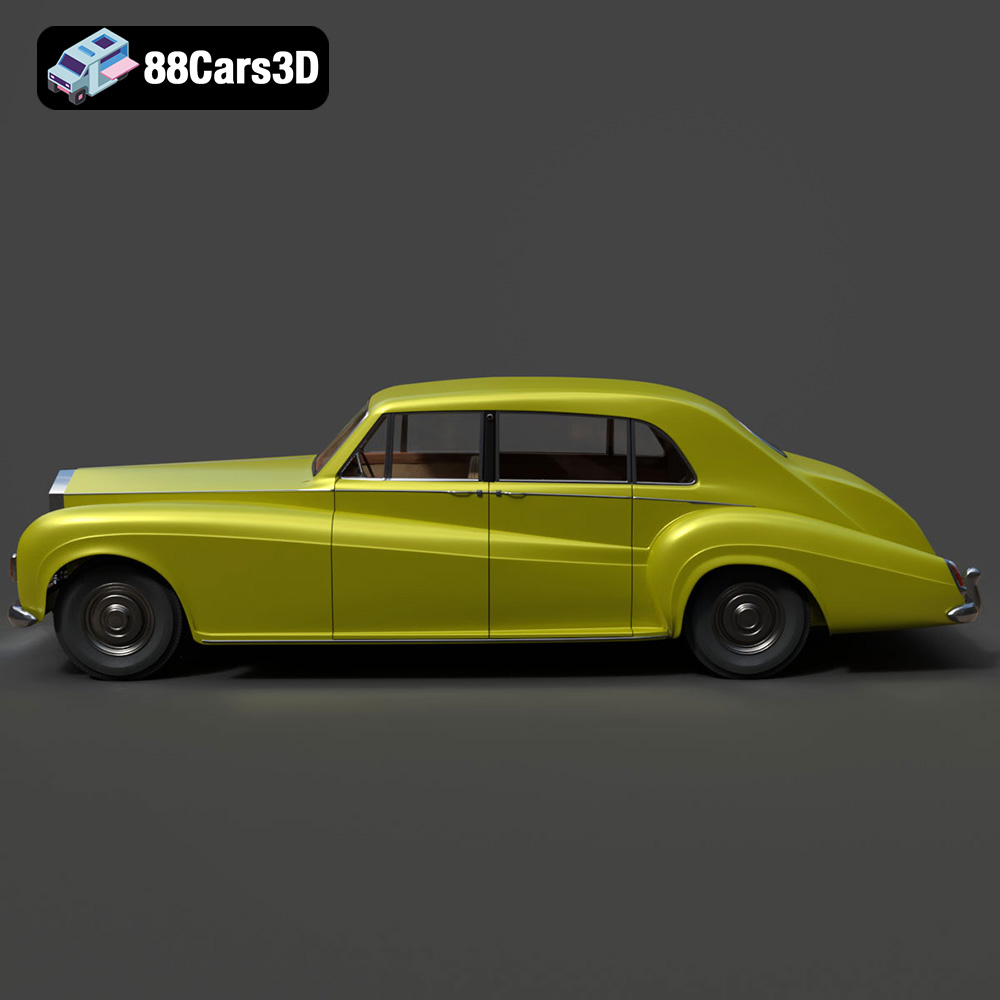
From the first glance, the model captures the imposing road presence of the Rolls Royce 2013. The iconic Pantheon grille, a signature element, is rendered with exquisite detail, reflecting the brand’s heritage. The revered Spirit of Ecstasy hood ornament, an emblem of luxury, is precisely modeled, adding a touch of grandeur. Every sweeping line and robust contour of the frame geometry and proportions has been accurately replicated. Key exterior features like the refined dual exhaust system, premium LED headlights, signature taillights, and elegant multi-spoke alloy wheels with weighted self-righting center caps are all present and meticulously detailed. Even the adaptive air suspension details are included, providing a comprehensive representation of the vehicle’s exterior engineering.
The luxury experience extends beyond the exterior. The cockpit and interior features of this 3D car model have been crafted to evoke the same sense of bespoke luxury found in the physical vehicle. Plush leather seating configurations are accurately represented, alongside the elegant wood veneer dashboard and classic steering wheel details. The analog instrument cluster, particularly the signature power reserve dial, showcases the attention to subtle yet critical elements. Precision-machined control details, including pedals, levers, and the column shifter, ensure that even for first-person POV in gaming or immersive VR experiences, the interior holds up to close scrutiny. The optimized geometry ensures visual fidelity without an excessive polycount, making it suitable for real-time interaction.
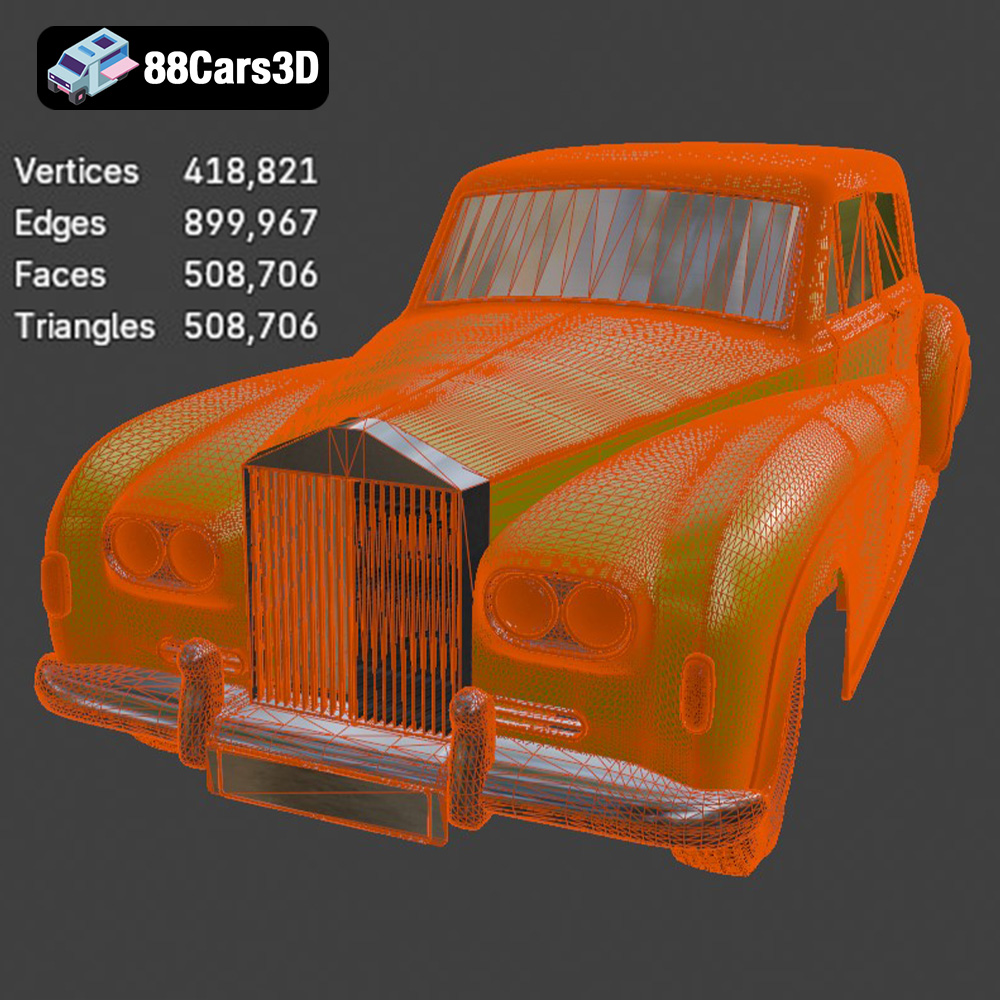
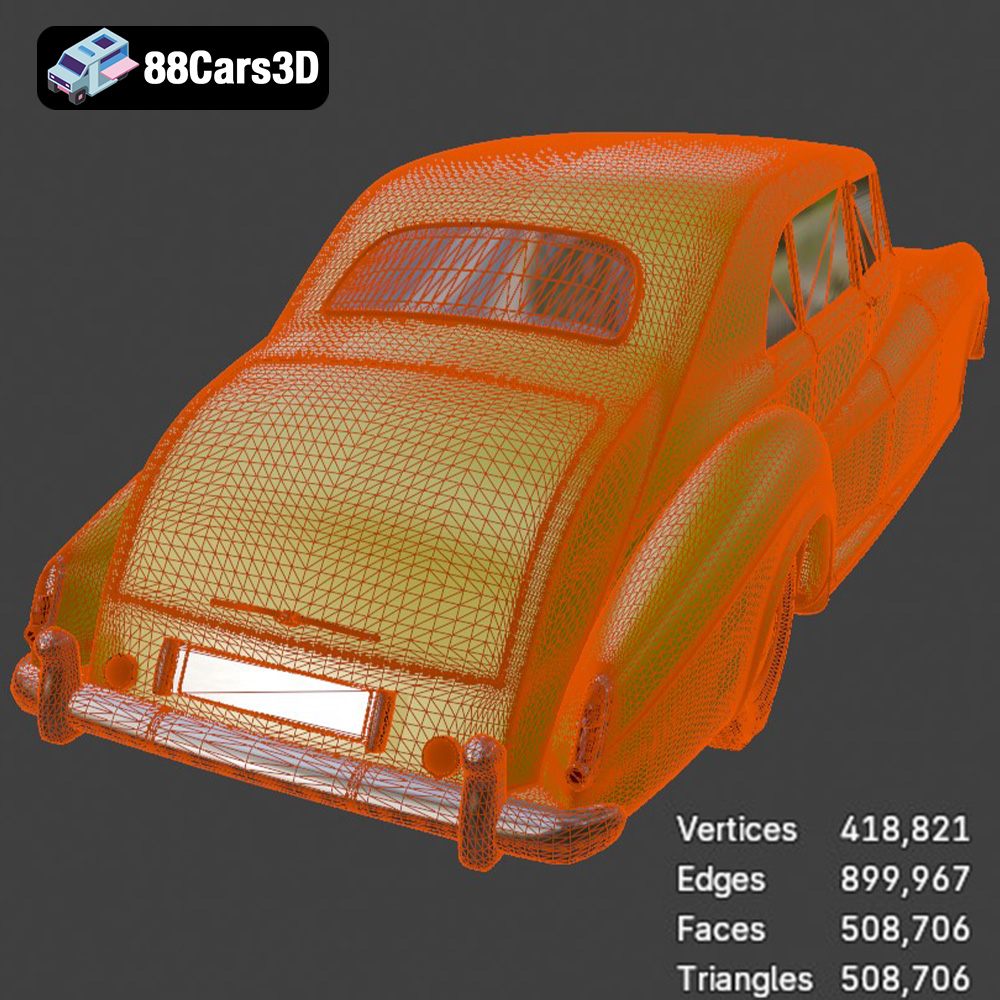
One of the standout technical advantages of this Rolls Royce model is its “game-ready” optimization. With a meticulously optimized topology featuring 508,706 triangles, it strikes a perfect balance. This polycount is high enough to deliver incredible visual fidelity and capture every nuanced curve of the opulent design, yet it remains optimized for efficient rendering in real-time engines like Unreal Engine and Unity. Furthermore, the model boasts real-world scale accuracy, based on the actual vehicle chassis, which is crucial for realistic simulations, architectural visualizations, and consistent integration into larger digital environments. Proper pivot setups for steering, wheel rotation, and suspension travel are included, which are critical for animating the vehicle realistically in game development or cinematic sequences.
A high-quality 3D car model like the Rolls Royce 2013 isn’t just a static render; it’s a versatile asset that empowers creators across a multitude of industries. Its blend of high fidelity and optimization makes it a powerful tool for diverse applications, from interactive experiences to stunning visualizations.
For game developers, finding assets that are both visually appealing and performant is a constant challenge. The Rolls Royce 2013 3D model is specifically designed with “game-ready” optimization in mind. Its 508,706 triangles hit a sweet spot, providing enough detail for convincing visuals in modern game engines without bogging down performance. This makes it ideal for open-world games where luxury vehicles might be encountered, racing titles demanding realistic vehicle physics, or high-fidelity simulators where accurate representations are key. The inclusion of separate components for wheels, suspension, and steering, along with proper pivot setups, streamlines the animation process, allowing game designers to implement realistic driving mechanics and visual feedback with ease.
The rapidly expanding fields of Augmented Reality (AR) and Virtual Reality (VR) demand highly optimized yet visually rich models for truly immersive experiences. This Rolls Royce model excels here, perfect for virtual showrooms where potential buyers can explore the car in a hyper-realistic virtual environment. Imagine a luxury car brand offering a VR configurator, allowing customers to customize colors, interiors, and view the vehicle from any angle, even “sitting” inside. Its optimized geometry is also suitable for mobile AR experiences, letting users place a life-sized Rolls Royce in their driveway through a smartphone camera. The .glb file format, specifically designed for such applications, ensures smooth performance and quick loading times.
Beyond interactive applications, the Rolls Royce 2013 3D Model is an invaluable asset for traditional automotive rendering and visualization. For brand campaigns, product launches, or high-end lifestyle scenes, the model’s accuracy and detail allow for breathtaking static renders or cinematic animations. Architectural visualizers can use it to populate luxury garages or driveways, adding a touch of realism and aspiration to their designs. Studio lighting setups can be employed to showcase its exquisite finishes, creating marketing collateral that rivals real-world photography. The model’s inherent quality ensures that even under close-up scrutiny in a highly rendered scene, it maintains its integrity and visual appeal.
Integrating a complex 3D car model into a professional workflow requires more than just importing a file. It involves understanding software specificities, material setups, and optimization techniques to achieve the desired outcome, whether for automotive rendering or real-time simulation.
For artists working with Blender or 3ds Max, the inclusion of native .blend and .max files offers the most streamlined integration. Opening these files provides a pre-configured scene, complete with geometry, materials, and potentially even basic lighting. Users can then leverage the full power of these software packages to:
For those preferring other software, the .fbx and .obj formats provide excellent alternatives for importing the geometry, with materials typically needing to be reconstructed or fine-tuned within the target application.
The “game-ready” nature and the inclusion of .fbx and .unreal formats make this Rolls Royce an ideal game asset for real-time engines. The workflow typically involves:
Achieving stunning, photorealistic renders requires attention to detail in every aspect. With the Rolls Royce 2013 model, artists have a strong foundation:
While the Rolls Royce 2013 3D model is exceptional out of the box, professional workflows often demand a degree of customization. The versatility of this model allows artists to adapt it to specific project needs, ensuring its relevance across various scenarios and future updates.
The ability to customize the visual appearance of a 3D car model is crucial for matching brand guidelines, artistic visions, or product configurations. The Rolls Royce model offers extensive options for personalization:
These customization options empower artists to maintain a consistent visual style across projects or to create unique interpretations of the classic Rolls Royce, making it a truly flexible game asset or visualization tool.
The dynamic nature of a vehicle is often expressed through animation. The Rolls Royce 2013 3D Model is built with animation in mind:
These features ensure that the model is not just a visual treat but a functional asset for any project requiring dynamic vehicle interaction.
The journey of a 3D car model doesn’t always end on a screen. For enthusiasts, collectors, and prototyping professionals, bringing the digital asset into the physical world through 3D printing offers a tangible connection to automotive luxury. The Rolls Royce 2013 model is designed with this possibility in mind, offering specific guidelines for successful fabrication.
Transforming the digital Rolls Royce into a physical object requires careful consideration of 3D print settings to capture its intricate details:
Once printed, the raw 3D print is just the beginning. Achieving a showroom-quality finish requires a dedicated post-processing workflow:
This rigorous approach ensures that the 3D-printed Rolls Royce is a true testament to the original design, a miniature luxury icon brought to life.
The digital realm offers unprecedented opportunities to explore, visualize, and interact with the world’s most coveted objects. The Rolls Royce 2013 3D Model stands as a prime example of how meticulous craftsmanship in 3D modeling can serve a diverse range of professional applications. From its game-ready optimization and precise technical specifications, including 508,706 triangles and real-world scale, to its comprehensive file format support (.blend, .fbx, .obj, .glb, .stl, .ply, .unreal, .max), this model empowers creators in game development, AR/VR, automotive rendering, and even 3D printing.
Whether you are designing the next generation of open-world games, creating immersive virtual showrooms, or crafting breathtaking marketing visualizations, the need for high-fidelity 3D car models is constant. This Rolls Royce 2013 asset provides not just a visually stunning representation but a technically robust foundation for any ambitious project. It exemplifies the quality and versatility that discerning professionals expect, making it an indispensable addition to any digital asset library.
Explore this exquisite model and many more premium 3D assets at 88cars3d.com, your destination for high-quality automotive models that drive digital innovation.
The majestic Rolls Royce 2013 represents the pinnacle of British automotive luxury, combining an imposing road presence with unparalleled elegance. Characterized by its iconic Pantheon grille, Spirit of Ecstasy hood ornament, and exquisite sweeping lines, this luxury vehicle boasts a massive V12 engine and a meticulously crafted dual-exhaust setup that hints at its refined power.
This highly detailed 3D model features a meticulously optimized topology with 508,706 triangles, delivering incredible visual fidelity for real-time applications and rendering. Designed with game-ready optimization in mind, the geometry captures every nuanced curve of the vehicle’s opulent design, making it a perfect fit for game development, AR/VR, animation, and visualization.
Perfect for luxury lifestyle visualizations, VR showrooms, high-end architectural renders, and cinematic animations.
.blend, .fbx, .obj, .glb, .stl, .ply, .unreal, .max
Tags:
rolls-royce, rolls-royce-2013, luxury-car, sedan, game-ready, optimized, car-3d-model, game-asset, rendering, vr-ar, blend, fbx, obj, glb, stl, ply, unreal, max
$41.50
.blend
.fbx
.glb
.max
.obj
.ply
.rendering
.sedan
.stl
.unreal
car-3d-model
game asset
game-ready
luxury car
optimized
rolls-royce
rolls-royce-2013
VR/AR