Get 20% OFF All Premium 3D & STL Models!

The world of 3D visualization and real-time graphics demands ever-increasing levels of detail, realism, and optimization. For automotive design, this challenge is amplified by the intricate curves, precise engineering, and psychological impact of a well-crafted vehicle. Whether you’re an architect visualizing a sleek car parked outside a modern home, a game developer populating an open-world city, or a product designer crafting an immersive virtual showroom, the foundation of your project lies in the quality of your 3D car models. It’s a complex blend of artistic fidelity and technical prowess, requiring assets that are both visually stunning and highly functional.
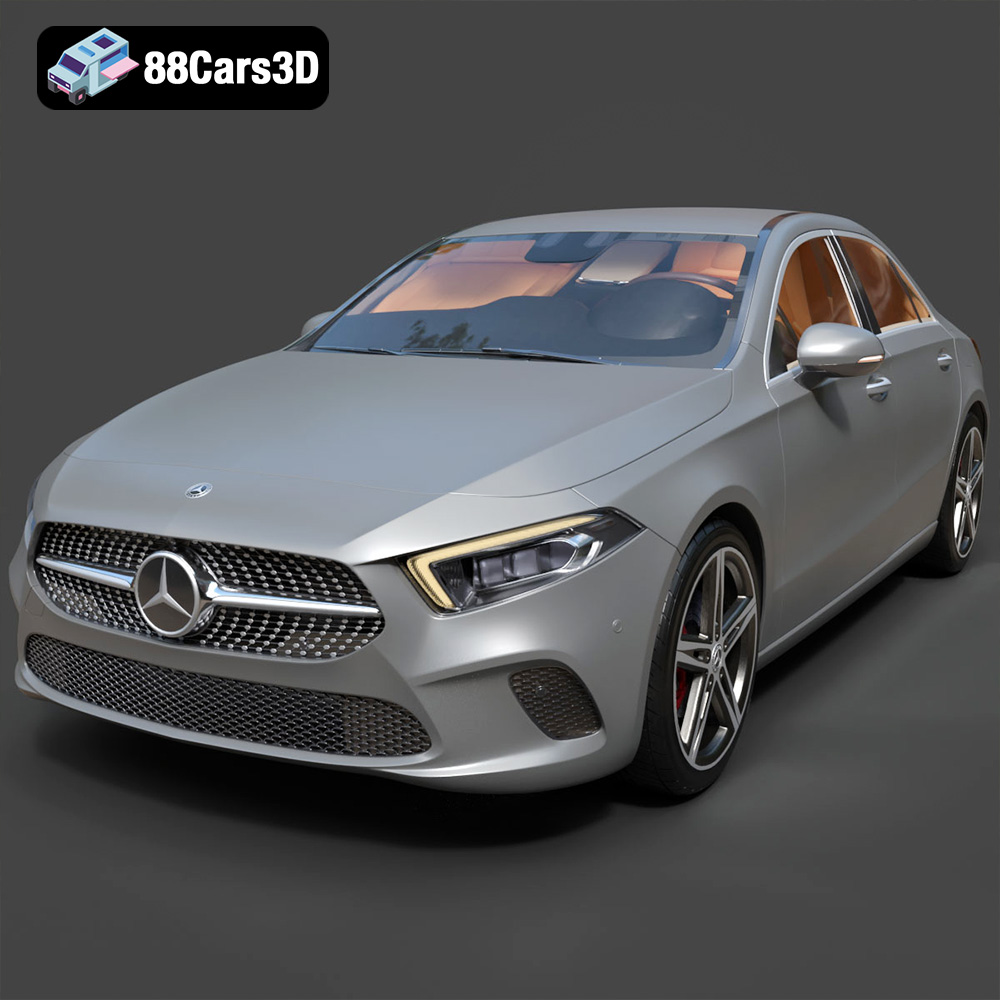
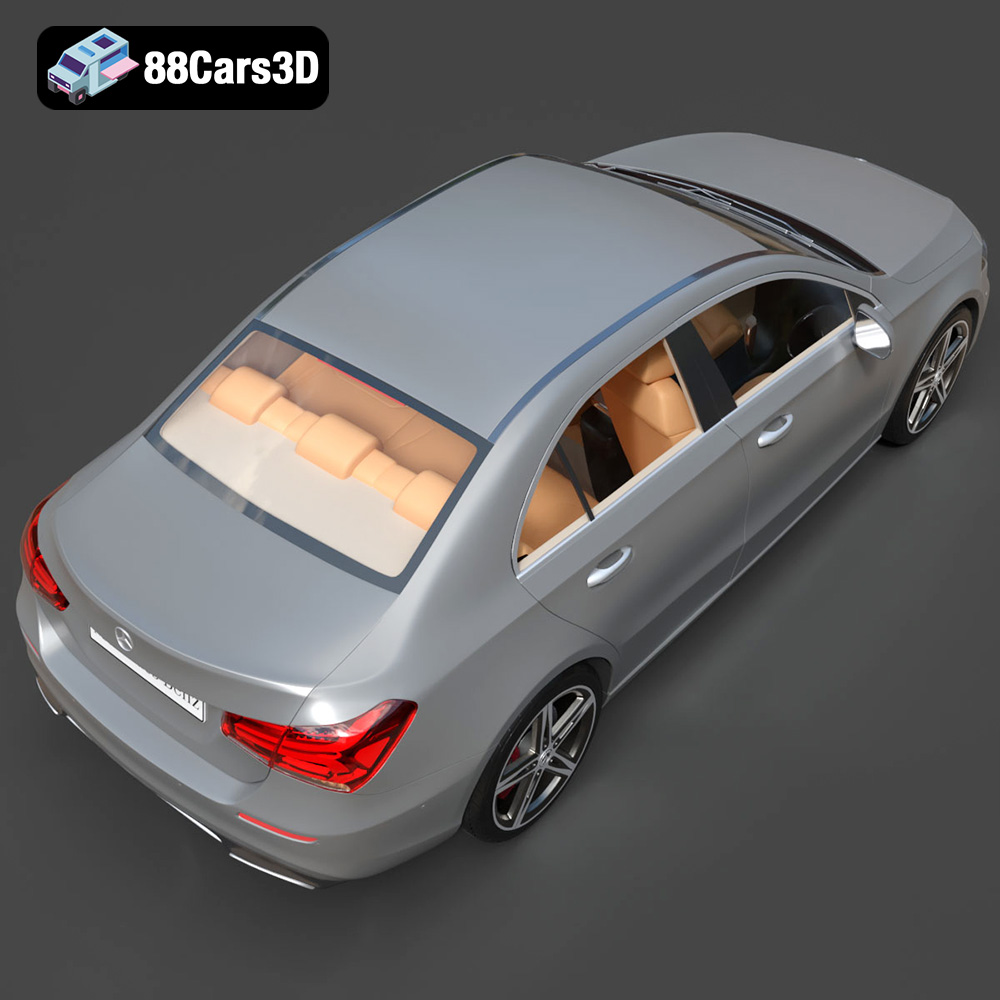
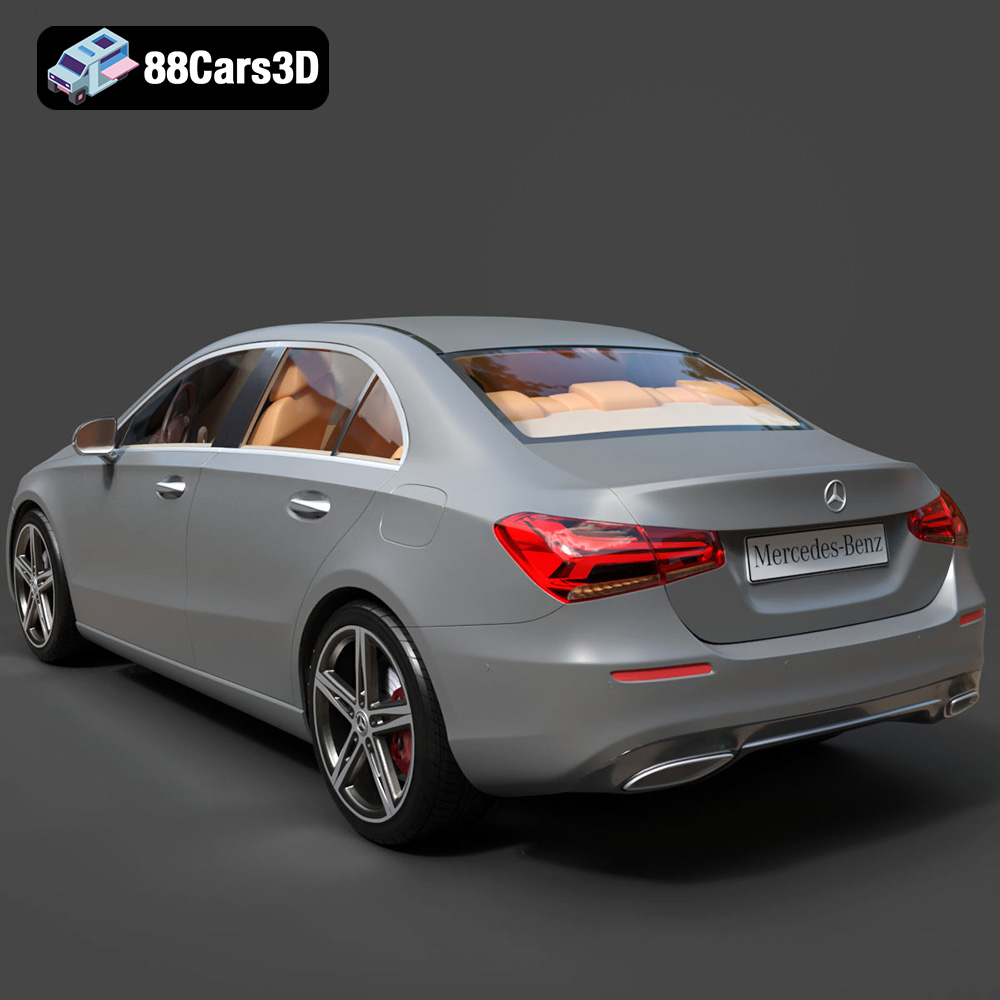
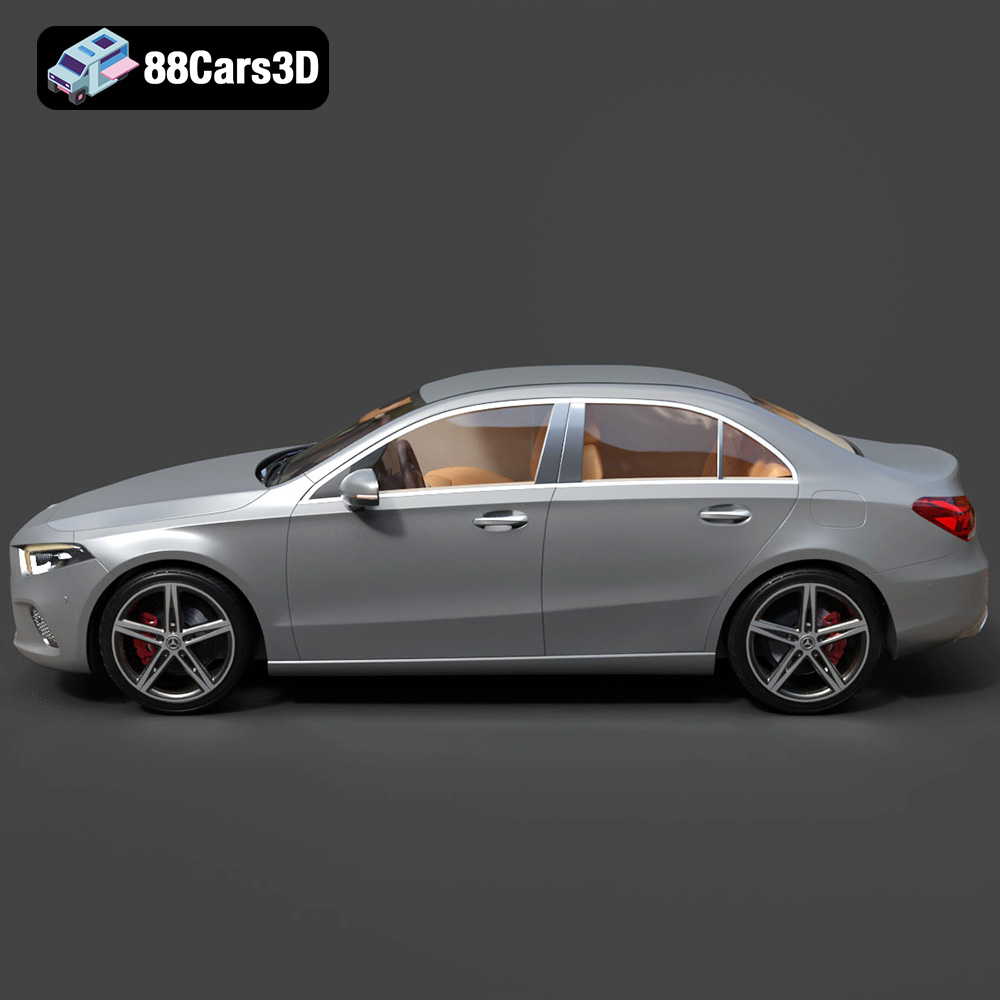
In this comprehensive guide, we’ll delve into the multifaceted applications and technical considerations of high-quality 3D automotive assets. We’ll explore workflows, file formats, and optimization strategies, using a prime example of excellence: the Mercedes-Benz A-Class S-08 3D Model. This particular model, available on 88cars3d.com, encapsulates the essence of what a professional-grade automotive asset should be, offering a perfect blend of compact luxury and athletic performance, meticulously recreated for diverse digital environments. From its aggressive shark-nose front fascia to the detailed MBUX digital instrument cluster, every striking visual cue has been carefully translated into a digital format, making it an invaluable tool for any serious 3D artist or developer.
One of the first hurdles in any 3D project is selecting the correct file format. The choice dictates compatibility, functionality, and optimization for specific pipelines, and often influences the overall success of a project. High-quality 3D car models, such as the Mercedes-Benz A-Class S-08, typically come in a variety of formats to cater to different professional needs. Understanding each format’s strengths and ideal use cases is paramount for seamless workflow integration.
The .blend format is the native file type for Blender, a powerful open-source 3D creation suite. When a 3D model is provided in .blend, it offers a fully editable Blender scene, complete with materials, lighting setups, camera angles, and potentially even animations or rigging. This format is ideal for artists who primarily work within Blender and require full creative control, allowing them to modify topology, adjust shaders, fine-tune textures, or integrate the model into existing Blender projects with minimal effort. It’s the most flexible option for deep customization and iteration within the Blender ecosystem.
.fbx (Filmbox) stands as one of the most widely adopted proprietary file formats for 3D data exchange, especially within animation, game development, and visual effects. It’s renowned for its robust support for mesh geometry, material properties, textures, animations, and skeletal rigs. For game engines like Unreal Engine and Unity, .fbx is often the preferred import format, ensuring that all aspects of the 3D car model – from its intricate geometry to its separate wheels and suspension components – translate accurately into the real-time environment. Its ability to encapsulate complex scene data in a single file makes it incredibly efficient for pipeline integration.
The .obj (Wavefront OBJ) format is a universal standard, widely supported across virtually all 3D software applications. It primarily defines geometric data: vertices, faces, vertex normals, and UV coordinates. While .obj files can reference external material library files (.mtl) for basic material properties and textures, they don’t store advanced shader networks or animation data like .fbx. This makes .obj excellent for static 3D car models, providing maximum cross-software compatibility for situations where only the pure mesh data is required, perhaps for a simple rendering or as a base for retopology in a different software.
.glb (GL Transmission Format Binary) is a relatively newer format specifically optimized for efficient transmission and loading of 3D scenes and models in web-based applications, augmented reality (AR), and virtual reality (VR) environments. A key advantage of .glb is its self-contained nature; it packages all necessary data, including textures, animations, and PBR materials, into a single binary file. This makes it incredibly streamlined for quick deployment on websites, mobile AR apps, or in WebGL viewers, offering a lightweight yet visually rich experience without external dependencies. For an AR/VR virtual dealership showcasing the Mercedes-Benz A-Class S-08, .glb is an ideal choice.
.stl (Stereolithography) is almost exclusively used for 3D printing and rapid prototyping. It describes only the surface geometry of a 3D object using a collection of interconnected triangles, without any color, texture, or material information. While simplistic, its ubiquity makes it the go-to format for converting digital models into physical objects. For hobbyists or professionals looking to print a display-scale model of the Mercedes-Benz A-Class S-08, the .stl format, often requiring careful scaling and support planning, is indispensable.
The .ply (Polygon File Format) is primarily used to store 3D data from 3D scanners or for CAD applications requiring precise mesh data. It supports properties such as color, transparency, surface normals, texture coordinates, and data confidence values, which can be stored per vertex or per face. While less common for general artistic asset exchange, .ply is valuable for applications demanding high geometric precision, such as scientific visualization, engineering analysis, or working with highly detailed scanned data of automotive components.
The .unreal format signifies an asset that is specifically prepared and optimized for direct import into Unreal Engine. While often referring to .fbx files that are configured for Unreal’s pipeline, it can also denote a package that includes Unreal-specific material setups, collision meshes, LODs, and even pre-configured blueprints. This format dramatically streamlines the integration process for game developers, saving significant time on setup and ensuring the Mercedes-Benz A-Class S-08 is immediately game-ready within the Unreal ecosystem.
Similar to .blend for Blender, .max is the native file format for Autodesk 3ds Max. This format contains an entire 3ds Max project scene, including all models, materials, textures, lights, cameras, animations, and render settings. It provides the highest level of editability and flexibility for users working within 3ds Max, allowing for complete control over every aspect of the 3D car model and its environment, making it perfect for complex animation projects, detailed rendering setups, or architectural visualizations.
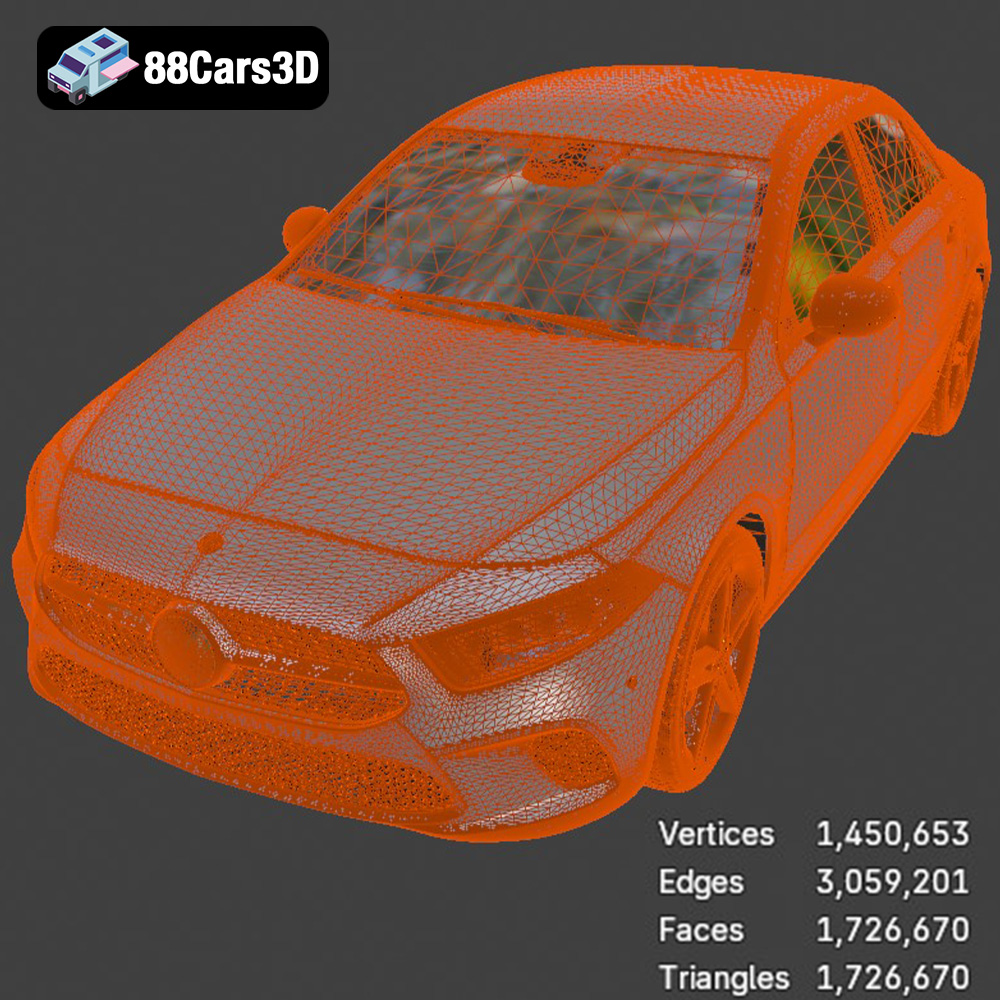
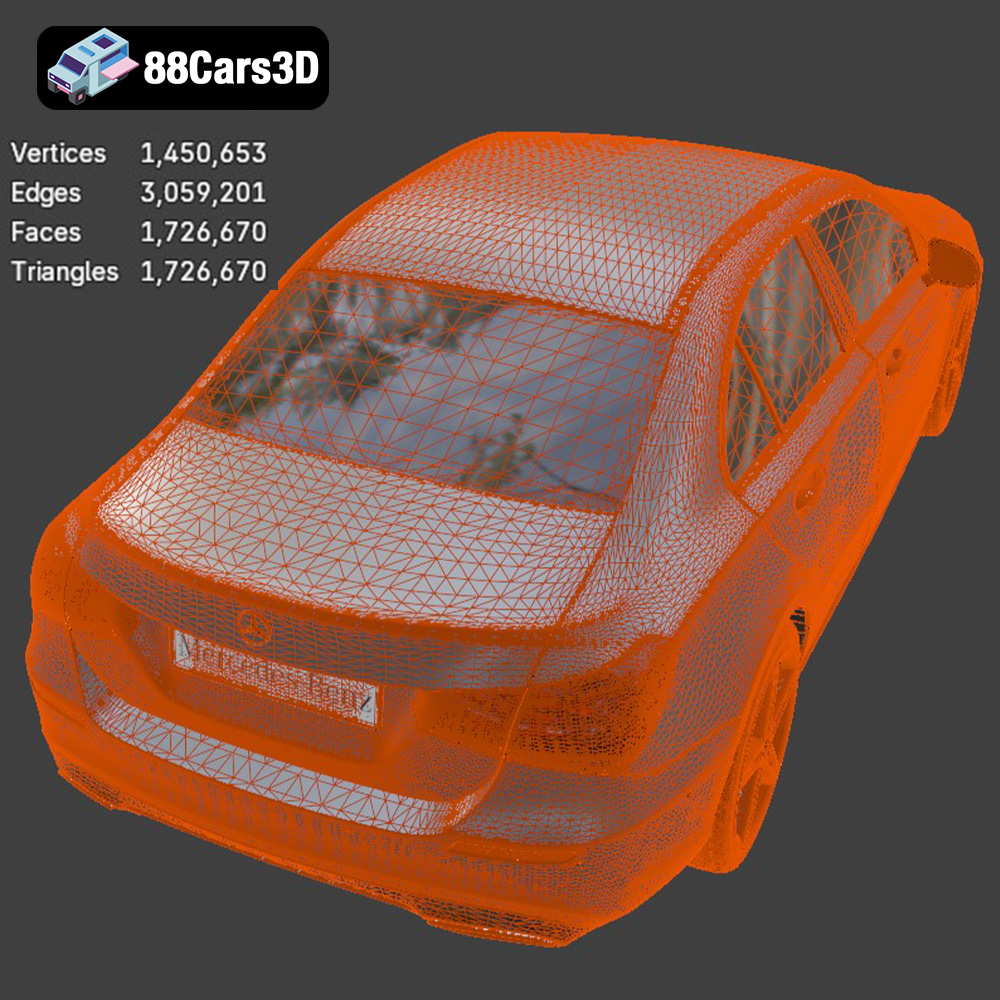
Photorealistic automotive rendering is an exacting discipline, demanding not only a keen artistic eye but also a deep understanding of lighting, materials, and composition. The Mercedes-Benz A-Class S-08 3D Model from 88cars3d.com provides an exceptional foundation, boasting a high-fidelity topology of 1,726,670 triangles that captures every nuance of the vehicle’s design. This level of detail allows artists to produce stunning visuals that are virtually indistinguishable from real-world photography.
For many professional rendering studios, 3ds Max remains a cornerstone, especially when paired with powerful renderers like V-Ray or Corona. To create a captivating studio shot of the A-Class S-08, the workflow typically begins with scene setup. This involves carefully placing the vehicle model, often in a clean, minimalist environment. Lighting is critical: a common approach uses a high-dynamic-range image (HDRI) for global illumination and reflections, complemented by targeted area lights to highlight specific contours and generate dramatic shadows. Car paint materials are particularly complex, often involving multiple layers of metallic flakes, clear coat reflections, and fresnel effects to achieve that distinctive automotive sheen. Glass, chrome, and intricate interior details, like the MBUX display, demand equally precise shader work to ensure maximum realism and visual impact.
Blender, with its powerful Cycles renderer and real-time Eevee engine, offers incredible flexibility for creating lifestyle renders. Here, the goal is often to place the Mercedes-Benz A-Class S-08 within a realistic environment – perhaps a bustling city street, a scenic mountain road, or a luxurious suburban driveway. This involves building or importing detailed environments, integrating the car seamlessly with shadow catchers and reflection planes. Material authoring in Blender uses PBR (Physically Based Rendering) workflows, ensuring that surfaces react correctly to light, whether it’s the sleek metallic finish of the body or the intricate stitching on the interior sport seats. Post-processing and compositing within Blender’s node editor can further enhance the realism, adding depth of field, subtle chromatic aberration, or lens flares to achieve a cinematic quality. For quick previews or stylized shots, Eevee can render scenes almost instantaneously, while Cycles delivers breathtaking ray-traced realism.
High-quality 3D car models like the Mercedes-Benz A-Class S-08 are indispensable across various industries. Automotive manufacturers utilize such assets for pre-production design validation, allowing engineers and designers to evaluate aesthetics and ergonomics before physical prototypes exist. Marketing agencies leverage them for captivating brand campaigns, creating CGI commercials and print advertisements that can be updated quickly and cost-effectively without expensive photo shoots. Virtual configurators, often found on manufacturer websites, allow potential buyers to customize their dream car in real-time, changing colors, wheel types, and interior trims, providing an interactive and engaging experience that drives sales. From architectural visualizations needing a realistic vehicle in a driveway to product designers showcasing a new accessory for the A-Class, these models save significant time and resources, providing unparalleled control over the final visual output.
In the realm of game development, the line between visual fidelity and performance is constantly being pushed. A great 3D car model for games must not only look stunning but also be meticulously optimized for real-time engines. The Mercedes-Benz A-Class S-08 3D Model is specifically designed with game development in mind, striking an excellent balance with 1,726,670 triangles. This polycount is robust enough for high-end visual realism in modern engines while remaining optimized for smooth gameplay in open-world games, racing titles, and simulators.
Unreal Engine is a dominant force in game development, known for its powerful rendering capabilities and extensive toolset. Integrating a 3D car model like the A-Class S-08 typically begins with importing the .fbx or the dedicated .unreal format. During import, careful attention is paid to mesh settings, material assignments, and ensuring proper scale. For a vehicle, setting up physics is crucial: this involves creating a collision mesh (often a simpler, low-poly version of the car) and configuring a physics asset. The separate wheels, suspension, and steering components of the Mercedes-Benz A-Class S-08 are particularly valuable here, allowing developers to create realistic suspension articulation, wheel spin, and steering dynamics. Material instances are then created from master materials, enabling quick customization of paint colors, tire textures, and trim finishes without affecting performance.
Achieving a high frame rate in a game while maintaining visual quality requires strategic optimization. While the Mercedes-Benz A-Class S-08 boasts a respectable polycount for its detailed exterior and cockpit, further optimization often involves implementing Levels of Detail (LODs). LODs are simplified versions of the model that automatically switch based on the camera’s distance, reducing the polygon count of objects further away and saving processing power. For example, a car might have a full-detail LOD0 (1.7M triangles), a medium-detail LOD1 (500k triangles), and a low-detail LOD2 (100k triangles). Efficient UV mapping and texture atlasing also contribute significantly, minimizing draw calls and improving rendering efficiency. Developers must decide where to allocate detail – prioritizing areas frequently seen by players, like the interior in a first-person perspective, or the exterior in a racing game.
Beyond static meshes, game-ready car models require animation capabilities. The A-Class S-08 model’s proper pivot setup for steering, wheel rotation, and suspension travel is a huge advantage. This allows developers to easily rig the vehicle skeleton, connecting the wheels to their respective rotation axes, setting up bone chains for the suspension, and linking the steering wheel to the front wheels. These animated components are critical for realistic vehicle physics and player interaction. For more advanced simulations, elements like door openings, hood lifts (revealing the detailed engine block), and even windshield wiper animations can be integrated, providing a truly immersive driving experience in games.
The utility of high-quality 3D car models extends far beyond traditional rendering and game development, venturing into the cutting-edge realms of Augmented Reality (AR), Virtual Reality (VR), and even tangible 3D printing. The versatility of the Mercedes-Benz A-Class S-08 3D Model allows it to transition seamlessly across these diverse applications, proving its value as a truly multi-purpose digital asset available on 88cars3d.com.
AR and VR are revolutionizing how consumers interact with products, particularly in the automotive industry. Imagine stepping into a virtual showroom where you can walk around a life-sized Mercedes-Benz A-Class S-08, open its doors, and even sit inside the meticulously detailed cockpit. VR experiences offer unparalleled immersion, allowing for interactive configurators where users can change colors, examine interior features, or view the engine block up close. For mobile AR, users can place the A-Class S-08 directly into their driveway using their smartphone camera, scaling it to real-world dimensions and examining it from any angle. The .glb format, included with this model, is specifically optimized for these web and mobile-based AR/VR applications, ensuring efficient loading and smooth real-time performance. Its optimized geometry is perfect for first-person POV in gaming, translating directly to an engaging first-person VR experience, making these virtual interactions incredibly compelling and realistic.
The journey of a 3D model doesn’t always have to end on a screen; it can transition into a physical object through 3D printing. The Mercedes-Benz A-Class S-08 3D Model is convertible to the .stl format, making it accessible for display-scale hobbyists and model enthusiasts. Printing a detailed car model requires careful planning and specialized settings. For instance, resin printing is often recommended over FDM for fine details, such as the precision-modeled dual exhaust system or the intricate suspension components. Recommended scales like 1:12, 1:18, or 1:24 allow for a balance between detail and printability. Layer height settings between 0.04-0.12mm are ideal for capturing subtle curves and sharp edges. Supports are typically required for overhangs like the mirrors or the underside of the vehicle. Post-processing, including sanding, priming, and painting with authentic factory colors and metallic finishes, transforms the raw print into a stunning, collectible model, bringing the digital design to life.
The true value of a professional 3D car model, such as the Mercedes-Benz A-Class S-08, lies not just in its initial detail but in its adaptability and how seamlessly it integrates into various professional workflows. A well-constructed asset provides a foundation that saves countless hours of modeling, allowing artists and developers to focus on creative customization and scene-specific optimizations.
While the Mercedes-Benz A-Class S-08 3D Model arrives with high-fidelity materials, the ability to customize them is crucial for diverse projects. Artists can easily change body colors to match specific factory palettes, apply custom metallic or matte finishes, or even create unique racing liveries for game environments. This flexibility extends to tire textures, allowing for switches between sleek street variants and more rugged off-road styles if required for a particular scene. Interior materials can also be adjusted – perhaps changing seat upholstery or dashboard trim colors to match specific branding or design aesthetics. This modularity means the same base model can appear entirely different depending on the project’s requirements, maximizing its utility for various campaigns and applications.
The Mercedes-Benz A-Class S-08 3D Model’s design, with separate wheels, suspension, and steering components, exemplifies modularity. This separation is invaluable for animation, but also for scene integration. An artist can easily manipulate these individual parts to portray a parked car with slightly turned wheels, a vehicle braking with compressed suspension, or one traversing uneven terrain. Furthermore, the model can be effortlessly incorporated into larger architectural visualizations, urban environments, or even fantasy landscapes. Its real-world scale accuracy ensures it fits perfectly into any scene designed to real-world proportions, making it a reliable element for complex compositions.
In a fast-paced production environment, time is often the most critical resource. Starting with a pre-made, high-quality 3D car model like the Mercedes-Benz A-Class S-08 from 88cars3d.com offers significant efficiency gains. Instead of spending weeks on meticulous modeling and texturing from scratch, designers can immediately jump into lighting, rendering, animating, or game engine integration. This allows teams to focus their expertise on creative aspects – crafting compelling narratives, designing immersive environments, or optimizing game mechanics – rather than reinventing the wheel (pun intended) for every vehicle asset. The initial investment in a premium model translates into accelerated workflows, higher quality output, and ultimately, greater project success.
The landscape of 3D modeling and visualization is constantly evolving, demanding assets that are not only visually stunning but also technically robust and incredibly versatile. The Mercedes-Benz A-Class S-08 3D Model download exemplifies this modern standard, serving as a powerful tool for a diverse range of applications, from photorealistic automotive rendering and cutting-edge game development to immersive AR/VR experiences and even tangible 3D prints. Its meticulously detailed exterior and interior, combined with optimized geometry and broad file format support, make it an invaluable asset for any professional or enthusiast looking to elevate their projects.
Whether you’re rendering an advertising campaign in 3ds Max, building a high-octane racing game in Unreal Engine, or designing a virtual showroom in Blender, understanding the technical specifications and application-specific advantages of such a model is crucial. Assets like the Mercedes-Benz A-Class S-08, found on platforms like 88cars3d.com, empower creators to achieve unparalleled realism and interactivity, pushing the boundaries of what’s possible in the digital realm. Investing in high-quality 3D car models is not just about acquiring data; it’s about investing in efficiency, flexibility, and the creative freedom to bring your most ambitious visions to life.
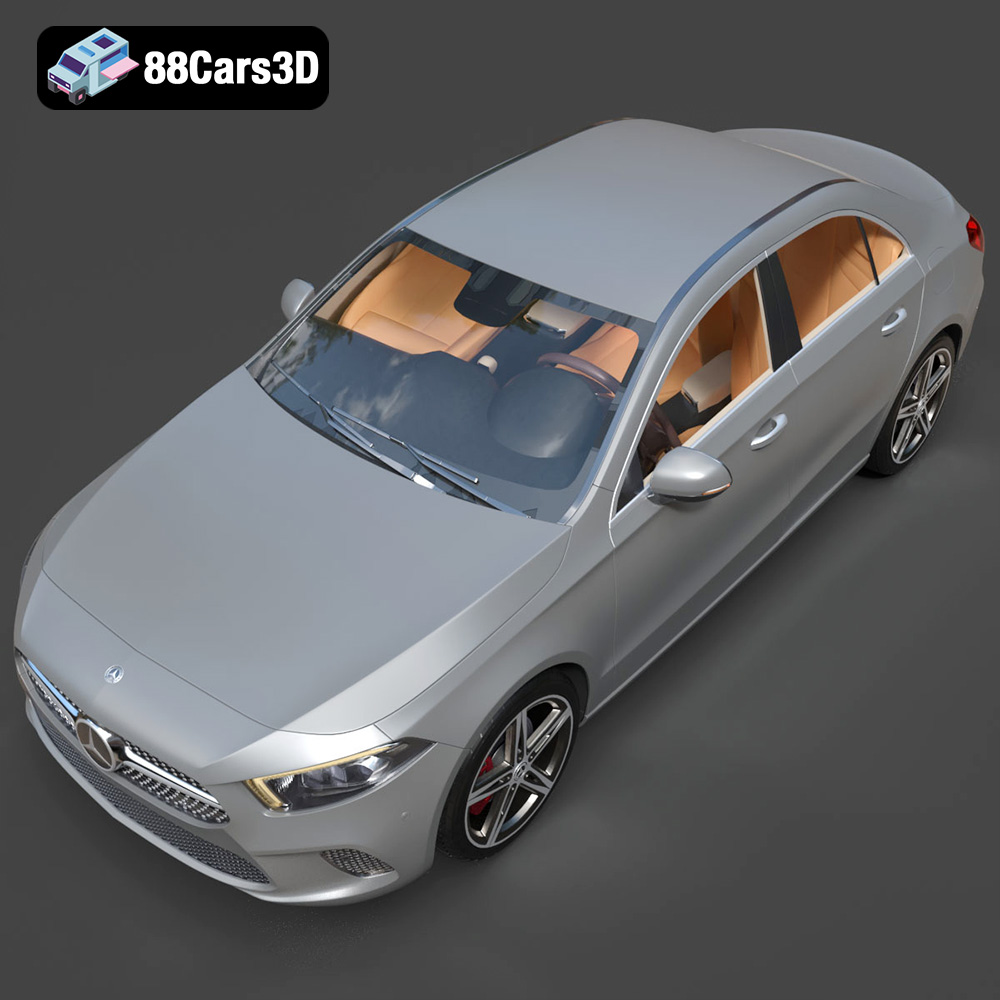
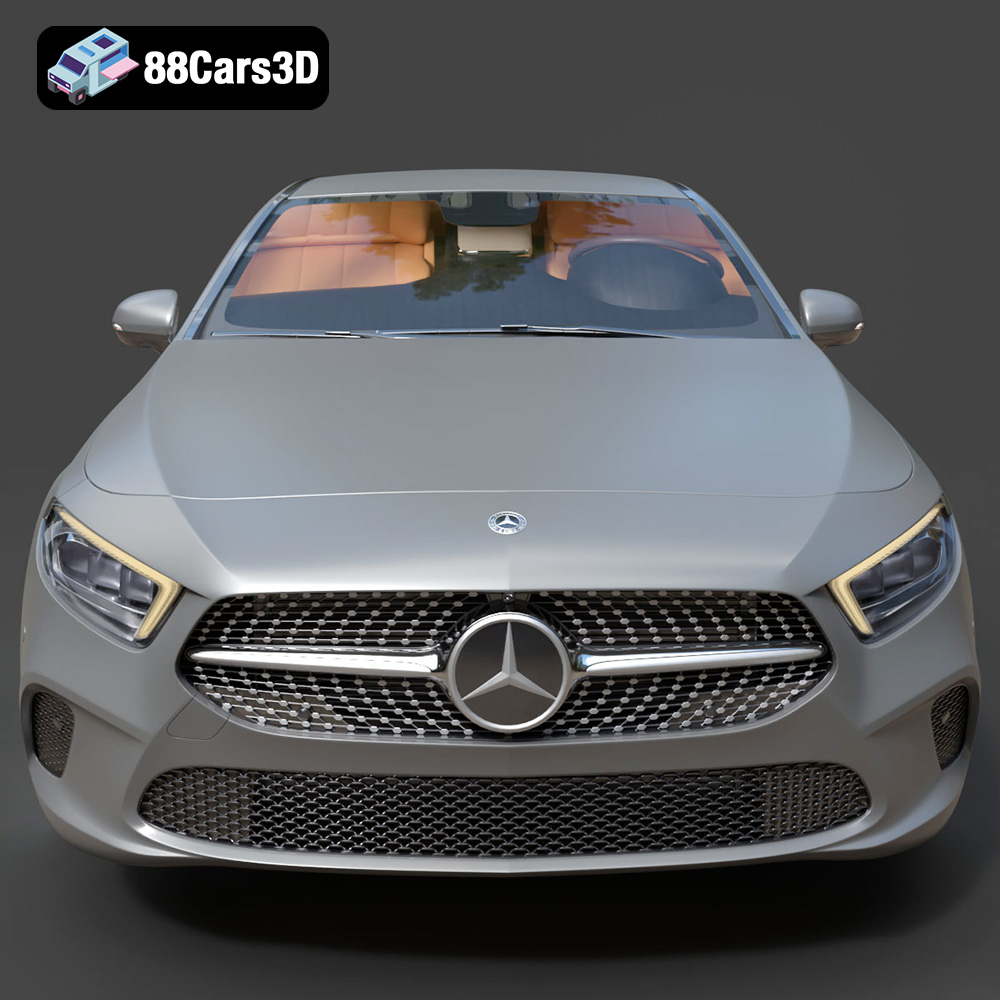
Experience the perfect blend of compact luxury and athletic performance with the Mercedes-Benz A-Class S-08. Known for its sleek, aerodynamic silhouette and progressive design language, this model captures the essence of modern executive commuting. From the aggressive shark-nose front fascia and signature diamond-block grille to the elegantly sloping roofline and integrated twin-tailpipe trim, every striking visual cue of this premium sedan has been meticulously recreated. Boasting a high-fidelity topology of 1,726,670 triangles, this 3D model delivers exceptional visual realism while maintaining strong optimization for modern production pipelines. Whether you are developing a next-generation racing game, constructing an immersive AR/VR virtual dealership, or rendering photorealistic automotive animations, this asset provides unparalleled detail without compromising on performance.
$81.50
.blend
.fbx
.glb
.max
.obj
.ply
.rendering
.sedan
.stl
.unreal
a-class
car-3d-model
game asset
game-ready
luxury-sedan
mercedes-benz
optimized
s-08
VR/AR