Get 20% OFF All Premium 3D & STL Models!

In the dynamic realm of digital content creation, the demand for hyper-realistic and functionally robust 3D assets continues to escalate. From immersive video games and cinematic visualizations to cutting-edge AR/VR training simulations, the foundation of compelling digital experiences often rests on the quality of its core components. Nowhere is this more apparent than with vehicles, especially those that embody a sense of critical purpose and heavy-duty engineering.
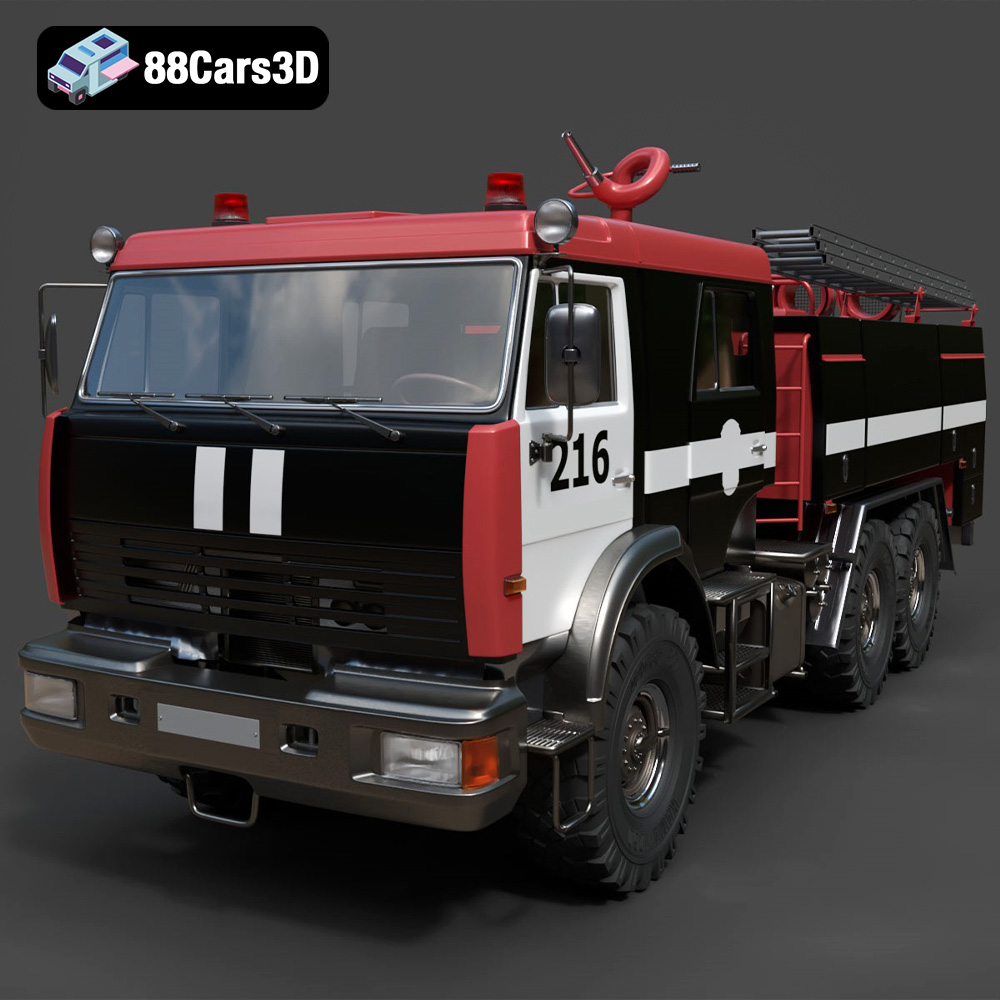
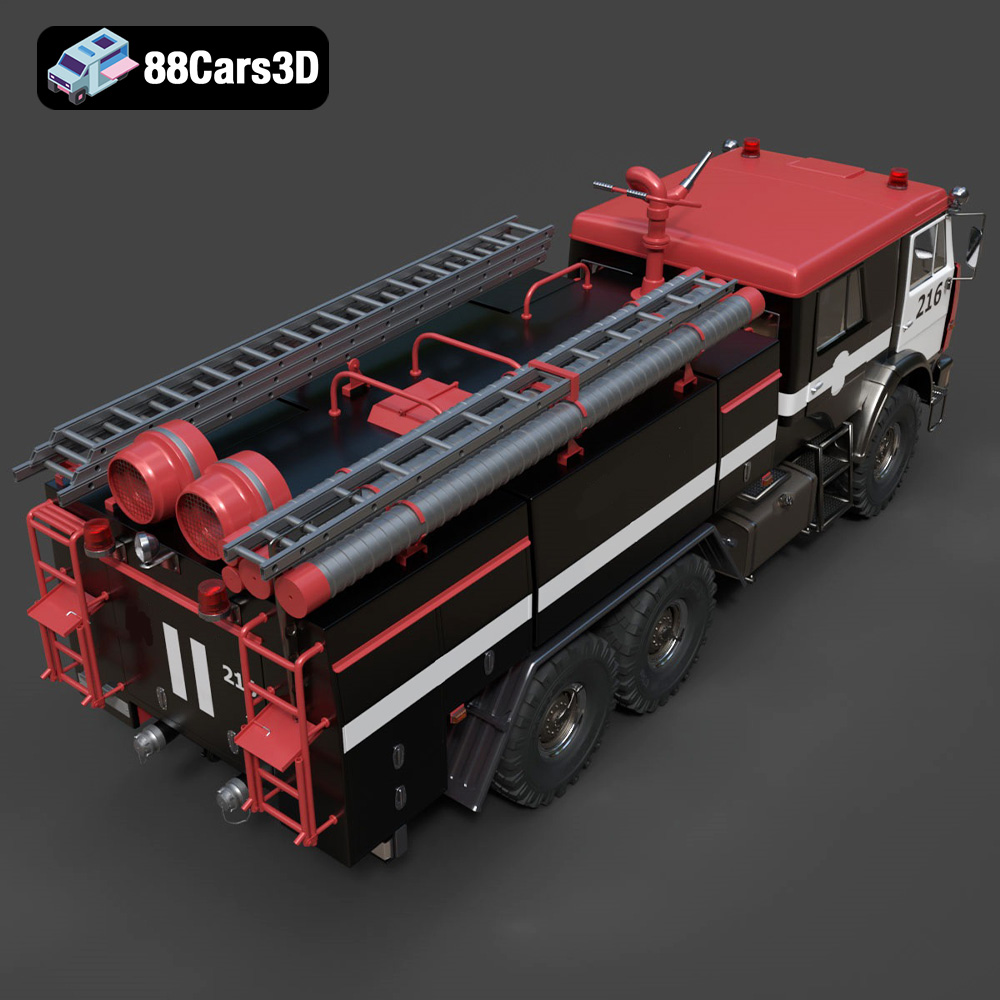
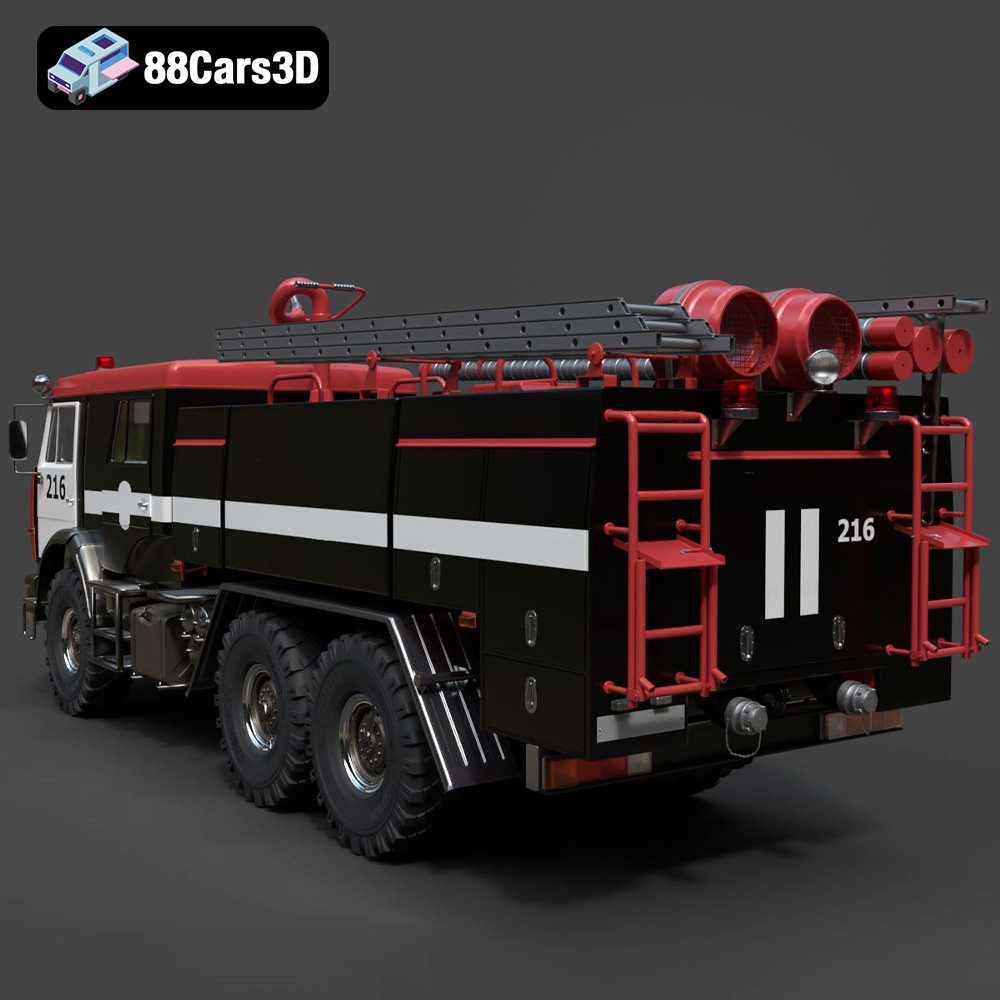
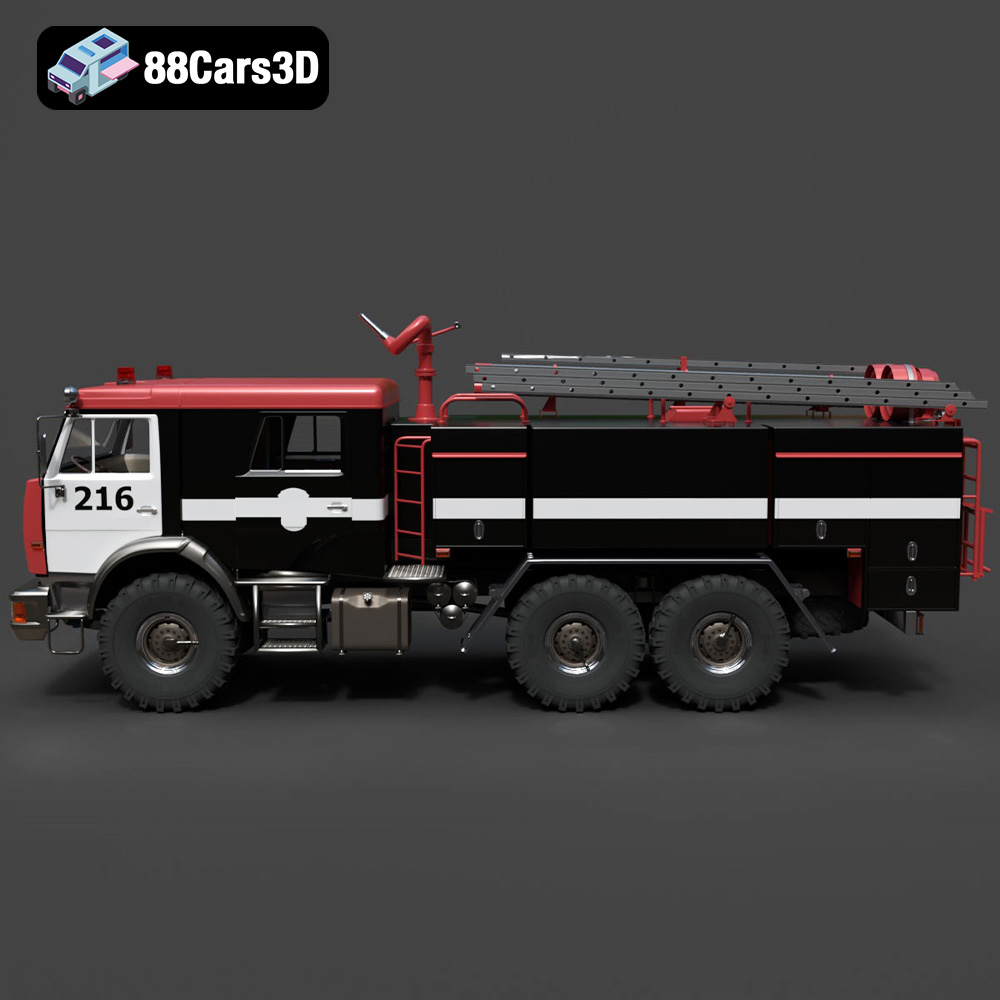
Imagine recreating an urban emergency scene, developing a high-stakes rescue simulator, or visualizing a futuristic city landscape with unparalleled realism. Such ambitious projects hinge on assets that are not only visually stunning but also technically optimized for performance across diverse platforms. This is precisely where a meticulously crafted asset like the Fire Truck 3D Model truly shines. This extraordinary model, available for download on 88cars3d.com, is a testament to the blend of artistic skill and technical precision required to meet modern industry standards. It captures the rugged utilitarian design, intricate pump panels, specialized equipment racks, and signature emergency lighting of contemporary firefighting apparatus, making it an indispensable asset for any professional toolkit.
Creating truly impactful 3D car models is a delicate dance between artistic vision and stringent technical requirements. It’s about more than just replicating a vehicle’s appearance; it’s about understanding its function, its presence, and how it will interact within various digital environments. Professional assets elevate projects by providing a solid foundation of quality and adaptability.
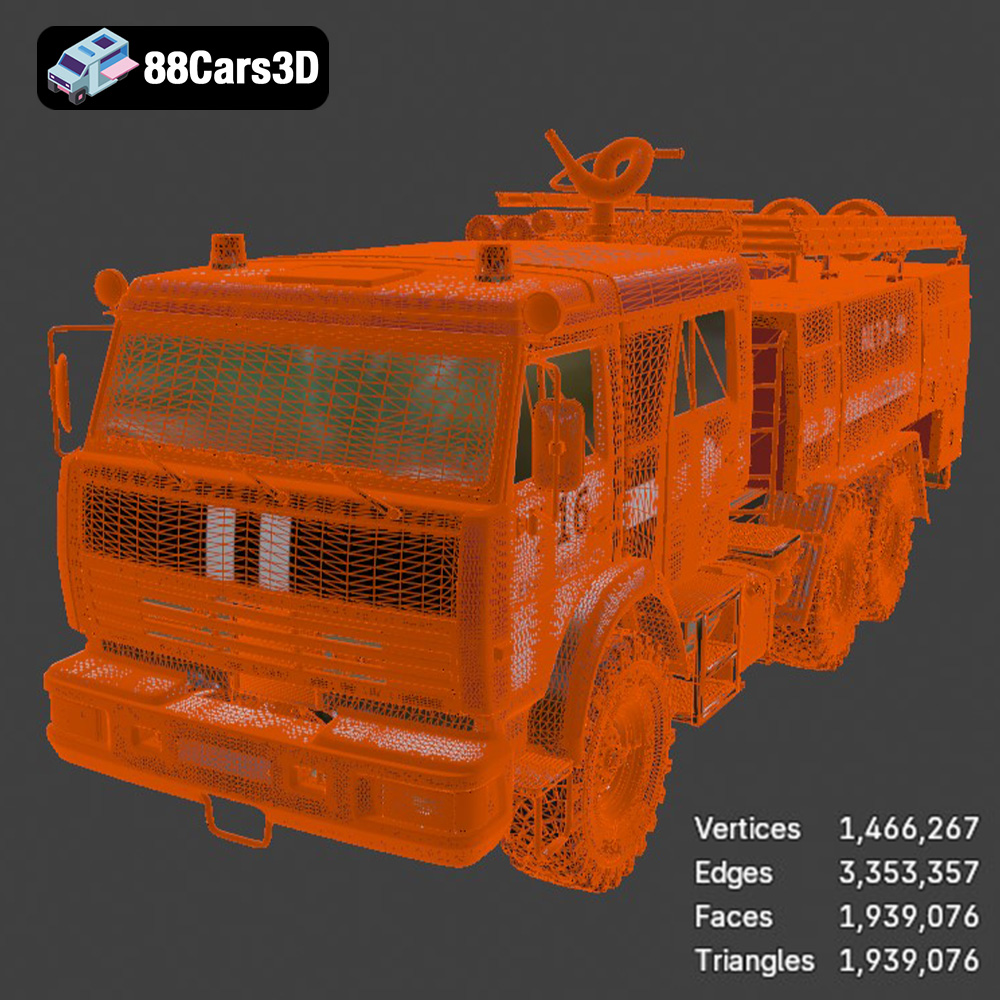
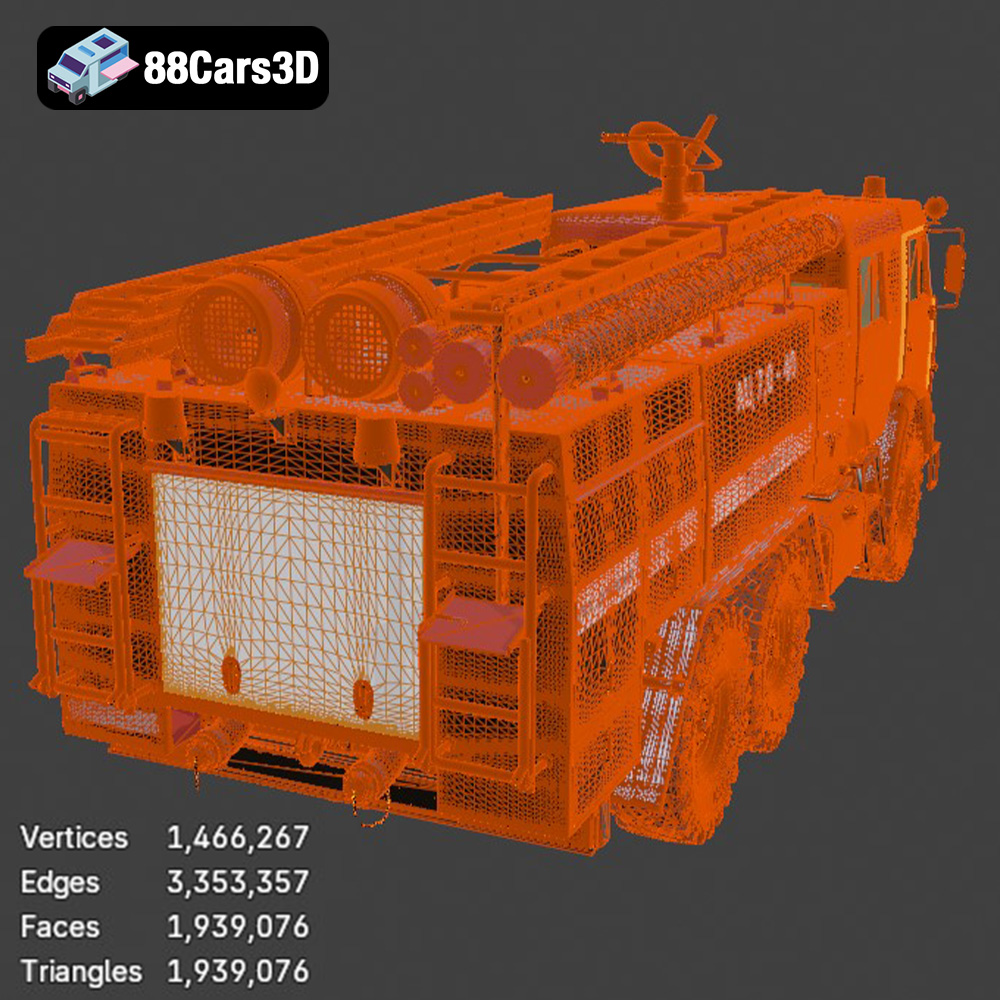
The pursuit of photorealism often comes at the cost of performance, especially in real-time applications like games or interactive AR/VR experiences. High-fidelity models must strike a critical balance. They need enough geometric detail to hold up to close-up shots and cinematic renders, yet be optimized to run smoothly without bogging down the rendering engine. The Fire Truck 3D Model exemplifies this balance with its exact topology of 1,929,076 triangles. This count is substantial enough to deliver exceptional visual fidelity, allowing for intricate details on pump panels, suspension components, and the robust chassis, while remaining within acceptable parameters for advanced game development and real-time simulations. It’s an optimization feat that ensures both visual impact and operational efficiency.
What distinguishes a professional-grade 3D model from a casual creation? It’s a combination of meticulous detail, clean topology, and practical engineering. For the Fire Truck 3D Model, this means a heavy-duty chassis, accurate dual-cab proportions, and comprehensive emergency lighting that mimics real-world setups. But it extends beyond aesthetics to crucial technical attributes:
These elements collectively define an asset that is not just a visual representation but a functional component ready for immediate deployment in demanding professional workflows.
The versatility of a 3D model is often defined by the array of file formats it supports. Each format serves a specific purpose, catering to different software ecosystems, application types, and workflow requirements. Understanding these distinctions is crucial for maximizing the utility of any 3D asset, especially complex 3D car models like the Fire Truck. The Fire Truck 3D Model from 88cars3d.com offers an extensive range of formats, ensuring broad compatibility across the industry.
When it comes to universal exchange and broad compatibility, two formats stand out:
Beyond the universal formats, several specialized options cater to particular software or end-use applications:
The comprehensive range of formats offered with the Fire Truck 3D Model—including .blend, .fbx, .obj, .glb, .stl, .ply, .unreal, and .max—underscores its adaptability and value, making it a truly versatile asset for any digital project.
The Fire Truck 3D Model is more than just a static rendering; it’s a meticulously engineered digital replica, designed for maximum utility across a spectrum of professional applications. Every component has been considered, from its robust exterior to its functional interior, ensuring that it stands as a high-quality asset for any project.
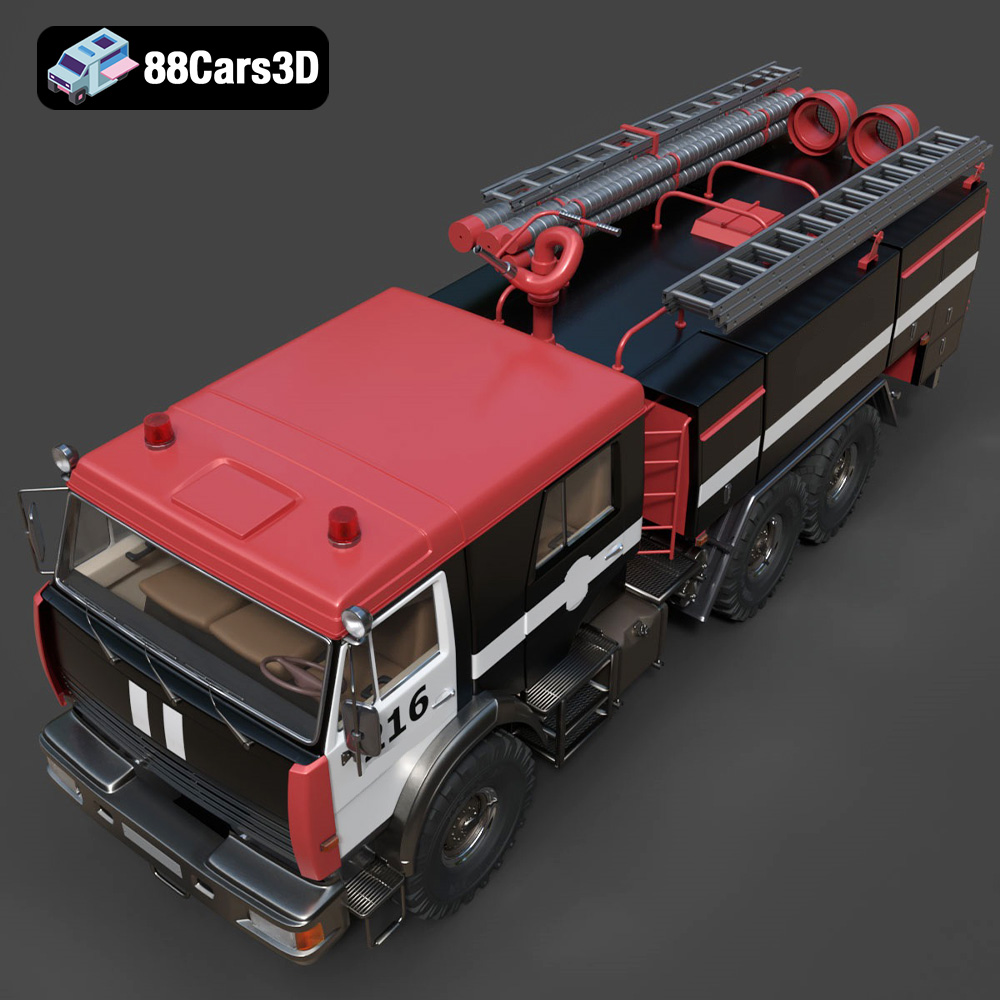
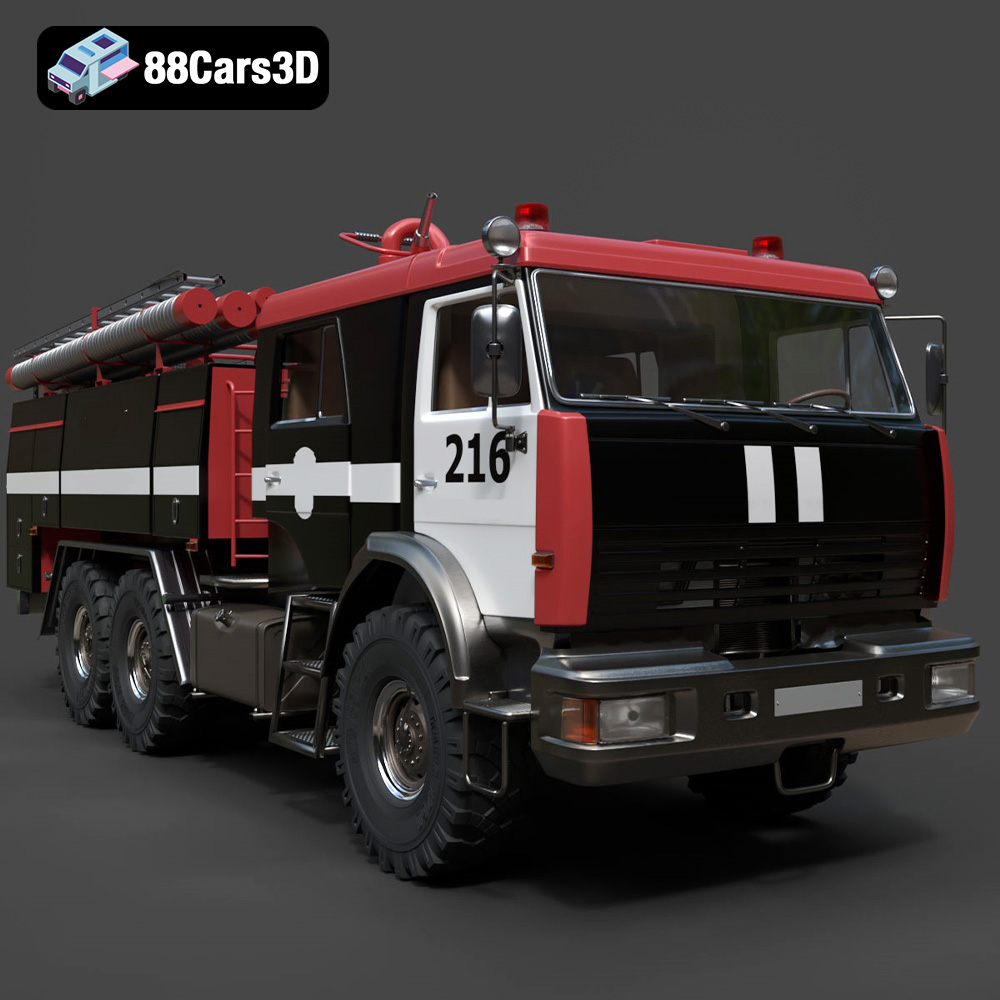
The exterior of this 3D car model is a masterclass in realistic detail. It features an accurate heavy-duty Fire Truck frame geometry, capturing the imposing presence of a real-world emergency vehicle. The dual-cab proportions are precise, ensuring authenticity. Crucially, it incorporates detailed exterior pump panels, complete with gauges and high-pressure hose connections, which are vital for believable emergency scenes. The comprehensive emergency lighting system, including roof lightbars, strobes, and floodlights, is designed to emulate the signature high-visibility setups that define rescue vehicles. Furthermore, authentic heavy-duty commercial wheels, all-terrain tires, complex ladder racks, and detailed exterior storage compartments contribute to an unparalleled level of realism for automotive rendering and visualization. Even the heavy-duty leaf spring and air suspension detailing are present, with separate components for animation, showcasing the model’s readiness for dynamic scenarios.
The attention to detail extends seamlessly into the interior, offering an immersive experience that is critical for game development and training simulations. The rugged multi-passenger crew cabin is fully realized, featuring utilitarian seating and mounts for Self-Contained Breathing Apparatus (SCBA). The driver’s dashboard is intricately detailed, alongside a heavy-duty steering wheel, integrated emergency communication panels, and siren control units. Authentic commercial vehicle control details, such as air brake valves and heavy-duty pedals, are included to enhance realism. This meticulous design ensures that the model is not just visually appealing but also functionally optimized for first-person perspective (POV) in gaming, offering a highly believable environment for virtual firefighter training or simulator experiences.
Beyond its visual appeal, the Fire Truck 3D Model boasts significant technical advantages that streamline its integration into professional workflows. It is explicitly labeled as “Game-Ready & Optimized,” a critical attribute for real-time engines like Unreal and Unity. The 1,929,076 triangles strike a perfect balance, delivering high-end visual realism without compromising real-time performance. Its real-world scale accuracy, based on actual commercial firefighting vehicle chassis, ensures that it fits seamlessly into existing digital environments without requiring tedious scaling adjustments. Moreover, the proper pivot setup for steering, wheel rotation, and suspension travel simplifies animation tasks, making it incredibly efficient for creating dynamic scenes or interactive elements within games and simulations. These technical specifications ensure that the Fire Truck 3D Model from 88cars3d.com is not just a beautiful asset but a robust, production-ready tool.
The true value of a high-quality 3D asset lies in its seamless integration into various professional workflows. The Fire Truck 3D Model, with its extensive file format support and optimized structure, is engineered to enhance projects across diverse industries.
For game developers, the Fire Truck is an ideal game asset. Its “Game-Ready & Optimized” status means it can be directly imported into leading engines like Unreal Engine and Unity. Using the .fbx or .unreal formats, developers can quickly bring the model into their scene. Within Unreal Engine, the .unreal format often includes pre-configured PBR (Physically Based Rendering) materials, simplifying the texturing process. Developers can then set up collision meshes, implement Level of Detail (LOD) systems for performance scaling, and integrate the animated components (wheels, steering, suspension) into vehicle physics systems. Imagine populating an open-world emergency simulator where players respond to incidents in a fully functional, highly detailed fire truck. The model’s optimized geometry and realistic interior are perfect for first-person gameplay, delivering an immersive experience for emergency simulator games or roleplay titles.
In the world of cinematic visualization and architectural rendering, realism is paramount. Artists can import the Fire Truck 3D Model into 3ds Max using the .max or .fbx formats, or into Blender using .blend or .fbx. For high-end automotive rendering, the detailed exterior and interior provide ample scope for showcasing the model in studio lighting setups or complex urban environments. In 3ds Max, artists can leverage powerful renderers like V-Ray or Corona to create breathtakingly photorealistic images and animations, perhaps depicting a fire truck responding to an incident in a rain-slicked city street, or parked majestically outside a modern fire station. Blender users can achieve similar results with Cycles or Eevee, utilizing the model’s clean topology for intricate material applications and realistic light interactions. This level of detail makes it excellent for civic action scenes, marketing materials, or advanced architectural city visualizations.
The immersive nature of AR/VR demands assets that are not only high-quality but also highly optimized for real-time interaction. The Fire Truck 3D Model’s .glb format is perfect for web-based AR experiences or mobile applications, allowing users to place a virtual fire truck in their real-world environment. For dedicated VR training simulations, the .fbx or .unreal formats can be integrated into platforms like Unreal Engine or Unity to create highly realistic virtual firefighter training scenarios. The detailed cockpit and interior are invaluable for simulating control panel interactions, emergency communication, and general crew coordination. Imagine a firefighter trainee practicing emergency procedures within a virtual cab, gaining crucial spatial awareness and muscle memory, all powered by this meticulously crafted 3D car model.
The utility of the Fire Truck 3D Model extends beyond digital screens, offering significant customization potential and even bridging the gap to the physical world through 3D printing.
Flexibility is a key attribute of professional 3D assets. The Fire Truck 3D Model offers extensive customization options, allowing artists to adapt it to various narrative and aesthetic requirements. You can easily change body colors—from the traditional emergency red to high-visibility yellow or modern lime green—to match specific regional emergency services or fictional departments. Modifying department decals, unit numbers, and side graphics allows for personalization, making the truck unique to each project. Furthermore, adjusting material finishes, such as high-gloss paint, diamond plate aluminum textures, or matte plastics, can enhance realism and suit different lighting conditions or wear-and-tear effects. The ability to adapt lighting for different environments, from active emergency strobes to parked states, adds another layer of dynamic realism, making this asset incredibly versatile for diverse visual storytelling.
For hobbyists, model makers, and diorama builders, the Fire Truck 3D Model’s availability in .stl format opens up exciting possibilities. 3D printing allows you to transform the digital model into a tangible object. The recommended scales (1:12, 1:18, 1:24) are popular for display-scale models, ensuring a good balance of detail and manageability. While FDM printers can be used, resin printing is recommended for achieving the finest details present in the model’s intricate pump panels, ladders, and lightbars. Specific print settings are crucial: layer heights of 0.04–0.12 mm, wall thickness of 1.2–2.0 mm, and 20–30% infill are suggested for structural integrity and detail preservation. Supports will be required for complex overhangs, and print orientation (e.g., frame angled, wheels separate) helps optimize print quality. Post-processing steps like sanding, priming, and painting with authentic high-visibility colors and metallic finishes can bring your physical Fire Truck model to life with stunning realism. This capability truly showcases the multi-faceted potential of high-quality 3D car models.
The Fire Truck 3D Model stands as an exemplary asset for anyone in need of a robust, highly detailed, and versatile emergency vehicle. Its precise engineering, from the 1,929,076-triangle topology to its game-ready optimization and real-world scale accuracy, ensures it meets the rigorous demands of professional production. With comprehensive file format support, including .blend, .fbx, .obj, .glb, .stl, .ply, .unreal, and .max, this model guarantees seamless integration into virtually any workflow, whether for game development, cinematic automotive rendering, AR/VR experiences, or even physical 3D printing.
From the intricate exterior details like pump panels and emergency lighting to the immersive interior cockpit designed for first-person views, every aspect has been crafted for realism and functionality. The ability to customize colors, decals, and materials further enhances its adaptability, making it an invaluable tool for creating compelling digital narratives or accurate training simulations. For professionals seeking premium 3D car models that combine visual fidelity with technical excellence, this Fire Truck asset is an outstanding choice. Explore this model and a vast array of other high-quality assets today at 88cars3d.com, and elevate your projects to new heights of realism and immersion.
The quintessential modern Fire Truck, an absolute icon of emergency response, civic duty, and heavy-duty engineering. This highly detailed model captures the robust, utilitarian design of contemporary firefighting apparatus. It features complex visual elements including a heavy-duty chassis, intricate pump panels, specialized rescue equipment racks, and the signature high-visibility emergency lighting setups that define real-world rescue vehicles. With an exact topology of 1,929,076 triangles, this 3D model delivers exceptional visual fidelity while maintaining structural optimization. It offers unparalleled realism for close-up shots and immersive environments, making it highly suited for advanced game development, virtual reality training simulations, and cinematic visualizations. Perfect for urban emergency scenes, high-stakes rescue missions, emergency simulator games, and architectural city visualizations.
$83.50
.blend
.fbx
.glb
.max
.obj
.ply
.rendering
.stl
.unreal
commercial-vehicle
emergency-vehicle
fire-truck
game asset
game-ready
high poly
optimized
rescue-truck
truck-3d-model
VR/AR