Get 20% OFF All Premium 3D & STL Models!

In the dynamic world of 3D visualization, the demand for highly accurate, production-ready assets is ceaseless. From cinematic automotive renders to immersive virtual reality experiences and high-stakes game development, the foundation of any successful project lies in the quality of its foundational models. Today, we delve deep into the technical intricacies and creative potential offered by premium 3D car models, spotlighting a truly exceptional offering: the Mercedes-Benz EQC 3D Model. This isn’t just another digital representation; it’s a meticulously crafted asset designed to empower professionals across various industries, providing unparalleled fidelity and flexibility. Available through leading marketplaces like 88cars3d.com, such models represent the pinnacle of digital automotive artistry, engineered to integrate seamlessly into the most demanding pipelines.
Navigating the diverse landscape of 3D projects requires a keen understanding of file formats. Each format serves a unique purpose, optimized for specific software, workflows, or output requirements. The Mercedes-Benz EQC 3D Model, for instance, comes equipped with a comprehensive suite of formats, ensuring maximum compatibility and utility for any professional endeavor. Understanding their nuances is crucial for an efficient and effective workflow.
The .blend format is the native file type for Blender, the powerful open-source 3D creation suite. When you download a .blend file for the Mercedes-Benz EQC, you’re getting a fully editable Blender scene. This includes not just the mesh data, but also materials, textures, lighting setups, cameras, animations (if present), and any custom nodes or modifiers applied. For artists deeply integrated into the Blender ecosystem, this format offers the most flexibility for customization, material adjustments, and scene composition. It allows for direct manipulation of the model’s topology, UVs, and shaders, making it ideal for those who wish to extend or modify the asset beyond its initial state, or integrate it into a larger Blender project.
The .fbx (Filmbox) format is an industry-standard proprietary file format developed by Autodesk, primarily used for interoperability between 3D software applications. It is particularly ideal for transferring 3D data, including models, materials, textures, animations, and skeletal deformation, between programs like 3ds Max, Maya, Cinema 4D, and most critically, real-time engines like Unreal Engine and Unity. For the Mercedes-Benz EQC 3D Model, the .fbx variant is optimized for game development and real-time pipelines, ensuring that the high-fidelity geometry and textures translate accurately into a game engine environment with proper scaling and pivot points, ready for immediate integration and animation.
The .obj (Wavefront OBJ) format is one of the most widely supported and universal 3D file formats. It’s a simple, text-based format that primarily stores geometric data: vertices, normals, UV coordinates, and faces. While it doesn’t typically store advanced scene information like animations or complex material nodes, its strength lies in cross-software compatibility. Almost every 3D application can import and export .obj files. For the Mercedes-Benz EQC, the .obj format is excellent for ensuring the raw geometric data is accessible across diverse platforms, making it a reliable choice for initial model import, sculpting, or retopology in various programs before moving to more specialized workflows.
.glb (GL Transmission Format Binary) is the binary version of glTF, a royalty-free specification for the efficient transmission and loading of 3D scenes and models by applications. .glb files are self-contained, including textures and animations embedded directly within the file, making them highly optimized for web-based applications, augmented reality (AR), virtual reality (VR), and mobile deployment. The Mercedes-Benz EQC in .glb format would be perfect for interactive 3D configurators on websites, AR vehicle showcases on smartphones, or lightweight VR experiences, offering a balance of visual quality and performance.
The .stl (Stereolithography) format is the de facto standard for 3D printing. It represents a 3D model as a collection of unconnected triangles (a tessellation of the surface). While it doesn’t carry color or texture information, its simplicity makes it universally compatible with 3D printers and slicing software. The Mercedes-Benz EQC model, when provided in .stl, is ready to be processed for physical fabrication. It’s crucial for the .stl variant to have a clean, watertight mesh to ensure successful printing, as explicitly considered in the EQC model’s description for hobbyists and professionals alike.
.ply (Polygon File Format, or Stanford Triangle Format) is another format for storing 3D data, often used for scanned data, CAD, or scientific analysis due to its ability to store properties beyond just geometry, such as color, transparency, normals, texture coordinates, and even reliability information for vertices and faces. While less common for general animation or game development compared to .fbx, the .ply version of the Mercedes-Benz EQC 3D model offers a precise mesh representation, valuable for niche applications requiring detailed point cloud or polygonal data analysis, or for transfer to engineering software.
The .unreal format (or typically, a folder structure containing .uasset files and associated data) signifies a model specifically prepared and optimized for Unreal Engine. This isn’t a single file format in the traditional sense, but rather a collection of assets meticulously organized and configured for Unreal Engine’s architecture. It means the Mercedes-Benz EQC model has likely undergone specific Unreal Engine material setup, collision mesh generation, LOD (Level of Detail) implementation, and possibly blueprint integration. This level of preparation drastically cuts down development time for game designers and real-time visualization specialists, allowing for immediate drag-and-drop implementation.
.max is the native file format for Autodesk 3ds Max, a powerful 3D modeling, animation, rendering, and compositing software. Similar to .blend, a .max file of the Mercedes-Benz EQC provides a fully editable scene within 3ds Max, including all geometry, materials, lighting, cameras, and modifiers. For artists working within a 3ds Max-centric pipeline, this offers the highest degree of control and flexibility, allowing them to leverage 3ds Max’s robust toolset for high-end rendering, complex scene setups, and advanced animations. It’s the go-to format for those who want to integrate the model into existing 3ds Max projects or utilize its V-Ray/Corona rendering capabilities.
The Mercedes-Benz EQC stands as a beacon of luxury electric mobility, and translating its distinctive design into a flawless 3D model requires exceptional skill and attention to detail. This particular Mercedes-Benz EQC 3D Model delivers precisely that, offering an asset that pushes the boundaries of digital realism. It’s not merely a surface representation; it’s a meticulously engineered digital twin, ready for the most demanding visual tasks.
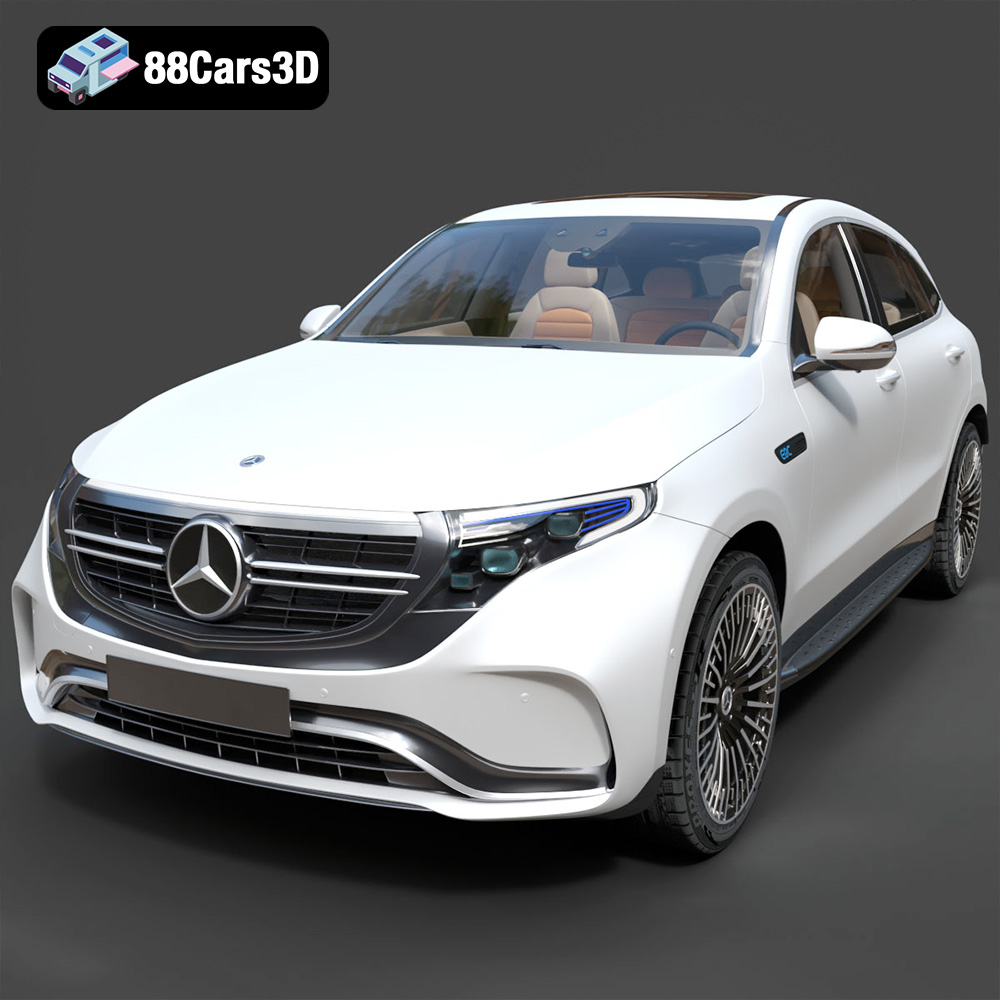
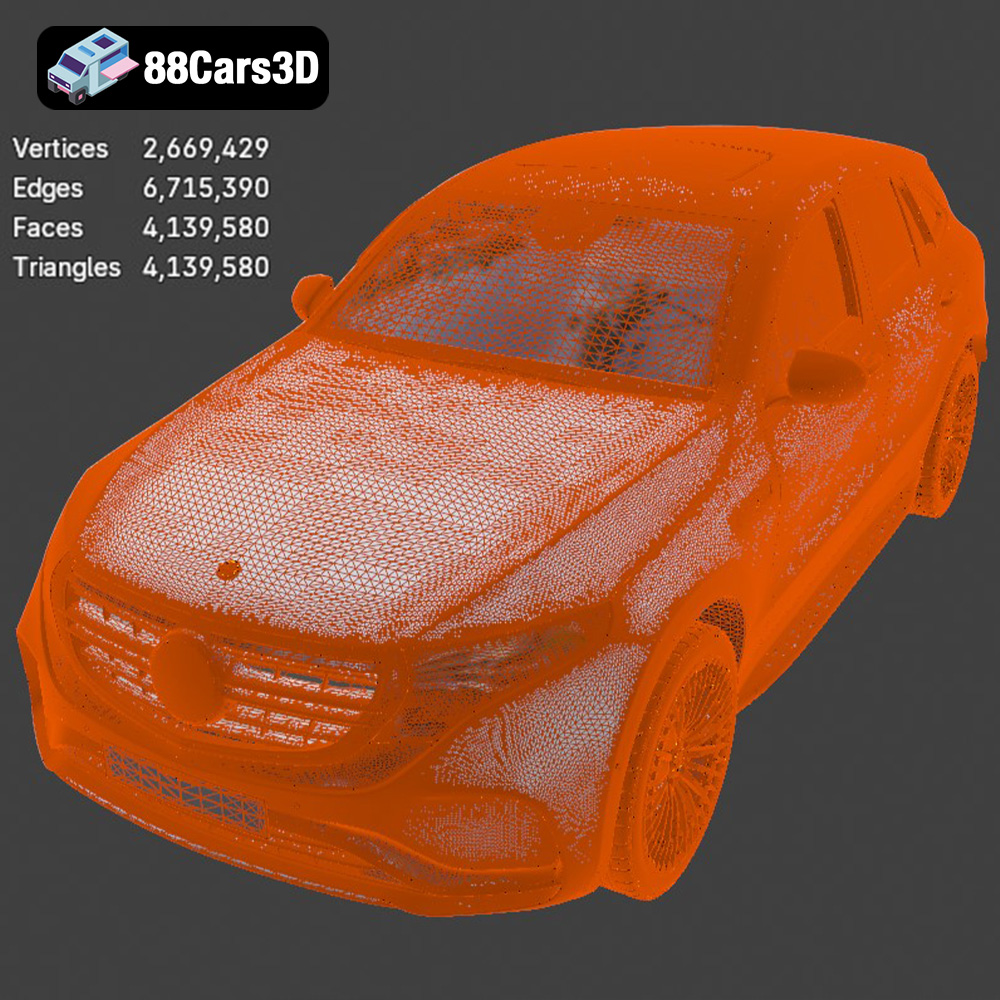
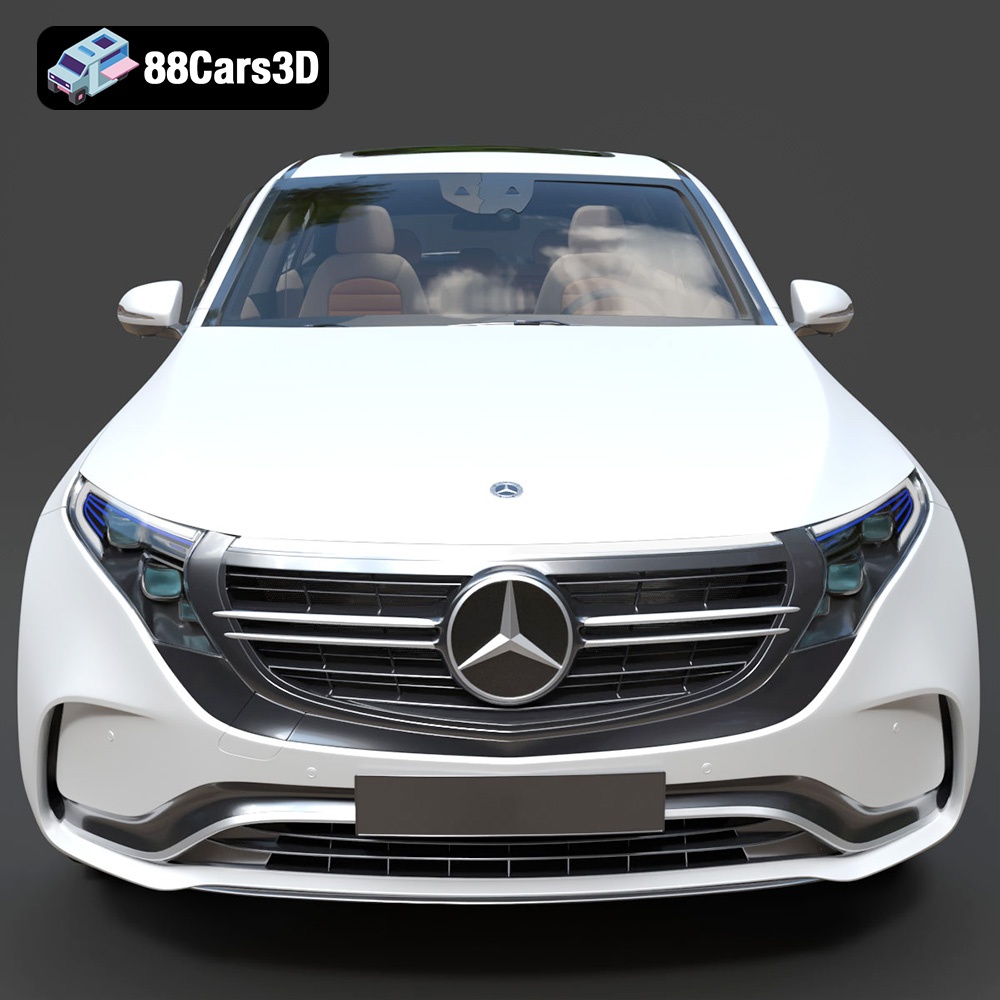
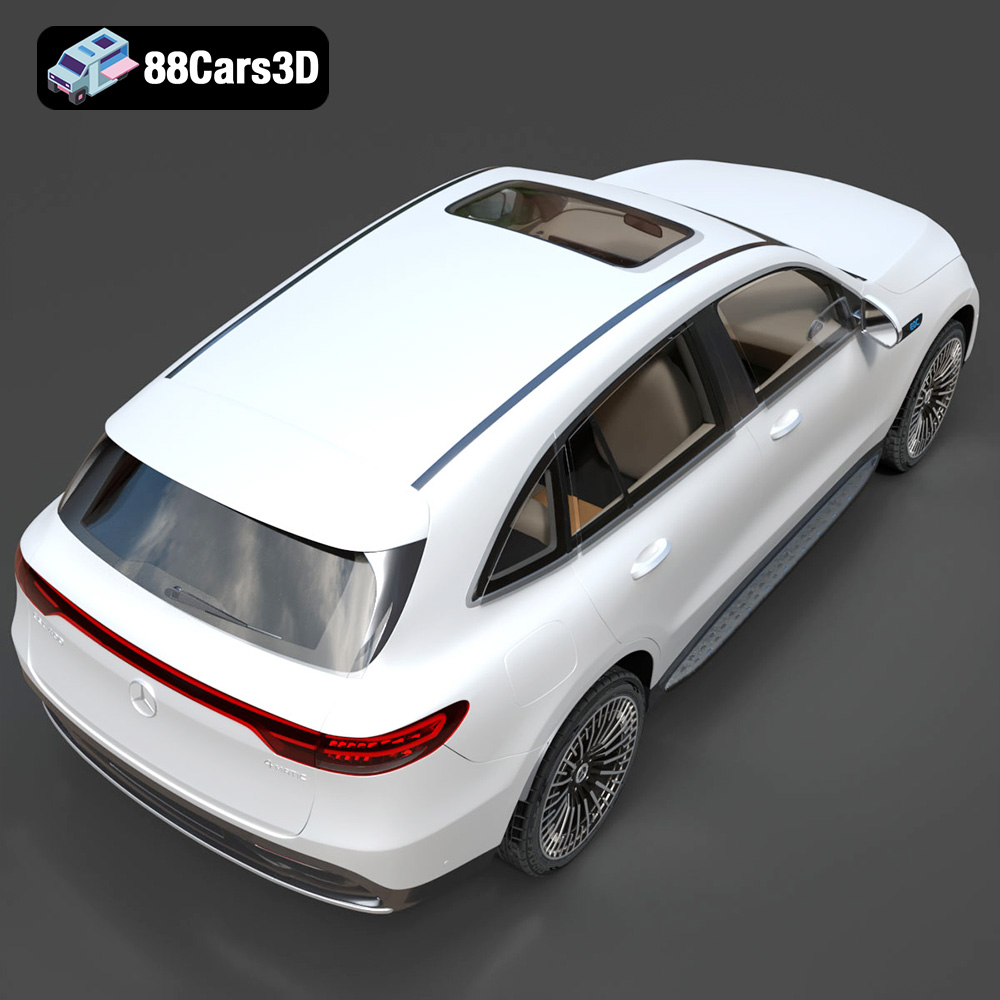
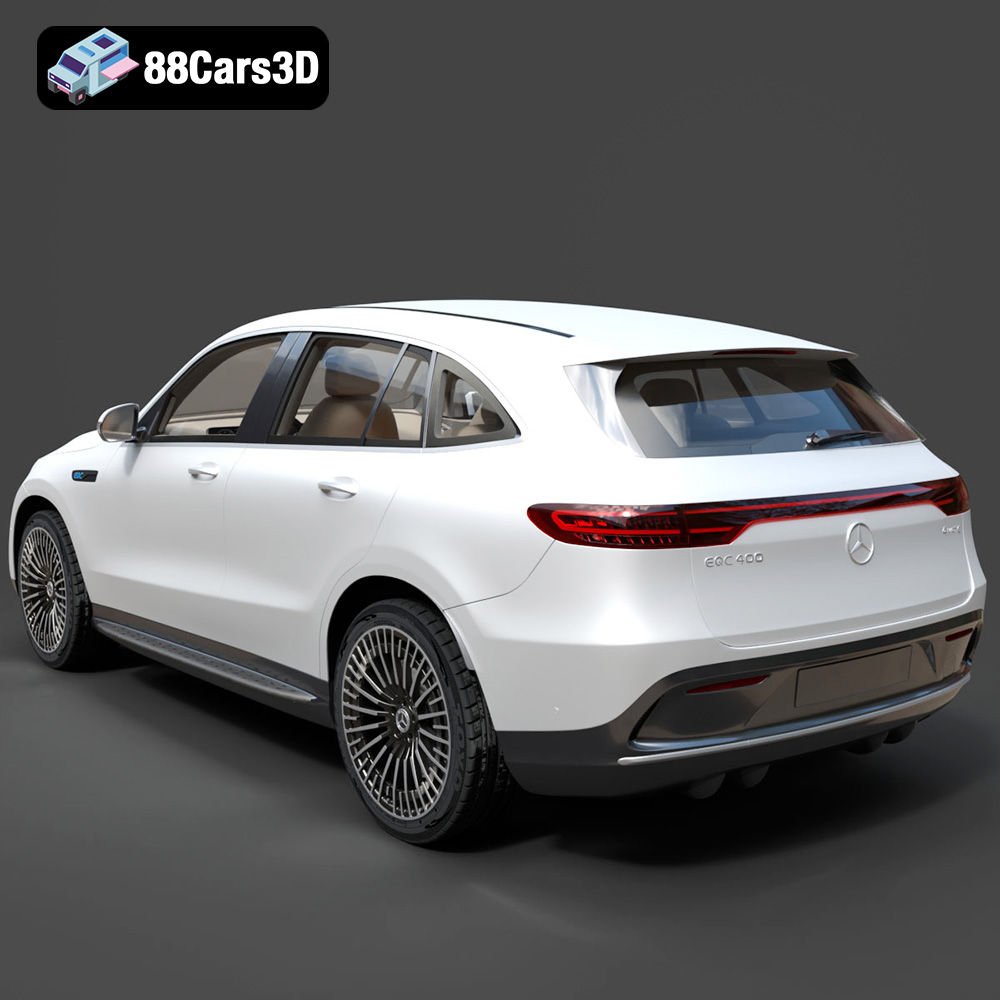
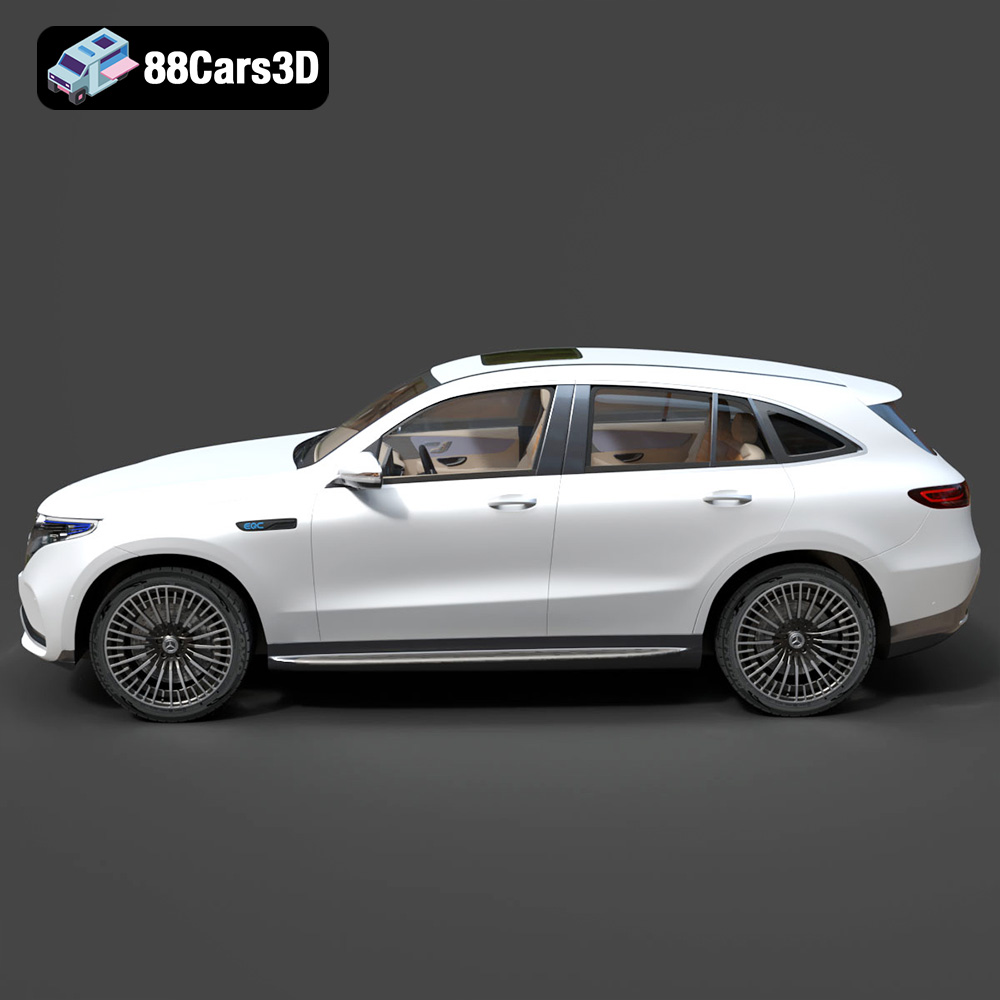
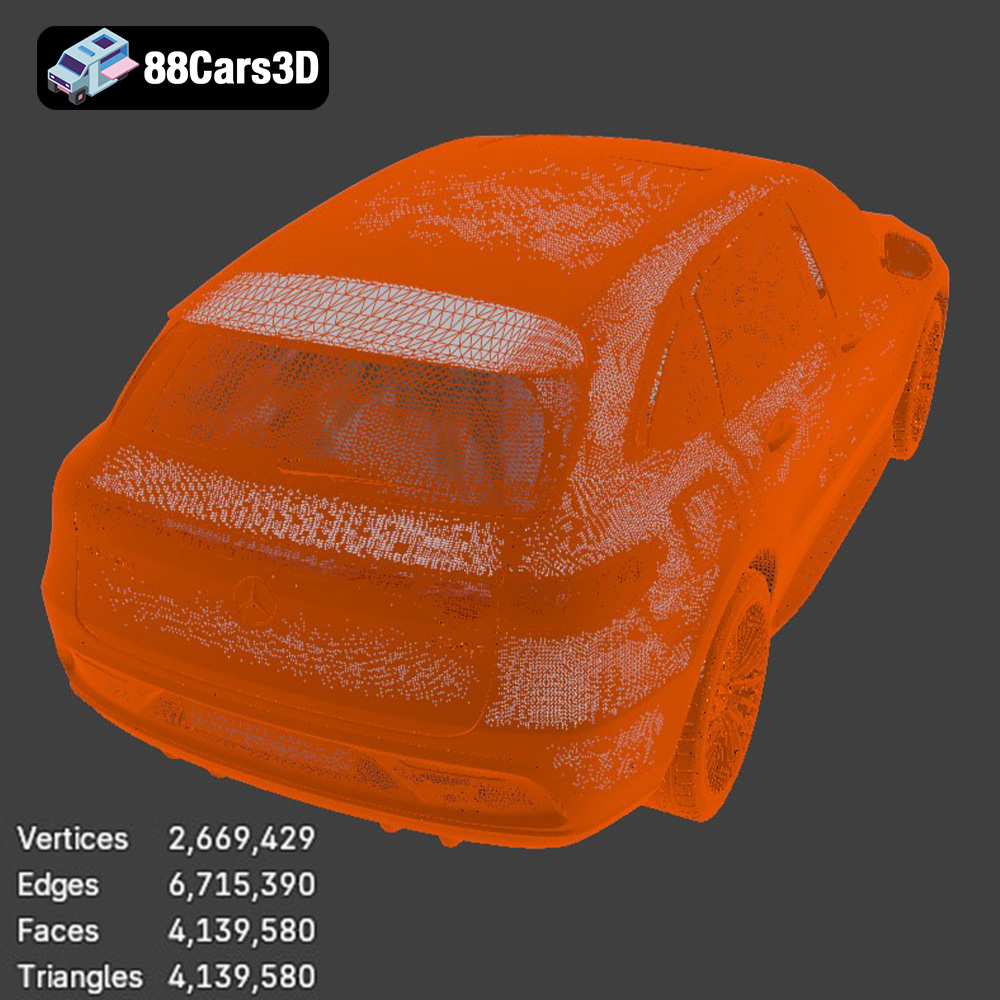
The exterior of the EQC is defined by its seamless, aerodynamic silhouette and signature electro-aesthetic. This 3D model masterfully captures these elements, from the distinctive black-panel radiator grille that integrates the headlights, to the continuous LED light bands at the front and rear. Every curve, panel gap, and subtle surface undulation has been faithfully recreated with a triangle count of 4,139,580. This high poly count is critical for achieving flawless reflections and smooth surfaces, ensuring that even in extreme close-ups, the model holds up to scrutiny. The detailed aerodynamic underbody, multi-beam headlights, and aero-optimized multi-spoke alloy wheels, complete with realistic tire treads, all contribute to a model that is visually indistinguishable from its real-world counterpart under optimal rendering conditions.
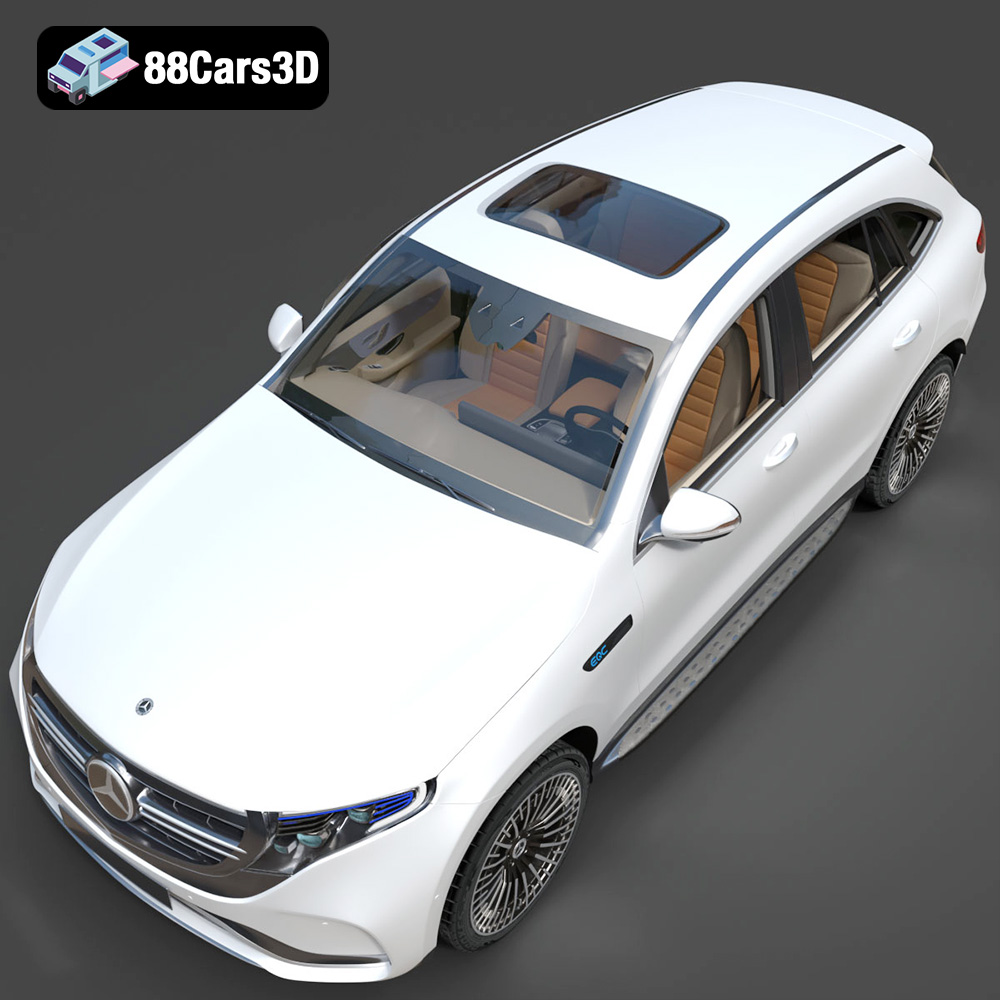
A true high-fidelity automotive model extends beyond the exterior, offering an equally compelling interior experience. The Mercedes-Benz EQC 3D Model excels here too, providing a rich, detailed cockpit that transports the viewer into the lap of luxury. Premium contoured seats with realistic upholstery flow, a multifunction steering wheel adorned with detailed touch control buttons, and the iconic widescreen cockpit dual-display instrument cluster with the MBUX interface are all accurately represented. The central console, pedals, and intuitive EV drive selectors are not overlooked, ensuring that for first-person POV in gaming or immersive VR experiences, the interior offers a truly believable environment. This level of interior detail is paramount for virtual showrooms, architectural visualizations, and interactive automotive configurators where users expect a complete and realistic exploration.
Beyond its aesthetic appeal, the Mercedes-Benz EQC 3D Model offers significant technical advantages that streamline professional workflows and enhance project quality. Its design philosophy balances visual fidelity with practical optimization, making it a versatile asset for diverse applications.
With a robust triangle count of 4,139,580, this model strikes an exceptional balance between visual realism and performance, making it “Game-Ready & Optimized” for real-time engines like Unreal and Unity. This isn’t a small feat; it means the geometry has been carefully structured to render efficiently while preserving the high-end visual fidelity required for modern games and interactive experiences. The proper pivot setup for steering, wheel rotation, and suspension travel is a critical detail often overlooked in lesser models. These features ensure that animators and game developers can instantly integrate the EQC into their projects without spending valuable time re-rigging or fixing foundational issues, allowing for dynamic and realistic vehicle behavior from the outset.
For high-end rendering and cinematic animations, precision is paramount. The Mercedes-Benz EQC 3D Model adheres to real-world scale accuracy, based on actual vehicle chassis dimensions, which is vital for photorealistic integration into various scenes. The logical part separation for optimization not only aids in real-time performance but also simplifies the animation process. Components like separate wheels, suspension, and steering allow for complex mechanical animations without needing to meticulously isolate parts. This level of engineering ensures that whether you’re creating a static beauty shot for an advertisement or a dynamic sequence for a film, the model provides the foundational integrity required for a professional outcome, reducing post-production adjustments and enhancing overall efficiency.
The versatility of a high-quality 3D car model like the Mercedes-Benz EQC extends its utility across a broad spectrum of industries. Its inherent detail and optimization make it a powerful tool for innovators and creators seeking to push the boundaries of digital interaction and visualization.
For game developers, the demand for authentic and immersive vehicle assets is constant. The Mercedes-Benz EQC 3D Model, with its optimized polycount and game-ready attributes, is ideal for open-world games, high-fidelity racing titles, and vehicle simulators. Its accurate physics-ready components like separate wheels and suspension enable developers to implement realistic driving mechanics, enhancing player immersion. Imagine speeding through a meticulously rendered city in a truly lifelike EQC, or using it as a central vehicle in a virtual transportation game – the possibilities are vast when starting with such a robust asset from 88cars3d.com.
Augmented Reality (AR) and Virtual Reality (VR) are transforming how we interact with products, especially in the automotive sector. This EQC model is perfect for creating immersive virtual showrooms, where potential buyers can explore the vehicle in 1:1 scale, inspect intricate details, and even customize features in real-time. For mobile AR experiences, users could project the EQC into their driveway, allowing for a tangible sense of its presence and scale. The model’s optimized geometry ensures smooth performance in these interactive environments, providing a seamless and engaging user experience that truly showcases the vehicle’s luxury and design.
In the realm of brand campaigns, marketing, and luxury lifestyle visualizations, the visual impact of a 3D model is paramount. The Mercedes-Benz EQC model excels in delivering cinematic automotive renders, studio lighting setups, and dynamic brand visuals. Its high-fidelity topology ensures stunning reflections and accurate material responses under various lighting conditions, making it an invaluable asset for creating compelling advertisements, product showcases, and marketing collateral that captivate audiences. For automotive design studios, it can serve as a potent tool for design reviews, concept presentations, and even virtual photography, enabling stakeholders to visualize the vehicle long before physical prototypes are available.
The utility of this Mercedes-Benz EQC 3D Model isn’t confined to digital screens. Its availability in .stl format opens up exciting avenues for physical creation through 3D printing, catering to hobbyists, collectors, and design professionals alike.
Transforming a complex digital model into a physical object requires careful consideration of 3D printing parameters. The recommended scales (1:12, 1:18, 1:24) are popular choices for display models, balancing size with the ability to retain fine details. Layer height, particularly in resin printing (0.04–0.12 mm), is crucial for smooth surfaces and sharp edges, vital for capturing the EQC’s sleek aesthetic. The suggested wall thickness (1.2–2.0 mm) ensures structural integrity for the printed parts. Supports are indispensable for intricate elements like mirrors, the steering wheel, and body overhangs, preventing warping and ensuring accurate geometry. Printing the frame angled and wheels separately is a strategic approach to maximize structural integrity and simplify the printing process for these distinct components.
Achieving a professional-grade 3D print goes beyond the printing process itself. Post-processing is key to bringing the physical model to life. Sanding will smooth out layer lines and imperfections, preparing the surface for painting. A primer layer ensures paint adhesion and a uniform finish. The ultimate goal is to apply authentic factory colors, often with metallic finishes, to replicate the EQC’s luxurious appearance. This blend of digital precision and artisanal finishing allows for the creation of stunning scale models that are true tributes to Mercedes-Benz engineering, serving as exquisite display pieces or prototypes for physical design evaluation.
A truly versatile 3D asset provides not just a foundation, but also a springboard for creative exploration. The Mercedes-Benz EQC 3D Model is built with customization in mind, allowing professionals to tailor it to their specific project needs and integrate it effortlessly into existing workflows.
The model offers extensive customization options, enabling artists to modify its appearance to suit any scenario. Changing body colors, whether to replicate factory finishes or experiment with custom hues and metallic paints, is a fundamental capability. Adjusting material finishes from matte to gloss or various metallics can drastically alter the vehicle’s mood and presence within a scene. Beyond aesthetics, the ability to modify tire textures allows for adaptation to different environments, from slick street variants to more rugged off-road styles, if desired. Adapting the lighting setup is crucial for integrating the EQC into diverse environments, from sun-drenched cityscapes to dramatic studio renders, ensuring it always looks its best. This flexibility means the same core model can be repurposed for countless projects, extending its value significantly.
The comprehensive range of included file formats (.blend, .fbx, .obj, .glb, .stl, .ply, .unreal, .max) ensures that this Mercedes-Benz EQC 3D Model can be seamlessly integrated into virtually any professional 3D pipeline. For artists working in 3ds Max, the .max file provides native access to all scene elements, allowing for complex V-Ray or Corona renders, advanced animation rigs, and material adjustments. Blender users benefit from the fully editable .blend scene, offering unparalleled control within their preferred ecosystem. Game developers will appreciate the game-ready .fbx for Unity or the pre-configured .unreal assets for Unreal Engine, streamlining asset import and setup. For AR/VR specialists, the .glb format offers optimized performance for web and mobile platforms. This multi-format approach not only saves valuable production time but also ensures that the asset is accessible and usable by a wider range of studios and individual artists, making it a truly universal tool for automotive visualization.
The Mercedes-Benz EQC 3D Model represents a significant advancement in the realm of premium 3D car models. Its meticulous detailing, from the complex exterior curves and signature lighting to the intricately rendered interior, offers unparalleled visual realism. Coupled with robust technical specifications like its optimized polycount and logical part separation, it is truly a versatile asset for a multitude of professional applications. Whether for high-end automotive rendering, immersive game development, cutting-edge AR/VR experiences, or even precise 3D printing, this model provides the quality and flexibility demanded by today’s leading artists and developers. By understanding the nuances of its various file formats and leveraging its customization potential, professionals can unlock new creative possibilities and elevate their projects to cinematic levels of fidelity. For those seeking top-tier 3D car models that combine artistry with engineering precision, exploring offerings like the Mercedes-Benz EQC at 88cars3d.com is an essential step towards digital excellence.
Experience the future of luxury mobility with this exceptionally detailed 3D model of the Mercedes-Benz EQC. As the pioneer of the Mercedes-EQ family, this fully electric SUV combines avant-garde styling with legendary Mercedes craftsmanship. The model accurately captures its seamless, aerodynamic silhouette, the signature black-panel radiator grille, and the distinctive continuous LED light bands at the front and rear that define its striking electro-aesthetic. Boasting a highly detailed topology with a triangle count of 4,139,580, this high-fidelity 3D model offers unparalleled visual realism suitable for extreme close-ups while maintaining logical part separation for optimization. The geometry ensures flawless reflections and smooth surfaces, making it an exceptional asset for high-end rendering, virtual showrooms, and advanced interactive experiences. Perfect for cinematic automotive renders, cutting-edge AR/VR configurators, luxury lifestyle visualizations, and high-fidelity racing simulations.
$90.00
.blend
.eqc
.fbx
.glb
.max
.obj
.ply
.rendering
.stl
.unreal
car-3d-model
electric-vehicle
game asset
game-ready
high poly
luxury car
mercedes-benz
optimized
SUV
VR/AR