Get 20% OFF All Premium 3D & STL Models!

The automotive world has always been at the forefront of innovation, constantly pushing the boundaries of design, engineering, and manufacturing. In recent years, a technology that once seemed like science fiction – 3D printing – has revolutionized how we conceive, prototype, and even produce custom car parts and automotive designs. This isn’t just about creating miniature models; it’s about fabricating functional components, accelerating development cycles, and unlocking unprecedented levels of customization for vehicles of all kinds. From concept visualization to actual replacement parts for classic cars, the synergy between high-quality 3D car models and advanced additive manufacturing is reshaping the industry.
This comprehensive guide delves deep into the technical intricacies of using 3D models for printing, covering everything from fundamental modeling principles to advanced printing techniques and real-world applications. We’ll explore how precise digital assets translate into tangible physical objects, the critical steps involved in preparing a model for print, the diverse range of 3D printing technologies available, and how these capabilities are driving innovation in custom automotive design. Whether you’re a professional automotive designer, a game developer venturing into physical prototyping, or a hobbyist looking to create bespoke car parts, understanding this workflow is essential.
The journey from a digital concept to a physical custom car part begins with a meticulously crafted 3D model. For 3D printing, unlike rendering or game development where certain compromises in mesh integrity might be acceptable for visual fidelity, the model’s underlying geometry must be absolutely flawless. This demands a keen understanding of topology, scale, and material considerations that directly impact print success. A robust 3D model ensures that the complex curves and precise dimensions of automotive components are accurately replicated in physical form, avoiding common pitfalls like non-manifold geometry or insufficient wall thickness.
For 3D printing, the most critical aspect of your model’s topology is that it must be a “watertight” or “manifold” mesh. This means every edge must be connected to exactly two faces, ensuring there are no internal holes, disconnected vertices, or overlapping polygons. Imagine trying to fill your 3D model with water – if it leaks, it’s not manifold, and a 3D printer will struggle to interpret its volume. Software like Blender, 3ds Max, or Maya offer tools to check for non-manifold edges, open boundaries, and inverted normals. It’s crucial to resolve these issues before exporting. Furthermore, clean quad-based topology, while often discussed for animation and subdivision surfaces, translates well to smooth surfaces for printing, minimizing artifacting. When converting to STL (Stereolithography) for printing, quads are tessellated into triangles, but a clean quad base generally yields a better triangular mesh. Aim for models with a sensible polygon count – enough to capture detail without being overly dense, which can lead to unnecessarily large file sizes and longer processing times for the slicer software. For example, a detailed car bumper might have 500,000 to 1,000,000 triangles, whereas a small, intricate emblem might only need 50,000 to 100,000.
Accuracy in scale is paramount for automotive parts. A 3D model designed to be printed needs to be built at its real-world dimensions from the outset. If you’re designing a new headlight housing, it must be modeled to the exact specifications of the original component. Most 3D modeling software allows you to set units (millimeters, centimeters, inches), and it’s vital to maintain consistency throughout the design process. When exporting for print, always double-check that the units are correctly translated in your slicing software. Many errors in 3D printing result from models being scaled incorrectly (e.g., a model designed in millimeters being interpreted as meters). For critical parts, incorporate a tolerance of 0.1-0.2mm into your design, as 3D printers, especially FDM, have inherent inaccuracies and material shrinkage during cooling. When sourcing models from marketplaces such as 88cars3d.com, always verify the model’s scale and units if it’s intended for 3D printing.
Complex automotive assemblies often consist of multiple parts made from different materials (e.g., transparent plastic for a lens, opaque plastic for a housing, rubberized material for a seal). While multi-material 3D printing is advancing, it’s often more practical to design your 3D car model with these material zones as separate, interlocking components. For instance, a tail light assembly could be modeled as distinct pieces: a red lens, a clear inner housing, and a black outer bezel. Each piece would be printed separately using the appropriate material and then assembled. This approach allows for greater fidelity to the original design intent, optimizes printing parameters for each component, and provides flexibility in material selection. Clearly defined individual meshes also facilitate easier mesh repair and preparation for slicing.
Once your 3D model is geometrically sound, the next crucial phase is preparing it specifically for the chosen 3D printing process. This involves a series of technical checks and modifications to ensure the physical object emerges successfully from the printer. This stage often requires specialized software and an understanding of the limitations and strengths of different additive manufacturing techniques. Skipping these steps can lead to failed prints, wasted material, and significant frustration.
Even with careful modeling, imperfections can creep into a mesh. For 3D printing, these must be meticulously corrected. Common issues include non-manifold geometry (edges connected to more than two faces, self-intersecting meshes), inverted normals (faces pointing inwards instead of outwards), and small gaps or holes that prevent a watertight model. Software like Autodesk Meshmixer, Netfabb, or the repair functions within PrusaSlicer and Cura are invaluable. These tools can automatically detect and often fix common problems. For instance, Meshmixer’s “Inspector” tool highlights errors and offers one-click repairs. It’s a professional best practice to always run your model through a mesh validator before exporting to a print-ready format like STL or 3MF. This verification process ensures that the printer’s slicing software can correctly interpret the model’s volume and generate the proper toolpaths. For complex geometries, manual intervention might still be required, involving careful vertex merging, edge bridging, or face re-orientation in your primary 3D modeling software.
One of the most critical design considerations for 3D printing is adequate wall thickness. Every printing technology has a minimum wall thickness it can reliably produce. For FDM printers, this is typically around 0.8mm to 1.2mm, depending on nozzle size and material. SLA/DLP can achieve much finer details, down to 0.2mm for certain features, while SLS/MJF offers excellent strength with wall thicknesses as low as 0.5mm. Features thinner than these minimums will either break off during printing or post-processing, or simply won’t be resolved by the printer. Similarly, intricate details like engraved logos or small protrusions must be designed with sufficient resolution and depth to be visible and durable. For instance, an embossed car emblem might need a raised height of at least 0.5mm and a line thickness of 0.3mm to be clearly defined on an SLA print. Always refer to the specific guidelines of your chosen printer and material, and consider incorporating fillets and chamfers where sharp edges meet to prevent stress concentrations and improve printability.
For larger prints, especially with resin-based (SLA/DLP) or powder-based (SLS/MJF) technologies, hollowing the model can significantly reduce material consumption, print time, and even prevent warping by minimizing internal stress. Hollowing involves creating an internal cavity within the solid model, leaving a shell of a specified wall thickness. It’s crucial to add drain holes (typically 2-3mm diameter) to the hollowed model to allow uncured resin or excess powder to escape during post-processing. Support structures are equally vital for printing geometries that overhang significantly, preventing them from collapsing during fabrication. While FDM printers require supports for angles typically greater than 45-60 degrees, SLA/DLP printers often need supports for almost any downward-facing surface to prevent “cupping” and ensure proper adhesion. Software like PrusaSlicer, Cura, or Chitubox provides advanced controls for generating and optimizing supports, allowing users to fine-tune density, contact points, and angles to minimize material usage and ease removal while maintaining print quality.
The rapidly evolving landscape of 3D printing offers a diverse array of technologies, each with unique strengths and ideal applications within the automotive sector. Choosing the right method depends on the desired material properties, surface finish, dimensional accuracy, and cost constraints for your custom 3D car part or prototype. From rapid prototyping to producing functional end-use components, understanding these differences is key.
FDM is perhaps the most widely recognized and accessible 3D printing technology. It works by extruding a thermoplastic filament (like PLA, ABS, PETG, or Nylon) through a heated nozzle, depositing successive layers onto a build platform. FDM printers are excellent for large-scale functional prototypes, jigs, fixtures, and custom brackets where high precision isn’t the absolute top priority, but durability and cost-effectiveness are. For automotive applications, FDM excels at creating dashboard mock-ups, engine bay prototypes, custom mounting solutions, and interior trim pieces. Materials like ABS are popular for their heat resistance and strength, while PETG offers good impact resistance and chemical stability. While layer lines are visible, they can be minimized through finer layer heights (e.g., 0.1-0.2mm) and post-processing. A custom spoiler prototype, for example, could be printed in multiple FDM segments and then assembled, sanded, and painted.
SLA and DLP technologies are renowned for their ability to produce incredibly detailed parts with smooth surface finishes. They work by selectively curing liquid photopolymer resin with a UV laser (SLA) or a projector (DLP). These methods are ideal for highly intricate automotive components, small-scale models, master patterns for casting, and aesthetic prototypes where visual fidelity is critical. Think about creating custom emblems, intricate grilles, delicate interior bezels, or transparent light lenses. The resins available for SLA/DLP range from standard prototyping resins to engineering-grade materials with properties like high temperature resistance, flexibility, or even ceramic-filled compositions. The precision of these printers (typically 0.025-0.1mm layer height) allows for intricate features and tight tolerances, making them perfect for pre-production verification of complex designs before tooling. Post-processing often involves a UV curing station and careful washing to remove uncured resin.
SLS and HP’s Multi Jet Fusion (MJF) represent the pinnacle of industrial-grade polymer 3D printing, particularly for functional end-use parts. SLS uses a laser to sinter (fuse) powdered polymer material (commonly Nylon) layer by layer, while MJF uses a fusing agent and heat to bind powder. Both methods produce strong, durable, and isotropic parts (meaning properties are consistent in all directions) without the need for support structures, as the unsintered powder acts as support. This allows for incredibly complex geometries, internal channels, and interlocking parts. In the automotive industry, SLS/MJF is used for producing functional prototypes for rigorous testing (e.g., intake manifolds, complex enclosures), low-volume production of custom car parts (e.g., bespoke interior components for luxury vehicles, classic car replacement parts), and specialized tooling. The resulting parts often have a slightly rough, matte finish but can be dyed or coated for aesthetic improvement. The material robustness makes them suitable for direct installation in vehicles, bridging the gap between prototyping and manufacturing.
The true power of 3D printing in the automotive realm lies in its ability to transform digital designs into highly customized and functional physical parts with unprecedented speed and flexibility. This capability is not just about making prototypes; it’s about enabling rapid iteration, personalized experiences, and even small-batch manufacturing of unique components.
One of the primary benefits of 3D printing for automotive designers is the dramatic acceleration of the prototyping process. Instead of waiting weeks or months for traditionally manufactured prototypes, engineers can print multiple iterations of a part—be it an air intake manifold, a dashboard component, or an aerodynamic spoiler—within days or even hours. This allows for immediate physical evaluation of design choices, fitment checks, and functional testing. For instance, an automotive design team could conceptualize a new interior console, print a full-scale FDM model overnight, and then refine the ergonomics and aesthetics based on tangible feedback. Subsequent iterations could incorporate stronger, more detailed materials via SLS or SLA for closer functional validation. This rapid feedback loop significantly reduces development costs and time-to-market, allowing designers to experiment freely and perfect their designs before committing to expensive tooling for mass production. Many studios extensively leverage platforms like 88cars3d.com to source high-fidelity base models for quick modifications and rapid prototyping.
The ability to create bespoke parts is where 3D printing truly shines for automotive enthusiasts and luxury vehicle owners. Whether it’s a personalized emblem for a classic hot rod, a custom-fitted phone mount for a specific vehicle model, or uniquely designed interior trim pieces, 3D printing makes one-off or low-volume production economically viable. Imagine a restoration project for a vintage car where a crucial, out-of-production plastic bracket is missing. With 3D scanning and a precise 3D model, a new, functional replacement can be 3D printed, perfectly matching the original specifications. For modern cars, owners can commission custom grilles, fender vents, shift knobs, or even aerodynamic components tailored to their specific aesthetic preferences or performance needs. This level of personalization was previously only accessible through prohibitively expensive custom fabrication methods, but 3D printing democratizes it, allowing anyone with a quality 3D model and access to a printer to bring their unique vision to life.
Beyond direct parts, 3D printing plays a crucial role in manufacturing by creating custom tooling, jigs, and fixtures. In automotive assembly plants, specific tools are often needed to hold components in place during welding, gluing, or fastening operations. These tools need to be precise, lightweight, and often uniquely shaped for a particular part or assembly step. 3D printing allows engineers to rapidly design and produce these custom manufacturing aids from durable materials like Nylon or carbon fiber-reinforced plastics. This not only speeds up the creation of production lines but also allows for on-the-fly modifications to tooling as assembly processes evolve. For instance, a complex engine component might require a specific jig to ensure perfect alignment during installation; this jig can be 3D printed much faster and more cost-effectively than traditional machining methods. This application of 3D printing streamlines production, improves worker ergonomics, and reduces overall manufacturing costs, proving its value far beyond just creating end-use parts.
The journey of a 3D printed automotive part doesn’t end when it comes off the build plate. For many applications, particularly those requiring a high aesthetic standard or specific functional properties, post-processing is a critical step. This can transform a raw printed object into a professional-grade component, ready for integration into a vehicle or display.
The raw surface finish of a 3D print varies significantly by technology. FDM prints often have visible layer lines (0.1-0.3mm typically), while SLA/DLP prints are much smoother but may still exhibit minor striations or support marks. SLS/MJF parts have a slightly porous, matte finish. For a professional aesthetic, especially for custom exterior car parts or show models, post-processing is essential. This often involves:
This meticulous post-processing can make a 3D printed part virtually indistinguishable from an injection-molded or traditionally manufactured component, allowing for seamless integration into a vehicle’s design.
Many custom automotive parts are not single monolithic objects but rather assemblies of multiple 3D printed components or a combination of 3D printed and off-the-shelf parts. Careful design for assembly (DFA) is crucial. This involves incorporating features like snap-fit connectors, screw bosses, alignment pins, and channels for wiring during the 3D modeling phase. For instance, a custom car interior light fixture might comprise a 3D printed housing, a 3D printed lens, and off-the-shelf LED strips and wiring. Ensuring precise tolerances (e.g., 0.1-0.2mm clearance for mating parts) during the design of your 3D car model prevents issues during physical assembly. Adhesives, fasteners (screws, bolts), and inserts (heat-set threaded inserts for robust connections) are commonly used to create strong, durable assemblies. For parts that need to withstand vibrations or environmental stress, careful material selection and assembly techniques are paramount to ensure long-term functionality and safety.
The automotive industry has embraced 3D printing across its entire value chain. Porsche Classic, for example, uses 3D printing to create replacement parts for vintage models, such as release levers, door handles, and gearshift components, ensuring that even obscure parts for classic cars remain available. Ford has extensively integrated 3D printing into its prototyping workflow, dramatically reducing the time and cost associated with developing new models. They’ve used it for everything from engine components to ergonomic studies of interior layouts. BMW utilizes Multi Jet Fusion for end-use parts in production vehicles, such as custom gripper jaws for robotic assembly arms and personalized vehicle badges. Beyond large manufacturers, smaller custom shops and individual enthusiasts are leveraging 3D printing to create unique body kits, restore rare components, and personalize their vehicles in ways previously unimaginable. This widespread adoption underscores 3D printing’s significant impact, moving it from a niche prototyping tool to a vital manufacturing technology capable of producing high-quality, functional custom car parts.
While 3D printing brings digital designs into the physical world, the original high-quality 3D car models themselves hold immense value across numerous digital applications. A well-crafted 3D asset is a versatile foundation, serving various purposes from photorealistic visualization to interactive experiences, providing a critical base for game developers, automotive designers, and visualization professionals alike.
High-fidelity 3D car models are the backbone of photorealistic rendering and visualization. Automotive manufacturers, marketing agencies, and design studios rely on these assets to create stunning images and animations for advertising campaigns, product configurators, design reviews, and virtual showrooms. The detail captured in a professional 3D car model—clean topology, intricate interior components, realistic materials, and accurate UV mapping—allows artists to achieve breathtaking realism. Software like 3ds Max with Corona or V-Ray, Blender with Cycles, or Maya with Arnold enables artists to set up sophisticated lighting environments, apply PBR (Physically Based Rendering) materials (diffuse, specular, roughness, normal maps), and simulate real-world optical phenomena such as reflections, refractions, and global illumination. This workflow allows companies to showcase vehicles in any environment, under any lighting condition, long before a physical prototype exists, dramatically saving costs and accelerating marketing efforts. Platforms like 88cars3d.com specialize in providing these types of high-quality 3D models, pre-optimized for various rendering engines, ensuring artists have the best starting point for their projects.
For interactive applications like video games, augmented reality (AR), and virtual reality (VR), 3D car models require a different kind of optimization. While visual quality remains important, performance is paramount. Game developers and AR/VR creators need models that are carefully optimized to run smoothly on target hardware without sacrificing too much visual fidelity. Key optimization techniques include:
These optimized models are then integrated into game engines like Unity or Unreal Engine, where custom shaders, physics simulations, and interactive elements bring the cars to life in immersive digital environments. AR and VR applications, such as virtual car showrooms or automotive training simulations, also leverage these optimized assets to deliver realistic and interactive experiences.
The choice of file format is critical for ensuring compatibility and efficient data transfer across different software and applications. For 3D printing, the **STL (Stereolithography)** format is the most ubiquitous. It represents a 3D object as a collection of triangles (a tessellated surface) and is the standard input for most slicing software. While simple, it lacks color, material, or scene information. Newer formats like **3MF (3D Manufacturing Format)** address these limitations by including information about color, textures, materials, and support structures, making it more suitable for complex multi-material prints.
For digital applications like rendering, game development, and general 3D work, a wider array of formats is used:
Understanding these file formats and their specific use cases is crucial for any professional working with 3D car models, ensuring seamless workflow from design to physical print or digital deployment.
The fusion of high-quality 3D car models with the transformative capabilities of 3D printing has ushered in a new era for the automotive industry. From accelerating design iterations and prototyping new vehicle components to fabricating unique custom car parts and breathing new life into classic automobiles, additive manufacturing is redefining what’s possible. We’ve explored the fundamental importance of meticulously crafted 3D models with clean, watertight topology, the critical steps of preparing a model for physical production, and the diverse landscape of 3D printing technologies, each suited for different automotive applications.
Beyond the physical realm, the same foundational 3D assets serve as indispensable tools for photorealistic rendering, immersive game development, and cutting-edge AR/VR experiences. The journey from a meticulously designed digital blueprint to a tangible, functional component or an interactive digital experience highlights the incredible versatility and power of modern 3D workflows. As these technologies continue to advance, we can only expect more innovation, greater customization, and faster development cycles across the entire automotive spectrum. Whether your ambition is to create a custom car part, visualize a dream vehicle, or build the next great automotive game, the path begins with a high-quality 3D model. Explore the possibilities and find the perfect starting point for your next project on platforms offering professional-grade 3D car models, such as 88cars3d.com. The future of automotive design is here, and it’s built in three dimensions.
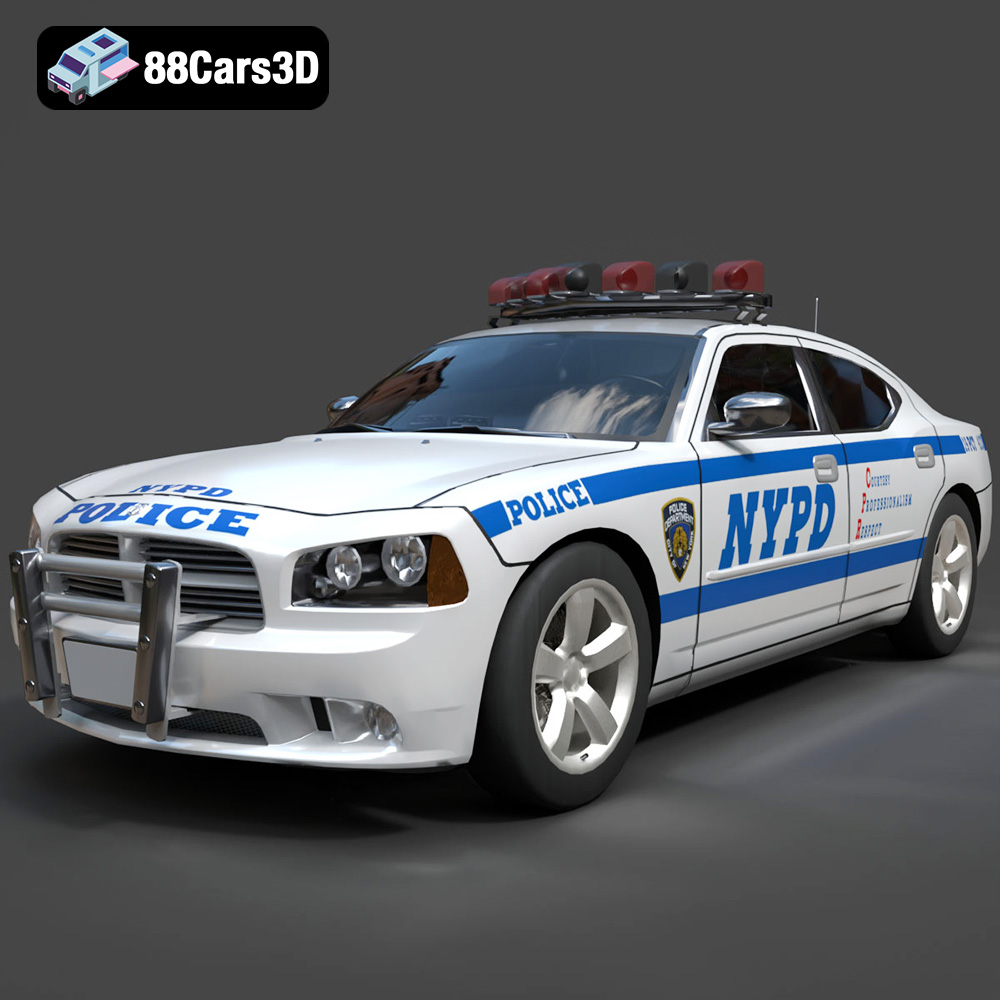
Texture: Yes
Material: Yes
Download the Dodge Charger Police NYPD 3D Model featuring clean geometry, realistic detailing, and a fully modeled interior. Includes .blend, .fbx, .obj, .glb, .stl, .ply, .unreal, and .max formats for rendering, simulation, and game development.
Price: $10
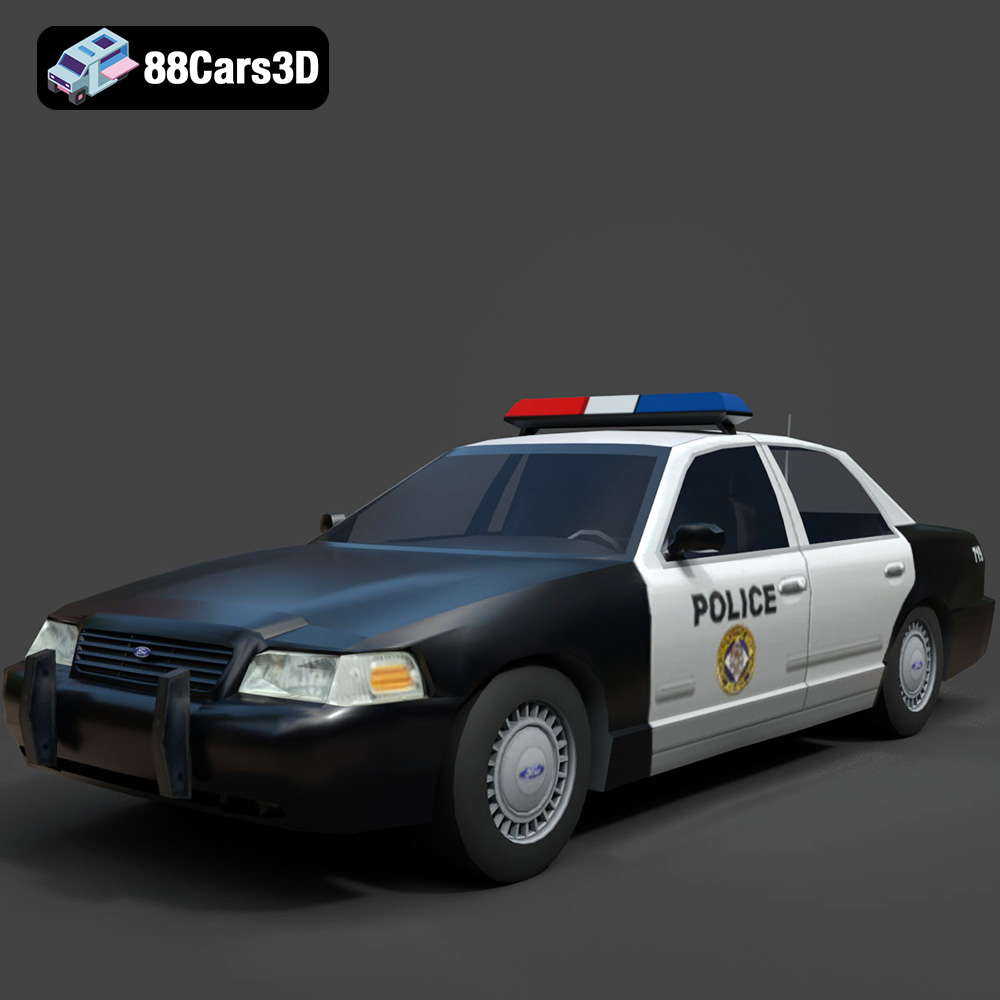
Texture: Yes
Material: Yes
Download the Ford Crown Victoria Police 2011 3D Model featuring clean geometry, realistic detailing, and a fully modeled interior. Includes .blend, .fbx, .obj, .glb, .stl, .ply, .unreal, and .max formats for rendering, simulation, and game development.
Price: $10
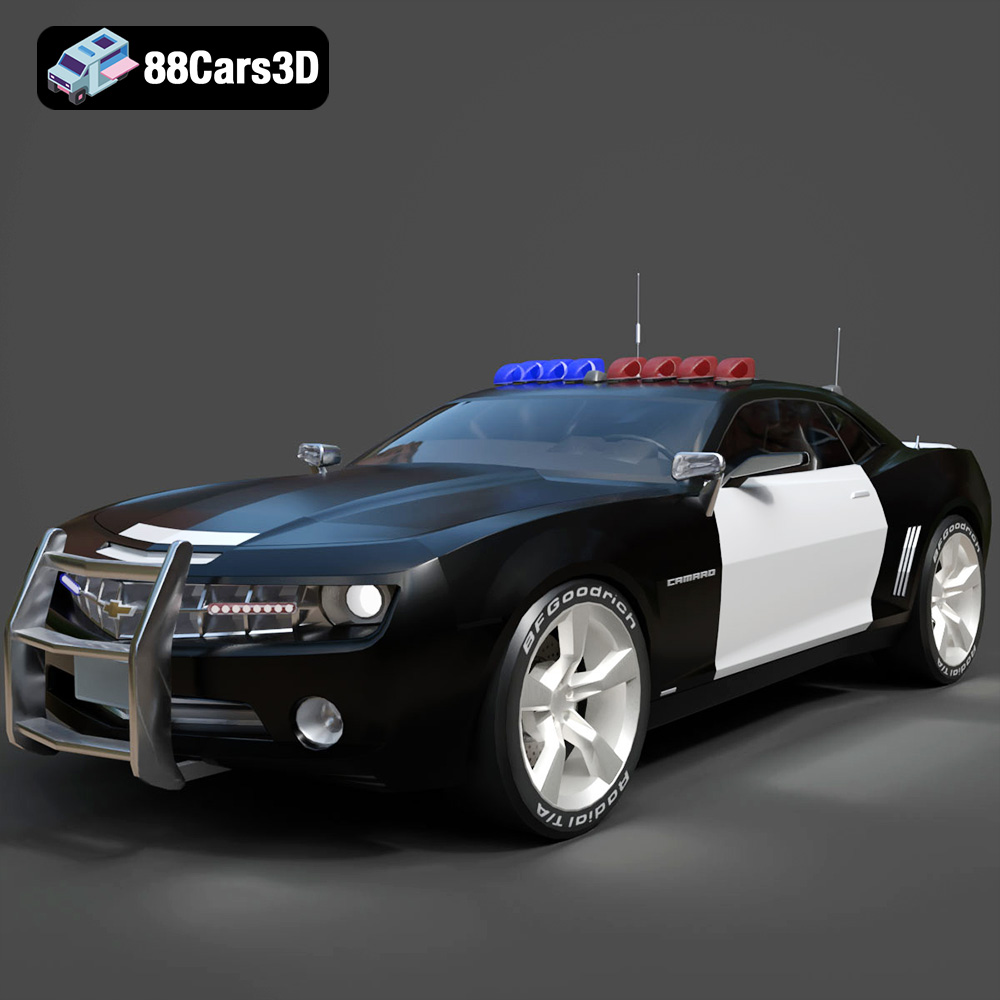
Texture: Yes
Material: Yes
Download the Chevrolet Camaro Patrol SUV 2025 3D Model featuring clean geometry, realistic detailing, and a fully modeled interior. Includes .blend, .fbx, .obj, .glb, .stl, .ply, .unreal, and .max formats for rendering, simulation, and game development.
Price: $10
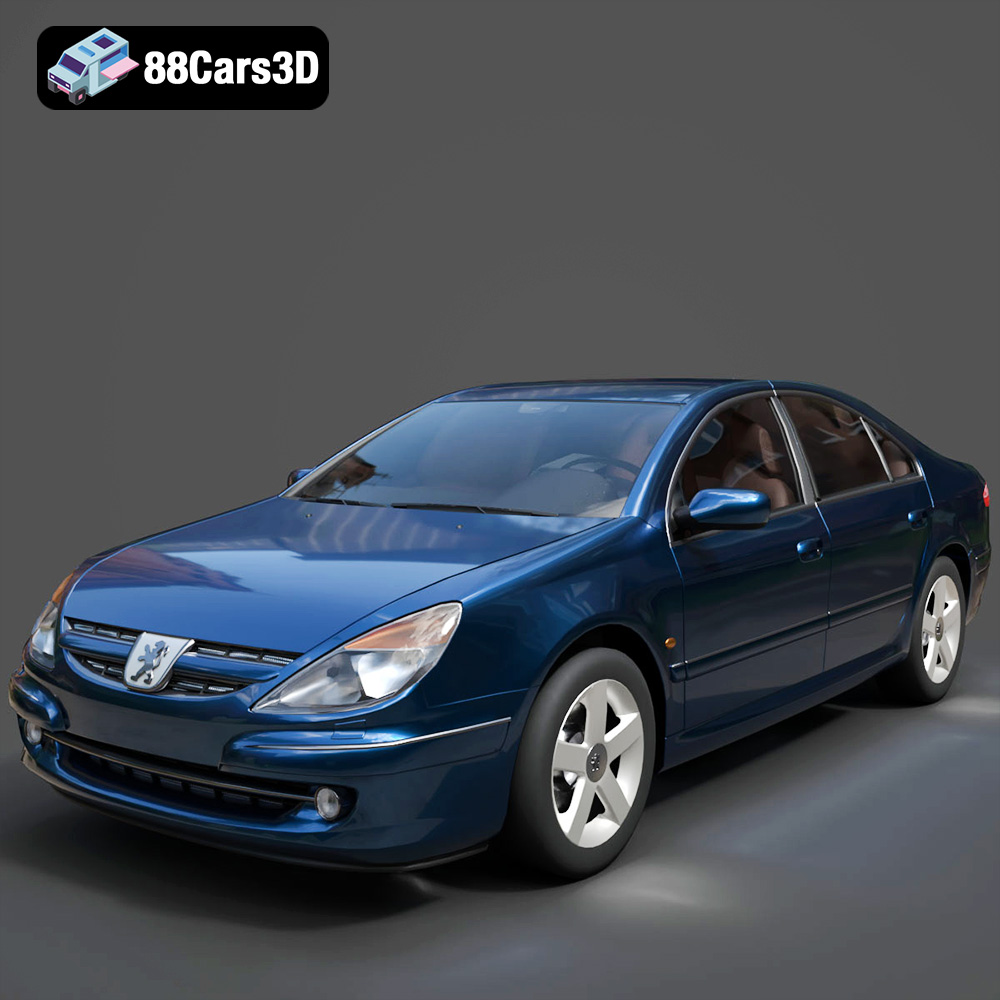
Texture: Yes
Material: Yes
Download the Peugeot 607 3D Model featuring clean geometry, realistic detailing, and a fully modeled interior. Includes .blend, .fbx, .obj, .glb, .stl, .ply, .unreal, and .max formats for rendering, simulation, and game development.
Price: $10
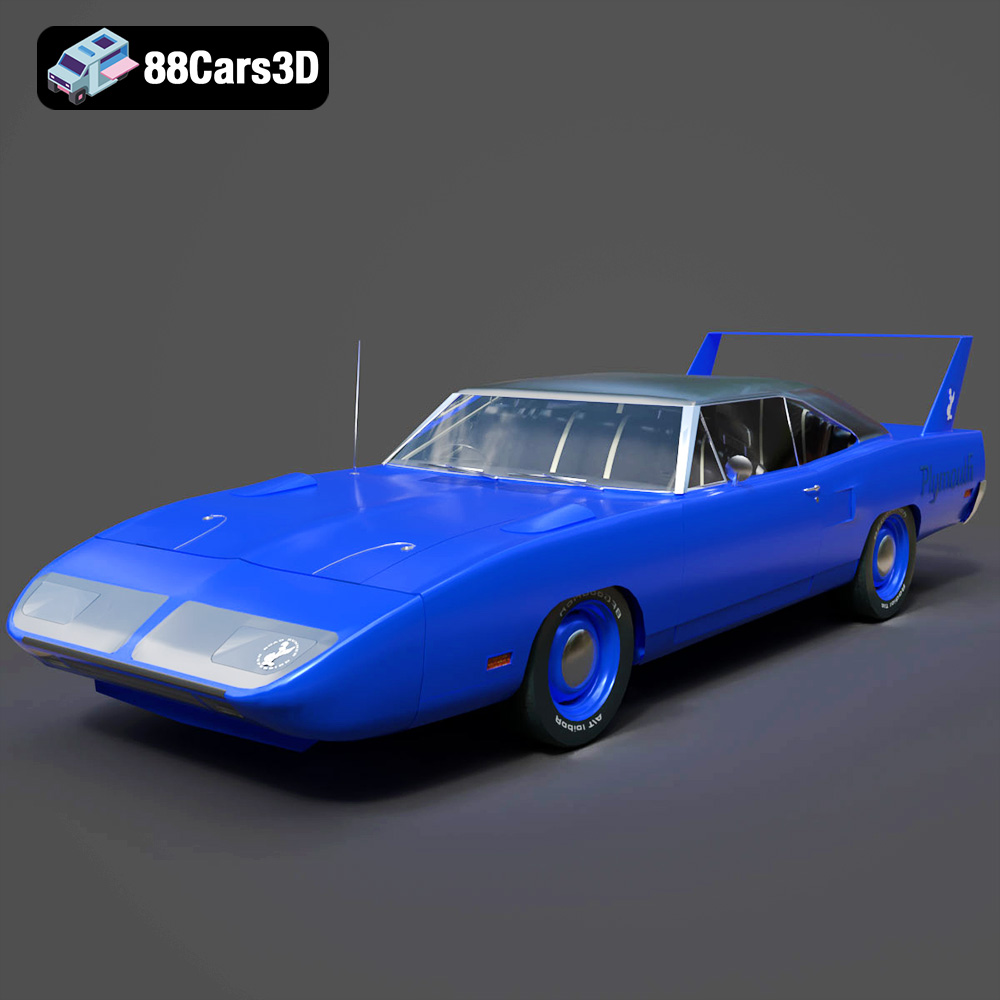
Texture: Yes
Material: Yes
Download the Plymouth Roadrunner Superbird 1970 3D Model featuring clean geometry, realistic detailing, and a fully modeled interior. Includes .blend, .fbx, .obj, .glb, .stl, .ply, .unreal, and .max formats for rendering, simulation, and game development.
Price: $10
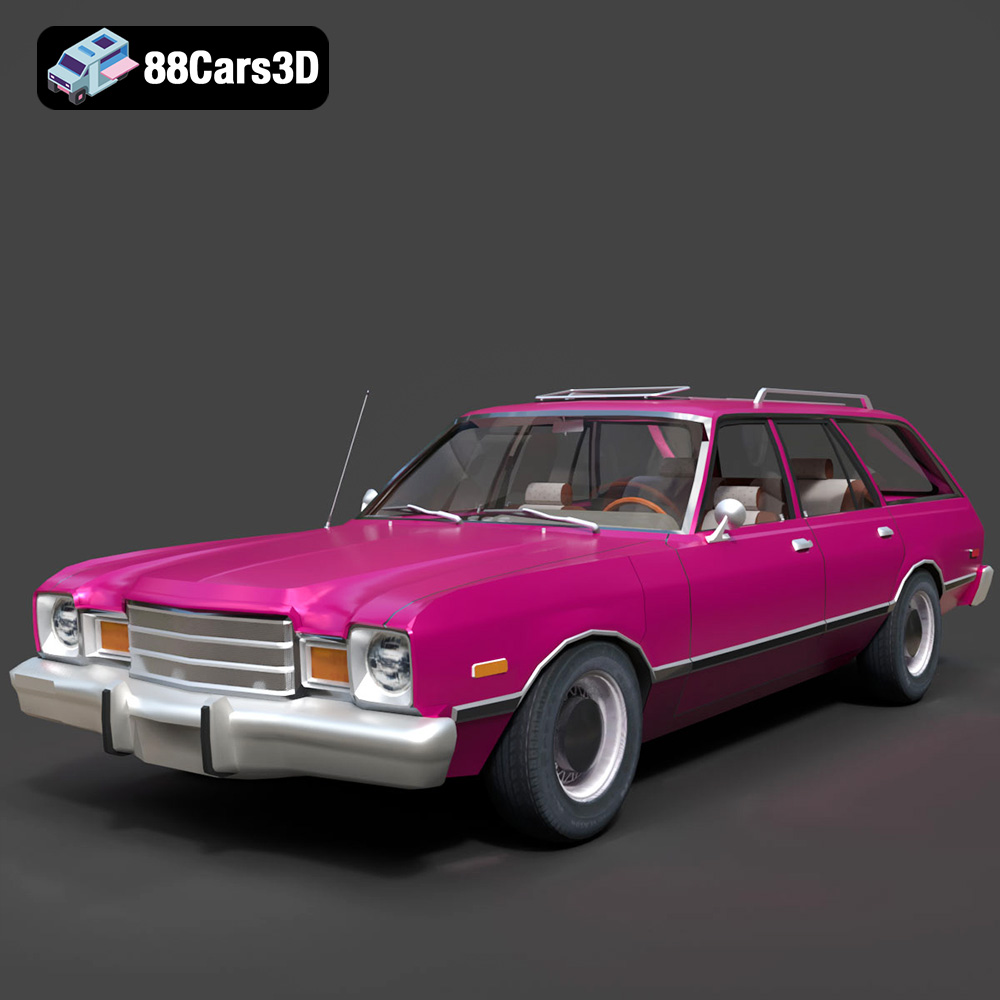
Texture: Yes
Material: Yes
Download the Plymouth Volare 1978 3D Model featuring clean geometry, realistic detailing, and a fully modeled interior. Includes .blend, .fbx, .obj, .glb, .stl, .ply, .unreal, and .max formats for rendering, simulation, and game development.
Price: $10
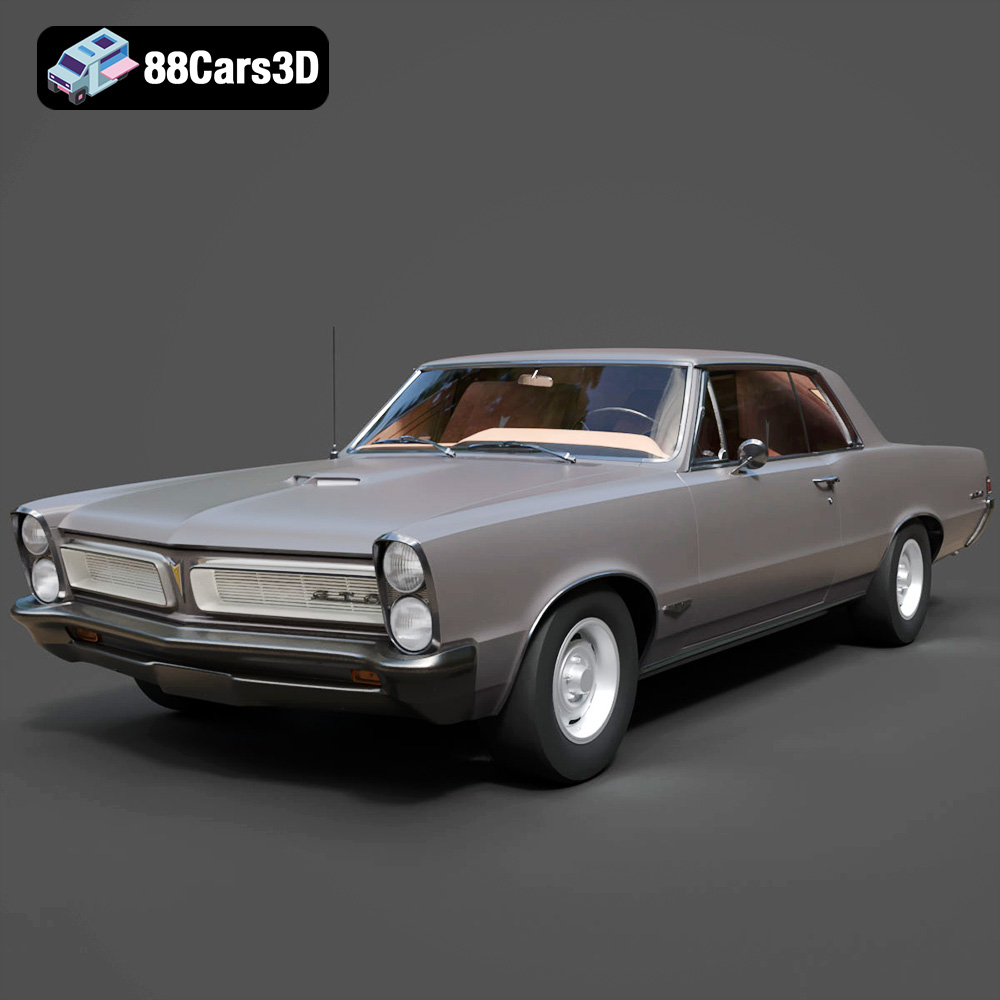
Texture: Yes
Material: Yes
Download the Pontiac GTO 1965 3D Model featuring clean geometry, realistic detailing, and a fully modeled interior. Includes .blend, .fbx, .obj, .glb, .stl, .ply, .unreal, and .max formats for rendering, simulation, and game development.
Price: $10
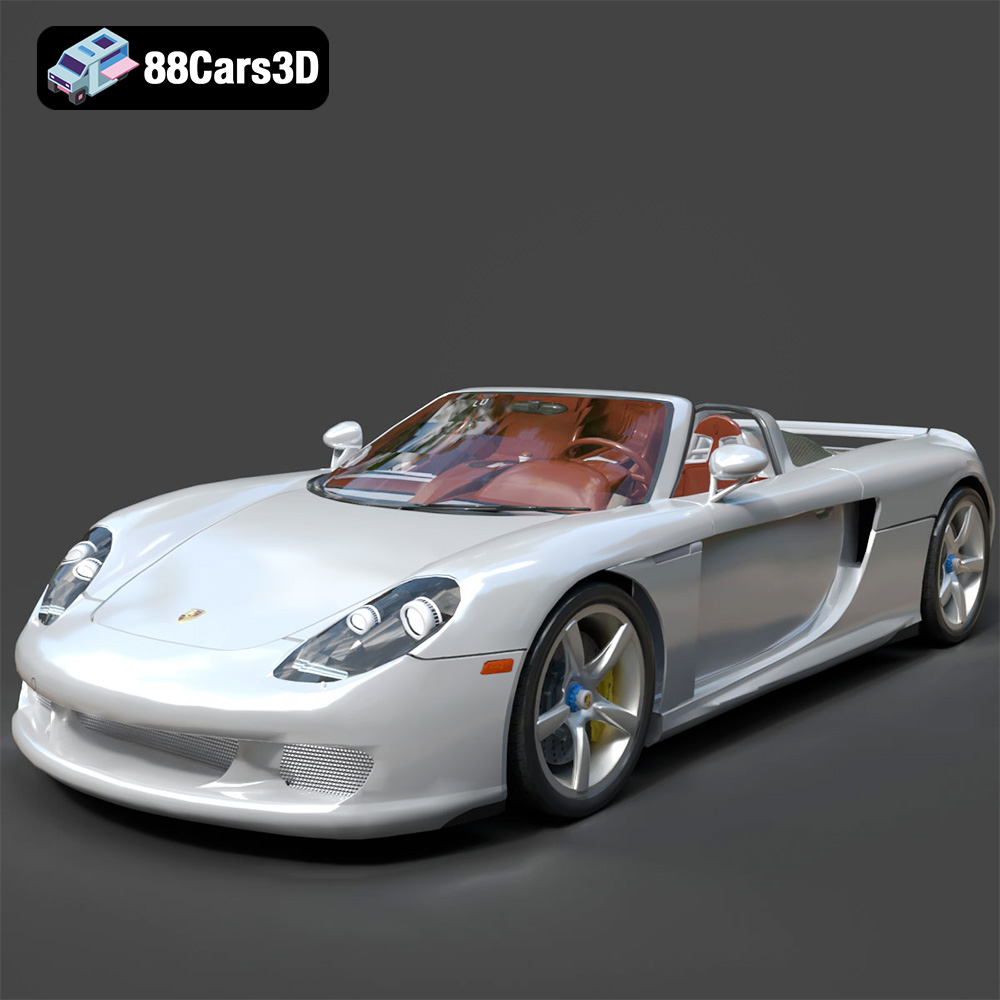
Texture: Yes
Material: Yes
Download the Porsche Carrera GT 3D Model featuring clean geometry, realistic detailing, and a fully modeled interior. Includes .blend, .fbx, .obj, .glb, .stl, .ply, .unreal, and .max formats for rendering, simulation, and game development.
Price: $10
Texture: Yes
Material: Yes
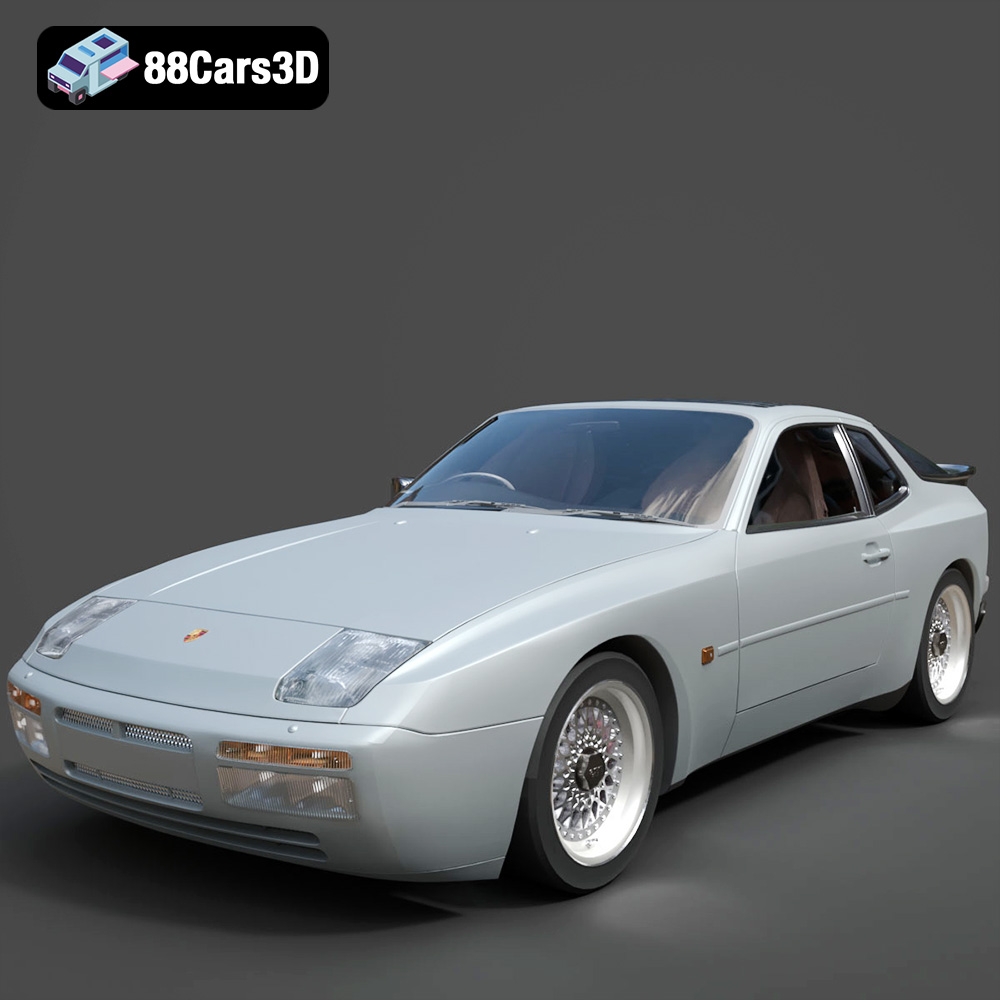
Download the Porsche 944 3D Model featuring clean geometry, realistic detailing, and a fully modeled interior. Includes .blend, .fbx, .obj, .glb, .stl, .ply, .unreal, and .max formats for rendering, simulation, and game development.
Price: $10
Texture: Yes
Material: Yes
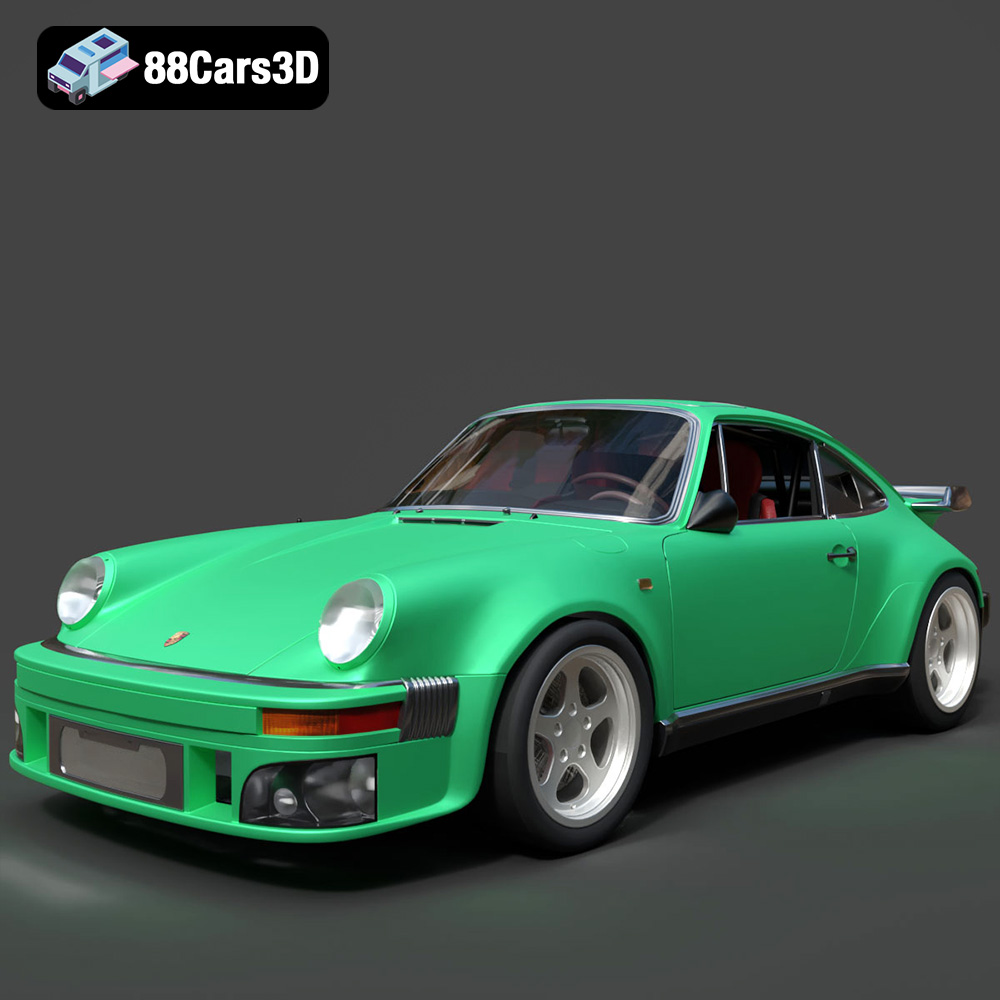
Download the Porsche 964 3D Model featuring clean geometry, realistic detailing, and a fully modeled interior. Includes .blend, .fbx, .obj, .glb, .stl, .ply, .unreal, and .max formats for rendering, simulation, and game development.
Price: $10

