
Mastering the Art of 3D Automotive Models: From Flawless Topology to Hyper-Realistic Renders and Game-Ready Assets

Mastering the Art of 3D Automotive Models: From Flawless Topology to Hyper-Realistic Renders and Game-Ready Assets
The sleek lines, the intricate mechanics, the sheer power – cars have always captivated us. In the realm of 3D, this fascination translates into a demand for exceptionally detailed and realistic automotive models. Whether you’re an automotive designer visualizing a new concept, a game developer crafting an immersive racing experience, an architect integrating vehicles into a scene, or an artist pushing the boundaries of photorealism, the quality of your 3D car models is paramount. It dictates everything from the believability of your renders to the performance of your real-time applications.
Creating or sourcing high-quality 3D car models is a complex endeavor, requiring a deep understanding of various technical disciplines. From meticulously clean topology that supports flawless deformation, to advanced Physically Based Rendering (PBR) materials that accurately simulate real-world surfaces, and optimized assets ready for interactive experiences in AR/VR or game engines – each stage demands precision and expertise. This comprehensive guide will take you on a journey through the essential techniques and best practices for working with 3D automotive models. We’ll delve into the intricacies of modeling, texturing, rendering, optimization, and preparing models for diverse applications, ensuring your digital vehicles truly stand out.
The Foundation: Flawless Topology and Modeling Best Practices
The backbone of any high-quality 3D car model lies in its topology. Clean, efficient, and well-structured geometry is not just aesthetically pleasing in the viewport; it’s fundamental for smooth subdivision, distortion-free deformation, and efficient rendering. Automotive surfaces, with their complex curves, sharp creases, and delicate panel gaps, demand an exceptional level of topological precision. Without it, even the most advanced materials and lighting will fail to mask underlying mesh issues.
Adhering to quad-based topology (meshes composed primarily of four-sided polygons) is a critical industry best practice. Quads are predictable, subdivide cleanly, and allow for consistent edge flow. This consistency is crucial for defining the subtle contours and reflections that make a car model convincing. When modeling, prioritize edge loops that follow the natural flow of the car’s design – around wheel arches, along body lines, and defining panel separations. These loops act as guides for maintaining curvature and sharpness, particularly when using subdivision surface modifiers (like TurboSmooth in 3ds Max or Subdivision Surface in Blender). Support loops (or control loops) are equally vital; these are additional edge loops placed near hard edges to sharpen the transition after subdivision, preventing unwanted softening while still allowing for a smooth overall surface.
Understanding Edge Flow for Automotive Surfaces
Achieving perfect edge flow for automotive models involves more than just using quads; it’s about intelligent placement. Consider the precise flow of edges around areas like headlights, taillights, grilles, and air intakes. These elements often introduce complex junctions in the mesh, where edges need to converge and diverge gracefully. Tools like Blender’s LoopTools, Maya’s Quad Draw, or 3ds Max’s Graphite Modeling Tools can significantly aid in retopologizing messy areas or creating clean geometry from scratch. For intricate details like panel gaps, ensure that the edges defining these separations are tight and consistent, providing a crisp, realistic break in the surface. Inconsistent edge flow can lead to pinching, unwanted bumps, or ugly reflections, ruining the illusion of a perfectly manufactured vehicle.
Polygon Counts and Level of Detail (LODs) Strategy
Polygon counts are a constant balancing act in 3D, especially for automotive assets. A render-ready, high-resolution car model might comfortably sit between 200,000 to over 1 million polygons, allowing for extreme detail in close-up shots. Such models feature fully modeled interiors, intricate engine components, and highly detailed tires and brakes. However, for real-time applications like games or AR/VR, these counts are often too high, leading to performance bottlenecks. This is where a strategic approach to Level of Detail (LODs) becomes indispensable.
LODs involve creating multiple versions of the same model, each with progressively fewer polygons. A typical LOD setup might include:
- LOD0 (High Detail): 50,000 – 80,000 polygons (for close-ups in games, main view).
- LOD1 (Medium Detail): 15,000 – 30,000 polygons (for medium distances).
- LOD2 (Low Detail): 5,000 – 10,000 polygons (for distant views).
- LOD3 (Very Low Detail/Imposter): 500 – 2,000 polygons or even a 2D billboard (for extreme distances).
This strategy ensures that your game engine or AR/VR application only renders the necessary amount of detail based on the model’s distance from the camera, significantly optimizing performance. When sourcing 3D car models from marketplaces such as 88cars3d.com, look for listings that explicitly mention optimized topology and included LODs, as this saves considerable production time.
Texturing Realism: UV Mapping and PBR Material Creation
Once your 3D car model has impeccable topology, the next crucial step is to give it a skin – realistic textures and materials. This is where UV mapping and the creation of Physically Based Rendering (PBR) materials come into play, transforming a sterile wireframe into a vibrant, believable vehicle. The way light interacts with a surface – how it reflects, absorbs, and scatters – defines its perceived material. PBR workflows have become the industry standard for achieving this authenticity, requiring carefully crafted texture maps.
Effective UV mapping is the foundation for any texture work. UVs are 2D coordinates that tell your software how to project a 2D image (texture) onto the 3D surface of your model. Poor UVs lead to stretched textures, visible seams, and wasted texture space, all of which detract from realism. For complex objects like cars, a systematic approach is essential. Generally, you’d unwrap different components (body panels, wheels, interior, glass) separately to ensure optimal resolution and minimal distortion. Large, continuous surfaces like the main body panels often benefit from large, contiguous UV islands to avoid visible seams and allow for high-resolution decals or paint effects.
Strategic UV Mapping for Complex Car Surfaces
When UV mapping a car, consider the specific needs of each part. For the main body, a single large UV island or a few carefully cut islands covering major panels will allow for high-resolution paint textures, typically 4K or even 8K, to capture subtle metallic flakes, clear coat reflections, and surface imperfections. Ensure that seams are placed in inconspicuous areas, such as along natural panel lines or hidden edges. For smaller, repeating elements like tire treads or interior buttons, tiling textures can be efficient, requiring less unique UV space. Glass, chrome trim, and rubber seals also need their own clean UVs, even if they primarily use procedural materials, as these surfaces may still require normal maps or ambient occlusion maps to define fine details or wear. Maximizing texture density across your UV layout is key – arranging islands efficiently to minimize empty space without causing overlap is a skill developed with practice.
Crafting Realistic PBR Materials and Shader Networks
PBR materials simulate how real-world materials interact with light, leading to significantly more believable results. The core of PBR revolves around a few key texture maps:
- Albedo/Base Color: Represents the diffuse color of the surface without any lighting information.
- Metallic: Determines if a surface is a metal (value of 1) or a dielectric (value of 0).
- Roughness: Controls the microscopic surface irregularities, influencing how sharp or blurry reflections appear (0 = perfectly smooth, 1 = perfectly rough).
- Normal Map: Adds surface detail (bumps, scratches, engravings) without adding actual geometry.
- Ambient Occlusion (AO): Simulates soft shadows where surfaces are close together.
For automotive paint, a complex shader network is often required to mimic the multi-layered nature of real car finishes (e.g., base coat, clear coat, metallic flakes). This might involve blending multiple PBR shaders or utilizing specialized car paint shaders available in renderers like Corona, V-Ray, or Cycles. Chrome and other metallic parts will have high metallic values and very low roughness. Glass requires specific transparency and refraction settings, often with subtle normal maps to break up reflections or add fingerprints. Software like Substance Painter is invaluable for creating these PBR texture sets, allowing artists to paint directly onto the 3D model and generate all necessary maps simultaneously. When you acquire models from platforms like 88cars3d.com, they often come with pre-configured PBR materials and high-resolution textures, ready to drop into your preferred rendering engine.
Bringing Cars to Life: Advanced Rendering Workflows
With a perfectly modeled and textured 3D car model, the next step is to make it shine – quite literally – through advanced rendering. This involves meticulous lighting, environmental setup, and fine-tuning render settings to achieve photorealistic results. The goal is to make the digital car indistinguishable from a photograph, capturing every nuance of its surface and form.
The choice of renderer plays a significant role in your workflow. Popular choices in the industry include Corona Renderer and V-Ray (often paired with 3ds Max), Cycles (Blender), and Arnold (Maya). Each offers distinct advantages in terms of speed, feature set, and integration, but all adhere to the principles of physical light simulation. Regardless of your renderer, a key philosophy is to emulate real-world photography and lighting setups. Just as a professional photographer carefully positions lights and chooses a location, a 3D artist must construct a believable digital environment for their automotive subject.
Lighting and Environment Setup for Automotive Shots
High Dynamic Range Images (HDRIs) are the cornerstone of realistic automotive lighting. An HDRI captures a full spherical view of a real-world environment, including all its light information. When used as an environment map in your renderer, it bathes your car model in physically accurate light, generating incredibly realistic reflections on the glossy surfaces of the paint, chrome, and glass. HDRIs can simulate anything from a cloudy outdoor day to a sun-drenched desert, or even an indoor studio. For studio shots, supplementing the HDRI with targeted area lights, softboxes, and rim lights allows for precise control over highlights and shadows, emphasizing the car’s sculpted forms. These lights can be strategically placed to create elegant reflections that define the curves and edges, drawing the viewer’s eye. Experiment with different light temperatures and intensities to evoke specific moods and atmosphere, just as you would in a real photoshoot.
Render Settings, Optimization, and Post-Processing
Optimal render settings are a balance between image quality and render time. Modern renderers offer various sampling and denoising options to achieve clean images efficiently. For instance, in Corona Renderer, you might focus on increasing passes and using the built-in denoiser; in Cycles, adjusting sample counts and utilizing Open Image Denoise can drastically reduce noise. Always render multiple passes (render elements/channels) in addition to the beauty pass. Essential passes for automotive rendering include:
- Reflection Pass: Captures pure reflections.
- Refraction Pass: For glass and transparent materials.
- Normal Pass: Records surface normal direction for relighting or effects.
- Z-Depth Pass: Provides depth information for depth of field effects.
- Material ID / Object ID Pass: For easy masking in post-production.
Post-processing and compositing are where the final magic happens. Using software like Adobe Photoshop, Affinity Photo, or Blackmagic Fusion, you can combine these render passes, perform color grading, adjust contrast, add subtle lens effects (bloom, flares, chromatic aberration), and sharpen the image. This stage is crucial for elevating a good render to an outstanding one, allowing you to fine-tune the visual narrative and achieve that coveted “magazine cover” look. Professional 3D car models from marketplaces like 88cars3d.com are often meticulously crafted to render perfectly, streamlining this entire process for artists and studios.
Game-Ready Assets and Real-Time Optimization
Developing interactive experiences, whether for high-fidelity PC games, console titles, or mobile applications, requires a different approach to 3D car models. While visual fidelity is still paramount, performance becomes an equally critical factor. Game engines like Unity and Unreal Engine demand assets that are not only visually appealing but also highly optimized to maintain smooth frame rates and responsiveness. The focus shifts from raw polygon count to efficient resource management and streamlined rendering pipelines.
The core challenge in game development is rendering many objects, often in complex environments, at 30, 60, or even 120 frames per second. Unoptimized 3D car models can quickly become bottlenecks, causing frame drops and a poor user experience. Therefore, significant effort goes into reducing draw calls, managing texture memory, and employing clever tricks to simulate detail without excessive geometry. This includes everything from how geometry is constructed to how materials are batched and how assets are streamed.
Optimizing 3D Car Models for Game Engines
The most critical optimization technique for game-ready 3D car models is the intelligent use of Level of Details (LODs), as discussed earlier. Implementing a robust LOD system ensures that only the necessary amount of geometric detail is rendered based on the camera’s distance to the vehicle. Beyond geometry, draw call reduction is vital. Each unique material, texture, or mesh typically results in a separate draw call, which can quickly overwhelm a GPU. Strategies to reduce draw calls include:
- Texture Atlasing: Combining multiple smaller textures into one larger texture atlas. This allows several parts of the car (e.g., interior details, badges, small trim pieces) to share a single material, reducing draw calls.
- Mesh Combining: Grouping static mesh components into a single mesh where appropriate.
- Instancing: Using instances of the same mesh (e.g., repeating wheel models) which can be rendered with a single draw call.
Further optimizations involve creating simplified collision meshes (often convex hulls or simplified primitives) instead of using the high-detail visual mesh for physics calculations. Shadow casting can also be optimized with simplified shadow proxies or by baking static shadows for stationary vehicles. Culling techniques, like frustum culling (not rendering objects outside the camera’s view), are handled automatically by game engines but rely on well-defined bounding boxes for your models.
Integration into Unity and Unreal Engine
Importing 3D car models into game engines usually involves the FBX file format, which efficiently carries geometry, UVs, PBR textures, and skeletal animation data. Once imported into Unity or Unreal Engine:
- Material Setup: Convert your PBR textures into the engine’s native material system. Unity’s Standard Shader or Unreal Engine’s PBR material editor allow you to plug in your Albedo, Normal, Metallic, Roughness, and AO maps. Pay close attention to texture sampling settings and compression to optimize memory usage.
- LOD Setup: Configure your LOD groups. In Unity, create an LOD Group component; in Unreal Engine, use the built-in LOD system within the Static Mesh Editor. Define the screen space percentage at which each LOD level should switch.
- Physics and Collision: Add appropriate colliders (e.g., Mesh Colliders for detailed body, Wheel Colliders for realistic wheel physics). Many car models often come with pre-made simplified collision meshes.
- Vehicle Blueprint/Prefab: Assemble your car model, LODs, physics, and potentially a driving script or blueprint into a reusable prefab (Unity) or blueprint (Unreal Engine).
Understanding engine-specific features, such as Unreal’s Chaos Vehicle Physics or Unity’s Wheel Collider, will enable you to create highly realistic driving dynamics. For complex projects, models sourced from marketplaces like 88cars3d.com often include pre-setup LODs and materials, significantly accelerating the integration process.
Beyond Traditional Rendering: AR/VR and 3D Printing
The utility of high-quality 3D car models extends far beyond static renders and conventional game development. Emerging technologies like Augmented Reality (AR) and Virtual Reality (VR) are transforming how we interact with digital content, offering immersive experiences for design visualization, training, and consumer engagement. Simultaneously, 3D printing opens up opportunities to bring these digital designs into the physical world, creating prototypes, scale models, or custom parts. Each of these applications imposes its own unique set of technical requirements and optimization challenges.
For AR/VR, the emphasis is on extreme performance and low latency to prevent motion sickness and ensure a smooth, interactive experience. This often means even more stringent polygon budgets and careful consideration of rendering techniques. For 3D printing, the focus shifts to mesh integrity, ensuring that the digital model is a watertight, manifold object ready for fabrication without errors. Understanding these specific demands is crucial for successfully deploying your automotive models in these cutting-edge fields.
Crafting Immersive Experiences for AR/VR
Developing 3D car models for AR/VR means pushing optimization to its limits. While traditional games might tolerate occasional frame drops, VR requires a consistently high frame rate (e.g., 90 FPS or higher) to avoid nausea. AR applications, often running on mobile devices, face even tighter constraints. This translates to:
- Very Low Poly Counts: Often in the range of 10,000-50,000 triangles for an entire car, especially for mobile AR. Aggressive LODs are non-negotiable.
- Baked Lighting: Wherever possible, bake static lighting and shadows into texture maps (lightmaps or vertex colors) to reduce real-time lighting calculations.
- Single-Pass Forward Rendering: Many mobile VR/AR platforms prefer this rendering path for performance.
- Optimized Shaders: Use simple, performant PBR shaders. The glTF/GLB file format, which supports a PBR material workflow, is ideal for web-based AR and VR. For Apple’s ARKit, the USDZ format is the standard.
- Accurate Scale: Ensure your model is built to real-world scale, as this is critical for a believable AR/VR experience.
When users can walk around, sit inside, or even customize a virtual car in their living room, accuracy and interactivity become paramount. 3D car models designed with AR/VR in mind, often available on platforms like 88cars3d.com, typically feature pre-optimized geometry and PBR textures tailored for efficient real-time rendering on various devices.
Preparing Automotive Models for 3D Printing
Turning a digital 3D car model into a physical object via 3D printing requires a different kind of preparation. The primary concern is mesh integrity – the model must be “manifold” or “watertight.” This means:
- No Holes: The surface must be completely enclosed, with no gaps or missing faces.
- No Non-Manifold Edges: Every edge should be shared by exactly two faces. Edges shared by more or fewer faces can cause printing errors.
- No Inverted Normals: All face normals must point consistently outwards.
- Sufficient Wall Thickness: For practical printing, all parts of the model need a minimum thickness (e.g., 0.8mm – 2mm depending on material and scale) to be structurally sound. Very thin details might need to be thickened or removed.
Tools within 3D software like Blender’s 3D Print Toolbox, Autodesk Meshmixer, or Netfabb are invaluable for identifying and repairing mesh errors. You’ll often need to merge separate components into a single solid mesh, fill holes, and ensure correct scaling for your desired print size. The most common file formats for 3D printing are STL (Stereolithography) and OBJ, though others like AMF are gaining traction. Before sending to print, always run a final check with a dedicated 3D printing slicer software, which can often highlight any remaining issues and prepare the model for the specific printer.
File Formats, Conversions, and Workflow Integration
The journey of a 3D car model often involves moving between different software applications and platforms. This necessitates a clear understanding of various 3D file formats, their capabilities, and the best practices for converting and integrating them into diverse workflows. Interoperability is a key concern in the 3D industry, and choosing the right format for the right task can save immense time and prevent frustrating technical hurdles.
Each file format is designed with specific use cases in mind, supporting different types of data (geometry, UVs, materials, animations, scene hierarchy). While some formats are proprietary to specific software (e.g., .max for 3ds Max, .blend for Blender), universal exchange formats facilitate seamless data transfer between applications and platforms. Knowing when to use which format, and how to correctly handle conversions, is a hallmark of a professional 3D workflow.
Navigating the Landscape of 3D File Formats
Here’s a breakdown of common 3D file formats and their typical applications:
- FBX (Filmbox): Developed by Autodesk, FBX is arguably the most versatile and widely supported exchange format. It can carry a comprehensive range of data including geometry, UVs, materials (though material conversions can be tricky), skeletal animations, blend shapes, lights, and cameras. It’s excellent for transferring models between 3ds Max, Maya, Blender, Unity, and Unreal Engine.
- OBJ (Wavefront Object): A long-standing, simple, and universally supported format. OBJ is great for transferring pure geometry and UV information. It typically stores material data in a separate .MTL file and doesn’t support animations or scene hierarchy. It’s a reliable choice for static models, especially for 3D printing and basic imports.
- GLB/glTF (Graphics Language Transmission Format): An open standard, becoming increasingly popular for web-based 3D, AR/VR, and real-time applications. GLB is the binary version of glTF, bundling all assets (geometry, textures, materials, animations) into a single file, making it incredibly convenient for distribution. It natively supports PBR materials.
- USDZ (Universal Scene Description Zip): Developed by Pixar and adopted by Apple, USDZ is the preferred format for ARKit and Apple’s AR experiences. It’s a compressed, unencrypted package for the USD format, combining geometry, PBR materials, and animations.
- STL (Stereolithography): The industry standard for 3D printing. It defines only the surface geometry of a 3D object using a mesh of triangles, without color, texture, or other attributes.
- Native Formats (.max, .blend, .c4d, .ma/.mb): These files contain all the scene data, specific renderer settings, and proprietary features of their respective software. While not ideal for exchange, they are essential for artists working within a single application or studio pipeline.
Seamless Workflow Integration and Data Transfer
When converting models between different software packages or for specific applications, several considerations are paramount:
- Scale: Software often uses different default unit scales (e.g., centimeters vs. meters). Always check and adjust scale on import/export to avoid issues.
- Pivot Points: Ensure the model’s pivot point is correctly positioned (e.g., at the center of the wheels or base of the car) for animation or interaction.
- Material Conversion: This is often the trickiest part. While FBX and glTF try to preserve PBR information, you’ll almost always need to re-assign or tweak materials manually in the target application, especially if custom shaders or advanced renderer-specific nodes were used.
- Texture Paths: Ensure textures are either embedded in the file (like GLB) or correctly linked with relative paths to avoid “missing texture” errors.
- Clean Exports: Before exporting, clean up your scene: remove unnecessary objects, unused data, and redundant modifiers. Reset transforms and ensure consistent face normals.
By understanding these nuances, you can navigate complex pipelines with confidence. Marketplaces like 88cars3d.com often provide 3D car models in multiple formats (e.g., .MAX, .FBX, .OBJ, .GLB, .USDZ) to offer maximum flexibility and reduce conversion hassles for professionals working across various platforms and software.
Conclusion
The journey from a digital concept to a hyper-realistic render or a game-ready asset for 3D car models is a testament to the blend of technical skill and artistic vision in the 3D industry. We’ve explored the critical importance of impeccable topology and edge flow for automotive surfaces, the precision required in UV mapping and crafting exquisite PBR materials, and the advanced techniques for stunning automotive rendering using industry-leading engines.
We’ve also delved into the specialized demands of game engine optimization, including strategies like LODs and draw call reduction for seamless real-time experiences in Unity and Unreal Engine. Beyond traditional applications, we’ve touched upon the unique challenges and opportunities presented by AR/VR platforms and the meticulous preparation needed for successful 3D printing. Finally, a clear understanding of various file formats and robust workflow integration ensures that your high-quality assets can traverse any pipeline.
Mastering these aspects is crucial for anyone aiming to create or utilize top-tier 3D car models. The commitment to detail, optimization, and adherence to industry best practices is what elevates a good model to an exceptional one, unlocking its full potential across design, visualization, and interactive entertainment. For those seeking professional, ready-to-use 3D car models that embody these very principles, we invite you to explore the extensive collection at 88cars3d.com, where quality and versatility meet the demands of modern 3D production.
Featured 3D Car Models
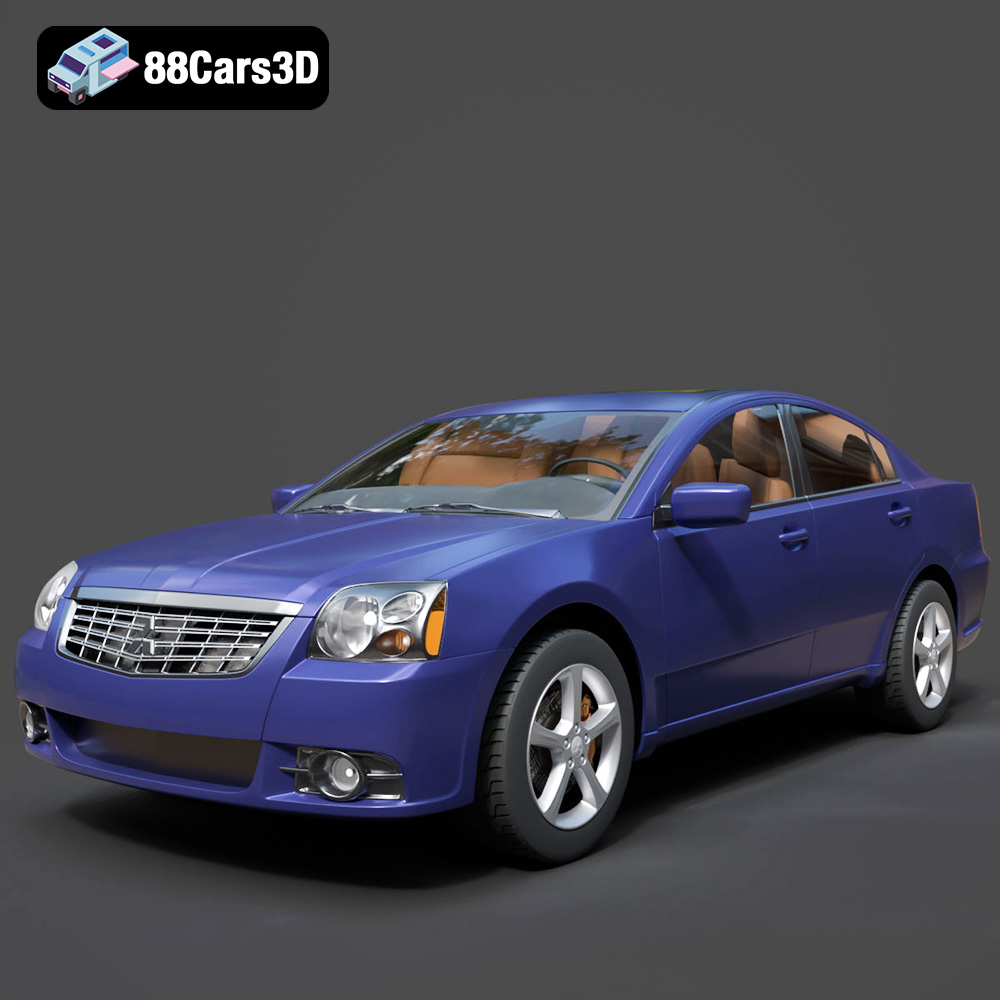
Mitsubishi Galant 2009 3D Model
Texture: Yes
Material: Yes
Download the Mitsubishi Galant 2009 3D Model featuring clean geometry, realistic detailing, and a fully modeled interior. Includes .blend, .fbx, .obj, .glb, .stl, .ply, .unreal, and .max formats for rendering, simulation, and game development.
Price: $4.99
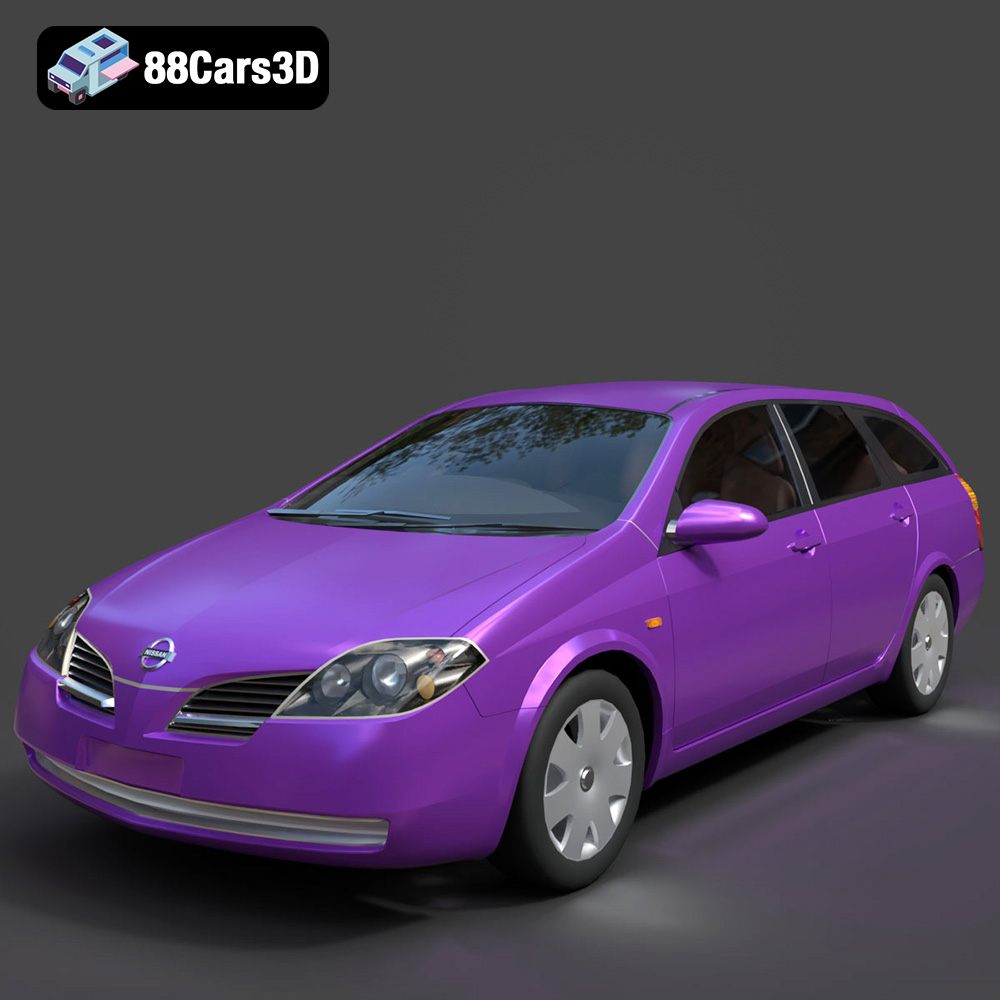
Nissan Primera Wagon 3D Model
Texture: Yes
Material: Yes
Download the Nissan Primera Wagon 3D Model featuring clean geometry, realistic detailing, and a fully modeled interior. Includes .blend, .fbx, .obj, .glb, .stl, .ply, .unreal, and .max formats for rendering, simulation, and game development.
Price: $4.99
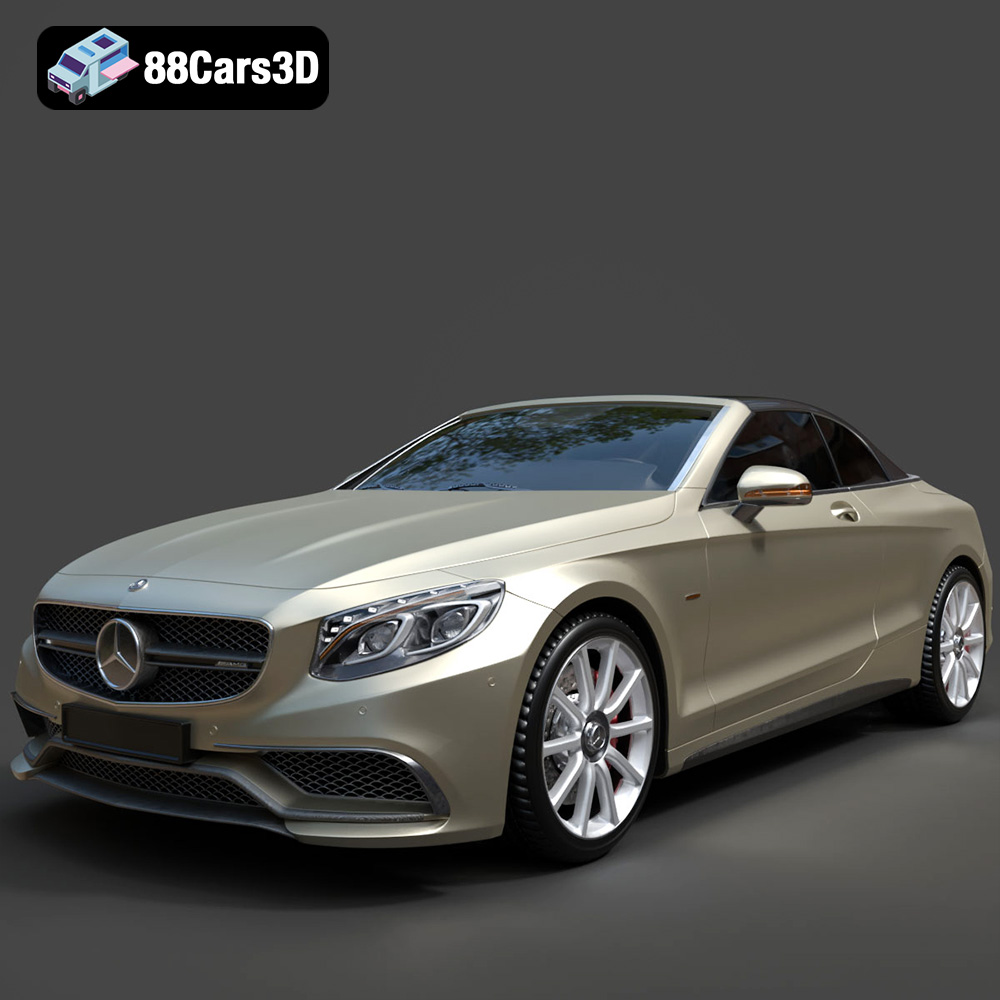
Mercedes-Benz S63 AMG Cabriolet 2017 3D Model
Texture: Yes
Material: Yes
Download the Mercedes-Benz S63 AMG Cabriolet 2017 3D Model featuring clean geometry, realistic detailing, and a fully modeled interior. Includes .blend, .fbx, .obj, .glb, .stl, .ply, .unreal, and .max formats for rendering, simulation, and game development.
Price: $20.99
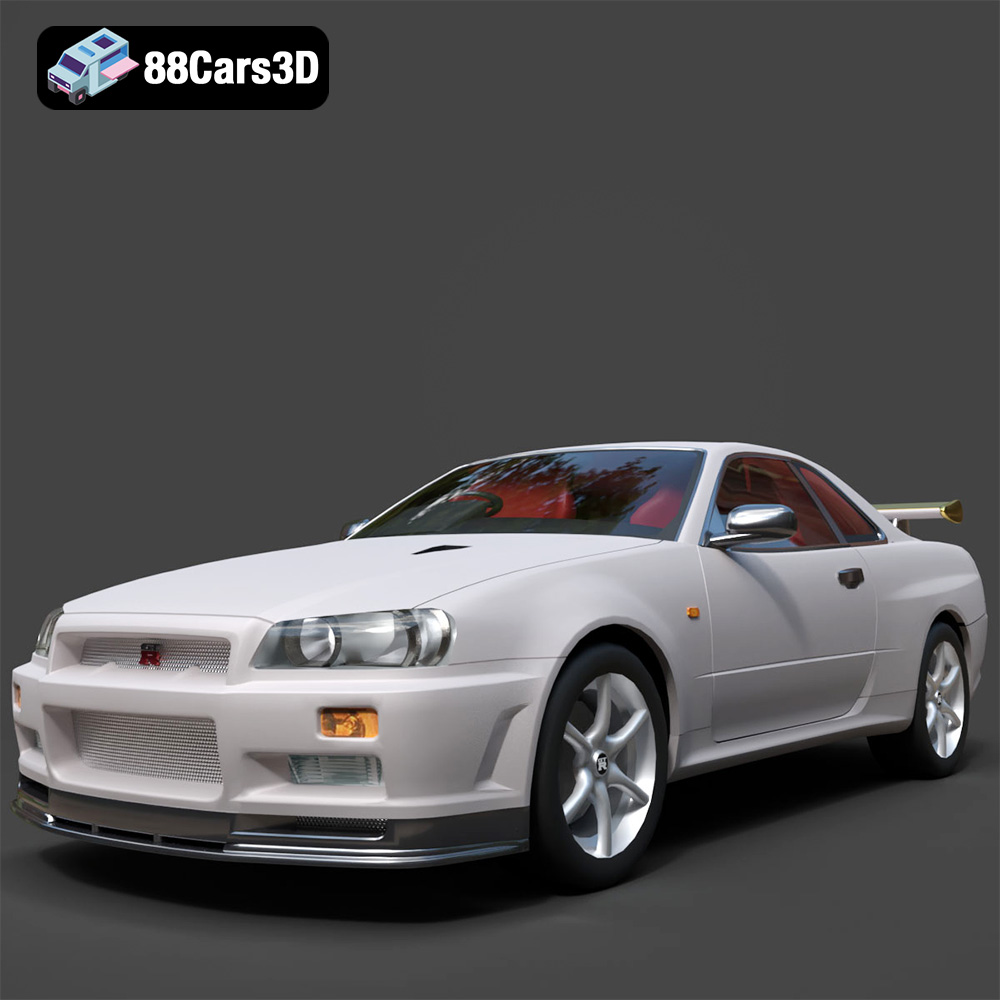
Nissan Skyline R34 2002 3D Model
Texture: Yes
Material: Yes
Download the Nissan Skyline R34 2002 3D Model featuring clean geometry, realistic detailing, and a fully modeled interior. Includes .blend, .fbx, .obj, .glb, .stl, .ply, .unreal, and .max formats for rendering, simulation, and game development.
Price: $4.99
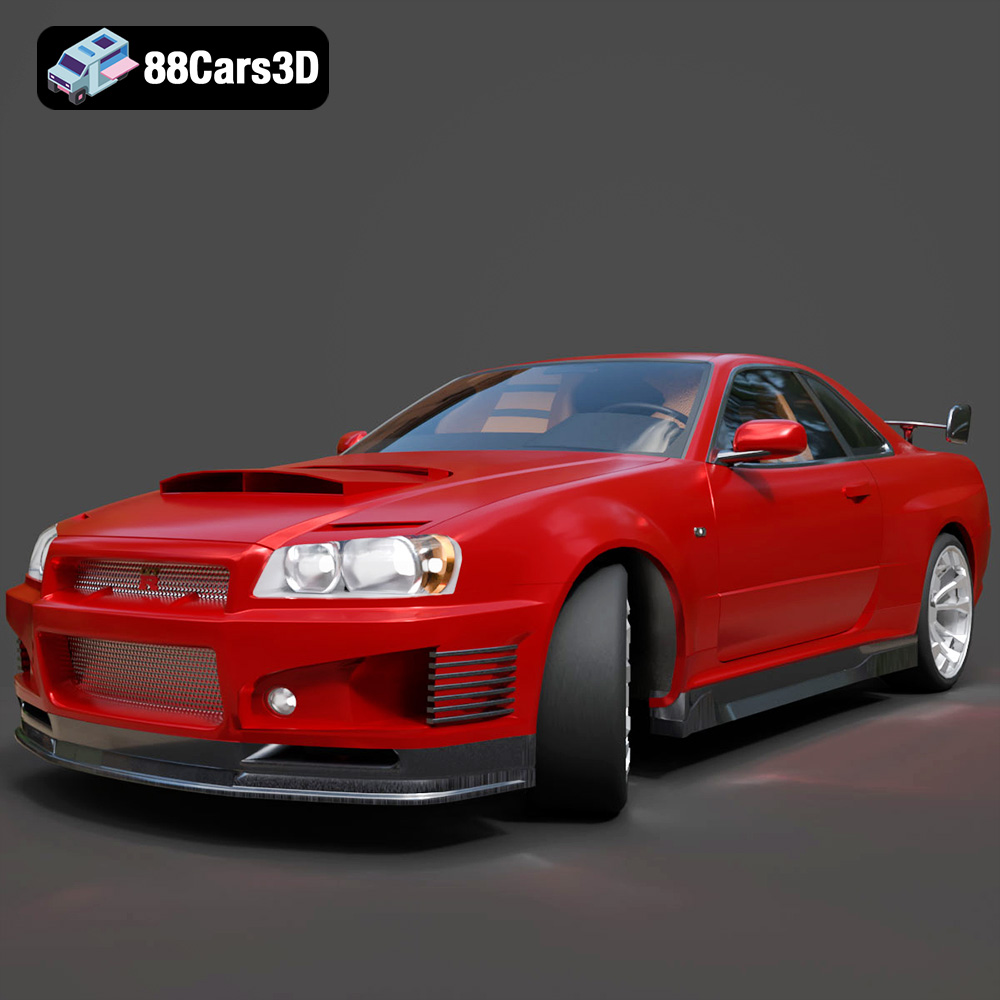
Nissan Skyline 3D Model
Texture: Yes
Material: Yes
Download the Nissan Skyline 3D Model featuring clean geometry, realistic detailing, and a fully modeled interior. Includes .blend, .fbx, .obj, .glb, .stl, .ply, .unreal, and .max formats for rendering, simulation, and game development.
Price: $9.99
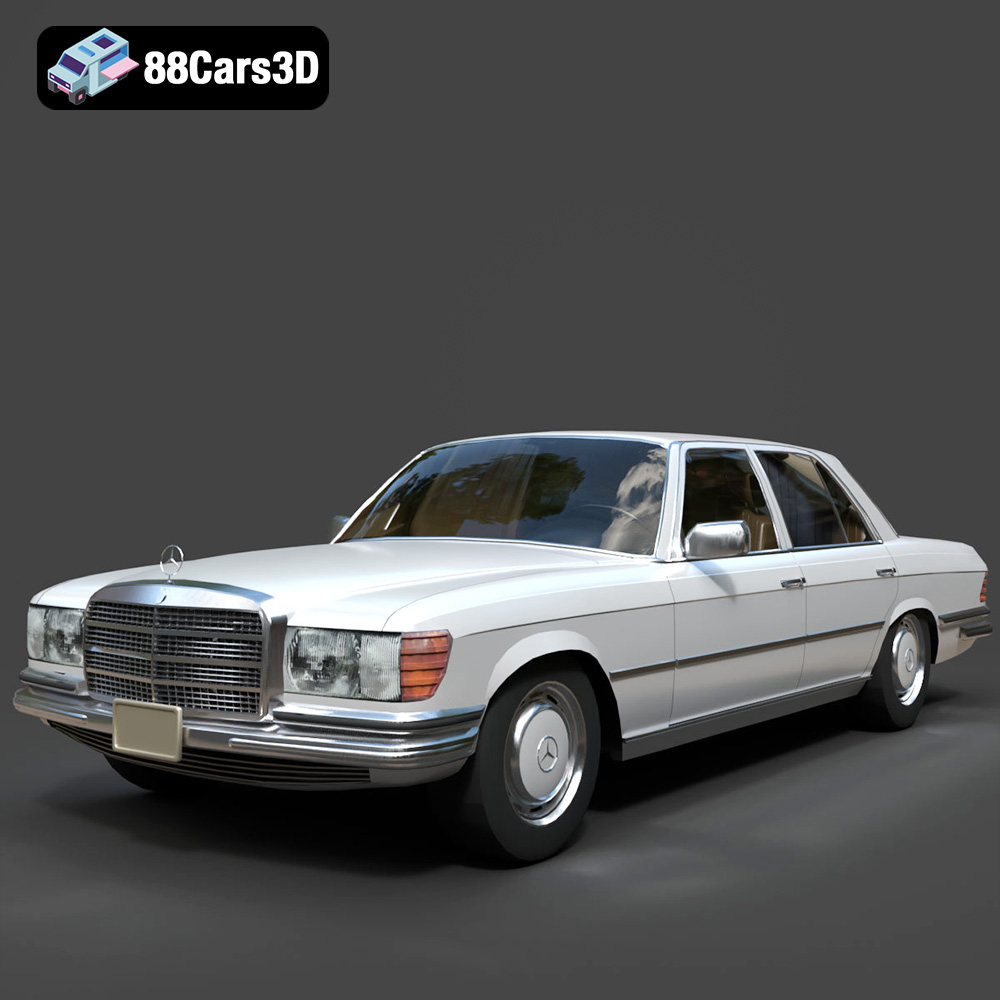
Mercedes-Benz S-Klasse W116 3D Model
Texture: Yes
Material: Yes
Download the Mercedes-Benz S-Klasse W116 3D Model featuring clean geometry, realistic detailing, and a fully modeled interior. Includes .blend, .fbx, .obj, .glb, .stl, .ply, .unreal, and .max formats for rendering, simulation, and game development.
Price: $4.99
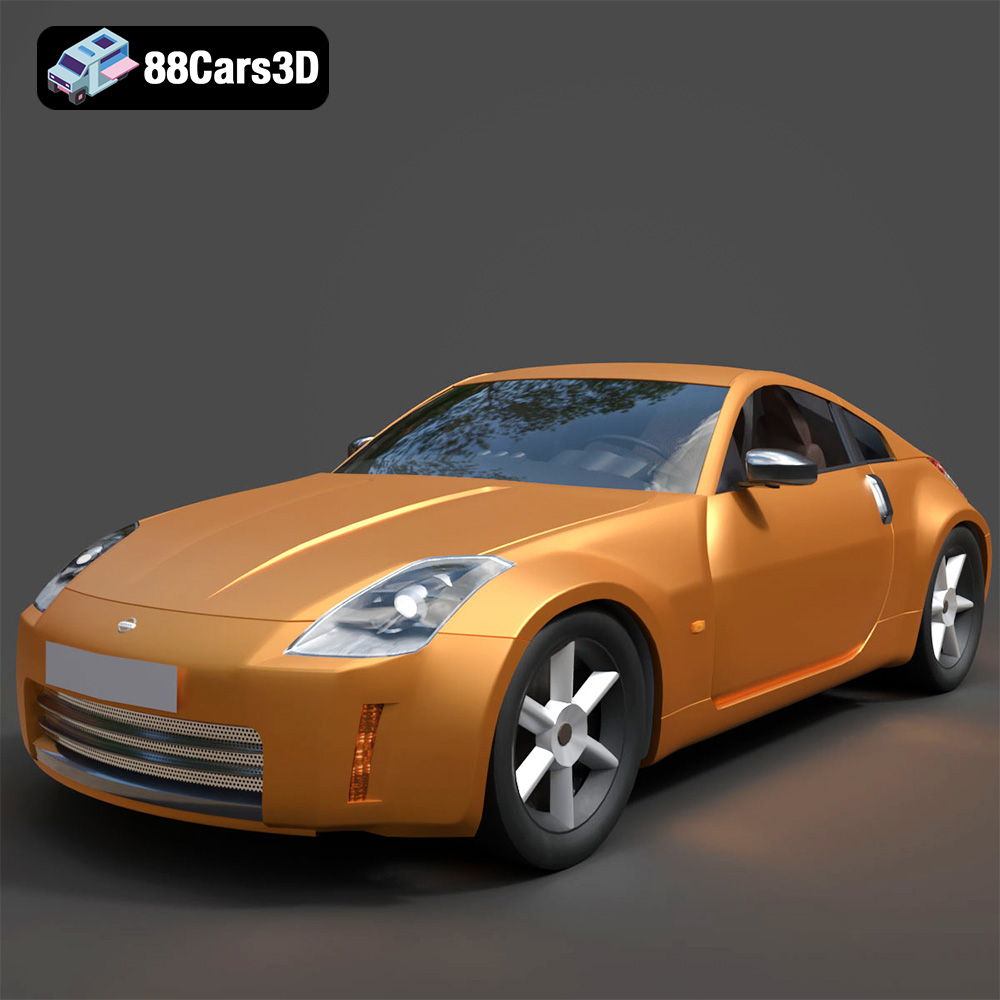
Nissan 350Z 3D Model
Texture: Yes
Material: Yes
Download the Nissan 350Z 3D Model featuring clean geometry, realistic detailing, and a fully modeled interior. Includes .blend, .fbx, .obj, .glb, .stl, .ply, .unreal, and .max formats for rendering, simulation, and game development.
Price: $4.99

Nissan Skyline V35 2001 3D Model
Texture: Yes
Material: Yes
Download the Nissan Skyline V35 2001 3D Model featuring clean geometry, realistic detailing, and a fully modeled interior. Includes .blend, .fbx, .obj, .glb, .stl, .ply, .unreal, and .max formats for rendering, simulation, and game development.
Price: $4.99

Mercedes-Benz S-Klasse 221-007 3D Model
Texture: Yes
Material: Yes
Download the Mercedes-Benz S-Klasse 221-007 3D Model featuring clean geometry, realistic detailing, and a fully modeled interior. Includes .blend, .fbx, .obj, .glb, .stl, .ply, .unreal, and .max formats for rendering, simulation, and game development.
Price: $4.99
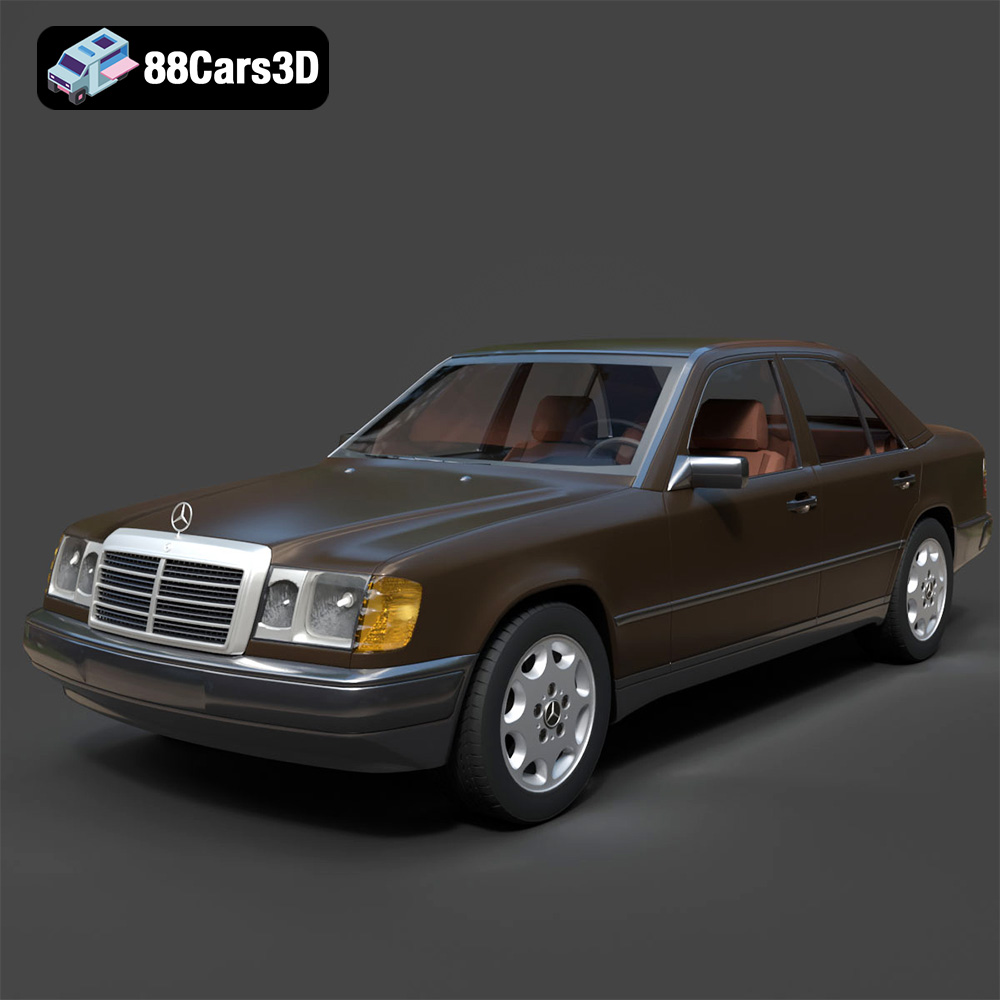
Mercedes W124 Sedan 3D Model
Texture: Yes
Material: Yes
Download the Mercedes W124 Sedan 3D Model featuring clean geometry, realistic detailing, and a fully modeled interior. Includes .blend, .fbx, .obj, .glb, .stl, .ply, .unreal, and .max formats for rendering, simulation, and game development.
Price: $4.99
