Get 20% OFF All Premium 3D & STL Models!

In the vibrant world of 3D visualization, few subjects capture the imagination quite like the automobile. From sleek sports cars to rugged off-roaders, 3D car models are indispensable assets for a myriad of industries: game development, automotive design, architectural visualization, film production, marketing, and the rapidly expanding realms of AR/VR. However, creating truly high-fidelity, production-ready 3D car models is a complex undertaking, demanding a deep understanding of artistic principles, technical precision, and intricate workflows.
This comprehensive guide will take you on an in-depth journey through the entire lifecycle of developing professional-grade 3D car models. We’ll peel back the layers of sophisticated workflows, from the foundational principles of clean topology and efficient UV mapping to the advanced nuances of PBR material creation, photorealistic rendering, and crucial optimization techniques for real-time applications. Whether you’re a seasoned 3D artist aiming to refine your automotive craft, a game developer seeking performant assets, or an automotive designer looking to enhance your visualization pipeline, this post will equip you with the knowledge and actionable strategies to elevate your projects. When you need a head start with professionally crafted assets, platforms like 88cars3d.com offer a vast selection of ready-to-use, high-quality 3D car models, ensuring a strong foundation for any project.
The foundation of any exceptional 3D car model lies in its topology. Topology refers to the arrangement of polygons (faces, edges, and vertices) that make up a 3D mesh. For automotive models, clean and efficient topology is paramount, directly impacting shading, deformation, UV mapping, and overall model performance. Poor topology can lead to pinching, artifacting, and difficulty in achieving smooth, curvature-accurate surfaces.
The core principle for car modeling is a quad-dominant mesh. This means the vast majority of your polygons should be quadrilaterals (four-sided faces). Quads subdivide predictably, making them ideal for subdivision surface (SDS) modeling, which is the gold standard for creating the smooth, flowing curves characteristic of vehicle bodies. Aim for uniform polygon density across surfaces to ensure consistent detail and prevent stretching during subdivision. Avoid triangles and N-gons (polygons with more than four sides) in critical areas, especially on curved surfaces, as they can cause shading anomalies and unpredictable deformation.
Creating precise automotive surfaces often involves a blend of techniques. For organic, flowing body panels, subdivision surface modeling (also known as Catmull-Clark subdivision) is typically employed. You start with a relatively low-polygon base mesh and let the subdivision algorithm smooth it out. This method allows for iterative refinement and natural curvature.
Alternatively, some workflows begin with CAD data, often provided in formats like STEP or IGES. While these offer incredible precision, they are typically NURBS (Non-Uniform Rational B-Spline) surfaces, which are mathematically defined curves, not polygon meshes. For visualization or real-time applications, this NURBS data often needs to be converted into polygons, a process called tessellation. Following tessellation, a crucial step is retopology – rebuilding a clean, quad-dominant polygonal mesh over the high-detail CAD geometry. This ensures optimal performance and shading, as direct tessellation can often result in dense, irregular triangulation.
Edge flow is the path that edges take across the surface of your model. For cars, excellent edge flow is critical for defining panel gaps, creases, and subtle surface transitions. Thoughtful edge placement ensures that when your model is subdivided, these details remain crisp and well-defined, and light reflects off the surface smoothly.
For high-detail render models, polygon counts can range from 150,000 to 500,000 polygons for a complete car, ensuring fine detail and smooth surfaces. For game engines, targets are significantly lower, often aiming for 50,000 to 100,000 polygons for the main vehicle, with more aggressive optimization via Level of Detail (LOD) models.
Once your 3D car model’s topology is solid, the next crucial step is UV mapping. UVs are 2D coordinates that tell your 3D software how to project a 2D texture onto the 3D surface of your model. Flawless UV mapping is essential for creating realistic materials, preventing texture stretching, minimizing visible seams, and optimizing texture memory usage, especially on the large, curved surfaces of an automobile.
The primary goal of UV unwrapping for car models is to create a clean, organized, and distortion-free 2D representation of your 3D mesh. Strategic placement of UV seams is vital. For car bodies, seams should generally be placed in less visible areas, such as along natural panel breaks, beneath the car, or within interior crevices. Avoiding long, continuous seams across highly reflective surfaces minimizes their visibility in the final render.
Unwrapping a complex object like a car requires a methodical approach. Different parts of the car will benefit from different unwrapping techniques:
A well-optimized UV layout is not just about avoiding seams; it’s about maximizing efficiency for PBR (Physically Based Rendering) texturing and runtime performance:
Typical texture resolutions for a main car body can range from 4K to 8K for high-end rendering, while smaller components like wheels, tires, and interior elements might use 1K to 2K maps. For real-time applications, these values are often halved to 2K-4K for the body and 512-1K for details to maintain performance.
Once your 3D car model is expertly UV mapped, the next step is to give it a lifelike appearance through realistic materials and shaders. Physically Based Rendering (PBR) is the industry standard for achieving photorealistic results, simulating how light interacts with surfaces in the real world. PBR shaders use a set of textures that define a material’s intrinsic properties, ensuring consistent and predictable rendering across different lighting conditions.
The two most common PBR workflows are Metallic-Roughness and Specular-Glossiness. Metallic-Roughness is generally preferred for its intuitive nature and efficiency in modern engines and renderers. Key maps involved typically include:
Automotive paint is notoriously complex, often consisting of multiple layers. A typical car paint shader setup in a PBR renderer will emulate this:
Achieving realistic glass and chrome materials also requires careful attention. Chrome should have very low roughness (approaching 0) and high metallic (1). Glass requires specific transparency, refraction (using an Index of Refraction, IOR, typically around 1.5 for common glass), and often a subtle tint. Many renderers offer dedicated “physical glass” and “physical metal” shaders for this purpose, such as Corona Physical Material, V-Ray PBR Material, or Blender’s Principled BSDF shader, which are excellent starting points for these material types.
Creating these detailed maps often involves specialized software and techniques:
The process of material creation is highly iterative. Constant test renders under various lighting conditions are essential to ensure your materials behave as expected and contribute to the overall photorealism of your automotive rendering.
With a meticulously modeled and textured 3D car, the final step in bringing it to life is rendering. Automotive rendering is an art form itself, demanding a keen eye for lighting, composition, and post-processing. The choice of renderer, coupled with a well-planned lighting and environment setup, determines the final visual fidelity of your car model.
Renderers generally fall into two categories: CPU-based (e.g., older V-Ray versions, Arnold, Corona) and GPU-based (e.g., Cycles, Redshift, newer V-Ray GPU). Each has its strengths in terms of speed, feature set, and integration with specific 3D software. Unbiased renderers (like Corona, Cycles, Arnold) aim for physical accuracy with minimal user intervention but can be slower, while biased renderers (like V-Ray) offer more controls for optimization, potentially at the cost of some physical accuracy.
Effective lighting is crucial for showcasing the complex curves and reflective surfaces of a car. A common starting point is an HDRI (High Dynamic Range Image) environment. HDRIs provide both realistic ambient lighting and highly detailed reflections, instantly grounding your car in a plausible setting. Websites like Poly Haven offer a vast collection of free, high-quality HDRIs.
For more controlled “studio” shots, additional artificial lights are typically employed:
Regardless of your chosen renderer, a few general principles apply:
For advanced post-processing, render multiple render passes or AOV (Arbitrary Output Variables). These include Z-depth (for precise depth of field in compositing), Normal, Ambient Occlusion, Reflection, Refraction, and Cryptomatte (for easy mask generation). These passes provide immense control during the compositing stage in software like Photoshop or Nuke.
While photorealistic renders prioritize visual fidelity, game assets and real-time applications like AR/VR demand a delicate balance between visual quality and performance. A model optimized for rendering typically has too many polygons and high-resolution textures for real-time engines to handle efficiently. Optimization is about intelligent compromise, ensuring smooth frame rates without sacrificing too much visual impact.
The core challenge is that every polygon, every texture, and every draw call adds to the computational load. High frame rates (e.g., 60 FPS for desktop games, 90 FPS for VR) are paramount for a fluid user experience.
Level of Detail (LOD) is a critical optimization technique. Instead of using a single high-polygon model at all distances, you create multiple versions of the same model with progressively lower polygon counts. The game engine then automatically switches between these LODs based on the camera’s distance to the object.
LODs can be created manually through careful retopology and simplification, or using automated tools within 3D software (e.g., Maya’s Mesh > Reduce) or game engines (e.g., Unity’s LOD Group, Unreal Engine’s Auto LOD Generation). Always prioritize maintaining the silhouette and key features of the car, even at lower LODs.
In game engines, a draw call is an instruction to the GPU to draw objects. Each time the engine has to switch materials or textures, it incurs a new draw call, which can be computationally expensive. Reducing draw calls is a major optimization target:
When preparing your 3D car models, consolidate materials and textures where possible. Exporting models in formats like FBX (for Unity/Unreal) or GLB/glTF (for web/AR/VR) ensures broad compatibility and often comes with PBR material definitions embedded.
AR/VR optimization techniques are even more stringent due to the high frame rate requirements (often 90 FPS per eye for VR) and limited device resources. Key considerations include:
Every decision, from topology to texturing, must prioritize efficiency. The goal is to deliver an immersive experience without performance hiccups.
The journey of a 3D car model doesn’t end with rendering or game integration. Depending on its final application, understanding various file formats and preparing your model for diverse uses, such as 3D printing, is essential. The right format ensures compatibility, preserves data integrity, and supports specific workflows.
The 3D landscape is rich with file formats, each serving a particular purpose:
When sourcing 3D car models from marketplaces such as 88cars3d.com, you’ll often find models provided in multiple formats to cater to diverse professional needs, saving you valuable conversion time.
Turning a beautiful render model into a physical object via 3D printing requires specific preparation, as 3D printers need mathematically watertight, “manifold” geometry.
Tools like Blender’s 3D Print Toolbox, Autodesk Netfabb, or online services are invaluable for analyzing and repairing these issues.
Thorough preparation ensures a successful print, avoiding frustrating failures and wasted material. A detailed final check of your mesh’s integrity before export is always recommended.
The creation of high-fidelity 3D car models is a challenging yet deeply rewarding endeavor, demanding a blend of artistic vision, technical prowess, and meticulous attention to detail. We’ve journeyed through the entire pipeline, from sculpting clean topology and precisely unwrapping UVs to crafting physically accurate PBR materials, orchestrating stunning renders, and optimizing assets for the demanding environments of game engines and AR/VR. Each stage builds upon the last, with careful planning and execution being the cornerstones of success.
Understanding concepts like quad-dominant topology, consistent texel density, layered PBR shaders, and strategic LOD implementation is not just about making things look good; it’s about making them perform efficiently and consistently across diverse platforms. Whether your goal is a breathtaking cinematic render, an immersive real-time experience, or a tangible 3D print, mastering these techniques will empower you to create truly exceptional 3D car models.
The journey of a 3D artist is one of continuous learning and adaptation. Experiment with different software, explore new techniques, and always strive for perfection in your craft. And remember, for those times when you need a jumpstart with expertly crafted, high-quality 3D models, platforms like 88cars3d.com are an invaluable resource, providing the foundation you need to accelerate your creative projects and achieve professional results.
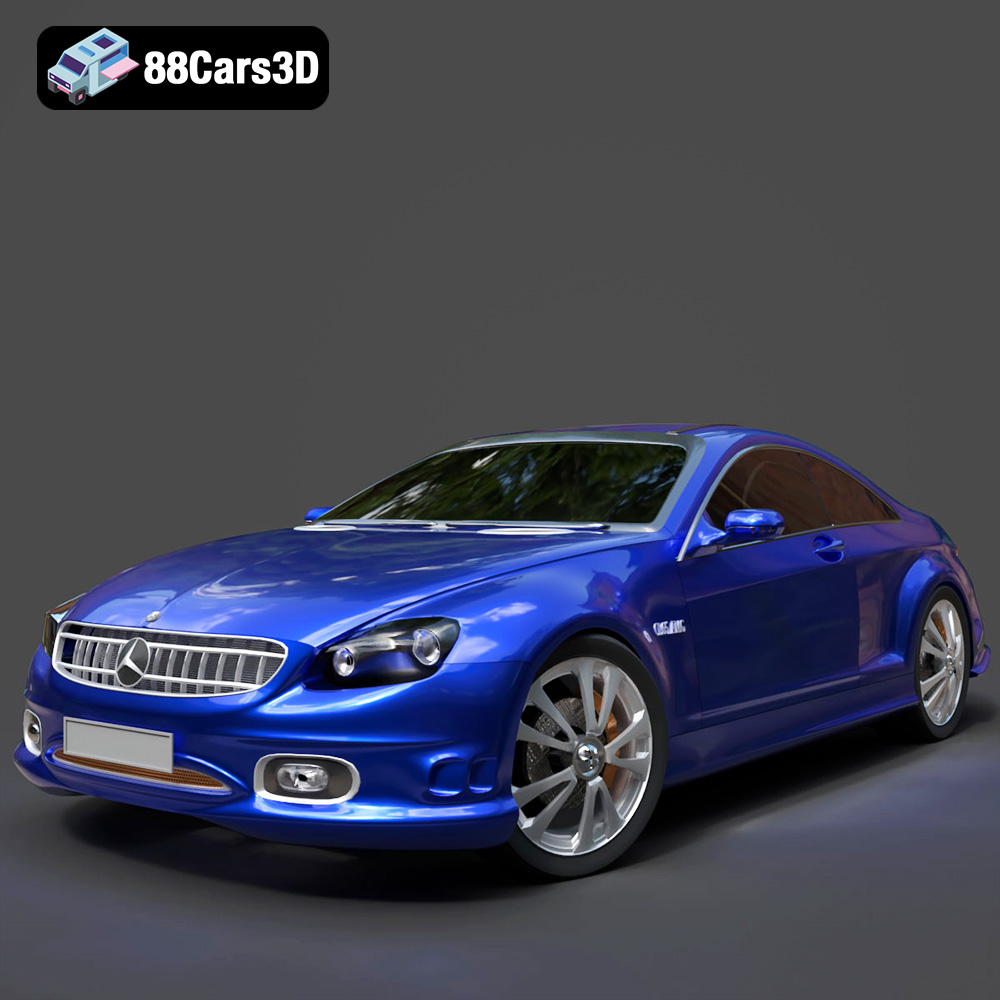
Texture: Yes
Material: Yes
Download the Mercedes-Benz CL6540-005 3D Model featuring clean geometry, realistic detailing, and a fully modeled interior. Includes .blend, .fbx, .obj, .glb, .stl, .ply, .unreal, and .max formats for rendering, simulation, and game development.
Price: $4.99
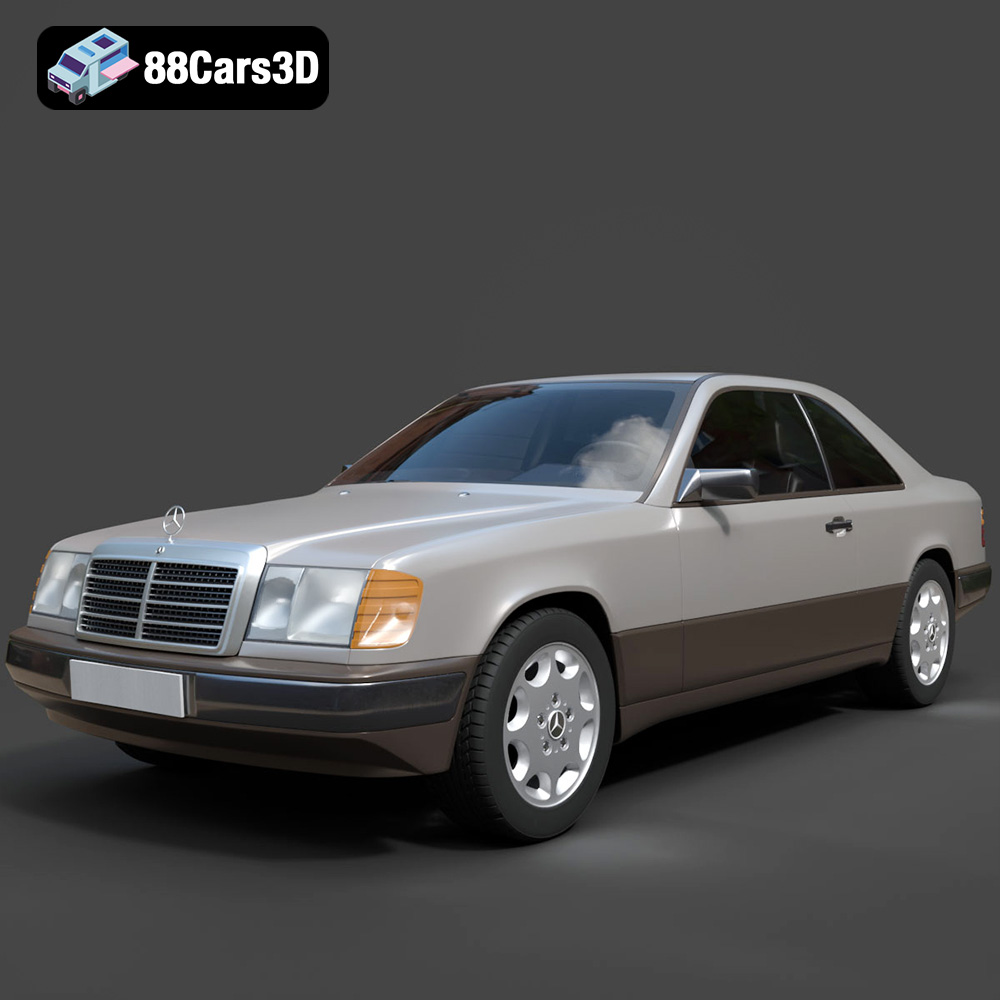
Texture: Yes
Material: Yes
Download the Mercedes E-Class w124 Coupe 3D Model featuring clean geometry, realistic detailing, and a fully modeled interior. Includes .blend, .fbx, .obj, .glb, .stl, .ply, .unreal, and .max formats for rendering, simulation, and game development.
Price: $4.99
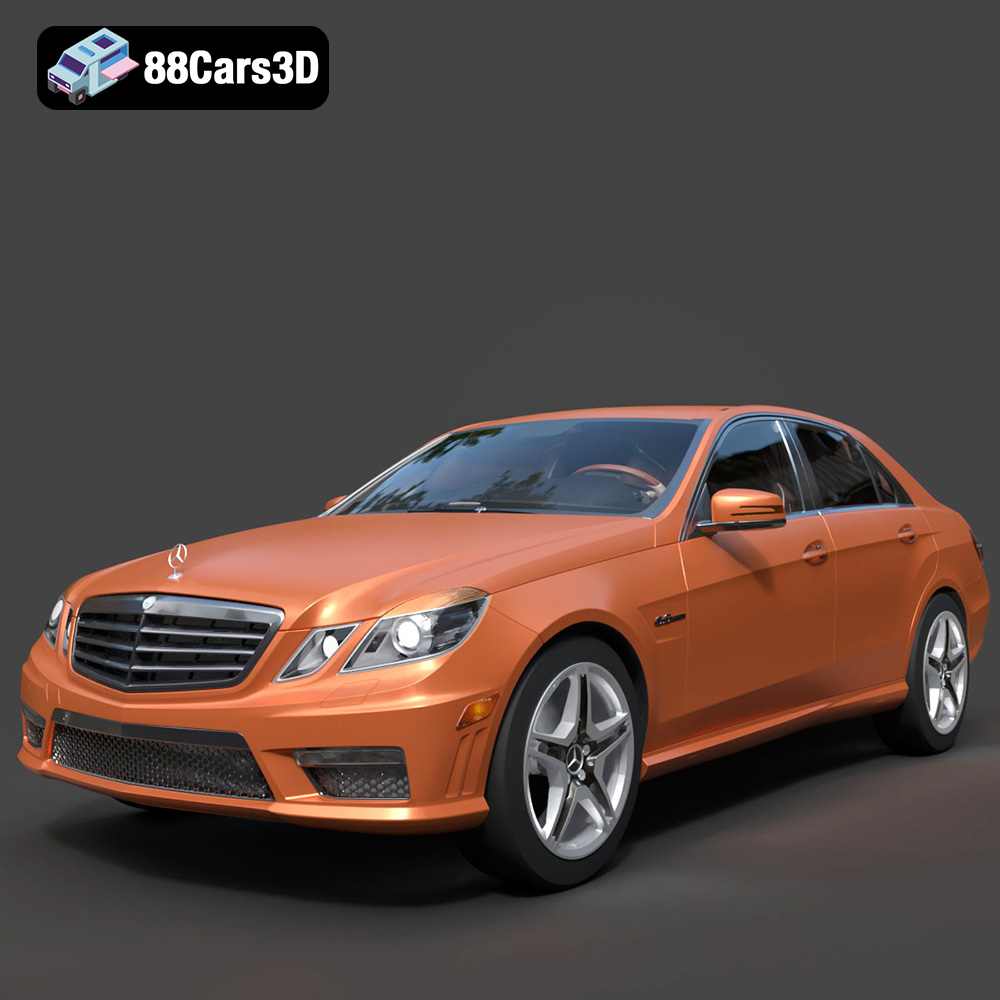
Texture: Yes
Material: Yes
Download the Mercedes-Benz E-Klasse 63 AMG 3D Model featuring clean geometry, realistic detailing, and a fully modeled interior. Includes .blend, .fbx, .obj, .glb, .stl, .ply, .unreal, and .max formats for rendering, simulation, and game development.
Price: $4.99
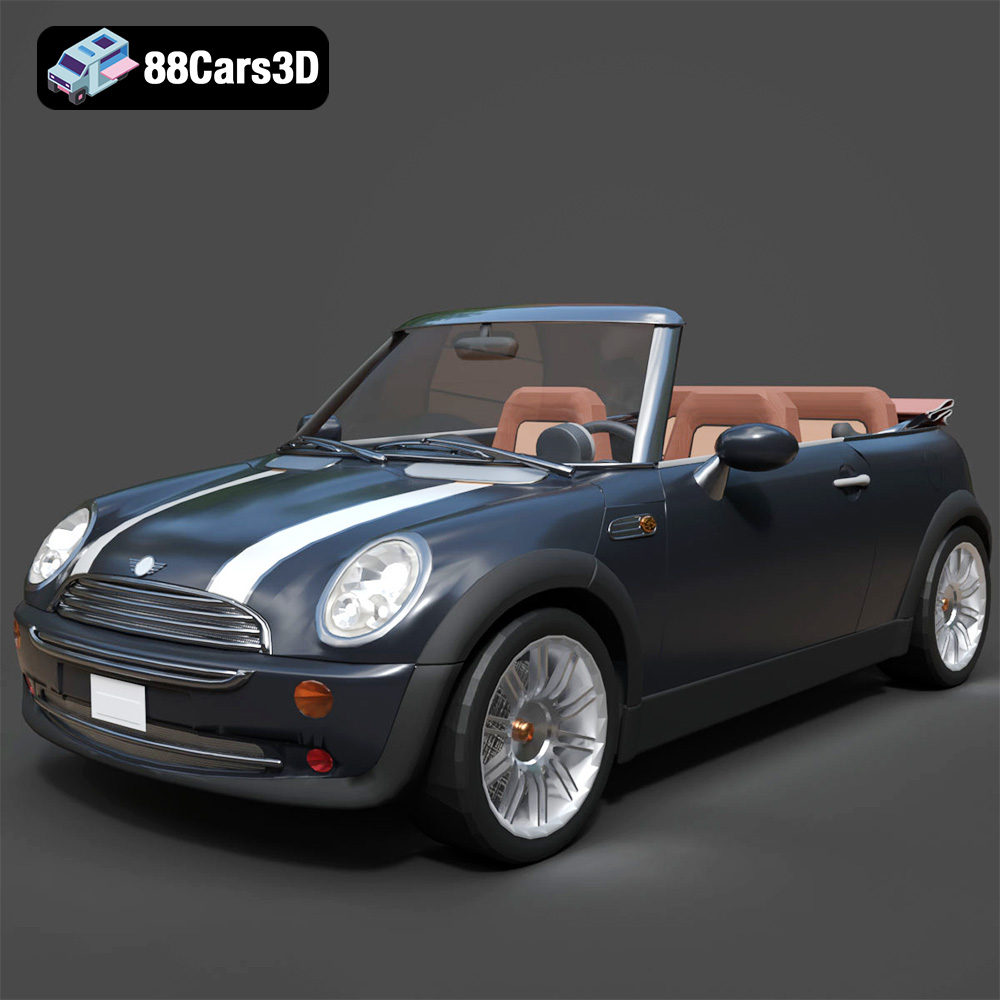
Texture: Yes
Material: Yes
Download the Mini Cabrio 2025 3D Model featuring clean geometry, realistic detailing, and a fully modeled interior. Includes .blend, .fbx, .obj, .glb, .stl, .ply, .unreal, and .max formats for rendering, simulation, and game development.
Price: $4.99
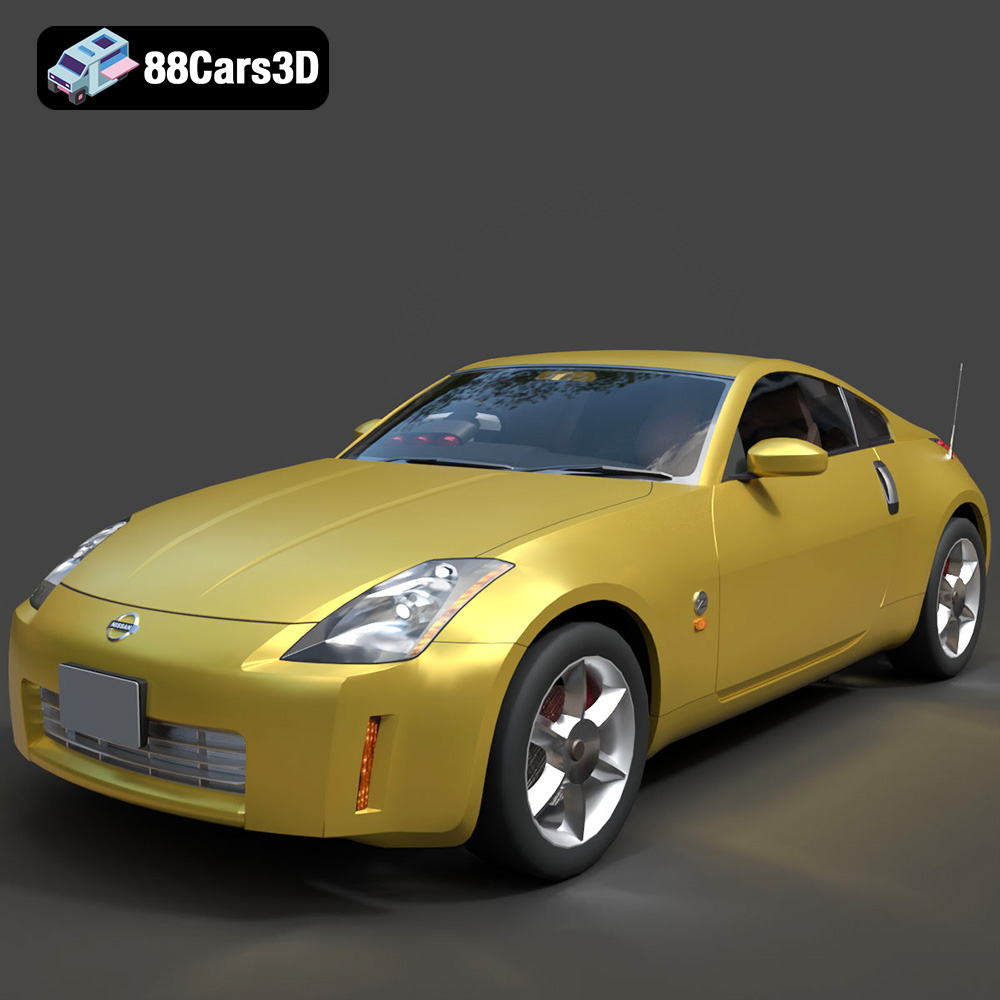
Texture: Yes
Material: Yes
Download the Nissan 350Z 3D Model featuring clean geometry, realistic detailing, and a fully modeled interior. Includes .blend, .fbx, .obj, .glb, .stl, .ply, .unreal, and .max formats for rendering, simulation, and game development.
Price: $4.99
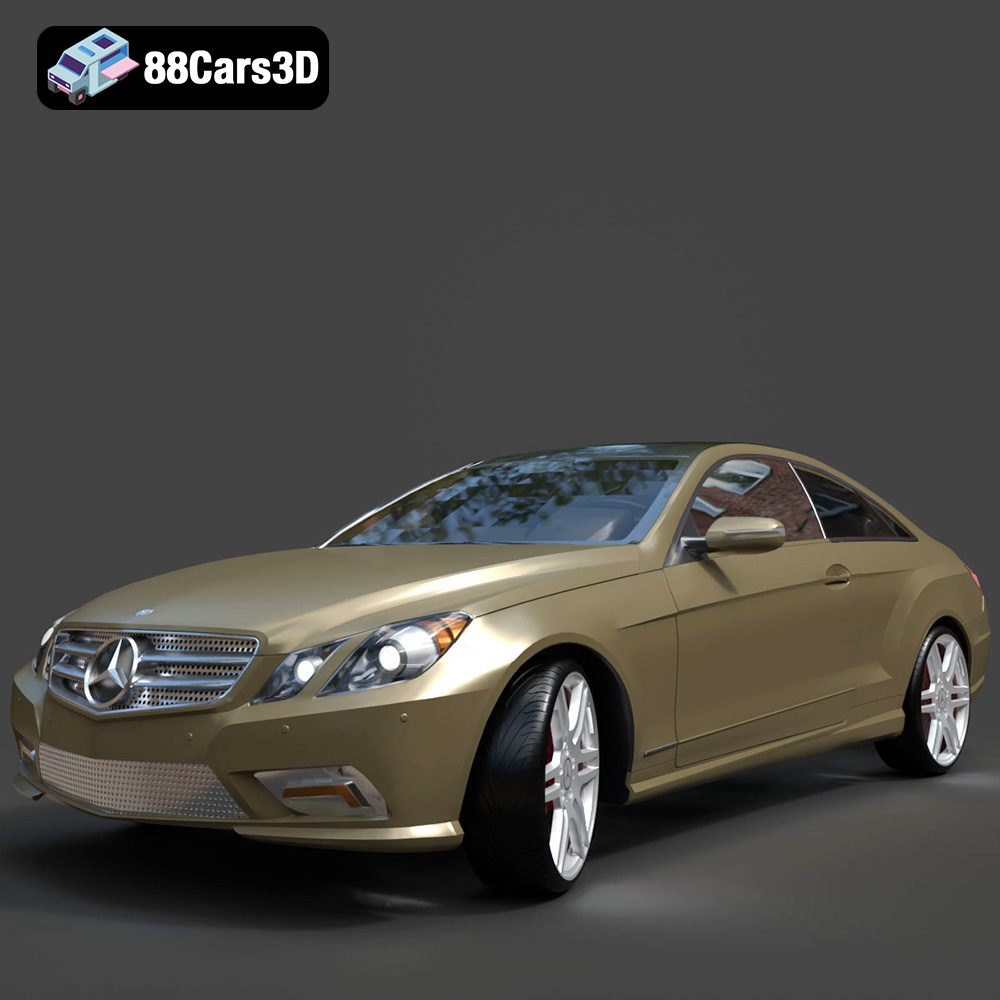
Texture: Yes
Material: Yes
Download the Mercedes-Benz E-Klasse Coupe 3D Model featuring clean geometry, realistic detailing, and a fully modeled interior. Includes .blend, .fbx, .obj, .glb, .stl, .ply, .unreal, and .max formats for rendering, simulation, and game development.
Price: $4.99
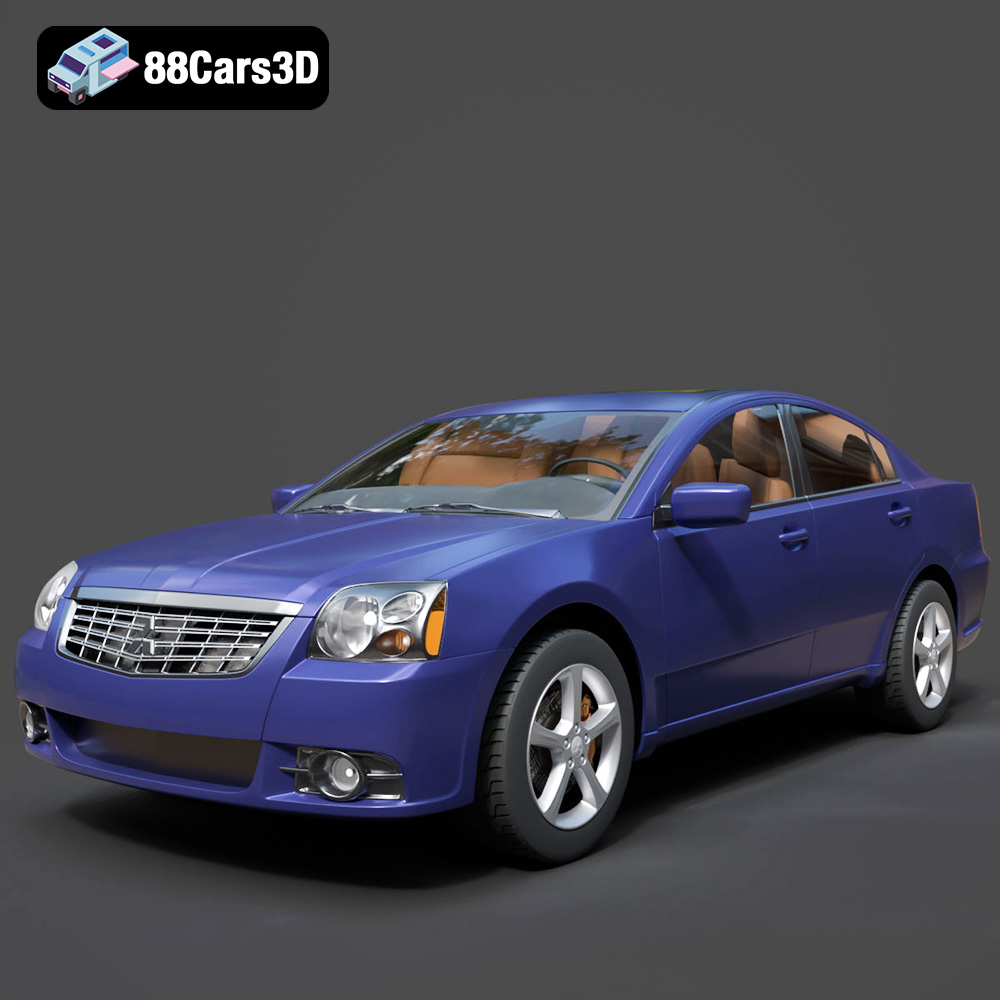
Texture: Yes
Material: Yes
Download the Mitsubishi Galant 2009 3D Model featuring clean geometry, realistic detailing, and a fully modeled interior. Includes .blend, .fbx, .obj, .glb, .stl, .ply, .unreal, and .max formats for rendering, simulation, and game development.
Price: $4.99
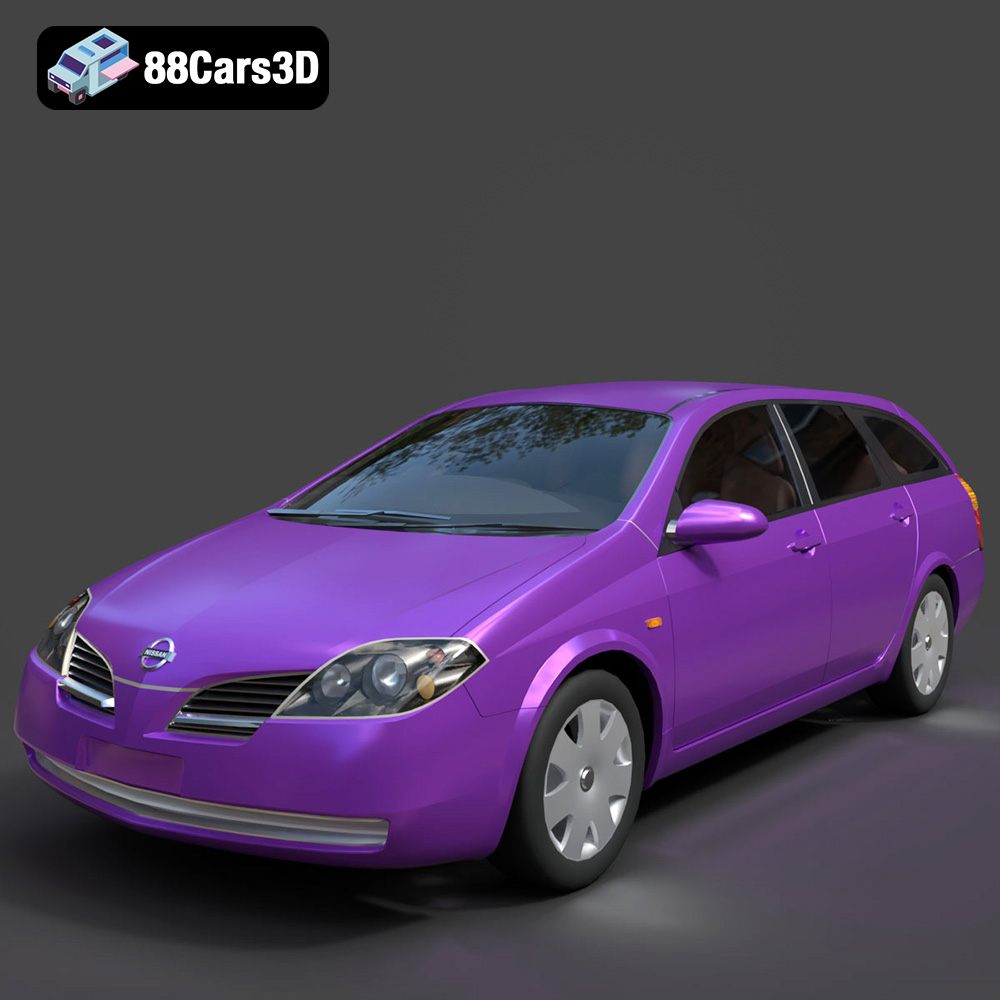
Texture: Yes
Material: Yes
Download the Nissan Primera Wagon 3D Model featuring clean geometry, realistic detailing, and a fully modeled interior. Includes .blend, .fbx, .obj, .glb, .stl, .ply, .unreal, and .max formats for rendering, simulation, and game development.
Price: $4.99
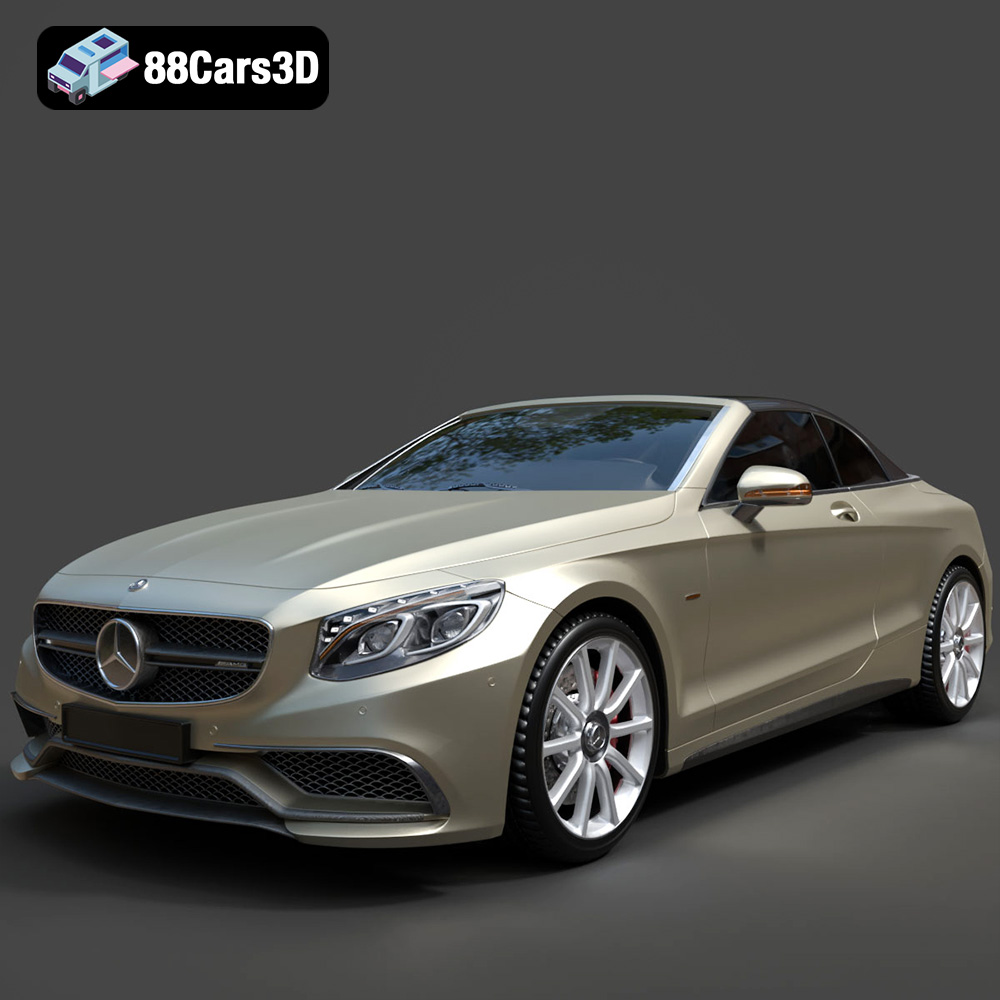
Texture: Yes
Material: Yes
Download the Mercedes-Benz S63 AMG Cabriolet 2017 3D Model featuring clean geometry, realistic detailing, and a fully modeled interior. Includes .blend, .fbx, .obj, .glb, .stl, .ply, .unreal, and .max formats for rendering, simulation, and game development.
Price: $20.99
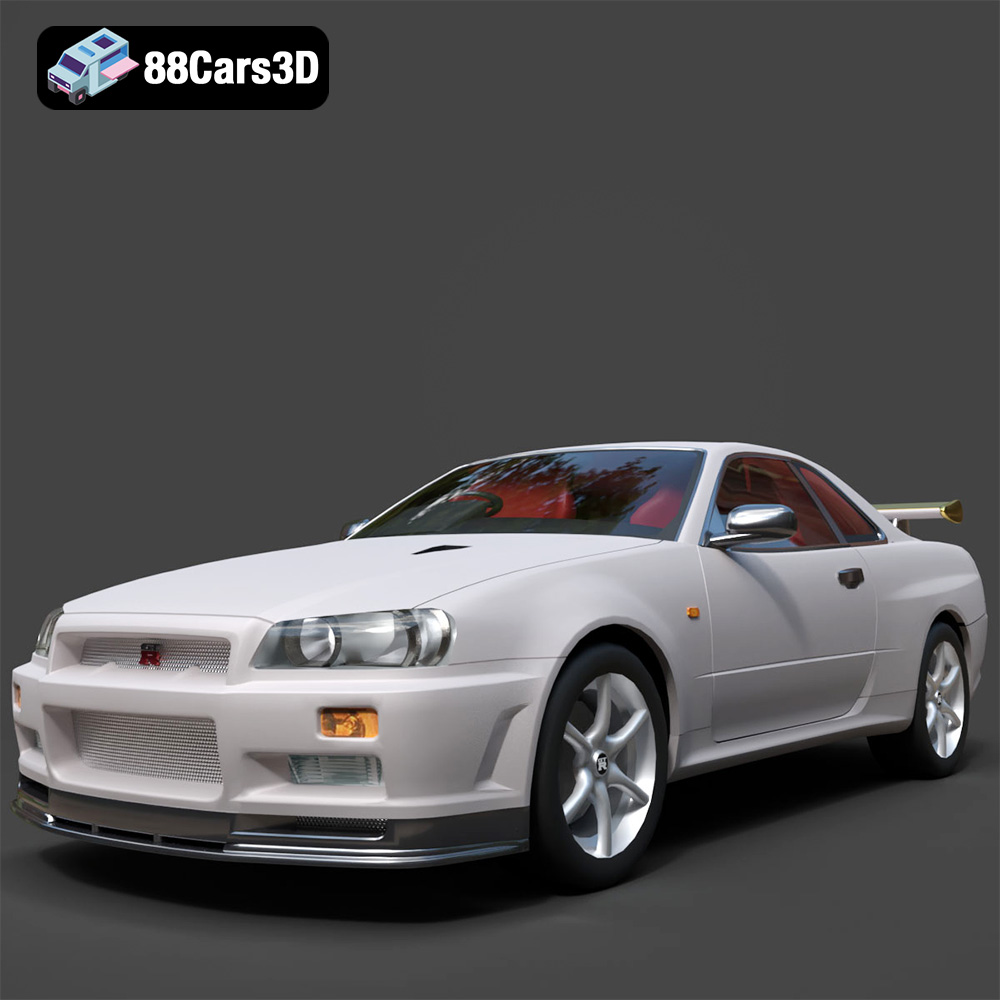
Texture: Yes
Material: Yes
Download the Nissan Skyline R34 2002 3D Model featuring clean geometry, realistic detailing, and a fully modeled interior. Includes .blend, .fbx, .obj, .glb, .stl, .ply, .unreal, and .max formats for rendering, simulation, and game development.
Price: $4.99

