Get 20% OFF All Premium 3D & STL Models!

The allure of a perfectly rendered automobile is undeniable. From the gleaming curves of a sports car under studio lights to the gritty realism of a vehicle tearing through a virtual landscape, 3D car models are central to myriad digital experiences. However, achieving this level of visual fidelity and performance is a complex endeavor, demanding a deep understanding of 3D modeling, texturing, shading, rendering, and optimization techniques. It’s a journey where technical precision meets artistic vision, and every detail, from the smallest polygon to the most subtle reflection, contributes to the final impact.
Whether you’re an automotive designer visualizing a new concept, a game developer crafting immersive worlds, an architect integrating vehicles into a scene, or an AR/VR enthusiast pushing the boundaries of interactive experiences, the quality of your 3D car models is paramount. This comprehensive guide will take you through the essential workflows and advanced techniques required to create, optimize, and render stunning 3D automotive assets. We’ll delve into the intricacies of topology, UV mapping, PBR materials, rendering engines, game engine integration, and even specialized applications like 3D printing and AR/VR, ensuring your models not only look spectacular but also perform flawlessly across various platforms.
Prepare to elevate your 3D automotive projects as we unravel the technical secrets and best practices that professionals employ to bring virtual vehicles to life.
At the heart of every high-quality 3D car model lies impeccable topology. For automotive designs, where every curve, panel gap, and reflection must be pristine, clean topology isn’t just a preference—it’s a necessity. It dictates how well your model will deform under subdivision, how smoothly reflections will flow across its surfaces, and how efficiently it can be optimized for various applications. Professional automotive models are predominantly built using quad-based geometry, as quads subdivide predictably and allow for excellent control over edge flow, which is crucial for capturing the subtle nuances of car body lines.
Poor topology, characterized by uneven polygon distribution, excessive triangles, or N-gons (polygons with more than four sides), can lead to pinching, artifacting, and difficult-to-manage meshes. This becomes particularly problematic when applying subdivision surfaces (like OpenSubdiv or TurboSmooth), which rely on uniform quad distribution to create smooth, organic curves. For high-resolution renders, models might range from 500,000 to 2,000,000 triangles or more after subdivision, while game-ready assets typically target 50,000 to 300,000 triangles, necessitating careful consideration of polygon density from the outset.
Effective edge flow is the circulatory system of your 3D model. It’s about guiding the flow of edges to define the contours, creases, and transitions of the car’s body. For example, edge loops should follow the natural curves of fenders, doors, and hood lines, converging or diverging only when necessary. This allows for precise control over deformation and ensures that when the model is subdivided, it maintains its intended shape without unwanted bulges or flat spots. Key areas like panel gaps, headlight recesses, and wheel arches require tight, supporting edge loops to hold their sharp definition even after multiple subdivision iterations.
Polygon density should be optimized; critical areas with high curvature demand more polygons, while flatter surfaces can afford to be sparser. However, sudden changes in density should be avoided, as they can cause artifacts during shading. While quads are king, carefully placed triangles can be acceptable in flat, non-deforming areas or where they contribute to a more efficient poly count without compromising surface quality. N-gons, however, should generally be avoided, especially on curved surfaces, as they can cause unpredictable shading and subdivision issues. Tools like 3ds Max’s Graphite Modeling Tools, Blender’s Retopology tools, or Maya’s Quad Draw allow for precise control over edge flow and polygon creation.
The journey to accurate automotive modeling often begins with meticulous reference gathering. High-resolution blueprints, photographic references from multiple angles, and even CAD data provide the essential framework. Importing these into your 3D software as reference planes (front, back, top, side views) allows you to block out the primary forms of the vehicle with precision. This initial blocking phase, often done with simple primitives or box modeling, focuses on capturing the vehicle’s silhouette and major proportions.
The process is iterative, involving constant comparison between your 3D model and the reference images. As you refine the mesh, you’ll incrementally add detail, focusing on maintaining accurate curves and transitions. It’s also invaluable to use high-dynamic-range images (HDRIs) during modeling, even with basic materials, to quickly assess how reflections are behaving on your surfaces. This immediate visual feedback helps identify topological issues that might cause unsightly pinches or distortions in the reflections long before you even begin texturing. Platforms like 88cars3d.com provide models that already adhere to these rigorous topology standards, offering a solid foundation for any project.
Once your 3D car model boasts impeccable topology, the next critical step is UV mapping. UV mapping is the process of unwrapping the 3D surface of your model into a 2D plane, essentially creating a flattened “skin” that texture artists can paint on. Without proper UVs, textures will stretch, warp, or fail to apply correctly, severely undermining the realism of your automotive asset. For cars, with their intricate curves, distinct panels, and a myriad of materials, strategic UV unwrapping is paramount to ensure textures like car paint, tire tread, carbon fiber, or dashboard leather appear crisp and undistorted.
The goal is to maximize the utilization of your UV space, minimize seams where possible, and maintain an even texel density across all visible parts of the model. Texel density refers to the number of pixels per unit of surface area, and maintaining consistency ensures that textures don’t appear blurry on large panels and overly sharp on smaller ones. A common strategy for vehicles is to break down the UVs into logical islands: separate islands for the main body, interior, wheels, glass, lights, and smaller details. This compartmentalization simplifies the texturing process and helps manage texture resolution effectively.
Unwrapping complex automotive surfaces requires a combination of techniques. For the main body panels, often a combination of planar mapping and pelting (or “unwrap” tools in Blender/Maya/3ds Max) is used. Planar projection works well for relatively flat surfaces, while pelting allows you to “peel” more complex, curved surfaces, minimizing distortion. Crucially, seams should be placed in discreet locations, such as along panel lines, under the car, or within crevices, where they are less visible to the camera. Automated unwrappers can provide a starting point, but manual refinement is almost always necessary for production-quality car models.
Tools like 3ds Max’s Unwrap UVW modifier, Blender’s UV Editor with its various unwrapping algorithms (Smart UV Project, Follow Active Quads), and Maya’s UV Toolkit offer powerful capabilities for creating precise UV layouts. It’s essential to check for overlapping UVs (unless intentional for specific effects), ensure correct normal orientation, and avoid extremely thin or stretched polygons in the UV space, as these can lead to distorted textures and issues with texture baking. For very high-resolution cinematic models, UDIMs (UV Tile workflow) can be employed, where different UV islands are placed across multiple UV tiles (e.g., 1001, 1002, 1003) to allow for extremely high texture resolution on massive assets without creating a single, impossibly large texture map.
Efficient UV layout isn’t just about aesthetics; it’s a critical aspect of performance optimization, especially for game engines and real-time applications. Utilizing UV space effectively means packing your UV islands as tightly as possible without overlapping (for unique textures) to minimize wasted texture pixels. Tools like dedicated UV packers or integrated packing algorithms in 3D software can automate this, but manual adjustments often yield superior results for cars.
For game assets, texture atlasing is a key technique. This involves combining multiple smaller textures (e.g., textures for individual car parts like emblems, vents, or interior buttons) into one larger texture sheet. By doing so, the game engine only needs to load a single texture for multiple objects, significantly reducing draw calls and improving rendering performance. Multiple UV sets can also be used; for instance, a primary UV set for PBR material textures and a secondary UV set for decals, grime, or lightmap baking. This flexibility allows for layered texturing and advanced visual effects while maintaining a clean base UV for core materials. Always consider the target platform’s texture memory limitations and tailor your UV and texture strategy accordingly.
Once UVs are laid out, the true magic of bringing a 3D car model to life begins with Physically Based Rendering (PBR) materials. PBR is a rendering approach that simulates how light interacts with surfaces in the real world, producing far more believable results than traditional methods. It relies on a set of texture maps that define a material’s properties, making it behave consistently across different lighting conditions and rendering environments. The two primary PBR workflows are Metallic-Roughness and Specular-Glossiness, with Metallic-Roughness being widely adopted for its intuitive nature and compatibility with most modern game engines and renderers.
For automotive models, creating convincing PBR materials is crucial for details like the lustrous sheen of car paint, the subtle reflections of glass, the diffuse texture of tire rubber, and the intricate weave of carbon fiber. It’s not just about applying a texture; it’s about understanding how light should bounce, absorb, and refract on each distinct surface. This involves not only expertly crafted texture maps but also sophisticated shader networks that layer and blend different material properties to achieve complex effects like clear coats, subtle metallic flakes, and worn edges.
A typical PBR material for a car will utilize several key texture maps:
Creating these maps can involve a mix of techniques: procedural generation for uniform patterns, hand-painting in software like Substance Painter or Mari for unique details, and scanned textures (via Quixel Megascans or similar libraries) for highly realistic surfaces like leather or fabric. For car paint, special considerations include clear coat layers (simulated with layered shaders), metallic flake density, and subtle grunge or dust masks to break up perfection.
Beyond simple PBR map application, advanced shader networks are where car materials truly shine. In renderers like Corona, V-Ray, Blender Cycles, or Arnold, node-based material editors allow artists to build complex, layered shaders. For instance, car paint often involves a base metallic material (the paint color and flakes) layered with a highly reflective, clear coat material. This can be achieved using blend nodes, driven by masks to control areas of wear or damage.
Specific effects like anisotropy, where reflections stretch in a particular direction, are vital for realistic brushed metals, polished chrome, or carbon fiber weaves. This is typically controlled by an anisotropic rotation map or vector input in the shader. Glass materials require accurate transmission, refraction, and reflectivity values, often with a slight tint or dirt layer. Rubber tires benefit from subtle subsurface scattering for softer areas and aggressive normal maps for tread details. Platforms like 88cars3d.com provide models with pre-built, production-ready PBR materials that serve as excellent starting points or final assets, saving countless hours of material development.
With a meticulously modeled and textured 3D car, the next phase is rendering – the process of generating a 2D image from your 3D scene. High-fidelity automotive rendering demands powerful engines capable of accurately simulating light, reflections, and complex material interactions to produce photorealistic results. The choice of rendering engine often depends on the software ecosystem, desired quality, speed requirements, and specific features. Popular choices like Corona Renderer, V-Ray, Blender Cycles, and Arnold each offer unique strengths, but all share the common goal of creating stunning visuals through advanced global illumination (GI) calculations.
Global illumination is critical for realism, as it simulates indirect lighting—light bouncing off surfaces and illuminating other parts of the scene. Without GI, renders appear flat and artificial. Modern renderers excel at this, employing unbiased (like Corona) or biased (like V-Ray) algorithms to calculate light paths. Unbiased renderers offer more physically accurate results but can be slower, while biased renderers use approximations to speed up calculation, often with excellent, near-unbiased quality.
Regardless of the engine, optimizing render settings involves balancing sampling rates (for cleaner images), ray depth (for accurate reflections and refractions), and often using adaptive sampling to focus computational power where it’s most needed.
Lighting is arguably the most crucial element in automotive rendering. It defines mood, highlights design, and reveals the quality of your materials. For photorealistic car renders, High Dynamic Range Image (HDRI) lighting is indispensable. An HDRI acts as both a light source and a reflection map, providing incredibly realistic environmental illumination and reflections on the car’s reflective surfaces. Pairing a high-quality HDRI (e.g., studio, street, or outdoor environment) with a solid backplate image or a 3D environment is key to seamless integration.
Beyond HDRIs, carefully placed area lights, spot lights, or even IES profiles (for precise light distribution patterns from real-world light fixtures) can be used to sculpt the light, emphasize body lines, or create specific highlights. Studio lighting setups for cars often involve large softbox-like area lights to create gentle, appealing reflections. For exterior shots, understanding natural light behavior (sun angle, cloud cover) and its effect on shadows and specular highlights is vital. Always strive for soft, realistic shadows, as harsh, pixelated shadows can immediately break the illusion of realism. A well-lit environment makes all the difference in showcasing the craftsmanship of your 3D car model.
While cinematic renders prioritize absolute visual fidelity, game engines and real-time applications demand a delicate balance between quality and performance. Every polygon, every texture, and every draw call contributes to the computational load, and exceeding performance budgets results in stuttering frame rates and a poor user experience. Optimizing 3D car models for real-time environments like Unity or Unreal Engine is a specialized art, focusing on efficiency without sacrificing too much visual appeal. This involves strategic polygon reduction, smart texture management, and leveraging engine-specific features.
The goal is to deliver compelling visuals at a consistent frame rate (e.g., 60 FPS for standard games, 90+ FPS for VR). This requires making conscious decisions about where to cut corners and where to preserve detail. Game-ready models are typically much lower in polygon count than their high-fidelity rendering counterparts, often ranging from 50,000 to 150,000 triangles for hero vehicles, and significantly less for background props (10,000 to 30,000 triangles). The emphasis shifts from raw geometric detail to leveraging normal maps and PBR materials to fake that detail.
Polygon reduction, or decimation, is crucial for game assets. While automatic decimation tools (like Blender’s Decimate modifier, ZBrush’s Decimation Master, or dedicated software like Simplygon) can provide quick results, manual retopology often yields cleaner, more controllable meshes. The most effective strategy is implementing Levels of Detail (LODs). This involves creating multiple versions of your car model, each with a progressively lower polygon count. The game engine then automatically switches between these LODs based on the camera’s distance from the object.
When creating LODs, it’s vital to bake high-poly details (like panel lines, vents, or bolts) into normal maps that are applied to the lower-poly versions. This allows the low-poly mesh to appear highly detailed without the geometric cost. Ensuring smooth transitions between LODs is also important to prevent jarring visual pops.
Textures are another significant performance factor. High-resolution textures consume valuable GPU memory and bandwidth. Game engines prefer texture resolutions that are powers of two (e.g., 512×512, 1024×1024, 2048×2048, 4096×4096) for efficient memory management and mipmap generation. Texture compression (e.g., BC1/DXT1, BC3/DXT5, BC7 formats) is also essential to reduce file sizes and memory footprint, though it introduces some quality loss.
Perhaps even more critical for game performance is reducing draw calls. A draw call is an instruction from the CPU to the GPU to render a batch of objects. Each distinct material on a mesh typically incurs a separate draw call. For a complex car with many different materials (paint, glass, rubber, chrome, interior plastics, lights), this can quickly add up. Solutions include:
By carefully optimizing polygons, textures, and draw calls, 3D car models can be integrated into demanding real-time environments, providing smooth and visually appealing experiences. When sourcing pre-made assets, models from marketplaces like 88cars3d.com often come pre-optimized with multiple LODs and efficient texture atlases, ready for game engine integration.
The applications for high-quality 3D car models extend far beyond traditional rendering and game development. Augmented Reality (AR) and Virtual Reality (VR) environments are becoming powerful tools for product visualization, training, and entertainment, placing unique demands on 3D assets. Simultaneously, the burgeoning field of 3D printing offers a tangible output for virtual designs, requiring a different set of preparation rules. Navigating these diverse applications also necessitates a solid understanding of various 3D file formats and their specific strengths and weaknesses.
Each of these evolving domains introduces its own set of technical considerations. For AR/VR, performance is paramount due to the high frame rate requirements and the immersive nature of the experience. For 3D printing, geometric integrity and physical properties take precedence. And for universal compatibility, choosing the right file format is the bridge that connects your meticulously crafted 3D car model to its intended destination.
AR/VR experiences have extremely tight performance budgets. Maintaining a consistent frame rate (e.g., 90 FPS per eye for comfortable VR) is critical to prevent motion sickness and ensure immersion. This often means even more aggressive optimization than standard game development. Key strategies include:
The goal is to create an experience that feels fluid and responsive, making the virtual car feel present and tangible.
Transitioning a digital car model to a physical object via 3D printing introduces a different set of challenges. The primary concern is ensuring a “manifold” mesh—meaning the model must be a completely enclosed, watertight volume with no holes, self-intersecting geometry, or inverted normals. 3D printers cannot print non-manifold geometry, leading to errors or failed prints.
Careful preparation at this stage saves a lot of frustration and wasted material, turning your virtual car into a tangible, physical artifact.
The 3D industry uses a variety of file formats, each with its strengths. Understanding which one to use for what purpose is crucial for smooth workflows and compatibility:
Always aim to export cleaned, optimized versions of your model for specific applications, maintaining source files in your primary DCC software for maximum flexibility. Models from 88cars3d.com are typically offered in multiple file formats, ensuring maximum compatibility for diverse project needs.
While a meticulously modeled, textured, and rendered 3D car model is impressive, the journey to a truly cinematic visual isn’t complete without the final touches of expert lighting, environmental integration, and post-processing. These elements transcend pure technicality, adding an artistic layer that dramatically enhances mood, emphasizes design, and ultimately sells the illusion of realism. Just as a professional photographer meticulously adjusts their studio lights and then refines an image in post-production, 3D artists employ similar strategies to elevate their automotive renders from good to breathtaking.
Effective lighting can sculpt the car’s contours, highlight its reflections, and create a sense of depth. A well-designed environment seamlessly places the vehicle in a believable context, whether it’s a sterile studio or a bustling city street. Finally, post-processing acts as the finishing polish, adding cinematic effects, correcting colors, and enhancing the overall visual impact, ensuring the final image pops off the screen and captivates the viewer.
Beyond basic HDRI and studio setups, advanced lighting techniques unlock new levels of realism and dramatic flair:
The interplay of light and shadow, combined with accurate reflections, truly makes a 3D car model feel tangible and present in its environment.
Post-processing is the final, crucial step where a raw render transforms into a polished, production-ready image. This process is typically performed in image editing software like Photoshop or compositing tools like After Effects or Nuke, leveraging render passes from your 3D software for non-destructive editing.
By skillfully employing these post-processing techniques, you can elevate your 3D automotive visualizations to truly cinematic standards, making them indistinguishable from real photography.
The creation of compelling 3D car models is a multifaceted discipline, demanding a blend of meticulous technical skill and artistic intuition. We’ve journeyed through the foundational principles of clean topology and efficient UV mapping, the intricate art of crafting realistic PBR materials, and the powerful workflows of high-fidelity rendering engines. We’ve also explored the critical optimizations necessary for integrating these assets into demanding real-time environments like game engines and emerging platforms such as AR/VR, alongside the specific requirements for physical output through 3D printing. Finally, we touched upon the magic of lighting, environmental design, and post-processing, which breathe the final spark of life into your digital automotive creations.
Each stage, from the initial blocking of geometry to the final color grade, plays a vital role in the overall quality and versatility of your 3D car models. Mastering these techniques not only allows you to achieve stunning visual realism but also ensures your assets are robust, optimized, and ready for deployment across a wide array of industry applications. Whether your goal is cinematic visualization, interactive game experiences, immersive AR/VR applications, or tangible 3D prints, the principles outlined in this guide form the bedrock of professional 3D automotive design.
For those looking to accelerate their projects with assets that adhere to these rigorous standards, exploring meticulously crafted 3D car models from trusted sources is an excellent starting point. By understanding the underlying technical excellence, you can select and utilize premium assets with confidence, saving time and ensuring quality. Start your next automotive design, game development, or visualization project with confidence, knowing you have access to industry-leading assets and the knowledge to make them shine. Explore the extensive collection of high-quality 3D car models available at 88cars3d.com and bring your visions to life with unparalleled realism and performance.
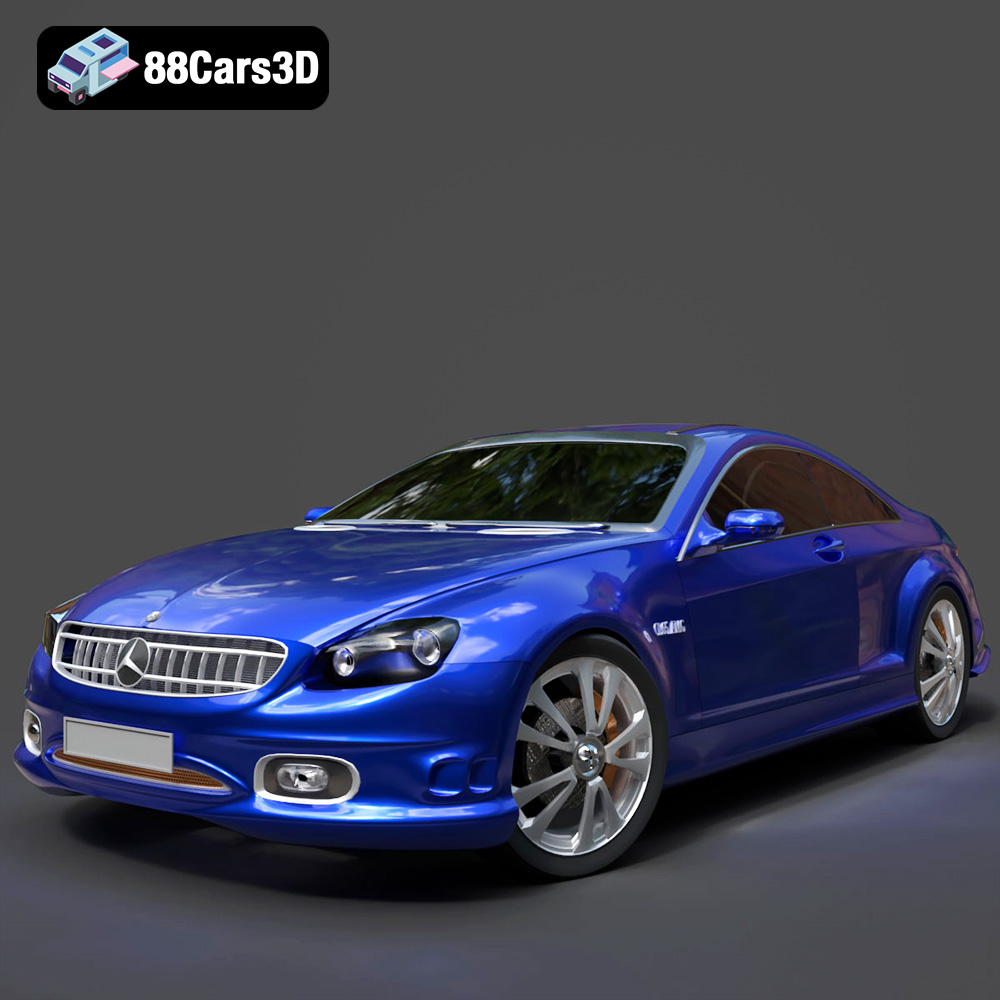
Texture: Yes
Material: Yes
Download the Mercedes-Benz CL6540-005 3D Model featuring clean geometry, realistic detailing, and a fully modeled interior. Includes .blend, .fbx, .obj, .glb, .stl, .ply, .unreal, and .max formats for rendering, simulation, and game development.
Price: $4.99
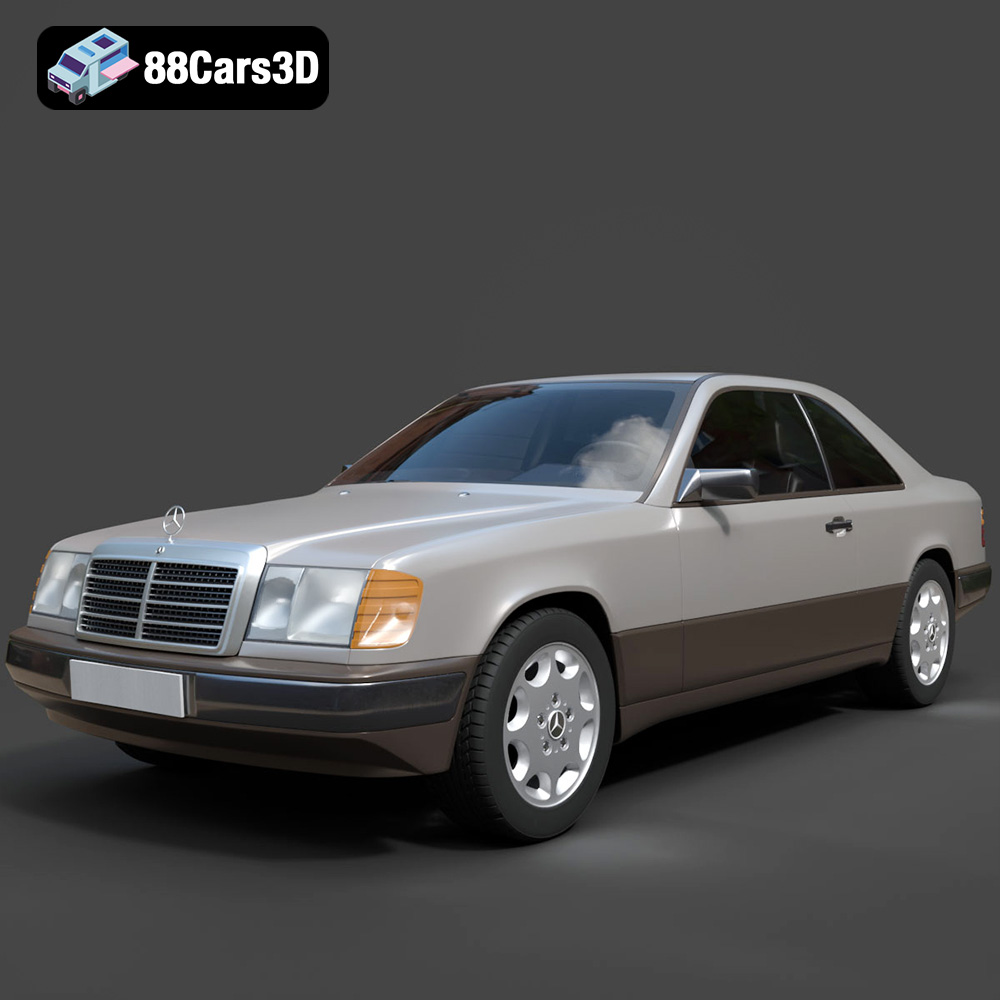
Texture: Yes
Material: Yes
Download the Mercedes E-Class w124 Coupe 3D Model featuring clean geometry, realistic detailing, and a fully modeled interior. Includes .blend, .fbx, .obj, .glb, .stl, .ply, .unreal, and .max formats for rendering, simulation, and game development.
Price: $4.99
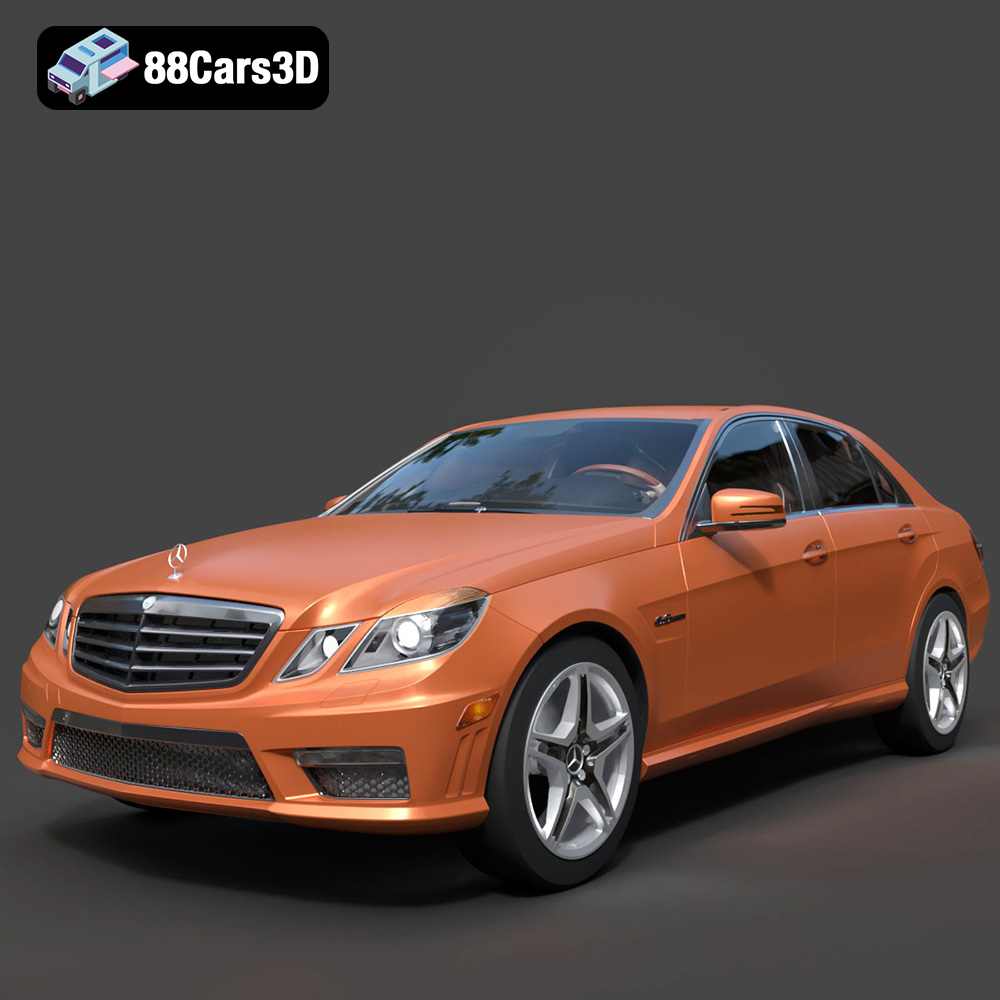
Texture: Yes
Material: Yes
Download the Mercedes-Benz E-Klasse 63 AMG 3D Model featuring clean geometry, realistic detailing, and a fully modeled interior. Includes .blend, .fbx, .obj, .glb, .stl, .ply, .unreal, and .max formats for rendering, simulation, and game development.
Price: $4.99
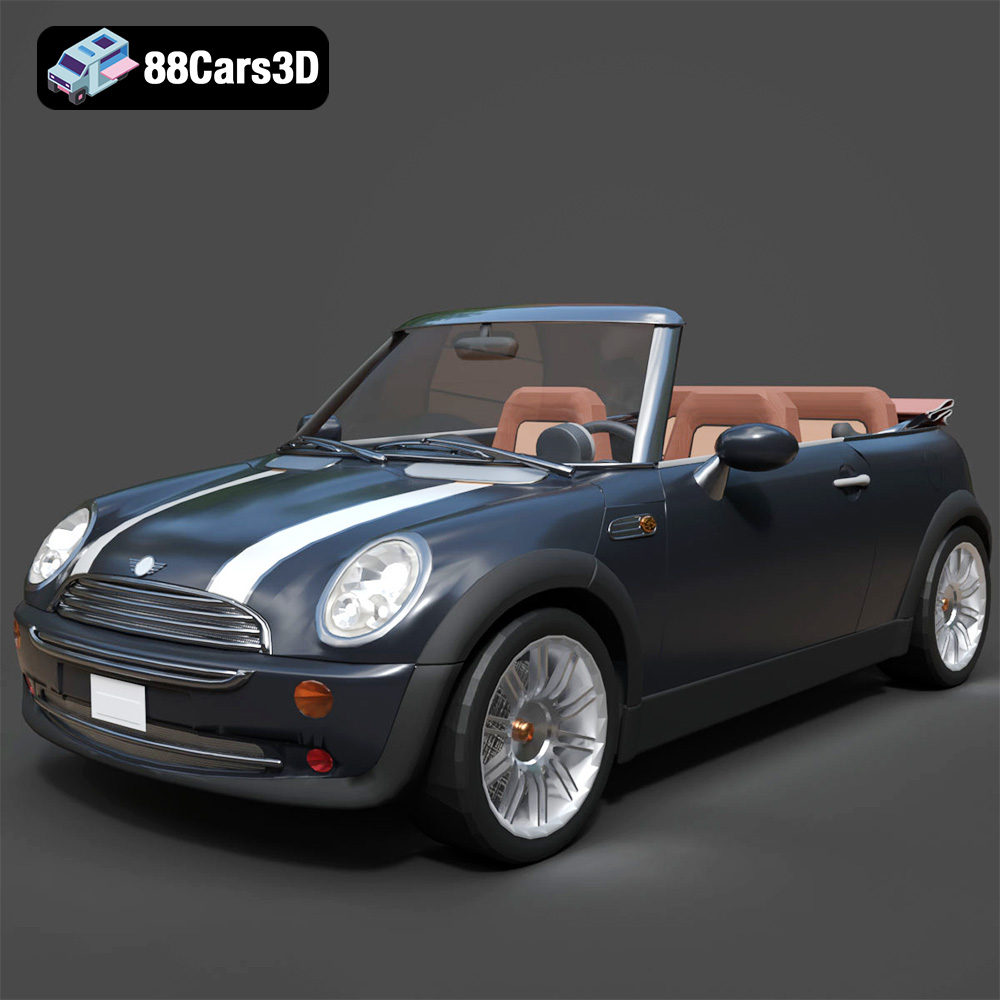
Texture: Yes
Material: Yes
Download the Mini Cabrio 2025 3D Model featuring clean geometry, realistic detailing, and a fully modeled interior. Includes .blend, .fbx, .obj, .glb, .stl, .ply, .unreal, and .max formats for rendering, simulation, and game development.
Price: $4.99
Texture: Yes
Material: Yes
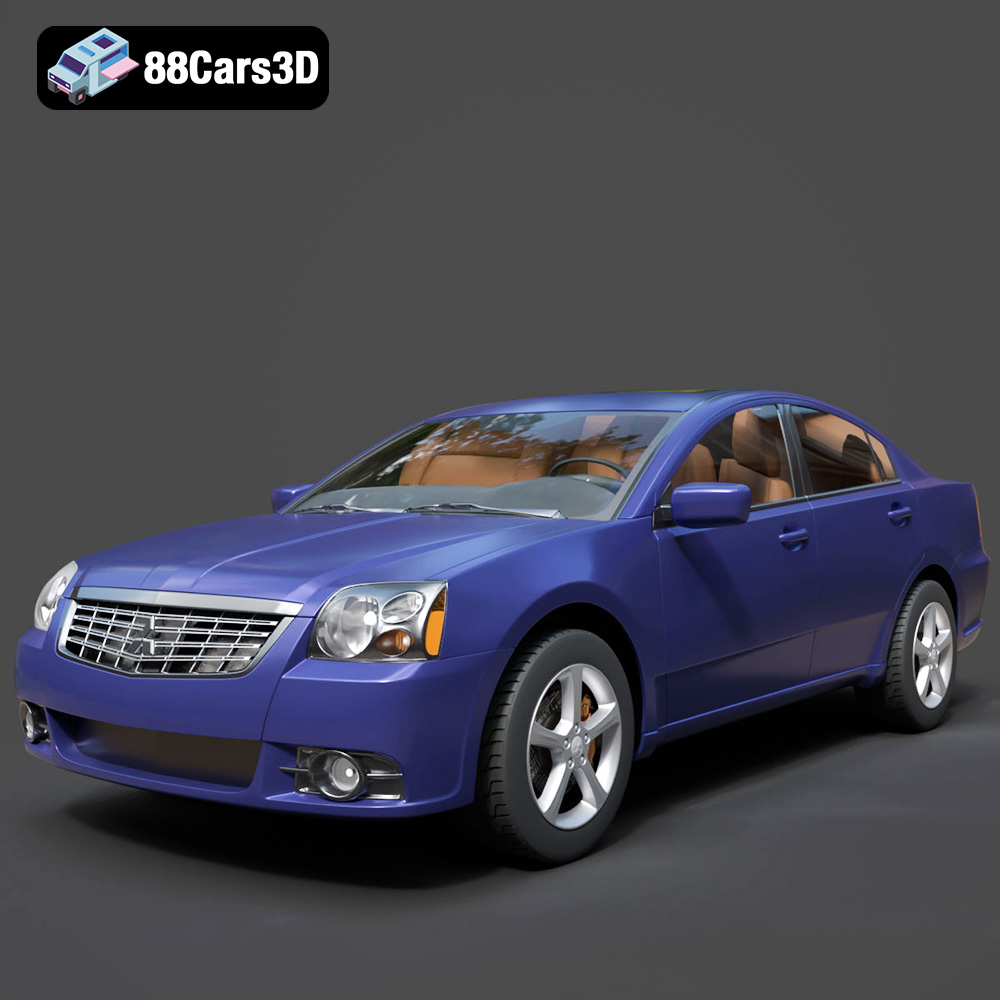
Download the Mitsubishi Galant 2009 3D Model featuring clean geometry, realistic detailing, and a fully modeled interior. Includes .blend, .fbx, .obj, .glb, .stl, .ply, .unreal, and .max formats for rendering, simulation, and game development.
Price: $4.99
Texture: Yes
Material: Yes
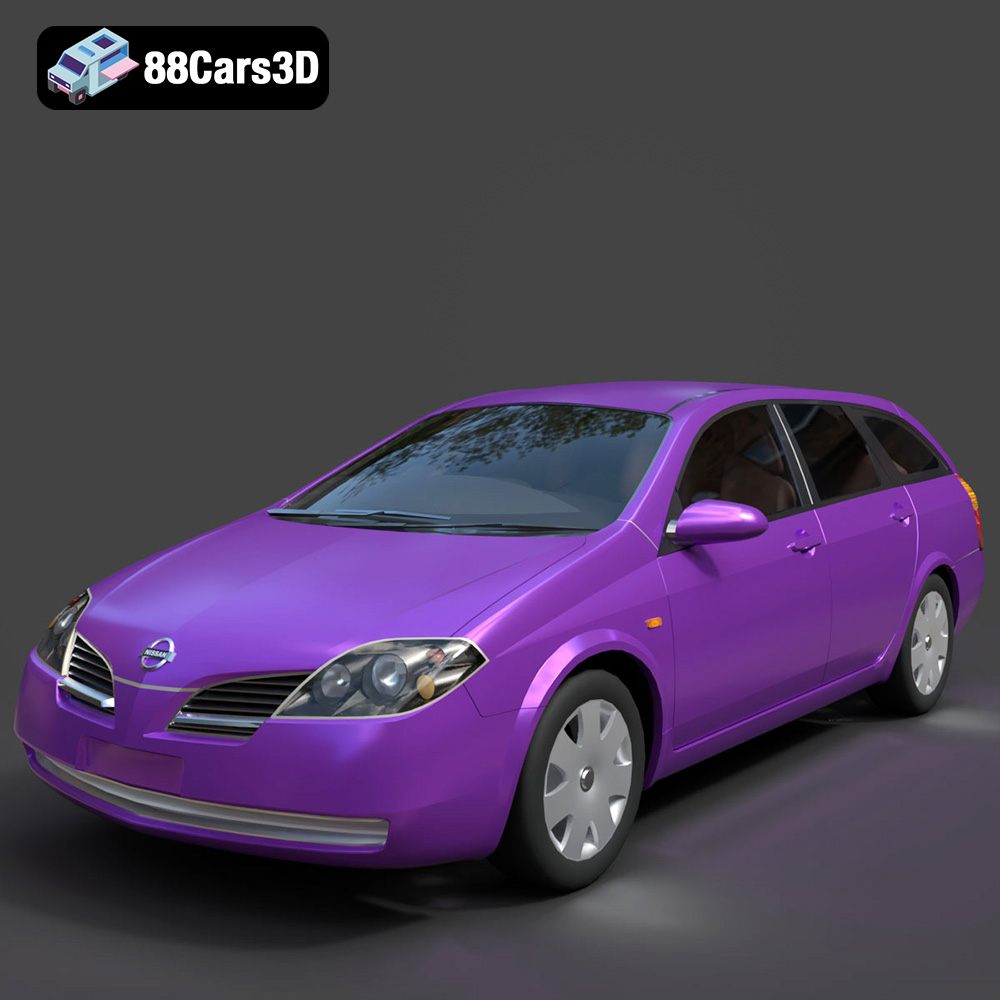
Download the Nissan Primera Wagon 3D Model featuring clean geometry, realistic detailing, and a fully modeled interior. Includes .blend, .fbx, .obj, .glb, .stl, .ply, .unreal, and .max formats for rendering, simulation, and game development.
Price: $4.99
Texture: Yes
Material: Yes
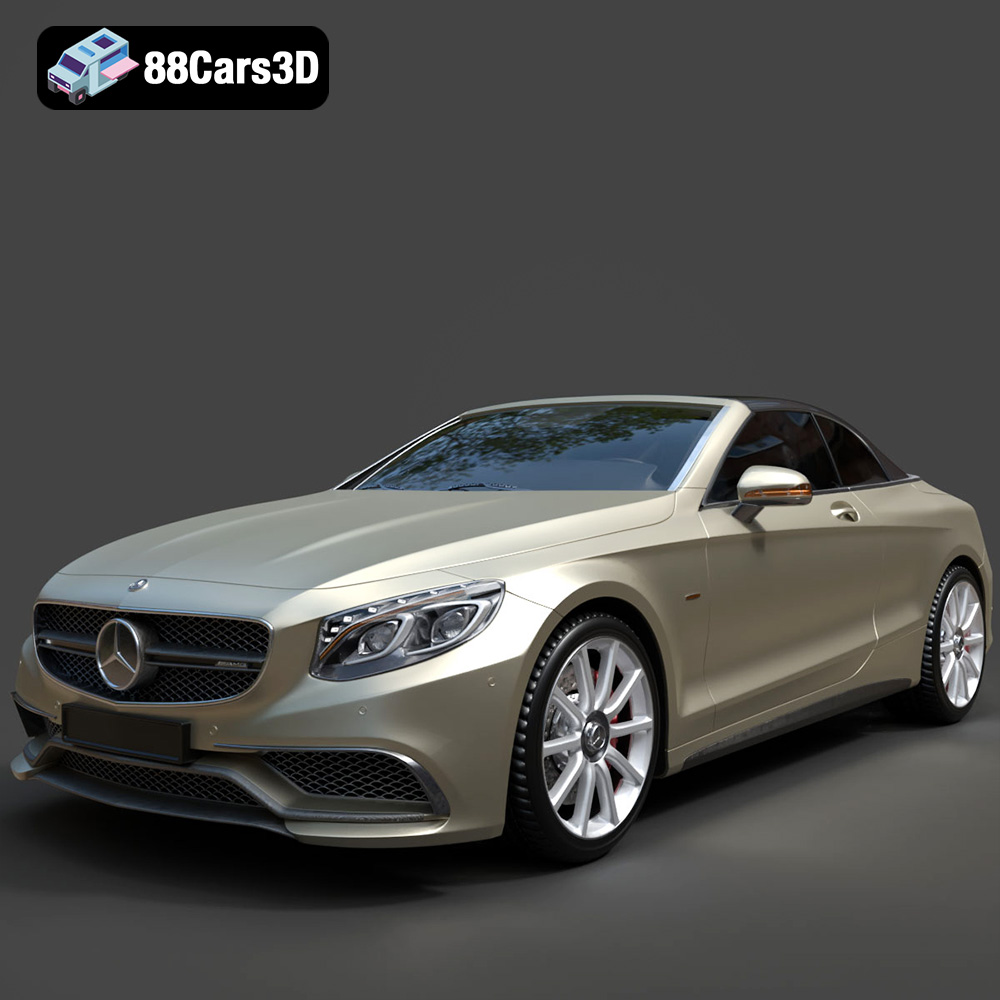
Download the Mercedes-Benz S63 AMG Cabriolet 2017 3D Model featuring clean geometry, realistic detailing, and a fully modeled interior. Includes .blend, .fbx, .obj, .glb, .stl, .ply, .unreal, and .max formats for rendering, simulation, and game development.
Price: $20.99
Texture: Yes
Material: Yes
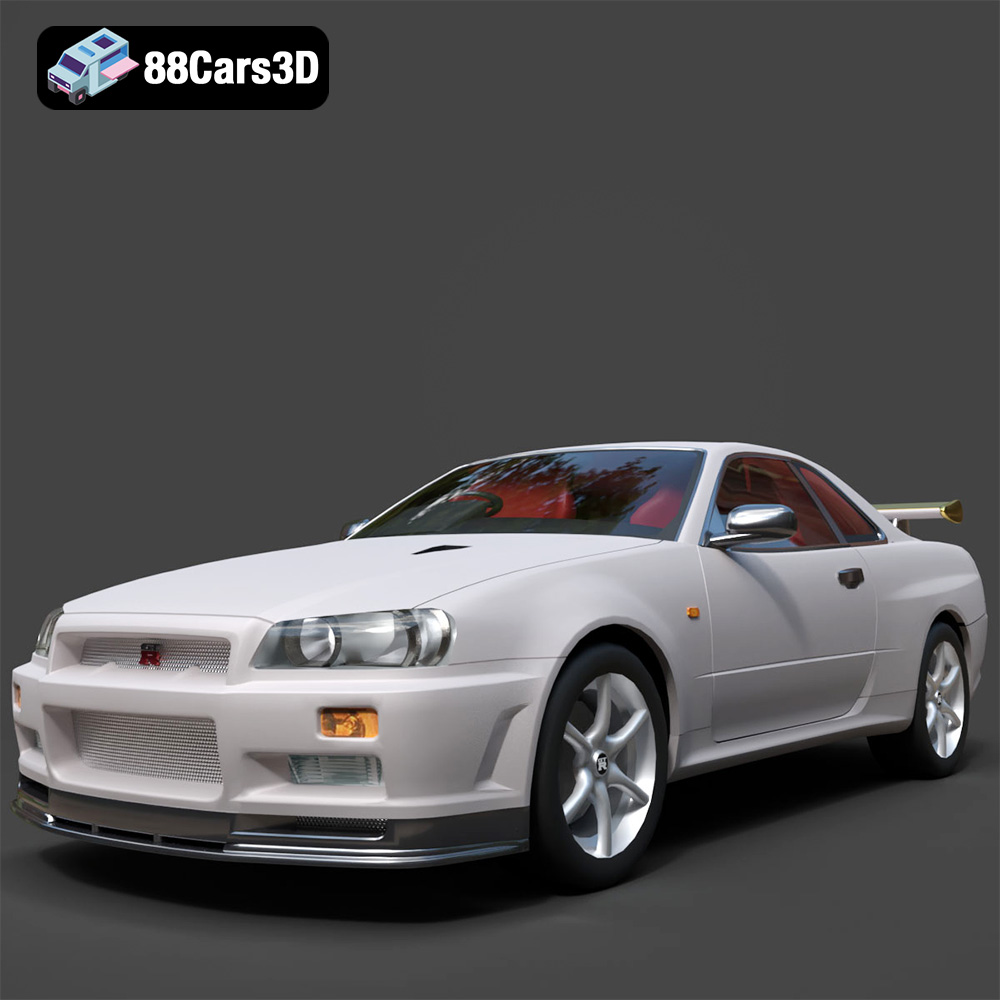
Download the Nissan Skyline R34 2002 3D Model featuring clean geometry, realistic detailing, and a fully modeled interior. Includes .blend, .fbx, .obj, .glb, .stl, .ply, .unreal, and .max formats for rendering, simulation, and game development.
Price: $4.99
Texture: Yes
Material: Yes
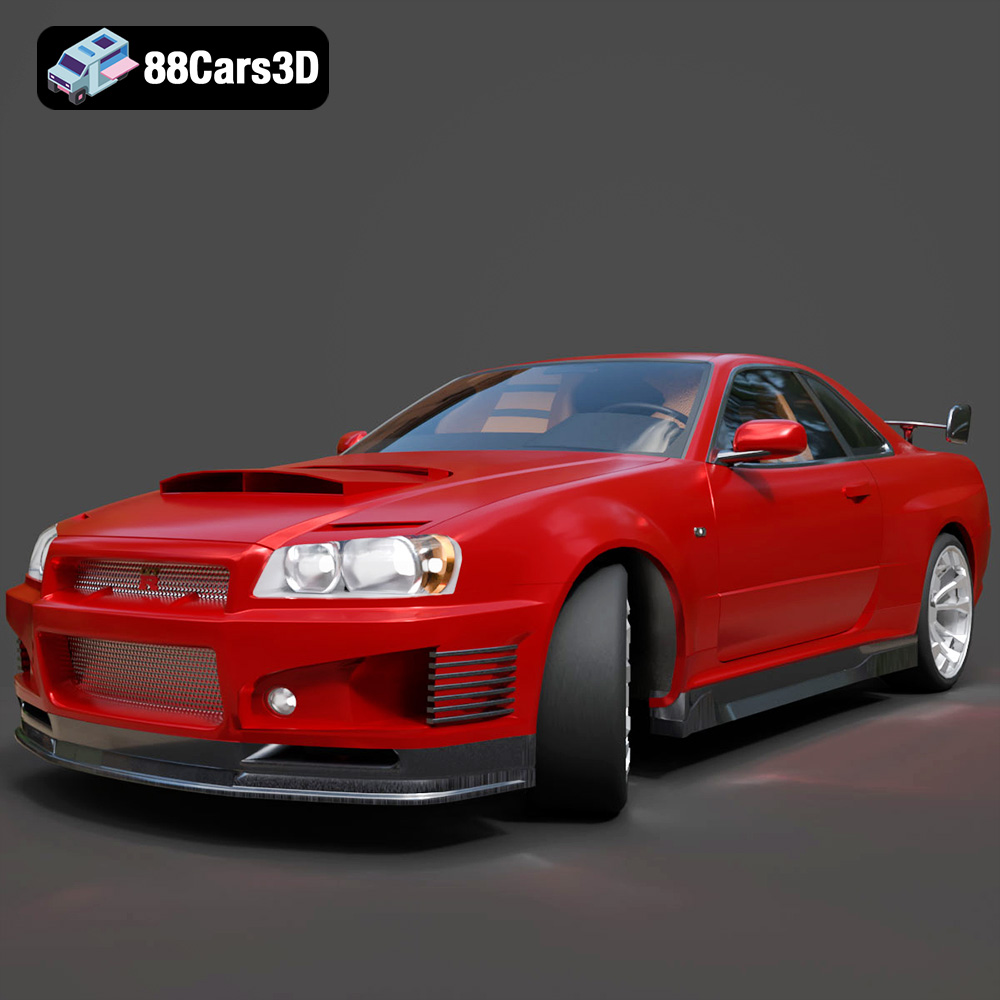
Download the Nissan Skyline 3D Model featuring clean geometry, realistic detailing, and a fully modeled interior. Includes .blend, .fbx, .obj, .glb, .stl, .ply, .unreal, and .max formats for rendering, simulation, and game development.
Price: $9.99
Texture: Yes
Material: Yes
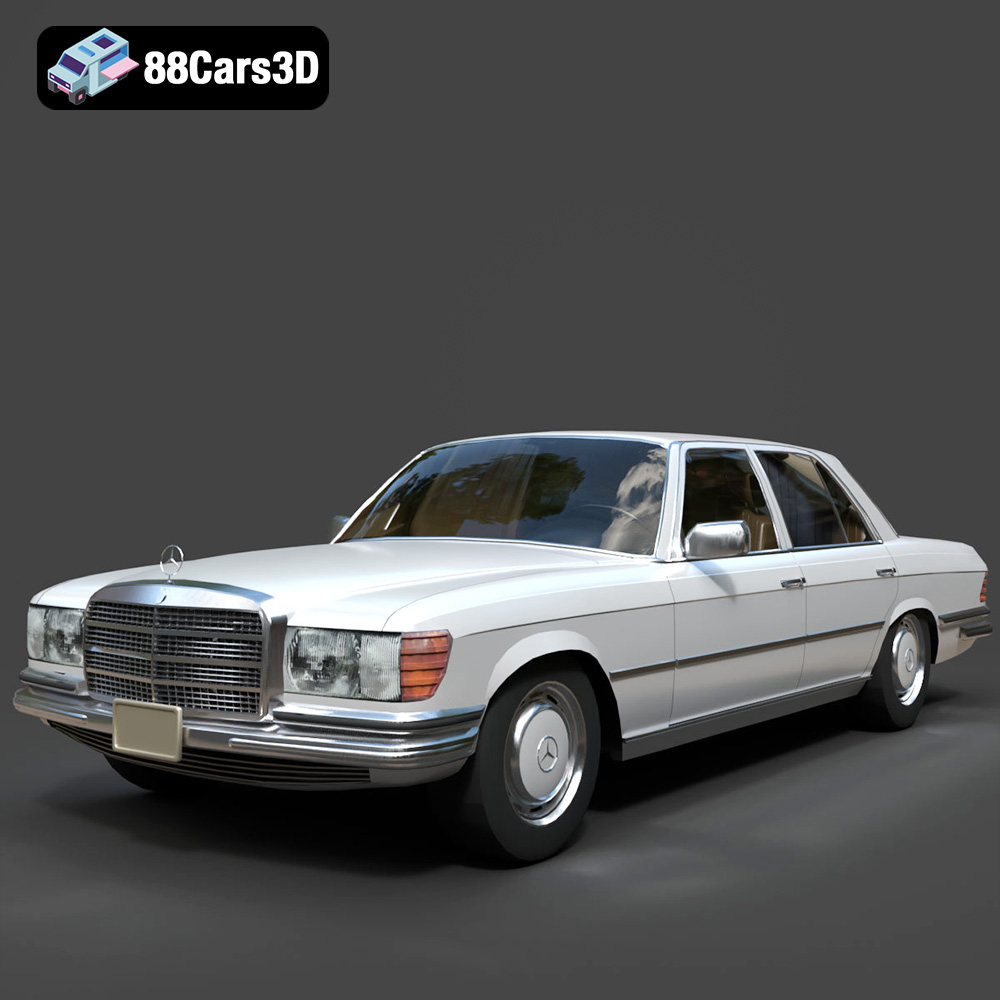
Download the Mercedes-Benz S-Klasse W116 3D Model featuring clean geometry, realistic detailing, and a fully modeled interior. Includes .blend, .fbx, .obj, .glb, .stl, .ply, .unreal, and .max formats for rendering, simulation, and game development.
Price: $4.99

