Get 20% OFF All Premium 3D & STL Models!

“`html
A high-quality 3D car model is a marvel of digital craftsmanship, but its raw form is just the beginning of the journey. Whether you’re an automotive designer chasing photorealistic renders, a game developer building an immersive racing experience, or an engineer prototyping with 3D printing, a one-size-fits-all approach simply doesn’t work. The path from a beautifully detailed mesh to a project-ready asset is paved with technical decisions, optimization strategies, and application-specific workflows. A model destined for a cinematic close-up in Corona Renderer has vastly different requirements than one designed to perform smoothly at 90 FPS in a VR headset. This guide is your definitive roadmap. We will deconstruct the entire preparation process, from the fundamental importance of clean topology and strategic UV mapping to advanced techniques for PBR material creation, rendering, game engine optimization, and even 3D printing. By the end, you’ll have the expert knowledge to transform any high-quality 3D car model into a perfectly tailored asset for your specific needs.
Before any texturing or rendering can begin, the structural integrity of the 3D model itself must be flawless. In 3D modeling, topology refers to the flow and arrangement of polygons (or “faces”) that form the mesh’s surface. For automotive models, with their blend of sweeping curves and sharp, manufactured edges, proper topology is non-negotiable. It is the foundation upon which all subsequent work—subdivision, UV mapping, and shading—is built. A model with poor topology will exhibit visual artifacts, pinch or stretch under subdivision, and create nightmares during the UV unwrapping phase. Investing time in analyzing and perfecting the mesh at this stage is the single most important step toward a professional result.
The term “edge flow” describes how the lines connecting vertices are directed across the surface. For a car, this flow should follow the natural contours and panel lines of the vehicle. Good edge flow ensures that when a subdivision modifier (like TurboSmooth in 3ds Max or a Sub-D modifier in Blender) is applied, the surfaces smooth out predictably and maintain their intended shape. Poor edge flow, characterized by randomly placed poles (vertices with 5 or more connecting edges) and meandering edges, will result in pinching, bumps, and distorted reflections. The goal is a clean, quad-based mesh, meaning the model is constructed almost entirely of four-sided polygons. Quads subdivide cleanly and are easier to work with, whereas triangles and n-gons (polygons with more than four sides) can cause shading errors and unpredictable smoothing.
There is no single “correct” polygon count; it’s entirely dependent on the final application. Understanding these targets is crucial when preparing your model.
Before proceeding, perform a technical audit of the mesh. Use your 3D software’s analysis tools (like the “STL Check” modifier in 3ds Max or Blender’s “3D-Print Toolbox”) to look for common issues. Ensure the model is watertight (has no holes), check for non-manifold geometry (edges shared by more than two faces), and eliminate any isolated vertices. Verify that panel gaps are modeled with consistent thickness and that all parts are correctly scaled and named. This cleanup process is vital for avoiding problems down the line.
Once your topology is pristine, the next critical step is UV mapping. This is the process of “unwrapping” the 3D mesh into a 2D representation, much like peeling an orange and laying the skin flat. This 2D “UV map” serves as a guide for applying textures correctly. For a complex object like a car, with its countless individual parts and large, smooth surfaces, a strategic approach to UV mapping is essential for achieving high-fidelity texturing and efficient performance. A rushed or sloppy unwrap will result in distorted textures, visible seams, and wasted memory.
A car model is an assembly of many different shapes, requiring a mix of unwrapping techniques. Large, relatively flat panels like the hood, roof, and doors are best handled with planar mapping. Cylindrical parts like wheels, exhaust pipes, and suspension components are perfect candidates for cylindrical mapping. The key is to place “seams” (where the UV shell is cut) in inconspicuous locations, such as along hard edges, panel gaps, or on the underside of the vehicle. For extremely high-resolution projects, consider a UDIM (U-Dimension) workflow. This allows you to spread the UVs across multiple texture sets, giving you immense resolution for close-up shots without being constrained by a single 8K or 16K texture map.
Texel density refers to the number of texture pixels (texels) per unit of 3D space (e.g., pixels per meter). Maintaining a consistent texel density across the entire vehicle is crucial for a uniform appearance. If the doors have a high texel density and the fender has a low one, the texture detail will look jarringly different between them. Use your software’s tools or dedicated plugins to visualize and equalize the texel density. For a hero game asset, a common target is 1024 pixels per meter (10.24px/cm). For a cinematic render, this value could be four or eight times higher. The key is consistency across all visible parts.
After unwrapping all the parts into UV shells, they must be arranged, or “packed,” into the 0-to-1 UV space. The goal is to maximize the use of the texture area, leaving as little empty space as possible. Tightly packed UVs mean you are getting the most resolution and detail out of your texture map. Most 3D software has automated packing tools, which are a great starting point. However, for ultimate efficiency, manual adjustment is often necessary. Rotate and scale shells to fit together like puzzle pieces. A common strategy is to keep shells with similar material properties grouped together, which can simplify the texturing process later on.
With a perfectly unwrapped model, you can now move on to creating materials that bring it to life. The industry standard for creating realistic, physically-based materials is the PBR (Physically Based Rendering) workflow. PBR aims to simulate how light interacts with surfaces in the real world, resulting in materials that look convincing under any lighting condition. This is especially important for automotive rendering, where the interplay of light on materials like multi-layered car paint, brushed aluminum, chrome, glass, and rubber defines the final image.
The most common PBR workflow is Metallic/Roughness, which relies on a set of core texture maps to define a material’s properties:
Standard car paint is not a simple material; it’s a layered system. To replicate this digitally, you need a shader network that mimics these layers. In renderers like V-Ray, Corona, or Arnold, and even in game engines, you can use a layered or blend material.
A perfectly clean car can look sterile and computer-generated. The final touch of realism comes from adding subtle imperfections. Using tools like Substance Painter or Quixel Mixer, you can procedurally generate dust layers in crevices, light water spots on the hood, or fingerprints on the windows. These details should be extremely subtle. A simple grayscale “grime” map can be used as a mask to blend between a clean and a slightly dirtier version of your roughness map, breaking up the perfect reflections and making the model feel grounded in a real environment.
Rendering is where your meticulously prepared model, UVs, and materials converge to create a stunning final image. The choice of renderer, lighting setup, and camera settings are all artistic and technical decisions that dramatically impact the outcome. Whether you’re aiming for a slick studio shot for a marketing brochure or an integrated-in-environment render for an architectural visualization, a methodical approach to rendering is key.
While many render engines can produce great results, a few stand out in the world of automotive visualization.
Lighting defines the mood, reveals the form, and highlights the materials of your vehicle. For classic studio shots, large, soft area lights are used to create broad, clean reflections that accentuate the car’s curves. A common technique is to place a large, soft light directly overhead and two or three additional lights to create highlights along the side panels and define the silhouette. For exterior shots, the most efficient and realistic method is Image-Based Lighting (IBL) using an HDRI (High Dynamic Range Image). The HDRI provides both the scene’s lighting and its reflections, instantly grounding the car in a believable environment.
To achieve a clean, noise-free image, you need to manage your render settings. Modern renderers have simplified this with progressive rendering and noise-level limits. Instead of setting obscure sampling values, you can simply tell the renderer to stop when the image reaches a certain noise threshold (e.g., 2-3%). For more control in post-production, output your image as a multi-channel EXR file with various Render Elements (or AOVs) like Reflections, GI, Z-Depth, and Material ID. These passes allow you to precisely adjust reflections, add atmospheric haze using the Z-Depth pass, or change the color of specific parts in compositing software like Photoshop, After Effects, or Fusion without having to re-render the entire image.
Preparing a 3D car model for a game engine like Unreal Engine or Unity is a completely different discipline focused on one primary goal: maximum performance. Every polygon, material, and texture comes with a performance cost that can impact frame rate. The challenge is to preserve as much visual quality as possible while adhering to a strict performance budget. High-quality source models, such as those from **88cars3d.com**, provide an excellent foundation because their clean topology makes the optimization process significantly easier.
You don’t need to render a 300,000-polygon car when it’s just a tiny speck in the distance. This is the principle behind Levels of Detail (LODs). A typical setup involves creating multiple versions of the model at decreasing levels of complexity:
The game engine automatically switches between these LODs based on the car’s distance from the camera, saving massive amounts of processing power.
A “draw call” is a command the CPU sends to the GPU to draw an object. Each object with a unique material generates at least one draw call. Too many draw calls can create a CPU bottleneck and lower the frame rate. To optimize this, combine as many separate mesh parts as possible into a single object and consolidate materials. This is where texture atlasing comes in. Instead of having separate small textures for the brakes, lug nuts, and emblems, all these parts can be UV-mapped to share a single, larger texture sheet (the atlas). This reduces dozens of materials down to one, drastically cutting draw calls.
In a game, the visual mesh the player sees is separate from the physical mesh the physics engine uses for collision detection. Using the high-poly visual mesh for physics would be computationally crippling. Instead, a much simpler, invisible collision mesh is created. This is often a series of simple convex shapes (like boxes and spheres) that roughly approximate the car’s shape, known as a convex hull decomposition. This allows the physics engine to calculate collisions and vehicle dynamics efficiently without getting bogged down by the complexity of the visual model.
The versatility of 3D car models extends beyond traditional screens into the immersive worlds of Augmented and Virtual Reality (AR/VR) and the physical world through 3D printing. Each of these applications has its own unique set of stringent technical requirements that demand careful preparation.
AR/VR applications have the tightest performance budgets of all. They need to render two separate images (one for each eye) at a consistently high frame rate (typically 90 FPS) to avoid causing motion sickness. This demands aggressive optimization.
When preparing a model for 3D printing, you are no longer concerned with visuals but with physical geometry. The single most important requirement is that the mesh be a watertight, manifold solid. This means it must be a completely enclosed volume with no holes, and every edge must be connected to exactly two faces. Any non-manifold errors, like internal faces or T-junctions, will confuse the slicing software that prepares the model for printing. Tools like Meshmixer or Windows 3D Builder have excellent analysis and repair functions to automatically find and fix these issues.
Every 3D printing technology has a minimum wall thickness it can reliably produce. Thin parts like side mirrors, antennas, or spoilers must be checked and thickened to meet this requirement (e.g., 1-2mm for FDM or SLS printing), otherwise they will be too fragile or won’t print at all. Furthermore, very fine details like panel lines or small emblems that look great in a render might be too small to resolve on a physical print. It’s often necessary to manually exaggerate these features—making panel lines deeper and wider or emblems thicker—so they are clearly visible in the final printed object.
The journey from a raw 3D file to a perfectly optimized asset is a multi-faceted process that demands a clear understanding of the final goal. We’ve seen that the same base model can take wildly different paths depending on its destination. For automotive rendering, the focus is on immaculate detail, layered PBR materials, and sophisticated lighting to achieve photorealism. For game assets, the priorities shift to performance, with LODs, texture atlases, and simplified collision meshes being paramount. For AR/VR and 3D printing, strict technical constraints regarding file size, manifold geometry, and physical thickness take center stage. The common thread connecting all these workflows is the importance of starting with a high-quality foundation. A model with clean topology and well-planned UVs is infinitely more adaptable. By applying these technical principles, you can confidently prepare any 3D car model for any pipeline, ensuring it not only looks incredible but also performs flawlessly within its intended application. The next time you begin a project, remember these steps to unlock the full potential of your digital vehicle.
“`
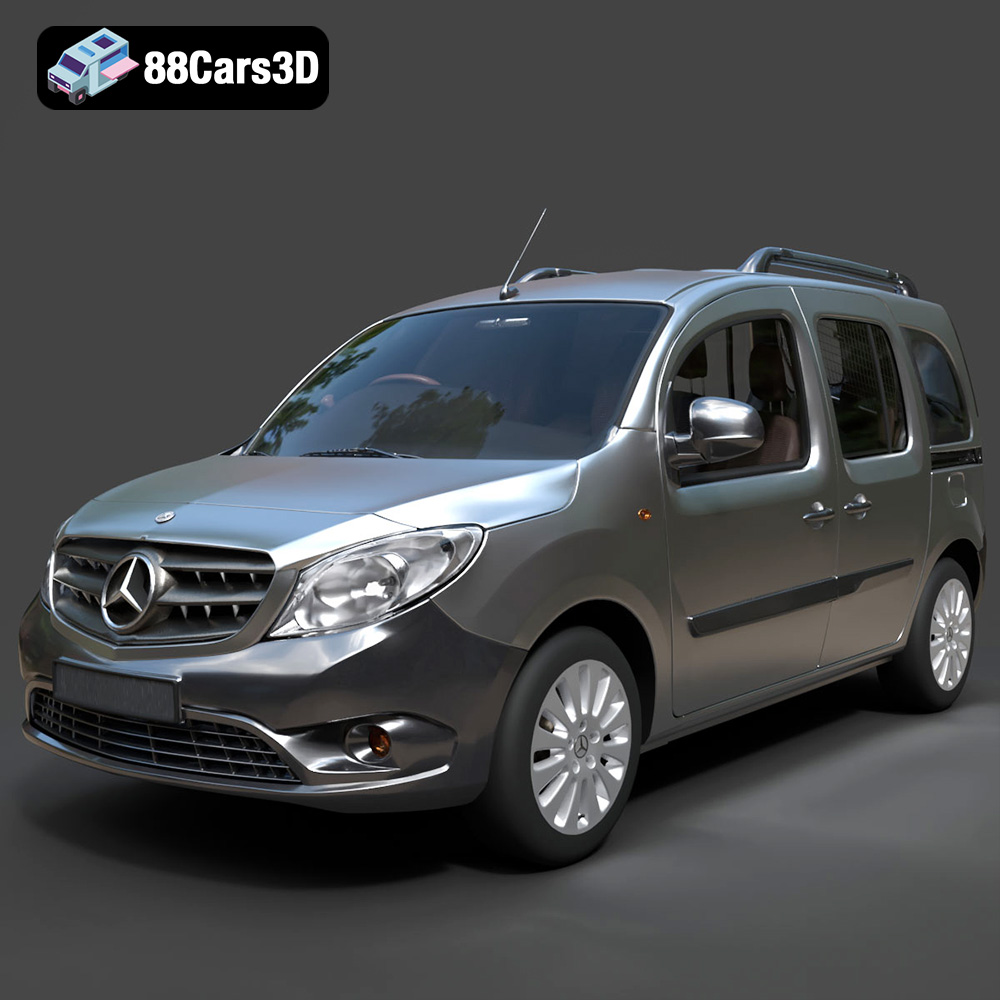
Texture: Yes
Material: Yes
Download the Mercedes-Benz Citan 2025 3D Model featuring clean geometry, realistic detailing, and a fully modeled interior. Includes .blend, .fbx, .obj, .glb, .stl, .ply, .unreal, and .max formats for rendering, simulation, and game development.
Price: $4.99
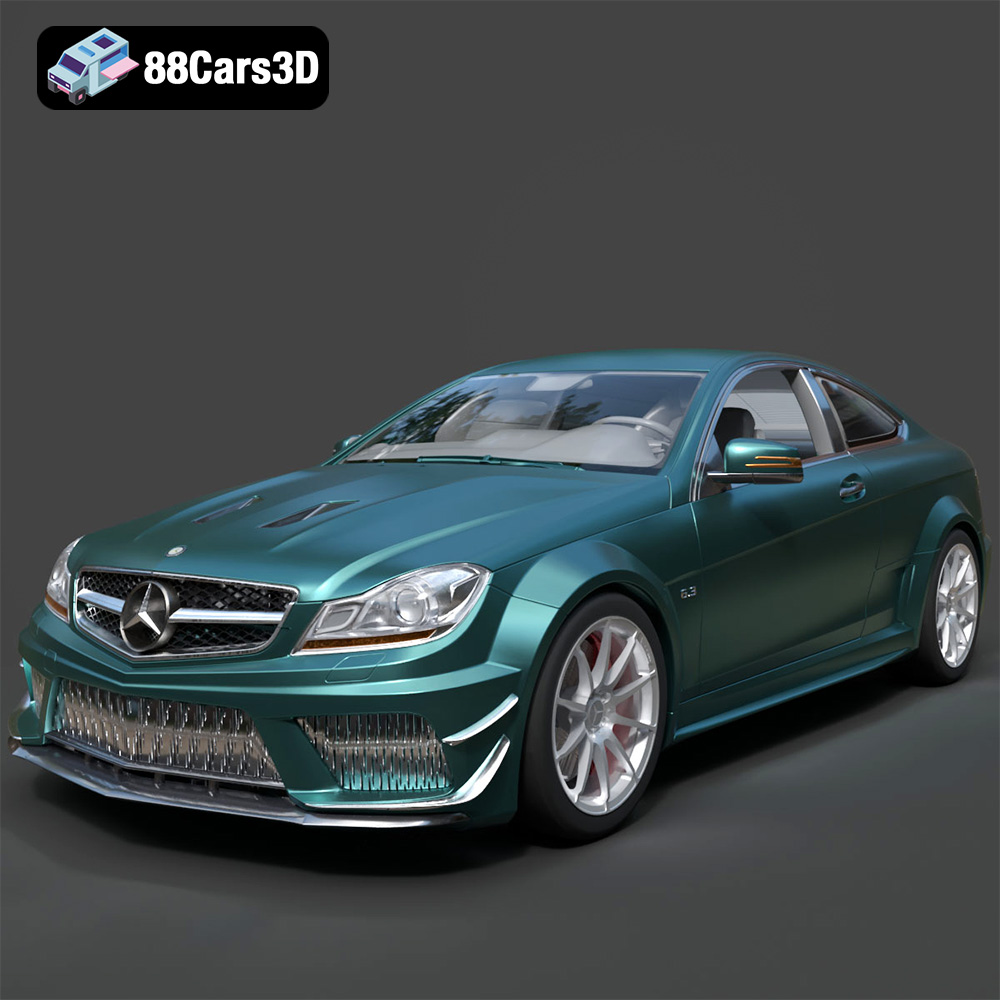
Texture: Yes
Material: Yes
Download the Mercedes-Benz C63 AMG 2012 3D Model featuring clean geometry, realistic detailing, and a fully modeled interior. Includes .blend, .fbx, .obj, .glb, .stl, .ply, .unreal, and .max formats for rendering, simulation, and game development.
Price: $4.99
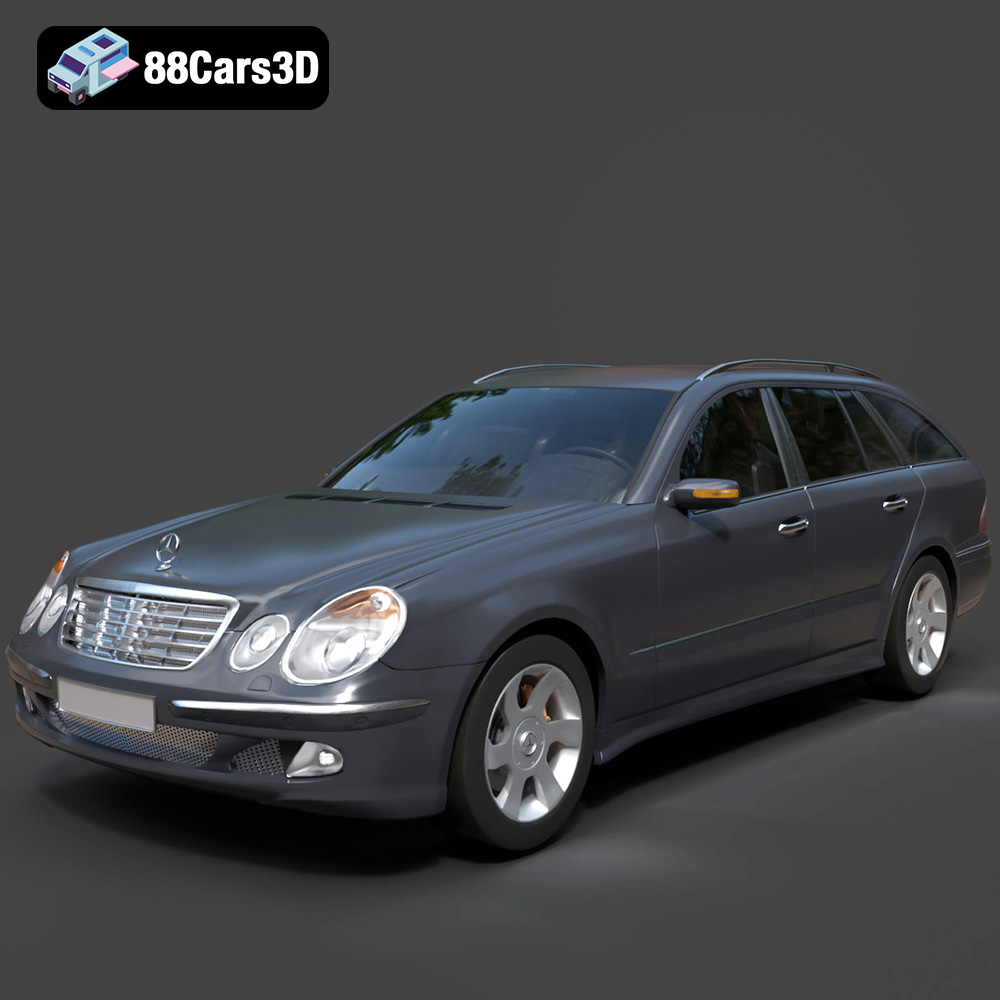
Texture: Yes
Material: Yes
Download the Mercedes-Benz E-Class S211 3D Model featuring clean geometry, realistic detailing, and a fully modeled interior. Includes .blend, .fbx, .obj, .glb, .stl, .ply, .unreal, and .max formats for rendering, simulation, and game development.
Price: $4.99
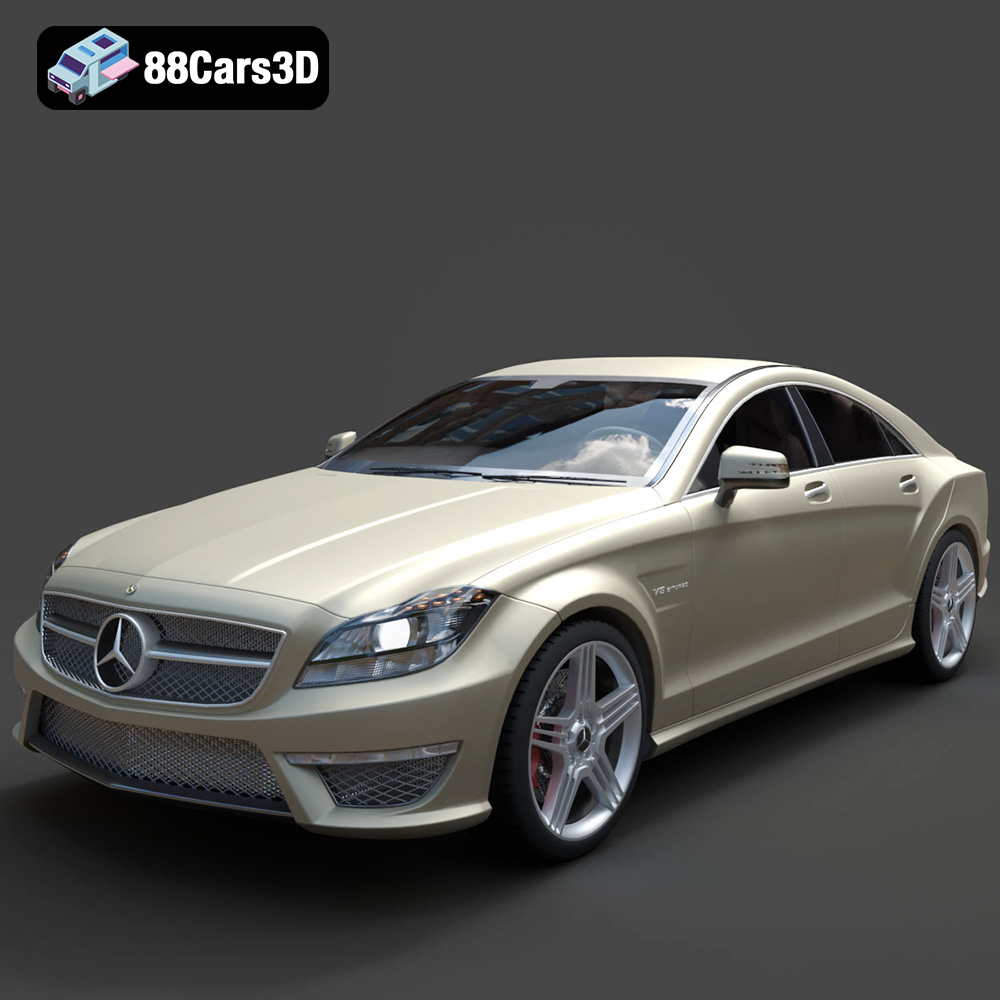
Texture: Yes
Material: Yes
Download the Mercedes-Benz CLS63 AMG (C218) 2014 3D Model featuring clean geometry, realistic detailing, and a fully modeled interior. Includes .blend, .fbx, .obj, .glb, .stl, .ply, .unreal, and .max formats for rendering, simulation, and game development.
Price: $4.99
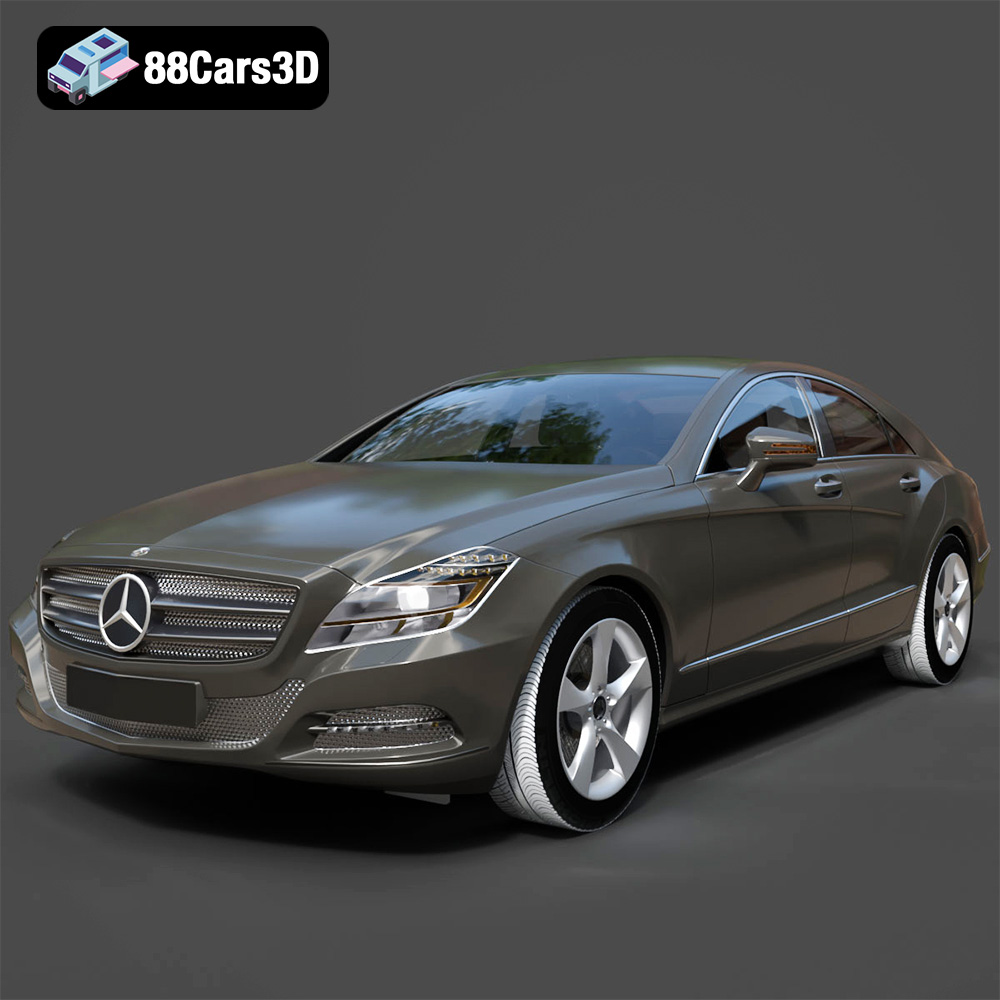
Texture: Yes
Material: Yes
Download the Mercedes-Benz CLS-Klasse 3D Model featuring clean geometry, realistic detailing, and a fully modeled interior. Includes .blend, .fbx, .obj, .glb, .stl, .ply, .unreal, and .max formats for rendering, simulation, and game development.
Price: $4.99
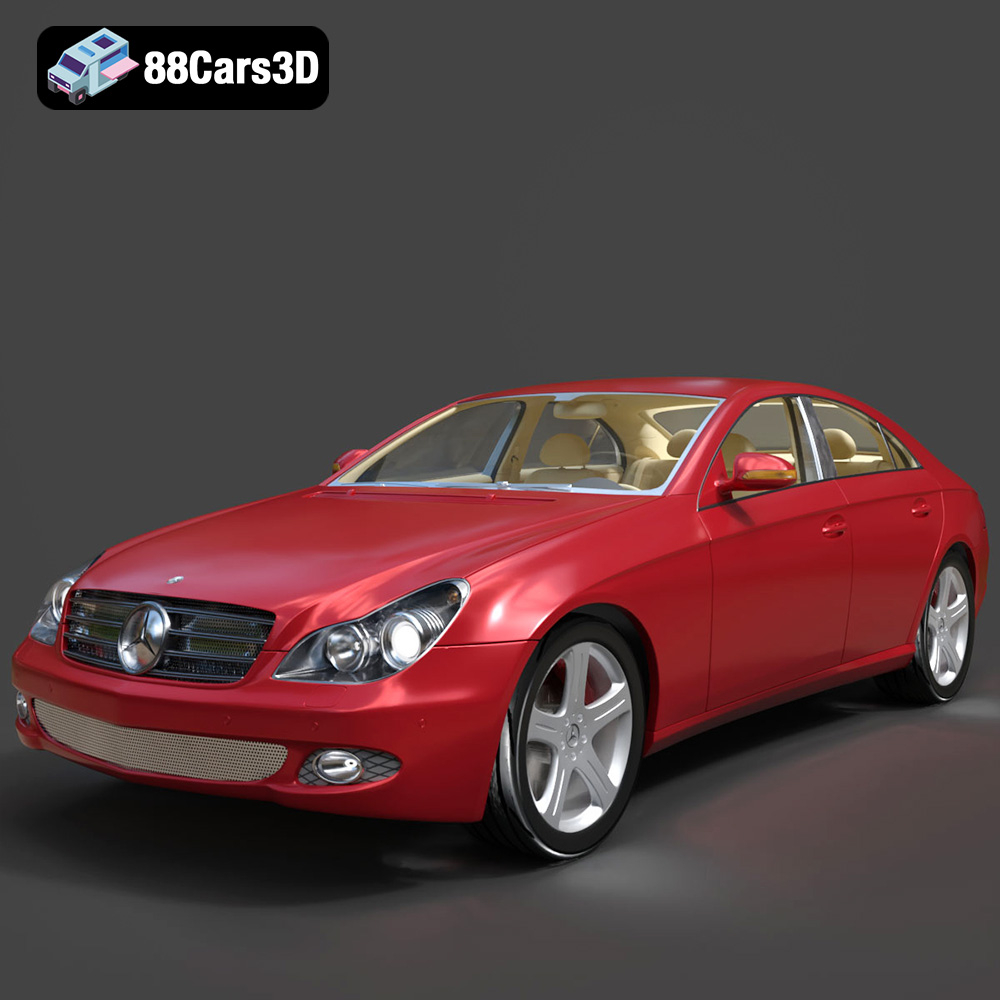
Texture: Yes
Material: Yes
Download the Mercedes-Benz CLS 500 3D Model featuring clean geometry, realistic detailing, and a fully modeled interior. Includes .blend, .fbx, .obj, .glb, .stl, .ply, .unreal, and .max formats for rendering, simulation, and game development.
Price: $4.99

Texture: Yes
Material: Yes
Download the Mercedes-Benz CL-Klasse 2001 3D Model featuring clean geometry, realistic detailing, and a fully modeled interior. Includes .blend, .fbx, .obj, .glb, .stl, .ply, .unreal, and .max formats for rendering, simulation, and game development.
Price: $4.99
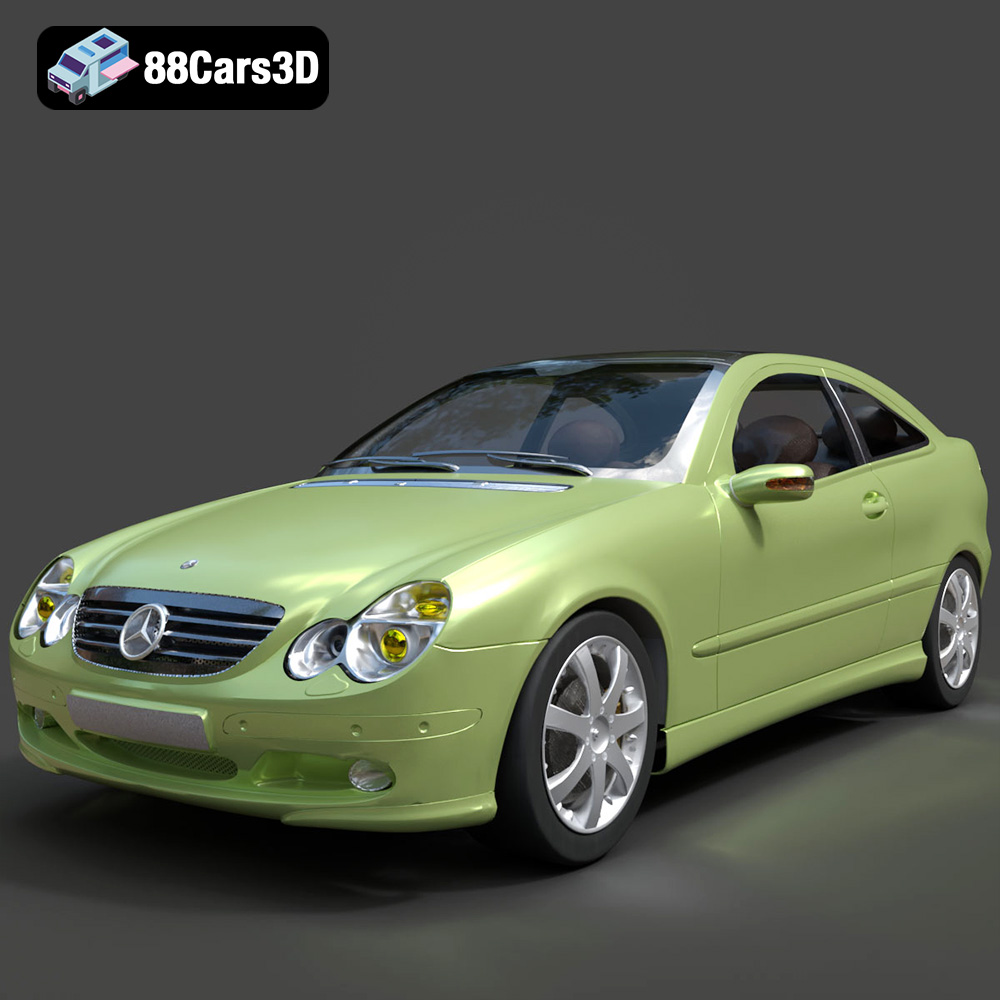
Texture: Yes
Material: Yes
Download the Mercedes-Benz C-Klasse Sportcoupe 2000 3D Model featuring clean geometry, realistic detailing, and a fully modeled interior. Includes .blend, .fbx, .obj, .glb, .stl, .ply, .unreal, and .max formats for rendering, simulation, and game development.
Price: $4.99
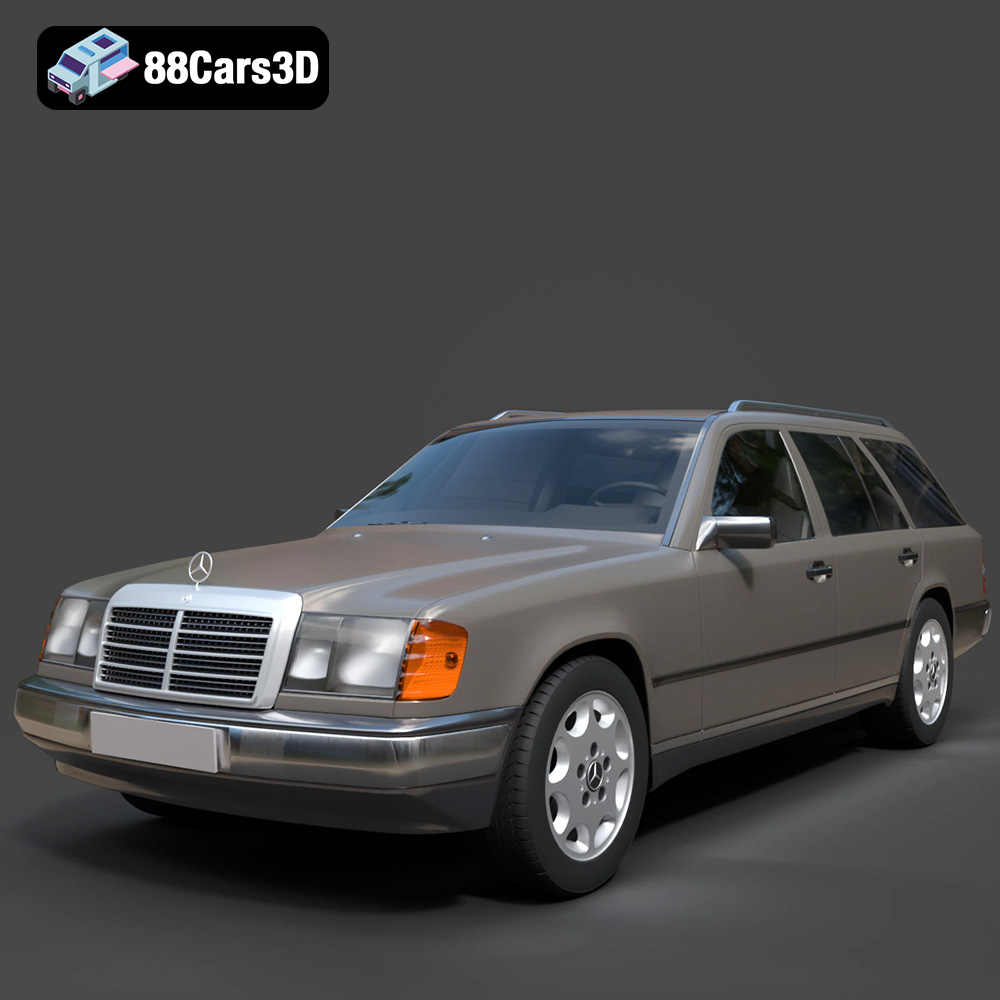
Texture: Yes
Material: Yes
Download the Mercedes E-Class w124 Kombi 3D Model featuring clean geometry, realistic detailing, and a fully modeled interior. Includes .blend, .fbx, .obj, .glb, .stl, .ply, .unreal, and .max formats for rendering, simulation, and game development.
Price: $4.99
Texture: Yes
Material: Yes
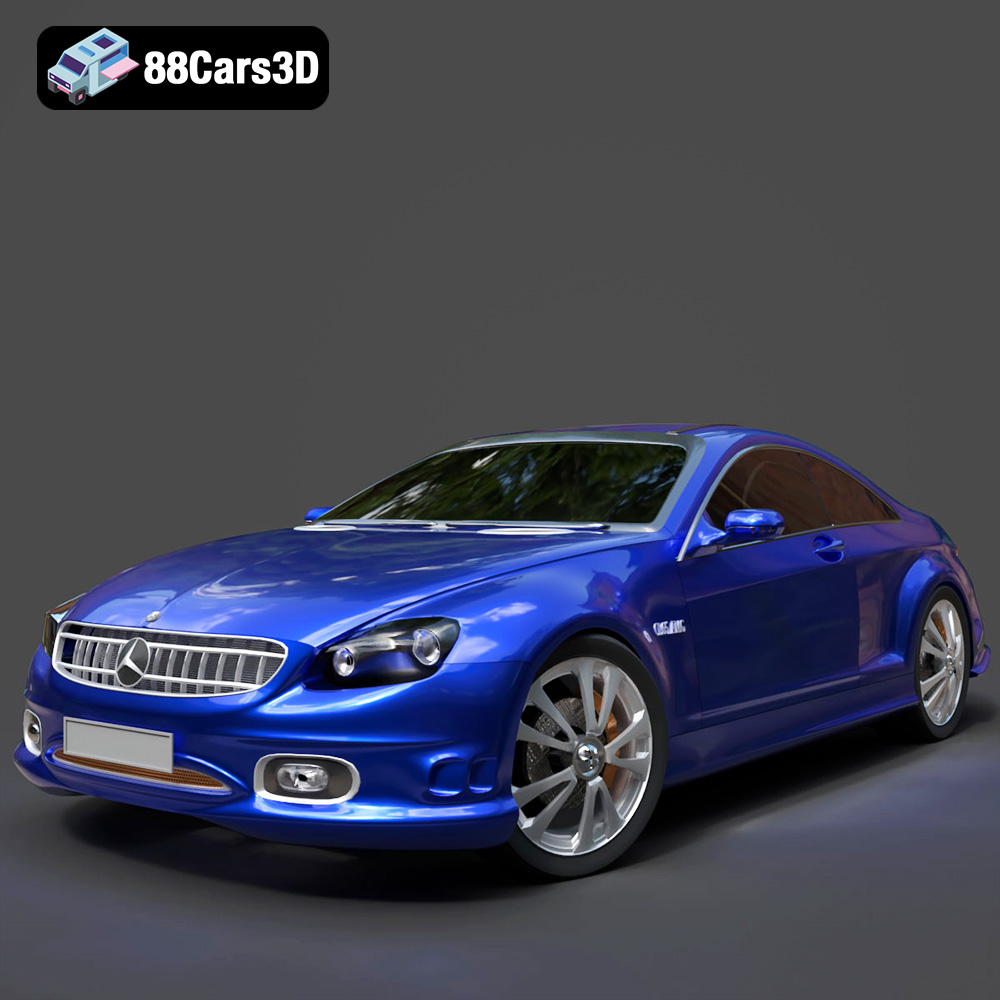
Download the Mercedes-Benz CL6540-005 3D Model featuring clean geometry, realistic detailing, and a fully modeled interior. Includes .blend, .fbx, .obj, .glb, .stl, .ply, .unreal, and .max formats for rendering, simulation, and game development.
Price: $4.99

