Get 20% OFF All Premium 3D & STL Models!

The allure of a perfectly rendered supercar, its polished surfaces reflecting a dramatic studio environment, is undeniable. These images, once the exclusive domain of high-end automotive brands and visual effects studios, are now achievable by artists and developers worldwide. But how do you transform a collection of polygons into a stunning piece of digital art, a high-performance game asset, or even a tangible 3D-printed object? The entire process hinges on the quality of one core component: the 3D car model itself. A great model is more than just an accurate shape; it’s a carefully constructed foundation built for versatility and performance.
This comprehensive guide will take you on a deep dive through the entire professional workflow, from the fundamental principles of topology to the final render or real-time application. We’ll dissect the critical stages that separate amateur work from professional results. You will learn the industry best practices for evaluating and preparing a 3D car model, mastering UV unwrapping for complex surfaces, creating hyper-realistic PBR materials, optimizing for game engines and AR/VR, and even prepping your model for the physical world of 3D printing. Whether you’re an aspiring 3D artist, a seasoned game developer, or an automotive designer, this guide will equip you with the technical knowledge to get the absolute most out of your 3D car models.
Before any texture is applied or any light is cast, the success of a 3D car model is determined by its underlying geometry—its topology. Topology refers to the arrangement of vertices, edges, and polygons that form the mesh. Clean, efficient topology is the bedrock of every subsequent step, from smooth deformations to clean UV unwrapping and predictable rendering. It’s the difference between a model that is a dream to work with and one that causes endless technical headaches. When sourcing models from marketplaces such as 88cars3d.com, you’ll find that premium assets are always built with these foundational principles in mind, saving you countless hours of cleanup and rework.
The gold standard in professional hard-surface modeling is quad-based topology. This means the model is constructed primarily from four-sided polygons (quads). The reason for this is simple: predictability. Quads subdivide smoothly and evenly, which is crucial when you need to increase a model’s resolution for close-up shots without introducing artifacts. Algorithms like TurboSmooth (3ds Max) or Subdivision Surface (Blender) work best with quads, producing clean, flowing surfaces. Triangles (tris) can cause pinching and strange shading artifacts when subdivided, while polygons with more than four sides (N-gons) are notorious for creating unpredictable and often disastrous results in rendering and texturing. While a final game-ready mesh will be triangulated by the engine, the source modeling should always be done with quads for maximum flexibility.
Edge flow is the purposeful direction of edge loops to define the form and contours of an object. In automotive design, this is paramount. The elegant curves of a fender, the sharp crease of a character line, and the smooth transition around a wheel arch are all defined by masterful edge flow. Good edge flow follows the natural curvature of the car’s body panels. This not only creates a more accurate and appealing shape but also ensures that reflections and highlights travel smoothly and realistically across the surface. Poor edge flow results in wobbly, uneven highlights that immediately break the illusion of realism. When examining a model, look for edge loops that cleanly define panel gaps, support sharp edges, and flow organically with the car’s design language.
The ideal polygon count is entirely dependent on the final application. There is no one-size-fits-all answer.
A professional 3D car model is often delivered in a non-subdivided state, allowing the artist to choose the appropriate level of detail for their specific project.
If topology is the skeleton of your model, UV mapping is its skin. UV mapping is the process of unwrapping the 3D mesh into a 2D space so that textures can be applied correctly. For a complex object like a car, with its countless panels, intricate interior, and mechanical components, UV mapping is a challenging but crucial stage. A poor unwrap can lead to stretched textures, visible seams, and inconsistent resolution, completely undermining the quality of your materials and rendering. Proper UV mapping is a craft that requires foresight and a systematic approach to achieve a flawless, professional finish.
A UV “seam” is where the 3D mesh is “cut” to allow it to be flattened into 2D UV islands. The art of placing seams is to hide them where the viewer is least likely to see them. For 3D car models, this means placing seams along natural, hard-edged boundaries.
Avoid placing seams in the middle of a large, smooth, and highly visible panel, like the center of the hood or the side of a door, as this can cause visible artifacts in the texture and lighting.
Texel density refers to the resolution of your texture map relative to the size of the model in 3D space. Achieving a consistent texel density across your entire model is vital for realism. If the side mirror has a higher texture resolution than the door next to it, the difference will be jarring to the viewer. Before unwrapping, decide on a target resolution (e.g., 1024 pixels per meter, or 10.24 px/cm). Most modern UV tools in Blender, 3ds Max, and Maya have features to visualize and normalize texel density across different UV islands. This ensures that a decal on the fender looks just as sharp as the leather texture on the steering wheel, creating a cohesive and believable result.
How you organize your UV islands depends on the project’s needs.
A great source model might come with both options, or a well-organized single UV set that can be easily split into UDIMs if required.
With a solid mesh and a clean UV map, the next step is to breathe life into the model through materials and textures. The modern industry standard for this is the Physically Based Rendering (PBR) workflow. PBR aims to simulate how light interacts with materials in the real world, resulting in incredibly realistic and consistent visuals across different lighting conditions. Crafting convincing PBR materials for a car—from the complex multi-layered paint to the worn leather of the seats—is what separates a good model from a photorealistic masterpiece.
The PBR workflow primarily relies on a set of texture maps that tell the render engine about a material’s physical properties. For automotive assets, the most critical maps in the Metallic/Roughness workflow are:
A realistic car paint is one of the most complex materials to create. It’s not just a single color; it’s a multi-layered material. In software like 3ds Max with Corona/V-Ray or Blender with Cycles, you can build a layered shader to simulate this:
Adding subtle imperfections like orange peel or fine scratches to the clear coat’s normal or roughness map can elevate the realism to the next level.
With your model textured and shaded, it’s time to place it in a scene and create the final image. This is where the rendering engine takes over, simulating light, shadows, reflections, and refractions to produce a photorealistic result. The choice of render engine, lighting setup, and camera settings are all artistic and technical decisions that have a massive impact on the final mood and quality of your automotive rendering. While engines like Corona, V-Ray, and Cycles share fundamental principles, their specific workflows and features can make a difference.
The fastest and most effective way to light a 3D car model is with Image-Based Lighting (IBL) using a High Dynamic Range Image (HDRI). An HDRI is a 360-degree panoramic image that contains a vast range of light intensity data. When used as an environment map, it projects realistic lighting and reflections onto your model from all directions.
To seamlessly integrate the car into an environment, use a high-resolution “backplate” image as the background and a “shadow catcher” plane underneath the car. This plane will be invisible in the final render but will receive shadows from the car, making it look like it’s truly sitting on the ground.
Your virtual camera should mimic a real-world DSLR. Pay close attention to these settings:
While all are powerful path-tracing engines, they have different strengths:
Using 3D car models in a game engine like Unreal Engine or Unity presents a completely different set of challenges. Here, the primary goal is to maintain the highest possible visual quality while ensuring the application runs at a smooth, real-time frame rate (typically 60 FPS or higher). This is a constant balancing act between visual fidelity and performance, requiring a specialized set of optimization techniques that are crucial for game asset development.
Level of Detail (LOD) is the single most important optimization technique for complex assets like cars. The concept is simple: you use different versions of the model with varying polygon counts depending on how far it is from the camera.
Game engines automatically switch between these LODs, drastically reducing the number of polygons the GPU has to render at any given time.
A “draw call” is a command from the CPU to the GPU to draw an object on the screen. Each object with a unique material generates at least one draw call. Having too many draw calls can create a CPU bottleneck and lower performance. Texture atlasing is a key technique to reduce them. This involves combining multiple smaller textures into a single, larger texture sheet. For example, instead of having separate materials and textures for the dashboard, steering wheel, and seats, you can unwrap them all into the same UV space and use a single “Interior” material with one set of PBR textures. This allows the GPU to render the entire interior in a single draw call, significantly improving performance.
Choosing the right file format is crucial for a smooth pipeline.
The utility of a high-quality 3D car model extends beyond traditional screens. Immersive technologies like Augmented Reality (AR) and Virtual Reality (VR) are transforming car configurators and showrooms, while 3D printing allows for the creation of physical scale models and prototypes. Each of these applications has unique technical requirements for model preparation, focusing on extreme performance for AR/VR and geometric integrity for 3D printing.
For AR and VR, performance is non-negotiable. A low frame rate can quickly lead to motion sickness and a poor user experience.
When preparing a model for 3D printing, the visual appearance is secondary to the physical, geometric structure. The 3D printer needs a clean, unambiguous set of instructions to build the object layer by layer.
As we’ve seen, a 3D car model is far more than a static digital object. It’s a versatile asset whose potential is unlocked through a series of specialized, technical workflows. From the disciplined construction of quad-based topology and meticulous UV unwrapping to the artistic creation of PBR materials and the strategic optimizations for real-time performance, each stage builds upon the last. The journey from a raw polygon mesh to a photorealistic automotive rendering, an interactive game asset, or a physical 3D print is a testament to the blend of technical skill and artistic vision required in the modern 3D industry.
The key takeaway is that excellence in the final product is impossible without excellence in the initial asset. A flawed foundation will compromise every subsequent step. Whether you’re creating a stunning automotive visualization or an interactive game asset, the journey is far more efficient and creatively fulfilling when you begin with a masterfully crafted model. Platforms like 88cars3d.com provide artists with these production-ready assets, saving invaluable time on the complex modeling phase and allowing you to jump straight into the creative process of texturing, lighting, and bringing your vision to life. By understanding and applying these professional workflows, you can ensure your final project truly shines.
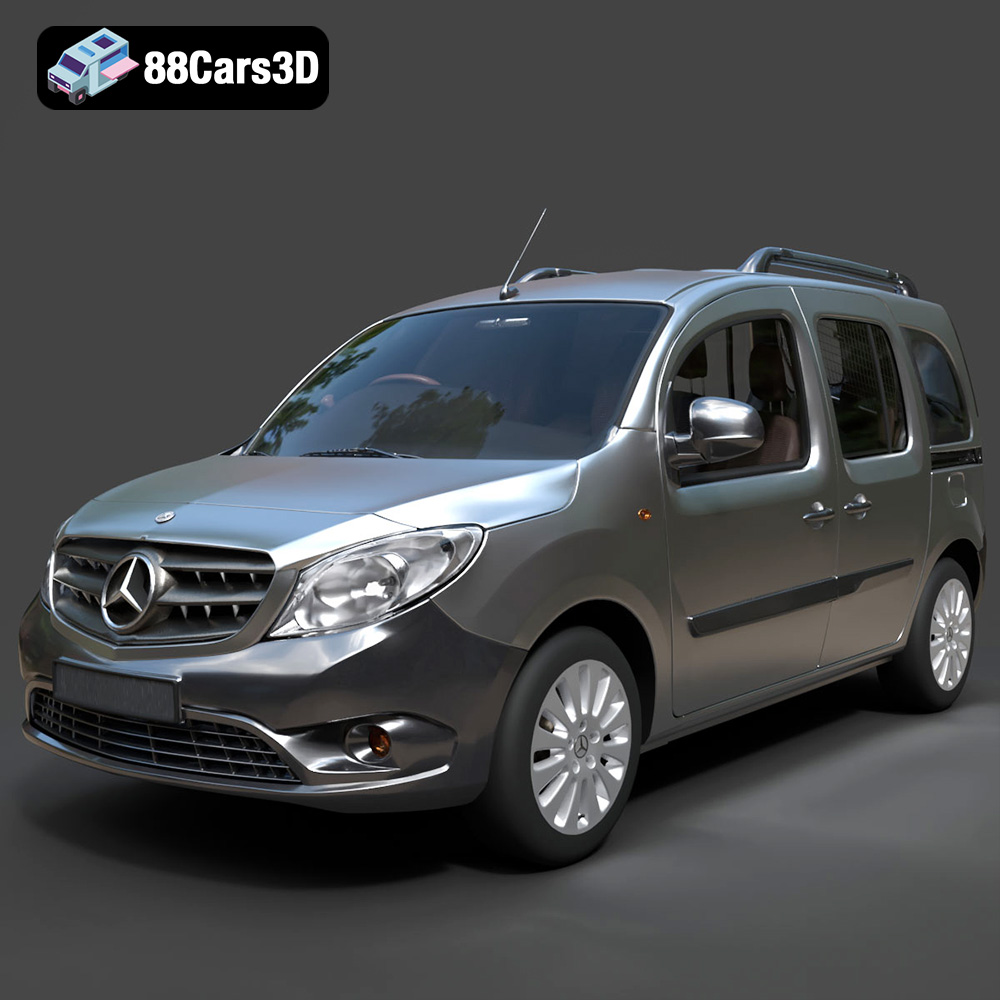
Texture: Yes
Material: Yes
Download the Mercedes-Benz Citan 2025 3D Model featuring clean geometry, realistic detailing, and a fully modeled interior. Includes .blend, .fbx, .obj, .glb, .stl, .ply, .unreal, and .max formats for rendering, simulation, and game development.
Price: $4.99
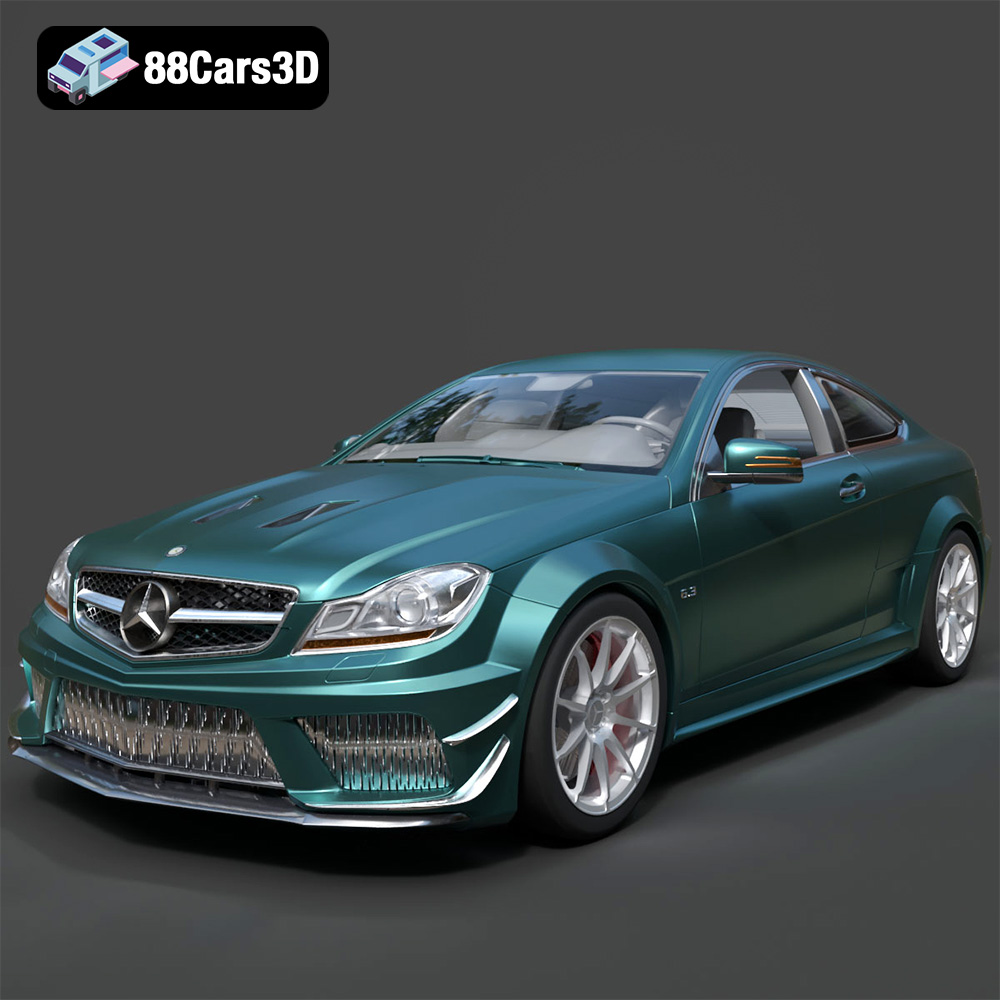
Texture: Yes
Material: Yes
Download the Mercedes-Benz C63 AMG 2012 3D Model featuring clean geometry, realistic detailing, and a fully modeled interior. Includes .blend, .fbx, .obj, .glb, .stl, .ply, .unreal, and .max formats for rendering, simulation, and game development.
Price: $4.99
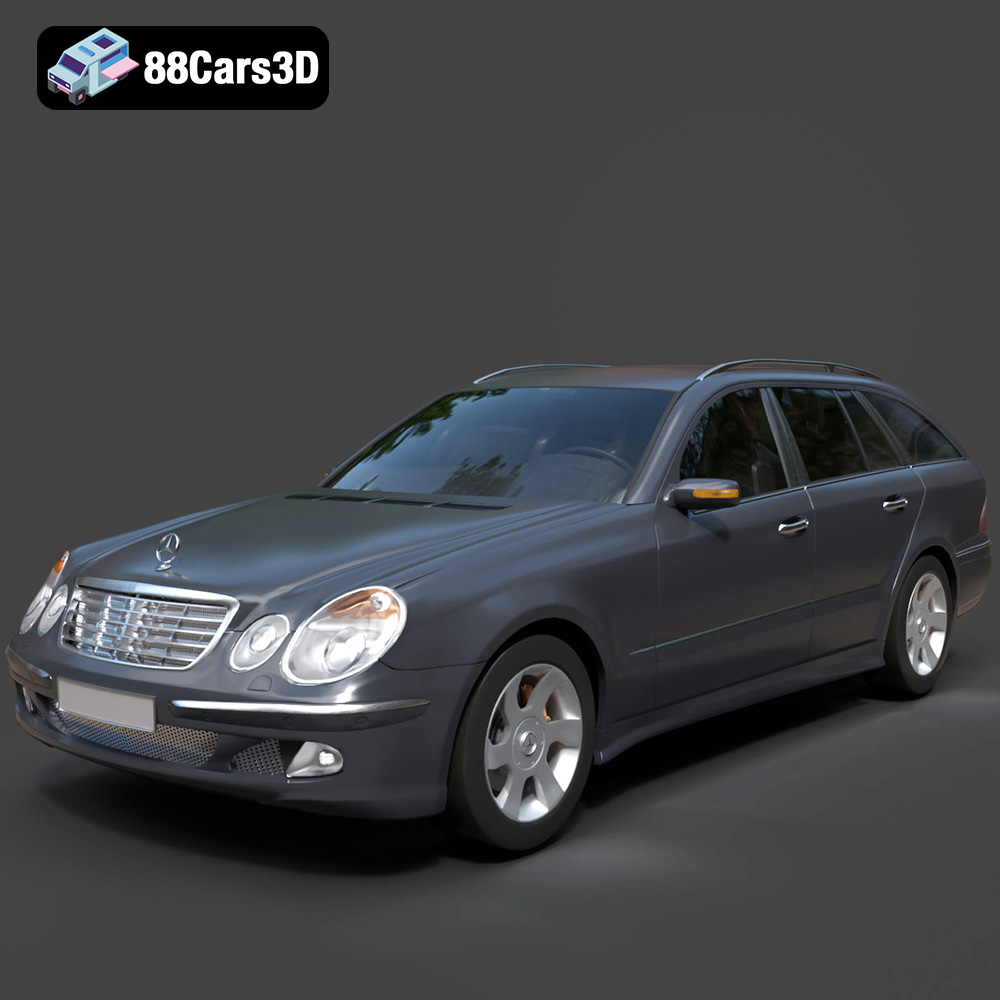
Texture: Yes
Material: Yes
Download the Mercedes-Benz E-Class S211 3D Model featuring clean geometry, realistic detailing, and a fully modeled interior. Includes .blend, .fbx, .obj, .glb, .stl, .ply, .unreal, and .max formats for rendering, simulation, and game development.
Price: $4.99
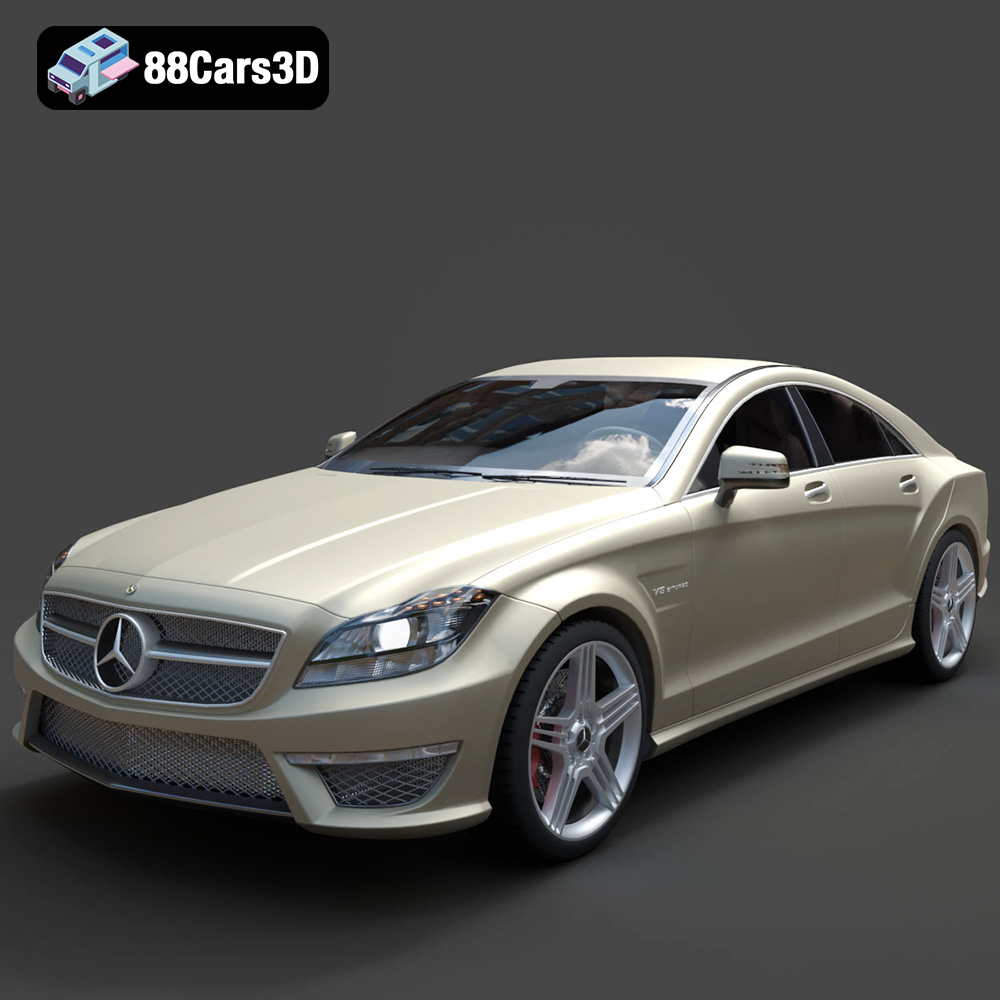
Texture: Yes
Material: Yes
Download the Mercedes-Benz CLS63 AMG (C218) 2014 3D Model featuring clean geometry, realistic detailing, and a fully modeled interior. Includes .blend, .fbx, .obj, .glb, .stl, .ply, .unreal, and .max formats for rendering, simulation, and game development.
Price: $4.99
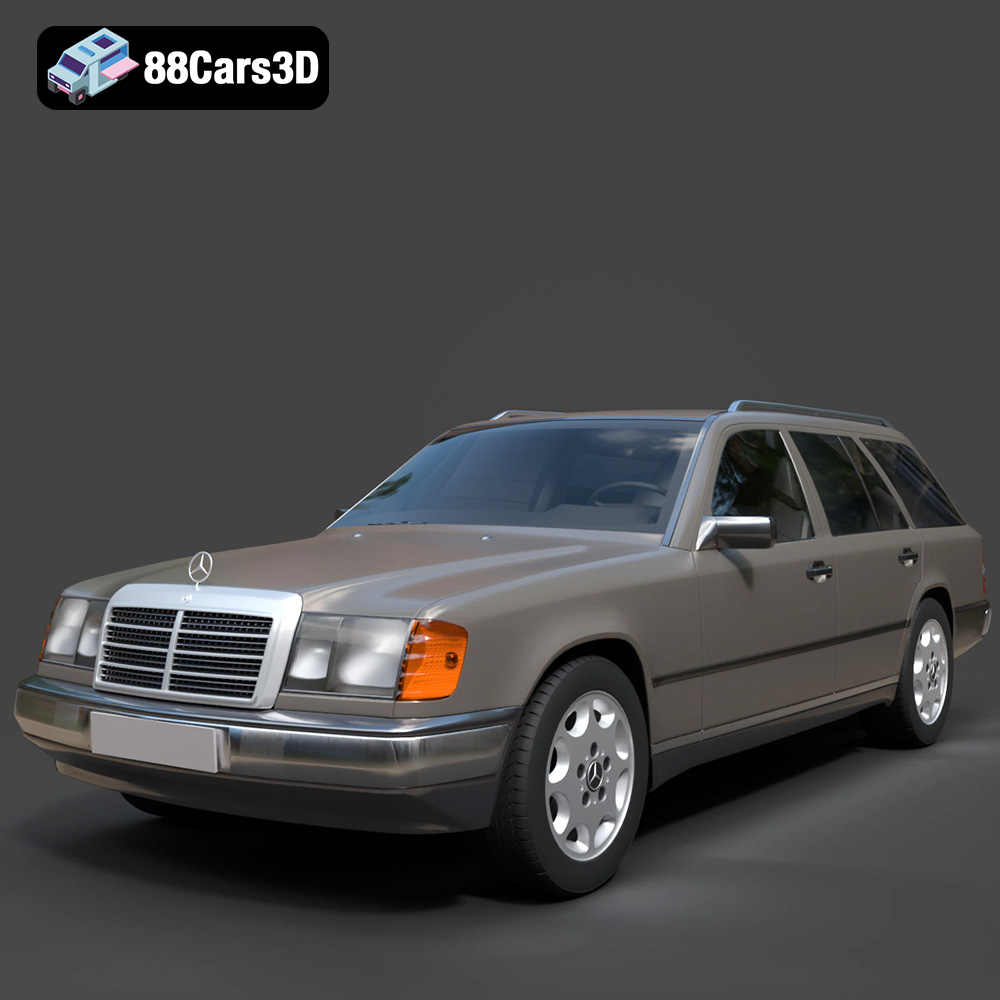
Texture: Yes
Material: Yes
Download the Mercedes E-Class w124 Kombi 3D Model featuring clean geometry, realistic detailing, and a fully modeled interior. Includes .blend, .fbx, .obj, .glb, .stl, .ply, .unreal, and .max formats for rendering, simulation, and game development.
Price: $4.99
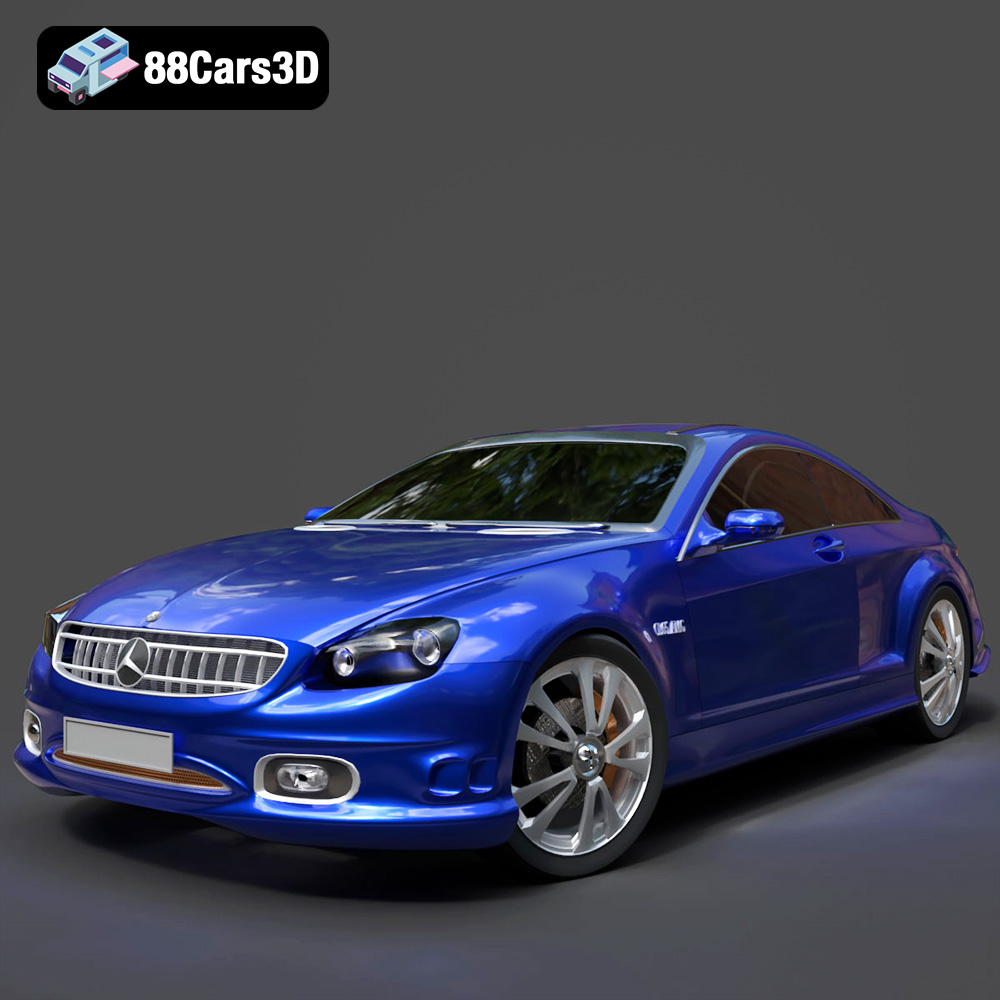
Texture: Yes
Material: Yes
Download the Mercedes-Benz CL6540-005 3D Model featuring clean geometry, realistic detailing, and a fully modeled interior. Includes .blend, .fbx, .obj, .glb, .stl, .ply, .unreal, and .max formats for rendering, simulation, and game development.
Price: $4.99
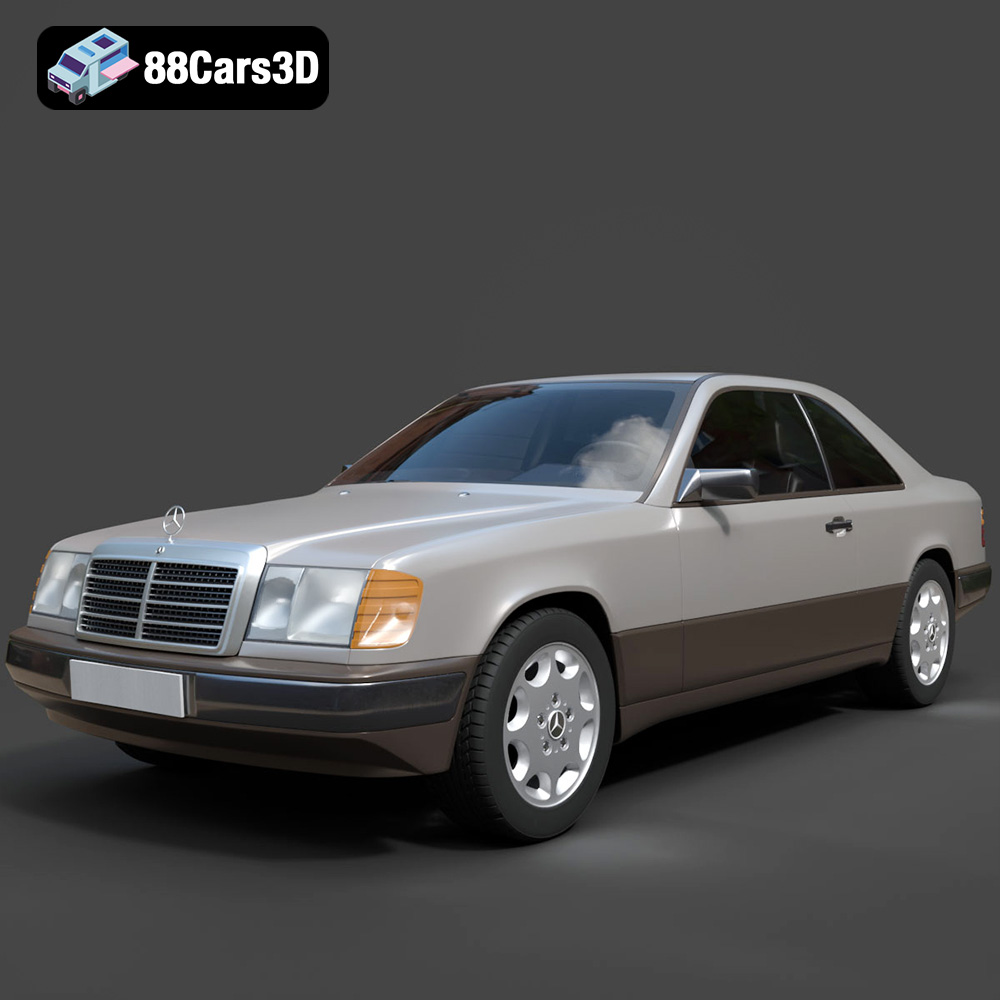
Texture: Yes
Material: Yes
Download the Mercedes E-Class w124 Coupe 3D Model featuring clean geometry, realistic detailing, and a fully modeled interior. Includes .blend, .fbx, .obj, .glb, .stl, .ply, .unreal, and .max formats for rendering, simulation, and game development.
Price: $4.99
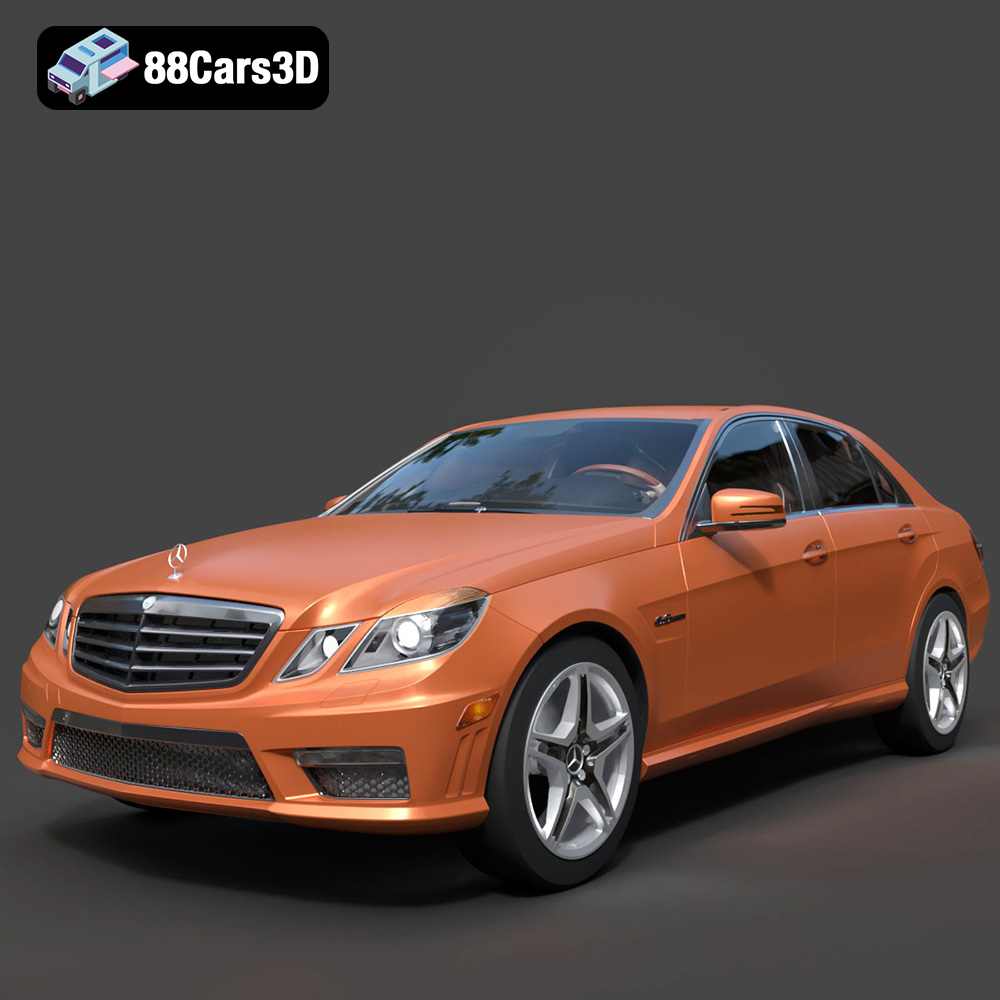
Texture: Yes
Material: Yes
Download the Mercedes-Benz E-Klasse 63 AMG 3D Model featuring clean geometry, realistic detailing, and a fully modeled interior. Includes .blend, .fbx, .obj, .glb, .stl, .ply, .unreal, and .max formats for rendering, simulation, and game development.
Price: $4.99
Texture: Yes
Material: Yes
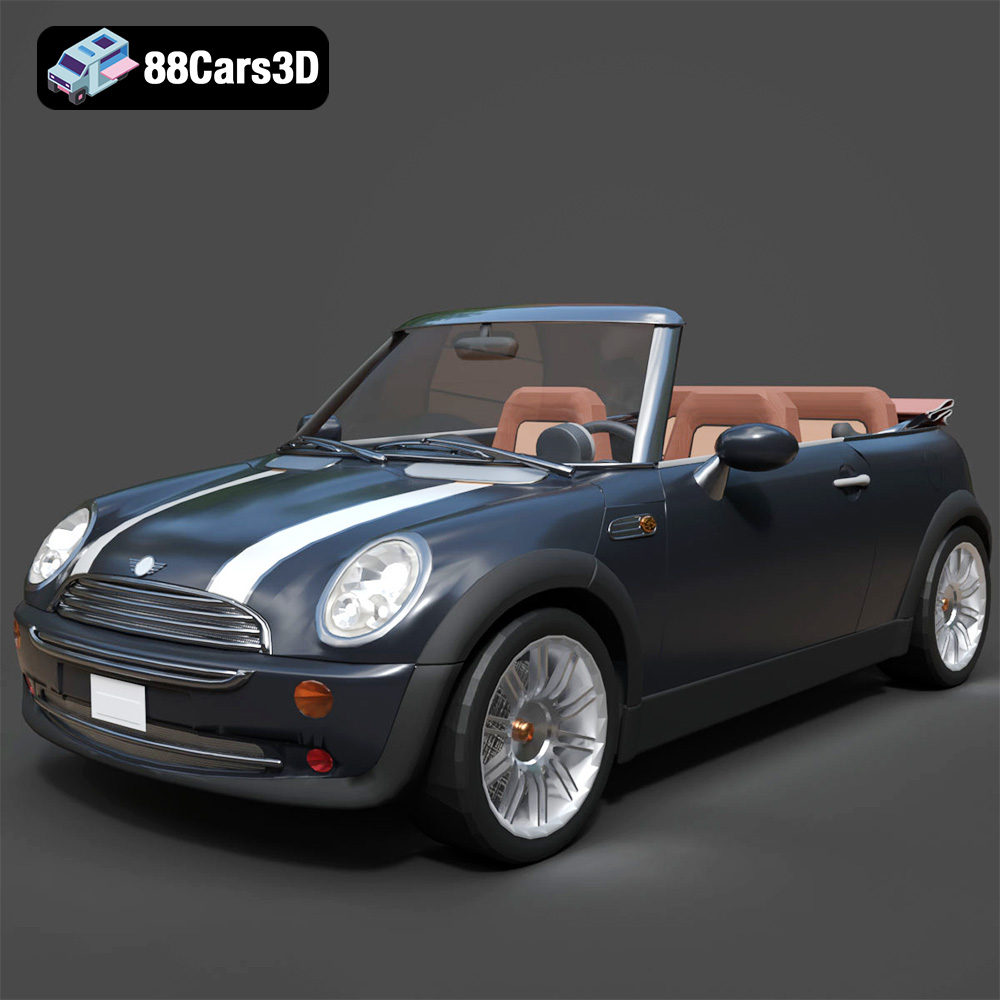
Download the Mini Cabrio 2025 3D Model featuring clean geometry, realistic detailing, and a fully modeled interior. Includes .blend, .fbx, .obj, .glb, .stl, .ply, .unreal, and .max formats for rendering, simulation, and game development.
Price: $4.99
Texture: Yes
Material: Yes
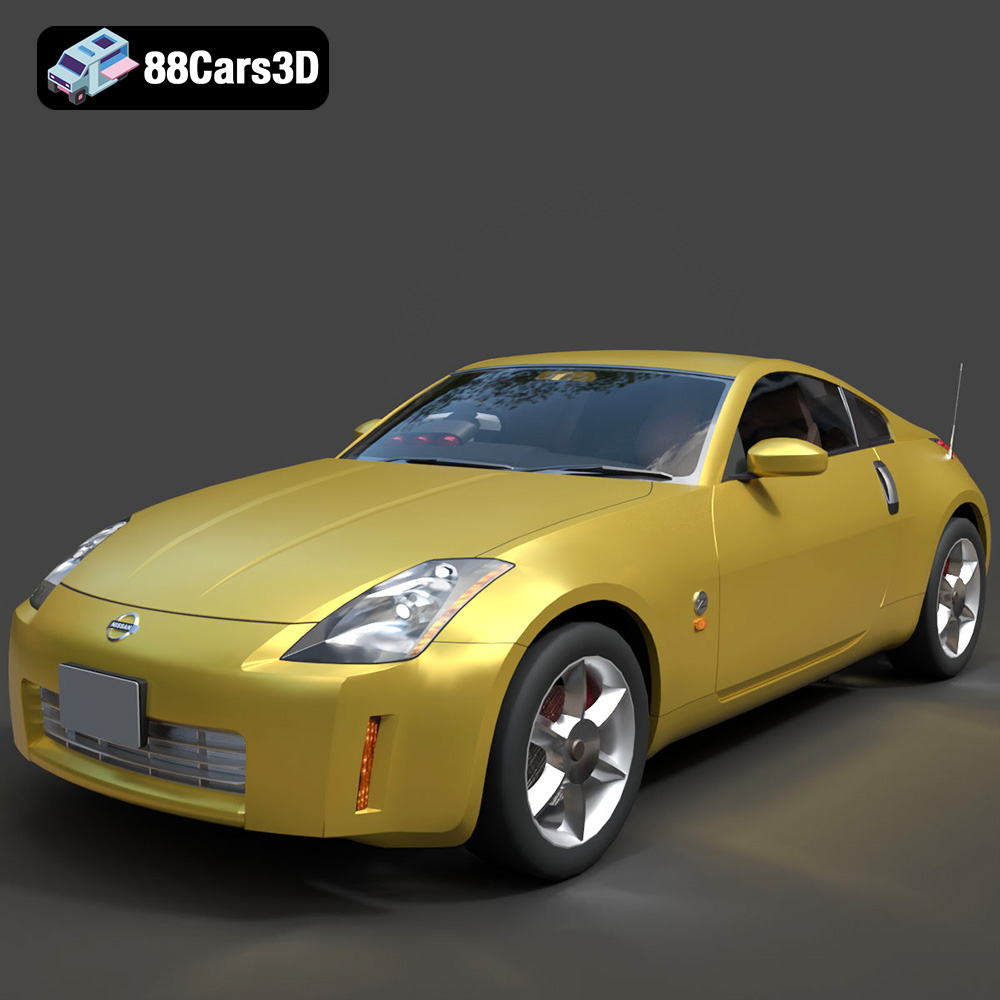
Download the Nissan 350Z 3D Model featuring clean geometry, realistic detailing, and a fully modeled interior. Includes .blend, .fbx, .obj, .glb, .stl, .ply, .unreal, and .max formats for rendering, simulation, and game development.
Price: $4.99

