Get 20% OFF All Premium 3D & STL Models!

The sleek lines, the shimmering paint, the intricate details of a meticulously crafted automobile – there’s an undeniable allure to cars, both in the real world and in the digital realm. For 3D artists, game developers, automotive designers, and visualization professionals, bringing these machines to life in three dimensions is a captivating challenge. However, transforming a real-world vehicle into a high-fidelity 3D model that performs flawlessly across diverse applications – from stunning marketing renders to real-time game engines and interactive AR/VR experiences – is far from a trivial task. It demands a sophisticated understanding of complex 3D workflows, technical specifications, and industry best practices.
This comprehensive guide delves deep into the multifaceted world of creating, optimizing, and deploying 3D car models. We’ll navigate the intricacies of pristine topology, explore advanced UV mapping strategies, unravel the secrets of Physically Based Rendering (PBR) materials, and master the art of automotive rendering. Furthermore, we’ll equip you with the knowledge to optimize your 3D car models for demanding interactive environments like game engines and AR/VR, prepare them for 3D printing, and understand the critical role of various file formats. Whether you’re a seasoned professional looking to refine your techniques or an aspiring artist eager to elevate your skills, prepare to unlock the full potential of digital automotive visualization.
At the heart of any exceptional 3D car model lies impeccable topology. This isn’t merely about having enough polygons; it’s about the strategic placement of every vertex, edge, and face to ensure smooth surfaces, accurate reflections, and efficient deformation. For automotive models, which are characterized by their curvaceous forms and sharp panel gaps, good topology is paramount. It dictates how light reflects off the surface, how the model will subdivide for smoother rendering, and how easily it can be textured or deformed later in the pipeline. Prioritizing clean topology from the outset saves countless hours in later stages, preventing artifacts and ensuring a professional finish.
The industry standard for organic and hard-surface modeling, especially for subdivision-surface workflows, is quad-based topology. Quads (four-sided polygons) subdivide predictably and smoothly, minimizing pinching and unwanted creasing. While triangles (tris) and N-gons (polygons with more than four sides) have their specific uses, they generally introduce issues when subdivision modifiers are applied, leading to unpredictable surface deformation and shading artifacts. For complex automotive surfaces, where subtle curvature transitions are critical, maintaining a clean flow of quad-dominant edge loops is essential. These loops should follow the natural contours and design lines of the car, guiding the surface flow and allowing for precise control over curvature and creases. High-resolution models for hero shots might target polygon counts upwards of 200,000-500,000 tris (with subdivision applied), while game-ready assets might require as few as 20,000-80,000 tris, depending on the platform and LOD strategy.
Automotive modeling presents unique topological challenges. Achieving perfectly smooth, reflective body panels while simultaneously maintaining razor-sharp panel gaps requires careful planning. A common technique involves using “supporting loops” or “holding edges” around areas that need to remain sharp after subdivision. For instance, around a door line or fender edge, you would place several closely spaced edge loops. The tightness of these loops determines the sharpness of the crease. Similarly, incorporating proper edge flow for vents, grilles, and intricate headlight designs demands a logical progression of polygons that define these details without creating unnecessary complexity in the surrounding geometry. Tools like the Bevel modifier in Blender, the Chamfer tool in 3ds Max, or the Bevel option in Maya are indispensable for creating controlled hard edges. When sourcing 3D car models from platforms like 88cars3d.com, you should always check for clean, quad-based topology, as this indicates a professional-grade asset that will be easier to work with.
Once your 3D car model boasts impeccable geometry, the next crucial step is UV mapping. UV mapping is the process of flattening the 3D surface of your model onto a 2D plane, creating a set of coordinates (U and V) that tell your rendering software how to apply textures. Without proper UVs, even the most stunning textures will appear stretched, distorted, or misaligned, ruining the realism of your automotive visualization. Effective UV unwrapping is an art form in itself, balancing minimal seams, even texel density, and efficient use of UV space to maximize texture quality and optimize memory.
Imagine trying to wrap a gift with crumpled paper – that’s what happens when UVs are poorly laid out. Proper UV unwrapping ensures that every pixel of your texture map corresponds accurately to a specific area on your 3D model, preventing ugly distortions that break immersion. For car models, where reflective surfaces and intricate decals are common, UV integrity is paramount. Stretching on a car paint texture, for example, would immediately make the model look fake, disrupting the reflections and metallic flakes. Furthermore, correctly unwrapped UVs are essential for baking ambient occlusion, normal maps, and other procedural details that contribute significantly to the overall realism of the model. Consistent texel density – meaning each square unit of the UV map covers the same real-world surface area on the 3D model – is key to preventing one area of the car from appearing blurry while another looks sharp.
Given the complexity of a car’s surface, a single, gigantic UV map is rarely practical or efficient. Instead, a strategic approach involves breaking the car down into logical UV islands. Typically, distinct components like the main body panels, interior elements, wheels, tires, glass, and intricate badges would each get their own dedicated UV islands or even separate UV maps/sets. For the main body, you might place seams along natural panel gaps or inconspicuous edges to minimize their visibility. For very high-resolution texturing, especially for large surfaces like the car body, a UDIM workflow (multiple UV tiles) is often employed. This allows for extremely high-resolution textures (e.g., 8K or 16K per UDIM tile) across vast areas without hitting conventional single-texture resolution limits. For game assets, where memory is tighter, texture atlasing (packing multiple smaller textures into one larger UV map) is a common optimization to reduce draw calls. A high-quality automotive render might use 8K textures for the body, 4K for interior, and 2K for wheels/tires.
The UV unwrapping process begins with intelligent seam placement. In software like 3ds Max, Blender, or Maya, you’ll identify edge loops that can serve as natural boundaries for your UV islands. For example, the underside edges of a fender or the hidden edges of a door jamb are ideal places for seams. Once seams are marked, the software “unfolds” the selected faces into a 2D representation. Following this, significant time is spent organizing, scaling, and packing these islands within the UV space. Manual adjustments are often necessary to eliminate stretching and ensure uniform texel density. Tools like the “Relax” function (Blender) or “Unfold” (Maya/3ds Max) help smooth out the UVs. Efficient packing within the 0-1 UV space is crucial, especially for game assets, to avoid wasted texture memory. For models from reputable sources such as 88cars3d.com, you can expect well-organized and optimized UV layouts that are ready for texturing.
Once the geometry and UVs are perfected, the true magic of bringing a 3D car model to life begins with materials. Physically Based Rendering (PBR) has revolutionized digital realism, allowing artists to create incredibly lifelike surfaces by simulating how light interacts with materials in the real world. Unlike older, more artistic approaches, PBR materials adhere to physical laws, ensuring consistent and believable results across different lighting conditions and rendering engines. Understanding PBR principles is crucial for crafting truly convincing automotive shaders, from the complex multi-layered car paint to the subtle imperfections of interior plastics and leathers.
PBR operates on a set of core principles that mimic real-world light behavior. Key among these are energy conservation (a surface cannot reflect more light than it receives) and Fresnel reflection (the phenomenon where surfaces reflect more light at grazing angles). PBR workflows typically rely on several texture maps: Albedo/Base Color (the diffuse color of the surface), Metallic (defines if a material is a metal or a dielectric), Roughness (controls the micro-surface detail, dictating how sharp or blurry reflections appear), Normal Map (adds fine surface detail without increasing polygon count), and Ambient Occlusion (simulates soft shadows from indirect light). Each of these maps contributes to the final appearance, working together in a shader network to accurately represent materials like polished chrome, matte plastic, or highly reflective car paint. Using calibrated PBR textures ensures that your materials look correct in any PBR-compliant renderer, whether it’s Corona, V-Ray, Cycles, or Arnold.
Car paint is one of the most challenging materials to reproduce accurately due to its complex layered structure. A typical automotive paint shader involves several components: a base coat (the primary color, often metallic), a clear coat (a highly reflective, glossy layer that protects the base coat), and often a subtle flake effect (tiny metallic particles embedded in the base coat). To achieve this, artists often utilize layered material setups. The base coat might use a Metallic/Roughness workflow, with a subtle normal map for orange peel effect and a detailed flake texture driving micro-reflections. Overlaid is a transparent, highly reflective clear coat with very low roughness and a strong Fresnel effect. Procedural noise textures or custom flake maps can be used to simulate the metallic flakes, adding depth and sparkle. Achieving the perfect balance between reflectivity, glossiness, and flake visibility is key to a believable car paint shader, often requiring iterative adjustments in your chosen renderer’s material editor, be it 3ds Max + Corona Renderer or Blender + Cycles.
Beyond the exterior, the interior of a 3D car model demands equal attention to detail. Materials like leather, carbon fiber, rubber, and glass each require specific PBR setups. For leather, a combination of a detailed normal map, a subtle roughness map (showing wear and natural oils), and a slight subsurface scattering component can create a soft, supple look. Carbon fiber requires intricate normal and potentially displacement maps to define its woven pattern, combined with a clear coat layer similar to car paint. Rubber materials will generally have lower roughness, a darker albedo, and sometimes a slight bump map for tire tread. Glass, depending on its type (windshield, tinted windows), requires careful handling of transmission, refraction, and absorption values, often with subtle normal maps for imperfections or smudges. For emissive materials like headlights and taillights, dedicated emission maps or shader nodes are used to simulate light output. High-quality 3D car models found on marketplaces like 88cars3d.com typically come with meticulously crafted PBR material sets, saving artists immense time in setting up these complex shaders.
With an immaculately modeled and textured 3D car model, the next step is to showcase it in its best light – quite literally. Rendering is where all your hard work comes to fruition, transforming your digital asset into a stunning visual. However, achieving photorealistic results goes beyond simply hitting the render button. It involves a sophisticated understanding of lighting, camera composition, and renderer-specific settings, culminating in a striking image that captures the essence and beauty of the automobile. Mastering these elements allows you to create images that are indistinguishable from real-world photography, crucial for automotive marketing, visualization, and design reviews.
Lighting is arguably the most critical element in automotive rendering. It defines the mood, accentuates the car’s form, and highlights its reflective surfaces. For photorealistic results, High Dynamic Range Images (HDRIs) are indispensable. An HDRI acts as both a light source and a reflection environment, providing realistic global illumination and accurate reflections that capture the nuances of real-world lighting conditions – from a sunny outdoor scene to a professional studio setup. Beyond HDRIs, supplementary light sources are often used. Softbox-style area lights or mesh lights are excellent for creating controlled reflections along the car’s body panels, emphasizing curvature and creating dramatic highlights. Rim lights can be used to separate the car from the background and add a subtle glow, while fill lights can soften shadows and ensure no part of the vehicle is lost in darkness. Experimenting with different HDRI environments and strategically placed area lights in software like 3ds Max with Corona or V-Ray, or Blender with Cycles, is key to finding the perfect balance.
Just like in real-world photography, camera work plays a pivotal role in creating compelling automotive renders. Choosing the right focal length is crucial; a longer focal length (e.g., 85mm-135mm) tends to flatten perspective and is often preferred for beauty shots as it minimizes distortion and makes the car appear more stately. Shorter focal lengths (e.g., 35mm-50mm) can add dynamic tension but must be used carefully to avoid exaggerated perspective. Depth of field (DOF) is another powerful tool, allowing you to selectively focus on specific parts of the car, blurring out distractions and drawing the viewer’s eye. Subtle motion blur can add a sense of speed and dynamism, particularly effective for action shots. Compositional rules, such as the rule of thirds, leading lines, and negative space, should be applied to create visually balanced and impactful images. Consider the angle, height, and distance of your virtual camera to make your 3D car model look its absolute best, whether it’s a heroic low-angle shot or a clean, top-down studio view.
Each rendering engine (Corona Renderer, V-Ray, Cycles, Arnold) has its own strengths and specific settings that can significantly impact render quality and speed. Understanding these is essential for efficient workflows. For instance, in Corona Renderer, balancing the “Pass Limit” or “Time Limit” with noise levels is key, often utilizing its excellent denoiser for clean final images. V-Ray offers extensive control over sampling rates for different components (lights, materials), allowing targeted optimization. Cycles in Blender benefits from GPU rendering and often uses its integrated denoiser. Arnold, known for its unbiased quality, demands careful attention to sampling levels for lights and materials to manage render times. Common optimization strategies include optimizing polygon count (using efficient models, perhaps from 88cars3d.com), using efficient PBR materials, and making smart choices about render passes. While basic post-processing like color grading, sharpening, and subtle glare can be done in image editing software like Photoshop, getting the render as close to perfect in-engine saves time and offers more flexibility.
While high-fidelity renders demand maximum detail, interactive applications like video games, AR, and VR impose stringent performance constraints. A beautifully detailed 3D car model designed for cinematic rendering will almost certainly cripple a game engine or an AR/VR experience if not properly optimized. This requires a different mindset, focusing on efficiency, minimal draw calls, and strategic detail management. The goal is to maintain visual fidelity while ensuring smooth frame rates and minimal memory footprint, allowing for fluid, immersive user experiences. This optimization phase is critical for the usability and versatility of any 3D asset.
For real-time environments like Unity or Unreal Engine, meticulous optimization is non-negotiable. The primary goal is to reduce both polygon count and draw calls.
Level of Detail (LODs) are crucial: multiple versions of the car model are created, each with progressively lower polygon counts. For example, a high-detail LOD0 (e.g., 80,000-120,000 triangles) for close-up views, LOD1 (40,000-60,000) for mid-distance, and LOD2 (10,000-20,000) for far-distance. Game engines automatically swap these models based on camera proximity, significantly reducing the load.
Draw calls occur every time the engine has to prepare new data for the GPU (e.g., new material, new texture). Reducing draw calls involves:
Polygon count targets vary by platform; mobile games might require cars under 30,000 triangles, while high-end PC/console titles can accommodate 100,000-200,000 triangles for hero vehicles. Efficiently optimized game assets are a cornerstone of any high-performing interactive experience.
Augmented Reality (AR) and Virtual Reality (VR) environments impose even stricter optimization requirements due to the need for extremely high and stable frame rates (e.g., 90 FPS for VR to prevent motion sickness) and limited device processing power. Polygon budgets for AR/VR are often significantly lower than for traditional games, sometimes requiring an entire scene to be under 100,000 triangles, with individual car models typically in the 20,000-50,000 triangle range. Key strategies include:
The target platforms (iOS ARKit, Android ARCore, Oculus Quest, Valve Index) will dictate the exact constraints. AR-optimized models often leverage formats like USDZ (for Apple’s ecosystem) and GLB (for Android and web-based AR), which are specifically designed for efficient real-time rendering and distribution.
The 3D industry relies on a diverse array of file formats, each serving specific purposes. Understanding their strengths and weaknesses is vital for successful workflow integration:
When acquiring models, such as from 88cars3d.com, ensuring they are provided in multiple formats or are easily convertible is crucial for flexibility across different pipelines. Always verify that materials and textures transfer correctly during conversion, and address any scaling or coordinate system discrepancies.
The utility of high-quality 3D car models extends far beyond static renders or even real-time game environments. They are invaluable assets in a multitude of advanced visualization scenarios, from bringing physical prototypes to life through 3D printing, to creating fully immersive virtual reality experiences, and integrating seamlessly into architectural and product design workflows. Each application presents its own unique technical requirements and optimization challenges, demanding a versatile approach to 3D asset preparation.
Converting a beautiful digital 3D car model into a tangible physical object through 3D printing requires a distinct set of considerations focused on mesh integrity and physical manufacturability. Unlike rendering, where a thin surface is sufficient, 3D printing requires “manifold” geometry – a completely enclosed, watertight mesh with no holes, inverted normals, or intersecting faces. These issues, though often invisible in a render, will cause print failures.
The standard file format for 3D printing is STL, although OBJ and 3MF are also commonly used. A well-prepared 3D print model ensures that your digital design translates faithfully into a high-quality physical prototype or collectible.
Virtual Reality (VR) offers unparalleled immersion, allowing users to experience 3D car models in a true-to-scale, interactive environment. This is particularly powerful for automotive configurators, where potential buyers can explore different color options, wheel designs, and interior trims in real-time. Developing VR experiences requires:
These VR configurators are not only powerful sales tools but also invaluable for design reviews, allowing engineers and designers to evaluate concepts in a truly immersive context before physical prototypes are built. High-quality base models, like those offered on 88cars3d.com, provide an excellent starting point for such complex interactive projects.
3D car models are indispensable in architectural visualization (ArchViz), where they add realism, scale, and a sense of life to renders of buildings and urban landscapes. A well-integrated car can ground a scene, provide context, and enhance the overall aesthetic appeal.
In product design, 3D cars serve as more than just eye candy. They are used for:
The versatility of professionally created 3D car models makes them essential assets across a multitude of industries, highlighting the blend of technical skill and artistic vision required to create them.
The journey through the world of 3D car models is one filled with intricate technical details and boundless creative possibilities. From the foundational importance of clean, quad-based topology that defines every curve and reflection, to the meticulous process of UV mapping that enables pristine texturing, and the scientific accuracy of PBR materials that breathe life into digital surfaces, each step is crucial for achieving unparalleled realism.
We’ve explored the art of automotive rendering, mastering lighting and composition to create captivating visuals, and delved into the critical realm of game asset optimization, where efficiency and performance reign supreme for interactive experiences like games, AR/VR, and real-time configurators. Furthermore, we’ve touched upon specialized applications like preparing models for accurate 3D printing and integrating them into architectural and product design workflows. The mastery of file formats like FBX, OBJ, GLB, and USDZ ensures your assets are versatile and compatible across diverse platforms.
Whether your goal is to produce stunning photorealistic renders, develop immersive game environments, or create interactive design visualizations, the principles and techniques outlined here will serve as your roadmap. The digital automotive landscape is constantly evolving, demanding continuous learning and adaptation. By understanding these core concepts and diligently applying best practices, you empower yourself to create truly exceptional 3D content. Remember, the journey often begins with high-quality foundational assets; consider exploring platforms like 88cars3d.com for professionally crafted 3D car models that provide an excellent starting point for any project, enabling you to focus your expertise on bringing your unique vision to life.
Texture: Yes
Material: Yes
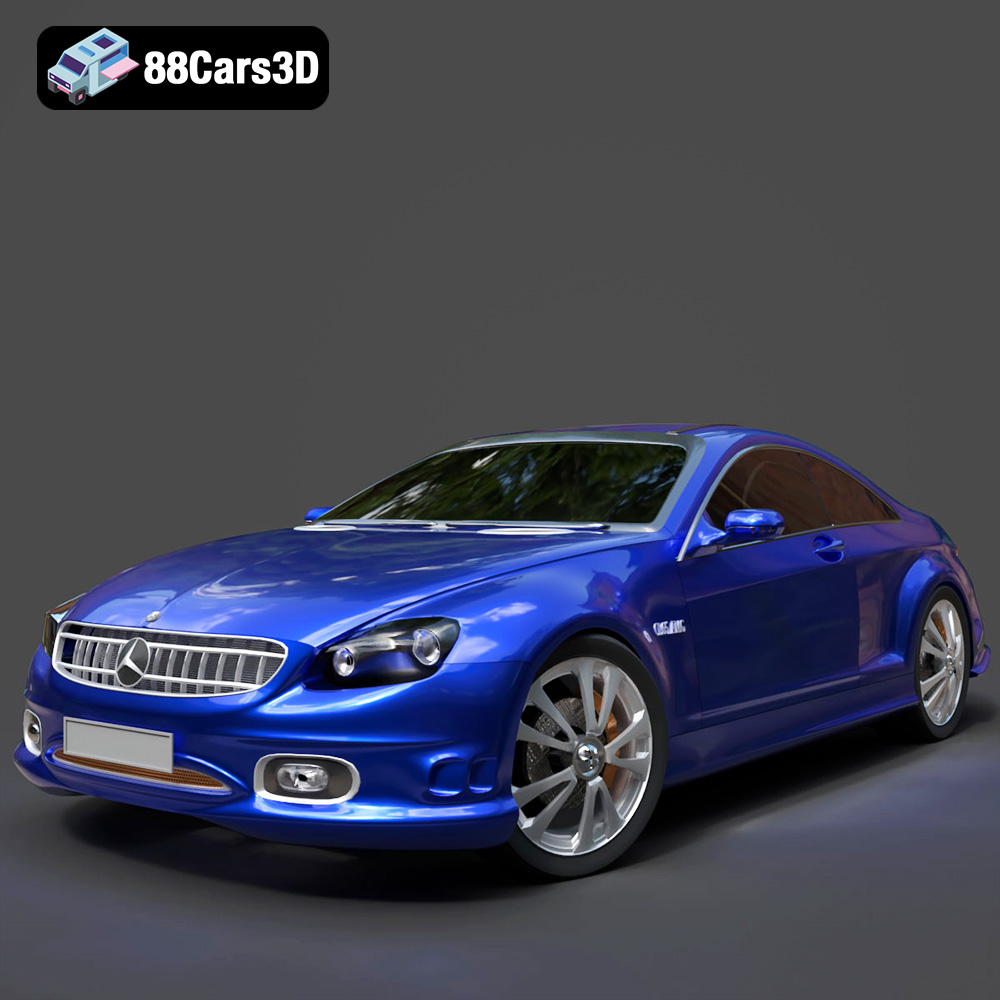
Download the Mercedes-Benz CL6540-005 3D Model featuring clean geometry, realistic detailing, and a fully modeled interior. Includes .blend, .fbx, .obj, .glb, .stl, .ply, .unreal, and .max formats for rendering, simulation, and game development.
Price: $4.99
Texture: Yes
Material: Yes
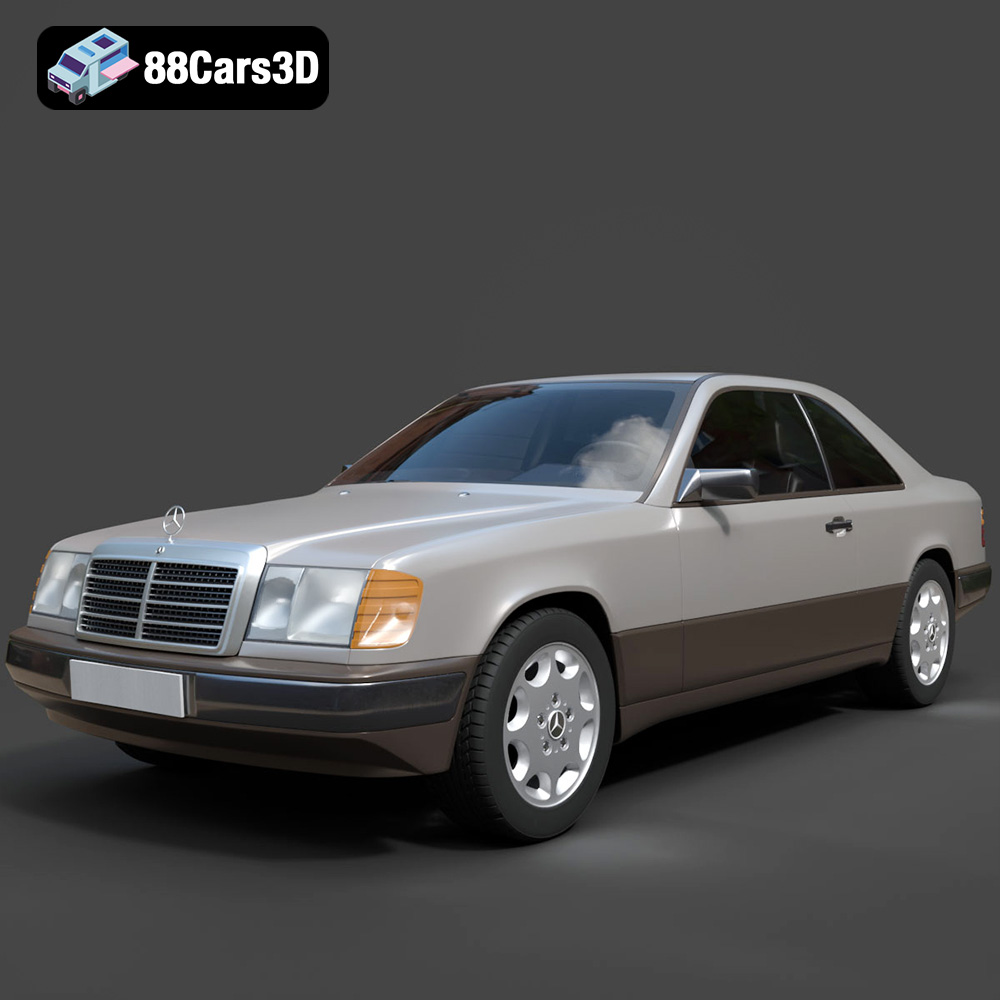
Download the Mercedes E-Class w124 Coupe 3D Model featuring clean geometry, realistic detailing, and a fully modeled interior. Includes .blend, .fbx, .obj, .glb, .stl, .ply, .unreal, and .max formats for rendering, simulation, and game development.
Price: $4.99
Texture: Yes
Material: Yes
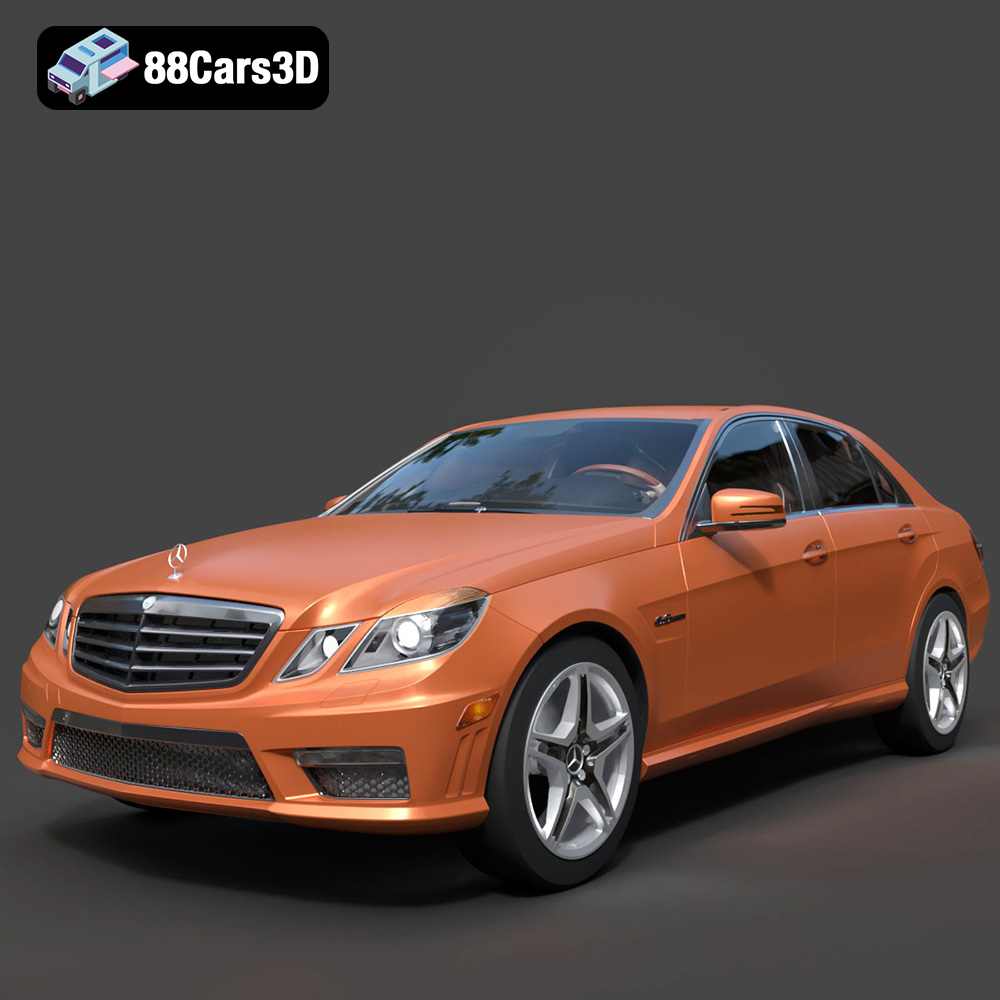
Download the Mercedes-Benz E-Klasse 63 AMG 3D Model featuring clean geometry, realistic detailing, and a fully modeled interior. Includes .blend, .fbx, .obj, .glb, .stl, .ply, .unreal, and .max formats for rendering, simulation, and game development.
Price: $4.99
Texture: Yes
Material: Yes
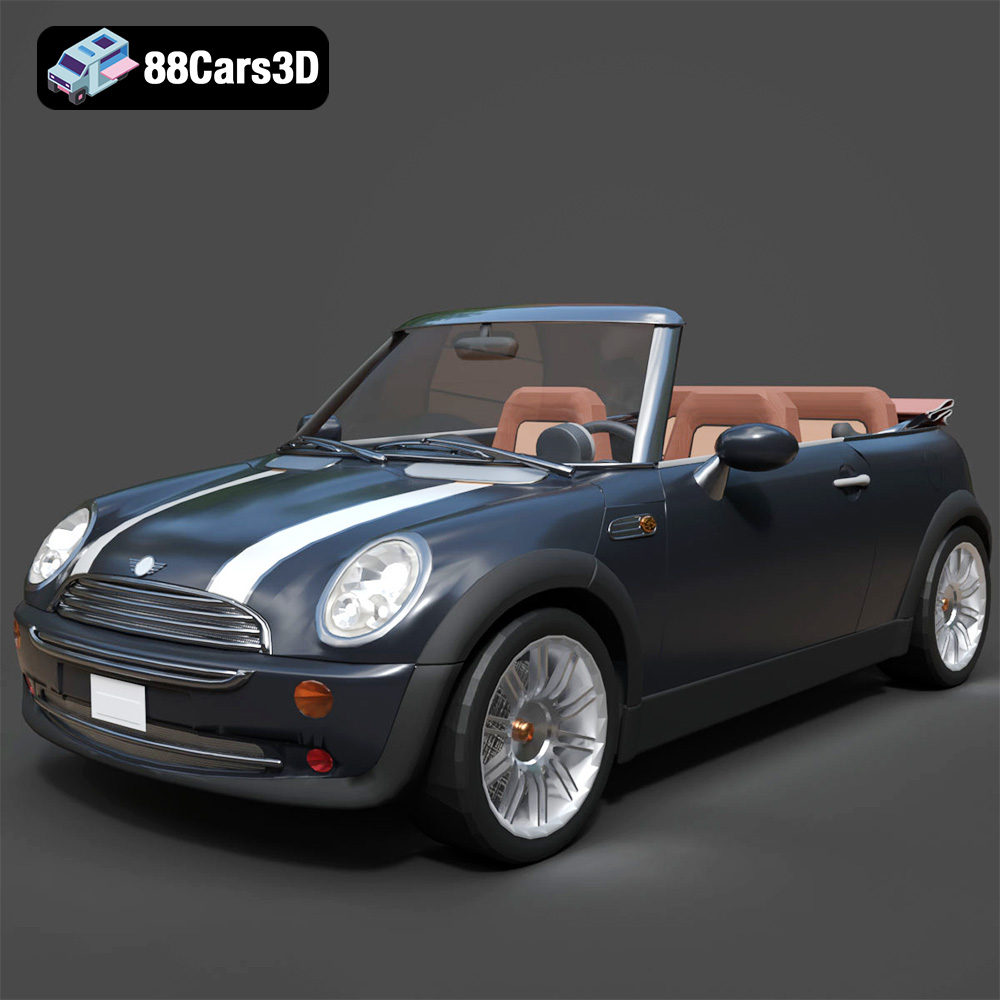
Download the Mini Cabrio 2025 3D Model featuring clean geometry, realistic detailing, and a fully modeled interior. Includes .blend, .fbx, .obj, .glb, .stl, .ply, .unreal, and .max formats for rendering, simulation, and game development.
Price: $4.99
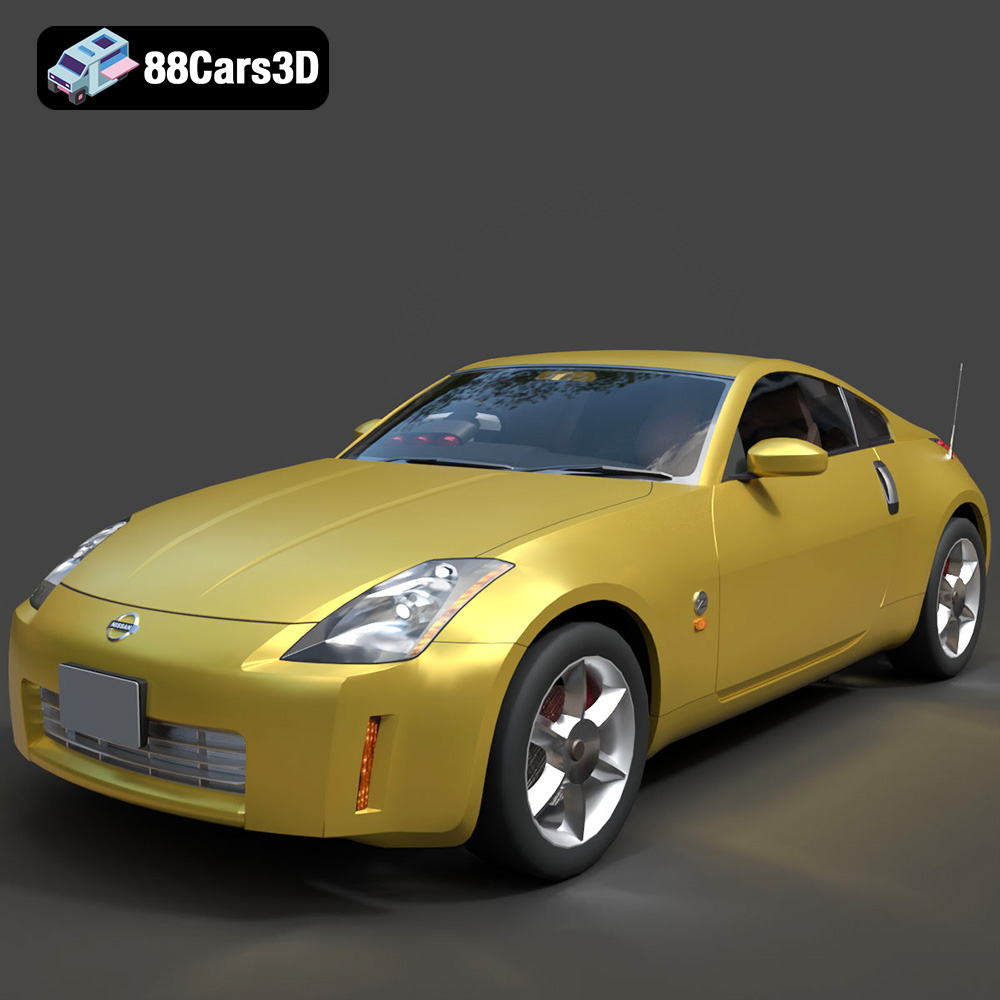
Texture: Yes
Material: Yes
Download the Nissan 350Z 3D Model featuring clean geometry, realistic detailing, and a fully modeled interior. Includes .blend, .fbx, .obj, .glb, .stl, .ply, .unreal, and .max formats for rendering, simulation, and game development.
Price: $4.99
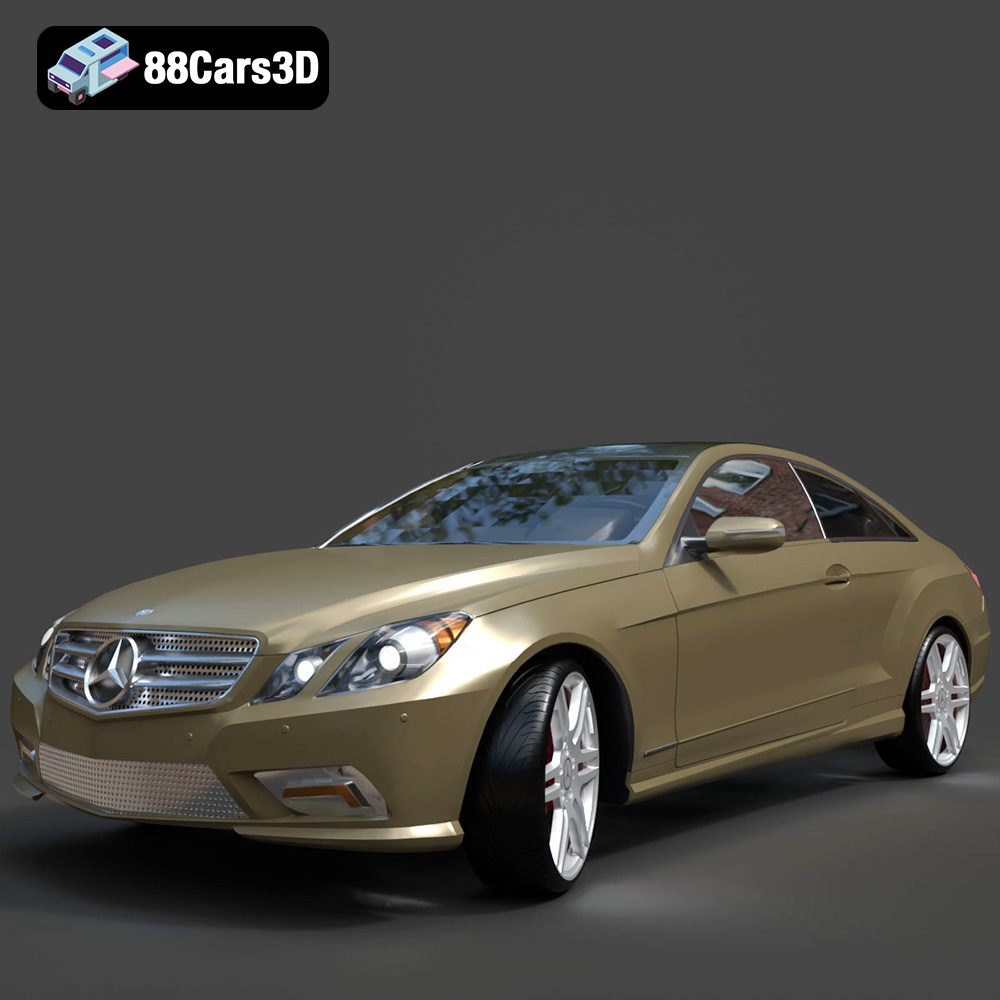
Texture: Yes
Material: Yes
Download the Mercedes-Benz E-Klasse Coupe 3D Model featuring clean geometry, realistic detailing, and a fully modeled interior. Includes .blend, .fbx, .obj, .glb, .stl, .ply, .unreal, and .max formats for rendering, simulation, and game development.
Price: $4.99
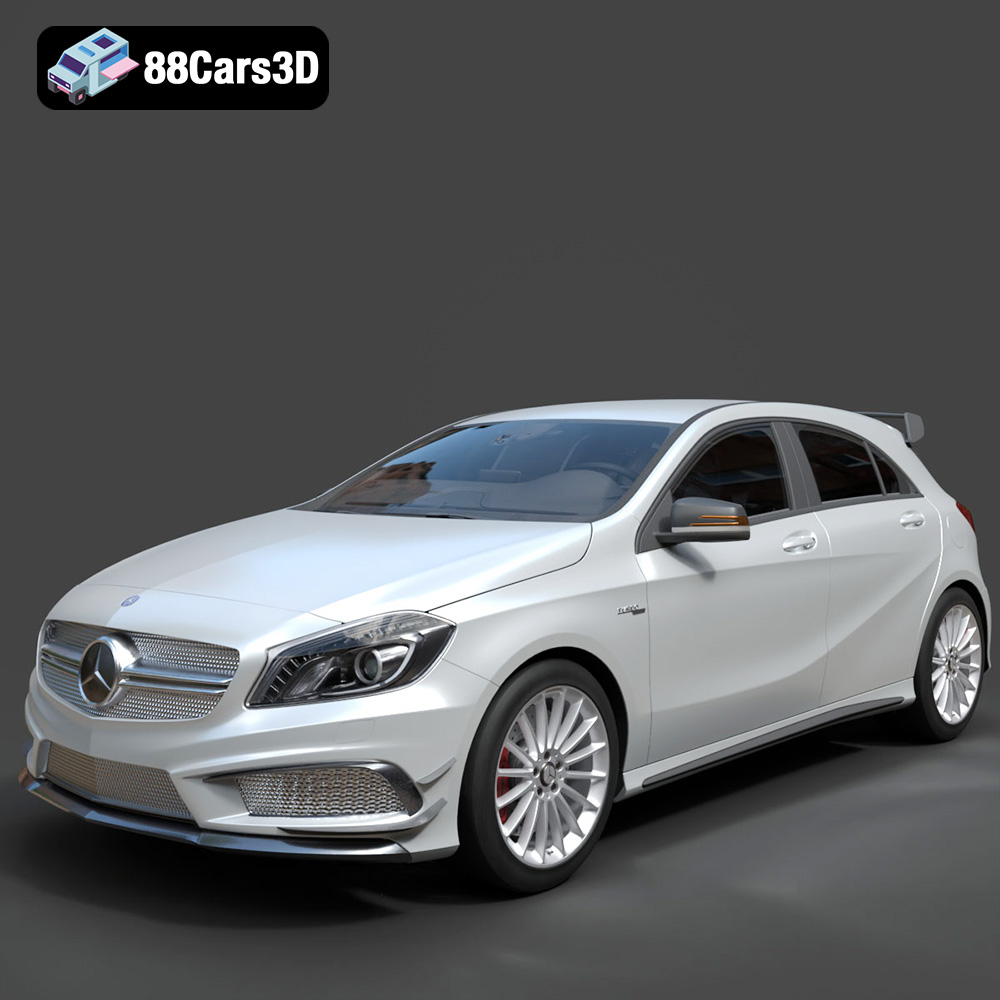
Texture: Yes
Material: Yes
Download the Benza MERS-007 3D Model featuring clean geometry, realistic detailing, and a fully modeled interior. Includes .blend, .fbx, .obj, .glb, .stl, .ply, .unreal, and .max formats for rendering, simulation, and game development.
Price: $4.99
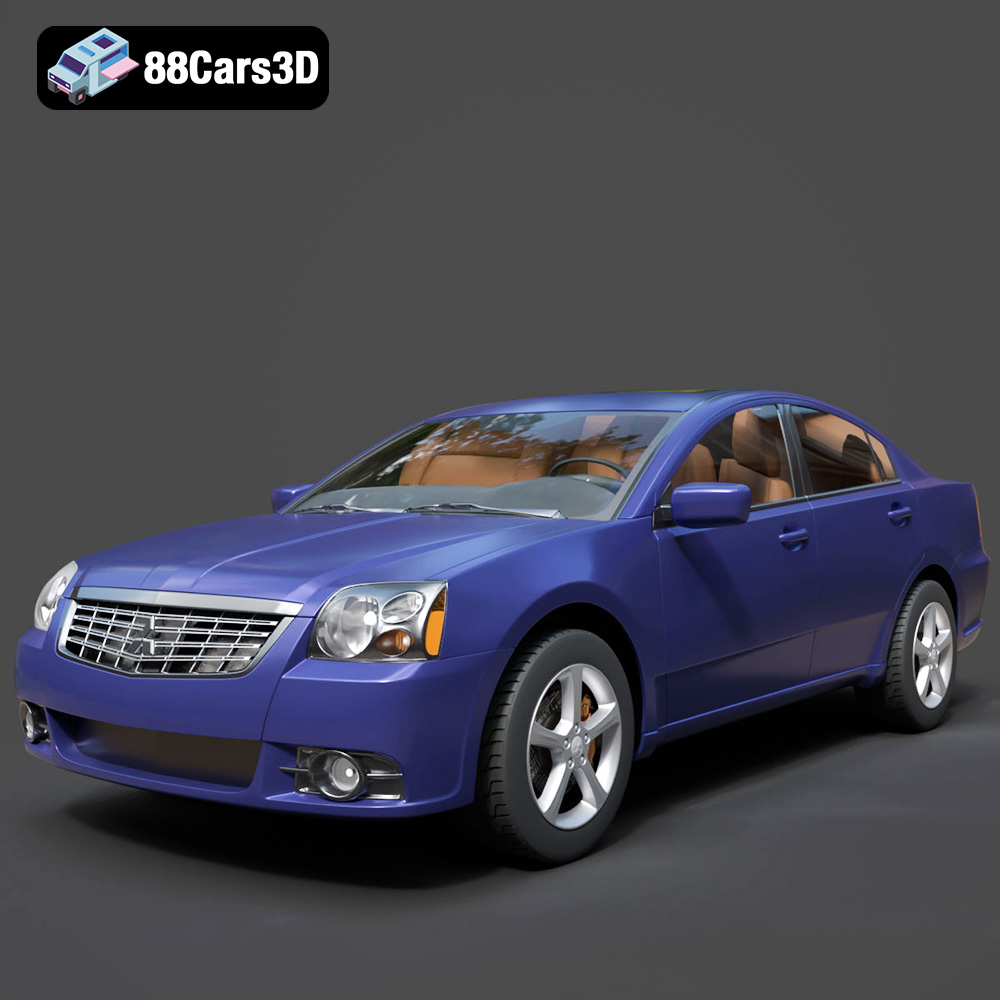
Texture: Yes
Material: Yes
Download the Mitsubishi Galant 2009 3D Model featuring clean geometry, realistic detailing, and a fully modeled interior. Includes .blend, .fbx, .obj, .glb, .stl, .ply, .unreal, and .max formats for rendering, simulation, and game development.
Price: $4.99
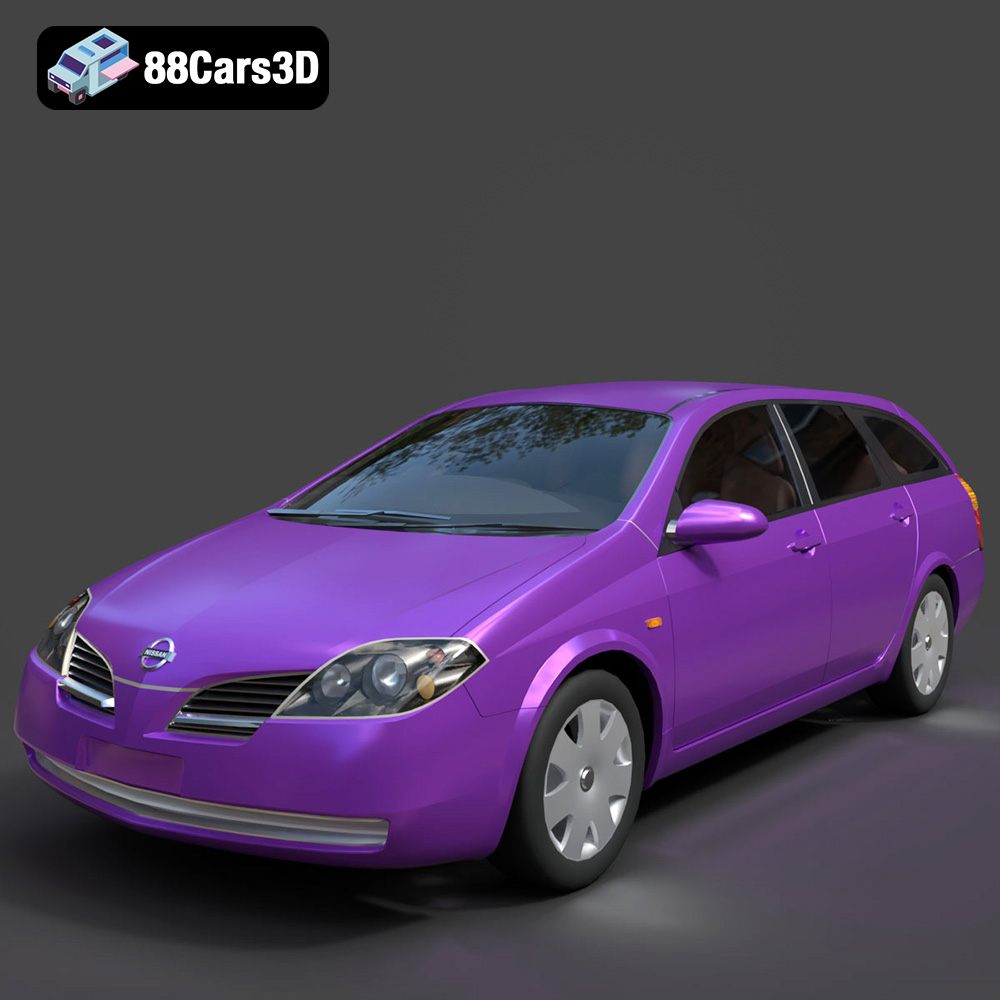
Texture: Yes
Material: Yes
Download the Nissan Primera Wagon 3D Model featuring clean geometry, realistic detailing, and a fully modeled interior. Includes .blend, .fbx, .obj, .glb, .stl, .ply, .unreal, and .max formats for rendering, simulation, and game development.
Price: $4.99
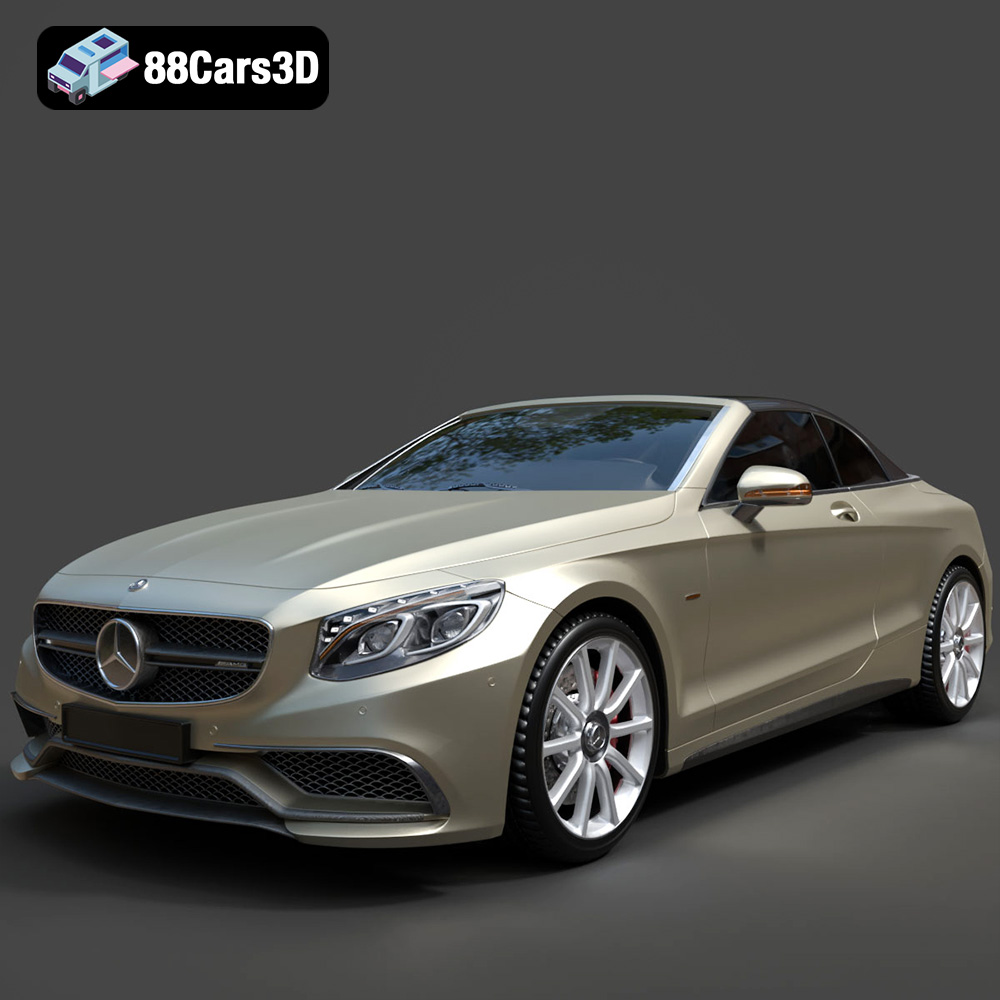
Texture: Yes
Material: Yes
Download the Mercedes-Benz S63 AMG Cabriolet 2017 3D Model featuring clean geometry, realistic detailing, and a fully modeled interior. Includes .blend, .fbx, .obj, .glb, .stl, .ply, .unreal, and .max formats for rendering, simulation, and game development.
Price: $20.99

