
The Foundation – Mastering Automotive 3D Modeling Topology and Edge Flow

The sleek lines, intricate details, and raw power of an automobile have always captivated designers, artists, and enthusiasts alike. In the digital realm, transforming these magnificent machines into high-fidelity 3D car models is an art and a science, demanding a profound understanding of technical workflows, artistic vision, and optimization strategies. Whether you’re a seasoned 3D artist aiming for photorealistic renders, a game developer crafting immersive virtual worlds, an automotive designer visualizing future concepts, or a student embarking on your journey, mastering the intricacies of 3D car model development is paramount.
This comprehensive guide delves deep into the technical landscape of creating, optimizing, and deploying 3D car models across various industries. We’ll explore everything from the foundational principles of topology and UV mapping to advanced PBR material creation, sophisticated rendering techniques, game engine optimization, and specialized applications like AR/VR and 3D printing. Our goal is to equip you with the knowledge and actionable insights needed to elevate your automotive visualization projects, ensuring your models are not only visually stunning but also technically robust and versatile. Prepare to unlock the full potential of your automotive rendering and game asset creation workflows.
The Foundation – Mastering Automotive 3D Modeling Topology and Edge Flow
At the heart of any exceptional 3D car model lies impeccable topology and intelligent edge flow. These aren’t just technical jargon; they are the bedrock upon which realism, animation capability, and downstream versatility are built. For automotive models, where reflections, curves, and hard edges define the aesthetic, clean topology is non-negotiable. It dictates how light interacts with the surface, how subdivision modifiers smooth the mesh, and how easy the model is to modify or animate.
The primary goal is to maintain an all-quad mesh wherever possible, especially on visible surfaces. Quads (four-sided polygons) deform predictably, crucial for subdivision surfaces, and prevent unsightly pinching or artifacts. Triangles (three-sided polygons) can introduce stiffness and unpredictable smoothing, while Ngons (polygons with more than four sides) are generally avoided as they can cause shading issues and are incompatible with subdivision surface modifiers. Strategic placement of triangles in flat, less visible areas might be acceptable for performance, but never on core surfaces or areas intended for deformation.
Clean Topology for Flawless Surfaces
Achieving clean topology involves a meticulous approach to mesh construction. For vehicle bodies, which are typically composed of large, smooth panels, an even distribution of polygons is critical. This ensures that when a subdivision surface modifier (like Turbosmooth in 3ds Max or Subdivision Surface in Blender) is applied, the surface remains perfectly smooth without bumps or ripples. Artists often start with simple primitive shapes, box-modeling or poly-modeling techniques, gradually refining the shape by adding edge loops and extruding faces. The density of polygons should be just enough to capture the form at the lowest subdivision level, allowing the modifier to create the high-resolution detail. Too many polygons at the base level can make editing cumbersome and increase file size unnecessarily, while too few can result in a blocky, unrefined shape.
A common pitfall is the creation of “poles” or vertices where many edges converge (more than 5 or fewer than 3). While not always avoidable, their placement should be strategic, ideally in flat areas or less visible parts of the model, to prevent shading irregularities. The overall goal is a mesh that looks good even without subdivision, where the form is clearly defined by the base mesh.
Strategic Edge Flow for Smooth Curves and Hard Edges
Edge flow refers to the direction and pattern of edges across the surface of your model. For automotive designs, a logical and consistent edge flow is vital for capturing the intricate curvatures and sharp creases that define a car’s aesthetic. Edges should ideally follow the natural contours and design lines of the vehicle. This is particularly important around wheel arches, door cut lines, hood vents, and headlights.
To create smooth, flowing curves and crisp, hard edges simultaneously, artists employ “control loops” or “supporting loops.” These are extra edge loops run parallel and close to a main edge. When a subdivision surface modifier is applied, these supporting loops ‘tighten’ the main edge, making it appear sharper without causing the entire surface to become angular. The closer the supporting loops are to the main edge, the sharper the resulting crease. Conversely, wider spacing between loops creates a softer, more gradual curve. Mastering this technique allows for incredible control over the final surface smoothness and fidelity, ensuring that reflections glide across the surface perfectly without distortion, which is crucial for realistic automotive rendering.
Crafting Realism – UV Mapping and PBR Material Creation
Once the topology of your 3D car model is perfected, the next crucial step in bringing it to life is applying textures and materials. This involves two core processes: UV mapping and Physically Based Rendering (PBR) material creation. These stages are where the visual fidelity truly takes shape, transforming a raw mesh into a realistic, detailed representation that reacts accurately to light.
UV mapping is the process of flattening the 3D surface of your model into a 2D space, allowing you to paint or apply 2D textures onto it. It’s essentially like carefully unfolding a cardboard box into a flat sheet. For complex objects like cars, meticulous UV unwrapping is critical to avoid texture stretching, seams, and to ensure optimal utilization of texture space. Poor UVs can lead to blurry textures, noticeable seams, and wasted resolution, undermining even the most detailed PBR materials.
Unwrapping Complex Car Surfaces with Precision
Unwrapping a car model requires strategic planning of seam placement. Ideally, seams should be hidden in less visible areas, such as along interior edges, under the vehicle, or where different material panels meet. Tools like 3ds Max’s Unwrap UVW, Blender’s UV Editor, or Maya’s UV Toolkit offer various projection methods (planar, cylindrical, spherical, pelt mapping) and straightening tools to achieve clean, undistorted UV layouts. A common practice for car bodies is to create several distinct UV islands for large panels (hood, roof, doors) and smaller elements (mirrors, lights, emblems).
One critical aspect is maintaining consistent texel density across all UV islands. Texel density refers to the number of texture pixels per unit of 3D space. If one part of the car has a high texel density (many pixels per inch) and another has a low density, textures will appear crisp on one area and blurry on another. Tools exist to visualize and unify texel density, ensuring uniform texture resolution across the entire model. Efficient packing of UV islands within the 0-1 UV space is also essential, minimizing wasted space while ensuring sufficient padding between islands to prevent bleeding when mipmaps are generated for game engines.
The Power of PBR Materials and Shader Networks
PBR materials are the industry standard for achieving photorealistic results because they accurately simulate how light interacts with surfaces in the real world. They rely on a set of texture maps that define various physical properties of a material. The two most common PBR workflows are “Metallic/Roughness” and “Specular/Glossiness.” The Metallic/Roughness workflow (common in game engines and modern renderers like Blender’s Cycles, Unreal Engine, Unity, Substance Painter) uses maps for Base Color (albedo), Metallic (how reflective and metallic a surface is), and Roughness (how diffuse or shiny a surface is). The Specular/Glossiness workflow (often found in V-Ray, Corona, Arnold) uses maps for Diffuse, Specular (color and intensity of reflections), and Glossiness (inverse of roughness).
Beyond these core maps, additional textures are crucial for adding micro-detail and realism:
- Normal Map: Adds surface detail (bumps, scratches, seams) without increasing polygon count.
- Ambient Occlusion (AO) Map: Simulates contact shadows, adding depth and realism to crevices.
- Height/Displacement Map: Used for true geometric displacement, adding physical bumps and dents (more render-intensive).
- Emission Map: Defines areas that emit light, like headlights or dashboard displays.
Creating these maps typically involves texturing software like Substance Painter, Mari, or even Photoshop for simpler tasks. These tools allow artists to layer materials, generate procedural textures, and paint directly onto the 3D model. In your chosen 3D software (3ds Max, Maya, Blender), these maps are then connected to a shader network, which is a visual representation of how the material properties are combined. Proper PBR setup ensures that your 3D car models respond to various lighting conditions in a physically plausible way, leading to incredibly convincing renders.
Bringing Cars to Life – Advanced Rendering Workflows
With a meticulously modeled and textured 3D car model, the next critical phase is rendering – transforming your digital asset into a stunning 2D image or animation. This process is where all the prior work culminates, and the choices you make in lighting, camera, and render settings significantly impact the final visual quality. Achieving photorealistic automotive rendering requires more than just powerful hardware; it demands a deep understanding of lighting principles, camera optics, and renderer-specific optimizations.
Renderers like Corona Renderer, V-Ray, Cycles, and Arnold are industry workhorses, each offering unique strengths and workflows. While their interfaces and terminology may differ, the underlying principles of how they simulate light and materials remain consistent with PBR standards. Mastering one often provides a strong foundation for understanding others.
Lighting for Automotive Visuals: Studio vs. HDRI
Lighting is paramount in automotive rendering, as it defines the mood, highlights the car’s contours, and reveals material properties. Two primary approaches dominate:
- Studio Lighting: This method mimics professional photography studios, using a controlled setup of virtual lights (e.g., area lights, photometric lights) to illuminate the vehicle. A classic three-point lighting setup (key, fill, back light) is often the starting point, augmented with additional lights to emphasize specific features or create striking reflections. Softboxes, light planes, and diffusers are common virtual equivalents. The advantage here is precise control over every light source, allowing for highly stylized and clean studio shots.
- HDRI (High Dynamic Range Image) Lighting: This increasingly popular method uses 360-degree panoramic images of real-world environments that contain rich lighting information. Loading an HDRI into your renderer instantly provides realistic ambient lighting, reflections, and even background imagery. HDRIs are incredibly efficient for achieving naturalistic lighting with minimal setup, perfect for placing your 3D car models in diverse environments like city streets, desolate deserts, or sprawling forests. Combining HDRIs with subtle studio-style accent lights (e.g., a rim light to enhance the car’s silhouette) often yields the most compelling results.
Beyond light sources, the environment plays a crucial role. A simple infinite plane or a carefully modeled studio backdrop is often used for reflections and ground shadows. Proper reflection cards (planes with emissive materials or simple geometry) can be strategically placed outside the camera’s view to generate specific, desirable reflections on the car’s bodywork, enhancing its perceived polish and depth.
Renderer-Specific Optimizations and Settings
Each renderer offers a suite of settings that need careful calibration for optimal quality and render times.
- V-Ray & Corona (3ds Max, Maya, Cinema 4D): These are path-tracing renderers known for their ease of use and high quality. Key settings often include adjusting GI (Global Illumination) solutions (e.g., Brute Force, Irradiance Map, Light Cache), increasing samples for anti-aliasing and noise reduction, and fine-tuning material reflection/refraction bounces. Corona, in particular, is lauded for its interactive rendering and simplicity, often requiring fewer technical adjustments for stunning results.
- Cycles (Blender): Blender’s powerful, physically based path tracer. Users can choose between CPU and GPU rendering. Optimization involves managing samples, leveraging denoisers (OptiX, OIDN), and carefully setting light path bounces to balance realism and speed. Adaptive sampling can intelligently focus render power where it’s most needed.
- Arnold (Maya, 3ds Max, Cinema 4D): A highly regarded unbiased, Monte Carlo path tracer. Arnold focuses on physical accuracy. Key settings include adjusting camera (AA) samples, diffuse, specular, and transmission samples. Using Arnold’s light groups and AOV (Arbitrary Output Variables) system is crucial for advanced compositing workflows.
For all renderers, understanding the interaction between material properties, light sources, and camera settings (like depth of field, motion blur, and focal length) is key. A longer focal length (e.g., 85mm-135mm) often creates more flattering perspectives for cars, minimizing distortion. Using a subtle depth of field can help isolate the subject and add a cinematic quality. Experimentation and iterative rendering are essential to discover the perfect balance for your specific scene.
Performance & Versatility – Game Engine Optimization & File Formats
While photorealistic offline rendering is one facet, deploying 3D car models in real-time environments like game engines or interactive applications presents a unique set of challenges and requirements. Performance optimization becomes paramount, as real-time environments demand that models render smoothly at high frame rates. This is where the distinction between a high-poly render model and a game-ready asset becomes clear, involving strategic polycount reduction, efficient texturing, and smart asset management.
The versatility of your 3D car model also hinges on its compatibility with various platforms and software. Understanding different file formats and their respective strengths and weaknesses is crucial for seamless integration into diverse workflows, from Unity and Unreal Engine to web-based AR experiences and professional visualization tools. High-quality game assets, particularly for hero vehicles, must strike a delicate balance between visual fidelity and performance efficiency.
Optimizing 3D Car Models for Real-time Environments
Game engine optimization begins with managing polygon count. A typical hero car in a modern game might range from 50,000 to 150,000 triangles, while background vehicles could be as low as 10,000-30,000. This often necessitates retopology or automated decimation of high-poly source models, carefully balancing visual detail with performance. Techniques like baking normal maps from high-poly models onto optimized low-poly meshes allow the illusion of detail without the geometric overhead.
Key optimization strategies include:
- LODs (Level of Detail): Creating multiple versions of the model at varying polygon counts. The engine dynamically switches between these LODs based on the car’s distance from the camera, displaying the highest detail when close and simpler versions when far away. Typically, 3-5 LOD levels are used.
- Draw Call Reduction: Each material on an object incurs a “draw call” to the GPU, which can be expensive. Combining multiple materials into a single texture atlas (a single large texture containing all the smaller textures) and using a single material for the car can significantly reduce draw calls.
- Texture Atlasing: Consolidating multiple smaller textures (e.g., for individual parts like wheels, headlights, body panels) into one large texture sheet. This improves rendering efficiency by reducing the number of texture lookups.
- Collision Meshes: Instead of using the high-detail visual mesh for physics calculations, simplified collision meshes (often primitive shapes or greatly decimated versions) are used to save computational resources.
- Material Instancing: In engines like Unreal, creating material instances allows for variations (e.g., different car colors) from a single master material, reducing memory footprint.
Platforms like 88cars3d.com often provide models pre-optimized or with multiple LODs, streamlining the process for game developers and ensuring immediate usability.
Navigating File Formats and Compatibility
The choice of file format depends heavily on the intended application and target software.
- FBX (.fbx): Autodesk’s proprietary format is the industry standard for exchanging 3D data, especially between 3D DCC tools (Maya, 3ds Max, Blender) and game engines (Unity, Unreal Engine). It supports geometry, UVs, materials (though PBR setup often requires re-linking in the engine), animations, and cameras. It’s robust and widely supported.
- OBJ (.obj): A simple, universal format primarily for geometry and UVs. It’s highly compatible but does not support animations or advanced material properties, usually requiring separate MTL files for basic material assignments. Good for static models.
- GLB (.glb) / glTF (.gltf): The Graphics Language Transmission Format is becoming the standard for 3D content delivery, especially for web-based applications, AR/VR, and cloud services. GLB is the binary version (single file), while glTF is JSON-based with external files. Both support PBR materials, animations, and are highly efficient.
- USDZ (.usdz): Apple’s format for Augmented Reality (AR) on iOS devices, built on Pixar’s Universal Scene Description (USD) framework. It’s optimized for mobile performance and supports PBR materials and animations. Essential for ARKit applications.
When preparing models for various platforms, consider the destination software’s preferred format. For instance, game engines typically prefer FBX for its comprehensive data support, while web AR experiences might lean towards GLB or USDZ for their efficiency and PBR compatibility. Always export with embedded media (textures) if the option is available, and ensure correct unit scales are maintained to prevent import issues.
Expanding Horizons – AR/VR, 3D Printing, and Visualization
The utility of high-quality 3D car models extends far beyond traditional rendering and gaming. Emerging technologies like Augmented Reality (AR), Virtual Reality (VR), and advanced 3D printing have opened up exciting new avenues for designers, engineers, and marketers. However, each of these applications introduces its own set of technical requirements and optimization strategies, demanding specialized preparation to ensure optimal performance and desired outcomes.
For automotive visualization, these technologies offer unparalleled opportunities for immersive experiences. Imagine configurating your dream car in AR on your driveway, or exploring its interior in VR before it’s even built. From rapid prototyping physical parts to creating interactive marketing tools, 3D car models are at the forefront of innovation across diverse industries.
Tailoring Models for Interactive AR/VR Experiences
AR/VR environments impose stringent performance budgets due to the real-time, often mobile-constrained, nature of the applications. Smooth frame rates are critical to prevent motion sickness and ensure a comfortable, immersive experience.
- Polycount and Draw Calls: These must be significantly lower than for traditional offline renders. For mobile AR, a car model might need to be below 50,000 triangles, and draw calls kept to a minimum (ideally less than 10-15 per object). LODs are essential.
- Texture Optimization: Textures should be optimized for size (e.g., 1K or 2K for most assets, rarely 4K for hero elements), and ideally atlased to reduce memory overhead and draw calls. PBR workflows are standard, but often with simplified shaders.
- File Formats: GLB (for Web AR/VR and Android) and USDZ (for Apple ARKit) are the dominant formats due to their efficiency, PBR support, and single-file distribution.
- Interaction and Animation: Models intended for AR/VR configurators often require specific rigging and pivot points for interactive elements like opening doors, rotating wheels, or changing colors.
When sourcing models from marketplaces such as 88cars3d.com, checking for formats like GLB or USDZ, or models explicitly labeled “AR/VR ready,” can save significant optimization time. The key is balance: providing enough detail to be convincing while maintaining frame rates suitable for interactive, real-time rendering on potentially limited hardware.
Preparing Automotive Models for 3D Printing
3D printing transforms digital models into physical objects, but it requires a very different set of mesh properties than rendering or game development. The most critical requirement for 3D printable models is that they must be “watertight” or “manifold.” This means the mesh must form a completely closed volume, with no holes, inverted normals, or self-intersecting geometry. Every edge must be shared by exactly two faces.
- Mesh Repair: Tools within 3D software (Blender’s 3D Print Toolbox, 3ds Max’s STL Check) or dedicated software like Meshmixer, Netfabb, or Microsoft 3D Builder are used to identify and fix non-manifold geometry, fill holes, and ensure a solid mesh.
- Wall Thickness: Ensure that all parts of the model have sufficient wall thickness to be physically robust once printed. Thin walls can break easily or be unprintable depending on the technology.
- Scale: The model must be correctly scaled to its real-world dimensions (e.g., millimeters for small parts, meters for larger models) before export.
- Polycount: While less critical than for real-time rendering, excessively high polycounts can lead to huge file sizes and slow down slicer software. Decimation can be used, but care must be taken to preserve fine details.
- File Formats: STL (.stl) is the universal standard for 3D printing. OBJ and 3MF are also supported by many slicers.
For automotive prototypes or scale models, accurate modeling from CAD data is often the starting point, followed by mesh clean-up and preparation specifically for the chosen 3D printing technology (SLA, FDM, SLS etc.).
The Final Polish – Post-Processing and Compositing for Impact
The journey of creating a compelling 3D car model doesn’t end when the renderer finishes its work. Just as a professional photographer refines their images in post-production, a 3D artist leverages post-processing and compositing techniques to elevate raw renders into truly stunning visual masterpieces. This final stage is crucial for enhancing realism, correcting imperfections, and imbuing the image with a distinct mood and artistic flair. It’s where your automotive rendering achieves its full potential and maximum impact.
Post-processing involves applying global adjustments and effects directly to the final rendered image, while compositing refers to combining multiple render elements (or “passes”) generated by the 3D software into a single, cohesive image. Both are indispensable for achieving professional-grade results that stand out in portfolios, advertisements, and presentations.
Enhancing Renders with Post-Production Techniques
Even the most perfect render can benefit from careful post-production. These adjustments typically occur in image editing software like Adobe Photoshop, Affinity Photo, or GIMP.
- Color Grading: Adjusting the color balance, saturation, and vibrancy of the image to set the mood and evoke specific emotions. This can range from subtle corrections to dramatic stylistic choices.
- Exposure and Contrast Adjustment: Fine-tuning the overall brightness and the difference between light and dark areas. This helps the car stand out and adds visual punch.
- Bloom and Glare: Simulating the optical effect of light scattering around bright areas, adding a dreamy or intense quality to highlights, especially on reflective surfaces and lights.
- Lens Distortion/Chromatic Aberration: Subtle photographic imperfections can ironically increase realism by mimicking how a real camera lens captures an image.
- Vignetting: A gentle darkening of the image edges to draw the viewer’s eye towards the center, emphasizing the car.
- Sharpening and Noise Reduction: Enhancing perceived detail and cleaning up any remaining render noise.
Many renderers have built-in post-processing capabilities (like Corona’s LightMix or V-Ray’s Frame Buffer), allowing artists to make basic adjustments directly within the 3D application, providing an excellent starting point before moving to external software for more intricate work. The key is restraint; subtle enhancements often yield the most believable results.
Layered Compositing for Professional Results
For ultimate control and flexibility, professional artists rely on compositing using render passes (also known as AOV – Arbitrary Output Variables). Instead of rendering a single “beauty” image, the renderer outputs multiple layers, each containing specific information about the scene. These passes are then combined and manipulated in compositing software like Adobe Photoshop, Blackmagic Fusion, or Foundry Nuke.
Common render passes include:
- Beauty Pass: The primary colored image.
- Alpha Pass: Provides transparency information for easy background replacement.
- Reflection Pass: Isolates all reflections, allowing independent control over their intensity and color.
- Diffuse Pass: Contains the base color and diffuse lighting information.
- Specular Pass: Captures direct specular highlights.
- Raw Lighting/GI Pass: Provides global illumination and direct lighting separately.
- Shadow Pass: Isolates shadows, allowing artists to adjust their darkness and color.
- Depth (Z-Depth) Pass: Stores depth information, enabling precise depth-of-field effects or atmospheric perspective in post-production.
- Material ID / Object ID Pass: Color-codes different materials or objects, making it easy to create selection masks for targeted adjustments.
By compositing these layers, artists gain unprecedented control. For example, you can adjust the intensity of reflections on the car’s paint without affecting the reflections in the windows, or change the color of shadows to match a new background. This non-destructive workflow allows for extensive experimentation and refinement, ensuring every pixel contributes to the overall visual impact of your 3D car model presentation.
Conclusion
The journey of bringing a 3D car model to life is a testament to the blend of artistic skill, technical acumen, and meticulous attention to detail. We’ve traversed the intricate landscape from the foundational principles of clean topology and strategic edge flow, ensuring a robust and visually appealing base for your automotive assets. We then delved into the crucial process of UV mapping and the power of PBR materials, which are essential for creating surfaces that interact with light in a physically accurate and breathtaking manner.
Our exploration continued into advanced automotive rendering workflows, highlighting the nuances of lighting and renderer-specific optimizations that transform digital models into photorealistic images. We also addressed the vital considerations for real-time applications, examining game engine optimization techniques and the array of file formats necessary for versatility across platforms like Unity, Unreal, and the web. Finally, we touched upon specialized applications in AR/VR and 3D printing, along with the critical role of post-processing and compositing in delivering truly impactful visualizations.
Mastering these techniques not only elevates the quality of your work but also enhances the efficiency and adaptability of your 3D car models across an ever-evolving digital landscape. The pursuit of perfection in 3D visualization is an ongoing learning process, constantly evolving with new tools and technologies. By applying the detailed insights and best practices shared in this guide, you are well-equipped to tackle complex projects and produce stunning results.
For those looking to accelerate their projects or find inspiration, explore high-quality, pre-modeled 3D car models. Resources like 88cars3d.com offer a vast selection of professionally crafted assets, providing excellent starting points for your rendering, game development, or visualization needs. Keep pushing the boundaries of realism and creativity – the digital automotive world awaits your next masterpiece!
Featured 3D Car Models
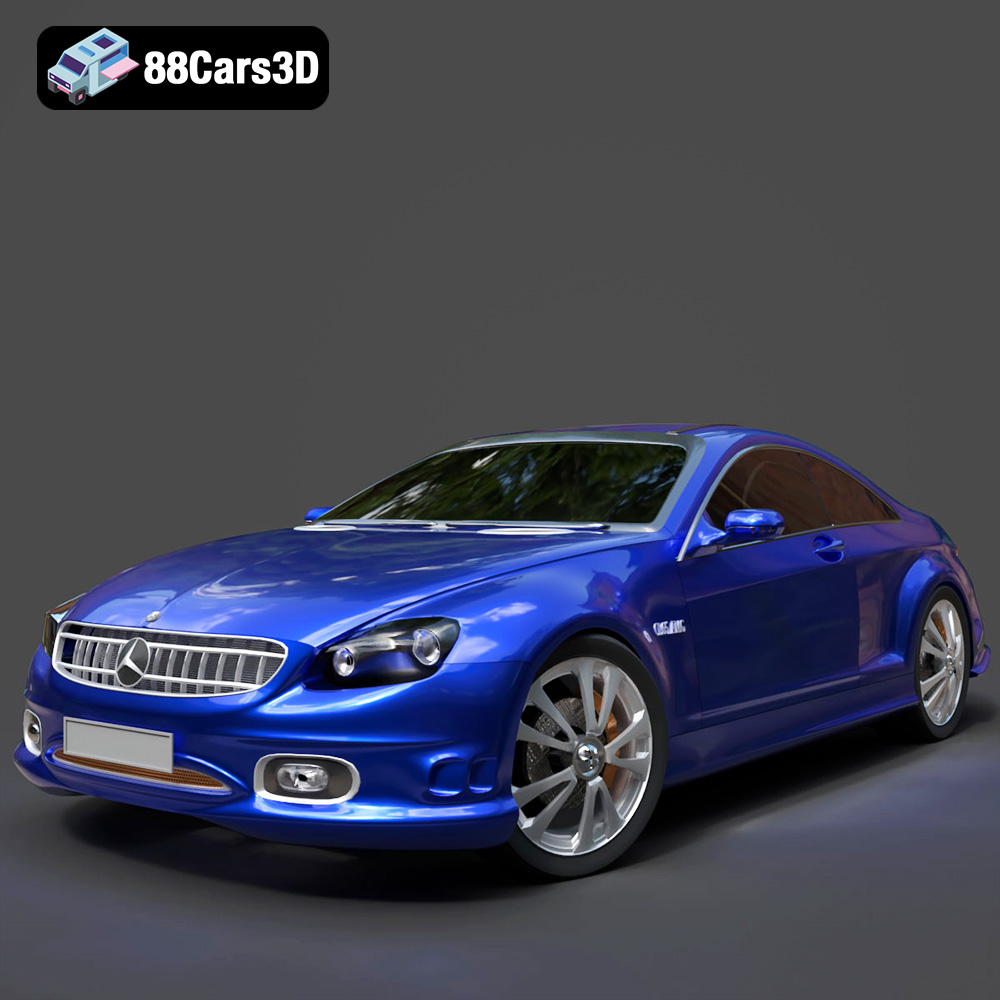
Mercedes-Benz CL6540-005 3D Model
Texture: Yes
Material: Yes
Download the Mercedes-Benz CL6540-005 3D Model featuring clean geometry, realistic detailing, and a fully modeled interior. Includes .blend, .fbx, .obj, .glb, .stl, .ply, .unreal, and .max formats for rendering, simulation, and game development.
Price: $4.99
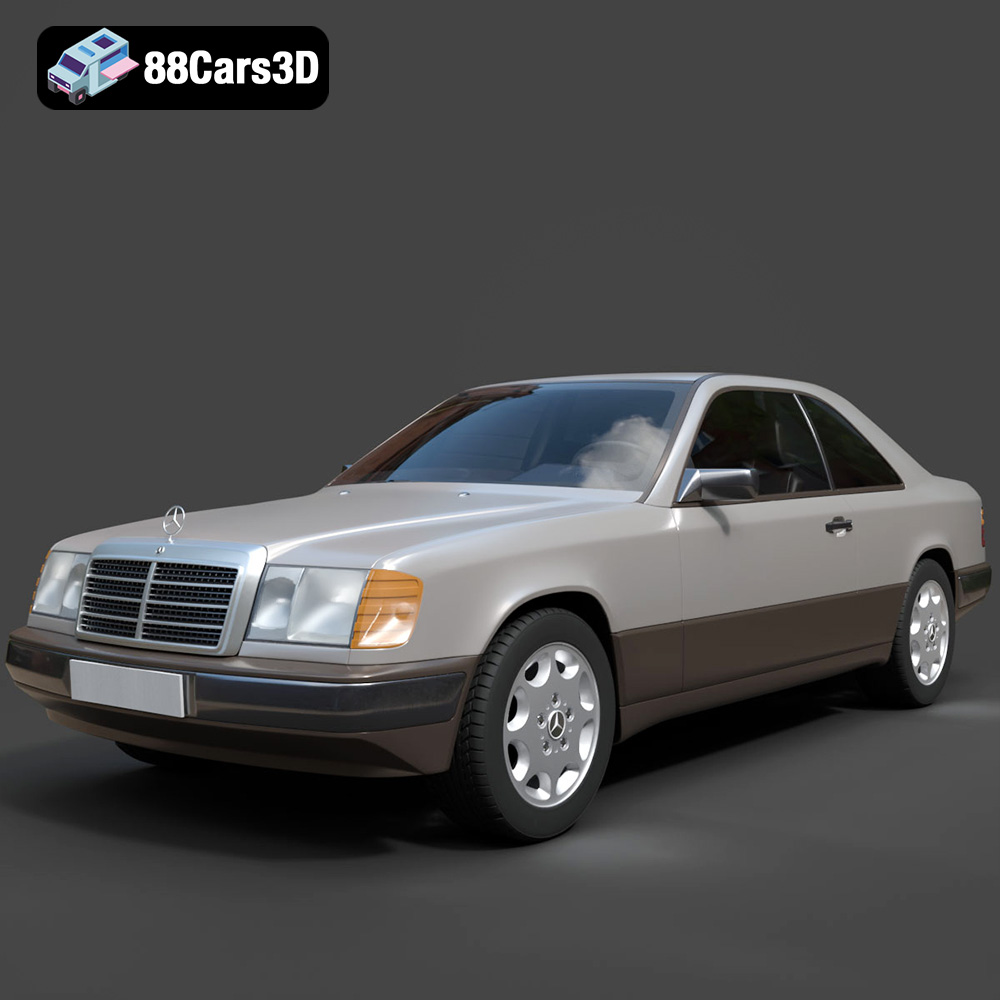
Mercedes E-Class w124 Coupe 3D Model
Texture: Yes
Material: Yes
Download the Mercedes E-Class w124 Coupe 3D Model featuring clean geometry, realistic detailing, and a fully modeled interior. Includes .blend, .fbx, .obj, .glb, .stl, .ply, .unreal, and .max formats for rendering, simulation, and game development.
Price: $4.99
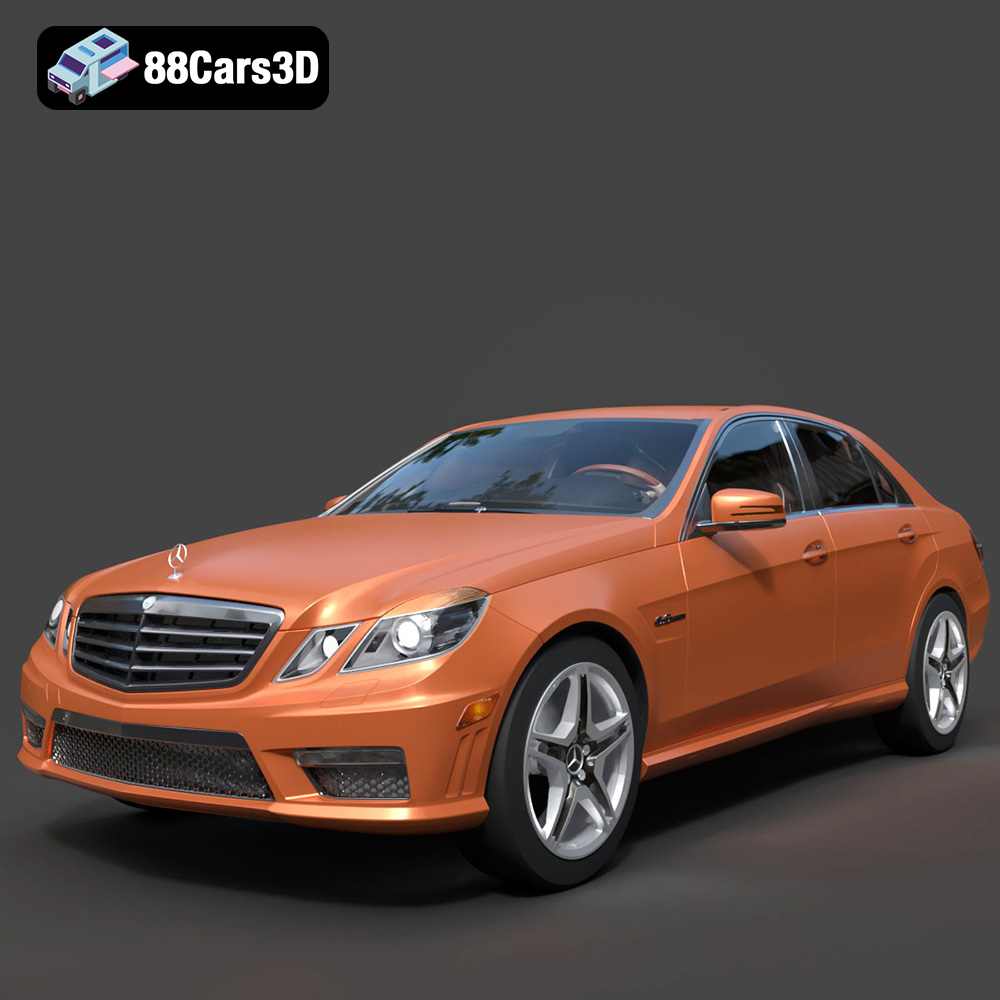
Mercedes-Benz E-Klasse 63 AMG 3D Model
Texture: Yes
Material: Yes
Download the Mercedes-Benz E-Klasse 63 AMG 3D Model featuring clean geometry, realistic detailing, and a fully modeled interior. Includes .blend, .fbx, .obj, .glb, .stl, .ply, .unreal, and .max formats for rendering, simulation, and game development.
Price: $4.99
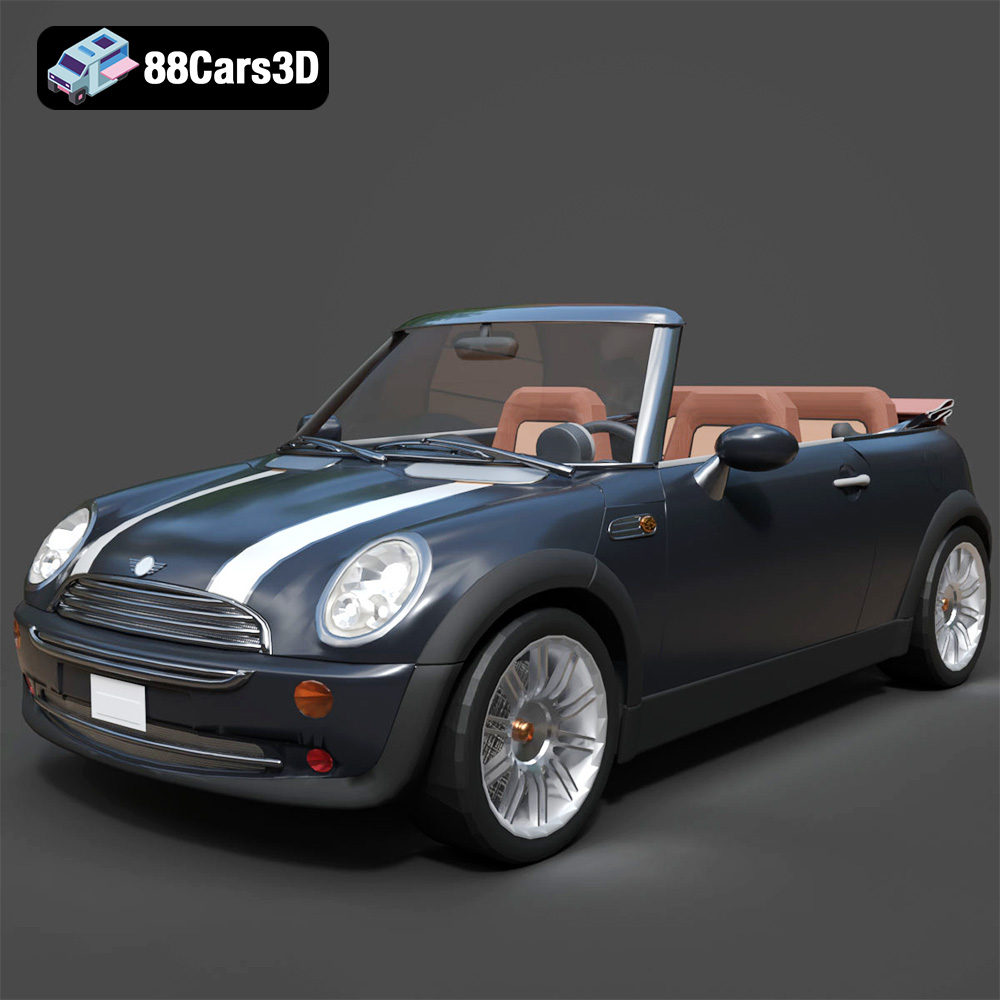
Mini Cabrio 2025 3D Model
Texture: Yes
Material: Yes
Download the Mini Cabrio 2025 3D Model featuring clean geometry, realistic detailing, and a fully modeled interior. Includes .blend, .fbx, .obj, .glb, .stl, .ply, .unreal, and .max formats for rendering, simulation, and game development.
Price: $4.99
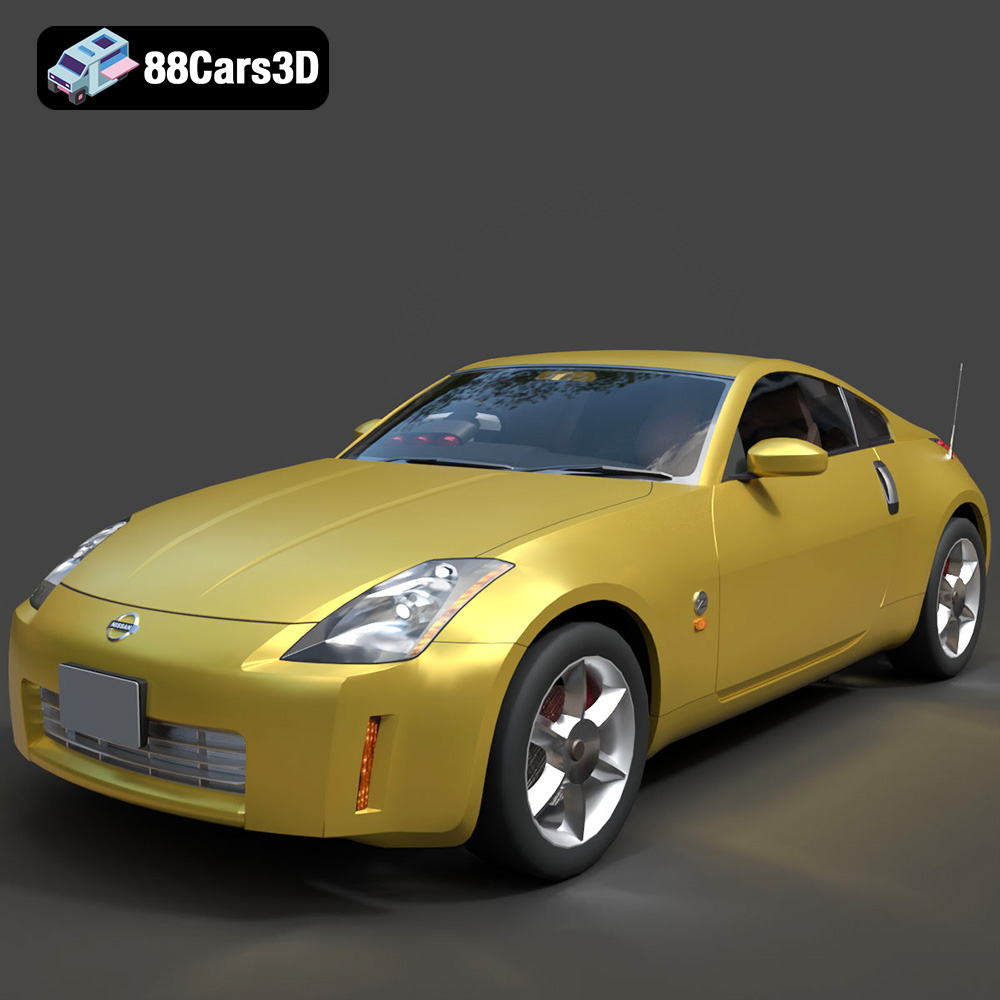
Nissan 350Z 3D Model
Texture: Yes
Material: Yes
Download the Nissan 350Z 3D Model featuring clean geometry, realistic detailing, and a fully modeled interior. Includes .blend, .fbx, .obj, .glb, .stl, .ply, .unreal, and .max formats for rendering, simulation, and game development.
Price: $4.99
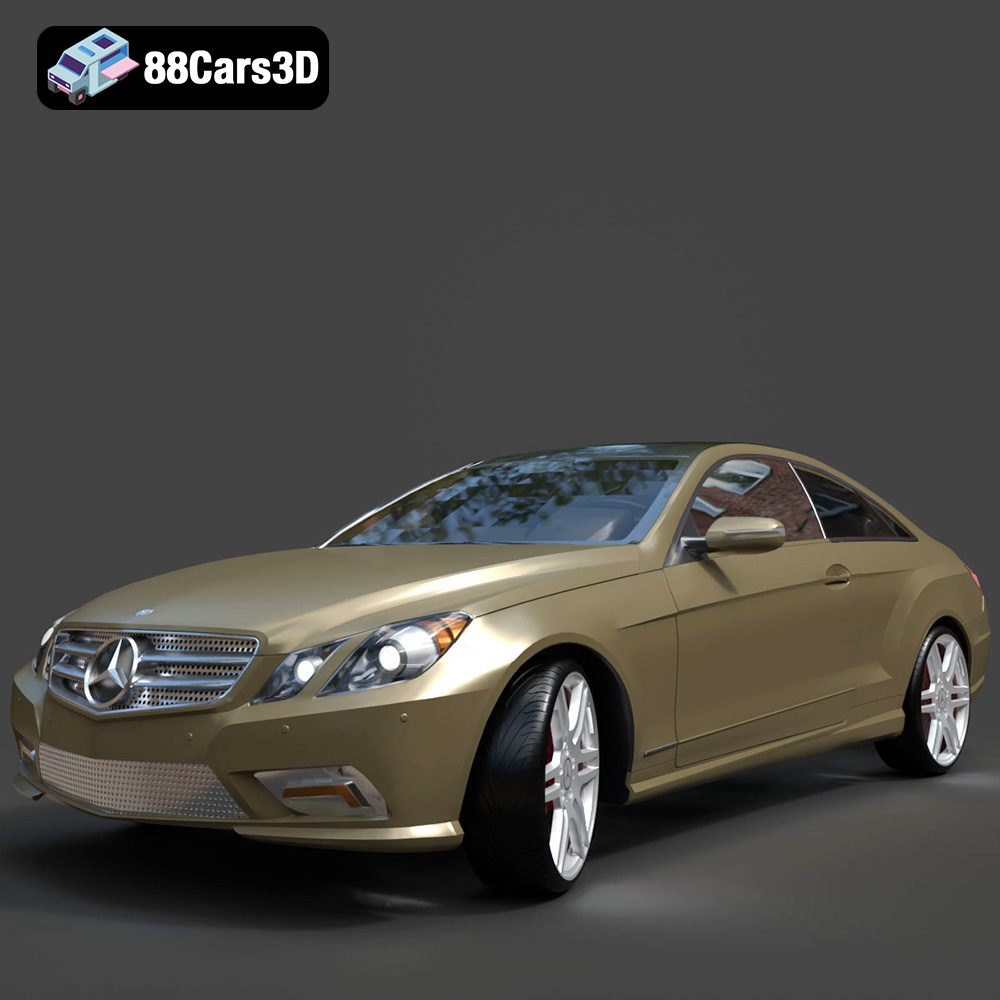
Mercedes-Benz E-Klasse Coupe 2010 3D Model
Texture: Yes
Material: Yes
Download the Mercedes-Benz E-Klasse Coupe 3D Model featuring clean geometry, realistic detailing, and a fully modeled interior. Includes .blend, .fbx, .obj, .glb, .stl, .ply, .unreal, and .max formats for rendering, simulation, and game development.
Price: $4.99
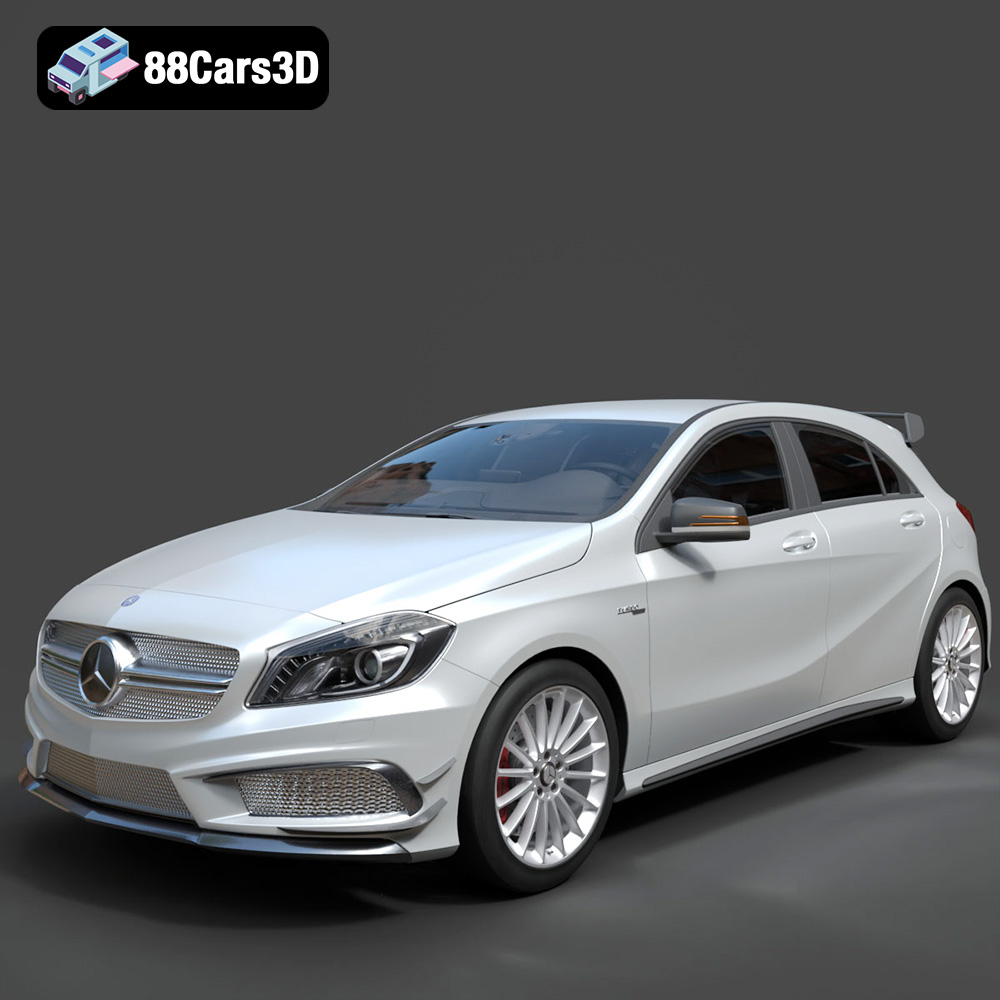
Mercedes-Benz A 45 AMG 3D Model
Texture: Yes
Material: Yes
Download the Benza MERS-007 3D Model featuring clean geometry, realistic detailing, and a fully modeled interior. Includes .blend, .fbx, .obj, .glb, .stl, .ply, .unreal, and .max formats for rendering, simulation, and game development.
Price: $4.99
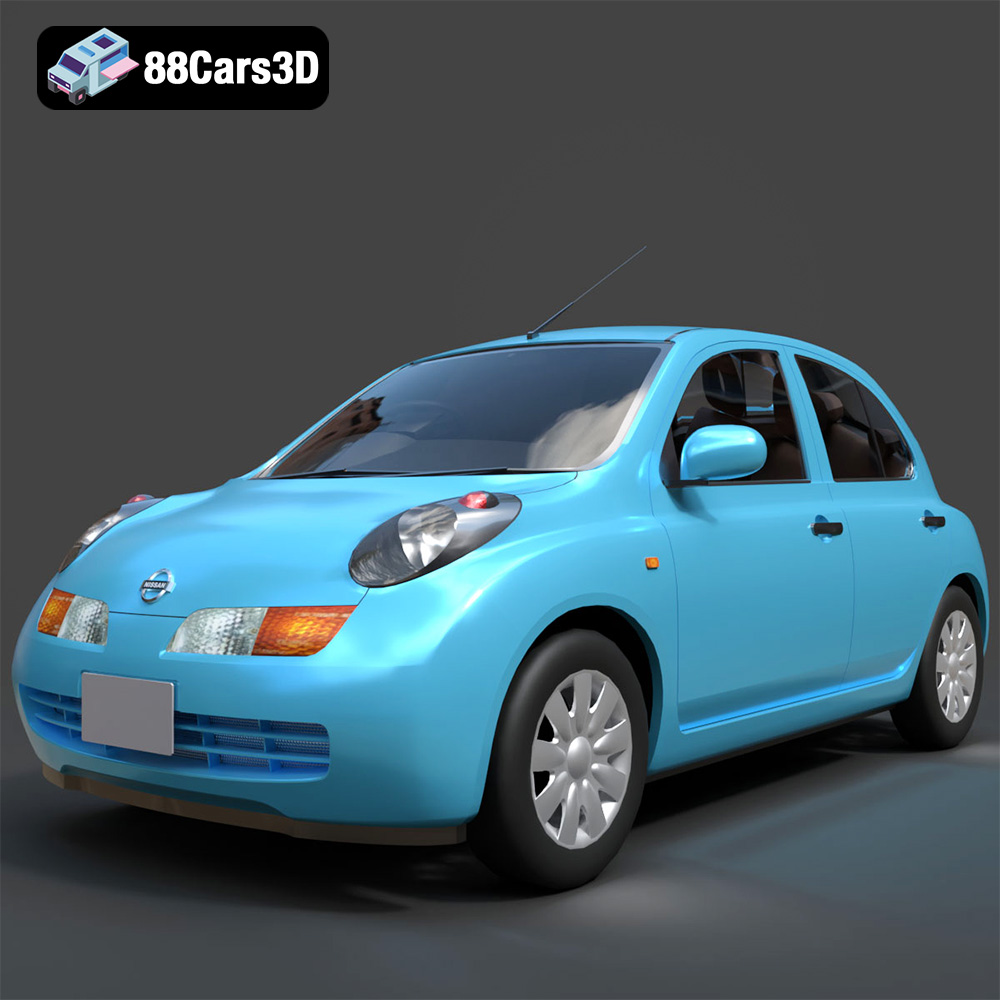
Nissan March 2025 3D Model
Texture: Yes
Material: Yes
Download the Nissan March 2025 3D Model featuring clean geometry, realistic detailing, and a fully modeled interior. Includes .blend, .fbx, .obj, .glb, .stl, .ply, .unreal, and .max formats for rendering, simulation, and game development.
Price: $4.99
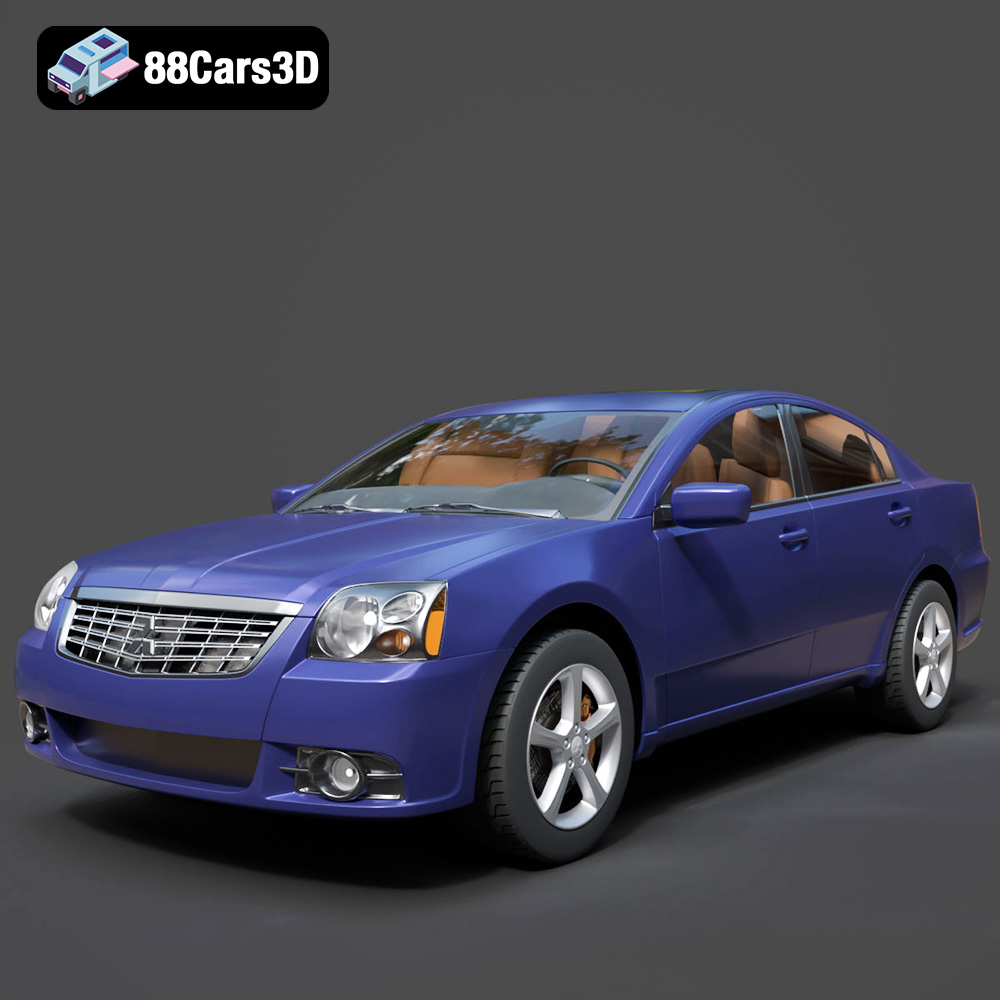
Mitsubishi Galant 2009 3D Model
Texture: Yes
Material: Yes
Download the Mitsubishi Galant 2009 3D Model featuring clean geometry, realistic detailing, and a fully modeled interior. Includes .blend, .fbx, .obj, .glb, .stl, .ply, .unreal, and .max formats for rendering, simulation, and game development.
Price: $4.99
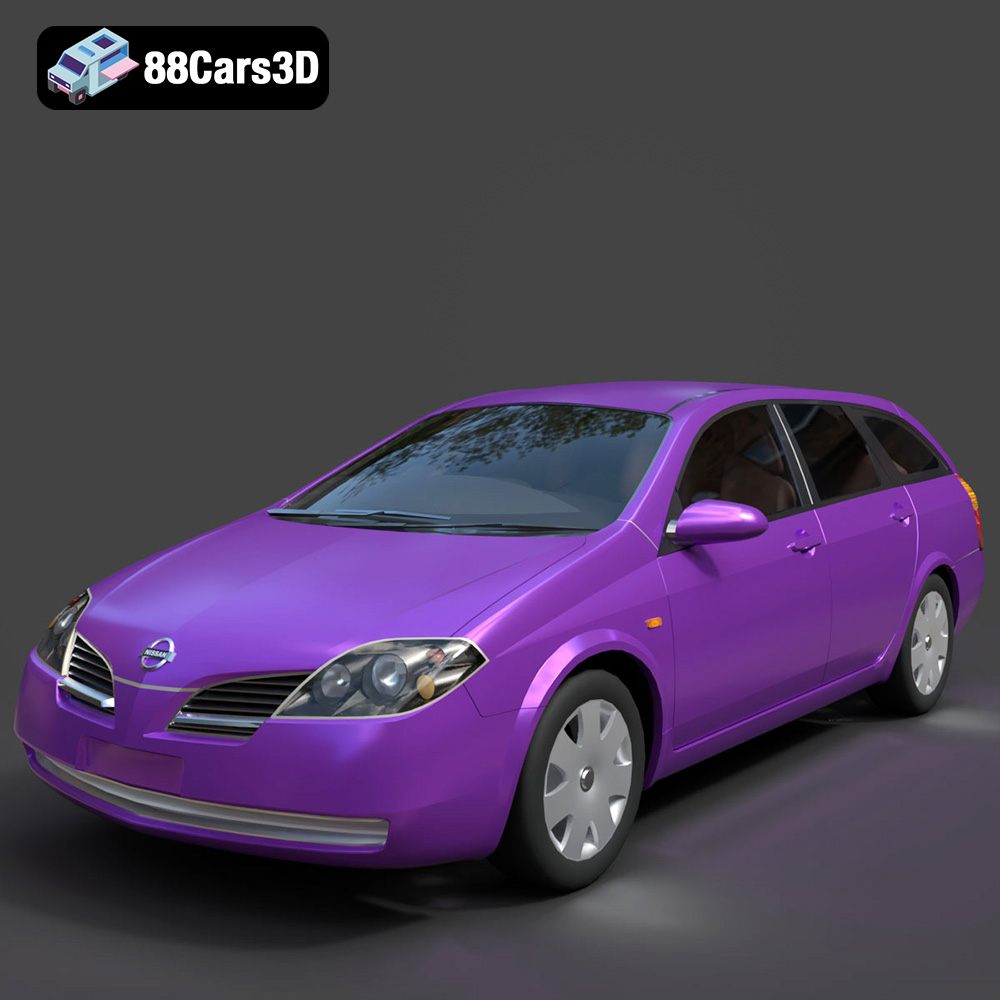
Nissan Primera Wagon 3D Model
Texture: Yes
Material: Yes
Download the Nissan Primera Wagon 3D Model featuring clean geometry, realistic detailing, and a fully modeled interior. Includes .blend, .fbx, .obj, .glb, .stl, .ply, .unreal, and .max formats for rendering, simulation, and game development.
Price: $4.99
