Get 20% OFF All Premium 3D & STL Models!

The sleek lines of a supercar, the rugged utility of an off-road beast, or the timeless elegance of a classic — bringing these automotive visions to life in 3D requires a deep understanding of intricate technical workflows. From initial polygon construction to the final photorealistic render or game-ready asset, every step demands precision and expertise. In the dynamic world of 3D visualization, automotive design, and game development, high-quality 3D car models are not just objects; they are complex digital sculptures that convey emotion, speed, and precision. Mastering their creation and deployment unlocks unparalleled creative potential.
This comprehensive guide delves into the advanced techniques and industry best practices for working with 3D car models. Whether you’re a seasoned 3D artist aiming for hyper-realism in your renders, a game developer optimizing assets for performance, or an automotive designer exploring new visualization frontiers, this article will equip you with the knowledge to elevate your projects. We’ll navigate the complexities of topology, UV mapping, PBR materials, rendering, game engine optimization, and even specialized applications like AR/VR and 3D printing, ensuring your automotive creations stand out in any digital landscape. Get ready to transform your understanding and execution of professional 3D car models.
The visual fidelity of a 3D car model begins with its fundamental structure: topology and edge flow. These elements dictate how the model subdivides, deforms, and reflects light, directly impacting its realism and performance. For automotive models, which are characterized by smooth, reflective surfaces and sharp creases, impeccable topology is paramount. It’s not just about polygon count, but about how those polygons are arranged to define the shape and behavior of the mesh. A clean, efficient topology ensures that your model will look stunning whether it’s viewed up close in a high-resolution render or animating rapidly within a game engine. This foundational stage impacts everything from UV unwrapping to rendering quality and optimization efforts.
Clean topology primarily involves using quads (four-sided polygons) as much as possible, avoiding n-gons (polygons with more than four sides) and excessive triangles in areas that need to deform or subdivide smoothly. While a few triangles are acceptable in flat, non-deforming areas, their proliferation can lead to pinching, shading artifacts, and unpredictable subdivision results. For automotive models, which often utilize subdivision surface modifiers (like TurboSmooth in 3ds Max or Subdivision Surface in Blender/Maya), a quad-dominant mesh ensures that the car’s body panels retain their smooth curvature without unwanted bumps or distortions. This is especially critical for elements like fender flares, door seams, and hood lines. A common practice is to maintain a relatively uniform distribution of quads, avoiding stretched or overly dense areas unless intentionally needed for fine detail. When sourcing high-quality models from platforms like 88cars3d.com, you’ll often find that the best assets adhere to these stringent topology standards, providing a solid foundation for any project.
Edge flow refers to the direction and continuity of edges on your model. For automotive surfaces, which are highly reflective and prone to highlighting imperfections, precise edge flow is crucial for capturing accurate reflections and maintaining a believable silhouette. Edges should follow the natural curves and contours of the car, defining sharp creases where needed (e.g., body lines, panel gaps) and smoothly transitioning across large, curved surfaces (e.g., hood, roof). Strategic placement of “control loops” or “holding edges” around sharp corners ensures that subdivision surfaces retain their crispness without becoming overly rounded. Artists often use techniques like adding two or three closely spaced edge loops around a hard edge to control its sharpness after subdivision. Observing how light flows across the surface of a real car provides invaluable insight into designing effective edge flow. Poor edge flow can lead to “faceting” or “lumpy” reflections, even on high-polygon models, undermining the photorealism of your automotive renders.
Once your 3D car model boasts impeccable topology, the next crucial step is UV mapping. UVs are the 2D coordinates that tell your rendering engine or game engine how to apply 2D textures onto your 3D mesh. For complex objects like cars, with their intricate curves, distinct panels, and a myriad of small components, a well-executed UV layout is indispensable for achieving realistic material appearances, avoiding texture stretching, and optimizing performance. Bad UVs can ruin even the best models, making textures appear blurry, distorted, or misaligned, regardless of texture resolution. Effective UV mapping allows artists to paint detailed wear, dirt, scratches, and logos precisely where they need to be on the model.
Cars are made of many distinct parts, and each benefits from a tailored UV strategy. For large, relatively flat or smoothly curved panels like the hood, roof, or doors, planar mapping or pelting can work well, ensuring minimal distortion and efficient use of UV space. The goal is to “unwrap” these surfaces as flat as possible, like a papercraft model, to avoid stretching. For complex, intricate components such as wheel wells, engine parts, or undercarriage elements, cylindrical or spherical mapping, followed by careful cutting and relaxing, might be more appropriate. Interior components like seats, dashboard, and steering wheel will require their own specialized unwrap, often relying on a combination of different projection methods and manual seam placement. The key is to strategically place UV seams in less visible areas (e.g., along edges, under trim) to minimize their visual impact, while ensuring that each component’s UVs are organized logically for texturing. Tools like 3ds Max’s UVW Unwrap modifier, Blender’s UV Editor, or Maya’s UV Toolkit offer robust features for managing these complex unwraps.
Efficient UV space utilization means maximizing the area within the 0-1 UV coordinate square, avoiding wasted space, and ensuring consistent texel density. Texel density refers to the number of texture pixels per unit of 3D space. Maintaining a consistent texel density across all major parts of the car is vital for uniform texture clarity. For example, if the body panels have a high texel density but the wheels have a low one, the wheels will appear blurry when viewed up close compared to the body. To optimize, larger or more visible components should generally receive more UV space, allowing for higher texel density. For game assets, it’s common practice to pack multiple smaller components (like bolts, emblems, or small interior buttons) into a single UV atlas to reduce draw calls and memory footprint. This often involves careful scaling of UV islands to achieve the desired texel density balance. Many artists use checkerboard patterns during the unwrapping process to visually inspect and correct for stretching and inconsistent texel density, ensuring every part of the car receives the attention it deserves for a flawless texture application.
Beyond the mesh and UVs, the true magic of photorealism in 3D car models lies in their materials. Physically Based Rendering (PBR) has become the industry standard for creating materials that react realistically to light, providing consistent results across different rendering environments. PBR materials simulate the physical properties of real-world surfaces, such as how rough or smooth they are, how metallic they appear, and how much light they reflect or absorb. Crafting compelling PBR materials for an automotive model involves not just applying textures but also building intricate shader networks that accurately mimic complex finishes like multi-layer car paint, brushed metals, clear glass, and textured plastics.
At its heart, PBR relies on a set of standardized maps: Base Color (or Albedo), Metallic, Roughness (or Glossiness), Normal, and sometimes Ambient Occlusion. The Base Color map defines the diffuse color of non-metallic surfaces and the reflected color of metallic surfaces. The Metallic map determines if a surface is a metal (value 1) or a dielectric (value 0). Roughness (or its inverse, Glossiness) dictates how scattered or sharp reflections appear. A Normal map provides fine surface detail without adding geometry, essential for subtle imperfections or panel lines. For car paint, this often involves a layered approach. A base metal layer might be underneath, followed by a color layer, a clear coat layer, and then subtle grunge or dust masks. Each layer interacts with light differently, simulating the depth and complexity of real-world automotive finishes. Understanding these fundamental maps and how they interact is the first step towards creating believable automotive materials in any software, from 3ds Max with Corona/V-Ray to Blender with Cycles, or game engines like Unity/Unreal.
Achieving truly convincing automotive finishes, especially multi-layer car paint, requires more than just basic PBR maps. Advanced shader networks in renderers like Corona Renderer, V-Ray, Cycles, or Arnold allow artists to simulate the intricate optical properties of car paint. This often involves blending multiple reflective lobes: a primary glossy reflection for the clear coat, and a secondary, slightly rougher reflection for the underlying metallic flake layer. Parameters like “IOR” (Index of Refraction) for glass and clear coats, “anisotropy” for brushed metals, and specific “falloff” curves for layered paints become critical. For example, a complex car paint shader might include:
These networks, while complex, allow for unparalleled control over the subtle nuances that make a 3D car model indistinguishable from its real-world counterpart. When purchasing models from marketplaces like 88cars3d.com, look for descriptions highlighting detailed PBR materials and shader setups as a mark of quality.
The culmination of meticulous modeling, UV mapping, and material creation is the render. Achieving photorealistic automotive renders requires a deep understanding of lighting, camera principles, and renderer-specific optimizations. It’s not just about hitting the render button; it’s about crafting a believable scene that highlights the car’s design, materials, and form in the most flattering light. Professional automotive rendering extends beyond simply placing a car in a scene; it involves creating an entire visual narrative through strategic composition, evocative lighting, and precise camera work, mimicking real-world automotive photography studios or cinematic shots. Each decision, from light source placement to lens choice, contributes to the final emotional impact and perceived realism.
Effective lighting is the single most critical factor in a photorealistic render. For cars, High Dynamic Range Images (HDRIs) are often the go-to solution for environmental lighting, providing realistic ambient light, reflections, and subtle shadows from real-world locations. However, HDRIs alone are rarely sufficient; they are typically complemented by carefully placed area lights or spot lights to enhance reflections, create dramatic highlights, and add fill light to darker areas. Think of a studio setup: a large softbox to illuminate the car’s side, smaller rim lights to define its edges, and perhaps a subtle fill light to lift shadows. Camera setup is equally vital. Using real-world camera parameters like focal length (e.g., 85mm or 100mm for a flattering perspective), aperture (for depth of field), and shutter speed (for motion blur in animations) helps ground the render in reality. Composition rules, such as the rule of thirds or leading lines, guide the viewer’s eye and make the image more engaging. Soft, graduated backgrounds or subtle studio backdrops ensure the focus remains squarely on the automotive model.
Each major renderer – Corona Renderer, V-Ray, Cycles (Blender), and Arnold (Maya, 3ds Max) – has its own strengths and optimization strategies.
Regardless of the renderer, using render passes (beauty, reflection, refraction, diffuse, alpha, Z-depth) is crucial for flexibility in post-processing, allowing for precise adjustments without re-rendering the entire scene.
While cinematic renders prioritize visual fidelity above all else, 3D car models destined for game engines, virtual reality (VR), or augmented reality (AR) environments face a different, equally demanding challenge: real-time performance. Game assets must strike a delicate balance between visual quality and computational efficiency. High polygon counts, large texture files, and numerous materials can quickly overwhelm a game engine, leading to low frame rates and a poor user experience. Effective optimization is not an afterthought; it’s an integral part of the asset creation pipeline, ensuring that the 3D car model looks great and performs smoothly within the constraints of real-time applications.
One of the most critical optimization techniques is implementing Level of Detail (LODs). LODs are lower-polygon versions of your model that automatically swap in at a distance. For a typical car model, you might have four LODs:
This dramatically reduces the polygon count rendered per frame. Another vital optimization is draw call reduction. Each material and separate mesh object typically generates a draw call, and too many draw calls can bottleneck the CPU. Combining meshes and using texture atlases (explained next) helps consolidate materials, reducing the number of instructions the CPU sends to the GPU, thereby improving performance. Efficient use of instancing for repeated elements like wheels also helps reduce draw calls.
Texture atlasing involves combining multiple smaller textures into a single, larger texture map (an “atlas”). For a car, this means placing UVs for different components – interior, chassis, small details – onto different areas of one or a few large texture sheets instead of having individual textures for each part. This significantly reduces the number of texture lookups and material swaps the GPU needs to perform, directly contributing to fewer draw calls and better performance. When creating a texture atlas, consistent texel density across all packed UV islands is still important. Material consolidation goes hand-in-hand with atlasing; by reducing the number of unique materials applied to the car (e.g., having one “Car_Body_Material” instead of separate materials for hood, door, and fender), you further reduce draw calls. This might involve setting up a master material in Unreal Engine or Unity that uses texture masks to define different surface properties (paint, chrome, rubber) within a single shader, controlled by a single texture atlas. These techniques are fundamental for delivering high-quality 3D car models that perform flawlessly in demanding real-time environments.
The utility of high-quality 3D car models extends far beyond traditional renders and game engines. Augmented Reality (AR) and Virtual Reality (VR) experiences are increasingly leveraging interactive 3D content, while 3D printing offers a tangible output for digital designs. Each of these applications comes with its own set of technical requirements and optimization challenges, demanding specific preparation workflows to ensure models are both visually appealing and functionally robust. Whether it’s a showroom AR app or a custom collectible 3D print, careful consideration of the destination medium is key.
AR/VR environments impose even stricter performance budgets than standard game engines due to the high frame rates required to prevent motion sickness and maintain immersion. Optimization strategies include:
Common file formats for AR/VR include **GLB** (binary version of glTF) and **USDZ**. GLB is excellent for web-based AR/VR due to its single-file nature, embedding geometry, materials, and textures. USDZ, developed by Apple, is a robust format for AR experiences across iOS devices. Both formats support PBR materials and are designed for efficient real-time rendering. When preparing models for these formats, ensure all textures are correctly embedded or linked, and materials are converted to a compatible PBR standard.
Turning a digital 3D car model into a physical object via 3D printing introduces a new set of considerations, primarily focused on mesh integrity and physical constraints.
For complex car models, separating the model into print-friendly parts (e.g., body, wheels, interior) can facilitate easier printing and assembly, especially for models acquired from sources like 88cars3d.com which are often highly detailed and designed for visual fidelity.
The journey of a 3D car model doesn’t end when the render finishes or the optimized asset is exported. The final stages involve refining the visual output through post-processing and compositing, and ensuring the asset is delivered efficiently and correctly in various file formats. These steps are crucial for achieving that professional, polished look that elevates a good render to an exceptional one, or ensuring a game asset integrates seamlessly into its target engine. Attention to detail in these final phases can significantly enhance the perceived quality and impact of your work, making it stand out in a competitive visual landscape.
Post-production, typically done in software like Adobe Photoshop, Affinity Photo, or GIMP, is where the rendered image truly comes to life. Render passes (AOV’s – Arbitrary Output Variables) from your 3D software become invaluable here. For example:
With these passes, artists can:
This non-destructive workflow offers immense flexibility, allowing for iterative adjustments without the need for time-consuming re-renders, saving countless hours in production.
In the professional 3D pipeline, models often need to be converted between various file formats to ensure compatibility with different software, engines, or workflows.
When converting, always ensure that UVs are preserved, materials translate correctly, and scale is maintained. For game engines, optimizing textures (e.g., power-of-two dimensions, appropriate compression) and consolidating materials before export is vital. Consistent file naming conventions and organized folder structures for models and their associated textures are paramount for efficient project management, especially when working with large libraries of assets or collaborating in teams.
Mastering the intricacies of 3D car models is an ongoing journey of learning and refinement. From the foundational principles of clean topology and efficient UV mapping to the advanced techniques of PBR material creation and photorealistic rendering, every aspect contributes to the final impact of your digital automotive creations. We’ve explored how to prepare models for diverse applications, whether for high-performance game engines, immersive AR/VR experiences, or tangible 3D prints, emphasizing optimization and proper file management throughout.
The pursuit of realism and performance demands dedication, a keen eye for detail, and a commitment to best practices. By applying the advanced workflows and technical insights discussed in this guide, you are now better equipped to tackle the challenges of automotive 3D modeling and achieve outstanding results. Remember, the quality of your base assets is paramount. When building your digital garage, consider leveraging professional-grade 3D car models from trusted sources like 88cars3d.com, ensuring you start with a solid, optimized foundation. Continue to experiment, learn from every project, and push the boundaries of what’s possible in the exhilarating world of 3D automotive visualization.
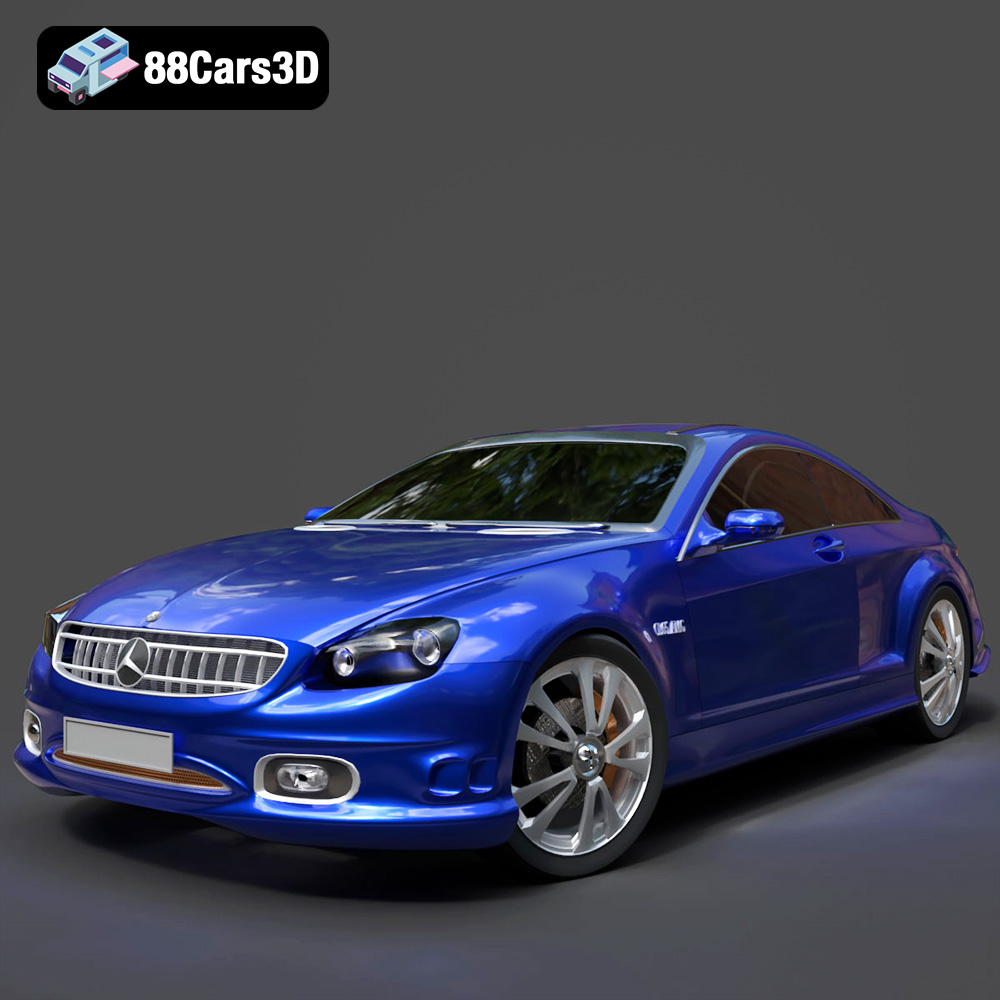
Texture: Yes
Material: Yes
Download the Mercedes-Benz CL6540-005 3D Model featuring clean geometry, realistic detailing, and a fully modeled interior. Includes .blend, .fbx, .obj, .glb, .stl, .ply, .unreal, and .max formats for rendering, simulation, and game development.
Price: $4.99
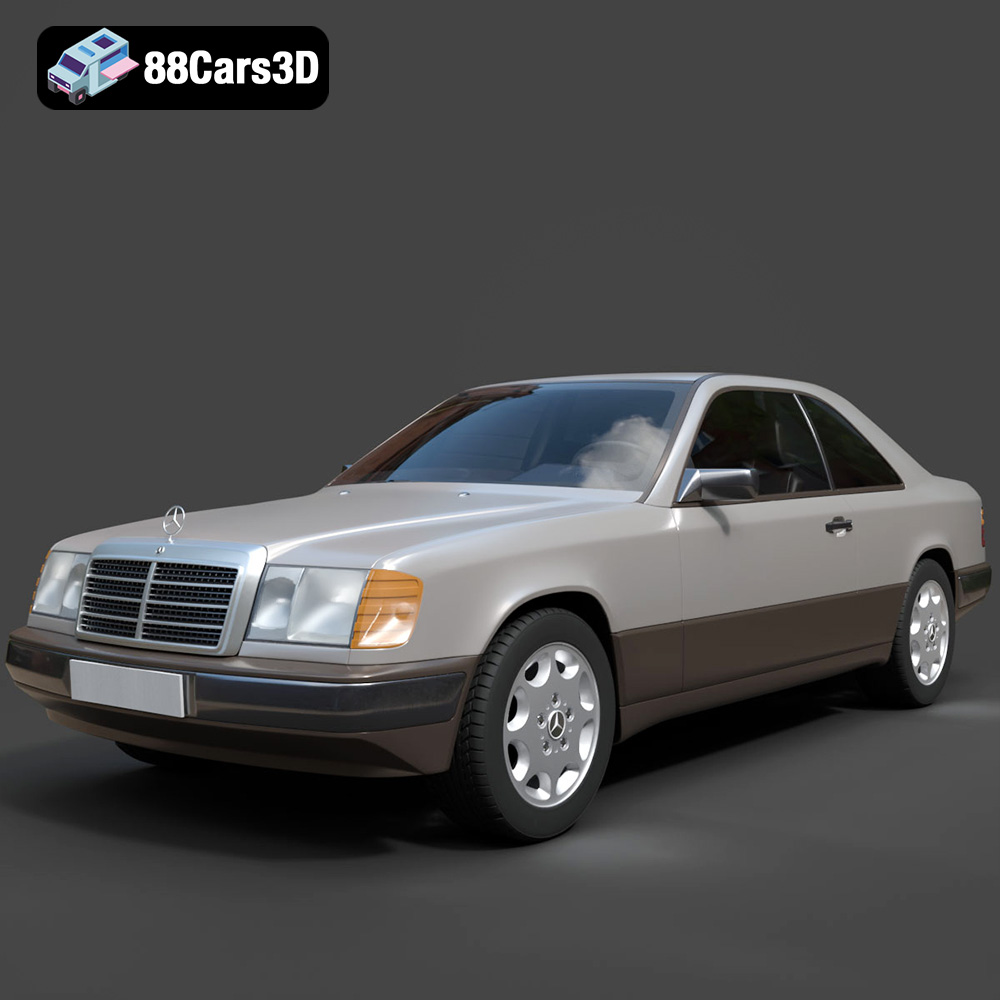
Texture: Yes
Material: Yes
Download the Mercedes E-Class w124 Coupe 3D Model featuring clean geometry, realistic detailing, and a fully modeled interior. Includes .blend, .fbx, .obj, .glb, .stl, .ply, .unreal, and .max formats for rendering, simulation, and game development.
Price: $4.99
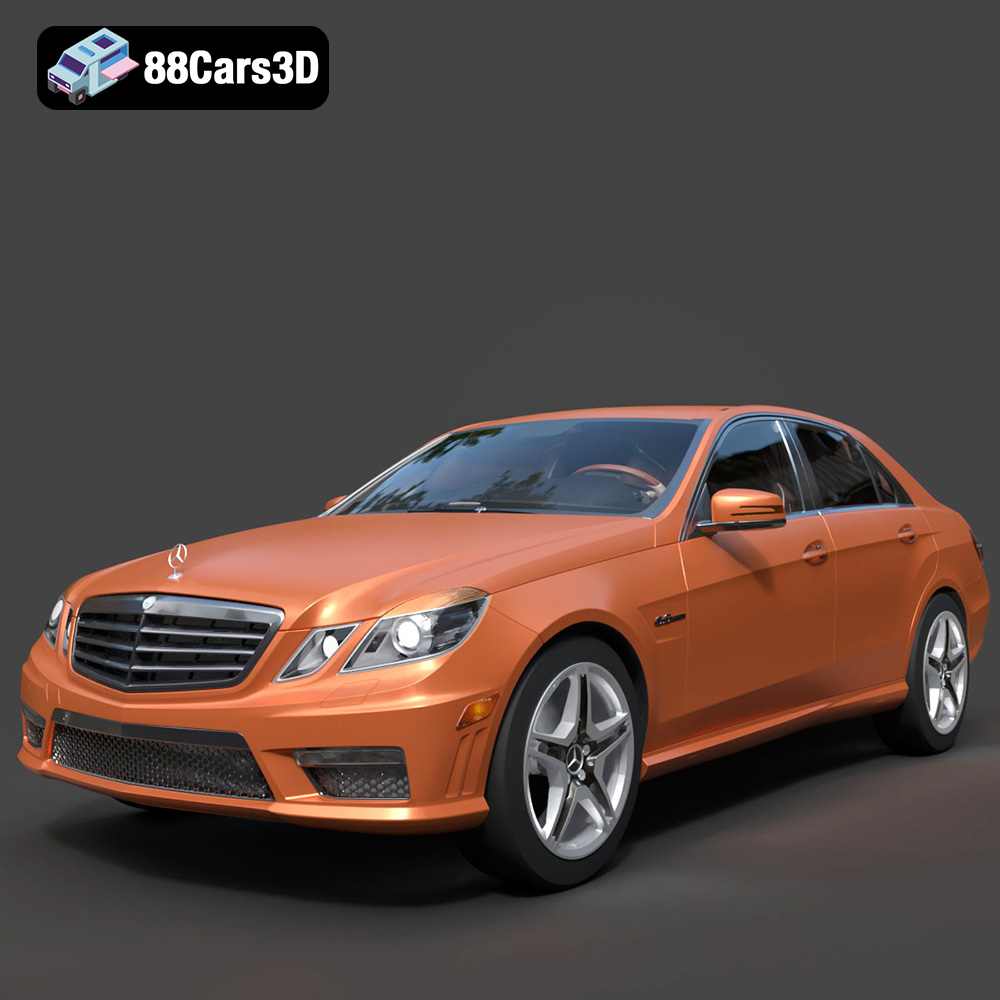
Texture: Yes
Material: Yes
Download the Mercedes-Benz E-Klasse 63 AMG 3D Model featuring clean geometry, realistic detailing, and a fully modeled interior. Includes .blend, .fbx, .obj, .glb, .stl, .ply, .unreal, and .max formats for rendering, simulation, and game development.
Price: $4.99
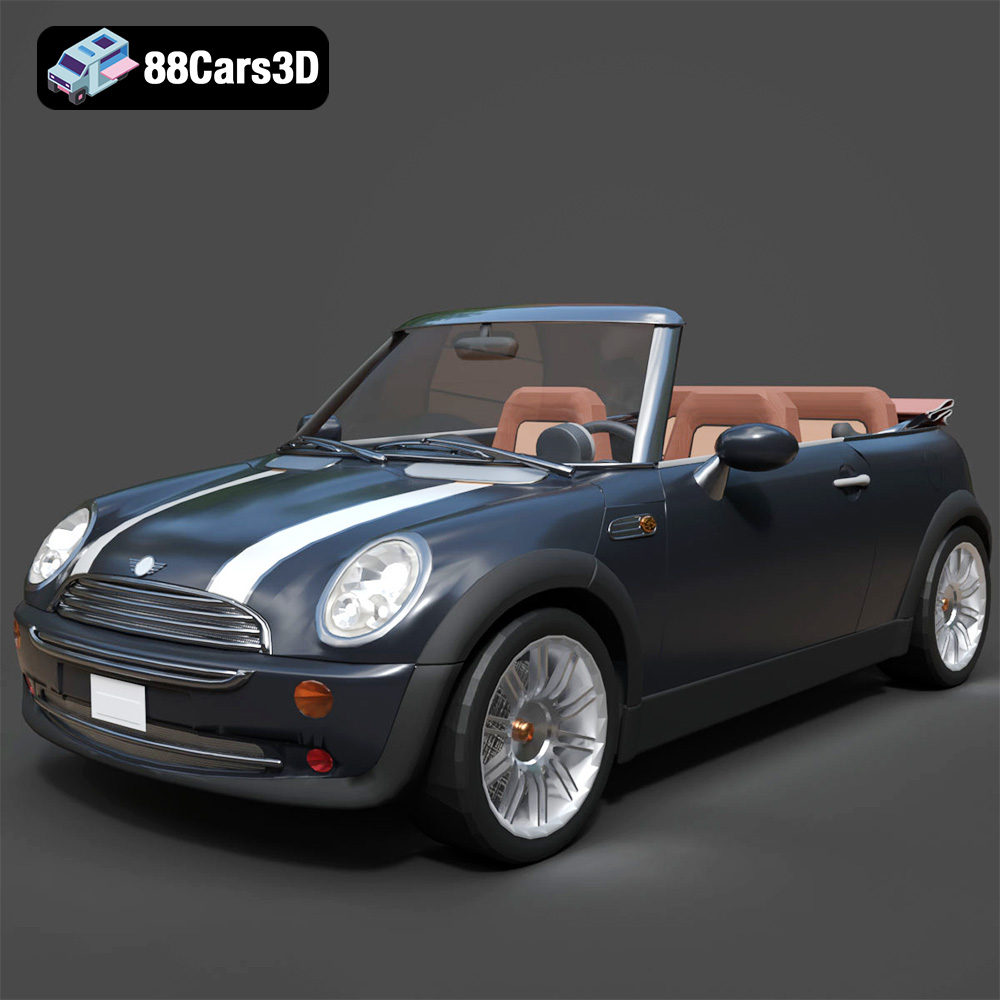
Texture: Yes
Material: Yes
Download the Mini Cabrio 2025 3D Model featuring clean geometry, realistic detailing, and a fully modeled interior. Includes .blend, .fbx, .obj, .glb, .stl, .ply, .unreal, and .max formats for rendering, simulation, and game development.
Price: $4.99
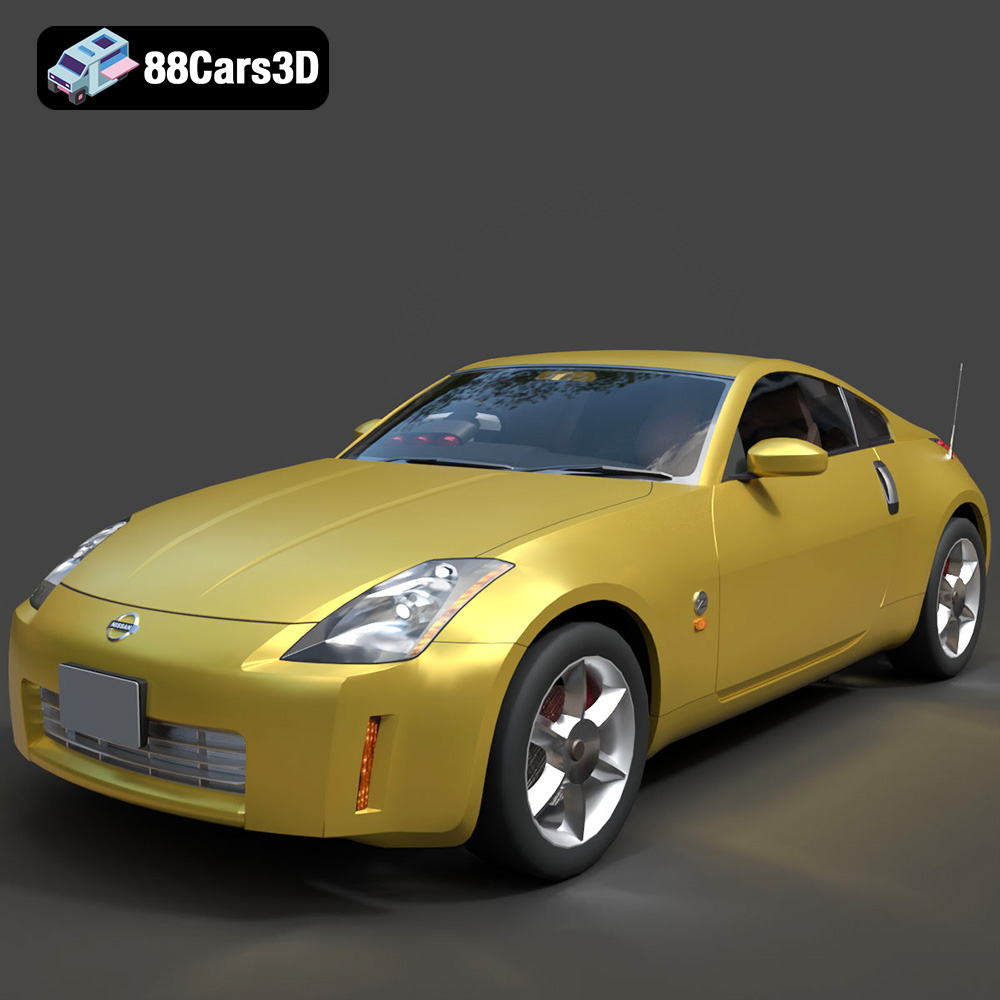
Texture: Yes
Material: Yes
Download the Nissan 350Z 3D Model featuring clean geometry, realistic detailing, and a fully modeled interior. Includes .blend, .fbx, .obj, .glb, .stl, .ply, .unreal, and .max formats for rendering, simulation, and game development.
Price: $4.99
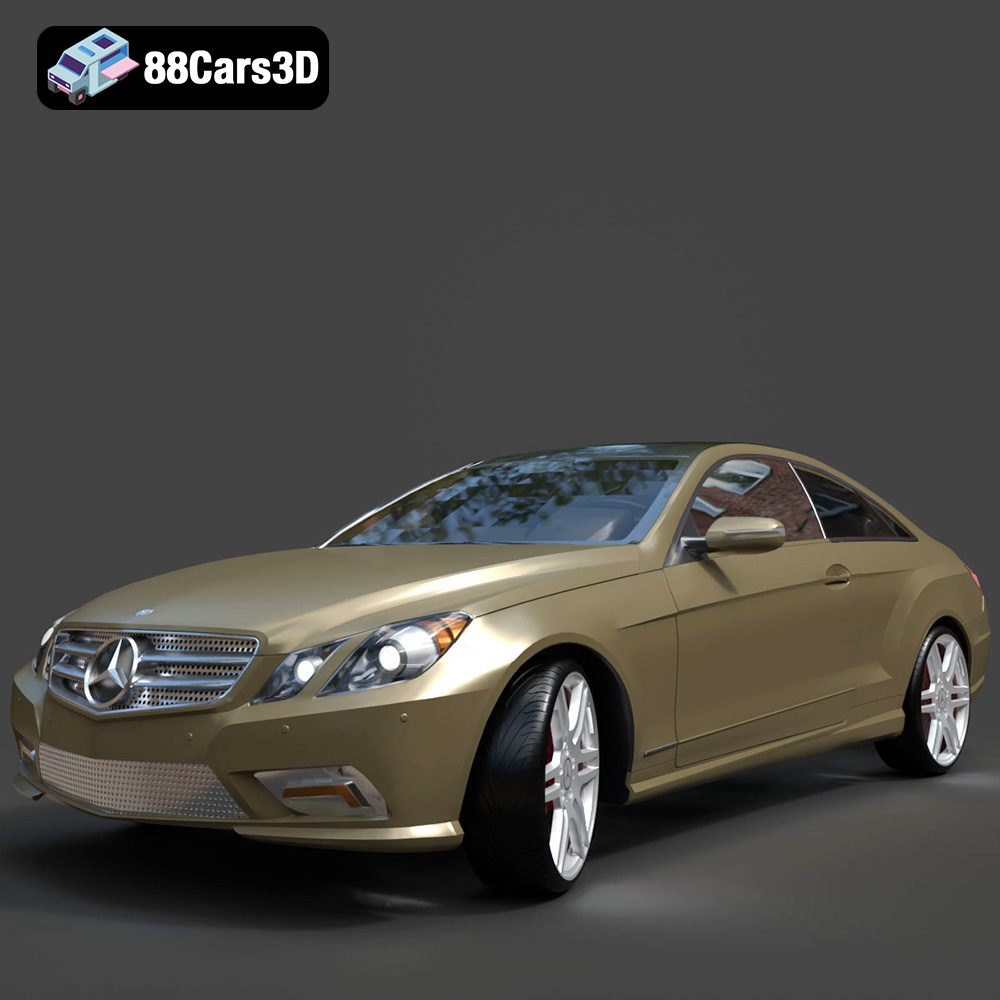
Texture: Yes
Material: Yes
Download the Mercedes-Benz E-Klasse Coupe 3D Model featuring clean geometry, realistic detailing, and a fully modeled interior. Includes .blend, .fbx, .obj, .glb, .stl, .ply, .unreal, and .max formats for rendering, simulation, and game development.
Price: $4.99
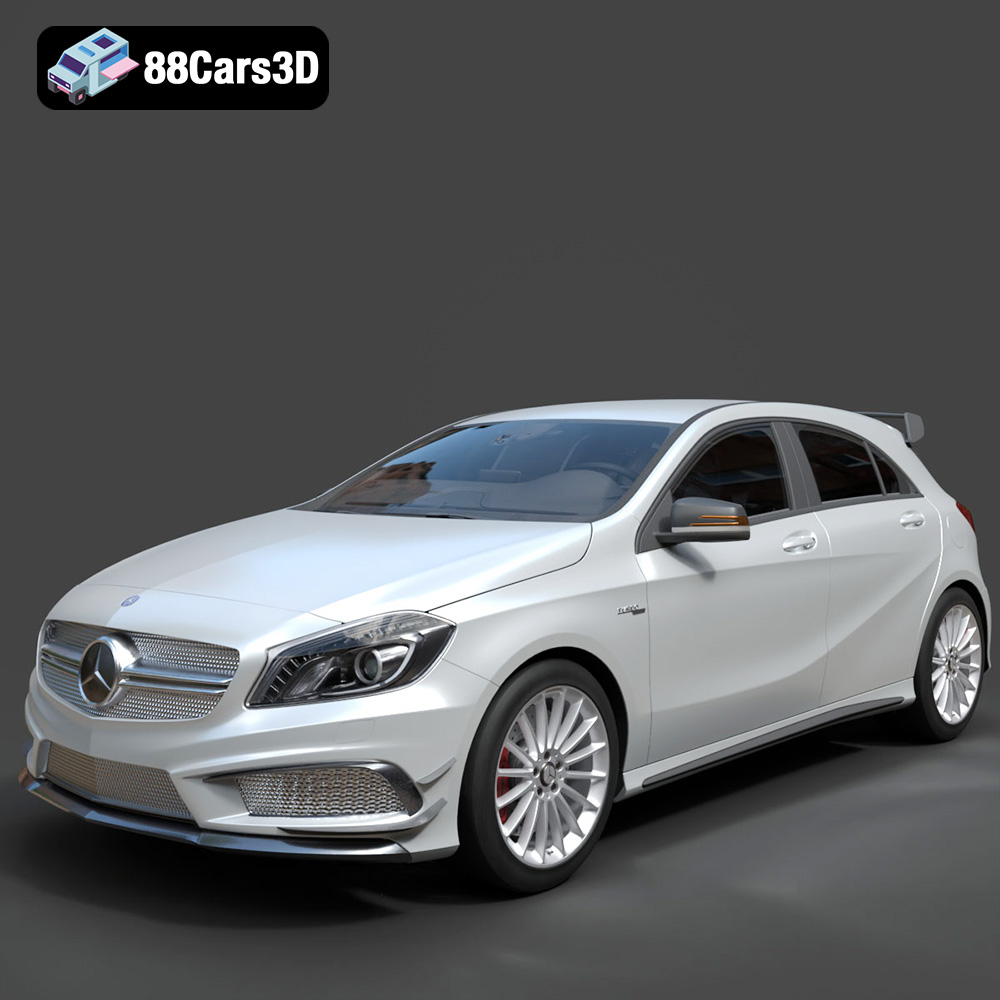
Texture: Yes
Material: Yes
Download the Benza MERS-007 3D Model featuring clean geometry, realistic detailing, and a fully modeled interior. Includes .blend, .fbx, .obj, .glb, .stl, .ply, .unreal, and .max formats for rendering, simulation, and game development.
Price: $4.99
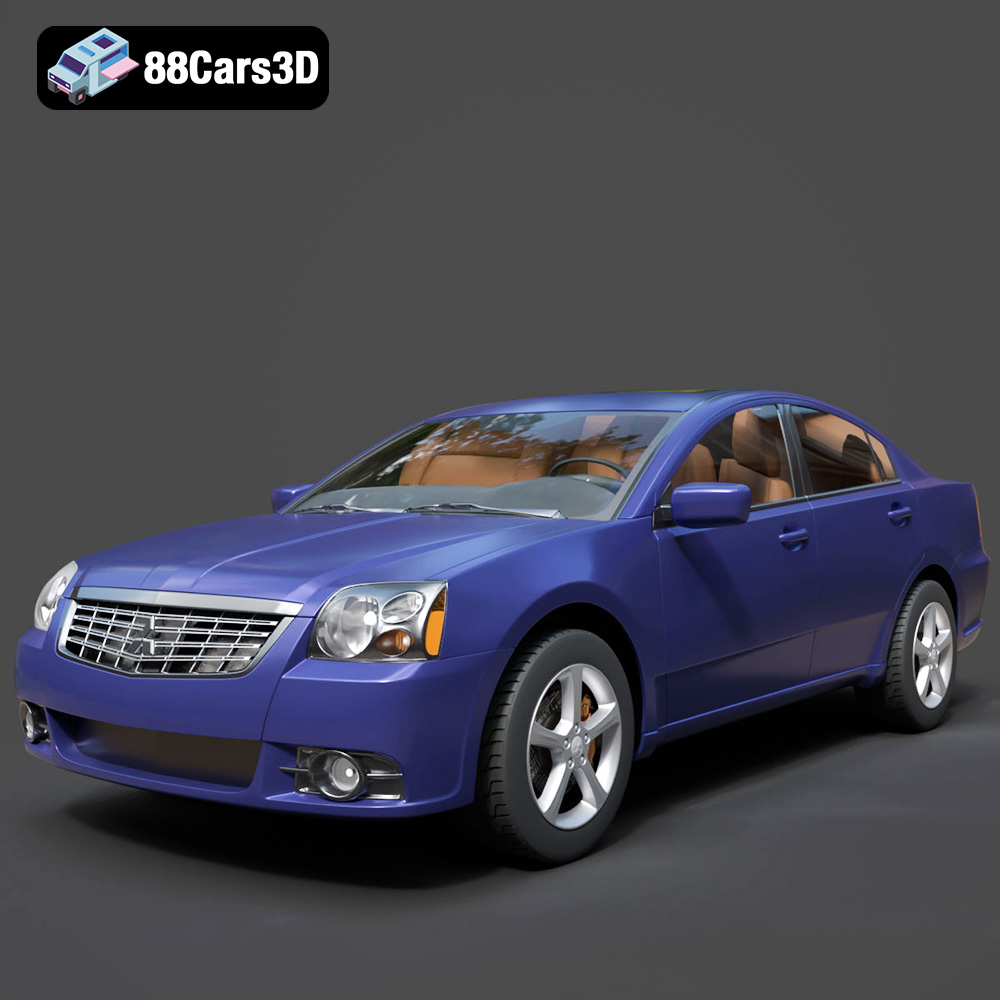
Texture: Yes
Material: Yes
Download the Mitsubishi Galant 2009 3D Model featuring clean geometry, realistic detailing, and a fully modeled interior. Includes .blend, .fbx, .obj, .glb, .stl, .ply, .unreal, and .max formats for rendering, simulation, and game development.
Price: $4.99
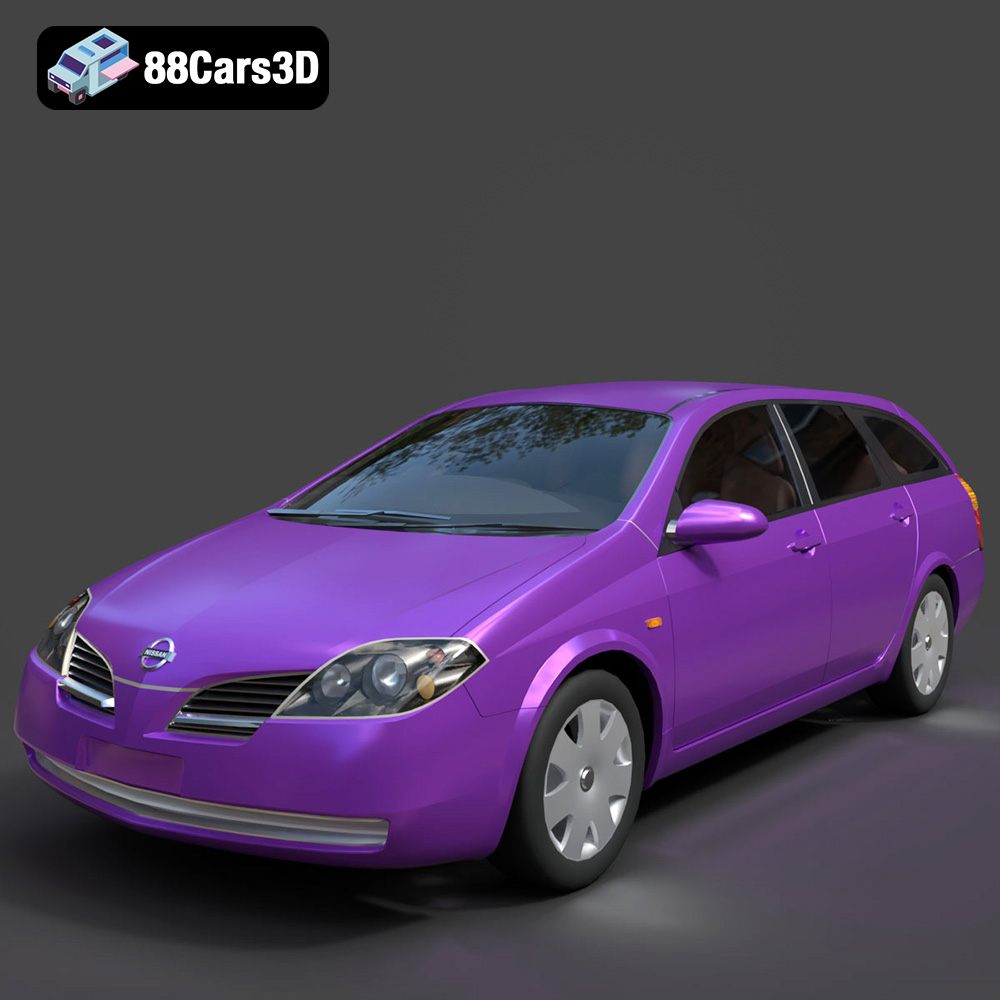
Texture: Yes
Material: Yes
Download the Nissan Primera Wagon 3D Model featuring clean geometry, realistic detailing, and a fully modeled interior. Includes .blend, .fbx, .obj, .glb, .stl, .ply, .unreal, and .max formats for rendering, simulation, and game development.
Price: $4.99
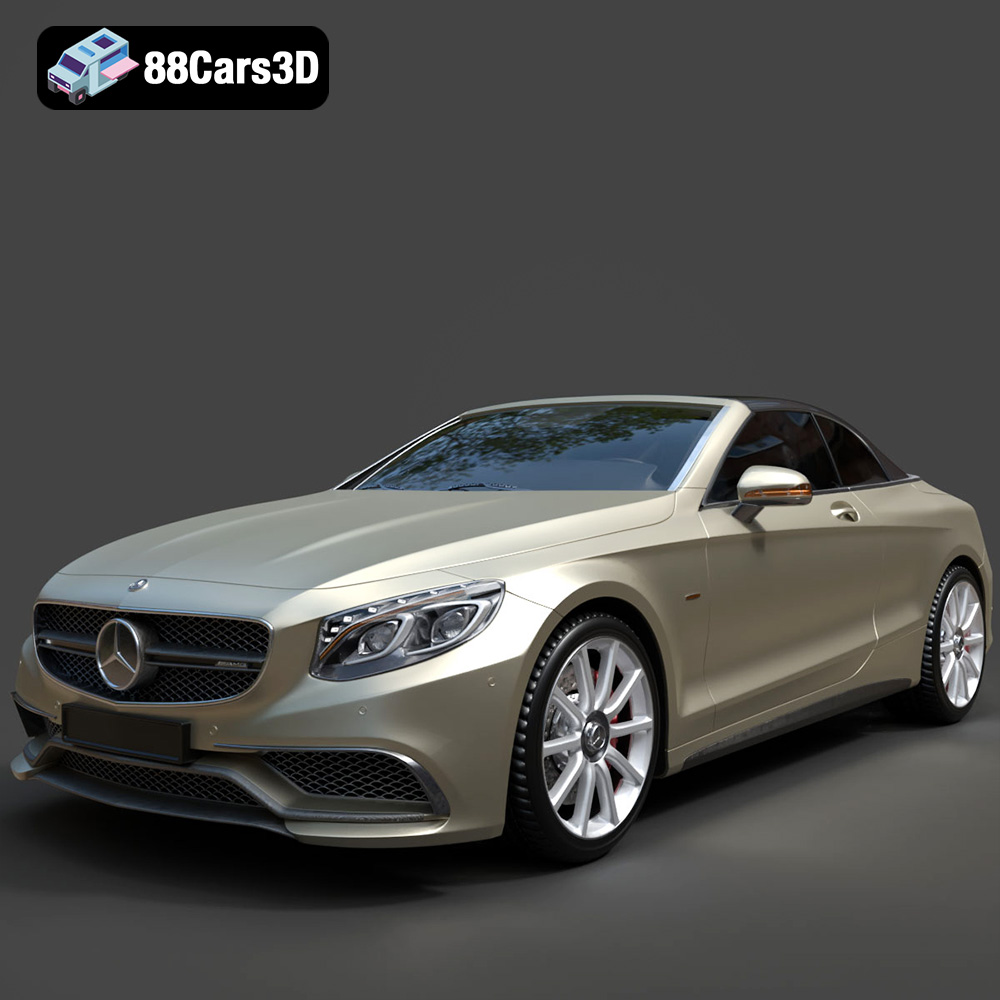
Texture: Yes
Material: Yes
Download the Mercedes-Benz S63 AMG Cabriolet 2017 3D Model featuring clean geometry, realistic detailing, and a fully modeled interior. Includes .blend, .fbx, .obj, .glb, .stl, .ply, .unreal, and .max formats for rendering, simulation, and game development.
Price: $20.99

