
The Ultimate Guide to 3D Car Models: From Flawless Topology to Game-Ready Assets

The Ultimate Guide to 3D Car Models: From Flawless Topology to Game-Ready Assets
The allure of a perfectly rendered automobile is undeniable. From the gleaming reflections on a curved fender to the intricate details of a headlight assembly, 3D car models represent a pinnacle of digital artistry and technical precision. They are the heroes of cinematic commercials, the stars of blockbuster video games, and the core of immersive AR/VR automotive configurators. But transforming a collection of polygons into a photorealistic, high-performance digital asset is a complex journey, fraught with technical challenges that can frustrate even seasoned artists. How do you ensure your surfaces are perfectly smooth? How do you create materials that look and feel real? And how do you adapt a hyper-detailed model for real-time applications without sacrificing quality?
This comprehensive guide is your roadmap to mastering the entire lifecycle of a 3D car model. We will dissect the fundamental principles that separate amateur work from professional-grade assets. We’ll dive deep into the crucial importance of clean topology, demystify the art of UV mapping for complex surfaces, and build stunningly realistic PBR materials from the ground up. We will then explore advanced rendering techniques to create jaw-dropping visuals and pivot to the demanding world of game engine optimization, covering everything from LODs to draw call reduction. Whether you’re an automotive designer, a game developer, a visualization specialist, or a passionate hobbyist, this guide will equip you with the knowledge and techniques to elevate your 3D car projects to the next level.
The Foundation: Mastering Automotive Topology and Edge Flow
Before any texture is applied or any light is cast, the success of a 3D car model is determined by its underlying geometry—its topology. Topology is the foundational structure, the digital DNA that dictates how the model will subdivide, reflect light, and deform. For automotive models, with their unique blend of large, flowing surfaces and sharp, precise details, pristine topology is not just a preference; it is an absolute requirement for achieving professional results. Rushing this stage or working with a poorly constructed mesh will lead to persistent problems down the line, including shading artifacts, UV mapping nightmares, and poor performance.
Why Clean, Quad-Based Topology is Non-Negotiable
The gold standard for high-quality automotive modeling is a mesh composed almost entirely of four-sided polygons, or quads. Unlike triangles (tris) or polygons with more than four sides (n-gons), quads offer several critical advantages:
- Predictable Subdivision: Subdivision surface modifiers (like TurboSmooth in 3ds Max or the Subdiv modifier in Blender) work best with quads, producing smooth, predictable curves without pinching or artifacts. N-gons, in particular, subdivide erratically and can create visible defects.
- Clean Edge Loops: Quads allow for the creation of clean, continuous edge loops and rings. This is essential for defining the shape and flow of car panels and for easily selecting and manipulating sections of the model.
- Superior Deformation: While cars are rigid bodies, clean topology is still crucial for any potential rigging (e.g., opening doors, suspension movement) and for preventing strange shading issues when the model is viewed from different angles.
Starting with a professionally crafted model from a marketplace like 88cars3d.com can save you hundreds of hours, providing a flawless topological base to build upon, ensuring you avoid these common pitfalls from the very beginning.
Key Principles of Automotive Edge Flow
Edge flow refers to the direction and arrangement of the polygon edges across the model’s surface. For cars, the edge flow should mirror the vehicle’s design language, accentuating its curves and defining its character lines. The primary goal is to have your topology lines flow parallel to the main curves of the car body. For instance, the edges around a wheel arch should form concentric rings, and the lines running down the hood should be long and uninterrupted. A critical technique is the use of support loops (or holding edges). These are extra edge loops placed close to a hard edge to control the tightness of the curve during subdivision, allowing you to create crisp panel gaps and sharp creases without adding unnecessary geometry to the entire model.
Polygon Count: High-Poly vs. Low-Poly Strategy
The ideal polygon count is entirely dependent on the final application. There is no “one size fits all” solution.
- High-Poly for Visualization (500k – 2M+ polygons): For marketing renders, films, or close-up shots, detail is paramount. These “hero” models often use one or two levels of subdivision and feature immense detail, right down to the stitching on the seats. The polygon count can easily reach several million.
- Mid-Poly for Real-Time (50k – 200k polygons): This is the typical range for a primary game asset (LOD0) viewed up close in a game. It must be detailed enough to look great but optimized enough to not cripple the frame rate. Here, normal maps are heavily used to fake high-poly details on a more efficient mesh.
- Low-Poly for Background/Mobile (5k – 50k polygons): For background traffic cars, mobile games, or AR/VR applications, performance is the top priority. Geometry is simplified, and details are often baked into the texture maps.
Unwrapping the Beast: Professional UV Mapping Strategies
If topology is the skeleton of your model, UV mapping is its skin. The UV mapping process involves “unwrapping” the 3D surface into a 2D space, creating a map that tells your software how to apply textures to the model. For a complex object like a car, with its countless panels, components, and intricate details, this can be a daunting task. A sloppy UV map will result in stretched textures, visible seams, and an unprofessional finish, regardless of how good the model or textures are.
Strategic Seam Placement for Complex Car Panels
The key to a clean UV map is intelligent seam placement. Seams are the edges in your 3D model where the UVs will be split apart during the unwrapping process. The goal is to hide these seams where they are least likely to be seen. For cars, the best places to add seams are:
- Along Natural Panel Gaps: The lines between the door and the fender, or the hood and the bumper, are perfect locations.
- On Hard Edges: Placing seams along sharp 90-degree angles (like the edge of a side mirror housing) makes them virtually invisible.
- On the Underside or Inside: Parts of the model that are rarely seen, like the undercarriage or the inside of the wheel wells, are ideal for hiding necessary seams.
Avoid placing seams on large, smooth, highly visible surfaces like the middle of a car door or the hood, as this can cause noticeable breaks in reflections and textures.
UDIMs vs. Single UV Layouts: A Texel Density Deep Dive
Texel density is a measure of how many texture pixels (texels) are used per unit of 3D surface area. Consistent texel density across a model is crucial for ensuring that details look uniformly sharp. For a car, you have a choice between two primary UV workflows:
- Single UV Layout: The entire car (or large sections like the exterior and interior) is unwrapped into a single 0-to-1 UV square. This is common for game assets where minimizing texture sets is important for performance. The challenge is fitting everything in while maintaining adequate resolution.
- UDIM (U-Dimension): This workflow uses multiple UV tiles arranged side-by-side. For example, the car body might be on one tile (1001), the wheels on another (1002), and the interior on a third (1003). The primary advantage of UDIMs is the ability to use extremely high-resolution textures for different parts of the model without being constrained to a single map. This is the preferred method for film and high-end visualization where maximum detail is required.
When unwrapping, use a UV checkerboard texture to visually inspect for stretching and to ensure your texel density is consistent across all panels.
Achieving Realism: PBR Material Creation and Shading
A great model and a perfect UV map are nothing without convincing materials. The modern standard for creating realistic materials is the Physically Based Rendering (PBR) workflow. PBR aims to simulate how light interacts with surfaces in the real world, using a set of texture maps to define properties like color, roughness, and metallicity. This approach ensures that your materials look correct and consistent under any lighting condition.
Building a Multi-Layered Car Paint Shader
A realistic car paint is one of the most complex but rewarding materials to create. It’s not just a single color; it’s a layered material. A typical PBR car paint shader consists of:
- Base Coat: This is the main color of the car (Albedo/Diffuse map). For metallic paints, this layer also defines the color of the metallic flakes.
- Metallic Flakes: Often simulated using a noise texture or a dedicated flake map plugged into the Roughness or Normal channels. This creates the small, sparkling reflections seen in metallic paint. Varying the size and density of the flakes can create different paint effects.
- Clear Coat Layer: This is a crucial final layer that simulates the protective varnish on top of the paint. In most render engines (like Corona, V-Ray, or Blender’s Cycles), this is a dedicated shader parameter. It adds a second, highly reflective and smooth layer of reflections on top of the base coat, which is essential for that “wet look.”
Texturing for Realism: Imperfections and Wear
Perfection is unrealistic. Real-world cars are never perfectly clean. To truly sell the realism of your model, you must introduce subtle imperfections. This is where texturing plays a huge role. Consider adding:
- Surface Dust & Grime: Use ambient occlusion maps or procedural grunge textures to add a light layer of dust in crevices and less-exposed areas.
- Fingerprints and Smudges: Apply subtle smudge maps to the Roughness channel on surfaces like glass, chrome trim, and the car’s paint to break up the perfectly clean reflections.
- Tire Wear and Brake Dust: The tires should not be pure black. Add a lighter, worn texture to the main tread and darker, dusty textures to the sidewalls and rims.
Glass, Chrome, and Rubber: Crafting Believable Surfaces
Beyond the paint, other materials require careful attention.
- Glass: Car glass is not perfectly clear or flat. It has a slight tint (usually green or blue), subtle distortion, and a high index of refraction (IOR) around 1.52. Adding a faint layer of dust or dirt to the roughness map will enhance realism.
- Chrome: True chrome has a near-white albedo, a metallic value of 1, and a roughness value very close to 0. It’s the reflections that sell the effect, so a good environment is key.
- Rubber/Plastic: These materials are dielectrics (non-metals). Their metallic value should be 0. The visual difference between them is defined by their albedo (tires are dark grey, not pure black) and their roughness value. New tires are less rough than worn ones, and exterior plastic trim is often textured with a fine normal map pattern.
The Grand Finale: High-Fidelity Automotive Rendering
Rendering is where all your hard work on modeling, UV mapping, and texturing culminates in a final image. The goal is to present your 3D car model in the best possible light—literally. Mastering lighting, camera settings, and post-processing is just as important as the asset creation itself. It’s the final 10% of the process that contributes 90% of the “wow” factor.
Choosing Your Render Engine: Corona, V-Ray, and Cycles
While many render engines can produce great results, some are industry favorites for automotive rendering due to their features and material handling.
- Corona Renderer: Prized for its ease of use, speed, and incredibly photorealistic results with minimal tweaking. Its interactive light mixing and powerful material editor make it a top choice for automotive studio shots.
- V-Ray: A powerhouse of a render engine, known for its production-proven reliability, speed, and granular control over every possible setting. It excels in complex scenes and offers a robust toolset for high-end visualization.
- Blender Cycles: A remarkably powerful and free path-tracing engine built directly into Blender. With its node-based shader editor and real-time viewport preview, it’s an excellent choice for artists of all levels to achieve stunning photorealism.
Mastering Light: Studio vs. HDRI Environment Setups
Lighting defines form, creates mood, and is absolutely critical for highlighting the curves of a car.
- Studio Lighting: This setup mimics a real-world photography studio. It typically involves using large area lights as key, fill, and rim lights to sculpt the car’s shape. A large, soft overhead light (a softbox) is essential for creating the long, smooth “highlight sweeps” that define the car’s body panels. This method offers complete artistic control.
- HDRI Environment: Using a High Dynamic Range Image (HDRI) to light the scene provides instant, highly realistic lighting and reflections. An HDRI of an outdoor location or a professional automotive studio captures the complex interplay of light from a real environment, grounding your car in a believable context with minimal effort. The best results often come from a combination of both: using an HDRI for realistic reflections and adding a few area lights to strategically enhance highlights.
Camera Settings and Post-Processing for a Cinematic Look
Your digital camera is just as important as your lighting setup. To avoid the sterile “3D look,” mimic real-world photography principles.
- Focal Length: Use a focal length between 50mm and 135mm for realistic, non-distorted shots. Wide-angle lenses (<35mm) can be used for dramatic effect but can make the car look distorted.
- Depth of Field (DoF): A shallow depth of field, where the background is slightly blurred, helps to focus the viewer’s attention on the car and adds a layer of photographic realism.
- Post-Processing: Raw renders are rarely final. In post-production software like Photoshop or Affinity Photo, you can make crucial adjustments. This includes color grading, contrast adjustments, adding lens effects like bloom or vignetting, and compositing different render passes (like reflections or ambient occlusion) for maximum control over the final image.
Performance is Paramount: Optimizing 3D Cars for Game Engines
Transitioning a 3D car model from a high-poly visualization asset to a real-time game-ready model is a discipline of its own. In a game engine like Unreal Engine or Unity, every polygon and every texture pixel counts. The primary goal is to maintain the highest visual fidelity possible while staying within a strict performance budget to ensure a smooth frame rate (typically 60 FPS or higher).
The Art of Retopology and LOD Creation
You cannot simply place a million-polygon model into a game. The first step is creating an optimized, low-poly mesh that retains the original silhouette. This process, known as retopology, is often done manually or with specialized tools. The high-poly model’s details are then “baked” into texture maps (like Normal and Ambient Occlusion maps) which are applied to the low-poly model, creating the illusion of high detail on an efficient mesh.
Furthermore, a single low-poly model isn’t enough. Professional game assets use a system of Levels of Detail (LODs):
- LOD0: The highest quality model (e.g., 100,000 polygons) used when the player is up close.
- LOD1: A slightly simplified version (e.g., 50,000 polygons) shown at a medium distance.
- LOD2: A heavily simplified model (e.g., 10,000 polygons) for distant viewing.
- LOD3/Impostor: At extreme distances, the model might be replaced by a simple billboard or a tiny mesh.
The engine automatically switches between these LODs based on the car’s distance from the camera, drastically reducing the overall polygon count in the scene.
Texture Atlasing and Draw Call Reduction
In game development, a “draw call” is a command from the CPU to the GPU to draw an object. Each object with a unique material generates at least one draw call. Too many draw calls can create a CPU bottleneck and lower the frame rate. To combat this, a technique called texture atlasing is used. Instead of having separate textures for the wheels, body, interior, and glass, their UVs are arranged to share a single, larger texture map (or a few maps for BaseColor, Normal, etc.). This allows the entire car to be rendered in a single draw call, significantly improving performance. Many high-quality 3D car models for games come pre-optimized with efficient atlased textures.
Collision Meshes and Rigging for Interactivity
The visual mesh that the player sees is not the same mesh used for physics calculations. A much simpler, invisible collision mesh (or hull) is used to calculate collisions. This mesh roughly matches the car’s shape but has an extremely low polygon count, making physics calculations fast and efficient. Additionally, for interactivity, the car needs to be rigged. This involves setting up a simple skeletal hierarchy, parenting the wheels, doors, and steering wheel to corresponding bones so they can be animated or controlled by code in the game engine.
Beyond the Screen: Preparing Models for AR, VR, and 3D Printing
The utility of 3D car models extends far beyond traditional renders and games. Emerging platforms like Augmented Reality (AR), Virtual Reality (VR), and 3D printing present new opportunities and a unique set of technical requirements. Optimizing for these platforms requires a specific approach that balances visual quality with stringent performance constraints or physical-world manufacturing principles.
AR/VR Optimization: Balancing Detail and Frame Rate
In AR and VR, maintaining a high and stable frame rate (typically 90 FPS) is critical to prevent motion sickness and ensure a comfortable user experience. This imposes very strict budgets on polygon counts and texture memory. The optimization techniques are similar to game development but even more aggressive.
- File Formats: The industry standards for AR are GLB (for Android/Web) and USDZ (for Apple iOS). These formats are designed to be self-contained, bundling the mesh, materials, and textures into a single, compact file.
- Performance Budgets: A typical AR/VR car model should be kept under 100,000 polygons. Textures should be compressed (using formats like KTX2) and kept to a reasonable resolution, often 2K (2048×2048) at most.
- Material Simplicity: Complex, multi-layered shaders are often too computationally expensive. The standard PBR Metallic/Roughness workflow is well-supported, but advanced effects like a separate clear coat layer might need to be simplified or baked into the main material’s texture maps.
3D Printing: Ensuring Watertight Meshes and Printability
Preparing a model for 3D printing is a completely different challenge. The focus shifts from visual appearance to physical integrity. The digital mesh must be converted into a solid, manufacturable object.
- Watertight (Manifold) Geometry: The single most important requirement is that the mesh must be “watertight.” This means it must be a completely enclosed volume with no holes or non-manifold geometry (e.g., edges shared by more than two faces). Tools like Meshmixer or the 3D-Print Toolbox in Blender can be used to identify and repair these issues.
- Wall Thickness: Every part of the model must have a minimum thickness to be printable. Paper-thin surfaces, like individual car panels on a typical 3D model, will not print. The model must be converted into a solid “shell” with an appropriate wall thickness (e.g., 2-3mm minimum, depending on the printer and scale).
- Simplification and Merging: For a successful print, especially at a smaller scale, it’s often necessary to merge separate parts (like side mirrors and the car body) into a single continuous mesh. Fine details might need to be exaggerated or removed entirely if they are too small for the printer to resolve.
Conclusion: The Blueprint for Excellence
We’ve journeyed through the entire pipeline of creating and utilizing a high-quality 3D car model, from the foundational importance of clean topology to the final polish of a cinematic render or the rigorous optimization for a real-time application. It’s clear that excellence at each stage is interconnected; a model with flawed edge flow will never render perfectly, and a poorly unwrapped model will be impossible to texture convincingly. The key takeaway is that a successful project is built upon a series of deliberate, well-executed technical and artistic choices.
Whether you are painstakingly modeling every vertex from scratch or leveraging the exceptional quality of pre-made assets to accelerate your workflow, the principles discussed here are universal. For those looking to dive straight into the creative aspects of rendering or game development, starting with a professionally prepared model from a resource like 88cars3d.com can provide an invaluable head start, ensuring your foundation is solid. Your next step is to choose one area from this guide—perhaps PBR material creation or studio lighting—and dive deeper. Practice these techniques, study real-world references, and continuously push the boundaries of quality and realism in your own projects. The road to mastery is a marathon, not a sprint, but with this blueprint, you are well-equipped for the journey ahead.
Featured 3D Car Models

Mercedes-Benz SLK 350 2005 3D Model
Texture: Yes
Material: Yes
Download the Mercedes-Benz SLK 350 2005 3D Model featuring clean geometry, realistic detailing, and a fully modeled interior. Includes .blend, .fbx, .obj, .glb, .stl, .ply, .unreal, and .max formats for rendering, simulation, and game development.
Price: $9.99
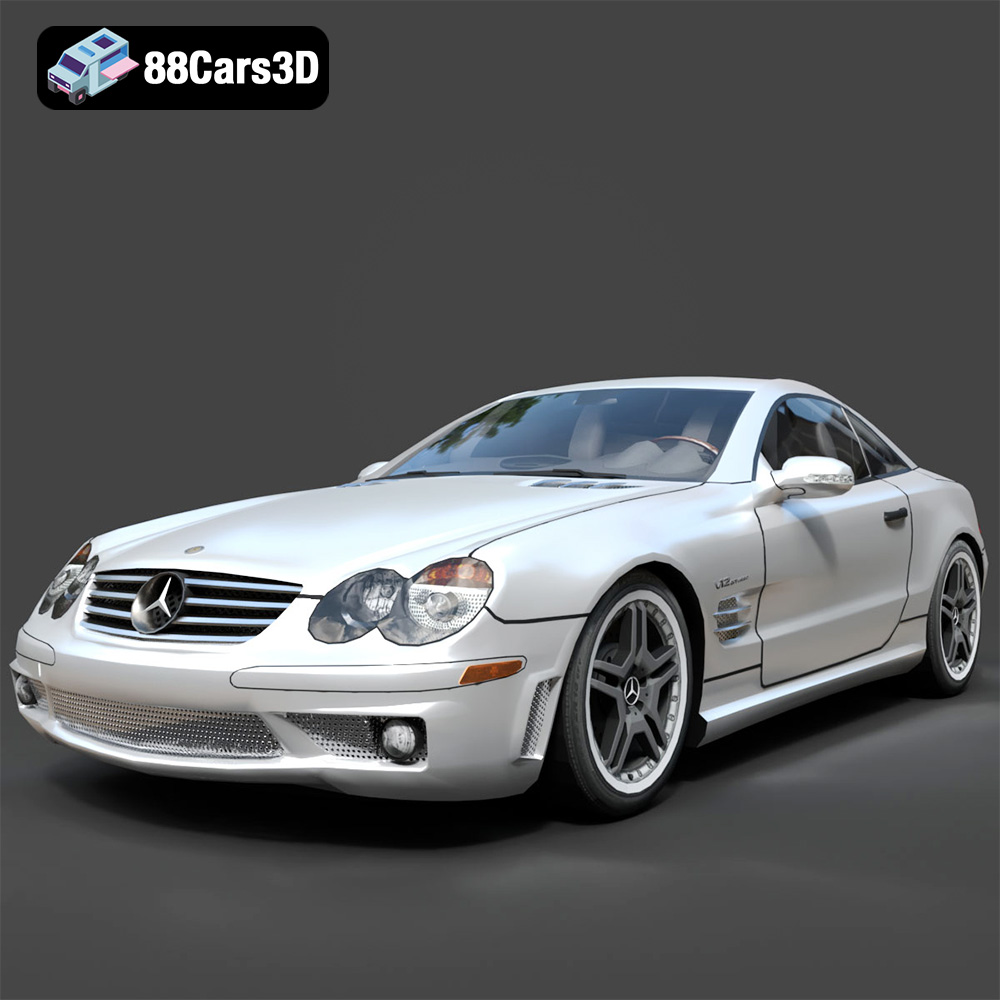
Mercedes-Benz SL 65 AMG 3D Model
Texture: Yes
Material: Yes
Download the Mercedes-Benz SL 65 AMG 3D Model featuring clean geometry, realistic detailing, and a fully modeled interior. Includes .blend, .fbx, .obj, .glb, .stl, .ply, .unreal, and .max formats for rendering, simulation, and game development.
Price: $9.99
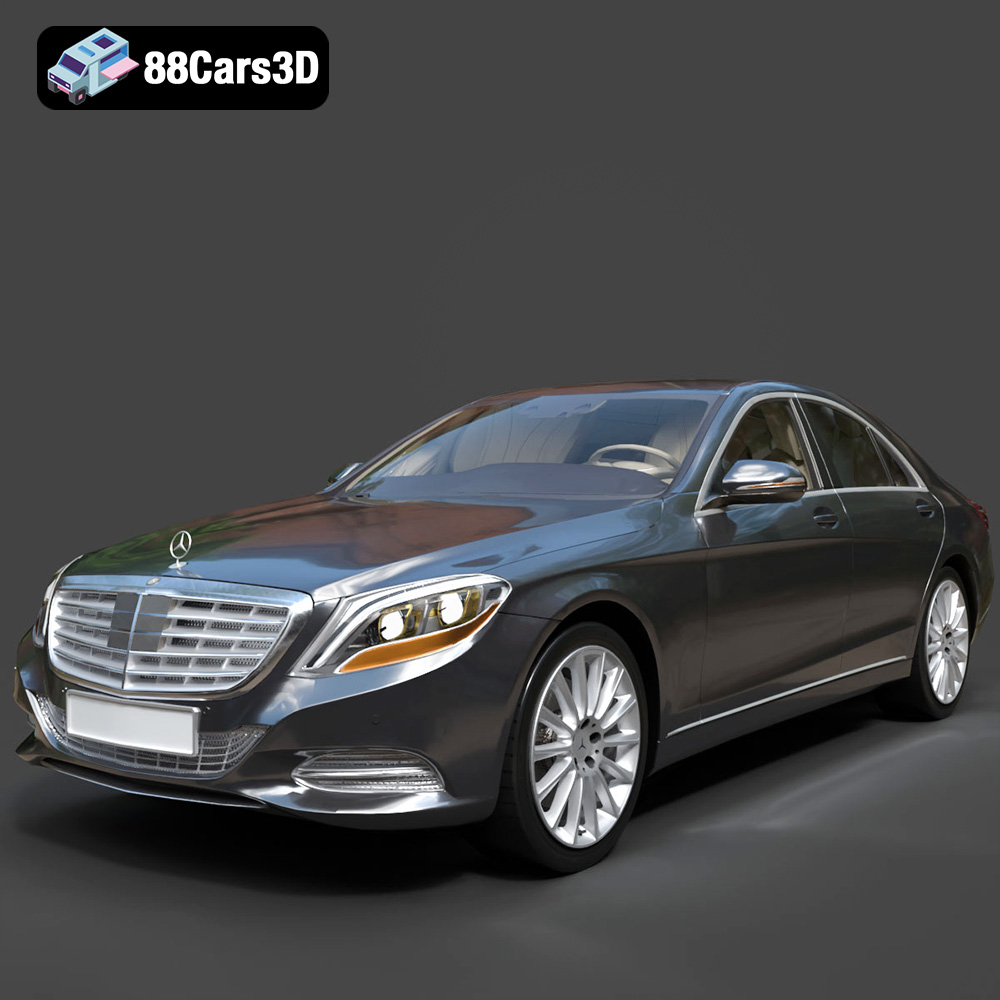
Mercedes-Benz S500 3D Model
Texture: Yes
Material: Yes
Download the Mercedes-Benz S500 3D Model featuring clean geometry, realistic detailing, and a fully modeled interior. Includes .blend, .fbx, .obj, .glb, .stl, .ply, .unreal, and .max formats for rendering, simulation, and game development.
Price: $9.99
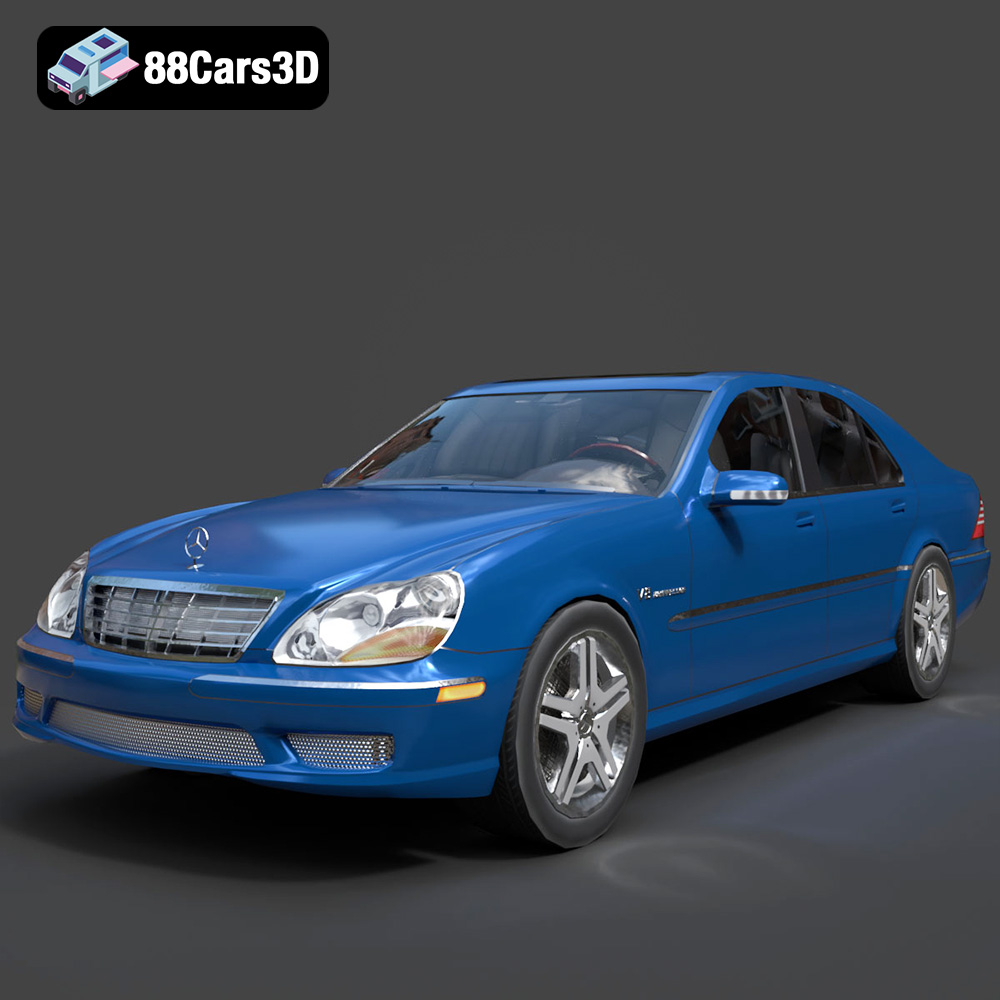
Mercedes-Benz S55 W220 AMG 1999 3D Model
Texture: Yes
Material: Yes
Download the Mercedes-Benz S55 W220 AMG 1999 3D Model featuring clean geometry, realistic detailing, and a fully modeled interior. Includes .blend, .fbx, .obj, .glb, .stl, .ply, .unreal, and .max formats for rendering, simulation, and game development.
Price: $9.99
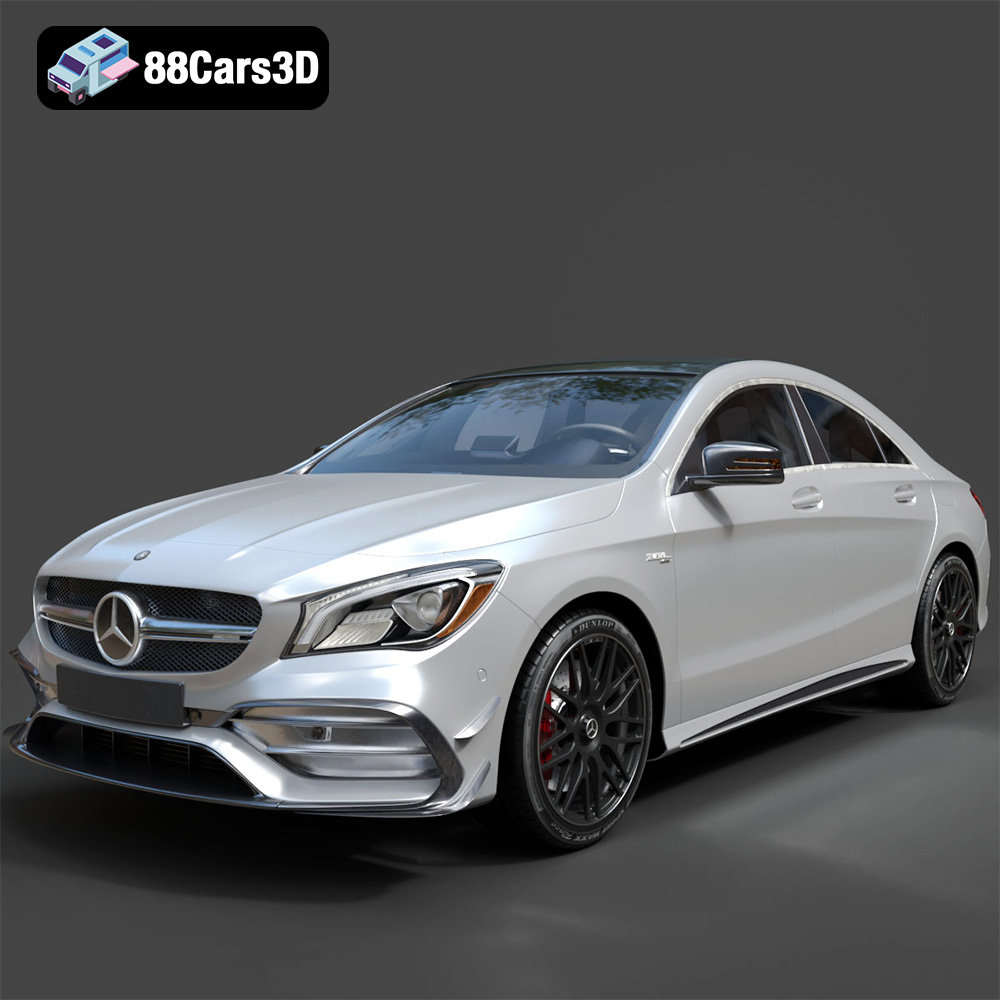
Mercedes-Benz CLA45 AMG 2017 3D Model
Texture: Yes
Material: Yes
Download the Mercedes-Benz CLA45 AMG 2017 3D Model featuring clean geometry, realistic detailing, and a fully modeled interior. Includes .blend, .fbx, .obj, .glb, .stl, .ply, .unreal, and .max formats for rendering, simulation, and game development.
Price: $29.99
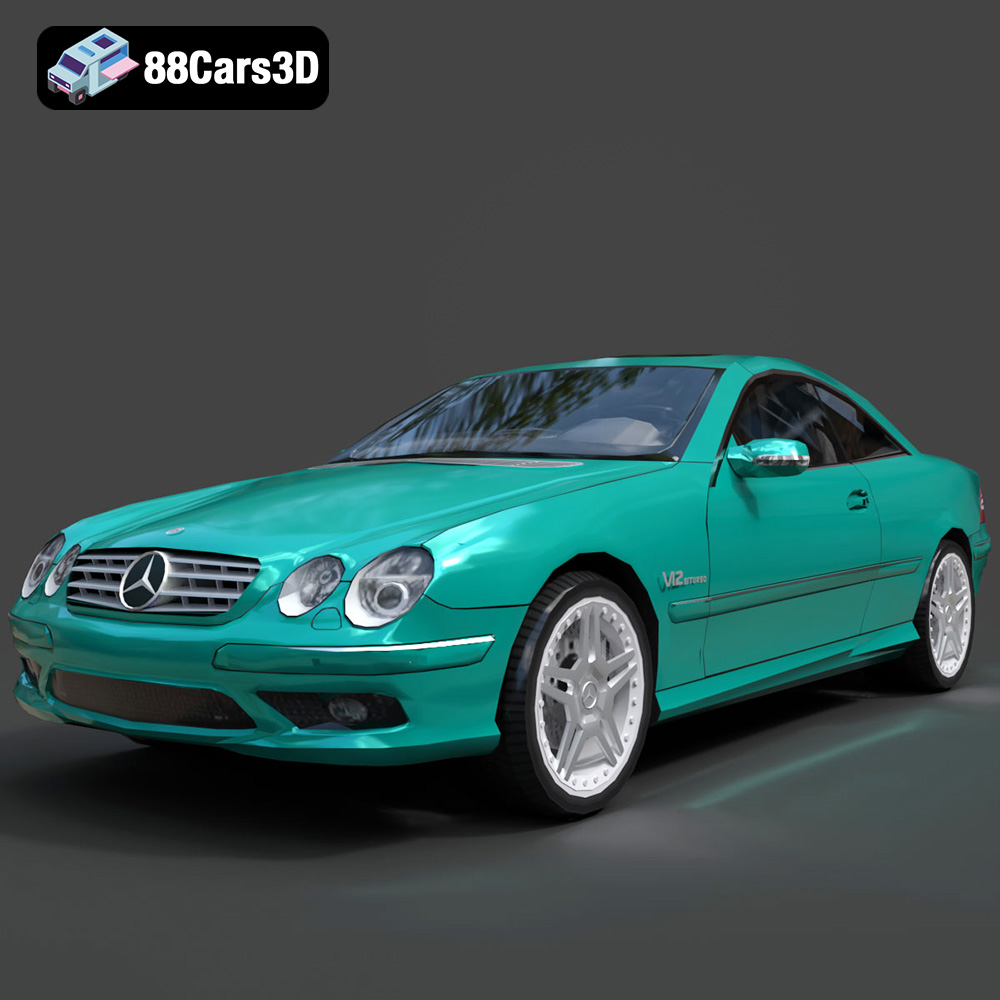
Mercedes-Benz CL65 C215 AMG 3D Model
Texture: Yes
Material: Yes
Download the Mercedes-Benz CL65 C215 AMG 3D Model featuring clean geometry, realistic detailing, and a fully modeled interior. Includes .blend, .fbx, .obj, .glb, .stl, .ply, .unreal, and .max formats for rendering, simulation, and game development.
Price: $9.99
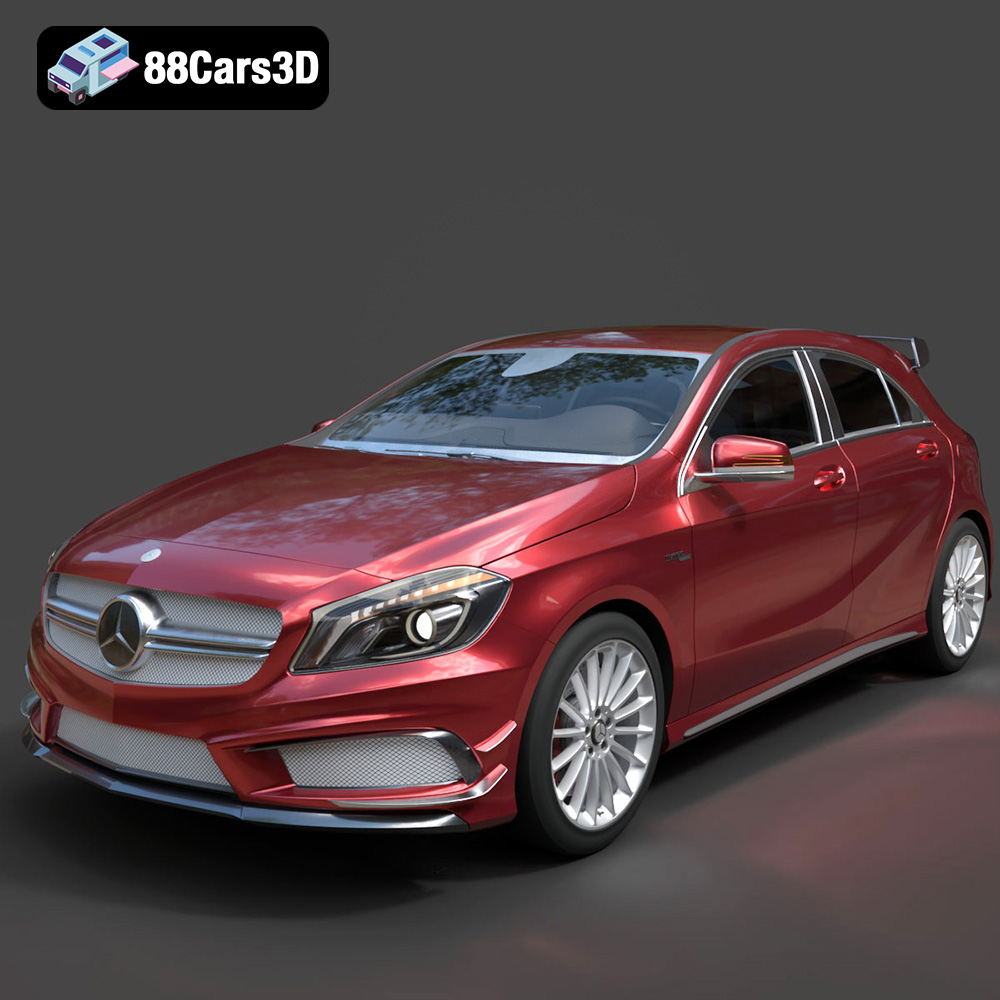
Mercedes-Benz A45 2021 3D Model
Texture: Yes
Material: Yes
Download the Mercedes-Benz A45 2021 3D Model featuring clean geometry, realistic detailing, and a fully modeled interior. Includes .blend, .fbx, .obj, .glb, .stl, .ply, .unreal, and .max formats for rendering, simulation, and game development.
Price: $9.99
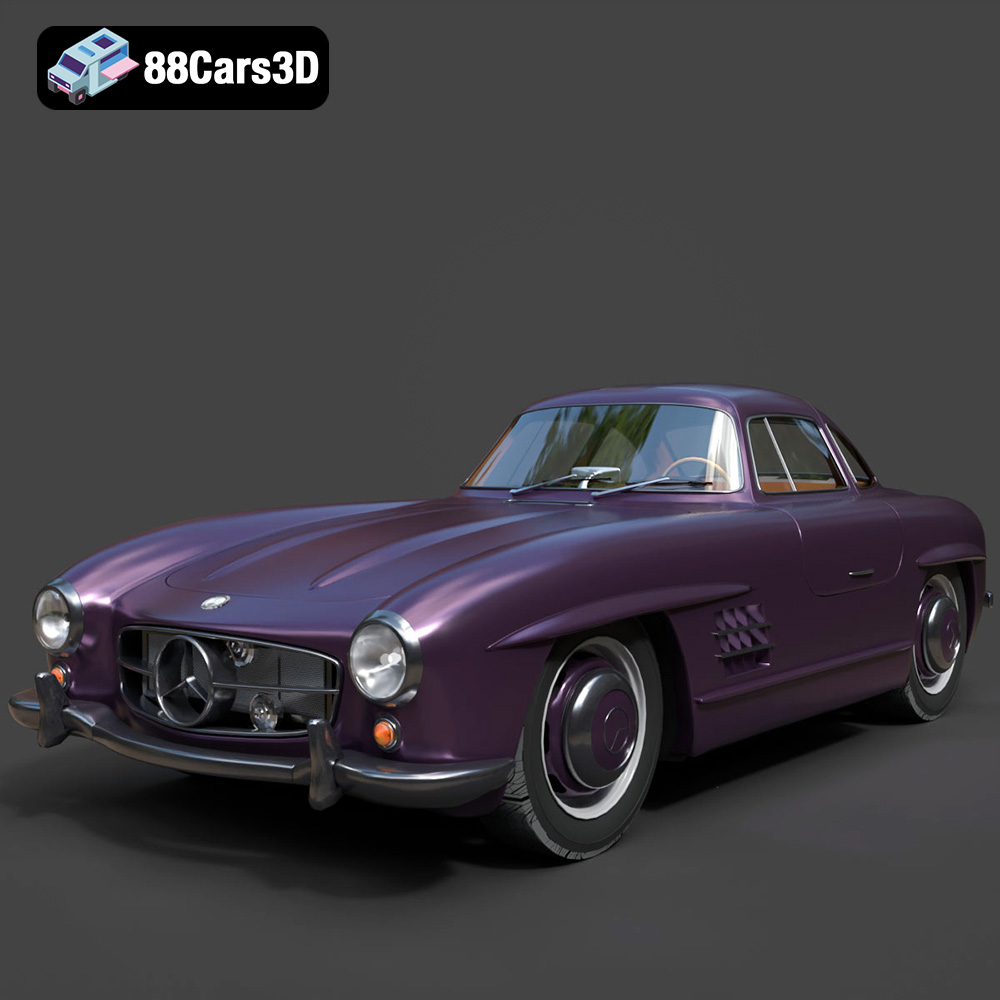
Mercedes-Benz 300SL 1955 3D Model
Texture: Yes
Material: Yes
Download the Mercedes-Benz 300SL 1955 3D Model featuring clean geometry, realistic detailing, and a fully modeled interior. Includes .blend, .fbx, .obj, .glb, .stl, .ply, .unreal, and .max formats for rendering, simulation, and game development.
Price: $9.99
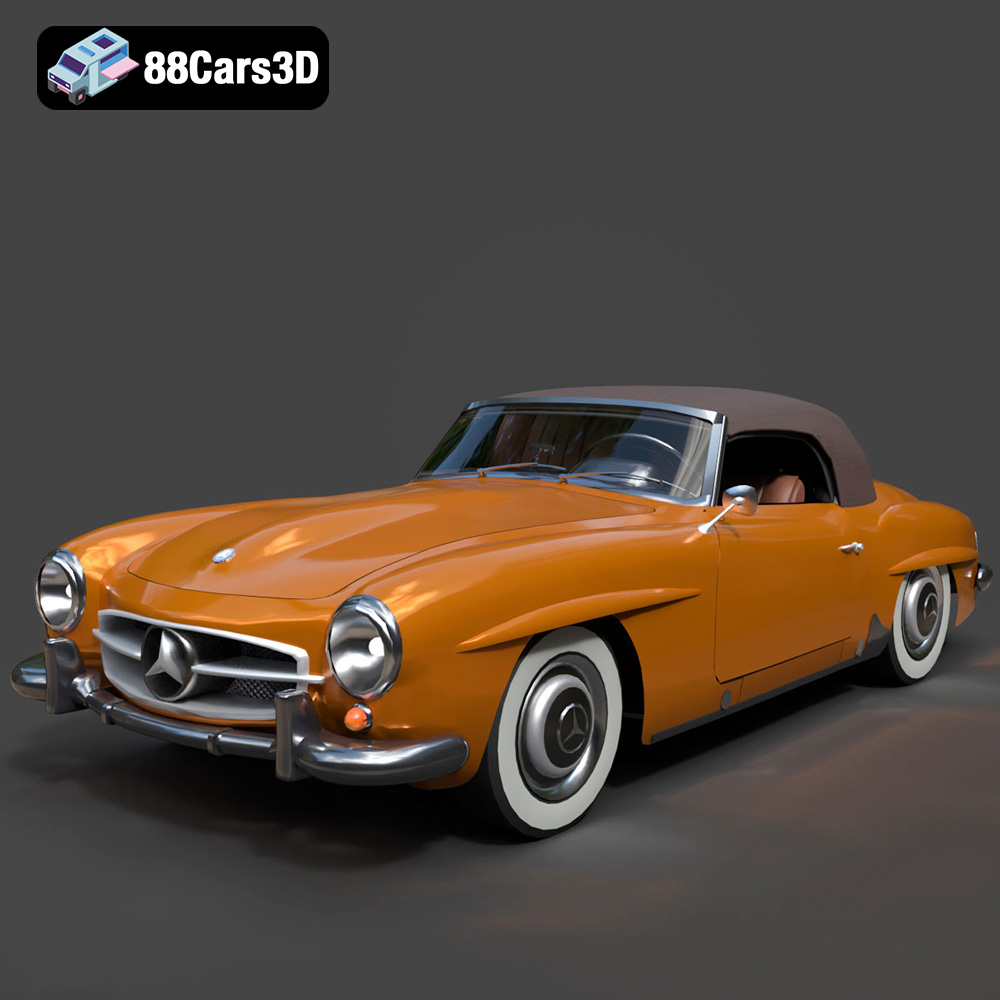
Mercedes-Benz 190SL 1955 3D Model
Texture: Yes
Material: Yes
Download the Mercedes-Benz 190SL 1955 3D Model featuring clean geometry, realistic detailing, and a fully modeled interior. Includes .blend, .fbx, .obj, .glb, .stl, .ply, .unreal, and .max formats for rendering, simulation, and game development.
Price: $9.99
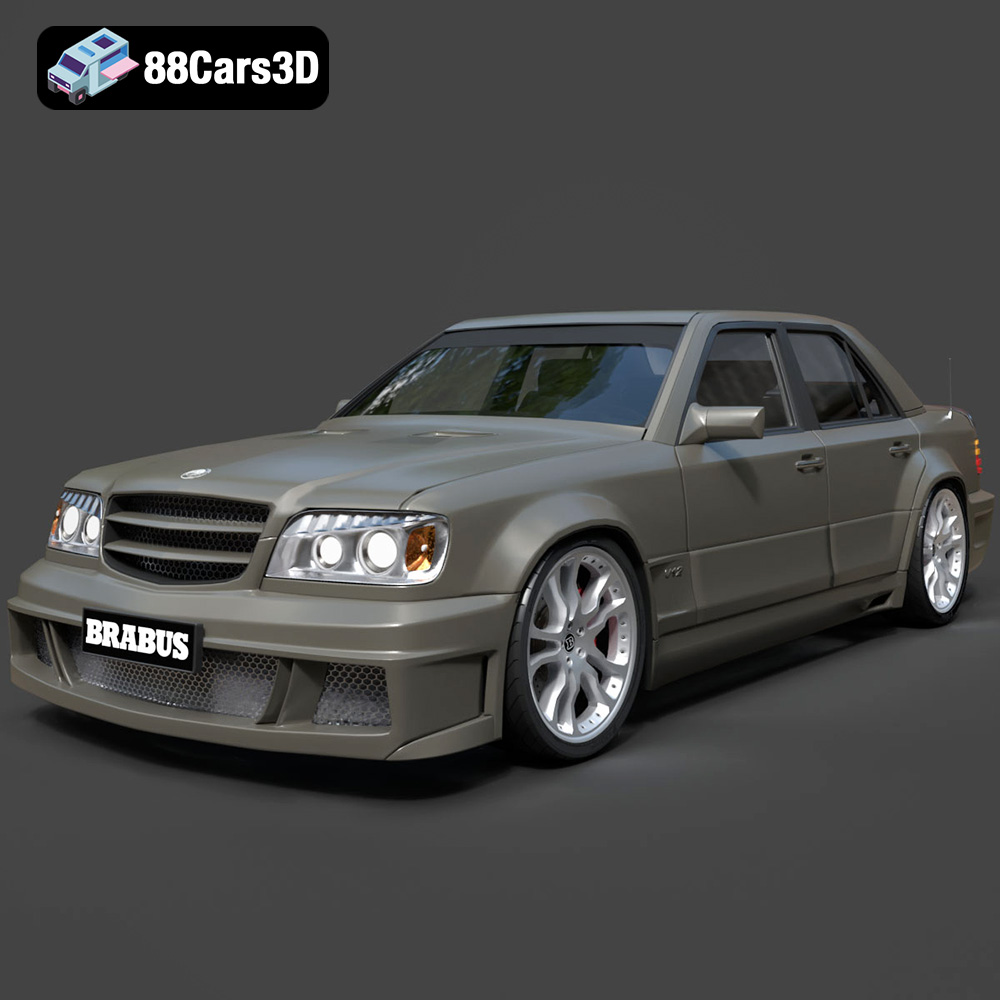
Mercedes-Benz W124 Brabus V12 3D Model
Texture: Yes
Material: Yes
Download the Mercedes-Benz W124 Brabus V12 3D Model featuring clean geometry, realistic detailing, and a fully modeled interior. Includes .blend, .fbx, .obj, .glb, .stl, .ply, .unreal, and .max formats for rendering, simulation, and game development.
Price: $9.99