Get 20% OFF All Premium 3D & STL Models!

The allure of a perfectly rendered automobile is undeniable. From the gleaming reflections on a curved fender to the intricate details of a headlight assembly, 3D car models represent a pinnacle of digital artistry and technical precision. They are the heroes of cinematic commercials, the stars of blockbuster video games, and the core of immersive AR/VR automotive configurators. But transforming a collection of polygons into a photorealistic, high-performance digital asset is a complex journey, fraught with technical challenges that can frustrate even seasoned artists. How do you ensure your surfaces are perfectly smooth? How do you create materials that look and feel real? And how do you adapt a hyper-detailed model for real-time applications without sacrificing quality?
This comprehensive guide is your roadmap to mastering the entire lifecycle of a 3D car model. We will dissect the fundamental principles that separate amateur work from professional-grade assets. We’ll dive deep into the crucial importance of clean topology, demystify the art of UV mapping for complex surfaces, and build stunningly realistic PBR materials from the ground up. We will then explore advanced rendering techniques to create jaw-dropping visuals and pivot to the demanding world of game engine optimization, covering everything from LODs to draw call reduction. Whether you’re an automotive designer, a game developer, a visualization specialist, or a passionate hobbyist, this guide will equip you with the knowledge and techniques to elevate your 3D car projects to the next level.
Before any texture is applied or any light is cast, the success of a 3D car model is determined by its underlying geometry—its topology. Topology is the foundational structure, the digital DNA that dictates how the model will subdivide, reflect light, and deform. For automotive models, with their unique blend of large, flowing surfaces and sharp, precise details, pristine topology is not just a preference; it is an absolute requirement for achieving professional results. Rushing this stage or working with a poorly constructed mesh will lead to persistent problems down the line, including shading artifacts, UV mapping nightmares, and poor performance.
The gold standard for high-quality automotive modeling is a mesh composed almost entirely of four-sided polygons, or quads. Unlike triangles (tris) or polygons with more than four sides (n-gons), quads offer several critical advantages:
Starting with a professionally crafted model from a marketplace like 88cars3d.com can save you hundreds of hours, providing a flawless topological base to build upon, ensuring you avoid these common pitfalls from the very beginning.
Edge flow refers to the direction and arrangement of the polygon edges across the model’s surface. For cars, the edge flow should mirror the vehicle’s design language, accentuating its curves and defining its character lines. The primary goal is to have your topology lines flow parallel to the main curves of the car body. For instance, the edges around a wheel arch should form concentric rings, and the lines running down the hood should be long and uninterrupted. A critical technique is the use of support loops (or holding edges). These are extra edge loops placed close to a hard edge to control the tightness of the curve during subdivision, allowing you to create crisp panel gaps and sharp creases without adding unnecessary geometry to the entire model.
The ideal polygon count is entirely dependent on the final application. There is no “one size fits all” solution.
If topology is the skeleton of your model, UV mapping is its skin. The UV mapping process involves “unwrapping” the 3D surface into a 2D space, creating a map that tells your software how to apply textures to the model. For a complex object like a car, with its countless panels, components, and intricate details, this can be a daunting task. A sloppy UV map will result in stretched textures, visible seams, and an unprofessional finish, regardless of how good the model or textures are.
The key to a clean UV map is intelligent seam placement. Seams are the edges in your 3D model where the UVs will be split apart during the unwrapping process. The goal is to hide these seams where they are least likely to be seen. For cars, the best places to add seams are:
Avoid placing seams on large, smooth, highly visible surfaces like the middle of a car door or the hood, as this can cause noticeable breaks in reflections and textures.
Texel density is a measure of how many texture pixels (texels) are used per unit of 3D surface area. Consistent texel density across a model is crucial for ensuring that details look uniformly sharp. For a car, you have a choice between two primary UV workflows:
When unwrapping, use a UV checkerboard texture to visually inspect for stretching and to ensure your texel density is consistent across all panels.
A great model and a perfect UV map are nothing without convincing materials. The modern standard for creating realistic materials is the Physically Based Rendering (PBR) workflow. PBR aims to simulate how light interacts with surfaces in the real world, using a set of texture maps to define properties like color, roughness, and metallicity. This approach ensures that your materials look correct and consistent under any lighting condition.
A realistic car paint is one of the most complex but rewarding materials to create. It’s not just a single color; it’s a layered material. A typical PBR car paint shader consists of:
Perfection is unrealistic. Real-world cars are never perfectly clean. To truly sell the realism of your model, you must introduce subtle imperfections. This is where texturing plays a huge role. Consider adding:
Beyond the paint, other materials require careful attention.
Rendering is where all your hard work on modeling, UV mapping, and texturing culminates in a final image. The goal is to present your 3D car model in the best possible light—literally. Mastering lighting, camera settings, and post-processing is just as important as the asset creation itself. It’s the final 10% of the process that contributes 90% of the “wow” factor.
While many render engines can produce great results, some are industry favorites for automotive rendering due to their features and material handling.
Lighting defines form, creates mood, and is absolutely critical for highlighting the curves of a car.
Your digital camera is just as important as your lighting setup. To avoid the sterile “3D look,” mimic real-world photography principles.
Transitioning a 3D car model from a high-poly visualization asset to a real-time game-ready model is a discipline of its own. In a game engine like Unreal Engine or Unity, every polygon and every texture pixel counts. The primary goal is to maintain the highest visual fidelity possible while staying within a strict performance budget to ensure a smooth frame rate (typically 60 FPS or higher).
You cannot simply place a million-polygon model into a game. The first step is creating an optimized, low-poly mesh that retains the original silhouette. This process, known as retopology, is often done manually or with specialized tools. The high-poly model’s details are then “baked” into texture maps (like Normal and Ambient Occlusion maps) which are applied to the low-poly model, creating the illusion of high detail on an efficient mesh.
Furthermore, a single low-poly model isn’t enough. Professional game assets use a system of Levels of Detail (LODs):
The engine automatically switches between these LODs based on the car’s distance from the camera, drastically reducing the overall polygon count in the scene.
In game development, a “draw call” is a command from the CPU to the GPU to draw an object. Each object with a unique material generates at least one draw call. Too many draw calls can create a CPU bottleneck and lower the frame rate. To combat this, a technique called texture atlasing is used. Instead of having separate textures for the wheels, body, interior, and glass, their UVs are arranged to share a single, larger texture map (or a few maps for BaseColor, Normal, etc.). This allows the entire car to be rendered in a single draw call, significantly improving performance. Many high-quality 3D car models for games come pre-optimized with efficient atlased textures.
The visual mesh that the player sees is not the same mesh used for physics calculations. A much simpler, invisible collision mesh (or hull) is used to calculate collisions. This mesh roughly matches the car’s shape but has an extremely low polygon count, making physics calculations fast and efficient. Additionally, for interactivity, the car needs to be rigged. This involves setting up a simple skeletal hierarchy, parenting the wheels, doors, and steering wheel to corresponding bones so they can be animated or controlled by code in the game engine.
The utility of 3D car models extends far beyond traditional renders and games. Emerging platforms like Augmented Reality (AR), Virtual Reality (VR), and 3D printing present new opportunities and a unique set of technical requirements. Optimizing for these platforms requires a specific approach that balances visual quality with stringent performance constraints or physical-world manufacturing principles.
In AR and VR, maintaining a high and stable frame rate (typically 90 FPS) is critical to prevent motion sickness and ensure a comfortable user experience. This imposes very strict budgets on polygon counts and texture memory. The optimization techniques are similar to game development but even more aggressive.
Preparing a model for 3D printing is a completely different challenge. The focus shifts from visual appearance to physical integrity. The digital mesh must be converted into a solid, manufacturable object.
We’ve journeyed through the entire pipeline of creating and utilizing a high-quality 3D car model, from the foundational importance of clean topology to the final polish of a cinematic render or the rigorous optimization for a real-time application. It’s clear that excellence at each stage is interconnected; a model with flawed edge flow will never render perfectly, and a poorly unwrapped model will be impossible to texture convincingly. The key takeaway is that a successful project is built upon a series of deliberate, well-executed technical and artistic choices.
Whether you are painstakingly modeling every vertex from scratch or leveraging the exceptional quality of pre-made assets to accelerate your workflow, the principles discussed here are universal. For those looking to dive straight into the creative aspects of rendering or game development, starting with a professionally prepared model from a resource like 88cars3d.com can provide an invaluable head start, ensuring your foundation is solid. Your next step is to choose one area from this guide—perhaps PBR material creation or studio lighting—and dive deeper. Practice these techniques, study real-world references, and continuously push the boundaries of quality and realism in your own projects. The road to mastery is a marathon, not a sprint, but with this blueprint, you are well-equipped for the journey ahead.

Texture: Yes
Material: Yes
Download the Mercedes-Benz SLK 350 2005 3D Model featuring clean geometry, realistic detailing, and a fully modeled interior. Includes .blend, .fbx, .obj, .glb, .stl, .ply, .unreal, and .max formats for rendering, simulation, and game development.
Price: $9.99

Texture: Yes
Material: Yes
Download the Mercedes-Benz SL 65 AMG 3D Model featuring clean geometry, realistic detailing, and a fully modeled interior. Includes .blend, .fbx, .obj, .glb, .stl, .ply, .unreal, and .max formats for rendering, simulation, and game development.
Price: $9.99
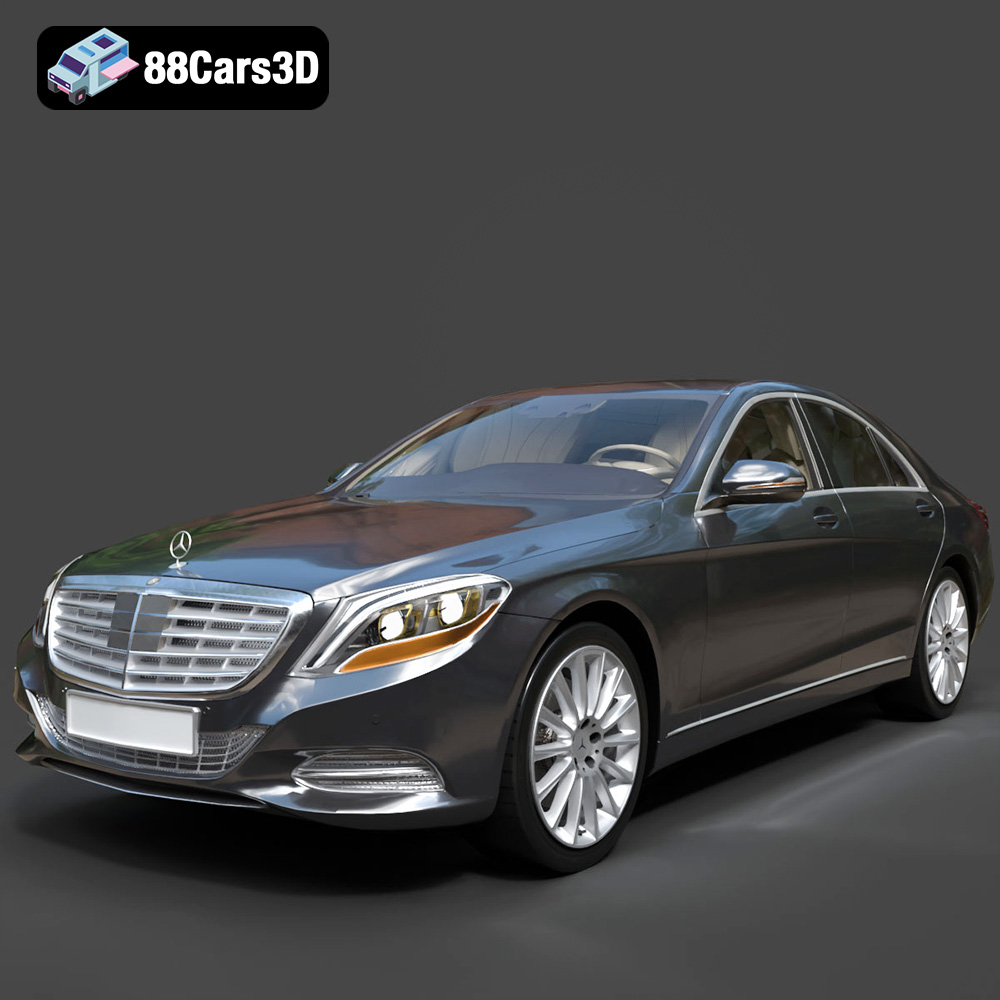
Texture: Yes
Material: Yes
Download the Mercedes-Benz S500 3D Model featuring clean geometry, realistic detailing, and a fully modeled interior. Includes .blend, .fbx, .obj, .glb, .stl, .ply, .unreal, and .max formats for rendering, simulation, and game development.
Price: $9.99
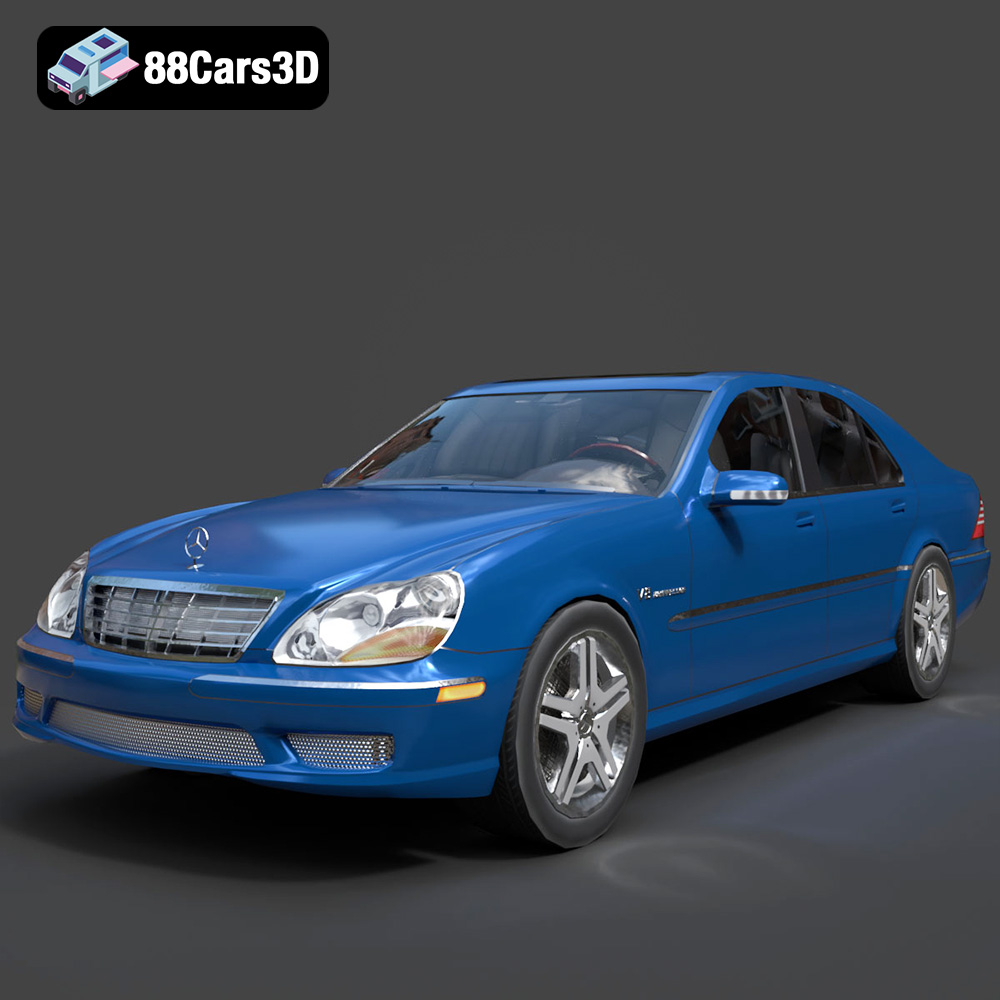
Texture: Yes
Material: Yes
Download the Mercedes-Benz S55 W220 AMG 1999 3D Model featuring clean geometry, realistic detailing, and a fully modeled interior. Includes .blend, .fbx, .obj, .glb, .stl, .ply, .unreal, and .max formats for rendering, simulation, and game development.
Price: $9.99

Texture: Yes
Material: Yes
Download the Mercedes-Benz CLA45 AMG 2017 3D Model featuring clean geometry, realistic detailing, and a fully modeled interior. Includes .blend, .fbx, .obj, .glb, .stl, .ply, .unreal, and .max formats for rendering, simulation, and game development.
Price: $29.99
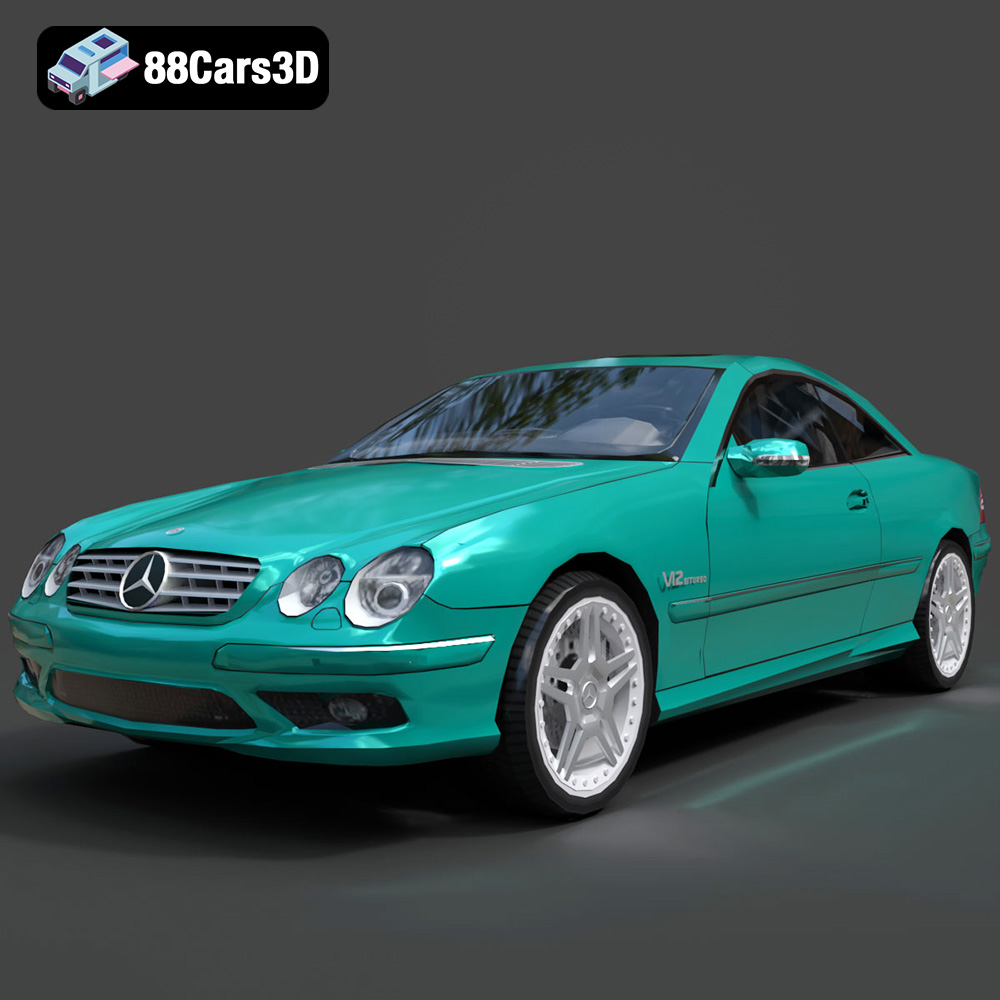
Texture: Yes
Material: Yes
Download the Mercedes-Benz CL65 C215 AMG 3D Model featuring clean geometry, realistic detailing, and a fully modeled interior. Includes .blend, .fbx, .obj, .glb, .stl, .ply, .unreal, and .max formats for rendering, simulation, and game development.
Price: $9.99
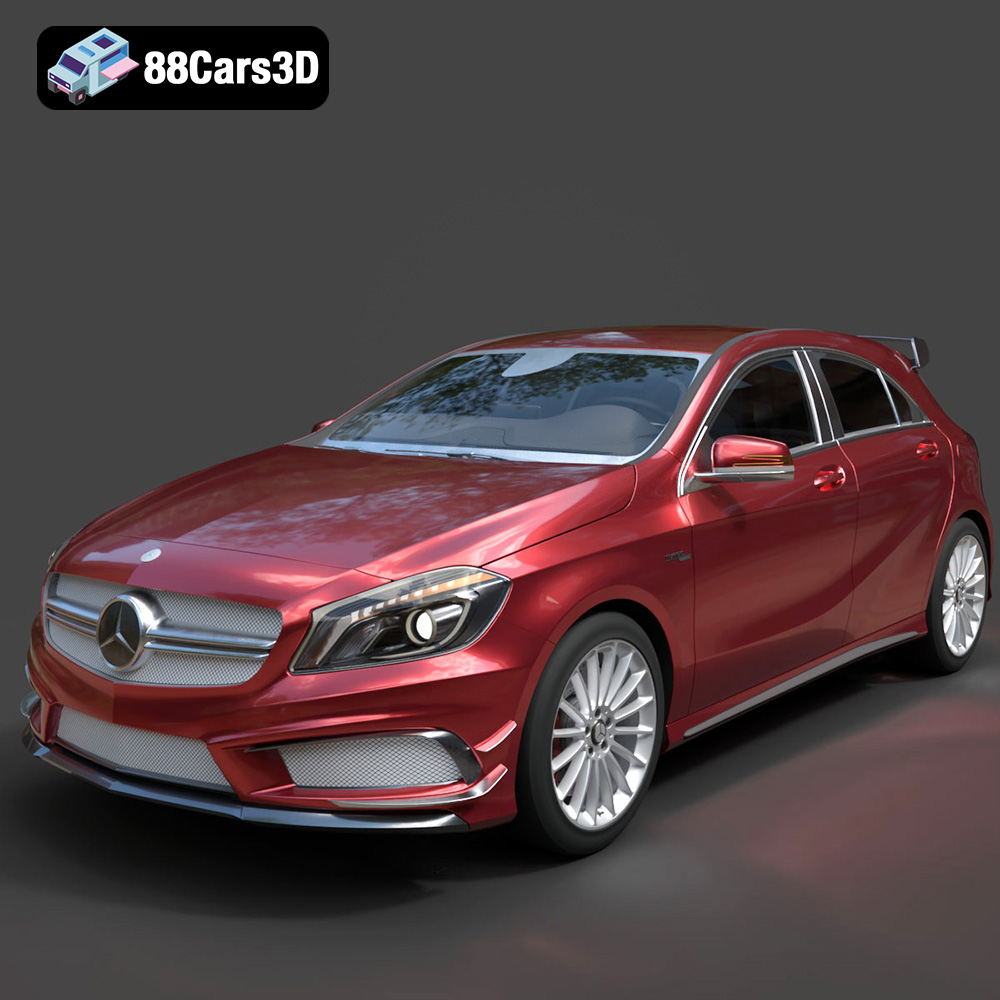
Texture: Yes
Material: Yes
Download the Mercedes-Benz A45 2021 3D Model featuring clean geometry, realistic detailing, and a fully modeled interior. Includes .blend, .fbx, .obj, .glb, .stl, .ply, .unreal, and .max formats for rendering, simulation, and game development.
Price: $9.99
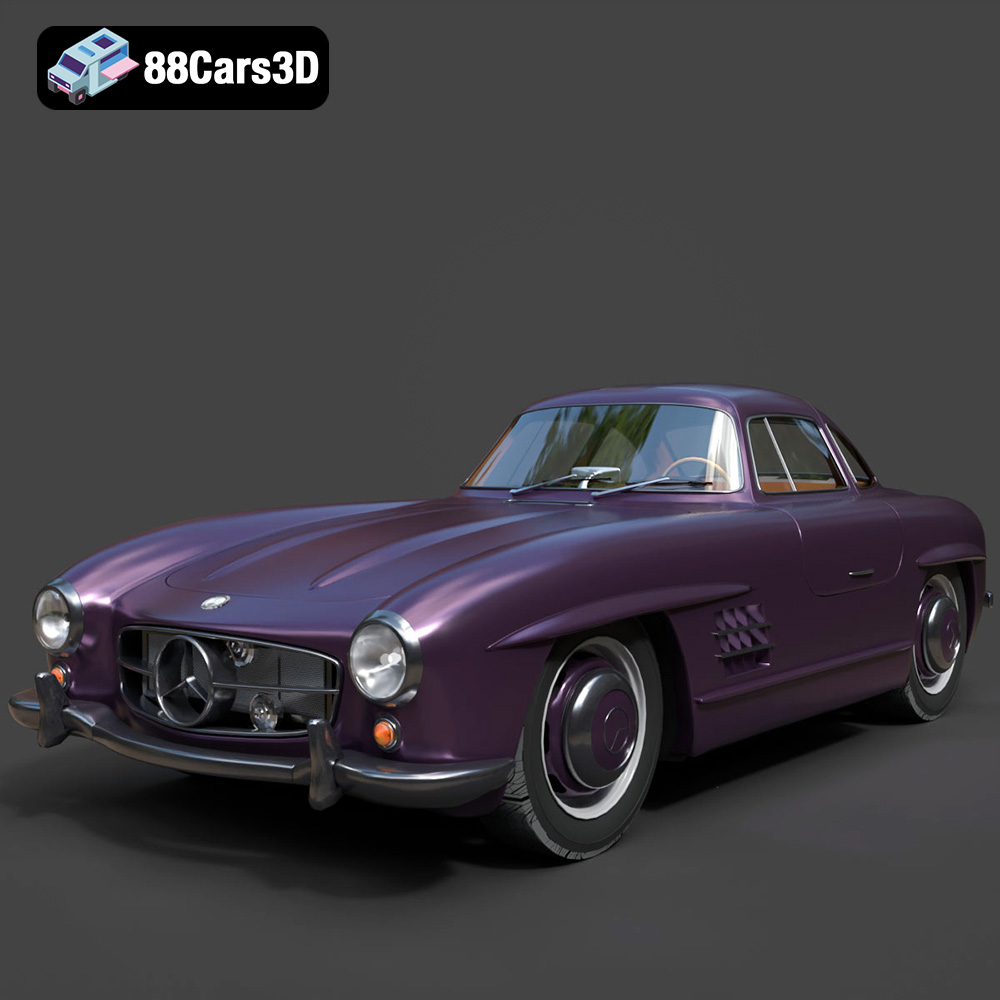
Texture: Yes
Material: Yes
Download the Mercedes-Benz 300SL 1955 3D Model featuring clean geometry, realistic detailing, and a fully modeled interior. Includes .blend, .fbx, .obj, .glb, .stl, .ply, .unreal, and .max formats for rendering, simulation, and game development.
Price: $9.99
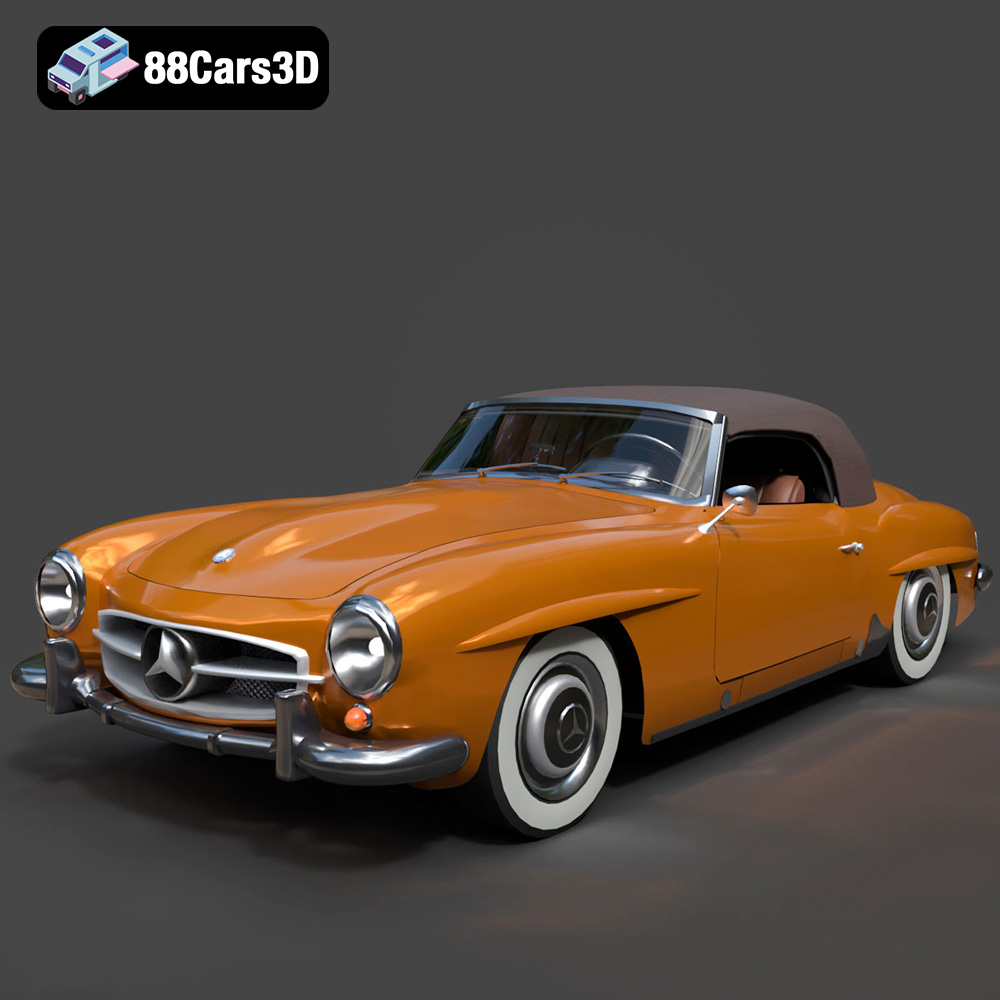
Texture: Yes
Material: Yes
Download the Mercedes-Benz 190SL 1955 3D Model featuring clean geometry, realistic detailing, and a fully modeled interior. Includes .blend, .fbx, .obj, .glb, .stl, .ply, .unreal, and .max formats for rendering, simulation, and game development.
Price: $9.99
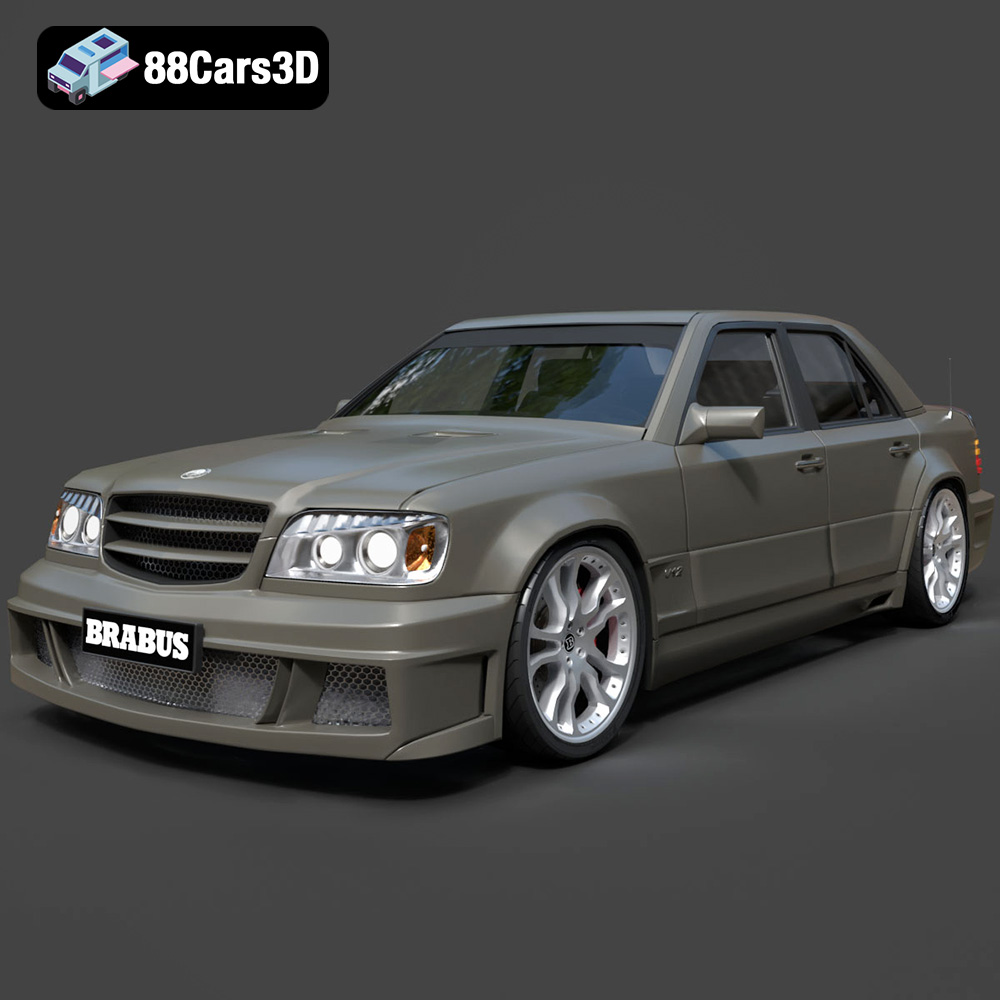
Texture: Yes
Material: Yes
Download the Mercedes-Benz W124 Brabus V12 3D Model featuring clean geometry, realistic detailing, and a fully modeled interior. Includes .blend, .fbx, .obj, .glb, .stl, .ply, .unreal, and .max formats for rendering, simulation, and game development.
Price: $9.99

