Get 20% OFF All Premium 3D & STL Models!

“`html
The world of digital automotive art is captivating. From breathtaking cinematic renders that blur the line with reality to high-octane video games and immersive AR experiences, the 3D car model stands as a pinnacle of digital craftsmanship. But what does it truly take to transform a collection of polygons into a photorealistic masterpiece or a performance-optimized game asset? The journey is a multi-layered process, blending artistic vision with deep technical expertise. It goes far beyond simply finding a model; it’s about understanding its core structure, texturing it with precision, lighting it with intent, and deploying it effectively across various platforms. This comprehensive guide will pull back the hood on the professional workflow for utilizing 3D car models. We will navigate the critical importance of clean topology, demystify advanced UV mapping and PBR material creation, and dive into the specific techniques for both stunning offline rendering and real-time game engine optimization. Whether you’re an automotive designer, a game developer, or a visualization artist, this guide will equip you with the knowledge to elevate your projects from good to truly breathtaking.
Before any texture is applied or a single render is initiated, the quality of a 3D car model is defined by its underlying geometry—its topology. For automotive models, with their blend of sweeping curves and sharp, manufactured details, topology is not just a technical requirement; it’s the very foundation of a believable result. Clean, quad-based topology ensures that surfaces subdivide smoothly without pinching or artifacts, and that reflections flow realistically and unbroken across body panels. A poorly constructed mesh can lead to endless frustrations in every subsequent stage of the pipeline.
The core principle of good automotive topology is the pursuit of quad-dominant geometry. While triangles are the final language of the GPU, working with four-sided polygons (quads) during the modeling and editing phase is essential. Quads create clean, predictable edge loops that are easy to select, modify, and UV unwrap. They also respond perfectly to subdivision algorithms (like TurboSmooth in 3ds Max or Subdivision Surface in Blender), which are used to increase mesh density for high-resolution renders. In contrast, N-gons (polygons with more than five sides) and random triangles can cause shading errors, visible pinching on curved surfaces, and unpredictable results when deforming or subdividing.
Edge flow refers to the directional lines that the polygon edges follow across the model’s surface. For cars, this is paramount.
When you acquire a model from a professional marketplace like 88cars3d.com, one of the first things you should inspect is its topology. Open the model and examine the wireframe. Look for consistent quad-based grids on the main body panels. Check the panel gaps and light housings for clean, deliberate control loops. A high-quality asset will have geometry that is not only accurate to the real-world car but is also constructed with these foundational principles in mind, saving you countless hours of cleanup and preparation.
If topology is the skeleton of a 3D car model, then UV mapping is its canvas. UV mapping is the process of unwrapping the 3D surface into a 2D space, allowing textures to be applied accurately. For a complex object like a car, with its countless individual parts and materials, a strategic approach to UVs is critical for both visual quality and performance. A rushed or automated unwrapping job will result in stretched textures, visible seams, and inefficient use of memory, undermining the quality of your PBR materials.
Not all parts of a car are created equal, and they shouldn’t be unwrapped the same way. The primary method for large, relatively flat body panels is Planar Projection, often followed by manual relaxation and stitching of shells. For parts like wheels, tires, and exhaust pipes, Cylindrical Mapping provides a much better starting point. However, for achieving the highest fidelity, the professional standard is the UDIM (U-Dimension) workflow. Instead of cramming all UV shells into a single 0-1 UV space, UDIMs allow you to use multiple UV tiles. This means you can dedicate an entire 4K or 8K texture map just to the car’s body, another to the chassis, and another to the interior, all while they are treated as a single material. This approach provides enormous texture resolution without managing dozens of separate materials.
A key goal of UV mapping is to hide the seams. Seams are unavoidable, but they can be placed intelligently. Good places for seams on a car include:
– On the underside of the vehicle or in less visible areas like the inside of wheel wells.
Equally important is maintaining a consistent texel density across the model. Texel density refers to the number of texture pixels per unit of 3D space. If the doors have a higher texel density than the hood, the texture detail will look mismatched and jarring. Most 3D applications have tools to visualize and equalize texel density, ensuring details like carbon fiber weaves or dirt textures appear at a consistent scale across the entire vehicle.
With a solid mesh and clean UVs, the next step is to create the materials that give the model its realism. The industry standard for this is the Physically Based Rendering (PBR) workflow, which aims to simulate the properties of real-world materials and how they interact with light. For automotive models, PBR is what creates the deep gloss of car paint, the sharp reflections of chrome, and the rough texture of tire rubber.
The most common PBR workflow, Metallic/Roughness, uses a set of texture maps to define a material’s properties:
Standard car paint is one of the most complex PBR materials to recreate because it’s not a single surface. It consists of multiple layers. A typical car paint shader in 3ds Max (using Corona or V-Ray) or Blender involves:
No car in the real world is perfectly clean. The final touch of realism comes from adding subtle imperfections. Using tools like Substance Painter or Mari, artists use procedural generators and masks to add layers of grime, dust, mud splatters, and fingerprints. Curvature and Ambient Occlusion maps baked from the model are invaluable here, as they allow artists to place dirt and wear realistically in the crevices and exposed edges of the vehicle.
Rendering is where all the preceding work—modeling, UVing, and texturing—comes together to create a final image. The goal of automotive rendering is often photorealism, which requires a powerful render engine, a sophisticated lighting strategy, and a keen understanding of camera and render settings. This stage is akin to a professional car photoshoot, but with complete control over every aspect of the environment and lighting.
While most modern path-tracing engines can produce stunning results, some are favored for automotive visualization due to their features and speed.
Lighting is what reveals the form, materials, and beauty of a car model. The most common and effective method for realistic automotive lighting is Image-Based Lighting (IBL) using a High Dynamic Range Image (HDRI). An HDRI is a 360-degree panoramic image that contains a vast range of light intensity data. When used to illuminate a scene, it provides not only realistic global illumination but also detailed, believable reflections on the car’s surface. For studio shots, artists often complement an HDRI with a manual three-point light setup using large area lights to act as a Key (main light), Fill (to soften shadows), and Rim light (to highlight the car’s silhouette).
Balancing render quality with time is a constant challenge. Here are some key settings to manage:
Using a 3D car model in a game engine like Unity or Unreal Engine presents a completely different set of challenges. While photorealism is still often the goal, it must be achieved within a strict performance budget to maintain a smooth frame rate. The 500,000-polygon model that looks stunning in a V-Ray render would bring a real-time application to a halt. Optimization is a destructive but necessary art of compromise.
The single most important optimization technique for game vehicles is creating Levels of Detail (LODs). An LOD system uses multiple versions of the same model, each with a progressively lower polygon count. The game engine automatically swaps these models based on the car’s distance from the camera.
This process is meticulously done by hand or with specialized tools to ensure the transition between LODs is unnoticeable to the player.
Beyond polygon count, two other factors heavily impact real-time performance. A draw call is a command from the CPU to the GPU to draw an object. Each object with a unique material generates at least one draw call. A car with 30 different materials can be very expensive. To combat this, artists use techniques like:
Texture memory (VRAM) is also a critical budget. Using multiple 4K PBR textures for a single car is not feasible. Textures are often downsized (e.g., to 2K or 1K) and compressed using formats like DXT/BCn to reduce their memory footprint.
The utility of high-quality 3D car models extends beyond traditional renders and games. Emerging platforms like Augmented Reality (AR), Virtual Reality (VR), and 3D printing have their own unique technical requirements that necessitate further preparation and optimization. What works for a cinematic render is often far too complex for a mobile AR experience or a physical print.
AR and VR applications, especially those running on mobile devices or standalone headsets, operate under extremely tight performance constraints.
Preparing a model for 3D printing is an entirely different discipline. The primary requirement is that the mesh must be “watertight” or “manifold.” This means it must be a completely enclosed volume with no holes. Any gaps in the mesh, even tiny ones, will cause the print to fail. Artists use tools like 3D Builder or Meshmixer to automatically detect and repair holes, flipped normals, and non-manifold edges. Furthermore, details must be exaggerated, and thin parts (like mirrors or spoilers) must be thickened to meet the minimum wall thickness requirements of the target printer and material. The model is often split into multiple parts (body, wheels, windows) to facilitate easier printing and painting.
Working with 3D car models is a journey that spans multiple disciplines, from the structural integrity of topology and the artistry of texturing to the physics of light in rendering and the stringent demands of real-time performance. As we’ve explored, a successful project hinges on understanding the entire workflow. It begins with a meticulously crafted base model, built on the principles of clean edge flow. It evolves through strategic UV mapping and the creation of physically accurate PBR materials that capture the nuance of every surface. Finally, it culminates in a breathtaking render or a flawlessly optimized asset, ready for any application. The key takeaway is that quality at each step compounds, and a strong foundation makes all subsequent stages more effective. Whether you’re purchasing a high-quality asset or building one from scratch, apply these principles to your next project. Focus on one area—perhaps refining your lighting setup or creating a custom LOD chain—and you will see a tangible improvement in the quality and professionalism of your work, transforming a simple 3D asset into a compelling piece of digital art.
“`

Texture: Yes
Material: Yes
Download the Mercedes-Benz SLK 350 2005 3D Model featuring clean geometry, realistic detailing, and a fully modeled interior. Includes .blend, .fbx, .obj, .glb, .stl, .ply, .unreal, and .max formats for rendering, simulation, and game development.
Price: $9.99

Texture: Yes
Material: Yes
Download the Mercedes-Benz SL 65 AMG 3D Model featuring clean geometry, realistic detailing, and a fully modeled interior. Includes .blend, .fbx, .obj, .glb, .stl, .ply, .unreal, and .max formats for rendering, simulation, and game development.
Price: $9.99

Texture: Yes
Material: Yes
Download the Mercedes-Benz S500 3D Model featuring clean geometry, realistic detailing, and a fully modeled interior. Includes .blend, .fbx, .obj, .glb, .stl, .ply, .unreal, and .max formats for rendering, simulation, and game development.
Price: $9.99
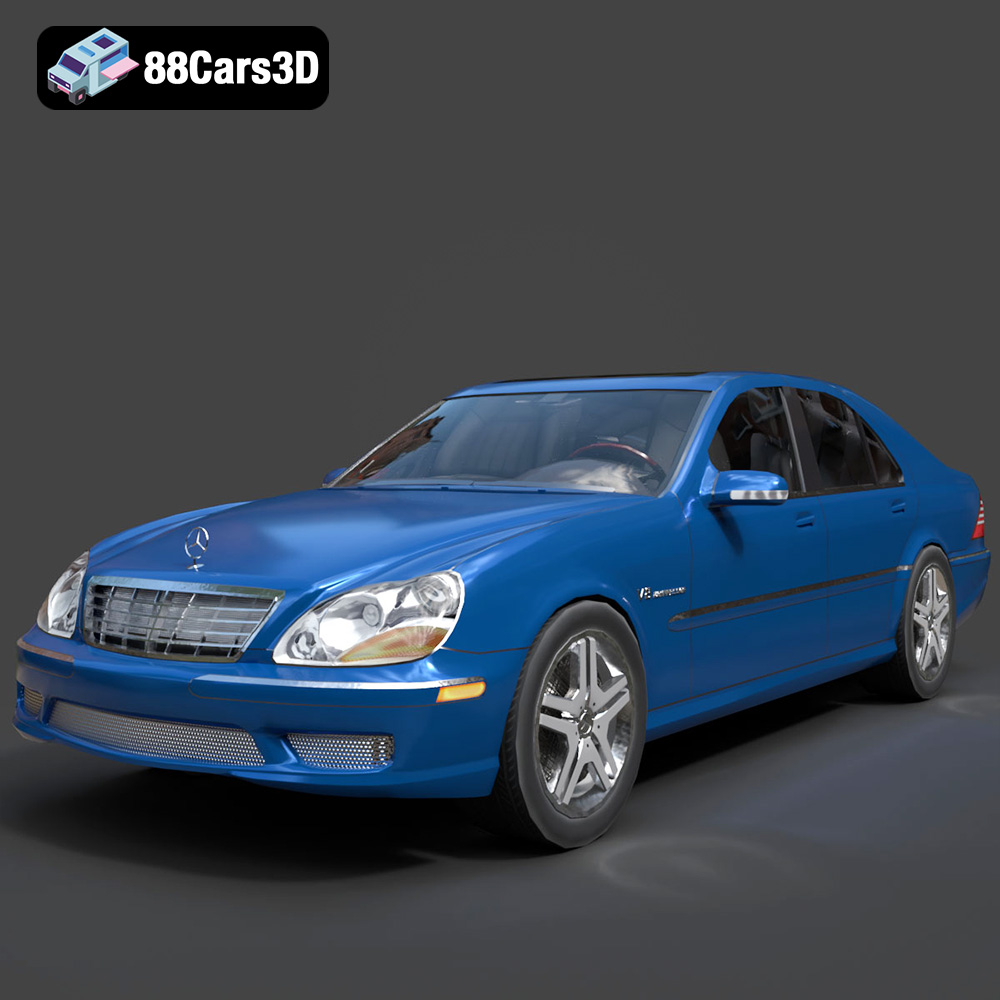
Texture: Yes
Material: Yes
Download the Mercedes-Benz S55 W220 AMG 1999 3D Model featuring clean geometry, realistic detailing, and a fully modeled interior. Includes .blend, .fbx, .obj, .glb, .stl, .ply, .unreal, and .max formats for rendering, simulation, and game development.
Price: $9.99
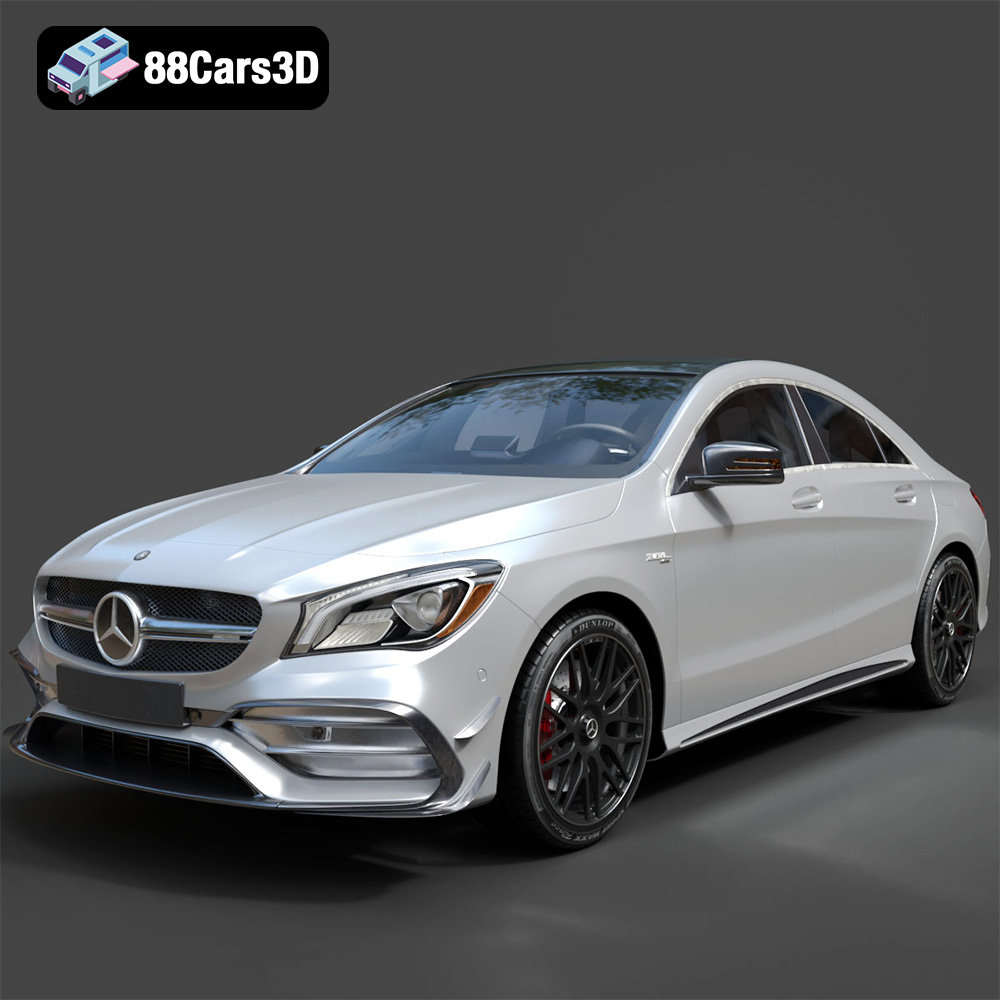
Texture: Yes
Material: Yes
Download the Mercedes-Benz CLA45 AMG 2017 3D Model featuring clean geometry, realistic detailing, and a fully modeled interior. Includes .blend, .fbx, .obj, .glb, .stl, .ply, .unreal, and .max formats for rendering, simulation, and game development.
Price: $29.99
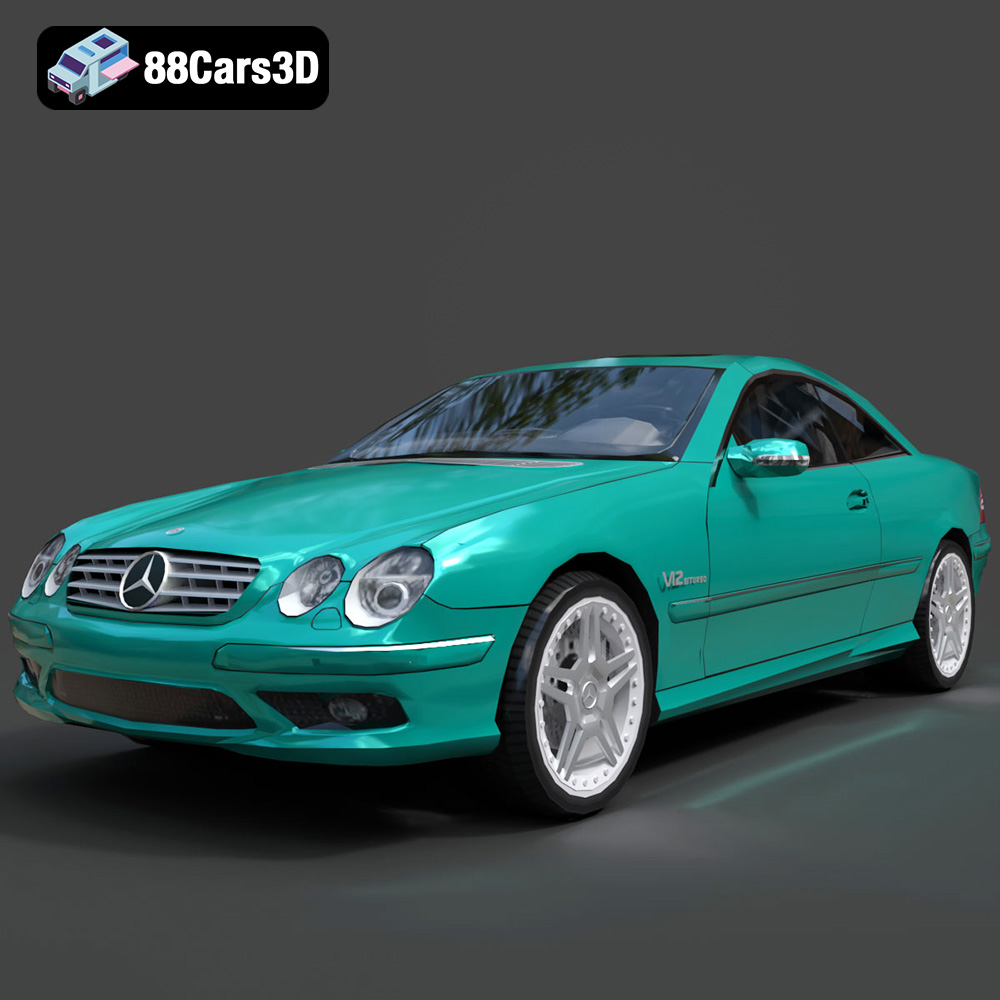
Texture: Yes
Material: Yes
Download the Mercedes-Benz CL65 C215 AMG 3D Model featuring clean geometry, realistic detailing, and a fully modeled interior. Includes .blend, .fbx, .obj, .glb, .stl, .ply, .unreal, and .max formats for rendering, simulation, and game development.
Price: $9.99
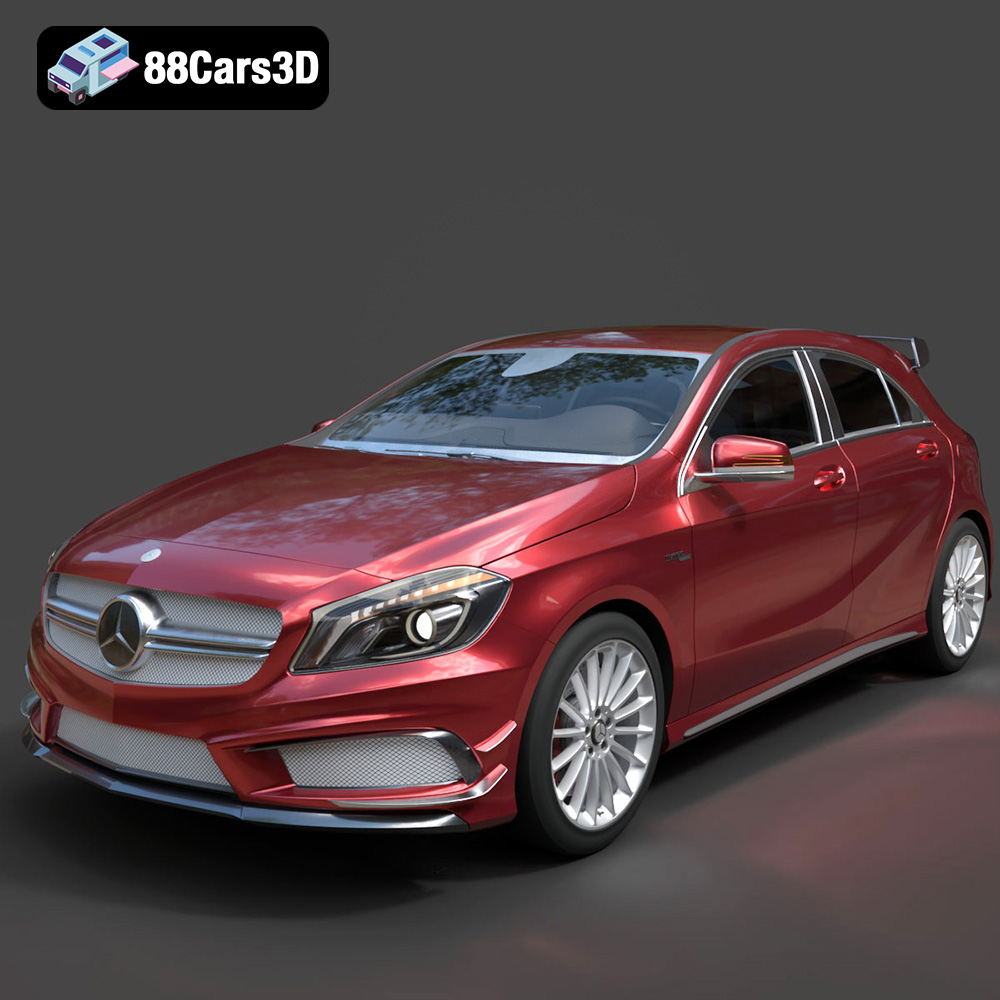
Texture: Yes
Material: Yes
Download the Mercedes-Benz A45 2021 3D Model featuring clean geometry, realistic detailing, and a fully modeled interior. Includes .blend, .fbx, .obj, .glb, .stl, .ply, .unreal, and .max formats for rendering, simulation, and game development.
Price: $9.99
Texture: Yes
Material: Yes
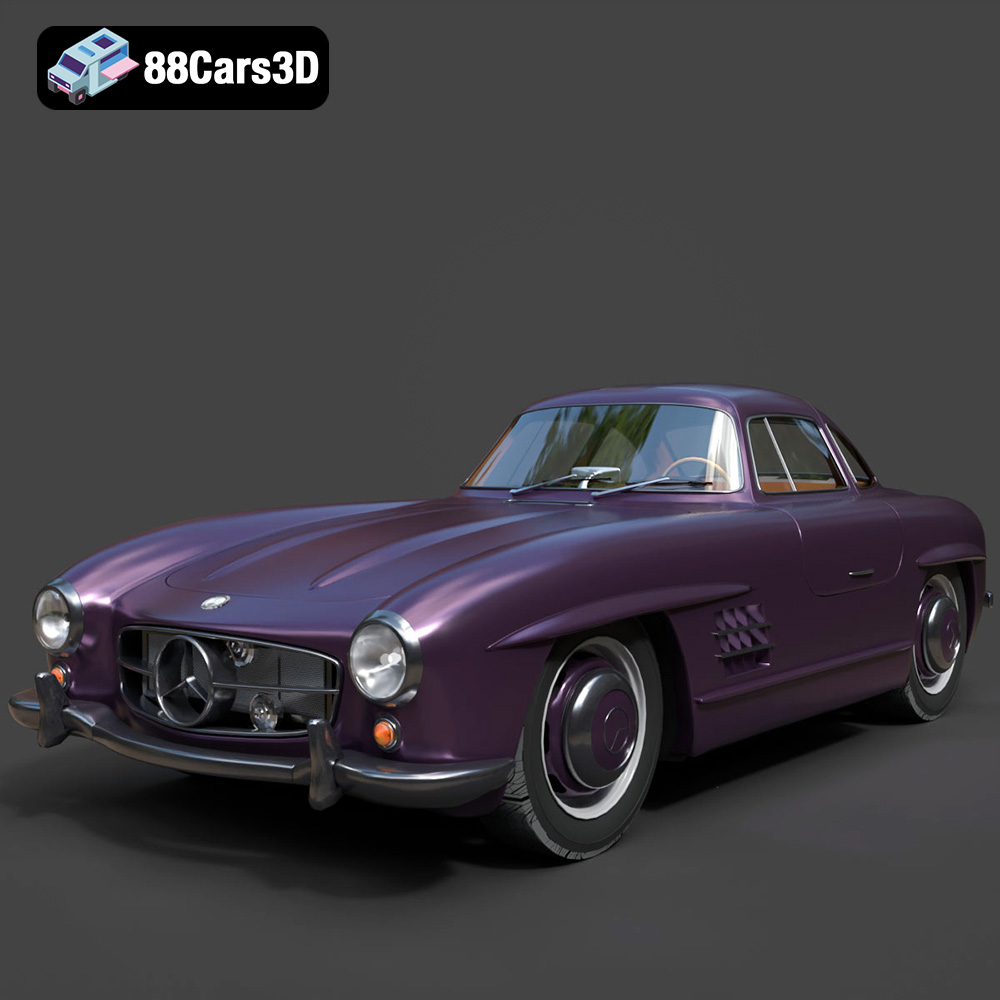
Download the Mercedes-Benz 300SL 1955 3D Model featuring clean geometry, realistic detailing, and a fully modeled interior. Includes .blend, .fbx, .obj, .glb, .stl, .ply, .unreal, and .max formats for rendering, simulation, and game development.
Price: $9.99
Texture: Yes
Material: Yes
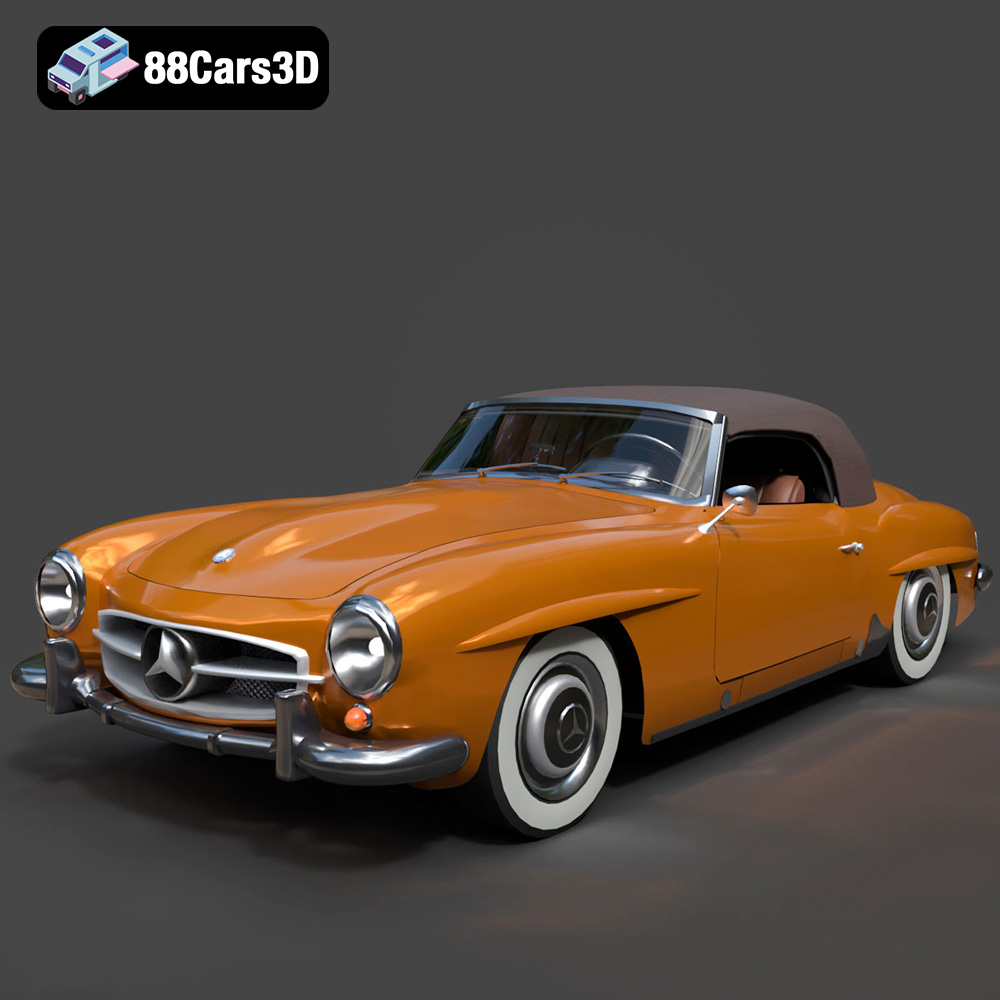
Download the Mercedes-Benz 190SL 1955 3D Model featuring clean geometry, realistic detailing, and a fully modeled interior. Includes .blend, .fbx, .obj, .glb, .stl, .ply, .unreal, and .max formats for rendering, simulation, and game development.
Price: $9.99
Texture: Yes
Material: Yes
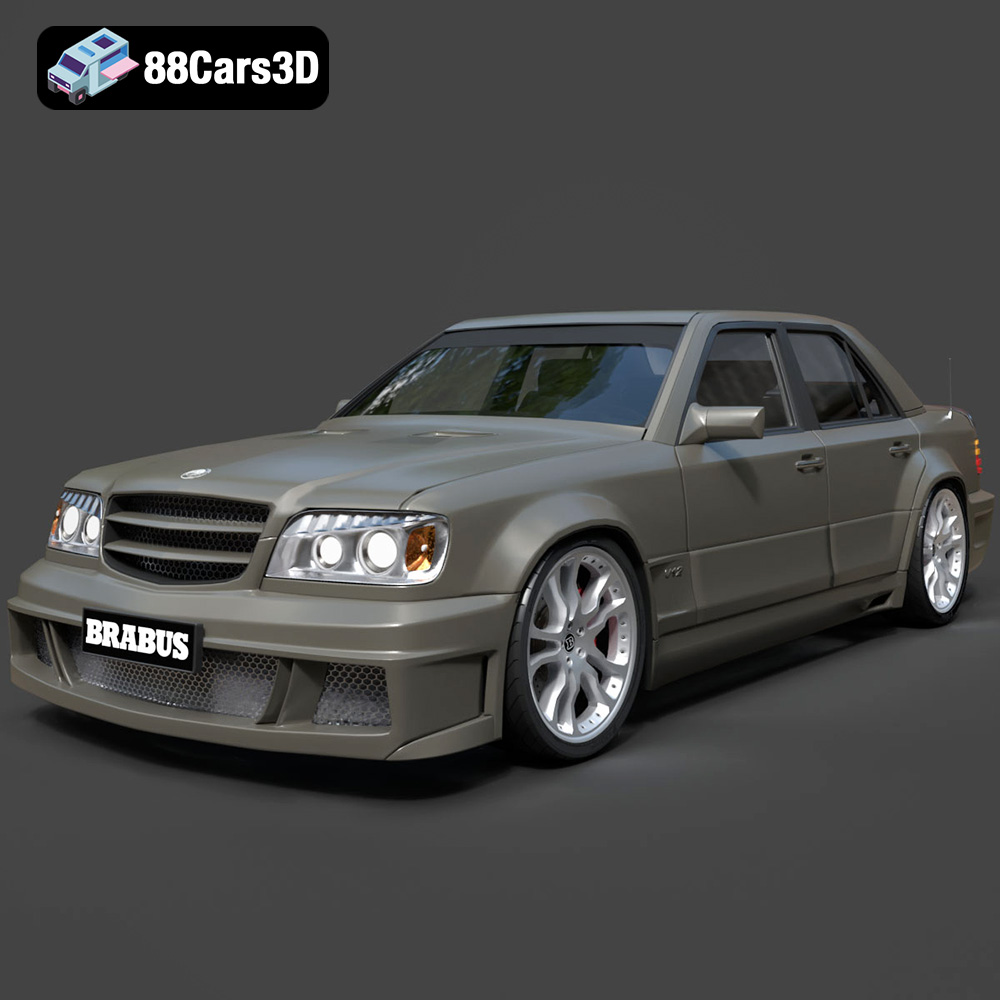
Download the Mercedes-Benz W124 Brabus V12 3D Model featuring clean geometry, realistic detailing, and a fully modeled interior. Includes .blend, .fbx, .obj, .glb, .stl, .ply, .unreal, and .max formats for rendering, simulation, and game development.
Price: $9.99

