
The Ultimate Guide to Preparing 3D Car Models for Any Application: From Photoreal Renders to Real-Time Engines

The Ultimate Guide to Preparing 3D Car Models for Any Application: From Photoreal Renders to Real-Time Engines
A high-quality 3D car model is a masterpiece of digital craftsmanship, a versatile asset that can power a stunning automotive commercial, become the hero vehicle in a video game, or even manifest in the physical world through 3D printing. However, a model perfectly suited for a cinematic close-up in V-Ray will bring a game engine to its knees. Likewise, a game-ready asset will lack the detail needed for a high-resolution print. The key to unlocking a model’s full potential lies in understanding how to prepare it for its specific destination. This process, a blend of technical optimization and artistic refinement, separates amateur work from professional results.
In this comprehensive guide, we will journey through the entire pipeline of preparing 3D car models for a vast range of applications. We will dissect the foundational principles of topology and UV mapping, dive deep into the creation of photorealistic PBR materials, and contrast the workflows for generating breathtaking renders versus hyper-optimized game assets. We’ll explore the unique demands of AR/VR and 3D printing, ensuring your digital vehicle is ready for any reality. Whether you are a seasoned 3D artist, an aspiring game developer, or an automotive designer, this guide will equip you with the technical knowledge to transform any 3D car model into a flawless, purpose-built asset.
The Foundation: Perfecting Automotive Topology and Edge Flow
Before any texturing, lighting, or rendering, a model’s success is determined by its underlying geometry—its topology. For automotive models, with their blend of sweeping curves and sharp, manufactured edges, proper topology is non-negotiable. It dictates how the model subdivides, how it catches light and reflections, and how efficiently it can be optimized. A clean, deliberate mesh is the bedrock upon which all subsequent work is built, and neglecting it will cause significant problems down the line.
Quad-Based Modeling: The Non-Negotiable Standard
The industry standard for hard-surface models like cars is to use a predominantly quadrilateral (quad) mesh. While triangles (tris) and polygons with more than four sides (n-gons) have their place, quads are superior for several critical reasons. Quads deform predictably and are essential for creating clean subdivisions using modifiers like TurboSmooth in 3ds Max or the Subdivision Surface modifier in Blender. An n-gon can create pinching, artifacts, and unpredictable shading when subdivided. Triangles, while the final format for all game engine geometry, should be avoided during the modeling phase as they terminate edge flow. The goal is to model entirely in quads, allowing triangles to be formed automatically by the export or triangulation process where necessary.
Edge Flow for Perfect Reflections
For a car, reflections are everything. The way light streaks across a door panel or hood defines its shape and material quality. This is controlled by edge flow—the directional lines that the polygon edges follow across the surface. For automotive models, edge loops must follow the primary contours and curves of the car body. This ensures that when the model is smoothed or subdivided, the surface curvature is maintained without lumps or pinching. Holding edges—closely spaced parallel edge loops—are used to define sharp panel gaps, creases, and character lines. A common mistake is to terminate an edge loop abruptly on a flat surface, which creates a visible shading artifact. Instead, loops should be redirected discreetly into other parts of the mesh, maintaining an even surface tension.
Polygon Density: High-Poly vs. Real-Time
The required polygon count varies dramatically by application.
- Cinematic/Advertising Renders: For close-up shots, polygon counts can be massive. A hero car might consist of several million polygons after subdivision, with no budget limitations other than the artist’s hardware. The focus is on perfect, smooth surfaces. Models from marketplaces like 88cars3d.com are often provided in a high-poly format, perfect for this use case.
- Real-Time/Game Engines: Performance is paramount. A hero player vehicle in a modern PC/console game might range from 100,000 to 300,000 triangles. For mobile games, this can drop to 20,000-50,000. Here, the artist must be economical, using polygons only where they impact the silhouette. Interior details might be lower poly or omitted entirely if not visible.
The professional workflow often involves creating an extremely high-poly “source” model and then creating a lower-poly, optimized version from it through a process called retopology.
UV Unwrapping: The Unsung Hero of Texturing
If modeling is the sculpture, UV unwrapping is the creation of the canvas. A UV map is a 2D representation of the 3D mesh, dictating how textures are applied to its surface. A poor UV map leads to stretched textures, visible seams, and wasted texture space, completely undermining the realism of the model. For a complex object like a car, with its countless individual parts, a strategic and meticulous approach to UV unwrapping is essential.
Strategic Seam Placement
UV seams are the cuts made in the 3D mesh to allow it to be flattened into 2D space. The primary rule of seam placement is to hide them where they are least visible. For cars, ideal locations for seams are along hard edges and panel gaps—the natural seams of the real-world object. For example, place seams along the edges of doors, the hood, and bumpers. On a tire, a seam can be placed along the center of the tread where it contacts the ground. Avoid placing seams in the middle of a large, smooth, highly visible panel like a hood or a door, as this can cause visible interruptions in the texture or reflections, even with excellent texturing.
UDIMs for Cinematic Detail vs. Single-Tile Atlasing
The method for laying out UVs also depends on the final application.
- UDIMs (U-Dimension): Used extensively in film and high-end rendering, the UDIM workflow allows a model to use multiple texture maps across different UV tiles. Instead of packing all UV shells into the standard 0-1 space, you can separate parts of the car (e.g., body on one tile, chassis on another, interior on a third). This allows for extremely high-resolution textures (e.g., multiple 4K or 8K maps) on a single object without unmanageable file sizes, providing unparalleled detail.
- Single-Tile Atlasing: For game engines, performance is key. A texture atlas involves packing all the UV shells for different parts of an object (or multiple objects) into a single 0-1 UV space. This means the entire car might be textured from one set of PBR maps (Albedo, Normal, Roughness, etc.). This significantly reduces draw calls, as the GPU only needs to load one material for many parts, boosting performance. The trade-off is lower overall texel density compared to the UDIM approach.
Maximizing Texel Density
Texel density refers to the number of texture pixels per unit of 3D space. For consistent visual quality, the texel density should be uniform across the entire model. You don’t want a highly detailed door handle next to a blurry door panel. Most 3D software has tools to visualize and equalize texel density. When packing UVs, scale shells of important, visible parts larger (e.g., the car body) and smaller, less-seen parts smaller (e.g., the undercarriage). The key is to use the UV space as efficiently as possible, minimizing empty areas to ensure every pixel of your texture map is contributing to the final look.
PBR Materials: Achieving Photorealism with Physics-Based Shaders
Physically Based Rendering (PBR) has revolutionized 3D art by simulating the real-world flow of light. Creating convincing materials for a car—from the multi-layered paint to the greasy rubber of the tires—is an art form in itself. A PBR workflow typically uses a set of texture maps to define a material’s properties, such as its base color (Albedo), microsurface roughness (Roughness), and metallic properties (Metallic).
Mastering the Complex Car Paint Shader
Car paint is one of the most complex materials to replicate digitally. It’s not a simple color; it’s a multi-layered material. A typical car paint shader in renderers like Corona or V-Ray involves:
- Base Coat: This layer defines the primary color of the paint. For metallic paints, this layer will have a high metallic value and contain a “flakes” map—a procedural noise texture—to simulate the metallic flecks.
- Clear Coat: This is a crucial second layer that sits on top of the base. It’s a transparent, highly reflective layer that gives the car its wet, glossy look. The clear coat has its own roughness and reflection properties. Imperfections like subtle scratches or an “orange peel” effect (a fine, bumpy texture) are often added to the clear coat’s normal or bump map to sell the realism.
Achieving this in a game engine often involves using a specific “Clear Coat” shader that is optimized for real-time performance but simulates the same principles.
Creating Believable Tires, Glass, and Chrome
Beyond the paint, other materials complete the car.
- Tires: Never use pure black. Real tires are a dark grey. The roughness map is key here; the sidewalls are generally smoother than the tread. Add subtle dirt and grime maps, especially in the crevices of the tread, and use a normal map for the fine branding details on the sidewall.
- Glass: Modern car glass has a slight tint (usually green or blue). For realism, model the glass with actual thickness, not as a single plane. In render engines, use a material with high refraction and reflection, and apply a very subtle noise or smudge map to the roughness channel to break up perfect reflections.
- Chrome: This is a simple but easy-to-get-wrong material. It is defined by a white (or near-white) albedo, a high metallic value (1.0), and a very low roughness value (close to 0.0). The quality of your chrome is 90% dependent on what it is reflecting, so a high-quality environment or HDRI is essential.
High-Fidelity Rendering: Staging and Capturing the Perfect Shot
With a perfectly modeled and textured car, the final step for creating marketing imagery or portfolio pieces is the rendering process. This is where you become a digital photographer, using light, cameras, and composition to showcase the vehicle in its best possible form. The goal is to create an image that is not just realistic, but also emotionally resonant and aesthetically pleasing.
Lighting is Everything: HDRI and Studio Setups
Lighting will make or break your automotive render. Two common professional approaches are:
- Image-Based Lighting (IBL): This involves using a High Dynamic Range Image (HDRI) to illuminate the entire scene. An HDRI is a 360-degree panoramic photo that contains a vast range of lighting information. Using an HDRI of an outdoor environment or a professional photo studio is the fastest way to achieve realistic lighting and reflections. The car will look naturally integrated because it is being lit and reflected by a real-world environment.
- Manual Studio Lighting: For a more controlled, commercial look, artists create a virtual photo studio. This involves setting up large area lights (softboxes), spotlights, and fill lights to sculpt the car’s form. A classic three-point lighting setup (Key, Fill, Rim) is a great starting point, but automotive lighting often uses many more lights to create long, elegant reflection lines that define the car’s shape.
Camera Settings for Automotive Photography
Treat your 3D camera like a real DSLR. Don’t just point and shoot.
- Focal Length: Avoid wide-angle lenses (e.g., below 35mm) for hero shots, as they can distort the car’s proportions. Longer focal lengths (50mm, 85mm, or even 135mm) are typically used in automotive photography to compress the perspective and create a more flattering, powerful look.
- Depth of Field (DoF): A shallow depth of field, where the background is blurred, helps to isolate the car and draw the viewer’s eye. Use a low f-stop value on your virtual camera to achieve this effect, but don’t overdo it. You want the entire car to be mostly in focus.
- Composition: Apply basic principles of photography. Use the rule of thirds, lead the viewer’s eye with dynamic angles, and leave negative space for the car to “breathe” in the frame.
Real-Time Optimization: Preparing Cars for Game Engines and AR/VR
The workflow for real-time applications like Unity or Unreal Engine is a different discipline, one governed by strict performance budgets. The goal is to create a model that looks fantastic while maintaining a smooth frame rate (typically 60 FPS or higher). This is a game of smoke and mirrors, where perceived detail is more important than actual geometric complexity.
The LOD Imperative: Managing Performance at a Distance
Level of Detail (LOD) meshes are critical for any game with an open world. An LOD system uses multiple versions of the car model, each with a progressively lower polygon count.
- LOD0: The highest quality version (e.g., 150,000 triangles), seen only when the player is very close.
- LOD1: A reduced version (e.g., 70,000 triangles), where smaller details like interior buttons are removed. This swaps in at a medium distance.
- LOD2: A heavily optimized version (e.g., 25,000 triangles), where the interior might be replaced with a simple texture.
- LOD3: A very simple “impostor” mesh (e.g., under 5,000 triangles) that just holds the basic shape and color, used for cars far in the distance.
The game engine automatically switches between these LODs based on the car’s distance from the camera, drastically reducing the total number of polygons being rendered at any given time.
Minimizing Draw Calls: The Key to Smooth Frame Rates
A draw call is a command from the CPU to the GPU to draw an object. Each object with a unique material generates at least one draw call. Too many draw calls can create a CPU bottleneck, tanking the frame rate even if the polygon count is low. To optimize this:
- Material Consolidation: Instead of having separate materials for every little part (chrome trim, rubber seal, plastic bumper), plan your UVs and textures so that multiple parts can share a single material and texture set. This is where texture atlasing becomes vital.
- Mesh Combining: Combine separate static mesh objects that share the same material into a single object. For example, the car body and bumpers could be combined into one mesh if they are part of the same material group.
Starting with a well-organized model, like those available from 88cars3d.com, where parts are clearly separated and named, makes this consolidation process much easier.
File Formats for Interactivity: GLB and USDZ
For Augmented Reality (AR) and web-based 3D viewers, specific file formats are required.
- GLB/gltf: This is the JPEG of 3D. It’s the standard for web and is supported by Facebook, Sketchfab, and many others. It’s a highly efficient format that bundles the mesh, materials, textures, and even animations into a single file.
- USDZ: This is Apple’s format for AR on iOS devices. It’s built on Pixar’s Universal Scene Description and is optimized for sharing and AR viewing.
Converting a model to these formats requires baking the complex PBR materials into a simplified set of textures (Albedo, Normal, and a combined Occlusion/Roughness/Metallic map) and ensuring the polygon count is extremely low (typically under 100k triangles for smooth AR performance).
From Digital to Physical: Prepping Models for 3D Printing
Taking a digital car model and bringing it into the physical world via 3D printing presents a unique set of geometric challenges. A model that looks perfect on screen can fail to print if it isn’t properly prepared. The focus shifts from visual appearance to structural integrity and manufacturability.
Watertight Meshes: Closing Every Hole
A 3D model for printing must be a “manifold” or “watertight” solid. This means it must have no holes. Imagine filling the 3D model with water—if there are any gaps, the water would leak out. Every single edge must be connected to exactly two polygons. Tools like MeshMixer or the 3D-Print Toolbox in Blender can help identify and fix non-manifold edges, flipped normals, and other geometric errors that would confuse the 3D printer’s slicing software.
Wall Thickness and Structural Integrity
Unlike a render model, which is just a collection of surfaces, a print model must have physical thickness. Elements like car panels, window frames, and spoilers cannot be single planes; they must be extruded to have a minimum wall thickness (e.g., 1-2mm depending on the print scale and material). Thin, fragile parts like side mirrors or antennas may need to be thickened or reinforced to ensure they don’t break during printing or cleanup. Sometimes, the car must be sliced into several pieces for easier printing and later assembly, requiring the artist to engineer connection points and keys into the model.
Conclusion
The journey of a 3D car model from a pristine digital file to its final application is a testament to the diverse skill set required in the modern 3D industry. We’ve seen that the same vehicle requires fundamentally different preparation strategies whether it’s destined for a glossy magazine cover, a fast-paced video game, or a physical collector’s shelf. The path to a photorealistic render is paved with high-polygon detail, complex multi-layered shaders, and UDIM textures. In contrast, the road to real-time performance is about ruthless optimization, clever use of texture atlases, and the meticulous creation of LODs.
The central lesson is that a successful outcome in any pipeline begins with a high-quality foundation. A model with clean topology, logical part separation, and thoughtful UVs is infinitely more adaptable. Whether you are building a model from scratch or sourcing one from a professional marketplace, always consider the end-use from the very beginning. By mastering these diverse workflows, you can ensure that your automotive creations not only look incredible but also perform flawlessly in any medium, truly bringing your digital vision to life.
Featured 3D Car Models

Mercedes-Benz SLK 350 2005 3D Model
Texture: Yes
Material: Yes
Download the Mercedes-Benz SLK 350 2005 3D Model featuring clean geometry, realistic detailing, and a fully modeled interior. Includes .blend, .fbx, .obj, .glb, .stl, .ply, .unreal, and .max formats for rendering, simulation, and game development.
Price: $9.99
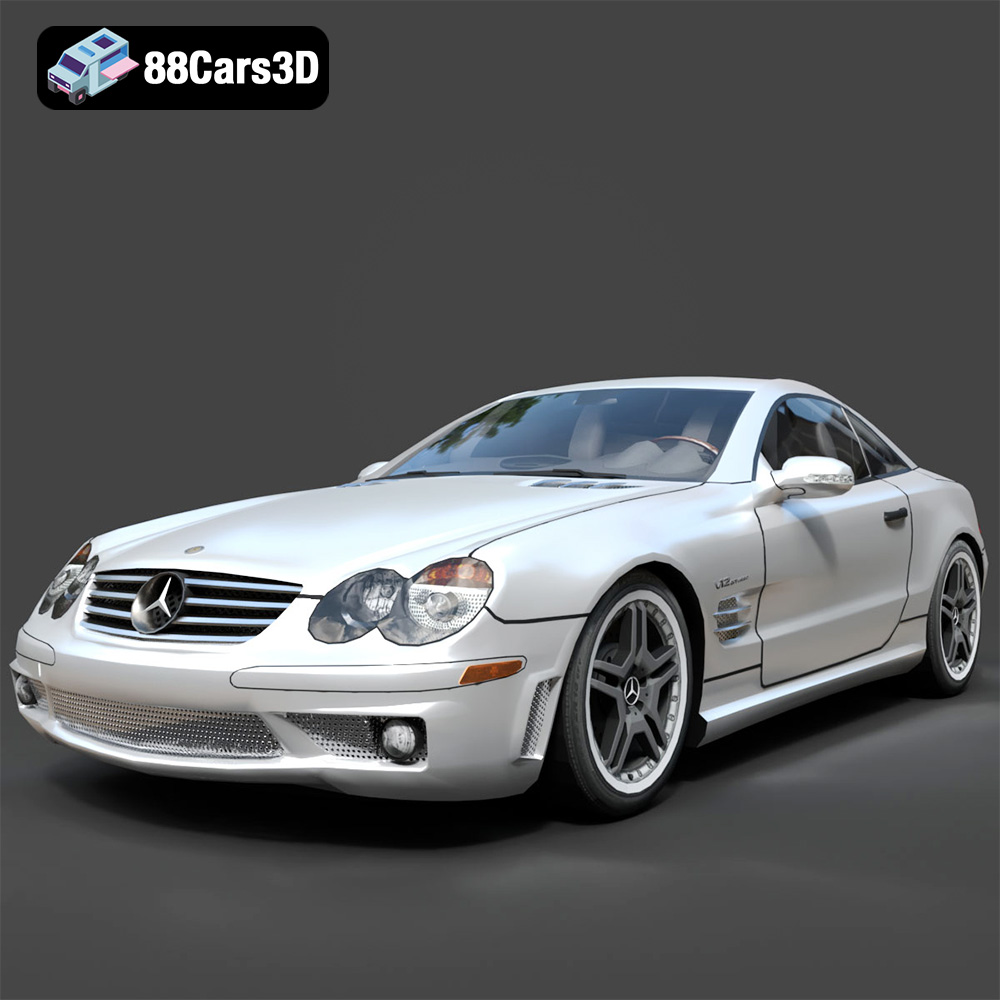
Mercedes-Benz SL 65 AMG 3D Model
Texture: Yes
Material: Yes
Download the Mercedes-Benz SL 65 AMG 3D Model featuring clean geometry, realistic detailing, and a fully modeled interior. Includes .blend, .fbx, .obj, .glb, .stl, .ply, .unreal, and .max formats for rendering, simulation, and game development.
Price: $9.99
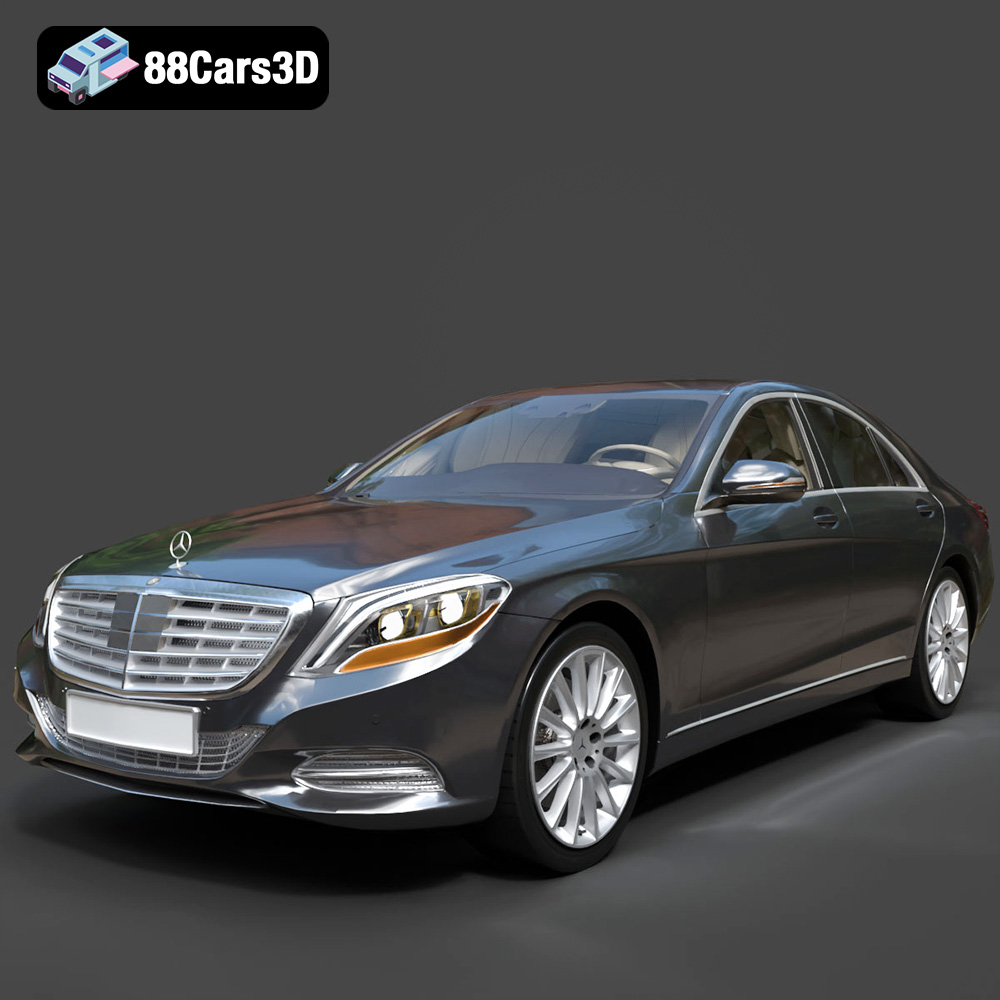
Mercedes-Benz S500 3D Model
Texture: Yes
Material: Yes
Download the Mercedes-Benz S500 3D Model featuring clean geometry, realistic detailing, and a fully modeled interior. Includes .blend, .fbx, .obj, .glb, .stl, .ply, .unreal, and .max formats for rendering, simulation, and game development.
Price: $9.99
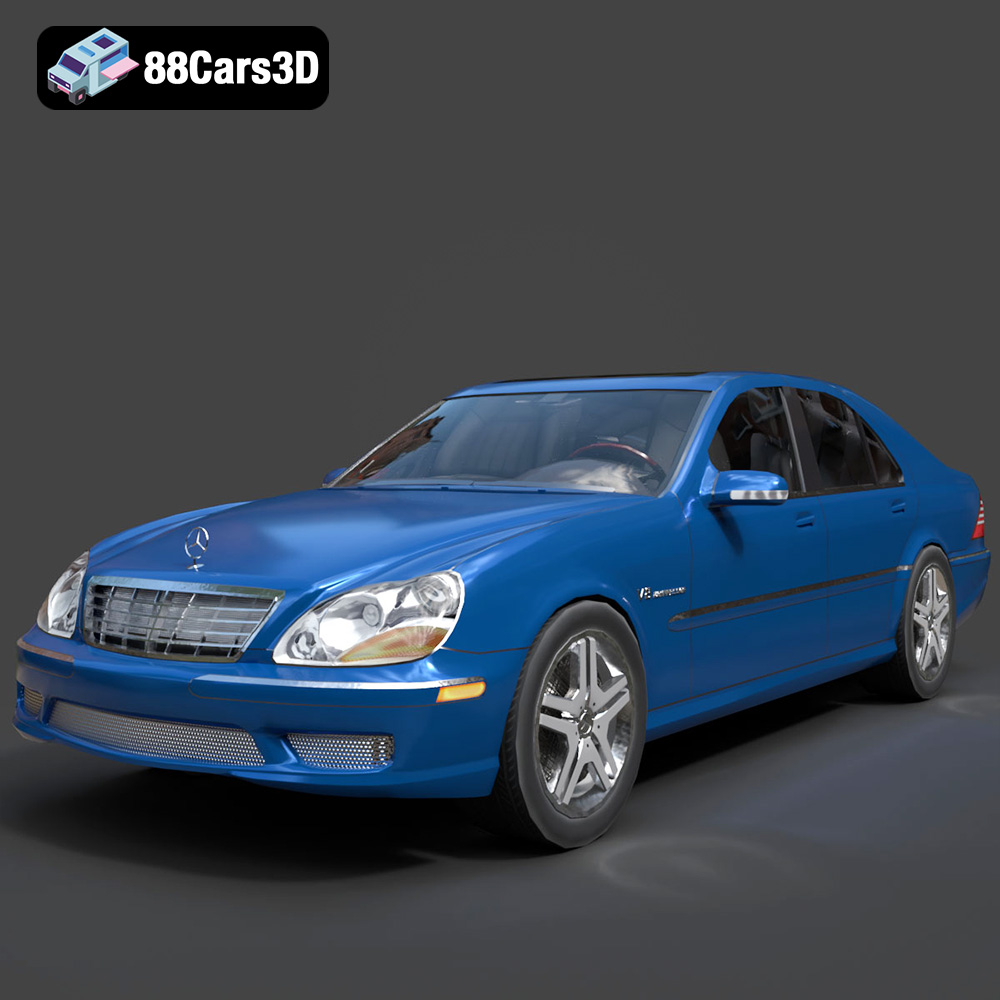
Mercedes-Benz S55 W220 AMG 1999 3D Model
Texture: Yes
Material: Yes
Download the Mercedes-Benz S55 W220 AMG 1999 3D Model featuring clean geometry, realistic detailing, and a fully modeled interior. Includes .blend, .fbx, .obj, .glb, .stl, .ply, .unreal, and .max formats for rendering, simulation, and game development.
Price: $9.99
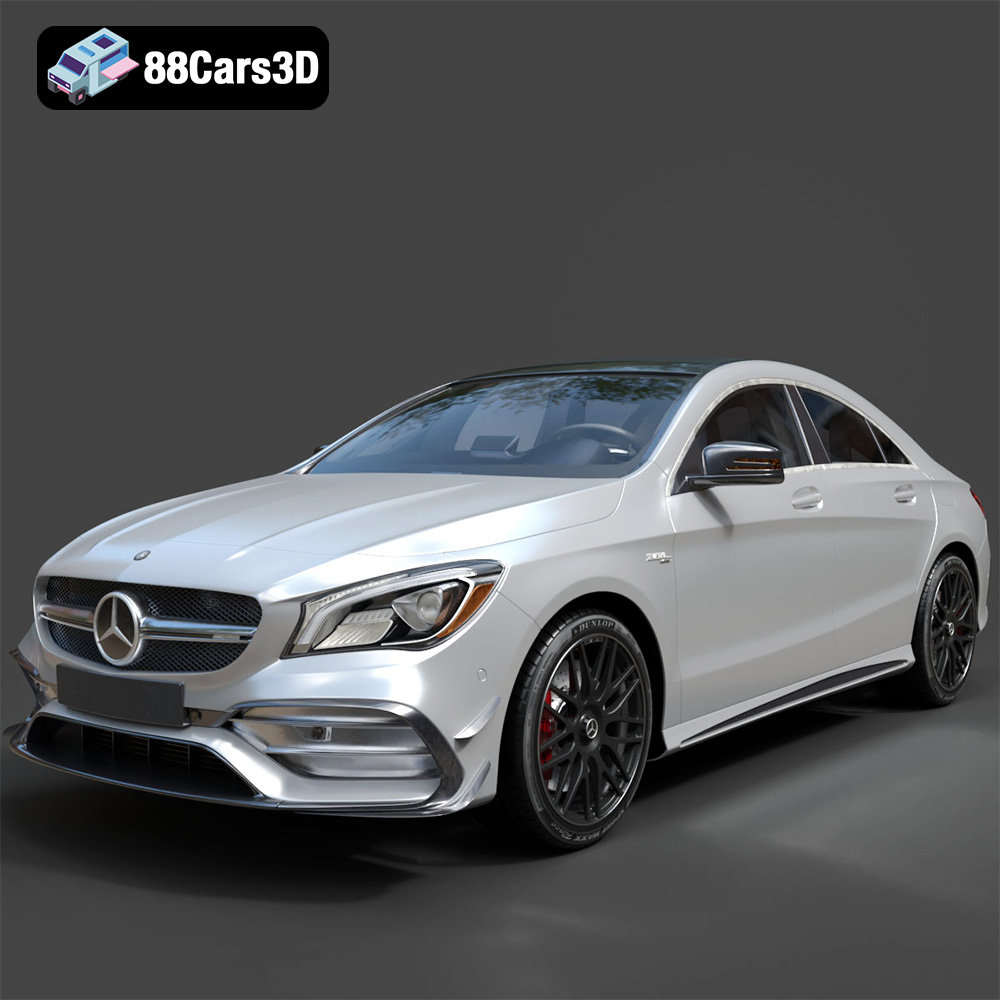
Mercedes-Benz CLA45 AMG 2017 3D Model
Texture: Yes
Material: Yes
Download the Mercedes-Benz CLA45 AMG 2017 3D Model featuring clean geometry, realistic detailing, and a fully modeled interior. Includes .blend, .fbx, .obj, .glb, .stl, .ply, .unreal, and .max formats for rendering, simulation, and game development.
Price: $29.99
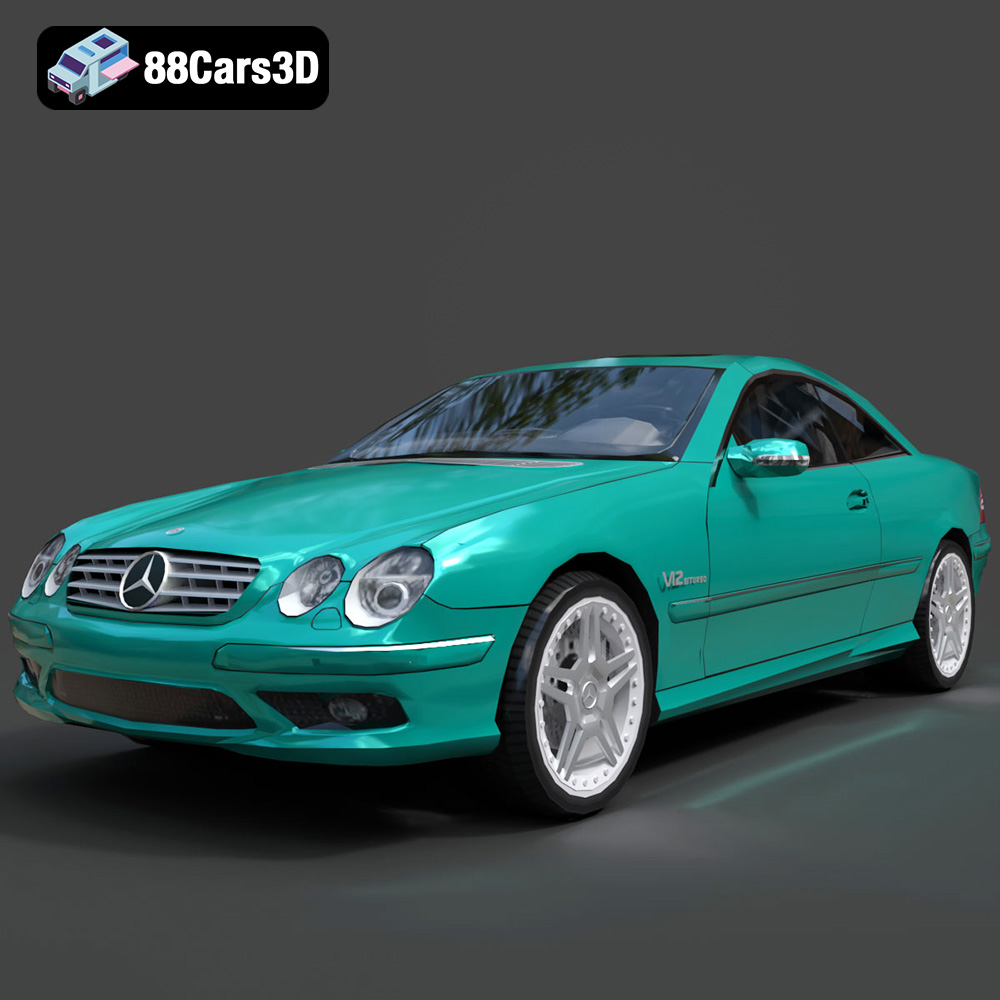
Mercedes-Benz CL65 C215 AMG 3D Model
Texture: Yes
Material: Yes
Download the Mercedes-Benz CL65 C215 AMG 3D Model featuring clean geometry, realistic detailing, and a fully modeled interior. Includes .blend, .fbx, .obj, .glb, .stl, .ply, .unreal, and .max formats for rendering, simulation, and game development.
Price: $9.99
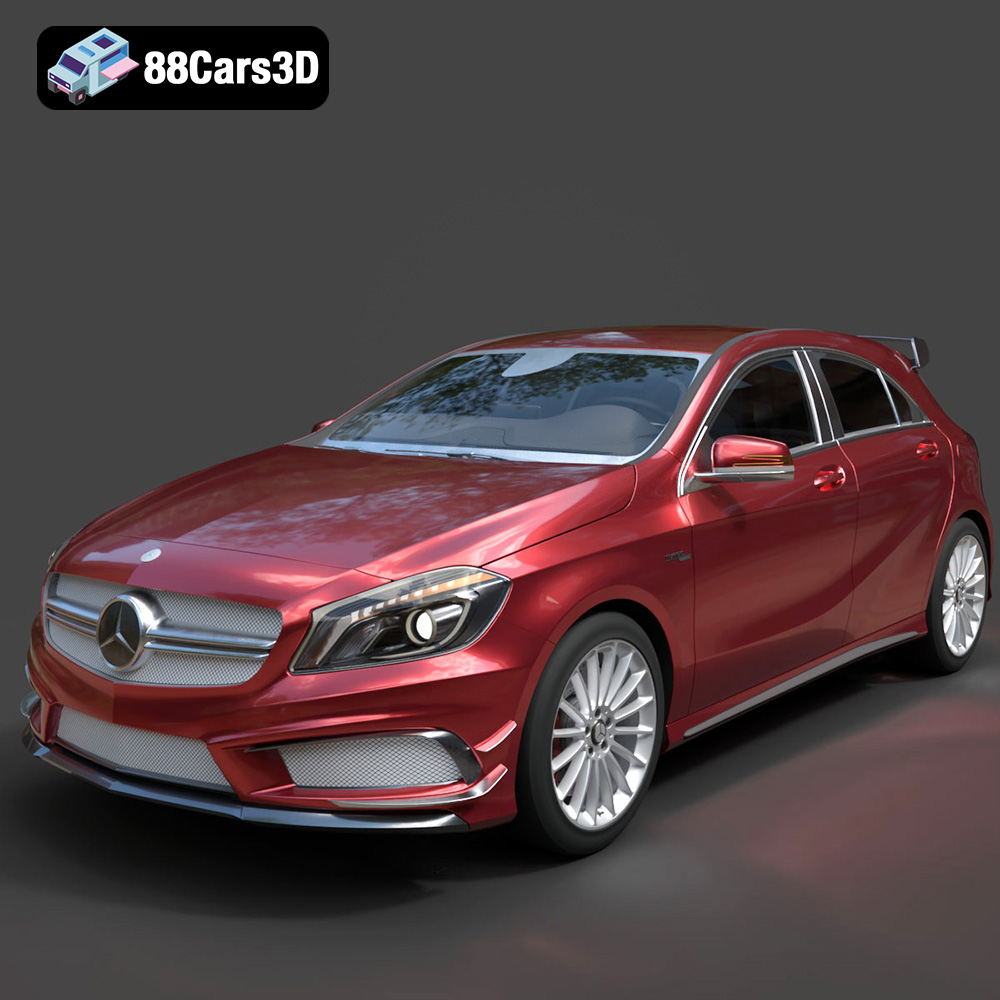
Mercedes-Benz A45 2021 3D Model
Texture: Yes
Material: Yes
Download the Mercedes-Benz A45 2021 3D Model featuring clean geometry, realistic detailing, and a fully modeled interior. Includes .blend, .fbx, .obj, .glb, .stl, .ply, .unreal, and .max formats for rendering, simulation, and game development.
Price: $9.99
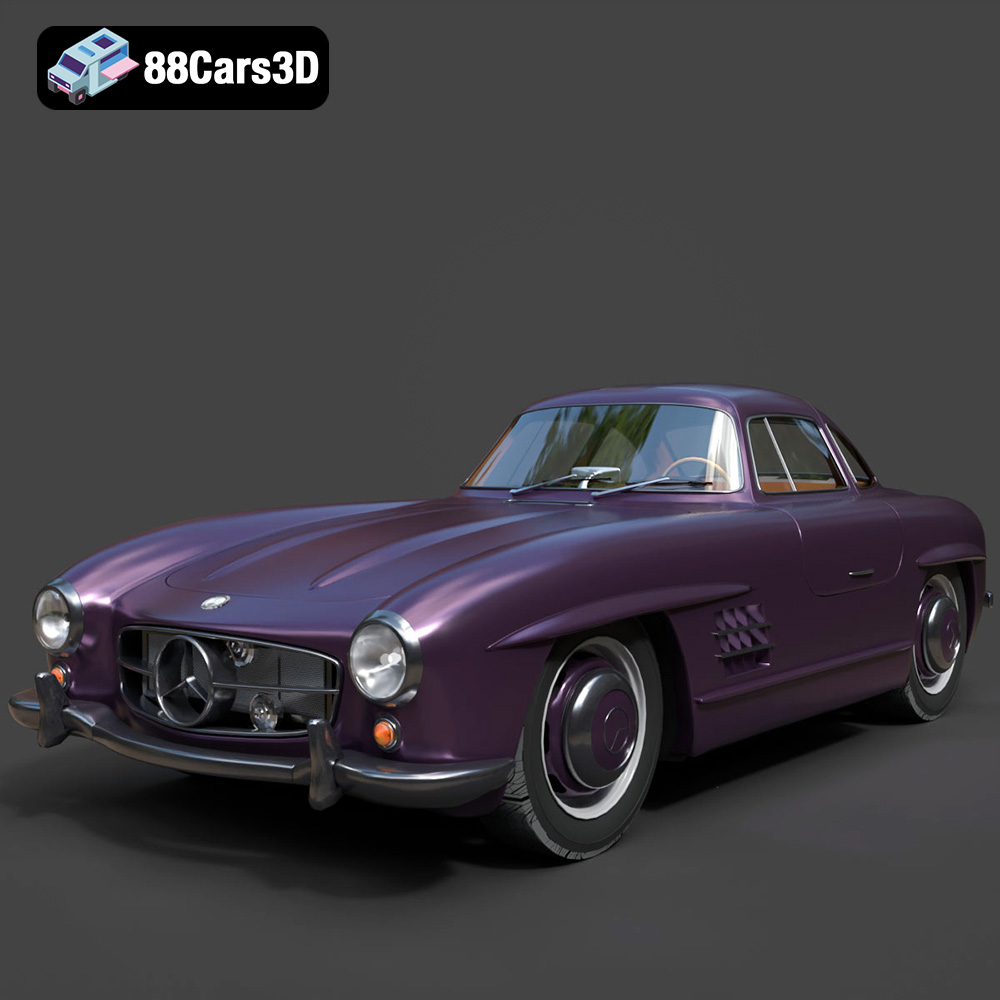
Mercedes-Benz 300SL 1955 3D Model
Texture: Yes
Material: Yes
Download the Mercedes-Benz 300SL 1955 3D Model featuring clean geometry, realistic detailing, and a fully modeled interior. Includes .blend, .fbx, .obj, .glb, .stl, .ply, .unreal, and .max formats for rendering, simulation, and game development.
Price: $9.99
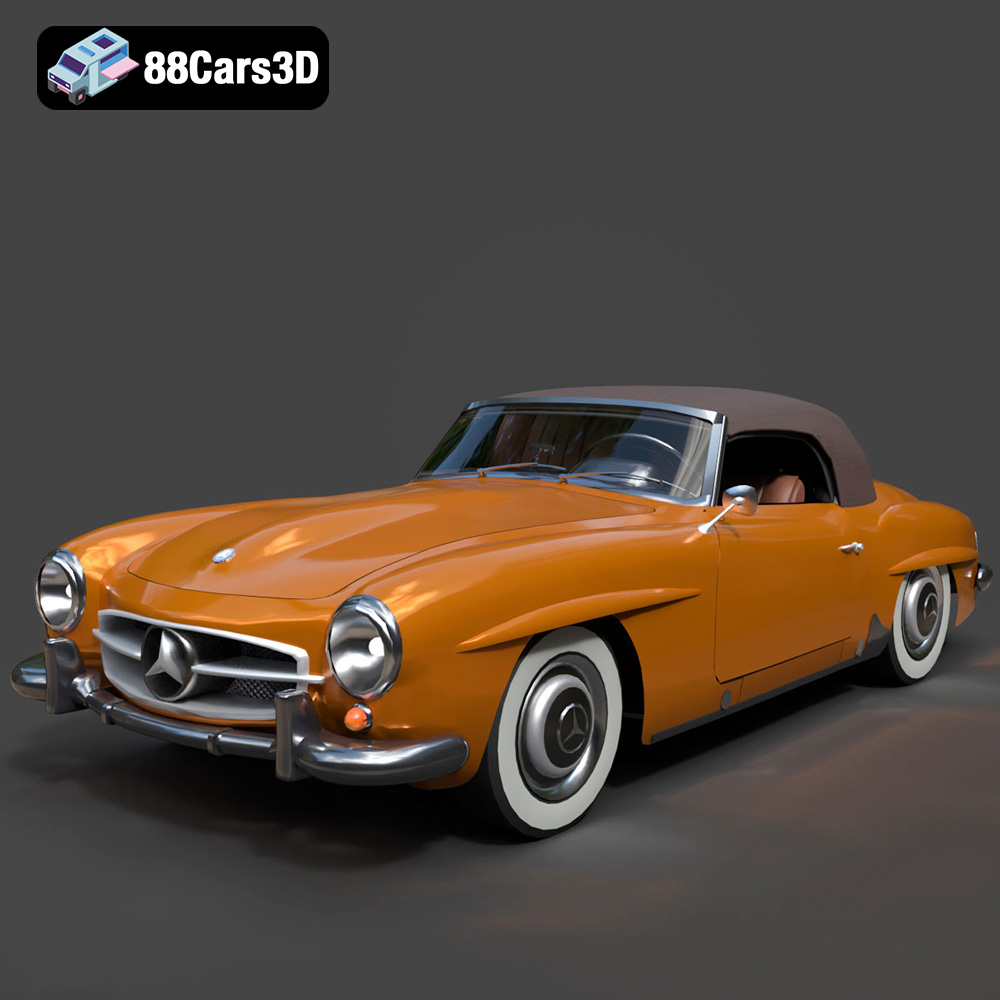
Mercedes-Benz 190SL 1955 3D Model
Texture: Yes
Material: Yes
Download the Mercedes-Benz 190SL 1955 3D Model featuring clean geometry, realistic detailing, and a fully modeled interior. Includes .blend, .fbx, .obj, .glb, .stl, .ply, .unreal, and .max formats for rendering, simulation, and game development.
Price: $9.99
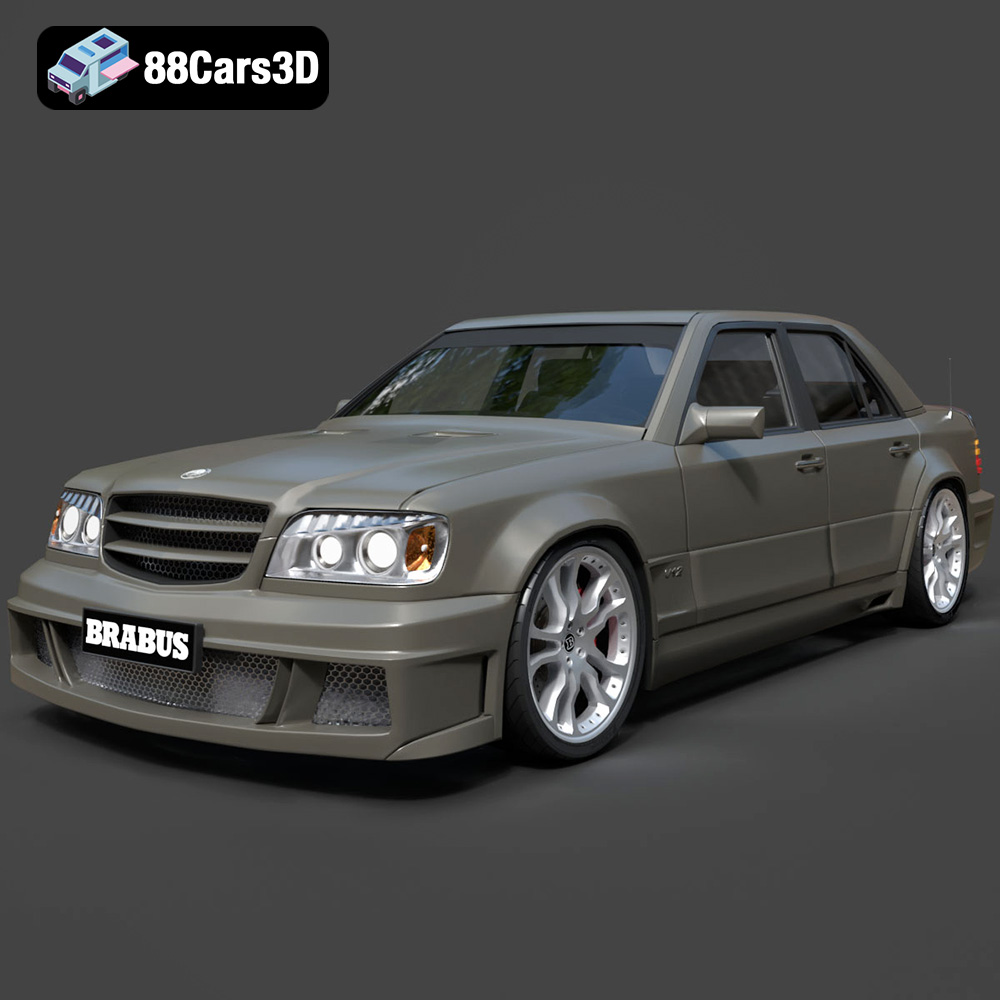
Mercedes-Benz W124 Brabus V12 3D Model
Texture: Yes
Material: Yes
Download the Mercedes-Benz W124 Brabus V12 3D Model featuring clean geometry, realistic detailing, and a fully modeled interior. Includes .blend, .fbx, .obj, .glb, .stl, .ply, .unreal, and .max formats for rendering, simulation, and game development.
Price: $9.99
