Get 20% OFF All Premium 3D & STL Models!

In the world of digital creation, the 3D car model stands as a pinnacle of complexity and artistry. It’s a synthesis of engineering precision and aesthetic appeal, demanding a unique blend of technical skill and creative vision. But creating or acquiring a beautiful model is only the first step. The true challenge lies in preparing that asset for its final destination, a process that varies dramatically whether it’s destined for a photorealistic automotive rendering, a high-octane video game, an immersive AR experience, or a physical 3D print. A model optimized for a close-up shot in a Corona render might cripple a game engine, while a low-poly game asset will lack the detail needed for a marketing visual. This guide is your definitive roadmap to navigating this complex landscape. We will deconstruct the entire preparation pipeline, from the fundamental principles of topology and UV mapping to the platform-specific optimization techniques required for today’s most demanding applications. By the end, you’ll understand how to transform a single, high-quality 3D car model into a versatile asset ready for any project you can imagine.
The quality of any 3D car model is built upon its topology—the underlying mesh structure that defines its shape. Clean, efficient, and logical topology isn’t just a technical preference; it’s the absolute foundation for successful texturing, rigging, animation, and rendering. Without a solid mesh, even the most detailed model will deform poorly, catch light unnaturally, and be nearly impossible to optimize. This is why starting with a professionally crafted model from a source like 88cars3d.com saves countless hours and ensures a solid foundation for any project.
Clean topology primarily means working with quadrilaterals (quads) as much as possible. A quad-based mesh is predictable and subdivides smoothly, which is critical for creating the seamless, high-resolution surfaces required for automotive rendering. Triangles (tris) can terminate edge loops and create pinching artifacts when subdivided, while N-gons (polygons with more than four sides) are notorious for causing issues with shading, UV unwrapping, and deformation. A professional model should be at least 95% quads. Key characteristics of clean topology include:
Edge flow refers to the direction and arrangement of edge loops across the model’s surface. For cars, which are defined by their elegant curves and reflective surfaces, proper edge flow is paramount. It directly controls how light reflects off the model and how highlights travel across its body panels. Poor edge flow results in visible faceting, wobbly reflections, and a generally unprofessional look. The key is to have your edge loops follow the natural curvature and contours of the car. For instance, the edges around a wheel arch should flow in concentric rings, and the lines across a hood should follow its subtle curvature. This ensures that when a subdivision modifier (like TurboSmooth in 3ds Max or a Subdivision Surface modifier in Blender) is applied, the curves are maintained perfectly without pinching or distortion.
The required polygon count is entirely dependent on the target platform. There’s no single “correct” number.
If topology is the skeleton, UV mapping is the skin. UV mapping is the process of “unfolding” a 3D mesh into a 2D space so that textures can be applied correctly. For a complex object like a car, this is a meticulous process that can make or break the final look. Poor UVs lead to stretched textures, visible seams, and inconsistent resolution, immediately betraying the model’s digital nature.
The core challenge of UV mapping is deciding where to place seams—the cuts in the 3D mesh that allow it to be flattened. The goal is to hide these seams in areas where they are least visible. For cars, ideal places for seams include:
Once seams are placed, the resulting UV “islands” or “shells” must be relaxed to minimize texture stretching and distortion. UV editors in 3ds Max, Blender, and Maya have tools to visualize distortion (often as a checkerboard pattern) and automatically or manually relax the shells for a more even layout.
Texel density refers to the resolution of the texture applied to the 3D surface (pixels per meter). Maintaining a consistent texel density across the entire model is crucial for a believable result. If the door panel has a high texel density and the adjacent fender has a low one, the resolution difference will be jarringly obvious. You can use UV toolkits and plugins in most 3D software to measure and normalize texel density across different UV shells. While the main body requires high density, you can strategically use lower density on less visible parts like the chassis or brake calipers to save texture memory.
For achieving extremely high detail, a single texture map may not be enough. This is where two primary workflows come into play:
Modern 3D graphics rely on Physically Based Rendering (PBR) principles to simulate how light interacts with surfaces in the real world. This approach uses a set of texture maps to define a material’s properties, resulting in hyper-realistic visuals that hold up under any lighting condition. For automotive rendering, mastering PBR is essential for creating everything from flawless car paint to convincing rubber and chrome.
While workflows can vary (Metal/Roughness vs. Specular/Glossiness), the Metal/Roughness workflow is the most common today. The core maps you’ll need are:
Car paint is one of the most complex materials to replicate. A high-quality car paint shader is not a single layer but a multi-layered material. In 3ds Max or Blender, this is often built using a blend material or a layered shader node network. The typical structure includes:
PBR isn’t just for the body. To achieve true realism, every part of the car needs attention. Decals and logos can be applied using floating geometry just above the surface or by blending textures using an alpha mask in your shader. Grilles and meshes are often created using an opacity map (or alpha channel) to “cut out” the holes, saving an immense number of polygons. For interiors, a mix of PBR materials for leather, plastic, Alcantara, and chrome is required. Using high-quality tileable textures and procedural noise in the roughness map is key to breaking up the uniformity and adding subtle wear and fingerprints for a lived-in feel.
While photorealistic rendering prioritizes detail above all else, real-time applications like Unreal Engine and Unity prioritize performance. The goal is to maintain a stable frame rate (e.g., 60 FPS), and this requires a completely different approach to model preparation. A raw, high-poly model will instantly bring a game engine to its knees.
Level of Detail (LOD) systems are the single most important optimization for game assets. An LOD system swaps out the model for a lower-polygon version as it gets further from the camera. A typical setup for a hero car would be:
Many high-quality 3D car models, such as those found on 88cars3d.com, often come with clean topology that is ideal for creating LODs, as the edge loops can be selectively dissolved to reduce polygon count without destroying the silhouette.
A “draw call” is a command from the CPU to the GPU to draw an object on the screen. Each object with a unique material generates at least one draw call. A car model with 50 separate materials (one for chrome, one for glass, one for rubber, etc.) would be disastrous for performance. The solution is to consolidate.
Before exporting to a game engine, the mesh needs final preparation. This includes deleting any geometry that will never be seen by the player (like engine internals on a car where the hood doesn’t open). Finally, while you model in quads, game engines render in triangles. It’s a best practice to triangulate the mesh yourself before exporting. This gives you control over how the quads are split and prevents the engine from making its own interpretation, which can sometimes lead to shading errors or non-planar faces rendering incorrectly.
The utility of a 3D car model extends beyond traditional screens. Immersive AR/VR experiences and physical 3D printing present their own unique sets of technical hurdles and optimization requirements.
Augmented Reality and Virtual Reality applications are essentially ultra-demanding mobile games. They require extremely high frame rates (90 FPS is the standard for VR to avoid motion sickness) on often-limited hardware (like a smartphone or a standalone headset). Optimization is ruthless.
Preparing a model for 3D printing is a process of turning a collection of virtual surfaces into a single, solid, manufacturable object. The rules are completely different from rendering.
We’ve journeyed through the intricate process of preparing a 3D car model for a vast array of applications. The key takeaway is that there is no “one-size-fits-all” solution. The path from a master model to a final, optimized asset is a series of deliberate choices tailored to a specific outcome. A photorealistic render demands subdivision-ready topology and complex, layered shaders. A game engine asset requires aggressive poly reduction, LODs, and texture atlasing. An AR experience needs a lightweight, self-contained file, while a 3D print must be a perfectly sealed, solid object. Understanding these distinct pipelines empowers you to unlock the full potential of any 3D model. Whether you’re starting from scratch or leveraging a high-fidelity asset from a marketplace like 88cars3d.com, these principles are universal. Your next step is to identify your project’s target platform and begin applying these specific, technical workflows. By mastering the art of preparation, you ensure that your final result is not only beautiful but also performant, functional, and perfectly suited for its purpose.

Texture: Yes
Material: Yes
Download the Mercedes-Benz SLK 350 2005 3D Model featuring clean geometry, realistic detailing, and a fully modeled interior. Includes .blend, .fbx, .obj, .glb, .stl, .ply, .unreal, and .max formats for rendering, simulation, and game development.
Price: $9.99

Texture: Yes
Material: Yes
Download the Mercedes-Benz SL 65 AMG 3D Model featuring clean geometry, realistic detailing, and a fully modeled interior. Includes .blend, .fbx, .obj, .glb, .stl, .ply, .unreal, and .max formats for rendering, simulation, and game development.
Price: $9.99
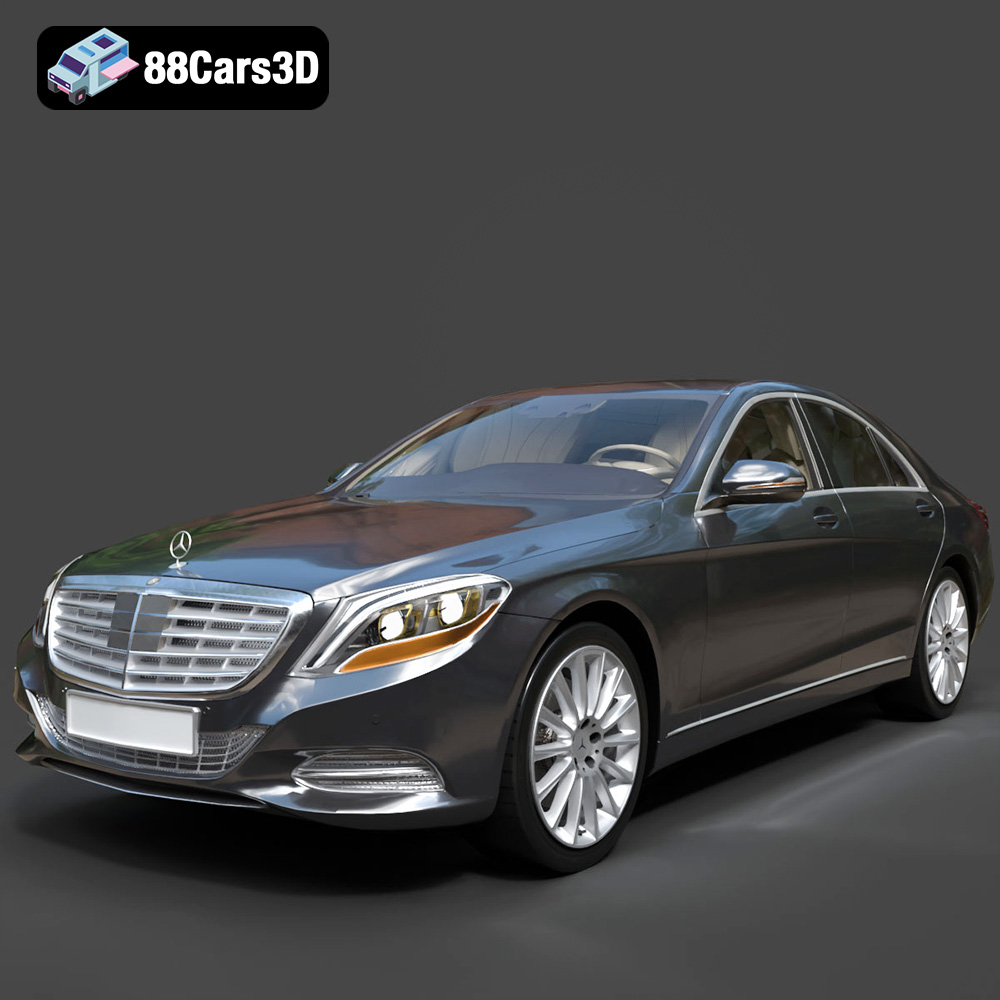
Texture: Yes
Material: Yes
Download the Mercedes-Benz S500 3D Model featuring clean geometry, realistic detailing, and a fully modeled interior. Includes .blend, .fbx, .obj, .glb, .stl, .ply, .unreal, and .max formats for rendering, simulation, and game development.
Price: $9.99
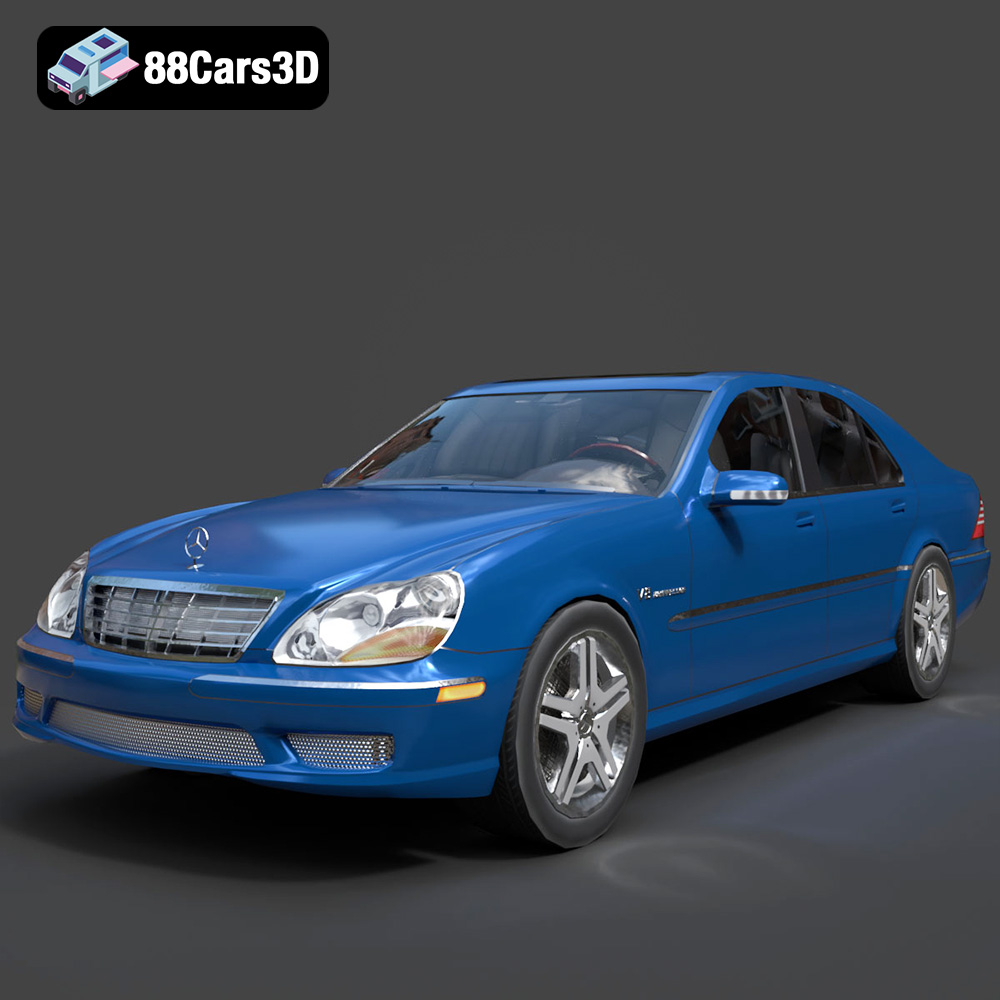
Texture: Yes
Material: Yes
Download the Mercedes-Benz S55 W220 AMG 1999 3D Model featuring clean geometry, realistic detailing, and a fully modeled interior. Includes .blend, .fbx, .obj, .glb, .stl, .ply, .unreal, and .max formats for rendering, simulation, and game development.
Price: $9.99
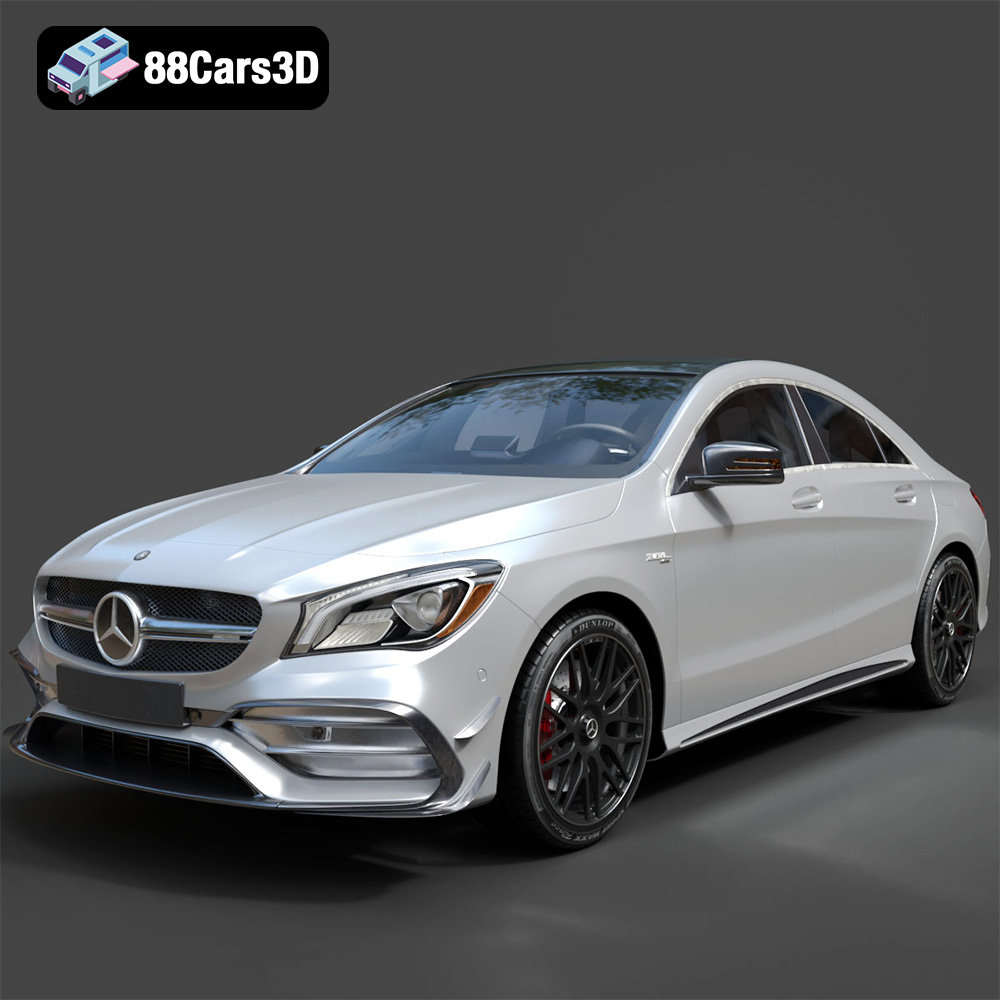
Texture: Yes
Material: Yes
Download the Mercedes-Benz CLA45 AMG 2017 3D Model featuring clean geometry, realistic detailing, and a fully modeled interior. Includes .blend, .fbx, .obj, .glb, .stl, .ply, .unreal, and .max formats for rendering, simulation, and game development.
Price: $29.99
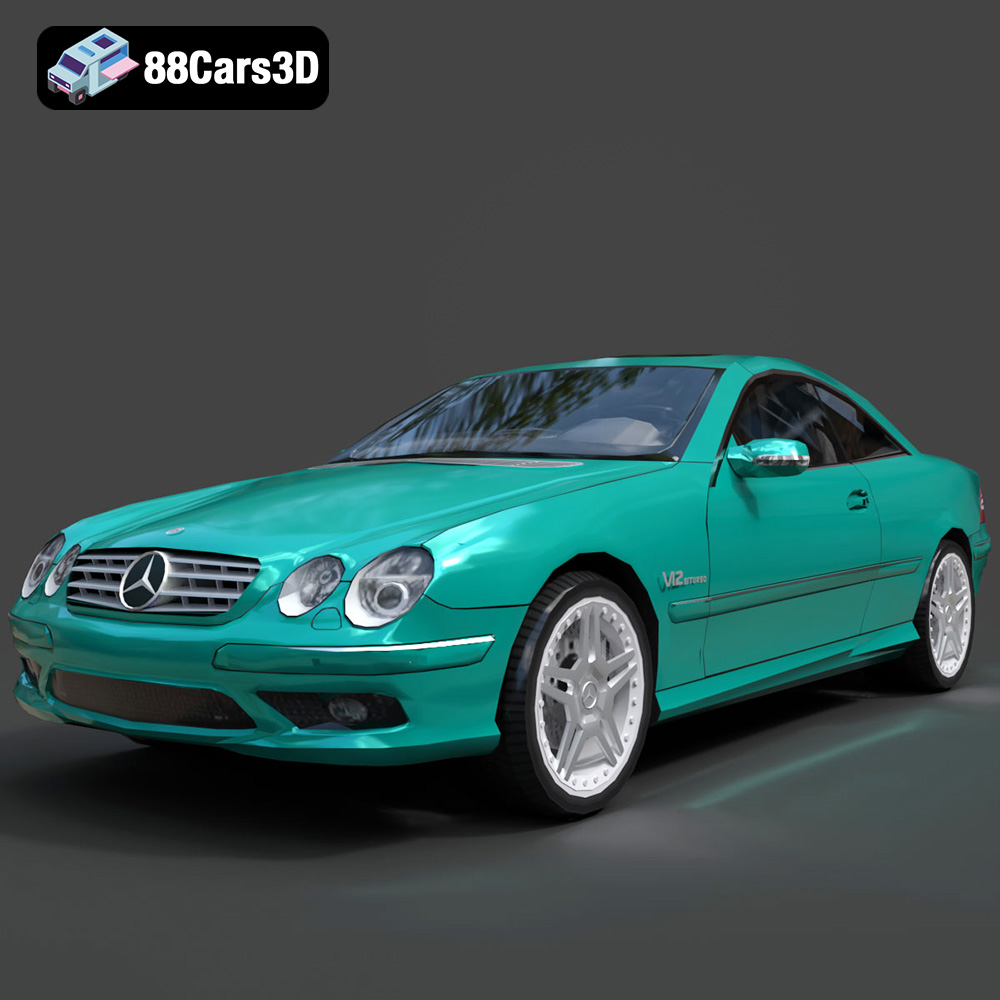
Texture: Yes
Material: Yes
Download the Mercedes-Benz CL65 C215 AMG 3D Model featuring clean geometry, realistic detailing, and a fully modeled interior. Includes .blend, .fbx, .obj, .glb, .stl, .ply, .unreal, and .max formats for rendering, simulation, and game development.
Price: $9.99
Texture: Yes
Material: Yes
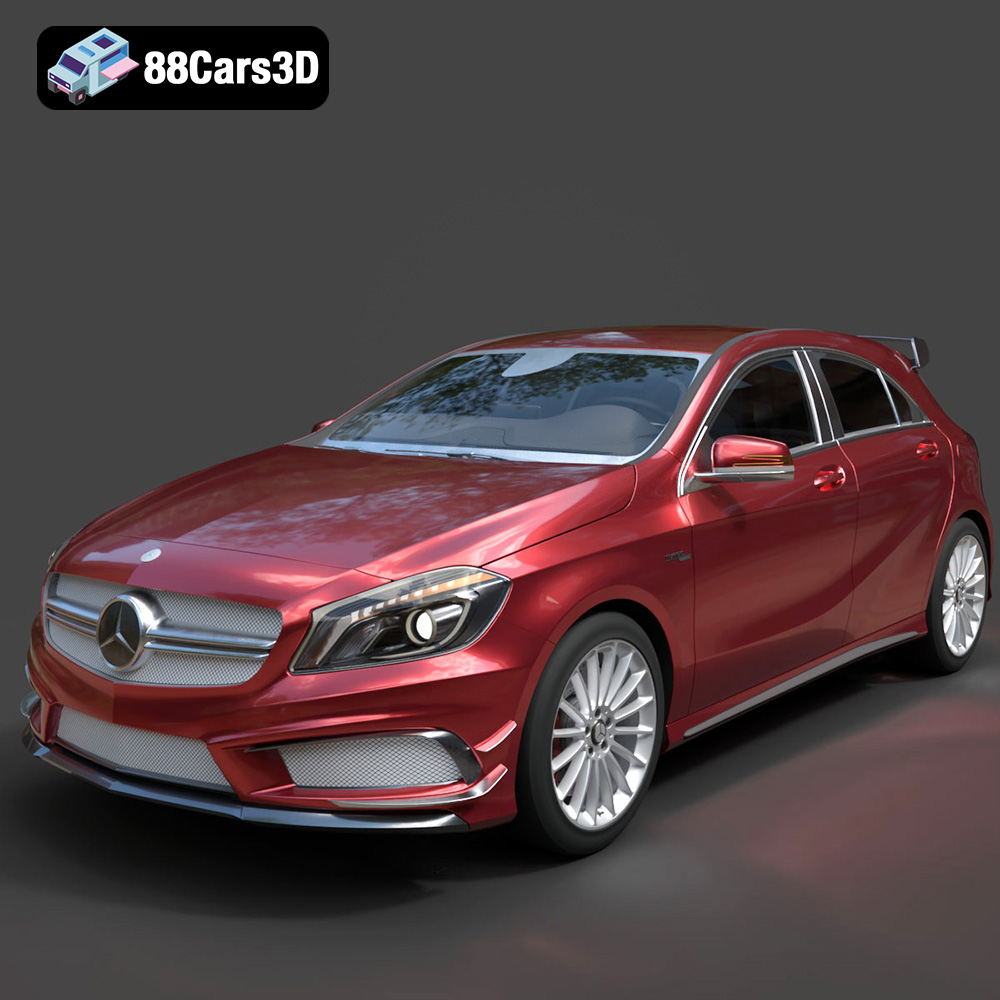
Download the Mercedes-Benz A45 2021 3D Model featuring clean geometry, realistic detailing, and a fully modeled interior. Includes .blend, .fbx, .obj, .glb, .stl, .ply, .unreal, and .max formats for rendering, simulation, and game development.
Price: $9.99
Texture: Yes
Material: Yes
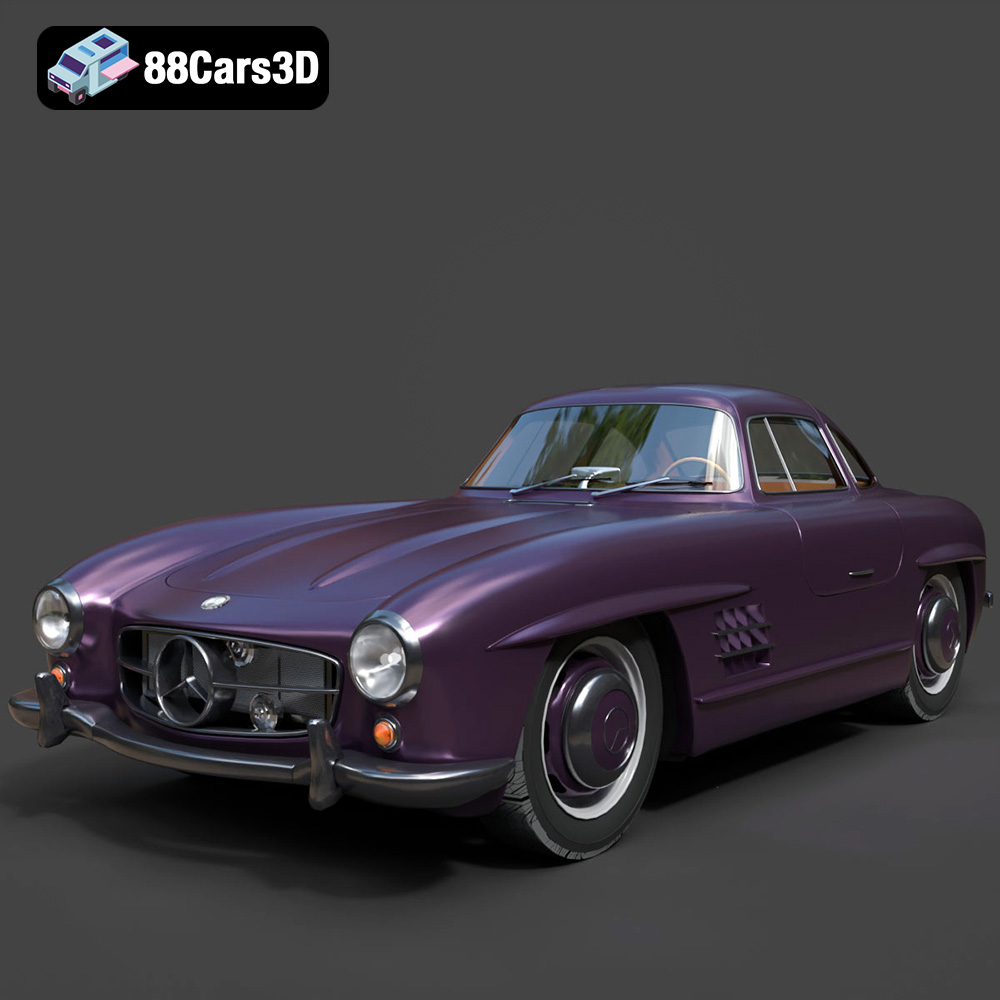
Download the Mercedes-Benz 300SL 1955 3D Model featuring clean geometry, realistic detailing, and a fully modeled interior. Includes .blend, .fbx, .obj, .glb, .stl, .ply, .unreal, and .max formats for rendering, simulation, and game development.
Price: $9.99
Texture: Yes
Material: Yes
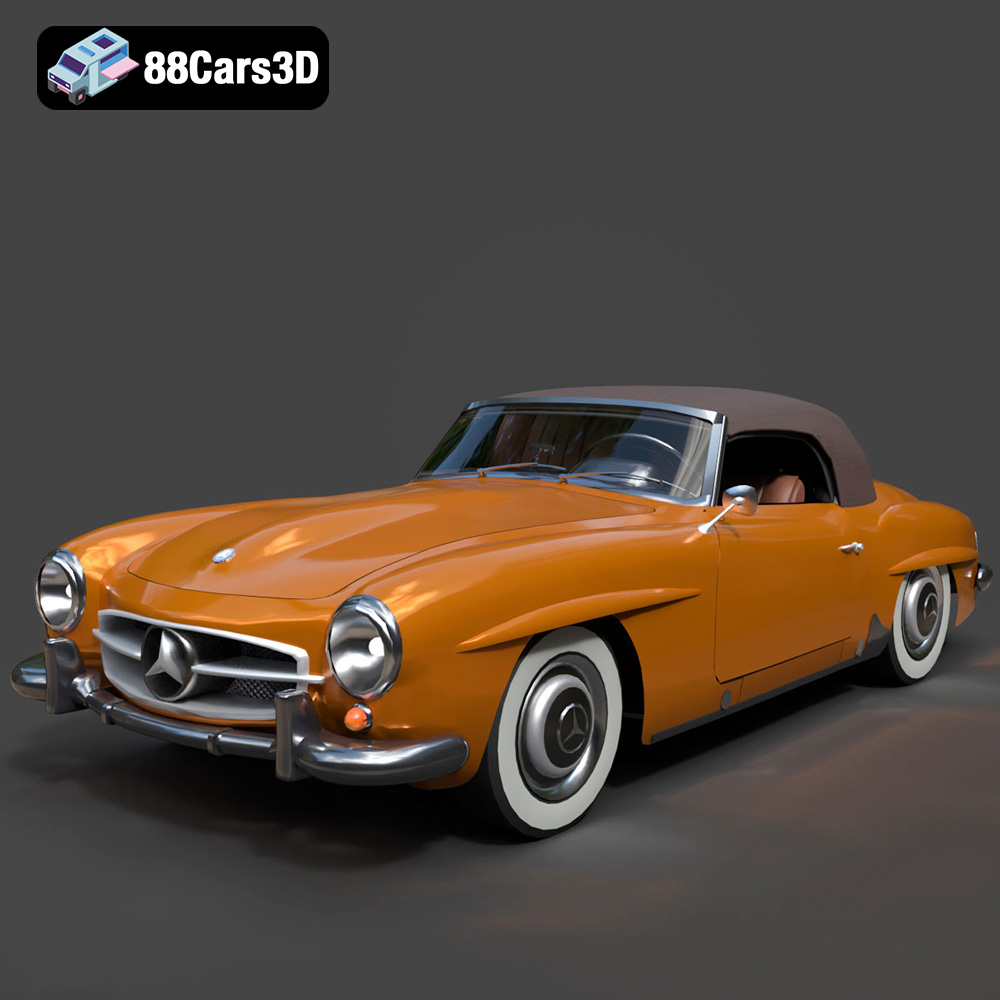
Download the Mercedes-Benz 190SL 1955 3D Model featuring clean geometry, realistic detailing, and a fully modeled interior. Includes .blend, .fbx, .obj, .glb, .stl, .ply, .unreal, and .max formats for rendering, simulation, and game development.
Price: $9.99
Texture: Yes
Material: Yes
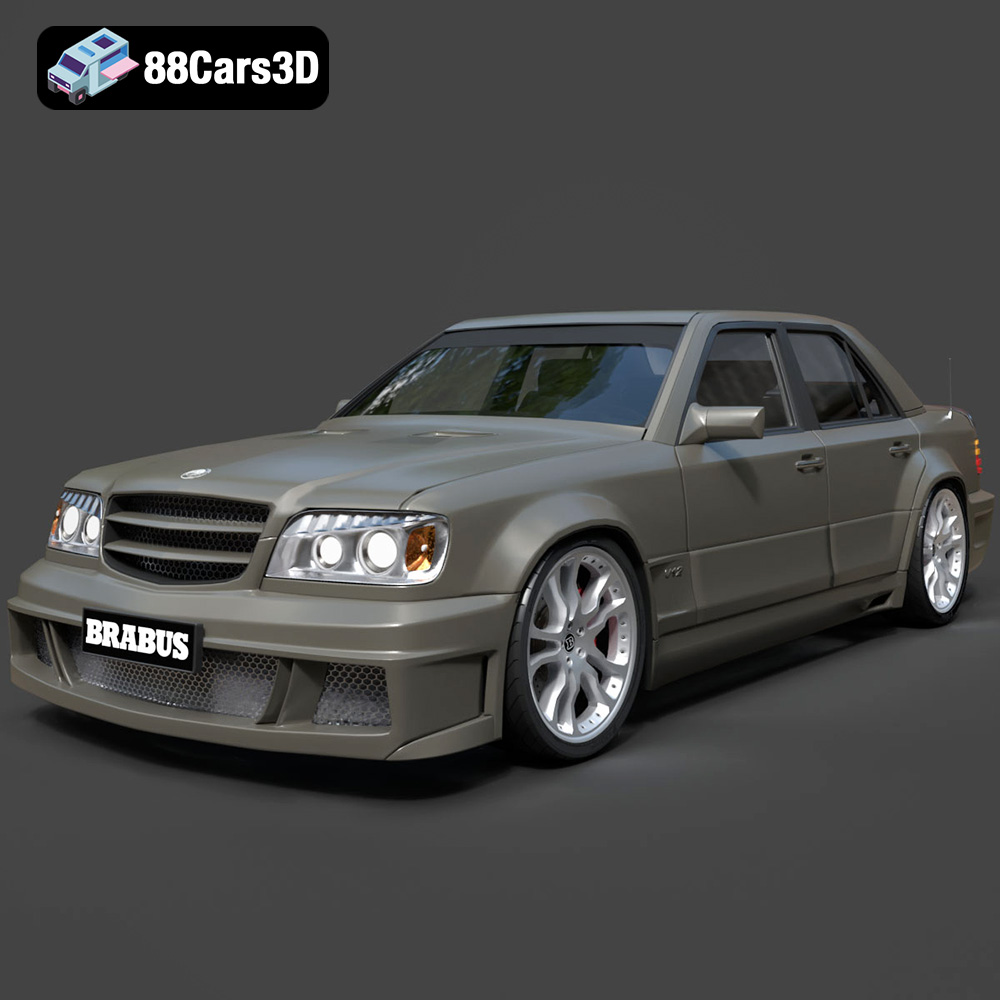
Download the Mercedes-Benz W124 Brabus V12 3D Model featuring clean geometry, realistic detailing, and a fully modeled interior. Includes .blend, .fbx, .obj, .glb, .stl, .ply, .unreal, and .max formats for rendering, simulation, and game development.
Price: $9.99

