Get 20% OFF All Premium 3D & STL Models!

A high-quality 3D car model is a masterpiece of digital craftsmanship, but its raw form is just the beginning of its journey. Whether you’re an automotive designer chasing photorealistic renders, a game developer building an immersive racing experience, or an AR innovator placing virtual vehicles in the real world, the initial model must be expertly prepared. A common mistake is assuming a single, high-polygon model will work flawlessly across all platforms. The reality is that each application—from offline rendering to real-time engines and 3D printing—has its own unique set of technical requirements and performance budgets. Failure to properly prepare your asset can lead to poor performance, visual artifacts, and frustrating production bottlenecks.
This comprehensive guide will walk you through the entire pipeline of preparing professional 3D car models for any conceivable use case. We’ll dive deep into the technical foundations of topology and UV mapping, explore the art of creating realistic PBR materials, and detail the specific optimization workflows for high-end rendering, game engines like Unity and Unreal, AR/VR applications, and even physical 3D printing. By the end, you’ll understand how to transform a base model into a versatile, performant, and visually stunning asset, no matter your final goal.
Topology, the structure and flow of polygons that form a 3D mesh, is the absolute bedrock of a quality 3D car model. Good topology isn’t just about the final shape; it dictates how the model will subdivide, deform, catch light, and be textured. For automotive models, with their blend of long, sweeping curves and sharp, precise details, clean topology is non-negotiable. It’s the difference between a surface that reflects light like liquid metal and one that appears warped and full of artifacts.
The industry standard for “hard-surface” models like cars is to use a quad-based workflow. This means the mesh is constructed almost entirely of four-sided polygons (quads). There are several critical reasons for this:
When modeling or evaluating a model, ensure the edge flow intelligently follows the contours and feature lines of the vehicle. The polygons should flow around headlights and along door panels, not fight against them.
The required polygon count depends entirely on the target application. A single source model, often found on marketplaces like 88cars3d.com, is typically a high-fidelity “hero” model that can be adapted.
Even the best models can have issues. Be on the lookout for N-gons, especially on curved surfaces, as they are the number one cause of shading artifacts. Use your modeling software’s cleanup tools to find and convert them to quads. Watch for “poles”—vertices with five or more edges converging—and try to keep them on flatter areas of the model, as they can cause slight pinching on curved surfaces. Finally, ensure there are no overlapping vertices or internal faces, which can cause rendering and 3D printing errors.
If topology is the skeleton, UV mapping is the skin. A UV map is a 2D representation of your 3D model’s surface, acting as a guide for applying textures. For a complex object like a car, a strategic and clean UV unwrap is essential for creating realistic materials, applying decals, and optimizing texture memory.
The first step in UV mapping is deciding where to place your “seams”—the edges where the 3D mesh will be cut and flattened into 2D UV “shells” or “islands.” A good seam strategy is key to minimizing visible texture discontinuities.
Texel density refers to the number of texture pixels per unit of 3D space. Maintaining a consistent texel density across your entire model is crucial for a uniform appearance. If the car door has a high texel density and the fender has a low one, the texture on the door will look sharp and detailed while the fender will appear blurry and low-resolution right next to it.
To achieve consistency, scale your UV shells so that the checkerboard pattern is roughly the same size across all parts of the car that share a similar material and viewing distance. For a primary 4096×4096 texture map, a common target for a high-quality automotive render might be 10.24 pixels/cm. Tools in Blender and plugins for 3ds Max can help you automatically measure and set texel density across multiple shells.
For hero assets in film or high-end automotive rendering, a single texture map may not provide enough resolution for extreme close-ups. This is where a Multi-Tile or UDIM (U-Dimension) workflow comes in. Instead of packing all UV shells into the standard 0-1 UV space, you can arrange them across multiple UV tiles (1001, 1002, 1003, etc.). Each tile can then be assigned its own high-resolution texture map (e.g., multiple 4K or 8K maps). This allows you to achieve incredible detail on every part of the vehicle, from the fine grain of the leather interior to the micro-scratches on the paintwork, without resorting to a single, impossibly large texture file.
Physically Based Rendering (PBR) is a methodology for shading and rendering that provides a more accurate representation of how light interacts with materials. Creating convincing PBR materials is the key to achieving photorealism. For a car, this means accurately simulating everything from metallic car paint and rough plastic trim to clear glass and emissive lights.
Most modern PBR workflows (like Metal/Roughness) rely on a set of texture maps that control different surface attributes:
A car paint material is more than just a single color. A realistic shader is a layered network. In 3ds Max with Corona/V-Ray or Blender with Cycles, you can build a multi-layered material:
You can create these PBR maps using various techniques. Software like Substance Painter allows you to paint directly onto the 3D model, using procedural tools to generate wear and tear, dirt, and grime. For game assets, you’ll perform a “bake,” transferring details like ambient occlusion (soft contact shadows) and curvature from the high-poly model onto texture maps for the low-poly model. This is a critical step in the game assets pipeline to ensure maximum detail with minimum performance cost.
When your goal is a stunning marketing image or a cinematic shot, performance takes a backseat to visual fidelity. Preparing a 3D car model for an offline renderer like Corona, V-Ray, Arnold, or Cycles involves maximizing detail and perfecting the interplay of light and shadow.
Before rendering, you’ll typically apply a subdivision modifier to your model. A render level of 2 or 3 is common, which can turn a 200k polygon base mesh into a multi-million polygon object with perfectly smooth curves. It is also critical to ensure your smoothing groups (in 3ds Max/Maya) or sharp edges (in Blender) are correctly set. This tells the render engine which edges should appear sharp (like a panel gap) and which should be smoothed over, preventing faceting on low-to-mid-poly meshes even without heavy subdivision.
Lighting can make or break an automotive render. The two most common setups are:
While most modern renderers can achieve stunning results, they have different strengths. Corona Renderer is often praised for its ease of use and physically plausible results with minimal tweaking. V-Ray is an industry powerhouse known for its speed, flexibility, and vast array of controls for fine-tuning every aspect of the render. Blender’s Cycles is a remarkably capable and free path-tracing engine that is perfect for artists on a budget. The choice often comes down to personal workflow preference and integration with your primary 3D software.
Preparing a car model for a game engine like Unreal Engine or Unity is a completely different discipline focused on maximum performance. Every polygon, texture, and material must be ruthlessly optimized to run at a high frame rate.
The first step is creating the low-poly game model. This can be done by manually building a new, simplified mesh over the top of the high-poly model (retopology) or by using automatic simplification algorithms. The goal is a mesh that retains the car’s silhouette but eliminates all unnecessary polygons.
Next, you create Levels of Detail (LODs). These are even simpler versions of the base game mesh that the engine swaps in as the car gets further from the camera.
LODs are absolutely critical for maintaining performance in scenes with many vehicles.
In a game engine, a “draw call” is a command from the CPU to the GPU to draw an object on the screen. Each separate material on an object typically results in a separate draw call. Having too many draw calls can severely bottleneck performance. To combat this, we use texture atlasing. This involves combining the textures for multiple parts of the car (e.g., body, trim, interior bits) into a single, larger texture sheet. By assigning one material that uses this atlas, you can reduce dozens of draw calls to just one, dramatically improving performance. This requires a careful re-layout of the UV shells from all combined parts into a single UV space.
Once in the engine, ensure you’re using efficient shaders. Both Unity and Unreal have specialized car paint shaders that are optimized for real-time performance. Use texture compression formats (like DXT/BC) to reduce memory usage. Set up collision meshes correctly—using a series of simplified convex hull shapes is far more performant than using the visible mesh for physics calculations. Models sourced from marketplaces such as 88cars3d.com often come with game-ready versions, saving developers significant time on these optimization steps.
The utility of a 3D car model doesn’t end with renders and games. Emerging platforms like Augmented Reality (AR), Virtual Reality (VR), and 3D printing present new challenges and opportunities.
AR and VR applications, especially those running on mobile devices, have the strictest performance budgets of all. The polygon count must be extremely low (often under 20k polys for a hero asset) and texture sizes must be kept small (1K or 2K at most). The number of materials should be minimized, ideally using a single texture atlas for the entire object. Every optimization technique from the game engine workflow is applied here, but even more aggressively.
For AR/VR and web-based 3D viewers, standard file formats like FBX and OBJ are often too cumbersome. The industry has standardized around two key formats:
Converting your model to these formats is a crucial final step for AR/VR deployment.
Preparing a model for 3D printing is a unique challenge. Unlike rendering, where visual tricks can hide errors, a 3D printer requires a perfect, solid object. The mesh must be “watertight” or “manifold,” meaning it has no holes, no internal faces, and every edge is connected to exactly two faces. You must also consider wall thickness; parts that are paper-thin in the 3D scene will fail to print. You’ll need to use tools like Blender’s 3D-Print Toolbox or software like Meshmixer to analyze and repair the mesh, check for non-manifold errors, and thicken thin parts to ensure a successful physical print.
We’ve journeyed through the entire lifecycle of a 3D car model, demonstrating that the initial creation is just the first step. True mastery lies in the ability to adapt that high-fidelity blueprint for any purpose. From the meticulous placement of edge loops in the topology phase to the strategic optimization for real-time performance, each stage requires a unique combination of artistic skill and technical knowledge. By understanding the specific needs of high-end rendering, game development, AR/VR, and 3D printing, you can unlock the full potential of your 3D car models.
The key takeaway is to always begin with the end in mind. Before you start optimizing, know your target platform’s limitations and requirements. Remember that a well-structured, clean, high-poly model is the most valuable starting point, as it’s far easier to simplify a detailed model than it is to add detail to a simple one. Whether you are creating models from scratch or sourcing them from professional platforms, applying these preparation techniques will ensure your final asset is not only beautiful but also performant, robust, and ready for any digital or physical reality you can imagine.

Texture: Yes
Material: Yes
Download the Mercedes-Benz SLK 350 2005 3D Model featuring clean geometry, realistic detailing, and a fully modeled interior. Includes .blend, .fbx, .obj, .glb, .stl, .ply, .unreal, and .max formats for rendering, simulation, and game development.
Price: $9.99
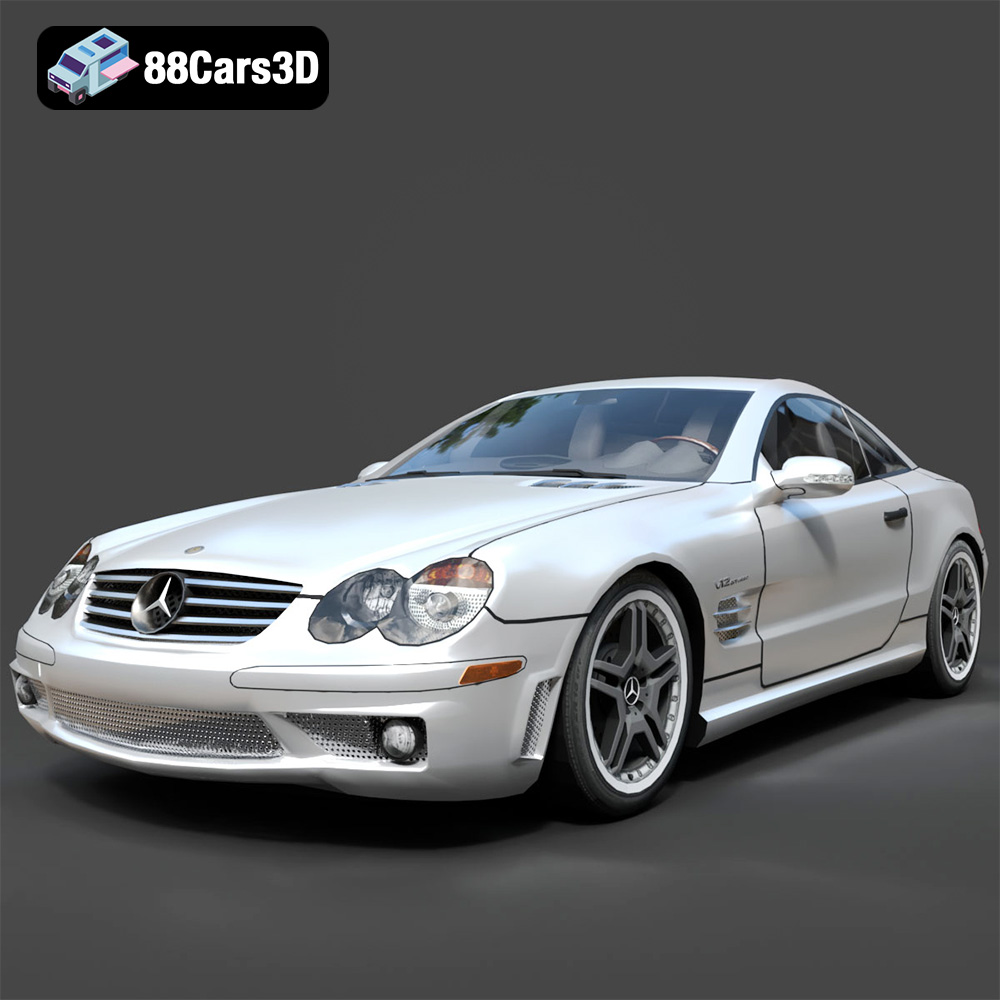
Texture: Yes
Material: Yes
Download the Mercedes-Benz SL 65 AMG 3D Model featuring clean geometry, realistic detailing, and a fully modeled interior. Includes .blend, .fbx, .obj, .glb, .stl, .ply, .unreal, and .max formats for rendering, simulation, and game development.
Price: $9.99
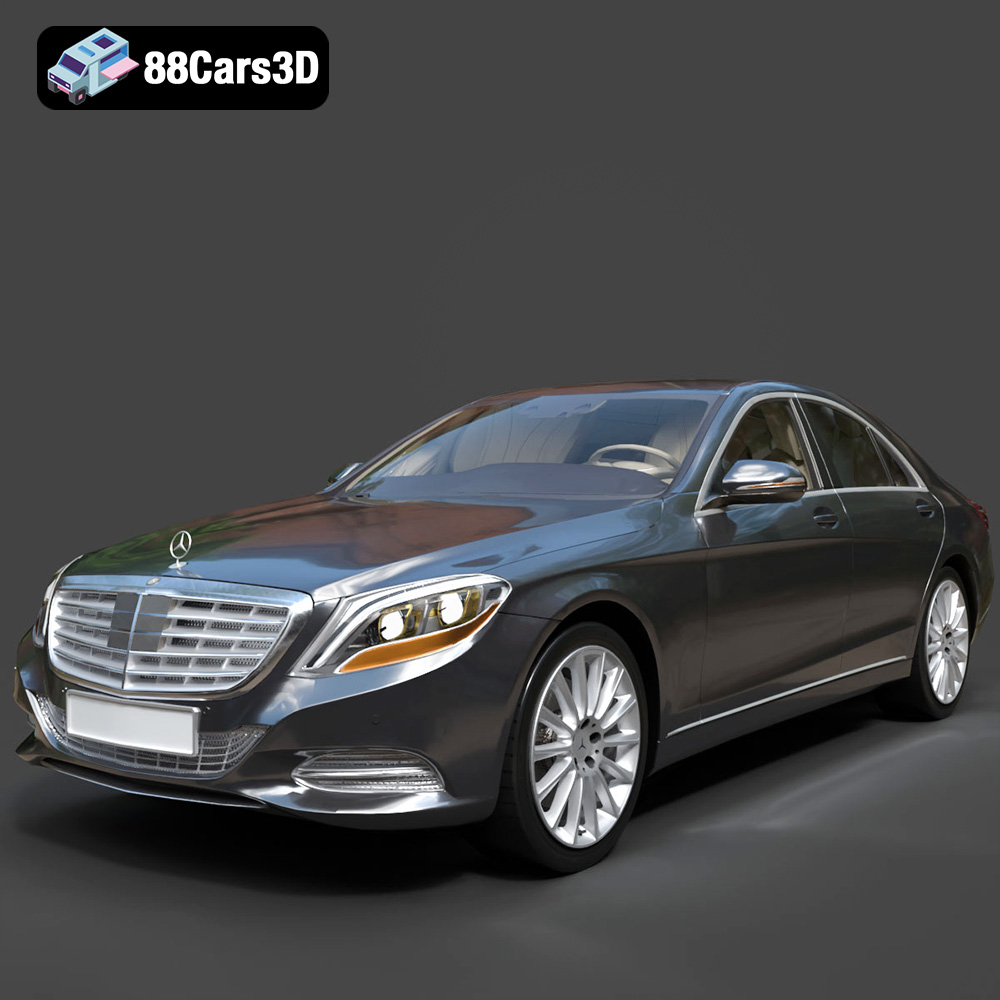
Texture: Yes
Material: Yes
Download the Mercedes-Benz S500 3D Model featuring clean geometry, realistic detailing, and a fully modeled interior. Includes .blend, .fbx, .obj, .glb, .stl, .ply, .unreal, and .max formats for rendering, simulation, and game development.
Price: $9.99
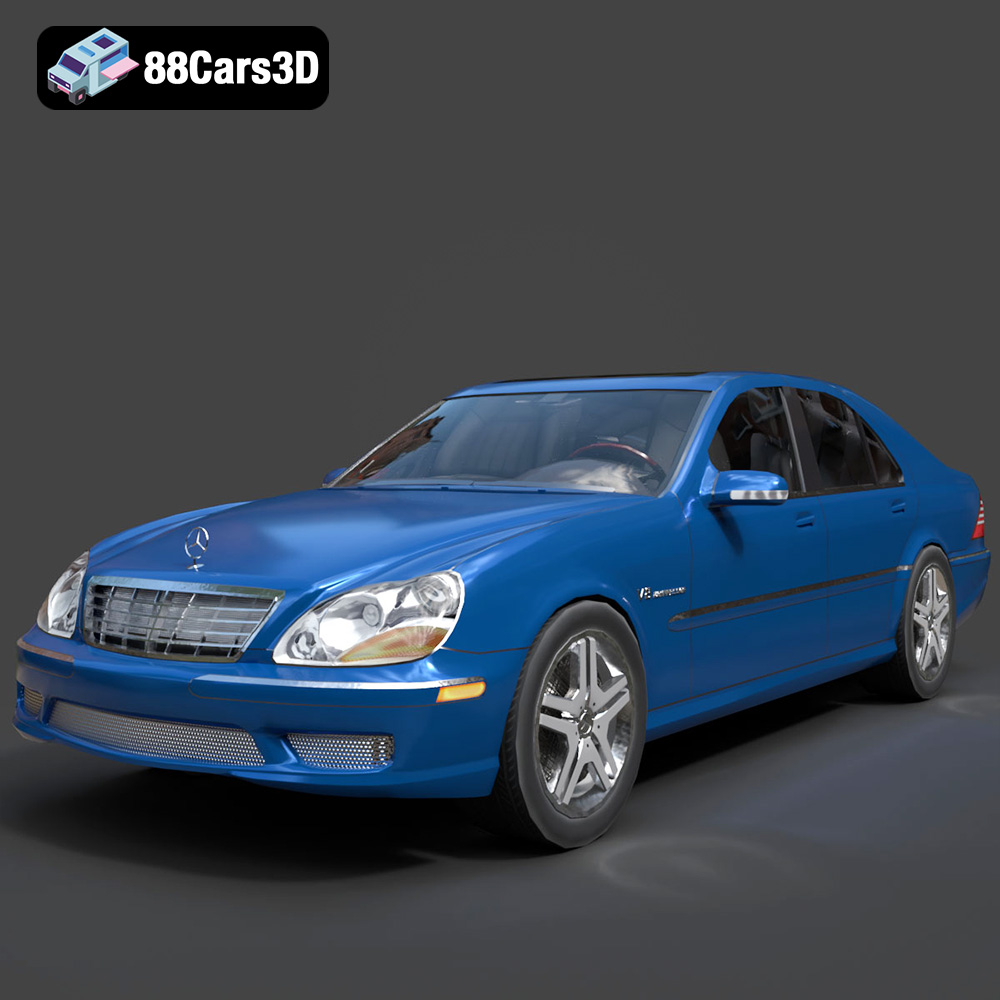
Texture: Yes
Material: Yes
Download the Mercedes-Benz S55 W220 AMG 1999 3D Model featuring clean geometry, realistic detailing, and a fully modeled interior. Includes .blend, .fbx, .obj, .glb, .stl, .ply, .unreal, and .max formats for rendering, simulation, and game development.
Price: $9.99
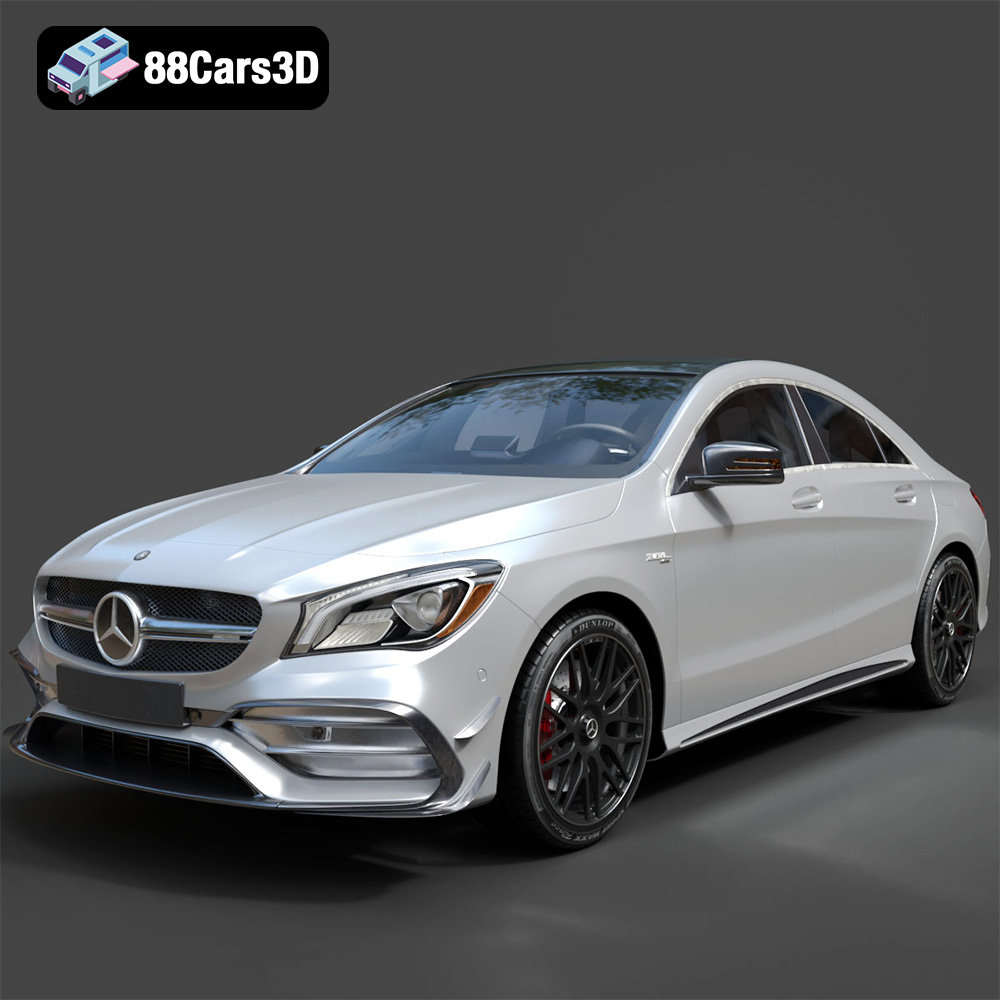
Texture: Yes
Material: Yes
Download the Mercedes-Benz CLA45 AMG 2017 3D Model featuring clean geometry, realistic detailing, and a fully modeled interior. Includes .blend, .fbx, .obj, .glb, .stl, .ply, .unreal, and .max formats for rendering, simulation, and game development.
Price: $29.99
Texture: Yes
Material: Yes
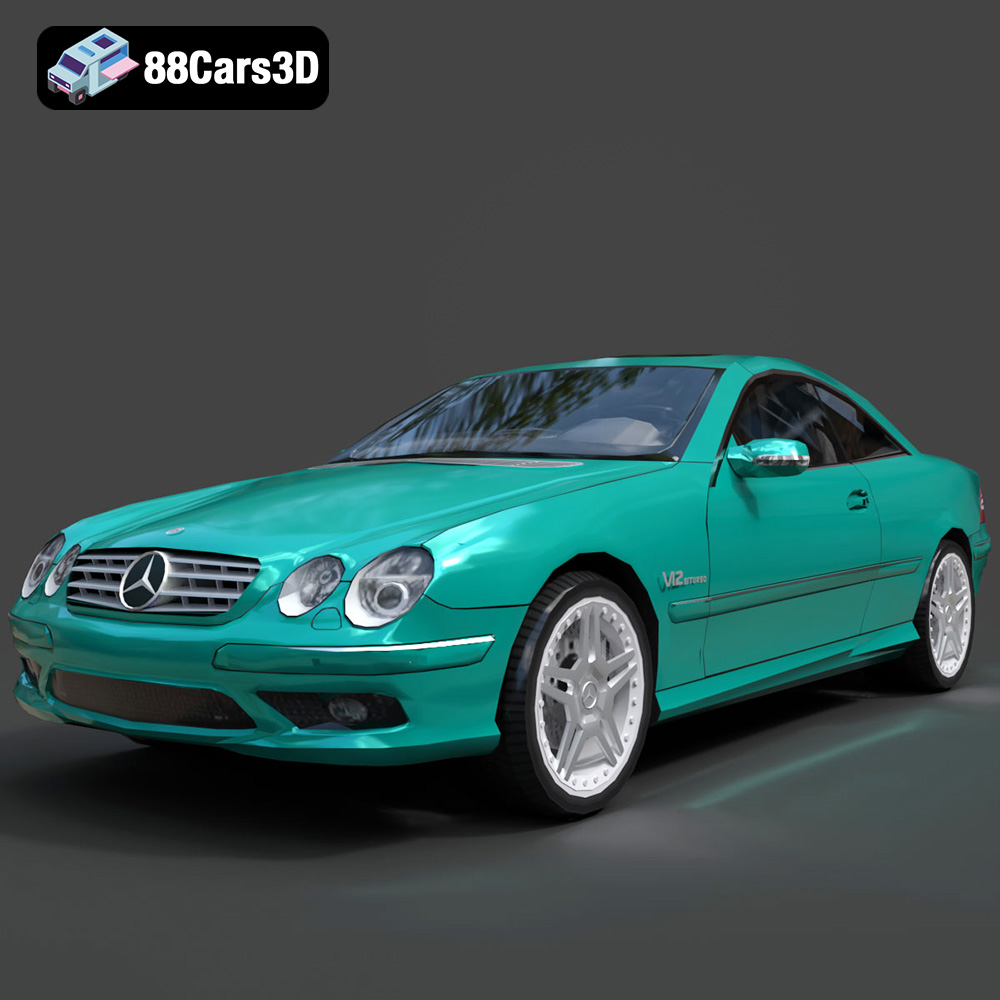
Download the Mercedes-Benz CL65 C215 AMG 3D Model featuring clean geometry, realistic detailing, and a fully modeled interior. Includes .blend, .fbx, .obj, .glb, .stl, .ply, .unreal, and .max formats for rendering, simulation, and game development.
Price: $9.99
Texture: Yes
Material: Yes
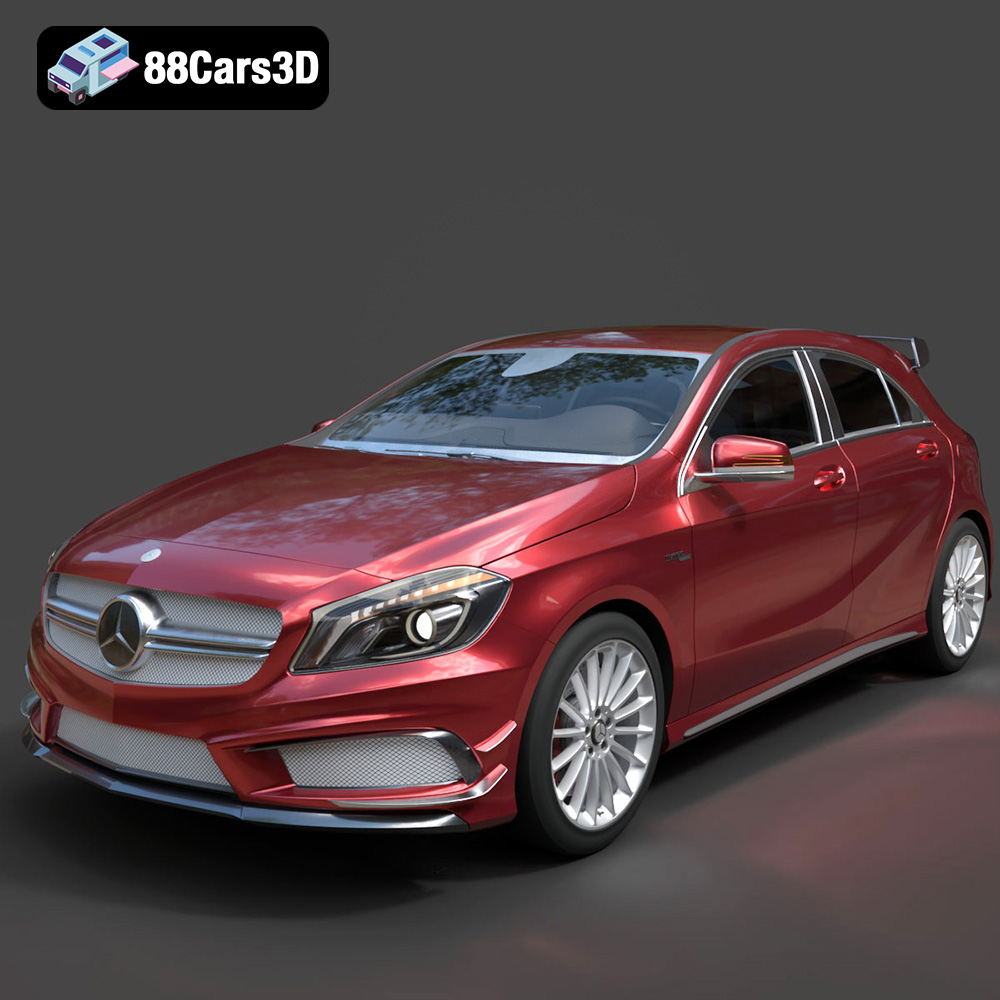
Download the Mercedes-Benz A45 2021 3D Model featuring clean geometry, realistic detailing, and a fully modeled interior. Includes .blend, .fbx, .obj, .glb, .stl, .ply, .unreal, and .max formats for rendering, simulation, and game development.
Price: $9.99
Texture: Yes
Material: Yes
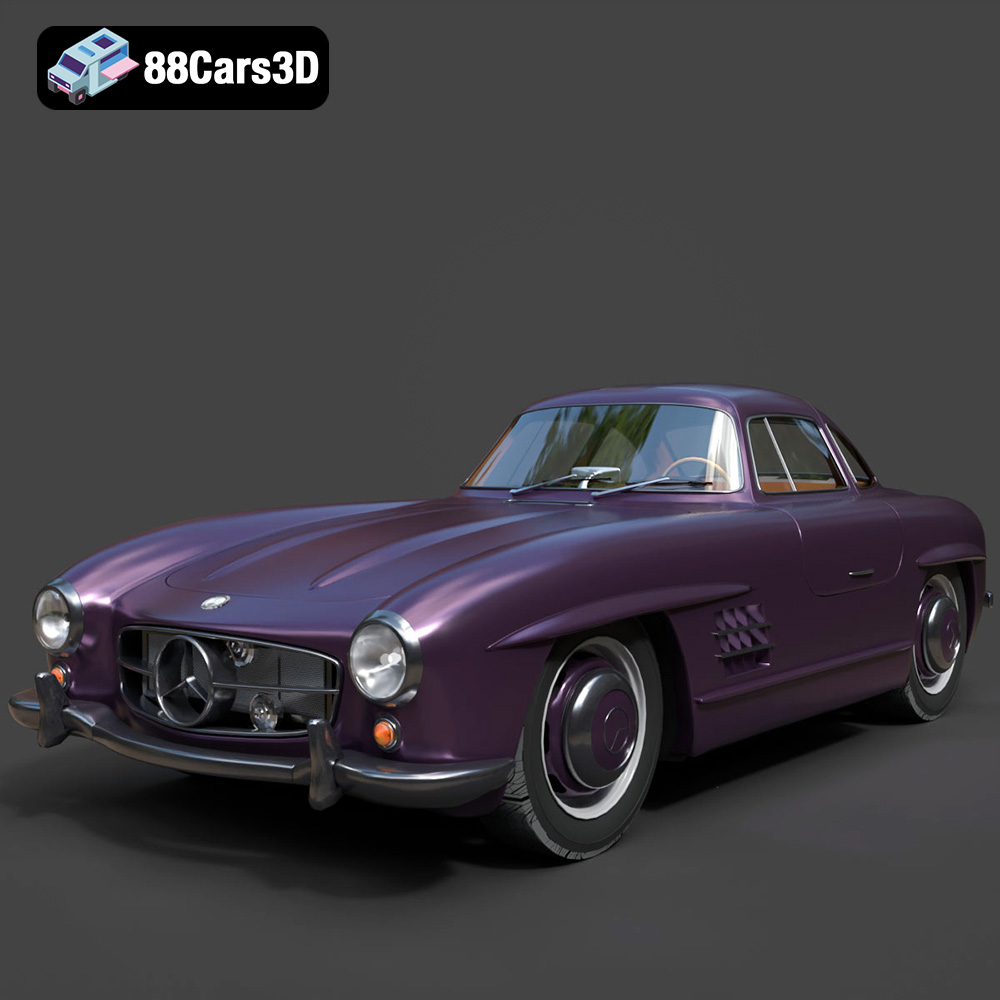
Download the Mercedes-Benz 300SL 1955 3D Model featuring clean geometry, realistic detailing, and a fully modeled interior. Includes .blend, .fbx, .obj, .glb, .stl, .ply, .unreal, and .max formats for rendering, simulation, and game development.
Price: $9.99
Texture: Yes
Material: Yes
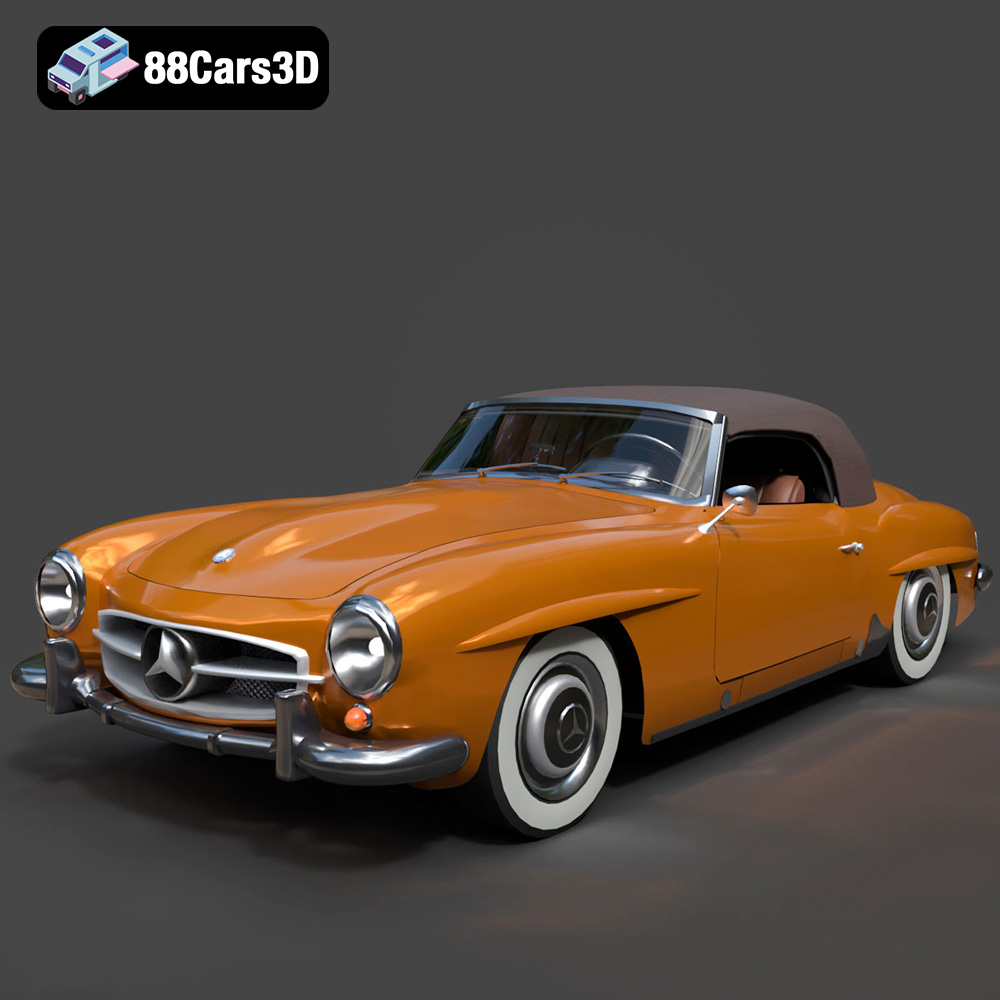
Download the Mercedes-Benz 190SL 1955 3D Model featuring clean geometry, realistic detailing, and a fully modeled interior. Includes .blend, .fbx, .obj, .glb, .stl, .ply, .unreal, and .max formats for rendering, simulation, and game development.
Price: $9.99
Texture: Yes
Material: Yes
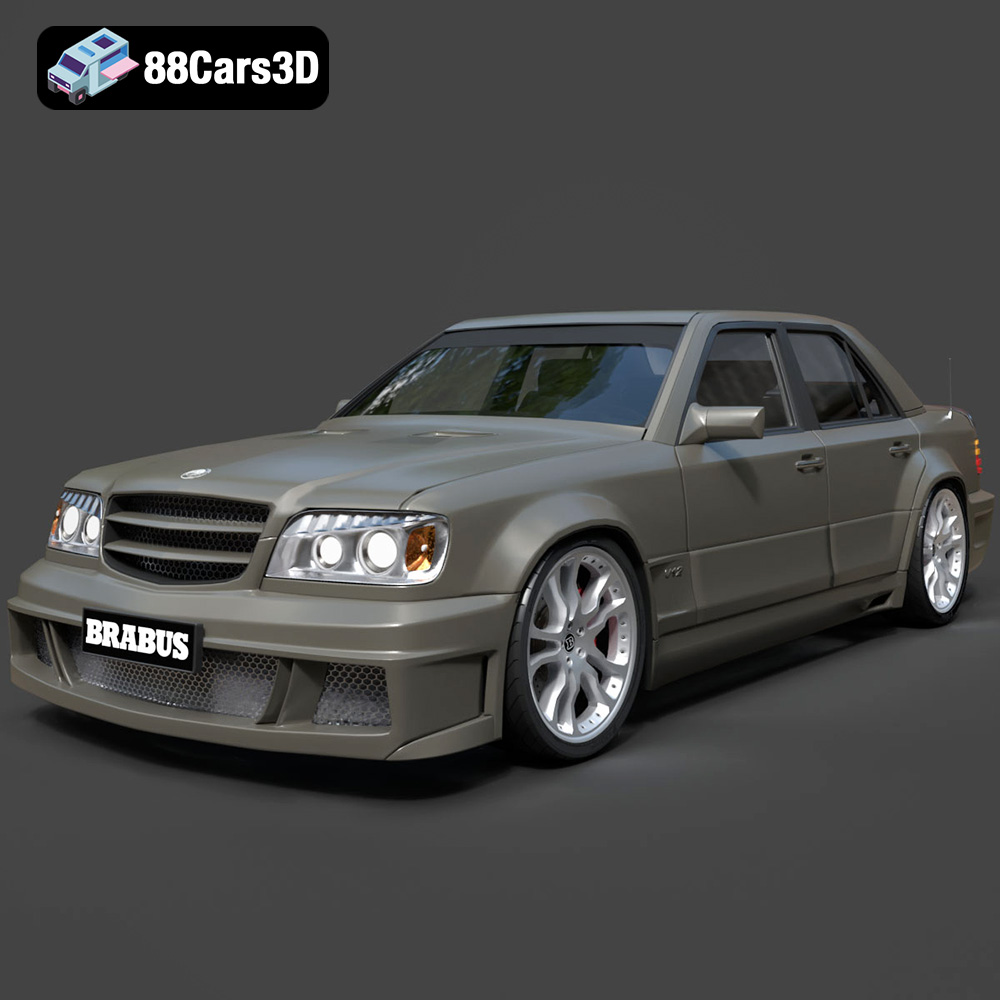
Download the Mercedes-Benz W124 Brabus V12 3D Model featuring clean geometry, realistic detailing, and a fully modeled interior. Includes .blend, .fbx, .obj, .glb, .stl, .ply, .unreal, and .max formats for rendering, simulation, and game development.
Price: $9.99

