Get 20% OFF All Premium 3D & STL Models!

The pursuit of ultimate realism in 3D rendering is an endless journey, especially when it comes to capturing the intricate beauty of an automobile. While standard PBR materials provide a fantastic foundation for most surfaces, they often fall short when replicating the complex, multi-layered appearance of modern automotive paint. This is where we go beyond the basics, diving deep into crafting advanced shaders that elevate your renders to truly photorealistic levels.
Achieving truly photorealistic rendering for vehicles demands a nuanced understanding of how light interacts with specialized paint finishes. It’s not just about a simple color and roughness map; it’s about simulating microscopic flakes, multiple reflective layers, and subtle imperfections. This guide will walk you through the technical intricacies of developing hyper-realistic automotive paint shaders, suitable for both high-end offline rendering and optimized real-time game engine performance. Let’s unlock the secrets to truly stunning automotive visuals.
Before we can replicate automotive paint in a digital environment, it’s essential to understand its real-world composition. Automotive paint is a sophisticated system, built up in distinct layers, each contributing to its unique appearance and protective qualities. Standard PBR materials often simplify this, but for true realism, we must deconstruct these layers.
At its core, automotive paint isn’t a single material. It’s a carefully engineered stack of chemicals designed for durability, color, and visual appeal. Each layer interacts with light differently, creating the depth, gloss, and sparkle we associate with a pristine car finish. Understanding this physical basis is the first step towards building an accurate 3D representation.
The journey begins with the primer, a foundational layer that ensures adhesion and provides a uniform surface for subsequent coats. While often not directly visible, its underlying texture can subtly influence the final look. Above the primer lies the base coat, which is primarily responsible for the car’s color. This layer can be a solid color, metallic, or pearlescent.
For solid colors, the base coat is relatively straightforward: a diffuse color with a certain level of roughness. However, metallic and pearl finishes introduce an entirely new dimension. These contain microscopic particles that scatter and reflect light, creating a shimmering effect that changes with the viewing angle. This interaction is key to realistic automotive paint.
The true character of many automotive paints comes from their metallic or pearlescent additives. Metallic flakes are tiny aluminum particles that act as miniature mirrors, reflecting light in a highly directional manner. Pearl flakes, on the other hand, are typically mica-based pigments coated with titanium dioxide, creating an interference effect that causes color shifts depending on the angle of incidence and observation.
Simulating these metallic flakes accurately is paramount for a convincing shader. They contribute significantly to the perceived depth and sparkle of the paint. Their orientation, density, and size all play a role in how light is scattered and reflected, making them a complex but rewarding element to master. Without them, even the most advanced clear coat layer will lack authenticity.
Overarching everything is the clear coat layer, a transparent, durable layer of varnish that serves multiple critical functions. It protects the underlying base coat from UV radiation, scratches, and environmental damage. Crucially for rendering, it provides the paint with its characteristic deep gloss and acts as a primary reflective surface.
The clear coat is a thick, highly reflective dielectric material. It has its own roughness, distinct from the base coat, and exhibits a strong Fresnel effect. Light interacts with the clear coat first, reflecting some light and refracting the rest down to the base coat and flakes, only to refract back out. This double interaction is what gives automotive paint its incredible depth and complexity, making the clear coat layer the star of the show.
Translating the physical layers of car paint into a digital shader network requires a thoughtful approach. While PBR materials provide a solid starting point, we often need to build upon them, using a shader graph to construct a multi-layered material that mimics reality. This approach allows us to control each component independently, offering unparalleled realism.
The goal is to create a shader that isn’t just a single “car paint” material, but rather a system where individual layers—base color, metallic flakes, and clear coat—can be precisely controlled and blended. This modularity is key for fine-tuning the look and achieving specific automotive finishes, from high-gloss showroom vehicles to more weathered, utilitarian paints. For a head start, 88cars3d.com offers meticulously crafted models with advanced material setups that can serve as excellent learning resources or production-ready assets.
The most effective way to build an advanced automotive paint shader is through a layered approach within your software’s shader graph editor. Imagine stacking materials just as real paint is applied: start with the base, add the metallic/pearl effect, and then top it with a pristine clear coat. Many modern renderers and game engines offer dedicated multi-layer or coating shaders, but understanding the underlying principles allows for custom implementations when needed.
Typically, your shader graph will involve at least two distinct reflective lobes: one for the base coat and one for the clear coat. These are then blended, with the clear coat often acting as a transparent dielectric layer on top of the base. Additional nodes will be used to generate or texture the metallic flakes and control the specific properties of each layer, such as roughness, IOR, and tint.
The base coat forms the primary colored surface beneath the clear coat. For a solid paint, this is simply a diffuse color, a metallic value of 0, and a roughness value. However, even solid paints can have subtle variations in roughness, contributing to a softer or harder reflection.
When working with metallic or pearlescent base coats, this layer becomes more complex. The “color” is still present, but the metallic attribute is no longer zero, and we introduce the shimmer of flakes. This requires careful consideration of how the flakes interact with the base color and the light. It’s crucial to balance the base color’s contribution with the flake reflections to prevent the paint from looking too flat or too “sparkly” without depth.
Simulating metallic flakes is where many generic PBR car paint shaders fall short. A common technique involves using a separate anisotropic reflection lobe or a micro-flake texture map. This texture is often a noise pattern or a procedurally generated map that represents the distribution and orientation of individual flakes.
For metallic flakes, you might use a normal map derived from a noise pattern to give varying orientations to tiny reflective facets, or even generate a ‘sparkle’ effect directly within the shader. Pearl flakes often require a more sophisticated approach, involving iridescent effects or a subtle shift in reflection color based on the viewing angle, mimicking optical interference. The key is to make these metallic flakes appear embedded within the paint, beneath the clear coat, rather than simply painted on the surface.
The clear coat layer is arguably the most critical component for achieving hyper-realistic automotive paint. It’s the transparent shield that provides the deep gloss, intricate reflections, and the sense of depth that makes car paint so captivating. Without a properly simulated clear coat, even the most detailed base coat and metallic flakes will look flat and unconvincing.
This layer functions as a separate, highly reflective surface on top of all other paint components. Its properties – thickness, Index of Refraction (IOR), roughness, and even subtle absorption – must be precisely controlled to mimic real-world physics. It’s the interaction of light with this transparent layer that creates the distinctive sheen and protects the underlying color and sparkle.
The Fresnel effect is fundamental to any dielectric material, and it’s especially prominent on the clear coat layer. It describes how the reflectivity of a surface changes with the viewing angle: surfaces are more reflective at glancing angles (shallows) and less reflective when viewed head-on (normals). For automotive clear coats, a typical IOR value ranges between 1.4 to 1.5. This value dictates the strength of the Fresnel effect.
Accurate Fresnel control is essential for preventing the paint from looking like plastic. A strong Fresnel effect ensures that highlights become more intense and reflections appear sharper towards the edges of curved surfaces, perfectly replicating how light behaves on a car’s body panels. Adjusting the Fresnel curve and base reflectivity allows for fine-tuning the material’s response to light.
While often desired to be perfectly smooth, real-world clear coats are rarely flawless. Micro-scratches, swirl marks from washing, dust specks, and orange peel texture (a subtle waviness from the painting process) all contribute to realism. These subtle imperfections break up perfectly uniform reflections, making the surface appear more authentic.
These details can be introduced using very subtle normal maps or roughness maps. A roughness map can vary the glossiness across the surface, introducing slight blurriness in reflections where micro-scratches occur. For specific imperfections like swirl marks, a dedicated texture map that subtly modifies the normal or roughness can add a layer of convincing detail without being overly distracting. The goal is subtle enhancement, not overt damage, unless specifically intended.
Beyond reflection, the clear coat also influences the light that passes through it. Depending on its thickness and material properties, a clear coat can exhibit subtle absorption or even a slight tint. While often transparent, some clear coats can have a very faint yellowish or bluish tint, especially when viewed through thicker sections.
Simulating this absorption can add a surprising amount of depth. Light traveling through the clear coat might lose a minuscule amount of energy or subtly shift in color before hitting the base coat and reflecting back. This effect is usually very subtle but contributes to the overall believability, especially in extreme close-ups or studio renders where every detail matters. This is another area where a well-structured shader graph can really shine.
Once the fundamental layers are in place, we turn our attention to the subtleties of light interaction that truly push a shader into the hyper-realistic domain. It’s not just about having reflections; it’s about the quality, character, and directionality of those reflections. This is where techniques like anisotropic reflections and precise Fresnel control become indispensable for capturing the nuanced beauty of automotive surfaces.
These advanced techniques move beyond the generalized isotropic reflections often found in basic PBR materials. They account for microscopic surface structures and the way light bounces off them in a directionally dependent manner. Mastering these elements is crucial for achieving the distinctive sheen and depth found in high-quality car paint, distinguishing it from generic shiny objects.
Anisotropic reflections are a game-changer for automotive paint, particularly for metallic finishes and even many solid colors. Unlike isotropic reflections, which are uniform in all directions, anisotropic reflections stretch and deform based on the direction of surface “grains” or microscopic grooves. Think of brushed metal or the streaks left by a polishing cloth – light streaks perpendicular to the direction of these grooves.
For car paint, anisotropic reflections simulate the alignment of metallic flakes or the microscopic texture left by the spraying and curing process. This results in elongated, streaky highlights that follow the curvature of the car’s panels. Implementing anisotropic reflections typically involves a tangent map or a procedural setup within your shader graph, dictating the directionality of the reflections across the surface. This effect is particularly noticeable on curved surfaces and is essential for convincing automotive gloss.
While we discussed the basic Fresnel effect for the clear coat, precise Fresnel control goes a step further. It involves fine-tuning the curve that dictates how reflectivity changes with angle. Different clear coat formulations or even varying levels of polishing can alter this curve slightly. Some renderers offer advanced Fresnel parameters beyond just IOR, allowing for greater artistic control.
Experimenting with custom Fresnel curves can help achieve very specific looks, from a softer, more diffused edge reflectivity to a sharper, more mirror-like glint at glancing angles. This level of control, combined with accurate IOR values, ensures that the reflections behave exactly as they would on a real-world vehicle, contributing significantly to the overall photorealistic rendering.
The interplay between roughness and gloss is fundamental to PBR materials, but it takes on a critical role in automotive paint. The clear coat has its own roughness, distinct from the base coat’s. A perfectly smooth clear coat will produce sharp, crisp reflections, while a slightly rougher clear coat will diffuse them, creating a softer, more subtle sheen.
Achieving a pristine finish often involves a very low roughness value for the clear coat, but not zero. Even showroom cars have microscopic imperfections that prevent reflections from being absolutely perfect. Balancing this minimal roughness with a strong Fresnel and anisotropic effects is key. Furthermore, local variations in roughness (e.g., from dust or smudges) can add crucial micro-detail, preventing the paint from looking too synthetic. Remember, for high-quality models that truly embody these principles, check out the extensive collection at 88cars3d.com.
Crafting hyper-realistic automotive paint shaders for high-end rendering is one challenge; optimizing them for real-time game engines is another entirely. The goal is to retain as much visual fidelity as possible while ensuring the shader runs efficiently at interactive frame rates. This involves making smart compromises and leveraging engine-specific features for game engine optimization.
Real-time environments, whether for racing games, simulators, or architectural visualizations, have strict performance budgets. A complex shader network that looks stunning in an offline renderer might cripple performance in a game engine. Therefore, understanding how to simplify, bake, and strategically implement advanced features is paramount for delivering impressive visuals without sacrificing playability.
Every node and calculation in a shader graph contributes to its computational cost. Multi-layered shaders with numerous texture lookups, complex mathematical operations for flakes, and multiple reflection lobes can quickly become performance heavy. In a game engine, drawing hundreds or thousands of pixels with such a shader for every frame can lead to significant slowdowns.
Striking a balance involves identifying the most impactful visual elements and optimizing the rest. For instance, rather than complex procedural flake generation, a pre-baked normal map or a simpler, less compute-intensive flake algorithm might be used. Profiling your shader within the target game engine is crucial to identify bottlenecks and optimize accordingly. Prioritize the features that contribute most to the “wow” factor from typical viewing distances.
One of the most effective strategies for game engine optimization is to bake complex calculations into textures. For example, instead of calculating the blend of base color and metallic flakes in real-time, you could bake the final base color and metallic/roughness values into a set of texture maps. This shifts the computational load from run-time calculations to a one-time bake process.
Similarly, complex procedural noise used for micro-scratches or orange peel can be baked into normal maps or roughness maps. Simplifying the shader graph by reducing the number of nodes, consolidating operations, and making efficient use of texture memory are all vital steps. Game engines often have specific shader types or “master materials” that are highly optimized, which can be extended for custom automotive paint needs.
Level of Detail (LOD) systems are critical for managing performance in game engines. For automotive models, this means not only reducing polygon count at a distance but also simplifying the materials. At far distances, a simplified PBR material without advanced flake or anisotropic effects might be used, reducing shader complexity when the fine details aren’t perceptible.
Material swapping allows you to dynamically change the shader used on a model based on its distance from the camera. Close up, the full, complex automotive paint shader with all its advanced features is active. Further away, a more optimized, less complex shader takes over. This ensures that resources are only spent on details that the player can actually see, providing excellent game engine optimization without sacrificing high-fidelity visuals up close.
With the advent of real-time ray tracing, the landscape for photorealistic rendering in game engines is changing rapidly. Ray tracing can natively handle complex reflections, refractions, and accurate light bounces, making the simulation of multi-layered car paint much more physically accurate without extensive shader graph tricks. This can potentially simplify shader creation for highly reflective surfaces like clear coats.
However, pure ray tracing is still computationally expensive for an entire scene. Hybrid rendering approaches, which combine traditional rasterization with targeted ray tracing for reflections and global illumination, offer a balance. Leveraging these modern rendering pipelines can push automotive paint realism in real-time to unprecedented levels, delivering incredible visual quality while keeping performance manageable. The future of game engine optimization for such demanding materials is exciting and continuously evolving.
Crafting hyper-realistic automotive paint shaders is a journey that goes far beyond the surface-level application of PBR materials. It demands a deep understanding of the physics of light interaction with multi-layered coatings, the subtle interplay of metallic flakes, and the precise control over effects like Fresnel and anisotropic reflections. By meticulously building a shader graph that mimics real-world paint composition, we unlock a level of visual fidelity that truly brings vehicles to life.
Whether you’re aiming for stunning cinematic renders or striving for optimal performance in a cutting-edge game engine, the principles remain the same: deconstruct, layer, and refine. Each component, from the base color to the clear coat layer, plays a crucial role in the final aesthetic. With careful attention to detail and smart optimization techniques, especially for game engine optimization, you can achieve automotive paint that is virtually indistinguishable from reality.
Now that you’re equipped with this advanced knowledge, it’s time to put it into practice. Explore the possibilities, experiment with different settings, and push the boundaries of what’s possible. For a vast selection of high-quality 3D car models, meticulously crafted and ready for your advanced shader work, visit 88cars3d.com today. Elevate your automotive projects with assets designed for ultimate realism and make your next render truly shine.

Texture: Yes
Material: Yes
Download the Suzuki SX4-002 3D Model featuring clean geometry, realistic detailing, and a fully modeled interior. Includes .blend, .fbx, .obj, .glb, .stl, .ply, .unreal, and .max formats for rendering, simulation, and game development.
Price: $10

Texture: Yes
Material: Yes
Download the Tesla Model S 2024 3D Model featuring clean geometry, realistic detailing, and a fully modeled interior. Includes .blend, .fbx, .obj, .glb, .stl, .ply, .unreal, and .max formats for rendering, simulation, and game development.
Price: $10

Texture: Yes
Material: Yes
Download the Subaru Impreza WRX STi-002 3D Model featuring clean geometry, realistic detailing, and a fully modeled interior. Includes .blend, .fbx, .obj, .glb, .stl, .ply, .unreal, and .max formats for rendering, simulation, and game development.
Price: $10

Texture: Yes
Material: Yes
Download the Subaru Impreza WRX STi Sedan 3D Model featuring clean geometry, realistic detailing, and a fully modeled interior. Includes .blend, .fbx, .obj, .glb, .stl, .ply, .unreal, and .max formats for rendering, simulation, and game development.
Price: $10

Texture: Yes
Material: Yes
Download the Subaru Legacy 2009 3D Model featuring clean geometry, realistic detailing, and a fully modeled interior. Includes .blend, .fbx, .obj, .glb, .stl, .ply, .unreal, and .max formats for rendering, simulation, and game development.
Price: $10

Texture: Yes
Material: Yes
Download the Suzuki Swift 2024 3D Model featuring clean geometry, realistic detailing, and a fully modeled interior. Includes .blend, .fbx, .obj, .glb, .stl, .ply, .unreal, and .max formats for rendering, simulation, and game development.
Price: $10

Texture: Yes
Material: Yes
Download the Suzuki Liana Sedan 2004 3D Model featuring clean geometry, realistic detailing, and a fully modeled interior. Includes .blend, .fbx, .obj, .glb, .stl, .ply, .unreal, and .max formats for rendering, simulation, and game development.
Price: $10

Texture: Yes
Material: Yes
Download the Subaru Outback 2024 3D Model featuring clean geometry, realistic detailing, and a fully modeled interior. Includes .blend, .fbx, .obj, .glb, .stl, .ply, .unreal, and .max formats for rendering, simulation, and game development.
Price: $10

Texture: Yes
Material: Yes
Download the Subaru Legacy 2003 3D Model featuring clean geometry, realistic detailing, and a fully modeled interior. Includes .blend, .fbx, .obj, .glb, .stl, .ply, .unreal, and .max formats for rendering, simulation, and game development.
Price: $10

Texture: Yes
Material: Yes
Download the Subaru Legacy Touring Wagon 3D Model featuring clean geometry, realistic detailing, and a fully modeled interior. Includes .blend, .fbx, .obj, .glb, .stl, .ply, .unreal, and .max formats for rendering, simulation, and game development.
Price: $10

Texture: Yes
Material: Yes
Download the Toyota Mark II (X100) 3D Model featuring clean geometry, realistic detailing, and a fully modeled interior. Includes .blend, .fbx, .obj, .glb, .stl, .ply, .unreal, and .max formats for rendering, simulation, and game development.
Price: $10

Texture: Yes
Material: Yes
Download the Toyota Corona 1985 3D Model featuring clean geometry, realistic detailing, and a fully modeled interior. Includes .blend, .fbx, .obj, .glb, .stl, .ply, .unreal, and .max formats for rendering, simulation, and game development.
Price: $10

Texture: Yes
Material: Yes
Download the Toyota Mark II X81 1990 3D Model featuring clean geometry, realistic detailing, and a fully modeled interior. Includes .blend, .fbx, .obj, .glb, .stl, .ply, .unreal, and .max formats for rendering, simulation, and game development.
Price: $10

Texture: Yes
Material: Yes
Download the Toyota iQ EV 2012 3D Model featuring clean geometry, realistic detailing, and a fully modeled interior. Includes .blend, .fbx, .obj, .glb, .stl, .ply, .unreal, and .max formats for rendering, simulation, and game development.
Price: $10

Texture: Yes
Material: Yes
Download the Toyota Aygo 2013 3D Model featuring clean geometry, realistic detailing, and a fully modeled interior. Includes .blend, .fbx, .obj, .glb, .stl, .ply, .unreal, and .max formats for rendering, simulation, and game development.
Price: $10

Texture: Yes
Material: Yes
Download the Toyota Crown S180 2005 3D Model featuring clean geometry, realistic detailing, and a fully modeled interior. Includes .blend, .fbx, .obj, .glb, .stl, .ply, .unreal, and .max formats for rendering, simulation, and game development.
Price: $10

Texture: Yes
Material: Yes
Download the Toyota Celica 2004 3D Model featuring clean geometry, realistic detailing, and a fully modeled interior. Includes .blend, .fbx, .obj, .glb, .stl, .ply, .unreal, and .max formats for rendering, simulation, and game development.
Price: $10

Texture: Yes
Material: Yes
Download the Toyota Corolla AE100 1992 3D Model featuring clean geometry, realistic detailing, and a fully modeled interior. Includes .blend, .fbx, .obj, .glb, .stl, .ply, .unreal, and .max formats for rendering, simulation, and game development.
Price: $10

Texture: Yes
Material: Yes
Download the Toyota Mark II X110 2000 3D Model featuring clean geometry, realistic detailing, and a fully modeled interior. Includes .blend, .fbx, .obj, .glb, .stl, .ply, .unreal, and .max formats for rendering, simulation, and game development.
Price: $10

Texture: Yes
Material: Yes
Download the Toyota Corolla 2020 3D Model featuring clean geometry, realistic detailing, and a fully modeled interior. Includes .blend, .fbx, .obj, .glb, .stl, .ply, .unreal, and .max formats for rendering, simulation, and game development.
Price: $10

Texture: Yes
Material: Yes
Download the Toyota Yaris 2020 3D Model featuring clean geometry, realistic detailing, and a fully modeled interior. Includes .blend, .fbx, .obj, .glb, .stl, .ply, .unreal, and .max formats for rendering, simulation, and game development.
Price: $9.9

Texture: Yes
Material: Yes
Download the Volkswagen Beetle 2012 3D Model featuring clean geometry, realistic detailing, and a fully modeled interior. Includes .blend, .fbx, .obj, .glb, .stl, .ply, .unreal, and .max formats for rendering, simulation, and game development.
Price: $9.9

Texture: Yes
Material: Yes
Download the Toyota Matrix 2005 3D Model featuring clean geometry, realistic detailing, and a fully modeled interior. Includes .blend, .fbx, .obj, .glb, .stl, .ply, .unreal, and .max formats for rendering, simulation, and game development.
Price: $9.9

Texture: Yes
Material: Yes
Download the Toyota Yaris Sedan 3D Model featuring clean geometry, realistic detailing, and a fully modeled interior. Includes .blend, .fbx, .obj, .glb, .stl, .ply, .unreal, and .max formats for rendering, simulation, and game development.
Price: $9.9

Texture: Yes
Material: Yes
Download the Volkswagen Golf R-004 2024 3D Model featuring clean geometry, realistic detailing, and a fully modeled interior. Includes .blend, .fbx, .obj, .glb, .stl, .ply, .unreal, and .max formats for rendering, simulation, and game development.
Price: $9.9

Texture: Yes
Material: Yes
Download the Volkswagen Golf 5 Door 2010 3D Model featuring clean geometry, realistic detailing, and a fully modeled interior. Includes .blend, .fbx, .obj, .glb, .stl, .ply, .unreal, and .max formats for rendering, simulation, and game development.
Price: $9.9

Texture: Yes
Material: Yes
Download the Toyota Premio 2010 3D Model featuring clean geometry, realistic detailing, and a fully modeled interior. Includes .blend, .fbx, .obj, .glb, .stl, .ply, .unreal, and .max formats for rendering, simulation, and game development.
Price: $9.9

Texture: Yes
Material: Yes
Download the Toyota Opa 2000 3D Model featuring clean geometry, realistic detailing, and a fully modeled interior. Includes .blend, .fbx, .obj, .glb, .stl, .ply, .unreal, and .max formats for rendering, simulation, and game development.
Price: $9.9

Texture: Yes
Material: Yes
Download the Volkswagen Polo 5 Door 2010 3D Model featuring clean geometry, realistic detailing, and a fully modeled interior. Includes .blend, .fbx, .obj, .glb, .stl, .ply, .unreal, and .max formats for rendering, simulation, and game development.
Price: $9.9

Texture: Yes
Material: Yes
Download the Toyota Prius 2024 3D Model featuring clean geometry, realistic detailing, and a fully modeled interior. Includes .blend, .fbx, .obj, .glb, .stl, .ply, .unreal, and .max formats for rendering, simulation, and game development.
Price: $9.9

Texture: Yes
Material: Yes
Download the Toyota Yaris 1999 3D Model featuring clean geometry, realistic detailing, and a fully modeled interior. Includes .blend, .fbx, .obj, .glb, .stl, .ply, .unreal, and .max formats for rendering, simulation, and game development.
Price: $9.9

Texture: Yes
Material: Yes
Download the Toyota Supra 2020 3D Model featuring clean geometry, realistic detailing, and a fully modeled interior. Includes .blend, .fbx, .obj, .glb, .stl, .ply, .unreal, and .max formats for rendering, simulation, and game development.
Price: $9.9

Texture: Yes
Material: Yes
Download the Volkswagen New Beetle 2000 3D Model featuring clean geometry, realistic detailing, and a fully modeled interior. Includes .blend, .fbx, .obj, .glb, .stl, .ply, .unreal, and .max formats for rendering, simulation, and game development.
Price: $14.99

Texture: Yes
Material: Yes
Download the Volkswagen Jetta 2005 3D Model featuring clean geometry, realistic detailing, and a fully modeled interior. Includes .blend, .fbx, .obj, .glb, .stl, .ply, .unreal, and .max formats for rendering, simulation, and game development.
Price: $18.99

Texture: Yes
Material: Yes
Download the Volkswagen Golf 3-Door 3D Model featuring clean geometry, realistic detailing, and a fully modeled interior. Includes .blend, .fbx, .obj, .glb, .stl, .ply, .unreal, and .max formats for rendering, simulation, and game development.
Price: $14.99

Texture: Yes
Material: Yes
Download the Volvo V70 2005 3D Model featuring clean geometry, realistic detailing, and a fully modeled interior. Includes .blend, .fbx, .obj, .glb, .stl, .ply, .unreal, and .max formats for rendering, simulation, and game development.
Price: $14.99

Texture: Yes
Material: Yes
Download the Volkswagen Bora 2004 3D Model featuring clean geometry, realistic detailing, and a fully modeled interior. Includes .blend, .fbx, .obj, .glb, .stl, .ply, .unreal, and .max formats for rendering, simulation, and game development.
Price: $14.99

Texture: Yes
Material: Yes
Download the Volkswagen Lupo 3D Model featuring clean geometry, realistic detailing, and a fully modeled interior. Includes .blend, .fbx, .obj, .glb, .stl, .ply, .unreal, and .max formats for rendering, simulation, and game development.
Price: $19.99

Texture: Yes
Material: Yes
Download the Volkswagen Passat B5 2000 3D Model featuring clean geometry, realistic detailing, and a fully modeled interior. Includes .blend, .fbx, .obj, .glb, .stl, .ply, .unreal, and .max formats for rendering, simulation, and game development.
Price: $19.99

Texture: Yes
Material: Yes
Download the Volkswagen Passat CC 3D Model featuring clean geometry, realistic detailing, and a fully modeled interior. Includes .blend, .fbx, .obj, .glb, .stl, .ply, .unreal, and .max formats for rendering, simulation, and game development.
Price: $19.99

Texture: Yes
Material: Yes
Download the Volkswagen Golf V 2006 3D Model featuring clean geometry, realistic detailing, and a fully modeled interior. Includes .blend, .fbx, .obj, .glb, .stl, .ply, .unreal, and .max formats for rendering, simulation, and game development.
Price: $19.99

Texture: Yes
Material: Yes
Download the Volvo S60 R-Design 3D Model featuring clean geometry, realistic detailing, and a fully modeled interior. Includes .blend, .fbx, .obj, .glb, .stl, .ply, .unreal, and .max formats for rendering, simulation, and game development.
Price: $19.99

Texture: Yes
Material: Yes
Download the Volkswagen Passat 2025 3D Model featuring clean geometry, realistic detailing, and a fully modeled interior. Includes .blend, .fbx, .obj, .glb, .stl, .ply, .unreal, and .max formats for rendering, simulation, and game development.
Price: $25.99

Texture: Yes
Material: Yes
Download the Volkswagen Passat Variant B6 2005 3D Model featuring clean geometry, realistic detailing, and a fully modeled interior. Includes .blend, .fbx, .obj, .glb, .stl, .ply, .unreal, and .max formats for rendering, simulation, and game development.
Price: $25.99

Texture: Yes
Material: Yes
Download the Volkswagen Phaeton W12 2004 3D Model featuring clean geometry, realistic detailing, and a fully modeled interior. Includes .blend, .fbx, .obj, .glb, .stl, .ply, .unreal, and .max formats for rendering, simulation, and game development.
Price: $25.99

Texture: Yes
Material: Yes
Download the Volkswagen Scirocco 2015 3D Model featuring clean geometry, realistic detailing, and a fully modeled interior. Includes .blend, .fbx, .obj, .glb, .stl, .ply, .unreal, and .max formats for rendering, simulation, and game development.
Price: $25.99

Texture: Yes
Material: Yes
Download the Volvo S60 2024 3D Model featuring clean geometry, realistic detailing, and a fully modeled interior. Includes .blend, .fbx, .obj, .glb, .stl, .ply, .unreal, and .max formats for rendering, simulation, and game development.
Price: $25.99

Texture: Yes
Material: Yes
Download the Volkswagen Polo 3D Model featuring clean geometry, realistic detailing, and a fully modeled interior. Includes .blend, .fbx, .obj, .glb, .stl, .ply, .unreal, and .max formats for rendering, simulation, and game development.
Price: $25.99

Texture: Yes
Material: Yes
Download the Volkswagen Golf 5-Doors 3D Model featuring clean geometry, realistic detailing, and a fully modeled interior. Includes .blend, .fbx, .obj, .glb, .stl, .ply, .unreal, and .max formats for rendering, simulation, and game development.
Price: $25.99

Texture: Yes
Material: Yes
Download the Volvo C70 T5 2000 3D Model featuring clean geometry, realistic detailing, and a fully modeled interior. Includes .blend, .fbx, .obj, .glb, .stl, .ply, .unreal, and .max formats for rendering, simulation, and game development.
Price: $23.99

Texture: Yes
Material: Yes
Download the Volvo S40 Sedan 2004 3D Model featuring clean geometry, realistic detailing, and a fully modeled interior. Includes .blend, .fbx, .obj, .glb, .stl, .ply, .unreal, and .max formats for rendering, simulation, and game development.
Price: $23.99

Texture: Yes
Material: Yes
Download the Volvo C30 BEV 2012 3D Model featuring clean geometry, realistic detailing, and a fully modeled interior. Includes .blend, .fbx, .obj, .glb, .stl, .ply, .unreal, and .max formats for rendering, simulation, and game development.
Price: $23.99

Texture: Yes
Material: Yes
Download the Volvo C70 1998 3D Model featuring clean geometry, realistic detailing, and a fully modeled interior. Includes .blend, .fbx, .obj, .glb, .stl, .ply, .unreal, and .max formats for rendering, simulation, and game development.
Price: $23.99

Texture: Yes
Material: Yes
Download the Mazda B-Series 3D Model featuring clean geometry, realistic detailing, and a fully modeled interior. Includes .blend, .fbx, .obj, .glb, .stl, .ply, .unreal, and .max formats for rendering, simulation, and game development.
Price: $23.99

Texture: Yes
Material: Yes
Download the Mercsedes Benz Z3-006 3D Model featuring clean geometry, realistic detailing, and a fully modeled interior. Includes .blend, .fbx, .obj, .glb, .stl, .ply, .unreal, and .max formats for rendering, simulation, and game development.
Price: $23.99

Texture: Yes
Material: Yes
Download the Mazda RX-7 3D Model featuring clean geometry, realistic detailing, and a fully modeled interior. Includes .blend, .fbx, .obj, .glb, .stl, .ply, .unreal, and .max formats for rendering, simulation, and game development.
Price: $23.99

Texture: Yes
Material: Yes
Download the Volvo VCC-003 3D Model featuring clean geometry, realistic detailing, and a fully modeled interior. Includes .blend, .fbx, .obj, .glb, .stl, .ply, .unreal, and .max formats for rendering, simulation, and game development.
Price: $23.99

Texture: Yes
Material: Yes
Download the Mercedes-Benz SLR McLaren 2005 3D Model featuring clean geometry, realistic detailing, and a fully modeled interior. Includes .blend, .fbx, .obj, .glb, .stl, .ply, .unreal, and .max formats for rendering, simulation, and game development.
Price: $23.99

Texture: Yes
Material: Yes
Download the GAZ 3110 Pickup 3D Model featuring clean geometry, realistic detailing, and a fully modeled interior. Includes .blend, .fbx, .obj, .glb, .stl, .ply, .unreal, and .max formats for rendering, simulation, and game development.
Price: $23.99

Texture: Yes
Material: Yes
Download the Mazda 626 GF 1997 3D Model featuring clean geometry, realistic detailing, and a fully modeled interior. Includes .blend, .fbx, .obj, .glb, .stl, .ply, .unreal, and .max formats for rendering, simulation, and game development.
Price: $23.99

Texture: Yes
Material: Yes
Download the Volvo S80 2011 3D Model featuring clean geometry, realistic detailing, and a fully modeled interior. Includes .blend, .fbx, .obj, .glb, .stl, .ply, .unreal, and .max formats for rendering, simulation, and game development.
Price: $23.99

Texture: Yes
Material: Yes
Download the Volkswagen Touran restyle-006 3D Model featuring clean geometry, realistic detailing, and a fully modeled interior. Includes .blend, .fbx, .obj, .glb, .stl, .ply, .unreal, and .max formats for rendering, simulation, and game development.
Price: $23.99

Texture: Yes
Material: Yes
Download the Skoda Octavia Scout 3D Model featuring clean geometry, realistic detailing, and a fully modeled interior. Includes .blend, .fbx, .obj, .glb, .stl, .ply, .unreal, and .max formats for rendering, simulation, and game development.
Price: $23.99

Texture: Yes
Material: Yes
Download the Volkswagen Golf V 2006 3D Model featuring clean geometry, realistic detailing, and a fully modeled interior. Includes .blend, .fbx, .obj, .glb, .stl, .ply, .unreal, and .max formats for rendering, simulation, and game development.
Price: $23.99

Texture: Yes
Material: Yes
Download the Mazda CX-7 3D Model featuring clean geometry, realistic detailing, and a fully modeled interior. Includes .blend, .fbx, .obj, .glb, .stl, .ply, .unreal, and .max formats for rendering, simulation, and game development.
Price: $23.99

Texture: Yes
Material: Yes
Download the Mazda Familia 3D Model featuring clean geometry, realistic detailing, and a fully modeled interior. Includes .blend, .fbx, .obj, .glb, .stl, .ply, .unreal, and .max formats for rendering, simulation, and game development.
Price: $23.99

Texture: Yes
Material: Yes
Download the GAS 21 3D Model featuring clean geometry, realistic detailing, and a fully modeled interior. Includes .blend, .fbx, .obj, .glb, .stl, .ply, .unreal, and .max formats for rendering, simulation, and game development.
Price: $23.99

Texture: Yes
Material: Yes
Download the Mercedes-Benz SL500 AMG (R129) 3D Model featuring clean geometry, realistic detailing, and a fully modeled interior. Includes .blend, .fbx, .obj, .glb, .stl, .ply, .unreal, and .max formats for rendering, simulation, and game development.
Price: $23.99

Texture: Yes
Material: Yes
Download the Mercedes-Benz S-Class W221 2005 3D Model featuring clean geometry, realistic detailing, and a fully modeled interior. Includes .blend, .fbx, .obj, .glb, .stl, .ply, .unreal, and .max formats for rendering, simulation, and game development.
Price: $23.99

Texture: Yes
Material: Yes
Download the Mercedes-Benz E-Class W212 2009 3D Model featuring clean geometry, realistic detailing, and a fully modeled interior. Includes .blend, .fbx, .obj, .glb, .stl, .ply, .unreal, and .max formats for rendering, simulation, and game development.
Price: $23.99

Texture: Yes
Material: Yes
Download the Mercedes-Benz E-class Estate S212 2009 3D Model featuring clean geometry, realistic detailing, and a fully modeled interior. Includes .blend, .fbx, .obj, .glb, .stl, .ply, .unreal, and .max formats for rendering, simulation, and game development.
Price: $23.99
Texture: Yes
Material: Yes
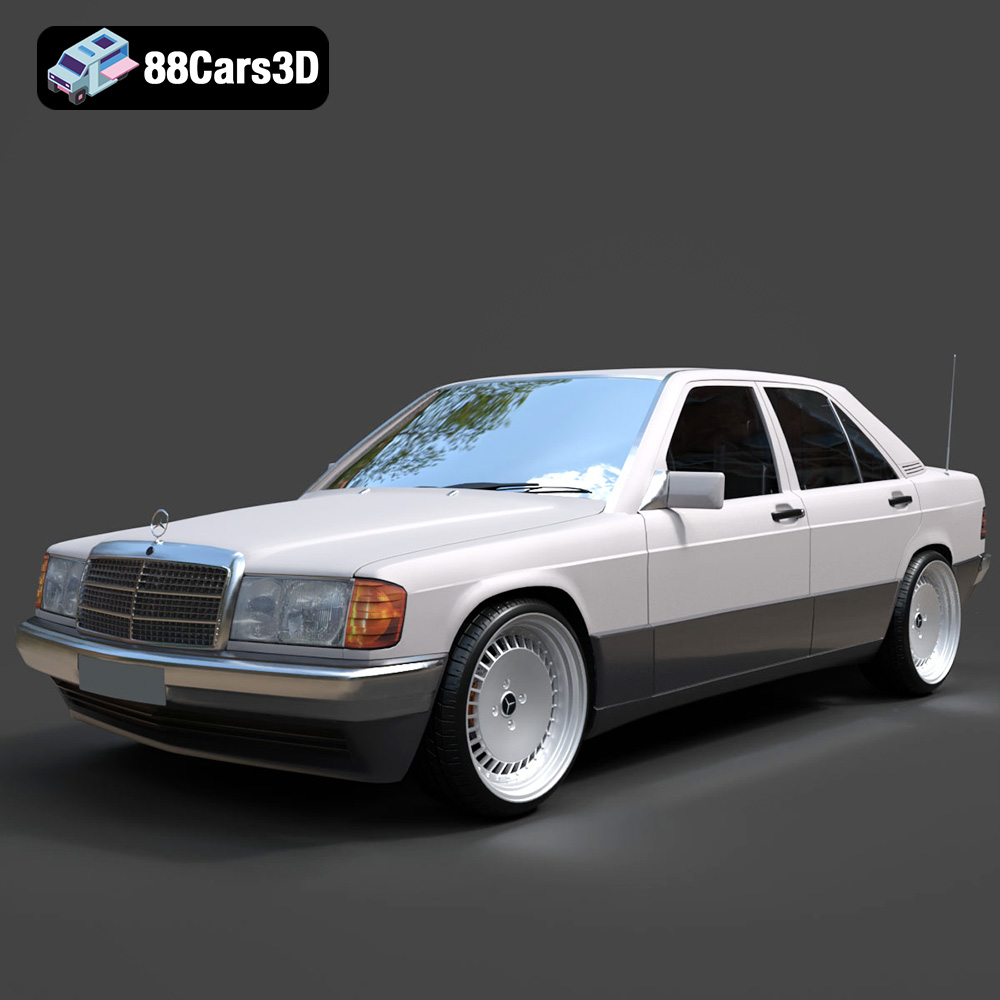
Download the Mercedes-Benz 190 W201 3D Model featuring clean geometry, realistic detailing, and a fully modeled interior. Includes .blend, .fbx, .obj, .glb, .stl, .ply, .unreal, and .max formats for rendering, simulation, and game development.
Price: $23.99
Texture: Yes
Material: Yes
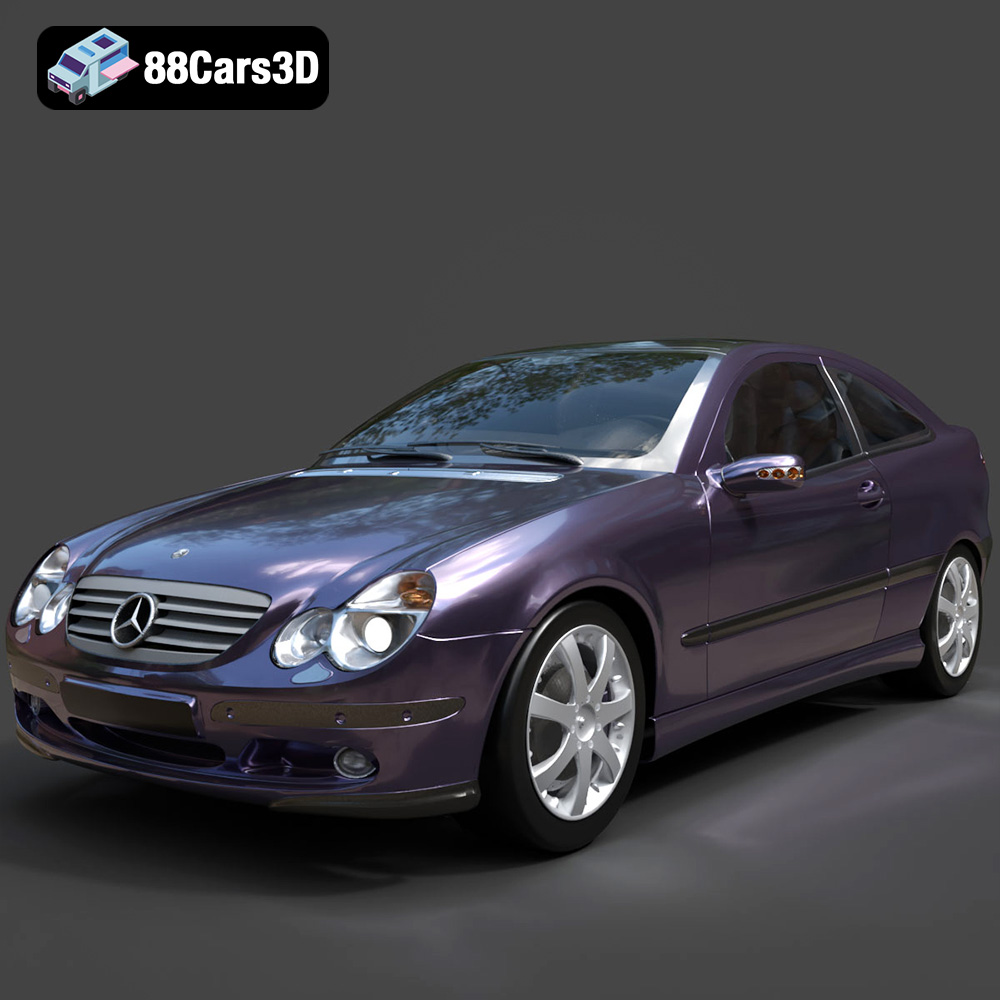
Download the Mercedes-Benz C230 SportCoupé 2005 3D Model featuring clean geometry, realistic detailing, and a fully modeled interior. Includes .blend, .fbx, .obj, .glb, .stl, .ply, .unreal, and .max formats for rendering, simulation, and game development.
Price: $23.99
Texture: Yes
Material: Yes
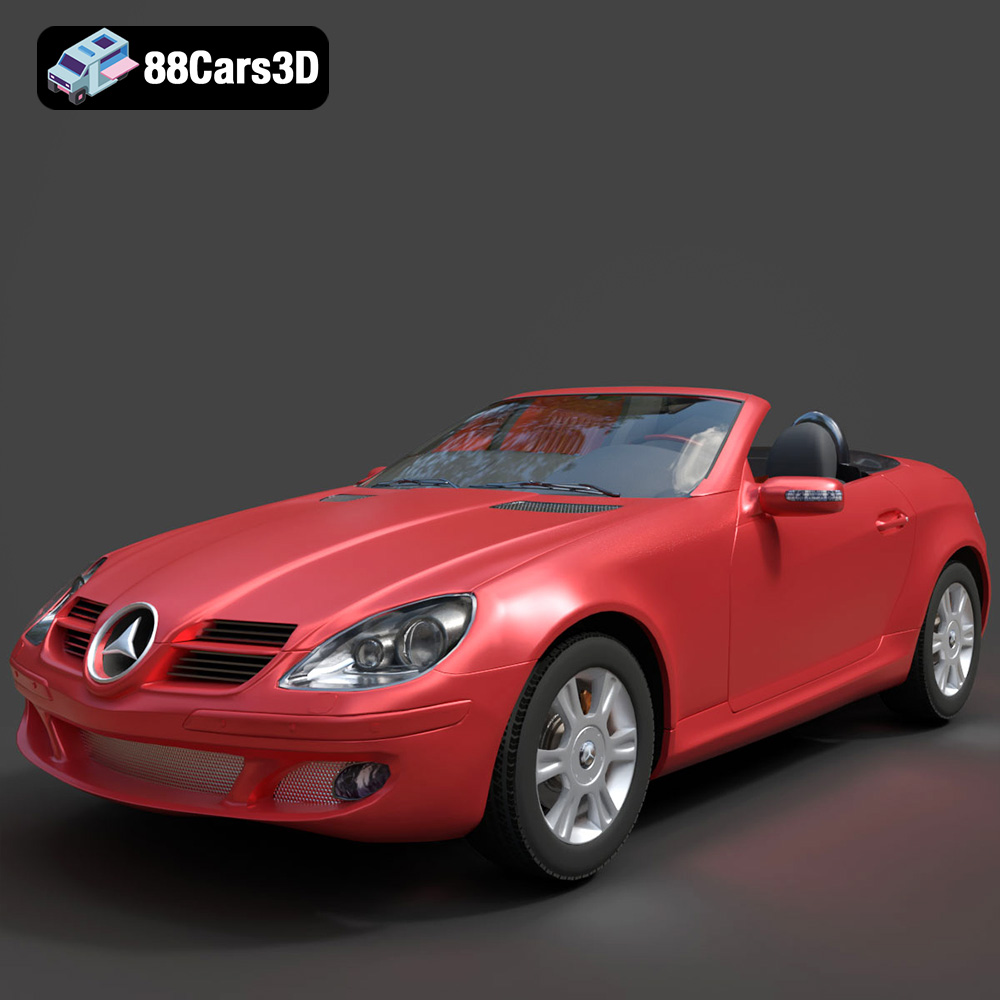
Download the Mercedes-Benz SLK 3D Model featuring clean geometry, realistic detailing, and a fully modeled interior. Includes .blend, .fbx, .obj, .glb, .stl, .ply, .unreal, and .max formats for rendering, simulation, and game development.
Price: $23.99
Texture: Yes
Material: Yes
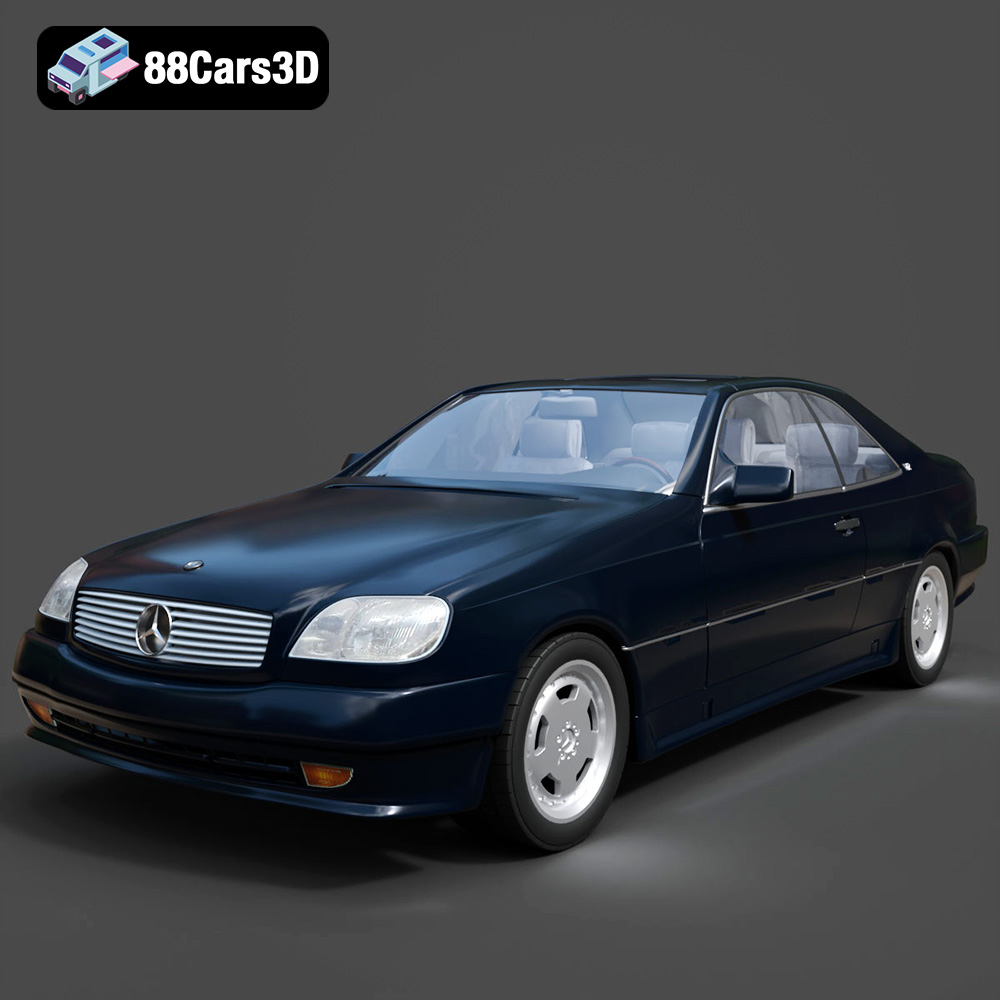
Download the Mercedes 600 SEC W140 1992 3D Model featuring clean geometry, realistic detailing, and a fully modeled interior. Includes .blend, .fbx, .obj, .glb, .stl, .ply, .unreal, and .max formats for rendering, simulation, and game development.
Price: $23.99
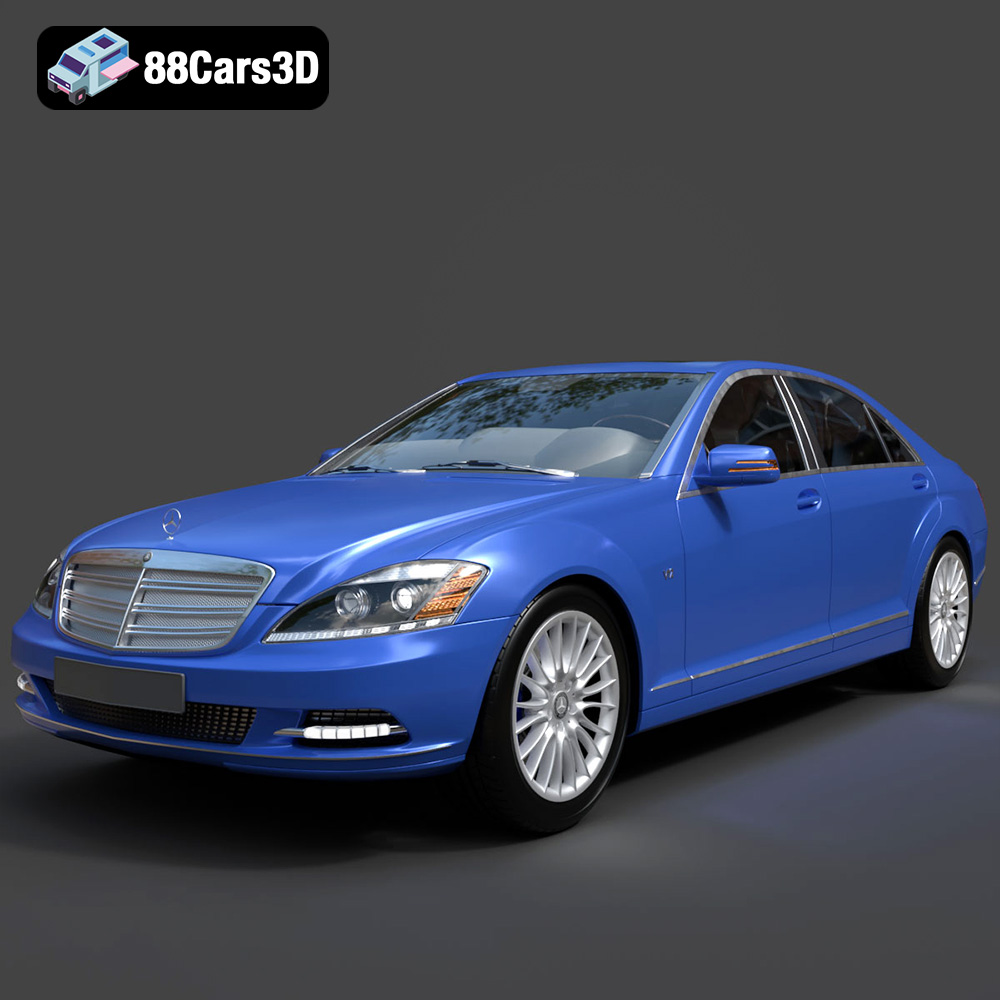
Texture: Yes
Material: Yes
Download the Mercedes S-Class 2010 3D Model featuring clean geometry, realistic detailing, and a fully modeled interior. Includes .blend, .fbx, .obj, .glb, .stl, .ply, .unreal, and .max formats for rendering, simulation, and game development.
Price: $23.99
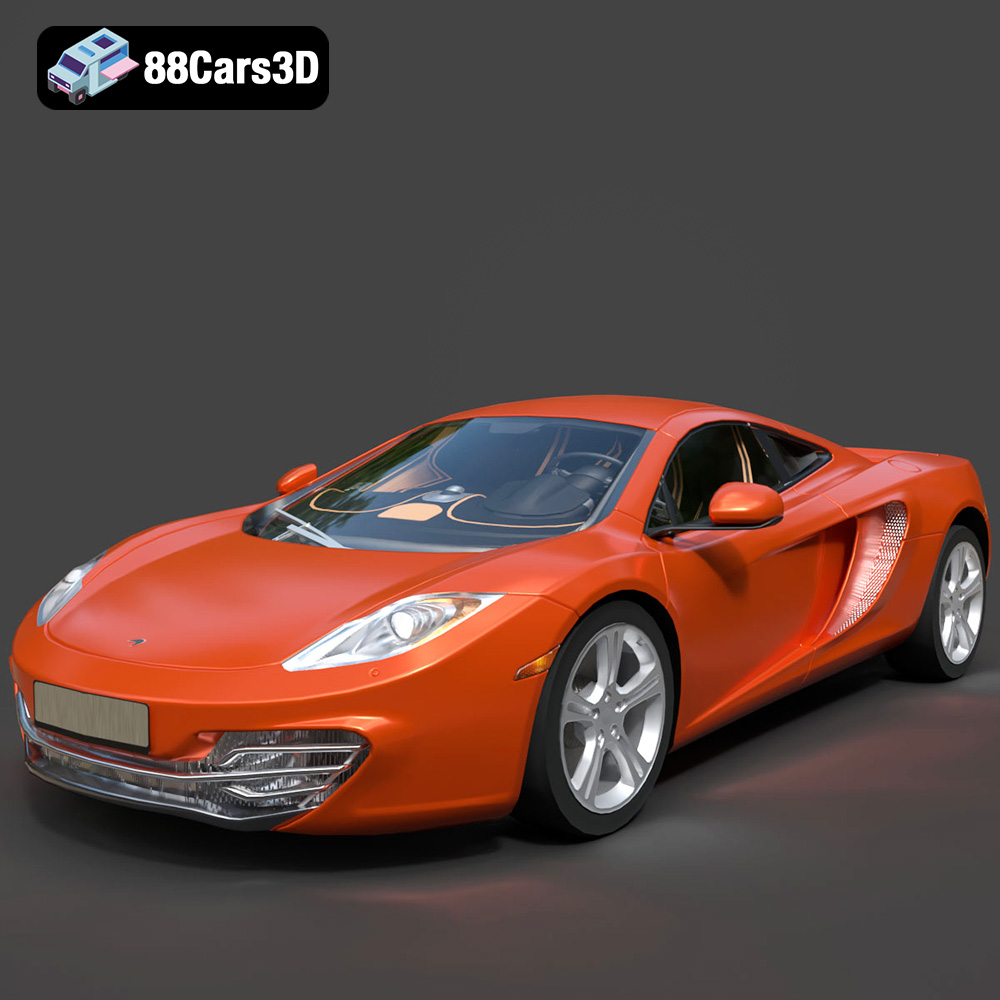
Texture: Yes
Material: Yes
Download the McLaren MP4-12C-001 3D Model featuring clean geometry, realistic detailing, and a fully modeled interior. Includes .blend, .fbx, .obj, .glb, .stl, .ply, .unreal, and .max formats for rendering, simulation, and game development.
Price: $23.99

Texture: Yes
Material: Yes
Download the Mercedes-Benz SLK 350 2005 3D Model featuring clean geometry, realistic detailing, and a fully modeled interior. Includes .blend, .fbx, .obj, .glb, .stl, .ply, .unreal, and .max formats for rendering, simulation, and game development.
Price: $23.99
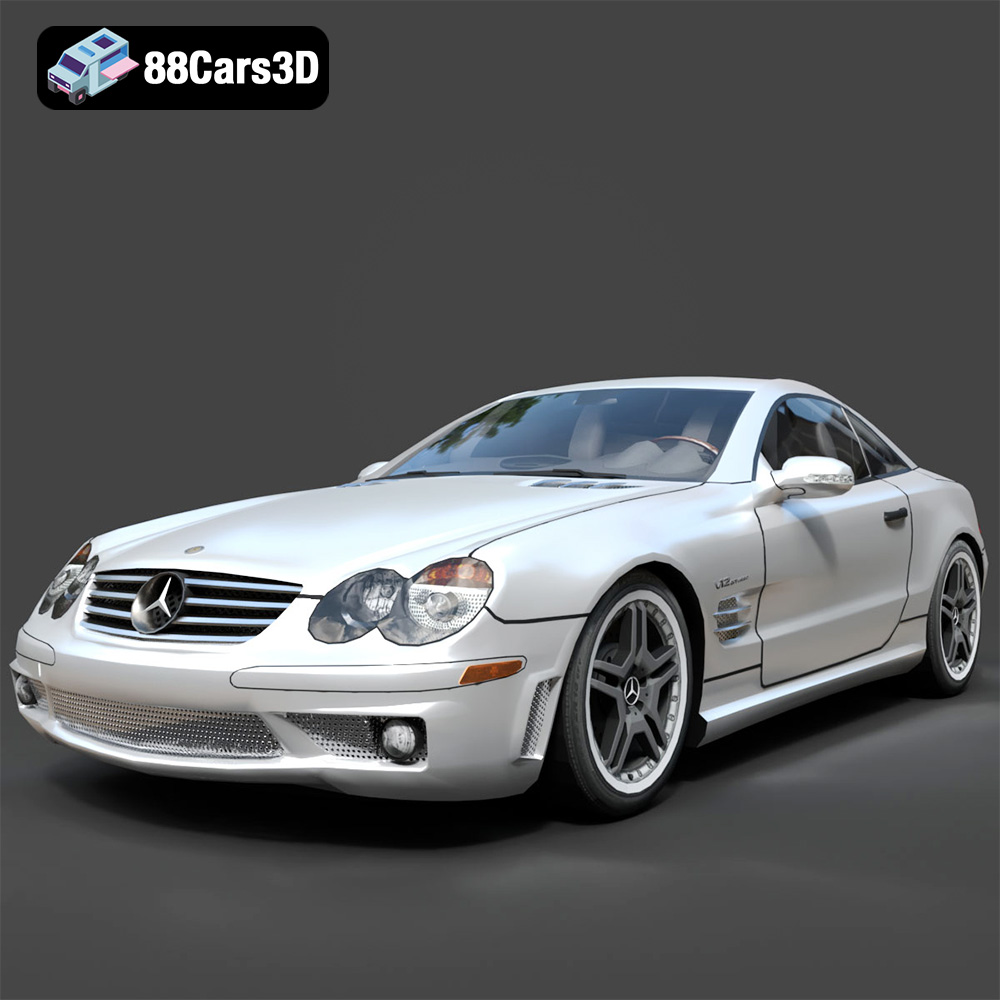
Texture: Yes
Material: Yes
Download the Mercedes-Benz SL 65 AMG 3D Model featuring clean geometry, realistic detailing, and a fully modeled interior. Includes .blend, .fbx, .obj, .glb, .stl, .ply, .unreal, and .max formats for rendering, simulation, and game development.
Price: $23.99
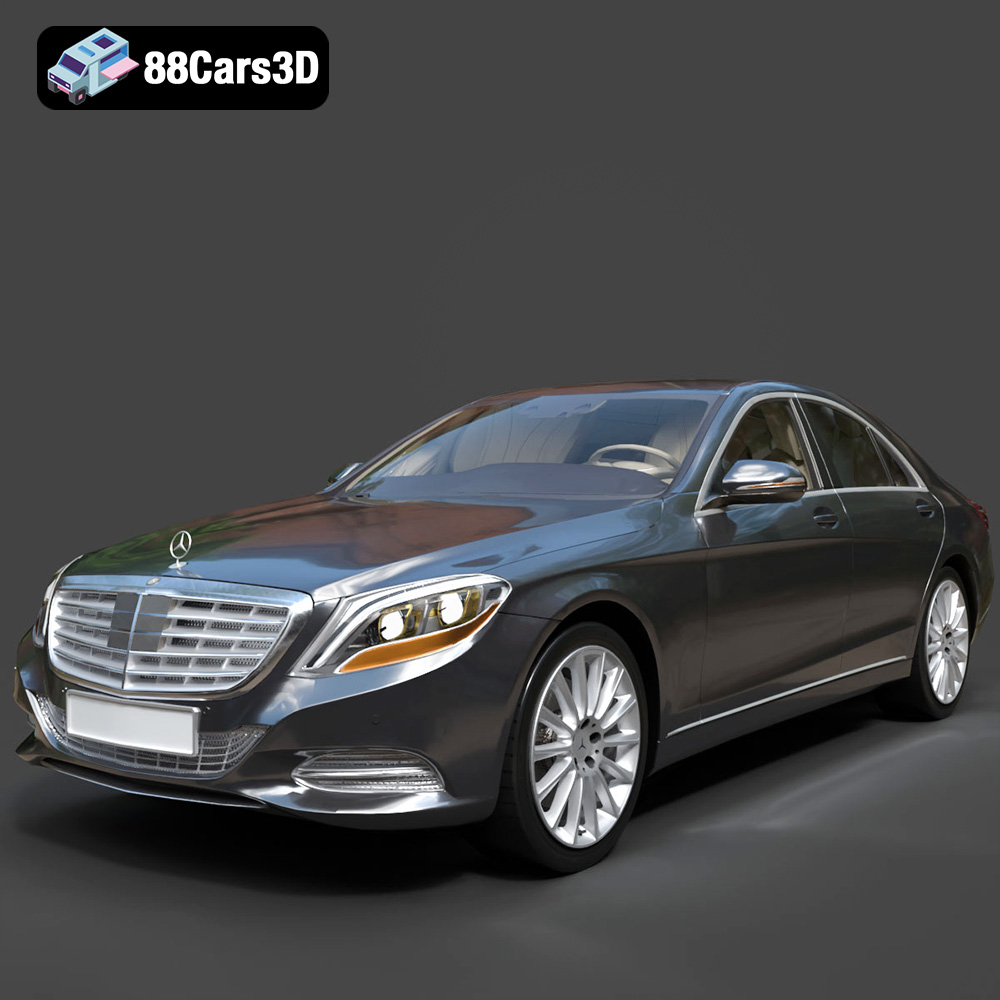
Texture: Yes
Material: Yes
Download the Mercedes-Benz S500 3D Model featuring clean geometry, realistic detailing, and a fully modeled interior. Includes .blend, .fbx, .obj, .glb, .stl, .ply, .unreal, and .max formats for rendering, simulation, and game development.
Price: $23.99
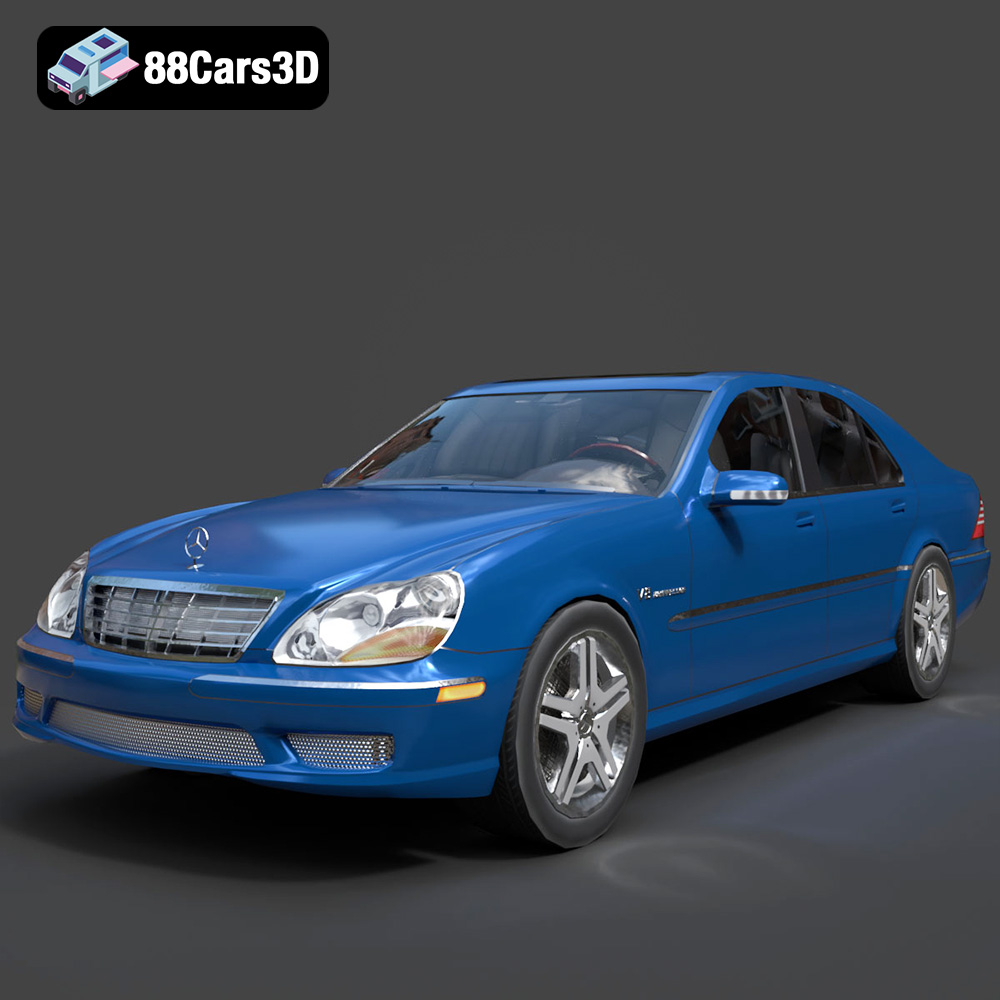
Texture: Yes
Material: Yes
Download the Mercedes-Benz S55 W220 AMG 1999 3D Model featuring clean geometry, realistic detailing, and a fully modeled interior. Includes .blend, .fbx, .obj, .glb, .stl, .ply, .unreal, and .max formats for rendering, simulation, and game development.
Price: $23.99
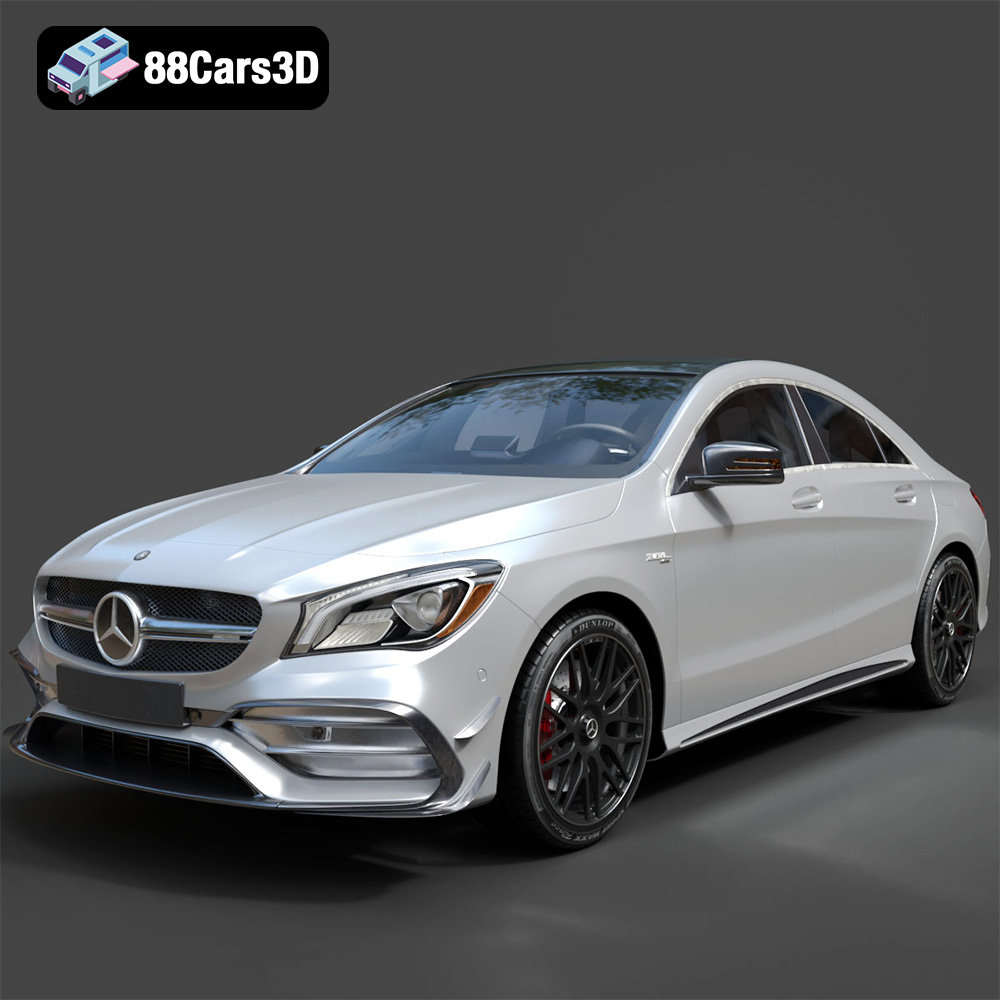
Texture: Yes
Material: Yes
Download the Mercedes-Benz CLA45 AMG 2017 3D Model featuring clean geometry, realistic detailing, and a fully modeled interior. Includes .blend, .fbx, .obj, .glb, .stl, .ply, .unreal, and .max formats for rendering, simulation, and game development.
Price: $38.99
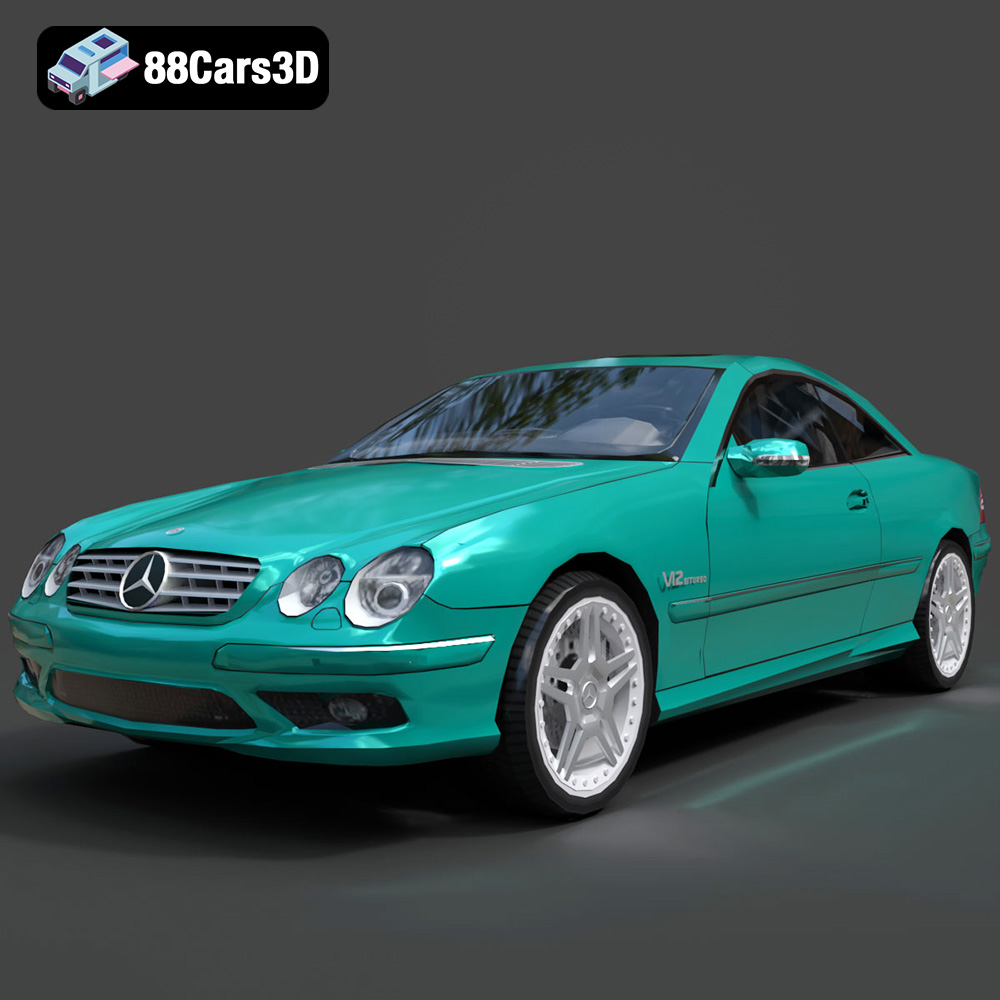
Texture: Yes
Material: Yes
Download the Mercedes-Benz CL65 C215 AMG 3D Model featuring clean geometry, realistic detailing, and a fully modeled interior. Includes .blend, .fbx, .obj, .glb, .stl, .ply, .unreal, and .max formats for rendering, simulation, and game development.
Price: $23.99
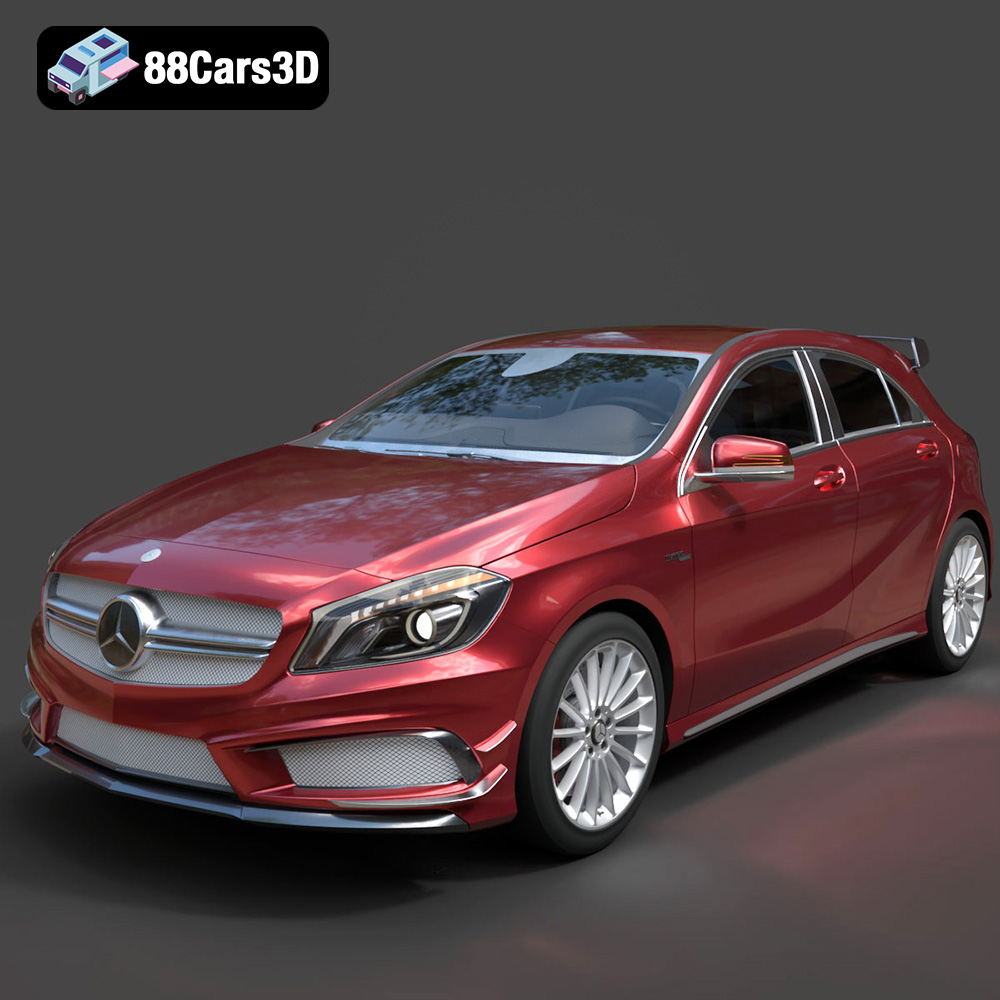
Texture: Yes
Material: Yes
Download the Mercedes-Benz A45 2021 3D Model featuring clean geometry, realistic detailing, and a fully modeled interior. Includes .blend, .fbx, .obj, .glb, .stl, .ply, .unreal, and .max formats for rendering, simulation, and game development.
Price: $23.99
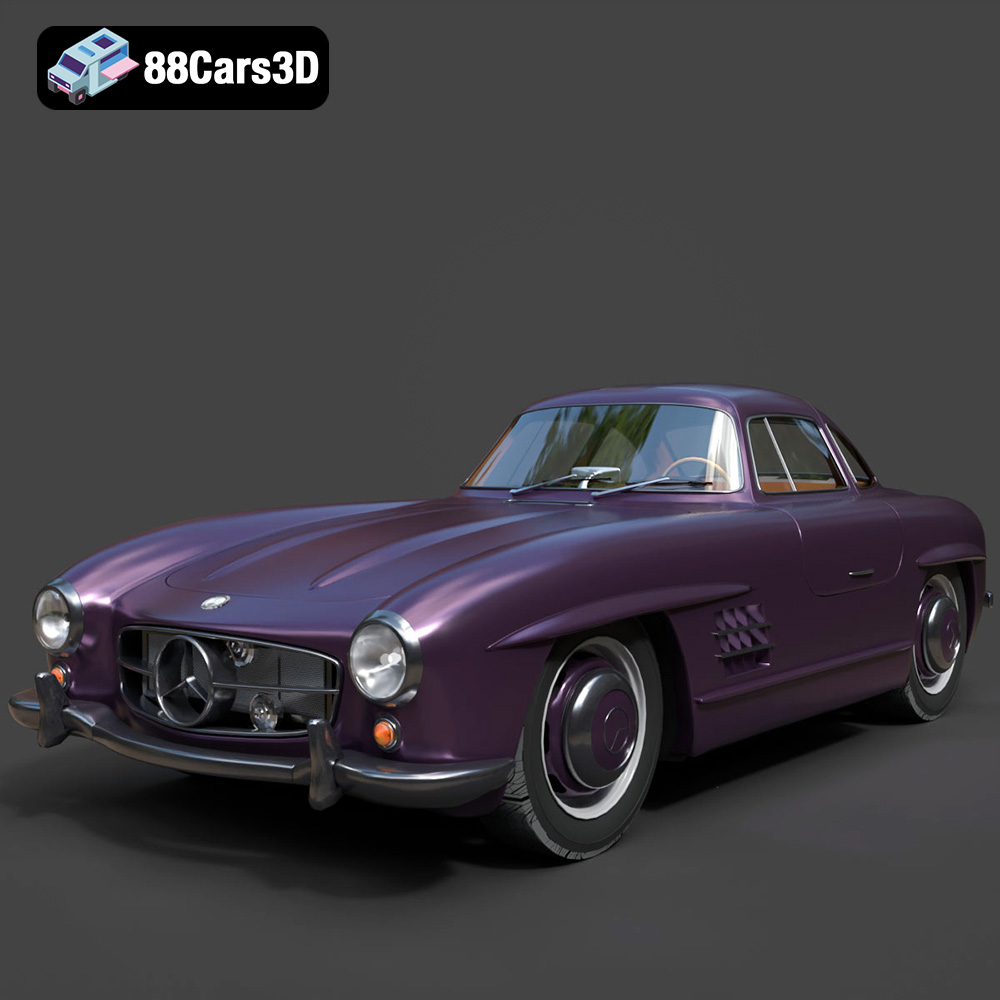
Texture: Yes
Material: Yes
Download the Mercedes-Benz 300SL 1955 3D Model featuring clean geometry, realistic detailing, and a fully modeled interior. Includes .blend, .fbx, .obj, .glb, .stl, .ply, .unreal, and .max formats for rendering, simulation, and game development.
Price: $23.99
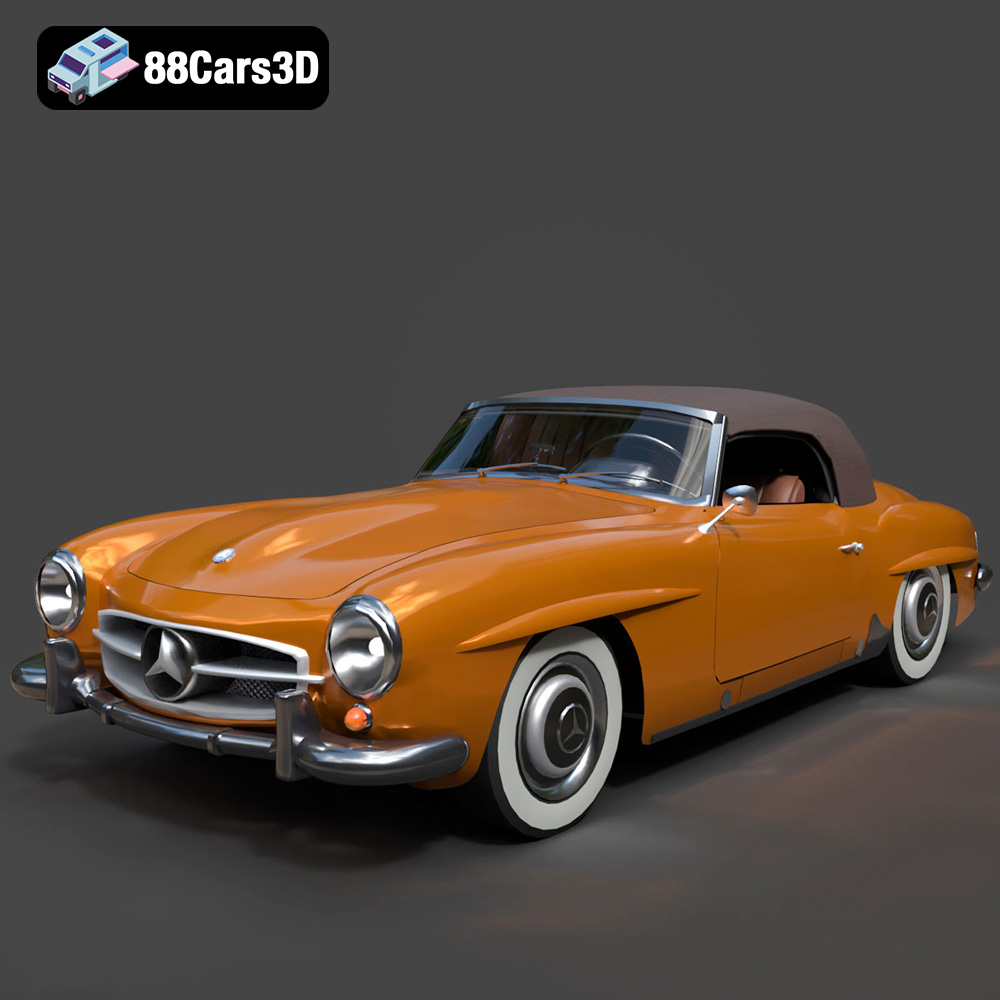
Texture: Yes
Material: Yes
Download the Mercedes-Benz 190SL 1955 3D Model featuring clean geometry, realistic detailing, and a fully modeled interior. Includes .blend, .fbx, .obj, .glb, .stl, .ply, .unreal, and .max formats for rendering, simulation, and game development.
Price: $23.99
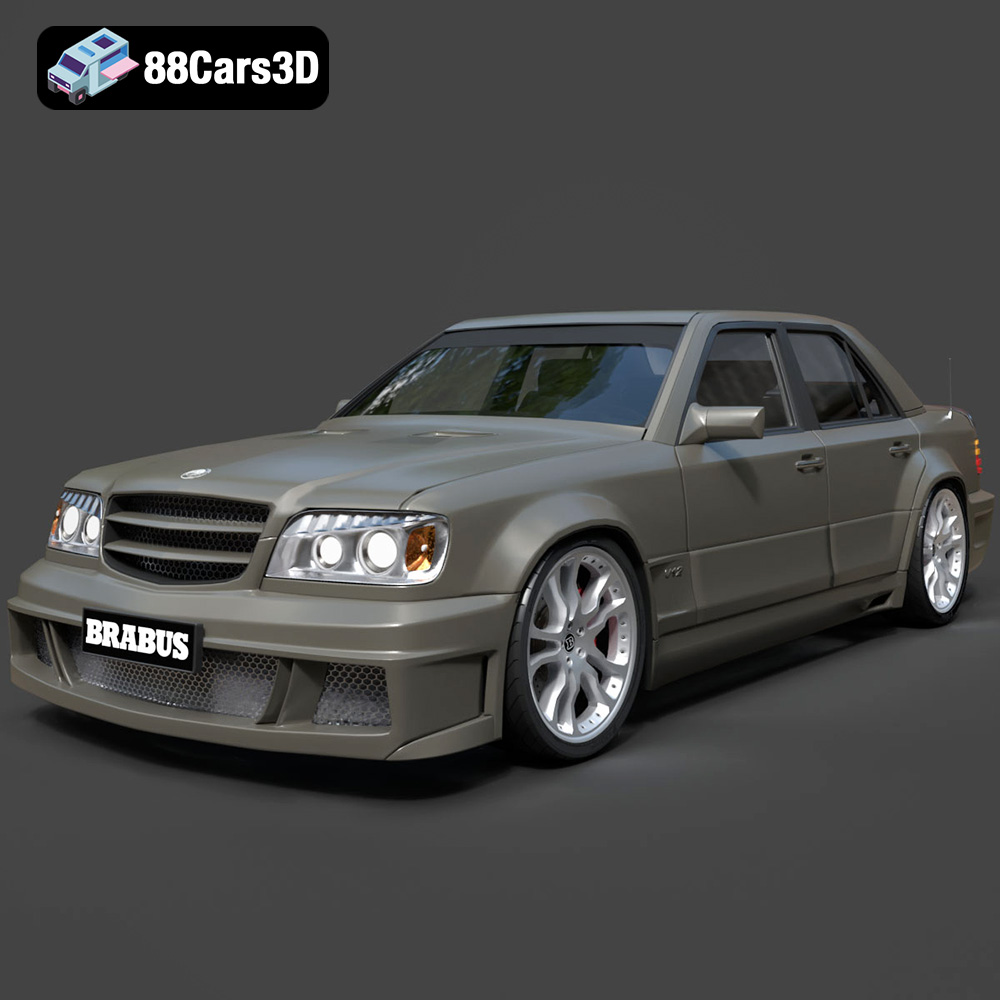
Texture: Yes
Material: Yes
Download the Mercedes-Benz W124 Brabus V12 3D Model featuring clean geometry, realistic detailing, and a fully modeled interior. Includes .blend, .fbx, .obj, .glb, .stl, .ply, .unreal, and .max formats for rendering, simulation, and game development.
Price: $23.99
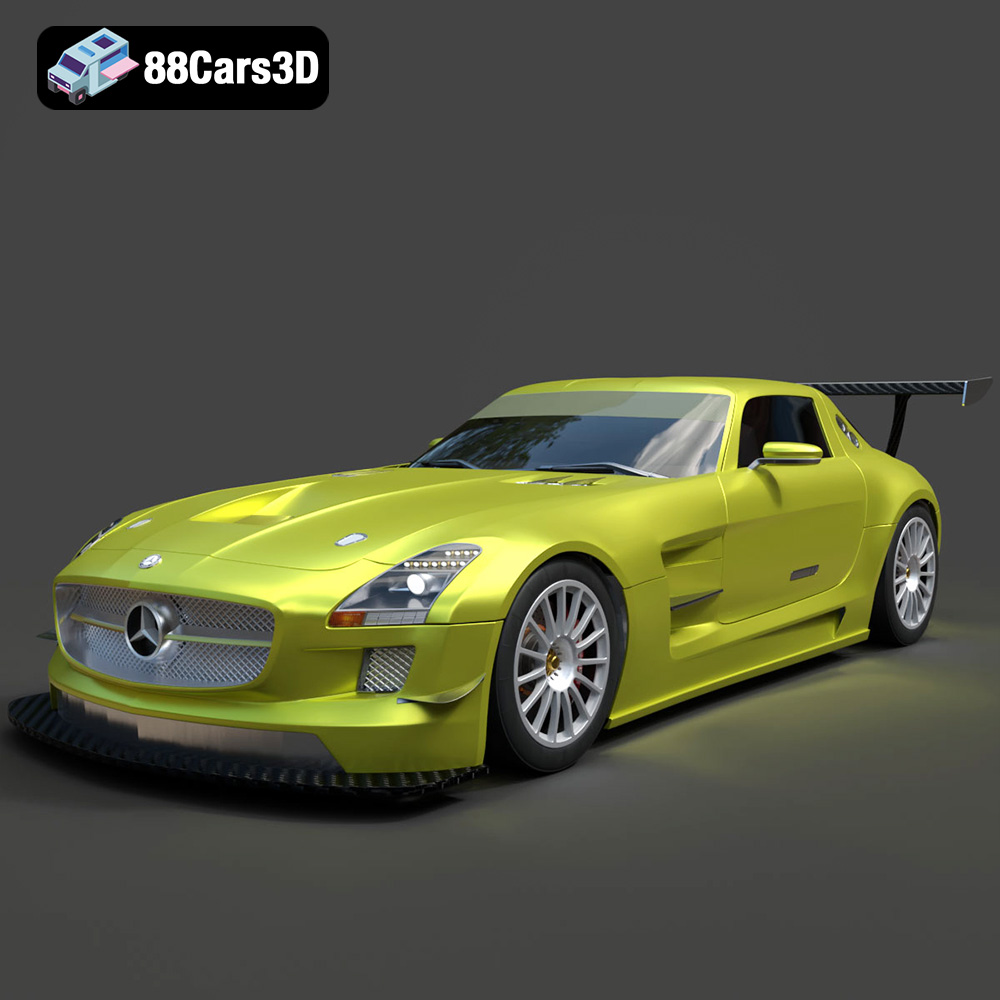
Texture: Yes
Material: Yes
Download the Mercedes-Benz SLS AMG GT3-002 3D Model featuring clean geometry, realistic detailing, and a fully modeled interior. Includes .blend, .fbx, .obj, .glb, .stl, .ply, .unreal, and .max formats for rendering, simulation, and game development.
Price: $38.99

Texture: Yes
Material: Yes
Download the Mercedes-Benz C-Class-001 3D Model featuring clean geometry, realistic detailing, and a fully modeled interior. Includes .blend, .fbx, .obj, .glb, .stl, .ply, .unreal, and .max formats for rendering, simulation, and game development.
Price: $38.99
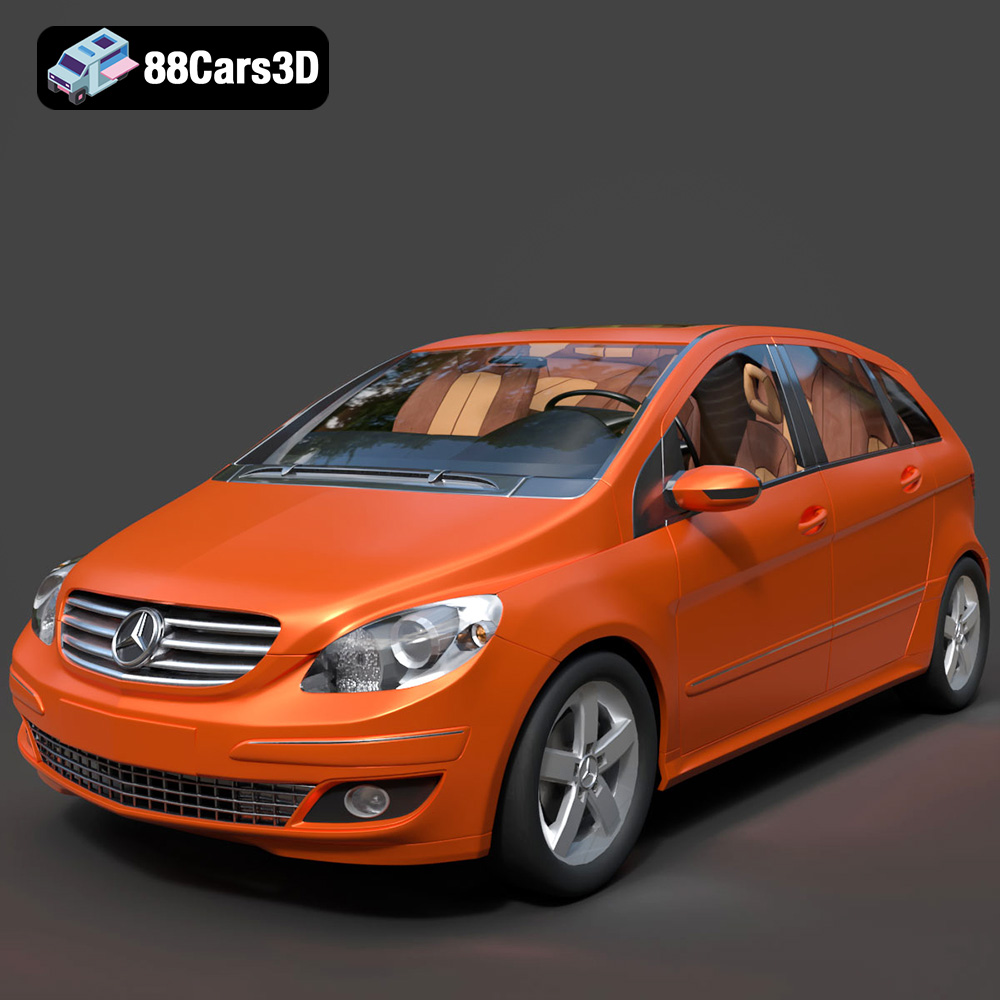
Texture: Yes
Material: Yes
Download the Mercedes-Benz B-Klasse 2023 3D Model featuring clean geometry, realistic detailing, and a fully modeled interior. Includes .blend, .fbx, .obj, .glb, .stl, .ply, .unreal, and .max formats for rendering, simulation, and game development.
Price: $38.99
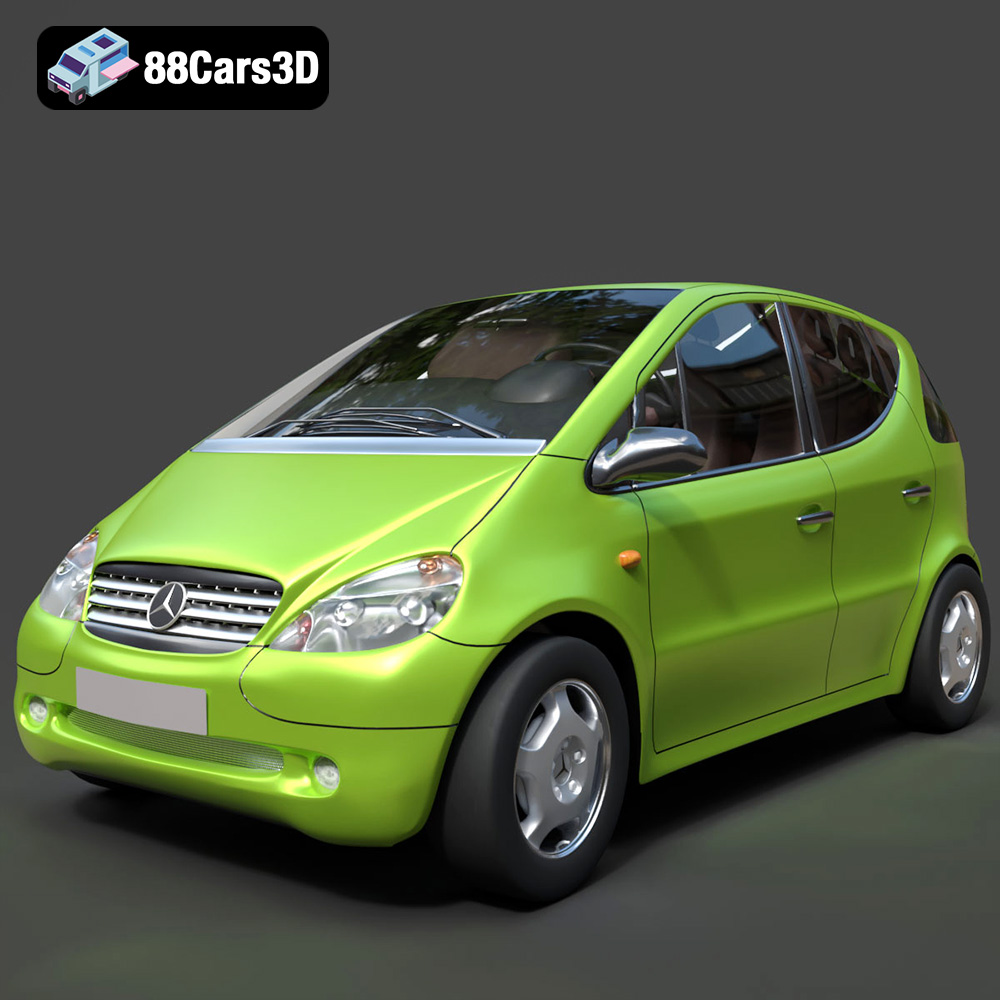
Texture: Yes
Material: Yes
Download the Mercedes-Benz A-Klasse W168 3D Model featuring clean geometry, realistic detailing, and a fully modeled interior. Includes .blend, .fbx, .obj, .glb, .stl, .ply, .unreal, and .max formats for rendering, simulation, and game development.
Price: $38.99
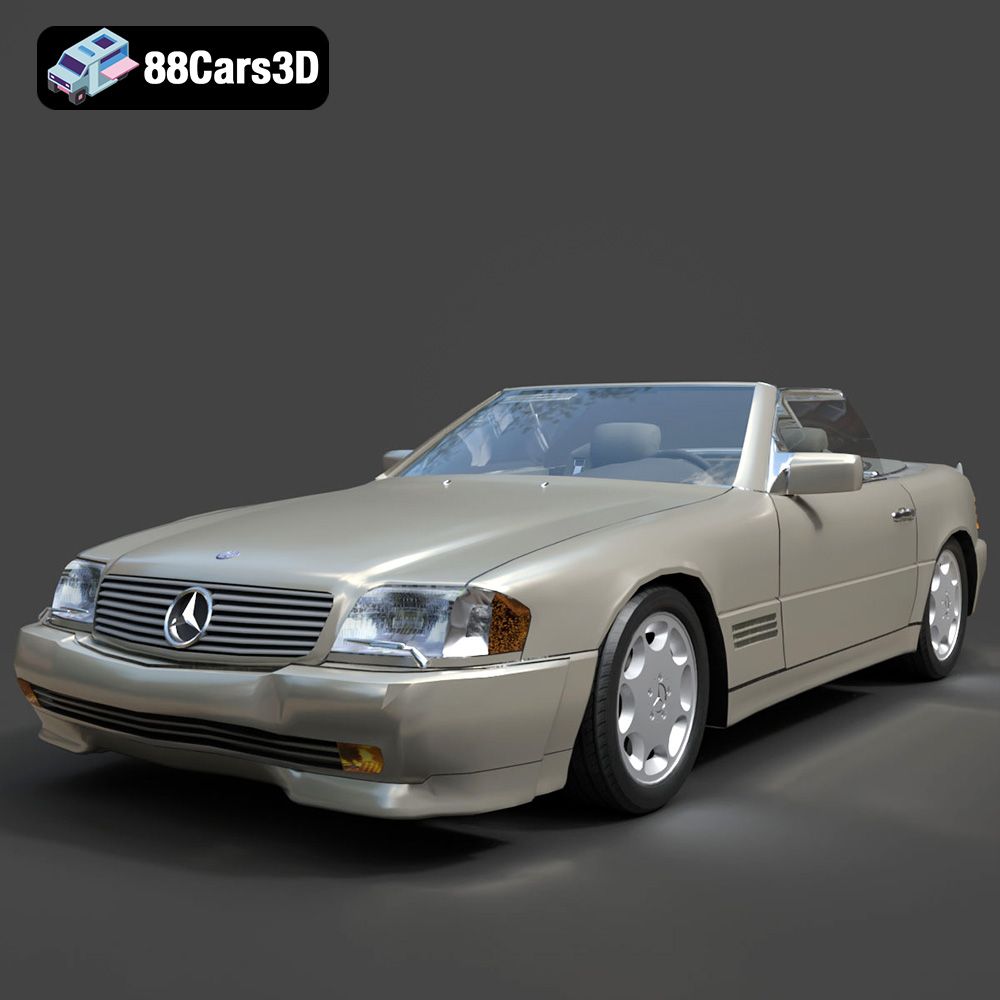
Texture: Yes
Material: Yes
Download the Mercedes-Benz 500SL 2000 3D Model featuring clean geometry, realistic detailing, and a fully modeled interior. Includes .blend, .fbx, .obj, .glb, .stl, .ply, .unreal, and .max formats for rendering, simulation, and game development.
Price: $38.99
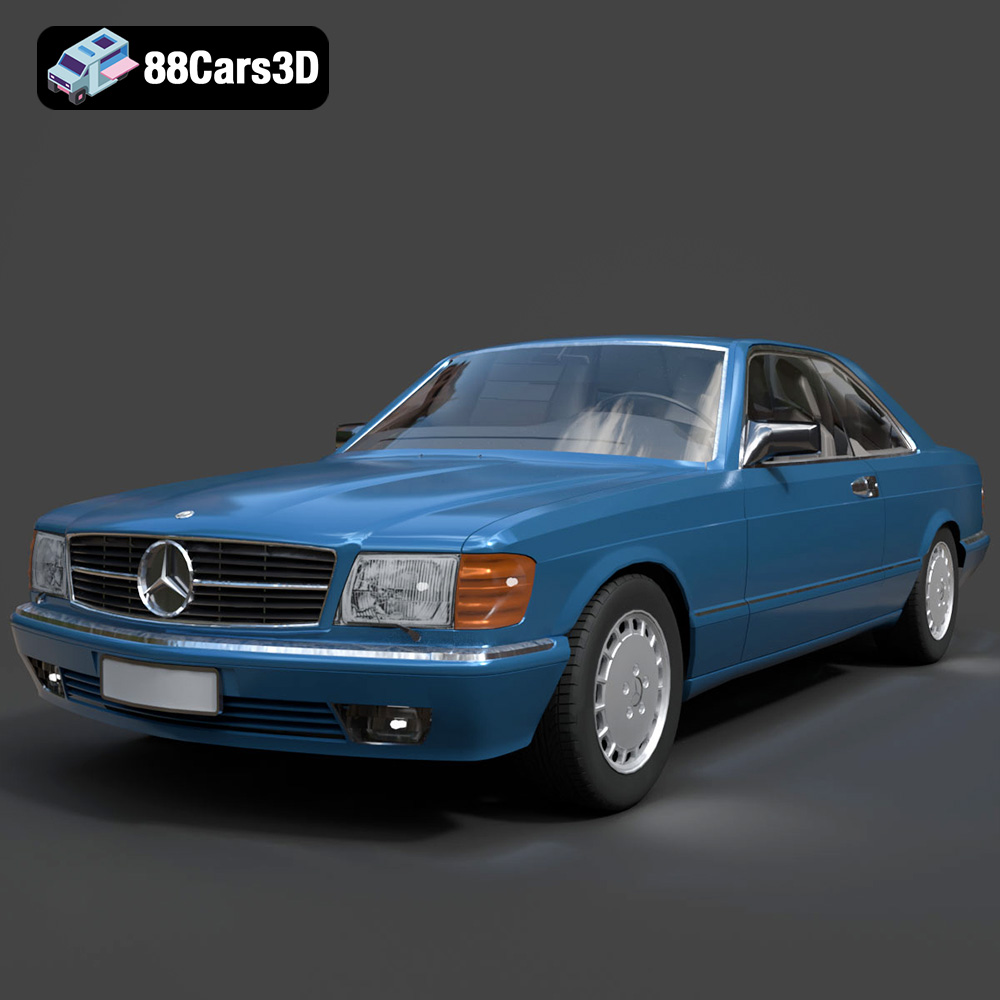
Texture: Yes
Material: Yes
Download the Mercedes-Benz 500SEC 3D Model featuring clean geometry, realistic detailing, and a fully modeled interior. Includes .blend, .fbx, .obj, .glb, .stl, .ply, .unreal, and .max formats for rendering, simulation, and game development.
Price: $38.99
Texture: Yes
Material: Yes
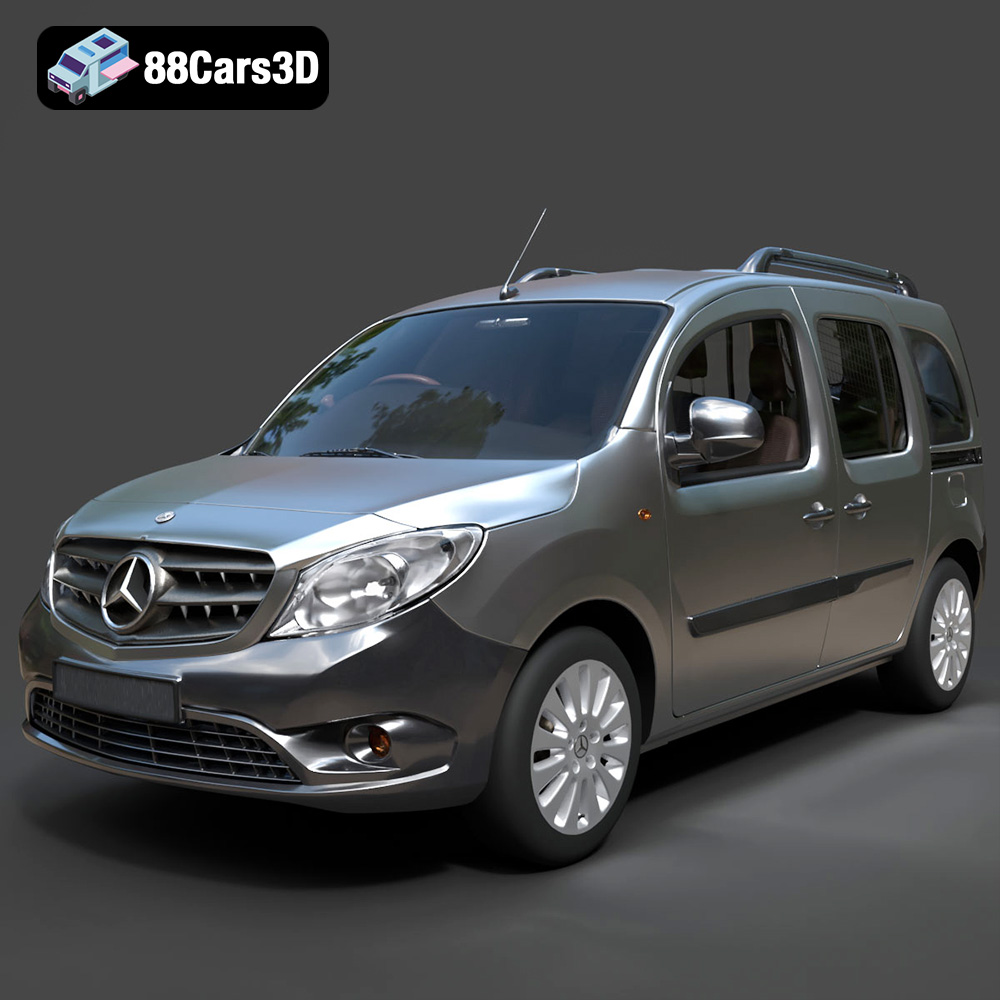
Download the Mercedes-Benz Citan 2025 3D Model featuring clean geometry, realistic detailing, and a fully modeled interior. Includes .blend, .fbx, .obj, .glb, .stl, .ply, .unreal, and .max formats for rendering, simulation, and game development.
Price: $38.99
Texture: Yes
Material: Yes
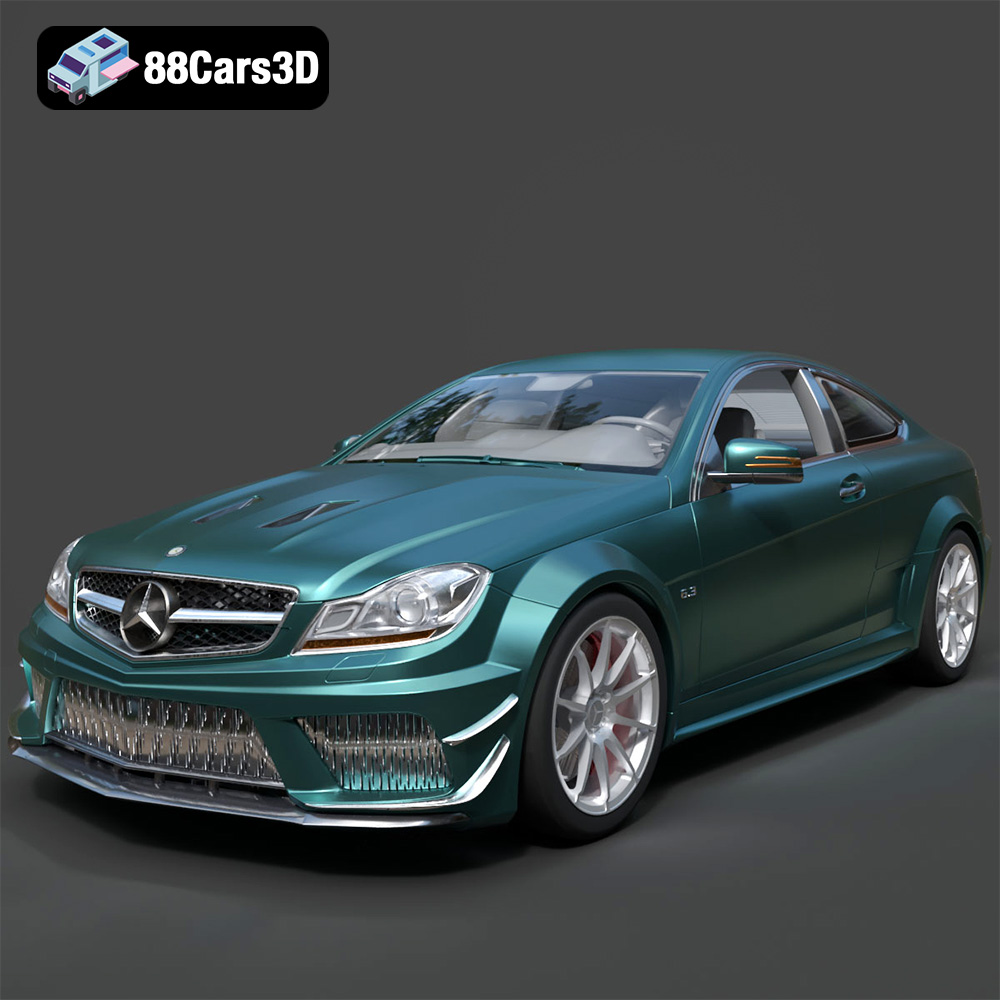
Download the Mercedes-Benz C63 AMG 2012 3D Model featuring clean geometry, realistic detailing, and a fully modeled interior. Includes .blend, .fbx, .obj, .glb, .stl, .ply, .unreal, and .max formats for rendering, simulation, and game development.
Price: $38.99
Texture: Yes
Material: Yes
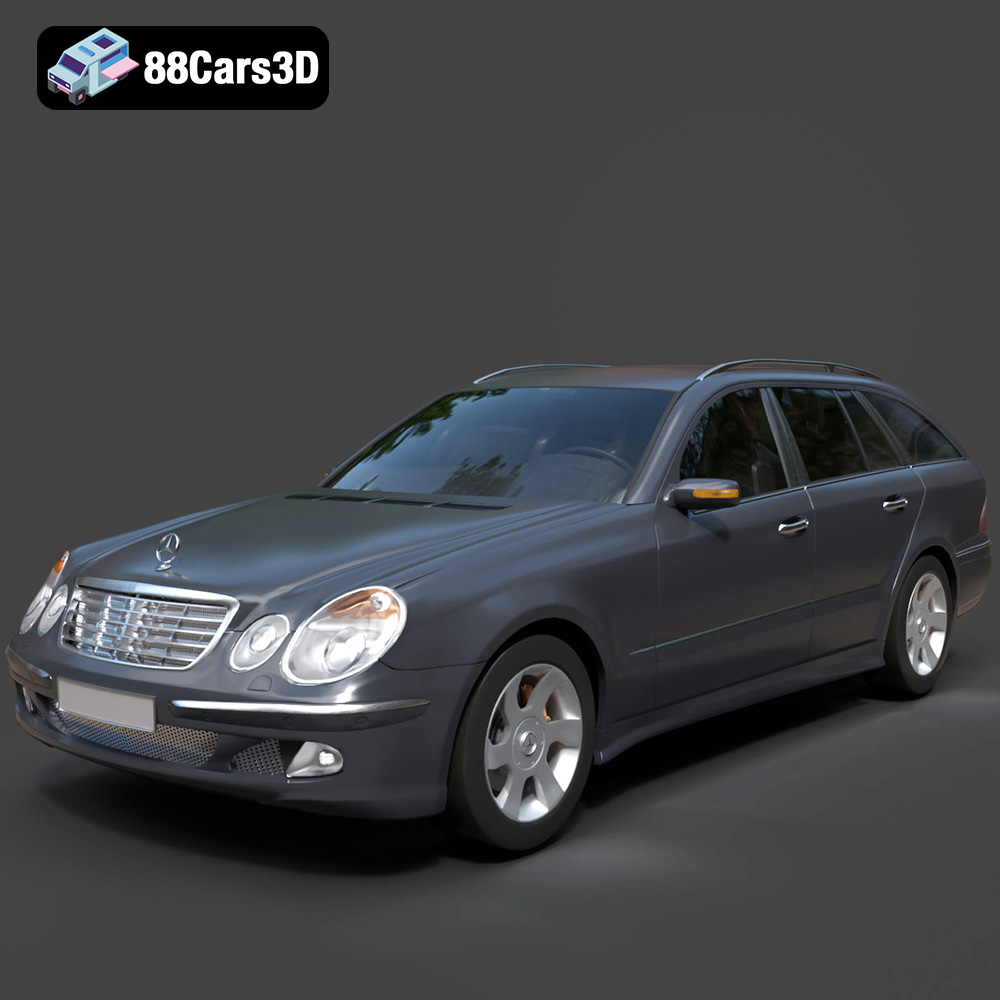
Download the Mercedes-Benz E-Class S211 3D Model featuring clean geometry, realistic detailing, and a fully modeled interior. Includes .blend, .fbx, .obj, .glb, .stl, .ply, .unreal, and .max formats for rendering, simulation, and game development.
Price: $38.99
Texture: Yes
Material: Yes
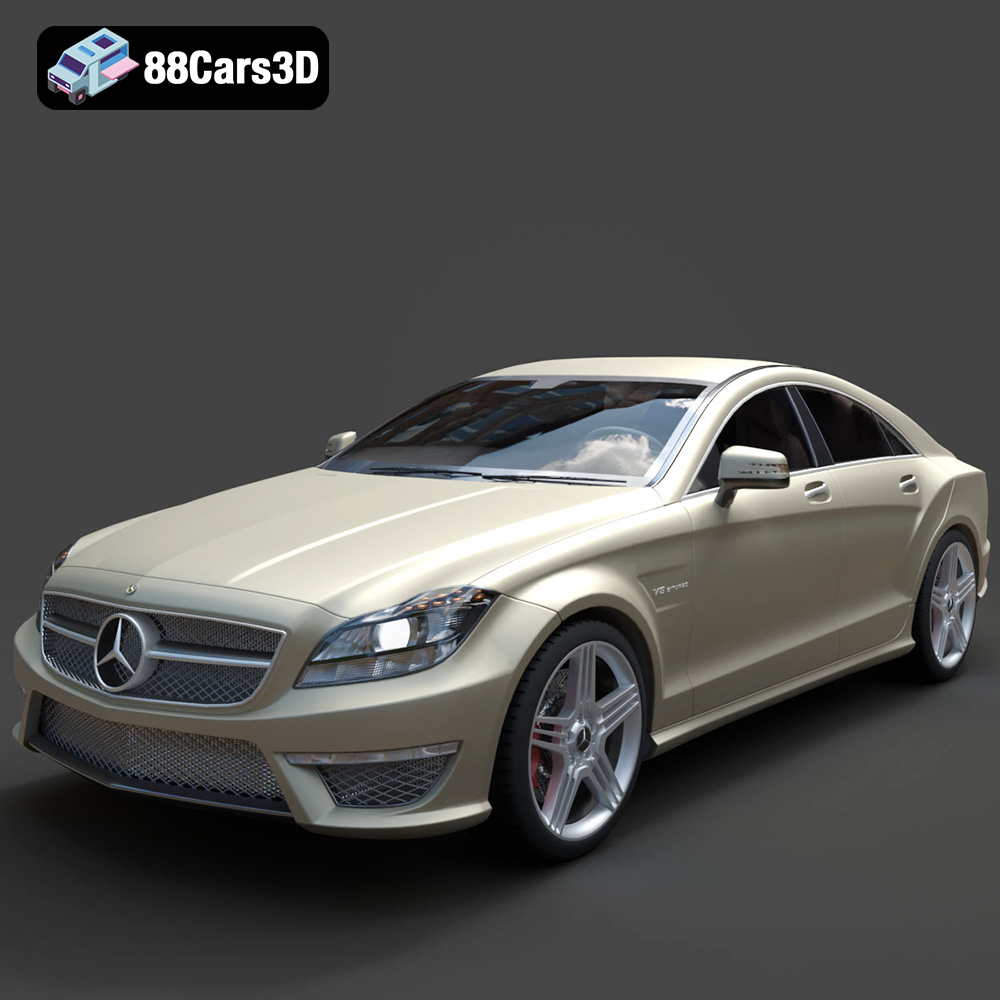
Download the Mercedes-Benz CLS63 AMG (C218) 2014 3D Model featuring clean geometry, realistic detailing, and a fully modeled interior. Includes .blend, .fbx, .obj, .glb, .stl, .ply, .unreal, and .max formats for rendering, simulation, and game development.
Price: $38.99
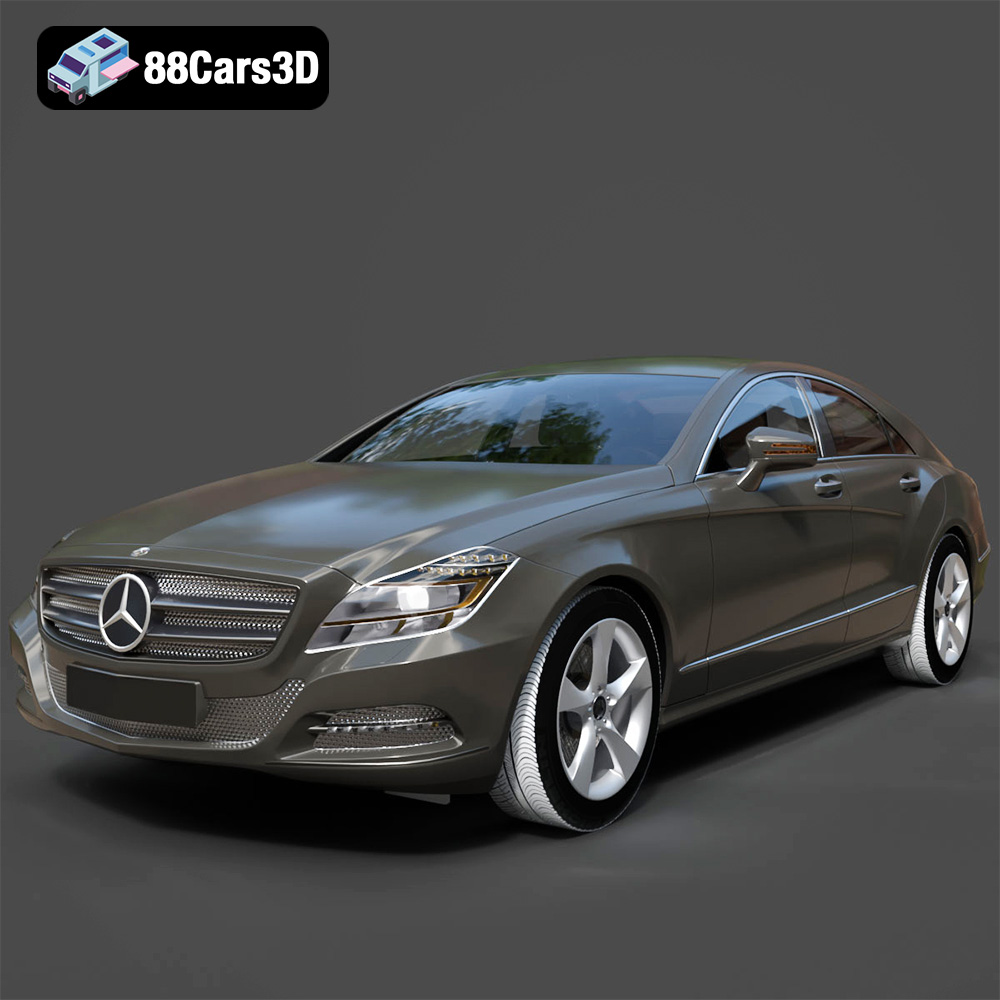
Texture: Yes
Material: Yes
Download the Mercedes-Benz CLS-Klasse 3D Model featuring clean geometry, realistic detailing, and a fully modeled interior. Includes .blend, .fbx, .obj, .glb, .stl, .ply, .unreal, and .max formats for rendering, simulation, and game development.
Price: $38.99
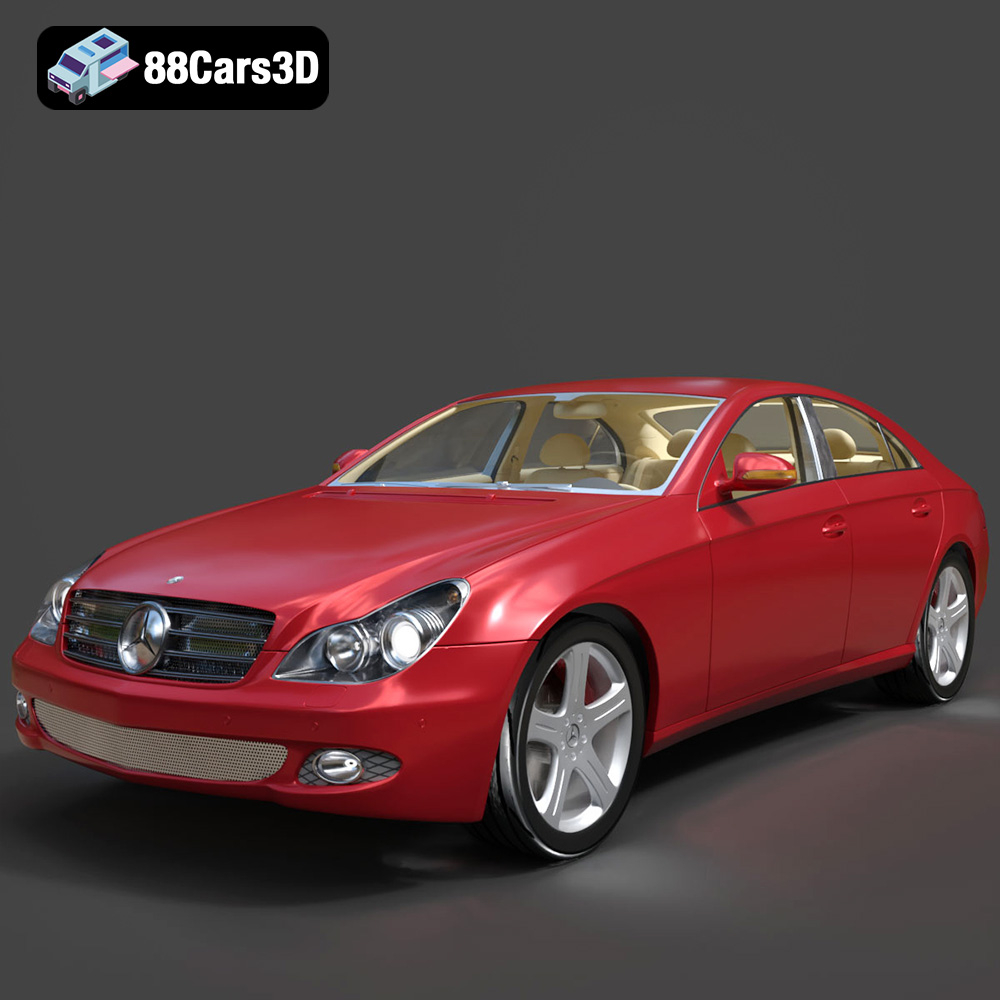
Texture: Yes
Material: Yes
Download the Mercedes-Benz CLS 500 3D Model featuring clean geometry, realistic detailing, and a fully modeled interior. Includes .blend, .fbx, .obj, .glb, .stl, .ply, .unreal, and .max formats for rendering, simulation, and game development.
Price: $38.99

Texture: Yes
Material: Yes
Download the Mercedes-Benz CL-Klasse 2001 3D Model featuring clean geometry, realistic detailing, and a fully modeled interior. Includes .blend, .fbx, .obj, .glb, .stl, .ply, .unreal, and .max formats for rendering, simulation, and game development.
Price: $38.99

