Get 50% OFF All Premium 3D & STL Models!

“`html
The allure of 3D printed car models is undeniable. From meticulously replicating classic automobiles to crafting futuristic concepts, the possibilities are as vast as your imagination. But achieving truly stunning results requires a deep understanding of the 3D printing process, from selecting the right STL files to fine-tuning your printer settings. This comprehensive guide will walk you through every step, equipping you with the knowledge and skills to create breathtaking 3D printed car models. We’ll cover STL file considerations, slicing strategies, material selection, post-processing techniques, and troubleshooting tips to help you navigate the world of automotive model printing with confidence. Whether you’re a seasoned 3D printing enthusiast or just starting out, this guide will elevate your creations to the next level.
The STL (stereolithography) file format is the cornerstone of 3D printing. It represents a 3D object as a collection of triangles, approximating the surface geometry. The quality of the STL file directly impacts the quality of your final 3D printed car model. Therefore, it’s crucial to understand the nuances of STL files and how to optimize them for printing.
The mesh density, or the number of triangles used to represent the model, directly affects the smoothness and detail of the print. A higher mesh density results in a smoother surface but also increases the file size and processing time. A lower mesh density, on the other hand, can lead to visible facets or a “stair-stepping” effect, particularly on curved surfaces. For car models, especially those with intricate details, finding the right balance is essential. A good starting point is aiming for a mesh density that produces smooth curves without excessive file size. For example, you might increase the mesh resolution in your modeling software (Blender, 3ds Max, etc.) until you achieve a visually smooth surface, then export the STL file. Consider that platforms like 88cars3d.com offer models optimized for printing, often striking this balance for you. Remember that excessive detail that is beyond the resolution of your printer will not translate to the physical print.
A manifold mesh is one that is “watertight” and without any holes or self-intersections. Non-manifold geometry can cause serious issues during slicing and printing. Slicers might misinterpret the geometry, leading to missing sections, incorrect infill, or even a failed print. Before printing, it’s crucial to inspect your STL file for errors and correct them using software like Meshmixer, Netfabb, or even online STL repair services. These tools can automatically identify and fix common issues such as flipped normals, holes, and overlapping triangles. If you are using Meshmixer, for example, import your STL and use “Edit > Make Solid” function. Set the “Solid Type” to “Accurate” and adjust the “Mesh Density” to maintain detail while ensuring a solid, printable model. This process might take some time depending on the complexity of the model but is crucial for success.
Slicing is the process of converting your 3D model into a series of instructions that your 3D printer can understand. The slicer software divides the model into thin horizontal layers and generates a toolpath that dictates how the printer will deposit the material. The settings you choose in your slicer have a profound impact on the final quality, strength, and appearance of your 3D printed car model.
Layer height is the thickness of each individual layer. A smaller layer height results in smoother surfaces and finer details but also increases the print time. A larger layer height reduces print time but can lead to a more pronounced “stair-stepping” effect. For car models, a layer height between 0.1mm and 0.2mm is often a good compromise between quality and speed. Print speed also plays a significant role. Slower speeds generally result in better quality, especially for intricate details and overhangs. A typical print speed for PLA is around 50-60mm/s. For PETG, you might want to reduce the speed to 40-50mm/s. Experimentation is key to finding the optimal settings for your specific printer and material.
Infill is the internal structure of your 3D printed object. It provides strength and support while reducing material usage. The infill density is the percentage of the interior volume that is filled with material. A higher infill density results in a stronger but heavier and more material-intensive print. For car models that are primarily for display, an infill density of 15-25% is usually sufficient. For models that need to withstand stress or be functional, you might increase the infill density to 50% or higher. Common infill patterns include grid, honeycomb, and gyroid. Gyroid infill is particularly strong for its weight and is omnidirectional.
The material you choose for your 3D printed car model will affect its strength, durability, appearance, and heat resistance. The most common materials for 3D printing are PLA, PETG, ABS, and resin. Each material has its own unique properties and is best suited for different applications.
PLA (polylactic acid) is a biodegradable thermoplastic that is easy to print with and produces good surface quality. It’s a great choice for beginners and for models that don’t need to withstand high temperatures. PETG (polyethylene terephthalate glycol-modified) is a stronger and more heat-resistant alternative to PLA. It’s also more flexible, making it less prone to cracking. ABS (acrylonitrile butadiene styrene) is a strong and durable thermoplastic that is commonly used in the automotive industry. It’s more heat-resistant than PLA and PETG but requires higher printing temperatures and a heated bed to prevent warping. When selecting a material, consider the intended use of the model. If it’s simply for display, PLA is a good choice. If it needs to withstand some handling or be used outdoors, PETG or ABS might be better options. For FDM printing, proper bed adhesion is crucial. Use a raft or brim if necessary, and ensure the bed is properly leveled.
Resin printing, using technologies like SLA (stereolithography) and DLP (digital light processing), offers significantly higher resolution and detail compared to FDM printing. Resin printers use liquid resin that is cured by UV light. This allows for the creation of incredibly intricate and smooth surfaces, making it ideal for car models with fine details. However, resin prints are often more brittle than FDM prints and may require post-curing to achieve their full strength. Different types of resins offer varying properties, such as higher strength, flexibility, or temperature resistance. Resin printing requires careful handling of the resin and proper ventilation due to its potential toxicity. It also involves post-processing steps such as washing the print with isopropyl alcohol and curing it under UV light. Always wear gloves and eye protection when working with resin. Resin printing is the preferred method when you want the highest fidelity and detail in your car model print.
Support structures are temporary structures that are printed to support overhanging parts of your 3D model. Without support structures, these overhangs would collapse during printing. Generating and removing support structures effectively is a critical skill for successful 3D printing, especially for complex geometries like car models. Sometimes, models from marketplaces such as 88cars3d.com include pre-supported versions, which can save a lot of time and effort.
There are several types of support structures, each with its own advantages and disadvantages. Tree supports are branching structures that use minimal material and are relatively easy to remove. Linear supports are more solid and provide more support but can be more difficult to remove. Grid supports are a combination of linear and tree supports. The best type of support structure depends on the geometry of your model and the material you are using. In your slicing software, you can adjust the density, angle, and pattern of the support structures. Experiment with different settings to find the optimal balance between support strength and ease of removal.
Removing support structures can be a delicate process. Start by using pliers or cutters to carefully break away the bulk of the support material. Then, use a sharp knife or scraper to remove any remaining support material. Be careful not to damage the surface of your model. Sanding and polishing can be used to smooth out any imperfections left behind by the support structures. Start with a coarse grit sandpaper and gradually move to finer grits. For resin prints, you may need to use a file or rotary tool to remove stubborn support remnants. Consider using dissolvable support material if your printer supports it, this will greatly simplify the support removal process and reduce the risk of damaging the model. The material dissolves in water or another solvent, leaving a clean surface.
Achieving stunning 3D printed car models requires more than just a good STL file and the right material. It also demands a deep understanding of your 3D printer’s settings and how to optimize them for the specific requirements of car model printing. Calibration is key. A poorly calibrated printer will produce substandard results regardless of your slicing settings.
The printing temperature is critical for proper layer adhesion and preventing warping. The optimal temperature will vary depending on the material you are using. Refer to the filament manufacturer’s recommendations for the ideal temperature range. Cooling is also important, especially for PLA. Proper cooling helps to prevent warping and ensures that each layer cools quickly and evenly. Bed adhesion is essential for preventing the model from detaching from the print bed during printing. Use a heated bed and apply an adhesive such as glue stick or hairspray to the bed surface. Ensure your bed is properly leveled.
Regular printer calibration and maintenance are essential for maintaining optimal print quality. Calibrate your printer’s extruder to ensure that it is extruding the correct amount of material. Check and tighten all screws and belts. Clean the nozzle regularly to prevent clogs. Lubricate moving parts as needed. A well-maintained printer will produce more consistent and reliable results. Regularly inspect the printer for any signs of wear and tear and replace parts as needed. A little maintenance can go a long way in ensuring the longevity of your printer and the quality of your prints. For example, calibrating the E-steps (steps per mm) on your extruder ensures that the printer is extruding the correct amount of filament. A properly calibrated extruder will prevent over-extrusion and under-extrusion, resulting in stronger and more accurate prints.
Post-processing is the final stage of the 3D printing process and involves refining the printed object to achieve the desired finish and appearance. For car models, post-processing can significantly enhance the realism and detail, transforming a raw print into a stunning replica.
Sanding is used to remove layer lines and smooth out the surface of your 3D printed car model. Start with a coarse grit sandpaper (e.g., 220 grit) to remove the most prominent layer lines. Gradually move to finer grits (e.g., 400 grit, 600 grit, 800 grit) to achieve a smooth finish. Wet sanding can help to reduce dust and improve the finish. Use a sanding block to ensure that the surface remains flat. For intricate details, use small pieces of sandpaper or sanding sponges. Patience is key. Take your time and work carefully to avoid damaging the model. If you’re aiming for a truly seamless finish, consider using fillers to fill in any remaining imperfections before sanding. Automotive body filler can be particularly effective for this purpose.
Painting is used to add color and detail to your 3D printed car model. Start with a primer to create a smooth and uniform surface for the paint to adhere to. Use multiple thin coats of paint rather than one thick coat to prevent drips and runs. Allow each coat to dry completely before applying the next. Use masking tape to protect areas that you don’t want to paint. Apply a clear coat to protect the paint and add a glossy finish. For realistic details, use weathering techniques such as dry brushing and washes. High quality paints designed for model making are highly recommended. Invest in an airbrush system for truly professional results. The airbrush provides much finer control over paint application and allows for more subtle blending and shading.
Mastering 3D printing for car models is a journey that combines technical knowledge with artistic skill. By understanding the nuances of STL files, mastering slicing strategies, selecting the right materials, and perfecting post-processing techniques, you can create stunning replicas that capture the essence of automotive design. Remember to experiment with different settings and materials to find what works best for your printer and your desired results. Explore online communities, share your experiences, and learn from others. Don’t be afraid to tackle complex projects and push the boundaries of what’s possible. With dedication and practice, you can transform your passion for cars into breathtaking 3D printed masterpieces. And remember, when downloading models from marketplaces such as 88cars3d.com, you’re often getting files that are pre-optimized and ready to print, which can save you significant time and effort in the long run. Now, go forth and create!
“`
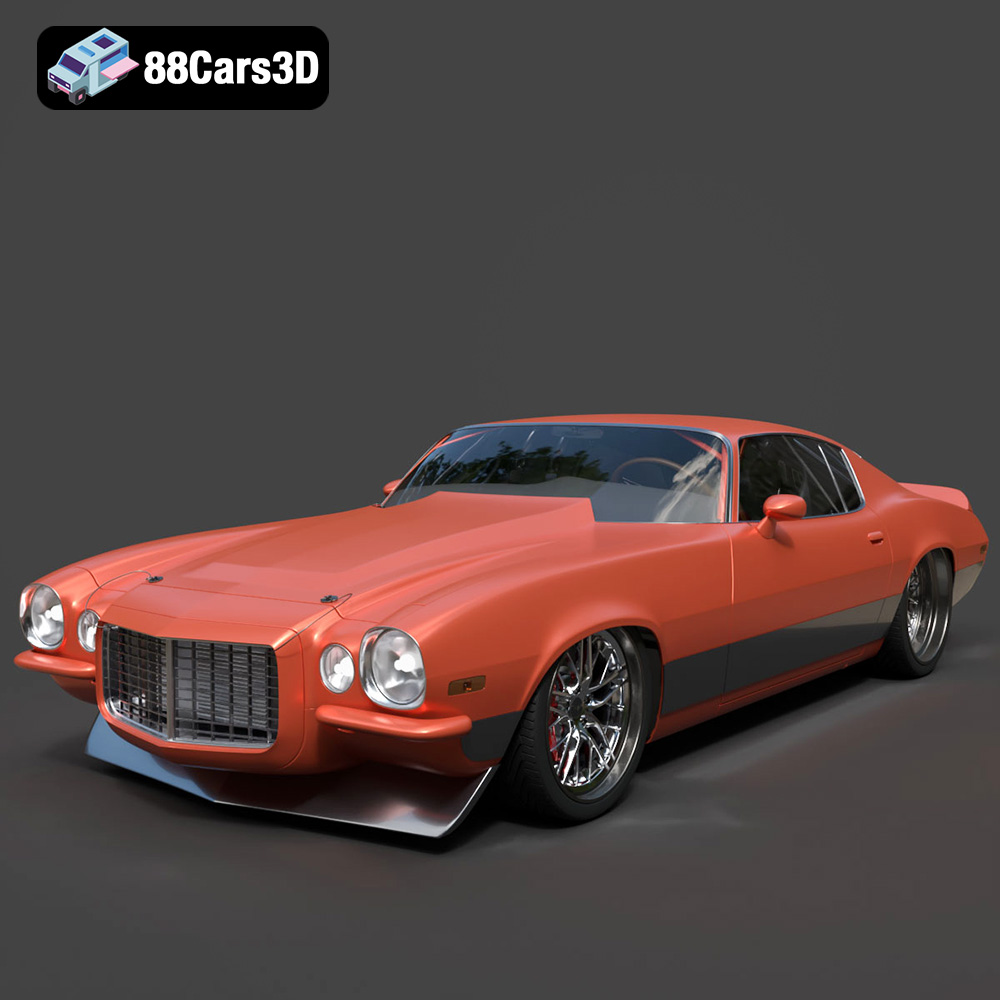
Texture: Yes
Material: Yes
Download the Chevrolet Camaro 1970 3D Model featuring clean geometry, realistic detailing, and a fully modeled interior. Includes .blend, .fbx, .obj, .glb, .stl, .ply, .unreal, and .max formats for rendering, simulation, and game development.
Price: $10
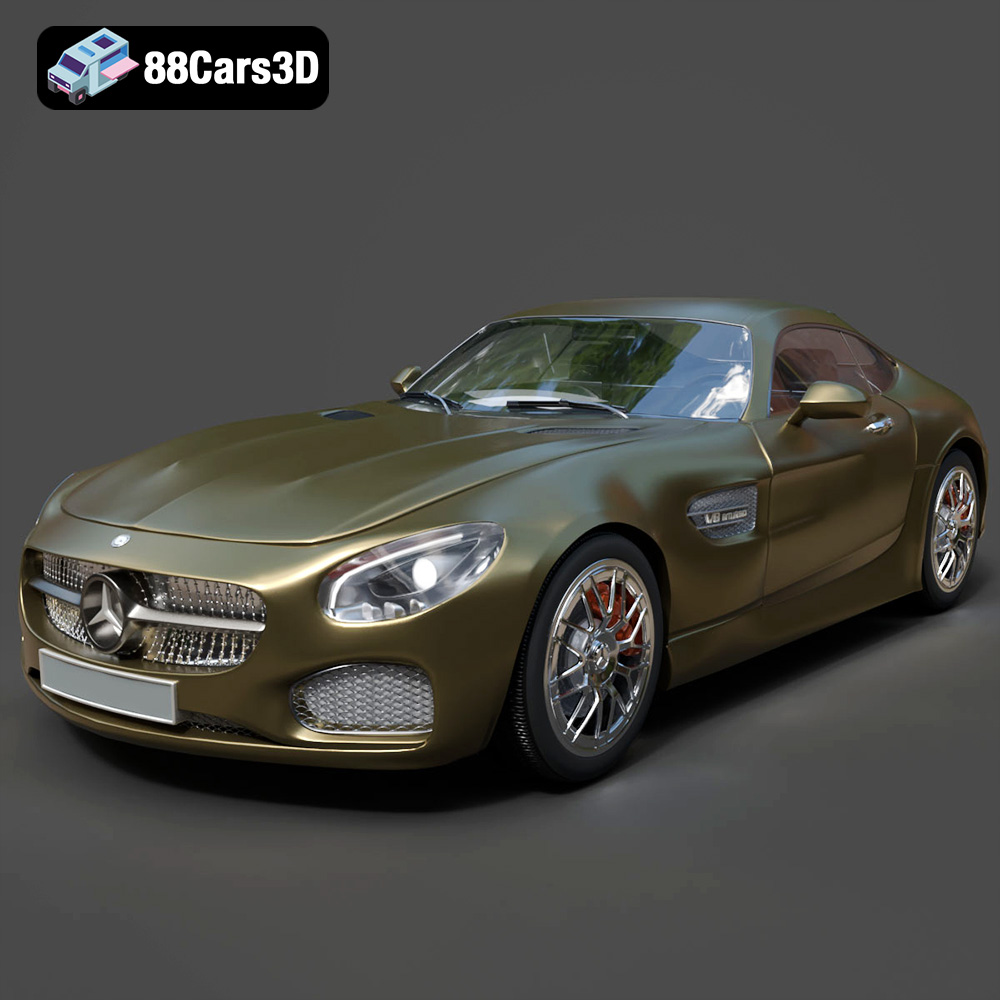
Texture: Yes
Material: Yes
Download the Mercedes-AMG GT 2015 3D Model featuring clean geometry, realistic detailing, and a fully modeled interior. Includes .blend, .fbx, .obj, .glb, .stl, .ply, .unreal, and .max formats for rendering, simulation, and game development.
Price: $88.99
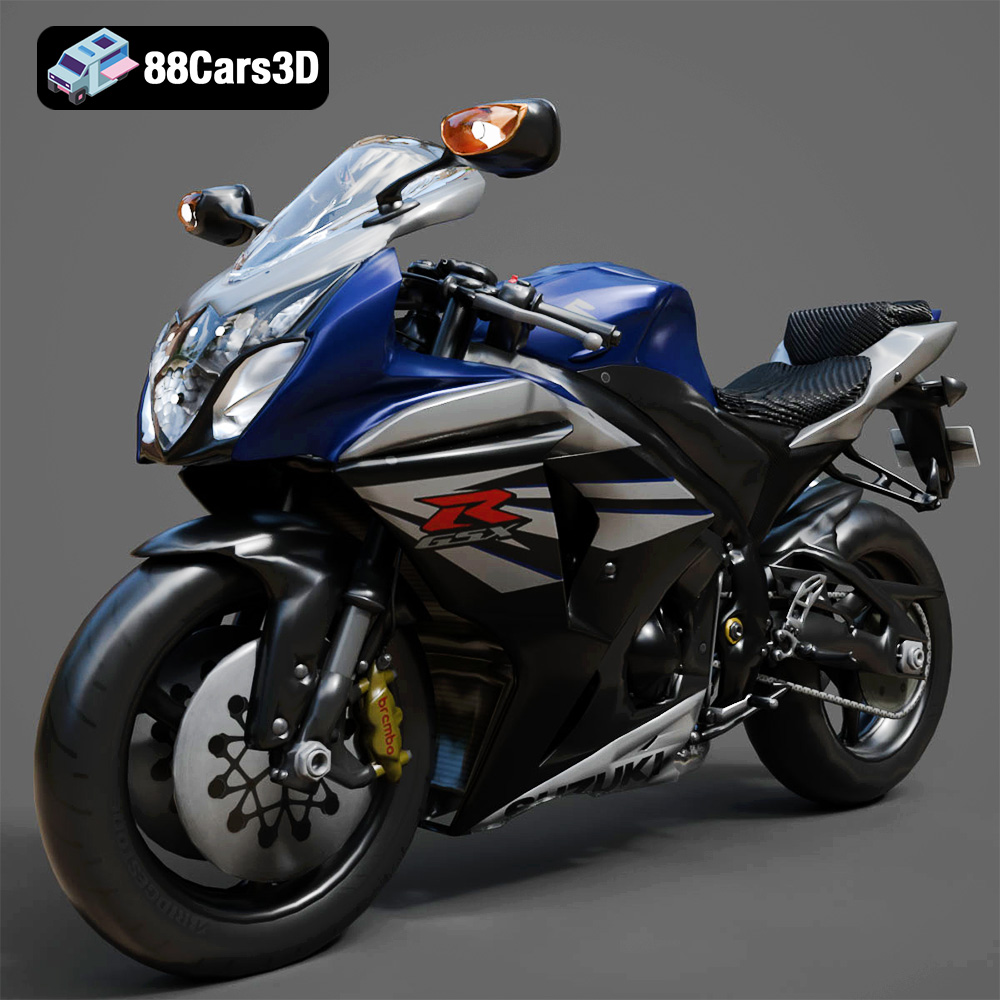
Texture: Yes
Material: Yes
Download the Suzuki GSX-R 1000 3D Model featuring clean geometry, realistic detailing, and a fully modeled interior. Includes .blend, .fbx, .obj, .glb, .stl, .ply, .unreal, and .max formats for rendering, simulation, and game development.
Price: $10
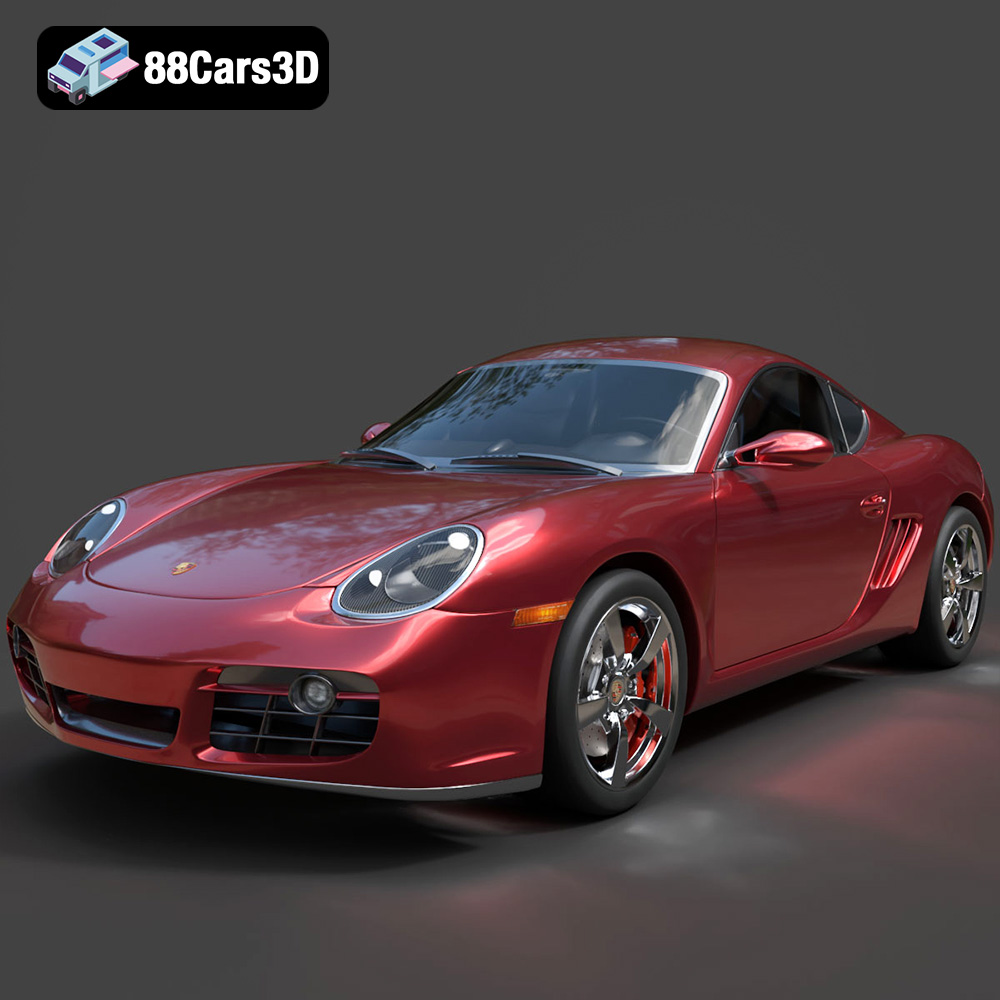
Texture: Yes
Material: Yes
Download the Porsche Cayman S 2024 3D Model featuring clean geometry, realistic detailing, and a fully modeled interior. Includes .blend, .fbx, .obj, .glb, .stl, .ply, .unreal, and .max formats for rendering, simulation, and game development.
Price: $10
Texture: Yes
Material: Yes
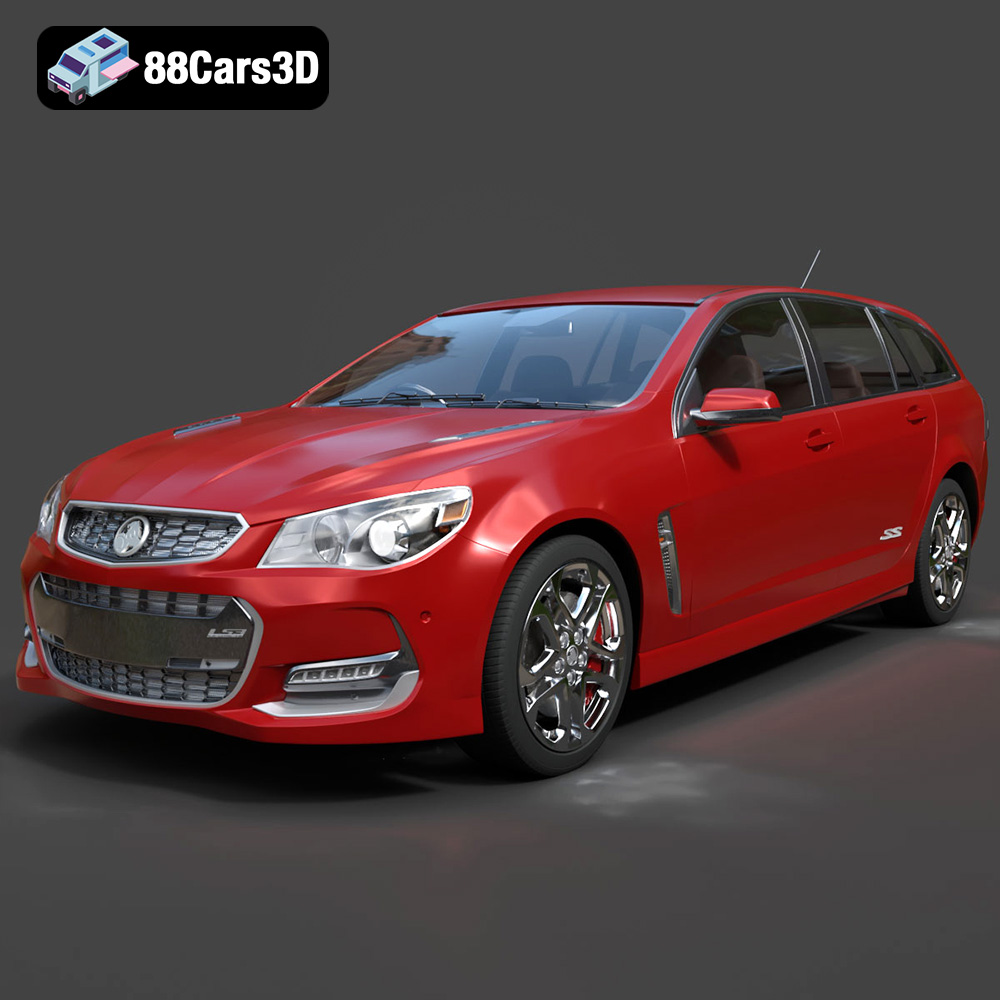
Download the Holden Commodore Sportwagon 2017 3D Model featuring clean geometry, realistic detailing, and a fully modeled interior. Includes .blend, .fbx, .obj, .glb, .stl, .ply, .unreal, and .max formats for rendering, simulation, and game development.
Price: $10

**Meta Description:**
Texture: Yes
Material: Yes
Download the Toyota Crown Majesta 2009 3D Model with luxury detailing, clean topology, and a fully modeled interior. Available in .blend, .fbx, .obj, .glb, .stl, .ply, .unreal, and .max formats for rendering, simulation, and game development.
Price: $4.99

**Meta Description:**
Texture: Yes
Material: Yes
Download the Toyota AE86 Levin 1983 1987 3D Model featuring realistic exterior and interior detailing. Includes .blend, .fbx, .obj, .glb, .stl, .ply, .unreal, and .max formats for rendering, simulation, and game development.
Price: $9.99

Texture: Yes
Material: Yes
Download the Toyota Mark 2 2001 3D Model featuring clean geometry, realistic detailing, and a fully modeled interior. Includes .blend, .fbx, .obj, .glb, .stl, .ply, .unreal, and .max formats for rendering, simulation, and game development.
Price: $4.99

Texture: Yes
Material: Yes
Download the Toyota Celica 2000 3D Model featuring clean geometry, realistic detailing, and a fully modeled interior. Includes .blend, .fbx, .obj, .glb, .stl, .ply, .unreal, and .max formats for rendering, simulation, and game development.
Price: $4.99

Download the Toyota Camry US 2012 3D Model featuring clean geometry, realistic detailing, and a fully modeled interior. Includes .blend, .fbx, .obj, .glb, .stl, .ply, .unreal, and .max formats for rendering, simulation, and game development.
Price: $4.99

