Get 50% OFF All Premium 3D & STL Models!

The world of automotive visualization has undergone a seismic shift. Gone are the days of waiting hours, or even days, for a single photorealistic render. The advent of real-time rendering engines, led by Unreal Engine, has ushered in a new era of interactive, dynamic, and breathtakingly realistic experiences. From online car configurators that allow customers to personalize every detail in real-time to virtual showrooms in AR/VR and cinematic sequences for marketing, Unreal Engine is powering the future of how we see and interact with vehicles. This transformation empowers designers, marketers, and developers to create more engaging and impactful content than ever before.
This comprehensive guide will walk you through the entire workflow of creating stunning automotive visualizations in Unreal Engine. We will cover everything from setting up your project and preparing high-quality 3D car models to mastering photorealistic PBR materials, lighting with Lumen, leveraging the power of Nanite for unprecedented detail, and building interactive experiences with Blueprint. Whether you are a 3D artist aiming for photorealism, a developer building an interactive configurator, or a filmmaker exploring virtual production, this article will provide you with the technical knowledge and professional best practices to bring your automotive visions to life.
Before you can create breathtaking renders, you must lay a solid groundwork. A properly configured Unreal Engine project and a meticulously prepared 3D model are the non-negotiable first steps toward achieving professional results. Rushing this stage often leads to performance issues, visual artifacts, and workflow headaches down the line. Investing time here ensures a smoother and more efficient production process for your automotive visualization project.
When creating a new project in Unreal Engine, the template you choose sets the stage. While the “Games” template is versatile, the “Architecture, Engineering, and Construction” (AEC) template is often a better starting point for pure visualization. It comes with settings and plugins pre-configured for high-fidelity rendering, such as hardware-accelerated ray tracing and Lumen enabled by default. Regardless of your template, ensure the following essential plugins are enabled via Edit > Plugins:
The quality of your final render is directly proportional to the quality of your source model. A hero car model for close-up shots should have clean topology (all quads or triangles, no n-gons), proper scale, and well-laid-out UVs. This is where professional asset marketplaces shine; platforms like 88cars3d.com offer optimized 3D car models specifically designed for real-time rendering in Unreal Engine. These models typically feature separated components (doors, wheels, steering wheel), correct pivot points for animation, and pre-assigned material slots, saving you hours of cleanup work. Before importing, it’s best practice to open the model in a DCC tool like Blender or 3ds Max to verify its scale (Unreal uses centimeters), check that the pivot points are correctly placed for interactive elements like doors, and ensure all components have logical names.
Your two primary methods for getting a model into Unreal are a standard FBX import or using the Datasmith workflow.
– Datasmith: This is the superior choice for complex, assembled products. It provides a more robust pipeline that translates scene hierarchies, material assignments, and even lights and cameras directly from your DCC software. It helps maintain a clean, organized structure within your Unreal Engine project, which is vital for complex configurators.
A perfect 3D model is nothing without convincing materials. Physically Based Rendering (PBR) is the standard for creating materials that react to light in a physically accurate way. For automotive visualization, three surfaces are paramount: the car paint, the glass, and the metals. Nailing these materials is the key to selling the illusion of realism. The Unreal Engine Material Editor is a powerful node-based tool that gives you complete control to craft these complex surfaces from scratch.
Modern car paint is a multi-layered material, and replicating it requires a specific approach. The most effective method in Unreal Engine is to use the Clear Coat shading model in the Material Editor. This simulates a layer of lacquer over a base layer.
Glass and chrome are essential for a believable vehicle.
While shaders define the surface properties, high-resolution textures provide the fine detail. Areas like tire sidewalls, brake calipers with branding, interior leather grain, and dashboard displays rely on 4K or even 8K texture maps for crispness in close-up shots. This is why properly UV-unwrapped models are essential. A model with clean, non-overlapping UVs ensures that these textures are applied without stretching or distortion, a key feature to look for when sourcing game assets from marketplaces.
Lighting is what breathes life into a scene. Unreal Engine’s Lumen is a revolutionary fully dynamic Global Illumination and Reflections system. It provides real-time, multi-bounce indirect lighting and specular reflections, eliminating the need for baking lightmaps or placing manual reflection probes for most scenarios. This allows for unparalleled iteration speed and visual fidelity, making it perfect for automotive visualization where reflections define the form of the car.
To use Lumen, you need to enable it in your project settings (Edit > Project Settings > Rendering). Set both `Dynamic Global Illumination Method` and `Reflection Method` to `Lumen`. Lumen utilizes Software Ray Tracing by default, which runs on a wide range of modern GPUs, but you can enable Hardware Ray Tracing for higher quality reflections and shadows if you have a compatible graphics card (NVIDIA RTX or AMD RX 6000 series and newer). Keep in mind that Lumen is computationally expensive, so it’s best suited for high-end PC and console applications.
The lighting setup dramatically influences the mood and highlights the car’s design.
The final 10% of realism often comes from post-processing. Add a Post Process Volume to your scene and enable `Infinite Extent (Unbound)` to apply its effects globally. Here, you can subtly adjust parameters like `Exposure` to balance the lighting, add a touch of `Bloom` to enhance specular highlights, and use `Chromatic Aberration` sparingly to mimic a real camera lens. For professional color grading, import a LUT (Look-Up Table) to achieve a specific cinematic color palette.
Nanite, Unreal Engine’s virtualized geometry system, is a paradigm shift for real-time rendering. It allows you to render 3D models composed of millions or even billions of polygons in real-time without the traditional constraints of polygon budgets or manual Level of Detail (LOD) creation. This means you can use film-quality, high-poly assets directly in the engine, capturing every minute detail of a vehicle’s design without performance degradation.
At its core, Nanite is an intelligent mesh format and rendering technology. When you enable Nanite on a mesh, Unreal Engine analyzes it and breaks it down into small, hierarchical clusters of triangles. During rendering, Nanite works with the GPU to stream and draw only the clusters that are visible and detailed enough to be perceived from the current camera angle. This process is incredibly efficient, meaning a 10-million-polygon model costs roughly the same to render as a 100,000-polygon model if they occupy the same amount of screen space. This is a game-changer for automotive visualization, especially for intricate interiors, complex wheel designs, and detailed engine bays.
The process of using Nanite is remarkably simple. After importing your car model, select the static mesh(es) in the Content Browser, right-click, and choose Nanite > Enable. That’s it. The engine will process the mesh, and it will be rendered using the Nanite pipeline. This works best for static, opaque geometry, which covers the vast majority of a car’s components. While Nanite has some limitations (e.g., it does not yet support skeletal meshes or most translucent materials), these are continually being addressed in new engine updates. For elements that cannot be converted to Nanite, you can still rely on traditional LOD workflows.
While Nanite effectively removes the geometry bottleneck, performance is still a consideration. The cost of a Nanite mesh is primarily driven by the number of pixels it covers on screen and the complexity of its materials. To analyze Nanite’s behavior, use the viewport visualization modes (Lit > Nanite Visualization). The `Triangles` view will show you the incredible density of the source model, while the `Clusters` view shows how Nanite groups and simplifies the geometry in real-time. This helps in understanding that even with Nanite, efficient material shaders and managing overdraw are still important aspects of optimization.
Moving beyond static images, Unreal Engine’s real power lies in its interactivity. The Blueprint visual scripting system allows artists and designers to create complex functionality without writing a single line of C++. From building a web-based car configurator to creating an interactive VR showroom, Blueprints are the key to bringing your automotive project to life.
A car configurator is a classic and powerful use case. Here’s a basic workflow for a color switcher:
You can easily add more interactivity. To create a door-opening animation, use a Timeline node in your Blueprint. The timeline can output a float value that changes over a set duration (e.g., from 0.0 to 90.0 over 1 second). On the timeline’s `Update` pin, use a `Set Relative Rotation` node on the door’s static mesh component to drive its rotation smoothly. For headlights, you can simply parent `Spot Light` or `Point Light` components to the car’s Blueprint and use a key press event to toggle their `Visibility` property on and off.
Giving the user control over the camera is essential for an interactive experience. A simple and effective setup is an orbit camera. In a new Blueprint Actor, add a Spring Arm component and parent a Camera component to it. Place this Blueprint in the scene and, using Blueprint logic, control the Spring Arm’s rotation based on mouse movement (using `Get Mouse X/Y` nodes) and its `Target Arm Length` based on the mouse wheel scroll to control zoom. This creates an intuitive and professional-feeling camera system for users to inspect the vehicle from all angles.
Achieving photorealism is one challenge; maintaining a high and stable frame rate is another, especially for applications intended for a wide audience, such as AR/VR or web-based configurators. Optimization is a continuous process of profiling, identifying bottlenecks, and making intelligent trade-offs between visual quality and performance.
You cannot optimize what you cannot measure. Unreal Engine provides powerful built-in profiling tools.
While Nanite handles the main car body, other scene elements and fallback meshes still benefit from traditional optimization.
These platforms have much stricter performance budgets. For these targets, you may need to make more significant optimizations:
We’ve journeyed through the complete pipeline of creating high-end automotive visualizations in Unreal Engine. From the critical initial steps of project setup and model preparation to the artistic and technical challenges of crafting PBR materials, lighting with Lumen, and leveraging Nanite, you now have a robust framework for success. By adding interactivity with Blueprints and always keeping performance optimization in mind, you can create experiences that are not only beautiful but also smooth and accessible across a range of platforms.
The fusion of cutting-edge technology like Unreal Engine with high-quality assets has truly democratized photorealistic real-time rendering. The tools and techniques that were once the exclusive domain of large studios are now at your fingertips. The key is to start with a solid foundation—a high-quality, well-prepared 3D car model—and systematically apply the principles of good lighting, materials, and optimization. Start experimenting with these workflows on your next project and unlock the incredible potential of real-time automotive visualization. For more in-depth learning on any of these features, the official Unreal Engine documentation at https://dev.epicgames.com/community/unreal-engine/learning is an invaluable resource.
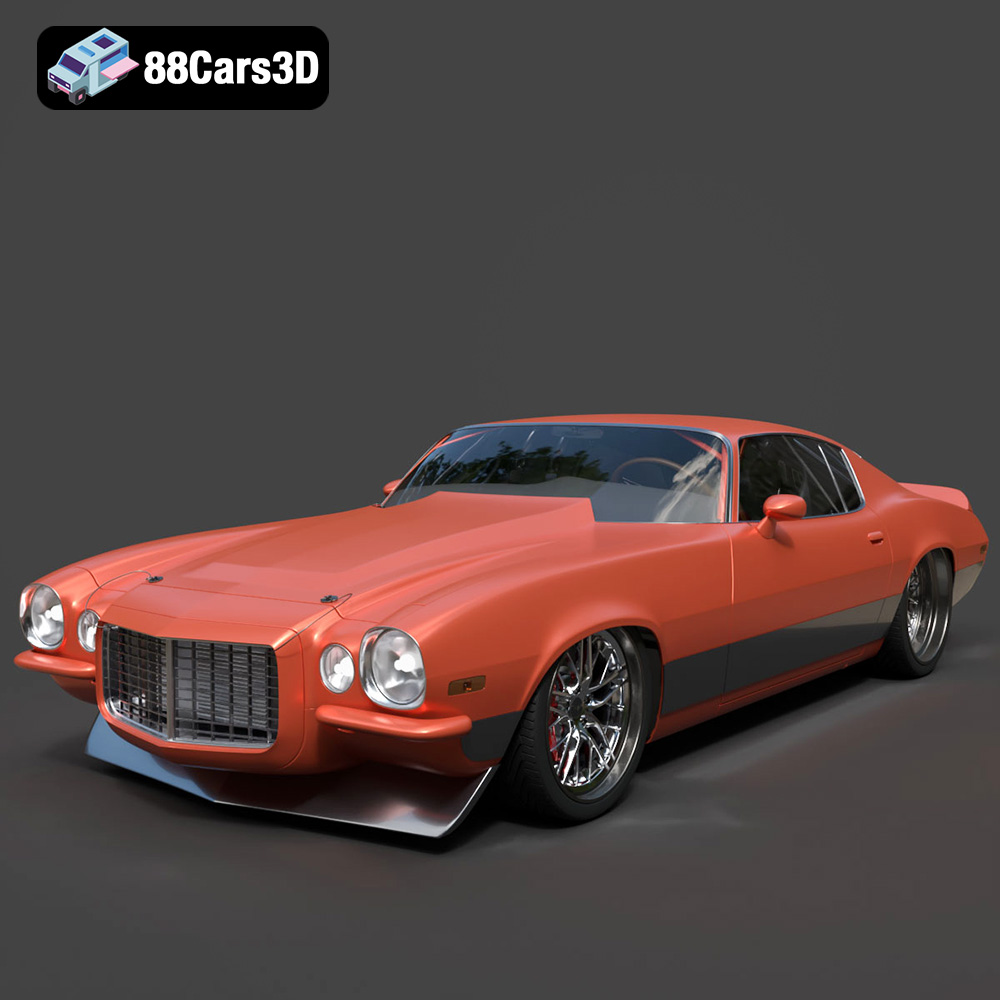
Texture: Yes
Material: Yes
Download the Chevrolet Camaro 1970 3D Model featuring clean geometry, realistic detailing, and a fully modeled interior. Includes .blend, .fbx, .obj, .glb, .stl, .ply, .unreal, and .max formats for rendering, simulation, and game development.
Price: $10
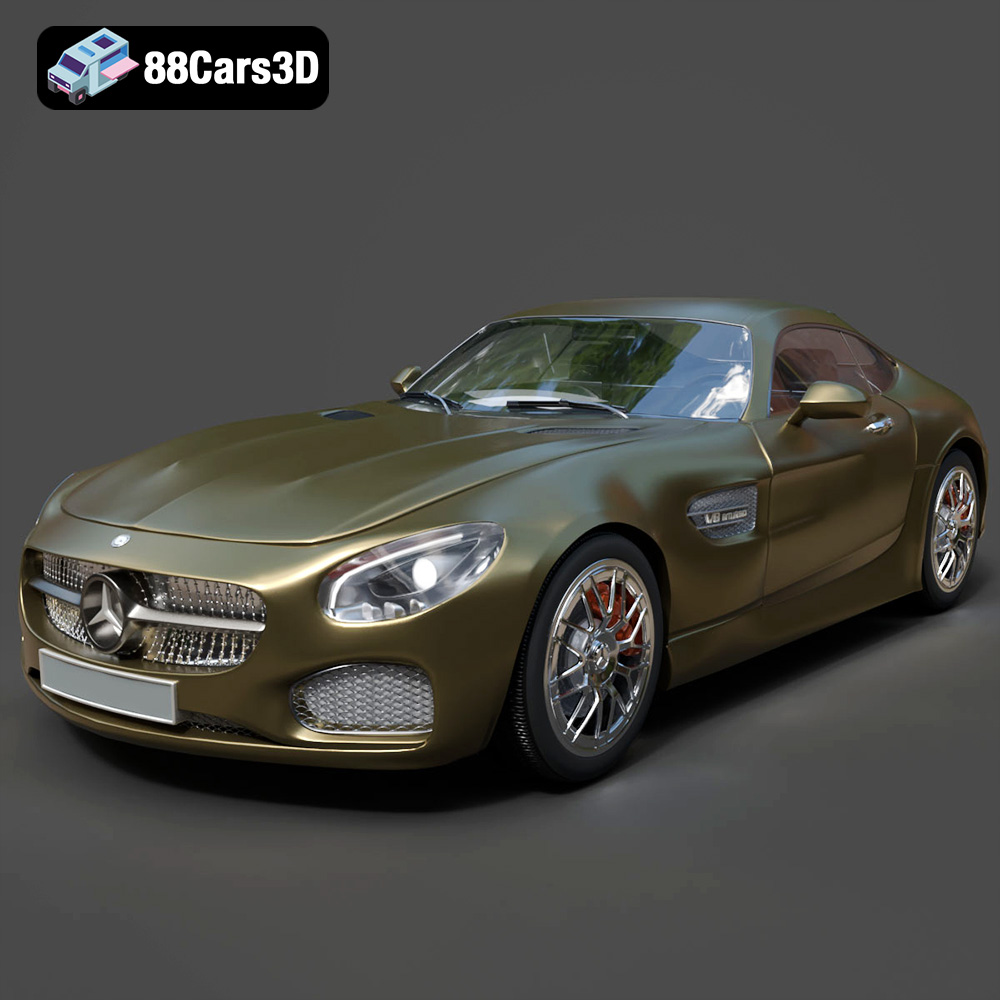
Texture: Yes
Material: Yes
Download the Mercedes-AMG GT 2015 3D Model featuring clean geometry, realistic detailing, and a fully modeled interior. Includes .blend, .fbx, .obj, .glb, .stl, .ply, .unreal, and .max formats for rendering, simulation, and game development.
Price: $88.99
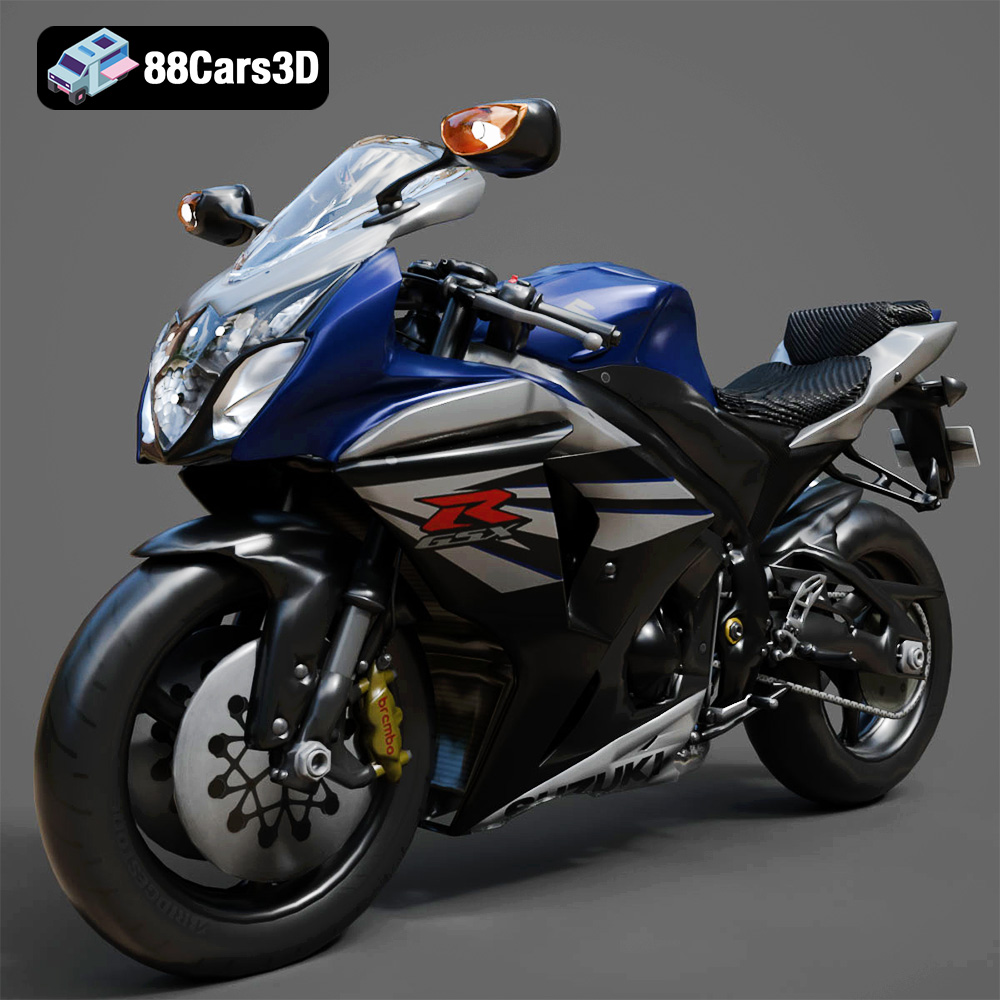
Texture: Yes
Material: Yes
Download the Suzuki GSX-R 1000 3D Model featuring clean geometry, realistic detailing, and a fully modeled interior. Includes .blend, .fbx, .obj, .glb, .stl, .ply, .unreal, and .max formats for rendering, simulation, and game development.
Price: $10
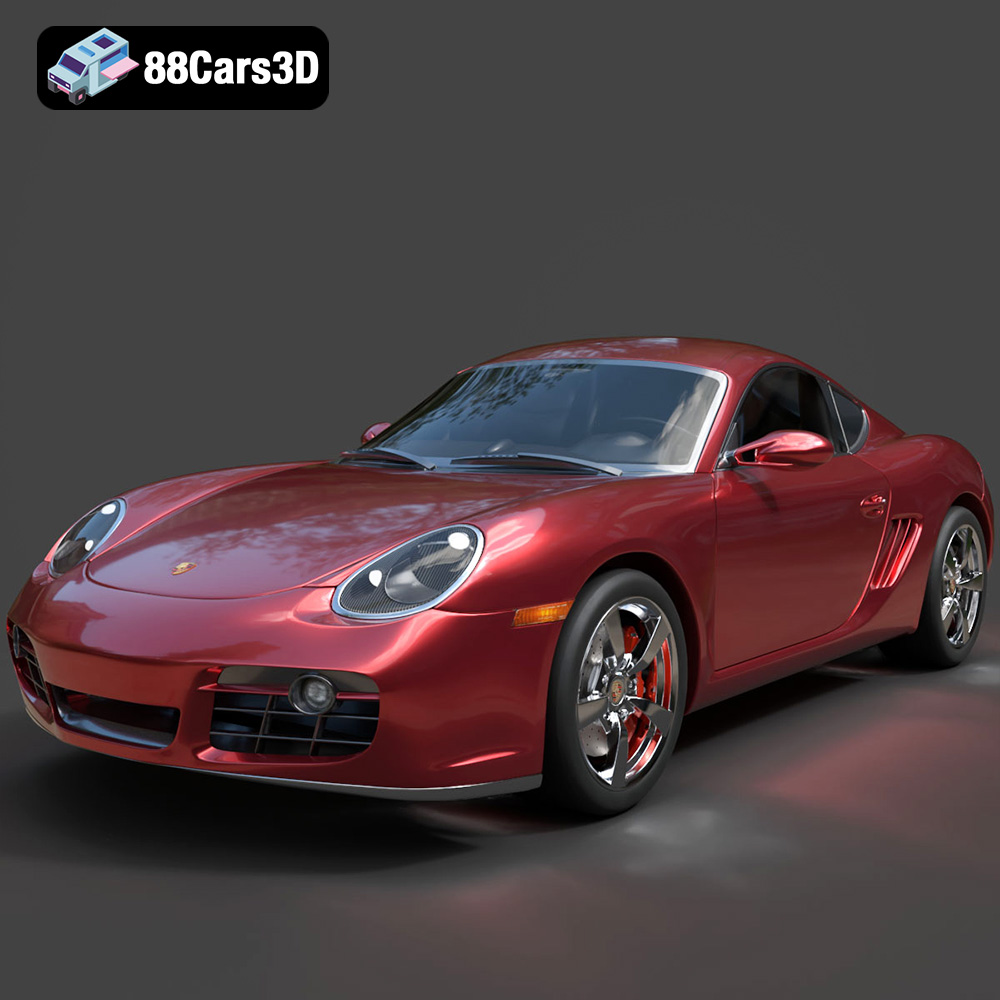
Texture: Yes
Material: Yes
Download the Porsche Cayman S 2024 3D Model featuring clean geometry, realistic detailing, and a fully modeled interior. Includes .blend, .fbx, .obj, .glb, .stl, .ply, .unreal, and .max formats for rendering, simulation, and game development.
Price: $10
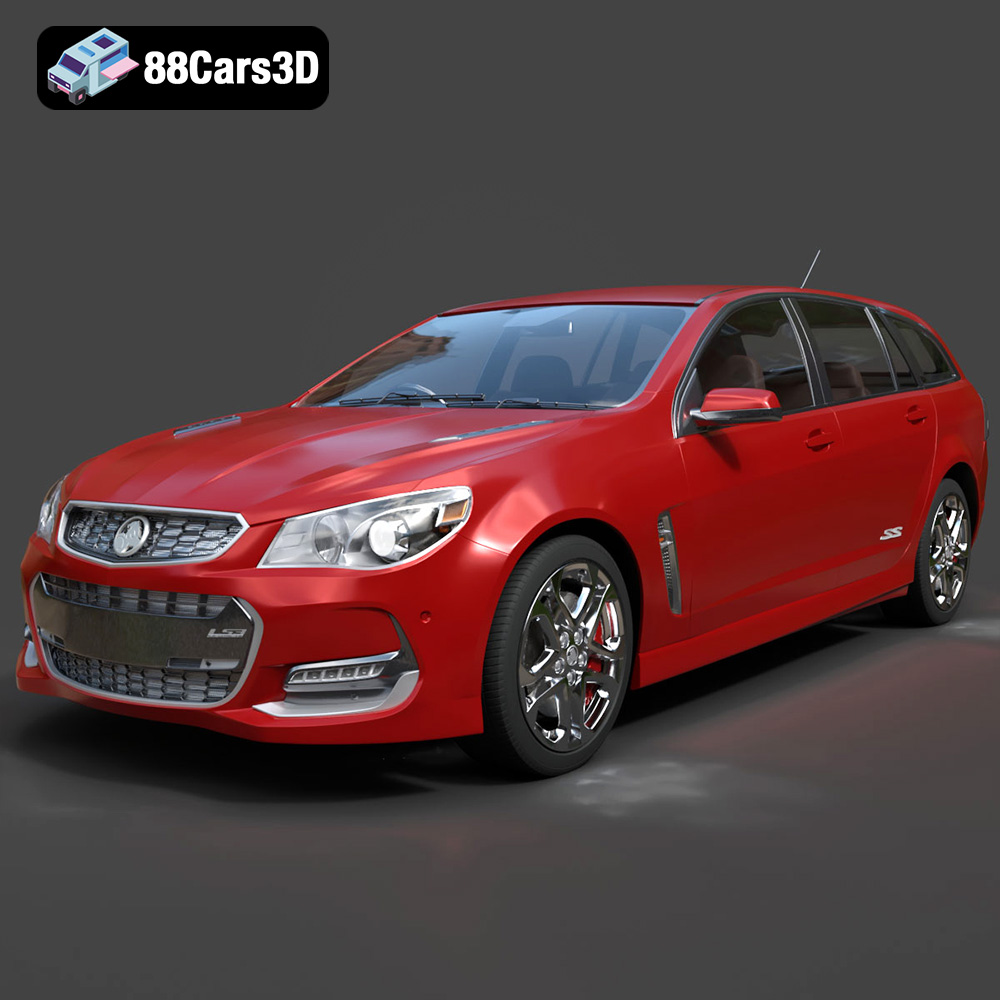
Texture: Yes
Material: Yes
Download the Holden Commodore Sportwagon 2017 3D Model featuring clean geometry, realistic detailing, and a fully modeled interior. Includes .blend, .fbx, .obj, .glb, .stl, .ply, .unreal, and .max formats for rendering, simulation, and game development.
Price: $10

**Meta Description:**
Texture: Yes
Material: Yes
Download the Toyota Crown Majesta 2009 3D Model with luxury detailing, clean topology, and a fully modeled interior. Available in .blend, .fbx, .obj, .glb, .stl, .ply, .unreal, and .max formats for rendering, simulation, and game development.
Price: $4.99

**Meta Description:**
Texture: Yes
Material: Yes
Download the Toyota AE86 Levin 1983 1987 3D Model featuring realistic exterior and interior detailing. Includes .blend, .fbx, .obj, .glb, .stl, .ply, .unreal, and .max formats for rendering, simulation, and game development.
Price: $9.99

Texture: Yes
Material: Yes
Download the Toyota Mark 2 2001 3D Model featuring clean geometry, realistic detailing, and a fully modeled interior. Includes .blend, .fbx, .obj, .glb, .stl, .ply, .unreal, and .max formats for rendering, simulation, and game development.
Price: $4.99

Texture: Yes
Material: Yes
Download the Toyota Celica 2000 3D Model featuring clean geometry, realistic detailing, and a fully modeled interior. Includes .blend, .fbx, .obj, .glb, .stl, .ply, .unreal, and .max formats for rendering, simulation, and game development.
Price: $4.99

Download the Toyota Camry US 2012 3D Model featuring clean geometry, realistic detailing, and a fully modeled interior. Includes .blend, .fbx, .obj, .glb, .stl, .ply, .unreal, and .max formats for rendering, simulation, and game development.
Price: $4.99

