Get 50% OFF All Premium 3D & STL Models!

“`html
The world of 3D printing offers enthusiasts and professionals alike the incredible opportunity to bring their visions to life, and for automotive aficionados, this means creating stunning, detailed car models. Whether you’re a seasoned 3D printing expert or just starting out, this comprehensive guide will equip you with the knowledge and skills necessary to achieve exceptional results when 3D printing car models. We’ll delve into STL file preparation, optimal printer settings, slicing techniques, essential support structures, and effective post-processing methods. By the end of this article, you’ll be well-versed in the intricacies of 3D printing car models, ready to create masterpieces that capture the essence of automotive design.
The STL (Stereolithography) file format is the bedrock of 3D printing. It represents the surface geometry of a 3D object as a collection of triangles. Understanding its structure and limitations is crucial for successful printing. Many platforms like 88cars3d.com offer print-ready STL files, which significantly simplifies the process. However, even with pre-optimized files, a solid understanding of STL is beneficial.
An STL file essentially comprises a list of triangles, each defined by three vertices and a normal vector indicating the outward direction. The density of these triangles determines the resolution of the model. A higher triangle count results in a smoother surface but also a larger file size. Poor mesh topology, such as non-manifold geometry (edges shared by more than two triangles or holes in the mesh), can lead to printing errors. Inspecting the mesh for these issues before printing is essential. Software like MeshLab or Netfabb can be used to analyze and repair STL files. For example, Netfabb’s automatic repair tool can identify and fix common mesh errors like flipped normals, holes, and self-intersections. Aim for a “watertight” mesh, meaning a closed, continuous surface without any gaps or inconsistencies.
Not all STL files are created equal. When downloading models from marketplaces such as 88cars3d.com, pay attention to the model’s intended scale, level of detail, and compatibility with your printer. Look for models that have been specifically designed for 3D printing, with considerations for wall thickness, overhangs, and support structures. Higher-resolution STL files will capture finer details but might require more processing power and longer print times. Lower-resolution files print faster but may exhibit noticeable faceting. It’s a balance, and often a test print of a small section of the model is a good idea to assess quality before committing to the full print.
Slicing software translates the 3D model in STL format into a series of instructions (G-code) that your 3D printer can understand. This process involves defining crucial parameters like layer height, infill density, print speed, and support structures. The slicer essentially “slices” the model into thin layers, creating a roadmap for the printer to follow.
Layer height is one of the most important slicing parameters. Lower layer heights (e.g., 0.1mm or 0.05mm) result in smoother surfaces and finer details but increase print time significantly. Higher layer heights (e.g., 0.2mm or 0.3mm) print faster but may show noticeable layer lines. For car models, a layer height of 0.1mm to 0.15mm is a good starting point, balancing detail and print speed. Infill density determines the internal structure of the model. A higher infill density (e.g., 50% or 100%) provides greater strength but increases material consumption and print time. For decorative car models, a lower infill density (e.g., 15% to 25%) is often sufficient. Experiment with different infill patterns like gyroid, cubic, or rectilinear to find the best balance of strength and material usage. Print speed affects both print time and print quality. Slower print speeds generally result in better accuracy and adhesion but can drastically increase print time. A print speed of 40-60mm/s is a good starting point, adjusting as needed based on your printer and material.
Cura and PrusaSlicer are two popular and powerful slicing software options. Both offer a wide range of customizable settings and advanced features. In Cura, utilize the “Adaptive Layers” feature to automatically adjust layer height based on the model’s geometry, focusing on finer layers for curved surfaces and coarser layers for straight sections. In PrusaSlicer, the “Variable Layer Height” feature provides similar functionality, allowing you to manually define layer height ranges for specific regions of the model. Both slicers offer excellent support generation algorithms, allowing you to customize support density, overhang angle, and interface layers for optimal support removal. For example, using a lower support density (e.g., 5%) for internal supports and a higher density (e.g., 20%) for supports near the model’s surface can improve print quality and reduce material waste.
Support structures are temporary scaffolds that hold up overhanging parts of the model during printing. They are crucial for preventing sagging and ensuring accurate reproduction of complex geometries, particularly in car models with intricate details like spoilers, mirrors, and wheel arches. Understanding how to generate and remove supports effectively is key to achieving successful prints.
When generating support structures, consider the type of support (e.g., tree supports, linear supports), support density, overhang angle, and interface layers. Tree supports are generally more efficient and easier to remove than linear supports, especially for complex geometries. However, they may not be suitable for all models. Adjust the overhang angle to minimize support usage while still providing adequate support for overhanging features. An overhang angle of 45 degrees is a common starting point. Interface layers are thin layers between the support structure and the model’s surface, designed to improve adhesion and prevent damage during support removal. Experiment with different interface layer thicknesses and densities to find the optimal settings for your material and printer. For example, using a denser interface layer can improve adhesion but may make support removal more difficult.
Removing support structures requires patience and care. Use specialized tools like needle-nose pliers, flush cutters, or deburring tools to carefully detach the supports from the model. Start by removing the larger, more accessible supports, and then gradually work your way to the smaller, more delicate supports. Avoid using excessive force, as this can damage the model’s surface. For models printed with soluble support materials (e.g., PVA), you can dissolve the supports in water or a special solvent. Ensure that the model is fully submerged and agitate the solution periodically to speed up the dissolving process. After support removal, use sandpaper or a deburring tool to smooth any remaining imperfections or support marks.
The choice of material significantly impacts the appearance, strength, and durability of your 3D printed car model. Common materials include PLA, PETG, and ABS, each with its own set of advantages and disadvantages. For resin printing, different types of resins offer varying properties.
PLA (Polylactic Acid) is a biodegradable thermoplastic known for its ease of printing and smooth surface finish. It’s a good choice for decorative car models that don’t require high strength or heat resistance. However, PLA is relatively brittle and prone to warping in high-temperature environments. PETG (Polyethylene Terephthalate Glycol-modified) is a more durable and heat-resistant alternative to PLA. It offers good strength, flexibility, and impact resistance, making it suitable for functional car model components like wheels or axles. PETG can be slightly more challenging to print than PLA, requiring higher temperatures and slower print speeds. ABS (Acrylonitrile Butadiene Styrene) is a strong, heat-resistant thermoplastic commonly used in automotive applications. It offers excellent durability and impact resistance but is prone to warping and requires a heated bed and enclosure for successful printing. ABS also emits fumes during printing, so proper ventilation is essential. For example, if you’re printing a car model that will be exposed to direct sunlight, PETG or ABS would be better choices than PLA.
Resin printing (SLA/DLP/LCD) offers superior detail and surface finish compared to FDM printing. Resin printers use liquid photopolymer resins that are cured by UV light. Resin printing is ideal for intricate car models with fine details and complex geometries. However, resin printers are generally more expensive than FDM printers, and the resins themselves can be costly. Resin printing also requires post-processing steps like washing and curing to remove uncured resin and fully harden the model. Different types of resins offer varying properties, such as high strength, high temperature resistance, or flexibility. Choose the resin that best suits your specific application. For example, using a flexible resin for tires can improve their grip and durability. Always wear gloves and eye protection when handling resins, as they can be irritants. Proper ventilation is also essential during printing and post-processing.
Post-processing is the final stage in 3D printing, involving techniques like sanding, painting, and assembly to refine the appearance and functionality of your car model. These steps are essential for achieving a professional, polished look.
Sanding is used to remove layer lines, support marks, and other imperfections from the model’s surface. Start with coarse-grit sandpaper (e.g., 120-grit) to remove larger imperfections, and then gradually move to finer grits (e.g., 220-grit, 400-grit, 600-grit) to smooth the surface. Wet sanding can help to prevent dust buildup and create a smoother finish. Use a sanding block or file to ensure that you’re sanding evenly across the surface. For hard-to-reach areas, use small sanding sticks or detail sanders. After sanding, use a primer to fill in any remaining imperfections and create a smooth surface for painting. For example, using a filler primer can help to hide layer lines and create a more uniform surface.
Painting is used to add color and detail to the model. Use high-quality acrylic paints or model paints for best results. Apply multiple thin coats of paint, allowing each coat to dry completely before applying the next. Use masking tape to protect areas that you don’t want to paint. Detailing techniques like panel lining, weathering, and dry brushing can add realism and depth to the model. Panel lining involves using a fine-tipped pen or wash to accentuate the panel lines of the car. Weathering involves adding dirt, grime, and other imperfections to simulate wear and tear. Dry brushing involves lightly applying paint to raised areas to highlight details. For example, using a black wash on the panel lines of a white car model can create a striking contrast and add depth.
Even with careful planning and execution, 3D printing can sometimes encounter issues. Understanding common problems and their solutions is crucial for successful printing.
Warping occurs when the corners of the model lift off the print bed during printing. This is often caused by poor bed adhesion or temperature fluctuations. To prevent warping, ensure that the print bed is clean and level. Use a bed adhesion aid like glue stick, hairspray, or painter’s tape. Increase the bed temperature and use an enclosure to maintain a consistent temperature throughout the print. Bed adhesion problems can also be caused by improper first layer settings. Ensure that the first layer is printing slowly and with sufficient squish. Layer delamination occurs when the layers of the model separate during printing. This is often caused by insufficient layer adhesion or cooling. To prevent layer delamination, increase the printing temperature and reduce the fan speed. Ensure that the filament is dry and properly stored. Consider using a heated enclosure to maintain a consistent temperature throughout the print.
Stringing occurs when the printer extrudes filament while traveling between different parts of the model. This is often caused by excessive retraction distance or temperature. To prevent stringing, increase the retraction distance and speed. Reduce the printing temperature and enable travel move settings to avoid crossing open spaces. Blobs and zits are small imperfections that appear on the surface of the model. These are often caused by inconsistent extrusion or retraction. To prevent blobs and zits, calibrate the extruder and ensure that the filament is feeding smoothly. Adjust the retraction settings and enable coasting or wiping to reduce pressure buildup at the end of each layer.
Mastering 3D printing for car models requires a blend of technical knowledge, creative problem-solving, and meticulous attention to detail. By understanding the intricacies of STL files, optimizing slicing parameters, generating effective support structures, choosing the right materials, and mastering post-processing techniques, you can create stunning, high-quality car models that capture the essence of automotive design. Remember to troubleshoot common printing issues and continuously refine your workflow to achieve optimal results. Platforms like 88cars3d.com offer a great starting point with their selection of high-quality, print-ready STL files. Now, armed with this comprehensive guide, you’re ready to embark on your 3D printing journey and bring your automotive dreams to life!
“`

Texture: Yes
Material: Yes
Download the Mercedes S-Class 2024 3D Model featuring clean geometry, realistic detailing, and a fully modeled interior. Includes .blend, .fbx, .obj, .glb, .stl, .ply, .unreal, and .max formats for rendering, simulation, and game development.
Price: $10
Texture: Yes
Material: Yes
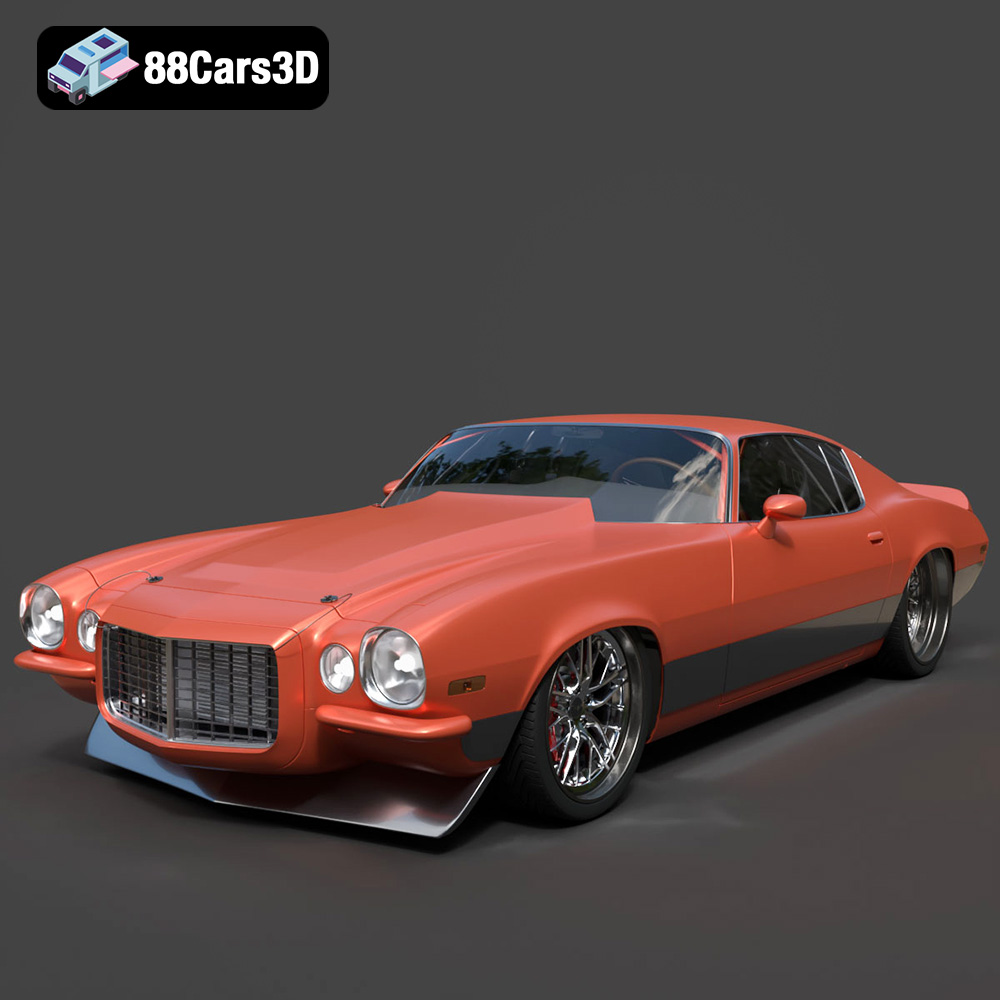
Download the Chevrolet Camaro 1970 3D Model featuring clean geometry, realistic detailing, and a fully modeled interior. Includes .blend, .fbx, .obj, .glb, .stl, .ply, .unreal, and .max formats for rendering, simulation, and game development.
Price: $10
Texture: Yes
Material: Yes
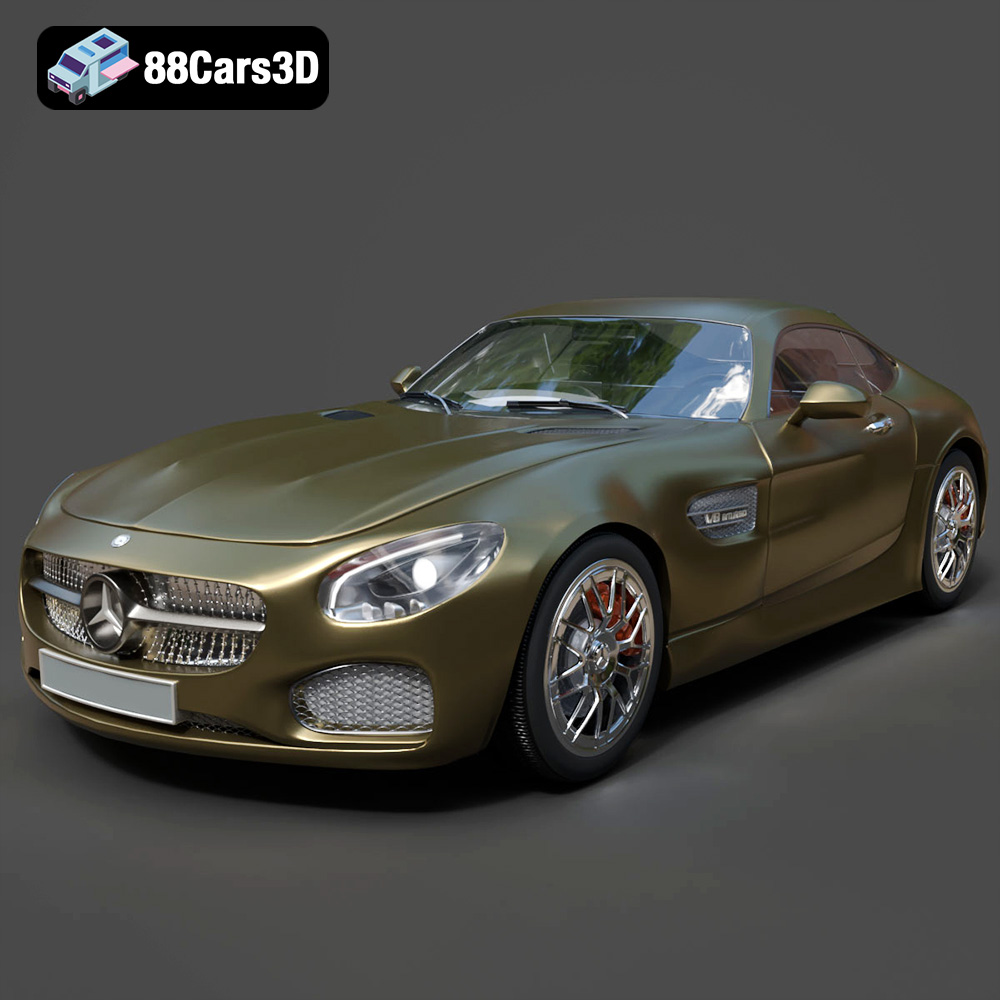
Download the Mercedes-AMG GT 2015 3D Model featuring clean geometry, realistic detailing, and a fully modeled interior. Includes .blend, .fbx, .obj, .glb, .stl, .ply, .unreal, and .max formats for rendering, simulation, and game development.
Price: $88.99
Texture: Yes
Material: Yes
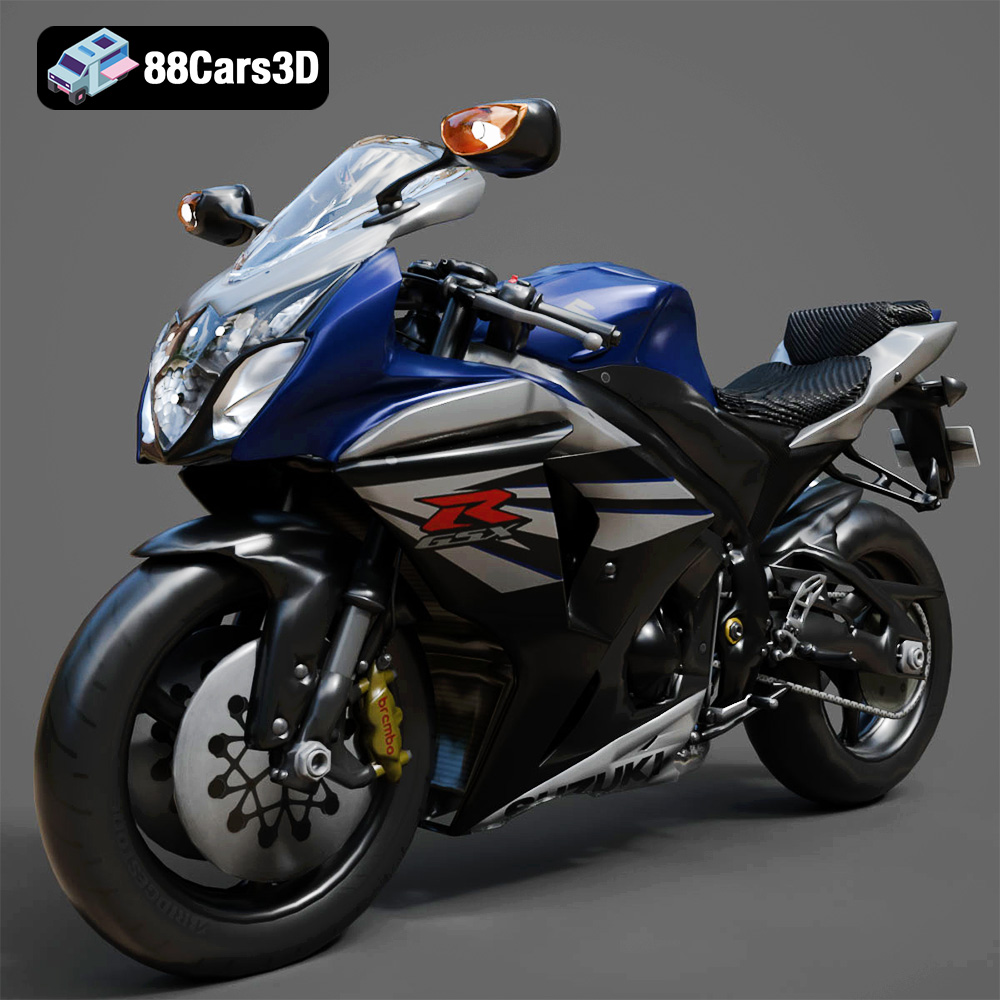
Download the Suzuki GSX-R 1000 3D Model featuring clean geometry, realistic detailing, and a fully modeled interior. Includes .blend, .fbx, .obj, .glb, .stl, .ply, .unreal, and .max formats for rendering, simulation, and game development.
Price: $10
Texture: Yes
Material: Yes
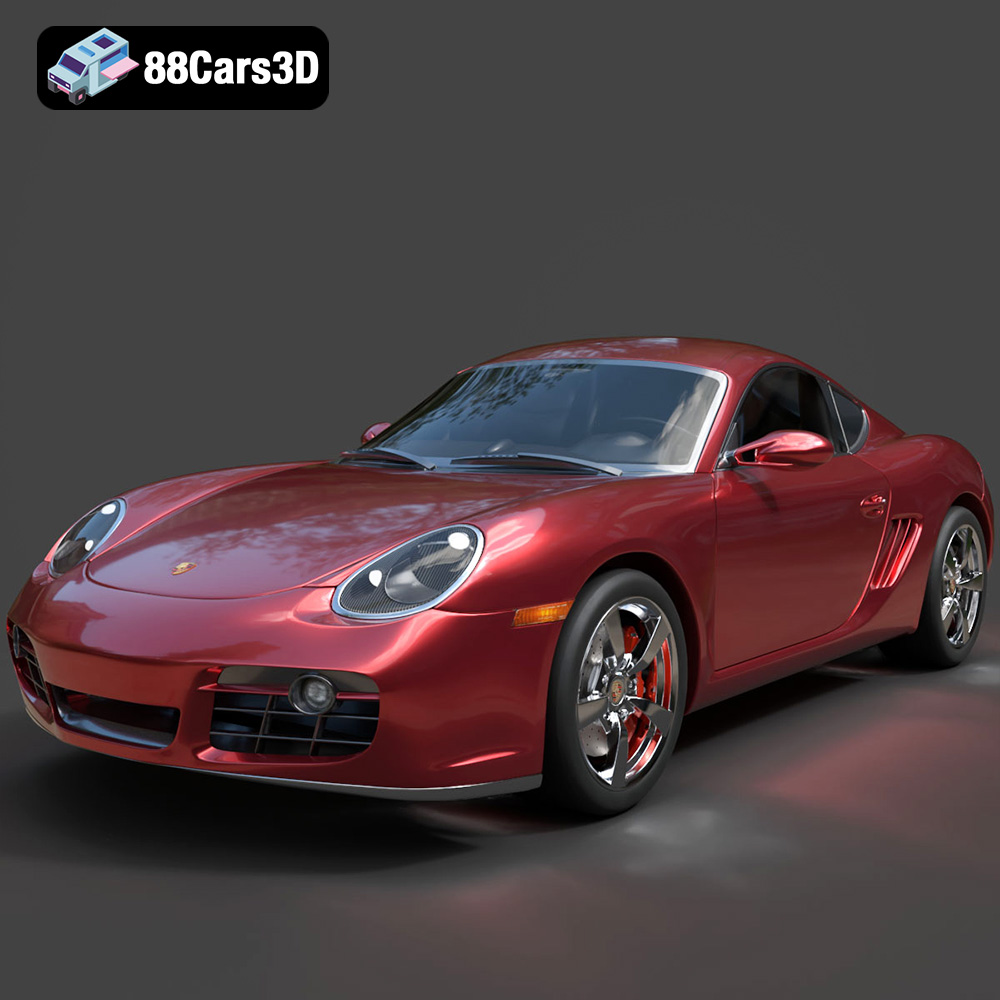
Download the Porsche Cayman S 2024 3D Model featuring clean geometry, realistic detailing, and a fully modeled interior. Includes .blend, .fbx, .obj, .glb, .stl, .ply, .unreal, and .max formats for rendering, simulation, and game development.
Price: $10

Texture: Yes
Material: Yes
Download the Holden Commodore Sportwagon 2017 3D Model featuring clean geometry, realistic detailing, and a fully modeled interior. Includes .blend, .fbx, .obj, .glb, .stl, .ply, .unreal, and .max formats for rendering, simulation, and game development.
Price: $10
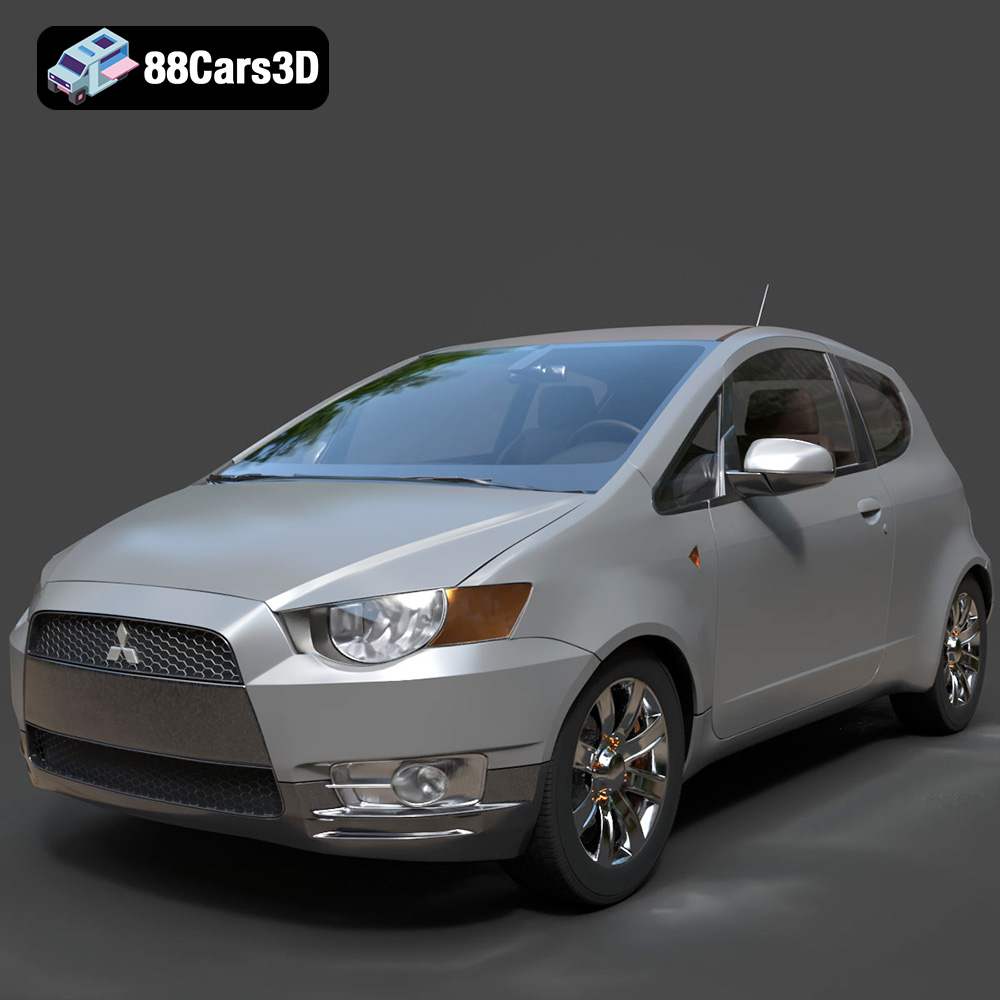
Texture: Yes
Material: Yes
Download the Mitsubishi Colt 3 Door 2008 3D Model featuring clean geometry, realistic detailing, and a fully modeled interior. Includes .blend, .fbx, .obj, .glb, .stl, .ply, .unreal, and .max formats for rendering, simulation, and game development.
Price: $10
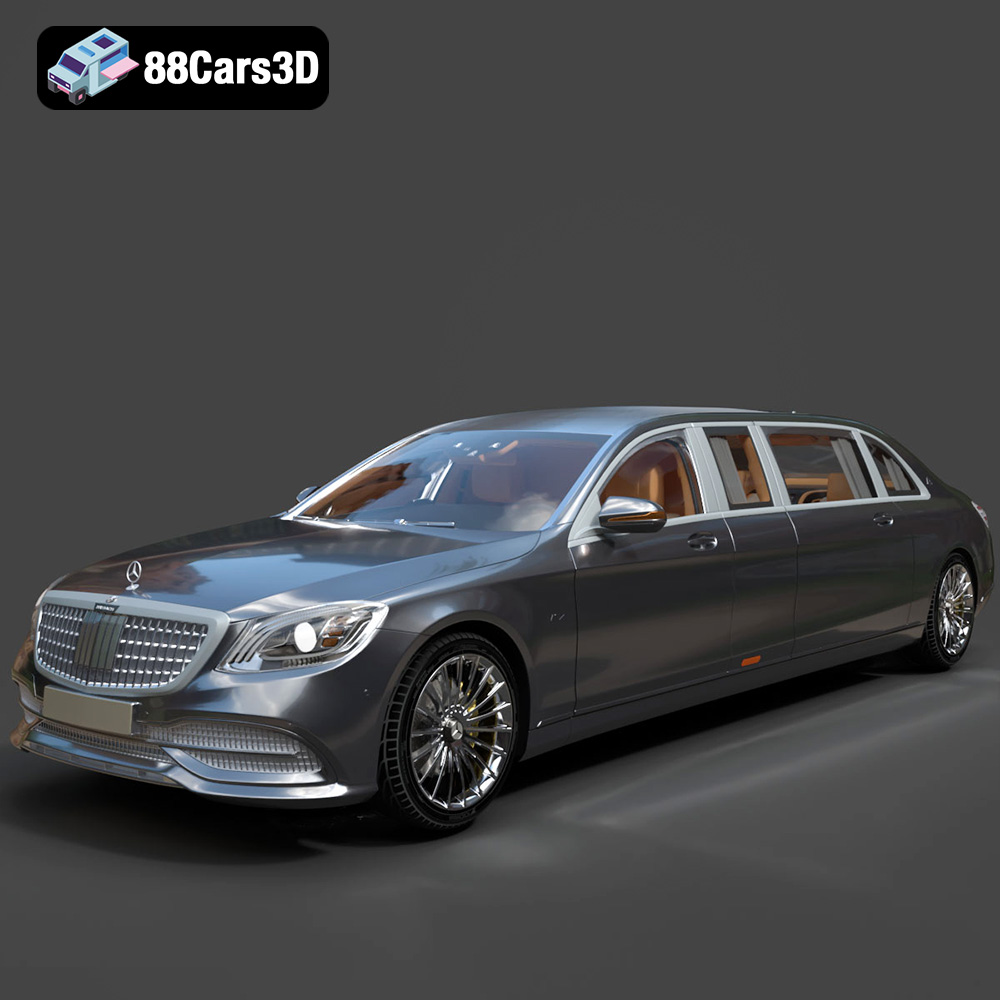
Texture: Yes
Material: Yes
Download the Mercedes-Benz S650 Pullman 3D Model featuring clean geometry, realistic detailing, and a fully modeled interior. Includes .blend, .fbx, .obj, .glb, .stl, .ply, .unreal, and .max formats for rendering, simulation, and game development.
Price: $95.99
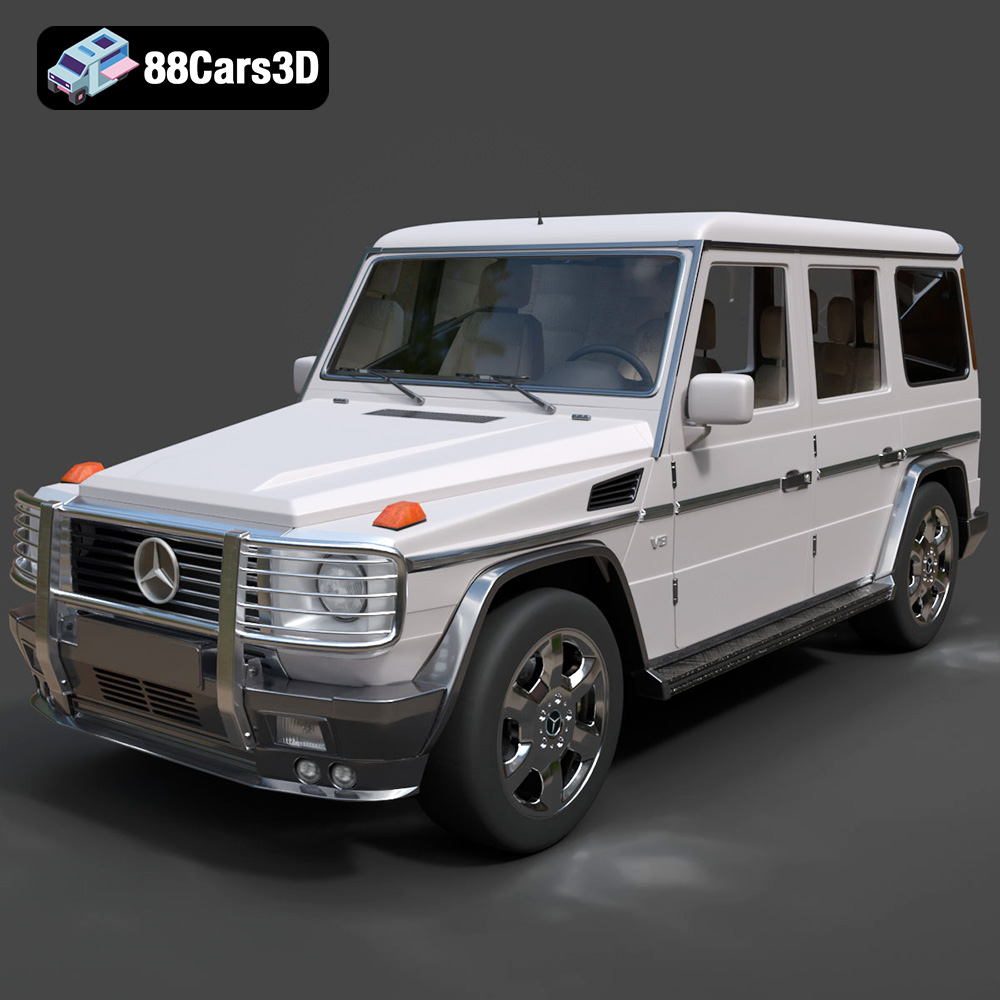
Texture: Yes
Material: Yes
Download the Mercedes G-Class SUV 2024 3D Model featuring clean geometry, realistic detailing, and a fully modeled interior. Includes .blend, .fbx, .obj, .glb, .stl, .ply, .unreal, and .max formats for rendering, simulation, and game development.
Price: $10

Texture: Yes
Material: Yes
Download the Volvo XC90 R-Design 2015 3D Model featuring clean geometry, realistic detailing, and a fully modeled interior. Includes .blend, .fbx, .obj, .glb, .stl, .ply, .unreal, and .max formats for rendering, simulation, and game development.
Price: $10

