Get 50% OFF All Premium 3D & STL Models!

“`html
3D printing has revolutionized the world of model making, offering enthusiasts and professionals alike unprecedented control over design, customization, and production. For automotive aficionados, this technology unlocks the ability to create incredibly detailed and accurate replicas of their favorite cars. However, achieving truly outstanding results requires a deep understanding of the 3D printing process, from preparing STL files to fine-tuning printer settings and mastering post-processing techniques. This comprehensive guide will delve into the intricacies of 3D printing car models, providing you with the knowledge and skills to bring your dream cars to life. We’ll cover everything from understanding STL files and slicing parameters to optimizing print settings for both FDM and resin printers. By the end of this article, you’ll be equipped to navigate the complexities of 3D printing and create stunning car models that capture the essence of automotive design.
The foundation of any successful 3D print lies in the quality of the STL file. STL (Stereolithography) is the standard file format for 3D printing, representing the surface geometry of a 3D object as a collection of triangles. A well-structured STL file is crucial for achieving a smooth, accurate, and printable model. Problems with the mesh topology can lead to print failures, surface imperfections, and overall dissatisfaction with the final result.
The number of triangles in an STL file directly impacts the resolution of the 3D printed model. A higher triangle count results in a smoother surface but also increases file size and processing time during slicing. Conversely, a lower triangle count can lead to a faceted appearance, especially on curved surfaces. Finding the right balance is key. For car models, where smooth surfaces are essential, aim for a triangle count that provides sufficient detail without overwhelming your slicer software. A good starting point is to inspect the model visually after increasing the triangle count, ensuring that curves look smooth and details are well-defined. Often, platforms like 88cars3d.com offer STL files already optimized for printing, saving you the time and effort of manually adjusting the triangle count.
A manifold mesh is a closed, watertight surface with no holes or intersecting faces. Non-manifold geometry can cause significant issues during slicing, as the slicer software struggles to interpret the intended shape. Common errors include holes, inverted normals, and self-intersecting faces. Many software tools, such as Meshmixer and Netfabb, offer automated repair functions to identify and fix these issues. These tools typically analyze the mesh for errors and attempt to correct them by filling gaps, flipping normals, and removing overlapping faces. It’s always a good practice to run your STL files through a mesh repair tool before slicing to ensure a clean and printable model. Some slicing software, like PrusaSlicer, also have basic mesh repair capabilities.
Slicing is the process of converting a 3D model into a series of layers that the 3D printer can understand and build upon. The slicing software takes the STL file as input and generates a G-code file, which contains the instructions for the printer’s movements, temperature settings, and material extrusion. Choosing the right slicing parameters is essential for achieving optimal print quality, strength, and surface finish.
Layer height is the thickness of each individual layer that the printer deposits. A smaller layer height results in a higher resolution print with smoother surfaces and finer details. However, it also increases the print time significantly. A larger layer height, on the other hand, prints faster but sacrifices surface quality and detail. For car models, a layer height between 0.1mm and 0.2mm is generally recommended for FDM printing, balancing detail and print time. For resin printing, layer heights can go as low as 0.025mm for exceptional detail. Experiment with different layer heights to find the optimal balance for your specific model and printer.
Infill is the internal structure of the 3D printed object, providing strength and support. The infill density determines the percentage of the interior volume that is filled with material. A higher infill density results in a stronger but heavier and more material-intensive print. The infill pattern also affects the strength and weight of the print. Common infill patterns include rectilinear, grid, gyroid, and honeycomb. For car models, where weight is often a concern, a lower infill density (10-20%) with a gyroid or honeycomb pattern can provide sufficient strength while minimizing weight. For parts that require higher strength, such as chassis components, increase the infill density to 30-40%.
Support structures are temporary structures that are printed to support overhanging features and prevent them from collapsing during the printing process. They are essential for printing complex geometries with overhangs greater than 45 degrees. Generating and removing supports can be a challenging aspect of 3D printing, requiring careful planning and execution.
There are several types of support structures available in slicing software, each with its own advantages and disadvantages. Tree supports are branching structures that provide support only where needed, minimizing material usage and print time. Linear supports are more traditional, column-like structures that provide uniform support. Hybrid supports combine elements of both tree and linear supports. The best type of support structure depends on the specific geometry of the model and the desired level of support. For car models with intricate details and complex overhangs, tree supports are often a good choice, as they can provide targeted support without interfering with delicate features.
Careful placement of support structures is crucial for ensuring that they provide adequate support without being too difficult to remove or damaging the surface of the model. Avoid placing supports on visible surfaces whenever possible. Consider using support blockers to prevent supports from generating in unwanted areas. When removing supports, use sharp tools such as pliers, cutters, and knives to carefully detach them from the model. Start with the supports that are easiest to reach and work your way towards the more difficult ones. Take your time and avoid applying excessive force, which can damage the model.
The choice of material and printer type significantly impacts the appearance, strength, and durability of the 3D printed car model. FDM (Fused Deposition Modeling) and resin printing are the two most common 3D printing technologies, each with its own strengths and weaknesses.
FDM printing uses a thermoplastic filament that is heated and extruded through a nozzle to create the model layer by layer. Common materials for FDM printing include PLA (Polylactic Acid), PETG (Polyethylene Terephthalate Glycol), and ABS (Acrylonitrile Butadiene Styrene). PLA is a biodegradable material that is easy to print with and offers good surface finish. PETG is stronger and more durable than PLA, with better resistance to heat and chemicals. ABS is a strong and heat-resistant material that is often used for functional parts. For car models, PLA is a good choice for aesthetic parts, while PETG or ABS may be preferred for functional components. Typical FDM print settings for PLA include a nozzle temperature of 200-220°C, a bed temperature of 60-70°C, and a print speed of 40-60mm/s. For PETG, use a nozzle temperature of 230-250°C, a bed temperature of 70-80°C, and a print speed of 30-50mm/s. For ABS, use a nozzle temperature of 230-260°C, a bed temperature of 80-110°C, and an enclosure to prevent warping.
Resin printing uses a liquid resin that is cured by UV light to create the model layer by layer. SLA (Stereolithography) and DLP (Digital Light Processing) are the two main types of resin printing. Resin printing offers exceptional detail and surface finish, making it ideal for creating highly detailed car models. However, resin prints tend to be more brittle than FDM prints and may require post-curing to achieve optimal strength. Common resin types include standard resin, tough resin, and flexible resin. Standard resin is a good all-around choice for aesthetic parts. Tough resin offers increased strength and impact resistance. Flexible resin is used for parts that require flexibility and elasticity. Typical resin print settings include a layer height of 0.025-0.05mm, an exposure time of 6-12 seconds per layer, and a bottom layer exposure time of 30-60 seconds. After printing, the model must be washed in isopropyl alcohol to remove uncured resin and then cured under UV light to harden the resin.
Post-processing is the process of refining the 3D printed model after it has been printed. It can involve sanding, painting, assembly, and other techniques to improve the appearance, strength, and functionality of the model.
Sanding is used to smooth out the surface of the 3D printed model and remove any imperfections, such as layer lines or support marks. Start with a coarse grit sandpaper (e.g., 220 grit) and gradually move to finer grits (e.g., 400, 600, 800, 1000 grit) to achieve a smooth surface. Wet sanding can help to reduce dust and improve the surface finish. For resin prints, use a fine grit sandpaper (e.g., 600-1000 grit) and wet sanding to avoid scratching the surface. After sanding, you can use a primer to fill any remaining imperfections and prepare the surface for painting. When downloading models from marketplaces such as 88cars3d.com, remember that some sanding may still be required to achieve the desired finish.
Painting is used to add color and detail to the 3D printed car model. Use a high-quality acrylic or enamel paint and apply it in thin, even coats. Mask off any areas that you don’t want to paint. Use fine brushes for detailing and consider using an airbrush for larger areas. After painting, you can apply a clear coat to protect the paint and add a glossy finish. Decals and other details can be added to further enhance the appearance of the model.
Even with careful planning and execution, 3D printing can sometimes be challenging. Common issues include warping, bed adhesion problems, nozzle clogging, and layer separation. Understanding the causes of these issues and how to fix them is essential for achieving consistent and reliable results.
Warping occurs when the corners of the 3D printed object lift off the build plate during printing. This is often caused by uneven cooling or poor bed adhesion. To prevent warping, ensure that the build plate is clean and level. Use a bed adhesive such as glue stick, hairspray, or painter’s tape to improve bed adhesion. Increase the bed temperature and reduce the fan speed during the first few layers. An enclosure can also help to maintain a consistent temperature and prevent warping. For ABS printing, an enclosure is essential. If you continue to have warping issues, consider using a raft or brim to increase the surface area in contact with the build plate.
Nozzle clogging occurs when the nozzle becomes blocked with filament. This can be caused by using the wrong temperature settings, printing with contaminated filament, or having a dirty nozzle. To prevent nozzle clogging, use the recommended temperature settings for the filament you are using. Clean the nozzle regularly using a needle or a nozzle cleaning kit. Use high-quality filament from a reputable supplier. Layer separation occurs when the layers of the 3D printed object do not bond properly. This can be caused by low temperature settings, poor bed adhesion, or insufficient cooling. To prevent layer separation, increase the nozzle temperature and reduce the fan speed. Ensure that the bed is properly leveled and that the first layer is adhering well. Consider using a thicker layer height for the first few layers.
Mastering 3D printing for car models requires a combination of technical knowledge, practical skills, and attention to detail. By understanding the intricacies of STL files, slicing parameters, support structures, material selection, and post-processing techniques, you can create stunning and accurate replicas of your favorite cars. Remember to always prioritize file preparation, optimize your printer settings for the chosen material, and carefully consider the placement of support structures. Don’t be afraid to experiment with different settings and techniques to find what works best for your specific printer and model. Platforms like 88cars3d.com offer a wealth of resources, including print-ready STL files and valuable information to guide you on your 3D printing journey. With practice and perseverance, you can unlock the full potential of 3D printing and bring your automotive dreams to life.
“`

Texture: Yes
Material: Yes
Download the Mercedes S-Class 2024 3D Model featuring clean geometry, realistic detailing, and a fully modeled interior. Includes .blend, .fbx, .obj, .glb, .stl, .ply, .unreal, and .max formats for rendering, simulation, and game development.
Price: $10

Texture: Yes
Material: Yes
Download the Chevrolet Camaro 1970 3D Model featuring clean geometry, realistic detailing, and a fully modeled interior. Includes .blend, .fbx, .obj, .glb, .stl, .ply, .unreal, and .max formats for rendering, simulation, and game development.
Price: $10

Texture: Yes
Material: Yes
Download the Mercedes-AMG GT 2015 3D Model featuring clean geometry, realistic detailing, and a fully modeled interior. Includes .blend, .fbx, .obj, .glb, .stl, .ply, .unreal, and .max formats for rendering, simulation, and game development.
Price: $88.99

Texture: Yes
Material: Yes
Download the Suzuki GSX-R 1000 3D Model featuring clean geometry, realistic detailing, and a fully modeled interior. Includes .blend, .fbx, .obj, .glb, .stl, .ply, .unreal, and .max formats for rendering, simulation, and game development.
Price: $10

Texture: Yes
Material: Yes
Download the Porsche Cayman S 2024 3D Model featuring clean geometry, realistic detailing, and a fully modeled interior. Includes .blend, .fbx, .obj, .glb, .stl, .ply, .unreal, and .max formats for rendering, simulation, and game development.
Price: $10

Texture: Yes
Material: Yes
Download the Holden Commodore Sportwagon 2017 3D Model featuring clean geometry, realistic detailing, and a fully modeled interior. Includes .blend, .fbx, .obj, .glb, .stl, .ply, .unreal, and .max formats for rendering, simulation, and game development.
Price: $10
Texture: Yes
Material: Yes
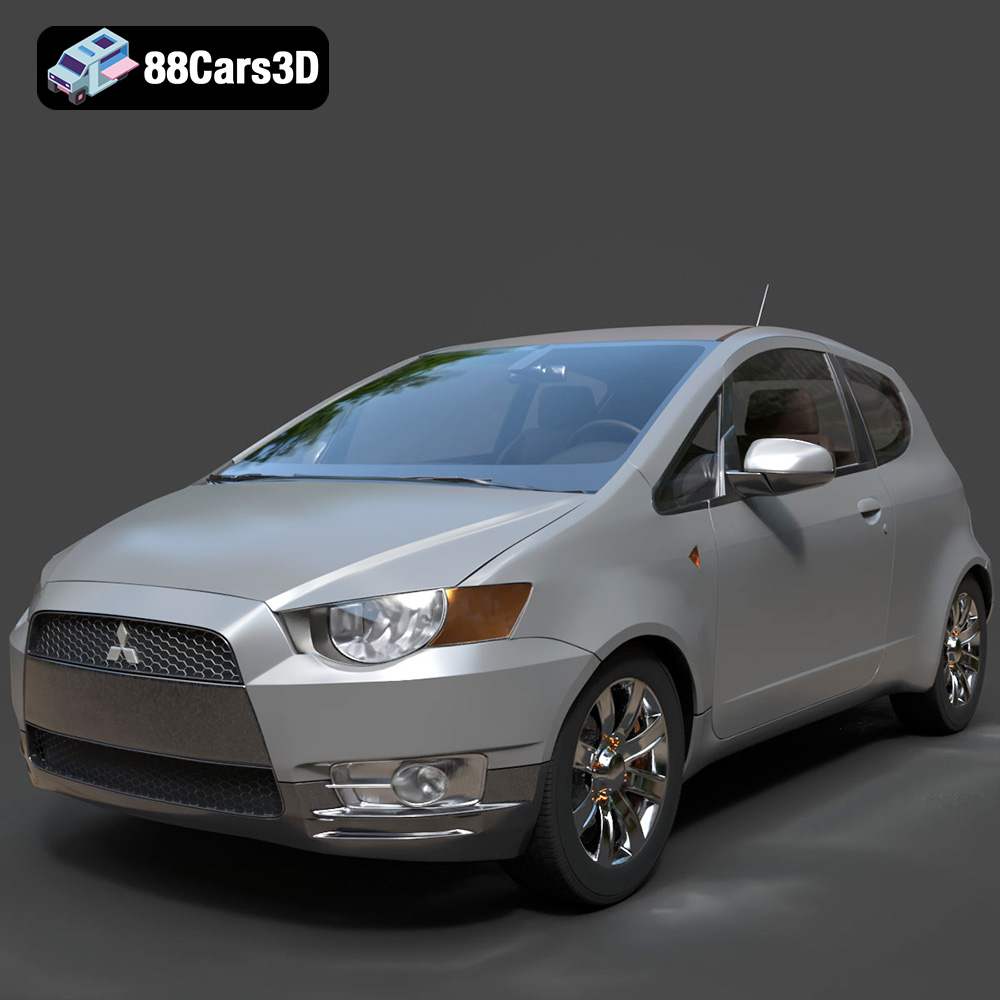
Download the Mitsubishi Colt 3 Door 2008 3D Model featuring clean geometry, realistic detailing, and a fully modeled interior. Includes .blend, .fbx, .obj, .glb, .stl, .ply, .unreal, and .max formats for rendering, simulation, and game development.
Price: $10

Texture: Yes
Material: Yes
Download the Mercedes-Benz S650 Pullman 3D Model featuring clean geometry, realistic detailing, and a fully modeled interior. Includes .blend, .fbx, .obj, .glb, .stl, .ply, .unreal, and .max formats for rendering, simulation, and game development.
Price: $95.99
Texture: Yes
Material: Yes
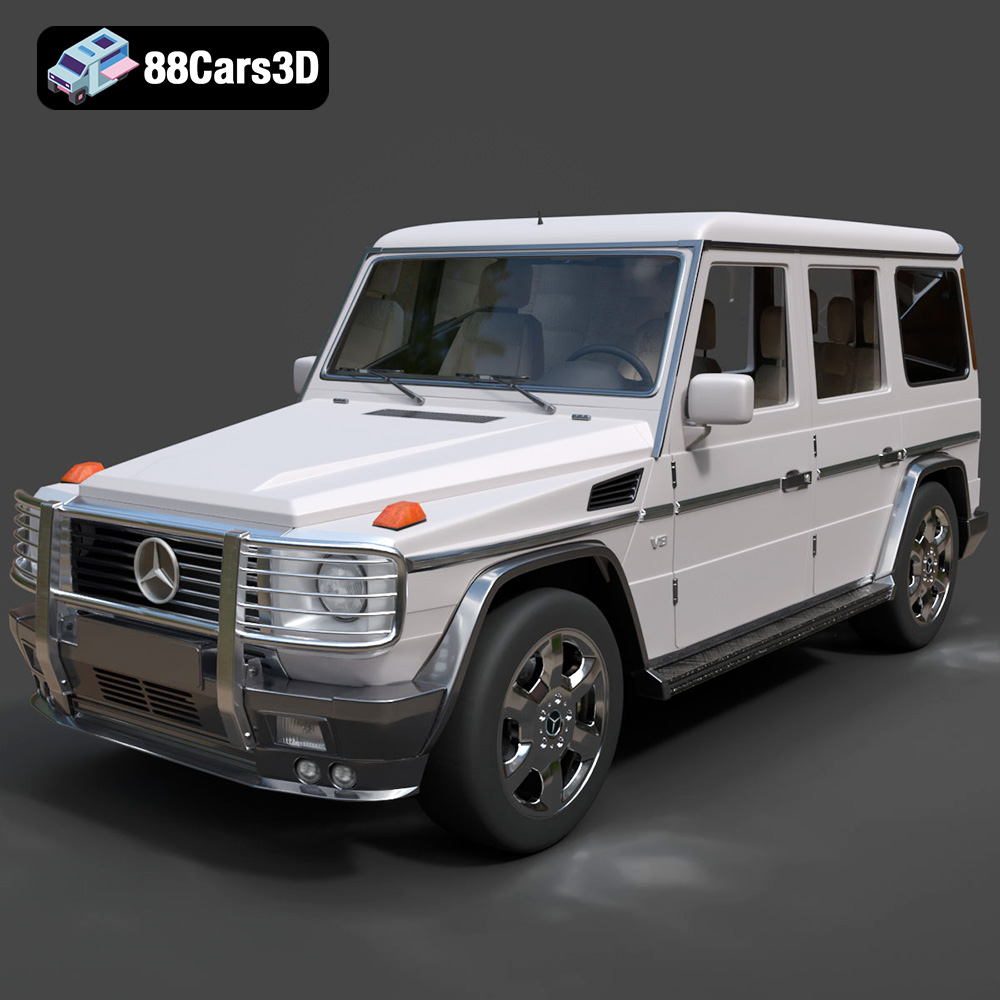
Download the Mercedes G-Class SUV 2024 3D Model featuring clean geometry, realistic detailing, and a fully modeled interior. Includes .blend, .fbx, .obj, .glb, .stl, .ply, .unreal, and .max formats for rendering, simulation, and game development.
Price: $10

Texture: Yes
Material: Yes
Download the Volvo XC90 R-Design 2015 3D Model featuring clean geometry, realistic detailing, and a fully modeled interior. Includes .blend, .fbx, .obj, .glb, .stl, .ply, .unreal, and .max formats for rendering, simulation, and game development.
Price: $10

