Get 50% OFF All Premium 3D & STL Models!

“`html
The world of 3D printing has revolutionized the way we create and interact with physical objects, and nowhere is this more evident than in the realm of car modeling. Whether you’re a seasoned hobbyist, an automotive enthusiast, or an engineer creating prototypes, 3D printing offers unparalleled precision and customization. This comprehensive guide will walk you through the entire process, from understanding STL files to achieving a flawless, showroom-worthy finish on your 3D printed car models. We’ll delve into the intricacies of file preparation, slicing techniques, material selection, and post-processing, equipping you with the knowledge and skills to bring your automotive visions to life. Prepare to dive deep into the technical aspects, learn best practices, and troubleshoot common printing challenges.
At the heart of every 3D printed car model lies the STL (Stereolithography) file format. This file type represents the surface geometry of your model using a collection of triangles. Understanding the nuances of STL files is crucial for achieving optimal print quality.
The density of triangles in an STL file directly impacts the resolution of the final print. A higher triangle count results in a smoother, more detailed surface, but it also increases the file size and processing time during slicing. Aim for a balance. For car models with intricate curves and details, a higher triangle density is recommended. However, for simpler models or larger parts, reducing the triangle count can significantly improve slicing performance. Many 3D modeling software packages allow you to control the export resolution of STL files. When exporting, look for settings like “deviation” or “angle tolerance” to fine-tune the triangle density. A good starting point is a deviation of 0.01mm.
A critical requirement for successful 3D printing is a “manifold” mesh. This means the mesh must be watertight and have no holes, flipped normals, or self-intersections. Non-manifold meshes can lead to slicing errors and failed prints. Before printing, always inspect your STL files for errors. Several free and paid software tools can help you repair meshes. Meshmixer is a popular free option that offers automatic repair tools for fixing common issues. Netfabb, a more advanced commercial software, provides comprehensive mesh analysis and repair capabilities. When downloading models from marketplaces such as 88cars3d.com, the files should ideally be pre-validated for manifoldness. However, it’s always a good practice to double-check using a mesh repair tool. A simple rule of thumb: if your slicer reports errors or shows unexpected gaps in the preview, it’s likely a mesh issue.
The slicing process converts your STL file into a series of layers that the 3D printer can understand. The slicer software generates instructions for the printer’s movement, extrusion, and temperature settings. Mastering slicer parameters is essential for achieving the desired print quality, strength, and aesthetics.
Layer height is arguably the most important slicing parameter. It determines the thickness of each layer and directly affects the print resolution and print time. A smaller layer height (e.g., 0.1mm) results in finer details and smoother surfaces, but it also increases the print time significantly. A larger layer height (e.g., 0.3mm) prints faster but sacrifices detail. For car models, a layer height between 0.1mm and 0.2mm is generally recommended for achieving a good balance between quality and speed. Experiment with different layer heights to find the optimal setting for your specific model and printer. Remember that the optimal layer height also depends on your nozzle size. As a general rule, the layer height should not exceed 80% of the nozzle diameter.
Infill refers to the internal structure of the 3D printed object. It provides strength and support while minimizing material usage. The infill pattern and density are crucial parameters to consider. Common infill patterns include rectilinear, grid, triangular, and gyroid. Gyroid infill offers excellent strength-to-weight ratio and is often preferred for functional parts. The infill density, expressed as a percentage, determines how solid the object is internally. A higher infill density (e.g., 50%) results in a stronger but heavier and more material-intensive print. For car models that are primarily for display, an infill density of 15-25% is often sufficient. For functional parts or those that need to withstand stress, a higher infill density may be necessary. Consider using variable infill density, where you increase the density in specific areas that require more strength, such as mounting points or axles.
Support structures are often necessary to 3D print complex geometries with overhangs. These temporary structures provide support for unsupported areas during printing. Proper support generation and removal are crucial for achieving a clean and accurate final print.
The placement and orientation of support structures significantly impact the print quality and ease of removal. When generating supports, consider the following factors: minimize the support contact area on visible surfaces, avoid placing supports in intricate details, and orient the model to minimize the need for supports in the first place. Many slicer software packages offer advanced support generation options, allowing you to customize the support type, density, and overhang angle. Experiment with different support settings to find the optimal configuration for your model. Tree supports, for example, often offer better support with less material and easier removal compared to linear supports.
Removing supports can be a delicate process, especially on intricate car models. The goal is to remove the supports without damaging the printed object. Start by carefully breaking away the bulk of the supports by hand. Then, use specialized tools such as pliers, flush cutters, and hobby knives to remove the remaining support material. For delicate areas, consider using a heat gun to soften the support material before removal. Dissolvable support materials, such as PVA (Polyvinyl Alcohol) for FDM printing and certain resin types for SLA printing, offer a convenient way to remove supports without leaving any marks. After removing the supports, you may need to sand down the areas where the supports were attached to achieve a smooth surface finish.
The choice of material plays a critical role in the final appearance, strength, and durability of your 3D printed car model. Different materials offer different properties and are suitable for different applications.
PLA (Polylactic Acid) is a popular choice for beginners due to its ease of use and low printing temperature. It’s biodegradable and produces minimal odors. However, PLA is not very heat-resistant and can warp in high-temperature environments. PETG (Polyethylene Terephthalate Glycol-modified) offers a good balance of strength, flexibility, and heat resistance. It’s more durable than PLA and is a good option for parts that need to withstand some stress. ABS (Acrylonitrile Butadiene Styrene) is a strong and heat-resistant material that is commonly used in automotive applications. However, it requires a heated bed and an enclosure to prevent warping and cracking. ABS also emits fumes during printing, so good ventilation is essential. When selecting a material, consider the intended use of the car model. For display models, PLA or PETG are often sufficient. For functional parts or those that will be exposed to heat, ABS or PETG are better choices.
Resin printing, using SLA (Stereolithography) or DLP (Digital Light Processing) technology, offers unparalleled detail and surface finish. However, resin prints are often more brittle than FDM prints and may require post-curing to achieve their full strength. There are various types of resins available, each with different properties. Standard resins are suitable for general-purpose printing. Tough resins offer increased impact resistance and are a good choice for parts that need to withstand some stress. Flexible resins are ideal for creating flexible components, such as tires or rubber seals. Castable resins are designed for creating molds for metal casting. When selecting a resin, consider the desired properties of the final print and the specific requirements of your project. Also, always follow the manufacturer’s recommendations for printing and post-curing.
Post-processing is the final stage in the 3D printing process, where you refine the appearance and functionality of your car model. This includes sanding, painting, assembly, and other finishing techniques.
Sanding is essential for removing layer lines and achieving a smooth surface finish. Start with a coarse grit sandpaper (e.g., 220 grit) to remove the most prominent imperfections. Then, gradually move to finer grits (e.g., 400 grit, 600 grit, 800 grit) to smooth the surface further. Wet sanding, using water as a lubricant, can help to prevent the sandpaper from clogging and produce a smoother finish. After sanding, clean the surface thoroughly to remove any dust or debris. Consider using a primer to fill in any remaining imperfections and provide a better surface for painting.
Painting is a crucial step in bringing your 3D printed car model to life. Choose high-quality paints that are designed for plastic models. Acrylic paints are a good option for beginners due to their ease of use and water-based cleanup. Enamel paints offer a more durable finish but require more specialized solvents for cleanup. Apply thin, even coats of paint to avoid drips and runs. Allow each coat to dry completely before applying the next. Use masking tape to protect areas that you don’t want to paint. Consider using airbrushing for a more professional finish. After painting, apply a clear coat to protect the paint and add a glossy or matte finish. For added realism, consider adding details such as decals, chrome trim, and realistic windows. Platforms like 88cars3d.com offer print-ready STL files that often take these detailing possibilities into account.
3D printing can be a complex process, and it’s common to encounter various issues along the way. Understanding the causes of these issues and knowing how to troubleshoot them is essential for achieving successful prints.
Warping occurs when the first layer of the print detaches from the build plate, causing the print to distort. This is a common issue with FDM printing, especially with materials like ABS. To prevent warping, ensure that your build plate is clean and level. Use a heated bed and set the temperature to the recommended level for the material you are using. Apply a bed adhesion aid, such as glue stick, hairspray, or painter’s tape, to improve adhesion. Consider using a brim or raft to increase the surface area of the first layer and provide better adhesion. For large prints, an enclosure can help to maintain a consistent temperature and prevent warping.
Stringing occurs when the printer extrudes material while moving between different parts of the print, leaving thin strands of plastic. Blobs are small, unwanted deposits of plastic on the surface of the print. These issues are often caused by incorrect temperature settings, retraction settings, or print speed. To prevent stringing and blobs, optimize your retraction settings. Increase the retraction distance and speed to quickly pull the filament back into the nozzle when the printer is moving between parts. Lower the printing temperature to reduce the flow of molten plastic. Reduce the print speed to give the plastic more time to cool and solidify. Ensure that your filament is dry, as moisture can contribute to stringing and blobs.
Mastering the art of 3D printing car models requires a blend of technical knowledge, practical skills, and a keen eye for detail. From understanding STL files and slicing parameters to mastering post-processing techniques, each step plays a crucial role in achieving a final product that you can be proud of. Remember to experiment with different materials, settings, and techniques to find what works best for your specific printer and model. Don’t be afraid to learn from your mistakes and continuously refine your workflow. By following the tips and guidelines outlined in this guide, you’ll be well on your way to creating stunning 3D printed car models that capture the essence of automotive design. Take your knowledge and start experimenting! Download an STL, even a free one, and begin tweaking the parameters described above to better understand how they affect the final product. Good luck and happy printing!
“`

Texture: Yes
Material: Yes
Download the Mercedes S-Class 2024 3D Model featuring clean geometry, realistic detailing, and a fully modeled interior. Includes .blend, .fbx, .obj, .glb, .stl, .ply, .unreal, and .max formats for rendering, simulation, and game development.
Price: $10

Texture: Yes
Material: Yes
Download the Chevrolet Camaro 1970 3D Model featuring clean geometry, realistic detailing, and a fully modeled interior. Includes .blend, .fbx, .obj, .glb, .stl, .ply, .unreal, and .max formats for rendering, simulation, and game development.
Price: $10

Texture: Yes
Material: Yes
Download the Mercedes-AMG GT 2015 3D Model featuring clean geometry, realistic detailing, and a fully modeled interior. Includes .blend, .fbx, .obj, .glb, .stl, .ply, .unreal, and .max formats for rendering, simulation, and game development.
Price: $88.99

Texture: Yes
Material: Yes
Download the Suzuki GSX-R 1000 3D Model featuring clean geometry, realistic detailing, and a fully modeled interior. Includes .blend, .fbx, .obj, .glb, .stl, .ply, .unreal, and .max formats for rendering, simulation, and game development.
Price: $10

Texture: Yes
Material: Yes
Download the Porsche Cayman S 2024 3D Model featuring clean geometry, realistic detailing, and a fully modeled interior. Includes .blend, .fbx, .obj, .glb, .stl, .ply, .unreal, and .max formats for rendering, simulation, and game development.
Price: $10

Texture: Yes
Material: Yes
Download the Holden Commodore Sportwagon 2017 3D Model featuring clean geometry, realistic detailing, and a fully modeled interior. Includes .blend, .fbx, .obj, .glb, .stl, .ply, .unreal, and .max formats for rendering, simulation, and game development.
Price: $10
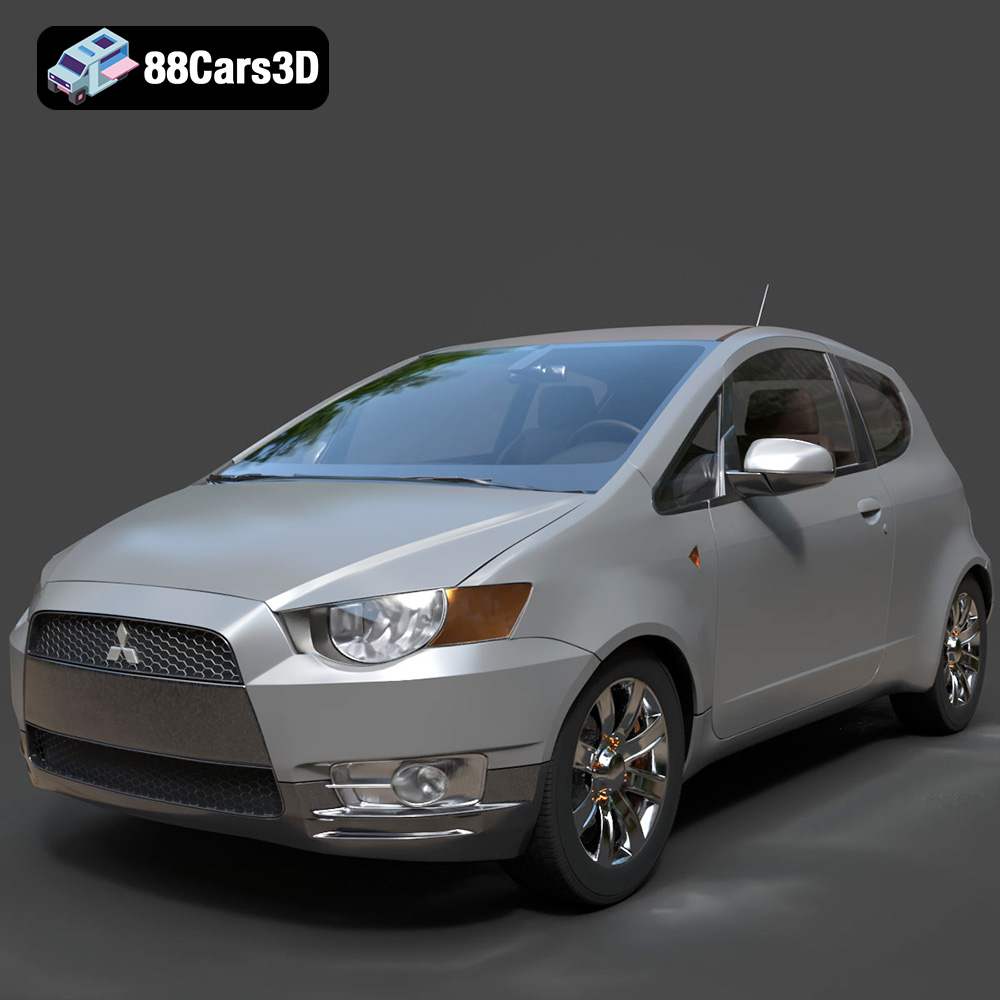
Texture: Yes
Material: Yes
Download the Mitsubishi Colt 3 Door 2008 3D Model featuring clean geometry, realistic detailing, and a fully modeled interior. Includes .blend, .fbx, .obj, .glb, .stl, .ply, .unreal, and .max formats for rendering, simulation, and game development.
Price: $10
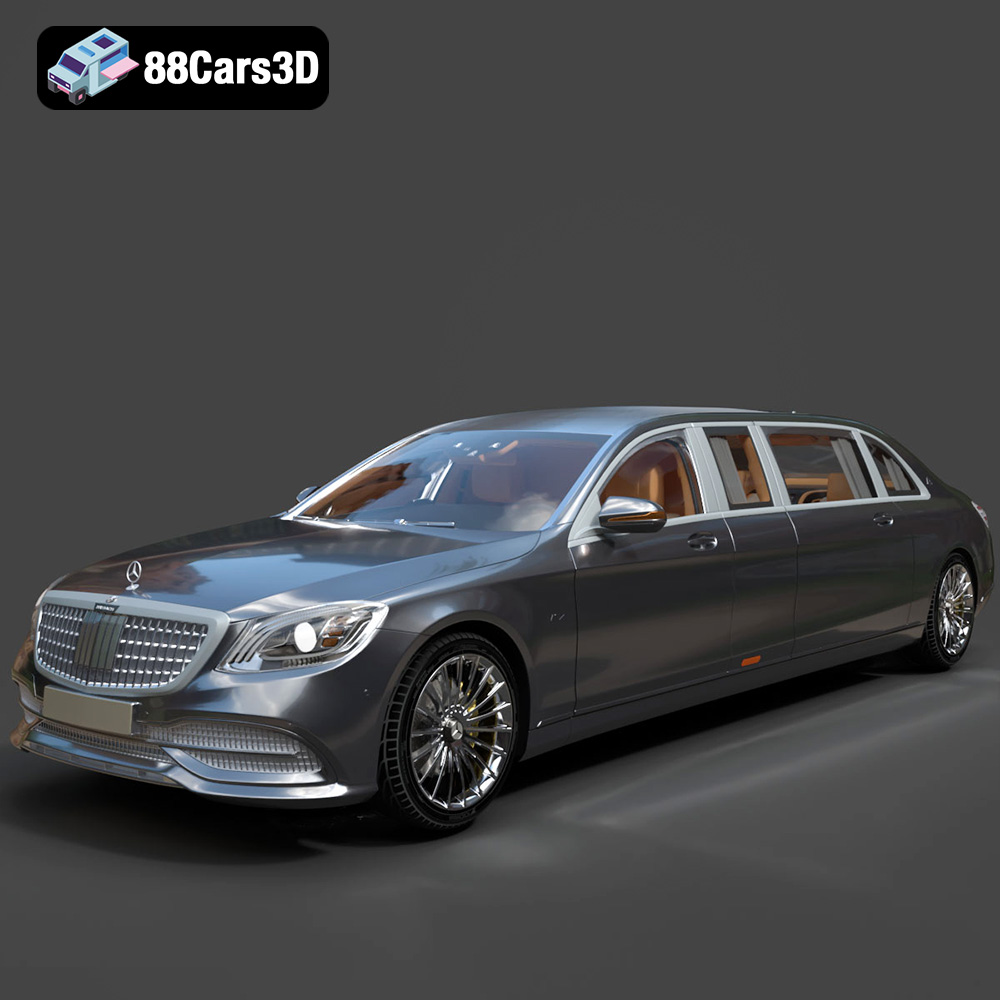
Texture: Yes
Material: Yes
Download the Mercedes-Benz S650 Pullman 3D Model featuring clean geometry, realistic detailing, and a fully modeled interior. Includes .blend, .fbx, .obj, .glb, .stl, .ply, .unreal, and .max formats for rendering, simulation, and game development.
Price: $95.99
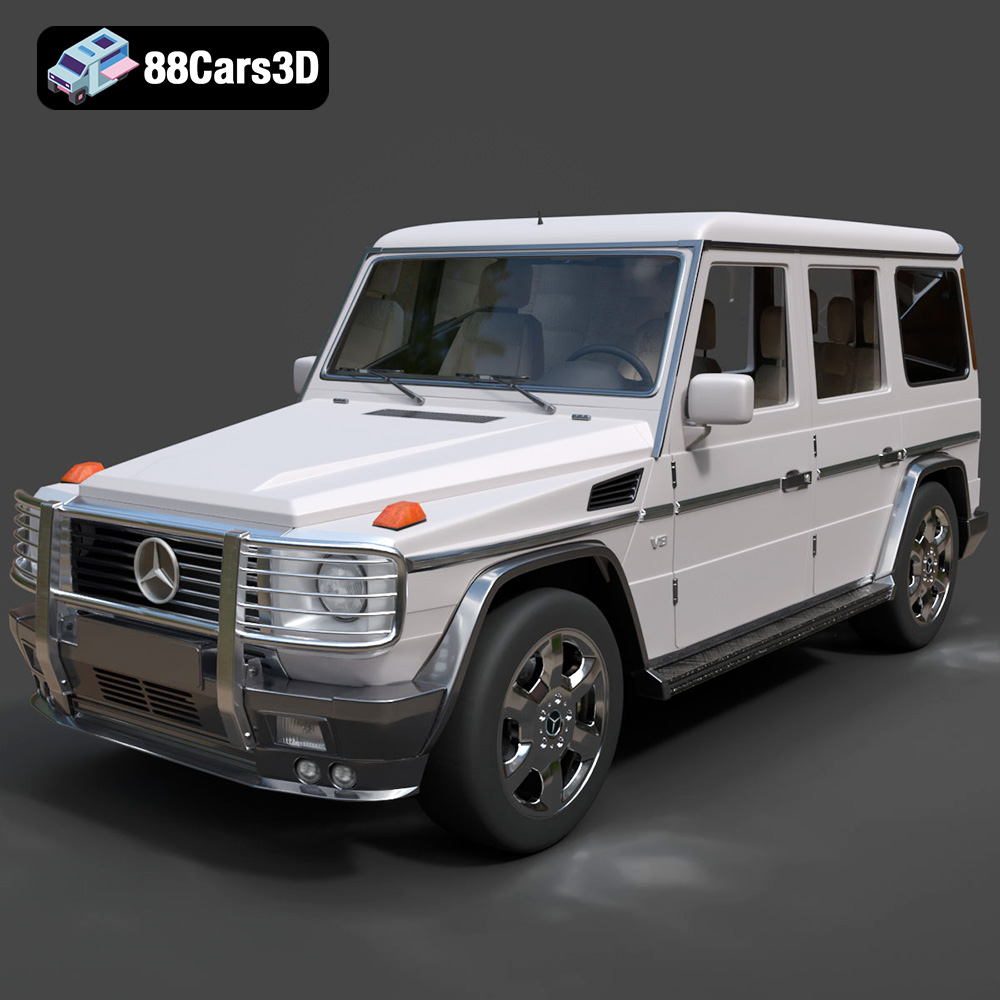
Texture: Yes
Material: Yes
Download the Mercedes G-Class SUV 2024 3D Model featuring clean geometry, realistic detailing, and a fully modeled interior. Includes .blend, .fbx, .obj, .glb, .stl, .ply, .unreal, and .max formats for rendering, simulation, and game development.
Price: $10

Texture: Yes
Material: Yes
Download the Volvo XC90 R-Design 2015 3D Model featuring clean geometry, realistic detailing, and a fully modeled interior. Includes .blend, .fbx, .obj, .glb, .stl, .ply, .unreal, and .max formats for rendering, simulation, and game development.
Price: $10

