Get 50% OFF All Premium 3D & STL Models!

“`html
The world of automotive visualization has undergone a seismic shift. Gone are the days of waiting hours, or even days, for a single photorealistic render. The power of real-time rendering, spearheaded by platforms like Unreal Engine, has democratized the creation of stunning, interactive, and dynamic automotive experiences. From digital showrooms and interactive car configurators to high-octane game assets and virtual production backdrops, Unreal Engine is the new frontier. However, achieving true photorealism and seamless performance hinges on one critical component: the quality of the 3D car model.
This comprehensive guide is your roadmap to mastering automotive visualization in Unreal Engine. We will journey through the entire workflow, from initial project setup and asset preparation to crafting jaw-dropping materials, lighting your scene like a professional, and adding interactive elements with Blueprint scripting. We’ll explore cutting-edge features like Nanite and Lumen and dive deep into the optimization strategies that ensure your project runs smoothly on any platform. Whether you’re a 3D artist, game developer, or visualization specialist, this article will equip you with the technical knowledge to transform a high-quality 3D car model into a breathtaking real-time experience.
A successful automotive visualization project begins long before you start creating materials or placing lights. A solid foundation built on correct project settings, properly imported assets, and a clean organizational structure is paramount. Getting this stage right saves countless hours of troubleshooting later and ensures your project is optimized for performance and scalability from the outset.
Before importing anything, you must configure your Unreal Engine project for the specific demands of high-fidelity rendering. When creating a new project, the Games > Blank template is a versatile starting point, but the Automotive, Film/Video & Live Events, or Architecture templates come pre-loaded with useful plugins and settings.
Regardless of your template, ensure the following settings are enabled for top-tier visuals:
Additionally, go to Edit > Plugins and enable essential tools like HDRI Backdrop for easy environment lighting and Datasmith Importer if you plan to bring in scenes from 3ds Max, Cinema 4D, or other DCC applications.
The quality of your final render is directly proportional to the quality of your source model. A great 3D car model features clean, quad-based topology, proper UV unwrapping for texturing, and a logical hierarchy of separated components (wheels, doors, steering wheel, etc.). Marketplaces like 88cars3d.com offer a wide range of production-ready, high-poly 3D car models that are optimized for Unreal Engine workflows, saving you significant preparation time.
When importing your model (typically as an FBX or USD file), the import settings dialog is crucial:
For models with extremely high polygon counts (often exceeding 1 million polygons), ensure that Build Nanite is enabled on the import screen. This will process the mesh into Unreal Engine’s virtualized geometry format, allowing for incredible detail with minimal performance impact.
A well-organized Content Drawer is the hallmark of a professional. Create a main folder for your vehicle (e.g., `_Car_ModelName`) and within it, create subfolders for `Meshes`, `Materials`, `Textures`, and `Blueprints`. This structured approach makes it easy to locate and manage assets, especially as your project grows in complexity.
Materials are what breathe life and realism into a 3D model. Unreal Engine’s node-based Material Editor is an incredibly powerful tool for creating physically-based rendering (PBR) materials that accurately simulate how light interacts with real-world surfaces. For a car, this means creating distinct materials for car paint, glass, chrome, rubber, and plastic.
PBR workflows revolve around a few key texture inputs that define a surface. For most materials, you’ll primarily work with:
For a deeper dive into the technicalities, the official Unreal Engine documentation provides excellent resources on the PBR workflow and the Material Editor itself. You can explore these at https://dev.epicgames.com/community/unreal-engine/learning.
Car paint is one of the most complex materials to replicate. It’s not just a color; it’s a multi-layered surface with a base coat, metallic flakes, and a glossy clear coat on top. Unreal’s Material Editor has a dedicated shading model for this.
To create a metallic flake effect, you can use a noise texture. Multiply a tight, grainy noise texture by a small value (e.g., 0.1) and plug the result into the Normal input of the base material (not the clear coat). This will subtly break up the underlying reflections, simulating the look of metallic flakes beneath the glossy finish. Using texture resolutions of 4K or higher is recommended for these fine details.
Different parts of the car require specific material properties:
Lighting is the element that ties everything together, creating mood, defining form, and producing the spectacular highlights and reflections that make a car look stunning. Unreal Engine 5’s Lumen system provides dynamic global illumination and reflections, making it easier than ever to achieve photorealistic results in real-time.
Lumen works by simulating how light bounces from one surface to another (indirect lighting) in real-time. This means if you place a bright red car on a white floor, the floor will pick up a subtle red bounce light. There is no need for light baking. To get the best results from Lumen:
The lighting setup depends entirely on the desired context. For a studio “product shot” look, use a combination of Rect Lights (Rectangle Lights) to simulate softboxes and other studio lights. A three-point lighting setup (Key, Fill, and Rim light) is a classic starting point. For outdoor scenes, the HDRI Backdrop actor is your best friend. Simply drag it into the scene and assign a high-quality HDR image (cubemap) to it. This single actor will provide both the sky/background and realistic image-based lighting and reflections for your entire scene.
A car’s appeal is largely defined by its reflections. With Lumen enabled, reflections are handled dynamically and will accurately reflect objects in the scene, including those off-screen. For the highest quality, you can enable Hardware Ray Tracing, which will give you physically accurate, multi-bounce reflections. If performance is a concern, Lumen’s Screen Traces work exceptionally well but are limited to what’s visible on screen. You can supplement this by placing Sphere or Box Reflection Capture actors in your scene to provide fallback reflection data for areas where screen traces might fail.
Real-time rendering’s true power lies in interactivity. With Unreal Engine’s Blueprint visual scripting system, you can create engaging experiences like automotive configurators or interactive product demos without writing a single line of code.
Blueprints are a node-based system that allows you to create game logic and interactivity visually. You connect nodes that represent functions, variables, and events to build complex behaviors. For automotive visualization, this is perfect for tasks like changing materials, triggering animations, or swapping out meshes.
A car configurator is a classic use case. Here’s a simplified workflow for creating a paint color switcher:
This same logic can be applied to swap wheels (using the Set Static Mesh node) or change interior trim materials, forming the basis of a complete configurator.
Achieving both stunning visuals and high frame rates is a balancing act. Unreal Engine provides a suite of powerful tools to manage geometry, textures, and rendering costs, ensuring your application runs smoothly, whether it’s a 4K desktop experience or a mobile AR app.
Nanite is Unreal Engine’s virtualized micropolygon geometry system. It allows you to render 3D models with millions of polygons in real-time with virtually no performance loss based on geometric complexity. This is a game-changer for automotive visualization, where capturing every subtle curve and detail is crucial. High-quality assets, like those found on 88cars3d.com, are often built with enough geometric density to take full advantage of Nanite right out of the box.
To use Nanite, simply enable it on the static mesh asset. Nanite intelligently streams and renders only the detail you can perceive, meaning a 10-million-polygon car will have a similar performance footprint to a 100,000-polygon car. However, it’s important to note that Nanite currently has limitations; it does not support skeletal meshes with complex deformations or certain translucent materials, so it’s best used for the rigid parts of the vehicle.
For platforms where Nanite isn’t available or for deforming meshes, traditional Level of Detail (LOD) management is key. LODs are a series of lower-polygon versions of your mesh that the engine swaps to as the object gets further from the camera. Unreal can automatically generate LODs, but for best results, creating custom LODs in a DCC application provides much cleaner and more efficient geometry. For example, a hero car model (LOD0) might be 250,000 polygons, while LOD1 is 100,000, LOD2 is 40,000, and so on. This is critical for maintaining performance in games or demanding AR/VR applications.
Unreal Engine includes robust tools for identifying performance bottlenecks. Use the console command `stat unit` to see your overall frame time and identify if you are CPU-bound or GPU-bound. `stat gpu` provides a detailed breakdown of what is costing the most on the graphics card, such as shadows, Lumen, or post-processing. The Profiler window gives an even more in-depth look at every function and process, allowing you to hunt down and optimize the most expensive parts of your project.
Beyond interactive applications, Unreal Engine is a powerhouse for creating cinematic content. From marketing videos and commercials to virtual production for film, the engine’s toolset allows for Hollywood-level results.
Sequencer is Unreal Engine’s multi-track, non-linear editor for creating cinematic sequences. It functions much like Adobe Premiere or After Effects. You can add your car, cameras, lights, and other elements to tracks and keyframe their properties over time. Use the dedicated Cine Camera Actor for advanced control over focal length, aperture (depth of field), and other real-world camera settings. With Sequencer, you can animate the car driving along a path, create dramatic camera moves, and render out high-resolution video files or image sequences for use in any marketing campaign.
For projects requiring a drivable car, Unreal’s built-in Chaos Vehicle system provides a robust physics simulation framework. This involves setting up a Physics Asset for the car’s chassis, configuring wheel colliders, and using Blueprint to create the logic for engine torque, braking, and steering. While setting up a realistic driving model can be complex, it unlocks a huge range of possibilities for racing games, driving simulators, and other interactive experiences where realistic vehicle dynamics are required.
We’ve traveled the full spectrum of the automotive visualization pipeline in Unreal Engine, from the foundational steps of project setup to the advanced realms of cinematic creation and performance optimization. The journey from a static 3D model to a fully interactive, photorealistic real-time experience is both a technical and an artistic endeavor. The key is to start with a high-quality asset, build upon it with carefully crafted PBR materials, illuminate it with dynamic lighting, and bring it to life with the power of Blueprints.
The synergy between a meticulously detailed 3D car model and the powerful rendering capabilities of Unreal Engine 5 is what makes modern automotive visualization so compelling. Features like Lumen and Nanite have removed many of the technical barriers, allowing creators to focus on what truly matters: artistry and immersion. The next step is yours. Take these techniques, find a superb model, and begin creating your own stunning real-time automotive projects. The road ahead is wide open, and the creative possibilities are limitless.
“`

Texture: Yes
Material: Yes
Download the Mercedes S-Class 2024 3D Model featuring clean geometry, realistic detailing, and a fully modeled interior. Includes .blend, .fbx, .obj, .glb, .stl, .ply, .unreal, and .max formats for rendering, simulation, and game development.
Price: $10
Texture: Yes
Material: Yes
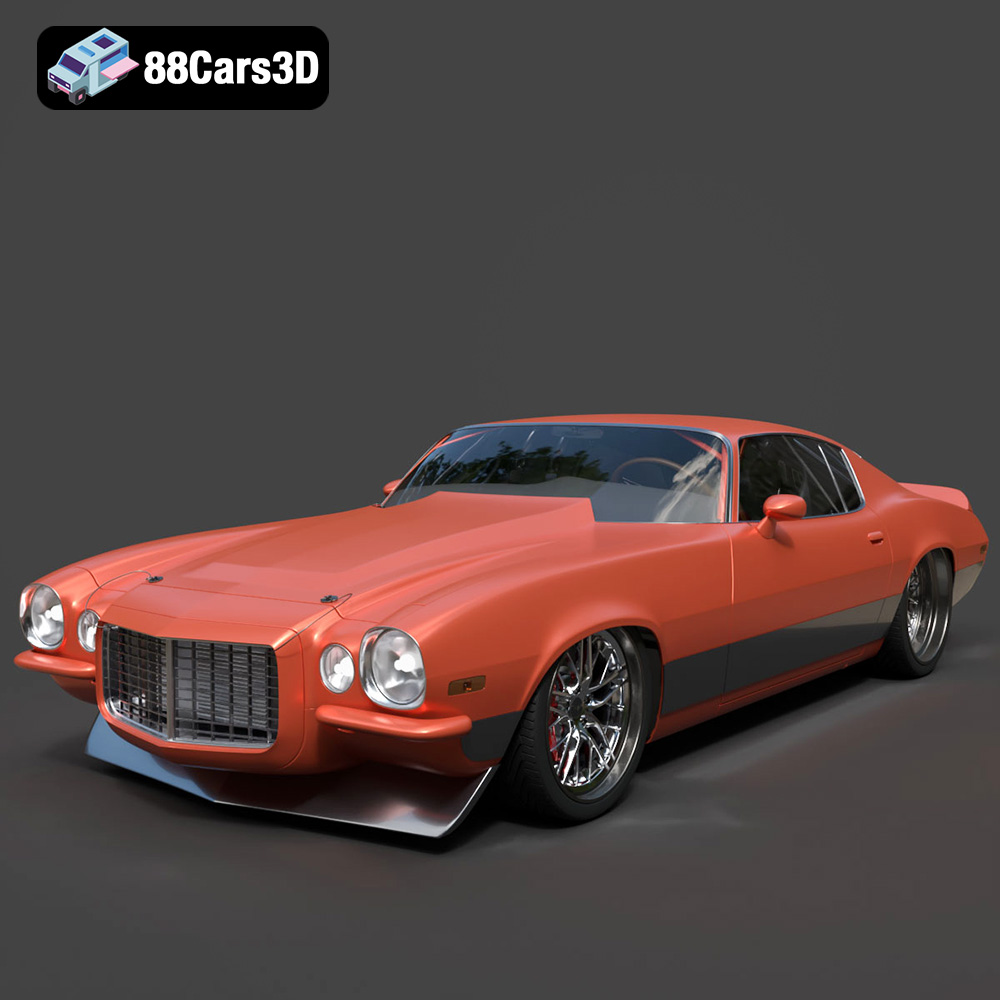
Download the Chevrolet Camaro 1970 3D Model featuring clean geometry, realistic detailing, and a fully modeled interior. Includes .blend, .fbx, .obj, .glb, .stl, .ply, .unreal, and .max formats for rendering, simulation, and game development.
Price: $10
Texture: Yes
Material: Yes
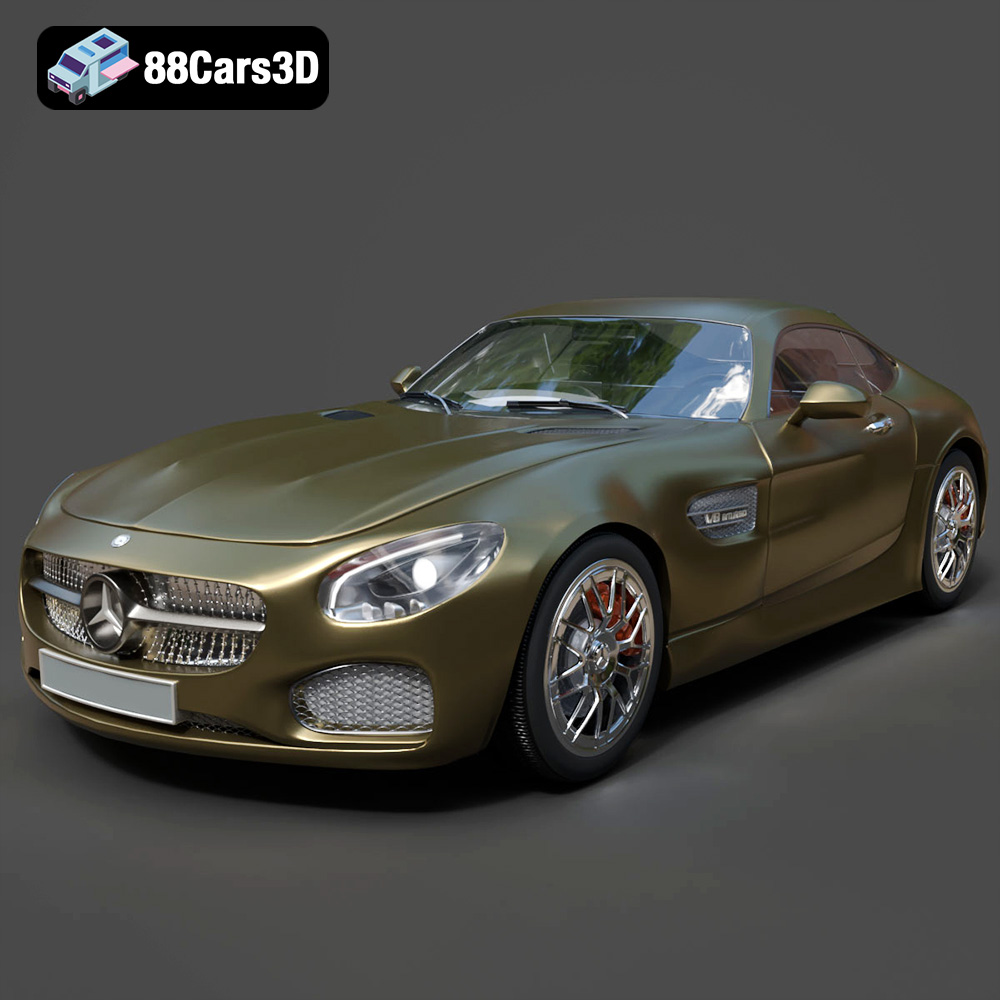
Download the Mercedes-AMG GT 2015 3D Model featuring clean geometry, realistic detailing, and a fully modeled interior. Includes .blend, .fbx, .obj, .glb, .stl, .ply, .unreal, and .max formats for rendering, simulation, and game development.
Price: $88.99
Texture: Yes
Material: Yes
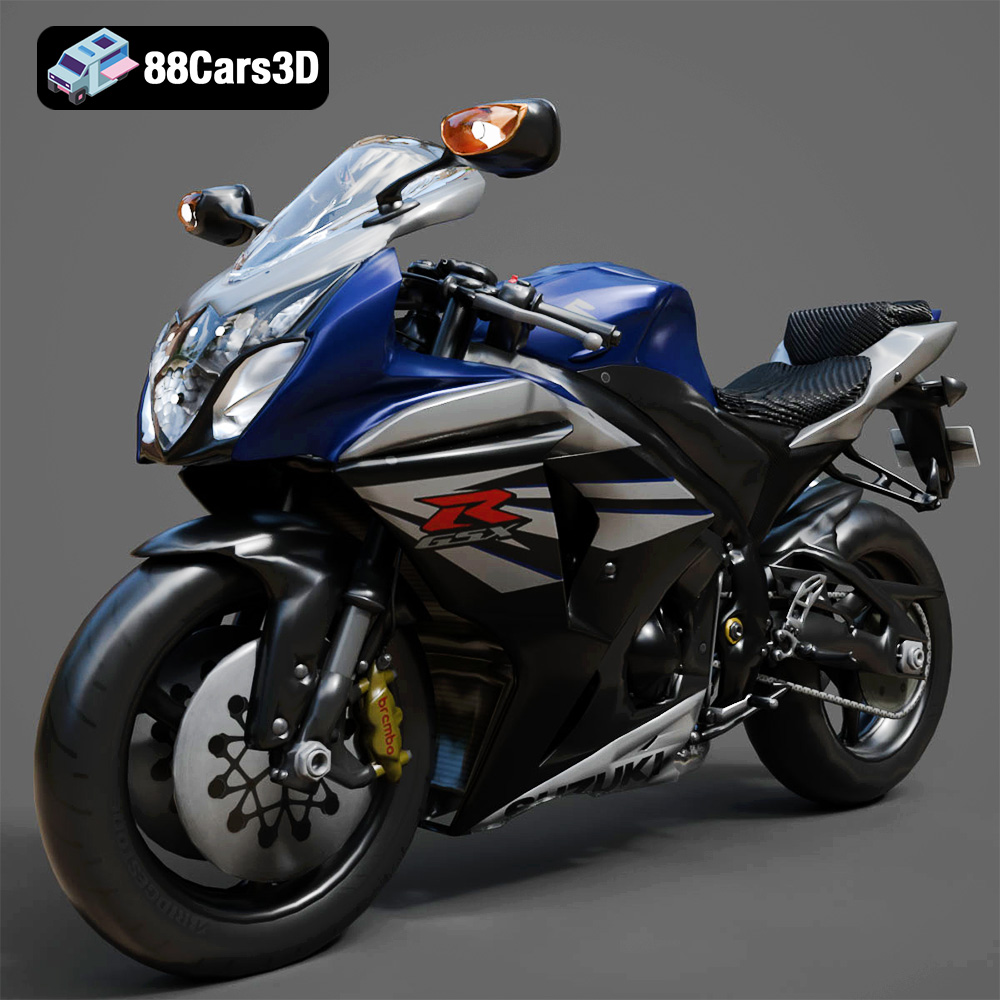
Download the Suzuki GSX-R 1000 3D Model featuring clean geometry, realistic detailing, and a fully modeled interior. Includes .blend, .fbx, .obj, .glb, .stl, .ply, .unreal, and .max formats for rendering, simulation, and game development.
Price: $10
Texture: Yes
Material: Yes
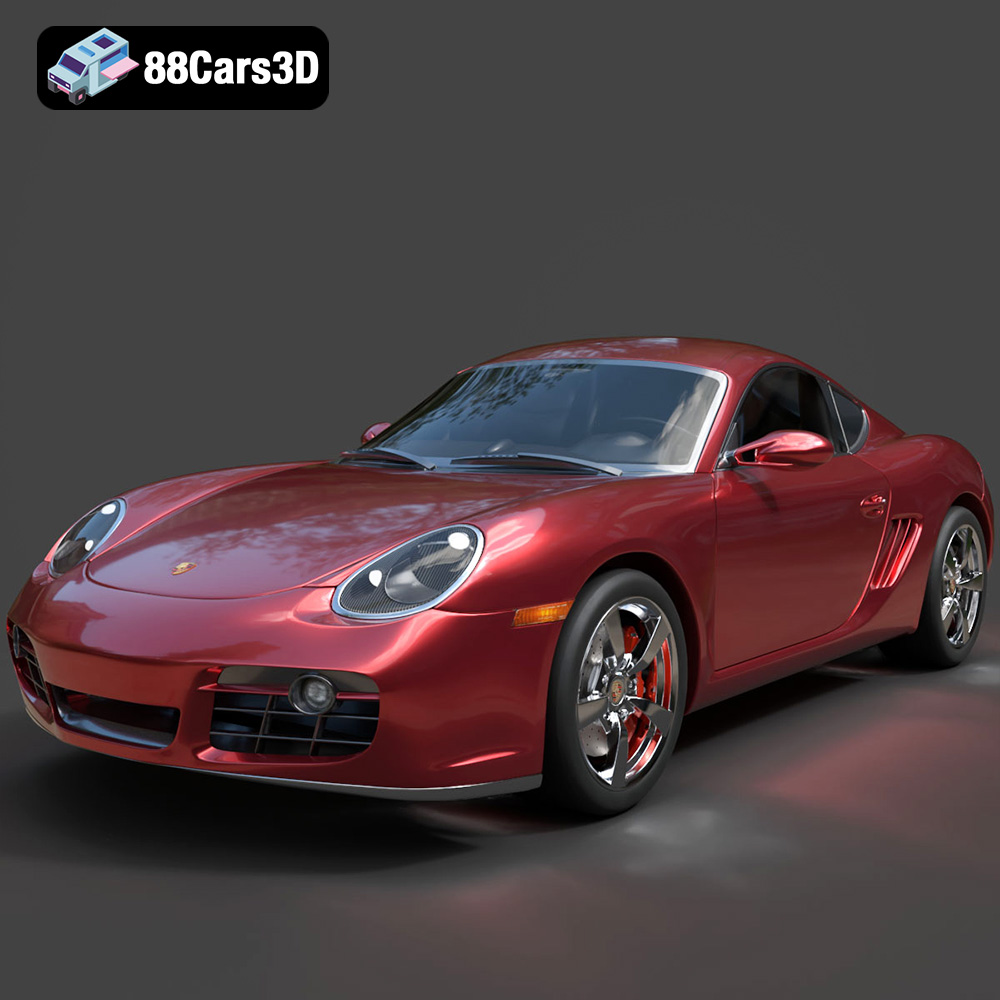
Download the Porsche Cayman S 2024 3D Model featuring clean geometry, realistic detailing, and a fully modeled interior. Includes .blend, .fbx, .obj, .glb, .stl, .ply, .unreal, and .max formats for rendering, simulation, and game development.
Price: $10
Texture: Yes
Material: Yes
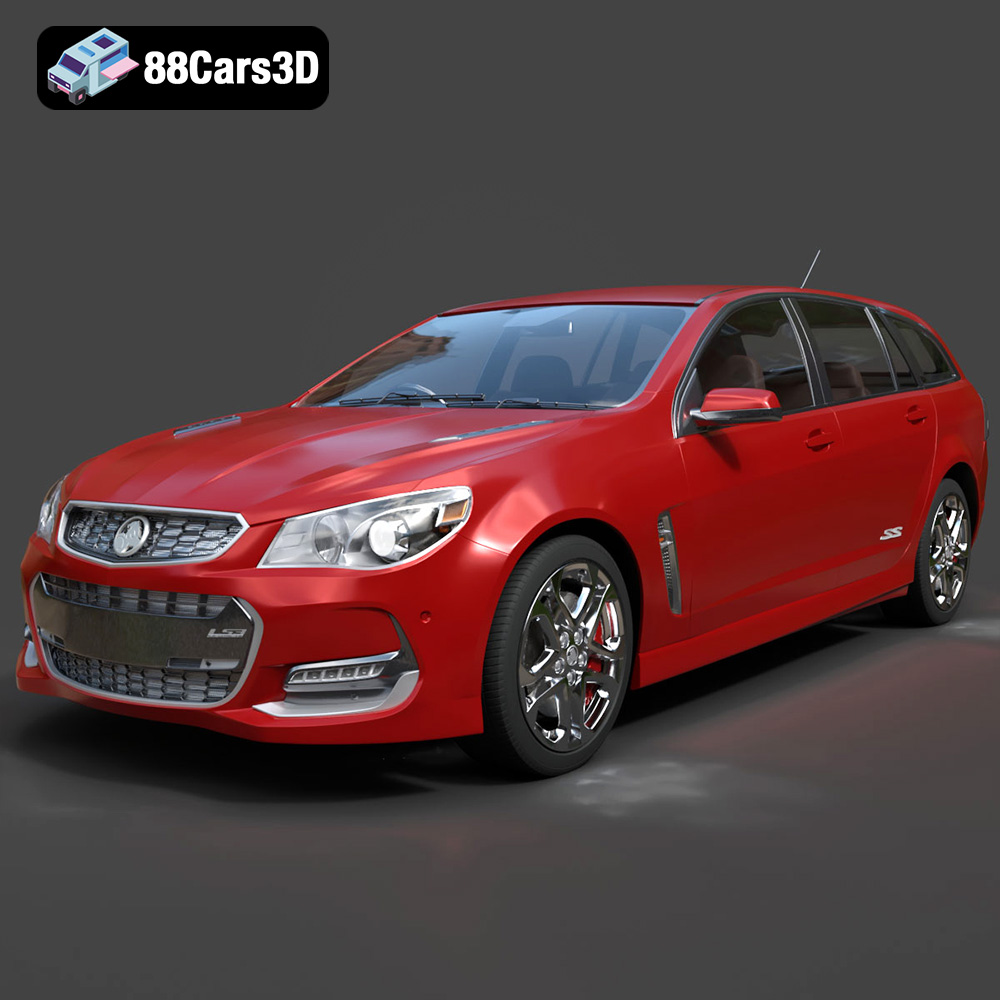
Download the Holden Commodore Sportwagon 2017 3D Model featuring clean geometry, realistic detailing, and a fully modeled interior. Includes .blend, .fbx, .obj, .glb, .stl, .ply, .unreal, and .max formats for rendering, simulation, and game development.
Price: $10
Texture: Yes
Material: Yes
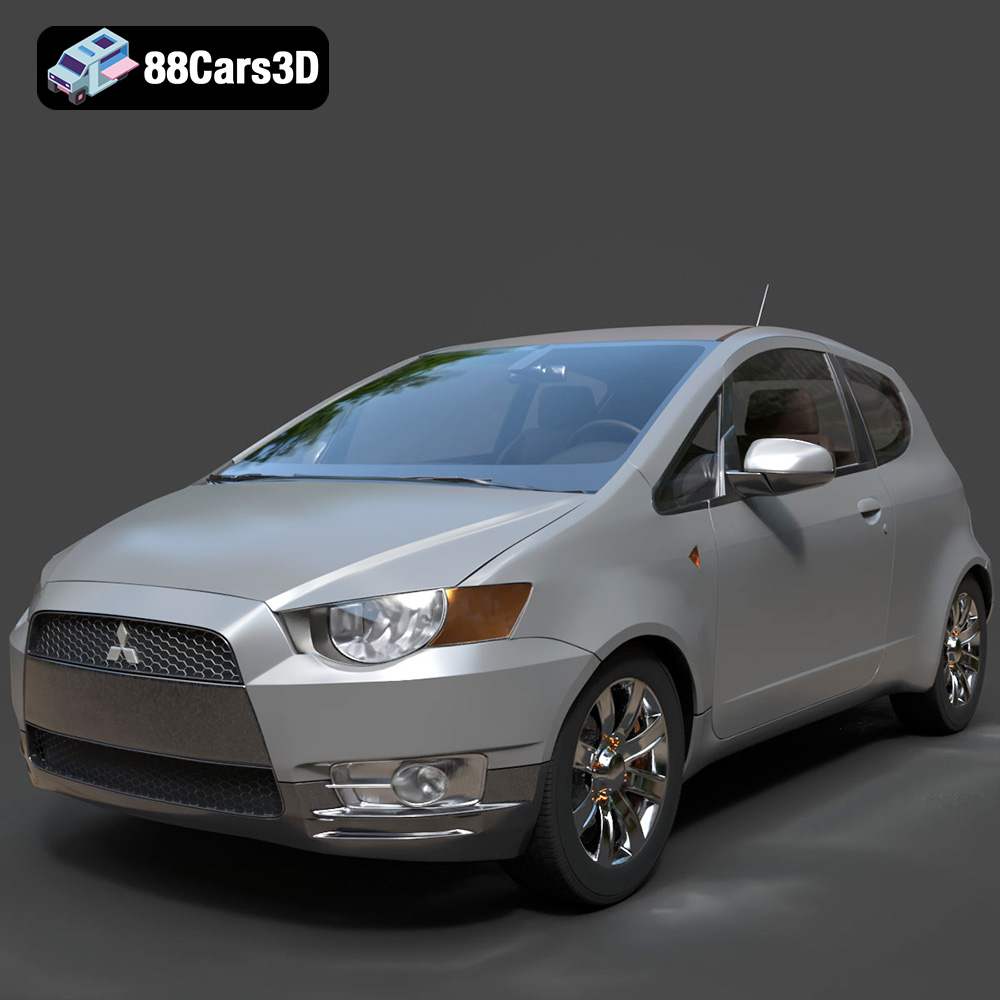
Download the Mitsubishi Colt 3 Door 2008 3D Model featuring clean geometry, realistic detailing, and a fully modeled interior. Includes .blend, .fbx, .obj, .glb, .stl, .ply, .unreal, and .max formats for rendering, simulation, and game development.
Price: $10
Texture: Yes
Material: Yes
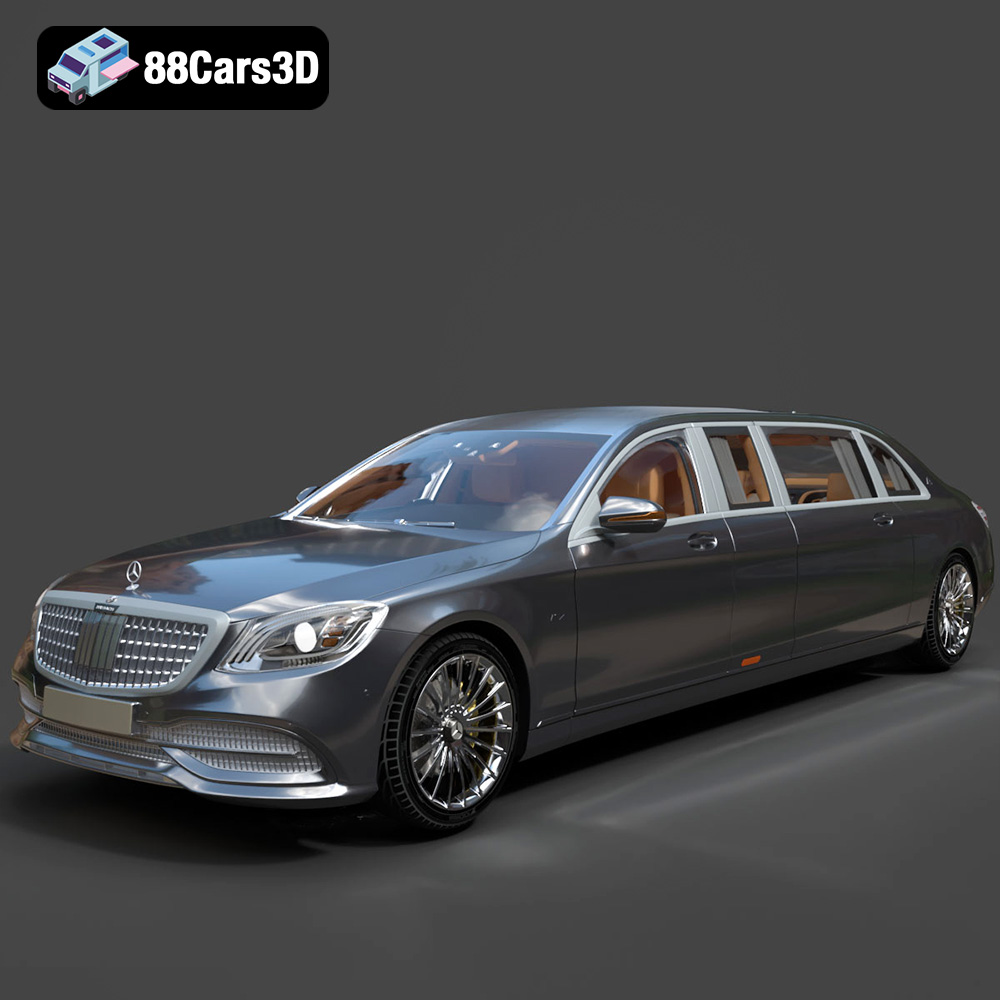
Download the Mercedes-Benz S650 Pullman 3D Model featuring clean geometry, realistic detailing, and a fully modeled interior. Includes .blend, .fbx, .obj, .glb, .stl, .ply, .unreal, and .max formats for rendering, simulation, and game development.
Price: $95.99
Texture: Yes
Material: Yes
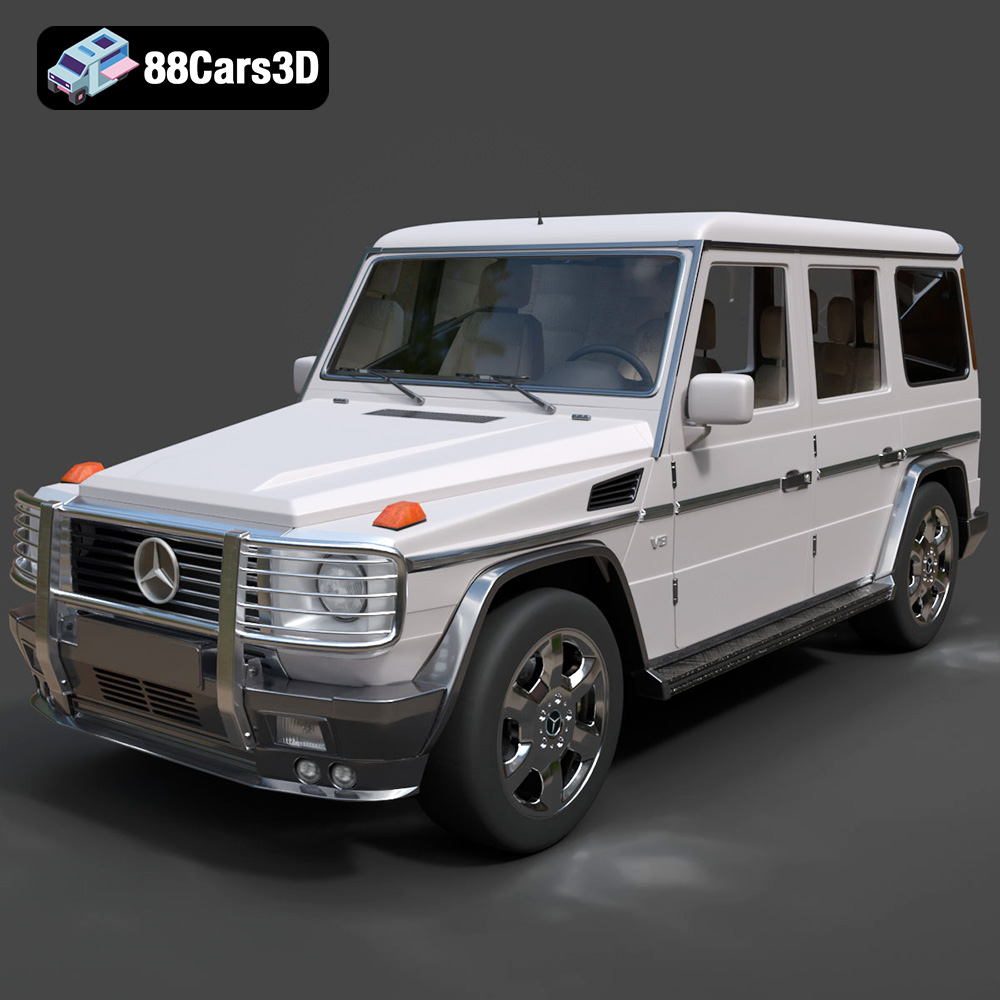
Download the Mercedes G-Class SUV 2024 3D Model featuring clean geometry, realistic detailing, and a fully modeled interior. Includes .blend, .fbx, .obj, .glb, .stl, .ply, .unreal, and .max formats for rendering, simulation, and game development.
Price: $10
Texture: Yes
Material: Yes
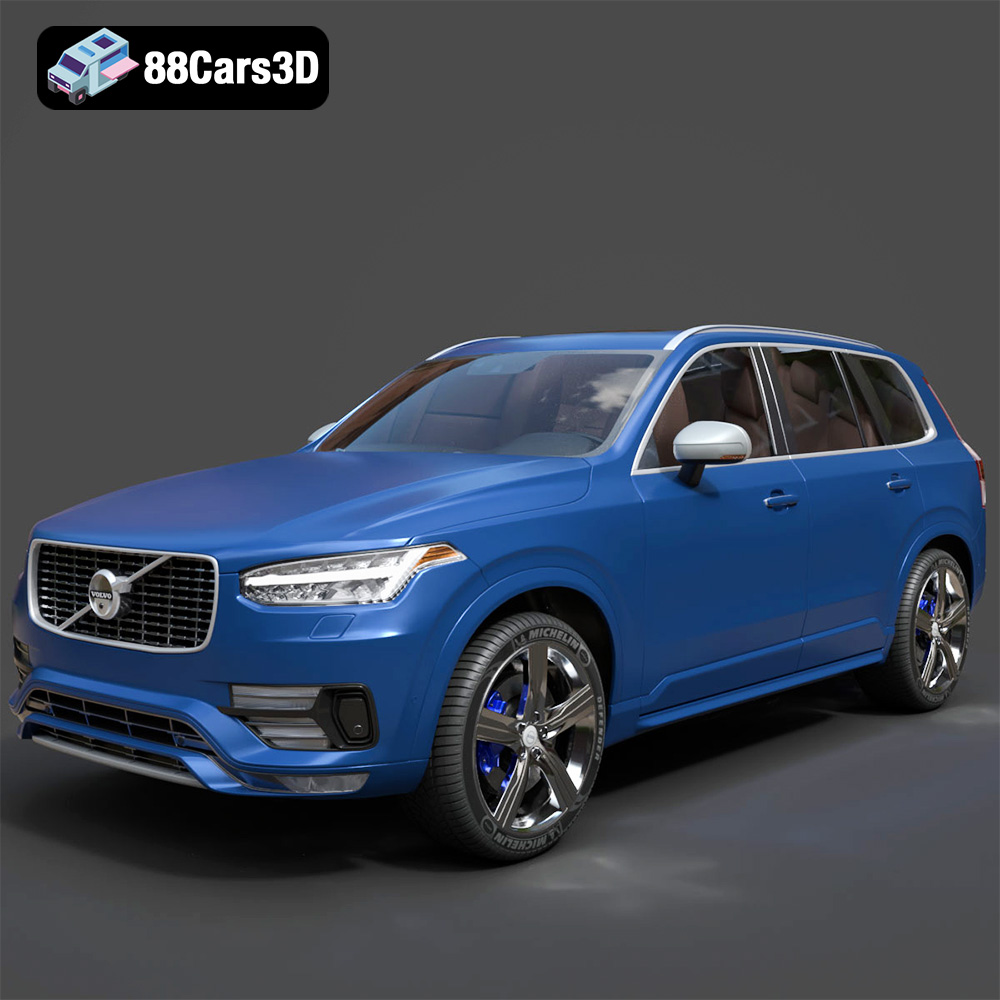
Download the Volvo XC90 R-Design 2015 3D Model featuring clean geometry, realistic detailing, and a fully modeled interior. Includes .blend, .fbx, .obj, .glb, .stl, .ply, .unreal, and .max formats for rendering, simulation, and game development.
Price: $10

