Get 50% OFF All Premium 3D & STL Models!

“`html
3D printing has revolutionized the way we create and innovate, allowing enthusiasts and professionals alike to bring their digital designs to life. Central to this process is the STL (Stereolithography) file format, the industry standard for representing 3D models. However, raw STL files are often imperfect and require editing to ensure successful and high-quality prints. Whether you’re creating printable car models, intricate prototypes, or artistic sculptures, understanding how to edit STL files is crucial. This comprehensive guide explores the best free and paid software options available, providing you with the knowledge and tools to refine your 3D models for optimal results. We’ll delve into specific software features, workflows, and best practices to help you master the art of STL file editing. For those looking for ready-to-print, high-quality models, platforms like 88cars3d.com offer a vast library of STL files specifically designed for 3D printing, saving you valuable time and effort in the initial design phase.
The STL file format is a cornerstone of 3D printing, representing the surface geometry of a 3D object as a collection of triangles. While simple and widely supported, STL files can often suffer from issues like gaps, non-manifold edges, and inverted normals, which can lead to printing errors. Therefore, editing STL files is often a necessary step in the 3D printing workflow.
STL files come in two main flavors: ASCII and binary. ASCII STL files are human-readable but larger in size, while binary STL files are more compact and efficient for storage. Regardless of the format, the core structure remains the same: a series of triangles defined by their vertices and normals. The normal vector indicates the direction the triangle is facing. Errors in these definitions, such as incorrect normals or overlapping triangles, can cause problems during slicing and printing.
Editing STL files addresses several critical needs in the 3D printing process. It allows you to repair mesh errors, optimize the geometry for printing, and customize the model to your specific requirements. Repairing errors ensures that the slicer can correctly interpret the model and generate a valid toolpath. Optimization involves simplifying the mesh, reducing file size, and ensuring proper wall thickness for structural integrity. Customization enables you to add details, modify dimensions, and personalize the model to meet your unique design goals. For example, ensuring proper wall thickness is crucial when printing models for RC cars or other functional parts.
For hobbyists and beginners, several free software options provide powerful tools for basic STL editing and repair. These programs offer a range of functionalities, from simple mesh cleaning to more advanced sculpting and modification capabilities. While they might lack some of the advanced features of paid software, they are more than sufficient for many common STL editing tasks.
MeshMixer, by Autodesk, is a free and robust software specifically designed for working with 3D meshes. It offers a wide range of tools for mesh repair, smoothing, sculpting, and combining multiple models. Its intuitive interface and powerful algorithms make it an excellent choice for beginners. Key features include automatic mesh repair, remeshing, support structure generation, and hollowing. For example, the “Make Solid” tool can automatically close gaps and create a watertight mesh suitable for 3D printing. A typical workflow in MeshMixer involves importing the STL file, using the “Analysis” tool to identify errors, and then applying the appropriate repair functions.
Blender is a free and open-source 3D creation suite that offers a comprehensive set of tools for modeling, sculpting, animation, and rendering. While it has a steeper learning curve than MeshMixer, Blender provides unparalleled flexibility and control over your 3D models. For STL editing, Blender’s sculpting tools are particularly useful for smoothing out imperfections and adding details. The “Remesh” modifier can be used to generate a cleaner, more uniform mesh. When using Blender for 3D printing, it’s crucial to enable the “3D Print Toolbox” add-on, which provides tools for analyzing and repairing meshes specifically for 3D printing. This tool helps identify non-manifold edges, intersecting faces, and other common errors.
For professionals and serious hobbyists, paid software options offer advanced features and capabilities that can significantly streamline the STL editing process. These programs provide more sophisticated tools for mesh repair, optimization, and customization, as well as integration with CAD software and other professional workflows.
Netfabb, also by Autodesk, is a professional-grade software specifically designed for preparing models for additive manufacturing. It offers advanced tools for mesh repair, support generation, and build platform optimization. Netfabb’s automatic repair tools can fix even the most complex mesh errors with ease. Its simulation capabilities allow you to predict and prevent printing failures. For example, Netfabb can simulate thermal stress and warping to help you optimize print orientation and support structures. Key features include advanced mesh analysis, automated repair workflows, lattice structure generation, and build platform packing. When downloading models from marketplaces such as 88cars3d.com, using Netfabb can help ensure they are perfectly optimized for your specific printer and material.
ZBrush, by Maxon, is a digital sculpting software widely used in the entertainment and design industries. Its intuitive sculpting tools and high-resolution capabilities make it ideal for creating highly detailed and organic models. While not specifically designed for 3D printing, ZBrush can be used to refine and enhance STL files before printing. The “Dynamesh” feature allows you to dynamically remesh your model, creating a uniform mesh that is ideal for sculpting. ZBrush also offers powerful tools for creating textures and adding surface details. Exporting from ZBrush requires careful attention to detail to ensure that the mesh is watertight and optimized for 3D printing. The “Decimation Master” plugin can be used to reduce the polygon count of the model without sacrificing detail.
FDM (Fused Deposition Modeling) printing requires specific considerations when editing STL files. Ensuring proper wall thickness, optimizing support structures, and choosing the right print orientation are crucial for achieving successful prints. A well-prepared STL file can significantly reduce printing time, material consumption, and the risk of printing failures.
Wall thickness is a critical parameter for FDM printing. Too thin walls can result in weak and brittle prints, while too thick walls can increase print time and material usage. A general rule of thumb is to use a wall thickness that is a multiple of your nozzle diameter. For example, with a 0.4mm nozzle, a wall thickness of 1.2mm (3 walls) is often a good starting point. Infill density also plays a significant role in the strength and weight of the print. Higher infill densities result in stronger but heavier prints, while lower infill densities result in lighter but weaker prints. For functional parts, an infill density of 20-30% is often sufficient. For purely aesthetic models, a lower infill density of 10-15% may be adequate. The choice of infill pattern can also affect the strength and print time. Common infill patterns include rectilinear, grid, gyroid, and honeycomb.
Support structures are necessary for printing overhangs and complex geometries in FDM printing. However, support structures can also consume a significant amount of material and leave unsightly marks on the printed surface. Therefore, it’s essential to optimize support structure generation to minimize material waste and surface damage. Many slicing software programs offer advanced support structure settings, such as support density, support overhang angle, and support interface layer. Experimenting with these settings can help you find the optimal balance between support strength and ease of removal. The orientation of the model on the build plate can also affect the amount of support needed. Choosing an orientation that minimizes overhangs can significantly reduce the amount of support material required. Breakaway supports or soluble supports can be used to further simplify the removal process and minimize surface damage.
Resin printing, also known as stereolithography (SLA) or digital light processing (DLP), requires different considerations when editing STL files compared to FDM printing. Resin printers typically offer higher resolution and finer details, but they are also more sensitive to mesh errors and support structure placement. Optimizing STL files for resin printing involves ensuring a watertight mesh, hollowing out the model to reduce resin consumption, and generating robust support structures to prevent warping and deformation.
Hollowing out the model is a crucial step for resin printing, as it significantly reduces resin consumption and weight. Hollowing involves removing the internal volume of the model, leaving only a thin outer shell. Most slicing software programs offer automatic hollowing tools that allow you to specify the wall thickness and infill density of the hollowed model. It’s essential to add drainage holes to the model to allow resin to escape during printing. These holes should be strategically placed in inconspicuous areas of the model. The size and number of drainage holes depend on the size and complexity of the model. A general rule of thumb is to use at least two drainage holes for every 50mm of model length. After printing, it’s crucial to thoroughly clean the inside of the hollowed model to remove any residual resin.
Support structures are even more critical for resin printing than for FDM printing, as resin models are more susceptible to warping and deformation during the printing process. The placement and density of support structures must be carefully considered to ensure print success. Most slicing software programs offer automatic support generation tools that allow you to customize the support density, support tip size, and support contact depth. It’s essential to use a higher support density for areas with significant overhangs or fine details. The support tip size should be small enough to minimize the impact on the surface finish but large enough to provide sufficient support. The support contact depth determines how deeply the support structure penetrates the model surface. A shallower contact depth makes it easier to remove the supports but may also reduce the support strength. When generating supports, it’s crucial to consider the orientation of the model on the build plate. Orienting the model to minimize the cross-sectional area can reduce the peeling forces and improve print success.
Even with careful preparation, STL editing and 3D printing can sometimes present challenges. Understanding common issues and how to troubleshoot them is essential for achieving consistent and high-quality results. This section covers some of the most common problems encountered during STL editing and printing, as well as practical solutions and tips for resolving them.
Mesh errors, such as non-manifold edges, holes, and intersecting faces, can cause significant problems during slicing and printing. These errors can prevent the slicer from correctly interpreting the model, leading to missing features, distorted geometries, and even complete print failures. Most STL editing software programs offer tools for identifying and repairing mesh errors. MeshMixer, Netfabb, and Blender all have robust mesh repair capabilities. The first step is to identify the type of error and its location on the model. Then, you can use the appropriate repair tool to fix the error. For example, the “Make Solid” tool in MeshMixer can automatically close gaps and create a watertight mesh. The “Fill Holes” tool can be used to close small holes and gaps. For more complex errors, manual editing may be required. This involves selecting and deleting problematic faces, then rebuilding the geometry using the software’s modeling tools.
Print failures can be frustrating, but they are often preventable with careful diagnosis and troubleshooting. Common causes of print failures include poor bed adhesion, insufficient support structures, incorrect print settings, and material issues. Poor bed adhesion can be caused by an uneven print bed, incorrect nozzle height, or insufficient bed temperature. Ensuring that the print bed is level and clean is crucial for achieving good bed adhesion. Applying a thin layer of adhesive, such as glue stick or hairspray, can also help improve adhesion. Insufficient support structures can lead to sagging and deformation of overhangs. Increasing the support density or adding additional support structures can help prevent these issues. Incorrect print settings, such as too high or too low temperatures, can also cause print failures. Experimenting with different print settings can help you find the optimal settings for your specific printer and material. Material issues, such as moisture absorption or degradation, can also lead to print failures. Storing your filament in a dry environment and replacing old or damaged filament can help prevent these issues. If you are printing car models, consider the orientation and the necessary supports to prevent the wheels from detaching during the printing process.
Mastering STL editing is an essential skill for any 3D printing enthusiast or professional. By understanding the intricacies of the STL file format and utilizing the appropriate software tools, you can ensure that your 3D models are optimized for printing, resulting in high-quality and accurate results. Whether you choose to use free software like MeshMixer and Blender or invest in paid software like Netfabb and ZBrush, the key is to practice and experiment with different techniques to find what works best for your specific needs. Remember to pay attention to critical parameters such as wall thickness, infill density, support structures, and print orientation. By following the best practices outlined in this guide, you can overcome common challenges and achieve consistent and successful 3D prints. Explore resources like 88cars3d.com for print-ready STL files to kickstart your 3D printing projects, and don’t hesitate to delve deeper into advanced editing techniques to unlock the full potential of your 3D printer. Start experimenting today and elevate your 3D printing game to the next level!
“`
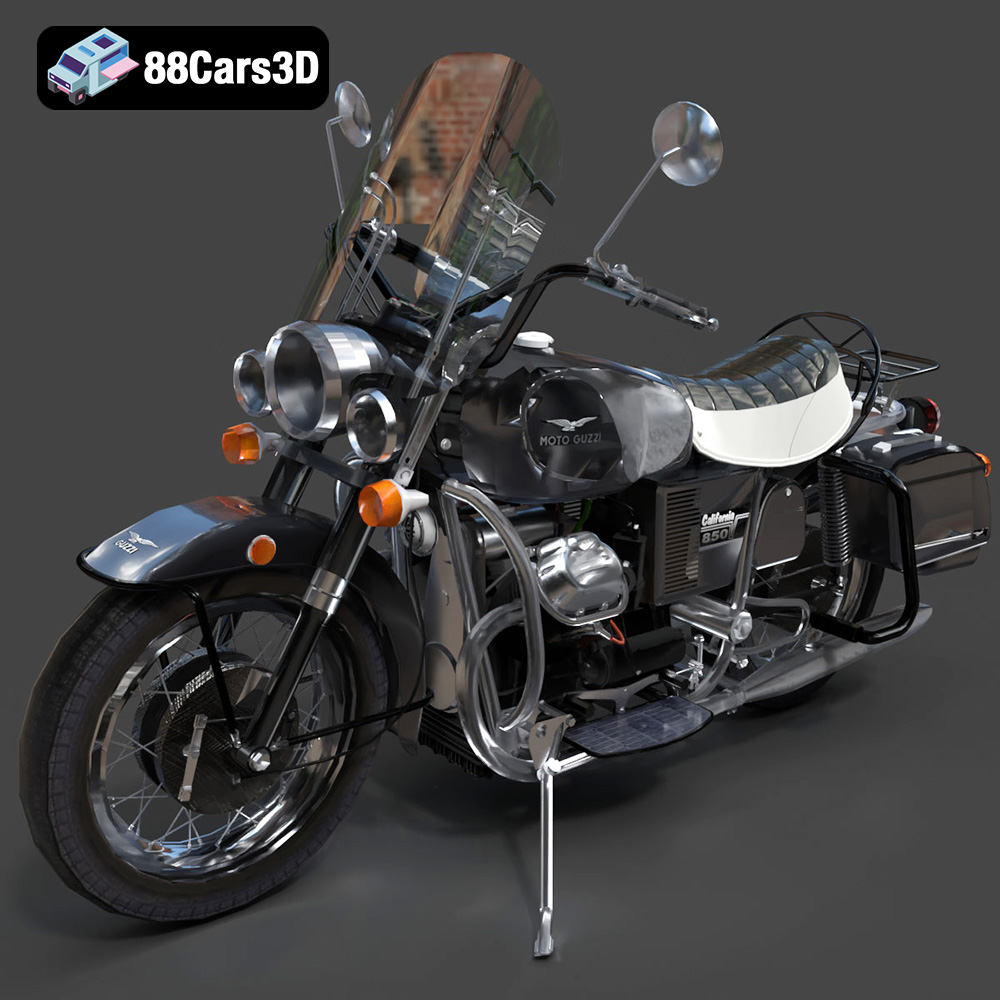
Texture: Yes
Material: Yes
Download the Moto Guzzi Classic Motorcycle 2024 3D Model featuring clean geometry, realistic detailing, and a fully modeled interior. Includes .blend, .fbx, .obj, .glb, .stl, .ply, .unreal, and .max formats for rendering, simulation, and game development.
Price: $10

Texture: Yes
Material: Yes
Download the Mercedes S-Class 2024 3D Model featuring clean geometry, realistic detailing, and a fully modeled interior. Includes .blend, .fbx, .obj, .glb, .stl, .ply, .unreal, and .max formats for rendering, simulation, and game development.
Price: $10

Texture: Yes
Material: Yes
Download the Chevrolet Camaro 1970 3D Model featuring clean geometry, realistic detailing, and a fully modeled interior. Includes .blend, .fbx, .obj, .glb, .stl, .ply, .unreal, and .max formats for rendering, simulation, and game development.
Price: $10

Texture: Yes
Material: Yes
Download the Mercedes-AMG GT 2015 3D Model featuring clean geometry, realistic detailing, and a fully modeled interior. Includes .blend, .fbx, .obj, .glb, .stl, .ply, .unreal, and .max formats for rendering, simulation, and game development.
Price: $88.99

Texture: Yes
Material: Yes
Download the Suzuki GSX-R 1000 3D Model featuring clean geometry, realistic detailing, and a fully modeled interior. Includes .blend, .fbx, .obj, .glb, .stl, .ply, .unreal, and .max formats for rendering, simulation, and game development.
Price: $10

Texture: Yes
Material: Yes
Download the Porsche Cayman S 2024 3D Model featuring clean geometry, realistic detailing, and a fully modeled interior. Includes .blend, .fbx, .obj, .glb, .stl, .ply, .unreal, and .max formats for rendering, simulation, and game development.
Price: $10

Texture: Yes
Material: Yes
Download the Holden Commodore Sportwagon 2017 3D Model featuring clean geometry, realistic detailing, and a fully modeled interior. Includes .blend, .fbx, .obj, .glb, .stl, .ply, .unreal, and .max formats for rendering, simulation, and game development.
Price: $10

Texture: Yes
Material: Yes
Download the Mitsubishi Colt 3 Door 2008 3D Model featuring clean geometry, realistic detailing, and a fully modeled interior. Includes .blend, .fbx, .obj, .glb, .stl, .ply, .unreal, and .max formats for rendering, simulation, and game development.
Price: $10

Texture: Yes
Material: Yes
Download the Mercedes-Benz S650 Pullman 3D Model featuring clean geometry, realistic detailing, and a fully modeled interior. Includes .blend, .fbx, .obj, .glb, .stl, .ply, .unreal, and .max formats for rendering, simulation, and game development.
Price: $95.99
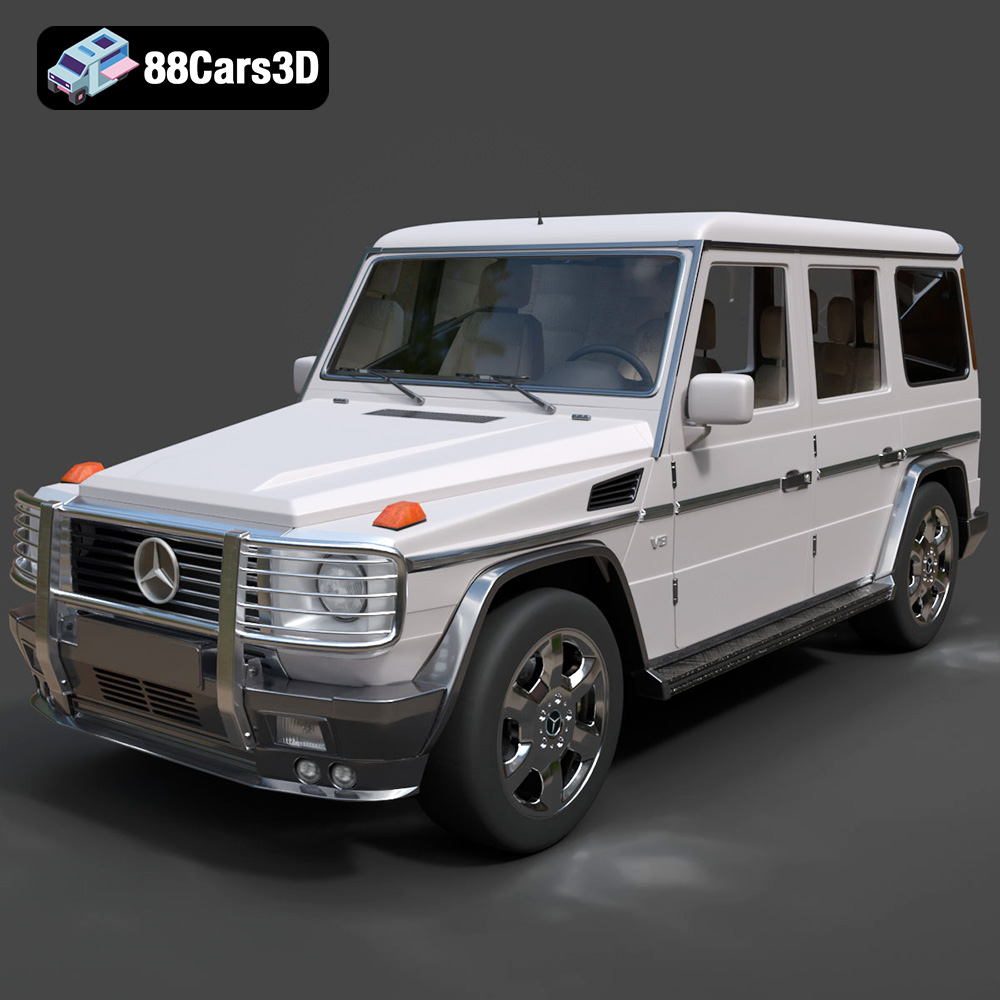
Texture: Yes
Material: Yes
Download the Mercedes G-Class SUV 2024 3D Model featuring clean geometry, realistic detailing, and a fully modeled interior. Includes .blend, .fbx, .obj, .glb, .stl, .ply, .unreal, and .max formats for rendering, simulation, and game development.
Price: $10

