Get 50% OFF All Premium 3D & STL Models!

The world of automotive visualization has been revolutionized by real-time rendering engines, and at the forefront of this transformation is Unreal Engine. For designers, engineers, marketers, and game developers, creating stunningly realistic virtual environments for vehicles is no longer a futuristic dream but a present-day reality. However, achieving photorealism and optimal performance requires more than just high-quality 3D car models; it demands a deep understanding of Unreal Engine’s powerful toolset and adherence to best practices in scene design and optimization.
This comprehensive guide dives deep into the essential techniques and workflows for crafting exceptional automotive visualizations and interactive experiences within Unreal Engine. We’ll explore everything from initial project setup and efficient asset integration to advanced rendering features like Nanite and Lumen, interactive scripting with Blueprint, and strategies for optimal performance. Whether you’re building a cutting-edge configurator, a cinematic trailer, or an immersive AR/VR experience, mastering these principles will elevate your projects and unlock the full potential of your high-fidelity automotive assets. Let’s embark on this journey to create captivating virtual automotive worlds.
Laying a strong foundation is crucial for any successful Unreal Engine project, especially when dealing with the high fidelity demands of automotive visualization. Proper project setup ensures scalability, maintainability, and optimal performance from the outset. This initial phase involves configuring project settings, efficiently importing your 3D car models, and establishing a robust organizational structure that will serve your project well throughout its lifecycle. Neglecting these early steps can lead to significant headaches down the line, impacting performance, iteration times, and overall project quality.
When starting a new Unreal Engine project for automotive visualization, selecting the right template and configuring key project settings are paramount. For photorealistic renders, consider starting with the “Blank” or “Film, Television, and Live Events” templates, as they often come with fewer default assets and more relevant post-processing settings. Essential project settings to review include the default RHI (Render Hardware Interface), ensuring it’s set to DirectX 12 for access to the latest features like Lumen and Nanite. Scalability settings under Edit > Project Settings > Engine > Rendering are critical. Aim for “Cinematic” or “Epic” quality for your final renders, but be prepared to scale down during development for smoother iteration. For interactive applications like configurators or games, establish clear performance targets early on – for example, a stable 60 FPS on target hardware. Enable features like "Support non-power-of-two textures" if your assets require it, though it’s generally best practice to use power-of-two resolutions (e.g., 2048×2048, 4096×4096) for efficiency. Remember that effective real-time rendering hinges on thoughtful configuration.
The quality of your 3D car models directly impacts the final visual fidelity. When sourcing models from platforms like 88cars3d.com, you typically acquire assets with clean topology, proper UV mapping, and PBR-ready textures. Upon importing these FBX or USD files into Unreal Engine, several optimization steps are essential. For static meshes, ensure "Combine Meshes" is used if the model is composed of many small, disconnected parts that move together. Crucially, enable "Build Adjacency" and "Recompute Normals" if smoothing issues appear. For complex models, disable "Generate Lightmap UVs" on import if you plan to manually create or assign them, or if you’re relying entirely on dynamic lighting. Review the imported mesh’s polygon count – while Nanite can handle millions, excessively dense meshes for distant objects are wasteful. Utilize the "Static Mesh Editor" to check UV channels, material slots, and collision settings. Properly configured collision meshes are vital for realistic physics and interaction, even if simplified. For animation, ensure the FBX import settings correctly identify skeletal meshes and import animations.
A well-organized project structure is the backbone of efficient development, especially when managing numerous high-resolution assets for automotive visualization. Adopt a clear folder hierarchy from the outset. A common and effective structure involves grouping assets by type (e.g., `_Assets/Vehicles`, `_Assets/Environments`, `_Assets/Materials`, `_Assets/Textures`, `_Assets/Blueprints`). Within the `Vehicles` folder, each car model might have its own sub-folder containing the mesh, textures, materials, and associated Blueprints. Naming conventions are equally important: consistent prefixes (e.g., `SM_` for Static Mesh, `M_` for Material, `T_` for Texture, `BP_` for Blueprint) make assets easily identifiable and searchable. This disciplined approach not only streamlines collaboration among team members but also significantly reduces the time spent searching for specific assets, particularly in projects that grow in complexity. Maintain a "Master Materials" folder for reusable PBR material setups, reducing redundancy and making global changes more efficient.
Achieving a truly photorealistic look in Unreal Engine for automotive visualization hinges on two critical pillars: physically-based rendering (PBR) materials and sophisticated lighting setups. Cars, with their reflective surfaces, intricate details, and varying material properties, demand meticulous attention in these areas. Understanding how to craft convincing PBR materials and strategically illuminate your scenes, leveraging both modern real-time solutions and traditional techniques, is key to bringing your 3D car models to life with stunning realism.
Physically-Based Rendering (PBR) is the industry standard for realistic material representation. In Unreal Engine’s Material Editor, PBR materials typically use a Base Color, Metallic, Specular, Roughness, Normal, and optionally Ambient Occlusion map. When working with automotive assets, pay close attention to the Metallic and Roughness values. Car paint often uses a high metallic value (close to 1) combined with varying roughness, sometimes incorporating a clear coat shader for added depth. Glass materials require specific setup, often using a Blend Mode of "Translucent" or "Additive" and carefully balancing Opacity and Refraction. Tire materials will be less metallic, with a rougher, darker appearance. For optimal performance and consistency, create "Master Materials" that encapsulate common properties (e.g., "M_CarPaint_Master," "M_Tire_Master") and then create "Material Instances" from them. This allows you to quickly adjust parameters like color, roughness, or normal map intensity per specific car model without recompiling shaders, making iterative design much faster. Utilize texture packing (e.g., combining Roughness, Metallic, and Ambient Occlusion into different channels of a single RGB texture) to reduce texture sampling and optimize memory usage.
Lumen, Unreal Engine’s groundbreaking global illumination and reflections system, has dramatically elevated the possibilities for real-time rendering of automotive scenes. Lumen provides incredibly realistic indirect lighting, soft shadows, and reflective surfaces, all in real-time. To leverage Lumen effectively, ensure it’s enabled in your project settings (Edit > Project Settings > Engine > Rendering > Global Illumination and Reflections). Combine Lumen with a "Sky Atmosphere" component for realistic sky and sun interactions, and a "Directional Light" (set to Movable) to represent the sun. A "Skylight" (also Movable, capturing the Sky Atmosphere) is essential for ambient lighting and capturing cubemaps for reflections. Experiment with the intensity and color of these lights to achieve different moods – from bright showroom conditions to dramatic sunset vistas. Lumen’s strength lies in its ability to react to real-time changes, making it ideal for interactive configurators where time of day or environment can be adjusted on the fly. However, be mindful of its performance cost; optimize your scene geometry and materials to keep frame rates stable, especially for target platforms.
While Lumen offers unparalleled dynamic global illumination, traditional lighting methods still play a vital role in specialized automotive visualization scenarios and for targeted optimization. Static and Stationary lights, though less dynamic, offer superior performance and baked lightmaps that can be crucial for background environments or specific hero shots where light doesn’t need to change. "Rect Lights" are excellent for simulating studio lighting setups, providing softbox-like illumination that is perfect for presenting high-detail 3D car models in controlled environments. "Spot Lights" can highlight specific features or create dramatic vignettes. For precise reflections without relying solely on Lumen, "Sphere Reflection Captures" and "Box Reflection Captures" can be strategically placed, particularly useful for areas with complex metallic or glossy surfaces that benefit from localized, high-resolution reflections. These captures essentially bake a cubemap of their surroundings, offering a performance-friendly alternative to Lumen’s real-time reflections for static elements. Combining Lumen with well-placed traditional lights provides a powerful hybrid approach, giving you both dynamic flexibility and targeted control over your scene’s illumination.
The quest for photorealism in automotive visualization often leads to incredibly detailed 3D car models and expansive environments, posing significant challenges for real-time rendering performance. Unreal Engine 5 introduces revolutionary technologies like Nanite, which fundamentally changes how we approach high-polygon assets. Alongside smart Level of Detail (LOD) management and broader optimization strategies, these features empower artists to achieve cinematic quality visuals without sacrificing interactive frame rates. Efficient asset management and a keen eye for performance are non-negotiable for professional-grade projects.
Nanite virtualized geometry is a game-changer for handling extremely high-polygon assets, making it perfect for the intricate detail found in professional 3D car models and complex environments. Instead of manually reducing polygon counts or baking normal maps, Nanite allows you to import models with millions of triangles and renders them efficiently, streaming only the necessary detail to the screen. To enable Nanite, simply right-click on your Static Mesh in the Content Browser and select "Nanite > Enable Nanite." Inside the Static Mesh Editor, you can further adjust Nanite settings, such as the "Fallback Relative Error" to control the quality of the simplified mesh at a distance. When using Nanite, ensure your materials are compatible; opaque materials generally work best. While Nanite excels at static geometry, it’s not currently suitable for skeletal meshes or objects with complex material setups requiring explicit per-instance data (e.g., vertex color animations). For automotive visualization, this means car bodies, interiors, and highly detailed environment props are prime candidates for Nanite, allowing you to bypass tedious manual optimization and focus on artistic detail. Learn more about Nanite’s capabilities on the official Unreal Engine documentation.
Even with Nanite, Level of Detail (LOD) management remains a crucial optimization strategy, especially for interactive experiences, non-Nanite meshes, and scenarios where explicit control over performance is needed. LODs are simplified versions of a mesh that are swapped in at increasing distances from the camera, reducing polygon count and draw calls. Unreal Engine provides powerful tools for automatic LOD generation. In the Static Mesh Editor, navigate to the "LOD Settings" section. You can set the number of LODs, their screen size thresholds (when they switch), and use the "Generate LODs" option. For optimal results, however, manual LOD creation (e.g., creating simplified versions in your 3D modeling software) often yields better visual quality and performance, especially for critical game assets like character cars or foreground elements. Remember that LODs aren’t just for geometry; you can also manage material complexity across LODs, swapping simpler materials or reducing texture resolution for distant objects. This meticulous approach to LODs ensures that your scene remains performant across various viewing distances without noticeable visual degradation.
Achieving optimal real-time rendering performance in Unreal Engine extends beyond just Nanite and LODs. A holistic approach to optimization is key.
stat unit, stat GPU, stat RHI, and the "Session Frontend") to identify performance bottlenecks. This data-driven approach is invaluable for targeted optimization.By consistently applying these techniques, your automotive visualization projects will run smoothly and maintain high visual fidelity across target platforms.
Beyond static renders, Unreal Engine empowers creators to develop dynamic and immersive experiences with 3D car models. This involves integrating interactivity, crafting compelling cinematic sequences, and simulating realistic vehicle physics. These elements transform a mere display into an engaging showcase, allowing users to explore, customize, and even "drive" the automotive subjects. Leveraging tools like Blueprint, Sequencer, and the built-in physics engine is essential for building these advanced applications.
Blueprint visual scripting is an incredibly powerful and accessible tool in Unreal Engine, enabling non-programmers to create complex interactive systems. For automotive configurators, Blueprint is indispensable. You can script logic for swapping out car parts (wheels, spoilers, interior trim), changing paint colors, or toggling interior lights.
Blueprint empowers rapid prototyping and iteration, making it possible to build sophisticated interactive demos that showcase the diverse options and features of your 3D car models. By meticulously planning your Blueprint structure, you can create scalable and easily modifiable configurators.
Sequencer is Unreal Engine’s robust multi-track editor for creating stunning cinematic sequences, perfect for promotional videos, trailers, or captivating walkthroughs of your automotive visualization projects. It allows you to choreograph every element in your scene over time.
Sequencer’s non-linear editing workflow allows for precise timing and iteration, making it an indispensable tool for crafting high-impact cinematic content that effectively communicates the beauty and engineering of your 88cars3d.com assets.
For more interactive experiences, particularly in simulations or gaming applications, realistic vehicle physics are crucial. Unreal Engine provides a robust physics engine (Chaos Physics) that can be integrated with custom vehicle components.
While achieving perfectly accurate real-world physics can be complex, Unreal Engine provides a solid framework for creating convincing and enjoyable driving experiences. For deeper customization, you can delve into C++ for more advanced physics modifications, but Blueprint can handle a surprising amount of complexity for typical automotive simulations. Referring to the official Unreal Engine documentation for Chaos Vehicle setup can provide invaluable guidance for detailed configurations.
The capabilities of Unreal Engine extend far beyond traditional game development and pre-rendered animations, venturing into cutting-edge fields like virtual production and immersive augmented/virtual reality. For automotive visualization, these applications offer unprecedented opportunities to interact with and present 3D car models in dynamic, real-world contexts or entirely digital, immersive environments. Mastering these advanced workflows positions creators at the forefront of innovation.
Virtual Production, especially with LED volumes, is transforming filmmaking and live events, and Unreal Engine is at its core. For automotive applications, this means placing 3D car models in front of dynamic, real-time virtual backgrounds displayed on massive LED screens.
This workflow allows for dynamic “on-the-fly” background changes, real-time light interaction, and eliminates the need for green screens, significantly enhancing the realism and creative flexibility of automotive advertising and film production.
Creating immersive AR/VR experiences with 3D car models presents unique optimization challenges due to the stringent performance requirements for comfortable, flicker-free head-mounted display (HMD) experiences.
Effective AR/VR optimization for automotive applications requires a deep understanding of the target hardware’s limitations and a disciplined approach to asset creation and scene design.
Developing high-fidelity real-time scenes for automotive visualization in Unreal Engine comes with its share of common challenges.
By proactively addressing these challenges with the tools and techniques discussed, developers can create truly breathtaking and performant automotive experiences within Unreal Engine.
The journey through Unreal Engine’s capabilities for automotive visualization reveals a powerful suite of tools designed to push the boundaries of real-time rendering. From meticulous project setup and the intelligent integration of high-fidelity 3D car models from marketplaces like 88cars3d.com, to crafting photorealistic PBR materials and dynamic lighting with Lumen, every step contributes to the final impact. We’ve explored how next-generation features like Nanite simplify the handling of complex geometry, while strategic LOD management and robust optimization techniques ensure peak performance.
Beyond static renders, the power of Blueprint empowers interactive configurators, Sequencer brings cinematic narratives to life, and advanced physics simulations offer realistic driving experiences. Furthermore, embracing cutting-edge applications like virtual production and optimizing for AR/VR extends the reach of automotive content into exciting new realms. By internalizing these best practices, you’re not just creating visuals; you’re engineering immersive experiences that captivate, inform, and inspire. Continue to experiment, profile your projects, and leverage the vast resources available in the Unreal Engine community to refine your craft. The automotive future is being rendered in real-time, and you are at the helm.
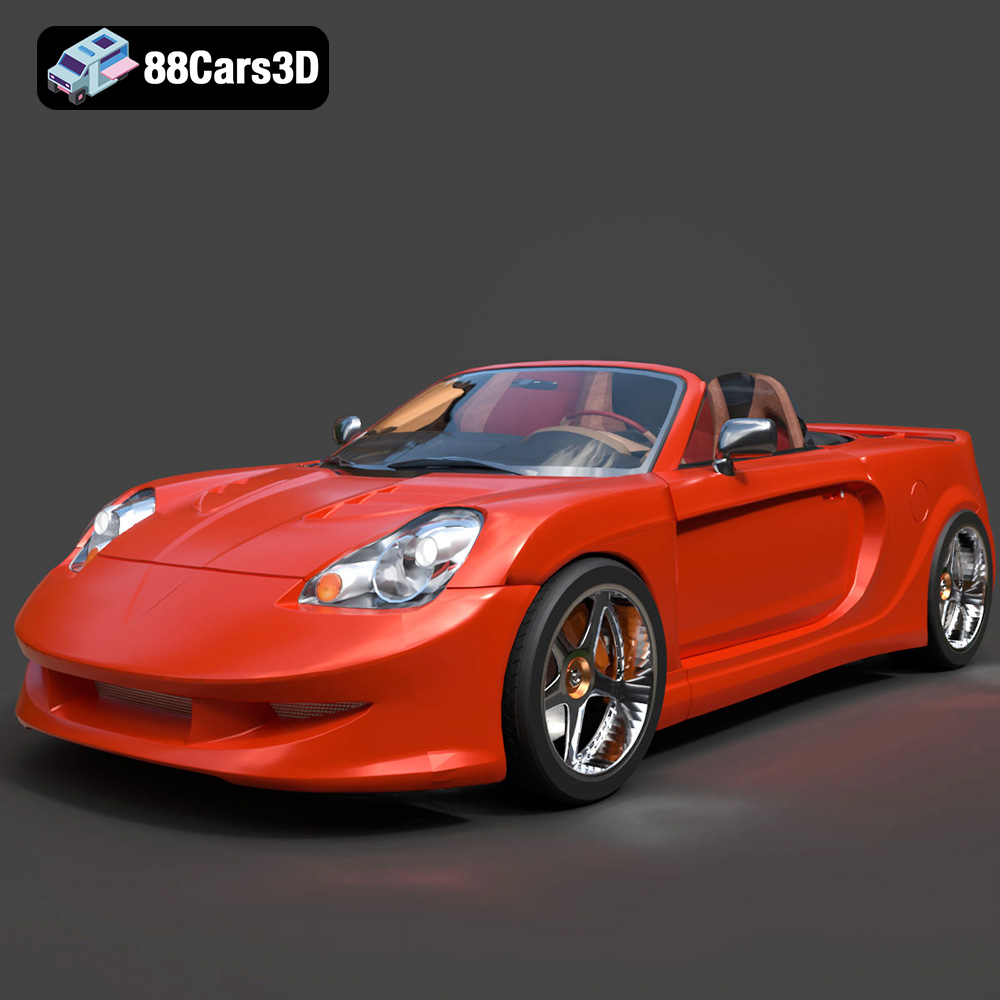
Texture: Yes
Material: Yes
Download the Toyota MRS-007 3D Model featuring clean geometry, realistic detailing, and a fully modeled interior. Includes .blend, .fbx, .obj, .glb, .stl, .ply, .unreal, and .max formats for rendering, simulation, and game development.
Price: $10

Texture: Yes
Material: Yes
Download the Porsche 911 Turbo S 2024 3D Model featuring clean geometry, realistic detailing, and a fully modeled interior. Includes .blend, .fbx, .obj, .glb, .stl, .ply, .unreal, and .max formats for rendering, simulation, and game development.
Price: $20

Texture: Yes
Material: Yes
Download the Pontiac Solstice 2009 3D Model featuring clean geometry, realistic detailing, and a fully modeled interior. Includes .blend, .fbx, .obj, .glb, .stl, .ply, .unreal, and .max formats for rendering, simulation, and game development.
Price: $10

Texture: Yes
Material: Yes
Download the Mini Cooper Countryman 2025 3D Model featuring clean geometry, realistic detailing, and a fully modeled interior. Includes .blend, .fbx, .obj, .glb, .stl, .ply, .unreal, and .max formats for rendering, simulation, and game development.
Price: $29.9
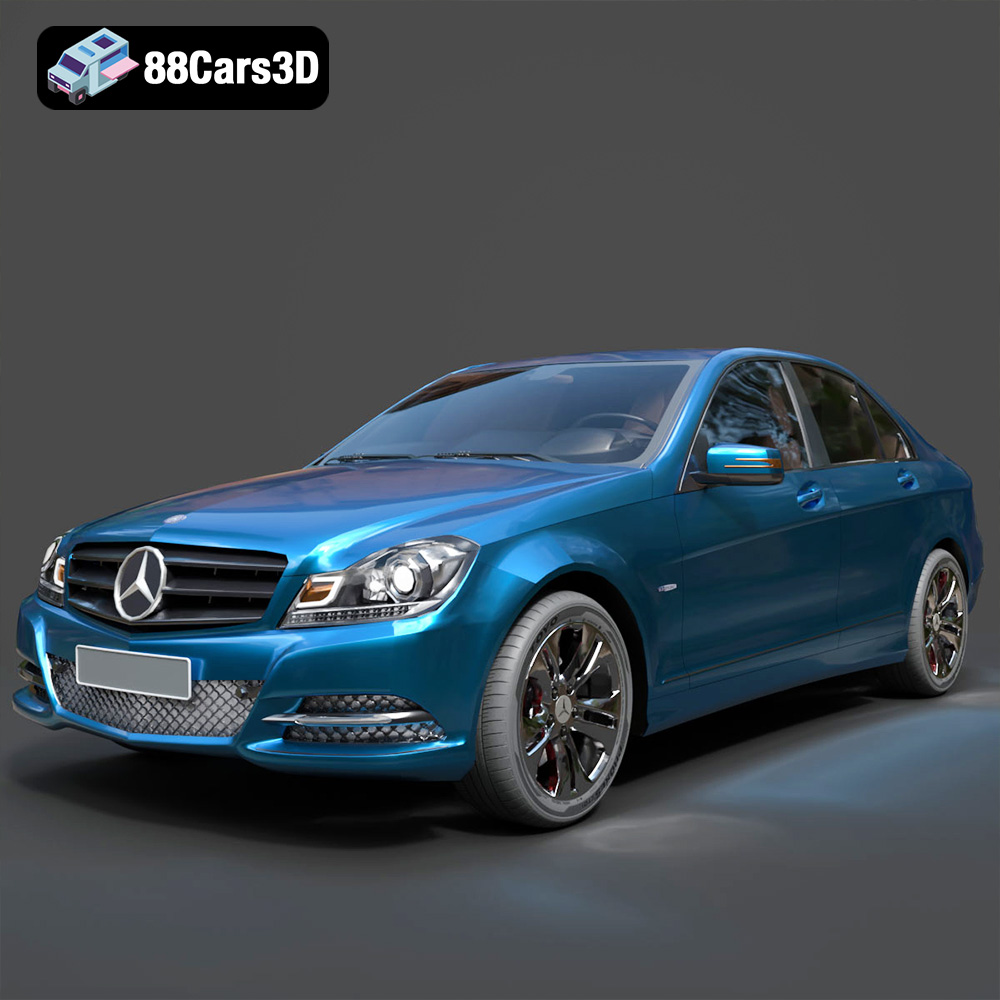
Texture: Yes
Material: Yes
Download the Mercedes C Classe 2012 3D Model featuring clean geometry, realistic detailing, and a fully modeled interior. Includes .blend, .fbx, .obj, .glb, .stl, .ply, .unreal, and .max formats for rendering, simulation, and game development.
Price: $19.9
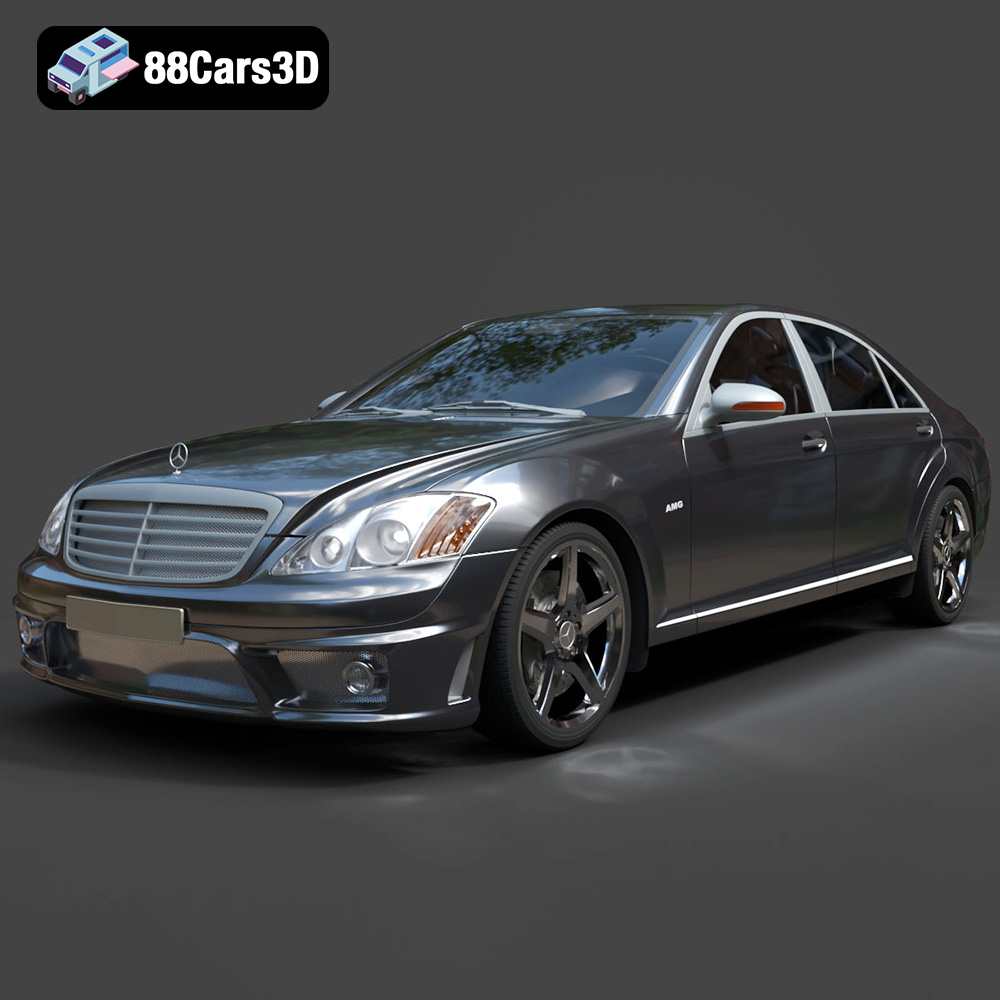
Texture: Yes
Material: Yes
Download the Mercedes-Benz S65 AMG 2018 3D Model featuring clean geometry, realistic detailing, and a fully modeled interior. Includes .blend, .fbx, .obj, .glb, .stl, .ply, .unreal, and .max formats for rendering, simulation, and game development.
Price: $19.9
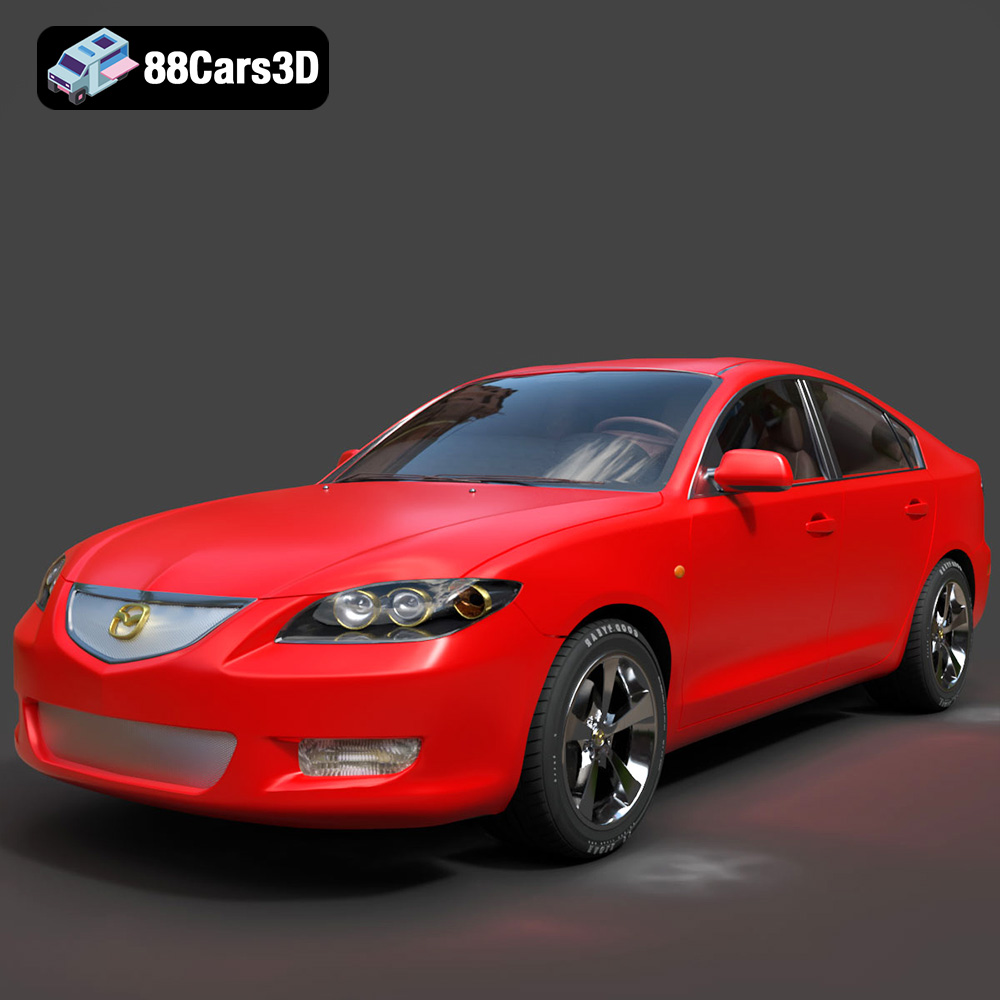
Texture: Yes
Material: Yes
Download the Mazda 3 Sedan 2004 3D Model featuring clean geometry, realistic detailing, and a fully modeled interior. Includes .blend, .fbx, .obj, .glb, .stl, .ply, .unreal, and .max formats for rendering, simulation, and game development.
Price: $10

Texture: Yes
Material: Yes
Download the Martin Rapide 2011 3D Model featuring clean geometry, realistic detailing, and a fully modeled interior. Includes .blend, .fbx, .obj, .glb, .stl, .ply, .unreal, and .max formats for rendering, simulation, and game development.
Price: $20.9
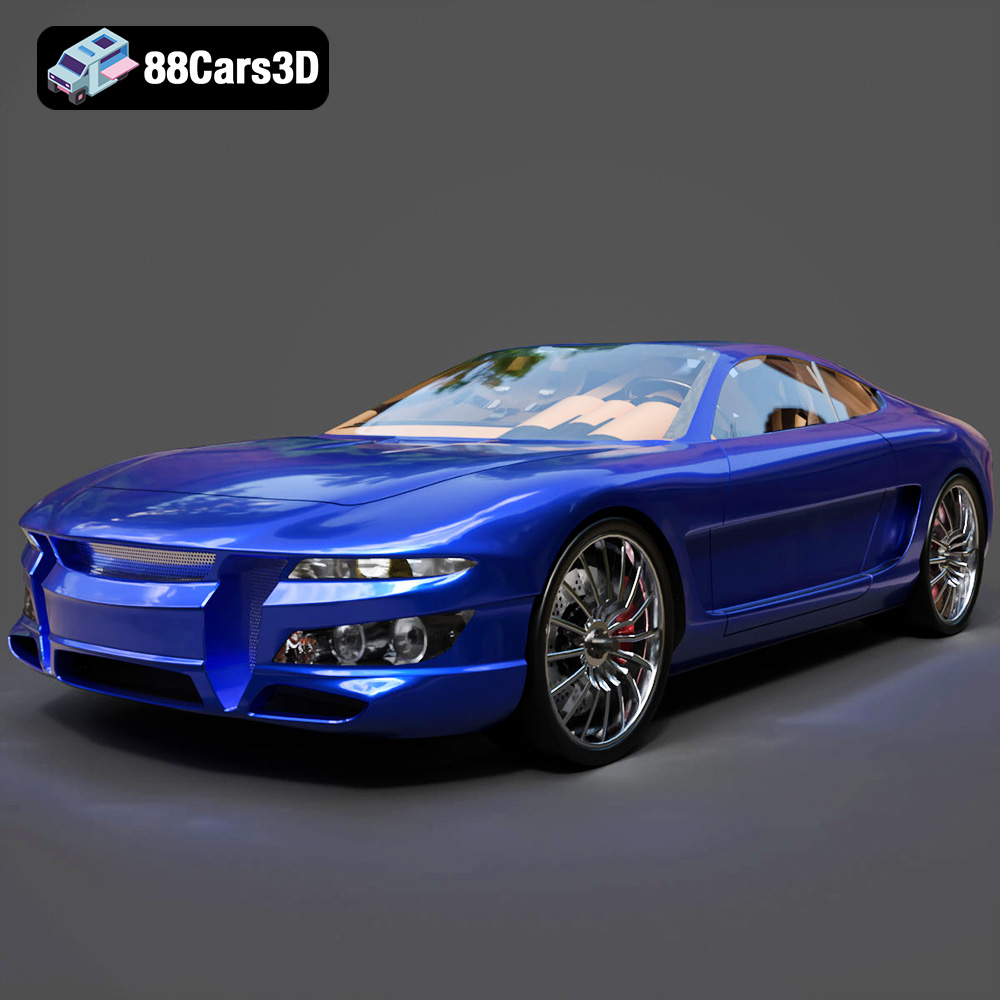
Texture: Yes
Material: Yes
Download the Car Tasergal 005 3D Model featuring clean geometry, realistic detailing, and a fully modeled interior. Includes .blend, .fbx, .obj, .glb, .stl, .ply, .unreal, and .max formats for rendering, simulation, and game development.
Price: $10
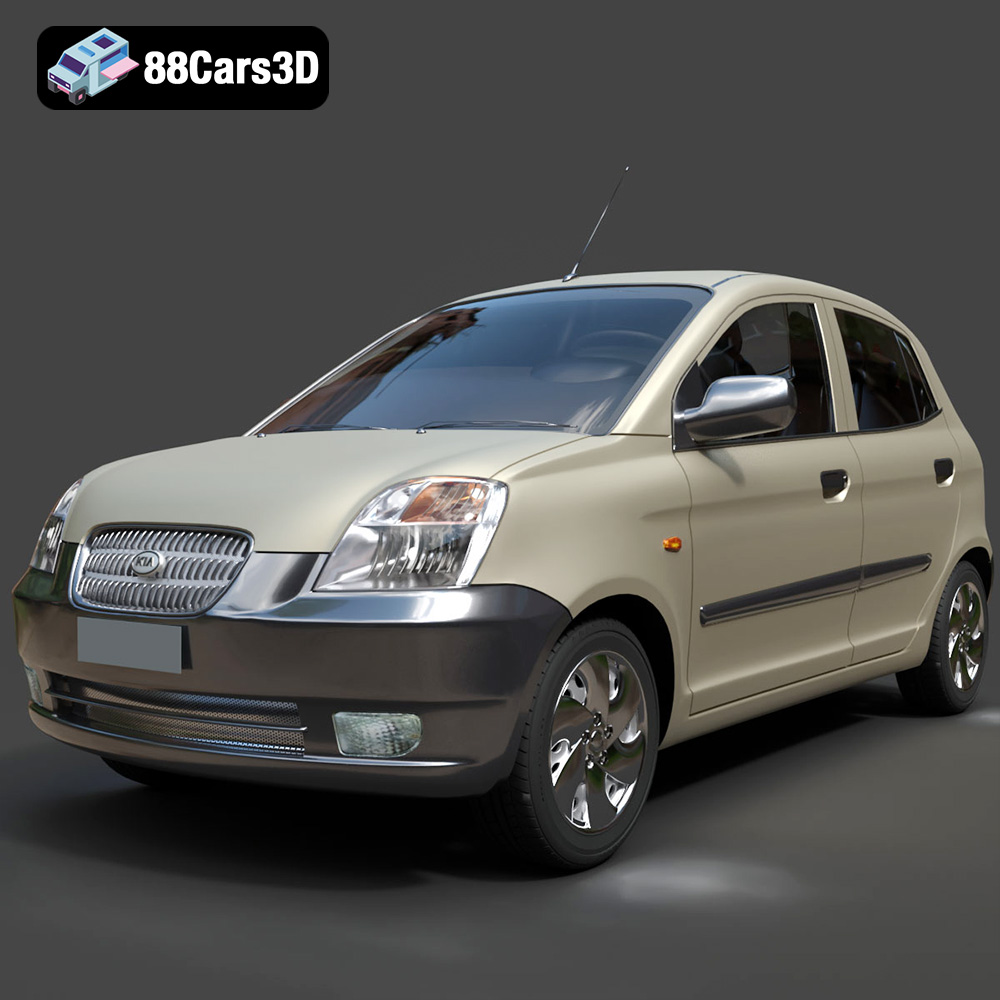
Texture: Yes
Material: Yes
Download the Kia Picanto 2024 3D Model featuring clean geometry, realistic detailing, and a fully modeled interior. Includes .blend, .fbx, .obj, .glb, .stl, .ply, .unreal, and .max formats for rendering, simulation, and game development.
Price: $15.99

