Get 50% OFF All Premium 3D & STL Models!

In the realm of automotive visualization, capturing a vehicle’s essence goes far beyond static renders. To truly immerse viewers and showcase a car’s design, performance, and presence, the environment in which it resides must be equally compelling and dynamic. This is where the power of dynamic weather systems in Unreal Engine comes into play. Imagine a sleek sports car, its paint glistening under a sudden downpour, or a rugged SUV kicking up snow on a treacherous mountain pass. These scenarios aren’t just visually stunning; they evoke emotion, tell a story, and significantly enhance the realism of any automotive project.
Unreal Engine, with its state-of-the-art rendering capabilities, robust material system, and powerful visual scripting, offers unparalleled tools for crafting lifelike environmental effects. For 3D artists, game developers, and automotive visualization professionals, mastering dynamic weather opens up a new dimension of creative control. From interactive configurators that allow users to see a car in various conditions to breathtaking cinematic sequences, the ability to transition seamlessly between sun, rain, and snow can elevate a project from impressive to unforgettable. This comprehensive guide will deep dive into the technical workflows, best practices, and advanced techniques for creating stunning dynamic weather systems in Unreal Engine, ensuring your automotive creations from platforms like 88cars3d.com shine in any environment.
Building a convincing dynamic weather system starts with understanding Unreal Engine’s core environmental components. These elements work in concert to simulate realistic skies, atmospheres, and lighting conditions, forming the canvas upon which our weather effects will be painted. A solid foundation ensures that rain looks wet, snow feels cold, and the overall scene reacts appropriately to atmospheric changes. When working with high-quality 3D car models, such as those optimized for Unreal Engine available on 88cars3d.com, ensuring a realistic environment is paramount to showcasing their fidelity.
The first step in any Unreal Engine project involving dynamic environments is to correctly set up your world. For realistic weather, you’ll primarily rely on a suite of actors working together. Begin by ensuring you have a Directional Light, which simulates the sun, and an Atmospheric Light, typically linked to the Directional Light, to provide the indirect illumination from the sky. These are fundamental for realistic outdoor lighting. Next, introduce a Sky Atmosphere component. This physically-based sky and atmosphere model realistically scatters sunlight and moonlight, producing stunning sky colors, haze, and twilight effects. Crucially, the Sky Atmosphere responds dynamically to changes in the sun’s position and atmospheric density, making it a cornerstone for transitioning between clear and cloudy conditions. For volumetric effects like clouds and fog, add Volumetric Clouds and an Exponential Height Fog actor. Volumetric Clouds, often driven by material-based textures and parameters, allow for highly customizable and performance-friendly cloud formations that can be manipulated in real-time. Exponential Height Fog adds a sense of depth and can be used to simulate mist, ground fog, or atmospheric haze, which are vital components of many weather scenarios. Remember to adjust their settings, such as density, start distance, and light scattering properties, to achieve the desired look for various weather types.
When developing large-scale automotive environments or open-world games where weather changes across vast distances, Unreal Engine’s World Partition system becomes indispensable. World Partition manages the streaming of world data, allowing you to create massive environments without exceeding memory limits. For dynamic weather, this means you can have localized weather patterns or seamless transitions over enormous areas. While a global weather system might affect the entire map, localized rain showers or fog patches can be implemented efficiently by placing weather-specific effects within streamed cells. For instance, a Niagara system for rain could be set to only activate within specific World Partition grids, optimizing performance by not rendering effects far from the player or camera. This is particularly useful for automotive visualizations where a car might be presented in different regional settings, each with its unique climate. Using Data Layers in conjunction with World Partition, you can even toggle different versions of environmental assets or lighting setups (e.g., a “dry” version of an environment versus a “wet” version) to further enhance scalability and control over weather effects across vast and detailed scenes, ensuring your high-poly 3D car models from 88cars3d.com perform optimally in any setting.
With the atmospheric foundation in place, the next crucial step is to introduce the actual precipitation: rain and snow. These effects are not merely visual overlays; they profoundly interact with the environment and, most importantly, with the 3D car models themselves. Achieving convincing rain and snow requires a combination of sophisticated particle systems and intelligent material work that reacts dynamically to the changing conditions.
Unreal Engine’s Niagara particle system is the tool of choice for creating highly realistic and performant rain and snow effects. Unlike older particle systems, Niagara offers unparalleled control, allowing artists to script custom behaviors, interact with collisions, and manage performance efficiently. For rain, you’ll typically set up a large, upward-emitting volume of GPU particles. GPU particles are crucial for performance when rendering millions of droplets. Key aspects to configure include:
For snow, the setup is similar but with softer, larger flakes and slower descent. Consider adding wind forces to simulate drifts and blizzards. The official Unreal Engine learning portal has excellent tutorials on Niagara, which are invaluable for these setups.
The true magic of dynamic weather lies in how surfaces react. A dry car suddenly becoming wet or covered in snow requires sophisticated material adjustments. For 3D car models from 88cars3d.com, which feature high-quality PBR materials, this involves blending different material properties based on the weather state.
Combining Niagara with these material responses creates a cohesive and believable dynamic weather experience, making the 3D car models look truly integrated into their environment.
Weather isn’t just about precipitation; it’s profoundly about light and atmosphere. A sunny day casting sharp shadows gives way to an overcast, diffused light during a storm, or a glowing, ethereal quality during snowfall. Unreal Engine’s advanced lighting systems, particularly Lumen, are instrumental in achieving these dramatic transformations, further enhancing the presentation of professional-grade automotive assets.
Unreal Engine 5’s Lumen Global Illumination and Reflections system is a game-changer for dynamic weather. Lumen provides real-time global illumination and reflections, meaning that as your environmental lighting changes due due to weather, the indirect lighting and reflections update instantly and realistically. For automotive visualization, this is incredibly powerful:
Ensuring your scene is set up correctly for Lumen, including proper mesh distance fields, is vital for achieving these stunning dynamic lighting effects.
The appearance of the sky is perhaps the most immediate indicator of weather change. Unreal Engine provides robust tools to dynamically control the Sky Atmosphere and Volumetric Clouds, allowing for seamless transitions from clear blue skies to heavy storm clouds.
For cinematic control, Sequencer allows you to keyframe these parameters with precision, creating perfectly timed and visually stunning weather transitions that highlight the realism of automotive designs. This level of dynamic interaction with the environment significantly enhances the presentation of high-fidelity 3D car models, providing context and emotional depth to visualizations.
While visual effects and material adjustments handle the aesthetics of weather, Blueprint visual scripting is the brain that orchestrates it all. It allows you to define weather states, manage transitions between them, and even provide interactive control, making your automotive scenes truly dynamic and responsive. Blueprints are fundamental to creating any interactive system in Unreal Engine, and weather is no exception.
A robust dynamic weather system often benefits from a state machine approach. This involves defining distinct weather states (e.g., Clear, Light Rain, Heavy Rain, Snow, Overcast) and creating rules for how transitions occur between them. A master Blueprint actor, perhaps named BP_WeatherController, can manage this logic:
E_WeatherState) with entries like Clear, LightRain, HeavyRain, Snow, Overcast.E_WeatherState to track the current weather.TransitionToRain(), TransitionToSnow(), TransitionToClear(). These functions would be responsible for:
By centralizing this logic in a single controller, you maintain a clean and manageable weather system, ensuring all elements from your 3D car models to environmental effects react cohesively. For more on Blueprint visual scripting, refer to the Unreal Engine learning resources.
For automotive configurators and interactive demos, users often expect to be able to change environmental conditions at will. Blueprinting allows you to expose weather parameters for direct manipulation, enhancing the user experience significantly. This is especially impactful when showcasing high-quality assets like those from 88cars3d.com, allowing potential customers to view a vehicle under various environmental stresses.
BP_WeatherController (or individual effect Blueprints), make key parameters ‘Instance Editable’. This allows you to adjust them directly in the editor’s Details panel or expose them to a UMG (Unreal Motion Graphics) UI. Examples include ‘Rain Intensity’, ‘Snow Depth’, ‘Cloudiness’, ‘Wind Speed’, ‘Wetness Factor’.BP_WeatherController, which then updates the relevant weather parameters. For example, a “Rain Intensity” slider would update the spawn rate of your Niagara rain system and the wetness factor in your materials.OnWeatherChanged(E_WeatherState NewState)), and any actor implementing that interface (e.g., your car Blueprint, ground material instances) can then react accordingly. This promotes modularity and scalability.This interactive control not only showcases the car in diverse conditions but also highlights the realism of the environment, making the entire presentation more engaging and memorable.
Dynamic weather, by its very nature, introduces a significant performance overhead due to numerous particle systems, complex materials, and dynamic lighting. For real-time applications like games, configurators, or virtual production, maintaining a high framerate is critical. Optimization strategies must be carefully applied, especially when rendering highly detailed 3D car models alongside complex environmental effects.
Managing the complexity of weather effects is crucial for performance. Just as 3D car models benefit from Level of Detail (LODs), so too do particle systems and material effects:
A balanced approach to visual fidelity and performance is key, ensuring the immersive experience isn’t marred by low framerates, especially when showcasing the intricate details of 3D car models from 88cars3d.com.
Unreal Engine 5’s groundbreaking features, Nanite and Virtual Shadow Maps (VSM), play a significant role in optimizing dynamic environments, even with complex weather interactions:
Leveraging Nanite and VSMs correctly helps maintain high visual quality and performance, even with a detailed environment and sophisticated dynamic weather systems, making your automotive visualizations truly next-gen.
Beyond creating basic weather effects, the true power of Unreal Engine’s dynamic weather systems shines in its advanced applications, pushing the boundaries of realism and interactivity for automotive projects. These applications range from crafting cinematic masterpieces to developing fully immersive, interactive experiences.
For automotive cinematics, the ability to art direct weather changes is paramount. Unreal Engine’s Sequencer tool provides granular control over every aspect of your dynamic weather system, allowing for stunning, narrative-driven environmental shifts.
By meticulously orchestrating these elements within Sequencer, you can create breathtaking automotive narratives where the environment plays as crucial a role as the vehicle itself, making your renders stand out in the competitive world of visualization.
Dynamic weather significantly enhances the utility and appeal of automotive configurators and AR/VR experiences. It allows users to visualize a 3D car model in diverse, interactive conditions, directly influencing purchase decisions or design reviews.
Even with optimizations, a well-implemented weather system in AR/VR can make a virtual car feel incredibly present and real, whether placed in a user’s driveway (AR) or explored in a fully immersive virtual environment (VR).
The rise of virtual production and LED wall stages offers another exciting application for dynamic weather. In these workflows, real-time Unreal Engine environments are projected onto massive LED screens, creating immersive backdrops for physical car props or actors. Dynamic weather on an LED wall elevates realism for in-camera visual effects:
These advanced applications demonstrate how comprehensive dynamic weather systems in Unreal Engine are not just visually appealing but also powerful tools for innovation across various industry sectors, cementing Unreal Engine’s role as a leader in real-time content creation.
Creating dynamic weather systems in Unreal Engine is a sophisticated but incredibly rewarding endeavor. It transforms static automotive scenes into living, breathing environments that tell a richer story and evoke deeper emotions. From the foundational setup of atmospheric components to the intricate dance of Niagara particles and PBR materials, every layer contributes to an unparalleled level of realism. By leveraging Unreal Engine’s cutting-edge features like Lumen, Nanite, and Sequencer, artists and developers can craft experiences that were once impossible in real-time.
The ability to dynamically shift from a clear sunny day to a torrential downpour or a serene snowfall isn’t just a visual trick; it’s a powerful tool for automotive visualization, interactive configurators, game development, and virtual production. It allows you to present 3D car models in their most authentic context, showcasing how their design, materials, and presence react to the world around them. Remember to always prioritize performance optimization, especially when working with high-fidelity assets. By meticulously planning your systems, leveraging Blueprint for intelligent control, and paying attention to detail in materials and lighting, you can unlock the full potential of dynamic weather.
We encourage you to experiment with these techniques and explore how dynamic weather can elevate your next project. When sourcing your foundational automotive assets, remember that platforms like 88cars3d.com offer high-quality, optimized 3D car models perfectly suited to take advantage of these advanced Unreal Engine capabilities, providing the ideal canvas for your dynamic environmental masterpieces. Dive in, get creative, and let your automotive visualizations truly come alive with the power of dynamic weather.
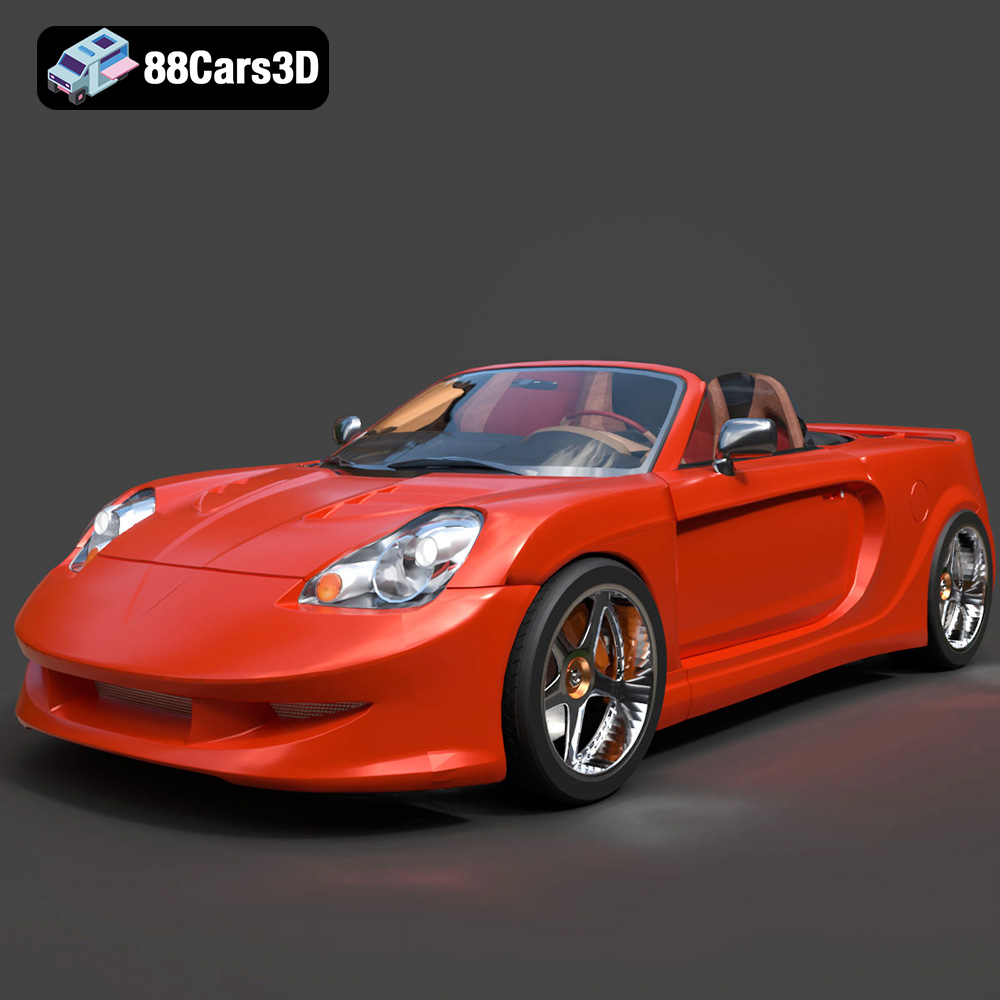
Texture: Yes
Material: Yes
Download the Toyota MRS-007 3D Model featuring clean geometry, realistic detailing, and a fully modeled interior. Includes .blend, .fbx, .obj, .glb, .stl, .ply, .unreal, and .max formats for rendering, simulation, and game development.
Price: $10

Texture: Yes
Material: Yes
Download the Porsche 911 Turbo S 2024 3D Model featuring clean geometry, realistic detailing, and a fully modeled interior. Includes .blend, .fbx, .obj, .glb, .stl, .ply, .unreal, and .max formats for rendering, simulation, and game development.
Price: $20

Texture: Yes
Material: Yes
Download the Pontiac Solstice 2009 3D Model featuring clean geometry, realistic detailing, and a fully modeled interior. Includes .blend, .fbx, .obj, .glb, .stl, .ply, .unreal, and .max formats for rendering, simulation, and game development.
Price: $10

Texture: Yes
Material: Yes
Download the Mini Cooper Countryman 2025 3D Model featuring clean geometry, realistic detailing, and a fully modeled interior. Includes .blend, .fbx, .obj, .glb, .stl, .ply, .unreal, and .max formats for rendering, simulation, and game development.
Price: $29.9
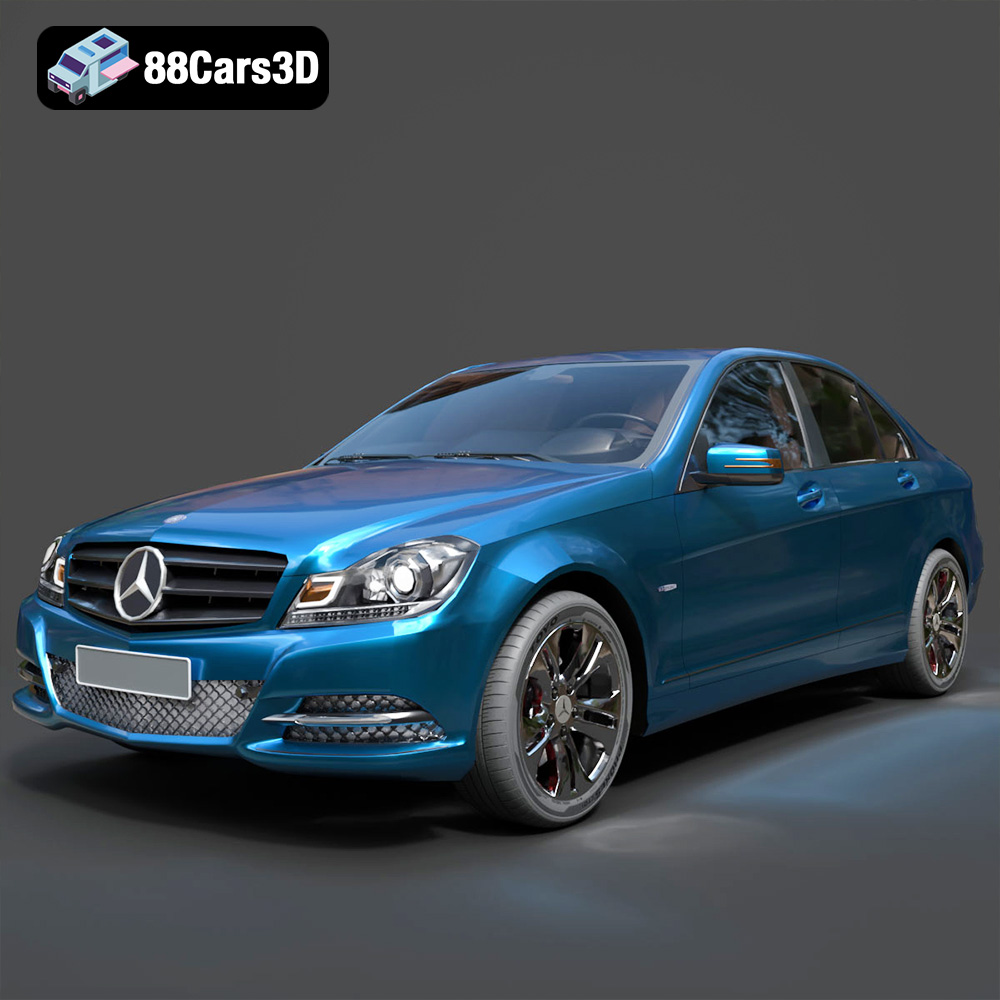
Texture: Yes
Material: Yes
Download the Mercedes C Classe 2012 3D Model featuring clean geometry, realistic detailing, and a fully modeled interior. Includes .blend, .fbx, .obj, .glb, .stl, .ply, .unreal, and .max formats for rendering, simulation, and game development.
Price: $19.9
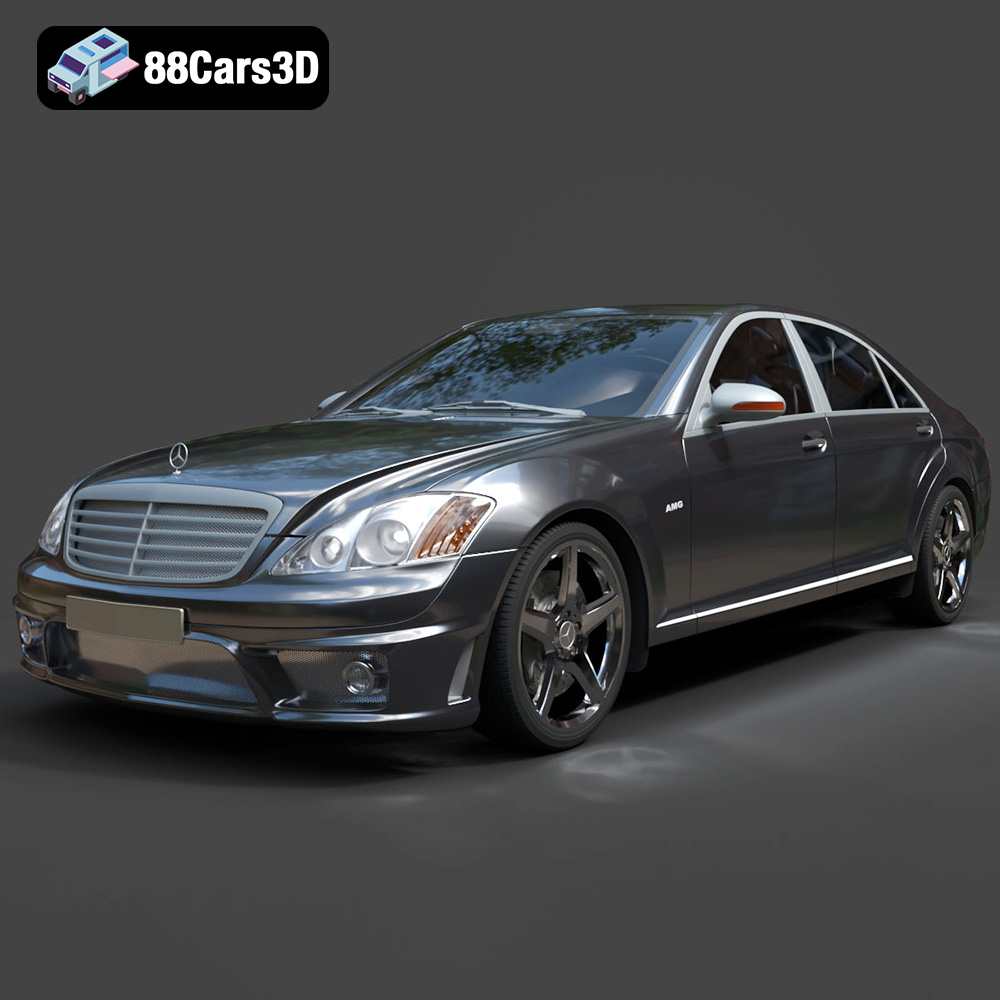
Texture: Yes
Material: Yes
Download the Mercedes-Benz S65 AMG 2018 3D Model featuring clean geometry, realistic detailing, and a fully modeled interior. Includes .blend, .fbx, .obj, .glb, .stl, .ply, .unreal, and .max formats for rendering, simulation, and game development.
Price: $19.9
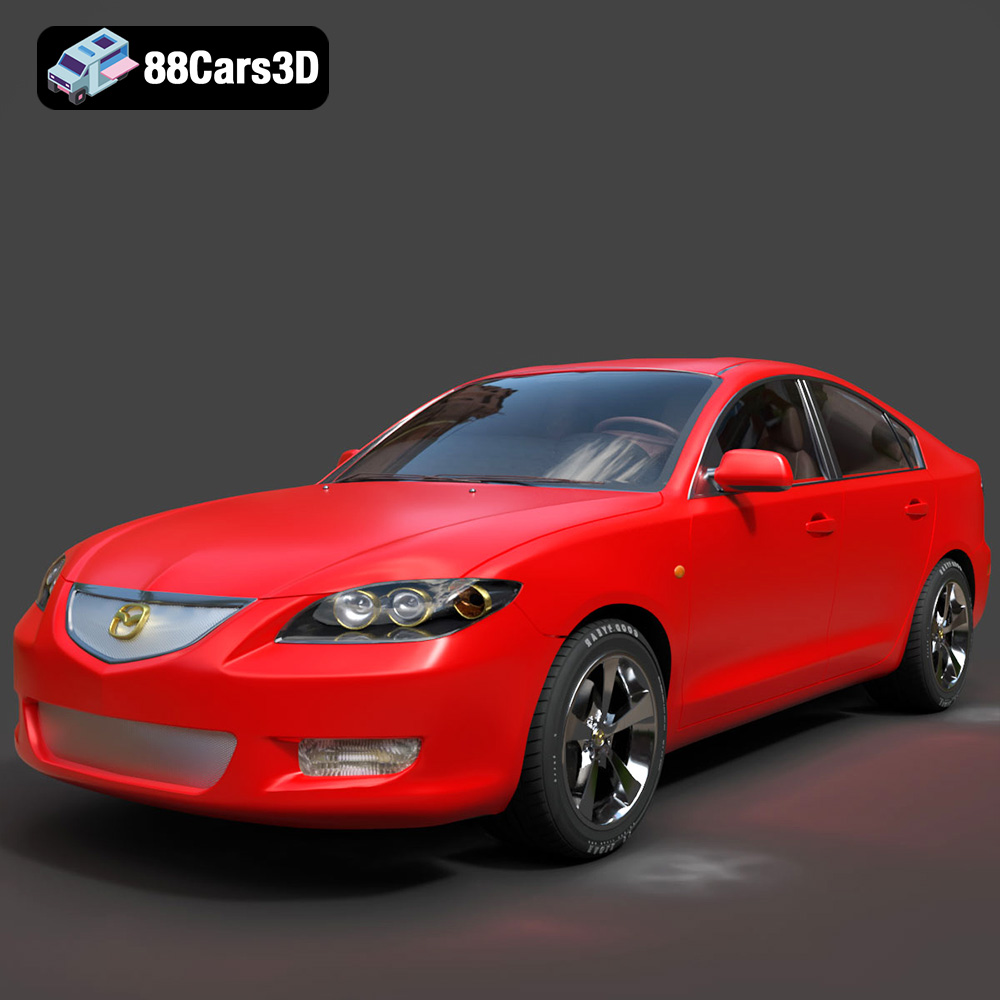
Texture: Yes
Material: Yes
Download the Mazda 3 Sedan 2004 3D Model featuring clean geometry, realistic detailing, and a fully modeled interior. Includes .blend, .fbx, .obj, .glb, .stl, .ply, .unreal, and .max formats for rendering, simulation, and game development.
Price: $10

Texture: Yes
Material: Yes
Download the Martin Rapide 2011 3D Model featuring clean geometry, realistic detailing, and a fully modeled interior. Includes .blend, .fbx, .obj, .glb, .stl, .ply, .unreal, and .max formats for rendering, simulation, and game development.
Price: $20.9
Texture: Yes
Material: Yes
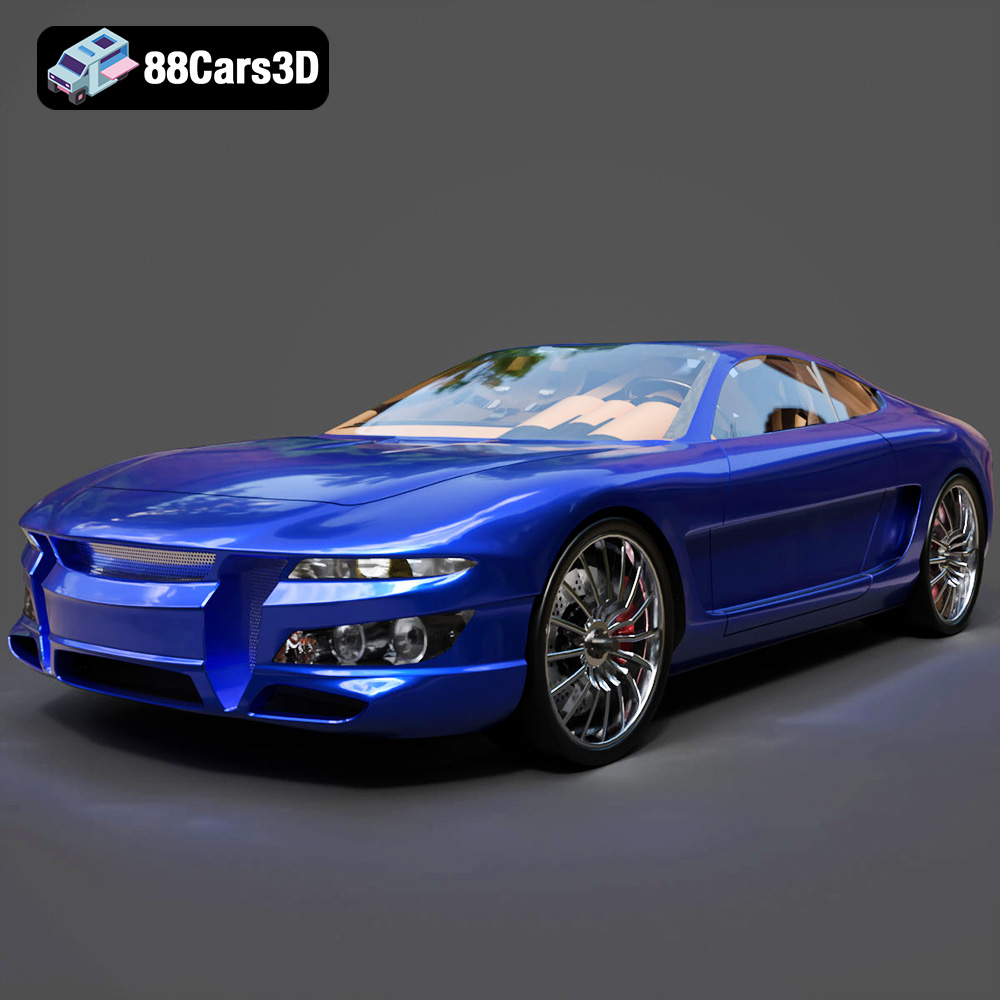
Download the Car Tasergal 005 3D Model featuring clean geometry, realistic detailing, and a fully modeled interior. Includes .blend, .fbx, .obj, .glb, .stl, .ply, .unreal, and .max formats for rendering, simulation, and game development.
Price: $10
Texture: Yes
Material: Yes
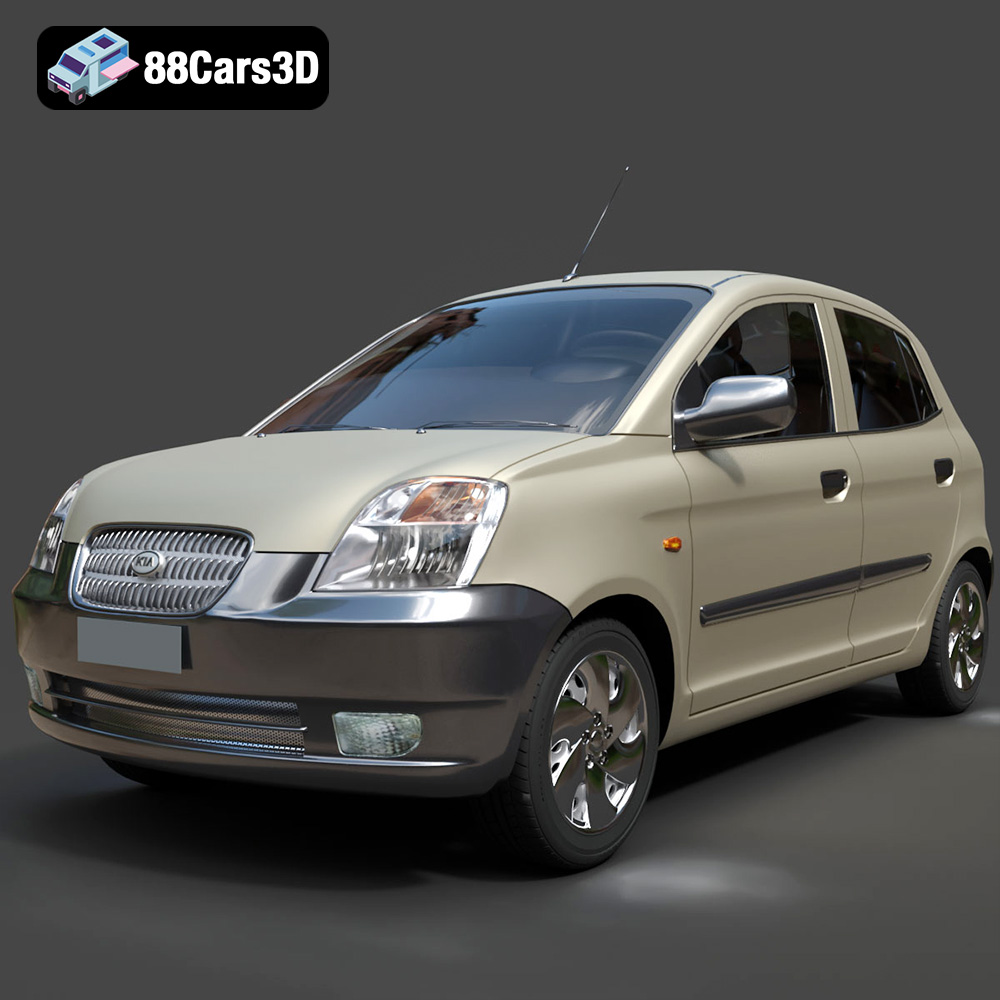
Download the Kia Picanto 2024 3D Model featuring clean geometry, realistic detailing, and a fully modeled interior. Includes .blend, .fbx, .obj, .glb, .stl, .ply, .unreal, and .max formats for rendering, simulation, and game development.
Price: $15.99

