Get 50% OFF All Premium 3D & STL Models!

Welcome to the exciting world of 3D printing automotive masterpieces! At 88cars3d.com, we provide you with meticulously crafted printable car models in STL file format, designed to bring your passion for cars to life. But acquiring a fantastic model is just the first step. The real magic happens in the preparation phase, where you transform a digital design into a tangible, high-quality print. This guide is your comprehensive walkthrough, taking you from raw STL files to flawless prints, covering everything from understanding mesh topology and slicing intricacies to mastering support structures and post-processing. Whether you’re using FDM or resin printing, we’ll equip you with the knowledge and techniques to achieve professional results, ensuring that every model you print, whether it’s a sleek supercar or a rugged off-roader from our collection, stands out.
We’ll delve into the technical nuances of 3D printer settings, explore the best practices for slicing, troubleshoot common printing failures, and discuss material selection. By the end of this article, you’ll be confident in your ability to prepare any STL file, including those downloaded from platforms like 88cars3d.com, for printing success. Get ready to unlock the full potential of your 3D printer and create stunning automotive replicas!
The foundation of any 3D print lies in its STL file format. STL, which stands for Stereolithography or Standard Tessellation Language, describes the surface geometry of a 3D object using a collection of triangular facets. It’s the de facto standard for 3D printing, understood by virtually all slicer software. However, not all STL files are created equal. For successful printing, especially with complex models like those found at 88cars3d.com, understanding the underlying mesh topology is crucial.
A “watertight” or manifold mesh is essential. This means the mesh has no holes, gaps, or internal faces, forming a closed volume that the slicer can interpret as a solid object. Non-manifold geometry can lead to slicing errors, missing sections in your print, or unpredictable behavior. Think of it like trying to fill a bucket with water that has holes in it – the water won’t stay contained. Similarly, a non-manifold mesh cannot be reliably filled and extruded by your printer.
Before sending any STL file to your slicer, it’s good practice to check its integrity. Software like Meshmixer (free) or Netfabb (paid) are excellent tools for this. They can automatically detect and often repair common issues like non-manifold edges, holes, and inverted normals.
For models purchased from reputable sources like 88cars3d.com, the STL files are generally pre-checked and repaired, but it’s always a good habit to run a quick diagnostic, especially if you encounter printing problems. Sometimes, even a perfectly manifold mesh might have extremely thin walls that are not printable on your specific machine.
Car models, in particular, often feature intricate details like panel gaps, spoilers, and mirrors. While high detail is desirable, it must be balanced with printability. Extremely thin elements can easily break off during printing or post-processing, or may not even be resolvable by your printer’s nozzle or laser. Wall thickness is a critical parameter.
When downloading models from marketplaces such as 88cars3d.com, look for descriptions that mention printability optimizations. Our models are designed with these factors in mind to provide the best possible printing experience.
The slicer is the bridge between your 3D model and your 3D printer. Software like Cura, PrusaSlicer, or Simplify3D takes your STL file and “slices” it into hundreds or thousands of horizontal layers, generating the G-code commands that tell your printer exactly where to move, how fast, and how much material to extrude or cure. Choosing the right 3D printer settings within your slicer is paramount for print quality.
The goal of slicing is to create a toolpath that is efficient, accurate, and results in a strong, aesthetically pleasing print. This involves balancing various parameters, and it often requires experimentation to find the perfect settings for a specific printer, material, and model. For detailed automotive models, precision is key, and small adjustments can make a big difference in the final outcome.
Layer height determines the thickness of each individual layer deposited by the printer. It’s one of the most significant factors influencing both print quality and print time.
For car models from 88cars3d.com, especially those with intricate bodywork, aiming for a layer height between 0.1mm and 0.15mm on FDM printers will yield excellent results. On resin printers, 0.05mm or lower is recommended for maximum detail.
Infill refers to the internal support structure printed inside the model’s outer shell (perimeters/walls). It affects the model’s strength, weight, material consumption, and print time.
When preparing models from 88cars3d.com, focus on achieving a smooth exterior. Ensure you have enough top layers so the infill pattern doesn’t show through on the top surfaces.
One of the biggest challenges in 3D printing is dealing with overhangs and bridges – sections of the model that extend horizontally without direct support from the layer below. Without adequate support, these sections can droop, sag, or fail entirely. Generating and removing support structures effectively is a critical skill for printing complex models like cars.
Most slicers offer various support generation options, from automatic placement to manual support. The key is to add just enough support to hold up overhangs without making removal a nightmare or damaging the model’s surface. The best approach often involves a combination of slicer settings and manual adjustments.
Slicers typically offer different types of supports:
For car models, consider the orientation. Printing a car upright often requires extensive supports for the undercarriage, wheel wells, and spoilers. Sometimes, splitting a model into parts (if the source allows or provides) and printing them separately, then assembling, can drastically reduce the need for supports.
Even with the best settings, support removal requires care. The goal is to remove the support material cleanly without damaging the delicate details of your printed car model.
Platforms like 88cars3d.com often provide models with thoughtful design choices that minimize difficult-to-remove supports. Always check the model’s description for recommendations on orientation and supports.
How you orient your printable car model on the print bed is one of the most critical decisions you’ll make. It impacts everything from the required amount of support material and its placement, to the strength of the final print and the quality of the surface finish. Proper bed adhesion ensures that your print successfully starts and stays attached to the build plate throughout the entire printing process.
For automotive models, the goal is usually to minimize visible layer lines on the main body panels and ensure structural integrity. This often means orienting the model so that critical surfaces are either facing upwards or are printed with minimal overhangs.
Consider these factors when deciding on orientation:
For intricate car models, sometimes printing them in multiple parts and assembling them later provides the best results, allowing each part to be oriented optimally for its specific geometry.
Poor bed adhesion is a leading cause of print failure. Here’s how to ensure your print sticks:
Finding the right balance of these settings for your specific printer and material is key to consistent, successful prints of your automotive models.
The material you choose and the techniques you employ after printing are just as important as the preparation itself. They significantly influence the final look, feel, and durability of your 3D printed car models.
From the raw filament extruded by your printer to the smooth, painted finish ready for display, each step contributes to the overall quality. Understanding the properties of different materials and mastering post-processing techniques will elevate your prints from mere plastic objects to impressive scale models.
The type of 3D printer (FDM or resin) dictates the available materials, each with its pros and cons.
For the intricate details found in car models from 88cars3d.com, resin printers often provide the most stunning results. If using FDM, PLA in a light or metallic color is often a great starting point.
Once your model is printed and supports are removed, the real transformation into a showpiece begins with post-processing.
Take your time with post-processing; it’s where a good print becomes a great model. Many enthusiasts find this stage just as rewarding as the printing itself.
Mastering the art of preparing 3D models for printing is a journey of understanding, experimentation, and patience. From ensuring your STL files are manifold and print-ready, to meticulously configuring your slicer settings for optimal layer height, infill, and support structures, every step plays a vital role in the final outcome. The choices you make regarding print orientation and bed adhesion directly impact the success and quality of your print, laying the groundwork for the intricate details of your automotive replicas.
We’ve explored the trade-offs between detail and print time, the necessity of effective support strategies, and the importance of material selection. Furthermore, we’ve highlighted how essential post-processing techniques like sanding, filling, and painting are in transforming a raw print into a polished masterpiece worthy of any collection. Whether you’re using FDM printing or diving into the world of resin printing, these principles apply. Remember, platforms like 88cars3d.com offer high-quality, print-ready printable car models, but the final success rests on your preparation and printing skills. Embrace the process, learn from each print, and enjoy bringing these incredible machines to life right on your desktop. Happy printing!

Meta Description:
Texture: Yes
Material: Yes
Download the Cadillac CTS-V Coupe 3D Model featuring detailed exterior styling and realistic interior structure. Includes .blend, .fbx, .obj, .glb, .stl, .ply, .unreal, and .max formats for rendering, simulation, AR VR, and game development.
Price: $13.9

Texture: Yes
Material: Yes
Download the Buick LeSabre 1998 3D Model featuring a classic American full-size sedan design. Includes .blend, .fbx, .obj, .glb, .stl, .ply, .unreal, and .max formats for rendering, simulation, and game development.
Price: $10.79
Texture: Yes
Material: Yes
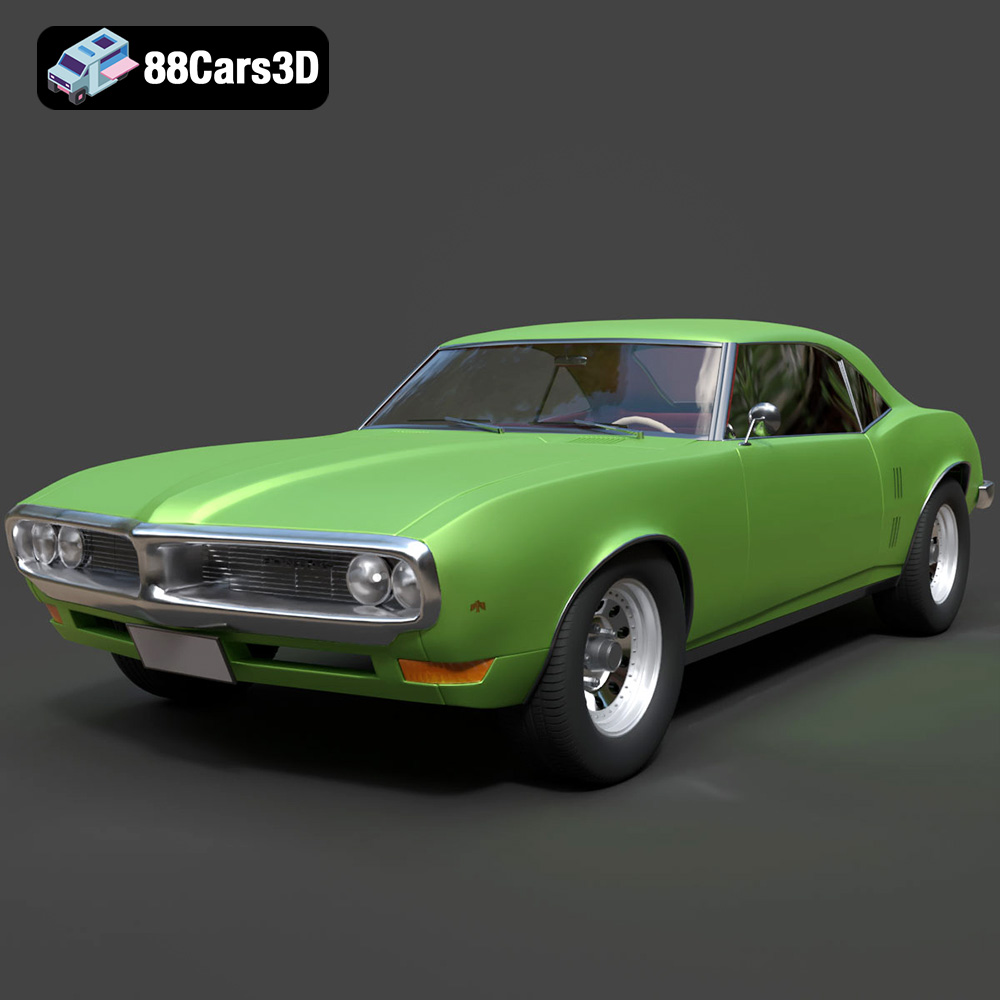
Download the Pontiac Firebird 1998 3D Model featuring clean geometry, realistic detailing, and a fully modeled interior. Includes .blend, .fbx, .obj, .glb, .stl, .ply, .unreal, and .max formats for rendering, simulation, and game development.
Price: $10

Texture: Yes
Material: Yes
Download the Opel Astra 2008 3D Model featuring clean geometry, realistic detailing, and a fully modeled interior. Includes .blend, .fbx, .obj, .glb, .stl, .ply, .unreal, and .max formats for rendering, simulation, and game development.
Price: $10

Texture: Yes
Material: Yes
Download the Mercedes Benz Joaquin-007 3D Model featuring clean geometry, realistic detailing, and a fully modeled interior. Includes .blend, .fbx, .obj, .glb, .stl, .ply, .unreal, and .max formats for rendering, simulation, and game development.
Price: $19.99
Texture: Yes
Material: Yes
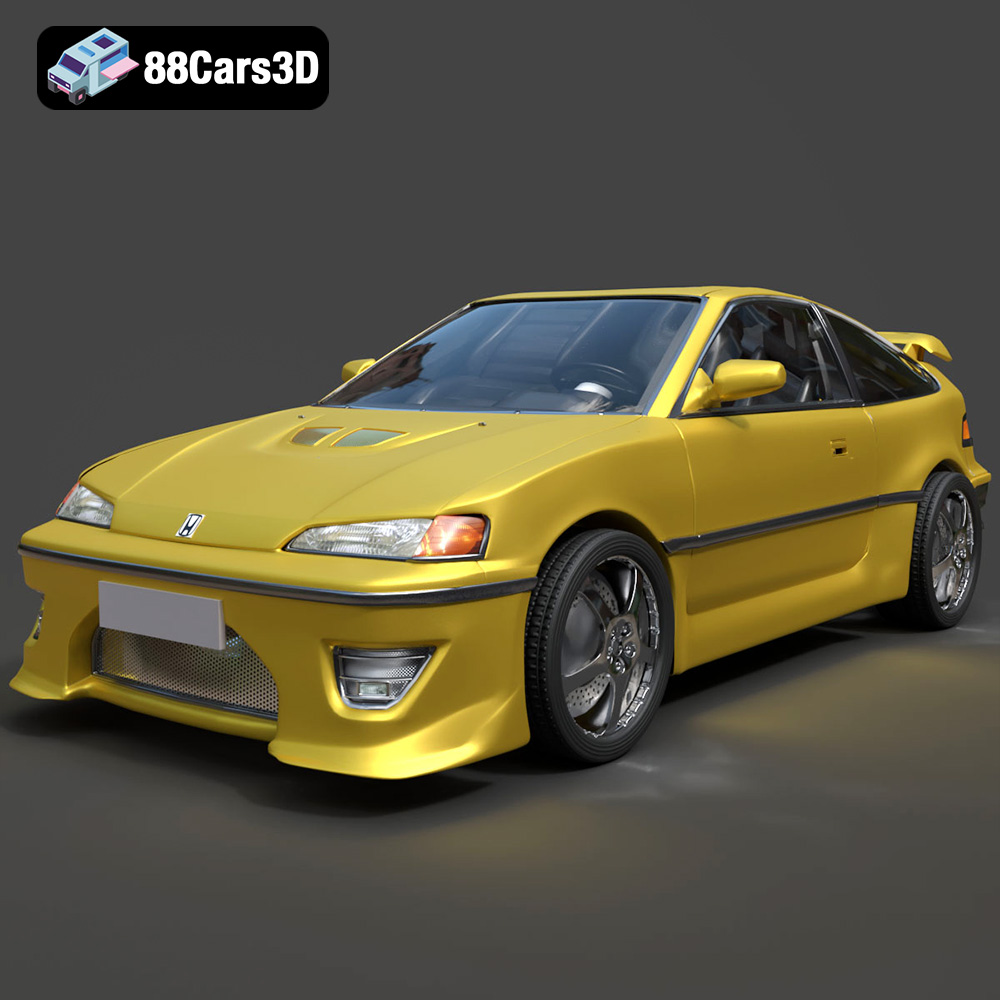
Download the Honda CRX 1980 3D Model featuring clean geometry, realistic detailing, and a fully modeled interior. Includes .blend, .fbx, .obj, .glb, .stl, .ply, .unreal, and .max formats for rendering, simulation, and game development.
Price: $11.99
Texture: Yes
Material: Yes
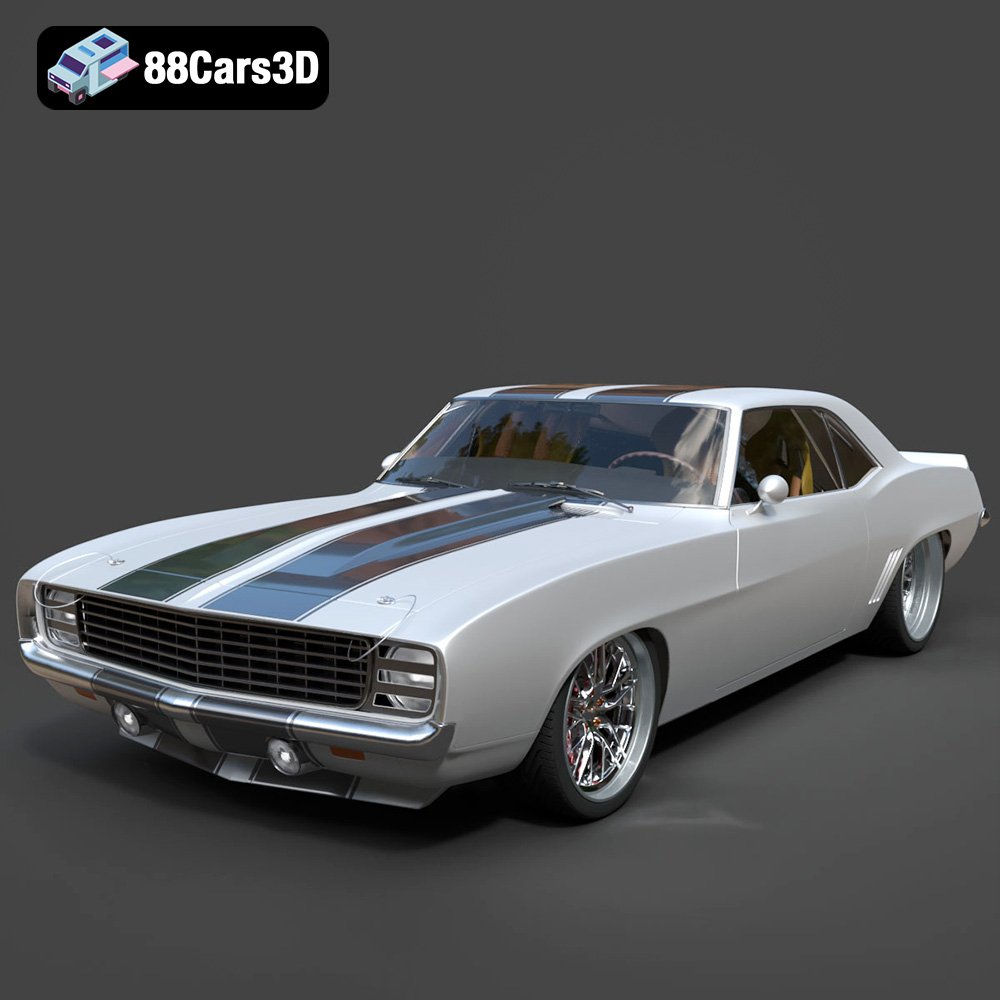
Download the Chevrolet Camaro 69 Pro-007 3D Model featuring classic muscle car design and custom performance aesthetics. Includes .blend, .fbx, .obj, .glb, .stl, .ply, .unreal, and .max formats for rendering, simulation, and game development.
Price: $20.79

Texture: Yes
Material: Yes
Download the Honda Fit 2008 3D Model featuring a compact, versatile design with detailed exterior and interior components. Includes .blend, .fbx, .obj, .glb, .stl, .ply, .unreal, and .max formats for rendering, simulation, and game development.
Price: $10.79
Texture: Yes
Material: Yes
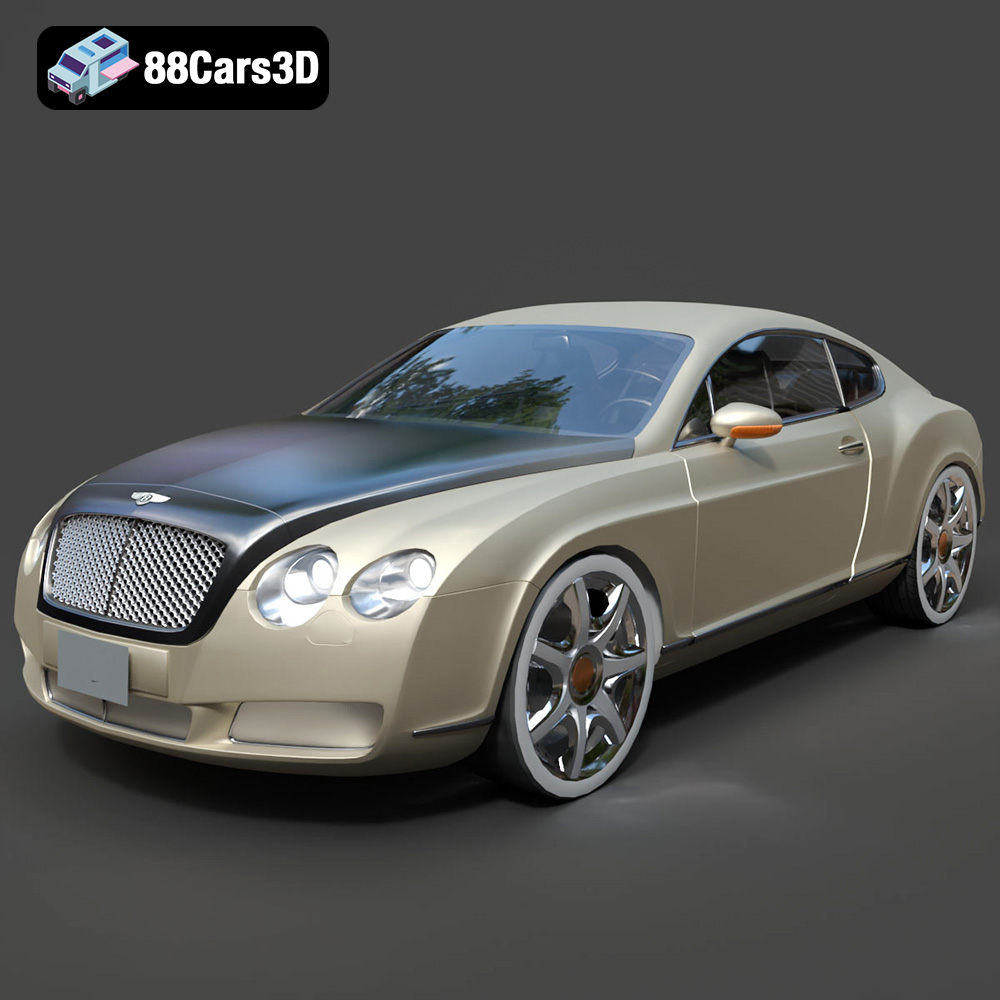
Download the Bentley Continental GT-002 3D Model featuring a luxurious grand touring design and high-quality details. Includes .blend, .fbx, .obj, .glb, .stl, .ply, .unreal, and .max formats for rendering, simulation, and game development.
Price: $20.79

Texture: Yes
Material: Yes
Download the Audi R8 2006 3D Model featuring a sleek sports car design with detailed exterior and interior. Includes .blend, .fbx, .obj, .glb, .stl, .ply, .unreal, and .max formats for rendering, simulation, and game development.
Price: $20.79

