Get 50% OFF All Premium 3D & STL Models!

“`html
In the intricate world of 3D modeling, particularly when crafting photo-realistic vehicles, the journey from raw geometry to a visually stunning render or optimized game asset is paved with meticulous details. Among these, UV mapping stands as a critical, yet often underestimated, discipline. It’s the art and science of flattening your 3D model’s surfaces into a 2D space, creating a canvas upon which your textures will be painted. For complex objects like cars, with their sleek curves, sharp edges, and myriad of separate components, a well-executed UV map is not just a preference—it’s a necessity for achieving flawless PBR materials, seamless decals, and optimal performance across various applications, from high-fidelity automotive rendering to demanding real-time game development and interactive AR/VR experiences.
Without proper UVs, even the most exquisitely modeled 3D car models will fall flat, exhibiting stretching, distortion, or pixelation in their textures. This comprehensive guide will delve deep into advanced UV mapping techniques specifically tailored for automotive models, ensuring that your creations from platforms like 88cars3d.com look impeccable and perform efficiently, no matter the final destination. We’ll explore everything from foundational topology considerations to advanced software-specific workflows, PBR material integration, and critical optimization strategies for game engines and AR/VR.
Before even beginning the unwrapping process, a fundamental understanding of your 3D car model’s topology is crucial. Clean, efficient geometry with proper edge flow directly translates to easier and more effective UV mapping. Automotive models are characterized by smooth, reflective surfaces, demanding consistent polygon distribution to avoid shading artifacts and simplify the unwrapping of large, curved panels.
Ideal automotive topology primarily consists of quadrangles (quads). Quads are generally more predictable when subdivided and deform better during animation or subtle adjustments. More importantly for UVs, a good quad-based mesh allows for cleaner, more logical edge loops that can serve as natural seams for unwrapping. Poor topology, rife with N-gons (faces with more than four vertices) or triangles in flat, non-deforming areas, can lead to unpredictable UV stretching and difficulty in defining clear UV islands. Maintaining an even distribution of polygons, especially on large panels like the hood, doors, and roof, helps prevent texture density inconsistencies, ensuring that paintwork or carbon fiber patterns scale uniformly across the vehicle. This attention to detail in topology is a hallmark of the high-quality 3D car models found on marketplaces such as 88cars3d.com.
The primary goal when unwrapping a car body is to minimize seams while maximizing texture space efficiency and maintaining low distortion. This is a delicate balance, as every seam is a potential point of texture discontinuity. Strategically placed seams, however, are unavoidable and necessary.
For the main car body, the key is to place seams in less visible areas or where there are natural breaks in the geometry. Think of it like tailoring a suit: you want the stitches to be hidden or follow existing lines. Common seam placements include:
In Blender, you can select edges in Edit Mode and mark them as seams (Ctrl+E > Mark Seam). The official Blender 4.4 documentation on UV unwrapping seams provides further details on this fundamental step.
Modern 3D software offers a variety of unwrapping tools. While automatic methods are quick, they rarely yield optimal results for complex car surfaces without manual refinement.
Beyond the main body, a car is composed of many smaller, intricate parts that demand specialized UV mapping approaches.
These components often require precise UVs due to their complex geometry and the need for layered textures (e.g., clear glass, reflective chrome, and emissive elements). It’s common to use multiple UV maps:
The car’s interior is a maze of small, often repetitive components like buttons, vents, stitching, and fabric patterns. Effective UV mapping here involves a mix of unique unwraps, tiling textures, and texture atlases.
Physically Based Rendering (PBR) relies heavily on accurate UVs to project realistic surface properties. The quality of your UV map directly influences how materials like metallic paint, rough plastic, or clear glass appear.
One of the most crucial aspects of PBR texturing is maintaining a consistent texel density across the entire model. Texel density refers to the number of pixels per unit of 3D space. If parts of your model have widely varying texel densities, some textures will appear sharp and detailed, while others will look blurry or pixelated when rendered together. Use a checker map overlay in your UV editor (available in most 3D software, including Blender’s UV Editor) to visualize and adjust texel density. Adjusting the scale of UV islands ensures uniformity.
Once your UVs are finalized, baking maps is an essential step for PBR workflows, especially for game assets. These maps capture geometric details and lighting information into textures that can then be applied to lower-polygon models.
For advanced rendering, you might utilize multiple UV sets on a single object. For example:
In real-time applications, every bit of optimization counts. Efficient UV mapping can drastically improve performance by reducing draw calls and memory usage.
After unwrapping, arrange your UV islands efficiently within the 0-1 UV space. This is known as UV packing. The goal is to maximize the used area and minimize empty space while leaving adequate padding between islands to prevent bleeding when mipmaps are generated.
Level of Detail (LOD) systems are critical for performance in games and AR/VR. Your UV strategy should account for this:
The texture resolution you choose is directly linked to your UV layout and target platform. For high-quality renders, 4K (4096×4096) or even 8K textures are common. For game assets or AR/VR, resolutions like 2K (2048×2048) or 1K (1024×1024) are more typical, with hero assets potentially using 4K. Balance visual fidelity with performance. Overlapping UVs can be used for mirrored parts (e.g., symmetrical car sides), saving texture space, but care must be taken to avoid visible repetition if the texture has unique details. Generally, models from 88cars3d.com are provided with optimized UVs suitable for various applications.
Even seasoned artists encounter challenges with UV mapping. Knowing how to diagnose and fix common problems is a valuable skill.
UV mapping is an art form in itself, a crucial bridge between your 3D model and its final textured appearance. For complex automotive models, the stakes are even higher, as pristine surfaces and intricate details demand nothing less than a masterfully crafted UV layout. By adhering to principles of clean topology, employing strategic seam placement, utilizing both fundamental and advanced unwrapping techniques, and understanding the demands of PBR materials and real-time optimization, you can elevate your 3D car models from good to truly exceptional.
Whether you’re creating breathtaking visualizations, high-performance game assets, or immersive AR/VR experiences, investing time in proper UV mapping will pay dividends in visual quality and project efficiency. Remember, platforms like 88cars3d.com provide a fantastic resource for pre-built, high-quality 3D car models that often come with meticulously prepared UVs, saving you valuable production time. However, understanding these underlying principles empowers you to modify, optimize, and troubleshoot any model, ensuring your automotive visions are always rendered in their best light. Embrace the challenge of UV mapping, and unlock the full potential of your 3D car creations.
“`
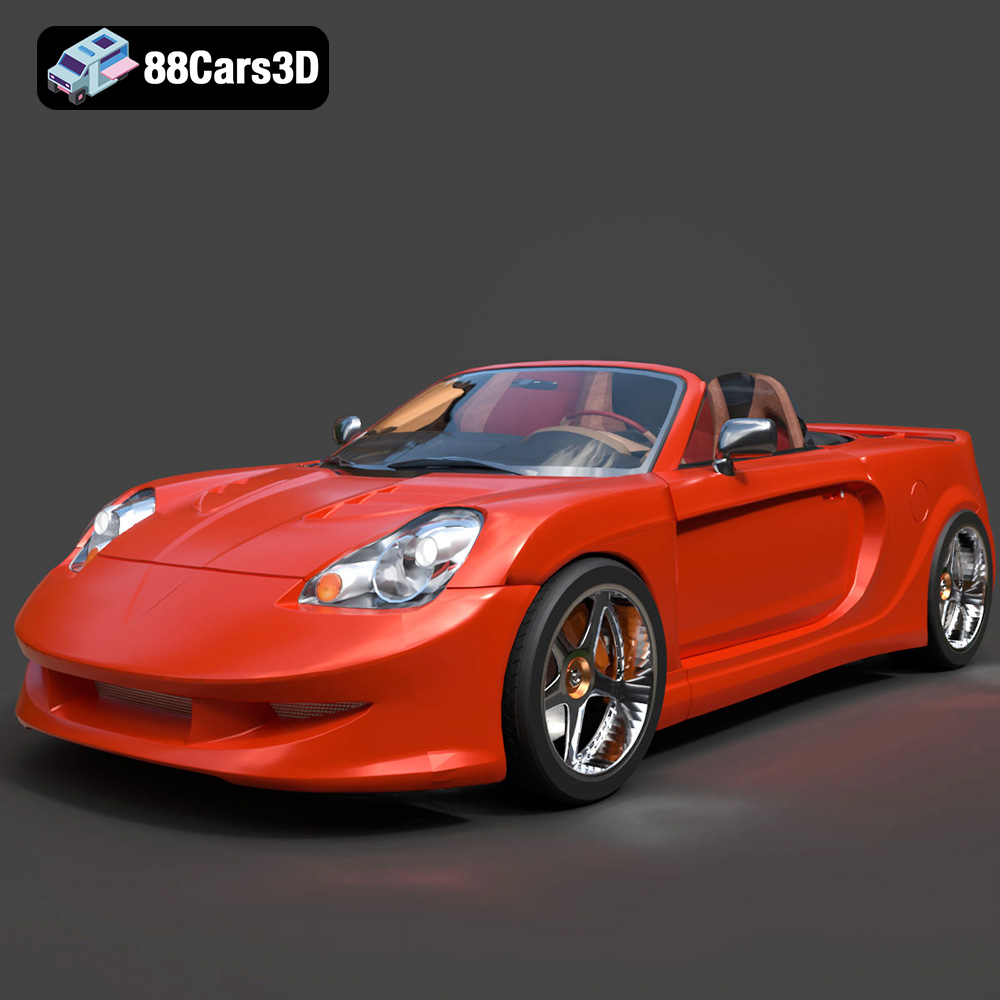
Texture: Yes
Material: Yes
Download the Toyota MRS-007 3D Model featuring clean geometry, realistic detailing, and a fully modeled interior. Includes .blend, .fbx, .obj, .glb, .stl, .ply, .unreal, and .max formats for rendering, simulation, and game development.
Price: $10

Texture: Yes
Material: Yes
Download the Porsche 911 Turbo S 2024 3D Model featuring clean geometry, realistic detailing, and a fully modeled interior. Includes .blend, .fbx, .obj, .glb, .stl, .ply, .unreal, and .max formats for rendering, simulation, and game development.
Price: $20

Texture: Yes
Material: Yes
Download the Pontiac Solstice 2009 3D Model featuring clean geometry, realistic detailing, and a fully modeled interior. Includes .blend, .fbx, .obj, .glb, .stl, .ply, .unreal, and .max formats for rendering, simulation, and game development.
Price: $10

Texture: Yes
Material: Yes
Download the Mini Cooper Countryman 2025 3D Model featuring clean geometry, realistic detailing, and a fully modeled interior. Includes .blend, .fbx, .obj, .glb, .stl, .ply, .unreal, and .max formats for rendering, simulation, and game development.
Price: $29.9
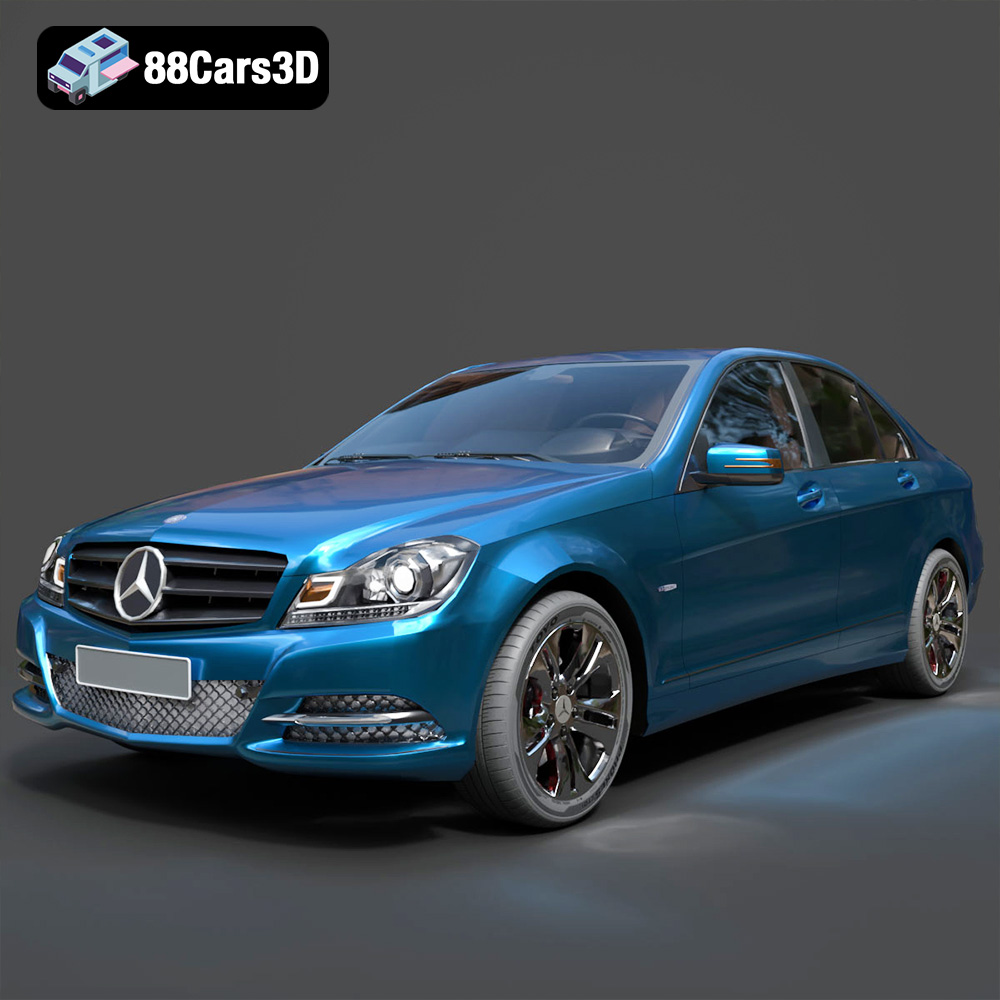
Texture: Yes
Material: Yes
Download the Mercedes C Classe 2012 3D Model featuring clean geometry, realistic detailing, and a fully modeled interior. Includes .blend, .fbx, .obj, .glb, .stl, .ply, .unreal, and .max formats for rendering, simulation, and game development.
Price: $19.9
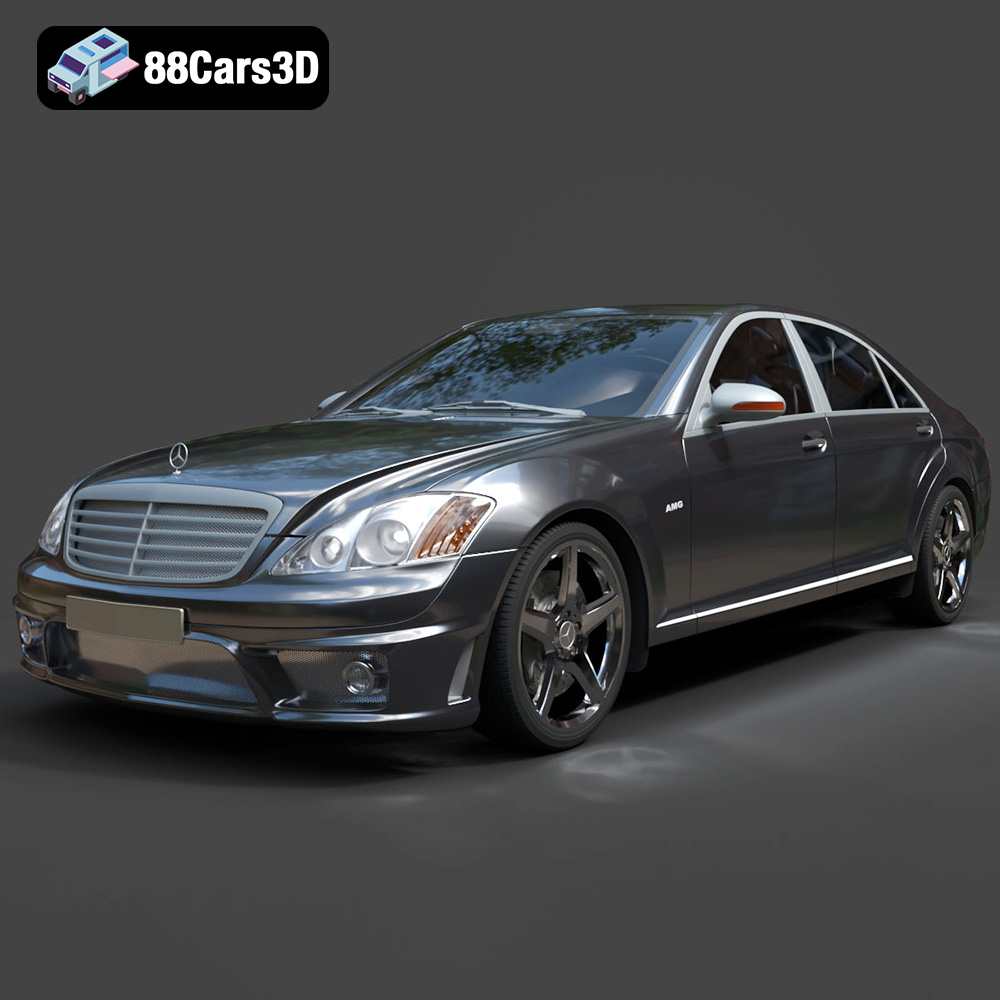
Texture: Yes
Material: Yes
Download the Mercedes-Benz S65 AMG 2018 3D Model featuring clean geometry, realistic detailing, and a fully modeled interior. Includes .blend, .fbx, .obj, .glb, .stl, .ply, .unreal, and .max formats for rendering, simulation, and game development.
Price: $19.9
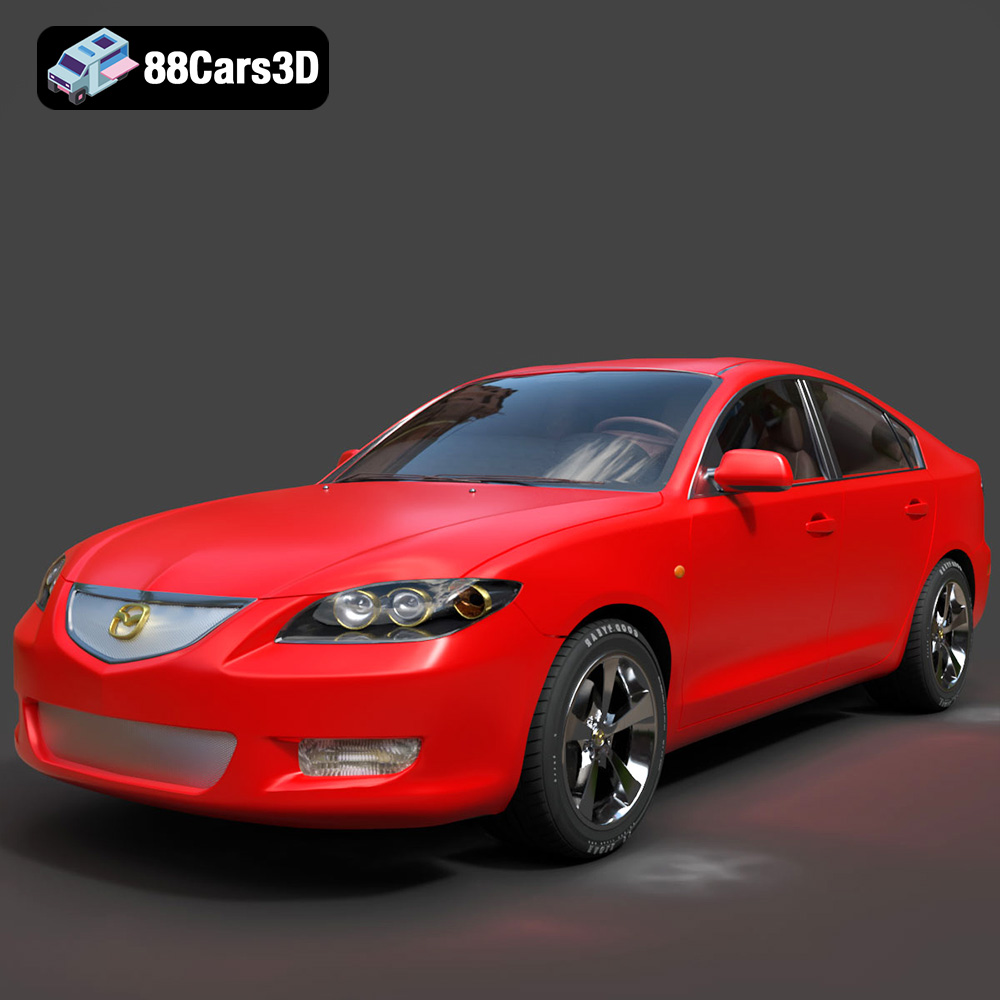
Texture: Yes
Material: Yes
Download the Mazda 3 Sedan 2004 3D Model featuring clean geometry, realistic detailing, and a fully modeled interior. Includes .blend, .fbx, .obj, .glb, .stl, .ply, .unreal, and .max formats for rendering, simulation, and game development.
Price: $10

Texture: Yes
Material: Yes
Download the Martin Rapide 2011 3D Model featuring clean geometry, realistic detailing, and a fully modeled interior. Includes .blend, .fbx, .obj, .glb, .stl, .ply, .unreal, and .max formats for rendering, simulation, and game development.
Price: $20.9
Texture: Yes
Material: Yes
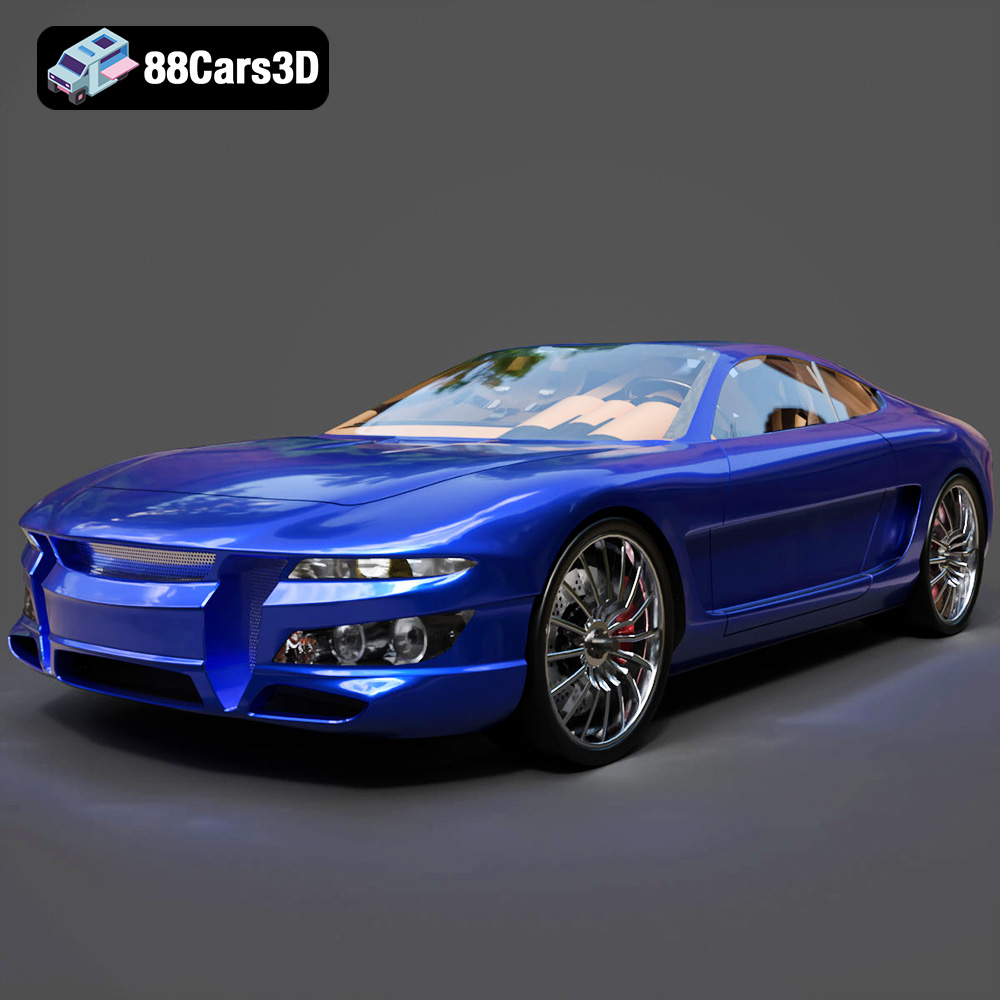
Download the Car Tasergal 005 3D Model featuring clean geometry, realistic detailing, and a fully modeled interior. Includes .blend, .fbx, .obj, .glb, .stl, .ply, .unreal, and .max formats for rendering, simulation, and game development.
Price: $10
Texture: Yes
Material: Yes
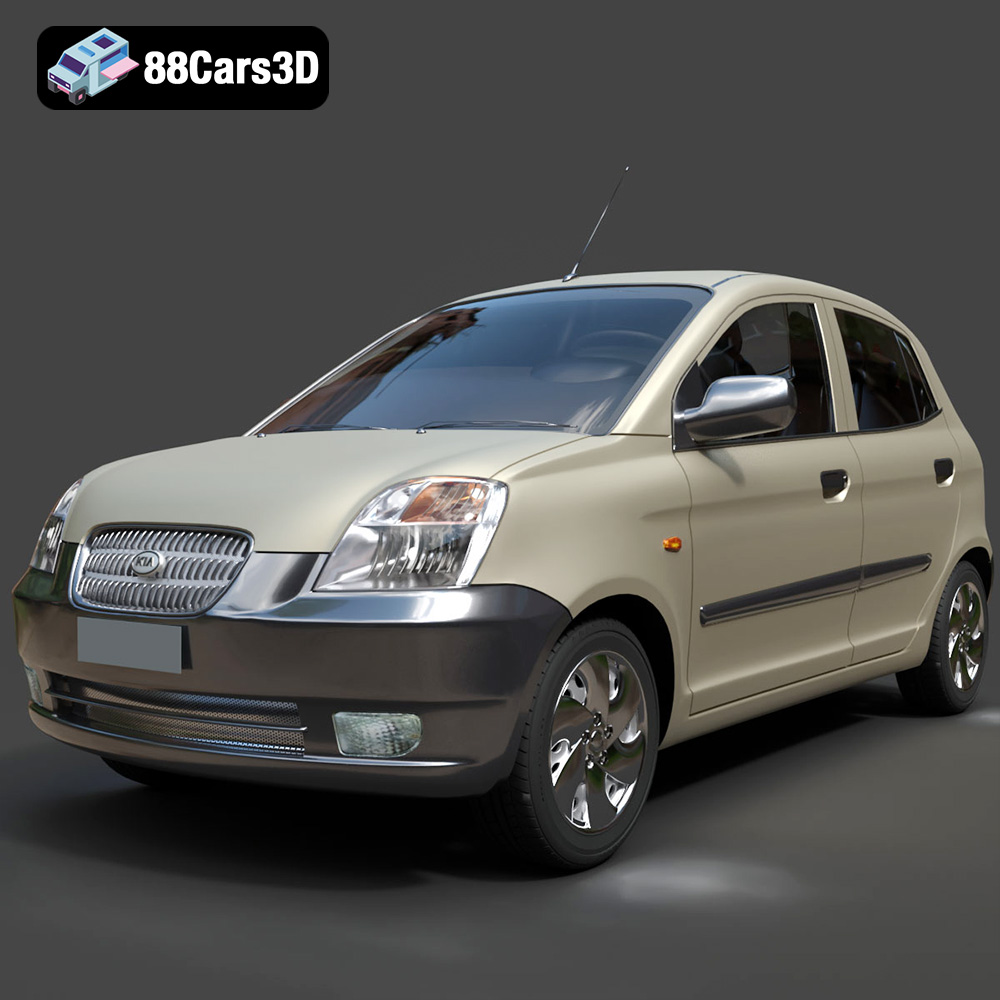
Download the Kia Picanto 2024 3D Model featuring clean geometry, realistic detailing, and a fully modeled interior. Includes .blend, .fbx, .obj, .glb, .stl, .ply, .unreal, and .max formats for rendering, simulation, and game development.
Price: $15.99

