Get 50% OFF All Premium 3D & STL Models!

The automotive industry is in a constant state of evolution, driven by innovation in vehicle design, manufacturing processes, and maintenance procedures. Training professionals, technicians, and even customers on these complex systems demands more than traditional manuals or static videos. Enter interactive training simulations powered by Unreal Engine. This cutting-edge real-time 3D platform offers an unparalleled environment to create immersive, hands-on learning experiences that are both engaging and highly effective.
Imagine a mechanic virtually disassembling an engine, a sales professional demonstrating advanced features of a new model in a photorealistic environment, or a driver learning critical safety procedures without ever touching a physical vehicle. These scenarios are not futuristic dreams but current realities, made possible by the robust capabilities of Unreal Engine coupled with high-fidelity 3D car models. This comprehensive guide will delve into the technical intricacies of leveraging Unreal Engine to develop powerful, interactive automotive training simulations, covering everything from project setup and asset integration to advanced interactivity and performance optimization. You’ll learn how to harness features like Nanite, Lumen, and Blueprint to deliver world-class training solutions.
The foundation of any successful Unreal Engine project, especially for high-fidelity automotive visualization and training, lies in meticulous project setup and the integration of optimized, high-quality assets. A robust starting point ensures scalability, performance, and ultimately, a more effective training experience. This initial phase involves configuring the engine for automotive-specific needs, importing meticulously crafted 3D models, and assembling the virtual environment.
Starting an Unreal Engine project for automotive training requires specific settings to maximize visual fidelity and performance. Begin by creating a new project, typically choosing the ‘Games’ template, then selecting a ‘Blank’ or ‘Automotive, Product Design, and Manufacturing’ template if available, as these often come with relevant plugins pre-enabled. Key configurations include enabling essential plugins such as Datasmith Importer (for CAD data), OpenEXR (for HDR images), and potentially Substance Plugin if using Substance materials. For modern rendering, ensure Lumen Global Illumination and Reflections are enabled under Project Settings > Rendering, along with Nanite Virtualized Geometry. Set the default RHI to DirectX 12 for optimal performance with these features. Furthermore, consider setting the default Engine Scalability settings to ‘Cinematic’ or ‘Epic’ during development to accurately preview the visual quality, though these should be optimized for deployment. For precise control over visual fidelity and performance, understanding the intricacies of the Unreal Engine rendering pipeline is paramount, as detailed in the official Unreal Engine documentation.
The quality of your 3D car models directly impacts the realism and effectiveness of your training simulation. Sourcing high-quality, pre-optimized 3D car models from platforms like 88cars3d.com is a crucial first step. These models are typically provided with clean topology, realistic PBR materials, proper UV mapping, and often include multiple LODs, which are essential for performance. When importing into Unreal Engine, utilize the Datasmith plugin for CAD data (STEP, IGES, SolidWorks) or simply drag-and-drop FBX, USD, or USDZ files directly into the Content Browser. Datasmith is particularly powerful for automotive assets, as it preserves hierarchies, metadata, and often simplifies complex CAD geometries. During import, ensure settings like ‘Combine Meshes’ (if appropriate for the asset), ‘Generate Missing Collision’, and ‘Generate Lightmap UVs’ are correctly configured. For detailed disassembly training, ensure the model is broken down into logical, separate components (e.g., engine block, manifold, spark plugs) to allow individual interaction.
Once imported, assembling your scene correctly is vital. Drag your 3D car model into the viewport and verify its scale. Unreal Engine uses centimeters as its base unit, so models should be scaled accordingly. Use a human character or a known measurement reference (e.g., a standard garage door) to confirm the realistic proportions of your vehicle. Organize your scene logically by using folders in the Outliner (e.g., ‘Vehicles’, ‘Environment’, ‘TrainingProps’). Place your car model within a suitable environment – this could be a simple studio setup, a workshop, or an outdoor scene – all contributing to the context of the training. Pay attention to the origin point of your car model; ideally, it should be at the center of the vehicle’s base or the front axle for easier manipulation and interaction. Consistent scaling and organized scene structure are fundamental for a smooth development workflow and for accurate physics simulations later on.
Realism is paramount in effective automotive training simulations. Users need to feel like they are interacting with an actual vehicle, not just a digital representation. Achieving this level of immersion in Unreal Engine hinges on mastering Physically Based Rendering (PBR) materials, dynamic lighting systems like Lumen, and leveraging advanced rendering features such as Nanite. These technologies work in concert to deliver photorealistic visuals that enhance the learning experience.
Physically Based Rendering (PBR) is the cornerstone of realistic materials in Unreal Engine. For automotive training, this means meticulously recreating the look of paint, metal, plastic, rubber, and glass. PBR materials rely on maps like Albedo (Base Color), Normal, Roughness, Metallic, and Ambient Occlusion. In Unreal Engine’s Material Editor, create master materials for common automotive finishes (e.g., car paint, tire rubber, chrome). Car paint, for example, often involves a layered material: a base metallic layer with specific sheen and clear coat properties (using a ‘Clear Coat’ input) to simulate reflections and refractions accurately. Utilize texture resolutions of at least 4K for close-up details. Material Instances are crucial for efficiency; create a master car paint material and then create instances for different colors or finishes (metallic, matte) without recompiling shaders. This allows for rapid iteration and customization, which is especially useful for interactive configurators or showcasing different vehicle trims. Ensure all textures follow the correct sRGB/Linear color space for accurate representation, typically sRGB for Albedo and linear for all other maps. For comprehensive guides on PBR workflows, refer to the official Unreal Engine documentation.
Lighting is arguably the most critical element for visual fidelity. Unreal Engine’s Lumen global illumination and reflections system provides dynamic, real-time GI and reflections that react instantly to changes in the scene, light sources, or materials. This is revolutionary for automotive visualization, allowing for truly interactive environments where vehicle colors, materials, and surroundings influence the overall lighting naturally. Combine Lumen with a Sky Light (set to ‘Stationary’ or ‘Movable’ for dynamic scenes) using a high-dynamic-range image (HDRI) for realistic ambient lighting. A Directional Light simulates the sun, providing sharp shadows and direct illumination. For interior scenes or specific component analysis, employ Spot Lights and Point Lights to highlight intricate details. Utilize Lightmass Importance Volume to focus GI calculations on your critical areas. Optimizing Lumen involves adjusting settings like ‘Lumen Scene Detail’ and ‘Software Ray Tracing Quality’ to balance fidelity and performance. Proper light placement and intensity, coupled with Lumen’s capabilities, will ensure your training environment feels grounded and believable.
Traditionally, 3D car models, especially those used for automotive design and visualization, boast incredibly high polygon counts – often millions of triangles per vehicle. This level of detail has historically been a bottleneck for real-time applications. However, Unreal Engine’s Nanite Virtualized Geometry revolutionizes this. Nanite allows artists to import cinematic-quality assets with billions of polygons directly into Unreal Engine without manual LOD creation or complex optimization pipelines. It intelligently streams and processes only the necessary triangles for each pixel on screen, dramatically improving performance while maintaining absolute visual fidelity. For automotive training, this means you can use extremely detailed CAD models or scanned assets without simplification, enabling close-up examinations of intricate components like engine parts, interior stitching, or complex suspension systems. When importing models, ensure Nanite is enabled, and the mesh is set to use Nanite. While Nanite handles geometric complexity, it’s important to remember that it doesn’t solve texture memory or material complexity, so PBR material optimization remains crucial.
The core of an effective training simulation lies in its interactivity. Users must be able to manipulate objects, receive feedback, and follow guided procedures. Unreal Engine’s Blueprint Visual Scripting system provides an incredibly powerful and accessible way to implement complex interaction logic without writing a single line of C++ code. This section explores how to leverage Blueprint to design intuitive user interfaces, create sequential training steps, and enable physics-driven interactions crucial for hands-on learning.
A well-designed User Interface (UI) is essential for guiding trainees through a simulation and providing critical feedback. Unreal Engine’s UMG (Unreal Motion Graphics) UI Designer allows you to create interactive menus, instructional overlays, progress bars, and tooltips. Use UMG Widgets to display step-by-step instructions, highlight relevant vehicle components, or provide completion notifications. For instance, a ‘Training Mode’ UI might include a list of objectives, a timer, and a ‘Next Step’ button. Feedback systems are equally important: use visual cues (e.g., glowing outlines on target objects, green checkmarks), auditory cues (sound effects for correct/incorrect actions), and textual messages to inform the user about their progress and accuracy. Blueprint can drive all of these elements, dynamically updating UI elements based on user actions. For example, when a user correctly identifies a component, a Blueprint script can trigger an animation, update the objective list, and play a success sound. Designing an intuitive UI ensures the training remains focused and easy to navigate.
Most technical training involves a sequence of actions. Blueprint is perfectly suited for creating robust step-by-step training sequences. Each step can be represented by a state or a function in Blueprint. For example, a “Tire Change” simulation might involve steps like “Loosen Lug Nuts,” “Jack Up Vehicle,” “Remove Tire.” For each step, Blueprint can:
This sequential logic forms the backbone of guided training, ensuring users follow procedures correctly. Utilize Blueprint Interfaces for cleaner communication between different actors and components in your scene, making your training logic more modular and manageable.
For automotive maintenance and assembly training, realistic physics-based interactions are crucial. Unreal Engine’s Chaos Physics Engine allows for highly accurate collision detection, rigid body dynamics, and constraints. Blueprint can be used to control these physics interactions. For instance, to simulate the removal of a component:
These physics-driven interactions provide a much more tactile and memorable learning experience than simply clicking through menus, making the training feel genuinely hands-on. Refer to the official Unreal Engine documentation for in-depth information on Chaos Physics and its integration with Blueprint.
Even with advanced features like Nanite and Lumen, maintaining smooth, consistent performance is critical for any real-time application, especially interactive training simulations. Lag or stutter can break immersion and hinder the learning process. Effective optimization strategies are about balancing visual fidelity with performance targets, ensuring the simulation runs smoothly on the intended hardware, particularly for demanding platforms like AR/VR. This involves intelligent asset management, meticulous scene planning, and rigorous profiling.
While Nanite handles geometry for static meshes, not all meshes can utilize Nanite (e.g., skeletal meshes, Niagara particle systems), and it doesn’t negate the need for overall scene optimization. Level of Detail (LOD) is a fundamental optimization technique where lower-polygon versions of meshes are swapped in when an object is further from the camera. Manually creating LODs for complex parts (especially skeletal meshes like detailed engine internals that might be animated) can significantly reduce vertex and triangle counts. Unreal Engine has an automatic LOD generation tool, but manual tuning often yields better results. Additionally, implement effective culling techniques:
These techniques reduce draw calls and polygon load, leading to improved frame rates. Always profile your scene to identify objects contributing most to render overhead.
Augmented Reality (AR) and Virtual Reality (VR) impose much stricter performance requirements than desktop applications due to the need for very high, stable frame rates (typically 90 FPS or higher) to prevent motion sickness. Optimizing for AR/VR involves several key considerations:
Testing on target AR/VR hardware throughout development is crucial to identify performance bottlenecks early. For specific AR/VR optimization guidelines, consult the Unreal Engine documentation’s AR/VR development sections.
Optimization is an iterative process driven by data. Unreal Engine provides powerful profiling tools to identify performance bottlenecks.
Stat FPS, Stat Unit, Stat GPU, Stat RHI to get real-time performance metrics.ProfileGPU to see a breakdown of GPU rendering passes, identifying expensive shaders, post-processing effects, or overdraw issues.MemReport to check memory usage and identify large textures or meshes consuming too much RAM.By regularly profiling your project, you can make informed decisions about where to apply optimization efforts, ensuring your interactive training simulation runs smoothly and delivers a high-quality experience.
Beyond basic step-by-step instructions, Unreal Engine empowers developers to create highly sophisticated and engaging training experiences. This includes integrating interactive automotive configurators directly into training modules, leveraging cinematic tools for guided tutorials, and exploring how virtual production techniques can elevate the fidelity and impact of educational content. These advanced scenarios push the boundaries of what’s possible in real-time automotive visualization.
An interactive automotive configurator is a powerful tool for product training, allowing users to explore different vehicle options, colors, trims, and accessories in real-time. Integrating this into a training simulation allows professionals to learn about product variations, demonstrate features, or even practice upselling. In Unreal Engine, this is achieved primarily through Blueprint and Material Instances.
The configurator can be a standalone training module or an integrated part of a broader sales or technical training program, offering a dynamic way to understand product permutations. Assets from 88cars3d.com often come with separate parts and clean UVs, making them ideal for these configuration systems.
While Blueprint handles interactivity, Sequencer is Unreal Engine’s powerful non-linear cinematic editor, ideal for creating high-quality, guided tutorials, introductory videos, or visual summaries within your training simulation. Sequencer allows you to:
By weaving together interactive Blueprint modules with pre-rendered (or real-time rendered) cinematic sequences, you can create a comprehensive and polished training experience that balances free exploration with clear, professionally presented instructions.
While often associated with film and TV, virtual production techniques can be adapted to enhance the creation of high-fidelity training content. Leveraging technologies like virtual cameras, LED walls (or in-engine equivalents), and real-time compositing can elevate the visual impact of your training materials.
This approach, while more resource-intensive, delivers unparalleled visual quality and dynamic content generation, making your training simulations not just effective but also visually stunning. The principles of virtual production emphasize iterative design and immediate feedback, which aligns perfectly with the agile development of interactive training content.
The applications of interactive training simulations in the automotive sector are vast and continually expanding. From detailed maintenance procedures to advanced driving dynamics, Unreal Engine offers a versatile platform for transforming how knowledge is imparted and skills are honed. Understanding these real-world use cases and embracing future enhancements like AR/VR integration ensures your training solutions remain at the forefront of educational technology.
Interactive automotive training simulations built with Unreal Engine address critical needs across various domains:
These diverse applications highlight the power and flexibility of Unreal Engine in transforming automotive education.
Augmented Reality (AR) and Virtual Reality (VR) elevate the immersion and effectiveness of automotive training to new heights.
Integrating AR/VR provides unparalleled realism and interactivity, making training more memorable and impactful. Companies are increasingly adopting these technologies to bridge the gap between theoretical knowledge and practical application, particularly for new vehicle technologies like electric drivetrains and advanced driver-assistance systems.
The development of interactive training simulations is an ongoing process. The real-time nature of Unreal Engine facilitates rapid iteration and continuous improvement, which is crucial for keeping pace with fast-evolving automotive technologies.
By embracing an iterative design philosophy, automotive organizations can ensure their training simulations remain relevant, effective, and continuously updated to reflect the latest industry advancements and best practices.
Interactive training simulations built with Unreal Engine are revolutionizing how the automotive industry educates its workforce and engages its customers. By combining the engine’s real-time rendering prowess with high-fidelity 3D car models, organizations can create immersive, hands-on learning experiences that surpass traditional methods in effectiveness and engagement. From setting up your project and integrating optimized assets to crafting realistic visuals with PBR materials and Lumen, and driving complex interactions with Blueprint, Unreal Engine offers a comprehensive toolkit for building world-class automotive training solutions.
The ability to leverage Nanite for uncompromised geometric detail, meticulously manage performance for AR/VR deployment, and design sophisticated scenarios like configurators and cinematic tutorials empowers developers to tackle any training challenge. The future of automotive education is interactive, immersive, and dynamic, and Unreal Engine, along with high-quality assets available on platforms like 88cars3d.com, is leading the charge. Embrace these powerful tools to create truly impactful training programs that prepare your team for the cutting edge of automotive innovation.

Texture: Yes
Material: Yes
Download the Porsche 911 Turbo S 2024 3D Model featuring clean geometry, realistic detailing, and a fully modeled interior. Includes .blend, .fbx, .obj, .glb, .stl, .ply, .unreal, and .max formats for rendering, simulation, and game development.
Price: $20

Texture: Yes
Material: Yes
Download the Pontiac Solstice 2009 3D Model featuring clean geometry, realistic detailing, and a fully modeled interior. Includes .blend, .fbx, .obj, .glb, .stl, .ply, .unreal, and .max formats for rendering, simulation, and game development.
Price: $10

Texture: Yes
Material: Yes
Download the Mini Cooper Countryman 2025 3D Model featuring clean geometry, realistic detailing, and a fully modeled interior. Includes .blend, .fbx, .obj, .glb, .stl, .ply, .unreal, and .max formats for rendering, simulation, and game development.
Price: $29.9
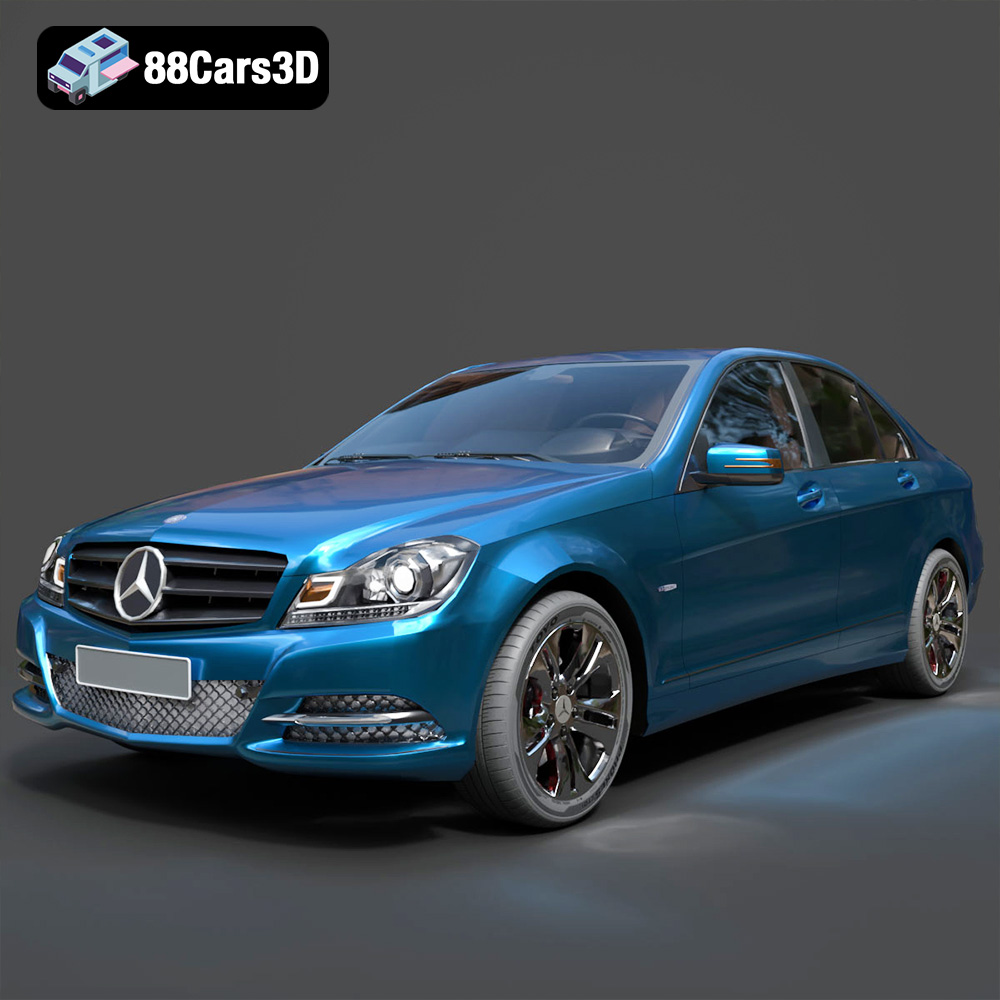
Texture: Yes
Material: Yes
Download the Mercedes C Classe 2012 3D Model featuring clean geometry, realistic detailing, and a fully modeled interior. Includes .blend, .fbx, .obj, .glb, .stl, .ply, .unreal, and .max formats for rendering, simulation, and game development.
Price: $19.9
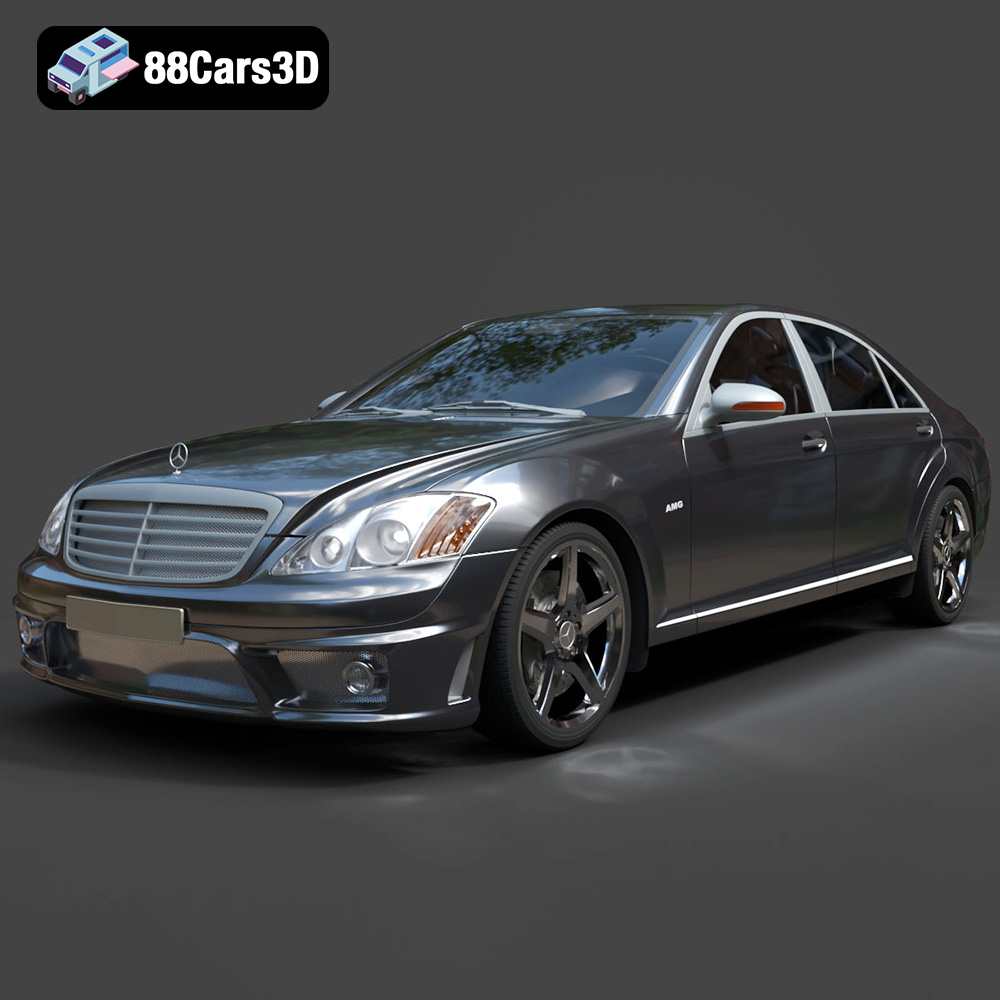
Texture: Yes
Material: Yes
Download the Mercedes-Benz S65 AMG 2018 3D Model featuring clean geometry, realistic detailing, and a fully modeled interior. Includes .blend, .fbx, .obj, .glb, .stl, .ply, .unreal, and .max formats for rendering, simulation, and game development.
Price: $19.9
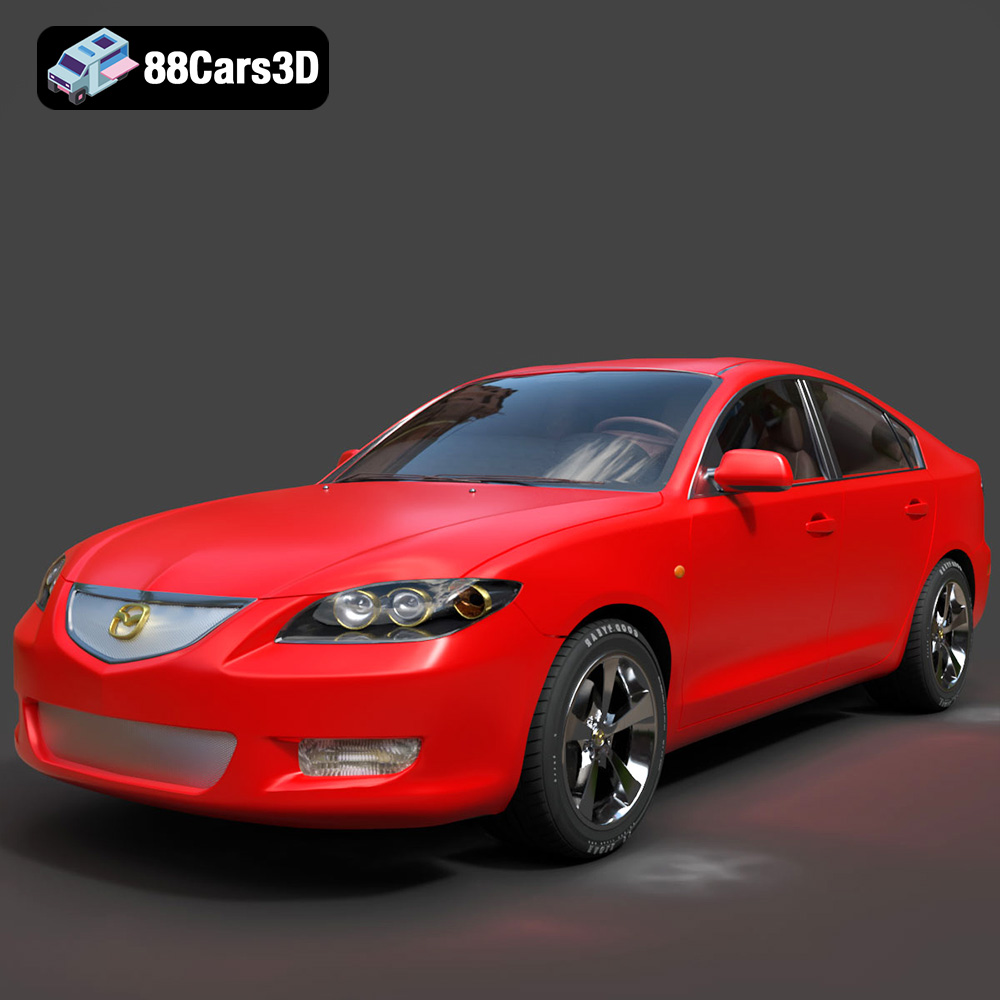
Texture: Yes
Material: Yes
Download the Mazda 3 Sedan 2004 3D Model featuring clean geometry, realistic detailing, and a fully modeled interior. Includes .blend, .fbx, .obj, .glb, .stl, .ply, .unreal, and .max formats for rendering, simulation, and game development.
Price: $10

Texture: Yes
Material: Yes
Download the Martin Rapide 2011 3D Model featuring clean geometry, realistic detailing, and a fully modeled interior. Includes .blend, .fbx, .obj, .glb, .stl, .ply, .unreal, and .max formats for rendering, simulation, and game development.
Price: $20.9
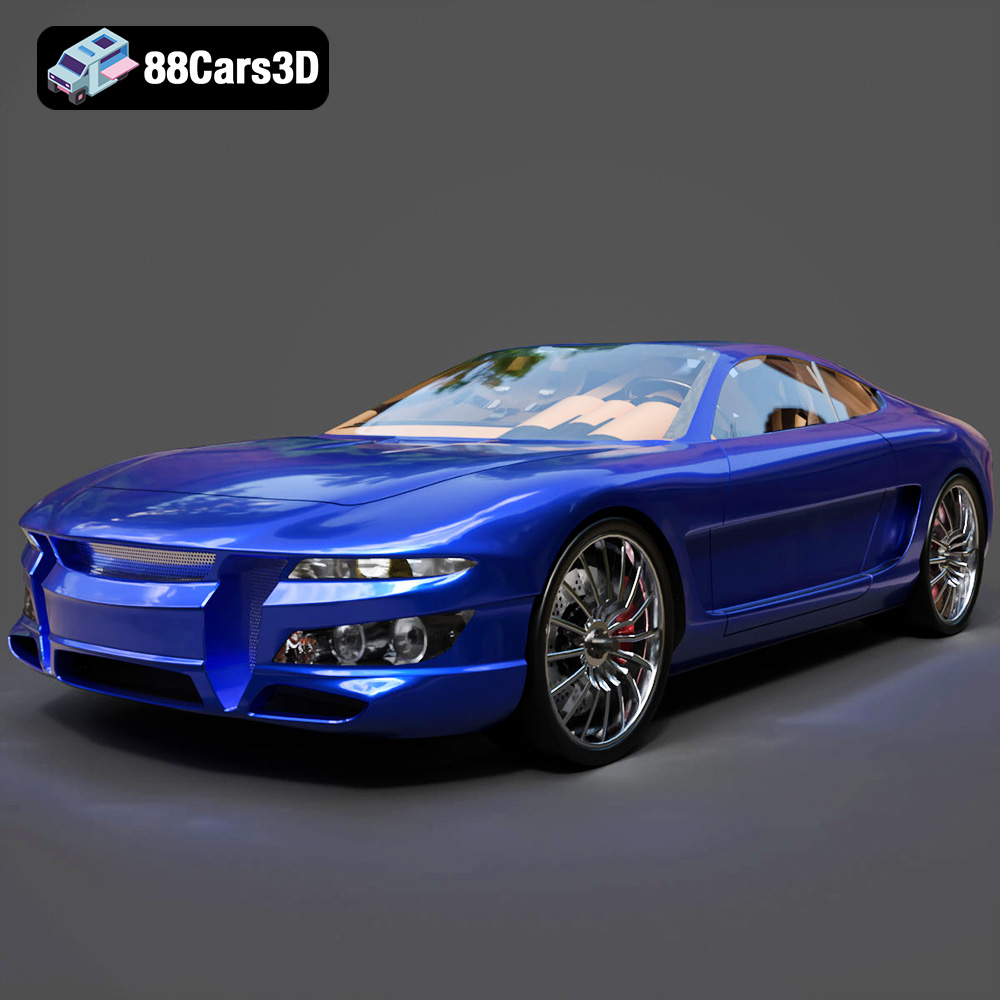
Texture: Yes
Material: Yes
Download the Car Tasergal 005 3D Model featuring clean geometry, realistic detailing, and a fully modeled interior. Includes .blend, .fbx, .obj, .glb, .stl, .ply, .unreal, and .max formats for rendering, simulation, and game development.
Price: $10
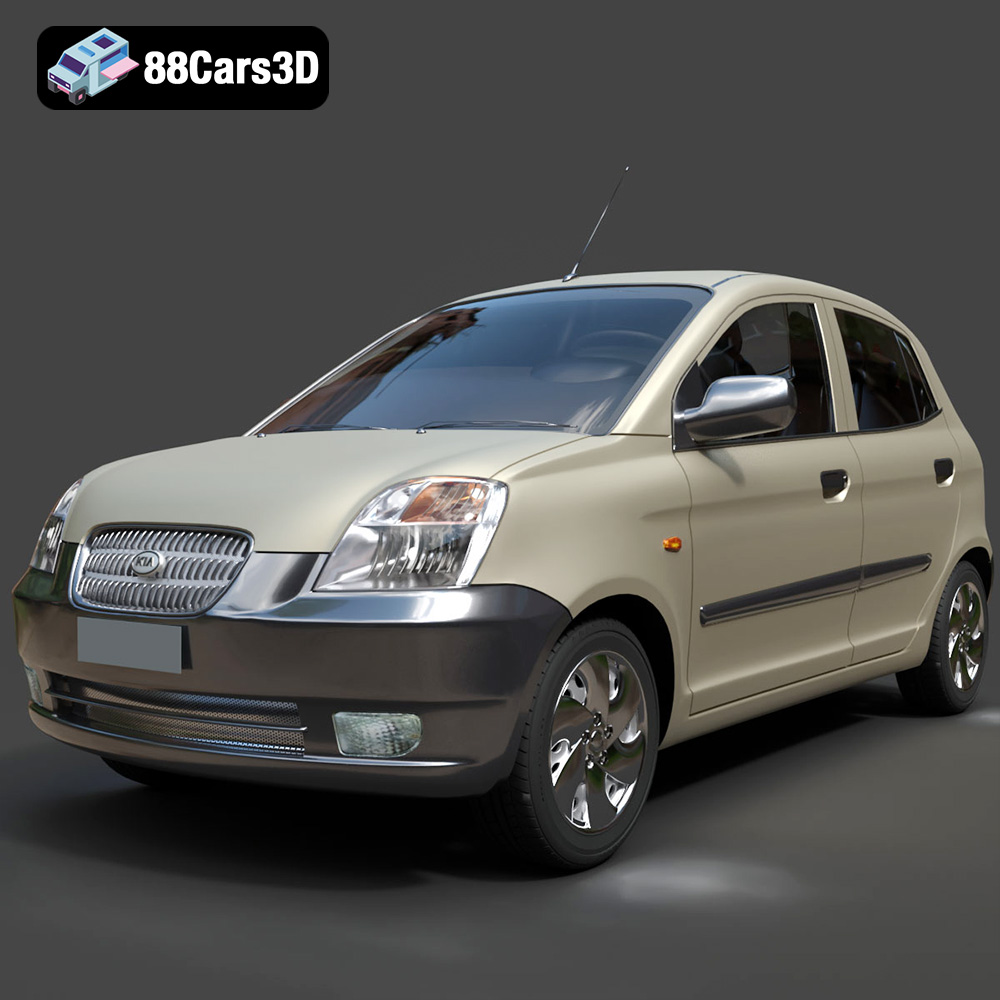
Texture: Yes
Material: Yes
Download the Kia Picanto 2024 3D Model featuring clean geometry, realistic detailing, and a fully modeled interior. Includes .blend, .fbx, .obj, .glb, .stl, .ply, .unreal, and .max formats for rendering, simulation, and game development.
Price: $15.99
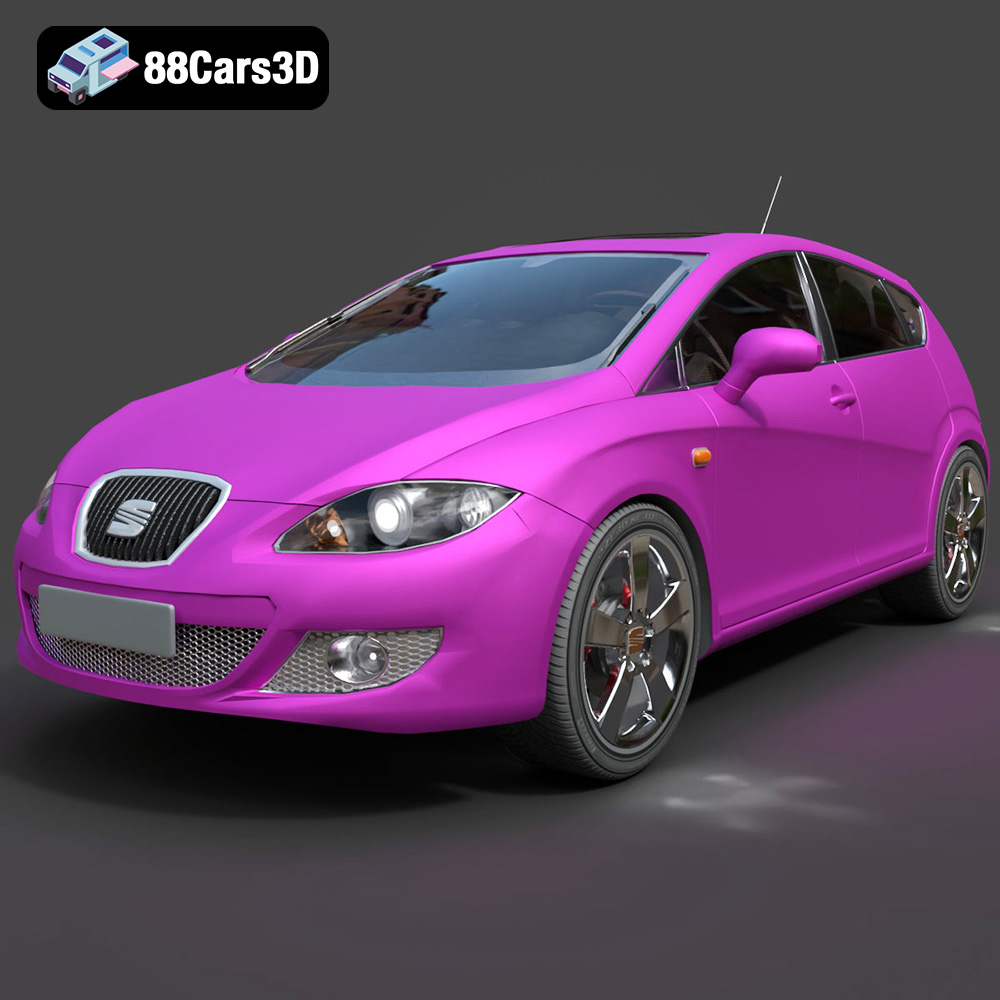
Texture: Yes
Material: Yes
Download the Seat Leon 3D Model featuring a dynamic design, detailed interior, and accurate proportions. Includes .blend, .fbx, .obj, .glb, .stl, .ply, .unreal, and .max formats for rendering, simulation, and game development.
Price: $20.79

