Get 50% OFF All Premium 3D & STL Models!

The automotive industry is at the forefront of technological innovation, not just in vehicle design and performance, but also in how cars are visualized, presented, and experienced. Unreal Engine has emerged as the definitive platform for pushing the boundaries of real-time automotive visualization, enabling artists, designers, and developers to create breathtakingly realistic simulations, interactive configurators, and cinematic presentations. Whether you’re designing the next concept car, developing a cutting-edge racing game, or crafting immersive AR/VR experiences, mastering Unreal Engine’s powerful toolset is paramount.
This comprehensive guide delves deep into the intricate workflows and advanced features of Unreal Engine 5, specifically tailored for high-fidelity automotive visualization. We’ll explore everything from efficient project setup and meticulous 3D car model integration to harnessing state-of-the-art rendering technologies like Nanite and Lumen. Our goal is to equip you with the knowledge and practical strategies needed to transform static designs into dynamic, interactive, and visually stunning real-time experiences. Prepare to unlock the full potential of your automotive assets and captivate your audience like never before.
The foundation of any successful Unreal Engine automotive project begins with meticulous project setup and the efficient integration of your 3D car models. These initial steps are critical for ensuring optimal performance, scalability, and visual fidelity throughout your development process. Choosing the right project template and understanding the nuances of model import can save countless hours down the line.
For automotive visualization, starting with a clean project or a dedicated template is crucial. While a blank project offers maximum control, the “Automotive Product Design” template, available in Unreal Engine, often provides a robust starting point with pre-configured settings, industry-standard lighting setups, and relevant assets. Key configurations to consider include:
Understanding the project settings related to display, rendering, and editor preferences allows you to tailor Unreal Engine to your specific hardware and visualization goals. Always ensure your project settings align with your target platform’s capabilities to maintain visual quality without compromising real-time rendering performance.
The quality of your source 3D car models directly impacts the final visualization. When sourcing assets from marketplaces such as 88cars3d.com, you can expect professionally optimized models, but understanding the import process is still key. The preferred file formats for automotive models in Unreal Engine include FBX, USD, and USDZ. Datasmith is a powerful tool for importing complex CAD data (e.g., from SolidWorks, CATIA, or Rhino) while preserving hierarchies, metadata, and UVs.
The goal is to bring in models that are clean, correctly scaled, and ready for further material and lighting work. For more detailed information on importing assets, refer to the official Unreal Engine documentation on Asset Importing.
Achieving photorealistic results in Unreal Engine heavily relies on the quality and configuration of your Physically Based Rendering (PBR) materials. PBR is a rendering approach that models how light interacts with surfaces in a physically accurate way, resulting in materials that look correct under any lighting condition. For automotive visualization, this is critical for conveying the intricate details of paint finishes, metallic components, and interior textures.
The Unreal Engine Material Editor is a node-based interface where you define the properties of your materials. For PBR, the core inputs are Base Color, Metallic, Specular, Roughness, Normal, and Emissive. Each of these maps plays a vital role in how your 3D car models react to light.
For complex automotive materials like multi-layer car paint, advanced techniques involving blending multiple material layers, using custom shaders, and employing fresnel effects are common. The Material Editor supports functions and material instances, allowing for highly reusable and customizable material assets. For instance, a master car paint material can be created with parameters for base color, flake intensity, clear coat roughness, and normal map strength, then instanced multiple times for different car colors and finishes.
Texture resolution is a trade-off between visual fidelity and memory footprint. For high-end automotive visualization, especially for hero shots or close-ups, high-resolution textures are expected. Common resolutions range from 2K (2048×2048) to 8K (8192×8192) for critical components like the car body, tires, or interior dashboards.
Best Practices:
Optimized texture pipelines ensure your stunning PBR materials perform efficiently without sacrificing visual quality, a critical balance for any real-time rendering scenario.
Lighting is arguably the most critical element in creating photorealistic automotive visualization. It dictates mood, emphasizes design details, and breathes life into your 3D car models. Unreal Engine 5’s revolutionary lighting system, Lumen, combined with traditional lighting techniques and sophisticated post-processing, offers an unparalleled toolkit for achieving stunning results.
Lumen is Unreal Engine 5’s fully dynamic global illumination and reflections system, providing highly realistic indirect lighting and reflections for large, detailed environments in real-time. For automotive visualization, Lumen is a game-changer:
While Lumen is powerful, integrating it effectively means understanding its strengths and limitations. For highly controlled, offline renders (e.g., for print media), Unreal Engine’s ‘Path Tracer’ might offer even higher fidelity with physically accurate light bounces. However, for interactive experiences, Lumen is the undeniable king for achieving cutting-edge real-time rendering.
Even with Lumen, a robust understanding of traditional lighting techniques remains essential. Lumen handles global illumination and reflections, but direct lighting still comes from standard light sources:
Post-Processing: After lights illuminate your scene, post-processing effects refine the final visual output to achieve a cinematic or desired aesthetic. A ‘Post Process Volume’ in Unreal Engine allows you to control:
Careful calibration of these settings ensures your automotive visualization not only looks realistic but also aesthetically pleasing and emotionally engaging. The interplay between direct lights, Lumen’s indirect contribution, and targeted post-processing creates truly compelling visual narratives. Refer to Epic’s documentation on Lighting and Post-Processing for in-depth guides.
Achieving stunning visual fidelity in Unreal Engine for automotive visualization, especially with complex 3D car models, often comes with a performance cost. UE5 introduces groundbreaking technologies like Nanite, which, when combined with traditional optimization strategies, allows artists to push visual boundaries without crippling frame rates. Understanding how to manage polygon counts and draw calls is key to delivering smooth, high-quality real-time experiences.
Nanite is Unreal Engine 5’s virtualized geometry system, designed to handle immense polygon counts – tens of millions or even billions of triangles – with excellent performance. For automotive assets, which are typically rich in detail with intricate curves and components, Nanite is a revolutionary feature:
While Nanite excels with static meshes, it currently has limitations with certain features like World Position Offset, complex material blends that rely on vertex data, and meshes with more than 255 unique material slots. For high-fidelity 3D car models from sources like 88cars3d.com, which are often meticulously structured, Nanite can be applied effectively to the body, interior shell, and other large, detailed components, leaving smaller, interactive parts to standard static meshes or optimized LODs.
Despite Nanite’s power, traditional LOD (Level of Detail) management and broader optimization strategies remain vital, especially for non-Nanite meshes, interactive elements, and targeting diverse hardware platforms (e.g., AR/VR, mobile). Proper optimization ensures smooth real-time rendering and a consistent user experience.
A balanced approach, combining Nanite for visual fidelity with strategic LODs and rigorous optimization, is the key to delivering visually stunning and high-performing automotive experiences in Unreal Engine. For comprehensive guides on performance optimization, refer to the Unreal Engine Performance Documentation.
Beyond static renders, the true power of Unreal Engine for automotive visualization lies in its ability to create interactive and dynamic experiences. Blueprint visual scripting empowers non-programmers to build complex logic, while Sequencer offers Hollywood-grade cinematic control, enabling stunning presentations and engaging user interactions for your 3D car models.
Blueprint is Unreal Engine’s powerful visual scripting system that allows artists and designers to create complex gameplay and interactive elements without writing a single line of code. For automotive configurators, Blueprint is indispensable:
The beauty of Blueprint lies in its accessibility, allowing rapid prototyping and iteration of interactive features without requiring a dedicated programmer. For resources on getting started with Blueprint, Epic Games provides extensive tutorials on Blueprint Visual Scripting.
Sequencer is Unreal Engine’s multi-track non-linear editor for creating cinematic sequences, animations, and gameplay events. It’s the go-to tool for crafting high-quality promotional videos, cutscenes, and virtual production setups for your 3D car models.
Sequencer seamlessly integrates with other Unreal Engine features, allowing you to control lighting changes, particle effects, and even trigger Blueprint events at specific points in your cinematic. This holistic approach ensures every aspect of your automotive presentation is polished and impactful.
The applications of Unreal Engine in automotive visualization extend far beyond traditional screen-based experiences. Augmented Reality (AR), Virtual Reality (VR), and Virtual Production (VP) with LED walls are rapidly transforming how cars are designed, marketed, and experienced. These technologies demand specialized optimization and workflow considerations to deliver truly immersive and impactful results for 3D car models.
AR/VR platforms (e.g., Meta Quest, HTC Vive, Apple Vision Pro, mobile AR) present unique challenges and opportunities for automotive visualization. The need for high frame rates (typically 72-90fps per eye) and low latency is paramount to prevent motion sickness and deliver a comfortable, immersive experience. This often means stricter optimization rules than for traditional screen rendering:
Careful planning and iterative optimization are crucial for creating fluid and engaging AR/VR automotive experiences that showcase 3D car models effectively without compromising user comfort.
Virtual Production (VP) using large LED walls, driven by Unreal Engine, is revolutionizing how automotive brands create commercials, product reveals, and marketing content. This workflow allows for real-time background changes, dynamic reflections, and seamless integration of physical vehicles with digital environments, all captured in-camera.
Virtual Production offers unprecedented creative freedom and efficiency for automotive content creation, allowing for immediate feedback and iterative changes on set. It merges the best of physical and digital worlds to produce captivating automotive visualization content, setting new standards for quality and speed in the industry.
The journey through mastering Unreal Engine for high-fidelity automotive visualization is one of continuous learning and innovation. From meticulously setting up your project and integrating optimized 3D car models from resources like 88cars3d.com, to crafting physically accurate PBR materials and illuminating scenes with the dynamic power of Lumen, every step contributes to the final impact of your creations. We’ve explored how Nanite revolutionizes the handling of high-polygon assets, while Blueprint and Sequencer empower you to build compelling interactive experiences and cinematic narratives.
Furthermore, understanding the specific optimization strategies for AR/VR and the transformative potential of virtual production with LED walls highlights the expansive future of real-time automotive content. The ability to iterate rapidly, achieve stunning realism, and engage audiences on multiple platforms positions Unreal Engine as an indispensable tool for game developers, automotive designers, and visualization professionals alike. By embracing these advanced workflows and features, you can transcend traditional rendering limitations and unlock a new era of immersive, interactive, and visually breathtaking automotive experiences. Continue to experiment, optimize, and push the boundaries of what’s possible in the world of real-time automotive visualization.
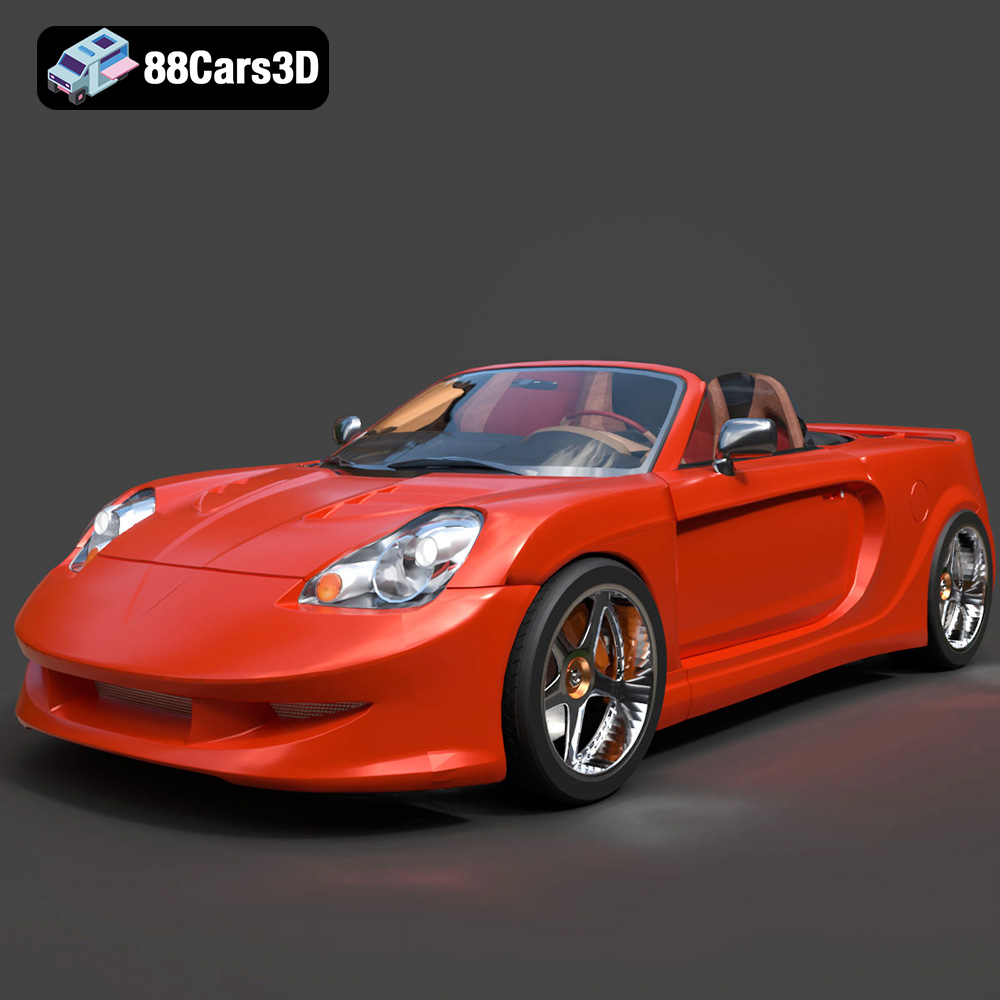
Texture: Yes
Material: Yes
Download the Toyota MRS-007 3D Model featuring clean geometry, realistic detailing, and a fully modeled interior. Includes .blend, .fbx, .obj, .glb, .stl, .ply, .unreal, and .max formats for rendering, simulation, and game development.
Price: $10

Texture: Yes
Material: Yes
Download the Porsche 911 Turbo S 2024 3D Model featuring clean geometry, realistic detailing, and a fully modeled interior. Includes .blend, .fbx, .obj, .glb, .stl, .ply, .unreal, and .max formats for rendering, simulation, and game development.
Price: $20

Texture: Yes
Material: Yes
Download the Pontiac Solstice 2009 3D Model featuring clean geometry, realistic detailing, and a fully modeled interior. Includes .blend, .fbx, .obj, .glb, .stl, .ply, .unreal, and .max formats for rendering, simulation, and game development.
Price: $10

Texture: Yes
Material: Yes
Download the Mini Cooper Countryman 2025 3D Model featuring clean geometry, realistic detailing, and a fully modeled interior. Includes .blend, .fbx, .obj, .glb, .stl, .ply, .unreal, and .max formats for rendering, simulation, and game development.
Price: $29.9
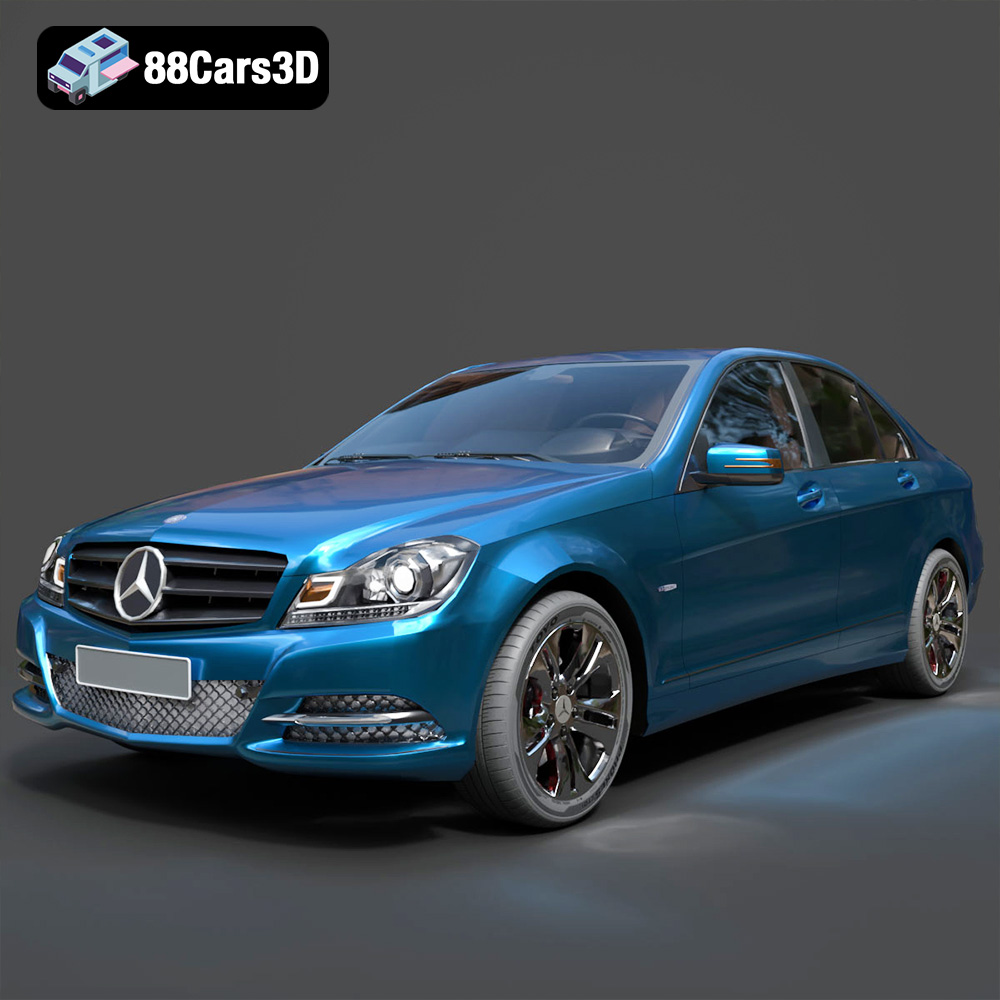
Texture: Yes
Material: Yes
Download the Mercedes C Classe 2012 3D Model featuring clean geometry, realistic detailing, and a fully modeled interior. Includes .blend, .fbx, .obj, .glb, .stl, .ply, .unreal, and .max formats for rendering, simulation, and game development.
Price: $19.9
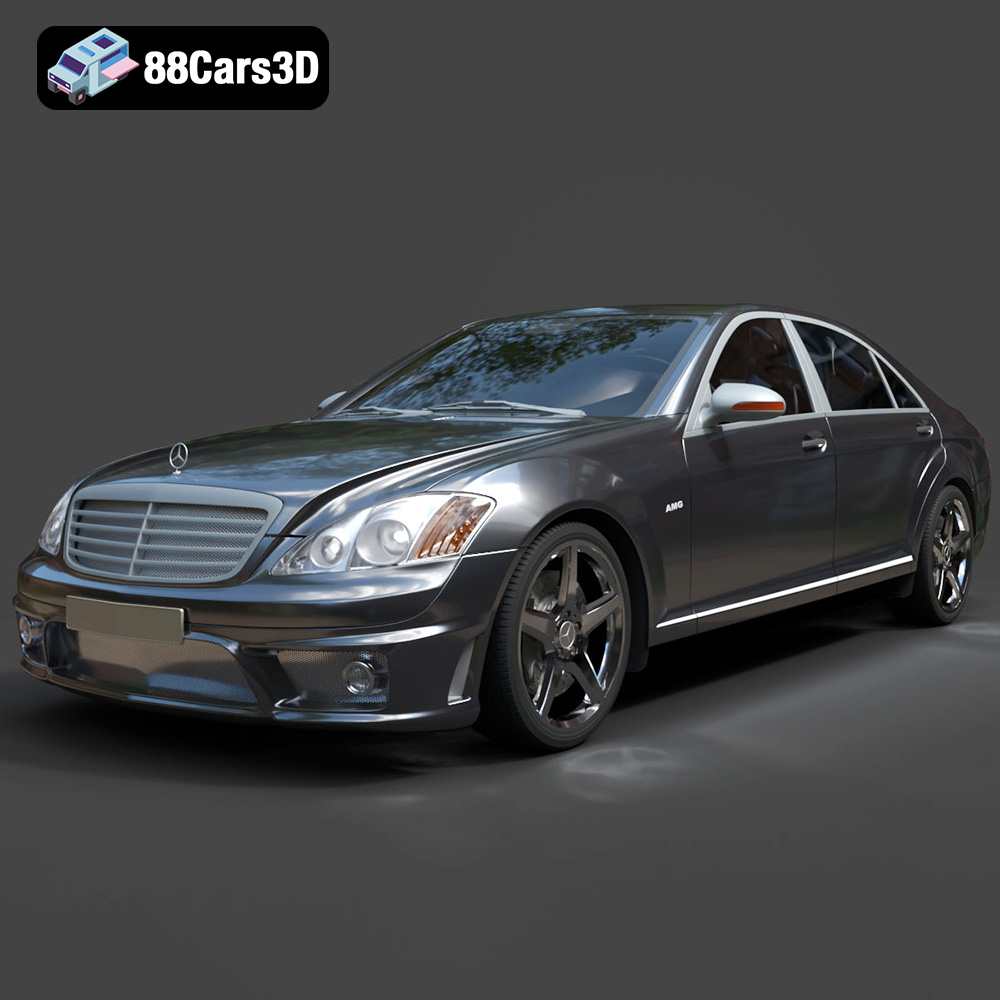
Texture: Yes
Material: Yes
Download the Mercedes-Benz S65 AMG 2018 3D Model featuring clean geometry, realistic detailing, and a fully modeled interior. Includes .blend, .fbx, .obj, .glb, .stl, .ply, .unreal, and .max formats for rendering, simulation, and game development.
Price: $19.9
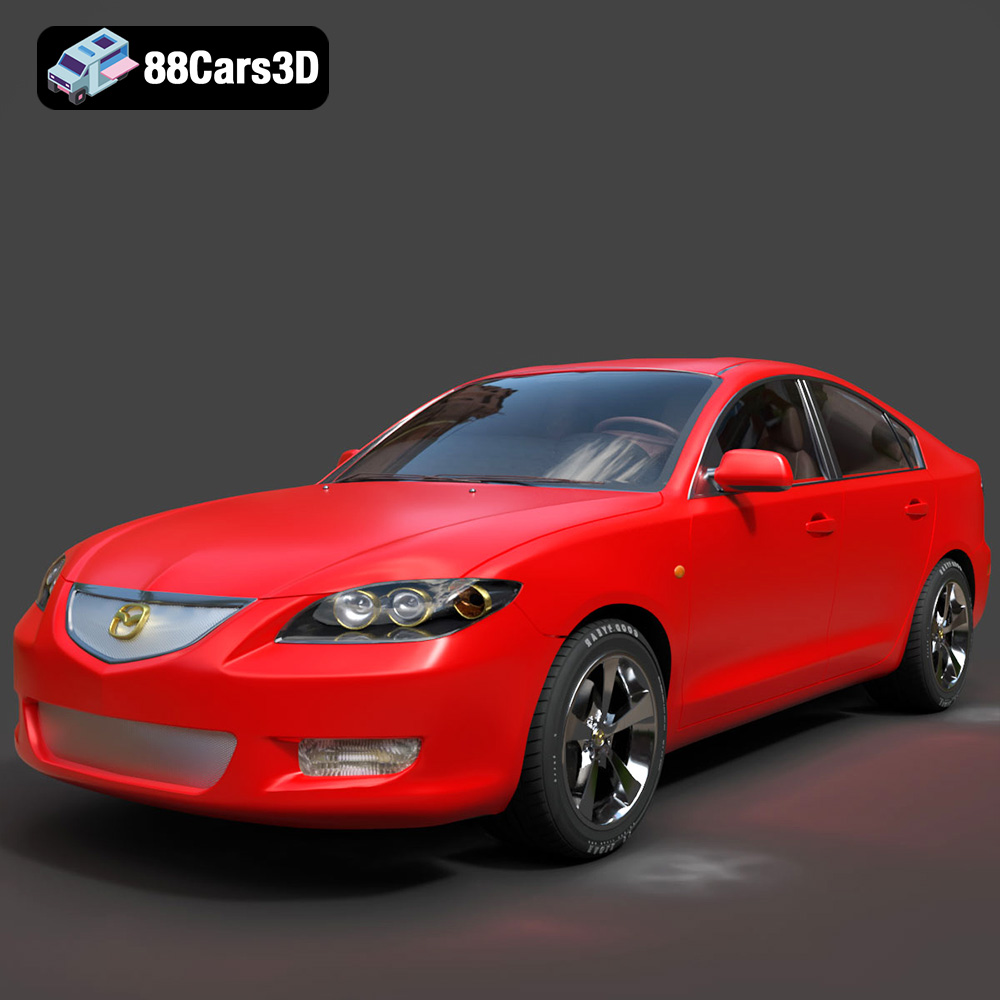
Texture: Yes
Material: Yes
Download the Mazda 3 Sedan 2004 3D Model featuring clean geometry, realistic detailing, and a fully modeled interior. Includes .blend, .fbx, .obj, .glb, .stl, .ply, .unreal, and .max formats for rendering, simulation, and game development.
Price: $10

Texture: Yes
Material: Yes
Download the Martin Rapide 2011 3D Model featuring clean geometry, realistic detailing, and a fully modeled interior. Includes .blend, .fbx, .obj, .glb, .stl, .ply, .unreal, and .max formats for rendering, simulation, and game development.
Price: $20.9
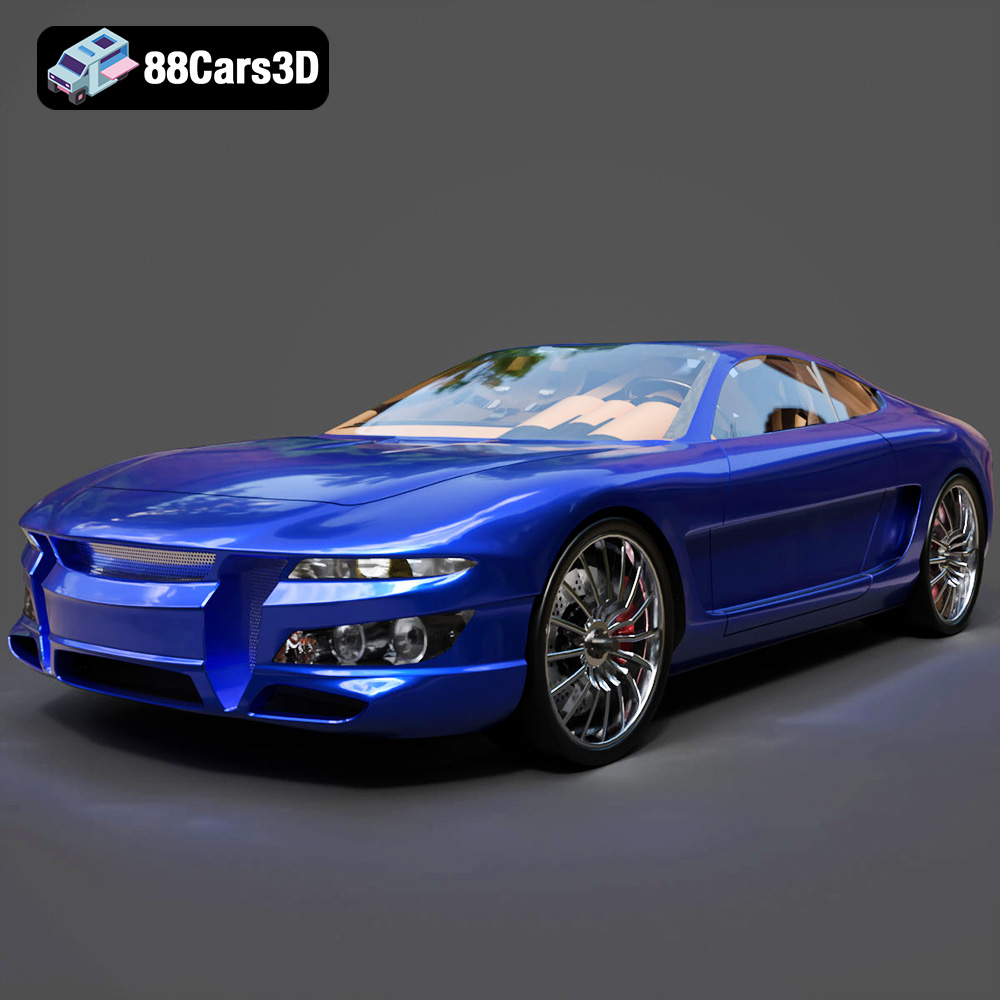
Texture: Yes
Material: Yes
Download the Car Tasergal 005 3D Model featuring clean geometry, realistic detailing, and a fully modeled interior. Includes .blend, .fbx, .obj, .glb, .stl, .ply, .unreal, and .max formats for rendering, simulation, and game development.
Price: $10
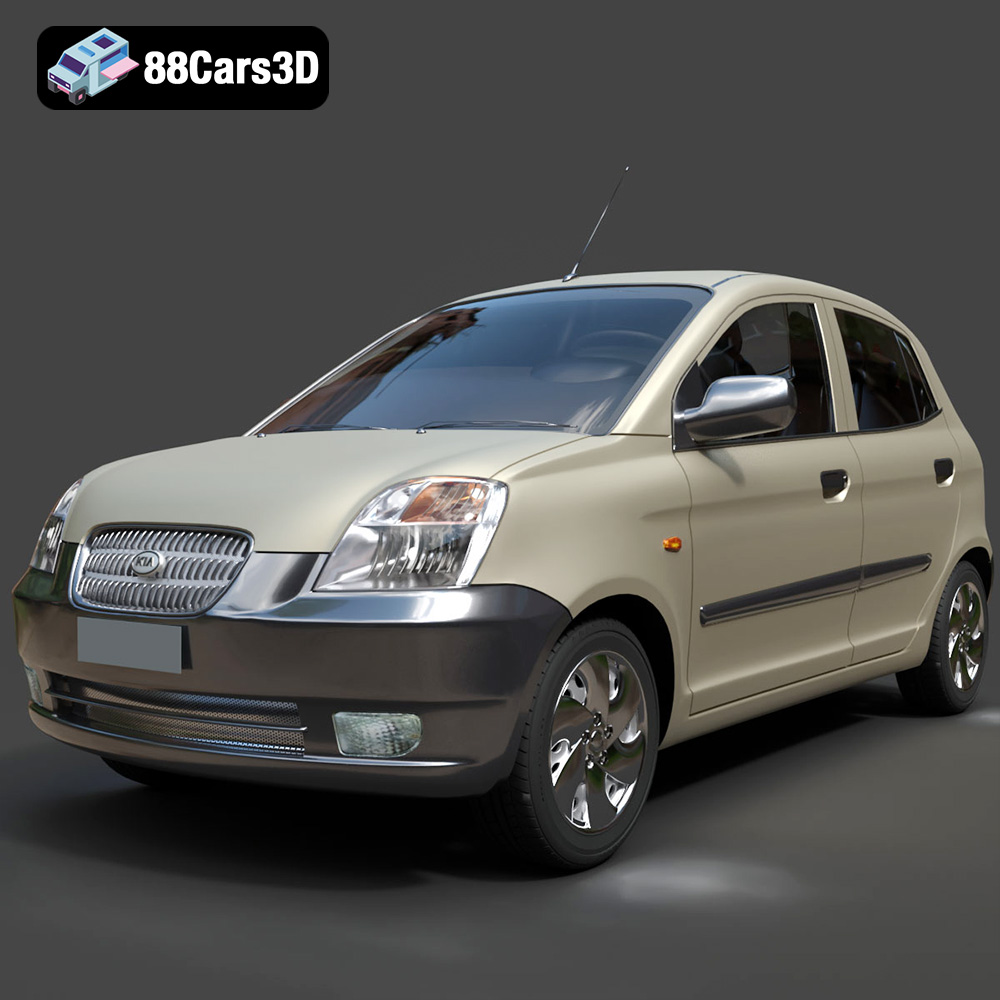
Texture: Yes
Material: Yes
Download the Kia Picanto 2024 3D Model featuring clean geometry, realistic detailing, and a fully modeled interior. Includes .blend, .fbx, .obj, .glb, .stl, .ply, .unreal, and .max formats for rendering, simulation, and game development.
Price: $15.99

