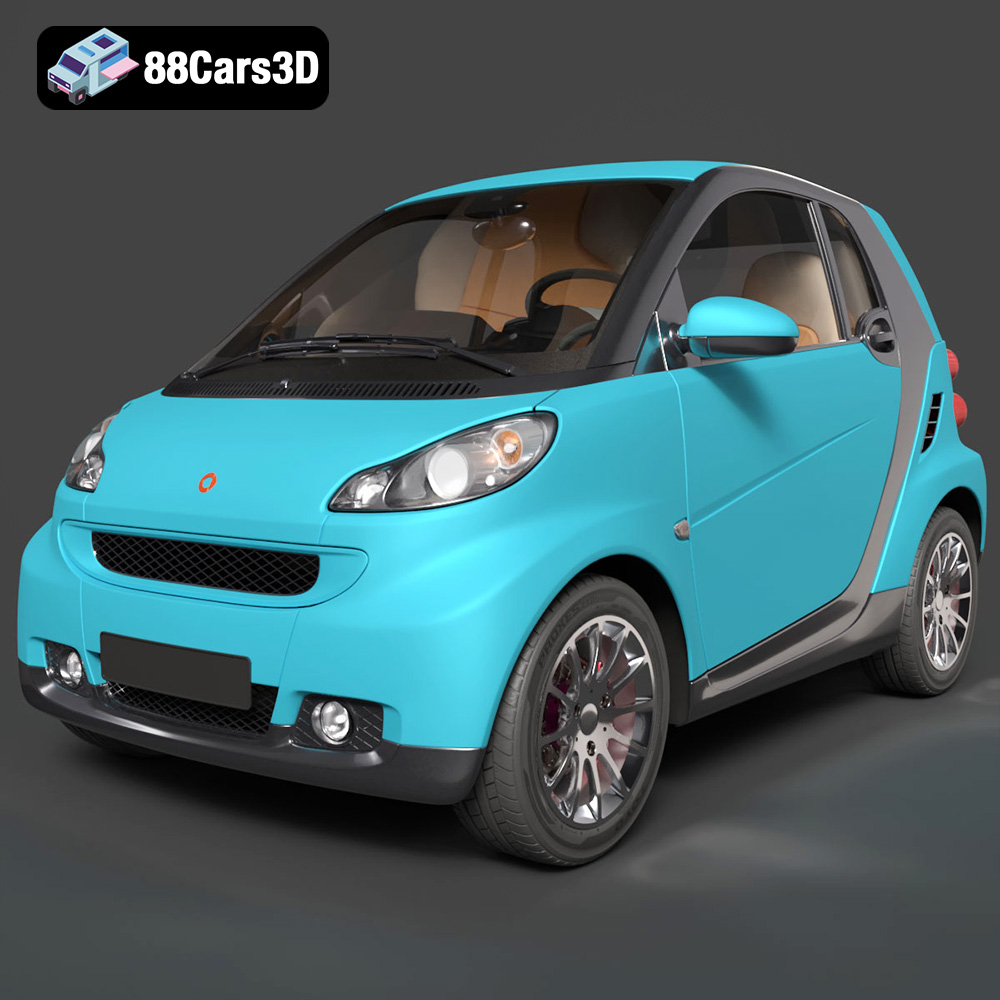
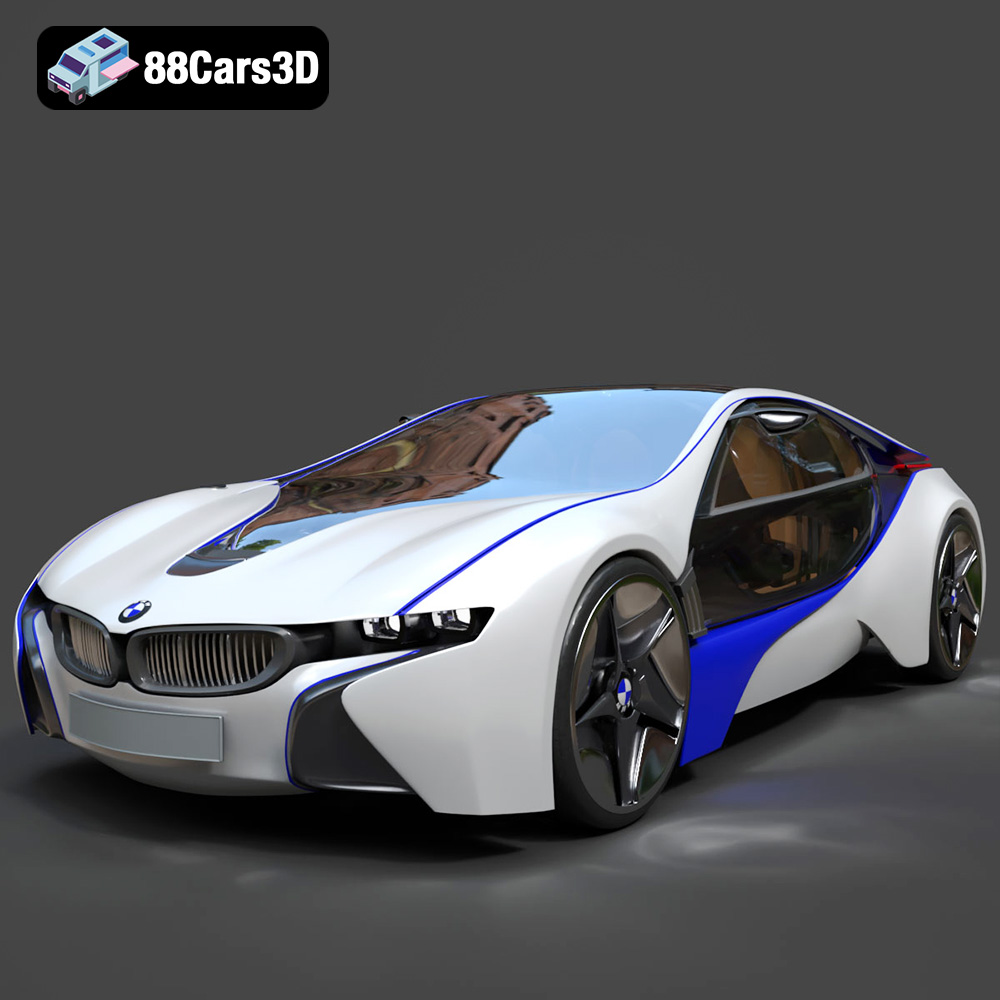
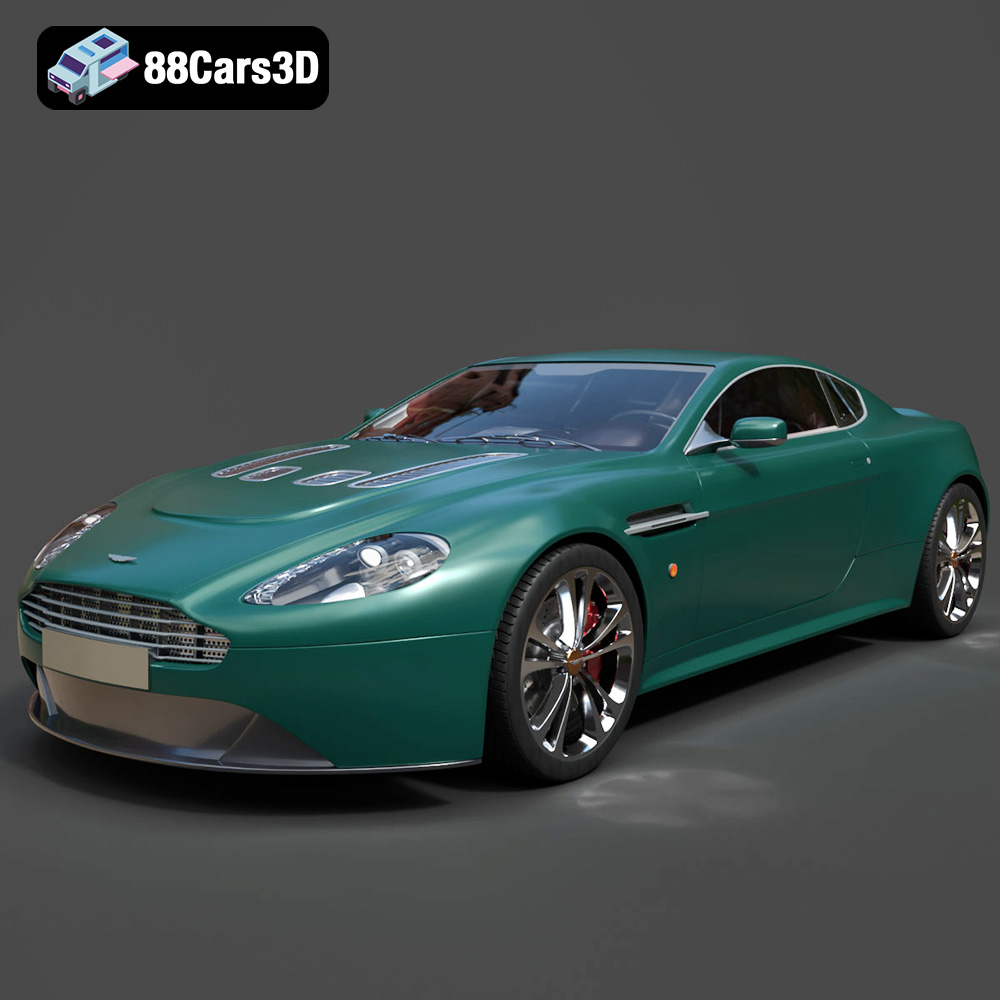
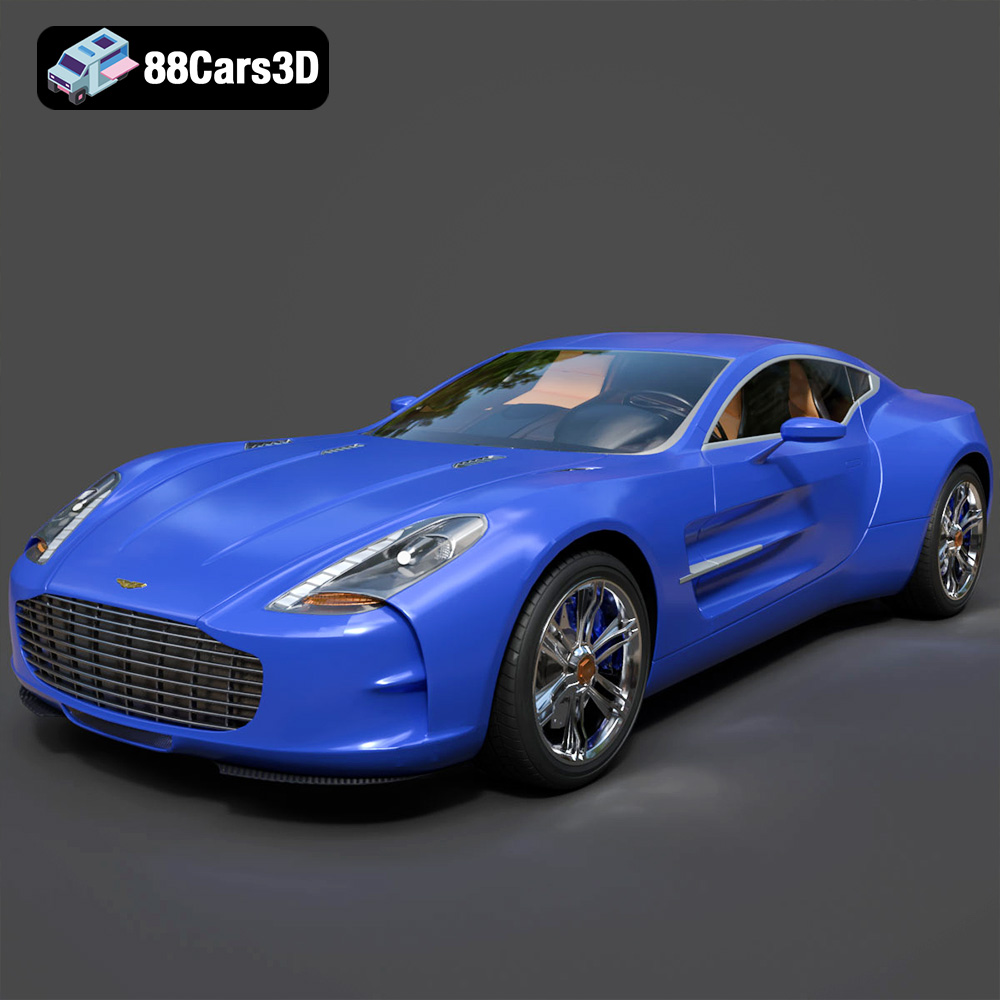
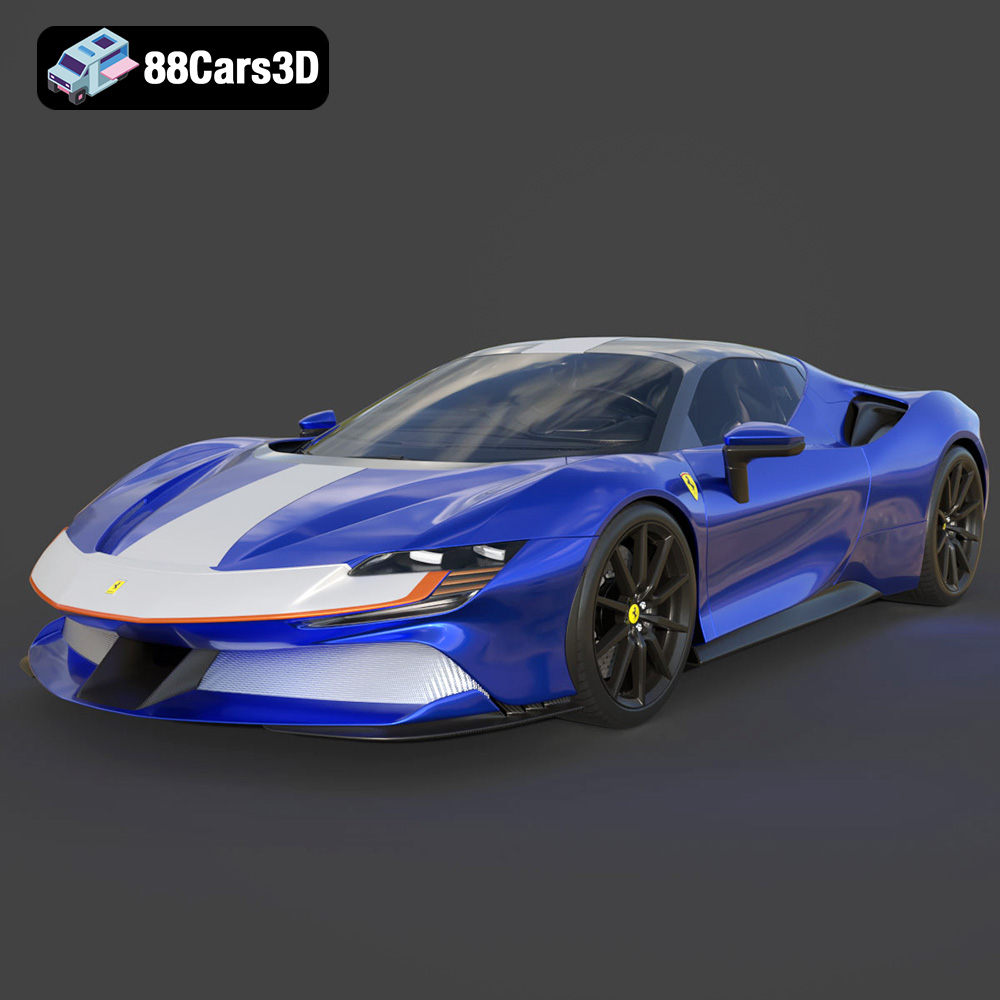
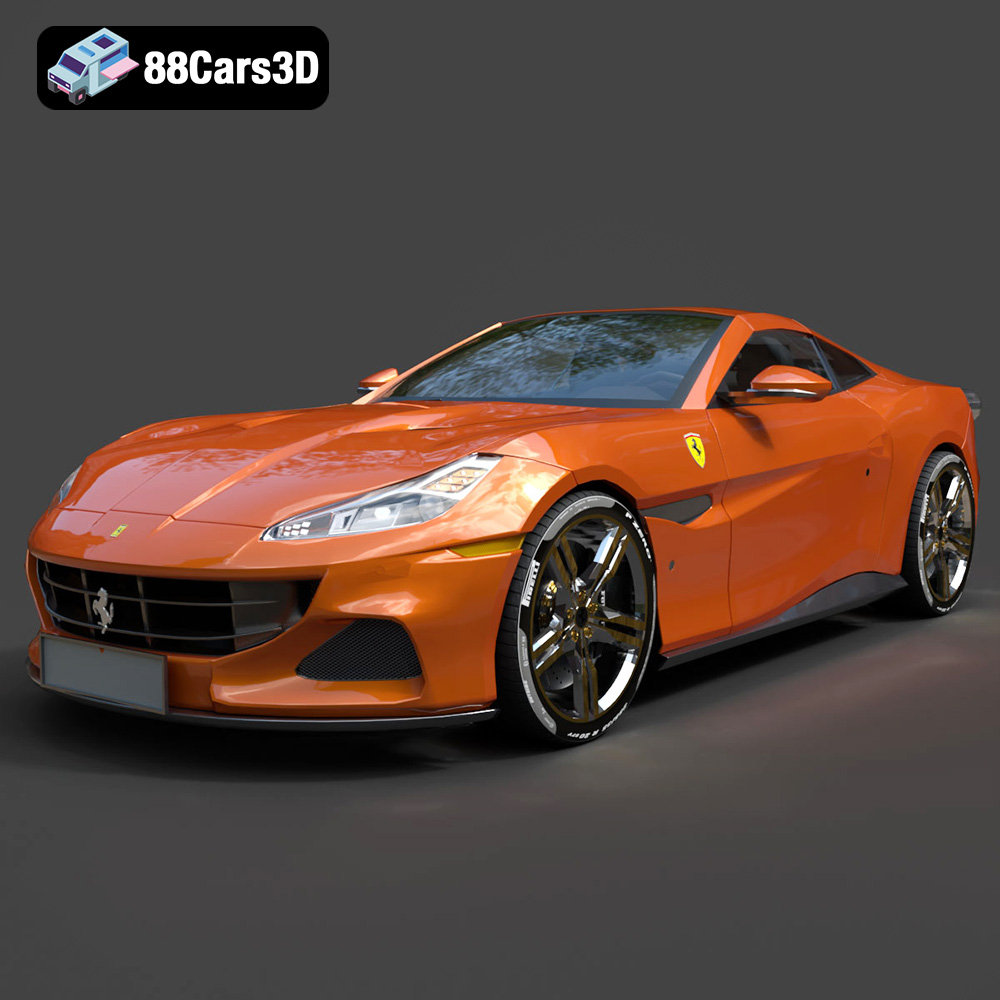
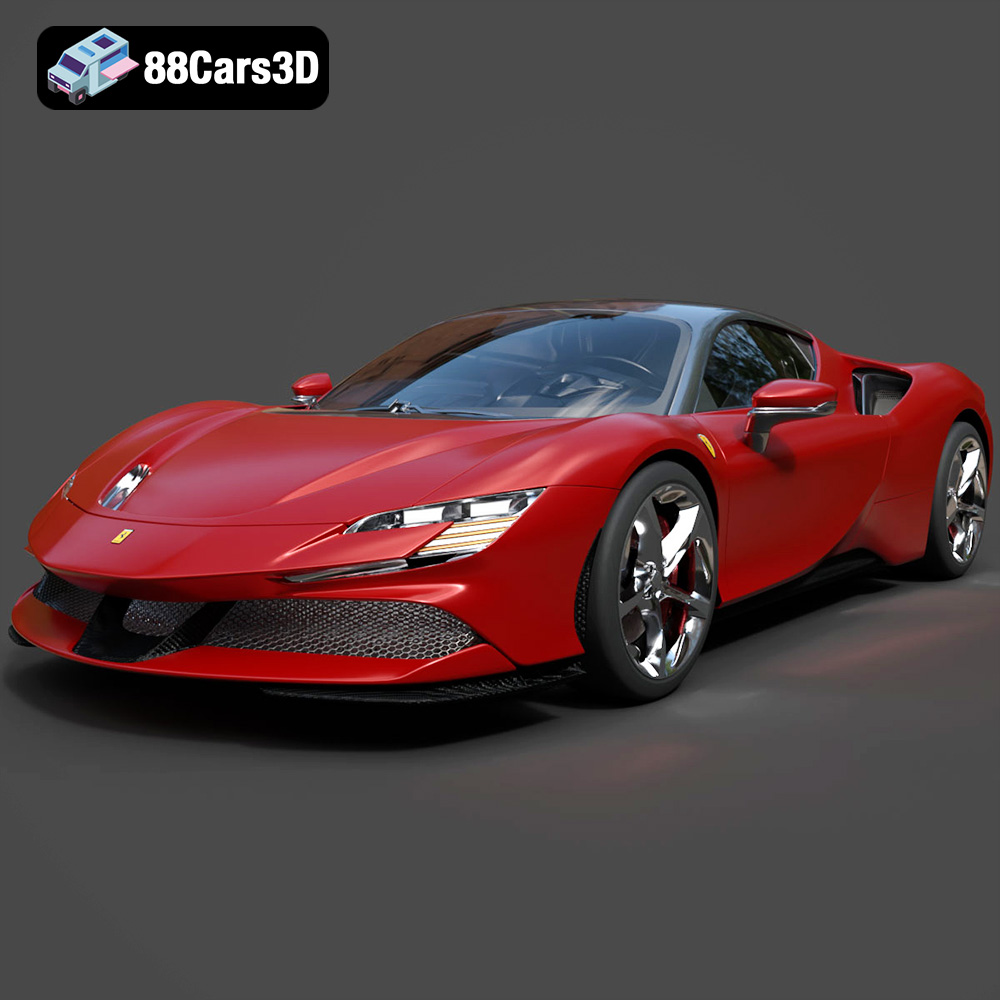
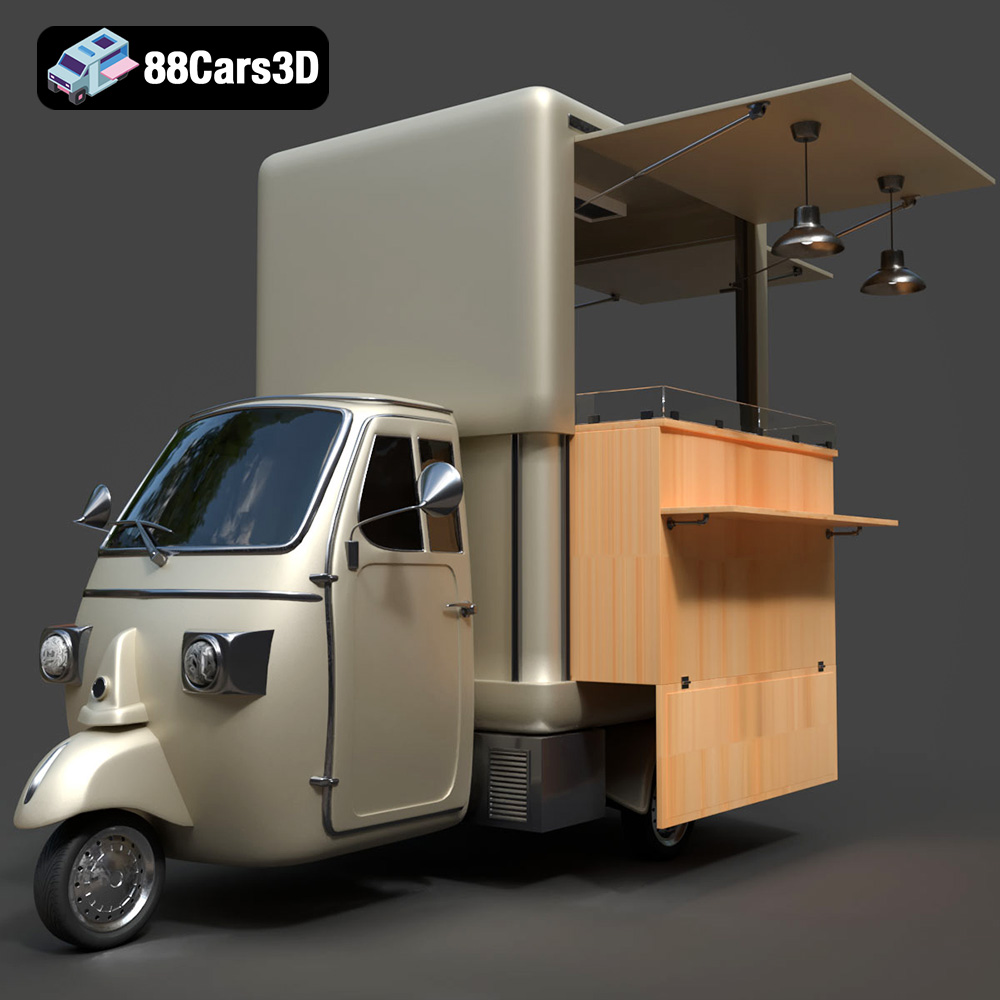
The Art and Science of 3D Car Models: From Automotive Rendering to Game Asset Mastery
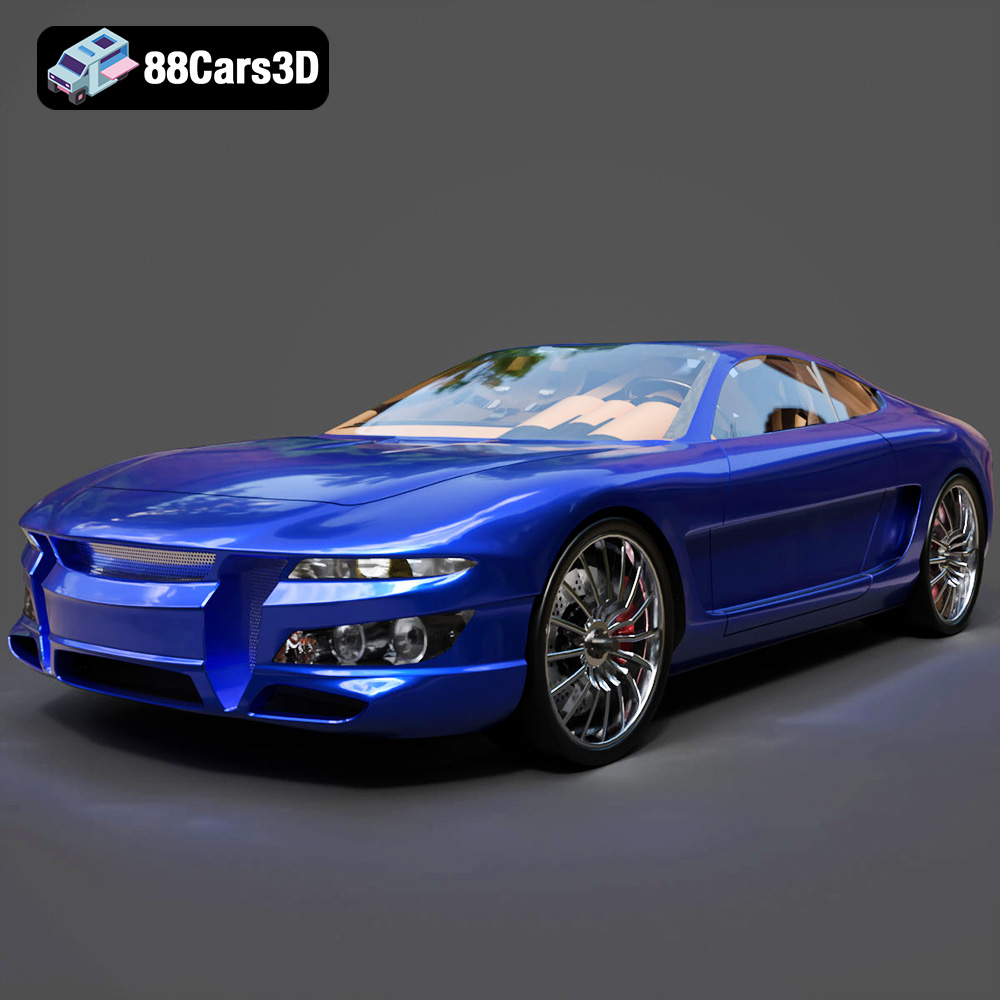
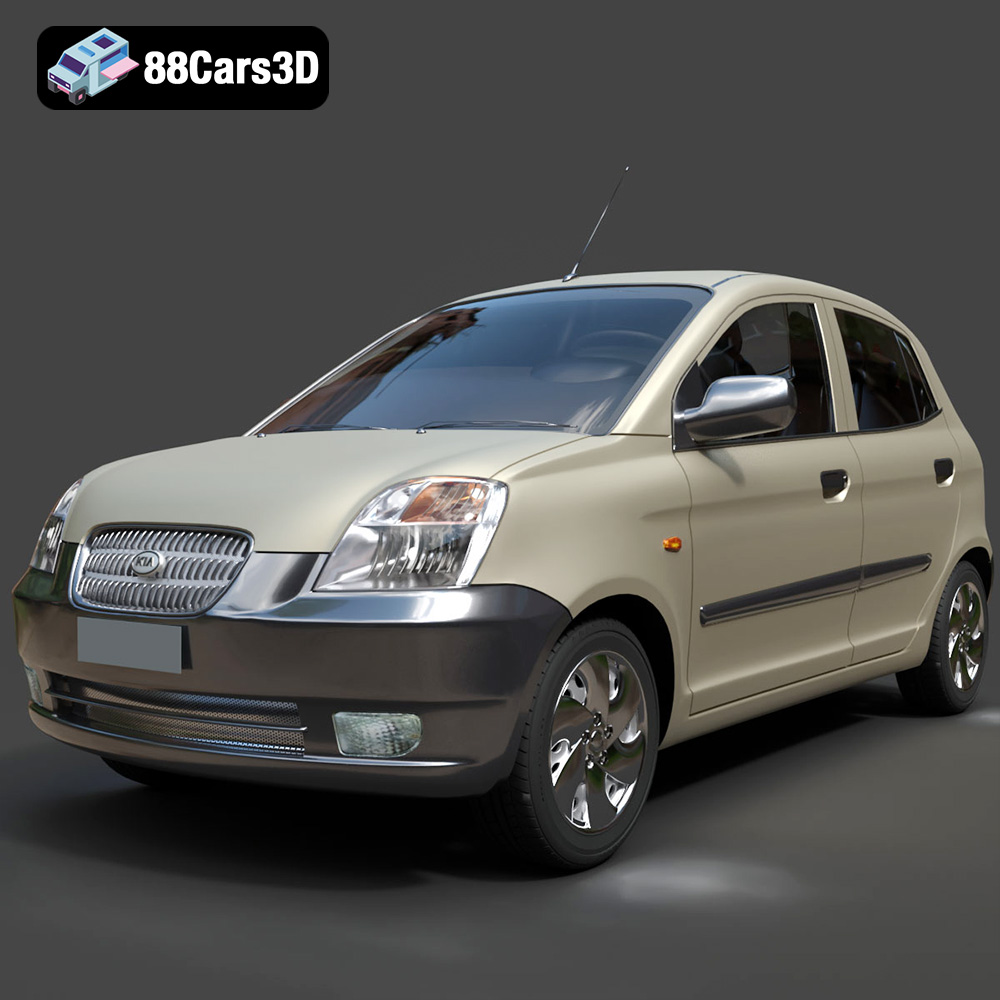
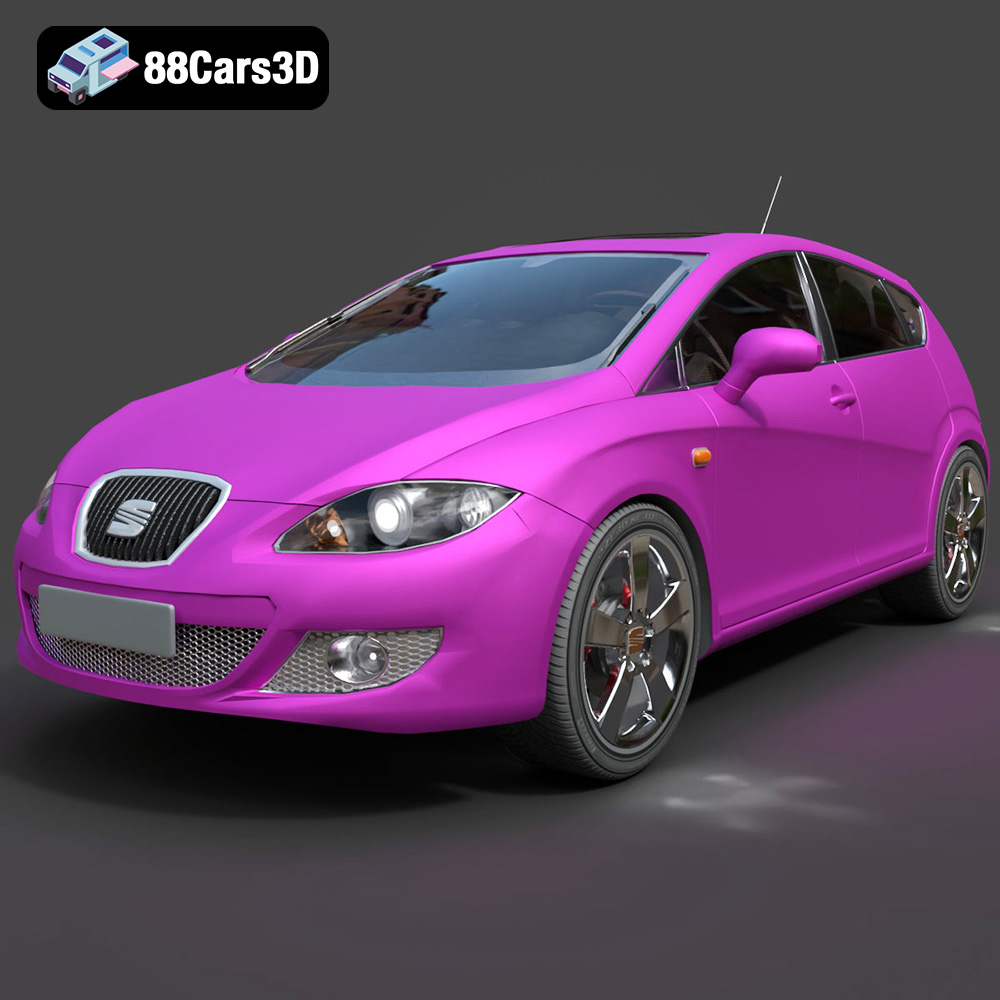
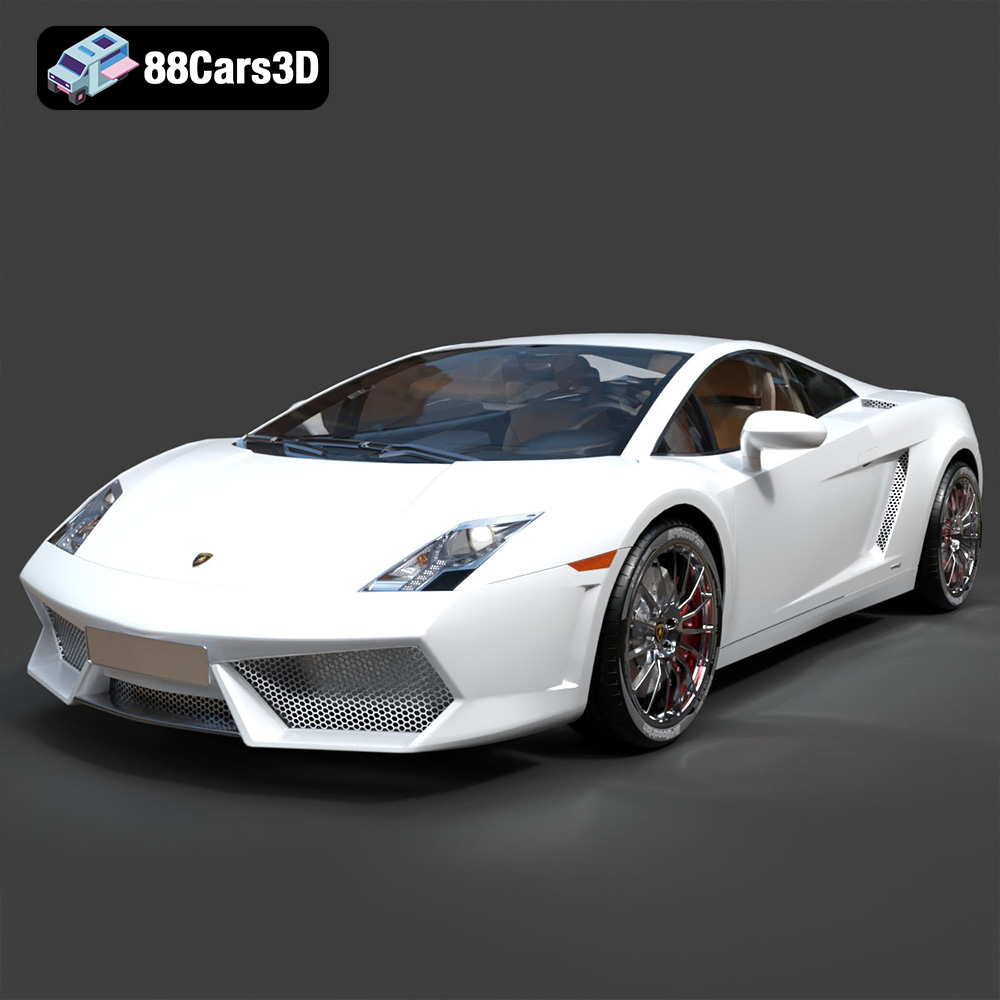
In the rapidly evolving digital landscape, high-quality 3D car models have become indispensable across a multitude of industries. From captivating photorealistic advertisements that define brand perception to immersive virtual experiences in the latest AAA games, the demand for meticulously crafted digital vehicles continues to soar. These sophisticated assets are the cornerstone of automotive design visualization, cutting-edge game development, augmented reality applications, virtual reality simulations, and even intricate 3D printing projects. Achieving realism and optimal performance requires a deep understanding of complex technical specifications, diverse software workflows, and the nuances of various digital environments. This comprehensive guide delves into the intricate world of 3D car modeling, exploring the technical considerations, essential file formats, advanced rendering techniques, and optimization strategies that empower creators to bring automotive visions to life.
The Foundation of Automotive Visualization: Why High-Quality 3D Car Models Matter
The visual fidelity and technical integrity of 3D car models are paramount to their success in any application. These digital representations are far more than just pretty pictures; they are robust data sets that convey form, function, and aesthetic with unparalleled accuracy. The investment in high-quality assets pays dividends by ensuring consistency, reducing errors, and elevating the overall professionalism of a project.
Precision and Authenticity in Design
For automotive designers and engineers, 3D car models serve as critical tools for iteration and refinement. Early-stage conceptual models allow for rapid prototyping and visual evaluation, while highly detailed production models facilitate precise engineering checks and manufacturing simulations. Authenticity is key; every curve, panel gap, and material finish must accurately reflect the real-world counterpart to ensure design integrity and brand consistency. This level of precision is achievable only with models built from the ground up with clean topology, accurate dimensions, and meticulously unwrapped UVs for flawless texture application.
Bridging Conceptualization to Reality
High-quality 3D car models act as the vital bridge between a designer’s vision and its tangible manifestation. They enable stakeholders to visualize a vehicle in various configurations, colors, and environments long before a physical prototype exists. This capability streamlines the decision-making process, identifies potential design flaws early, and significantly reduces costs associated with physical mock-ups. From initial sketches to final production renders, a robust 3D model allows for a seamless transition through the entire design pipeline, ensuring that the final product aligns perfectly with the initial concept.
Impact on Brand Perception
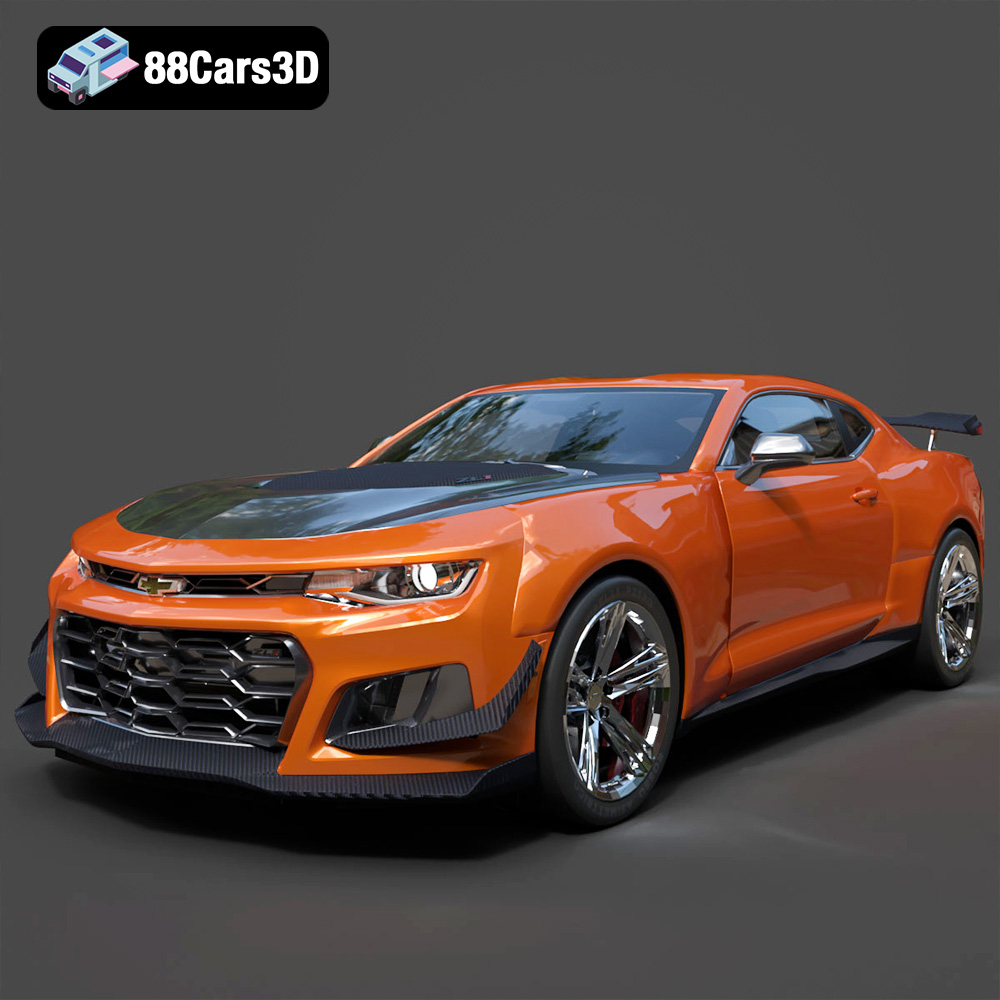
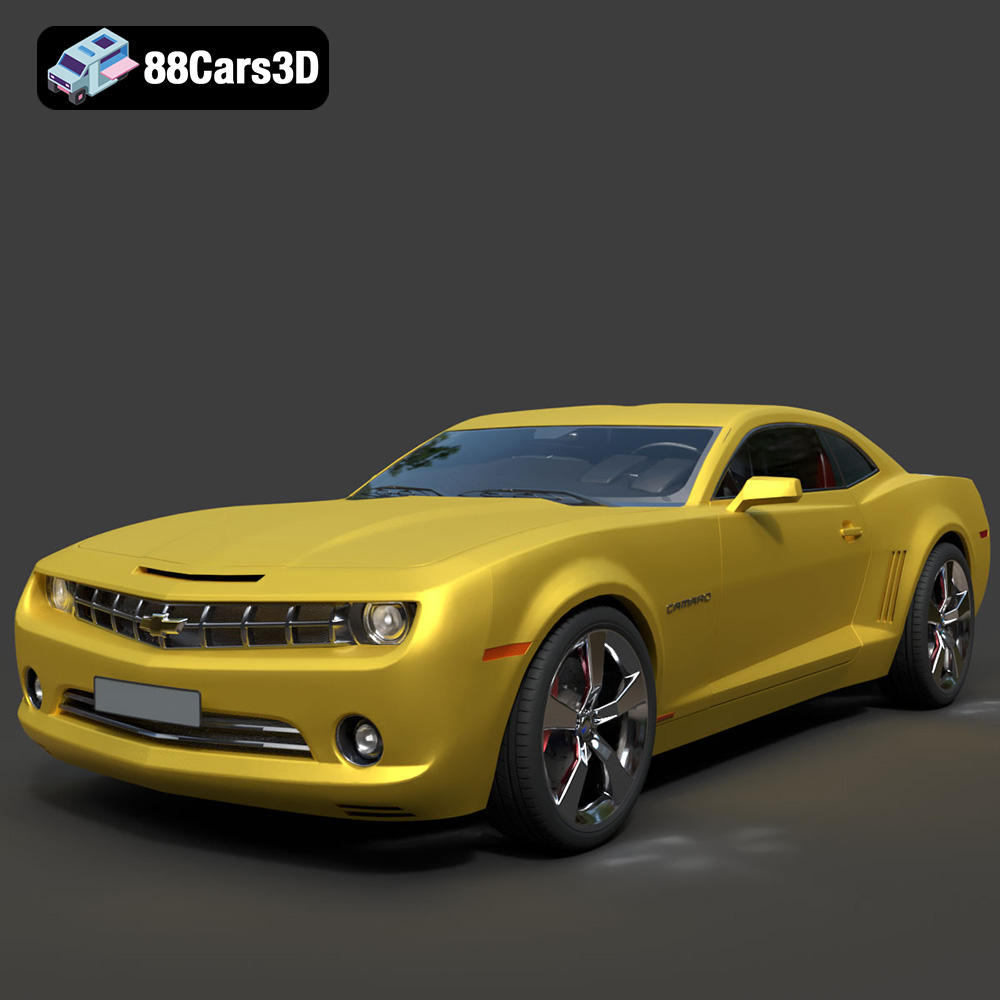
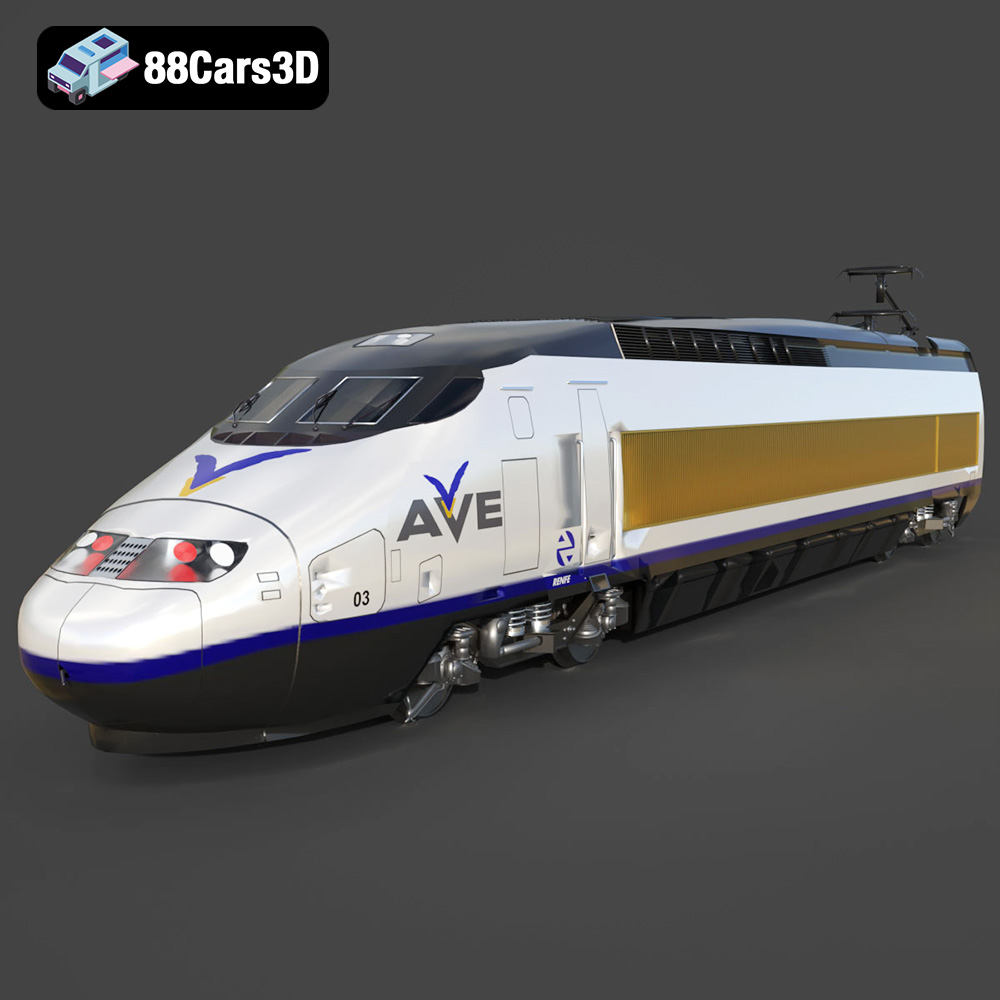
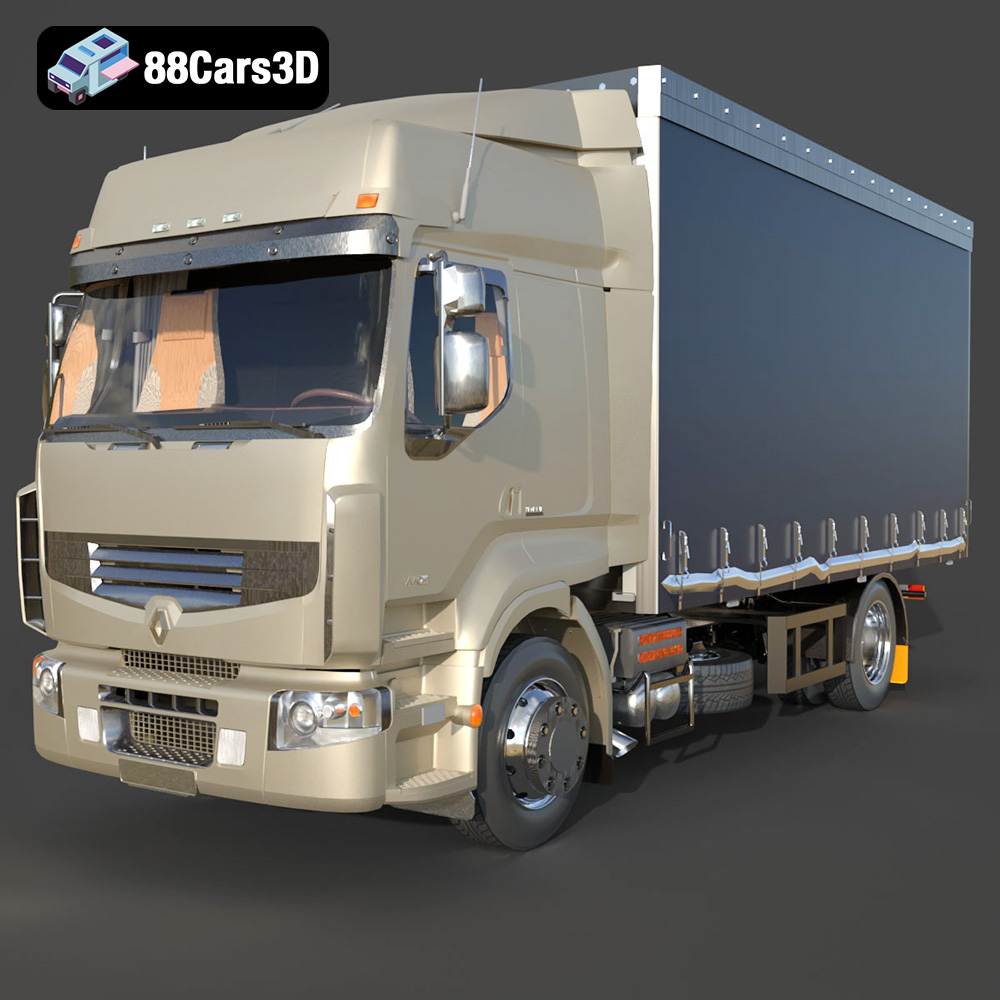
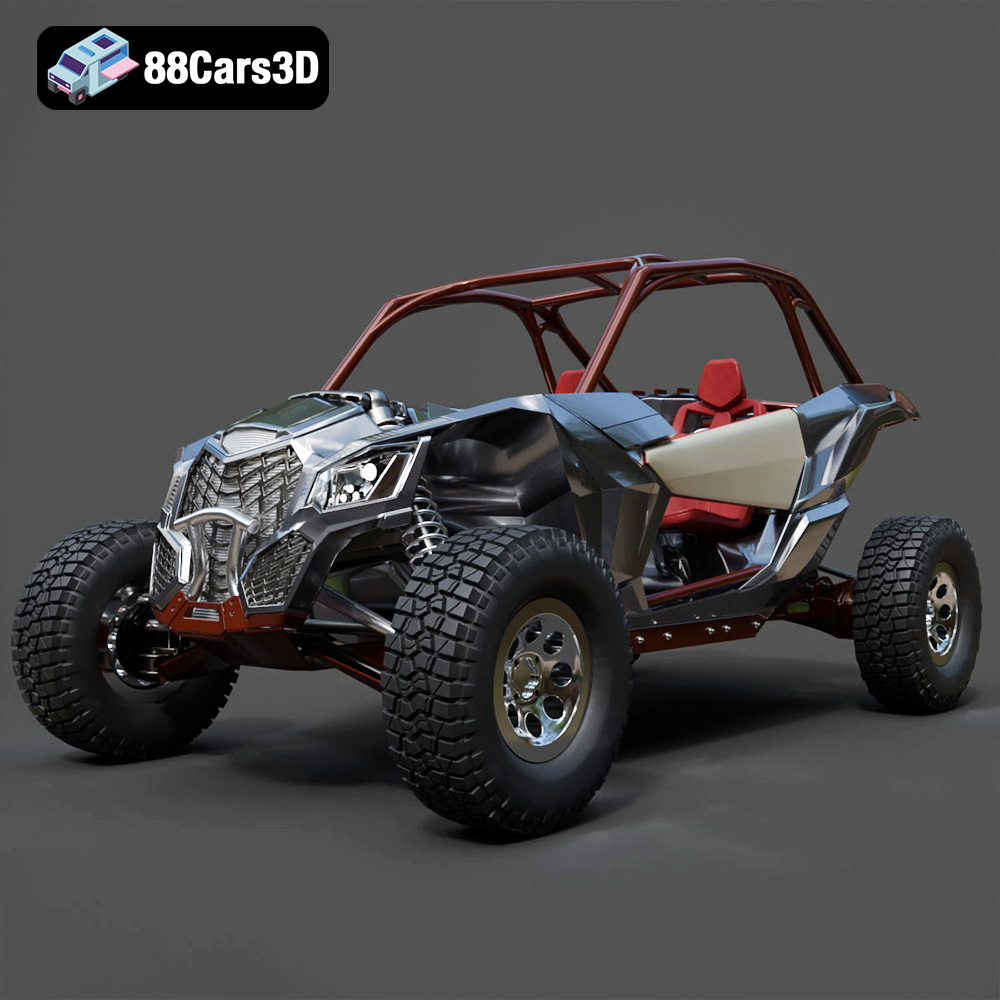
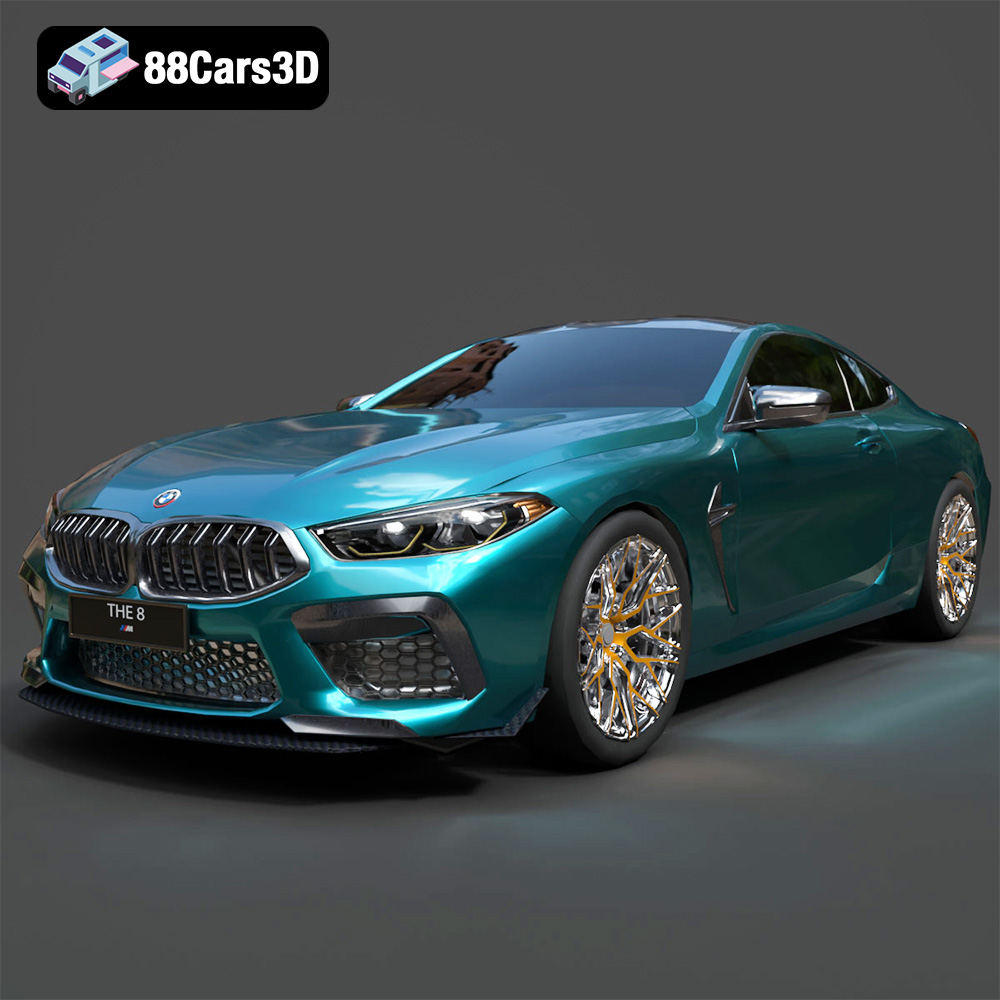
In competitive markets, the visual appeal of a vehicle plays a crucial role in shaping consumer perception and driving sales. Stunning automotive rendering generated from high-fidelity 3D car models is a powerful marketing tool. It allows brands to showcase their vehicles in aspirational settings, highlighting their design prowess and technological advancements. Whether it’s for commercials, online configurators, or interactive showrooms, the quality of the 3D asset directly reflects on the brand’s commitment to excellence and innovation. Platforms like 88cars3d.com specialize in providing these high-quality assets, understanding their critical role in brand storytelling.
Understanding 3D Model File Formats
Choosing the correct file format for your 3D car models is a fundamental technical decision that impacts workflow, compatibility, and final application. Each format is engineered with specific strengths and weaknesses, making some ideal for editing, others for real-time engines, and still others for specialized outputs like 3D printing. A clear understanding of these distinctions is crucial for seamless project execution.
Native and Interchange Formats for Editing
- .blend (Blender Scene): This is Blender’s native file format, offering a comprehensive and fully editable scene. A `.blend` file encapsulates everything from mesh geometry, UV maps, materials (including complex node-based setups), textures, animations, rigging, cameras, lighting, and even physics simulations. It’s ideal for projects where Blender is the primary DCC (Digital Content Creation) tool, allowing for complete control over every aspect of the asset. Its open-source nature ensures broad community support and continuous development, making it a powerful choice for detailed asset creation and modification.
- .max (3ds Max Project): As the native format for Autodesk 3ds Max, `.max` files are exhaustive, storing all scene data pertinent to a 3ds Max project. This includes intricate geometries, modifiers stacks, material definitions (such as V-Ray or Corona setups), lighting, cameras, animation keyframes, and character rigs. It’s the go-to format for users deeply integrated into the 3ds Max ecosystem, especially for professional visualization, animation, and complex scene assembly where 3ds Max’s robust toolset is leveraged to its fullest.
Universal Formats for Interoperability and Real-Time
- .fbx (Filmbox): Developed by Autodesk, FBX is arguably the most widely adopted interchange format in the 3D industry, particularly for real-time applications like game engines (Unreal Engine, Unity). It supports comprehensive data types including geometry, UVs, materials (though material definitions can be simplified on export/import), animations, skinning, camera, and lighting data. FBX excels in maintaining scene hierarchy and animation integrity across different software, making it the preferred choice for transferring complex game assets and animated sequences between DCC tools and game engines.
- .obj (Wavefront OBJ): A venerable and highly universal format, OBJ is primarily used for exchanging raw 3D mesh data. It stores geometry (vertices, faces, normals), UV coordinates, and groups, often referencing external `.mtl` (material library) files for basic material properties. While robust for static meshes and excellent for cross-software compatibility due to its simplicity, OBJ does not support animation, rigging, or complex material node networks. It’s often chosen when only the geometric form and basic texturing are needed, providing a reliable baseline for 3D model transfer.
Specialized Formats for Specific Applications
- .glb (GLB/glTF Binary): GLB is the binary version of glTF (Graphics Language Transmission Format), designed for efficient transmission and loading of 3D scenes and models by engines and applications. It bundles all assets (geometry, textures, animations, materials) into a single file, making it highly optimized for web-based 3D, augmented reality (AR), virtual reality (VR), and mobile applications. Its compact size and ease of integration have made it a standard for real-time browser-based display, perfect for interactive product viewers.
- .stl (Stereolithography): The industry standard for 3D printing, STL represents 3D surfaces as a series of connected triangles. It is a mesh-only format, meaning it contains no color, texture, or material information. Its simplicity makes it universally compatible with 3D printers and slicing software. However, due to its triangulated nature, it’s not ideal for editing or applications requiring clean quad-based topology. When preparing 3D car models for physical prototyping, STL is the definitive output format.
- .ply (Polygon File Format/Stanford Triangle Format): PLY files are primarily used to store 3D data from 3D scanners, CAD software, and other sources that capture complex geometric and property information. It can store not only geometry but also color, transparency, normals, texture coordinates, and even reliability information for each vertex and face. This makes it a robust format for scientific visualization, reverse engineering, and applications requiring precise mesh data with additional properties, though less common for general DCC workflows.
- .unreal (Unreal Engine Asset): While not a standalone file format in the traditional sense, an “Unreal” asset refers to a model specifically imported, optimized, and saved within the Unreal Engine project structure (often as `.uasset` files). This means the asset has undergone Unreal’s internal processing for LODs, collision meshes, material setup, and potentially blueprint integration. It signifies an engine-ready asset, fully configured for real-time environments within Unreal Engine, leveraging its advanced rendering and physics capabilities. These assets are highly optimized for game development and interactive experiences.
Crafting Realistic Automotive Renders: A Technical Deep Dive
Achieving photorealistic automotive rendering is a highly technical discipline that combines artistic vision with a deep understanding of physics-based rendering principles. Every aspect, from the subtle reflections on the paintwork to the refraction through the glass, contributes to the overall believability of the image.
Mastering Materials and Textures
- PBR Workflows (Physically Based Rendering): Modern rendering relies heavily on PBR principles, which simulate how light interacts with surfaces in the real world. This involves creating a set of interdependent texture maps:
- Albedo/Base Color: Defines the diffuse color of the surface.
- Normal Map: Adds fine surface detail without increasing polygon count, simulating bumps and grooves.
- Roughness Map: Controls the microscopic surface irregularities, determining how scattered or sharp reflections appear.
- Metallic Map: Differentiates between metallic (reflective, no diffuse color) and dielectric (non-metallic) surfaces.
- Ambient Occlusion (AO): Simulates soft shadows where objects are close together, adding depth.
For complex automotive finishes, layers of clear coat and specialized metallic flakes are often simulated using advanced material graphs in renderers like V-Ray, Corona, or Arnold.
- UV Unwrapping Techniques: Proper UV unwrapping is critical for applying textures without distortion. This involves ‘unfolding’ the 3D mesh into a 2D space. Techniques include:
- Seams: Strategically placed cuts to minimize stretching.
- Packing: Efficiently arranging UV islands within the 0-1 UV space to maximize texture resolution.
- UDIMs (Multi-tile UVs): Using multiple UV tiles for extremely high-resolution models, allowing different parts of the car to have their own large texture maps without resolution limitations.
- Procedural vs. Baked Textures: Procedural textures are generated mathematically, offering infinite resolution and flexibility, often used for generic materials like dirt or scratches. Baked textures, on the other hand, are calculated from high-detail models (e.g., normal maps baked from a sculpt) or complex lighting scenarios (e.g., ambient occlusion maps) and stored as image files, optimizing performance in real-time or simplifying render times.
Lighting and Environment Setup
- HDRI Lighting: High Dynamic Range Image (HDRI) maps are crucial for realistic exterior and interior automotive renders. These 360-degree panoramic images capture real-world lighting and reflections, accurately illuminating the vehicle and providing authentic reflections on its surfaces.
- Physical Lights: Alongside HDRIs, physical lights (area lights, spot lights) are used to emphasize specific features, create dramatic highlights, or simulate studio lighting setups. Accurate Kelvin temperature and intensity values are essential for realism.
- Global Illumination Techniques: Advanced renderers utilize sophisticated GI algorithms like Path Tracing or Photon Mapping to simulate how light bounces around a scene, contributing to realistic soft shadows, color bleeding, and overall environmental illumination.
- Camera Settings: Replicating real-world photography principles is vital. Adjusting parameters like depth of field (DOF), f-stop, ISO, and shutter speed allows artists to control focal planes, light sensitivity, and motion blur, achieving cinematic quality.
Post-Processing for Polish and Realism
Even the best renders benefit from strategic post-processing. This involves using image editing software (like Photoshop) to refine the raw render. Techniques include color grading to set the mood, adding subtle lens effects (flares, chromatic aberration), vignettes to draw attention to the subject, and denoising algorithms to clean up any remaining noise from the rendering process. These final touches elevate a good render to an exceptional one.
Optimizing 3D Car Models for Game Development
The demands of real-time rendering in game engines like Unreal and Unity necessitate a rigorous optimization process for 3D car models. Performance is paramount; every polygon, texture, and draw call must be carefully managed to maintain high frame rates while preserving visual quality.
Poly Count and LOD Strategies
Efficient UVs and Texture Atlasing
- Minimizing Draw Calls: Each unique material applied to a model generates a ‘draw call,’ which can be costly for the GPU. By consolidating materials and using texture atlases, multiple parts of the car can share a single material, reducing draw calls and improving performance.
- Non-Overlapping UVs for Lightmaps: For static lighting solutions (e.g., baked global illumination in Unreal Engine), a second, unique set of UV coordinates (UV channel 1) is often required. These UVs must be non-overlapping to prevent lightmap errors and ensure correct shadow baking.
- Texture Atlases for Efficiency: Combining multiple smaller textures (e.g., for interior buttons, emblems, small details) into one larger texture atlas reduces the number of texture lookups and improves rendering efficiency.
Collision Meshes and Physics Assets
- Simple vs. Complex Collision Models: While the visual mesh of a car can be highly detailed, the collision mesh (used for physics calculations) needs to be as simple as possible. Complex collision meshes are computationally expensive. Often, a combination of simple convex shapes and basic proxy geometry is used to define the vehicle’s physical boundaries.
- Creating Proxy Geometry for Physics Simulation: For advanced vehicle physics (e.g., suspension, deformable body parts), specialized proxy geometry is created and integrated with the game engine’s physics system. This allows for realistic interactions without requiring the high-poly visual mesh to participate directly in complex physics calculations.
Real-World Applications and Case Studies
The versatility of high-quality 3D car models extends across numerous industries, demonstrating their value beyond traditional rendering and gaming. Their adaptability makes them powerful tools for visualization, simulation, and interactive experiences.
Automotive Marketing and Configurators
One of the most prominent applications is in automotive marketing. High-fidelity 3D car models are the backbone of interactive online configurators, allowing potential buyers to customize vehicles in real-time with different colors, rims, interiors, and accessories. This immersive experience significantly enhances engagement and aids purchasing decisions. Moreover, these models are used to generate stunning high-resolution promotional images and animated commercials, showcasing vehicles in their best light. For brands looking to make a strong visual impact, a resource like 88cars3d.com provides the essential starting point with their extensive library of high-detail assets.
Simulation and Training
Beyond marketing, 3D car models are critical for sophisticated simulation and training programs. Realistic driving simulators, used by professional drivers, engineers, and even military personnel, rely on accurate vehicle dynamics and highly detailed 3D environments. These simulations offer a safe and cost-effective way to train and test under various conditions. Similarly, VR training modules for mechanics or assembly line workers use 3D models to create interactive, hands-on learning experiences, allowing users to disassemble and reassemble virtual engines or practice maintenance procedures in a virtual garage.
Architectural Visualization and VR Experiences
In architectural visualization (arch-viz), integrating realistic 3D car models is essential for bringing a scene to life. Whether it’s a bustling street scene or a minimalist showroom, the presence of vehicles adds scale, context, and a sense of realism. For virtual reality experiences, especially in real estate or urban planning, these models allow users to explore virtual environments with dynamic, lifelike vehicles, enhancing immersion. This is particularly valuable for showcasing future developments or proposed infrastructure projects, giving stakeholders a tangible feel for the final output.
Workflow Integration: From CAD to Cinematic Engine
The journey of a 3D car model from initial concept to a fully realized asset in a cinematic render or a game engine is a complex multi-stage process involving specialized software and meticulous technical execution. This workflow often bridges the gap between engineering precision and artistic refinement.
Pre-Production and Data Preparation
Asset Creation and Refinement in DCCs (Digital Content Creation tools)
Engine Integration and Optimization
- Importing into Unreal Engine or Unity: Clean, optimized 3D car models are exported (typically as .fbx) from the DCC software and imported into game engines like Unreal Engine or Unity. During import, settings for scale, pivot points, and material assignment are carefully configured.
- Setting Up Materials, LODs, Collisions, and Blueprints/Scripts: Within the engine, the imported model’s materials are converted to the engine’s native PBR shader system. LODs are assigned, collision meshes are generated or imported, and physics assets are configured. For interactive elements, blueprints (Unreal) or scripts (Unity) are created to control doors, lights, engine sounds, and driving mechanics.
- Performance Profiling: Continuous profiling is essential to identify and resolve performance bottlenecks. Tools within Unreal Engine or Unity help analyze draw calls, polygon counts, texture memory usage, and shader complexity, allowing for further optimization to achieve target frame rates.
Conclusion
The creation and deployment of high-quality 3D car models represent a fascinating convergence of artistic skill, engineering precision, and advanced technical knowledge. From the foundational understanding of diverse file formats that dictate compatibility and use cases, through the intricate processes of photorealistic automotive rendering, to the rigorous optimization required for seamless integration as game assets, every stage demands meticulous attention to detail.
The applications for these sophisticated digital vehicles are boundless, enhancing everything from product design and marketing to immersive simulations and interactive entertainment. As industries continue to embrace digital transformation, the demand for expertly crafted 3D car models will only intensify, solidifying their status as critical assets in the digital economy.
Whether you are an automotive designer seeking unparalleled visualization, a game developer striving for immersive realism, or an architect aiming to populate your scenes with authentic details, investing in superior 3D car models is a strategic move. For those looking to acquire meticulously crafted, production-ready assets, 88cars3d.com offers a curated selection that meets the highest industry standards, empowering your projects with the visual fidelity and technical robustness they deserve.
Featured 3D Car Models