Get 50% OFF All Premium 3D & STL Models!

In the fast-evolving landscape of digital media, the demand for high-fidelity 3D car models has never been greater. From cinematic automotive rendering to immersive game environments and cutting-edge AR/VR experiences, precision and realism are paramount. Whether you’re a seasoned professional in architectural visualization, a game developer crafting the next blockbuster racing title, or an automotive designer conceptualizing future vehicles, the quality of your digital assets directly impacts the final output.
This comprehensive guide delves into the intricate world of 3D automotive design, exploring the technical nuances, essential workflows, and critical considerations for leveraging top-tier 3D car models. We’ll unpack everything from file formats and rendering techniques to optimization for real-time applications, demonstrating how premium assets can transform your projects. For those seeking a reliable source for such high-quality assets, 88cars3d.com stands as a testament to excellence, providing meticulously crafted models ready for any professional pipeline.
At the core of any successful digital automotive project lies a meticulously crafted 3D car model. These aren’t just pretty pictures; they are complex data structures that define every curve, surface, and component of a vehicle. The quality of this foundational asset dictates the potential for realism, performance, and flexibility across various applications.
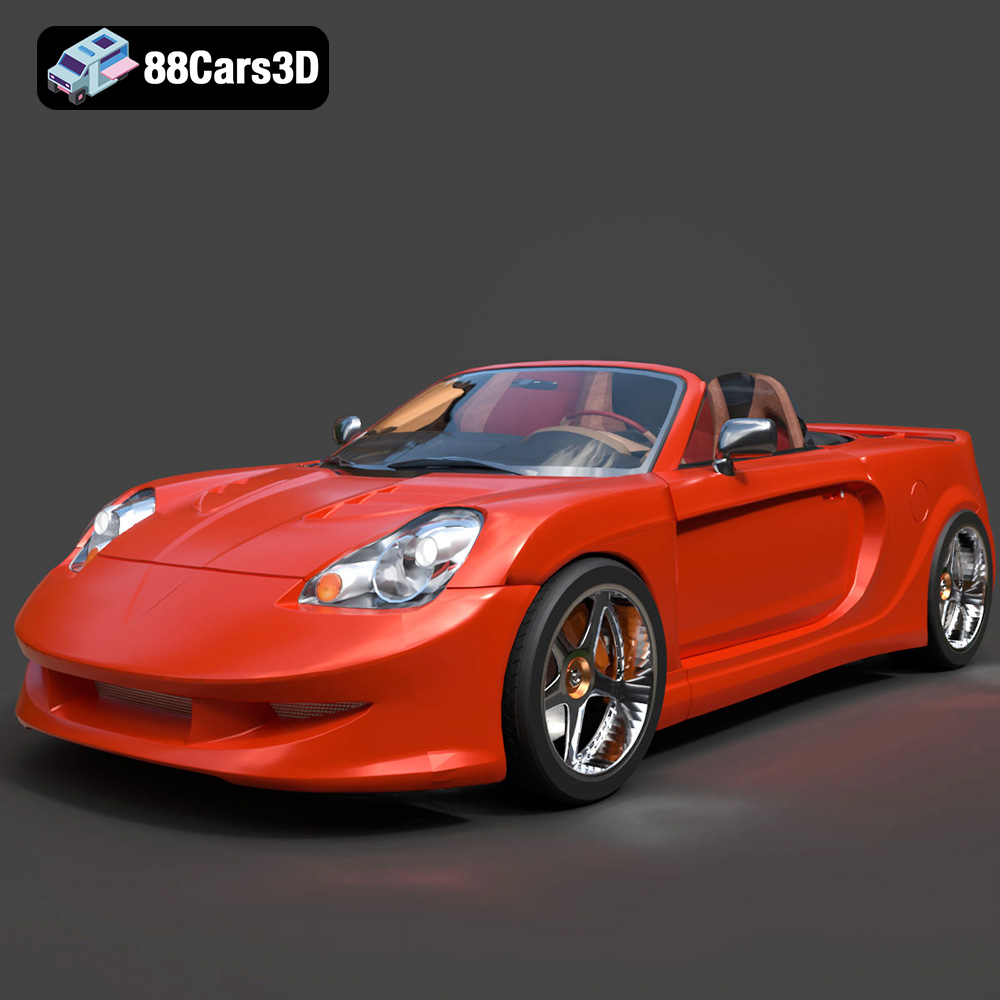
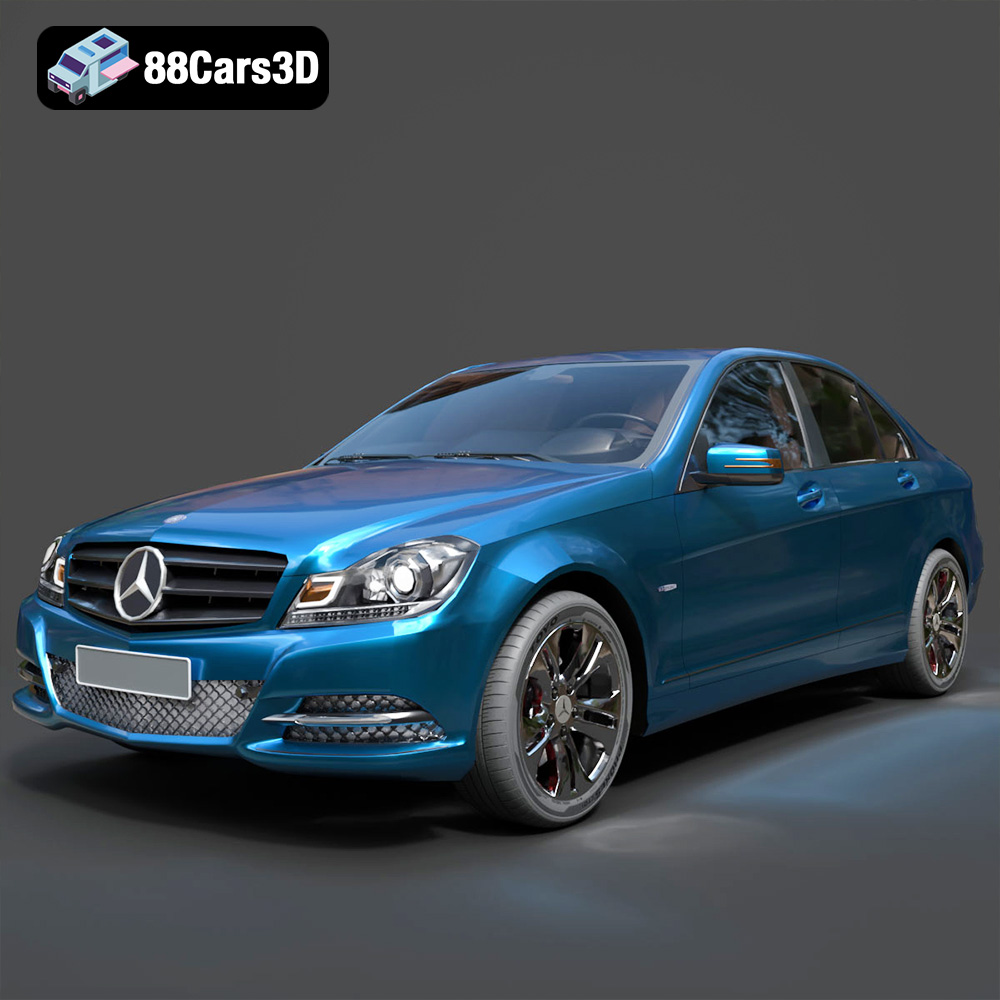
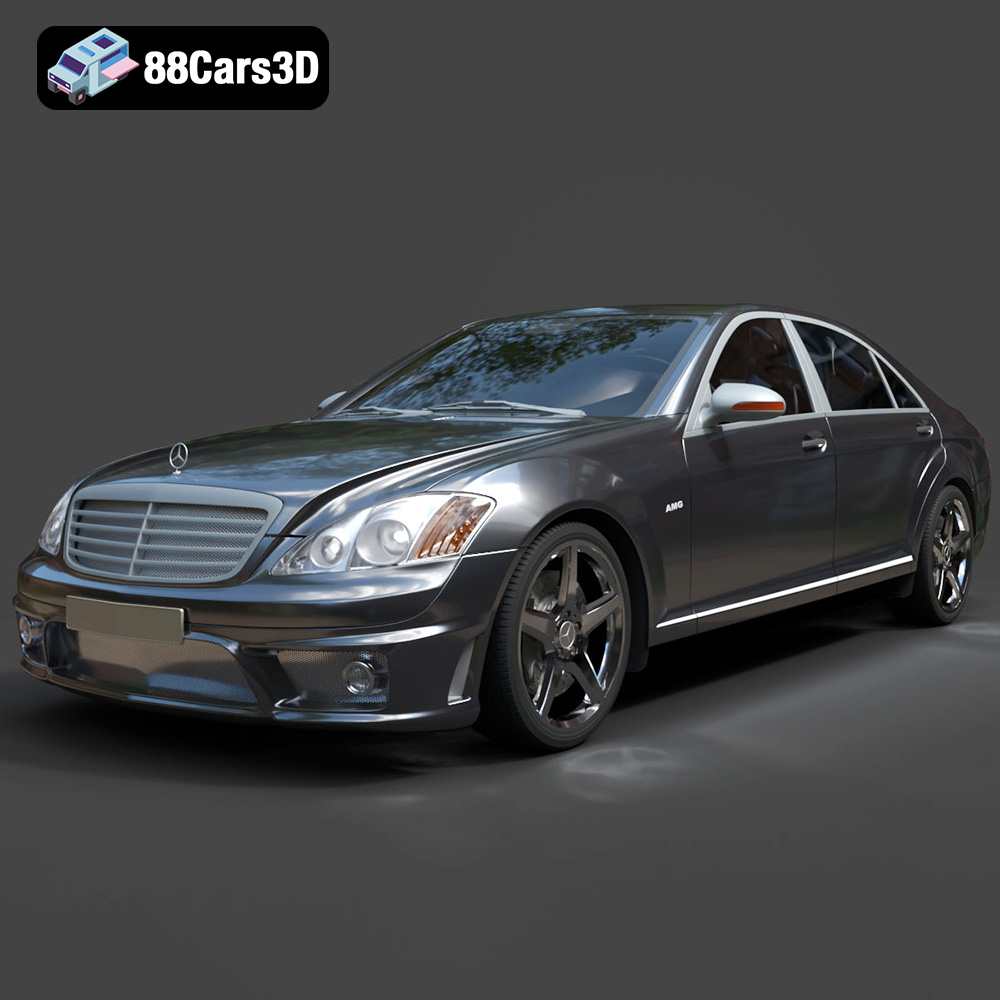
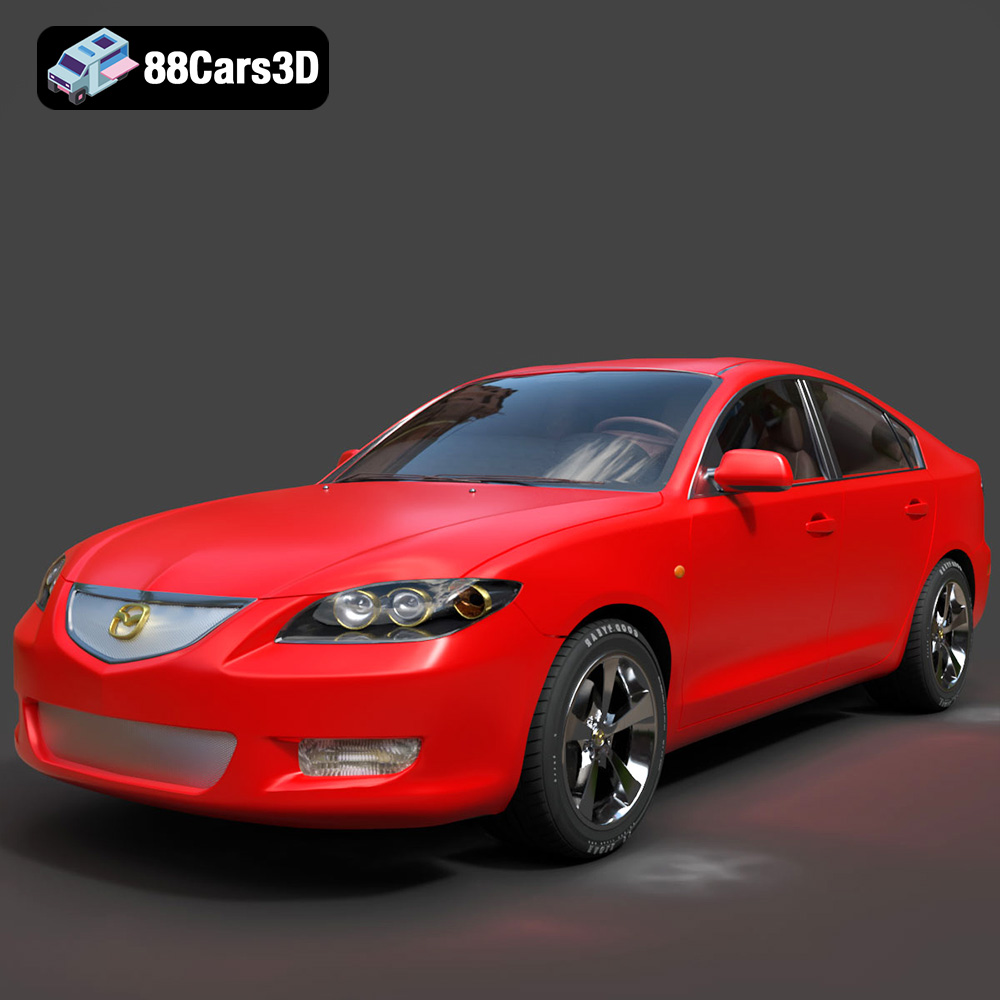
For marketing and product visualization, photorealism is the ultimate goal. High-quality 3D car models allow agencies and manufacturers to create stunning visuals without the expense and logistical challenges of physical photography. This includes configurable options, dynamic lighting scenarios, and environments that can be changed on the fly. A model with accurate topology, clean UVs, and PBR-ready materials is essential for capturing every subtle reflection, highlight, and surface imperfection that makes a render truly believable.
In game development, performance is king. Yet, players demand increasing levels of visual fidelity. Premium 3D car models provide game developers with assets that strike a crucial balance between visual quality and optimization. This means models are built with careful consideration for poly count, Level of Detail (LOD) systems, and efficient texture packing. A well-constructed model saves countless hours in the optimization phase, allowing artists and engineers to focus on gameplay and user experience rather than wrestling with inefficient geometry.
The utility of a high-quality 3D car model extends far beyond traditional media. Architectural visualization firms use them to populate street scenes, adding realism to urban renders. AR/VR developers integrate them to create immersive virtual showrooms or training simulations. Even product designers leverage these models for rapid prototyping through 3D printing. The ability of a single, robust model to serve multiple purposes underscores the value of investing in assets built to professional standards.
Choosing the correct file format is a critical first step in any 3D workflow, directly impacting compatibility, feature retention, and ease of integration into various software and platforms. Each format serves specific purposes, offering different advantages for diverse applications, from high-end rendering to real-time game engines and 3D printing. Understanding these distinctions is fundamental for any professional working with 3D car models.
The .blend format is native to Blender, the popular open-source 3D creation suite. A .blend file encapsulates an entire Blender scene, including all 3D models, materials (Cycles, Eevee), textures, lights, cameras, animations, physics simulations, and even custom scripts. This makes it an incredibly powerful format for Blender users, as it preserves every aspect of the project for full editability. When you acquire a .blend file from a source like 88cars3d.com, you get a complete, ready-to-render setup within Blender, allowing for deep customization and iteration without losing any original scene data.
Autodesk’s .fbx (Filmbox) format has become the de facto industry standard for exchanging 3D data between different software applications. Its strength lies in its ability to store a wide array of information, including geometry (meshes), materials (basic PBR properties), textures, rigging, skinning, and animation data. This makes .fbx ideal for pipelines involving multiple software packages, such as creating a model in 3ds Max, rigging it in Maya, and then importing it into Unreal Engine or Unity for real-time applications. While comprehensive, certain advanced material nodes or rendering-specific features from source software might not translate perfectly.
The .obj (Wavefront OBJ) format is one of the oldest and most widely supported 3D file formats, making it a truly universal option for cross-software compatibility. It primarily stores geometric data – vertices, normals, UV coordinates, and faces – and can reference external .mtl (material) files for basic color and texture assignments. While it doesn’t support animation or advanced material properties, its simplicity and widespread adoption make it excellent for mesh exchange when geometry is the primary concern. It’s a reliable choice when you need a simple, clean mesh that can be imported almost anywhere.
.glb (GL Transmission Format Binary) is the binary version of glTF, specifically designed for efficient transmission and loading of 3D scenes and models on the web and in augmented/virtual reality applications. A .glb file contains all necessary data—geometry, materials, textures, animations—packed into a single binary file, simplifying asset delivery. Its optimization for real-time rendering and support for physically-based rendering (PBR) workflows make it an increasingly popular choice for interactive 3D content, showcasing 3D car models directly in a browser or AR experience.
The .stl (Stereolithography) format is the standard for 3D printing and computer-aided manufacturing (CAM). It represents a 3D model as a series of connected triangles, describing only the surface geometry without color, texture, or material information. For designers looking to transform their digital 3D car models into physical prototypes or collectibles, an .stl file is the essential output. Clean, manifold geometry is crucial for successful 3D prints, making the source model’s construction vital.
.ply (Polygon File Format) is often used for storing 3D data from 3D scanners, CAD software, and other scientific applications. Like .obj, it stores geometric data, but it also supports additional properties like color, transparency, surface normals, and even confidence values for each vertex. This makes it a valuable format for precision mesh data, especially in fields requiring detailed analysis or reconstruction of objects, such as reverse engineering or advanced manufacturing. While less common for general rendering, its robustness for data integrity is noteworthy.
The .unreal format, or more specifically, assets packaged within an Unreal Engine project, signifies an engine-ready asset. This isn’t a single universal file type, but rather a collection of files (meshes, materials, textures, blueprints, animations) meticulously organized and configured to function optimally within Unreal Engine. When you obtain an “Unreal-ready” asset, it means it’s pre-optimized, has proper material setups (often PBR), LODs configured, and possibly collision meshes, ensuring seamless drag-and-drop integration and excellent performance in real-time environments. Such assets dramatically speed up game development and visualization workflows.
The .max format is the native file type for Autodesk 3ds Max, a powerful 3D modeling, animation, and rendering software widely used in architectural visualization, game development, and film. A .max file contains an entire 3ds Max scene, including all geometry, materials (V-Ray, Corona, Arnold, Physical materials), textures, lights, cameras, animation keyframes, modifiers, and plugin-specific data. It offers full editability and access to all the features within 3ds Max, making it the preferred format for users who wish to customize, animate, or render a 3D car model using 3ds Max’s extensive toolset.
Photorealistic automotive rendering is an art and a science, demanding a deep understanding of light, materials, and composition. Achieving that showroom-quality finish requires a combination of powerful software, meticulous material creation, and strategic lighting. The goal is to make the digital model indistinguishable from a real photograph.
The choice of rendering engine significantly impacts workflow and final output. Popular choices for automotive visualization include:
The realism of an automotive rendering hinges on its materials. Physically Based Rendering (PBR) workflows are essential, focusing on how light interacts with surfaces in the real world.
Utilizing high-quality PBR texture maps (Albedo/Base Color, Metallic, Roughness, Normal, Ambient Occlusion) on premium 3D car models is non-negotiable for achieving visual fidelity.
Lighting is the soul of any render. For cars, studio lighting setups often involve large softboxes and rim lights to highlight curves and reflections. High Dynamic Range Images (HDRIs) are incredibly effective for placing vehicles in realistic outdoor or indoor environments, providing both illumination and reflections from a real-world source. Matching the scale and intensity of virtual lights to the HDRI is crucial for seamless integration. Careful placement of fill lights and negative lights can sculpt the form of the vehicle, emphasizing its design language.
Even the best raw render can be enhanced through post-processing in software like Photoshop or Affinity Photo. Techniques include:
These subtle touches elevate a render from technically accurate to visually captivating.
Creating beautiful automotive rendering is one thing; making 3D car models run smoothly in a real-time game engine is another. This requires a different mindset, focusing on performance, efficiency, and scalability without sacrificing too much visual quality. The technical demands for game assets are rigorous, impacting poly count, texturing, and overall engine performance.
Poly count is a primary concern for real-time performance. High-detail models for rendering can have millions of polygons, which is unsustainable for a game engine. Game-ready 3D car models typically range from 50,000 to 200,000 polygons for a hero vehicle, depending on the platform and desired fidelity.
Well-optimized models, such as those found on 88cars3d.com, often come with pre-configured LODs, saving valuable development time.
Efficient UV mapping is vital for texturing and draw call optimization. Clean, non-overlapping UVs are essential for baking normal maps, ambient occlusion, and other detail textures from a high-poly sculpt onto a low-poly mesh. Texture atlasing consolidates multiple smaller textures into a single, larger texture sheet. This reduces draw calls by allowing the engine to render multiple parts of the model using a single material, significantly improving performance. For example, all interior elements of a car might share one texture atlas, and exterior elements another.
For interactive game assets, vehicles need to be rigged for functionality. This involves:
While full character animation rigging is rare for vehicles, these basic functional rigs are essential for gameplay.
The process of bringing 3D car models into game engines like Unreal Engine or Unity involves several steps:
High-quality, pre-optimized game assets greatly streamline this process, enabling faster iteration and superior results.
The utility of high-fidelity 3D car models continues to expand into exciting new frontiers, pushing the boundaries of interaction, simulation, and physical creation. These advanced applications leverage the inherent detail and versatility of digital assets to deliver innovative solutions.
VR and AR are transforming how we interact with cars, even before they are built. Automotive manufacturers are using VR for design reviews, allowing engineers and designers to walk around a full-scale virtual prototype, inspecting every detail. AR applications enable consumers to visualize a car in their driveway, customize colors and trims, and even “look inside” with X-ray vision, all from their smartphone or tablet. The demand for highly optimized, realistic 3D car models (often in .glb format) that can run smoothly on mobile AR devices or high-end VR headsets is immense, driving innovation in real-time rendering and asset streaming.
The journey from digital concept to physical object is now more accessible than ever through 3D printing. Designers can rapidly prototype components or entire scale models of their 3D car models. This allows for tangible evaluation of ergonomics, form, and fit much earlier in the design cycle. Beyond industrial applications, high-detail .stl models are popular for creating bespoke collectibles, miniature replicas, or custom parts for hobbyists. The accuracy of the digital model directly translates to the precision of the printed object, highlighting the importance of clean, watertight geometry.
The concept of a “digital twin” – a virtual replica of a physical asset – is gaining traction in the automotive industry. High-fidelity 3D car models are central to this, serving as the visual and geometric foundation for these twins. Coupled with real-world sensor data and physics simulations, digital twins enable comprehensive testing, predictive maintenance, and performance optimization in a virtual environment. This can range from simulating aerodynamics and crash tests to predicting wear and tear on components, all without the need for expensive physical prototypes. This application demands extremely accurate models that reflect real-world specifications.
The realm of 3D automotive design and visualization is dynamic and demanding, requiring assets that are not only visually stunning but also technically robust and versatile. From creating breathtaking automotive rendering for marketing campaigns to developing high-performance game assets for immersive experiences, the quality of your foundational 3D car models is paramount.
Understanding the intricacies of file formats, mastering advanced rendering techniques, and meticulously optimizing models for real-time applications are critical skills for any professional in this field. By investing in expertly crafted models and applying these technical workflows, artists and developers can unlock unparalleled levels of realism, efficiency, and creative freedom.
For those committed to excellence, sources like 88cars3d.com provide the essential building blocks: premium, meticulously engineered 3D car models designed to meet the rigorous demands of modern digital pipelines. Embracing these high-quality assets is not just about convenience; it’s about setting a new standard for what’s possible in automotive visualization and interaction, driving innovation one polygon at a time.