In the exhilarating world of 3D visualization, where every detail can elevate a design from good to breathtaking, the choice of rendering engine is paramount. For automotive enthusiasts, designers, game developers, and visualization professionals, bringing a 3D car model to life demands not just technical prowess but also the right tools. High-quality 3D car models are the canvas, and a powerful rendering engine is the brush that paints photorealistic imagery. This comprehensive guide delves deep into three titans of the rendering world: V-Ray, Corona Renderer, and Cycles. We’ll explore their strengths, workflows, and specific techniques to help you achieve stunning automotive rendering, whether for still images, animations, interactive experiences, or even preparing game assets. From intricate topology and advanced PBR materials to optimization for various platforms, prepare to unlock the full potential of your 3D automotive projects.
The Foundation: High-Fidelity 3D Car Models and Topology
Before even touching a render button, the quality of your 3D car models‘ underlying geometry is crucial. A flawless render begins with a meticulously crafted mesh. For automotive subjects, which are characterized by smooth, reflective surfaces and complex curvatures, pristine topology is not just a preference—it’s a necessity. Poor topology leads to pinching, artifacts, and difficulties in UV mapping and texturing, ultimately hindering realism.
Essential Topology for Automotive Surfaces: Edge Flow and Quads
Clean topology for automotive models primarily means maintaining an all-quad mesh structure. Triangles and N-gons should be avoided on primary surfaces as they can cause rendering artifacts, especially under subdivision surfaces, and complicate deformations. The “edge flow” is equally critical; edges should follow the natural contours and design lines of the car. Think of the sweeping lines over fenders, the sharp creases along character lines, and the smooth transitions between panels. Proper edge flow ensures that reflections propagate smoothly across the surface, an indispensable aspect of realistic car renders. When subdividing the mesh using modifiers like TurboSmooth or Subdivision Surface, good edge flow prevents unsightly bumps or depressions. Professionals often target a base mesh that looks clean even without subdivision, ensuring the final high-poly model is perfectly smooth.
Optimizing Polygon Count for Performance
While photorealism often correlates with higher polygon counts, especially when using subdivision surfaces, smart optimization is key for efficient workflows and diverse applications. For cinematic renders, a high polygon count (millions of polys after subdivision) is often acceptable. However, for real-time applications like game assets, AR/VR, or large-scale visualizations, polygon budgets become critical. Techniques include using judicious levels of subdivision—only subdividing areas that truly benefit from it, such as highly curved panels, and leaving flatter areas at a lower poly count. For parts hidden from view, simplification is also a common practice. When sourcing models from marketplaces such as 88cars3d.com, always check the wireframe and polygon count to ensure they meet your project’s specific requirements for both fidelity and performance.
Mastering Materials: PBR Workflows and UV Mapping
Once the geometry is solid, the next step towards photorealism lies in materials. Physically Based Rendering (PBR) has become the industry standard for creating materials that react realistically to light, regardless of the rendering environment. This approach is fundamental for achieving believable car paint, glass, rubber, and metallic finishes.
Crafting Realistic Automotive PBR Shaders
PBR materials rely on a set of texture maps that describe how a surface interacts with light. Key maps include Albedo (or Base Color), Metallic, Roughness, Normal, and sometimes Ambient Occlusion. For automotive surfaces, replicating real-world properties is vital:
- Car Paint: This is arguably the most complex and critical automotive material. It often requires a multi-layered approach: a base color layer, a clear coat layer for reflections, and often a flake layer for metallic paints. Parameters like IOR (Index of Refraction) for the clear coat (typically around 1.4-1.5) and precise roughness values are essential. Flake maps, often procedural or noise-based, contribute to the characteristic sparkle.
- Glass: Accurate transmission (color, depth), refraction (IOR around 1.5-1.55 for typical glass), and reflection are key. Slight tinting, tiny imperfections, and smudges can greatly enhance realism.
- Rubber & Tires: These require subtle roughness variations, normal maps for tread patterns, and sometimes subsurface scattering for very thin rubber elements.
- Chrome & Metals: High metallic values (1.0) combined with varying roughness levels and accurate color are crucial. Brushed metals will have an anisotropic reflection property that scatters light along a specific direction, which advanced shaders can simulate.
Understanding the interplay between these maps and shader parameters is fundamental to creating convincing PBR materials. Many renderers offer dedicated car paint shaders or advanced material graphs to facilitate this complexity.
UV Unwrapping Strategies for Complex Car Geometry
Effective UV mapping is the bridge between your 3D model and its 2D textures. For a complex subject like a car, thoughtful UV unwrapping is critical to avoid stretching, seams, and wasted texture space. Here are some strategies:
- Minimal Seams: Strategically place seams in less visible areas, such as along edges that meet at sharp angles, or hidden under parts. For example, a car door’s UV island might have seams along its bottom and inner edges, making them less noticeable.
- Consistent Texel Density: Ensure that all parts of the model have a similar texel density (pixels per unit of surface area). This prevents some parts from looking blurry while others are sharp when using the same texture resolution. For larger panels, larger UV islands are needed.
- Overlapping UVs: For identical parts (e.g., all four tires, brake calipers), overlapping UVs can save significant texture space. However, this means those parts must share the same texture details. For unique details, separate UVs are required.
- Texture Atlasing: Combining multiple smaller texture maps into a single, larger one (an atlas) can improve performance in real-time engines by reducing draw calls. This requires careful planning during the UV unwrapping phase to pack different parts efficiently into a single UV space.
- UDIM Workflow: For extremely high-resolution models, especially those used in film or high-end commercials, UDIM (UV Dimension) workflows allow you to spread the UVs across multiple 1×1 UV tiles. This lets you use many high-resolution textures without increasing the overall resolution of a single texture map, ideal for detailed large-scale models.
Software like 3ds Max, Blender, and Maya offer robust UV editing tools, including automatic unwrapping, projection methods, and tools for straightening and relaxing UV shells. For optimal results, a combination of manual and automatic methods is often employed.
V-Ray: The Industry Workhorse for Architectural and Automotive Rendering
V-Ray, developed by Chaos, has been a cornerstone of professional 3D rendering for decades, particularly dominant in architectural visualization and automotive rendering. Its robust feature set, speed, and reliability make it a go-to choice for artists demanding high-quality, production-ready results. V-Ray is available across various platforms, including 3ds Max, Maya, SketchUp, Rhino, and Houdini.
V-Ray Lighting and Global Illumination Techniques
V-Ray offers a comprehensive suite of lighting tools to illuminate automotive scenes. Beyond standard lights (Omni, Spot, Directional), its strength lies in advanced global illumination (GI) methods and environment lighting:
- V-Ray Dome Light & HDRI: This is the most common and effective method for realistic automotive studio lighting or outdoor environments. A V-Ray Dome Light with a high dynamic range image (HDRI) as its texture provides natural, believable lighting and reflections from all directions, recreating complex real-world lighting scenarios with ease.
- V-Ray Sun & Sky: For outdoor scenes with a clear sky, the V-Ray Sun and Sky system offers physically accurate daylight simulation, allowing for easy control over time of day, shadows, and atmospheric effects.
- V-Ray Lights (Plane, Sphere, Mesh): These are versatile for creating studio light setups, fill lights, or emissive surfaces within the model (e.g., car headlights/taillights). Mesh lights allow any geometry to become a light source, perfect for complex light shapes.
- Global Illumination (GI): V-Ray utilizes powerful GI algorithms to simulate how light bounces off surfaces. Key GI engines like Irradiance Map (faster for static scenes) and Brute Force (more accurate, good for animations and complex geometry) provide flexibility. Light Cache is often used as a secondary bounce engine, accelerating render times significantly while maintaining accuracy. Proper GI setup is crucial for soft shadows, color bleeding, and overall realistic light distribution.
V-Ray Materials and Production-Ready Settings
V-Ray’s material system, based on physically accurate principles, allows for the creation of incredibly realistic automotive surfaces:
- V-Ray Material (VRayMtl): This is the core PBR material, supporting metallic and specular workflows. It allows for detailed control over diffuse, reflection, refraction, and bump properties. For car paint, artists often layer multiple VRayMtls using V-Ray Blend Material or utilize specialized car paint shaders available as plugins or within V-Ray’s material library.
- Advanced Shading: V-Ray supports features like anisotropy for brushed metals, subsurface scattering for materials like leather or headlights, and volume scattering for fog or dust.
- Textures: Supports a wide range of texture formats, with advanced controls for mapping, tiling, and color correction. V-Ray also has its own procedural textures for quick surface details.
- Production Settings: For optimal image quality, anti-aliasing settings, noise thresholds, and render elements (separate passes for diffuse, reflection, refractions, etc.) are essential. Render elements are invaluable for post-processing in software like Photoshop or Nuke, giving artists fine-tuned control over the final image without re-rendering the entire scene.
Optimizing V-Ray for Automotive Scene Performance
Rendering high-fidelity automotive scenes can be demanding. V-Ray offers numerous optimization strategies:
- Adaptive Image Sampler: V-Ray’s adaptive sampler focuses computing power where noise is most apparent, speeding up renders.
- Ray Tracing Settings: Adjusting the ray tracing parameters, such as reflection/refraction depth, can significantly impact render times. For most automotive scenes, a depth of 6-8 bounces is usually sufficient.
- Geometry Optimization: Use V-Ray Proxy for heavy geometry (e.g., detailed environments or other cars in the scene). This loads geometry only at render time, reducing viewport and scene file overhead. Instancing also helps, rendering multiple copies of the same object efficiently.
- Bucket vs. Progressive Rendering: Progressive rendering offers instant feedback and is great for look development. Bucket rendering is generally faster for final, high-quality production renders.
- Distributed Rendering: V-Ray allows you to use multiple machines (render nodes) over a network to render a single image or animation, drastically reducing render times for complex projects.
Corona Renderer: Simplicity Meets Photorealism
Corona Renderer, also part of Chaos Group, has gained immense popularity for its user-friendliness, interactive workflow, and ability to produce stunningly photorealistic results with minimal setup. It’s often lauded for its intuitive approach to light and materials, making it a favorite among many visualization artists, especially those working with 3ds Max and Cinema 4D.
Corona’s Interactive Rendering and LightMix
One of Corona’s standout features is its unparalleled interactive rendering capabilities. The Corona Interactive Renderer (IR) provides instant feedback in the viewport or a dedicated window, allowing artists to tweak lights, materials, and camera settings in real-time. This iterative process accelerates look development significantly, enabling rapid experimentation and refinement without constant re-renders.
LightMix is another revolutionary feature. It allows artists to adjust the color, intensity, and even toggle individual lights or groups of lights in the scene *after* rendering is complete. This means you can create multiple lighting moods from a single render pass, saving immense amounts of time in client revisions or artistic exploration. Imagine rendering a car in a studio setup once, and then, in post-production, adjusting each studio light’s strength and color to find the perfect highlight, all without re-rendering.
Achieving Realism with Corona Materials and Volumetrics
Corona’s material system is built on PBR principles, focusing on simplicity and physical accuracy:
- CoronaMtl: This is the primary material, offering straightforward controls for diffuse, reflection, refraction, and opacity. Creating complex car paint is intuitive, often involving layering materials or using specific maps for clear coat and flakes. The Metallic and IOR (Index of Refraction) parameters are handled robustly for various surfaces.
- Physical Accuracy: Corona’s renderer handles light and material interactions in a highly accurate manner, minimizing the need for complex workarounds. Its robust handling of complex reflections and refractions makes it ideal for the highly reflective surfaces of cars.
- Volumetrics: Corona’s volumetric capabilities, such as the CoronaVolumeMtl, allow for realistic atmospheric effects like fog, haze, or dust. These can add depth and mood to automotive renders, simulating real-world conditions like morning mist or dusty environments, enhancing the visual storytelling of your visualization.
- Procedural Maps: Corona offers a range of useful procedural maps, allowing artists to generate textures like grunge, noise, or flakes without relying solely on image-based textures. This is particularly useful for adding subtle variations and imperfections to surfaces, increasing realism.
Performance and Workflow Advantages in Corona
While often associated with simplicity, Corona doesn’t compromise on performance or professional features:
- Denoising: Corona’s integrated denoiser (CPU and NVIDIA AI Denoiser) effectively removes noise from renders, allowing for lower sampling rates and faster render times while maintaining image quality.
- Render Elements: Similar to V-Ray, Corona provides a wide array of render elements, crucial for advanced post-processing and compositing workflows. These passes offer granular control over every aspect of the final image.
- Distributed Rendering: Corona also supports distributed rendering, enabling artists to leverage multiple machines to speed up render calculations, a critical advantage for large-scale automotive projects or animations.
- Ease of Use: The intuitive nature of Corona’s interface and settings means artists can spend less time struggling with technical parameters and more time focusing on artistic vision and design. This can significantly reduce learning curves and accelerate project delivery, making it an excellent choice for individuals and studios looking for efficient workflows.
Cycles: Blender’s Integrated Powerhouse for Diverse Applications
Cycles is Blender’s powerful, physically-based production renderer, integrated directly into the Blender ecosystem. Known for its flexibility, open-source nature, and ever-growing feature set, Cycles has become a formidable competitor, capable of delivering stunning results across a wide range of applications, from personal projects to professional film and animation. Its tight integration with Blender’s modeling and animation tools provides a seamless workflow.
Node-Based Shader Creation and Procedural Textures in Cycles
Cycles leverages Blender’s node-based shader editor, a highly flexible and powerful system for creating complex materials. This visual programming interface allows artists to combine various texture maps, mathematical operations, color ramps, and procedural textures to build intricate shaders:
- Principled BSDF: The PBR-friendly “Principled BSDF” shader node is the cornerstone, encapsulating most common material properties (Base Color, Metallic, Specular, Roughness, Clearcoat, etc.) in a single, easy-to-use node. This makes creating standard car paints, metals, and plastics intuitive.
- Advanced Node Networks: For highly customized car paint, artists can construct elaborate node networks, blending multiple Principled BSDFs, adding custom flake layers, or utilizing specialized nodes for iridescent effects. Procedural textures like Noise, Voronoi, and Musgrave are invaluable for generating realistic imperfections, subtle paint variations, or complex material patterns without image textures.
- Material Libraries: Blender’s asset browser allows for easy organization and reuse of materials, enabling artists to build a library of high-quality automotive shaders for rapid deployment across projects, a practice common on platforms like 88cars3d.com.
Understanding Cycles’ Rendering Kernels and Performance
Cycles offers different rendering kernels to optimize performance based on your hardware and scene:
- CPU Rendering: Utilizes your computer’s central processing unit. While slower than GPU rendering for complex scenes, it’s universally compatible and often better for scenes with extremely high polygon counts or memory-intensive textures that might exceed GPU VRAM limits.
- GPU Rendering (CUDA/OptiX for NVIDIA, HIP for AMD, Metal for Apple Silicon): Significantly faster for most scenarios, leveraging the parallel processing power of graphics cards. NVIDIA’s OptiX backend, in particular, offers impressive performance gains with RTX cards due to dedicated RT cores for ray tracing.
- Path Tracing vs. Branched Path Tracing: Cycles uses path tracing, a robust GI algorithm. For more control over sampling specific light types (e.g., direct, indirect, diffuse, glossy), Branched Path Tracing offers per-component sampling, which can sometimes lead to cleaner renders faster if tuned correctly, though it requires more user intervention.
- Adaptive Sampling: Similar to V-Ray and Corona, Cycles features adaptive sampling to focus render resources on noisy areas, improving efficiency.
- Denoising: Blender integrates powerful denoising options, including OpenImageDenoise (CPU-based, high quality) and OptiX Denoiser (GPU-based, faster), significantly reducing render times by allowing lower sample counts.
For more in-depth technical details on Cycles and its various features, including rendering settings and optimization, consult the official Blender 4.4 documentation.
Cycles for Game Asset Baking and Real-time Visualization
Beyond traditional rendering, Cycles is an excellent tool for preparing game assets and models for real-time engines. Its ability to bake various texture maps directly from high-poly models onto low-poly meshes is invaluable:
- Normal Maps: Bake high-detail normal maps from a sculpted or subdivided high-poly car model onto an optimized low-poly version, preserving visual fidelity with minimal polygon count.
- Ambient Occlusion (AO): Bake AO maps to simulate soft shadows in crevices and contact points, adding depth and realism to real-time renders.
- Curvature & Thickness Maps: These can be baked and used in game engines or real-time material shaders to create edge wear or subtle surface effects.
- Texture Atlasing: By carefully arranging UVs, Cycles can bake multiple material properties into a single texture atlas, optimizing draw calls for game engines like Unity and Unreal Engine.
Blender’s integration with game engines through formats like FBX, OBJ, and GLB (for AR/VR) makes it a central hub for game asset creation. Optimized low-poly models, combined with high-quality baked maps, are essential for achieving realistic cars in interactive experiences while maintaining high frame rates.
Beyond Rendering: Game Engines, AR/VR, and 3D Printing
The journey of a 3D car model doesn’t always end with a photorealistic still image. Many applications demand interactivity, real-time performance, or physical manifestation. Understanding how to adapt your models for these diverse platforms is crucial for maximizing their utility.
Preparing Automotive Models for Real-time Environments (LODs, Draw Calls)
Bringing a high-fidelity car model into a game engine like Unity or Unreal Engine requires significant optimization to ensure smooth performance. Key strategies include:
- Levels of Detail (LODs): Create multiple versions of the car model, each with decreasing polygon counts. The engine switches between these LODs based on the camera’s distance, rendering high-detail models up close and low-detail models far away. This dramatically reduces the processing load. A typical car might have 3-5 LODs, ranging from hundreds of thousands of polygons down to a few thousand.
- Polygon Budgeting: Adhere to strict polygon budgets for game assets. While AAA titles can afford more, mobile games or VR experiences require much leaner models. This often means manually reducing polygons, using normal maps to simulate detail, and careful optimization.
- Draw Calls: Minimize draw calls, which are instructions from the CPU to the GPU to render an object. Each unique material, mesh, or texture can generate a draw call. Techniques like texture atlasing (combining multiple textures into one large sheet) and combining meshes (where possible) can reduce draw calls, improving GPU performance.
- Occlusion Culling: Implement occlusion culling, where objects hidden behind other objects are not rendered, further optimizing performance.
- Collision Meshes: Create simplified collision meshes for physics simulations instead of using the complex visual mesh.
For more detailed information on export settings and preparing models for game engines, platforms like 88cars3d.com often provide models pre-optimized or with clear guidelines for real-time use.
AR/VR Optimization and File Formats (GLB, USDZ)
AR/VR experiences place even stricter demands on performance due to the need for high frame rates (90+ FPS) and low latency to prevent motion sickness. Automotive models for AR/VR require:
- Extreme Optimization: Even more aggressive polygon reduction, lower texture resolutions, and careful material setup are necessary. Often, reflective surfaces are simplified, and complex lighting is baked into textures.
- Single Draw Call Materials: Ideally, AR/VR models aim for a single PBR material with an atlas texture to minimize draw calls, which are very costly in these environments.
- Specific File Formats:
- GLB (glTF Binary): The open standard for 3D models. It’s compact, efficient, and supports PBR materials, animations, and skeletal data. Widely used for web-based AR/VR, mobile apps, and various real-time platforms.
- USDZ (Universal Scene Description Zip): Apple’s proprietary format for AR experiences on iOS devices. It’s built on Pixar’s USD framework and is optimized for quick loading and real-time rendering on Apple hardware.
- Baked Lighting: Pre-calculating and baking lighting information into vertex colors or lightmap textures can dramatically improve performance in AR/VR by eliminating real-time light calculations.
3D Printing Preparation and Mesh Repair
Transforming a digital car model into a physical object via 3D printing requires a different set of considerations:
- Manifold Mesh: The model must be “water-tight” or manifold, meaning it has no holes, non-manifold edges, or inverted normals. Every edge must be connected to exactly two faces. 3D printing software needs a closed volume to slice the model correctly.
- Wall Thickness: Ensure all parts of the model have a minimum wall thickness suitable for the chosen printing technology and material. Thin parts might break during printing or post-processing.
- Mesh Resolution: While high polygon counts are good for rendering, for 3D printing, a mesh that is too dense can lead to large file sizes and slow slicing. Conversely, too low a resolution will result in visible facets. A balanced resolution is ideal, often achieved by converting subdivision surfaces to actual geometry.
- Mesh Repair Tools: Software like Blender, Netfabb, or Meshmixer offer tools for analyzing and repairing mesh issues, such as filling holes, removing internal geometry, and fixing flipped normals. This step is critical to ensure a successful print.
- Scale and Orientation: Correctly scale the model to the desired physical dimensions and orient it optimally for printing (e.g., minimizing supports, ensuring stability).
Conclusion
The journey from a conceptual idea to a stunning automotive rendering is a multifaceted one, requiring a blend of artistic vision and technical mastery. We’ve explored the foundational importance of clean topology and efficient UV mapping, which underpin every successful project. We then delved into the specific strengths and workflows of V-Ray, Corona Renderer, and Cycles—three industry-leading renderers, each offering distinct advantages for crafting photorealistic car models. Whether you prioritize V-Ray’s extensive features, Corona’s intuitive photorealism, or Cycles’ integrated power within Blender, understanding their nuances is key to selecting the right tool for your project.
Beyond static images, we’ve also covered the critical steps for preparing your 3D car models for dynamic environments like game engines and AR/VR, emphasizing optimization techniques like LODs, draw call reduction, and appropriate file formats like GLB and USDZ. Finally, we touched upon the unique considerations for 3D printing, ensuring your digital creations can seamlessly transition into the physical world. By applying the advanced techniques and best practices outlined in this guide, you are well-equipped to elevate your visualization projects, whether you’re creating breathtaking renders for marketing, developing immersive game assets, or bringing innovative designs to life through 3D printing. Always remember that the best renders start with exceptional 3D models, a principle upheld by platforms offering high-quality assets like 88cars3d.com, providing you with the perfect starting point for your creative endeavors.
Featured 3D Car Models
Texture: Yes
Material: Yes
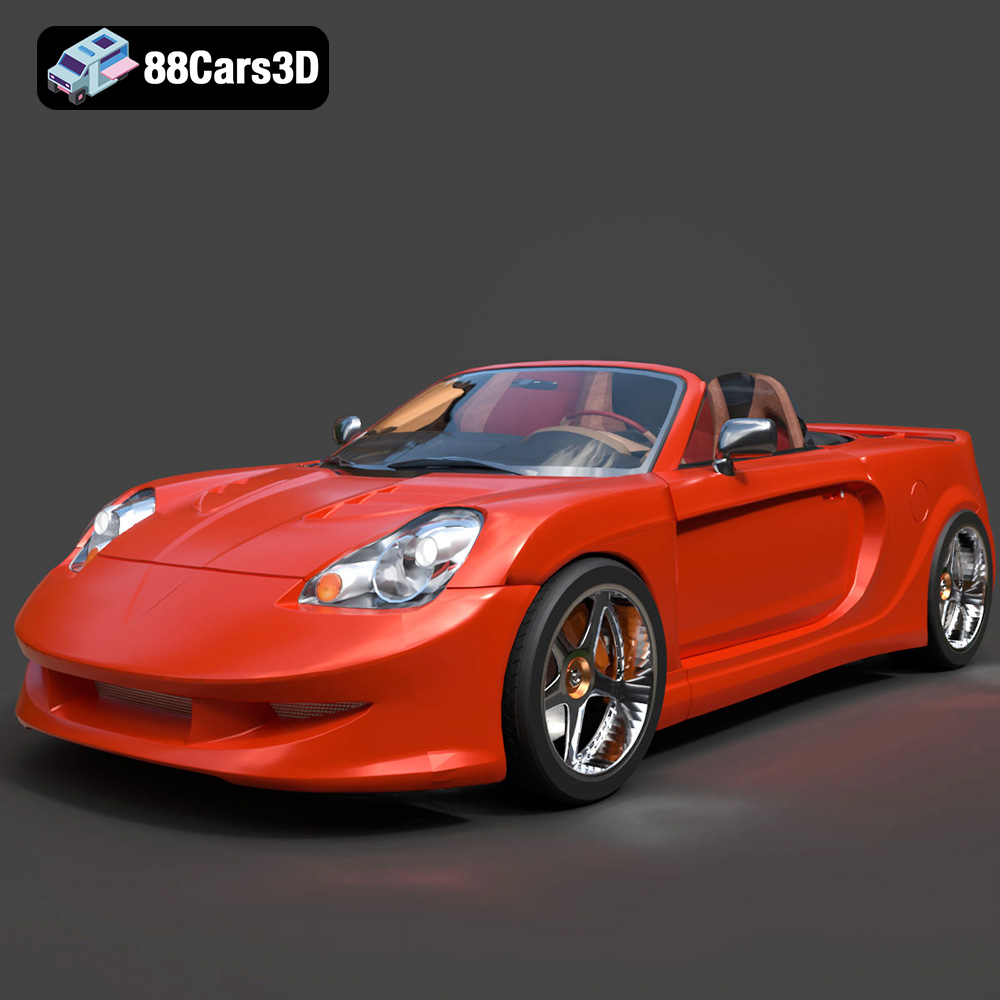
Download the Toyota MRS-007 3D Model featuring clean geometry, realistic detailing, and a fully modeled interior. Includes .blend, .fbx, .obj, .glb, .stl, .ply, .unreal, and .max formats for rendering, simulation, and game development.
Price: $10
View Product

Texture: Yes
Material: Yes
Download the Porsche 911 Turbo S 2024 3D Model featuring clean geometry, realistic detailing, and a fully modeled interior. Includes .blend, .fbx, .obj, .glb, .stl, .ply, .unreal, and .max formats for rendering, simulation, and game development.
Price: $20
View Product

Texture: Yes
Material: Yes
Download the Pontiac Solstice 2009 3D Model featuring clean geometry, realistic detailing, and a fully modeled interior. Includes .blend, .fbx, .obj, .glb, .stl, .ply, .unreal, and .max formats for rendering, simulation, and game development.
Price: $10
View Product

Texture: Yes
Material: Yes
Download the Mini Cooper Countryman 2025 3D Model featuring clean geometry, realistic detailing, and a fully modeled interior. Includes .blend, .fbx, .obj, .glb, .stl, .ply, .unreal, and .max formats for rendering, simulation, and game development.
Price: $29.9
View Product
Texture: Yes
Material: Yes
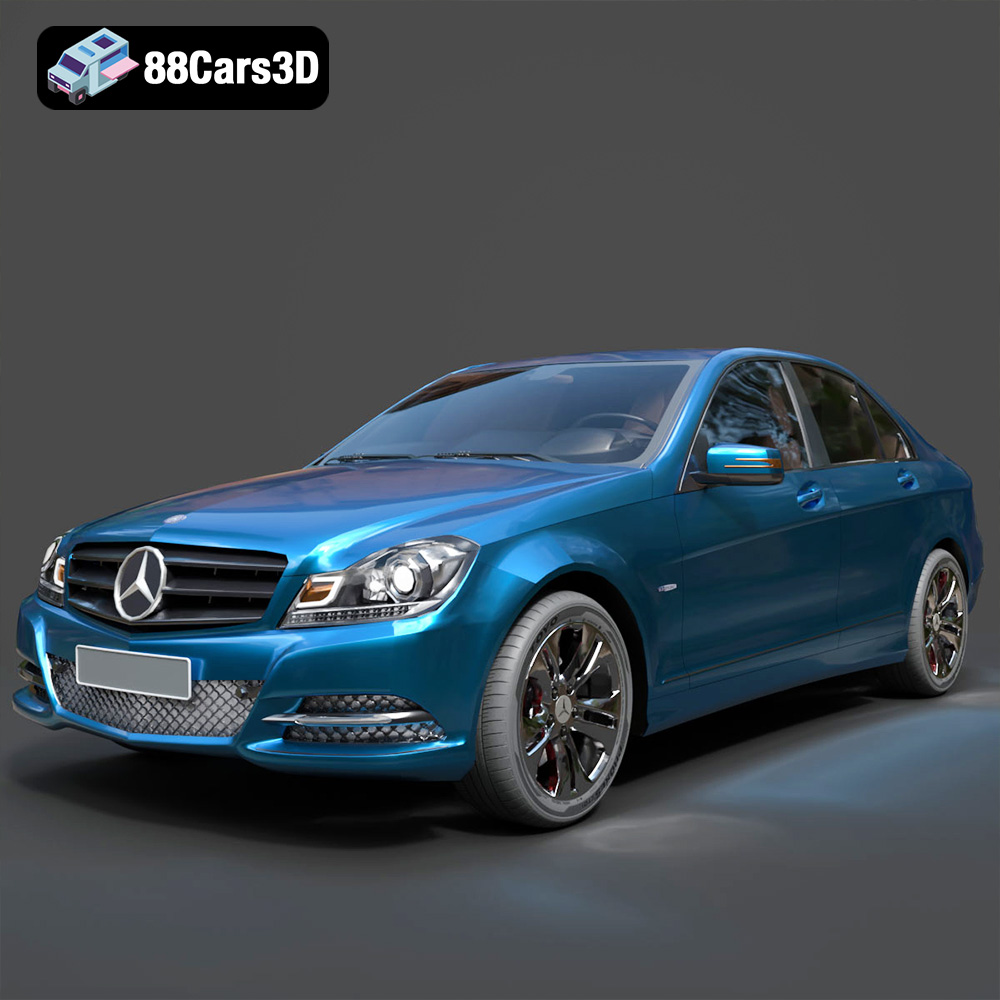
Download the Mercedes C Classe 2012 3D Model featuring clean geometry, realistic detailing, and a fully modeled interior. Includes .blend, .fbx, .obj, .glb, .stl, .ply, .unreal, and .max formats for rendering, simulation, and game development.
Price: $19.9
View Product
Texture: Yes
Material: Yes
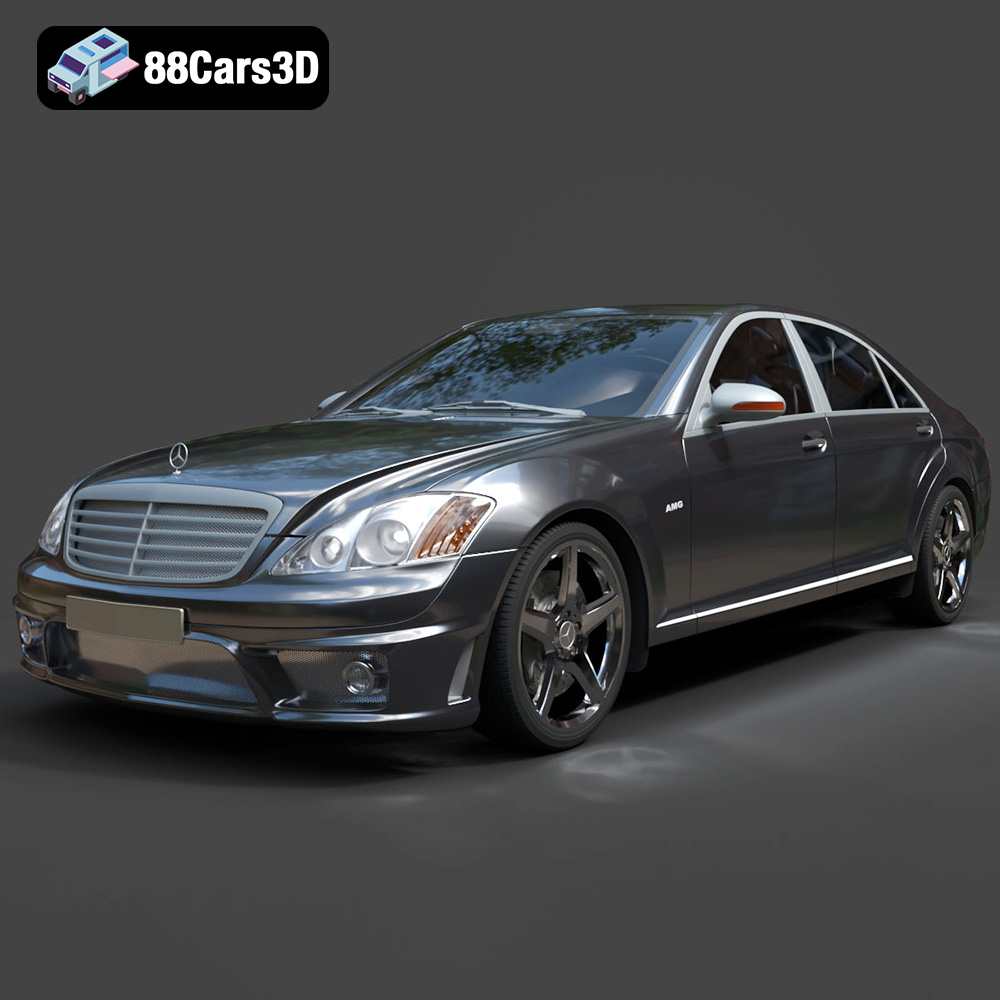
Download the Mercedes-Benz S65 AMG 2018 3D Model featuring clean geometry, realistic detailing, and a fully modeled interior. Includes .blend, .fbx, .obj, .glb, .stl, .ply, .unreal, and .max formats for rendering, simulation, and game development.
Price: $19.9
View Product
Texture: Yes
Material: Yes
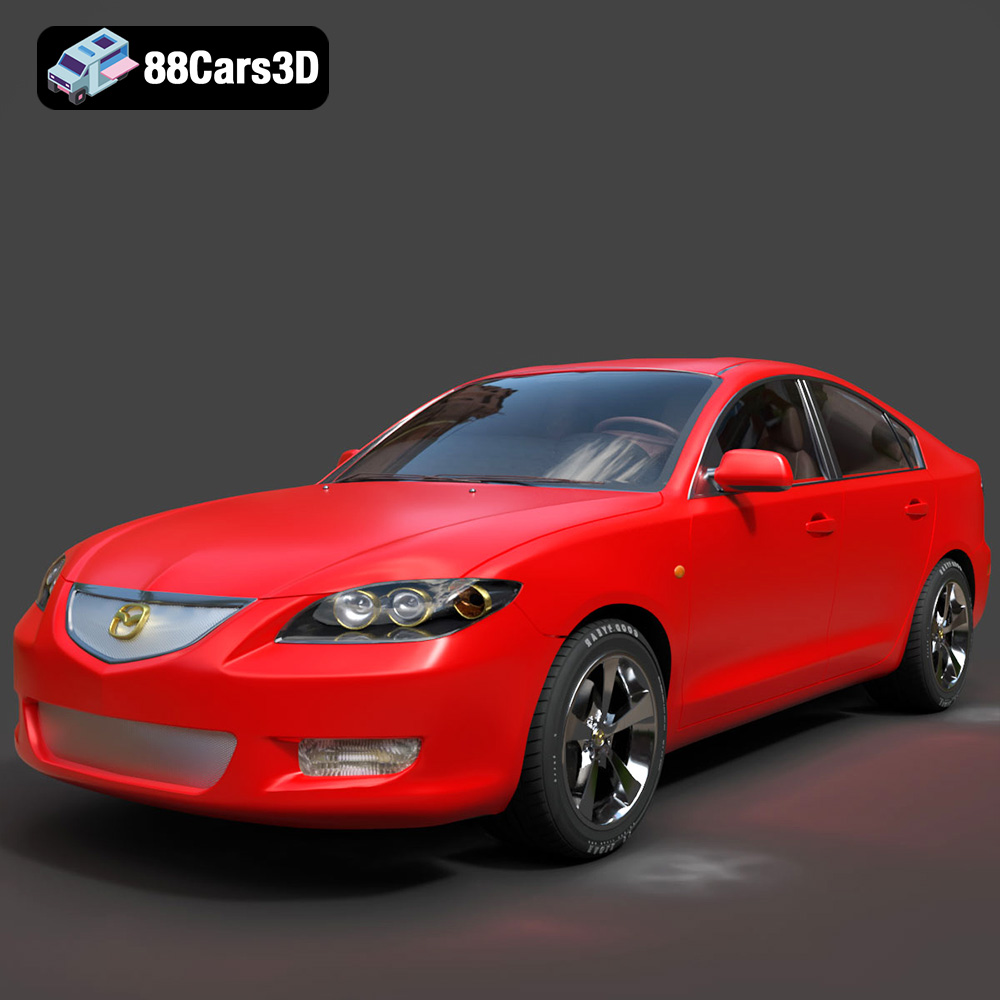
Download the Mazda 3 Sedan 2004 3D Model featuring clean geometry, realistic detailing, and a fully modeled interior. Includes .blend, .fbx, .obj, .glb, .stl, .ply, .unreal, and .max formats for rendering, simulation, and game development.
Price: $10
View Product

Texture: Yes
Material: Yes
Download the Martin Rapide 2011 3D Model featuring clean geometry, realistic detailing, and a fully modeled interior. Includes .blend, .fbx, .obj, .glb, .stl, .ply, .unreal, and .max formats for rendering, simulation, and game development.
Price: $20.9
View Product
Texture: Yes
Material: Yes
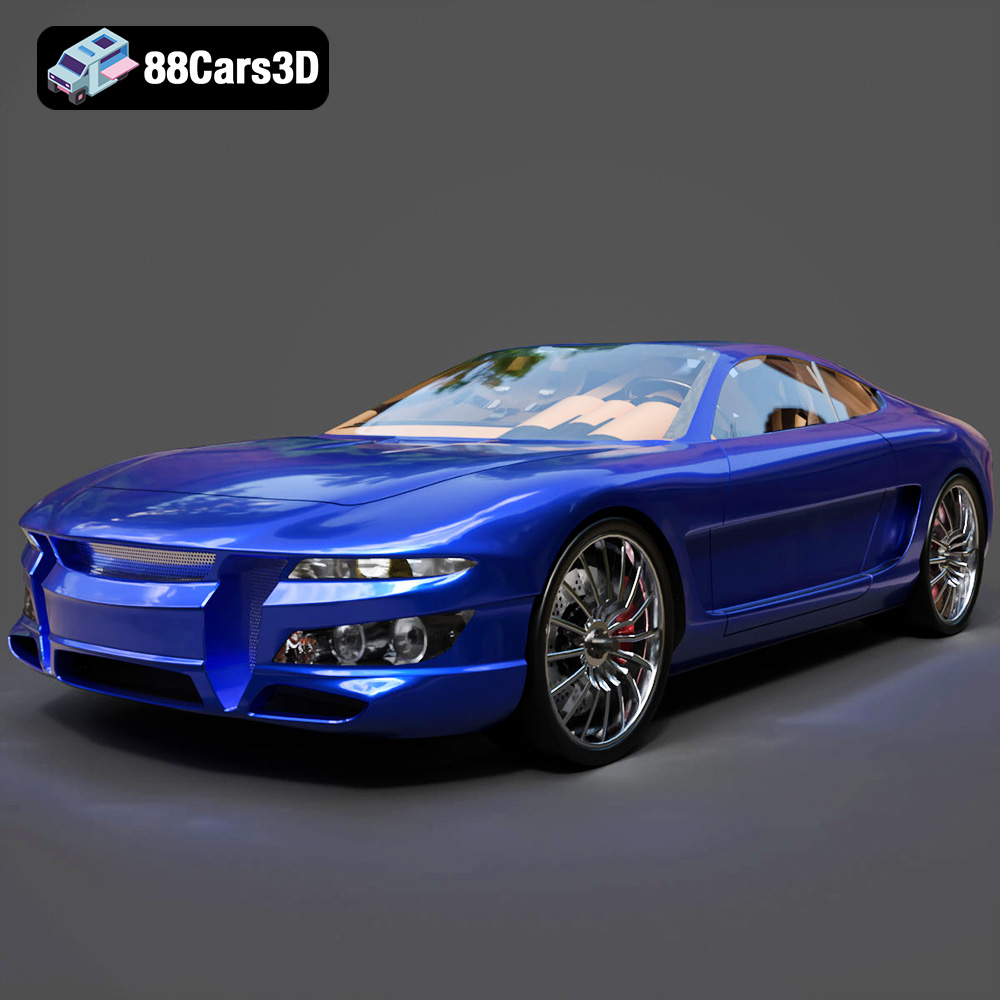
Download the Car Tasergal 005 3D Model featuring clean geometry, realistic detailing, and a fully modeled interior. Includes .blend, .fbx, .obj, .glb, .stl, .ply, .unreal, and .max formats for rendering, simulation, and game development.
Price: $10
View Product
Texture: Yes
Material: Yes
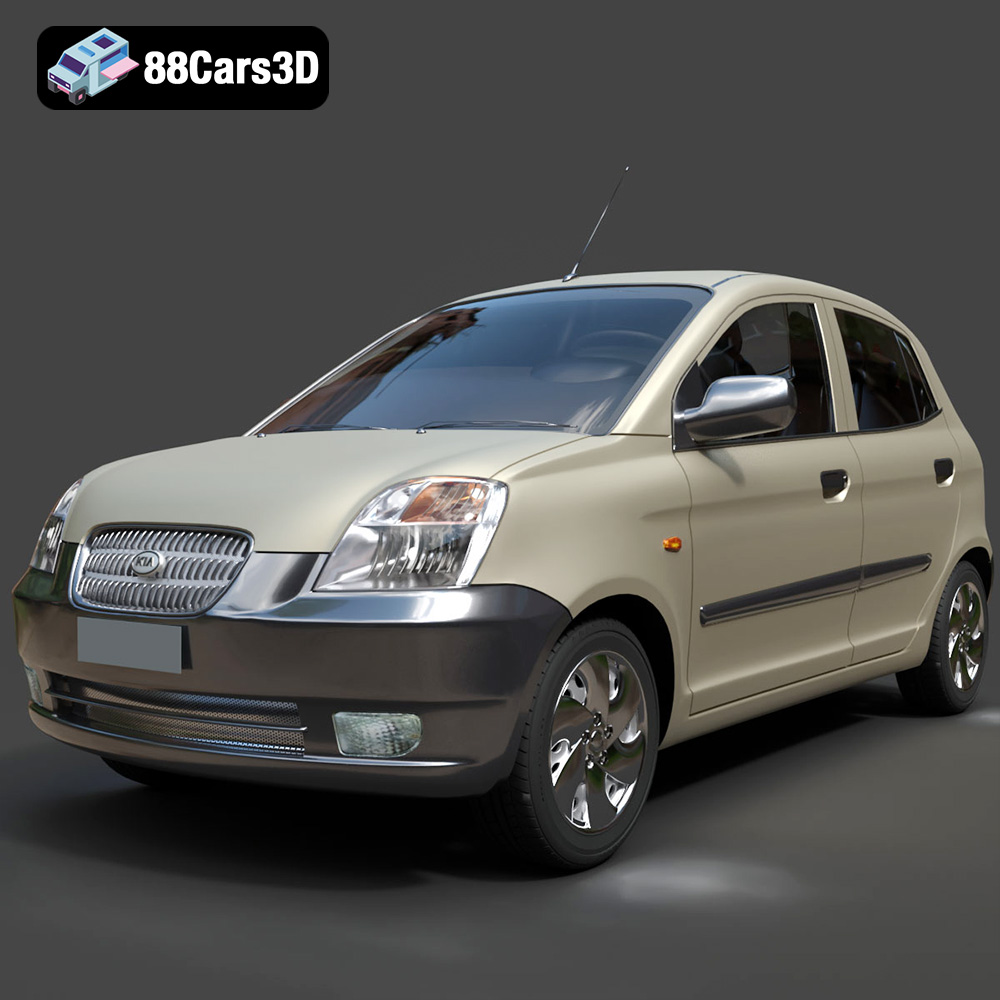
Download the Kia Picanto 2024 3D Model featuring clean geometry, realistic detailing, and a fully modeled interior. Includes .blend, .fbx, .obj, .glb, .stl, .ply, .unreal, and .max formats for rendering, simulation, and game development.
Price: $15.99
View Product


