Get 50% OFF All Premium 3D & STL Models!

The realms of Augmented Reality (AR) and Virtual Reality (VR) are no longer futuristic concepts; they are rapidly becoming integral parts of how we interact with digital content, particularly in fields like automotive design, visualization, and gaming. Imagine test-driving a new car in your living room via AR, or exploring its intricate engineering details in a fully immersive VR environment. These experiences, while groundbreaking, demand an extraordinary level of performance from 3D assets. High-fidelity 3D car models, renowned for their intricate details and realistic materials, can quickly bog down AR/VR applications if not properly optimized. This comprehensive guide will delve deep into the technical strategies and best practices required to transform complex 3D automotive models into lean, performant assets, ready to shine in the demanding real-time environments of AR and VR. We’ll cover everything from mesh topology and UV mapping to material setup and engine-specific optimizations, ensuring your stunning car models deliver a smooth and captivating user experience.
Developing for AR and VR presents a distinct set of challenges compared to traditional offline rendering or even standard game development. The core differentiator lies in the absolute necessity for consistent, high frame rates to prevent motion sickness and ensure user comfort and immersion. For VR, a minimum of 90 frames per second (fps) is often the target, sometimes even higher. Mobile AR applications, while slightly more lenient, still require at least 60 fps for a fluid experience. Achieving these frame rates requires every aspect of a 3D model to be meticulously optimized, from its geometric complexity to its material properties.
The human visual system is incredibly sensitive to latency and stuttering in immersive environments. Even minor drops in frame rate can lead to discomfort, eye strain, and a phenomenon known as simulator sickness. This makes performance optimization not just a technicality, but a critical factor for user experience. Key metrics to monitor include polygon count (the total number of triangles or quads), draw calls (how many times the GPU is told to draw something), texture memory usage, and shader complexity. Mobile AR/VR applications are especially resource-constrained, often running on devices with limited processing power, integrated graphics, and shared memory. This necessitates even more aggressive optimization strategies compared to PC-tethered VR systems, which can leverage powerful dedicated GPUs. Understanding the target hardware platform – be it an Oculus Quest 3, a Meta Quest Pro, an Apple Vision Pro, or a smartphone running ARKit/ARCore – is the first step in setting appropriate optimization budgets.
For AR/VR, a high-performance 3D car model is one that balances visual fidelity with runtime efficiency. This means making conscious decisions about where detail is essential and where it can be simplified. For a mobile AR experience, a single car model might need to stay within a polygon budget of 50,000 to 150,000 triangles. In contrast, a high-end PC VR experience might allow for 200,000 to 500,000 triangles or even more for a primary vehicle, with careful management of other scene elements. Beyond raw polygon count, the distribution of those polygons, the efficiency of the UV maps, the number and resolution of textures, and the complexity of the shader networks all contribute significantly to the overall performance. The goal is to create assets that look fantastic up close but also perform flawlessly in real-time, often under strict rendering budgets. Platforms like 88cars3d.com understand these requirements, often providing models that are either pre-optimized or designed with optimization potential in mind.
The foundation of any high-performance 3D model lies in its geometry. Clean, efficient topology is paramount, especially for complex objects like automotive models with their smooth, continuous surfaces and intricate details. While CAD models often provide incredibly high detail, they are rarely suitable for real-time rendering without significant optimization. The art of mesh optimization for AR/VR involves strategically reducing polygon count without sacrificing the visual integrity of the car model.
There are two primary approaches to reducing polygon count: decimation and retopology. Decimation involves automatically reducing the number of polygons in an existing mesh by intelligently merging vertices and simplifying faces. Tools like ProOptimizer in 3ds Max or the Decimate Modifier in Blender (you can find detailed information on its various modes, such as Collapse, Un-Subdivide, and Planar, in the official Blender 4.4 documentation at https://docs.blender.org/manual/en/4.4/) can quickly bring down polygon counts. While fast, decimation can sometimes lead to undesirable triangulation, uneven polygon distribution, and issues with UV mapping or shading, especially on areas requiring smooth curvature. It’s often best used for distant LODs or non-hero assets where visual fidelity can be slightly compromised.
Retopology, on the other hand, involves creating a new, optimized mesh on top of a high-resolution source mesh. This process gives the artist complete control over edge flow, polygon distribution, and overall mesh quality. It’s a more time-consuming but highly recommended approach for hero assets like a car model, ensuring clean quads, efficient topology, and ideal surface deformation. Tools like Blender’s Retopology tools (using snapping and shrinkwrap modifiers), Maya’s Quad Draw, or ZBrush’s ZRemesher are invaluable here. Beyond automated tools, manual optimization involves identifying and removing hidden faces (e.g., inside the engine bay if never seen), merging vertices that are too close, and eliminating unnecessary edge loops that do not contribute to the silhouette or deformation of the model.
One of the most critical optimization techniques for AR/VR, especially for large scenes or complex models like cars, is the implementation of Level of Detail (LODs). LODs are multiple versions of the same 3D model, each with a progressively lower polygon count and simpler materials. The engine dynamically switches between these versions based on the object’s distance from the camera or its screen size. This means that a highly detailed car model (LOD0) is rendered when close to the viewer, but as the car moves further away, a less detailed version (LOD1, LOD2, LOD3) is loaded, significantly reducing rendering overhead.
A typical LOD setup for a car might look like this:
Game engines like Unity and Unreal Engine provide robust LOD systems (LOD Group in Unity, LOD System in Unreal) that allow artists to easily set up these distance-based transitions. When sourcing models from marketplaces such as 88cars3d.com, inquire about their LOD options, as pre-made LODs can save significant development time.
Even with a perfectly optimized mesh, poor UV mapping and texture management can cripple AR/VR performance. Textures consume significant memory and bandwidth, and inefficient UV layouts can lead to unnecessary draw calls or texture distortion. For automotive models, which often feature large, smooth, and highly reflective surfaces, precise UV mapping is crucial for PBR material accuracy and visual appeal.
The goal of UV mapping for AR/VR is to create a clean, organized, and space-efficient layout. Minimizing seams is important, especially on highly visible surfaces, to prevent visual artifacts and simplify texture painting. A uniform texel density across the model ensures that textures appear consistent in resolution, regardless of the surface area they cover. Overlapping UVs should generally be avoided for AR/VR, as they can cause issues with lightmap baking, ambient occlusion, and unique texture details, unless intentionally used for tiling textures or mirrored geometry. However, for specific use cases like decals, or when symmetry allows for shared texture space, careful overlapping can be an optimization. Techniques like UDIM (UV Dimension) workflows, where multiple UV tiles are used for a single model, can be beneficial for extremely high-resolution models, allowing for greater texture detail without resorting to massive single texture maps. However, UDIMs can also increase draw calls or shader complexity depending on engine implementation, so careful consideration is needed for mobile AR/VR targets. Challenges with complex curved surfaces and sharp panel gaps require careful unwrapping to prevent stretching and maintain tangent space accuracy for normal maps.
Physically Based Rendering (PBR) textures are essential for achieving realistic materials, but they come with a performance cost. Optimizing PBR textures for AR/VR involves several key strategies:
PBR materials are the backbone of visual realism, but their underlying shader networks can quickly become performance bottlenecks if not optimized. In AR/VR, every instruction a shader executes directly impacts the frame rate. Simplifying these networks is crucial for maintaining performance.
The core principle here is to reduce the complexity of your shader graphs. Limit the number of nodes, avoid expensive mathematical operations (like complex procedural textures that are calculated per pixel), and eliminate any unnecessary calculations. Use the simplest possible shader model that still achieves the desired visual effect. For example, if a metallic car paint requires complex flake shaders and clear coat effects, consider if a simplified PBR metallic-roughness workflow with carefully crafted textures can achieve a similar visual quality at a fraction of the cost. Utilize opaque materials wherever possible. Transparent materials (like glass or headlights) are notoriously expensive because they require drawing objects behind them, often involving multiple rendering passes. If transparency is essential, consider using alpha clipping or dithering techniques instead of true transparency, as these are generally more performant. Aim for a single material per mesh whenever feasible. Each unique material often incurs a separate draw call, so consolidating materials can lead to significant performance gains, especially when combined with texture atlasing.
When creating materials for real-time AR/VR, focus on the core PBR texture maps: Base Color (or Albedo), Metallic, Roughness, Normal, and Ambient Occlusion. These provide the most bang for your buck in terms of visual quality vs. performance cost. Be judicious with advanced material properties like subsurface scattering, parallax occlusion mapping, or intricate displacement, as these can be extremely heavy. Dynamic lighting is also a major performance hog. While essential for realism, excessive real-time lights will quickly drop your frame rate. Strategically use a few powerful directional lights, and rely on baked static lighting (lightmaps) for ambient illumination and subtle shadows. Reflection probes are vital for realistic reflections on car surfaces, but limit their number and update frequency. Instead of real-time reflection probes, prefer baked cubemaps for static environments. For car paint, consider baking complex clear coat reflections or Fresnel effects into texture maps or using simplified real-time approximations provided by the engine’s standard PBR shaders.
Beyond static models, interactive AR/VR experiences often involve animated components like opening doors, rotating wheels, or steering. Optimizing these interactive elements is just as crucial as optimizing the static mesh and materials.
When rigging a car for AR/VR, the focus should be on simplicity and efficiency. Avoid overly complex bone structures or intricate deformation rigs unless absolutely necessary for specific, high-fidelity interactions. For most car interactions (doors, trunk, hood, wheels, steering), a straightforward bone hierarchy is sufficient. For instance, a simple pivot point for a door, parented to the car body, will allow for opening and closing. Wheels can be parented to axles, which are then parented to the chassis. Use as few bones as possible while still achieving the desired articulation. If minor surface deformations are required (e.g., slight body flex), consider using blend shapes (morph targets) instead of complex bone-based deformation rigs, as blend shapes can often be more performant for localized, non-physics-driven deformation.
Animation also needs careful consideration for AR/VR. Wherever possible, bake animations directly into the model data (e.g., FBX export options), rather than relying on complex procedural animation systems at runtime, especially for mobile targets. Keep animation curves simple and avoid excessive keyframes. Use linear or stepped interpolation where smooth curves aren’t strictly necessary. For static animations (like a door opening), pre-baking is ideal. For physics-based interactions (e.g., a car driving over uneven terrain), carefully balance the realism of physics simulations with performance. Often, a combination of baked animations for primary actions and simplified physics for secondary effects yields the best results. Utilize event-driven animations rather than continuous updates. For example, only play the door-open animation when a user interaction (like a button press) triggers it, rather than constantly checking its state. For high-quality 3D car models, like those found on 88cars3d.com, ensuring that any included animations are also optimized for real-time engines is key for a smooth AR/VR experience.
The final stage of optimization involves preparing your 3D car models for export and integrating them into AR/VR development environments. Choosing the right file format and understanding engine-specific optimizations are critical steps to ensure your hard work pays off with a smooth, immersive experience.
When it comes to AR/VR, two file formats have emerged as industry standards due to their efficiency and versatility:
Regardless of the format, always ensure that your model’s scale, orientation, and pivot points are correctly set before export. Incorrect scale can lead to frustrating adjustments within the AR/VR environment, while misaligned pivots can complicate interactive elements.
Once your optimized 3D car model is imported into a game engine like Unity or Unreal Engine, there are further engine-specific optimizations you can leverage:
The journey from a highly detailed 3D car model to a seamlessly performing AR/VR asset is a meticulous one, requiring a deep understanding of real-time rendering constraints and optimization techniques. It’s a holistic process that touches upon every aspect of 3D content creation – from the initial mesh topology and efficient UV mapping to streamlined PBR materials and thoughtful animation. Mastering strategies like strategic polygon reduction, implementing comprehensive LODs, utilizing texture atlasing, and simplifying shader networks is not just about technical proficiency; it’s about empowering users with captivating, comfortable, and truly immersive experiences.
By diligently applying these principles, you can ensure that your stunning automotive visualizations, interactive product configurators, or high-octane game assets run flawlessly across a spectrum of AR and VR platforms. The future of interactive 3D is here, and performance optimization is the key to unlocking its full potential. For those seeking a head start, exploring high-quality, pre-optimized 3D car models from trusted marketplaces like 88cars3d.com can provide an excellent foundation, allowing you to focus on integration and delivering an unparalleled immersive experience.
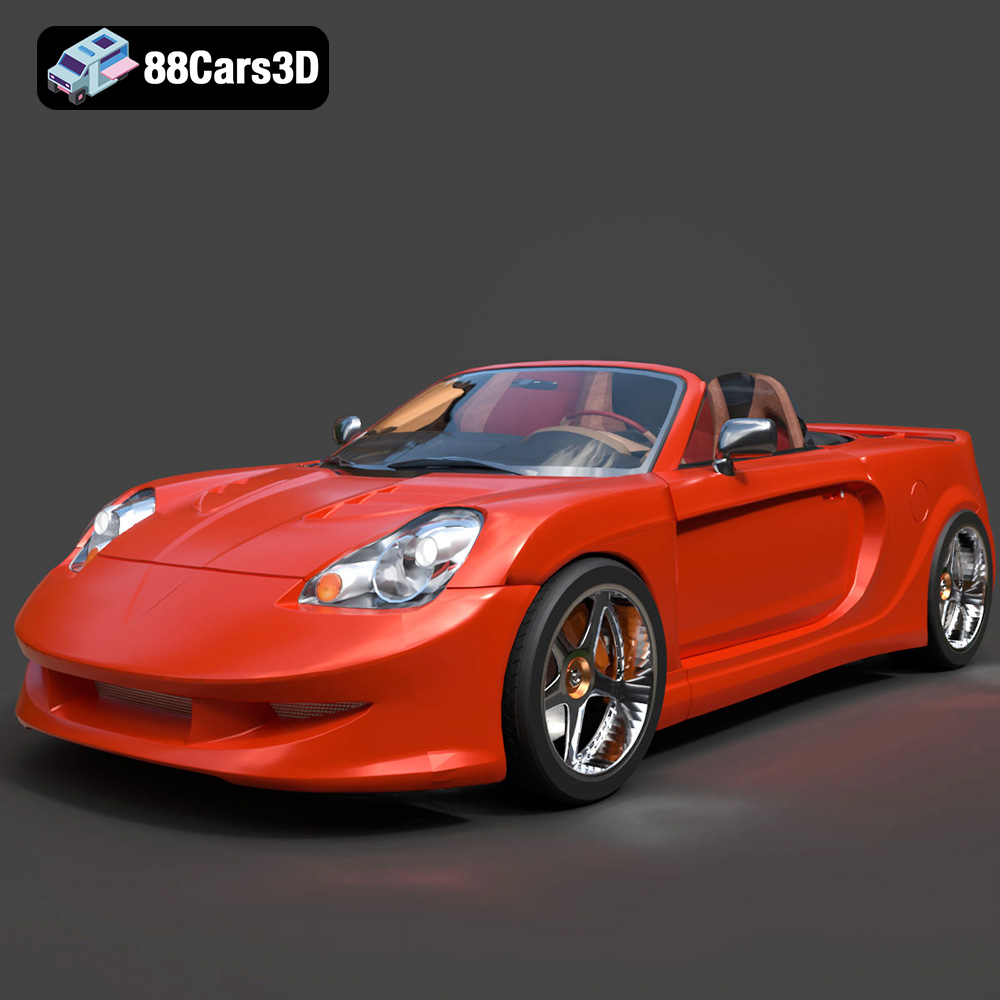
Texture: Yes
Material: Yes
Download the Toyota MRS-007 3D Model featuring clean geometry, realistic detailing, and a fully modeled interior. Includes .blend, .fbx, .obj, .glb, .stl, .ply, .unreal, and .max formats for rendering, simulation, and game development.
Price: $10

Texture: Yes
Material: Yes
Download the Porsche 911 Turbo S 2024 3D Model featuring clean geometry, realistic detailing, and a fully modeled interior. Includes .blend, .fbx, .obj, .glb, .stl, .ply, .unreal, and .max formats for rendering, simulation, and game development.
Price: $20

Texture: Yes
Material: Yes
Download the Pontiac Solstice 2009 3D Model featuring clean geometry, realistic detailing, and a fully modeled interior. Includes .blend, .fbx, .obj, .glb, .stl, .ply, .unreal, and .max formats for rendering, simulation, and game development.
Price: $10

Texture: Yes
Material: Yes
Download the Mini Cooper Countryman 2025 3D Model featuring clean geometry, realistic detailing, and a fully modeled interior. Includes .blend, .fbx, .obj, .glb, .stl, .ply, .unreal, and .max formats for rendering, simulation, and game development.
Price: $29.9
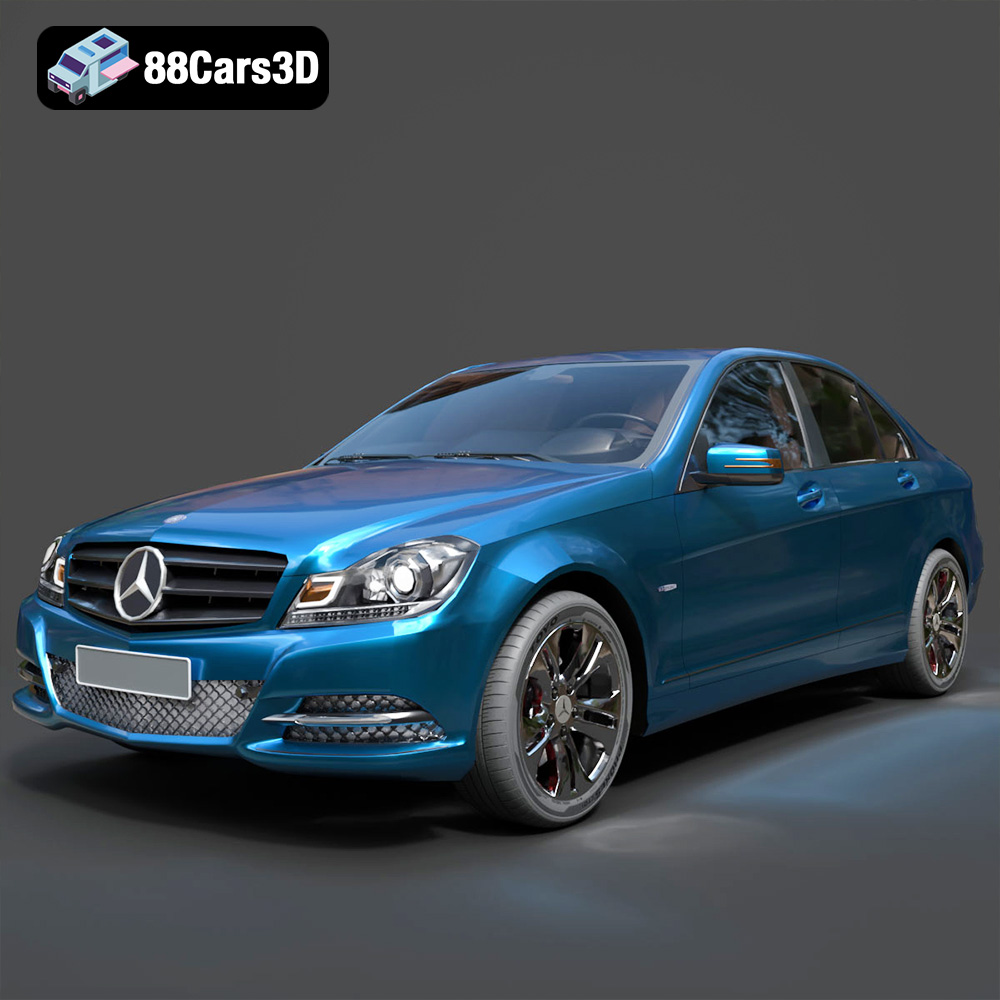
Texture: Yes
Material: Yes
Download the Mercedes C Classe 2012 3D Model featuring clean geometry, realistic detailing, and a fully modeled interior. Includes .blend, .fbx, .obj, .glb, .stl, .ply, .unreal, and .max formats for rendering, simulation, and game development.
Price: $19.9
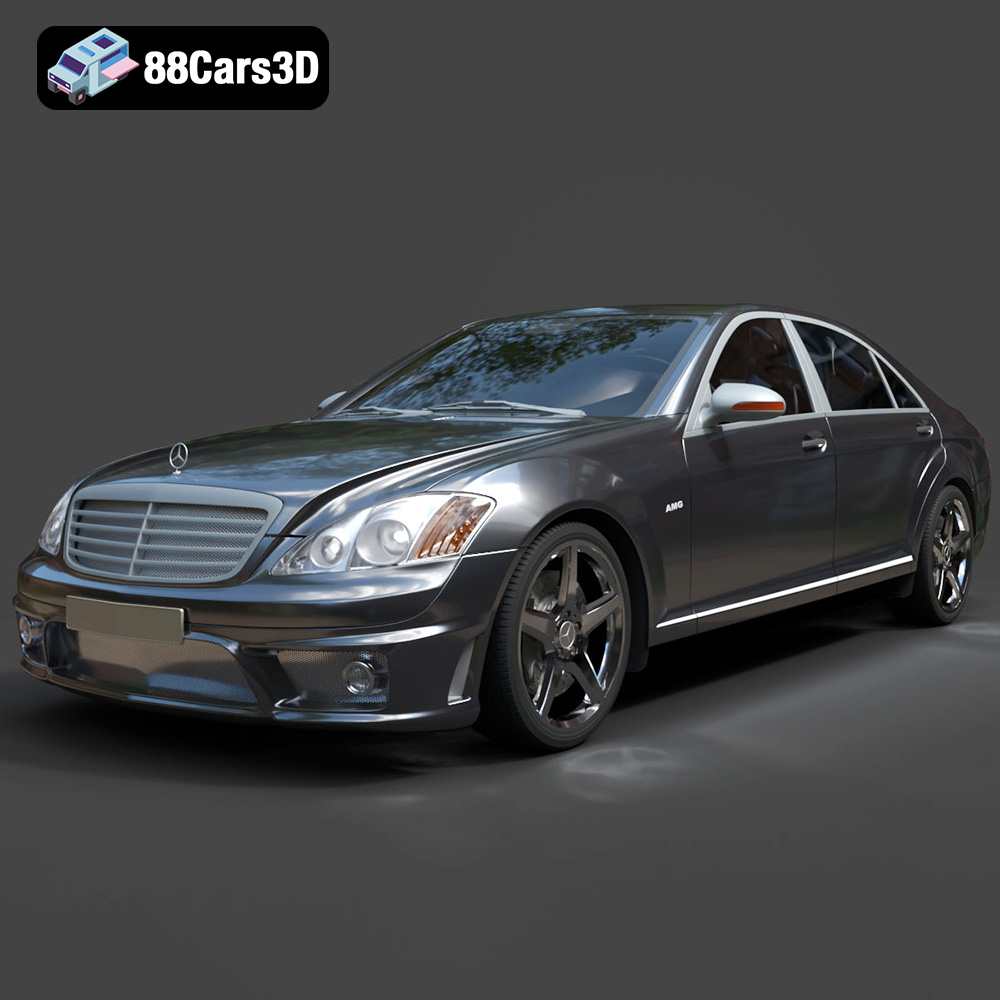
Texture: Yes
Material: Yes
Download the Mercedes-Benz S65 AMG 2018 3D Model featuring clean geometry, realistic detailing, and a fully modeled interior. Includes .blend, .fbx, .obj, .glb, .stl, .ply, .unreal, and .max formats for rendering, simulation, and game development.
Price: $19.9
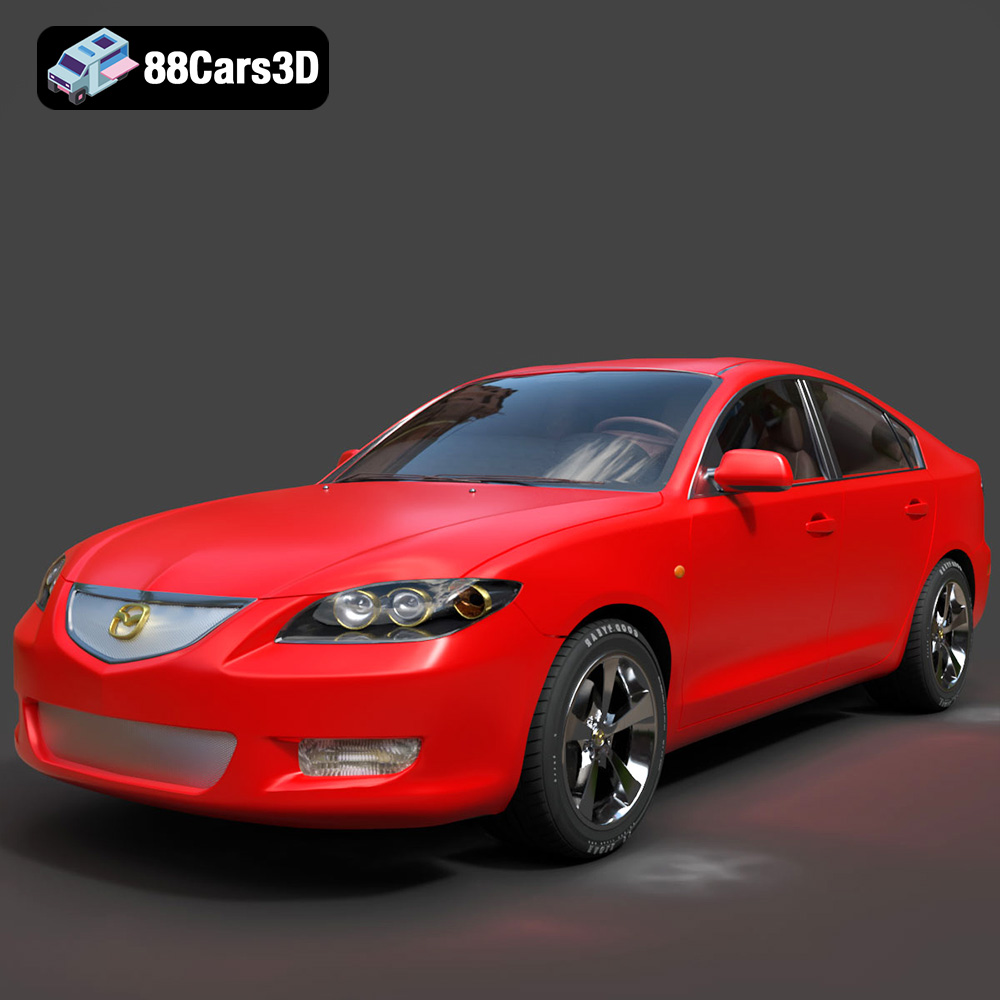
Texture: Yes
Material: Yes
Download the Mazda 3 Sedan 2004 3D Model featuring clean geometry, realistic detailing, and a fully modeled interior. Includes .blend, .fbx, .obj, .glb, .stl, .ply, .unreal, and .max formats for rendering, simulation, and game development.
Price: $10

Texture: Yes
Material: Yes
Download the Martin Rapide 2011 3D Model featuring clean geometry, realistic detailing, and a fully modeled interior. Includes .blend, .fbx, .obj, .glb, .stl, .ply, .unreal, and .max formats for rendering, simulation, and game development.
Price: $20.9
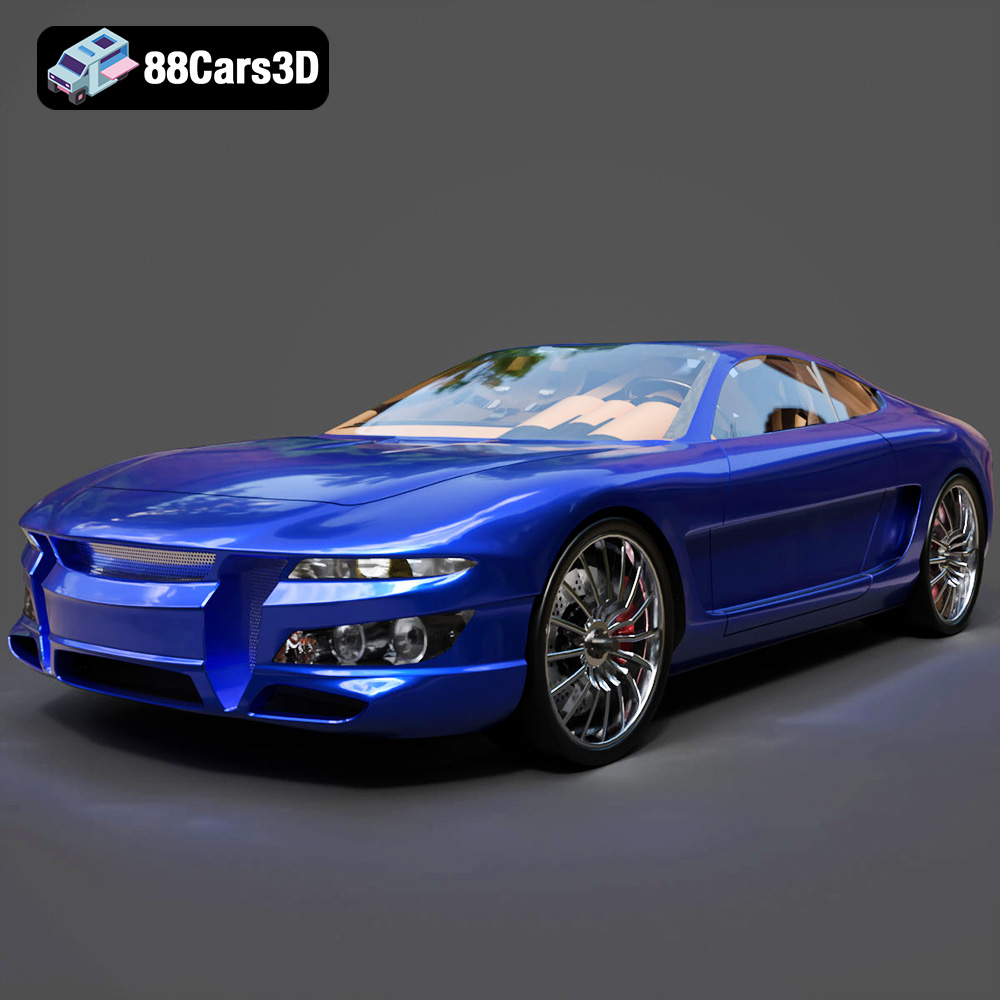
Texture: Yes
Material: Yes
Download the Car Tasergal 005 3D Model featuring clean geometry, realistic detailing, and a fully modeled interior. Includes .blend, .fbx, .obj, .glb, .stl, .ply, .unreal, and .max formats for rendering, simulation, and game development.
Price: $10
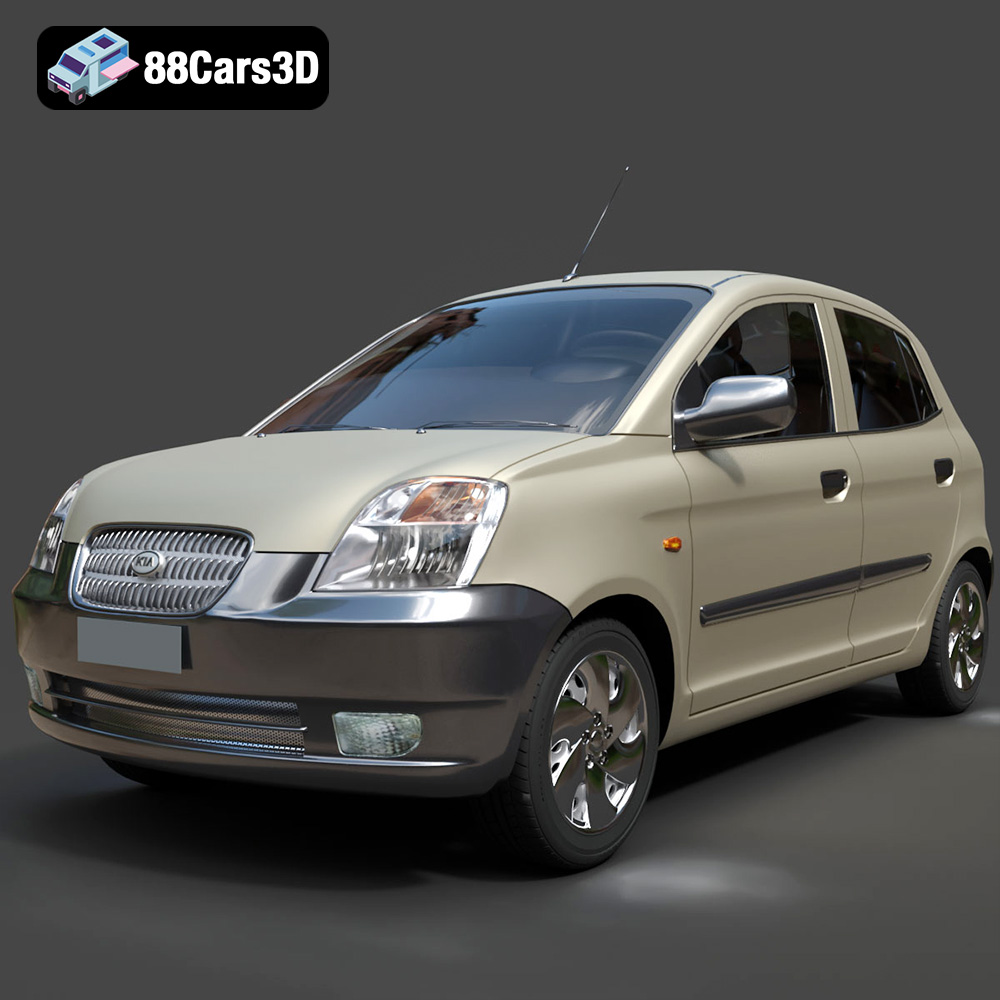
Texture: Yes
Material: Yes
Download the Kia Picanto 2024 3D Model featuring clean geometry, realistic detailing, and a fully modeled interior. Includes .blend, .fbx, .obj, .glb, .stl, .ply, .unreal, and .max formats for rendering, simulation, and game development.
Price: $15.99

