Get 50% OFF All Premium 3D & STL Models!

The landscape of professional training is undergoing a profound transformation. Traditional methods, often constrained by cost, safety concerns, or the sheer impracticality of real-world scenarios, are giving way to dynamic, digital alternatives. At the forefront of this evolution is Unreal Engine, a powerhouse for real-time rendering and interactive experiences. For industries ranging from automotive manufacturing and maintenance to emergency services and driver training, Unreal Engine offers an unparalleled platform to develop highly realistic and engaging interactive training simulations.
Imagine a mechanic meticulously diagnosing an engine fault without the risk of damaging a physical vehicle, or a first responder practicing critical rescue procedures in a perfectly replicated environment. This level of immersive, hands-on learning is now not only possible but increasingly accessible. This comprehensive guide will take you through the technical journey of leveraging Unreal Engine to create such impactful simulations. We’ll explore everything from setting up your project and integrating high-quality 3D car models – the foundation of any realistic automotive simulation – to crafting photorealistic visuals with PBR materials and Lumen, building complex interactivity with Blueprint, optimizing for peak performance with Nanite and LODs, and deploying for various platforms, including VR. Whether you’re an Unreal Engine developer, a 3D artist, or an automotive professional seeking to innovate your training programs, prepare to dive deep into the technical workflows that make these simulations a reality.
The first step in developing any robust training simulation in Unreal Engine is to establish a solid project foundation and integrate your core assets effectively. For automotive training, this invariably means bringing in high-fidelity 3D car models that accurately represent real-world vehicles. The quality of these assets directly impacts the realism and effectiveness of your simulation.
Before importing any assets, configuring your Unreal Engine project correctly is crucial for performance and ensuring a smooth development workflow. Start by creating a new project, typically using a “Blank” or “Games” template, and then enabling necessary plugins. For CAD data or complex model imports, the Datasmith plugin is indispensable. If targeting Virtual Reality (VR) for a truly immersive training experience, ensure the OpenXR or relevant VR platform plugins (e.g., SteamVR) are enabled.
Consider your target platform from the outset. Are you developing for desktop PCs, high-end VR headsets, or mobile devices? This will dictate your Engine Scalability Settings and various project settings, such as rendering features. For high-fidelity automotive visualization, it’s often best to aim for high-end desktop or VR and scale down if necessary. Navigate to Edit > Project Settings and review categories like Rendering, Physics, and Input. For instance, enabling features like Hardware Ray Tracing or Virtual Shadow Maps can significantly enhance visual fidelity but comes with a performance cost. It’s a balance between visual realism and real-time performance.
Sourcing high-quality, pre-optimized 3D car models is a critical time-saver and quality enabler. Platforms like 88cars3d.com offer production-ready assets designed with clean topology, realistic UVs, and PBR materials, which drastically simplifies the import process into Unreal Engine. When you have your models, whether FBX, USD, or even CAD formats like STEP or IGES, Datasmith is your best friend.
Datasmith facilitates a robust workflow for importing complex scenes and individual assets into Unreal Engine. It intelligently converts and optimizes scene hierarchies, geometries, lights, and basic materials. After importing your vehicle model, a key optimization step is to leverage Unreal Engine 5’s Nanite virtualized geometry system. For static mesh components like a car body, chassis, or interior elements, Nanite allows you to import models with millions of polygons without a significant performance hit. Simply enable Nanite in the Static Mesh Editor (right-click on the mesh in the Content Browser > Asset Actions > Enable Nanite). This eliminates the need for manual Level of Detail (LOD) creation for Nanite-supported meshes, making it easier to maintain visual fidelity at any distance. However, be mindful that Nanite currently doesn’t support skeletal meshes directly, so dynamic parts like opening doors or suspension components might still require traditional LODs or a different approach for movement. Clean UV mapping, ideally with proper channel separation for lightmaps (if not fully dynamic lighting) and material textures, is essential for correct PBR material application and lighting. For detailed guidance on Datasmith workflows, consult the official Unreal Engine documentation at https://dev.epicgames.com/community/unreal-engine/learning.
The believability of an interactive training simulation hinges heavily on its visual realism. In the context of automotive training, this means accurately replicating the look and feel of vehicle surfaces and how they interact with light. Physically Based Rendering (PBR) materials combined with sophisticated dynamic lighting systems are paramount to achieving this high level of fidelity.
PBR is a rendering approach that aims to simulate the way light behaves in the real world, resulting in materials that react consistently and realistically under varying lighting conditions. For a 3D car model, this translates into accurate reflections on car paint, the subtle sheen of rubber tires, and the transparent qualities of glass.
In Unreal Engine’s Material Editor, you’ll work with several key PBR parameters:
A professional car paint shader, for example, is a complex PBR material that typically includes a clear coat layer, metallic flakes, and accurate reflections, often achieved through layered materials or custom shader graphs within the Material Editor. When sourcing automotive assets from marketplaces such as 88cars3d.com, you can expect these models to come with expertly authored PBR textures and material setups, saving significant development time and ensuring visual consistency. Always aim for 2K or 4K texture resolutions for critical details to maintain crispness, especially when users can inspect objects up close. Mastering the Material Editor is a core skill for any serious Unreal Engine artist; the official documentation provides extensive resources on this at https://dev.epicgames.com/community/unreal-engine/learning.
Lighting is the ultimate sculptor of realism. Unreal Engine 5’s Lumen Global Illumination and Reflections system is a game-changer for dynamic lighting, providing real-time bounced light and reflections that react instantly to changes in the scene. This is invaluable for training simulations where light sources might move (e.g., headlights) or parts of the environment change (e.g., a garage door opening).
To set up dynamic lighting with Lumen:
For interior scenes or specific component illumination, Emissive materials can power lights within the vehicle (dashboard, headlights, brake lights), and Rect Lights or Spot Lights can simulate shop lights or focused inspection lamps. The combination of Lumen’s dynamic global illumination, detailed PBR materials, and carefully placed light sources creates an environment indistinguishable from reality, making the training experience profoundly effective.
The distinguishing factor of a training simulation, compared to a mere visualization, is its interactivity. Users must be able to manipulate objects, trigger events, and receive feedback. Unreal Engine’s Blueprint visual scripting system is the perfect tool for achieving this without writing a single line of code, empowering artists and designers to create complex interactive logic.
Blueprint allows you to define behaviors, events, and responses visually. For automotive training, common interactions include opening and closing doors, lifting a hood, accessing a trunk, or manipulating interior controls.
Here’s a basic workflow for creating an interactive car door:
For more complex interactions, such as removing engine parts or changing a tire, you might use an `AttachToComponent` node to let the player pick up objects, `Overlap` events to snap them to target locations, and `Branch` nodes to check conditions (e.g., “Is the lug wrench equipped before loosening lug nuts?”). This modular approach allows you to build sophisticated interactions incrementally.
Beyond basic object manipulation, interactive training simulations require advanced logic for guiding users through procedures, providing feedback, and tracking progress.
Blueprint’s accessibility makes it ideal for rapidly prototyping and iterating on interactive training content. For an in-depth understanding of Blueprint fundamentals, refer to the extensive resources available on the official Unreal Engine documentation at https://dev.epicgames.com/community/unreal-engine/learning.
While visual fidelity is critical for immersive training, it must be balanced with real-time performance. A choppy, low-frame-rate simulation can be detrimental to the learning experience. Optimizing your Unreal Engine project is an ongoing process that ensures smooth interaction and a stable frame rate, even with complex automotive assets.
Effective asset optimization is fundamental to achieving high performance.
Regularly use the `stat fps`, `stat unit`, and `stat gpu` console commands to monitor performance metrics. The ProfileGPU tool (Ctrl+Shift+,) provides detailed breakdowns of rendering costs, helping you identify bottlenecks.
Unreal Engine 5 introduced revolutionary technologies like Nanite and Virtual Textures, which dramatically alter optimization strategies for high-fidelity content.
By strategically combining traditional optimization techniques with the power of Nanite and Virtual Textures, you can create automotive training simulations that are both visually stunning and perform exceptionally well, delivering a smooth and engaging learning experience. For detailed technical guidance on optimization, Epic Games’ official Unreal Engine documentation at https://dev.epicgames.com/community/unreal-engine/learning is an invaluable resource.
To truly differentiate your training simulations and make them as effective as possible, leveraging Unreal Engine’s advanced features is key. From realistic vehicle physics to immersive VR/AR experiences, these capabilities elevate a simulation from functional to truly transformative.
For training scenarios involving driving, vehicle repair, or component interaction, realistic physics are non-negotiable.
Consider the need for external hardware integration. For advanced automotive configurators or driving simulations, connecting to haptic feedback devices, specialized joysticks, or even full motion platforms can dramatically increase realism and training efficacy.
The ultimate frontier for immersive training is Virtual Reality (VR) and Augmented Reality (AR), offering unparalleled hands-on experiences.
The ability to place a trainee directly into a high-fidelity, interactive environment, whether fully virtual or augmented, makes Unreal Engine an indispensable tool for the future of interactive training. For comprehensive details on integrating these advanced features, refer to the in-depth guides and tutorials on the official Unreal Engine documentation at https://dev.epicgames.com/community/unreal-engine/learning.
The journey of creating interactive training simulations in Unreal Engine is a testament to the power of real-time rendering and its profound impact on education and skill development. We’ve explored the essential steps, from the initial project setup and the critical importance of integrating high-quality 3D car models – readily available from platforms like 88cars3d.com – to achieving photorealistic visuals with PBR materials and dynamic lighting driven by Lumen. We’ve delved into the heart of interactivity using Unreal Engine’s intuitive Blueprint visual scripting, enabling complex procedural training and immediate feedback systems.
Crucially, we’ve emphasized the continuous need for optimization, leveraging cutting-edge technologies like Nanite and intelligent LOD management to ensure seamless performance without compromising visual fidelity. Finally, we touched upon advanced features such as Chaos Vehicle Physics for realistic dynamics and the immense potential of VR and AR for truly immersive, hands-on learning experiences. By mastering these technical workflows, developers and automotive professionals can build compelling simulations that reduce training costs, mitigate risks, and accelerate the acquisition of critical skills.
The future of training is undoubtedly real-time, interactive, and highly visual. Unreal Engine stands as the premier platform to sculpt this future. We encourage you to start experimenting, push the boundaries of what’s possible, and transform how knowledge is shared and acquired. Begin your journey today by exploring the vast resources of Unreal Engine and sourcing exceptional automotive visualization assets from specialized marketplaces like 88cars3d.com to bring your vision to life. The tools are at your fingertips; the next generation of immersive training awaits your creation.
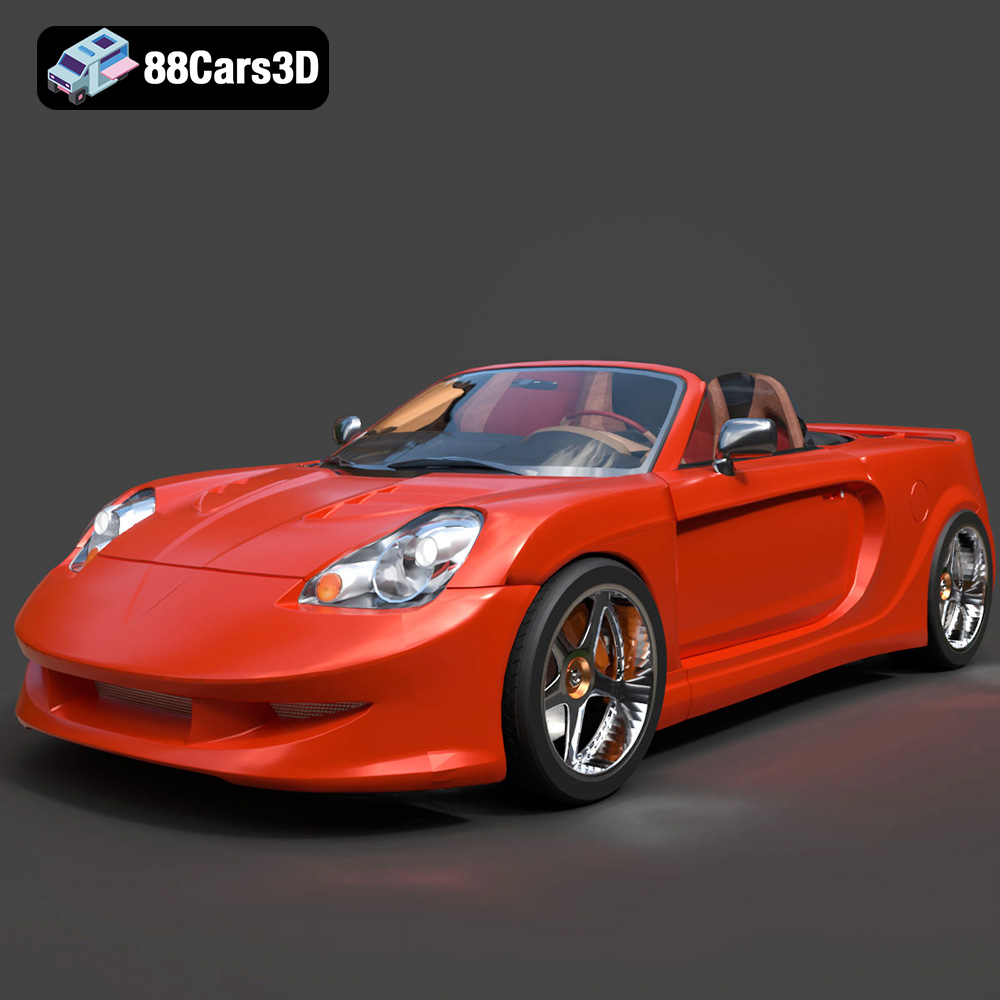
Texture: Yes
Material: Yes
Download the Toyota MRS-007 3D Model featuring clean geometry, realistic detailing, and a fully modeled interior. Includes .blend, .fbx, .obj, .glb, .stl, .ply, .unreal, and .max formats for rendering, simulation, and game development.
Price: $10

Texture: Yes
Material: Yes
Download the Porsche 911 Turbo S 2024 3D Model featuring clean geometry, realistic detailing, and a fully modeled interior. Includes .blend, .fbx, .obj, .glb, .stl, .ply, .unreal, and .max formats for rendering, simulation, and game development.
Price: $20

Texture: Yes
Material: Yes
Download the Pontiac Solstice 2009 3D Model featuring clean geometry, realistic detailing, and a fully modeled interior. Includes .blend, .fbx, .obj, .glb, .stl, .ply, .unreal, and .max formats for rendering, simulation, and game development.
Price: $10

Texture: Yes
Material: Yes
Download the Mini Cooper Countryman 2025 3D Model featuring clean geometry, realistic detailing, and a fully modeled interior. Includes .blend, .fbx, .obj, .glb, .stl, .ply, .unreal, and .max formats for rendering, simulation, and game development.
Price: $29.9
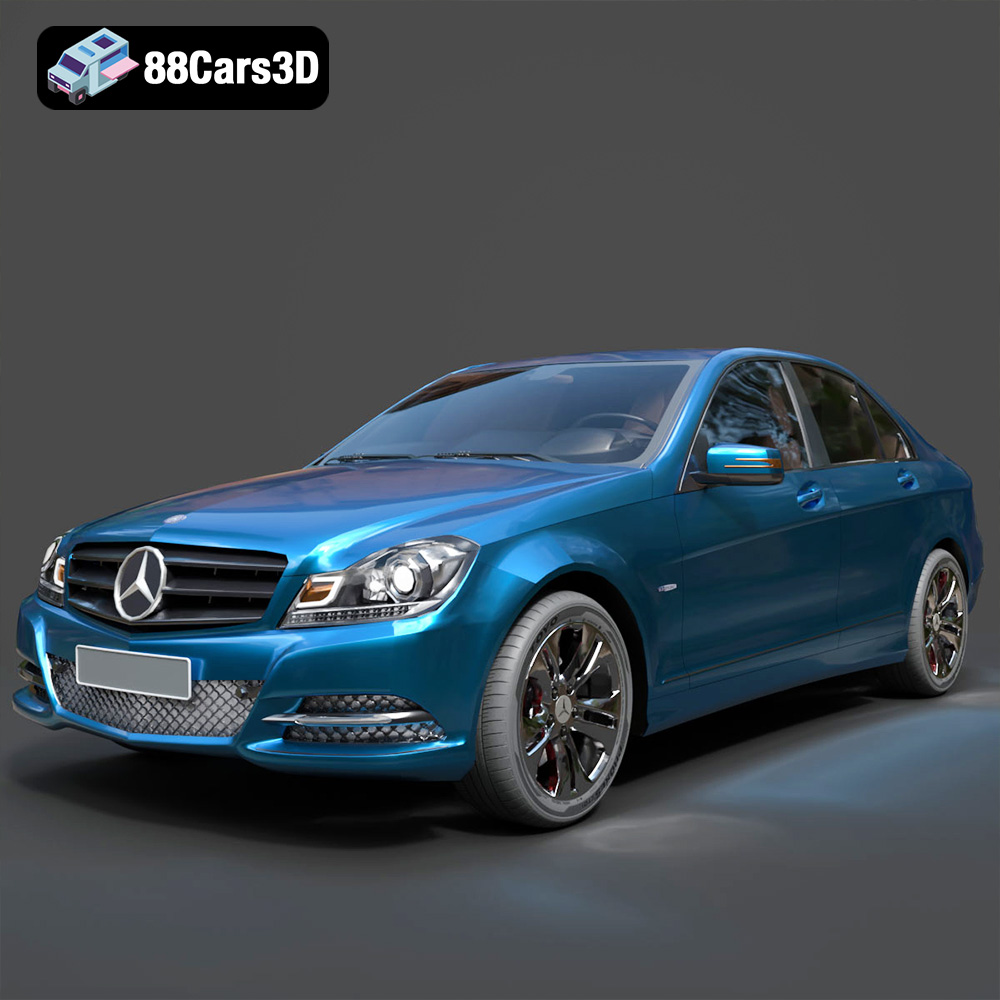
Texture: Yes
Material: Yes
Download the Mercedes C Classe 2012 3D Model featuring clean geometry, realistic detailing, and a fully modeled interior. Includes .blend, .fbx, .obj, .glb, .stl, .ply, .unreal, and .max formats for rendering, simulation, and game development.
Price: $19.9
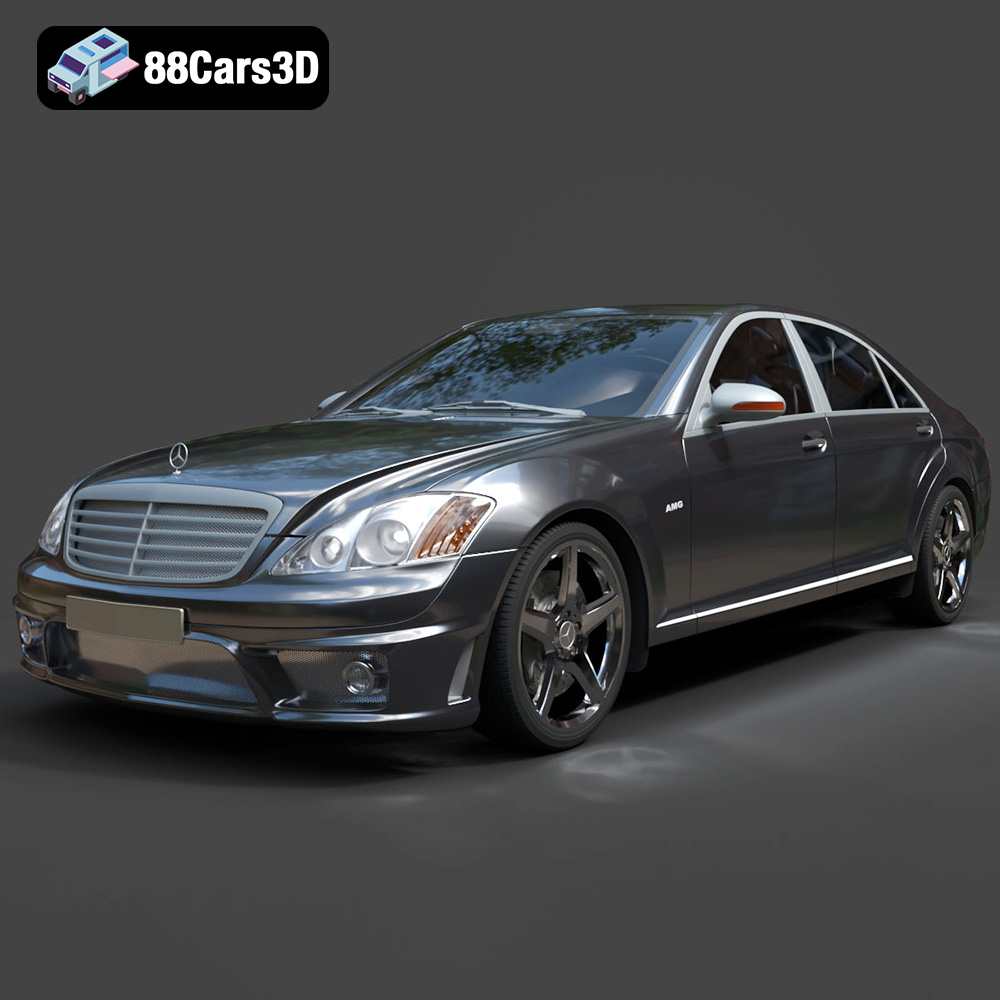
Texture: Yes
Material: Yes
Download the Mercedes-Benz S65 AMG 2018 3D Model featuring clean geometry, realistic detailing, and a fully modeled interior. Includes .blend, .fbx, .obj, .glb, .stl, .ply, .unreal, and .max formats for rendering, simulation, and game development.
Price: $19.9
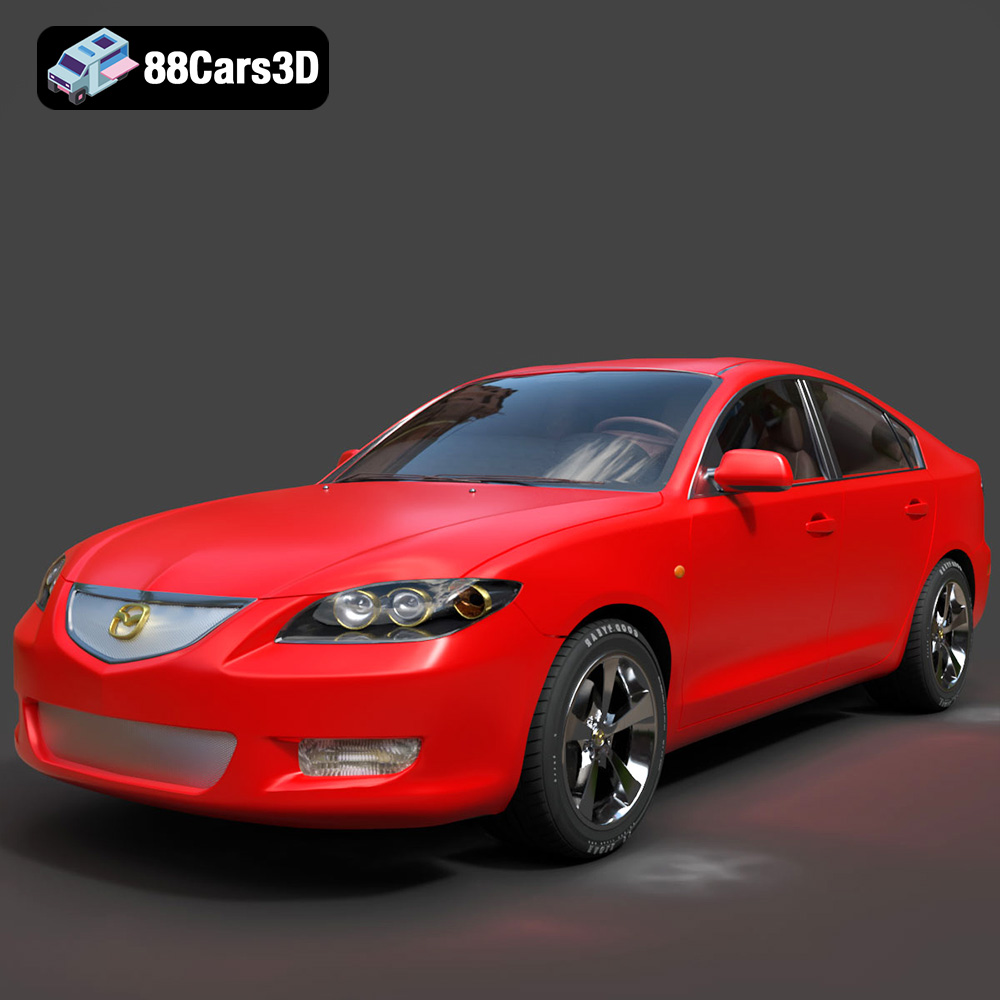
Texture: Yes
Material: Yes
Download the Mazda 3 Sedan 2004 3D Model featuring clean geometry, realistic detailing, and a fully modeled interior. Includes .blend, .fbx, .obj, .glb, .stl, .ply, .unreal, and .max formats for rendering, simulation, and game development.
Price: $10

Texture: Yes
Material: Yes
Download the Martin Rapide 2011 3D Model featuring clean geometry, realistic detailing, and a fully modeled interior. Includes .blend, .fbx, .obj, .glb, .stl, .ply, .unreal, and .max formats for rendering, simulation, and game development.
Price: $20.9
Texture: Yes
Material: Yes
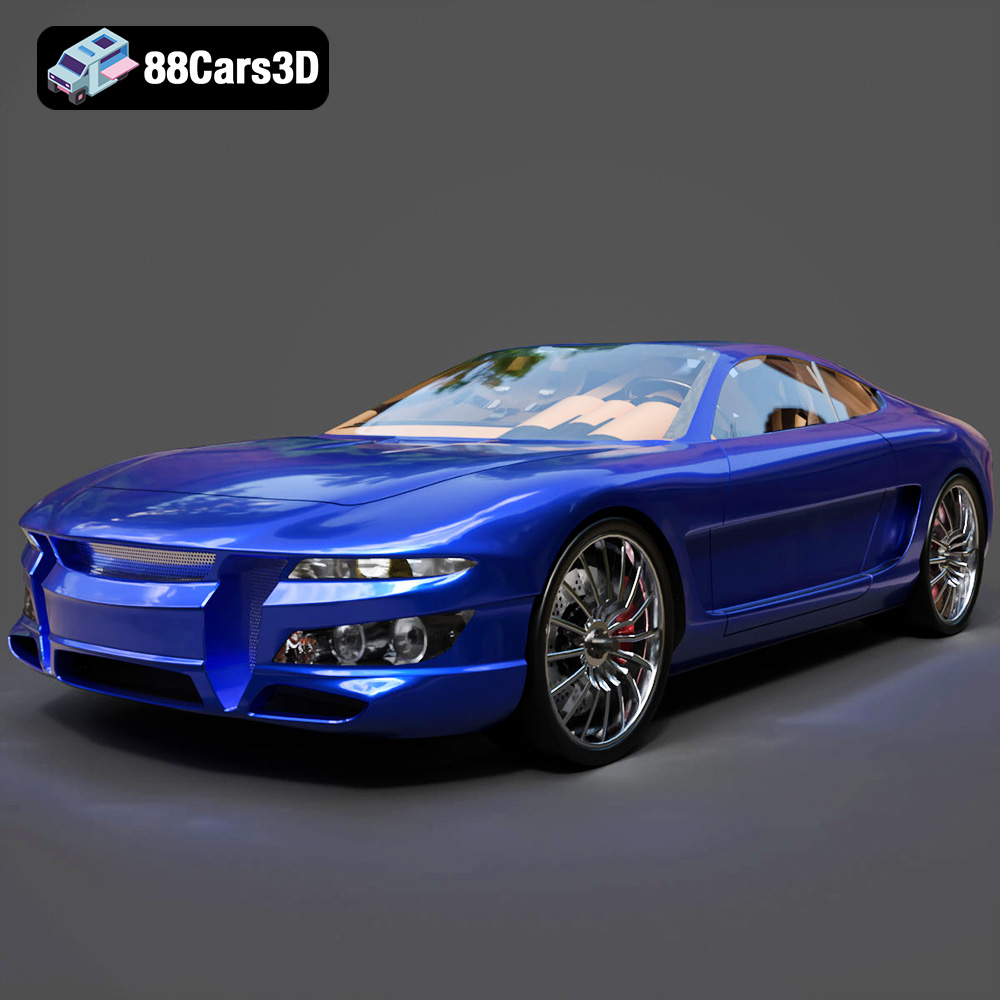
Download the Car Tasergal 005 3D Model featuring clean geometry, realistic detailing, and a fully modeled interior. Includes .blend, .fbx, .obj, .glb, .stl, .ply, .unreal, and .max formats for rendering, simulation, and game development.
Price: $10
Texture: Yes
Material: Yes
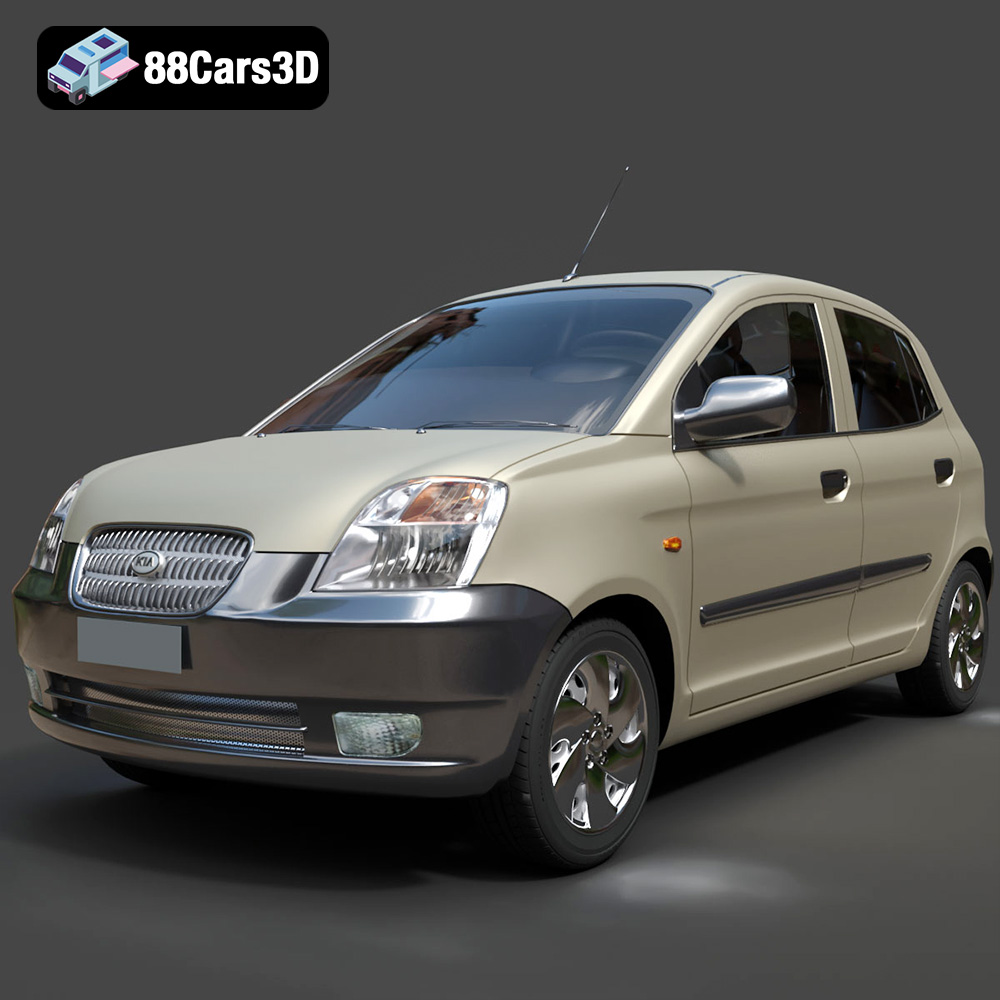
Download the Kia Picanto 2024 3D Model featuring clean geometry, realistic detailing, and a fully modeled interior. Includes .blend, .fbx, .obj, .glb, .stl, .ply, .unreal, and .max formats for rendering, simulation, and game development.
Price: $15.99

