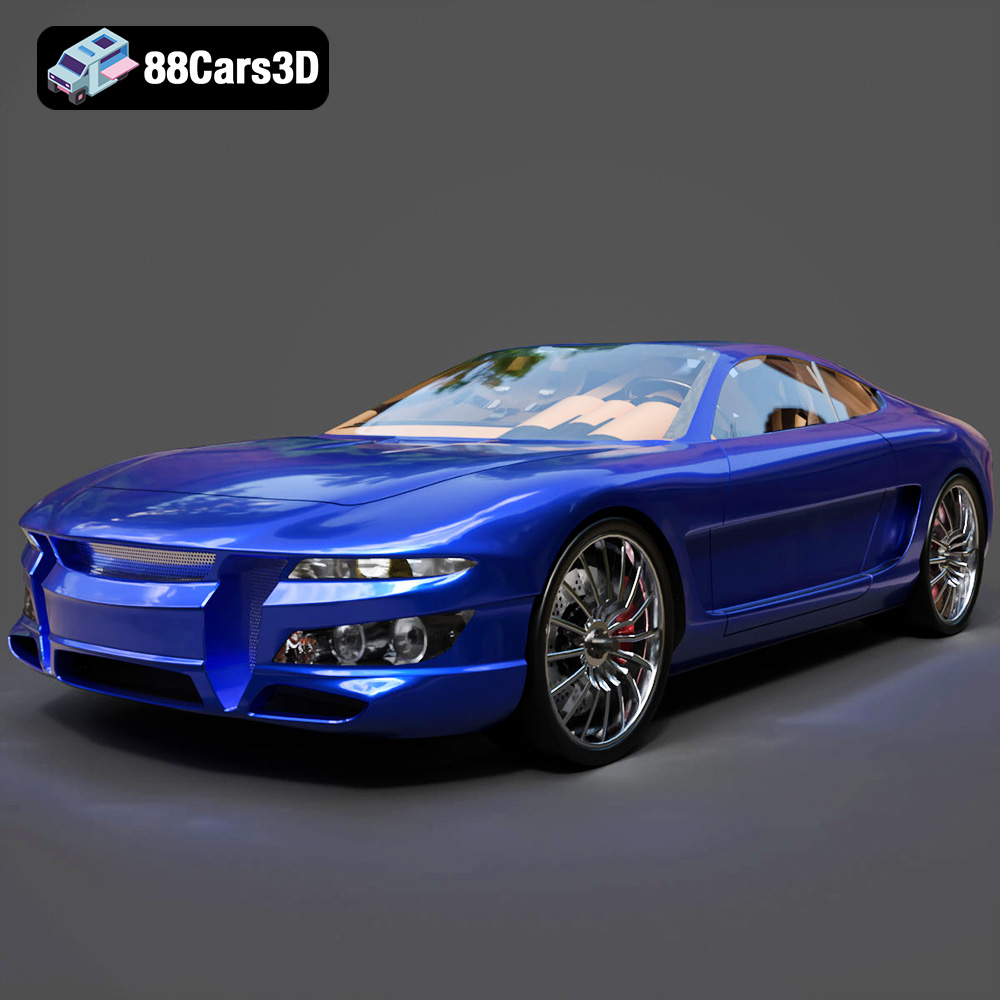
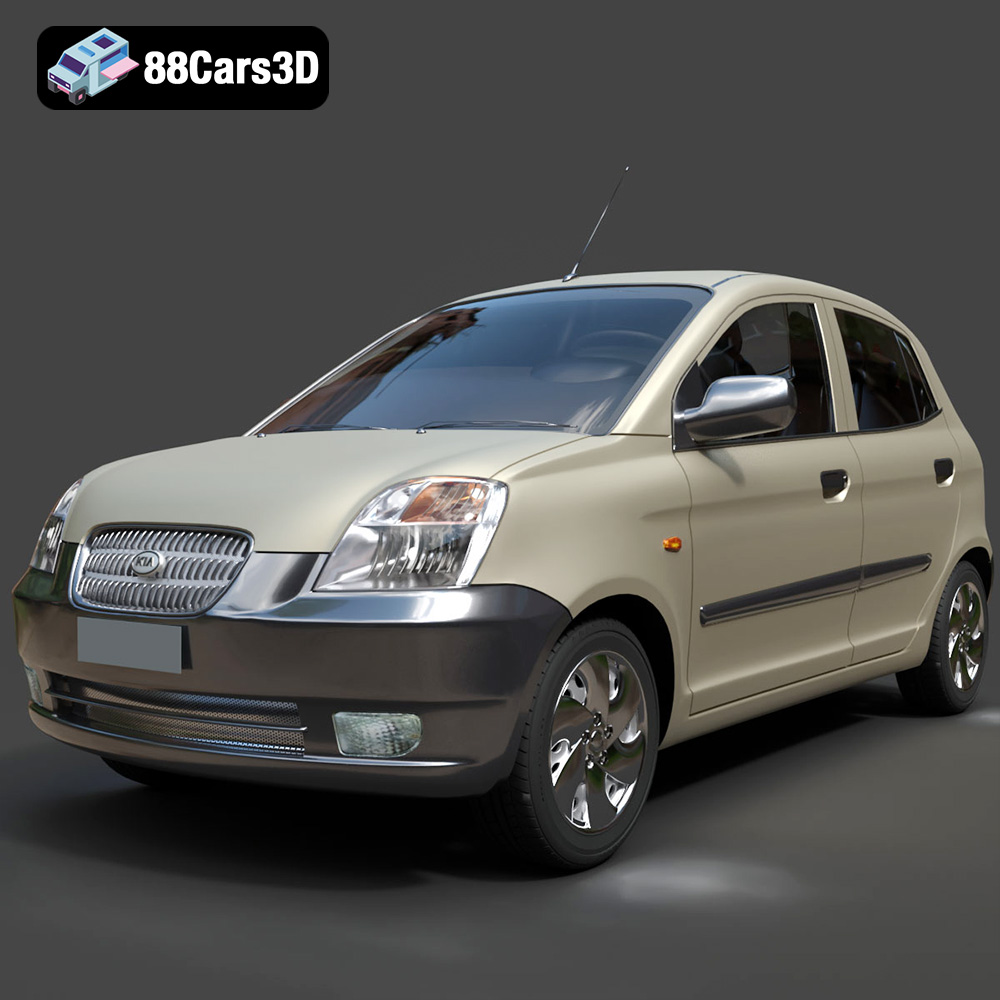
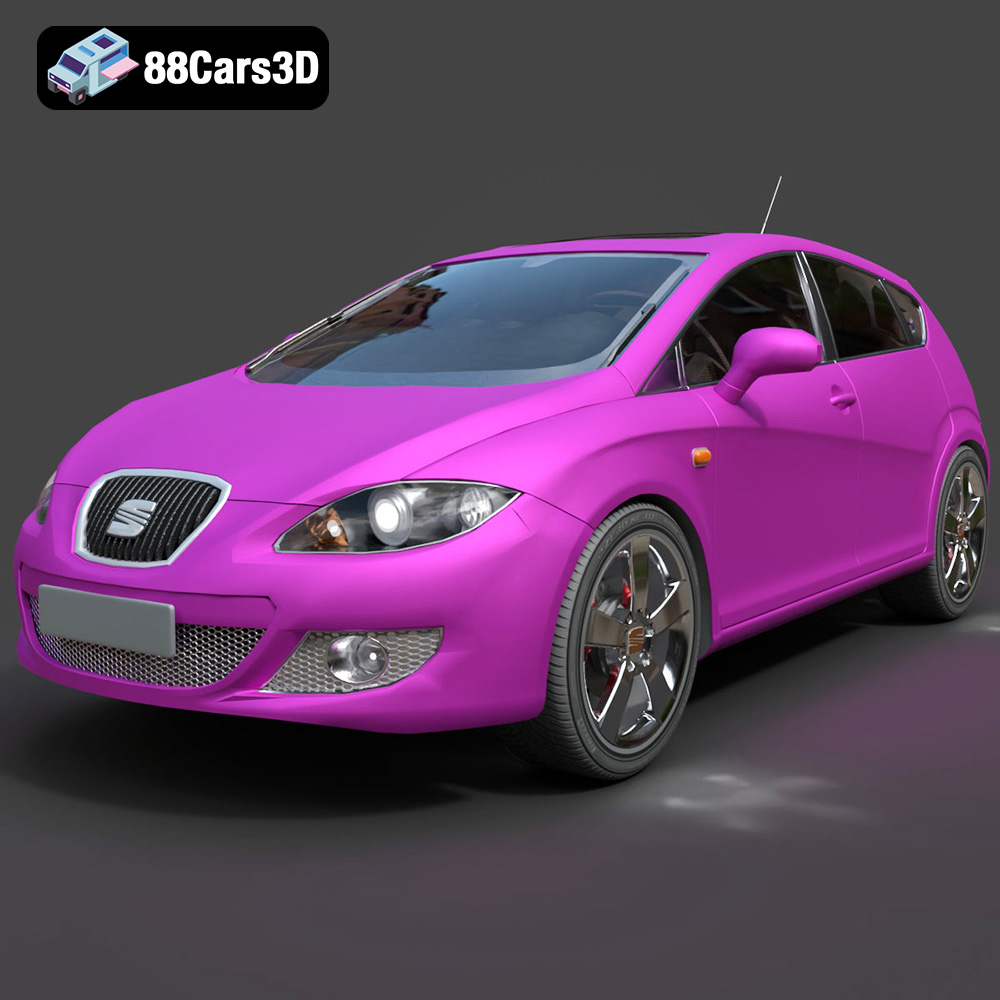
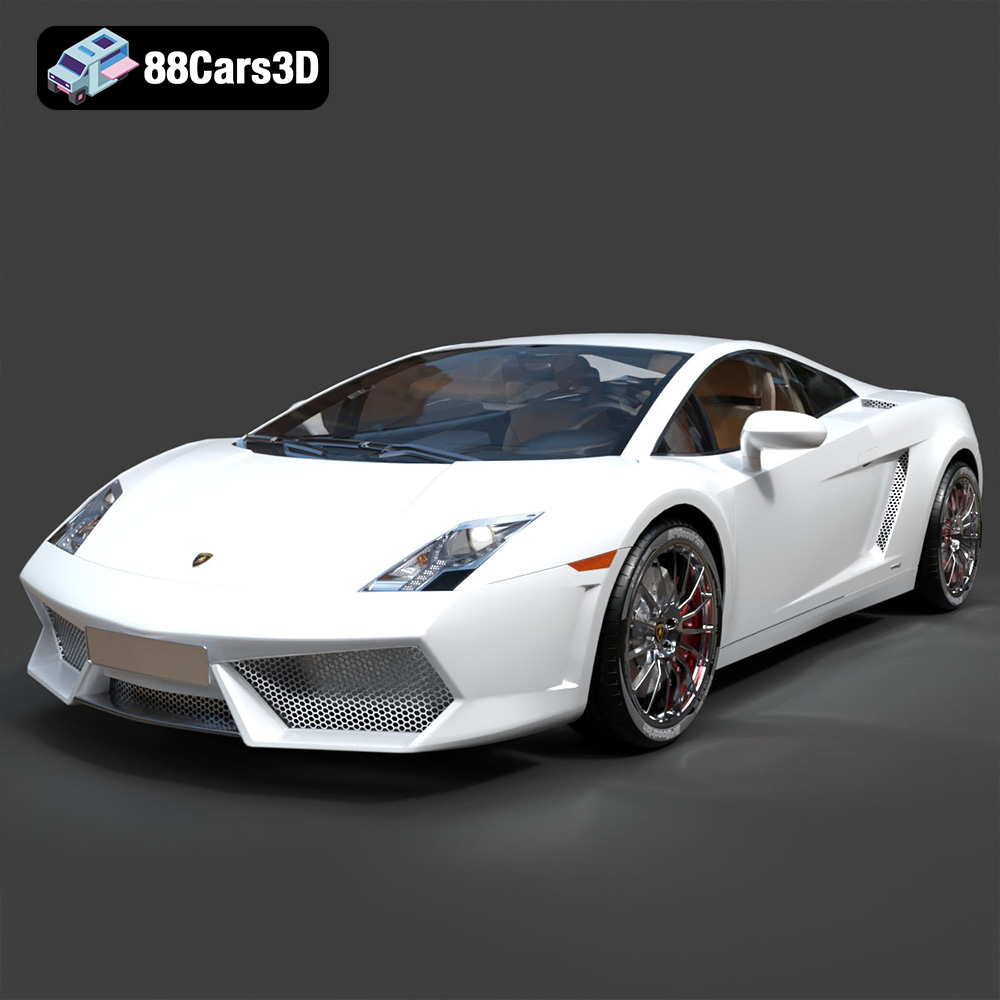
Driving Innovation: The Power of High-Quality 3D Car Models Across Industries
In today’s visually-driven world, the demand for realistic and technically precise 3D assets is paramount across a myriad of sectors. Nowhere is this more apparent than with 3D car models, which serve as the indispensable backbone for everything from breathtaking cinematic automotive rendering to immersive game assets and cutting-edge product visualization. A high-quality 3D car model isn’t just a digital replica; it’s a meticulously crafted piece of engineering that can bring a concept to life, enhance user engagement, and accelerate development pipelines. Whether you’re a seasoned professional in automotive design, a game developer pushing graphical boundaries, or an architect creating stunning visualizations, the quality of your 3D car models directly impacts the success and realism of your projects. This comprehensive guide delves into the intricacies of acquiring, utilizing, and optimizing these essential digital assets, highlighting why a reliable source like 88cars3d.com is crucial for professionals seeking excellence.
The Foundation of Digital Automotive Excellence: High-Quality 3D Car Models
At the heart of every impressive digital car lies a robust and accurately modeled 3D asset. But what truly elevates a 3D car model from adequate to high-quality? It’s a combination of meticulous detail, efficient structure, and practical usability across diverse platforms.
What Defines a “High-Quality” 3D Car Model?
A truly high-quality 3D car model is characterized by several critical attributes:
- Geometric Accuracy and Detail: This is fundamental. The model must precisely match the real-world vehicle, down to the subtle curves, panel gaps, and intricate components like headlights, grilles, and interior elements. Automotive designers often work with CAD data, and while polygon models are different, they must maintain that design fidelity.
- Clean Topology: A well-constructed mesh utilizes efficient polygon distribution (quads are generally preferred over triangles for deformation and subdivision) with clean edge flow. This ensures smooth deformations during animation, prevents shading artifacts, and allows for easy modification and subdivision without introducing visual glitches. Poor topology can lead to jagged edges, stretching textures, and issues with displacement or normal mapping.
- Optimized Poly Count: The “ideal” poly count varies greatly depending on the application. For close-up automotive rendering, models can range from 300,000 to over 2 million polygons to capture every minute detail. For real-time applications like games or AR/VR, models need to be significantly optimized, often using Level of Detail (LOD) systems, starting from perhaps 50,000-150,000 polygons for a primary view, and dropping to much lower counts for distant objects. High-quality models provide this balance and are often available in various LODs.
- Proper UV Unwrapping: Clean and efficient UV maps are crucial for applying textures accurately and without distortion. Overlapping UVs, stretching, or seams in critical areas can ruin the visual fidelity of surfaces like paintwork, decals, or interiors. High-quality models feature well-organized UV layouts that are easy to work with and support physically based rendering (PBR) texture workflows.
- Accurate Materials and Textures: A high-quality model comes with logically organized materials and appropriate PBR textures (Albedo, Metallic, Roughness, Normal, Ambient Occlusion, Displacement). These are often pre-configured for common render engines (V-Ray, Corona, Cycles) or game engines (Unreal, Unity) to achieve photorealistic results straight out of the box.
- Logical Hierarchy and Naming Conventions: Components like doors, wheels, and interior parts should be logically grouped, parented, and named consistently. This facilitates animation, customization, and integration into larger scenes without requiring extensive re-organization.
The Spectrum of Detail: From Low-Poly to Photorealistic
The choice of detail level in a 3D car model is driven entirely by its intended purpose. Understanding this spectrum is key to selecting the right asset:
- Photorealistic High-Poly Models: These are the pinnacle of detail, often exceeding hundreds of thousands or even millions of polygons. They are designed for high-end automotive rendering, cinematic sequences, architectural visualization close-ups, and marketing materials where every reflection, curve, and material property must be impeccable. Such models typically include fully detailed interiors, engines, and undercarriages, making them suitable for virtual photography or even detailed breakdowns.
- Game-Ready Optimized Models (Medium-Poly): For real-time applications, optimization is crucial. These models strike a balance between visual fidelity and performance. They feature carefully constructed LODs (Level of Detail) which automatically swap out lower polygon versions of the car as it moves further from the camera, significantly reducing rendering overhead. Textures are often baked down from high-poly versions, and materials are set up for efficient PBR rendering in game engines. Poly counts can range from 30,000 to 150,000 for a primary in-game vehicle.
- Low-Poly Models: Used for mobile games, background assets, or very distant objects in larger scenes where performance is paramount and extreme detail is unnecessary. These models rely heavily on normal maps and clever texture work to convey detail without the geometric cost, often having polygon counts below 10,000.
A reputable marketplace like 88cars3d.com often provides models across this spectrum, ensuring designers and developers can find the perfect balance of detail and performance for their specific project needs.
Understanding 3D Model File Formats
When working with 3D car models, one of the most critical aspects is understanding the various file formats available and their specific use cases. Each format is designed with particular strengths, making some ideal for certain workflows while others excel in different environments. Choosing the correct format is crucial for maintaining data integrity, ensuring compatibility, and optimizing your project pipeline.
.blend – The Native Powerhouse for Blender Artists
The .blend file is the native format for Blender, a popular open-source 3D creation suite. It’s incredibly versatile, capable of storing an entire Blender scene including mesh data, materials (Cycles/Eevee), textures, lighting, cameras, animations, physics simulations, modifier stacks, and even scripting data. For artists deeply integrated into the Blender ecosystem, a .blend file offers maximum editability and preserves every aspect of the project as it was created. This means if you purchase a .blend file, you gain full control over the asset, from tweaking materials to adjusting the model’s topology or animation curves. It’s often the best choice for those who intend to customize or integrate the model deeply within a Blender-centric workflow for rendering, animation, or further development.
.fbx – The Industry Standard for Interoperability
.fbx (Filmbox) is arguably the most widely adopted 3D exchange format in the industry, developed by Autodesk. Its strength lies in its ability to carry a vast amount of data across different 3D software applications and game engines. An .fbx file can encapsulate mesh geometry, PBR materials, textures, animations (including skeletal animation and blend shapes), cameras, and lights. It is the preferred format for transferring animated characters and complex scenes between applications like 3ds Max, Maya, Blender, ZBrush, and into game engines such as Unreal Engine and Unity. When acquiring 3D car models for real-time pipelines, .fbx is almost always the recommended choice due to its robust support for crucial game development features like LODs, collision meshes, and material assignments that translate well into engine environments.
.obj – The Universal Exchange Format
The .obj (Wavefront Object) format is one of the oldest and most universally supported 3D file formats. It’s renowned for its simplicity and broad compatibility, making it an excellent choice for basic mesh data exchange between almost any 3D software. An .obj file primarily stores geometric data—vertices, normals, texture coordinates, and faces. Material definitions are typically stored in a separate .mtl (material template library) file, which references textures. While highly compatible, .obj files lack support for advanced features like animation, rigging, or sophisticated material properties beyond basic color and texture maps. For simply sharing static mesh geometry without animation, it remains a reliable and robust option, often used in modeling, sculpting, and even some 3D printing workflows where complex material data isn’t needed.
.glb – Optimized for Web and Immersive Experiences
.glb (GL Transmission Format Binary) is the binary version of glTF (GL Transmission Format), a relatively new format gaining significant traction, especially in web-based 3D, Augmented Reality (AR), and Virtual Reality (VR) applications. .glb is a compact, single-file format that embeds all necessary data—geometry, textures, materials (PBR ready), animations, and scene graph—directly within itself. This self-contained nature makes it incredibly efficient for streaming and display on the web, in mobile AR apps, or within lightweight VR experiences, as it reduces the number of HTTP requests and simplifies asset loading. Its optimization for real-time rendering and its “transmission-ready” design make it ideal for showcasing 3D models directly in browsers or integrating them into immersive experiences without extensive conversion or optimization steps.
.stl – The Go-To for 3D Printing Output
The .stl (Stereolithography) format is the de facto standard for 3D printing. It represents a 3D model as a series of connected triangles that define the surface geometry of a solid object. Unlike other formats, .stl files do not contain any color, texture, or material information; they are purely about the shape and structure. When preparing a 3D car model for physical fabrication, the .stl format is essential for communicating the geometry to the 3D printer’s slicing software. Models intended for .stl output must be “watertight” (manifold), meaning they form a completely enclosed volume without holes or inverted normals, to ensure a successful print.
.ply – Precision Mesh Format for CAD or Analysis
The .ply (Polygon File Format) is often used for storing 3D data from 3D scanners, CAD systems, and other applications requiring precision mesh representation. It can store not only geometry (vertices, faces) but also additional properties like color per vertex, normal vectors, and transparency. While less common for general 3D asset exchange compared to .fbx or .obj, .ply is valuable in scientific and engineering contexts, particularly for capturing and representing complex scan data or precise CAD outputs where detailed attribute information is crucial. Its versatility in storing various vertex and face properties makes it a robust choice for specialized applications requiring analytical mesh data.
.unreal – Engine-Ready Asset for Real-Time Environments
While not a traditional open-standard file format like .fbx or .obj, .unreal refers to assets that are fully prepared and packaged specifically for Unreal Engine. These assets are typically derived from .fbx imports but have undergone significant processing within the engine: materials are converted to Unreal’s native PBR shader system, LODs are configured, collision meshes are generated, blueprints might be set up for interactivity, and textures are optimized for the engine’s streaming system. When you acquire an “.unreal” asset, it implies a complete, engine-ready package that can be dropped directly into an Unreal Engine project, saving countless hours of setup and optimization. This is an incredible advantage for game developers and real-time visualization artists, ensuring maximum compatibility and performance within the Unreal ecosystem.
.max – Editable 3ds Max Project for Animation and Rendering
The .max file is the native project format for Autodesk 3ds Max, a leading software for 3D modeling, animation, and rendering. Similar to Blender’s .blend, a .max file contains the entire scene data, including geometry, lights, cameras, animations, modifiers, and complex material setups (e.g., V-Ray, Corona Renderer). For users of 3ds Max, this format offers the highest level of editability and preservation of all scene attributes. When purchasing a .max file, particularly from a source like 88cars3d.com, you often receive a professionally set up scene with high-quality materials, lighting, and possibly even render presets, ready for immediate high-fidelity automotive rendering or further animation work. It provides direct access to the original creation environment, allowing for unparalleled control and customization.
Understanding these formats is crucial for any professional working with 3D car models, as it dictates compatibility, workflow efficiency, and the ultimate quality and usability of your digital assets.
Mastering Automotive Rendering: Crafting Photorealism
Automotive rendering is an art form, demanding a meticulous eye for detail and a deep understanding of light, materials, and composition. The goal is to create images so realistic they are indistinguishable from photographs, captivating audiences and showcasing vehicles in their best possible light.
The Art of Lighting and Environment
Effective lighting is the single most critical factor in achieving photorealistic automotive renders. It defines shape, highlights features, and creates mood:
- High Dynamic Range Images (HDRIs): HDRIs are the cornerstone of modern automotive lighting. They capture real-world lighting information (color, intensity, direction) from a spherical panoramic image, allowing renderers to accurately simulate complex lighting scenarios, reflections, and refractions. Using a high-quality studio HDRI provides a controlled, often soft and diffuse, lighting setup ideal for showcasing design details, while an outdoor HDRI can place the vehicle realistically within an environment.
- Studio Lighting Setups: Beyond HDRIs, virtual studio setups often incorporate area lights, dome lights, and strip lights to mimic professional photography studios. These lights are carefully positioned to create specific reflections on the car’s paintwork, define body lines, and illuminate interiors. IES (Illuminating Engineering Society) profiles can be used with virtual lights to replicate the exact photometric data of real-world light fixtures.
- Physically Accurate Cameras: Renderers simulate real camera properties like f-stop, shutter speed, ISO, and lens characteristics (depth of field, chromatic aberration) to produce authentic photographic effects.
Advanced Material Shading for Automotive Surfaces
The realism of a 3D car model is significantly enhanced by its materials, especially the complex surfaces found on a vehicle:
- Car Paint: Modern car paint shaders are highly complex, often comprising multiple layers: a metallic flake base layer, a clear coat layer for reflections and gloss, and sometimes a pearlescent or chameleon effect. Achieving accurate metallic flakes requires specific noise patterns and anisotropy in the reflection properties, while the clear coat demands precise Fresnel effects and reflectivity. Render engines like V-Ray, Corona, Cycles, and Arnold offer specialized layered shaders or physically based material setups that can replicate these intricacies.
- Glass and Translucent Materials: Car windows, headlights, and taillights require accurate refraction, reflection, and absorption properties. Small details like subtle tints, light scattering through imperfections, and proper internal reflections are vital for realism.
- Rubber, Plastic, and Chrome: Each material needs its own PBR texture set (Albedo, Roughness, Metallic, Normal) to convey its unique properties. Textured rubber tires, diffuse plastic trim, and highly reflective chrome accents all contribute to the overall authenticity.
Post-Processing and Compositing Techniques
Even the best render can be further enhanced through post-processing, much like a photographer refines an image:
- Depth of Field (DoF) and Motion Blur: These camera effects add cinematic quality, guiding the viewer’s eye and conveying a sense of speed or scale. While some DoF and motion blur can be rendered directly, compositing allows for greater control and flexibility.
- Color Grading and Tone Mapping: Adjusting the overall color balance, contrast, and exposure can dramatically impact the mood and visual appeal of the render. Tone mapping ensures that the high dynamic range information from the render is effectively displayed on standard screens.
- Lens Effects: Adding subtle lens flares, bloom, or vignette effects can simulate camera imperfections, contributing to a photographic aesthetic. Compositing software like Adobe Photoshop or Foundry Nuke is invaluable for this stage.
Integrating 3D Car Models into Game Development
Developing compelling driving experiences or integrating vehicles into dynamic virtual worlds requires more than just a beautiful model; it demands assets optimized for real-time performance and seamless engine integration. This is where 3D car models from 88cars3d.com truly shine, providing game-ready assets that minimize development overhead.
Optimizing for Real-Time Performance
Unlike pre-rendered animations, game environments must render dozens, if not hundreds, of objects simultaneously at high frame rates. This necessitates stringent optimization for 3D car models:
- Level of Detail (LODs): This is paramount. A high-quality game asset will include multiple versions of the model, each with a progressively lower polygon count. The game engine automatically switches between these LODs based on the camera’s distance to the car. For example, LOD0 might be 80,000 polygons, LOD1 at 40,000, and LOD2 at 15,000. This dramatically reduces the GPU load for distant objects without sacrificing detail up close.
- Efficient UV Mapping and Texture Atlases: Textures for game assets need carefully planned UV layouts to avoid stretching and to facilitate efficient texture packing. Texture atlases, which combine multiple smaller textures into a single, larger texture map, reduce draw calls (the number of times the CPU tells the GPU to render something), leading to better performance.
- Optimized Materials and Shaders: Game materials are often PBR (Physically Based Rendering) based, utilizing maps like Albedo, Normal, Metallic, Roughness, and Ambient Occlusion. These are configured to be highly efficient, with fewer complex calculations per pixel compared to cinematic renderers. Material instances derived from master materials allow for variations (e.g., different paint colors) without creating new, computationally expensive materials.
- Collision Meshes: Every interactive car in a game requires a simplified collision mesh, separate from the visual mesh. This allows the physics engine to accurately detect collisions without needing to process the full visual geometry, which would be prohibitively expensive.
Setting Up Car Assets in Game Engines (Unreal Engine Workflow)
The workflow for integrating 3D car models into game engines like Unreal Engine is a structured process:
- Exporting from 3D Software: The primary model, along with its LODs, collision meshes, and animations (if any, such as wheel rotation or suspension), is typically exported as a single .fbx file from 3ds Max, Blender, or Maya. It’s crucial that pivot points, scale, and rotations are correctly set during export.
- Importing into Unreal Engine: In Unreal Engine, the .fbx file is imported. During import, settings are configured for LOD generation, material creation, and skeletal mesh options if the car has a rig. Unreal automatically creates static mesh assets for each LOD.
- Material Setup (PBR): Unreal’s powerful material editor is used to create master materials and material instances for the car. PBR texture maps (Albedo, Normal, Roughness, Metallic, AO) are imported and connected to the appropriate inputs in the material graph. Material instances allow artists to quickly create variations (e.g., different car colors or finishes) without duplicating the entire material logic, significantly improving workflow and performance.
- Collision Setup: The simplified collision meshes (often exported as separate .fbx files or generated directly in Unreal) are assigned to the car’s static mesh, defining its physical bounds for interaction with the game world.
- Blueprint Integration: For interactive vehicles, a Blueprint (Unreal’s visual scripting system) is created. This blueprint incorporates the car’s mesh, physics components (like the Wheeled Vehicle Movement Component), and logic for controls (acceleration, braking, steering), sound effects, and damage systems. This makes the car a fully functional, controllable entity within the game.
Ensuring Scalability and Modularity
Game development often benefits from modular and scalable assets:
- Customizable Parts: Providing separate meshes for wheels, spoilers, headlights, or even interior components allows for player customization, vehicle variants, and potential damage systems. Each part can have its own material slots.
- Damage Systems: Modular designs facilitate dynamic damage. Different panels or components can be swapped with damaged versions, or soft-body physics can be applied to deformable parts for realistic crash simulation.
- Performance Considerations: A high-quality game asset is designed with performance in mind from the outset. This means efficient mesh structures, optimized UVs, and PBR texture sets that are balanced for visual fidelity versus memory footprint and GPU rendering time, ensuring the game runs smoothly across target platforms.
Beyond Rendering and Games: Diverse Applications of 3D Car Models
The utility of high-quality 3D car models extends far beyond traditional rendering and game development, impacting a wide array of industries and innovative applications.
Augmented Reality (AR) and Virtual Reality (VR) Experiences
3D car models are pivotal in creating immersive AR and VR experiences, allowing users to interact with vehicles in new and exciting ways:
- Virtual Showrooms and Configurators: In VR, potential customers can virtually “step inside” a car, explore its interior, and visualize different paint colors, wheel options, and trim levels in a fully immersive 3D environment. AR applications allow users to place a virtual car model in their real-world driveway or living room using a smartphone or tablet, scaling it accurately and walking around it as if it were truly there.
- Training and Simulation: Automotive companies utilize AR/VR with 3D car models for training mechanics, engineers, and sales staff. Complex engine components or assembly procedures can be visualized and practiced in a safe, interactive virtual space.
- Real-time Interaction: For AR/VR, models need to be highly optimized for real-time performance (often leveraging .glb format for web-based AR or specific engine assets for VR). This includes streamlined polygon counts, efficient textures, and robust PBR materials that look great under various lighting conditions inherent in AR/VR environments.
Product Visualization and Configuration
For designers and marketers, 3D car models are an invaluable tool for visualizing products before they even exist physically, and for enabling dynamic online experiences:
- Interactive Online Configurators: Car manufacturers use 3D models to power online car configurators, allowing customers to customize a vehicle with different colors, rims, accessories, and interior options in real-time 3D. This provides an engaging and personalized shopping experience.
- Marketing and Advertising: High-quality renders of 3D car models are used extensively in brochures, websites, TV commercials, and social media campaigns. They offer complete control over camera angles, lighting, and environment, enabling dynamic visual storytelling without the cost or logistical challenges of physical photography.
- Design Reviews and Prototyping: Automotive designers use 3D models throughout the design process for rapid prototyping, concept validation, and iterative design reviews, allowing them to visualize changes and make decisions quickly.
3D Printing and Prototyping
Beyond the digital realm, 3D car models are tangible assets for physical production and prototyping:
- Scale Models and Miniatures: Enthusiasts, collectors, and model makers use 3D printable car models (.stl format is common here) to create highly detailed physical scale models. This allows for custom builds, rare car reproductions, or even creating unique prototypes.
- Functional Parts and Prototypes: Engineers can utilize 3D models to print functional components or scale prototypes of car parts for testing, fitment checks, or showcasing design elements before committing to expensive tooling for mass production.
- Mesh Integrity: For 3D printing, the mesh must be “watertight” and free of errors (non-manifold geometry, inverted normals). High-quality models are often prepared with 3D printing in mind, ensuring a clean and printable mesh.
The Value of Investing in Professional 3D Car Assets from 88cars3d.com
The creation of a high-quality 3D car model from scratch is an incredibly time-consuming and skill-intensive process. For most projects, the most efficient and effective approach is to leverage pre-made, professional-grade assets. This is where a specialized marketplace like 88cars3d.com provides immense value.
Saving Time and Resources
Developing a complex 3D car model can take hundreds, if not thousands, of hours for a skilled artist. This involves painstaking reference gathering, precise modeling, meticulous UV unwrapping, and detailed material creation. By investing in ready-to-use 3D car models from 88cars3d.com, you bypass this entire initial phase of production. This allows your team to:
- Focus on Creativity: Instead of getting bogged down in foundational modeling tasks, artists and developers can dedicate their efforts to lighting, scene composition, animation, game logic, or bespoke customization.
- Accelerate Project Timelines: Access to pre-made assets drastically cuts down on production schedules, enabling faster iteration and quicker time-to-market for projects ranging from game releases to architectural visualizations and marketing campaigns.
- Reduce Labor Costs: Hiring a dedicated 3D artist for a bespoke model is expensive. Purchasing an existing model is a cost-effective solution, especially for teams with limited resources or tight budgets.
Guaranteed Quality and Technical Accuracy
The promise of a professional marketplace is quality control. When you acquire 3D car models from 88cars3d.com, you can expect:
- Clean Topology and Mesh Integrity: Models are typically vetted for clean quad-based geometry, efficient edge flow, and proper subdivision readiness, which prevents rendering artifacts and allows for smooth deformations.
- Accurate Scaling and Proportions: Models are built to real-world scale, ensuring seamless integration into existing scenes and environments without requiring manual resizing or adjustments that could introduce inaccuracies.
- Proper UVs and PBR Material Setup: Textures are professionally unwrapped without stretching or overlapping, and materials are configured using industry-standard PBR workflows, often pre-calibrated for popular renderers (V-Ray, Corona, Cycles) or game engines (Unreal, Unity). This means less time spent on material troubleshooting and more time on final presentation.
- Logical Hierarchy and Organization: Components are properly grouped, parented, and named, making it easy to animate specific parts (like doors or wheels) or integrate the model into complex scene hierarchies.
Access to a Diverse and Expanding Library
A specialized marketplace like 88cars3d.com offers an unparalleled selection that would be impossible to create in-house. This gives you:
- Variety of Makes and Models: From classic vintage cars to the latest supercars, everyday sedans, and futuristic concept vehicles, the breadth of available models caters to virtually any project requirement.
- Different Levels of Detail: Whether you need a high-poly model for a cinematic render or an optimized, game-ready asset with LODs, you can find models tailored to specific performance and fidelity needs.
- Constantly Updated Collection: As new vehicles are released and digital content trends evolve, dedicated marketplaces continually update their libraries, ensuring access to the latest and most relevant 3D car models.
By investing in professional 3D car models, you equip your projects with a powerful visual advantage, allowing you to focus on the creative execution while resting assured that your foundational assets are of the highest technical and artistic standard.
Conclusion
The landscape of digital creation is ever-evolving, and at its core, the demand for high-quality 3D car models remains constant and critical across numerous industries. From crafting photorealistic automotive rendering for marketing and design visualization to building immersive game assets and innovative AR/VR experiences, the quality and technical precision of these digital vehicles are paramount. Understanding the nuances of file formats, optimization techniques, and advanced rendering workflows empowers professionals to harness the full potential of these assets.
Investing in professionally developed 3D car models is not merely a purchase; it’s a strategic decision that saves invaluable time, ensures technical accuracy, and elevates the overall quality and impact of your projects. By relying on trusted sources like 88cars3d.com, artists, designers, and developers gain immediate access to a vast library of meticulously crafted vehicles, ready to be seamlessly integrated into their creative pipelines. Embrace the power of expertly designed 3D car models and drive your digital creations to new heights of realism and innovation.
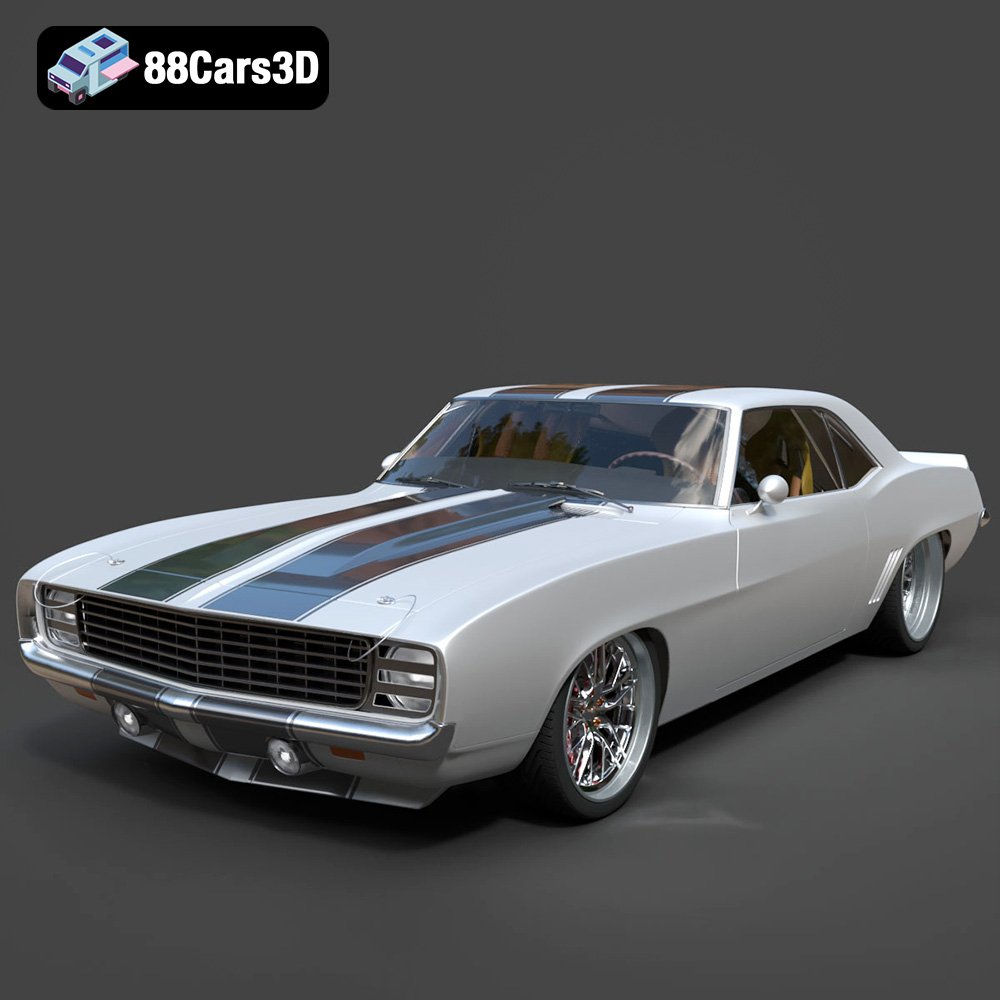
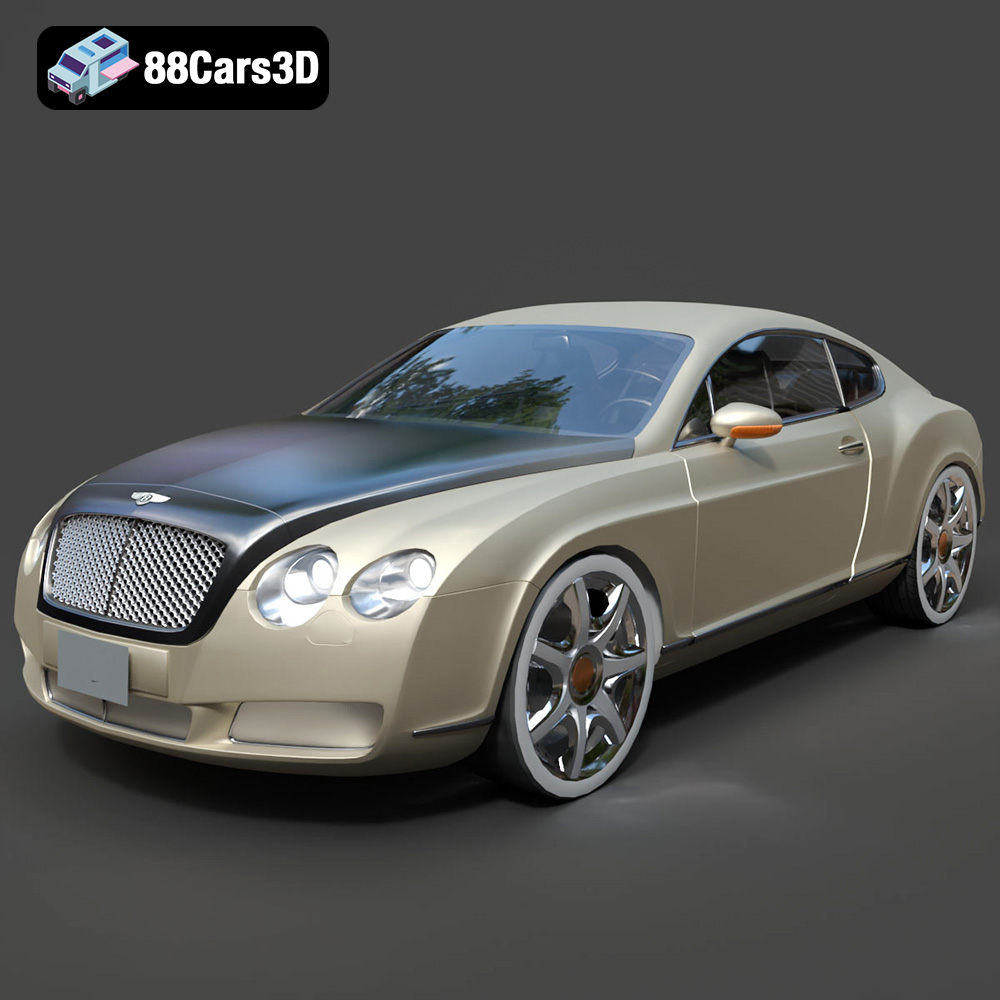
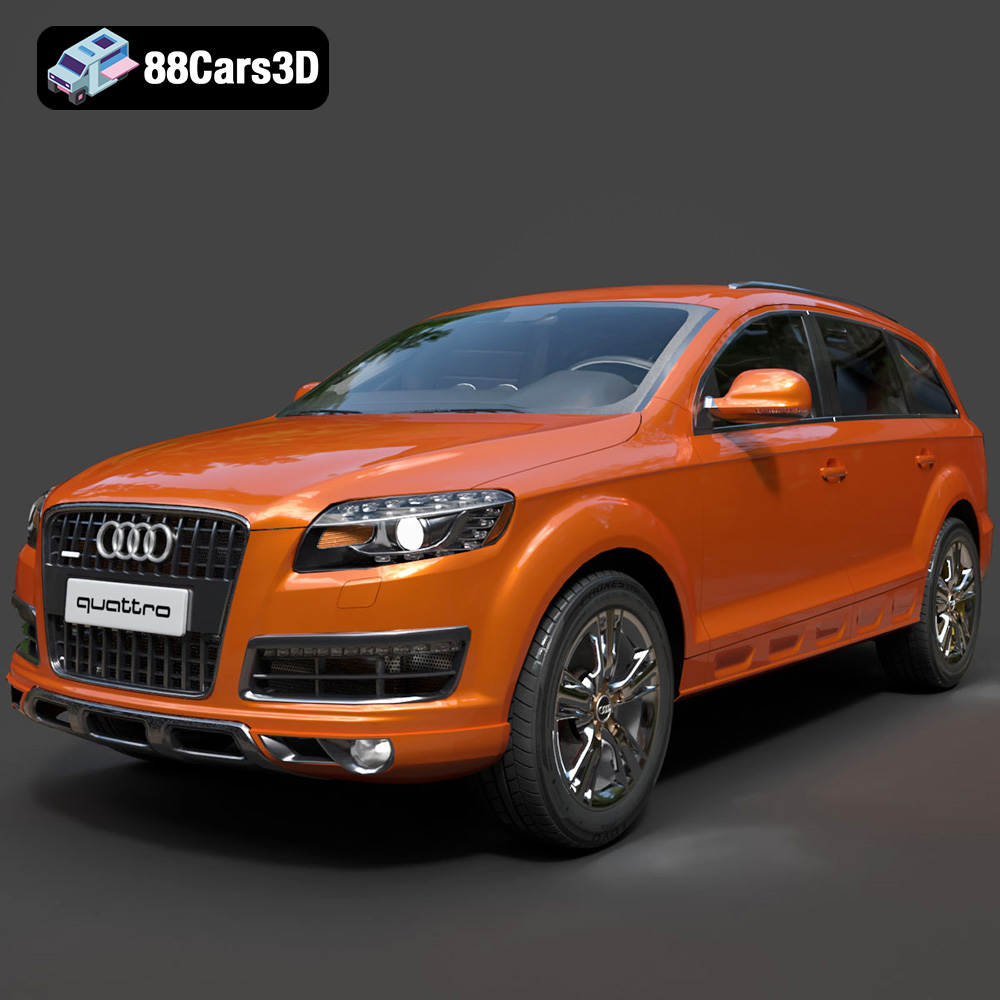
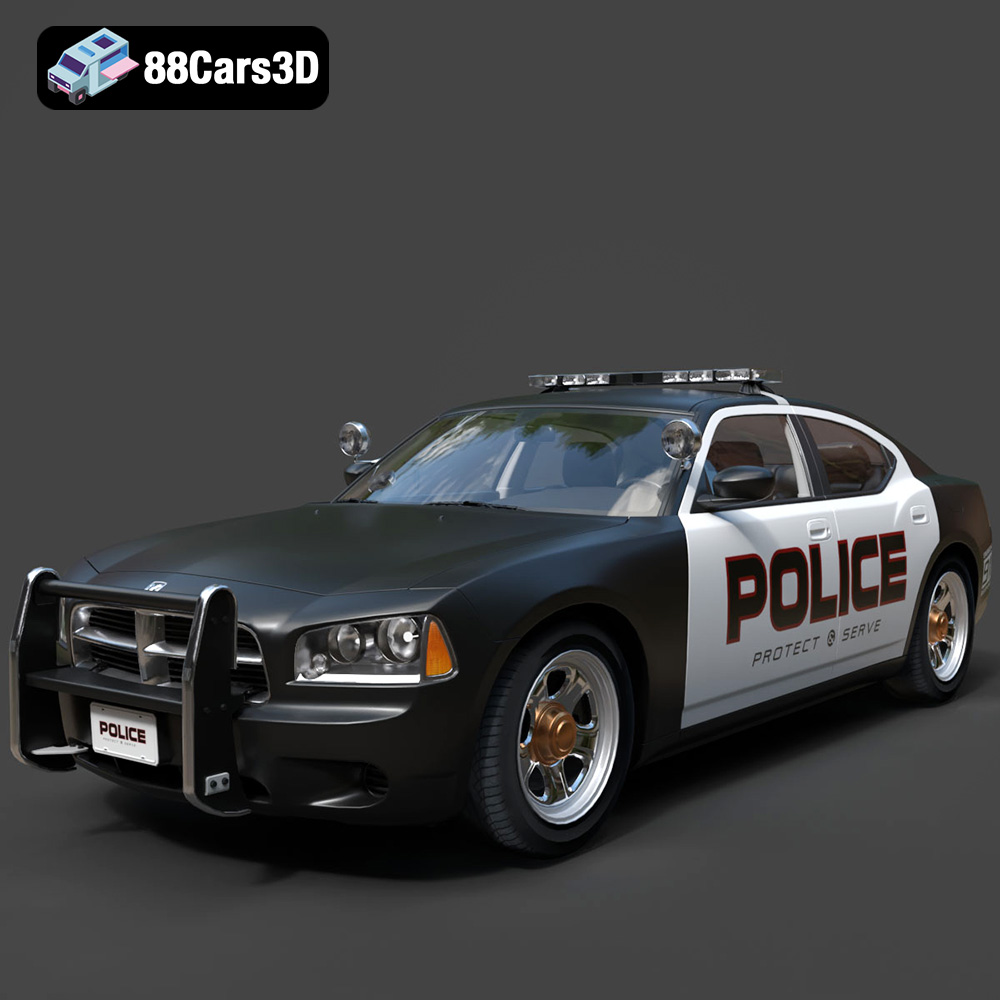
Featured 3D Car Models