Get 20% OFF All Premium 3D & STL Models!

The quest for photorealistic visuals in real-time rendering has been a relentless pursuit for 3D artists and developers. From the intricate reflections on a car’s polished surface to the subtle nuances of its interior textures, every detail contributes to immersion. For automotive visualization, where precision and aesthetic fidelity are paramount, traditional shading models have often presented limitations, forcing artists to employ workarounds that compromise either accuracy or performance. Enter Substrate, Unreal Engine’s revolutionary new material system, poised to redefine how we approach physically based shading. This paradigm shift offers an unparalleled degree of control and realism, promising to unlock new creative horizons for automotive projects.
As pioneers in providing high-quality 3D car models, platforms like 88cars3d.com have always championed the pursuit of visual excellence, ensuring their assets are ready for the latest advancements in real-time rendering. Substrate aligns perfectly with this mission, enabling artists to push the boundaries of visual fidelity, delivering hyper-realistic automotive experiences that were once confined to offline renderers. This comprehensive guide will delve into the technical intricacies of Substrate, exploring its core architecture, workflow enhancements, optimization strategies, and its transformative impact on creating breathtaking automotive visuals within Unreal Engine.
For years, the physically based rendering (PBR) metallic/roughness workflow has been the industry standard, offering a robust and intuitive way to describe materials. It simplified the art pipeline and allowed for consistent lighting across diverse scenes. However, as hardware capabilities advanced and artistic demands grew, the limitations of this monolithic PBR model became increasingly apparent, especially for complex, layered surfaces common in automotive design.
Traditional PBR models, while excellent for many materials, struggle with surfaces that exhibit complex optical properties or multiple layers. Imagine a metallic car paint with a clear coat, embedded flakes, and perhaps a subtle pearlescent effect. In the old system, accurately representing such a material often required:
These limitations often meant that while real-time renders looked good, they couldn’t quite match the exquisite detail and physical accuracy of offline renderers. This gap was particularly noticeable in high-fidelity applications like automotive configurators and virtual production, where every subtle reflection and surface interaction matters.
Substrate addresses these challenges head-on by introducing a fundamentally new approach: layered materials. Instead of defining a single, monolithic PBR material, Substrate allows artists to construct materials by stacking and blending multiple “slabs” or layers, each with its own physically accurate properties. Think of it like a chef preparing a complex dish – individual ingredients are combined in a specific order to create a harmonious final product, rather than trying to create a single “all-in-one” ingredient. This modularity provides unparalleled flexibility and physical accuracy.
At its core, Substrate focuses on describing how light interacts with the individual layers of a material. This isn’t just about blending diffuse colors; it’s about accurately simulating reflection, refraction, absorption, and scattering at each interface. This approach allows for:
This layered approach is a game-changer for materials prevalent in automotive design, from intricate car paints to detailed interiors, empowering artists to achieve unprecedented levels of realism within Unreal Engine.
Transitioning to Substrate involves a learning curve, but the investment pays dividends in visual quality. The workflow within Unreal Engine’s Material Editor is both familiar and expanded, offering new nodes and paradigms that empower artists to build complex material graphs intuitively. For an in-depth exploration of Substrate’s technical details, refer to the official Unreal Engine documentation at https://dev.epicgames.com/community/unreal-engine/learning.
When you create a new material in Unreal Engine 5.2+ and enable Substrate, the Material Editor transforms. Instead of a single output node for Base Color, Metallic, Roughness, etc., you’ll see a Substrate Material Output. Your material graph will now consist of various “Substrate nodes” that represent different material layers or operations:
The key is to think about your material in terms of its physical layers. A car paint might start with a metallic “Background” for the base coat, then add a “Thin Clear Coat” on top. Each node has specific inputs that define its properties, and these nodes are then connected to the main Substrate Material Output, often through a series of blending operations.
Let’s consider creating a high-fidelity, multi-layer car paint using Substrate. This type of material is notoriously difficult to achieve realistically with traditional PBR, but Substrate makes it approachable:
Substrate Slab node. Set its Type to ‘Metallic’.Base Color, use a texture or a color parameter.Roughness for the metallic base.Background input of a Substrate Thin Clear Coat node.Roughness (controlling the glossiness of the clear coat) and Refractive Index (typically around 1.5 for automotive clear coats).Substrate Material Output.Substrate Mix nodes to blend additional layers (e.g., a dirty material slab) on top of your car paint, using masks to define where the dirt appears.This layered construction accurately simulates how light interacts with real car paint – first hitting the clear coat, reflecting some light, then penetrating to the metallic base, reflecting more light, and finally exiting back through the clear coat. The result is a physically coherent and visually stunning material.
The automotive industry demands visuals that are indistinguishable from reality, whether for design review, marketing, or interactive configurators. Substrate is a pivotal technology in achieving this goal, offering specific advantages for key automotive materials that were previously challenging to render convincingly in real-time.
While multi-layer car paint is a prime candidate for Substrate, its capabilities extend far beyond. Many other crucial automotive materials benefit immensely:
These advancements mean that every material inside and outside an automotive model can now be crafted with an unprecedented level of physical fidelity, contributing to a truly immersive and believable visualization.
This is where high-quality 3D car models, such as those found on 88cars3d.com, truly shine. When models are built with clean topology, precise UV mapping, and high-resolution textures, they provide the perfect foundation for leveraging Substrate’s power. Instead of wrestling with poorly optimized geometry or messy UVs, artists can focus their energy on crafting exquisite materials.
The synergy between expertly crafted 3D models and Substrate’s advanced shading capabilities creates a powerful pipeline for achieving automotive visualization that truly blurs the line between reality and virtuality.
With great power comes great responsibility, and Substrate’s ability to create complex, layered materials does come with a potential performance cost. Understanding how Substrate impacts rendering and how to optimize your materials is crucial for maintaining real-time frame rates, especially for performance-sensitive applications like games, AR/VR, and large-scale virtual productions.
Unlike traditional PBR where a single shader pass often covers all material properties, Substrate effectively compiles a more complex shader. Each layer and its blending operation contributes to the overall shader complexity. This can lead to:
Unreal Engine’s developers have put significant effort into optimizing Substrate, implementing techniques like automatic layer simplification and efficient shader compilation. However, artist input remains vital for ensuring optimal performance. It’s about finding the balance between visual fidelity and performance targets for your specific project.
Optimizing Substrate materials requires a mindful approach during creation and careful profiling. Here are some industry best practices:
Stat GPU in the console or by selecting the view modes in the viewport.By thoughtfully constructing your Substrate materials and continuously profiling your scene, you can harness the system’s incredible power without sacrificing real-time performance. This balance is key for all Unreal Engine projects, especially those with stringent performance targets.
Substrate isn’t an isolated feature; it’s designed to integrate seamlessly with Unreal Engine’s other cutting-edge technologies, creating a unified ecosystem for next-generation real-time rendering. This synergy is particularly powerful for automotive visualization, enabling unprecedented levels of graphical fidelity and interactive experiences.
Two of Unreal Engine’s most transformative features, Nanite and Lumen, find their ultimate expression when paired with Substrate:
This powerful trio – Nanite for geometry, Substrate for materials, and Lumen for lighting – forms the backbone of Unreal Engine’s next-generation rendering pipeline, making it an indispensable tool for achieving cinematic quality in real-time automotive projects.
Beyond traditional rendering, Substrate plays a critical role in advanced applications:
From highly optimized game assets to virtual production, Substrate is a foundational technology that empowers artists and developers to create breathtaking automotive content across the entire spectrum of real-time applications.
The Substrate Material System represents a monumental leap forward in real-time rendering, offering artists and developers unprecedented control over material fidelity within Unreal Engine. Its layered architecture and commitment to physical accuracy dismantle the traditional limitations of PBR, enabling the creation of hyper-realistic surfaces that were once the exclusive domain of offline renderers. For automotive visualization, where the allure of a vehicle lies in its intricate details and flawless finishes, Substrate is nothing short of a game-changer.
By empowering artists to faithfully reproduce complex car paints, realistic glass with dispersion, intricate carbon fiber weaves, and nuanced leather textures, Substrate elevates automotive projects to new heights of realism. This capability, combined with the power of Nanite for geometry and Lumen for dynamic lighting, establishes Unreal Engine as the leading platform for cutting-edge automotive design, marketing, and interactive experiences. By providing meticulously crafted 3D car models, 88cars3d.com ensures that artists and developers have the perfect foundation to build upon, ready to leverage the full potential of Substrate’s next-generation shading.
Embracing Substrate is an investment in the future of real-time graphics. While it introduces new concepts and requires a thoughtful approach to optimization, the visual rewards are undeniable. We encourage all automotive artists and Unreal Engine developers to explore this powerful system, experiment with its capabilities, and begin transforming their projects with truly unparalleled material realism.

Meta Description:
Texture: Yes
Material: Yes
Download the Cadillac CTS-V Coupe 3D Model featuring detailed exterior styling and realistic interior structure. Includes .blend, .fbx, .obj, .glb, .stl, .ply, .unreal, and .max formats for rendering, simulation, AR VR, and game development.
Price: $13.9
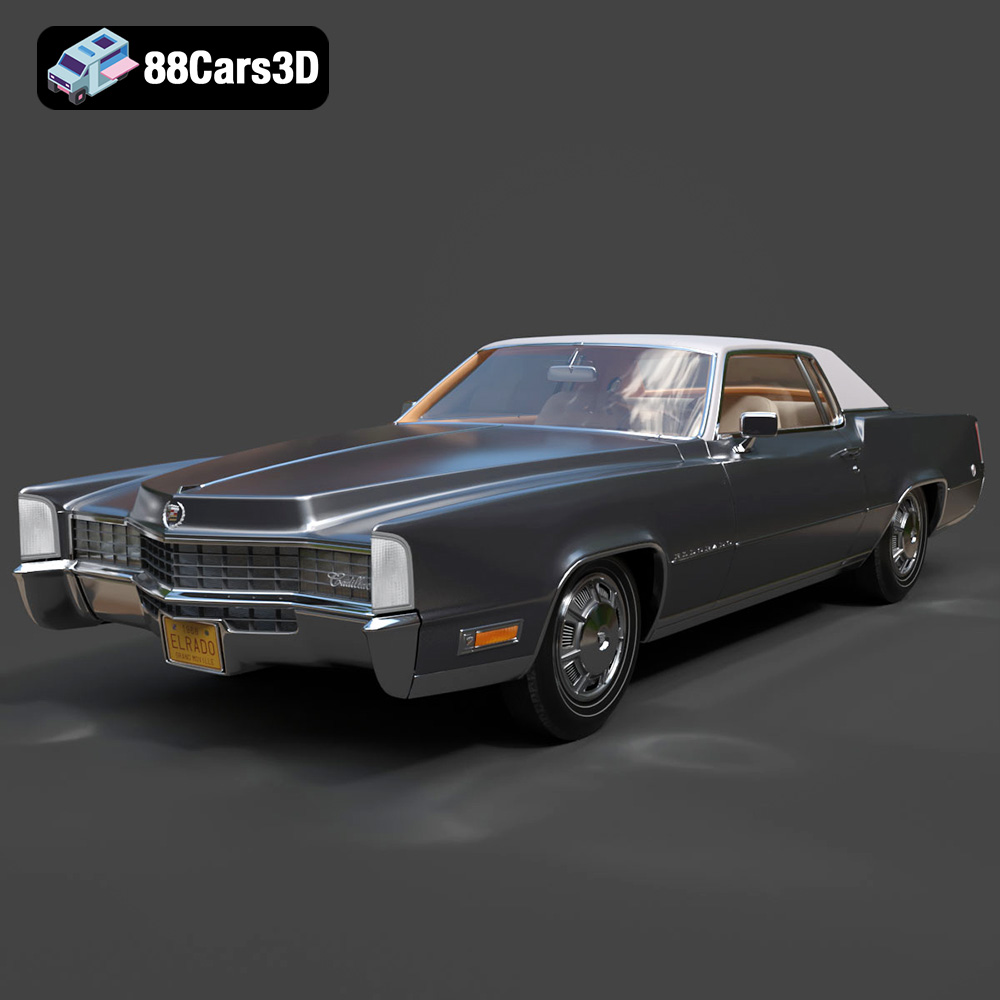
Texture: Yes
Material: Yes
Download the Cadillac Eldorado 1968 3D Model featuring its iconic elongated body, distinctive chrome accents, and luxurious interior. Includes .blend, .fbx, .obj, .glb, .stl, .ply, .unreal, and .max formats for rendering, simulation, and game development.
Price: $20.79

Texture: Yes
Material: Yes
Download the Cadillac CTS SW 2010 3D Model featuring a detailed exterior, functional interior elements, and realistic materials. Includes .blend, .fbx, .obj, .glb, .stl, .ply, .unreal, and .max formats for rendering, simulation, and game development.
Price: $10.79
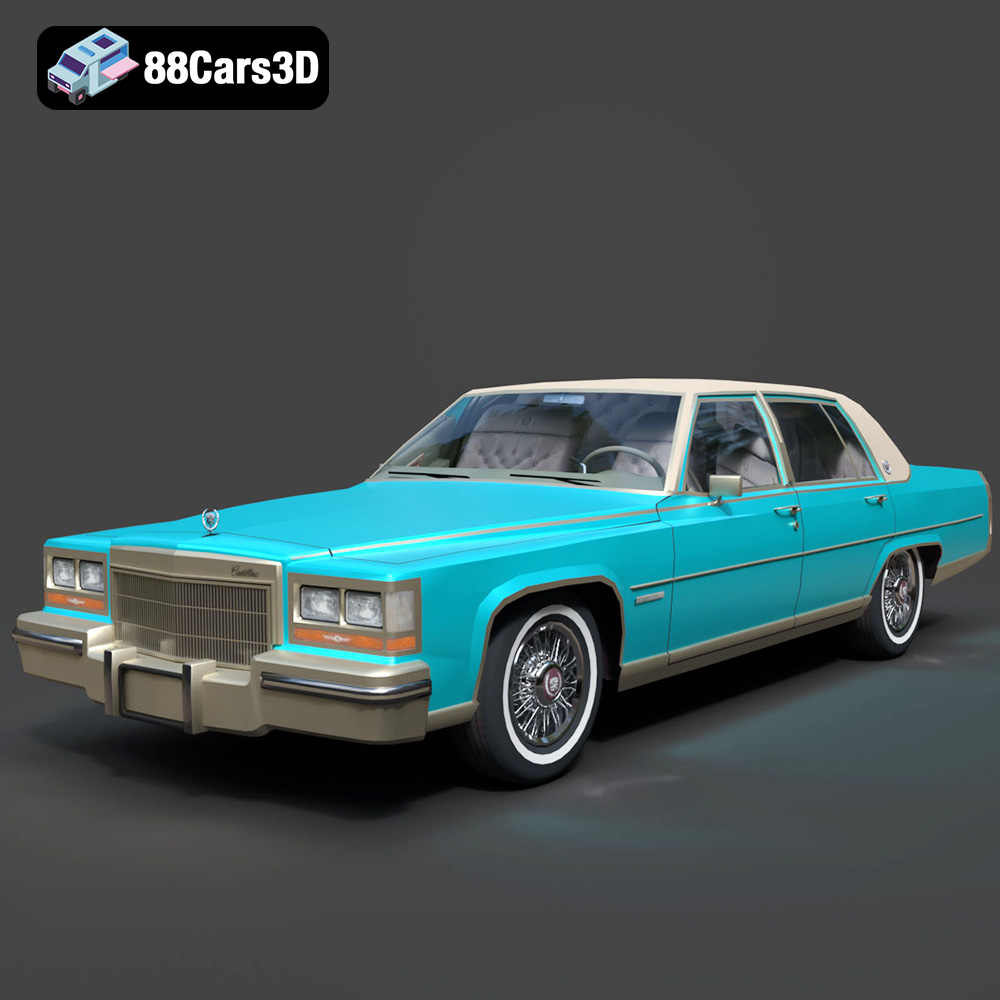
Texture: Yes
Material: Yes
Download the Cadillac Fleetwood Brougham 1985 3D Model featuring its iconic classic luxury design and detailed craftsmanship. Includes .blend, .fbx, .obj, .glb, .stl, .ply, .unreal, and .max formats for rendering, simulation, and game development.
Price: $10.79
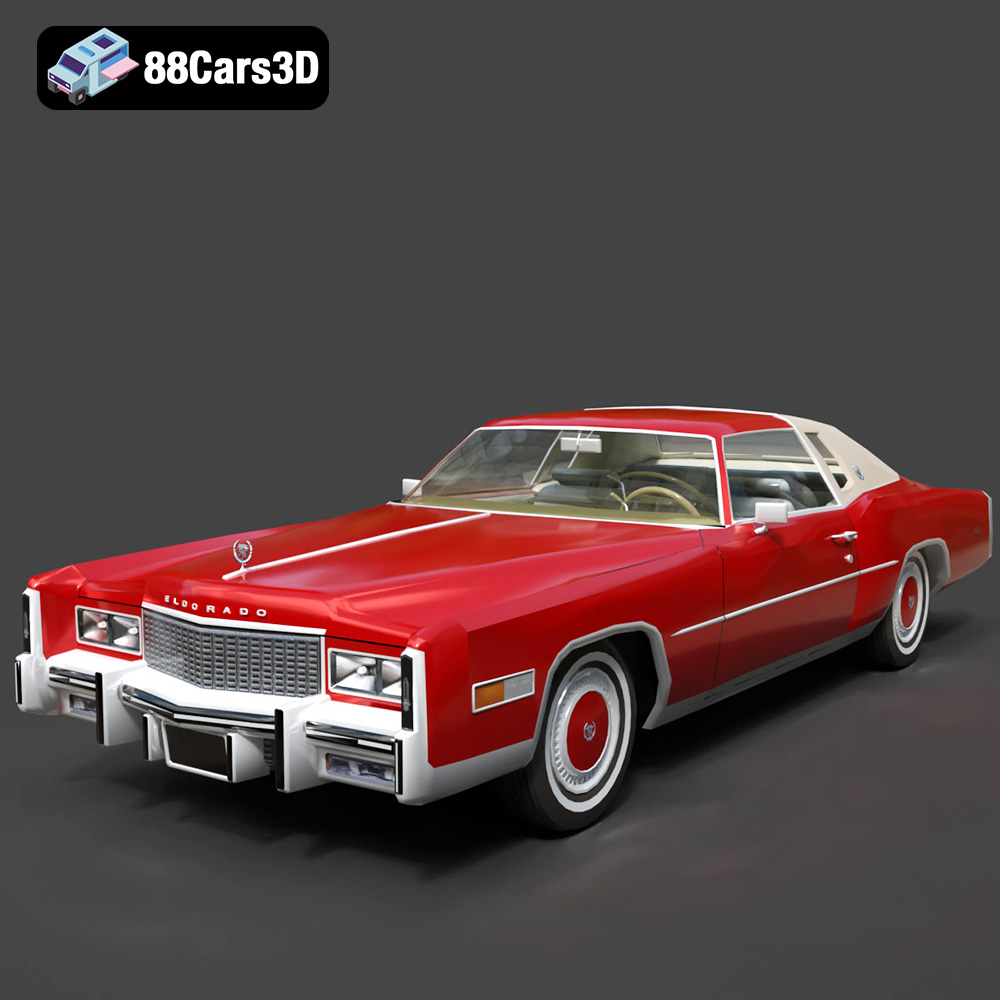
Texture: Yes
Material: Yes
Download the Cadillac Eldorado 1978 3D Model featuring accurately modeled exterior, detailed interior, and period-correct aesthetics. Includes .blend, .fbx, .obj, .glb, .stl, .ply, .unreal, and .max formats for rendering, simulation, and game development.
Price: $10.79
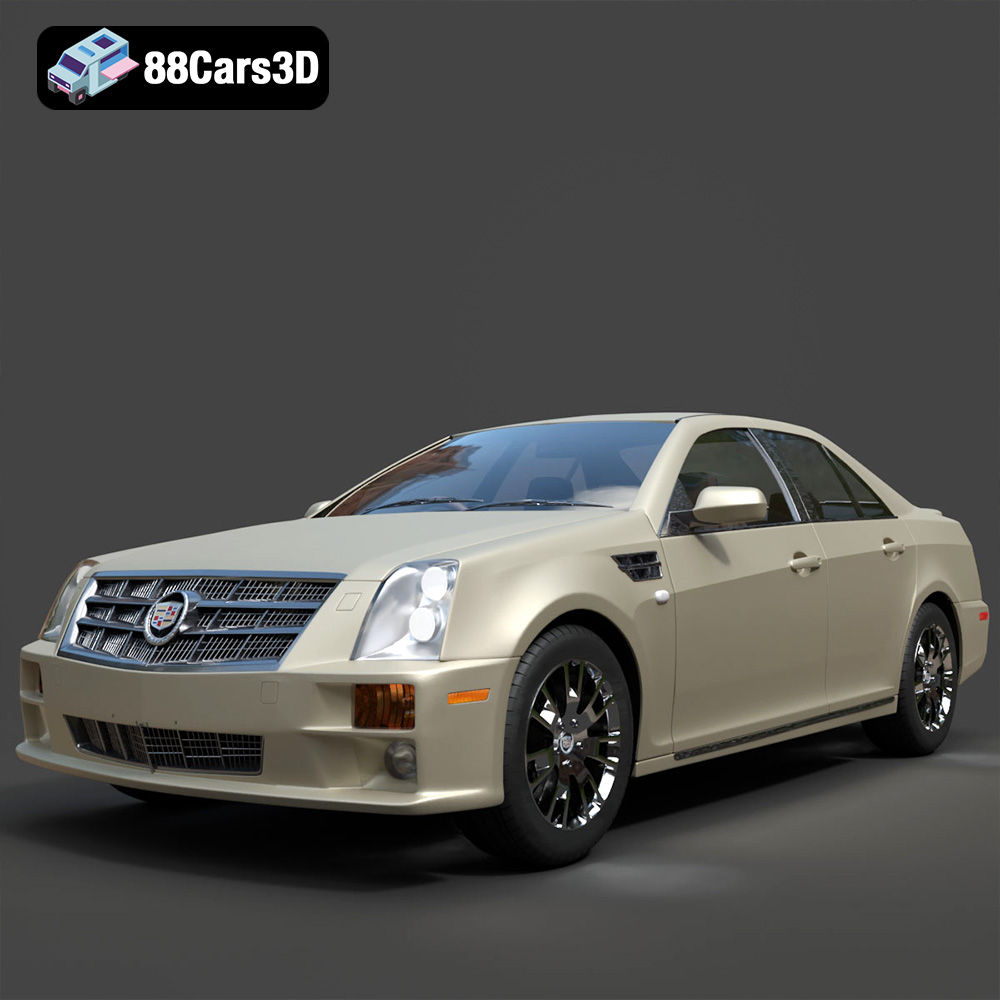
Texture: Yes
Material: Yes
Download the Cadillac STS-005 3D Model featuring a detailed exterior and interior. Includes .blend, .fbx, .obj, .glb, .stl, .ply, .unreal, and .max formats for rendering, simulation, and game development.
Price: $22.79
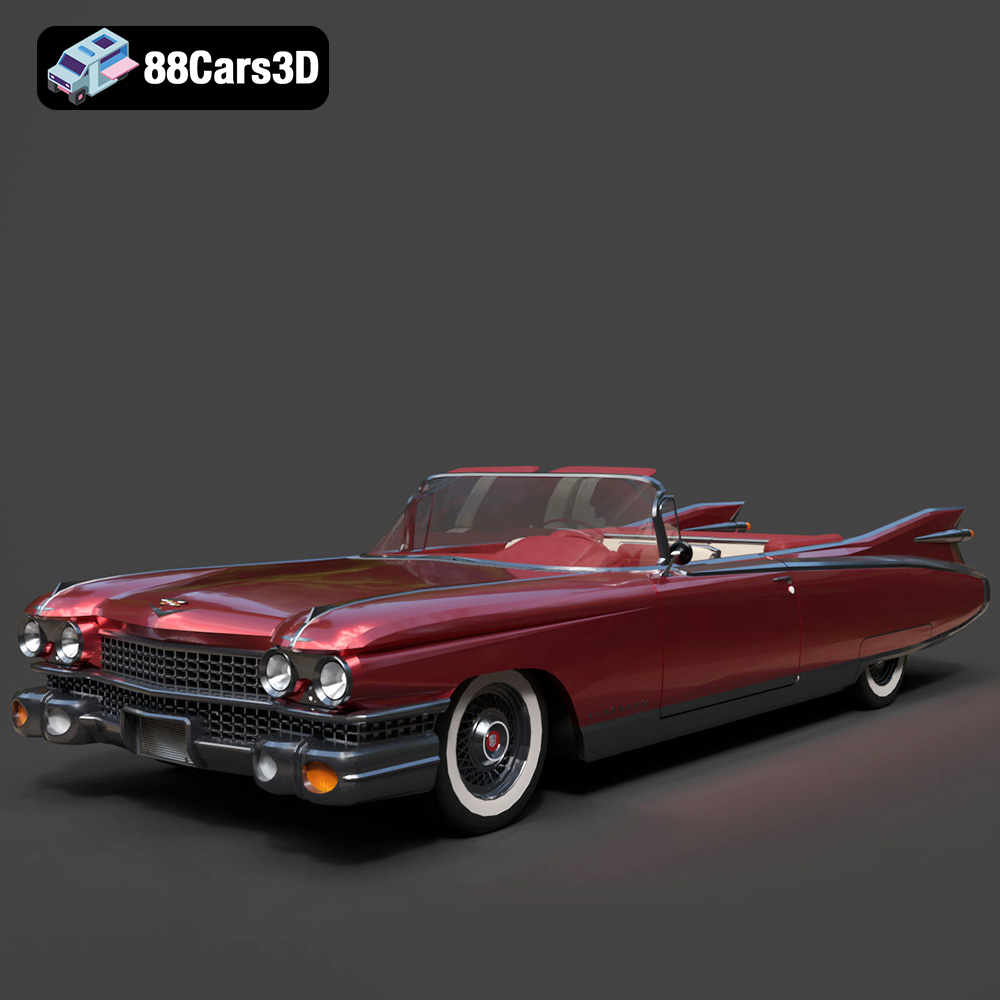
Texture: Yes
Material: Yes
Download the Cadillac Eldorado Convertible (1959) 3D Model featuring iconic fins, luxurious chrome details, and a classic vintage design. Includes .blend, .fbx, .obj, .glb, .stl, .ply, .unreal, and .max formats for rendering, simulation, and game development.
Price: $20.79

Texture: Yes
Material: Yes
Download the Cadillac DTS-005 3D Model featuring its iconic luxury design, detailed interior, and realistic exterior. Includes .blend, .fbx, .obj, .glb, .stl, .ply, .unreal, and .max formats for rendering, simulation, and game development.
Price: $10.79

Texture: Yes
Material: Yes
Download the Buick LeSabre 1998 3D Model featuring a classic American full-size sedan design. Includes .blend, .fbx, .obj, .glb, .stl, .ply, .unreal, and .max formats for rendering, simulation, and game development.
Price: $10.79
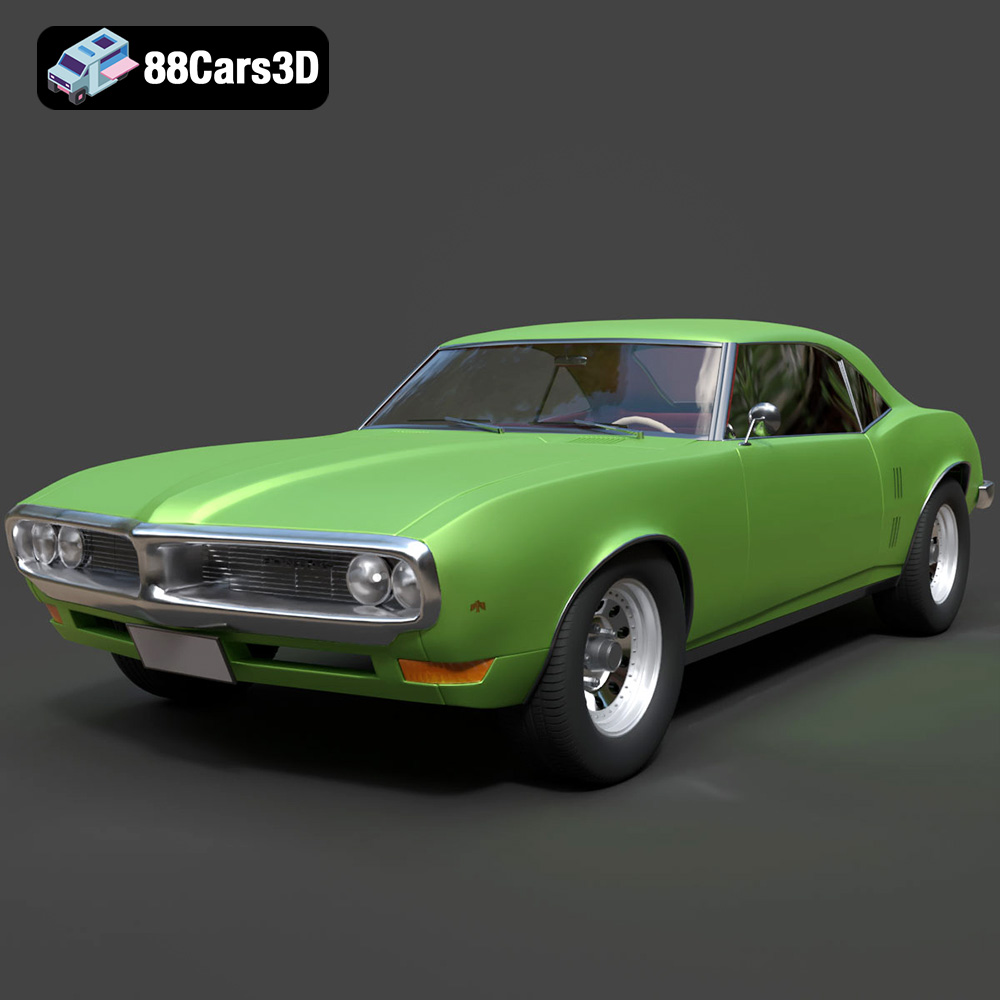
Texture: Yes
Material: Yes
Download the Pontiac Firebird 1998 3D Model featuring clean geometry, realistic detailing, and a fully modeled interior. Includes .blend, .fbx, .obj, .glb, .stl, .ply, .unreal, and .max formats for rendering, simulation, and game development.
Price: $10

