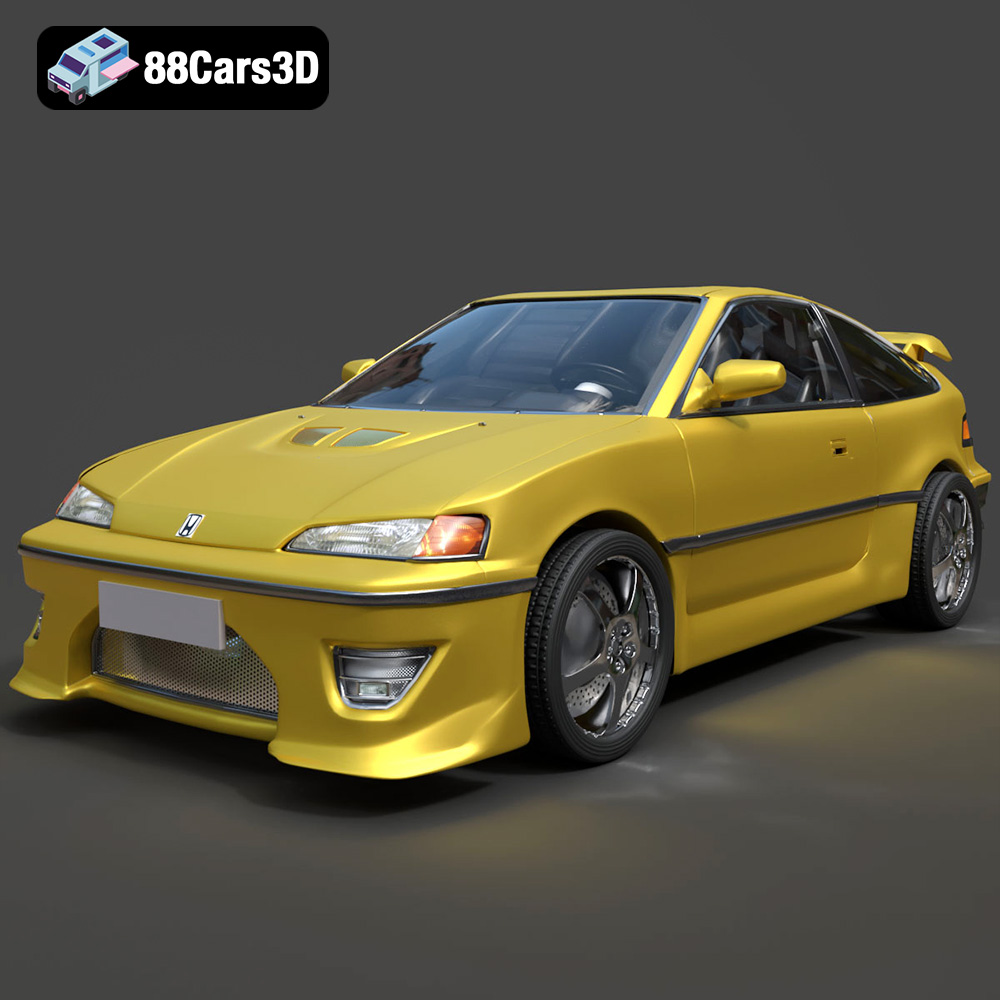
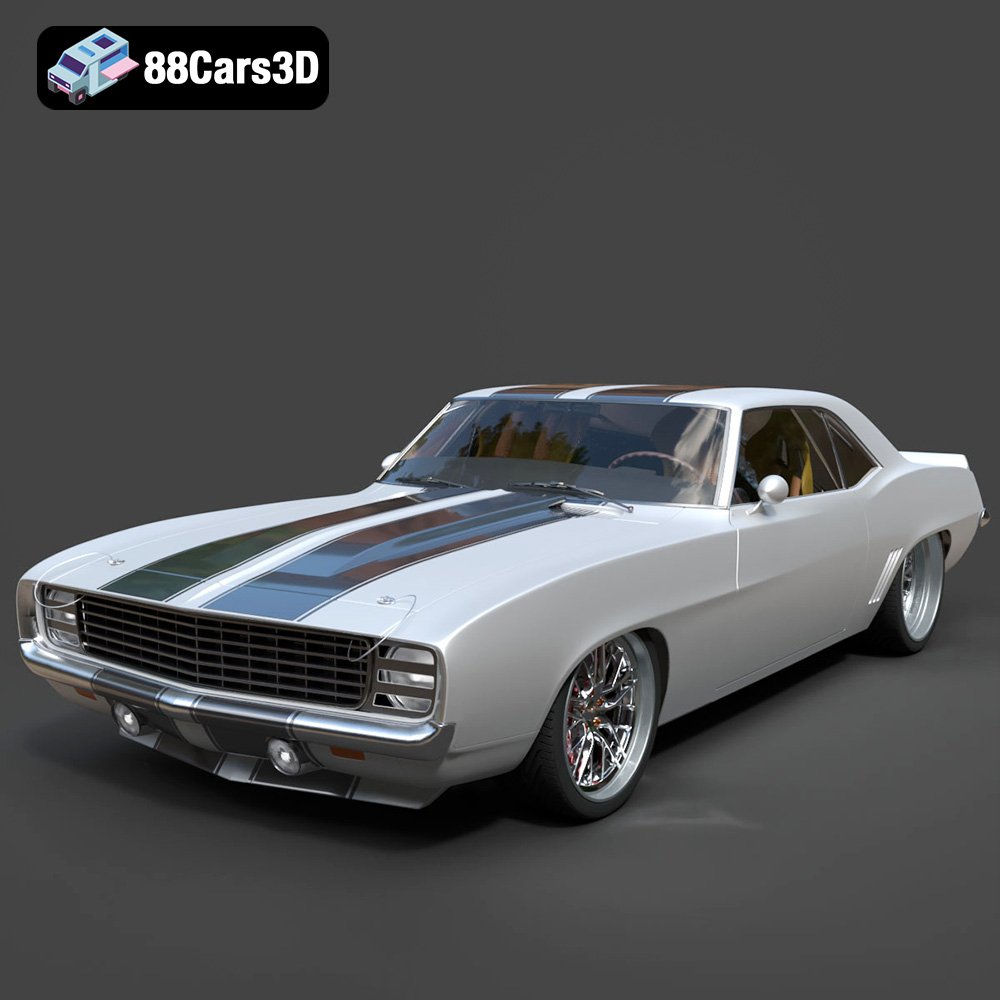
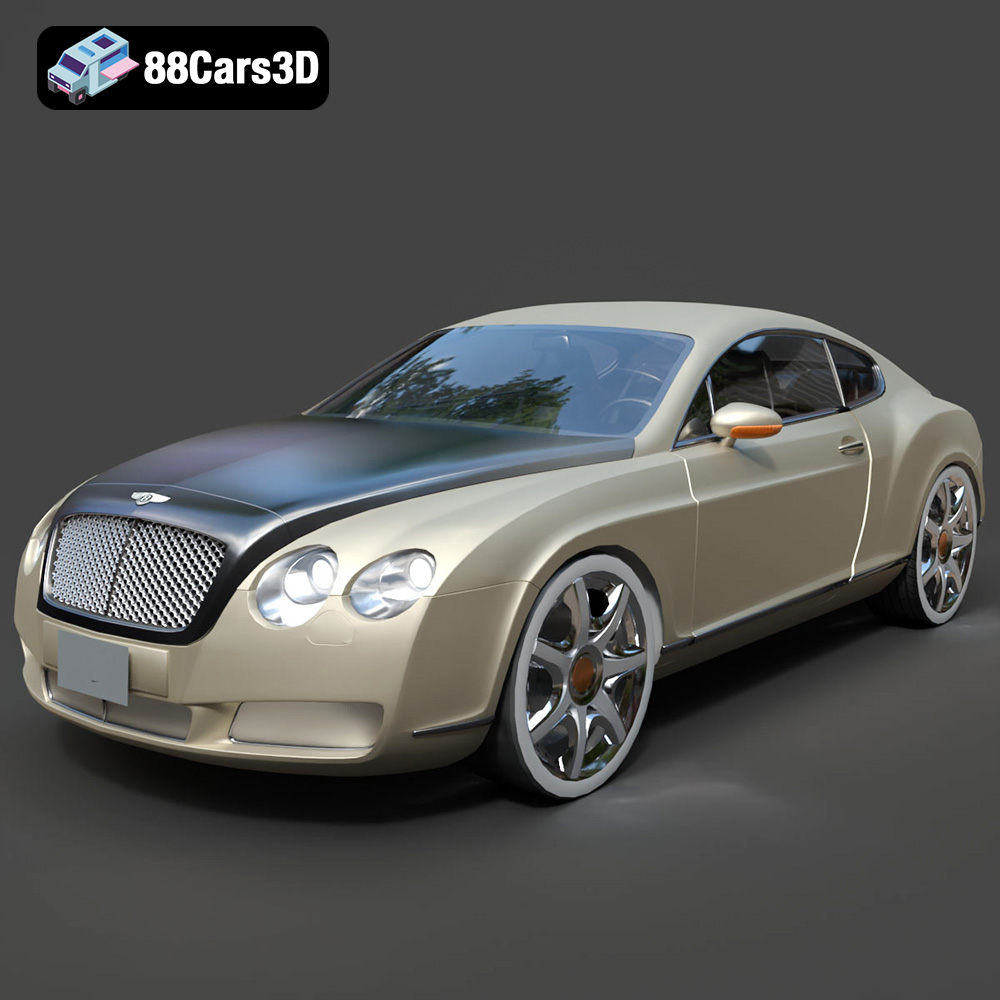
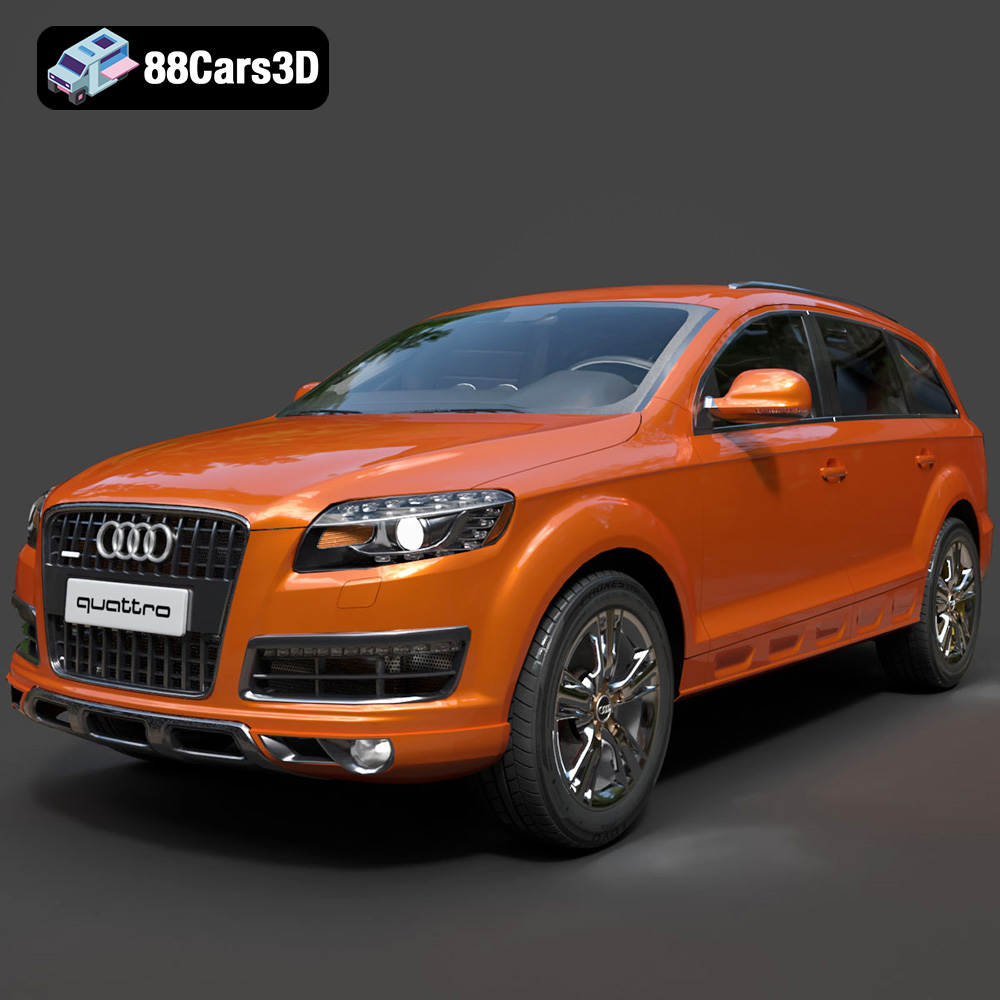
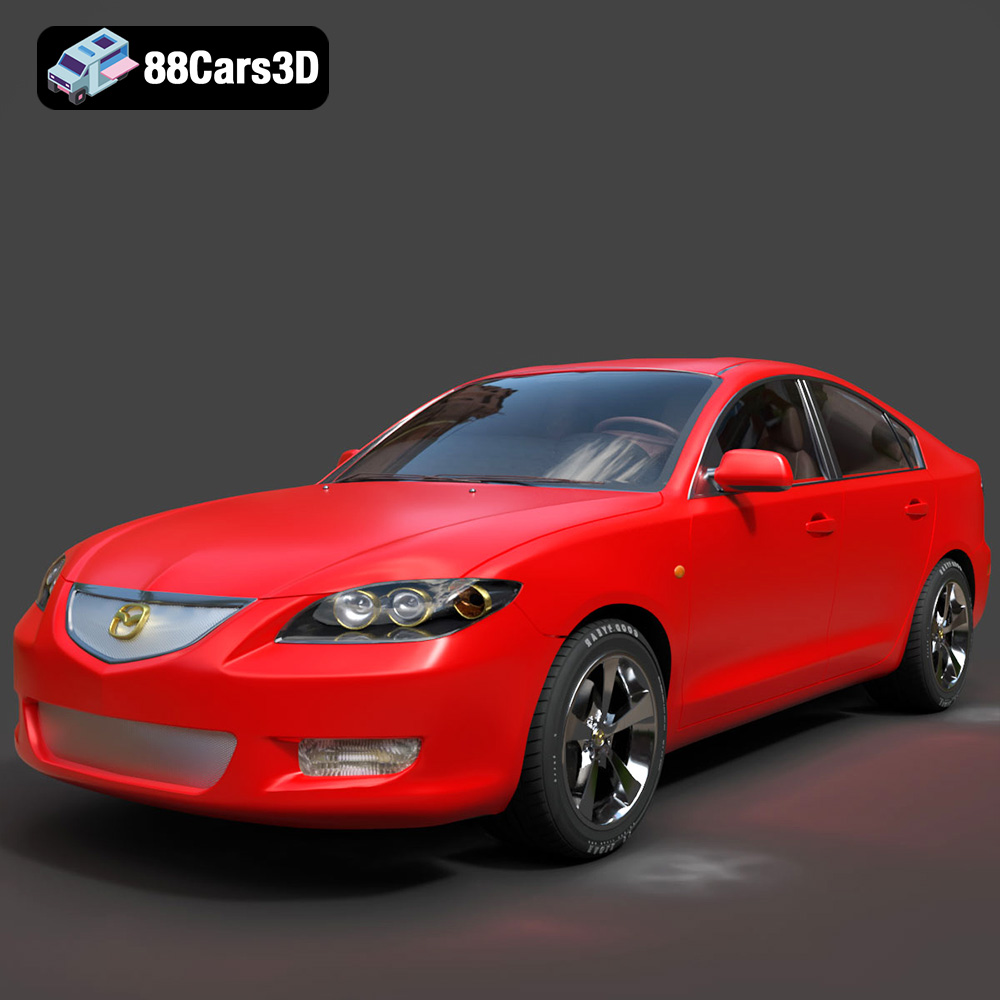
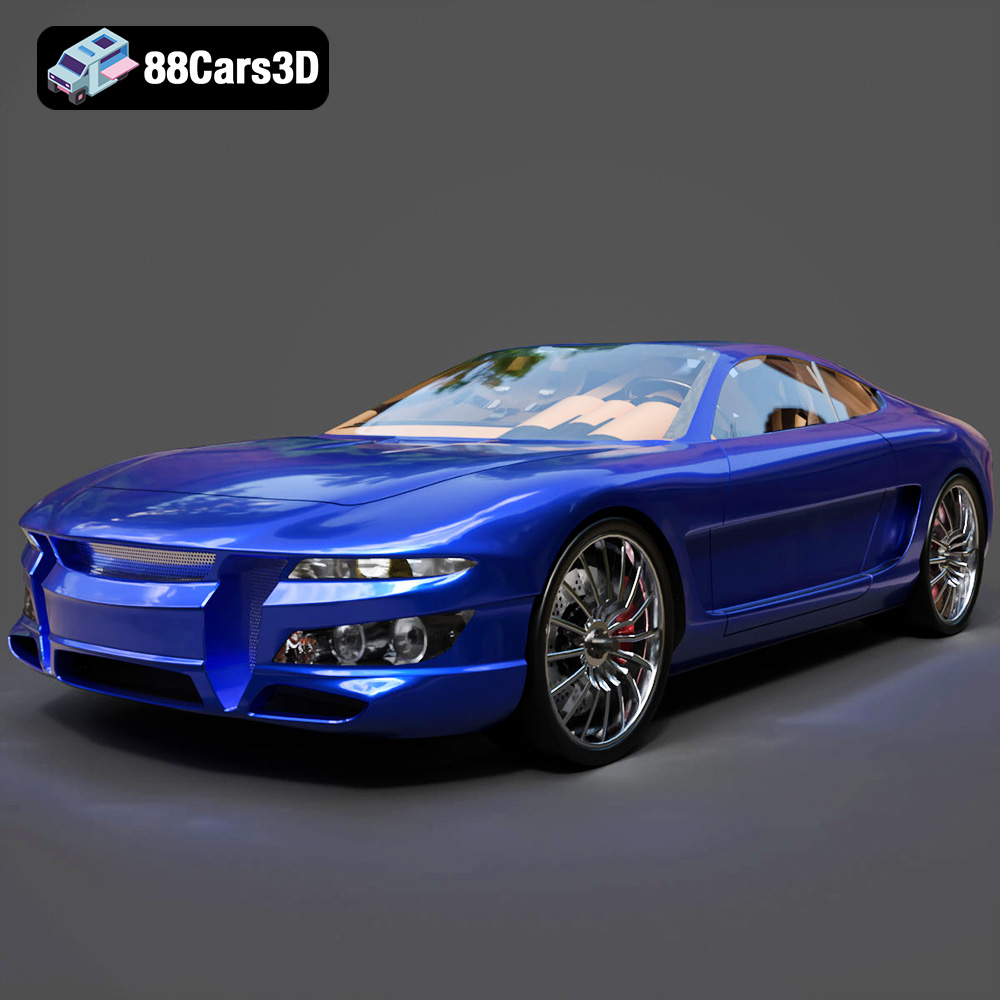
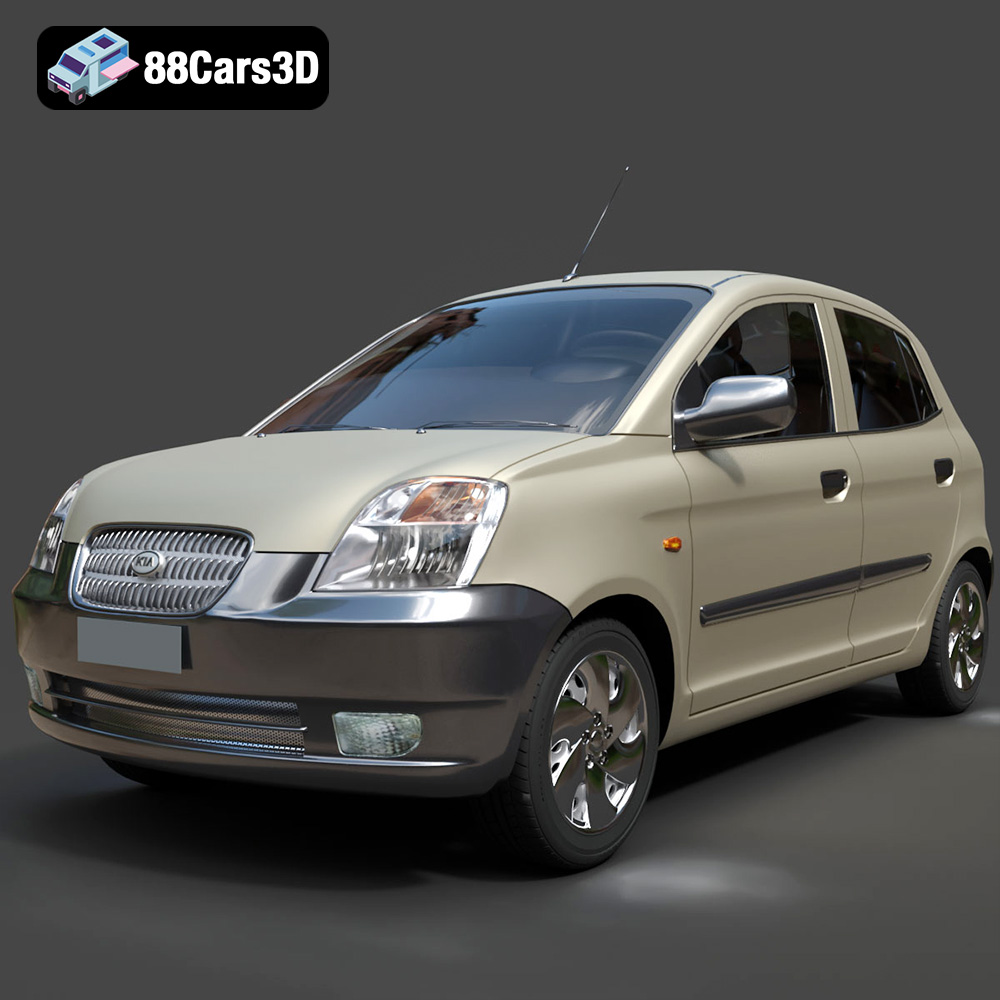
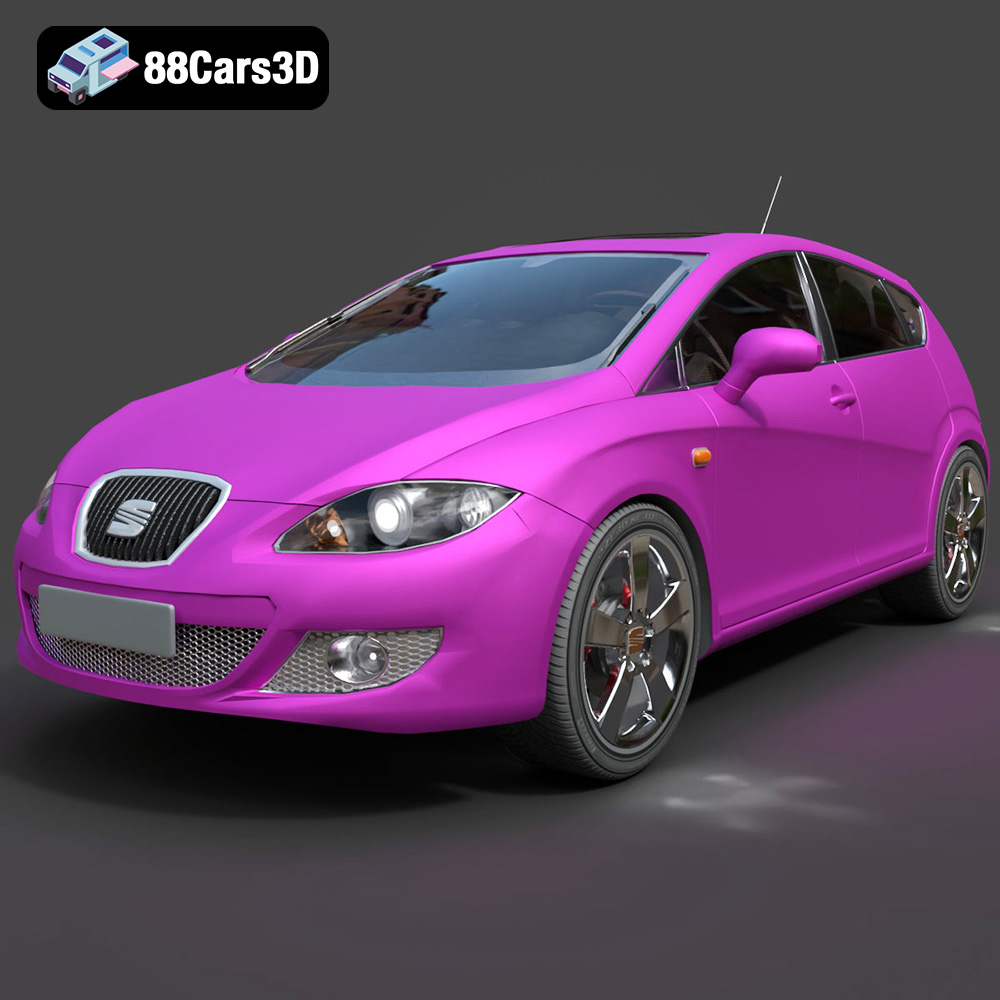
Driving Innovation: The Power of High-Quality 3D Car Models in Modern Visualization
In the dynamic worlds of automotive design, entertainment, and interactive experiences, the demand for exceptionally detailed and accurate 3D car models has never been higher. From breathtaking photorealistic renders that define a brand’s aesthetic to meticulously optimized assets that power immersive video games and cutting-edge AR/VR applications, the digital vehicle is a cornerstone of visual communication. Crafting these digital masterpieces requires a deep understanding of modeling principles, texturing techniques, and optimization strategies, ensuring they perform flawlessly across diverse platforms. This comprehensive guide delves into the technical intricacies of working with 3D car models, exploring their applications in high-fidelity automotive rendering and as essential game assets, illustrating the journey from raw geometry to a polished, final product. For professionals seeking premium assets to jumpstart their projects, platforms like 88cars3d.com offer a curated selection of models ready for integration into any pipeline.
The Foundation of Digital Automotive Design: High-Quality 3D Car Models
At the heart of every successful automotive visualization or interactive experience lies a robust and accurately constructed 3D car model. These aren’t just simple digital representations; they are complex assemblies of geometry, textures, and materials designed to withstand the scrutiny of close-up renders and the demands of real-time performance. Understanding the technical specifications and build quality of these models is paramount for achieving professional results.
The Anatomy of a Professional 3D Car Model
A truly professional 3D car model is more than just a pretty face. It’s a meticulously engineered digital object built with several key characteristics in mind:
- Mesh Density and Topology: High-quality models strike a balance between detail and poly count. Complex curves and intricate details require sufficient polygon density, but excessive polygons can hinder performance. Clean, all-quad topology is preferred for animation and subdivision surface workflows, preventing shading artifacts and simplifying UV mapping. Edge loops should follow the natural contours of the vehicle, defining creases and panel gaps precisely.
- Accurate Scale and Proportions: Models must adhere to real-world measurements. This is critical for automotive rendering, ensuring correct reflections, camera perspectives, and integration with real-world backplates. In game development, accurate scaling ensures cars interact correctly with physics engines and other environmental assets.
- UV Unwrapping and Texture Maps: Efficient and clean UV layouts are essential. Overlapping UVs or excessive distortion can lead to poor texture resolution and difficulty in painting. Multiple UV sets may be used for different purposes, such as one for primary color and another for decals or ambient occlusion. PBR (Physically Based Rendering) texture maps like Albedo/Base Color, Metallic, Roughness, Normal, and Ambient Occlusion are standard for achieving photorealistic surfaces.
- Material Separation: Different components (body, glass, tires, interior) should have distinct material assignments. This allows for easier manipulation, texturing, and shader application in various rendering engines.
From CAD to Digital Asset: The Conversion Process
Many professional 3D car models originate from Computer-Aided Design (CAD) software used in the actual vehicle design process. While CAD data is incredibly accurate, it’s often not directly suitable for real-time rendering or game engines due to its complex surface representation (NURBS or solids) and extremely high polygon counts after tessellation.
- Data Import and Retopology: The first step involves importing the CAD data into a Digital Content Creation (DCC) tool like 3ds Max or Blender. This often results in a mesh with triangulated, uneven, and extremely dense geometry. Retopology is then performed, either manually or semi-automatically, to create a clean, quad-based mesh with optimized poly counts while preserving the original surface detail.
- Detail Preservation: Crucial design lines, panel gaps, and subtle curvatures must be carefully translated from the high-resolution CAD source to the game-ready or render-optimized mesh. Normal maps are frequently used to bake high-frequency details from the source onto a lower-poly target, giving the illusion of complexity without adding geometry.
- Hierarchical Structure: Components like doors, wheels, and steering wheels are typically separated and parented correctly within a hierarchical scene structure. This allows for easier animation, rigging, and dynamic interaction within engines.
The Imperative of Accuracy and Detail
Whether for a cinematic commercial or a high-stakes racing simulator, accuracy is paramount. Every curve, every reflection, and every material interaction contributes to the overall believability of the vehicle. For automotive manufacturers, these 3D car models are often used for design reviews, marketing campaigns, and even virtual showrooms, where every detail must mirror the physical product. For game developers, authenticity enhances immersion, making the driving experience more convincing and engaging.
Understanding 3D Model File Formats
Choosing the correct file format for your 3D car model is a critical technical decision that impacts compatibility, workflow efficiency, and the ultimate quality of your output. Each format is designed with specific use cases and environments in mind. Understanding these distinctions is key to a smooth production pipeline.
.blend: The Power of Native Blender Scenes
The .blend format is Blender’s native file type, encapsulating an entire Blender scene. This includes not only the mesh data but also materials, textures, lighting, cameras, animations, physics simulations, and modifiers. It’s the most comprehensive format for Blender users, offering full editability and preserving all scene-specific settings. When you download a .blend file from a source like 88cars3d.com, you get a fully functional Blender project, ready for immediate modification, rendering within Cycles or Eevee, or export to other formats. Its strength lies in its completeness and flexibility within the Blender ecosystem, making it ideal for artists who primarily work within this powerful open-source DCC application.
.fbx: The Industry Standard for Interoperability
The .fbx (Filmbox) format is arguably the most widely adopted proprietary 3D exchange format, developed by Autodesk. It excels at transferring 3D model data between different software applications, including 3ds Max, Maya, Blender, Cinema 4D, and most importantly, game engines like Unreal Engine and Unity. FBX supports not just mesh data (geometry, UVs, normals) but also materials (though often simplified), textures, cameras, lights, and crucially, animation data (skeletons, skinning, keyframe animation). For transferring animated game assets or complex rigged vehicles into real-time pipelines, .fbx is often the go-to choice due to its robust support for hierarchical scene structures and animation. Its binary nature also typically results in smaller file sizes compared to text-based formats.
.obj: Universal Compatibility and Simplicity
The .obj (Wavefront Object) format is one of the oldest and most universally supported 3D file formats. It’s a simple, text-based format primarily used for transferring geometric data: vertices, normals, UV coordinates, and faces. It supports material definitions via an accompanying .mtl (Material Template Library) file, which references texture maps. While .obj does not support animation, rigging, or scene-specific data, its widespread compatibility makes it an excellent choice for straightforward mesh exchange between almost any 3D software. If you need a clean, unadorned mesh to start a new project in a different application, .obj is a reliable format, often used when raw geometry is the primary concern.
.glb: Optimizing for Web and AR/VR Experiences
The .glb (GL Transmission Format Binary) is the binary version of glTF, a royalty-free specification for the efficient transmission and loading of 3D scenes and models by applications. GLB packs all asset data—geometry, materials, textures, animations—into a single, self-contained binary file. This makes it incredibly efficient for web-based 3D applications, AR/VR experiences, and social media platforms where quick loading times and small file sizes are paramount. It’s designed to be a “runtime asset” format, minimizing the steps required to process 3D assets for rendering. For showcasing 3D car models in interactive web viewers or augmented reality apps, .glb is the modern, optimized solution.
.stl: Preparing for Physical Prototyping
The .stl (STereoLithography) format is the de facto standard for 3D printing. It represents a 3D model as a series of connected triangles, describing only the surface geometry without color, texture, or other model attributes. Its simplicity makes it universally compatible with 3D printing software (slicers). When preparing a 3D car model for physical output, converting it to .stl is typically the last step before sending it to a 3D printer. Precision in the mesh and watertight geometry are crucial for successful .stl exports, as errors can lead to printing failures.
.ply: Precision Meshes for Technical Applications
The .ply (Polygon File Format or Stanford Triangle Format) is a flexible and extensible format designed for storing graphical objects that are often the result of 3D scanning or scientific data acquisition. It can store various properties beyond geometry, such as color, transparency, normals, texture coordinates, and even reliability information for each vertex or face. While not as common for general asset exchange, .ply is valuable for precision mesh data, especially in CAD workflows, scientific visualization, or when dealing with highly accurate scanned data of automotive components or full vehicles.
.unreal: Engine-Ready Asset for Real-time Environments
While not a direct file extension you would “export to” from a DCC application, the .unreal designation refers to an asset that has been properly imported, optimized, and configured within the Unreal Engine ecosystem. This means the imported .fbx (or other format) has been converted into Unreal’s internal UAsset format, complete with its own materials, static meshes, skeletal meshes, animations, and physics assets. An “Unreal-ready” 3D car model typically implies it has been rigorously optimized with LODs (Levels of Detail), collision meshes, proper material instances, and is ready to be spawned and driven within a real-time environment, embodying the final state of a game asset.
.max: Harnessing the Depth of 3ds Max Projects
The .max format is Autodesk 3ds Max’s native file type. Similar to .blend, it stores the complete scene data, including all geometry, modifiers, textures, materials (especially V-Ray, Corona, Arnold shaders), lighting setups, cameras, animations, and render settings specific to 3ds Max. For users primarily working within 3ds Max for high-end automotive rendering and visualization, the .max file provides the most complete and editable project. It allows artists to leverage 3ds Max’s extensive modeling, rigging, and animation tools, making it invaluable for creating complex scenes and sophisticated animations.
By offering a variety of these formats, 88cars3d.com ensures that their 3D car models are versatile and compatible with the diverse technical requirements of professionals across the industry, facilitating seamless integration into any workflow.
Mastering Automotive Rendering for Stunning Visuals
Beyond simply having a great 3D car model, the art of automotive rendering transforms raw data into captivating, photorealistic images and animations. This process involves a meticulous orchestration of lighting, materials, and post-production techniques.
Setting Up a Photorealistic Studio Environment
Achieving realism in automotive rendering largely depends on the lighting and environment setup:
- HDRI (High Dynamic Range Imaging): HDRIs are crucial for realistic lighting. They provide not just illumination but also accurate reflections on the car’s surfaces, mimicking real-world lighting conditions. Studio HDRIs, outdoor environments, or car park HDRIs are common choices, each imparting a distinct mood and reflection pattern.
- Physical Lights and Reflectors: Supplementing HDRIs with virtual studio lights (e.g., area lights, photometric lights) allows for precise control over highlights, shadows, and glints on the car’s body. Digital reflectors can be used to bounce light and fill in dark areas, mimicking real-world photography studios.
- Backplates and Ground Planes: Integrating the 3D car model seamlessly into a photographic backplate requires careful camera matching and perspective alignment. A simple ground plane with a shadow catcher material ensures realistic ground contact and shadows, anchoring the car within the scene.
Advanced Material Creation: Paint, Chrome, Glass, and Rubber
The believability of a rendered car hinges on the quality of its materials, especially with PBR workflows:
- Automotive Paint Shaders: Modern car paint is complex, often featuring clear coats, metallic flakes, and pearl effects. Advanced shaders simulate these layers, allowing control over base color, metallic flake size and density, clear coat reflectivity (IOR), and subtle orange peel effects.
- Reflective Metals and Chrome: Chrome and polished metals require high reflectivity and specific IOR values. Anisotropy maps can simulate brushed metal effects, adding another layer of realism.
- Transparent and Refractive Glass: Car glass needs accurate refraction, reflection, and subtle imperfections. Tinting, minor dirt, and dust maps can enhance realism without obscuring visibility.
- Tire Rubber and Plastic: Rubber materials require specific roughness and normal maps to convey tread patterns and subtle texture variations. Plastic components, often found in interior and exterior trim, also benefit from nuanced roughness values and subtle surface imperfections.
Post-Production Techniques for Cinematic Quality
No render is truly finished without post-production. This stage refines the image, adding polish and cinematic flair:
- Color Correction and Grading: Adjusting overall color balance, contrast, and saturation to achieve a desired mood or match a brand aesthetic.
- Depth of Field (DOF): Adding a subtle DOF effect can guide the viewer’s eye and enhance the sense of scale and realism, mimicking a camera lens.
- Lens Effects: Bloom, glare, chromatic aberration, and vignetting can be added to simulate real camera optics, making the render feel more like a photograph.
- Compositing Elements: Integrating render passes (e.g., reflection, shadow, ambient occlusion) allows for finer control over individual elements, and can be used to add subtle elements like atmospheric haze or falling dust.
Integrating 3D Car Models into Game Development
For game developers, 3D car models are not just visual elements; they are interactive entities that must perform efficiently within real-time environments. This requires a different set of considerations compared to static rendering.
Optimizing Assets for Real-time Performance
Performance is king in game development. Highly detailed 3D car models must be optimized to run smoothly:
- Levels of Detail (LODs): Creating multiple versions of the car model with varying polygon counts. The engine automatically switches to lower LODs when the car is further from the camera, significantly reducing polygon overhead without noticeable visual degradation.
- Collision Meshes: Simplified, invisible meshes specifically designed for physics calculations. These are far less complex than the render mesh, allowing for efficient collision detection and accurate physics simulation without bogging down the engine.
- Draw Calls and Material Batches: Minimizing the number of unique materials and texture sets on a single car model helps reduce draw calls, improving rendering performance. Texture atlases and efficient material instances are key strategies.
- Texture Resolution and Compression: Balancing visual fidelity with memory footprint. Textures are typically compressed (e.g., DXT for diffuse, normal maps) and optimized to resolutions like 2048×2048 or 4096×4096, depending on the platform and specific asset.
Workflow: From DCC to Game Engine (Unreal Engine Focus)
A typical workflow for integrating 3D car models into game engines often involves:
- Modeling and UV Mapping in DCC (e.g., 3ds Max, Blender): Creating the high-poly model, then generating a low-poly game mesh, followed by efficient UV unwrapping.
- Baking Textures: Baking high-detail information (normals, ambient occlusion, curvature) from the high-poly model onto the low-poly game mesh using tools like Substance Painter or Marmoset Toolbag.
- Export to FBX: Exporting the low-poly mesh, baked textures, and skeletal hierarchy (if animated) as an .fbx file. Ensure correct scale and pivot points.
- Import into Unreal Engine: Importing the .fbx into Unreal. The engine will typically prompt for import settings, including skeletal mesh options, animation import, and material creation.
- Material Setup in Unreal: Creating PBR materials using the imported textures. This involves setting up Base Color, Metallic, Roughness, and Normal maps in Unreal’s material editor, often utilizing Material Instances for easy variation.
- Skeletal Mesh and Animation (for moving parts): For complex cars with suspension, wheels, and steering, a skeletal mesh with a proper rig allows for realistic deformation and animation controlled by physics and player input.
Physics and Interactivity: Bringing Cars to Life in Games
Beyond visuals, the true magic of game assets lies in their interactivity:
- Vehicle Physics Systems: Game engines like Unreal Engine provide robust vehicle physics systems that simulate wheels, suspension, engine power, and aerodynamics. Configuring these systems requires precise tuning of parameters such as wheel radius, suspension travel, tire friction, and engine torque curves.
- User Input and Control: Integrating player input (keyboard, gamepad, steering wheel) to control acceleration, braking, steering, and other vehicle functions.
- Damage and Deformation: Implementing visual and physical damage systems can significantly enhance realism. This involves swapping out mesh sections, applying deformation shaders, and potentially altering physics properties as the car takes damage.
Beyond Rendering and Gaming: Diverse Applications of 3D Car Models
The utility of high-quality 3D car models extends far beyond traditional rendering and gaming, revolutionizing various industries through their versatility and visual fidelity.
AR/VR Experiences and Interactive Showrooms
Augmented Reality (AR) and Virtual Reality (VR) are transforming how we interact with products, especially in the automotive sector. 3D car models are central to:
- Virtual Showrooms: Customers can explore car interiors and exteriors in a fully immersive VR environment, customize options, and even “drive” the car virtually, all from the comfort of their home.
- AR Configurator Apps: Using AR on a smartphone or tablet, users can project a full-scale 3D car model into their real-world environment, changing colors, rims, and features in real-time. This provides an unprecedented level of product engagement and personalization.
- Training and Maintenance: AR/VR applications can use detailed car models to train mechanics on complex assembly or repair procedures, overlaying digital instructions onto physical components or providing fully virtual hands-on experience.
3D Printing and Rapid Prototyping
The journey of a vehicle design often involves physical prototypes. High-precision 3D car models, particularly those designed for manufacturing, are directly applicable here:
- Concept Models: Rapid prototyping allows designers to quickly produce physical models of new car concepts, facilitating early design reviews and ergonomic testing.
- Functional Parts: For internal components or custom accessories, 3D printing from digital models can create functional prototypes for testing fit, form, and even basic function before committing to expensive tooling.
- Scale Models and Collectibles: Enthusiasts and companies can use these models to 3D print highly detailed scale models for display or as promotional items.
Product Visualization and Marketing
For car manufacturers and advertisers, automotive rendering using 3D models is an indispensable tool:
- Configurators: Online car configurators allow customers to visually customize their desired vehicle, seeing the changes instantly. These are powered by numerous variants of 3D car models and materials.
- Marketing Imagery: Instead of expensive photoshoots, manufacturers can generate an infinite array of high-quality images and animations in diverse environments, showcasing new models even before physical production. This offers immense flexibility and cost savings.
- Exploded Views and Technical Diagrams: Detailed 3D models can be animated to show internal mechanisms or used to create precise technical illustrations for manuals and service guides.
Training and Simulation
From driver training to engineering analysis, 3D car models provide a safe and controlled environment for simulation:
- Driving Simulators: Professional driving simulators for racing, commercial driving, or military applications rely heavily on accurate 3D car models integrated with sophisticated physics engines to provide a realistic training experience.
- Crash Simulation: While often using highly specialized engineering models, visual representations of crash dynamics can be generated using 3D car models to analyze impact forces and safety features.
Selecting the Right 3D Car Models for Your Project
With a plethora of options available online, choosing the ideal 3D car models is a critical decision that can significantly impact project timelines, budget, and final output quality. It requires a discerning eye for detail and an understanding of technical specifications.
Evaluating Model Quality and Technical Specifications
Before committing to a purchase or download, a thorough evaluation is essential:
- Topology and Mesh Cleanliness: Inspect wireframes. Look for clean, all-quad topology, especially in areas of curvature. Avoid models with excessive triangles, N-gons (polygons with more than 4 sides), or messy edge flow, which can lead to shading issues and difficulty in modification.
- Polygon Count: Consider the intended use. High-poly models are suitable for close-up automotive rendering, while game assets require optimized, lower poly counts and often include LODs. Ensure the poly count is appropriate for your target platform and performance requirements.
- UV Unwrapping: Check UV layouts for efficiency, lack of distortion, and minimal overlap. Good UVs are crucial for seamless texturing.
- Material and Texture Quality: Assess the included textures. Are they high-resolution PBR maps (Albedo, Metallic, Roughness, Normal)? Do they accurately represent real-world materials? Low-resolution or poorly authored textures can quickly degrade realism.
- Scale and Units: Verify that the model is built to real-world scale (e.g., meters or centimeters). Incorrect scaling can cause issues with physics engines, lighting, and integration into existing scenes.
- Scene Organization: A well-organized scene with properly named objects, grouped components, and correct hierarchy (e.g., wheels parented to axles) will save immense time during integration.
Licensing Considerations and Usage Rights
Understanding the licensing terms associated with 3D car models is as important as their technical quality:
- Royalty-Free vs. Rights-Managed: Most marketplace assets are royalty-free, meaning you pay a one-time fee and can use the asset multiple times in various projects, with certain restrictions. Rights-managed licenses are more specific, often tied to a particular use case, duration, or region.
- Commercial vs. Non-Commercial Use: Ensure the license permits commercial use if you intend to use the model in projects that generate revenue (e.g., games, advertisements, client work).
- Resale and Redistribution: Carefully read terms regarding modification and resale. Most licenses prohibit reselling the asset itself or distributing it as part of another asset pack.
- Attribution Requirements: Some licenses may require you to credit the original artist or marketplace.
The Value of a Curated Marketplace like 88cars3d.com
Platforms like 88cars3d.com specialize in providing high-quality, pre-vetted 3D car models, offering several advantages:
- Quality Assurance: Curated marketplaces typically have stringent quality control, ensuring that models meet professional standards for topology, UVs, textures, and scene organization. This saves artists and developers valuable time that would otherwise be spent fixing poorly made assets.
- Diverse Selection: A dedicated platform offers a wide range of vehicle types, from classic cars to modern supercars and utility vehicles, catering to various project needs.
- Format Compatibility: Providing models in multiple formats (e.g., .fbx, .blend, .obj, .max) ensures compatibility with different DCC applications and game engines.
- Clear Licensing: Reputable marketplaces provide clear, easy-to-understand licensing terms, reducing legal uncertainties.
- Time and Cost Savings: Purchasing ready-to-use models from a trusted source like 88cars3d.com is often more time- and cost-efficient than modeling a car from scratch, especially for projects with tight deadlines.
Conclusion
The journey through the world of 3D car models reveals a sophisticated landscape where technical precision meets artistic vision. From their foundational role in automotive design to their dynamic presence as game assets and the stunning results they achieve in automotive rendering, these digital vehicles are indispensable tools for creators across industries. Mastering the nuances of model creation, understanding file formats, optimizing for performance, and employing advanced rendering techniques are all crucial steps in unlocking their full potential. By leveraging high-quality assets and adhering to best practices, professionals can craft immersive experiences and visuals that truly resonate. For those embarking on their next project, a reliable source of premium, technically sound 3D car models, such as those found at 88cars3d.com, provides the perfect starting line for innovation and excellence.
Featured 3D Car Models