

The automotive industry is in a constant race for innovation, not just in vehicle design and performance, but also in how these marvels are presented to the world. In an era where digital experiences are paramount, real-time rendering has become an indispensable tool for designers, engineers, marketers, and game developers alike. At the forefront of this technological revolution stands Unreal Engine, a powerhouse capable of transforming static 3D car models into breathtaking, interactive visualizations.
For professionals seeking to push the boundaries of automotive realism, Unreal Engine offers an unparalleled suite of tools, from advanced rendering features like Nanite and Lumen to robust scripting capabilities with Blueprint. This comprehensive guide delves deep into leveraging Unreal Engine for automotive visualization, providing technical insights and practical workflows to help you create stunning, performant, and interactive experiences. Whether you’re building a virtual showroom, developing a cutting-edge racing game, or crafting cinematic marketing content, understanding these techniques is crucial for success. We’ll explore everything from importing high-fidelity 3D car models to creating dynamic lighting, interactive configurators, and optimizing for diverse platforms like AR/VR and virtual production setups.
Setting the Stage: Unreal Engine Project Setup for Automotive Excellence
Embarking on an automotive visualization project in Unreal Engine begins with a solid foundation: proper project setup. This initial configuration dictates performance, visual fidelity, and overall workflow efficiency. Unreal Engine offers various templates, but for high-end automotive work, a custom approach or the blank template, carefully configured, often yields the best results, allowing for precise control over engine features and scalability.
When starting a new project, consider the rendering capabilities you intend to use. For the highest visual quality, enabling Ray Tracing from the outset in the Project Settings under ‘Rendering’ is highly recommended. This unlocks advanced features like Lumen’s hardware ray tracing mode, precise reflections, and accurate global illumination, which are critical for photorealistic vehicle renders. Additionally, configure the default anti-aliasing method; Temporal Super Resolution (TSR) is generally preferred for its excellent balance of quality and performance, especially with dynamic scenes and complex materials like car paint. Establishing a consistent folder structure from the start for assets, materials, blueprints, and levels also streamlines development and collaboration, mirroring professional production pipelines.
Project Templates & Initial Configuration
While Unreal Engine offers an “Automotive, Product Design, and Manufacturing” template, starting with a blank project gives you full control and avoids unnecessary pre-loaded assets. Once a blank project is created, navigate to Edit > Project Settings. Here, critical configurations include:
- Rendering:
- Enable Hardware Ray Tracing and Support hardware ray tracing for Lumen and other ray-traced features.
- Set Default RHI to DirectX 12 for optimal performance with modern hardware.
- Configure Global Illumination to Lumen and Reflections to Lumen for real-time global illumination and reflections.
- Adjust Anti-Aliasing Method to Temporal Super Resolution (TSR) for superior image quality.
- Engine > Input: Set up any specific input bindings for navigation or interactive elements you plan to implement later, such as camera controls for a configurator.
- Plugins: Enable essential plugins like Chaos Vehicles for advanced physics, Datasmith Importer for CAD data, and potentially Substance for procedural textures, depending on your workflow. For virtual production, consider nDisplay and Live Link.
A well-configured project provides the bedrock for efficient development, ensuring that Unreal Engine is primed to handle the unique demands of automotive visualization from the first import.
Hardware & Software Prerequisites
Achieving stunning real-time automotive visuals in Unreal Engine demands robust hardware. A powerful GPU is paramount; NVIDIA RTX series (30-series or 40-series) or AMD Radeon RX 6000/7000 series with ample VRAM (12GB+ is recommended) are ideal for hardware ray tracing and heavy scene loads. A multi-core CPU (Intel i7/i9 or AMD Ryzen 7/9) is crucial for compilation and general editor performance, alongside a minimum of 32GB RAM for handling large textures and complex scenes. Fast NVMe SSD storage is also non-negotiable for rapid asset loading and project responsiveness.
For software, ensure you’re running a recent version of Unreal Engine (e.g., 5.1, 5.2, or 5.3 for the latest features like Nanite and Lumen improvements). Keep your GPU drivers updated to the latest studio or game-ready versions, as these often include performance optimizations and bug fixes specifically for Unreal Engine. Additionally, consider industry-standard DCC tools like Blender, Maya, or 3ds Max for pre-processing and optimizing your 3D car models before importing them into Unreal Engine. These tools are indispensable for tasks like retopology, UV mapping, and baking normal maps, ensuring your assets are game-ready and visually pristine.
Importing and Optimizing High-Fidelity 3D Car Models
The quality of your 3D car models is the cornerstone of any successful automotive visualization project. Platforms like 88cars3d.com offer meticulously crafted 3D car models specifically designed for Unreal Engine, featuring clean topology, optimized UVs, and PBR-ready materials. However, even with premium assets, careful import and optimization within Unreal Engine are crucial to maintain visual fidelity while ensuring real-time performance. The process involves more than just dragging and dropping; it requires a deep understanding of mesh optimization techniques and Unreal Engine’s advanced geometry pipelines.
When importing, leveraging Datasmith is often the preferred method for CAD or high-polygon models, as it intelligently tessellates geometry, preserves hierarchies, and brings in metadata, making the transition from design software seamless. For traditional mesh formats like FBX, ensure your models are triangulated and scaled correctly in your DCC application before export. Once imported, the real work of optimization begins. Even with advanced features like Nanite, controlling polygon budgets, creating appropriate Levels of Detail (LODs), and ensuring efficient material assignments are vital for a smooth real-time experience. This meticulous approach guarantees that your automotive assets look stunning without bogging down your project’s frame rate.
The Art of Asset Preparation: Topology, UVs, and LODs
Before any model touches Unreal Engine, its preparation in a 3D modeling software is critical. Clean topology (quad-based mesh that converts cleanly to triangles upon export) is paramount for deformation, normal map baking, and efficient rendering. Avoid N-gons and ensure consistent face orientation. UV mapping must be precise, with no overlapping islands for texture accuracy and lightmap generation. For automotive models, often multiple UV sets are needed: one for diffuse/normal maps, and another non-overlapping one for lightmaps.
Levels of Detail (LODs) are essential for performance optimization. An automotive model typically requires 3-5 LODs. The base model (LOD0) can be high-poly, but subsequent LODs (LOD1, LOD2, etc.) should progressively reduce polygon count by 30-50% for each step. Unreal Engine’s built-in LOD generation tool can assist, but manual creation in a DCC tool often yields better results, especially for complex shapes like car grilles or interiors. When sourcing automotive assets from marketplaces such as 88cars3d.com, ensure they provide models with well-optimized topology, UVs, and ideally, pre-generated LODs, saving significant development time.
- Pre-Export Checklist:
- All transforms frozen/applied.
- Mesh centered at origin (0,0,0) if it’s a single vehicle asset.
- Correct scale (Unreal uses centimeters).
- Unique and non-overlapping UVs for lightmaps (UV Channel 1).
- Appropriate material assignments (e.g., separate materials for paint, glass, chrome).
- Export as FBX 2018 or newer, ensuring tangents and binormals are included.
Leveraging Nanite for High-Poly Automotive Assets
Unreal Engine 5 introduced Nanite, a virtualized geometry system that revolutionizes how high-fidelity assets are handled. For incredibly detailed 3D car models, Nanite allows artists to import cinematic-quality meshes with millions or even billions of polygons without significant performance overhead. This means concept car models or engineering-level CAD data can be brought directly into Unreal Engine, preserving every minute detail without manual decimation.
To enable Nanite for an imported mesh, simply select the mesh in the Content Browser, right-click, and choose Nanite > Enable Nanite. Alternatively, you can enable it during import or in the Static Mesh Editor under the ‘Nanite Settings’ section. Nanite automatically handles LODs and streaming, presenting an optimal version of the mesh based on screen space. This is particularly beneficial for complex automotive surfaces, badges, and intricate interior details, where maintaining polygon fidelity is critical for realism. However, it’s important to note that Nanite currently has some limitations; meshes with complex skeletal animations or specific kinds of procedural deformation may still require traditional LODs and optimization. Transparent or masked materials also do not fully support Nanite’s advanced features, so glass and intricate grilles might need specific handling or separate meshes.
Crafting Realistic PBR Materials and Textures
Realistic 3D car models demand equally realistic materials. Unreal Engine’s physically based rendering (PBR) system is designed to simulate how light interacts with surfaces in the real world, producing incredibly convincing results. Mastering the Material Editor is essential for replicating the nuanced appearances of car paint, reflective chrome, transparent glass, and intricate carbon fiber weaves. The key is to understand the core PBR principles: Albedo (Base Color), Metallic, Specular, Roughness, Normal, and Ambient Occlusion.
Automotive materials are notoriously complex, often featuring multiple layers (base coat, clear coat), metallic flakes, and iridescent properties. Crafting these requires a deep dive into the Material Editor’s node-based system, utilizing blend modes, custom functions, and advanced layering techniques. Optimizing texture resolutions (e.g., 4K for hero vehicle parts, 2K for less prominent elements) and using efficient texture compression settings are also vital for performance without sacrificing visual quality. A well-constructed PBR material will respond correctly to changing lighting conditions, bringing your 3D car model to life.
Understanding the Unreal Engine Material Editor
The Unreal Engine Material Editor is a powerful node-based interface where you define the visual properties of your surfaces. For automotive materials, common PBR parameters include:
- Base Color (Albedo): The pure color of the surface, stripped of any lighting information. For car paint, this is the underlying pigment color.
- Metallic: A binary value (0 or 1) indicating if a material is a metal (1) or a dielectric (0). Car paint is dielectric, while chrome or brushed aluminum is metallic.
- Specular: Controls the intensity of reflections for non-metallic surfaces. Generally, keep this at default (0.5) for most dielectrics like paint.
- Roughness: Determines how glossy or matte a surface is. Low roughness values (closer to 0) result in sharp, mirror-like reflections (e.g., polished chrome, clear coat), while high values (closer to 1) scatter light, creating duller surfaces (e.g., matte paint, rough plastic).
- Normal Map: Adds fine surface detail without increasing polygon count, crucial for subtle imperfections on paint or intricate texture on tires.
- Ambient Occlusion (AO): Simulates soft shadowing where surfaces are close together, adding depth and realism.
For more details on PBR materials, refer to the official Unreal Engine documentation on Physically Based Materials.
Advanced Material Techniques: Clear Coats, Iridescent Paints, Flakes
Achieving realistic car paint requires advanced material graphs. A typical car paint material often uses a layered approach:
- Base Paint Layer: This is where the primary color, metallic flakes (if applicable), and initial roughness are defined. Metallic flakes can be simulated using a Fresnel effect combined with a normal map for the flakes and driven by a texture or noise pattern.
- Clear Coat Layer: A crucial element. Unreal Engine provides a dedicated ‘Clear Coat’ input on the material node. This allows you to stack a secondary specular lobe on top of your base material, mimicking the glossy, protective layer of car paint. You can control its roughness and normal map independently.
- Iridescence/Pearlescent Effects: Achieved by manipulating the ‘Specular’ and ‘Clear Coat’ color outputs based on the viewing angle (Fresnel) and potentially a texture or gradient. This creates the subtle color shifts seen in pearlescent paints.
- Carbon Fiber: Involves a detailed normal map to define the weave, a low roughness value, and potentially a blend of metallic properties to simulate the resin’s reflective qualities. Often, a custom UV setup is needed to control the direction and scale of the weave pattern.
Utilizing Material Functions allows you to encapsulate complex logic for reuse across multiple materials, streamlining the creation of consistent automotive material libraries. This modularity is key for managing a wide range of vehicle finishes efficiently.
Dynamic Lighting and Stunning Visuals with Lumen and Beyond
Lighting is arguably the most critical component in achieving photorealistic automotive visualization. It dictates mood, emphasizes design lines, and brings out the nuances of complex materials like car paint and chrome. Unreal Engine 5’s Lumen global illumination system, combined with robust traditional lighting methods and post-processing, provides artists with unprecedented control to create stunning and dynamic automotive scenes.
Lumen provides real-time global illumination and reflections, making iterative lighting adjustments incredibly fast and visually accurate. This is particularly beneficial for automotive environments, where subtle bounced light and accurate reflections on highly polished surfaces are paramount. Beyond Lumen, strategic placement of traditional light sources (Directional, Spot, Point lights) is necessary to highlight specific features, create dramatic shadows, and sculpt the vehicle’s form. Post-processing effects, from color grading to bloom and depth of field, further refine the visual presentation, mimicking the look of professional photography and videography. Achieving a high-quality render requires a harmonious blend of these techniques, tuned to perfection.
Real-Time Global Illumination with Lumen
Lumen is Unreal Engine 5’s default global illumination and reflections system, providing dynamic, real-time results that react instantly to changes in direct lighting, emissive materials, and geometry. For automotive visualization, Lumen is a game-changer:
- Accurate Light Bounce: Lumen realistically simulates light bouncing off surfaces, illuminating hidden areas and creating soft, natural ambient light, crucial for interiors and shadowed vehicle parts.
- Real-time Reflections: Provides high-quality, real-time reflections on all surfaces, which is indispensable for glossy car paint, chrome, and glass, ensuring these materials look correct in any environment.
- Iterative Workflow: Artists can move lights, change materials, and modify geometry with immediate visual feedback, drastically speeding up the lighting iteration process.
To ensure Lumen is active, verify that Global Illumination and Reflections are set to Lumen in Project Settings > Rendering. In the Post Process Volume, confirm that Lumen settings are enabled and configured for optimal quality (e.g., increasing ‘Lumen Scene Detail’ and ‘Max Trace Distance’ for larger environments, while balancing performance). While Lumen is powerful, judicious use of emissive materials and light sources is still required to guide the viewer’s eye and highlight design features effectively.
Cinematic Lighting Setups & Environment Creation
Beyond Lumen, crafting compelling automotive visuals often involves traditional lighting techniques and careful environment design. A common cinematic setup for vehicles includes:
- HDRI Sky Spheres: High Dynamic Range Image (HDRI) textures wrapped around a sky sphere or used as a Skylight source provide realistic ambient lighting and reflections, mimicking real-world environments. Use a high-resolution HDRI (8K-16K) for crisp reflections on the vehicle.
- Directional Light: Simulates the sun, providing strong primary shadows and defining the overall direction of light. Adjust its angle to highlight specific design lines.
- Spot Lights & Point Lights: Used strategically as fill lights, rim lights, or to emphasize specific details like brake calipers, interior elements, or intricate badging. Gels (light functions) can be applied to these lights for textured light patterns or Gobo effects.
- Volumetric Fog: Adds atmospheric depth and realism, allowing light shafts to catch the fog and creating a sense of scale and environment.
- Post-Processing: A Post Process Volume is essential for final image tuning.
- Exposure: Balance the scene’s overall brightness.
- Color Grading: Adjust saturation, contrast, and color balance to achieve a desired aesthetic (e.g., cool tones for a high-tech look, warm tones for luxury).
- Bloom: Simulates light scattering from bright areas, enhancing the realism of headlights or emissive screens.
- Vignette & Film Grain: Subtle effects to give a cinematic feel.
- Depth of Field: Used to focus attention on the vehicle, blurring the background and foreground, mimicking real camera lenses.
By combining these elements, you can sculpt light to make your 3D car models appear dynamic, luxurious, and utterly real.
Interactive Automotive Experiences with Blueprint and Sequencer
Static renders are impressive, but interactive automotive experiences truly engage an audience. Unreal Engine’s Blueprint visual scripting system empowers artists and designers to create complex functionalities without writing a single line of code, enabling interactive car configurators, virtual showrooms, and dynamic vehicle controls. Complementing this, Sequencer allows for the creation of cinematic trailers, animated marketing materials, and virtual production sequences, bringing the vehicle to life through controlled animation.
With Blueprint, you can build systems that allow users to change car colors, swap wheel designs, open doors, or even customize interior trims in real-time. This level of interaction transforms a passive viewing experience into an active exploration, significantly enhancing user engagement. Sequencer, on the other hand, provides a powerful non-linear editor for orchestrating high-quality cinematics, animating camera paths, vehicle movements, and even complex material parameter changes over time. Together, Blueprint and Sequencer form a dynamic duo for crafting immersive and captivating automotive presentations.
Building Car Configurators with Blueprint
Blueprint is the cornerstone for creating interactive car configurators. The basic principle involves dynamically swapping mesh components or altering material parameters based on user input. Here’s a simplified workflow:
- Setup Vehicle Master Blueprint: Create an Actor Blueprint that contains your base car model. Each customizable component (wheels, spoilers, interior trim) should be a separate Static Mesh Component or Skeletal Mesh Component within this Blueprint.
- Expose Customization Options: For color changes, expose Material Instances as variables within the Blueprint. For component swapping, create arrays of Static Meshes or Skeletal Meshes for each option (e.g., an array of different wheel meshes).
- Create User Interface (UI): Use Unreal Motion Graphics (UMG) to build buttons, sliders, or dropdowns that the user interacts with.
- Implement Logic: In the Vehicle Master Blueprint, create custom events or functions that are called by the UI widgets.
- For color changes: On a button click, cast to your vehicle Blueprint, set the ‘Base Color’ parameter of the car paint Material Instance Dynamic (MID).
- For component swapping: On a button click, set the Static Mesh of the wheel component to the desired mesh from your array of options.
- For opening doors: Use a timeline to interpolate the rotation of the door mesh component when a specific input is received.
This system can be scaled to include dozens of options, allowing users to build their dream car in real-time, greatly enhancing engagement and showcasing the versatility of assets from platforms like 88cars3d.com.
Cinematic Sequences for Automotive Showcases
Sequencer is Unreal Engine’s powerful non-linear editor for creating high-quality cinematics and animated sequences. It’s perfect for automotive marketing videos, virtual presentations, or game cutscenes. Here’s how to leverage it:
- Create a New Level Sequence: Right-click in the Content Browser, go to Animation > Level Sequence.
- Add Actors: Drag your vehicle Blueprint, cameras, and any other relevant actors (like environmental props or light sources) into the Sequencer timeline.
- Animate Transforms: Keyframe the position, rotation, and scale of your vehicle to create smooth movements, turns, or dynamic reveals.
- Camera Animation: Create multiple Cine Cameras within Sequencer. Animate their paths, focal lengths, aperture (for depth of field), and focus distance to achieve professional-grade camera work. Use camera rails and rigs for complex, smooth motion.
- Material Parameter Tracks: Animate material properties over time. For example, change the car paint color, dim headlights, or even animate iridescent effects to highlight certain features.
- Light Animation: Keyframe the intensity, color, or position of your lights to create dramatic shifts, emphasize details, or simulate day-night cycles.
- Audio Integration: Add engine sounds, music, or voiceovers to enhance the cinematic experience.
Sequencer also integrates with Control Rig for more advanced skeletal animation, allowing precise control over car components like steering wheels or suspension, adding another layer of realism to your automotive showcases. For more details, consult the official Unreal Engine documentation on Sequencer.
Advanced Applications: Virtual Production, AR/VR, and Physics Simulation
Unreal Engine’s capabilities extend far beyond traditional visualization, enabling cutting-edge applications in virtual production, augmented/virtual reality, and highly realistic physics simulations. These advanced integrations allow the automotive industry to push the boundaries of design, marketing, and training, creating fully immersive and interactive experiences.
Virtual production workflows, leveraging LED walls and real-time rendering, offer unprecedented flexibility for filming vehicles in dynamic virtual environments, eliminating the need for expensive location shoots. AR/VR applications transform how consumers experience concept cars or how engineers review designs, providing scale-accurate, interactive models in real-world or virtual spaces. Finally, realistic physics simulations empower developers to create truly authentic driving experiences, vital for serious games, driver training, and virtual prototyping. Each of these applications demands specific optimization strategies and a deep understanding of Unreal Engine’s features to deliver high-performance, visually stunning results.
Integrating Automotive Assets into Virtual Production Workflows
Virtual Production (VP) with Unreal Engine is revolutionizing automotive advertising and film. By displaying photorealistic virtual environments on massive LED walls, filmmakers can composite live-action subjects (like an actual car or actors) into dynamic digital worlds in real-time, eliminating greenscreens and offering immediate feedback. For automotive visualization, this means:
- Dynamic Backdrops: Your 3D car models can be filmed against any virtual backdrop imaginable, from futuristic cityscapes to serene natural landscapes, all rendered in real-time by Unreal Engine.
- Realistic Reflections & Lighting: The LED wall emits light and reflections that naturally interact with the physical car, creating seamless integration. Unreal Engine’s Lumen and ray tracing enhance this realism, ensuring accurate light bounce and reflections on the vehicle’s surfaces.
- Pre-visualization & Iteration: Directors and cinematographers can make creative decisions on the fly, adjusting environments, time of day, and camera angles in real-time.
Setting up a virtual production stage involves integrating Unreal Engine with camera tracking systems (e.g., Mo-Sys, Stype) and LED wall control systems (e.g., Brompton). The nDisplay plugin within Unreal Engine is crucial for rendering across multiple LED panels seamlessly, managing perspective correction for the camera, and ensuring high frame rates required for live shooting. Careful calibration of color and luminance between the physical set and the virtual environment is paramount for achieving a believable final composite.
Performance Optimization for AR/VR Automotive Demos
AR/VR offers immersive ways to experience automotive designs, from virtual showrooms to interactive car configurators. However, achieving smooth performance (typically 72-90+ FPS per eye) in these demanding environments requires rigorous optimization for your 3D car models and scenes:
- Polygon Budgeting: While Nanite helps for desktop/console VR, mobile AR/VR requires strict polygon limits. Decimate meshes where appropriate and manually optimize complex areas. Aim for around 100k-300k triangles for the entire vehicle for mobile VR/AR.
- Draw Call Reduction: Combine meshes where possible (e.g., small interior parts), use Texture Atlases, and ensure efficient material instances. Each material slot on a mesh contributes to a draw call.
- LODs: Essential for AR/VR. Ensure aggressive LODs are set up for all meshes, especially vehicle components and environmental props, to swap lower-poly versions at a distance.
- Texture Optimization: Use appropriate texture resolutions (e.g., 2K for hero parts, 1K for others, 512 for minor details). Employ efficient texture compression (e.g., BC7 for high quality, BC5 for normal maps, ASTC for mobile).
- Lighting: Bake static lighting where possible (e.g., environmental lightmaps for showrooms) to reduce real-time light calculations. Limit dynamic lights and disable costly features like real-time shadows for distant objects.
- Post-Processing: Minimize expensive post-process effects like screen space reflections, global illumination (Lumen might be too heavy for mobile VR), and complex anti-aliasing.
- Occlusion Culling: Ensure your scene utilizes culling volumes effectively to prevent rendering objects that are not visible.
Profiling tools like the Unreal Engine Profiler and GPU Visualizer are invaluable for identifying performance bottlenecks specific to your AR/VR hardware, ensuring a smooth and comfortable user experience.
Realistic Vehicle Dynamics and Physics
For racing games, driving simulators, or even interactive demos showcasing vehicle performance, realistic physics simulation is key. Unreal Engine provides the Chaos Vehicle system, a robust framework for implementing complex vehicle dynamics.
- Chaos Vehicle Component: Replace the older PhysX vehicle system, Chaos Vehicles offer more detailed control over wheel physics, suspension, engine torque, gear ratios, and differential settings. This allows for highly customizable and realistic driving behavior.
- Setup Workflow:
- Import your skeletal mesh vehicle (if using a pre-rigged asset) or set up a Static Mesh Component-based vehicle.
- Add a Chaos Vehicle Component to your vehicle Blueprint.
- Define the vehicle’s physical properties: mass, center of mass, wheel settings (radius, width, suspension parameters, friction), engine torque curve, gear ratios, and differential type (RWD, FWD, 4WD).
- Configure input mappings (throttle, brake, steer, handbrake) and connect them to the Chaos Vehicle component via Blueprint.
- Advanced Control: Blueprint allows you to extend Chaos Vehicle functionality with custom systems for stability control, traction control, ABS, and even aerodynamic forces. Niagara can be integrated for visual effects like tire smoke, dust trails, or exhaust fumes, reacting to the vehicle’s speed and physics.
Fine-tuning these parameters requires extensive testing and iteration to achieve the desired balance between realism and gameplay feel. The official Unreal Engine documentation provides comprehensive guides on setting up Chaos Vehicles.
Conclusion
The journey from a raw 3D car model to a fully interactive and visually stunning real-time experience in Unreal Engine is a testament to the platform’s power and flexibility. We’ve traversed the critical steps, from optimizing high-fidelity automotive assets with Nanite and crafting breathtaking PBR materials to illuminating scenes with Lumen and building immersive interactions with Blueprint and Sequencer. Beyond the foundational workflows, we explored advanced applications in virtual production, AR/VR, and realistic physics, demonstrating Unreal Engine’s profound impact across the entire automotive lifecycle.
Mastering these techniques not only elevates the quality of your projects but also future-proofs your skills in an industry rapidly embracing real-time visualization. The ability to iterate quickly, achieve cinematic fidelity, and deliver interactive experiences is no longer a luxury but a necessity. By diligently applying these principles and leveraging high-quality resources, such as the optimized 3D car models available on platforms like 88cars3d.com, you are well-equipped to create the next generation of automotive visualizations that captivate and inspire. Continue to experiment, learn, and push the boundaries—the automotive metaverse awaits your creations.
Featured 3D Car Models
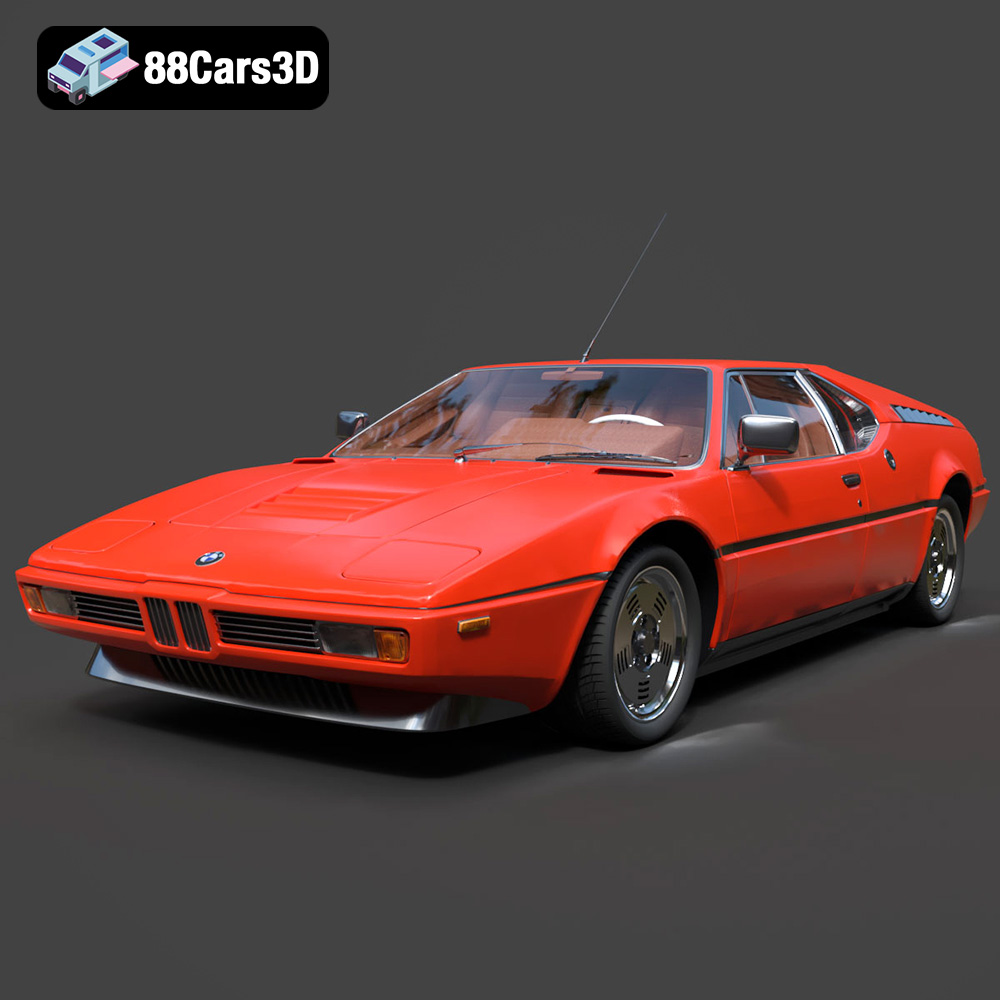
BMW Motorsport M1 E26 1981 3D Model
Texture: Yes
Material: Yes
Download the BMW Motorsport M1 E26 1981 3D Model featuring its iconic design, race-bred aerodynamics, and meticulously crafted details. Includes .blend, .fbx, .obj, .glb, .stl, .ply, .unreal, and .max formats for rendering, simulation, and game development.
Price: $20.79

Cadillac CTS-V Coupe 3D Model
Meta Description:
Texture: Yes
Material: Yes
Download the Cadillac CTS-V Coupe 3D Model featuring detailed exterior styling and realistic interior structure. Includes .blend, .fbx, .obj, .glb, .stl, .ply, .unreal, and .max formats for rendering, simulation, AR VR, and game development.
Price: $13.9
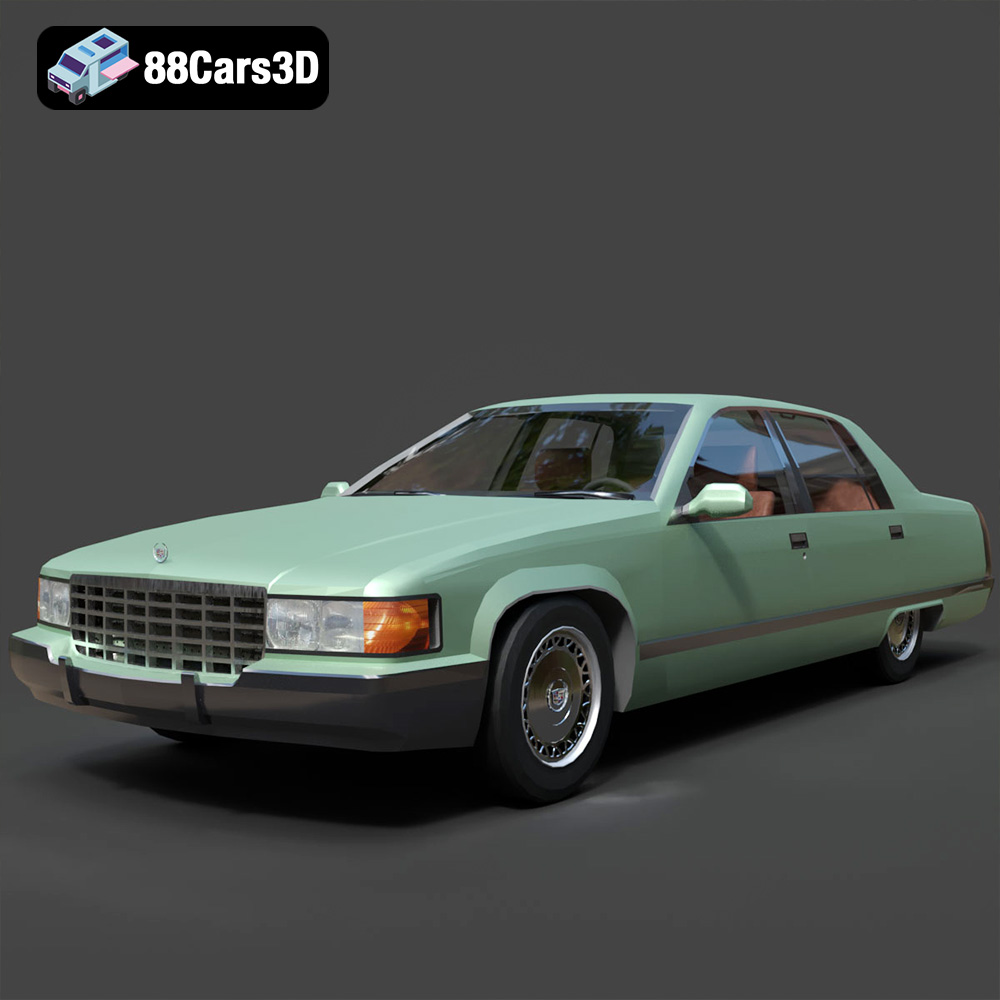
Cadillac Fleetwood Brougham 3D Model
Texture: Yes
Material: Yes
Download the Cadillac Fleetwood Brougham 3D Model featuring its iconic classic luxury design and detailed exterior and interior. Includes .blend, .fbx, .obj, .glb, .stl, .ply, .unreal, and .max formats for rendering, simulation, and game development.
Price: $10.79
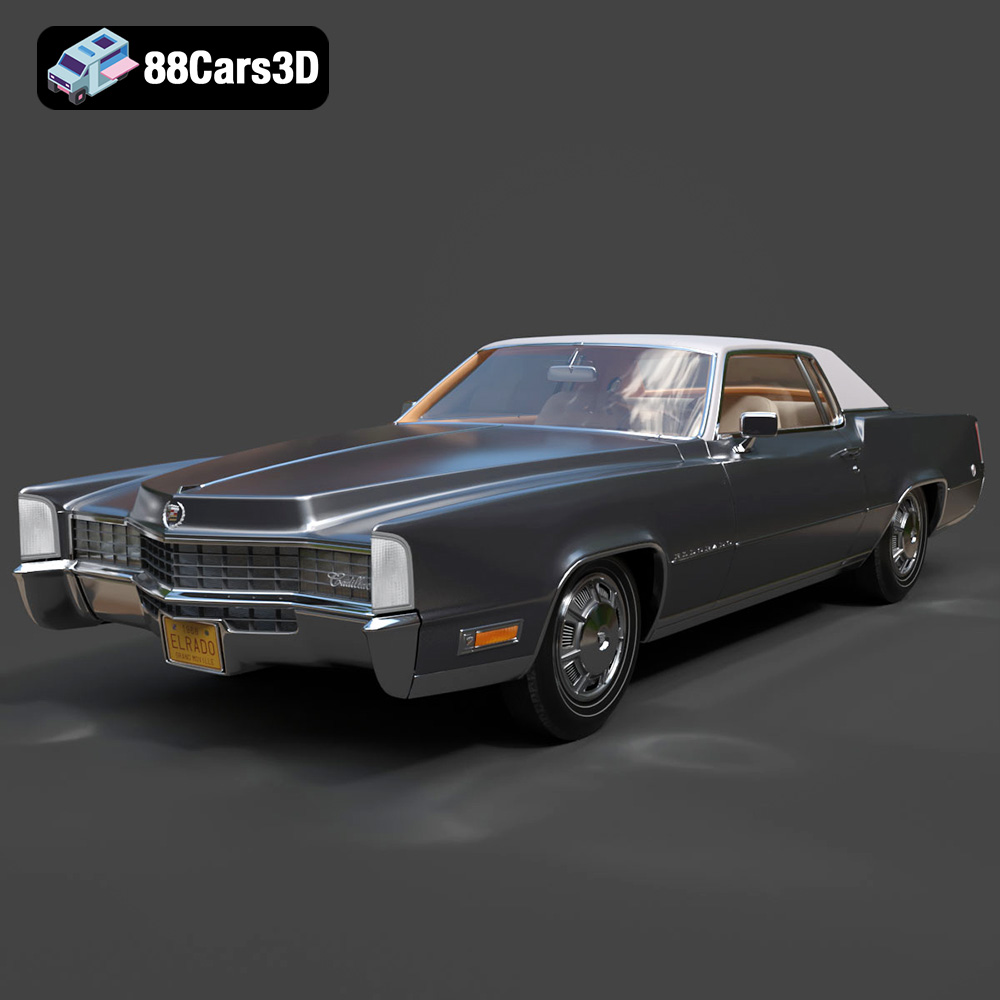
Cadillac Eldorado 1968 3D Model
Texture: Yes
Material: Yes
Download the Cadillac Eldorado 1968 3D Model featuring its iconic elongated body, distinctive chrome accents, and luxurious interior. Includes .blend, .fbx, .obj, .glb, .stl, .ply, .unreal, and .max formats for rendering, simulation, and game development.
Price: $20.79

Cadillac CTS SW 2010 3D Model
Texture: Yes
Material: Yes
Download the Cadillac CTS SW 2010 3D Model featuring a detailed exterior, functional interior elements, and realistic materials. Includes .blend, .fbx, .obj, .glb, .stl, .ply, .unreal, and .max formats for rendering, simulation, and game development.
Price: $10.79
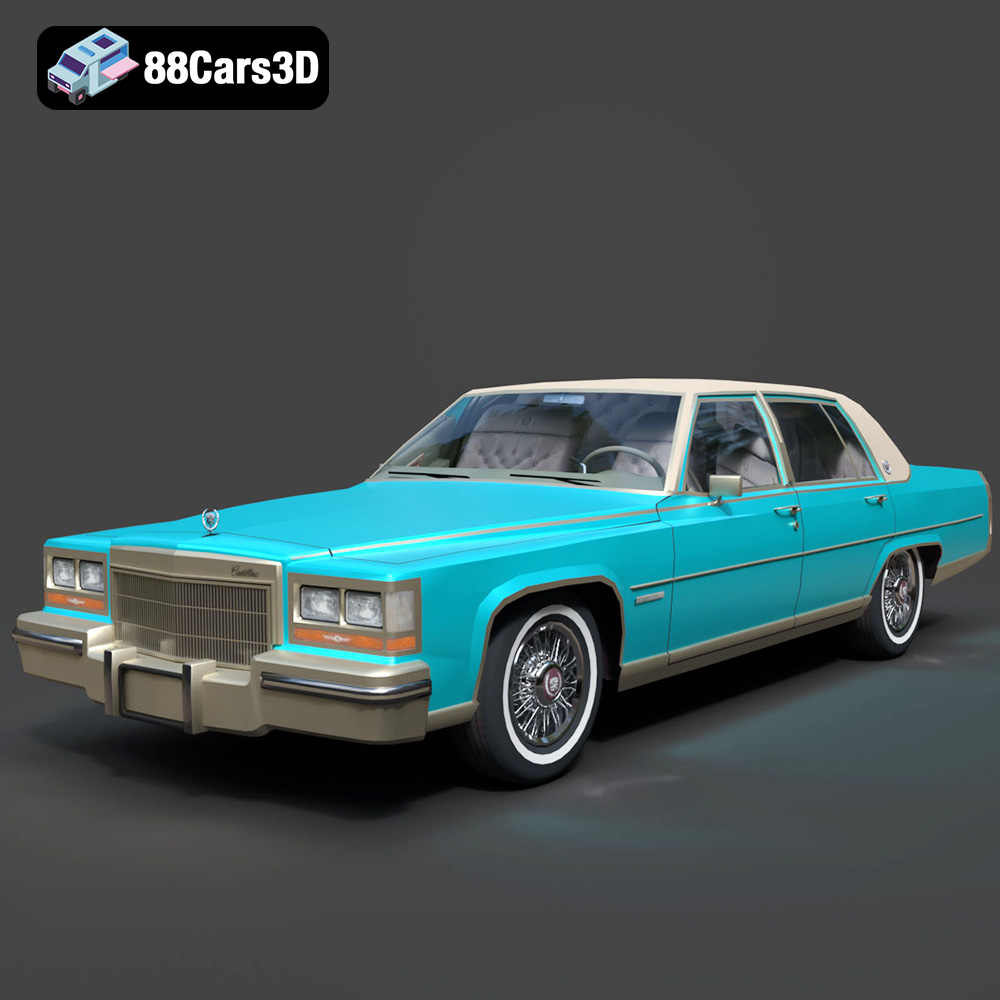
Cadillac Fleetwood Brougham 1985 3D Model
Texture: Yes
Material: Yes
Download the Cadillac Fleetwood Brougham 1985 3D Model featuring its iconic classic luxury design and detailed craftsmanship. Includes .blend, .fbx, .obj, .glb, .stl, .ply, .unreal, and .max formats for rendering, simulation, and game development.
Price: $10.79
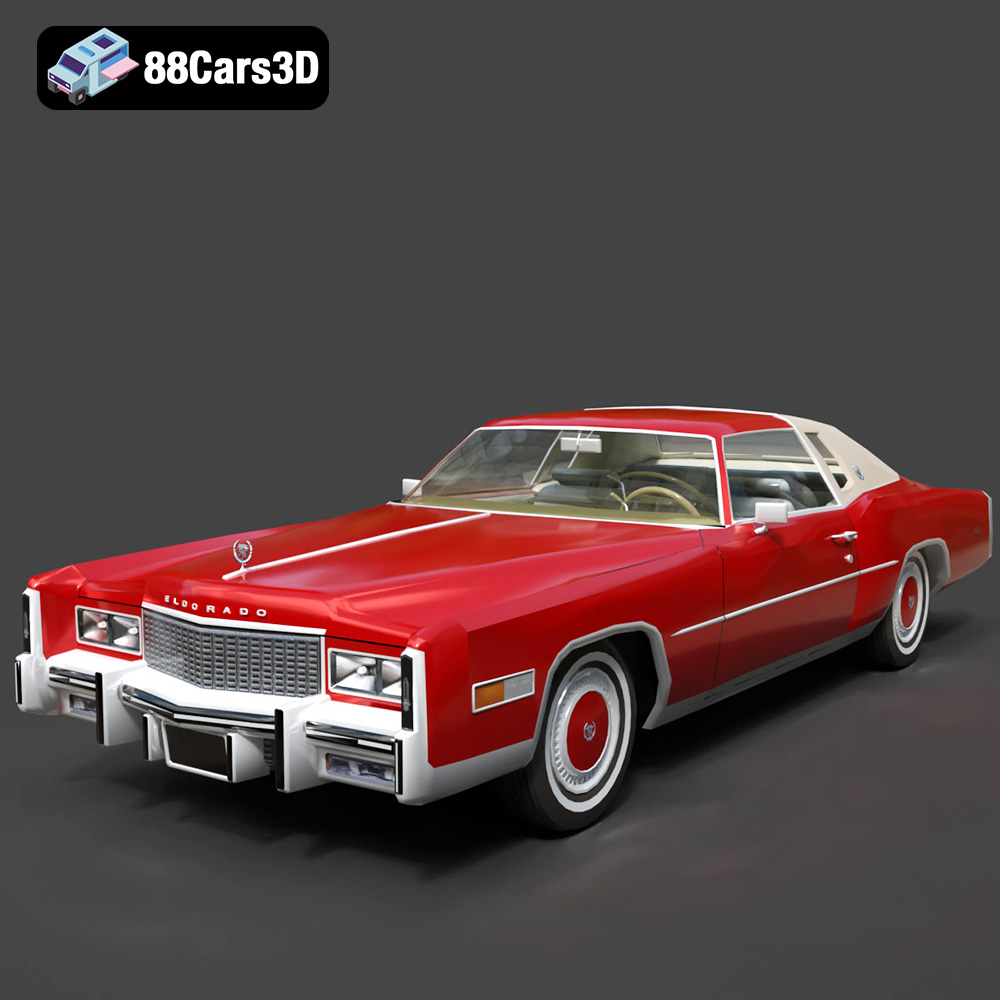
Cadillac Eldorado 1978 3D Model
Texture: Yes
Material: Yes
Download the Cadillac Eldorado 1978 3D Model featuring accurately modeled exterior, detailed interior, and period-correct aesthetics. Includes .blend, .fbx, .obj, .glb, .stl, .ply, .unreal, and .max formats for rendering, simulation, and game development.
Price: $10.79
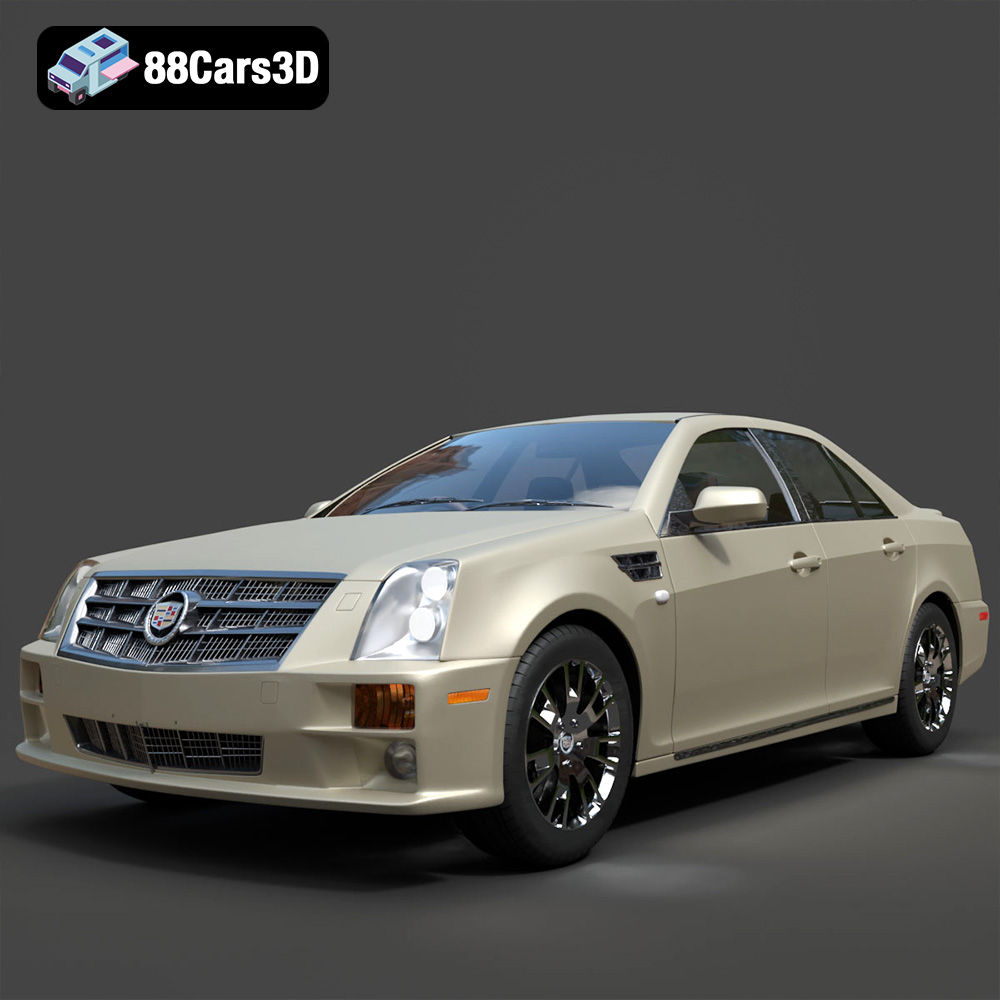
Cadillac STS-005 3D Model
Texture: Yes
Material: Yes
Download the Cadillac STS-005 3D Model featuring a detailed exterior and interior. Includes .blend, .fbx, .obj, .glb, .stl, .ply, .unreal, and .max formats for rendering, simulation, and game development.
Price: $22.79
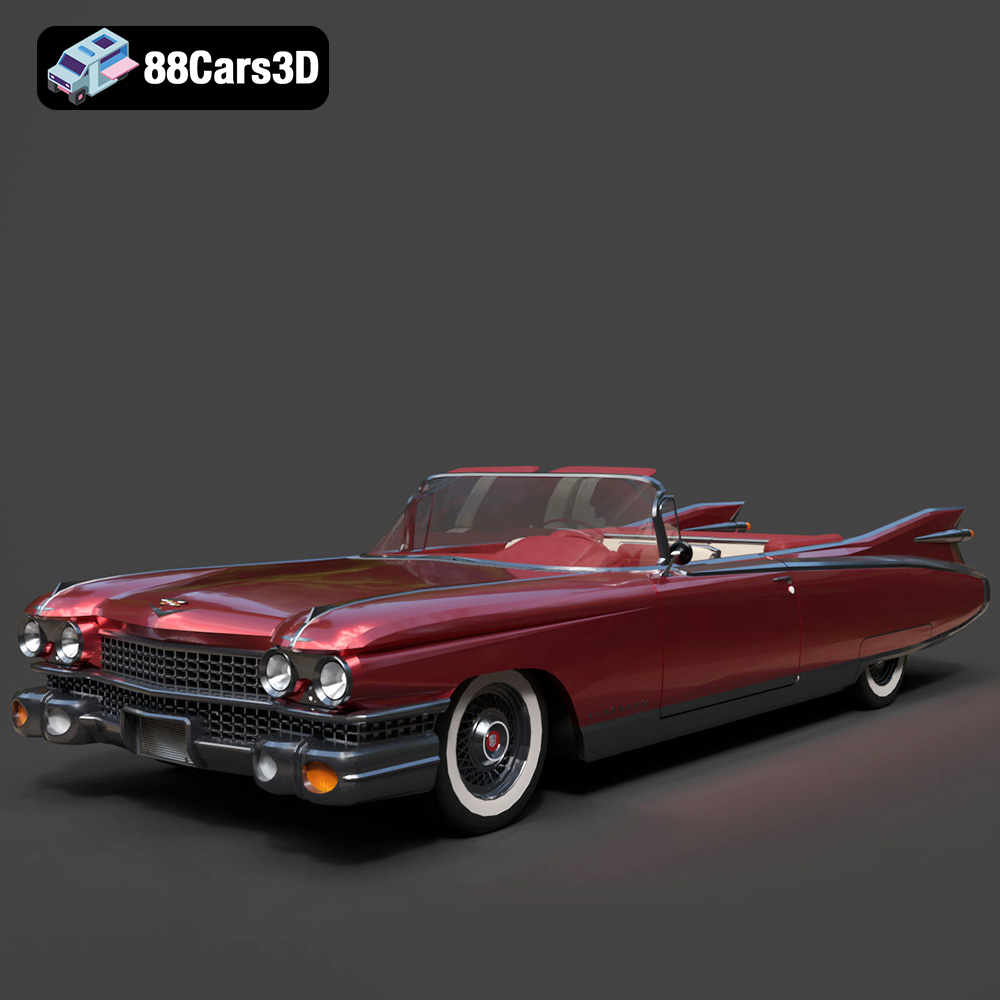
Cadillac Eldorado Convertible (1959) 3D Model
Texture: Yes
Material: Yes
Download the Cadillac Eldorado Convertible (1959) 3D Model featuring iconic fins, luxurious chrome details, and a classic vintage design. Includes .blend, .fbx, .obj, .glb, .stl, .ply, .unreal, and .max formats for rendering, simulation, and game development.
Price: $20.79

Cadillac DTS-005 3D Model
Texture: Yes
Material: Yes
Download the Cadillac DTS-005 3D Model featuring its iconic luxury design, detailed interior, and realistic exterior. Includes .blend, .fbx, .obj, .glb, .stl, .ply, .unreal, and .max formats for rendering, simulation, and game development.
Price: $10.79
