

“`html
Mastering Complex Geometry: A Definitive Guide to Printing STL Files Flawlessly
The world of 3D printing has opened up incredible possibilities for creators, hobbyists, and engineers alike. From intricate mechanical parts to stunningly detailed automotive models, the ability to bring digital designs into the physical realm is revolutionary. However, not all 3D models are created equal, and tackling complex geometries – those with delicate overhangs, thin walls, or intricate internal structures – can often lead to frustration and failed prints. This guide is designed to equip you with the knowledge and techniques necessary to conquer even the most challenging STL files. We’ll delve deep into the nuances of file preparation, slicer settings, support strategies, and material choices, empowering you to achieve successful, high-quality prints every time. Whether you’re printing a classic supercar from a marketplace like 88cars3d.com or your own custom design, mastering complex geometry is key to unlocking the full potential of additive manufacturing.
Understanding the Anatomy of Complex STL Files
Before we can effectively print complex geometries, it’s crucial to understand what makes them challenging. At its core, an STL file represents a 3D model as a collection of interconnected triangles (facets). While simple shapes are straightforward, complex models often incorporate features that push the limits of most 3D printing technologies. These can include:
- Steep Overhangs and Bridges: Sections of the model that extend horizontally without direct support from below. Gravity is the primary antagonist here, leading to sagging, drooping, or complete collapse during printing.
- Thin Walls and Fine Details: Intricate elements like panel gaps, vents, or delicate structural components can be thinner than the extrusion width of your nozzle or the resolution of your printer, leading to breaks or being entirely missed during printing.
- Internal Cavities and Complex Topology: Models with internal features, interlocking parts, or non-manifold geometry (where edges connect more than two facets) can create printing nightmares, trapping resin in SLA/DLP printing or causing slicing errors.
- Sharp Angles and Tight Radii: While not always a direct cause of failure, extremely sharp internal angles can be difficult for molten plastic or cured resin to form cleanly, potentially leading to weak points or incomplete feature definition.
The success of printing these features often hinges on the quality of the STL file itself. Models from reputable sources, such as 88cars3d.com, are typically designed with 3D printing in mind. They feature clean, manifold geometry, appropriate wall thicknesses, and are often pre-optimized to minimize common printing pitfalls. However, even the best models can benefit from careful slicing and print preparation.
Mesh Topology and Manifold Integrity
A manifold mesh is essential for a watertight, printable model. Non-manifold geometry, often characterized by internal faces, holes in the mesh where there shouldn’t be, or edges shared by more than two faces, can confuse slicer software. This can result in gaps in the print, incorrectly generated supports, or complete slicing failures. Tools like Meshmixer, Blender (with the 3D-Print Toolbox add-on), or Netfabb are invaluable for diagnosing and repairing these issues. A quick “Check All” in Meshmixer or using the “Make Manifold” function can often identify and fix these problems automatically, although manual intervention might be needed for particularly complex issues. Ensuring your model is a single, watertight shell is the first step towards a successful print.
Wall Thickness and Feature Resolution
Understanding your printer’s capabilities is key. A standard 0.4mm nozzle on an FDM printer has a practical limit for fine details. While slicers can technically print walls thinner than the nozzle diameter, it often results in weak, under-extruded features. For FDM printing, aiming for a minimum wall thickness of two extrusion widths (e.g., 0.8mm for a 0.4mm nozzle) is a good rule of thumb for structural integrity. For resin printers, the resolution is often determined by the pixel size of the LCD screen (XY resolution) and the layer height (Z resolution). Delicate details on resin prints can be more faithfully reproduced, but extremely thin features can still be prone to breakage during removal or curing.
The Art and Science of Slicing Complex Models
The slicer is your bridge between the digital STL file and the physical printer. For complex geometries, default settings are rarely sufficient. Optimizing slicing parameters is paramount to achieving clean, strong, and accurate prints. This involves a careful balancing act between print quality, print time, and structural integrity.
Layer Height vs. Print Time Tradeoffs
The layer height is one of the most significant factors influencing both print quality and speed. For FDM printers:
- 0.1mm – 0.15mm: Offers a good balance, capturing decent detail while keeping print times manageable. Ideal for many complex car models where visible layer lines are undesirable but extreme detail isn’t the absolute priority.
- 0.08mm – 0.1mm: Provides smoother surfaces and better reproduction of fine details, but significantly increases print time. Suitable for high-detail components or when a near-injection-molded finish is desired.
- 0.2mm – 0.3mm: Faster prints but with noticeably coarser layer lines. Generally not recommended for complex, detailed models unless speed is the absolute priority and post-processing will smooth the surface.
For resin printers, layer heights typically range from 0.025mm to 0.1mm. Lower layer heights yield exceptionally smooth surfaces and fine details but result in longer print times. The XY resolution of the printer is often the limiting factor for fine details in the horizontal plane.
Infill Patterns and Density for Strength and Weight
While infill might seem less critical for solid-looking models, it plays a vital role in supporting top layers and preventing collapse, especially in hollow or complex parts. For complex geometries:
- Grid or Gyroid: These patterns offer good strength in multiple directions and are relatively efficient in terms of material usage and print time. Gyroid is particularly good for resisting stress from all angles.
- Lightning Infill (Cura): This specialized infill pattern creates a tree-like structure that provides support primarily where it’s needed most, drastically reducing print time and material usage for hollow models. It’s excellent for models that will be displayed rather than subjected to heavy stress.
- Density: For decorative models, 10-15% infill is often sufficient. For parts requiring more rigidity or those with significant overhangs that need internal support, increasing infill to 20-25% can make a difference. Avoid extremely high infill percentages (above 30%) unless absolutely necessary, as it dramatically increases print time and material consumption without proportional strength gains in many cases.
Print Speed and Retraction Settings
Printing complex models often requires slower speeds to allow the filament to cool properly and adhere to the previous layer, especially on overhangs. Reducing the overall print speed to 40-50 mm/s for outer walls and 50-60 mm/s for inner walls is a common starting point. Specific settings for overhangs and small features might need further reduction. Proper retraction settings are crucial to prevent stringing, particularly between intricate details. Experiment with retraction distance (4-6mm for Bowden, 0.5-2mm for direct drive) and retraction speed (25-45 mm/s) to find the sweet spot for your filament and hotend.
The Critical Role of Support Structures
Support structures are the unsung heroes of printing complex geometries. They provide the necessary foundation for overhanging and bridging sections, preventing print failures. However, poorly implemented supports can damage the model’s surface or be incredibly difficult to remove.
Automatic vs. Manual Support Generation
Most slicers offer automatic support generation. While convenient, these settings often need fine-tuning:
- Support Overhang Angle: This is a key setting. For FDM, starting with 45-50 degrees is common. For very delicate overhangs, you might need to lower this, but be mindful that it will generate more support material.
- Support Placement: Choose between “Touching Buildplate” (only supports structures extending over the print bed) or “Everywhere” (supports structures extending over other parts of the model). For complex internal geometries or models with significant overhangs on upper levels, “Everywhere” is often necessary.
- Support Density/Pattern: Tree supports (available in Cura and PrusaSlicer) are often superior for complex models. They branch out, touching the model only where needed, making them easier to remove and consuming less material than traditional grid or zig-zag supports.
Manual support painting (available in Cura and PrusaSlicer) allows you to precisely define where supports are placed, which is invaluable for critical areas or when automatic supports would obscure important details. This offers the highest level of control.
Support Interface and Removal Techniques
The support interface is the layer of the support structure that directly touches the model. Optimizing this interface is crucial for a clean surface finish and easier removal.
- Interface Layers: Enabling “Support Interface” in your slicer adds a denser, more solid layer between the main support structure and the model. This creates a smoother surface on the model where the support was attached.
- Interface Spacing: A small gap (e.g., 0.1-0.2mm) between the model and the support interface can significantly ease removal. Too small a gap, and it might fuse; too large, and the surface quality will suffer.
- Removal Tools: Have a good set of tools ready: flush cutters, needle-nose pliers, hobby knives (X-Acto), and potentially dental picks. For FDM prints, carefully wiggling the support structure or using gentle prying motions can help break the adhesion. For resin prints, supports are often removed *before* final curing (if using a wash and cure station) or after thorough cleaning, using flush cutters and care to avoid damaging the model. Sometimes a brief application of heat from a hairdryer can slightly soften the plastic, aiding removal.
Print Orientation and Bed Adhesion Strategies
How you orient your model on the build plate and ensure it sticks reliably are fundamental to print success, especially with challenging shapes.
Optimizing Orientation for Strength and Detail
The orientation of a model affects how layers are built up, influencing overhangs, bridging, and anisotropic strength (strength varying with direction). For complex car models:
- Minimize Overhangs: Rotate the model to reduce the severity of overhangs wherever possible. Often, printing a car model at a slight angle (e.g., 10-15 degrees) can help unsupported sections print more effectively, although this might require more extensive supports.
- Surface Quality: Consider which surfaces are most visible. If the hood and roof are critical, orient the model so these are less likely to require supports or have them placed in less conspicuous areas. The “bottom” surfaces (those closest to the build plate) will typically have the best definition as they benefit from perfect adhesion and minimal distortion.
- Layer Lines: Be aware that layer lines will be most prominent on surfaces oriented vertically or at steep angles relative to the build plate.
- Part Strength: For FDM, parts are generally strongest along the X/Y axes and weakest between layers (Z-axis). If a part will experience stress, orient it so the primary forces act along the stronger axes.
Ensuring Robust Bed Adhesion
A print detaching from the build plate midway is a common and frustrating failure. For complex models with potentially small contact areas:
- Clean Build Surface: Always start with a clean build plate. Use isopropyl alcohol (IPA) for most surfaces. Fingerprints and oils are major adhesion enemies.
- Leveling and Z-Offset: A perfectly level bed and a correctly dialed-in Z-offset (the initial distance between the nozzle and the bed) are non-negotiable. The first layer should be slightly “squished” onto the bed, not just sitting loosely.
- Adhesion Aids: For materials like ABS or PETG, or even PLA on challenging surfaces, consider adhesion aids:
- Glue Stick (PVA): A thin, even layer applied to the build surface.
- Hairspray: Aqua Net Extra Super Hold is a popular choice.
- Specialized Adhesives: Magigoo, 3DLAC, or PEI sheets offer excellent adhesion.
- Brims and Rafts:
- Brim: Adds a single layer of extruded lines around the base of the model, increasing the surface area contact with the build plate. This is excellent for models with small footprints or a tendency to warp. Easily removed after printing.
- Raft: Prints a thicker base platform beneath the model. This is useful for very difficult-to-adhere materials or uneven build surfaces, but it consumes more material and can leave a rougher surface on the model’s bottom.
Material Selection and Printer Calibration for Precision
The choice of material and the calibration of your 3D printer significantly impact the quality and success rate when printing intricate designs.
Choosing the Right Filament or Resin
Different materials have unique properties that make them suitable for different applications and printing challenges:
- PLA: The most common FDM material. Easy to print, good detail, low warping. Ideal for display models and general use. Can be brittle.
- PETG: More durable and temperature-resistant than PLA. Offers good layer adhesion but can be stringier and requires slightly higher print temperatures. Excellent for functional parts or models needing more resilience.
- ABS: Strong, temperature-resistant, and durable. However, it’s prone to significant warping and requires an enclosure and often heated bed to print successfully. It also emits fumes and requires good ventilation.
- Resin (SLA/DLP/MSLA): Offers the highest level of detail and smoothness. Standard resins are often brittle, but engineering resins offer improved toughness and temperature resistance. Requires post-processing (washing and curing) and safety precautions (gloves, ventilation). Ideal for miniature details and incredibly smooth finishes.
For complex car models, PLA is often the go-to for FDM due to its ease of use and detail reproduction. If durability is a concern, PETG is a strong alternative. For resin printing, standard or tough resins are usually sufficient for display models.
Printer Calibration and Maintenance Essentials
A well-calibrated printer is fundamental. Neglecting this can lead to a cascade of printing issues:
- E-Step Calibration (FDM): Ensures your printer extrudes the exact amount of filament commanded by the slicer. Incorrect E-steps lead to under- or over-extrusion, affecting wall thickness and detail.
- Temperature Towers: Print temperature towers for each filament spool to find the optimal printing temperature. This affects layer adhesion, stringing, and overhang performance.
- Flow Rate/Extrusion Multiplier Calibration: Fine-tunes the amount of plastic extruded, especially important after E-step calibration or when changing filaments. Helps ensure accurate dimensions and wall thicknesses.
- PID Tuning (FDM): Stabilizes the hotend and bed temperatures, preventing fluctuations that can impact print consistency.
- Resin Printer Calibration: This typically involves exposure tests (like the AmeraLabs Town or Cones of Calibration) to determine the correct exposure time per layer for optimal detail and successful print detachment from the FEP film. Ensure the build plate is level and the FEP film is clean and undamaged.
- Nozzle and FEP Maintenance: Regularly check your FDM nozzle for clogs or wear. For resin printers, inspect the FEP film for scratches or damage, as this can severely impact print quality and success. Clean resin vat thoroughly between prints.
Advanced Techniques and Post-Processing
Once your complex model is successfully printed, a few advanced techniques and careful post-processing can elevate the final result from a mere print to a display-worthy masterpiece.
Bridging and Overhang Fixes During the Print
Sometimes, even with optimized settings, specific overhangs or bridges might struggle. Monitor your prints, especially during the initial layers of challenging sections. If you see sagging:
- Adjust Fan Speed: Increasing part cooling fan speed can help solidify extruded plastic faster on overhangs and bridges, reducing drooping. Be cautious, as too much cooling can weaken layer adhesion, especially with materials like ABS.
- Slow Down Critical Sections: Some slicers allow you to define specific speeds for overhangs or bridges. Dialing these down to extremely low speeds (e.g., 15-20 mm/s) can give the material time to cool and form properly.
- Consider Supports: If a particular section is consistently failing, it might be more efficient to add manual supports specifically to that area, even if the automatic settings suggested otherwise.
Sanding, Filling, and Painting for a Professional Finish
The raw 3D print is just the beginning for many complex models, especially detailed car replicas:
- Support Removal: As mentioned, careful removal is the first step. Use tools to clean up any connection points.
- Sanding: Start with coarser grit sandpaper (e.g., 120-220 grit) to remove layer lines and support marks. Progress to finer grits (400, 800, 1000, and even higher) for a smooth surface. Wet sanding can be very effective, especially with finer grits.
- Filling: For FDM prints with visible layer lines or minor imperfections, fillers like automotive putty, wood filler, or specialized 3D print fillers can be used. Apply thin layers, let them dry, and sand smooth. Repeat as needed.
- Priming: Apply a filler primer spray. This coats the model, fills tiny imperfections, and reveals any remaining blemishes that need further attention. Sand lightly after priming.
- Painting: Use hobby paints (acrylics, enamels) or automotive spray paints. Apply in thin, even coats. Masking tape is essential for clean lines between different colors (e.g., body paint vs. trim).
- Clear Coat: A final clear coat adds protection and a desired sheen (matte, satin, gloss).
- Resin Post-Processing: Resin prints typically require less sanding due to their inherent smoothness. Focus on removing supports cleanly, washing thoroughly in IPA or resin cleaner, and curing under UV light. Priming and painting are still beneficial for achieving specific finishes or adding details.
Assembly of Multi-Part Prints
Many complex models, especially larger ones, are designed to be printed in multiple parts for easier printing and assembly. Ensure your downloaded models from platforms like 88cars3d.com are designed with assembly in mind (e.g., keyed sections, sockets). Use appropriate adhesives like:
- Super Glue (Cyanoacrylate): Fast-acting, good for small, precise bonds. Available in various viscosities (thin, medium, thick).
- Epoxy: Two-part adhesives that create very strong, durable bonds. Ideal for larger or stress-bearing joints.
- Plastic Cement/Welders: For FDM prints, solvent-based plastic cements can fuse the layers together, creating a strong, monolithic bond (use with caution and good ventilation).
Test fit parts before applying adhesive. Clamps or rubber bands can help hold pieces together while the glue cures.
Printing complex geometries from STL files is a rewarding challenge that blends technical understanding with creative problem-solving. By meticulously preparing your files, optimizing your slicer settings, mastering support strategies, ensuring robust adhesion, and selecting the right materials, you can overcome the hurdles that often lead to print failures. The stunningly detailed car models available on 88cars3d.com are perfect canvases to practice and showcase these skills. Remember that patience, experimentation, and a willingness to learn from each print are your greatest assets. With the knowledge gained from this guide, you’re well-equipped to tackle any complex STL file and bring your 3D printing ambitions to life with precision and confidence.
“`
Featured 3D Car Models

BMW 3 F30 3D Model
Texture: Yes
Material: Yes
Download the BMW 3 F30 3D Model featuring a detailed exterior, realistic interior, and optimized mesh. Includes .blend, .fbx, .obj, .glb, .stl, .ply, .unreal, and .max formats for rendering, simulation, and game development.
Price: $10.79
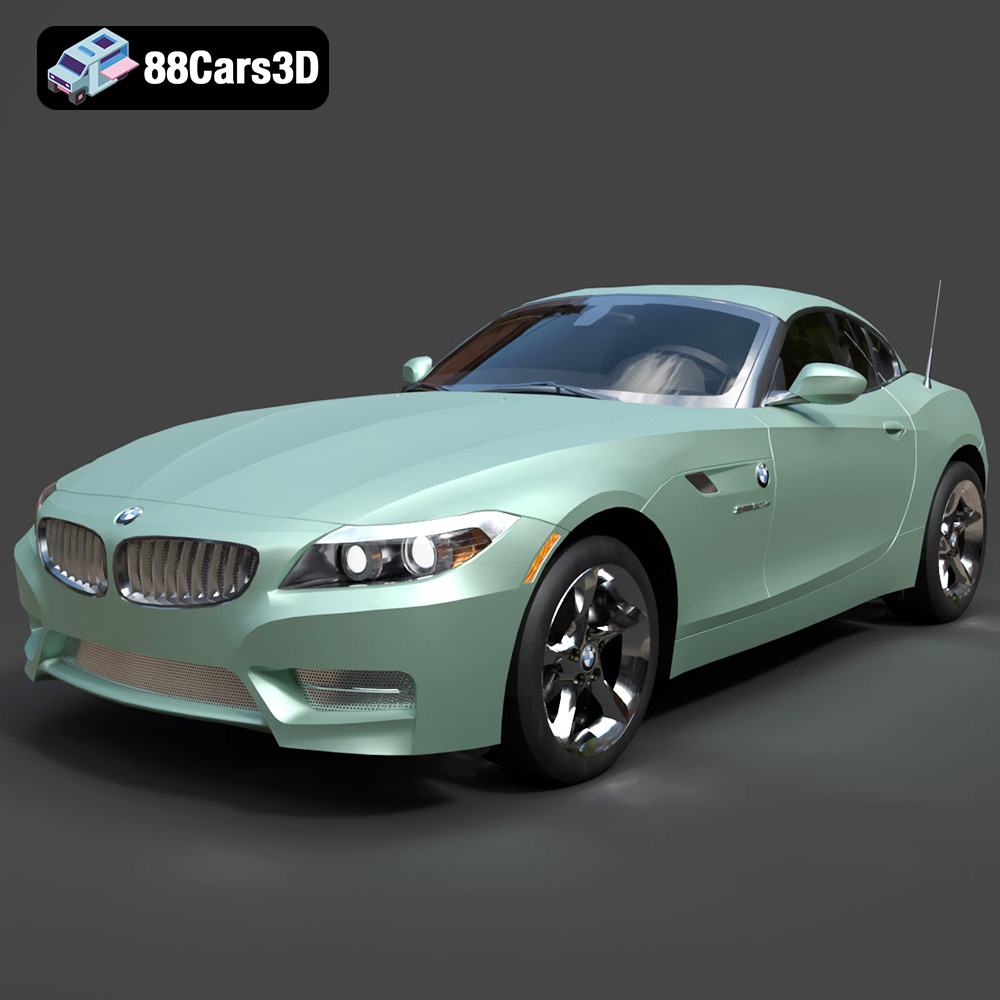
BMW Z4 Roadster E89 2012 3D Model
Texture: Yes
Material: Yes
Download the BMW Z4 Roadster E89 3D Model featuring clean geometry, realistic detailing, and a fully modeled interior. Includes .blend, .fbx, .obj, .glb, .stl, .ply, .unreal, and .max formats for rendering, simulation, and game development.
Price: $13.99

BMW Z4 E85 2005 3D Model
Texture: Yes
Material: Yes
Download the BMW Z4 E85 3D Model featuring clean geometry, realistic detailing, and a fully modeled interior. Includes .blend, .fbx, .obj, .glb, .stl, .ply, .unreal, and .max formats for rendering, simulation, and game development.
Price: $13.99

BMW M3 2024 3D Model
Texture: Yes
Material: Yes
Download the BMW M3 2024 3D Model featuring clean geometry, realistic detailing, and a fully modeled interior. Includes .blend, .fbx, .obj, .glb, .stl, .ply, .unreal, and .max formats for rendering, simulation, and game development.
Price: $13.99
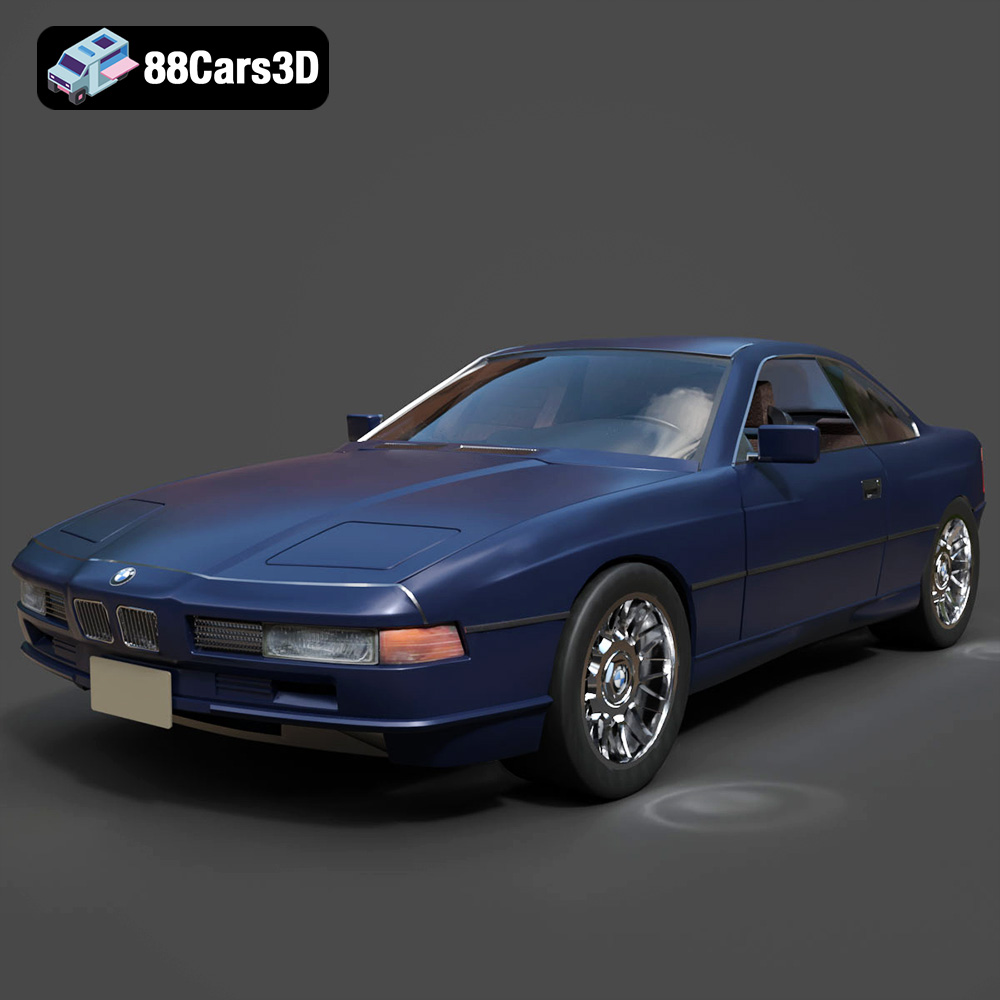
BMW 850i Coupe 1990 3D Model
Texture: Yes
Material: Yes
Download the BMW 850i Coupe 1990 3D Model featuring clean geometry, realistic detailing, and a fully modeled interior. Includes .blend, .fbx, .obj, .glb, .stl, .ply, .unreal, and .max formats for rendering, simulation, and game development.
Price: $13.99
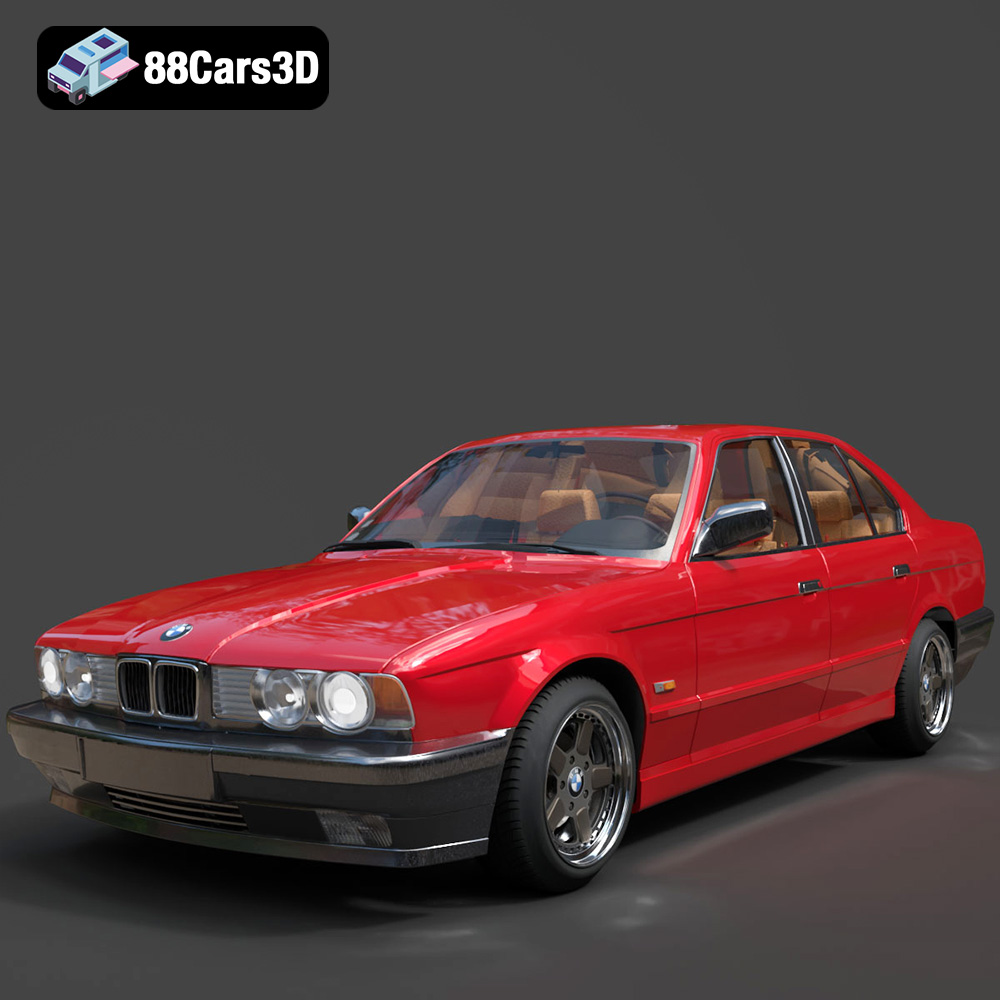
BMW 525i E34 1993 3D Model
Texture: Yes
Material: Yes
Download the BMW 525i E34 1993 3D Model featuring clean geometry, realistic detailing, and a fully modeled interior. Includes .blend, .fbx, .obj, .glb, .stl, .ply, .unreal, and .max formats for rendering, simulation, and game development.
Price: $12.99

BMW 7 Series 2016 3D Model
Texture: Yes
Material: Yes
Download the BMW 7 Series 2016 3D Model featuring luxurious design, detailed interior, and accurate exterior. Includes .blend, .fbx, .obj, .glb, .stl, .ply, .unreal, and .max formats for rendering, simulation, and game development.
Price: $10.79
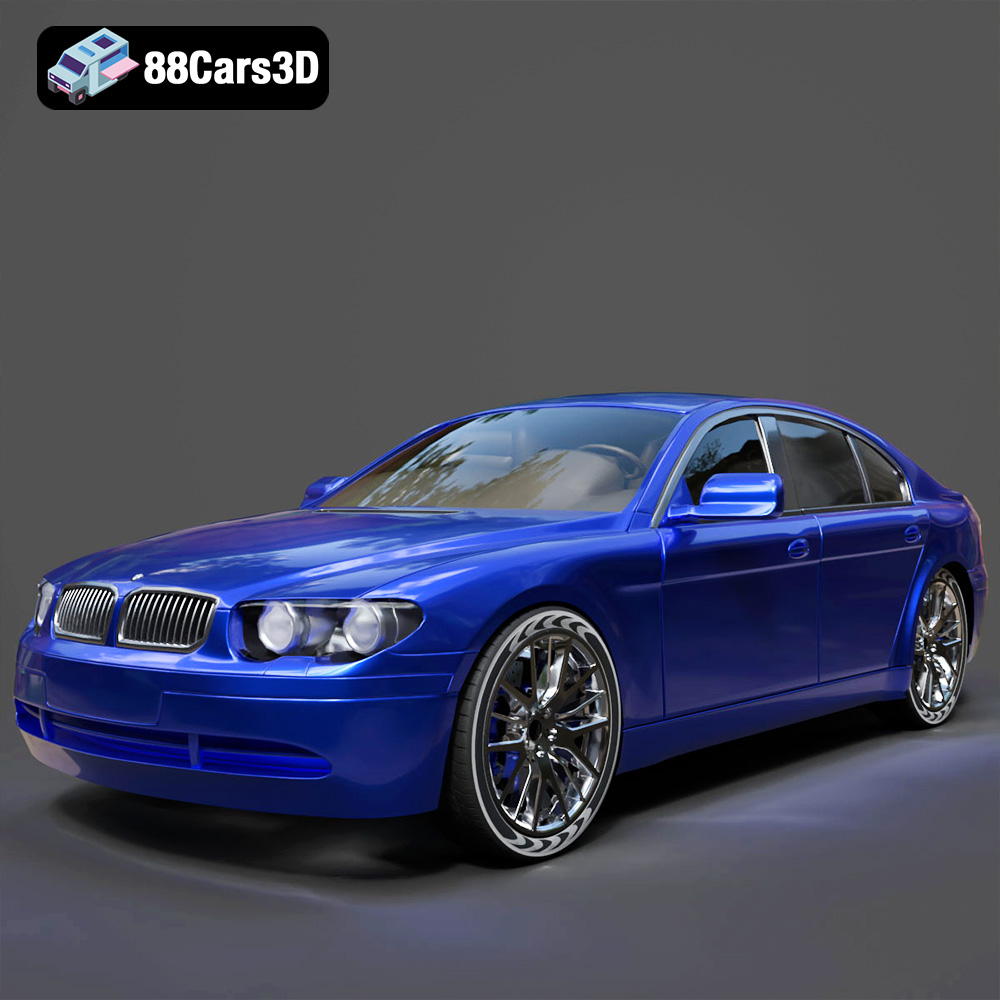
BMW 7 Series 30th Anniversary 3D Model
Texture: Yes
Material: Yes
Download the BMW 7 Series 30th Anniversary 3D Model featuring a meticulously crafted exterior, detailed interior, and realistic wheels. Includes .blend, .fbx, .obj, .glb, .stl, .ply, .unreal, and .max formats for rendering, simulation, and game development.
Price: $35.79

BMW 7-Series F02 3D Model
Texture: Yes
Material: Yes
Download the BMW 7-Series F02 3D Model featuring a detailed exterior and interior, optimized for rendering and animation. Includes .blend, .fbx, .obj, .glb, .stl, .ply, .unreal, and .max formats for rendering, simulation, and game development.
Price: $10.79
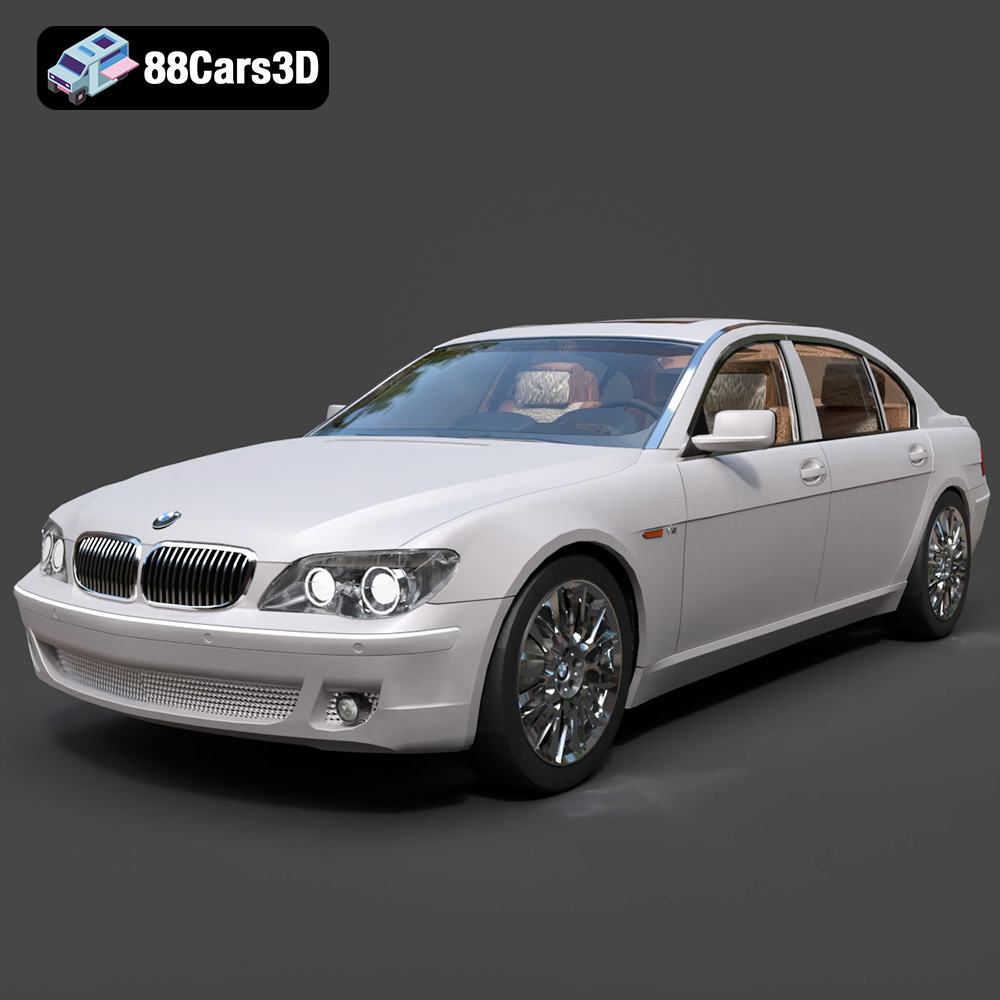
BMW 760Li E66 2005 3D Model
Texture: Yes
Material: Yes
Download the BMW 760Li E66 2005 3D Model featuring a detailed exterior, refined interior, and robust chassis. Includes .blend, .fbx, .obj, .glb, .stl, .ply, .unreal, and .max formats for rendering, simulation, and game development.
Price: $10.79
