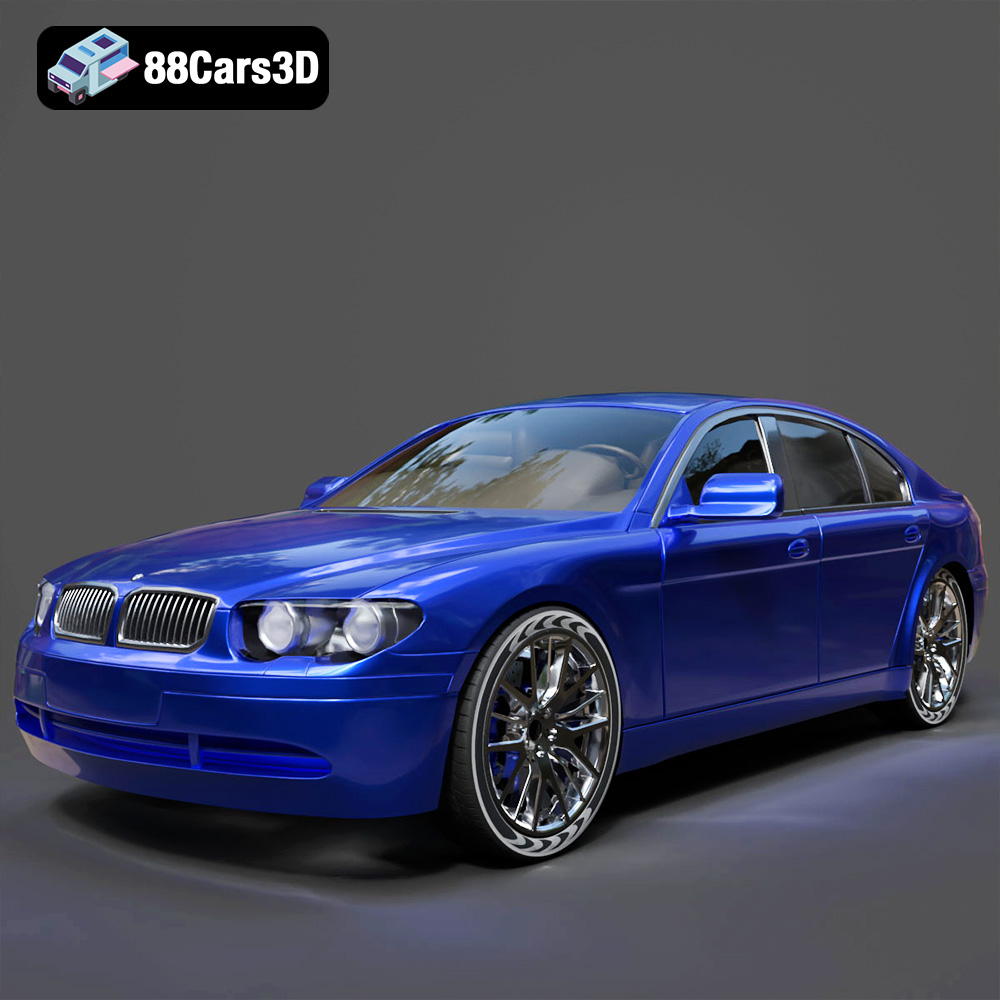
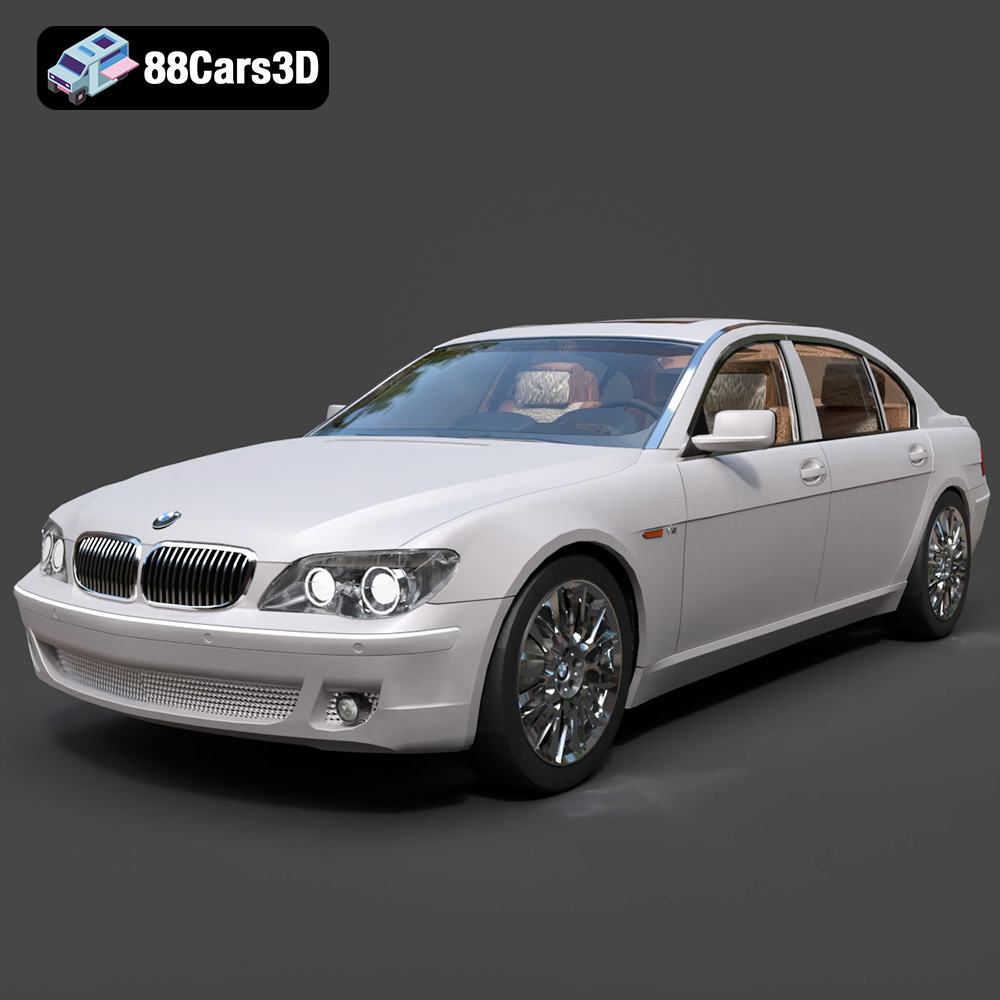
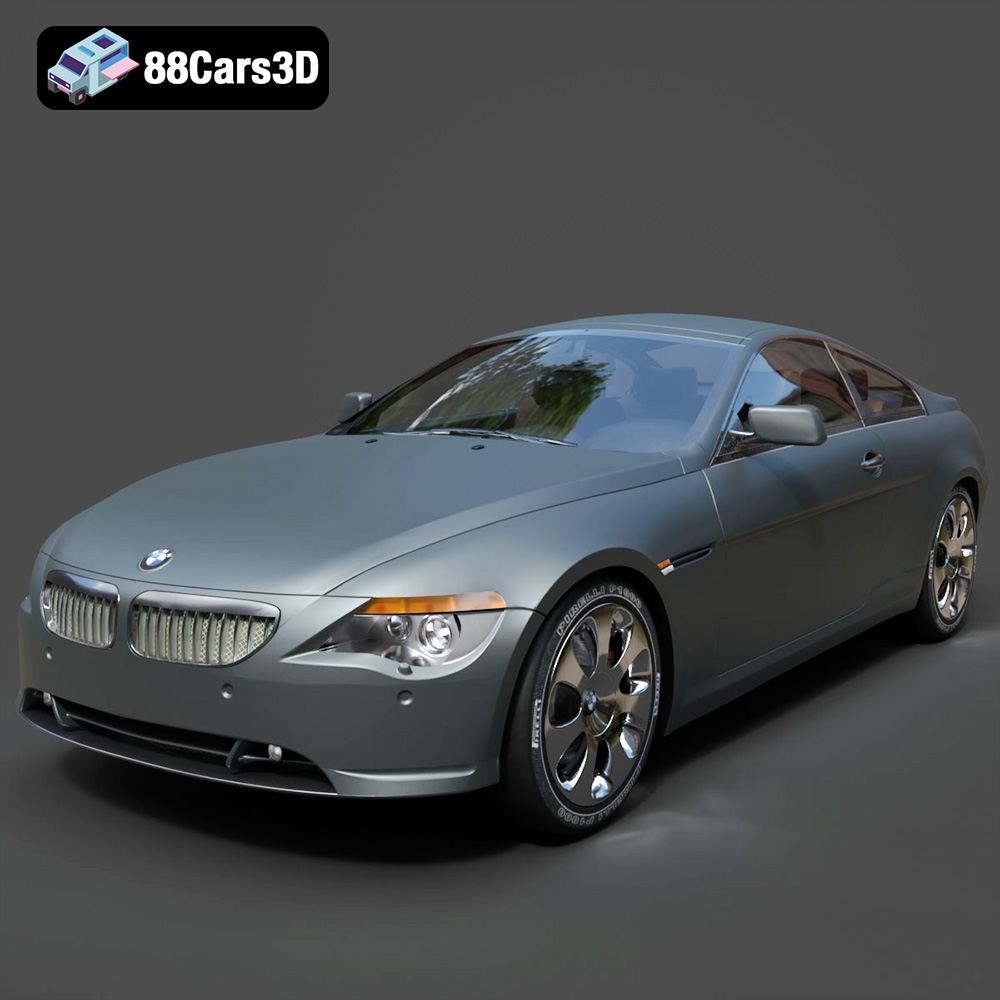
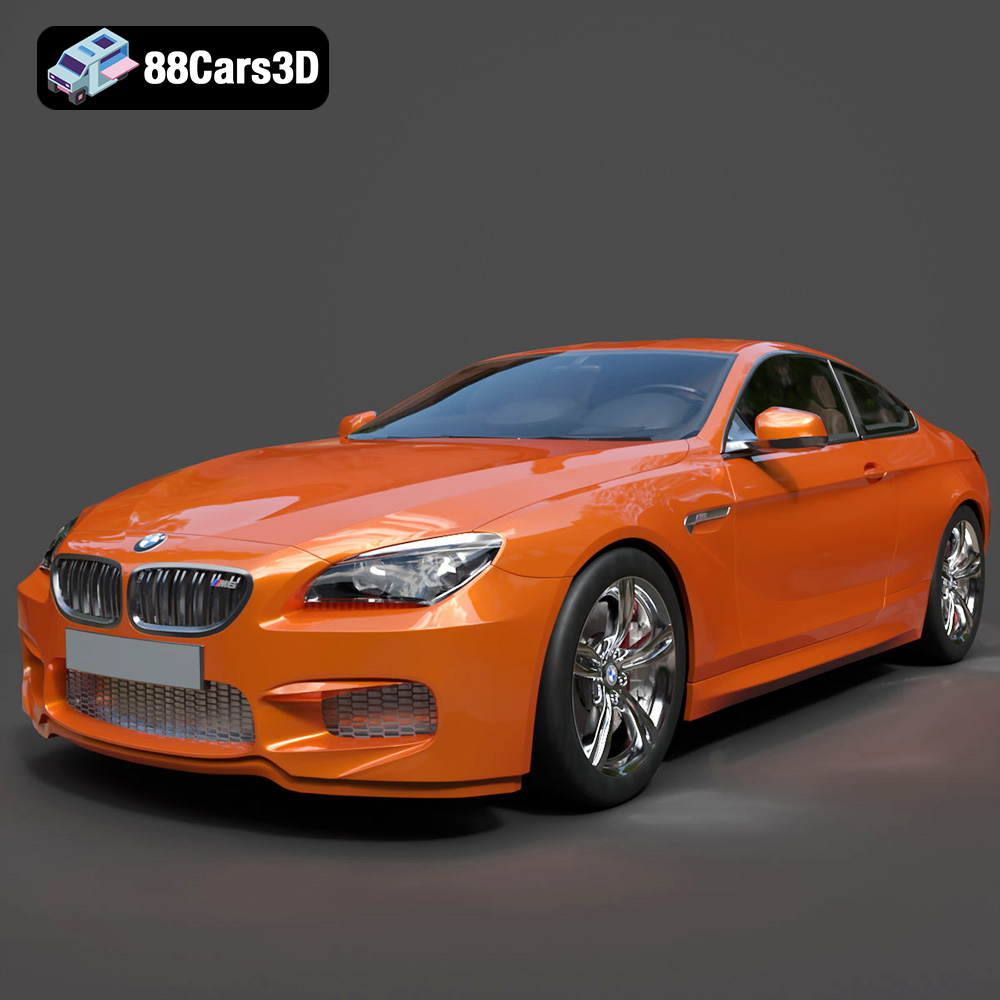
The Precision and Power of 3D Car Models: From Photorealistic Renders to Immersive Game Worlds
The automotive industry has always been at the forefront of technological innovation, and in the realm of digital content creation, 3D car models stand as a testament to this pursuit of perfection. From captivating marketing campaigns that showcase every curve and reflection to the adrenaline-pumping realism of next-generation racing games, high-quality 3D car models are the fundamental building blocks. These sophisticated digital assets empower artists, designers, and developers to bring their visions to life with unparalleled detail and fidelity.
Creating a truly exceptional 3D car model is an intricate blend of artistic skill and technical precision. It involves meticulous attention to topology, accurate material definition, and a deep understanding of how these assets will perform in various environments, whether that’s a physically-based renderer or a real-time game engine. This comprehensive guide delves into the technical workflows, critical specifications, and diverse applications of premium 3D car models, providing insights valuable for anyone operating within the spheres of automotive rendering, game asset development, or advanced visualization. When sourcing these essential assets, platforms like 88cars3d.com offer a curated selection designed to meet the rigorous demands of professional production pipelines.
The Art and Science of High-Quality 3D Car Models
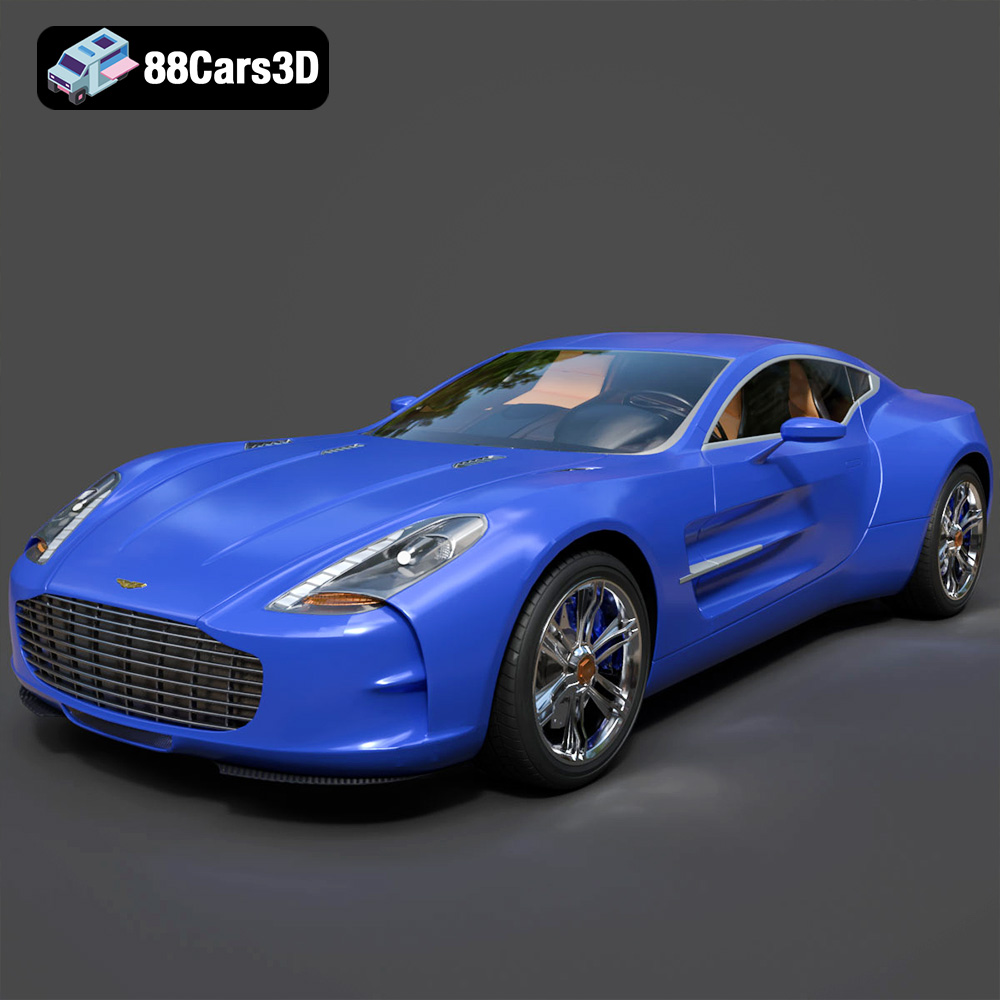
A truly high-quality 3D car model is far more than just a collection of polygons. It’s a digital sculpture, engineered for both visual excellence and optimal performance across a multitude of platforms and applications. The foundation of such a model lies in its construction, materials, and the meticulous details that define its authenticity.
Precision Modeling and Topology
The geometric structure, or topology, of a 3D car model is paramount. Clean, quad-based topology is essential for smooth subdivision surfaces, predictable deformation, and efficient UV unwrapping. A common benchmark for high-detail models intended for close-up rendering might range from 150,000 to 500,000 polygons for the base mesh, which can then be subdivided further for extreme close-ups. For game engines, multiple Levels of Detail (LODs) are created, ranging from high-poly (50,000-100,000 polygons for a hero car) to low-poly (5,000-15,000 for distant vehicles), ensuring performance while maintaining visual integrity. Achieving crisp panel gaps, accurate curvatures, and precise alignments requires an expert hand and an understanding of real-world automotive design principles.
Material Creation and Texturing
The visual realism of a 3D car model is heavily influenced by its materials and textures. Modern workflows rely on Physically Based Rendering (PBR) materials, which accurately simulate how light interacts with surfaces. This involves creating texture maps such as Albedo (or Base Color), Normal, Roughness, Metallic, Ambient Occlusion, and sometimes Anisotropy for specialized surfaces like brushed metal or advanced car paint. UV unwrapping—the process of flattening the 3D surface into a 2D space for texture application—must be executed meticulously, minimizing stretching and overlapping while maximizing texture resolution. High-resolution textures (e.g., 4K or 8K) are often used for crucial components like the bodywork, tires, and interior elements to capture every minute detail.
Attention to Detail: Interiors, Undercarriage, and Functionality
What truly differentiates a professional-grade 3D car model is the depth of its detail. This extends far beyond the exterior bodywork. A comprehensive model will feature a fully modeled interior, complete with dashboard instruments, upholstery, steering wheel, and accurate lighting elements. The undercarriage, often overlooked, is crucial for realistic renders and simulations, including suspension components, exhaust systems, and brake assemblies. Furthermore, models designed for animation or interactive experiences might include functional elements like openable doors, hoods, and trunks, requiring proper pivots and hierarchical linking. This level of comprehensive detailing ensures versatility and realism across all applications.
Understanding 3D Model File Formats
Navigating the ecosystem of 3D modeling requires a solid understanding of the various file formats available. Each format serves specific purposes, excelling in certain workflows and offering distinct advantages in terms of compatibility, data preservation, and optimization. Choosing the correct format is crucial for maintaining model integrity and streamlining production pipelines.
Native Scene Files for Full Editability
When purchasing or creating 3D car models, native scene files offer the highest degree of flexibility and control.
* .blend – Fully editable Blender scene with materials: This is the native file format for Blender, a powerful open-source 3D creation suite. A .blend file encapsulates the entire scene, including all mesh data, materials (Blender’s Cycles/Eevee nodes), textures, lighting setups, cameras, animations, physics simulations, and even custom scripts. It provides the maximum level of editability for artists working within Blender, allowing for direct modification of every aspect of the model and scene without any data loss during export/import processes. Ideal for ongoing development and complex artistic projects.
* .max – Editable 3ds Max project for animation and rendering: The proprietary file format for Autodesk 3ds Max, a leading software for 3D modeling, animation, and rendering. Similar to .blend, a .max file stores all scene information: geometry, intricate material definitions (including V-Ray, Corona, Arnold shaders), scene lighting, camera setups, animation tracks, and modifiers. It is the preferred format for studios and professionals deeply integrated into the 3ds Max pipeline, offering comprehensive control over high-fidelity rendering and complex animation sequences.
Industry-Standard Exchange Formats
For interoperability between different 3D software applications and game engines, certain formats have become industry standards due to their robust data transfer capabilities.
* .fbx – Ideal for Unreal, Unity, and real-time pipelines: Developed by Autodesk, FBX (Filmbox) is arguably the most widely adopted exchange format in the 3D industry. It excels at transferring 3D model data, including geometry (meshes), PBR material properties, rigging, animation, skinning, and scene hierarchy. Its strength lies in its ability to preserve complex data across various software platforms like 3ds Max, Maya, Blender, and directly into game engines such as Unreal Engine and Unity. While highly versatile, FBX files can sometimes be large and require careful handling of embedded media.
* .obj – Universal format for cross-software compatibility: The Wavefront .obj format is one of the oldest and most universally supported 3D file formats. It primarily stores geometric data: vertices, faces, normals, and UV coordinates. It’s often accompanied by a separate .mtl (Material Template Library) file that defines basic material properties like diffuse color, specular color, and texture map paths. .obj is highly compatible with nearly every 3D software application, making it an excellent choice for static mesh exchange where advanced features like animation or complex PBR materials are not required.
Specialized Formats for Specific Workflows
Beyond general-purpose exchange, several formats cater to highly specific use cases, from web-based AR to 3D printing.
* .glb – Optimized for AR, VR, and browser-based display: GLB (GL Transmission Format Binary) is a binary version of the glTF (Graphics Language Transmission Format) standard. It is specifically designed for efficient transmission and loading of 3D scenes and models in web, augmented reality (AR), and virtual reality (VR) environments. A .glb file is a single-file asset that embeds geometry, PBR materials, textures, animations, and skeletal structures, making it highly portable and ideal for interactive online viewers, mobile AR applications, and any scenario requiring quick, lightweight 3D content delivery.
* .stl – Suitable for 3D printing output: STL (STereoLithography) is the de facto standard file format for 3D printing. It represents the surface geometry of a 3D object using a tessellated mesh of triangles. Unlike other formats, .stl files do not store color, texture, material, or scene information, focusing solely on the object’s shape. Its simplicity and widespread support make it the universal choice for sending models to 3D printers, whether for rapid prototyping or final manufacturing.
* .ply – Precision mesh format for CAD or analysis: The Polygon File Format (.ply) is a flexible format primarily used to store 3D data obtained from 3D scanners or CAD applications. It can store a wide range of properties for each vertex (e.g., color, transparency, normals) and face (e.g., color, texture coordinates). .ply is particularly useful for precise, raw scan data or models requiring detailed attribute storage, often utilized in scientific visualization, reverse engineering, or cultural heritage preservation.
* .unreal – Engine-ready asset for real-time environments: While “.unreal” isn’t a single universal file extension in the same way .fbx or .obj are, it represents an **Unreal Engine-ready asset** or a collection of assets configured for optimal use within the Unreal Engine ecosystem. Typically, 3D car models are imported into Unreal Engine via .fbx, but once inside, they are processed and saved as native Unreal Engine assets (.uasset files). An “.unreal” asset bundle might imply a package (e.g., a .zip or an Unreal Engine project file section) containing the imported static mesh, its PBR materials, textures, collision meshes, LODs, and perhaps blueprints for interactive elements, all pre-configured to drop directly into an Unreal Engine project for seamless real-time rendering and interactivity.
Automotive Rendering: Crafting Photorealism
Automotive rendering is an art form focused on creating images that are indistinguishable from real photographs. It’s a critical component of automotive marketing, design visualization, and concept presentation. Achieving photorealism demands a deep understanding of light, materials, and composition.
Lighting and Environment Setup
The quality of lighting is arguably the single most important factor in achieving photorealistic automotive renders. High Dynamic Range Images (HDRIs) are commonly used to simulate real-world lighting environments, providing accurate reflections and global illumination. These are often supplemented with physical light sources (e.g., area lights, spot lights) to highlight specific features, create dramatic shadows, or simulate studio setups. Understanding how to balance ambient light from an HDRI with direct light sources is crucial for giving the car presence and definition within its scene.
Advanced Shading Techniques
Car paint is notoriously complex to render realistically due to its multi-layered nature, which includes a base coat, metallic flakes, and a clear coat. Advanced PBR shaders are designed to simulate these effects, accurately portraying metallic flake shimmer, clear coat reflections, and Fresnel effects. Other materials like glass, chrome, and rubber also require specialized shaders that account for factors like refraction, absorption, and subsurface scattering for headlights, or precise specular reflection and roughness for tires. The subtle interplay of these materials under various lighting conditions is what truly sells the realism.
Post-Production and Compositing
Even the most perfect render can be enhanced significantly through post-production. This phase involves bringing the raw render passes into image editing software (like Photoshop) or compositing tools (like Nuke). Techniques include color grading to set the mood, adjusting exposure and contrast, adding depth of field for cinematic effect, introducing subtle lens flares, motion blur, or even compositing the car into a real-world backplate image. This final polish refines the visual narrative and elevates the render to a truly professional standard.
Integrating 3D Car Models into Game Development
The demands of game development present a unique set of challenges and opportunities for 3D car models. Unlike static renders, game assets must perform optimally in real-time, often under strict performance budgets, while still delivering a compelling visual experience.
Optimization for Real-Time Performance
Performance is paramount in game development. High-poly models from rendering workflows must be carefully optimized. This often involves creating multiple Levels of Detail (LODs)—simplified versions of the model that are swapped in based on distance from the camera. Effective LODs drastically reduce the polygon count and draw calls for vehicles further away, conserving GPU resources. Texture atlasing (combining multiple textures into one) and material instancing are also key techniques to minimize draw calls and optimize rendering performance, ensuring smooth frame rates even in crowded scenes.
Collision Meshes and Physics Setup
For interactive gameplay, 3D car models need more than just visual geometry. Dedicated collision meshes are created, which are simplified, invisible versions of the car’s body and internal components. These meshes are used by the game engine’s physics system to accurately detect impacts, simulate deformations, and handle interactions with the game world. Correctly setting up these collision volumes is crucial for realistic driving mechanics, crashes, and environmental interactions. Additionally, defining the car’s center of mass, wheel friction, and suspension parameters are essential steps in creating a believable driving experience.
Animation and Rigging for Interactive Experiences
Beyond static visuals, game car models often require rigging for animation. This involves creating a skeletal structure (a “rig”) for elements like wheels, suspension, steering, and doors, allowing them to move independently and realistically. Wheel rotation, suspension compression, and steering animations are fundamental for any driving game. For advanced titles, even engine components, spoilers, or car damage systems might be rigged. This rigging enables dynamic, interactive experiences where the vehicle responds realistically to player input and environmental forces.
Beyond Rendering and Games: AR/VR, Visualization, and 3D Printing
The versatility of high-quality 3D car models extends far beyond traditional rendering and game development, finding critical applications in emerging technologies and industrial processes.
Immersive Experiences with AR/VR
Augmented Reality (AR) and Virtual Reality (VR) are transforming how we interact with digital content, and 3D car models are central to this revolution. In AR, users can place virtual cars into real-world environments via their smartphones or AR glasses, enabling virtual test drives, configuration previews, or interactive showrooms. VR applications allow for fully immersive experiences, such as exploring vehicle interiors in intricate detail, participating in virtual design reviews, or even simulating driving in ultra-realistic environments. The optimization techniques from game development are directly applicable here, ensuring smooth, lag-free interactions in these demanding real-time environments.
Architectural Visualization and Product Design
In architectural visualization, 3D car models are frequently used to populate scenes, adding scale, realism, and a sense of life to proposed buildings or urban designs. They help illustrate traffic flow, parking solutions, and the overall aesthetic impact of automotive presence. For product designers, particularly those in the automotive sector, high-fidelity 3D car models are indispensable tools for concept development, iterative design, and presenting proposed vehicles to stakeholders long before any physical prototype is built. They facilitate precise evaluations of form, function, and aesthetics within a digital environment.
Prototyping and Manufacturing with 3D Printing
The precision inherent in a well-modeled 3D car asset can be directly translated into physical prototypes. By converting 3D models into formats like .stl, they can be sent to 3D printers to create scale models or even functional components. This capability accelerates the design-to-production cycle, allowing engineers and designers to rapidly test ideas, assess ergonomics, and conduct fitment checks in a tangible form. From concept validation to producing custom parts for restoration projects, 3D printing from digital car models bridges the gap between the virtual and physical worlds.
Case Studies: Real-World Applications of Premium 3D Car Models
The impact of high-quality 3D car models is best illustrated through their successful application in diverse professional scenarios. These examples highlight the value that detailed, well-optimized assets bring to various industries.
Automotive Marketing Campaign
A leading automotive manufacturer needed to launch a new electric vehicle, aiming for a global marketing campaign that emphasized its sleek design and advanced features. Instead of expensive physical photoshoots, they commissioned a suite of high-resolution 3D car models of the vehicle. Using these assets, a team of 3D artists created stunning photorealistic renders for print ads, animated commercials demonstrating various features, and even an interactive web configurator where customers could customize colors and options. The consistent quality and flexibility offered by the 3D models allowed the campaign to be executed rapidly and cost-effectively across multiple media, reaching millions of potential buyers with consistent visual fidelity. Models sourced from sites like 88cars3d.com can be instrumental in achieving such high standards.
Next-Gen Racing Game Development
A renowned game studio embarked on developing a next-generation racing simulator, prioritizing unparalleled visual realism and authentic driving physics. They acquired a vast library of highly detailed 3D car models, each meticulously crafted with accurate dimensions, PBR materials, and comprehensive interiors. For each car, multiple LODs were generated, custom collision meshes were built, and intricate physics properties were tuned to match real-world specifications. The premium quality of these 3D car models allowed the developers to focus on gameplay mechanics and engine optimization, knowing that the visual foundation was robust. The result was a critically acclaimed title celebrated for its immersive graphics and realistic driving experience.
Interactive Showroom Experience
An innovative dealership wanted to provide customers with an engaging way to explore vehicles that weren’t physically present on the lot. They developed an interactive VR showroom experience powered by premium 3D car models. Customers could don a VR headset and walk around, open doors, sit inside, and even “drive” various car models in a virtual environment. The models were optimized for real-time VR rendering, ensuring smooth head-tracking and a comfortable, immersive experience. This interactive solution not only enhanced the customer experience but also allowed the dealership to showcase a much larger inventory virtually, demonstrating the power of 3D models in transforming sales and engagement.
Conclusion
The world of 3D car models is a vibrant intersection of art, engineering, and digital innovation. From the meticulous crafting of geometry and PBR materials to the strategic optimization for diverse platforms, these digital assets are indispensable across numerous industries. Whether the goal is to produce breathtaking automotive renders, develop highly immersive game assets, or create cutting-edge AR/VR experiences, the underlying principle remains the same: quality, precision, and technical understanding are paramount.
As technology continues to evolve, the demand for high-fidelity 3D car models will only grow, pushing the boundaries of realism and interactivity. Investing in expertly crafted 3D models ensures not only visual superiority but also a streamlined, efficient workflow that can adapt to the rigorous demands of modern production pipelines. For those seeking to elevate their projects with assets built to professional standards, exploring specialized marketplaces like 88cars3d.com offers access to a diverse range of premium 3D car models ready for any challenge. Embrace the power of the digital vehicle and drive your creative visions forward.
Featured 3D Car Models