The Engine of Digital Design: Why High-Quality 3D Car Models Are Indispensable
In the fast-evolving world of digital visualization, the demand for precise, high-fidelity 3D car models has never been greater. From the gleaming showrooms of virtual automotive configurators to the adrenaline-pumping races within cutting-edge video games, these digital assets form the bedrock of immersive experiences. They are the silent powerhouses enabling designers to iterate rapidly, marketers to captivate audiences, and game developers to craft believable worlds.
The Evolving Landscape of Digital Automotive Design
The automotive industry has long embraced digital tools, but the sophistication required today pushes the boundaries of traditional CAD. Modern workflows demand not just accurate geometry but also realistic materials, complex lighting setups, and optimized topology for various applications. This shift has elevated the 3D artist’s role and underscored the critical need for robust, production-ready 3D car models that can seamlessly transition between conceptual design, engineering visualization, marketing campaigns, and interactive platforms.
Bridging the Gap Between Concept and Reality
High-quality 3D assets serve as a vital bridge. They allow designers to visualize concepts with unprecedented realism before physical prototypes are built, saving immense time and cost. For marketing, they enable compelling automotive rendering that can be indistinguishable from photography, creating powerful campaigns. In the realm of entertainment, they are the foundation for realistic vehicle physics and stunning visual fidelity, making virtual experiences truly memorable. The versatility and quality of these models directly impact the final output, making the choice of assets a crucial decision for any project.
Understanding 3D Model File Formats
Navigating the diverse landscape of 3D software and engines requires a solid understanding of various file formats. Each format serves specific purposes, offering different levels of data retention, compatibility, and optimization. Choosing the correct format is paramount for a smooth workflow, whether you’re working on high-end automotive rendering or preparing game assets.
Choosing the Right Format for Your Workflow
The selection of a 3D model file format often depends on the project’s primary goal: is it for real-time game engines, photorealistic offline rendering, web-based AR/VR, or 3D printing? Understanding the strengths and limitations of each can save countless hours in conversion, re-texturing, and optimization.
Technical Deep Dive into Each Format
- .blend (Blender): This is Blender’s native file format, a comprehensive container for all scene data. A .blend file can store meshes, materials, textures, animations, rigging, cameras, lighting, modifiers, and even custom scripts. It’s fully editable within Blender, making it ideal if your primary workflow revolves around this powerful open-source software. For artists using Blender, receiving a .blend file from 88cars3d.com means immediate access to every aspect of the model, allowing for deep customization and understanding of its construction.
- .fbx (Filmbox): Developed by Autodesk, FBX is arguably the most widely adopted interchange format, particularly for animation and game development. It excels at transferring geometry, materials (PBR support), textures, animations, skinning, and camera data across different 3D applications like 3ds Max, Maya, and ZBrush, and into game engines like Unreal Engine and Unity. Its robustness makes it the go-to choice for complex animated assets and robust game assets pipelines. For high-fidelity car models, FBX is excellent for preserving intricate hierarchies and material assignments.
- .obj (Wavefront OBJ): A universal and venerable format, OBJ primarily stores geometry (vertices, normals, UV coordinates) and references external .mtl (material) files for basic material properties. It does not support animation or rigging. Its simplicity ensures broad compatibility across almost all 3D software, making it a reliable choice for transferring static meshes. While it lacks advanced features, its widespread support makes it an indispensable format for general cross-software interoperability.
- .glb (GL Transmission Format Binary): GLB is the binary version of glTF, specifically designed for efficient transmission and loading of 3D scenes and models in web and AR/VR applications. It’s a single file that can contain geometry, materials (PBR-ready), textures, animations, and skeletal data. Its compact size and optimized structure make it perfect for real-time applications where performance is critical, such as interactive product configurators on websites or mobile AR experiences.
- .stl (Stereolithography): STL is the standard format for 3D printing. It represents a 3D model as a series of connected triangles (a triangulated surface mesh) without any color, texture, or material information. It’s a pure geometry format, defining only the surface of an object. While not suitable for rendering or animation, it’s essential for converting 3D car models into physical prototypes or custom parts.
- .ply (Polygon File Format): PLY is a versatile format often used for storing 3D scanner data and general geometry. It can store a variety of properties beyond just vertices and faces, including color, transparency, surface normals, and texture coordinates per vertex or per face. While less common for everyday artistic interchange than FBX or OBJ, it’s highly valued in fields requiring precise data capture and analysis, such as engineering or scientific visualization.
- .unreal (Unreal Engine Asset): While not a single, standalone file format in the traditional sense, “Unreal” assets from a marketplace like 88cars3d.com typically refer to high-quality 3D car models that have been meticulously prepared, imported, and configured within Unreal Engine. This means they are ready-to-use .uasset files, often including pre-built materials using Unreal’s PBR workflow, optimized LODs (Levels of Detail), collision meshes, and even pre-configured blueprints for basic functionality. These assets save significant development time for projects targeting Unreal Engine, ensuring immediate integration and optimal performance.
- .max (3ds Max): This is Autodesk 3ds Max’s native project file format. Like Blender’s .blend, a .max file contains all elements of a scene, including geometry, modifiers, materials, textures, lights, cameras, animations, and scene settings. It’s fully editable within 3ds Max, making it the preferred format for users whose primary rendering and animation pipeline is centered around this industry-standard software. It allows for complete control over the model’s construction and scene setup.
The Art and Science of Automotive Rendering
Creating photorealistic automotive rendering is a delicate balance of artistic vision and technical prowess. It’s about more than just a pretty picture; it’s about conveying the tactile sensation of polished metal, the subtle reflections of glass, and the luxurious feel of interior materials. The goal is to produce images so compelling that they blur the line between digital and physical.
Achieving Photorealism: Lighting, Materials, and Textures
The foundation of photorealism lies in accurate lighting and physically based materials.
- Lighting: Automotive rendering thrives on sophisticated lighting setups. Studio lighting often involves large softboxes and area lights to mimic professional photography. HDRI (High Dynamic Range Imaging) environments are crucial for exterior shots, providing realistic reflections and ambient illumination that ground the car within its surroundings. Understanding light bounce, caustics, and reflections is paramount.
- Materials: PBR (Physically Based Rendering) materials are essential. This means defining properties like base color, metallic, roughness, normal maps, and opacity in a physically accurate way. Car paint, for instance, is a complex shader that requires multiple layers to achieve its characteristic metallic flake, clear coat, and subtle orange peel effects. Tire rubber, leather interiors, and chrome accents each demand meticulous material definition.
- Textures: High-resolution textures for decals, tire treads, carbon fiber, and interior fabrics add crucial detail and realism. Proper UV mapping, ensuring textures are applied without distortion, is as important as the textures themselves.
Advanced Rendering Techniques and Software Workflows
Industry-standard renderers like V-Ray, Corona Renderer, and Arnold are optimized for high-quality, unbiased rendering.
- V-Ray & Corona (3ds Max/Cinema 4D): These are production-proven renderers known for their robust physically based ray tracing engines. They offer extensive control over lighting, materials, and camera effects, making them ideal for high-end marketing visuals. Workflows typically involve modeling in 3ds Max (often leveraging detailed models from 88cars3d.com), setting up complex material networks, carefully crafting studio or outdoor lighting with HDRI and additional lights, and then fine-tuning render settings for optimal quality and speed.
- Arnold (Maya/3ds Max): Arnold, known for its unbiased, Monte Carlo path tracing, excels at handling complex scenes with numerous lights and intricate shaders, delivering highly realistic results with relatively fewer tweaks. It’s widely used in film VFX and animation, bringing that level of quality to automotive visualization.
- Blender Cycles/Eevee: Blender’s native Cycles renderer provides powerful path tracing capabilities, capable of producing stunning photorealistic results. Eevee, Blender’s real-time renderer, offers a faster preview, making it excellent for rapid iteration and animation. A workflow in Blender would involve importing a 3D car model, setting up Cycles-compatible PBR materials, creating studio or environmental lighting, and rendering.
Regardless of the software, the ability to iterate quickly, understand light physics, and meticulously craft materials is what truly elevates an automotive render.
Integrating 3D Car Models into Game Development
For game developers, 3D car models are more than just visual assets; they are interactive elements that must perform flawlessly within the constraints of real-time engines. The challenge lies in balancing visual fidelity with optimal performance to ensure a smooth and engaging gameplay experience. This requires a specialized approach to asset creation and integration.
Optimization Strategies for Real-Time Performance
Performance in game engines is directly tied to the complexity of the assets. Unoptimized models can severely impact frame rates.
- Poly Count Management: High-detail models (like those used for offline rendering) often have millions of polygons. For games, these need to be significantly reduced. This process, known as retopology, creates a new, lower-polygon mesh that retains the visual silhouette of the original. Target poly counts vary greatly depending on the game genre, platform, and whether the car is a hero asset or background scenery.
- Levels of Detail (LODs): LODs are essential. This involves creating multiple versions of the same car model, each with a progressively lower polygon count. The game engine dynamically switches between these versions based on the car’s distance from the player camera. When close, the high-poly model is displayed; further away, a lower-poly version is used, saving rendering resources without noticeable visual degradation.
- Efficient UV Mapping and Texturing: UV maps must be clean and organized to maximize texture resolution while minimizing draw calls. Packing multiple textures (e.g., metallic, roughness, ambient occlusion) into a single texture map (like an RGB channel packing) is a common optimization technique.
- Collision Meshes: Instead of using the high-detail visual mesh for physics calculations, simplified collision meshes (often convex hulls or simple primitive shapes) are created. These are invisible to the player but accurately define the car’s physical boundaries for collision detection.
Workflow with Game Engines (Unreal Engine, Unity)
Integrating 3D car models into game engines involves specific steps to ensure they are game-ready.
- Unreal Engine: For Unreal Engine, a high-quality FBX is typically imported. Upon import, Unreal provides options for generating LODs, collision meshes, and setting up initial materials. Artists then refine materials using Unreal’s robust material editor, often leveraging PBR textures. Animation (e.g., wheels rotating, doors opening) can be imported with the FBX or set up using Unreal’s animation tools and blueprints. The ‘unreal’ format often available from 88cars3d.com significantly streamlines this process, providing pre-optimized and configured assets ready for immediate use.
- Unity: Similar to Unreal, Unity relies heavily on the FBX format. After importing, developers set up materials, often utilizing Unity’s Standard (PBR) shader. Unity also offers tools for LODs, collision, and animation. Scripting in C# is used to control car physics, interactions, and gameplay logic.
- Asset Pipeline: A typical pipeline starts with a high-poly model (e.g., from 3ds Max or Blender), followed by retopology, UV unwrapping, baking high-poly details onto low-poly normal maps, texturing (e.g., in Substance Painter), and finally exporting an optimized FBX with LODs and collision meshes for the target game engine.
Beyond Visualization: Practical Applications of 3D Car Models
While automotive rendering and game development are prominent uses, the utility of high-quality 3D car models extends much further. They are foundational assets for a multitude of interactive and tangible applications, driving innovation across various industries.
AR/VR Experiences and Interactive Demonstrations
Augmented Reality (AR) and Virtual Reality (VR) are transforming how we interact with products, and 3D car models are at the forefront of this revolution.
- Virtual Showrooms: Car manufacturers use VR to create immersive virtual showrooms where customers can explore vehicles in lifelike environments, customize configurations, and even “test drive” them without leaving their homes. This requires meticulously detailed models optimized for real-time VR environments.
- AR Car Configurator: AR applications allow users to place a virtual car in their driveway via their smartphone, scale it to actual size, and interact with its features. This relies on highly optimized .glb models that can be efficiently streamed and rendered on mobile devices, providing a compelling pre-purchase experience.
- Training and Maintenance: AR/VR can also be used for technical training, allowing mechanics to virtually explore engine components or practice complex repairs without touching a physical vehicle.
The demand for models that are both visually stunning and highly optimized for real-time performance is critical in these emerging fields.
3D Printing and Rapid Prototyping
The journey from digital concept to physical object is powered by 3D printing, and 3D car models play a crucial role in rapid prototyping and custom fabrication.
- Design Prototyping: Before committing to expensive tooling, designers can 3D print scaled models or specific components (like custom spoilers, wheel designs, or interior elements) to test ergonomics, aesthetics, and fit. This iteration speed is invaluable in the design process.
- Custom Parts and Scale Models: Enthusiasts, model makers, and even professional restorers use 3D printing to create custom parts that are no longer available or to produce highly detailed scale models for display or R&D.
- Workflow with .stl and CAD: For 3D printing, models are typically converted to the .stl format, which triangulates the surface for manufacturing. For more intricate engineering or analysis, formats like .ply might be used, often originating from CAD software or 3D scanning. Ensuring watertight meshes and appropriate wall thicknesses are critical considerations for successful 3D prints.
Crafting Excellence: What Defines a High-Quality 3D Car Model
Not all 3D car models are created equal. The distinction between an average model and a truly high-quality asset lies in a relentless pursuit of technical precision and artistic fidelity. For professionals, investing in premium models, like those found on 88cars3d.com, is an investment in efficiency and superior results.
Topology, UV Mapping, and Material PBR Standards
- Clean Topology: A superior 3D car model boasts clean, quad-based topology. This means the mesh is constructed primarily of four-sided polygons, which ensures smooth subdivisions, easy deformation for animation, and predictable rendering results. Poor topology (triangles, N-gons, non-manifold geometry) leads to pinching, artifacts, and difficulties in UV mapping and texturing.
- Efficient UV Mapping: Every polygon on a high-quality model has a corresponding, non-overlapping area on a 2D UV map. This allows textures to be applied accurately without stretching or distortion. Well-organized UVs also make it easier for artists to paint and edit textures, and they are crucial for baking details from high-polygon meshes onto lower-polygon versions.
- PBR Material Standards: Adherence to Physically Based Rendering (PBR) standards is non-negotiable for modern visualization. This means that materials are set up with appropriate metallic, roughness, normal, and ambient occlusion maps, ensuring they react realistically to light in any environment. True PBR materials guarantee consistency across different rendering engines and lighting conditions.
The Importance of Accuracy and Detail
The difference between a generic car model and an exceptional one often boils down to attention to detail and historical accuracy.
- Real-World Proportions: Dimensions must accurately reflect the real vehicle. Subtle curves, panel gaps, and body lines are meticulously replicated, ensuring the model looks and feels authentic. This requires extensive reference gathering and precise modeling techniques.
- Interior and Engine Detail: While exterior accuracy is often prioritized, high-quality models extend this fidelity to the interior (dashboards, seats, steering wheel, upholstery) and often even to visible engine components. The level of detail inside a vehicle can significantly enhance immersion in close-up renders or interactive experiences.
- Manufacturing Details: Small but critical details like tire tread patterns, brake calipers, suspension components, and even subtle branding are faithfully reproduced. These elements collectively contribute to the overall believability and perceived value of the 3D asset.
These attributes ensure that 3D car models are not just visually appealing but also technically sound, ready for any professional pipeline.
Conclusion: Driving Innovation with Premium 3D Assets
The journey from a blank canvas to a stunning automotive visualization or a compelling interactive experience is paved with choices, and none are more critical than the quality of your foundational assets. High-fidelity 3D car models are the unsung heroes of modern digital design, enabling unparalleled realism, driving efficiency, and unlocking new creative possibilities across diverse industries.
The Future of Digital Automotive Assets
As technology continues to advance, so too will the demands on 3D assets. Real-time ray tracing, advanced procedural materials, and increasingly immersive AR/VR experiences will push the boundaries of what’s possible. The need for meticulously crafted, optimized, and technically sound models will only grow, making the investment in quality assets more vital than ever for staying competitive and delivering impactful results.
Your Partner in Digital Automotive Excellence
Whether you’re an automotive designer, a game developer, an architect, or a marketing professional, access to premium 3D assets is paramount. By understanding the intricacies of file formats, the nuances of photorealistic rendering, and the specific demands of real-time game engines, you can make informed decisions that elevate your projects. Platforms like 88cars3d.com specialize in providing these exact high-quality 3D car models, ensuring that you have the robust foundation needed to bring your most ambitious digital visions to life, from breathtaking automotive rendering to dynamic game assets.
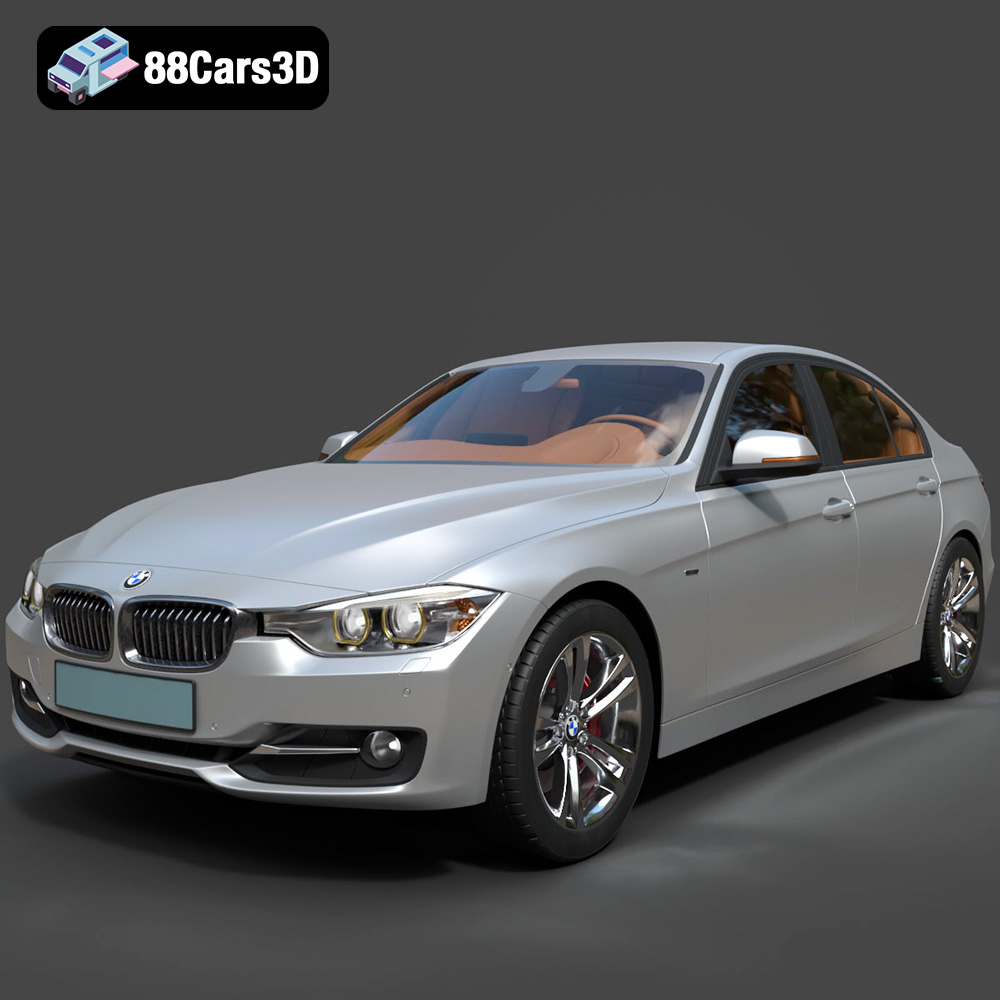
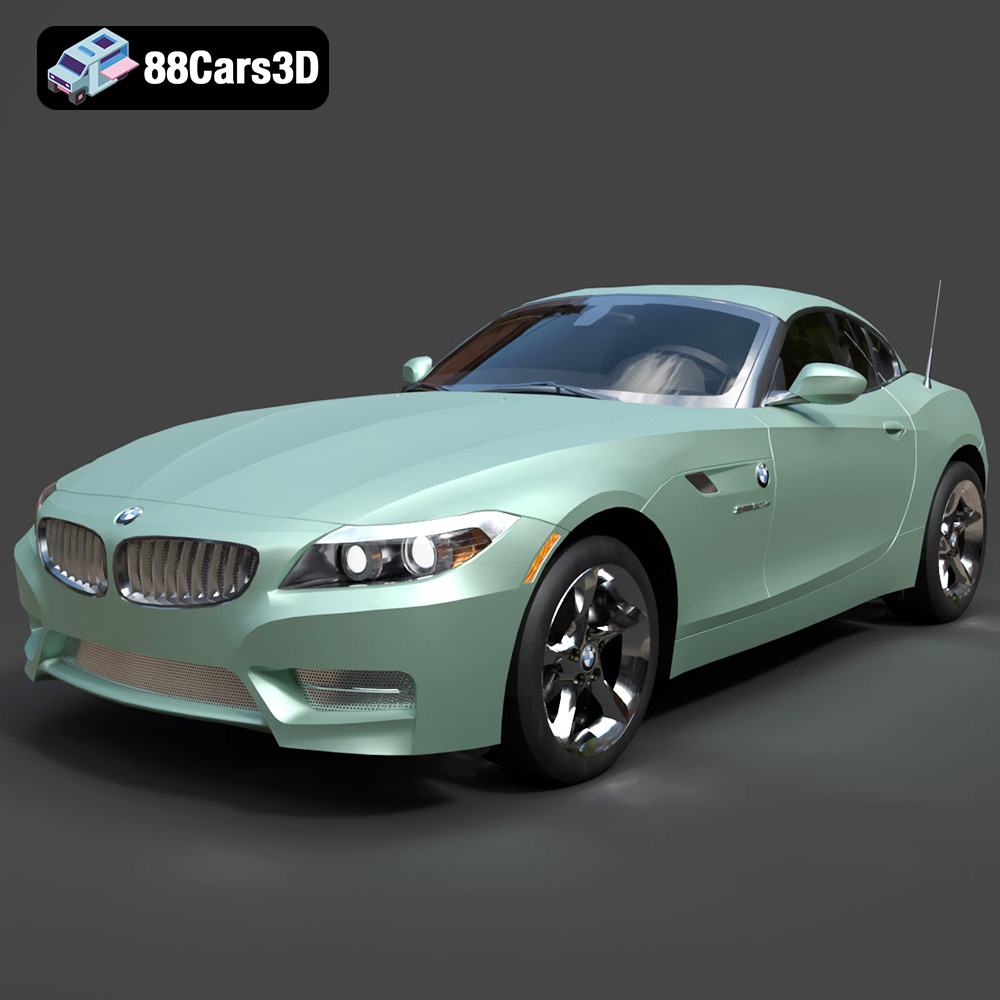
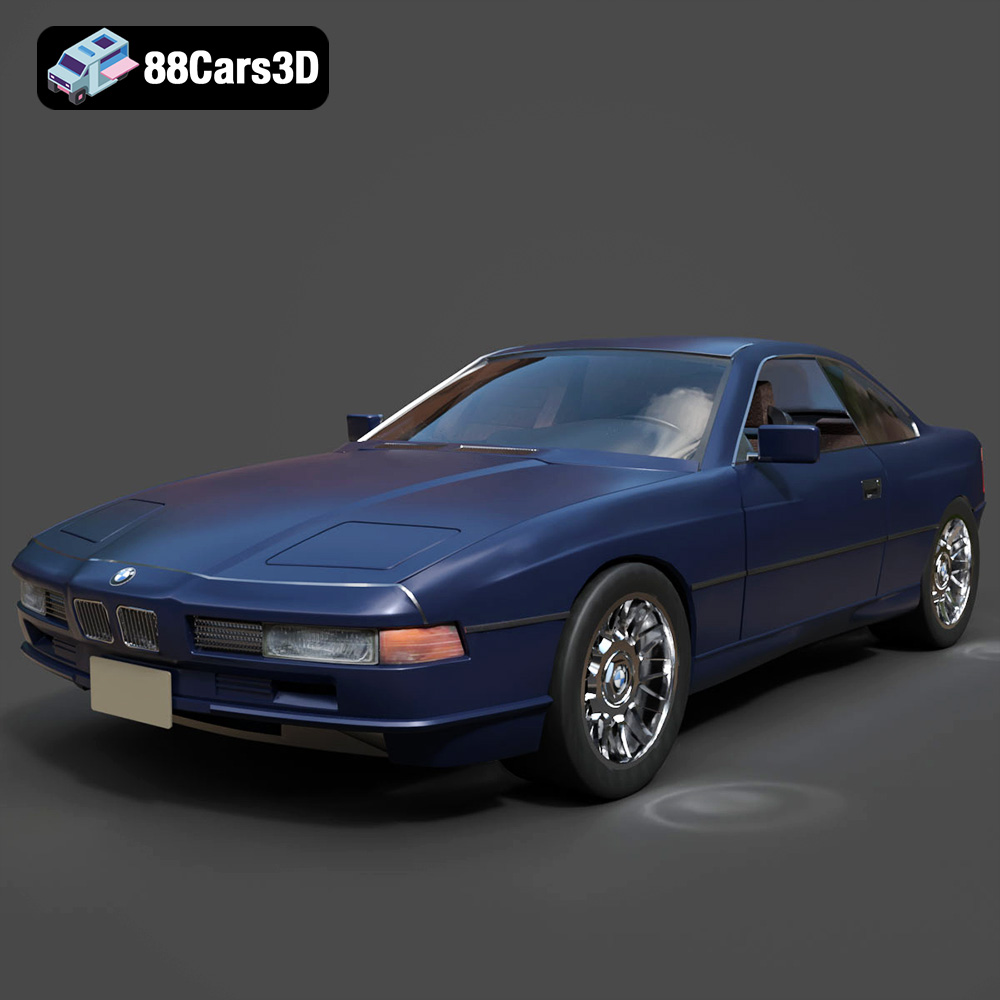
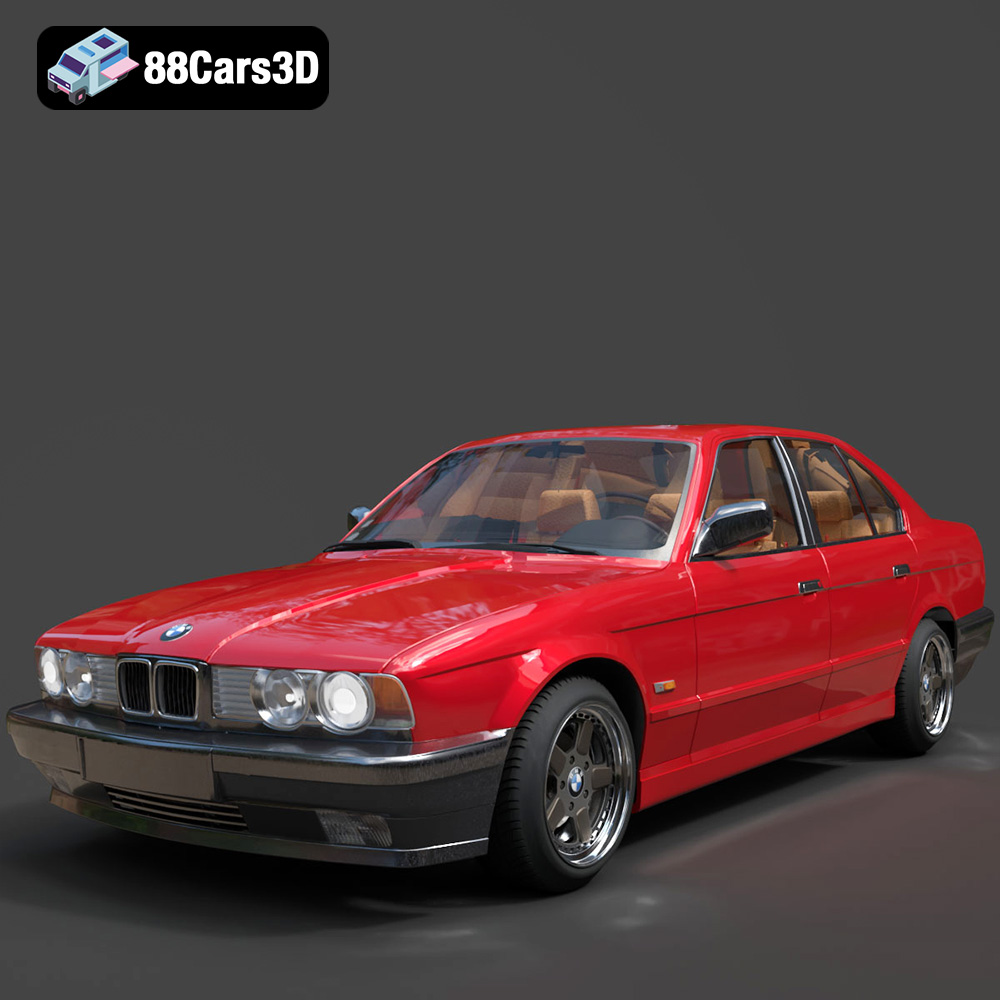
Featured 3D Car Models