

Crafting Automotive Luxury: A Deep Dive into Realistic Fabric and Leather Materials for 3D Car Interiors
The automotive world, both real and virtual, thrives on intricate details. For 3D artists, game developers, and visualization professionals, a car isn’t just an exterior shell; the interior is where much of the magic happens, conveying luxury, comfort, and character. Generic, flat materials can instantly break immersion, making even the most meticulously modeled vehicle feel artificial. To truly captivate your audience, especially when showcasing high-quality 3D car models from platforms like 88cars3d.com, mastering the art of creating authentic fabric and leather materials for car interiors is not just an advantage—it’s a necessity. This comprehensive guide will take you through the essential workflows, PBR principles, software-specific techniques, and optimization strategies required to achieve stunning realism, ensuring every stitch and every grain tells a story.
In this article, we’ll journey from understanding the fundamental properties of these materials to crafting intricate PBR textures, setting up advanced shader networks in popular 3D software like Blender, 3ds Max, and Maya, optimizing UV layouts, and finally, perfecting your renders with strategic lighting and post-processing. Whether you’re aiming for a photorealistic architectural visualization, a high-performance game asset, or an immersive AR/VR experience, the insights shared here will equip you to elevate your automotive interior renders to the next level.
Understanding the Intricacies of Fabric and Leather
Before diving into digital creation, a deep understanding of real-world fabric and leather characteristics is paramount. These materials are complex, reacting to light in nuanced ways that simple color and shine cannot replicate. Observing actual samples under various lighting conditions, noting how they drape, wrinkle, and wear, is an invaluable first step in any successful material creation pipeline.
Analyzing Real-World Samples: Deconstructing PBR Maps
Every physical material can be broken down into a series of maps that define its properties in a Physically Based Rendering (PBR) workflow. For fabric and leather, these maps are crucial for conveying authenticity:
* Albedo (Base Color): This map represents the raw color of the material, devoid of any lighting or shading information. For fabrics, this would be the color of the individual threads, while for leather, it’s the tanned hide’s natural hue. It’s important to keep this map flat and desaturated to avoid “baking in” lighting information.
* Normal Map: This map simulates fine surface details like weave patterns on fabric or the distinct grain and pores of leather without adding actual geometric complexity. It works by altering how light reflects off the surface, tricking the eye into perceiving bumps and depressions.
* Roughness Map: This grayscale map dictates how rough or smooth a surface is, directly influencing the specular reflections. A rough surface scatters light more broadly, appearing duller, while a smooth surface reflects light sharply, appearing glossy. Fabrics typically have high roughness, while polished leather can have varying degrees of smoothness.
* Metallic Map: While most fabrics and leathers are non-metallic, this map is still essential to ensure the PBR shader calculates reflections correctly. For these materials, it should generally be set to black (0 value).
* Height/Displacement Map: Providing actual geometric detail, this map pushes and pulls the mesh vertices to create real bumps and valleys. For the subtle undulations of woven fabric or the deep creases in aged leather, a displacement map can add significant realism, particularly for close-up shots. However, its use needs to be balanced against performance, as it increases polygon count.
* Ambient Occlusion (AO) Map: Though often baked from the mesh, an additional AO map can be generated from detailed textures to simulate subtle self-shadowing in crevices, adding depth to fabric folds and leather grain.
Capturing Details: From Photogrammetry to Pattern Creation
Collecting high-quality reference is the cornerstone of realistic material creation. This could range from dedicated photography setups to utilizing existing texture libraries.
* Photogrammetry & Photo Scans: For ultimate realism, photogrammetry can capture the minute details of fabric weaves or leather grains. This involves taking numerous photos of a physical sample from different angles and processing them in software to generate a 3D model with baked textures.
* High-Resolution Photography: Even simpler, well-lit photographs of fabric swatches or leather samples can be invaluable. Ensure even lighting to avoid harsh shadows and capture the material’s true color. These photos can then be processed in tools like Adobe Photoshop or Krita to extract Albedo, and generate Roughness, and Normal maps using filters or specialized plugins.
* Pattern Generation: For repetitive patterns like fabric weaves, procedural texture generation in software such as Substance Designer or Blender’s shader nodes (as described in the official Blender 4.4 manual on Shader Nodes) can be highly efficient. This allows for infinite variations and avoids visible tiling artifacts.
PBR Texture Creation Workflows: Bringing Materials to Life
Once you understand the properties and have your references, the next step is to meticulously craft the PBR textures. This phase is where raw data transforms into artistic representation, balanced with technical accuracy.
Generating Base Maps: Color, Roughness, and Metallic
The foundation of any PBR material lies in its core maps.
* Albedo Map Creation: Start with your reference image or a base color. Desaturate the image to remove lighting information. For fabric, aim for an even color distribution. For leather, consider subtle color variations to mimic natural hide imperfections. If starting from scratch, carefully sample colors from reference images.
* Roughness Map Definition: This is arguably one of the most impactful maps for realism. A higher value (closer to white) means a rougher, duller surface, while a lower value (closer to black) indicates a smoother, more reflective one.
* For Fabric: Fabrics are generally rough. Use noise textures, micro-fiber patterns, and subtle grunge to break up uniformity. Areas of wear or compression might be slightly smoother.
* For Leather: The roughness map should closely follow the leather’s grain. The raised areas (peaks of the grain) will often be slightly smoother due to wear, while the valleys will be rougher. Worn edges or areas of contact will also exhibit lower roughness values.
* Metallic Map: For fabric and leather, this map will almost always be black (0), indicating a dielectric material. Only if there are metallic threads in the fabric or metallic embellishments on the leather would you paint white values in those specific areas.
Crafting Detail with Normals and Displacement
These maps add the crucial fine-surface variations that define the material’s tactile quality.
* Normal Map Generation:
* From High-Poly Sculpt: If you’ve sculpted detailed fabric folds or leather wrinkles, you can bake a normal map from your high-resolution mesh to a low-poly counterpart. Software like Substance Painter, ZBrush, or even Blender’s baking tools are excellent for this.
* From Grayscale Height Map: You can convert a grayscale height map (where white is high and black is low) into a normal map using tools like Substance Designer, Photoshop plugins, or online converters.
* Procedural Generation: For repeatable patterns, Substance Designer excels at generating seamless normal maps for weaves and grains. In Blender, you can use nodes like the Noise Texture or Voronoi Texture with a Bump node to create procedural normal effects. Ensure your normal maps are in tangent space for correct lighting interaction across different meshes.
* Displacement/Height Maps for True Depth:
* When to use: Displacement maps are computationally more expensive but provide true geometric detail, perfect for hero shots or elements where profiles need to be visibly altered (e.g., deep leather creases, thick fabric folds). They are less suitable for real-time game assets with strict polycount budgets unless adaptive tessellation is used.
* Creation: Similar to normal maps, these can be baked from high-poly sculpts or generated procedurally. When using them, adjust the subdivision level of your mesh (e.g., using a Subdivision Surface modifier in Blender) to provide enough geometry for the displacement to work effectively.
* Technical Specifications: For high-fidelity rendering, 4K or even 8K displacement maps might be necessary for large surface areas, while normal maps can often be 2K or 4K.
Fabric-Specific Maps: Enhancing Softness and Realism
Fabrics have unique properties that require specialized attention beyond the standard PBR suite.
* Fuzz (Sheen/Anisotropy): The subtle fuzz or “peach fuzz” on many fabrics is a significant contributor to realism. This can be simulated using a dedicated sheen map or by blending a second, very rough reflection layer into your shader. Anisotropy, where light reflects differently depending on the direction of the fibers (common in brushed fabrics like velour or Alcantara), is another critical detail. This requires an anisotropic direction map, often a grayscale image defining the flow of fibers.
* Subtle Translucency: For thinner fabrics, a touch of subsurface scattering (SSS) or simple translucency can make them feel lighter and more realistic as light subtly penetrates the fibers.
Advanced Material Shading in 3D Software
Building realistic PBR materials goes beyond simply plugging maps into a shader. It involves creating sophisticated shader networks that mimic the complex light interactions of real-world materials.
Shader Networks in Blender, 3ds Max, and Maya
Each major 3D software offers powerful node-based or layer-based material editors for advanced shading.
*
Blender: Leveraging the Principled BSDF
Blender’s Cycles and Eevee renderers are incredibly versatile. The Principled BSDF shader (Blender 4.4 Manual – Principled BSDF) is your go-to for physically accurate materials, consolidating many parameters into one intuitive node.
* Base Fabric: Start with a Principled BSDF. Plug your Albedo into the Base Color, Roughness into Roughness, and Normal Map (via a Normal Map node) into Normal.
* Adding Fuzz/Sheen: The Principled BSDF has a dedicated “Sheen” and “Sheen Tint” input. For soft fabrics, dial up the Sheen value and use a subtle color for Sheen Tint. For more control, you can mix two Principled BSDFs: one for the base fabric and another with high roughness and specific sheen parameters, controlled by a mask.
* Anisotropy for Fabric: For materials like brushed fabric or automotive carpets, the Principled BSDF also includes Anisotropic controls. An anisotropic map (grayscale, defining fiber direction) can be plugged into the Tangent input, and the Anisotropic value adjusted to control the effect’s strength.
* Leather with SSS: For soft, luxurious leathers, enable Subsurface Scattering (SSS) in the Principled BSDF. Use a reddish-orange tint for the SSS color to simulate the blood flow under the skin, giving it a soft, organic feel. Adjust the SSS Radius to control how far light penetrates.
* Layering Effects: Use Mix Shader nodes with masks (e.g., ambient occlusion, procedural noise) to layer different material properties – a base leather, then a worn layer, then a dirt layer. This modular approach is highly flexible and non-destructive.
*
3ds Max, Maya, V-Ray, Corona, Arnold:
Similar principles apply across other DCC tools and renderers. V-Ray’s VRayMtl, Corona’s CoronaMtl, and Arnold’s Standard Surface shader all implement PBR principles.
* V-Ray/Corona: These renderers offer dedicated PBR shaders where you input your texture maps. For fabric, you might use a blend material to combine a diffuse layer with a falloff map for the “fuzz” effect and a subtle anisotropic reflection. For leather, focus on fine-tuning the glossiness and IOR (Index of Refraction) for realistic reflections, and potentially a blend with a subtle SSS layer.
* Arnold: The `Standard Surface` shader is excellent. Use its `coat` and `sheen` attributes for simulating fabric fuzz and micro-scratches. For leather, its robust SSS implementation allows for very convincing skin-like qualities.
Micro-Detailing and Wear: The Devil is in the Details
Realism often comes from imperfections and the story a material tells about its usage.
* Procedural Wear and Tear:
* Edge Wear: Utilize curvature maps (generated from your mesh in Substance Painter, or with curvature nodes in shader editors) to highlight edges that would naturally show wear. Blend in a lighter, rougher version of your material on these edges.
* Dirt and Dust: Use ambient occlusion maps and grunge textures, often combined with a “mask by normal” node (or similar functionality in other software) to accumulate dirt in recessed areas or dust on horizontal surfaces.
* Scratches and Scuffs: Overlay subtle grayscale scratch maps (connected to roughness and normal inputs) to add character to leather, especially on high-contact areas.
* Stitching and Seams: This is a critical detail for car interiors.
* Normal Map Based: For most applications, high-resolution normal maps with carefully placed stitching details are sufficient. These can be generated from sculpted stitches or created with texture brushes.
* Geometric Stitches: For extreme close-ups or hero renders, creating actual geometry for stitches can dramatically increase realism. This involves modeling individual stitches as small cylinders or threads and arraying them along a curve. While high-poly, it delivers unmatched detail. Consider using this sparingly or as an LOD for distant shots to manage polycount.
UV Mapping Strategies for Car Interiors
Effective UV mapping is the unsung hero of realistic materials. Poor UVs lead to stretched textures, visible seams, and ultimately, an unrealistic result. Car interiors, with their complex organic and geometric shapes, present unique challenges.
Efficient UV Layout: Maximizing Detail, Minimizing Distortion
The goal is to create a clean, organized UV layout that allows textures to be applied without stretching or noticeable seams, while maintaining consistent texel density.
* Minimize Seams: While seams are inevitable, strategically place them where they will be least visible (e.g., along natural panel breaks, underneath objects, or in crevices).
* Consistent Texel Density: Ensure that all parts of your model have a similar resolution of texture pixels per unit of surface area. This prevents some parts of the interior from looking blurry while others are crisp, or vice versa. Use checker patterns as a temporary texture to visualize texel density and stretching.
* Symmetrical UVs: For symmetrical components like seats, door panels, or dashboards, unwrap one half and mirror the UVs. This saves texture space and allows you to paint or apply textures efficiently. However, be mindful if the material has unique, asymmetrical wear patterns that would need individual UV space.
* Breaking Down Complex Shapes: Car interiors are rarely simple boxes. Break down complex geometry (like sculpted seats or dashboard elements) into logical UV islands. For example, a car seat might have separate UV islands for the seat cushion, backrest, side bolsters, and headrest.
* Software-Specific Tools:
* Blender: Utilize Smart UV Project, Follow Active Quads, and the UV Sync Selection to efficiently unwrap your models. The UV Editor in Blender 4.4 (Blender 4.4 Manual – UV Editor) provides powerful tools for manipulating UV islands.
* 3ds Max/Maya: Tools like Unwrap UVW in 3ds Max or the UV Editor in Maya offer advanced pinning, relaxing, and packing functionalities to optimize your layouts.
* UDIM Workflow: For extremely high-detail interiors or very large models, consider using UDIMs. This allows you to spread the UVs across multiple texture tiles (UV sets), meaning each part can have very high resolution without exceeding single-texture limits. This is common in film and high-end automotive visualization.
Texel Density and Resolution: The Performance-Realism Balance
The choice of texture resolution is a critical balance between visual fidelity and performance, especially for game assets or real-time applications.
* High-Fidelity Rendering (Offline): For static renders or cinematic sequences, you can afford higher resolutions.
* Hero Elements (Seats, Steering Wheel, Dashboard): 4K (4096×4096 pixels) to 8K textures for primary PBR maps (Albedo, Normal, Roughness, Displacement).
* Secondary Elements (Door Panels, Console): 2K to 4K textures.
* Tertiary Elements (Buttons, Vents): 1K to 2K textures.
* Real-time Applications (Games, AR/VR): Optimization is key.
* Hero Elements: Max 2K to 4K, often with LODs.
* Secondary Elements: 1K to 2K.
* Tertiary Elements: 512×512 to 1K.
* Texture Atlasing: Combine multiple small textures into a single larger texture atlas to reduce draw calls and improve rendering performance. This means careful planning of UV space.
* Material Instancing: In game engines like Unity and Unreal Engine, create a base fabric or leather master material and then create instances that derive from it. This allows you to change color, roughness, and other parameters without duplicating the entire shader, saving memory and processing power.
* When sourcing models, whether from marketplaces like 88cars3d.com or creating them in-house, these optimization principles are paramount for usability across various platforms and performance requirements. Ensure the models you purchase offer optimized UVs and reasonable texture sizes for your intended application.
Rendering and Lighting for Interior Materials
Materials don’t exist in a vacuum; their appearance is profoundly shaped by the lighting and environment. For car interiors, controlled lighting is essential to highlight the luxurious textures of fabric and leather.
Realistic Lighting Setups: Illuminating Every Detail
Careful lighting can dramatically enhance the perceived quality of your materials.
* HDRI (High Dynamic Range Image): For automotive rendering, an HDRI is almost indispensable for achieving naturalistic global illumination. A high-quality HDRI of an interior studio, a shaded outdoor environment, or even a cloudy sky can provide realistic ambient light, soft shadows, and subtle reflections that bring the materials to life. In Blender, you’d set this up in your World shader. In 3ds Max or Maya, it’s typically an environment map connected to your renderer’s environment slot.
* Targeted Interior Lighting:
* Area Lights: Use large, soft area lights to simulate light coming through windows or from interior dome lights. These produce soft, pleasing shadows that reveal the subtle undulations of fabric and leather.
* Spot Lights: For specific highlights on buttons, chrome accents, or stitching, use focused spot lights with appropriate falloff.
* Mesh Lights: For luminous elements within the car (e.g., infotainment screens, illuminated dials), use mesh lights, where actual geometry emits light.
* Three-Point Lighting Principles: Even for complex interiors, basic three-point lighting (key, fill, back/rim) can be adapted to highlight specific areas of the fabric and leather, separating them from the background and adding definition.
* Soft Shadows: Ensure your light sources are large enough or diffuse enough to produce soft shadows. Harsh shadows can obscure fine texture details and make the interior look less inviting.
Post-Processing and Compositing: The Final Polish
The rendering process doesn’t end when the image is computed. Post-processing is where you add the final touches to make your render truly shine.
* Color Grading: Adjust the overall color balance, contrast, and saturation to match your desired aesthetic. This can enhance the richness of leather or the warmth of fabric. Use curves and color balance tools in Photoshop, Nuke, or Blender’s Compositor.
* Vignetting, Chromatic Aberration, Grain: Subtle camera effects can lend a photorealistic touch. A slight vignetting can draw the eye towards the center of the image (the car interior). Minimal chromatic aberration mimics lens imperfections, and a touch of film grain can add organic realism, especially in renders intended to look like real photographs.
* Depth of Field (DoF): Use DoF selectively to guide the viewer’s eye. A shallow DoF can highlight a particular detail, like the stitching on a leather seat, while subtly blurring the foreground and background, giving the image a more cinematic feel.
* Exposure and Bloom: Adjust exposure to ensure the interior is well-lit without being blown out or underexposed. Add a hint of bloom to glowing elements (screens, indicator lights) to enhance their luminosity and create a more integrated visual.
Optimization for Real-time and High-Fidelity Outputs
Regardless of your target platform, balancing visual quality with performance is always a primary concern. The demands of game engines, AR/VR experiences, and high-end offline rendering vary significantly, requiring tailored optimization strategies for your 3D car models.
Game Engine Considerations (Unity/Unreal Engine)
When preparing your detailed car interiors for real-time applications, efficiency is paramount. Every polygon and every texture call impacts frame rate.
* LODs (Level of Detail): This is crucial for game assets. Create multiple versions of your interior meshes and their corresponding textures, each with a progressively lower polygon count and smaller texture resolution. For instance, a detailed seat might have a 50,000 poly high-LOD, a 15,000 poly mid-LOD, and a 3,000 poly low-LOD. The game engine switches between these based on the camera’s distance to the object. This ensures that distant objects don’t consume unnecessary resources.
* Texture Atlasing: Instead of having dozens of small textures for individual components (like buttons, vents, small trim pieces), combine them into a single, larger texture atlas. This reduces the number of draw calls the GPU needs to make, significantly improving performance. For example, all the small fabric textures on a door panel could be combined into one 2K or 4K atlas.
* Material Instancing: In Unity and Unreal Engine, utilize master materials and material instances. Create a base fabric shader and a base leather shader with exposed parameters (color, roughness, normal strength, sheen, SSS amount). Then, for each unique fabric or leather variant in the interior, create a material instance and simply tweak these parameters. This allows for immense flexibility without duplicating shader code, saving memory and improving load times.
* Optimized Normal and Roughness Maps: For real-time, often using a standard 8-bit per channel texture is sufficient. Compress textures appropriately (e.g., DXT1, DXT5 for color and normals, BC4 for grayscale roughness) to save VRAM.
AR/VR and ArchViz Optimization
Augmented Reality (AR), Virtual Reality (VR), and Architectural Visualization (ArchViz) bridge the gap between real-time and offline rendering, often demanding a blend of high fidelity and interactive performance.
* Aggressive Polycount Management: While less restrictive than traditional games, AR/VR still requires careful polycount. Aim for a balance where essential details are present, but unnecessary geometry is culled. Use the decimate modifier in Blender or similar tools in 3ds Max/Maya to reduce polygon count while preserving visual integrity.
* Texture Streaming: For very large ArchViz scenes or complex AR/VR environments, implement texture streaming. This technique loads higher-resolution textures only when the viewer is close to an object, dynamically managing memory usage and ensuring smooth navigation.
* Baked Lighting: For static elements of the interior, baking indirect lighting (ambient occlusion, diffuse light bounces) into lightmap textures can significantly reduce real-time lighting calculations. This provides realistic lighting without the performance cost of dynamic global illumination.
* Efficient UVs for Lightmapping: If you plan to bake lighting, ensure your models have a second set of UVs specifically for lightmaps. These UVs should be non-overlapping and efficiently packed to minimize lightmap resolution requirements.
* Asset Management: When sourcing models from marketplaces such as 88cars3d.com, always check their specifications for polycount, texture resolution, and UV layout. Many high-quality 3D car models come with multiple LODs and optimized materials, making them suitable for various applications straight out of the box. If adjustments are needed, these tips will guide you in refining them for your specific project.
Conclusion
Creating realistic fabric and leather materials for 3D car interiors is a meticulous process that demands both artistic vision and technical proficiency. It’s an iterative journey, moving from understanding the nuances of physical materials to crafting detailed PBR textures, constructing intelligent shader networks, optimizing UV layouts, and finally, perfecting the presentation through thoughtful lighting and post-processing.
The key takeaways are clear: PBR is non-negotiable for realism. Meticulous UV mapping ensures proper texture projection and consistent detail. Advanced shader networks, leveraging tools like Blender’s Principled BSDF or the physically based shaders in 3ds Max, Maya, V-Ray, Corona, and Arnold, allow for complex material behaviors like fuzz, sheen, and subsurface scattering. And finally, optimization techniques like LODs, texture atlasing, and material instancing are crucial for delivering performant assets across different platforms, from high-end visualization to real-time game engines and immersive AR/VR experiences.
Don’t underestimate the impact of these interior details. They transform a static model into an engaging experience, telling a story of craftsmanship and luxury. Continuous observation, experimentation with different workflows, and a keen eye for detail will be your most valuable tools. Start practicing these techniques today, and remember that even the most exceptional 3D car models, like those available at 88cars3d.com, truly come alive with expertly crafted and optimized materials. Elevate your automotive renders and leave a lasting impression on your audience.
Featured 3D Car Models
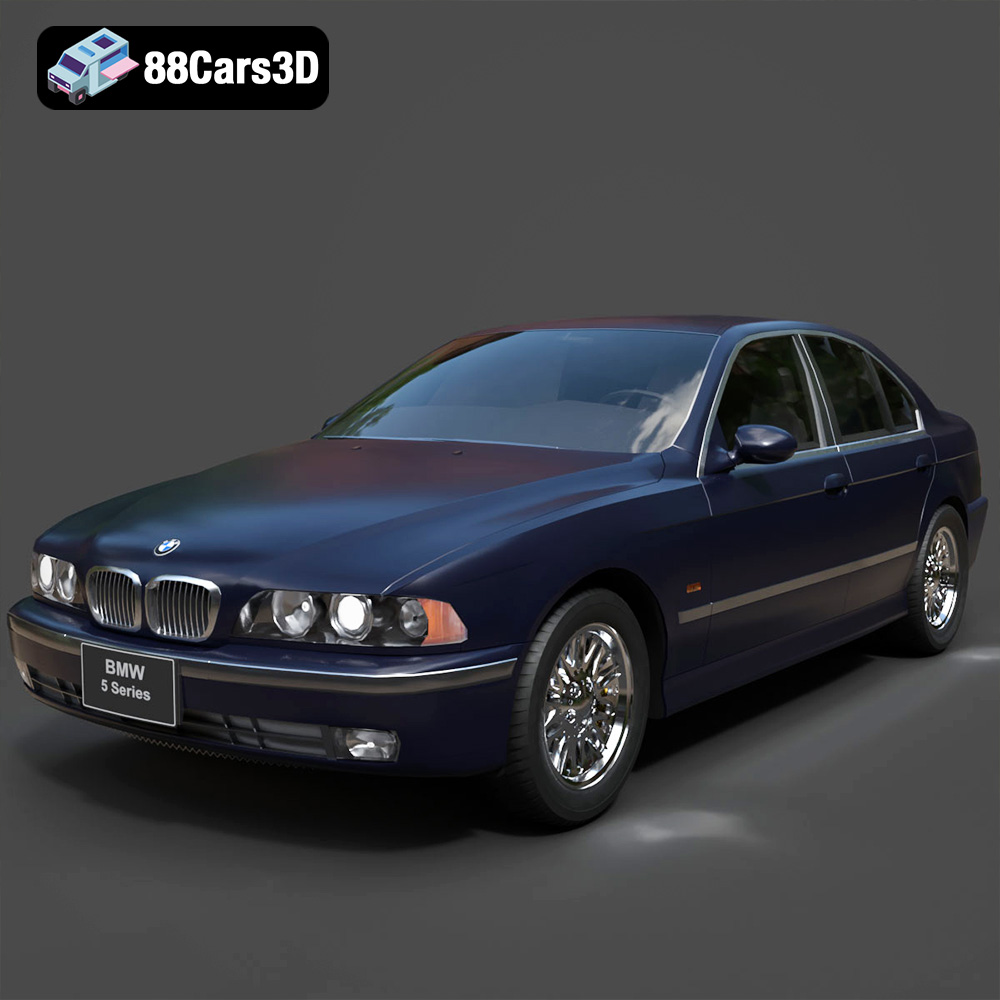
BMW E39 M5-540i 3D Model
Texture: Yes
Material: Yes
Download the BMW E39 M5-540i 3D Model featuring its iconic sedan design, detailed exterior, and realistic interior. Includes .blend, .fbx, .obj, .glb, .stl, .ply, .unreal, and .max formats for rendering, simulation, and game development.
Price: $10.79

BMW 7 Series E38 3D Model
Texture: Yes
Material: Yes
Download the BMW 7 Series E38 3D Model featuring its iconic luxury sedan design and classic aesthetics. Includes .blend, .fbx, .obj, .glb, .stl, .ply, .unreal, and .max formats for rendering, simulation, and game development.
Price: $10.79

BMW 6 Series 640i F12 3D Model
Texture: Yes
Material: Yes
Download the BMW 6 Series 640i F12 3D Model featuring a sleek design and detailed interior. Includes .blend, .fbx, .obj, .glb, .stl, .ply, .unreal, and .max formats for rendering, simulation, and game development.
Price: $10.79

BMW 6 Coupe E63 3D Model
Texture: Yes
Material: Yes
Download the BMW 6 Coupe E63 3D Model featuring a sleek design, detailed interior, and realistic exterior. Includes .blend, .fbx, .obj, .glb, .stl, .ply, .unreal, and .max formats for rendering, simulation, and game development.
Price: $10.79
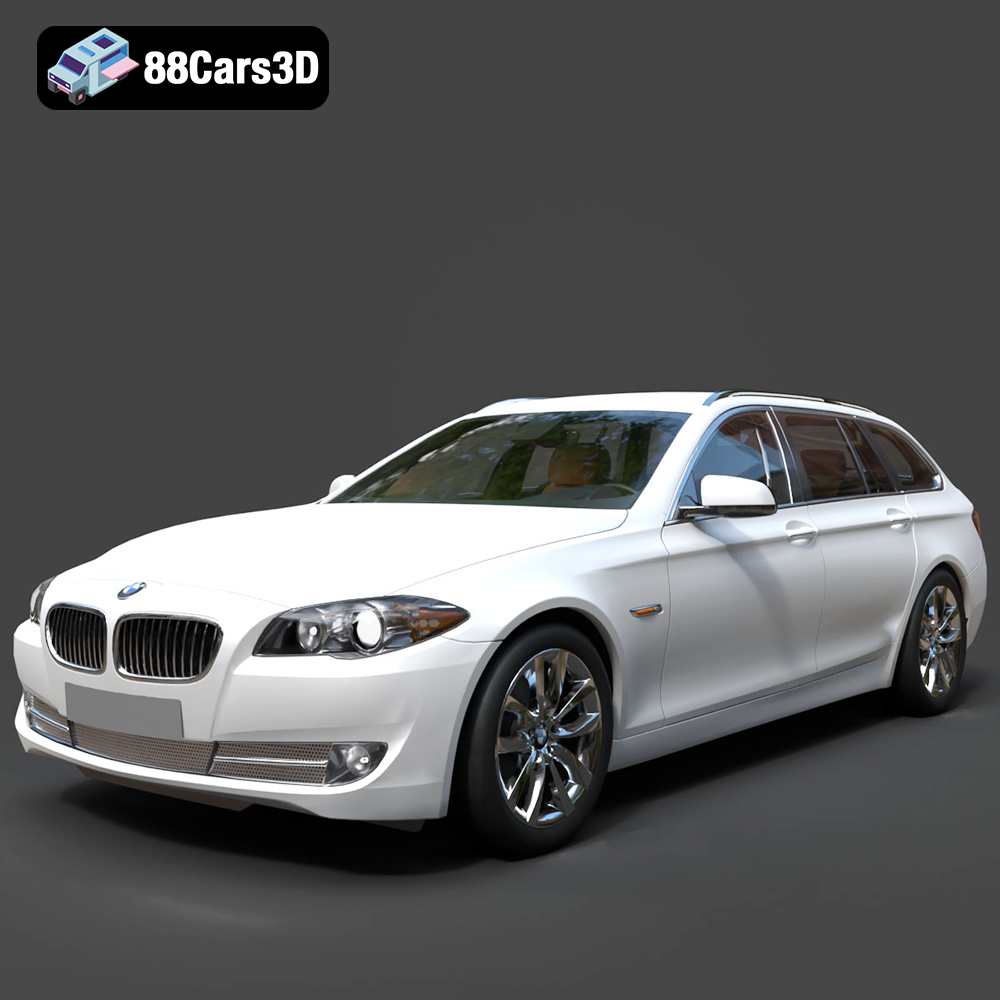
BMW 5 Series Touring F11-007 3D Model
Texture: Yes
Material: Yes
Download the BMW 5 Series Touring F11-007 3D Model featuring a detailed exterior and interior. Includes .blend, .fbx, .obj, .glb, .stl, .ply, .unreal, and .max formats for rendering, simulation, and game development.
Price: $10.79
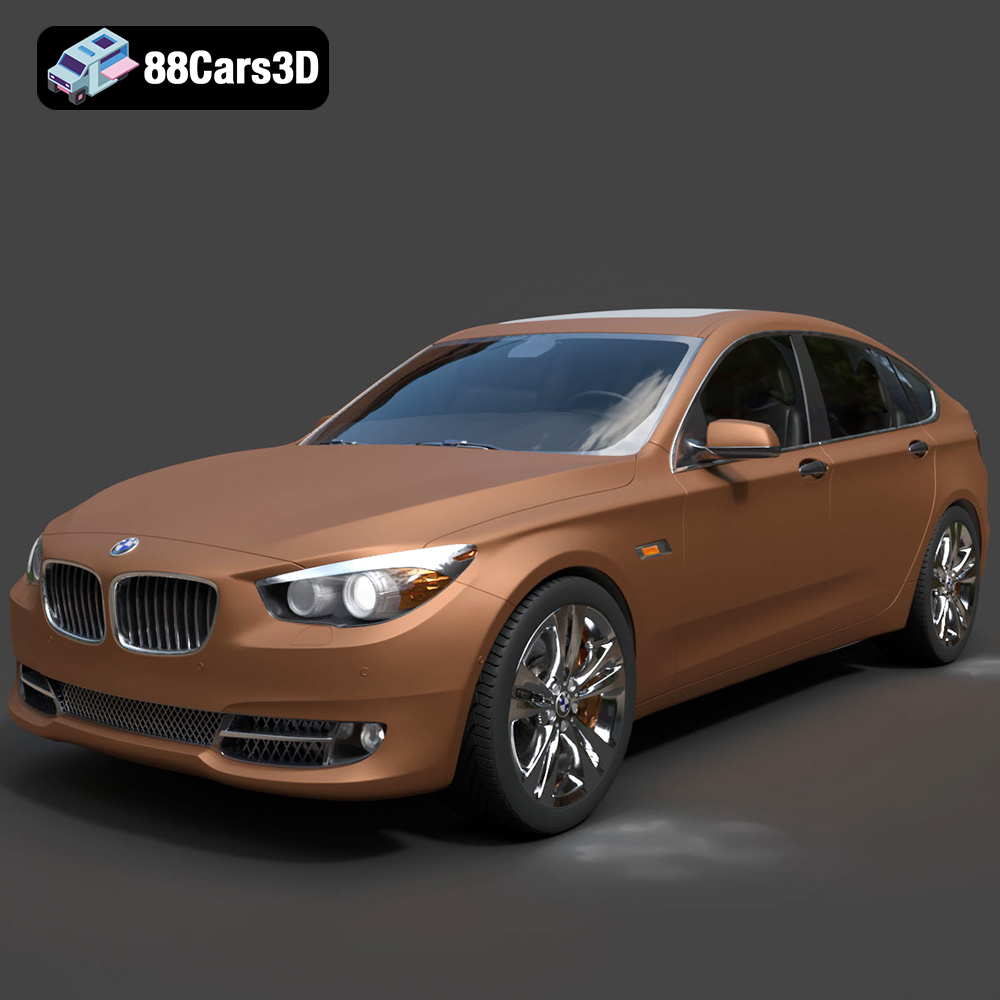
BMW 5 Series Gran Turismo F07-003 3D Model
Texture: Yes
Material: Yes
Download the BMW 5 Series Gran Turismo F07-003 3D Model featuring a detailed exterior and interior. Includes .blend, .fbx, .obj, .glb, .stl, .ply, .unreal, and .max formats for rendering, simulation, and game development.
Price: $10.79
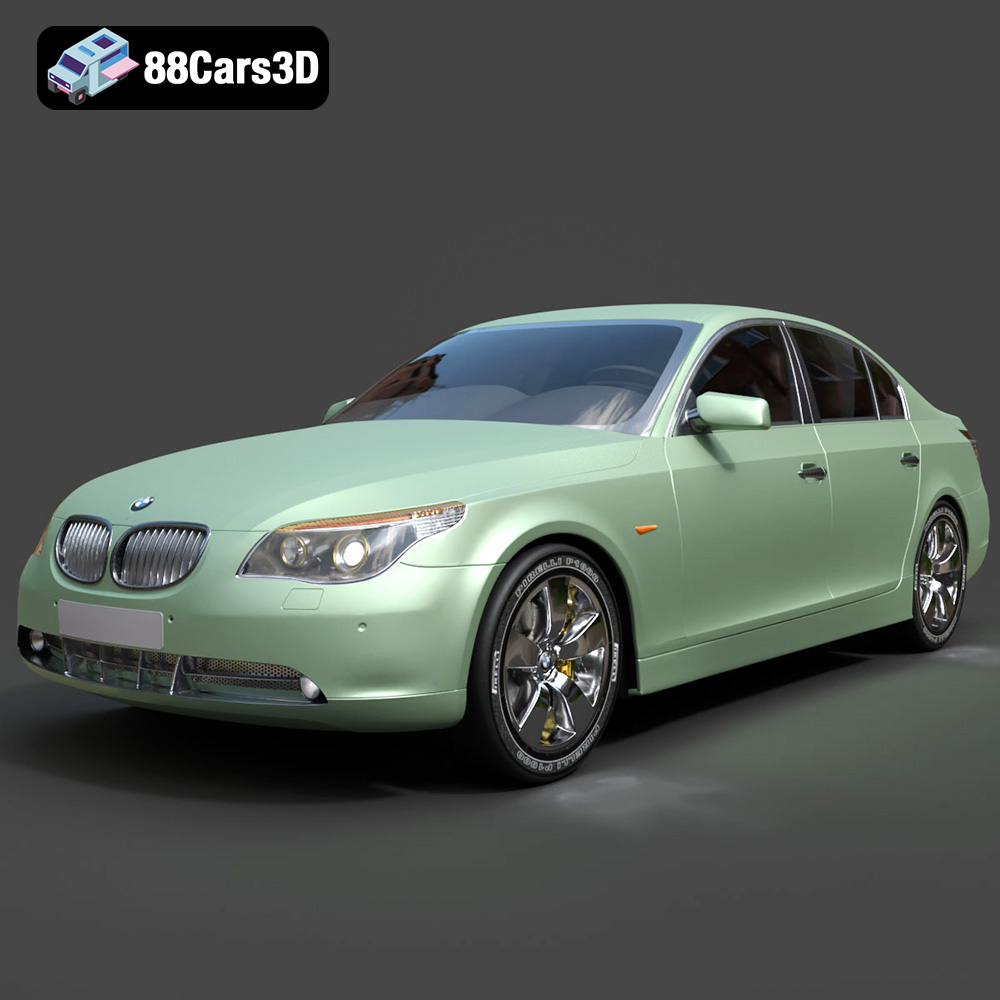
BMW 5 Series E60 3D Model
Texture: Yes
Material: Yes
Download the BMW 5 Series E60 3D Model featuring its iconic sedan design, detailed exterior, and interior. Includes .blend, .fbx, .obj, .glb, .stl, .ply, .unreal, and .max formats for rendering, simulation, and game development.
Price: $10.79

BMW 5 E34-535i 3D Model
Texture: Yes
Material: Yes
Download the BMW 5 E34-535i 3D Model featuring an iconic design, detailed exterior and interior, and accurate representation. Includes .blend, .fbx, .obj, .glb, .stl, .ply, .unreal, and .max formats for rendering, simulation, and game development.
Price: $10.79
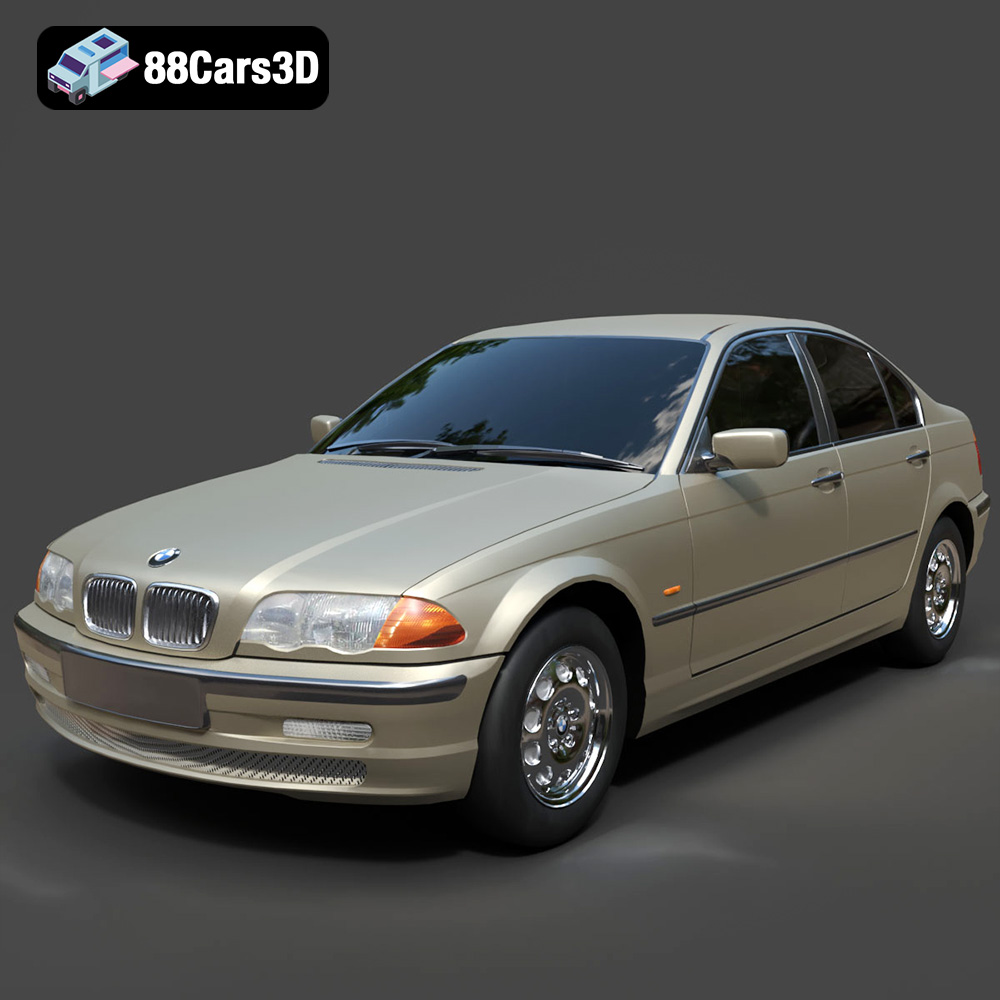
BMW 3 Series E46 3D Model
Texture: Yes
Material: Yes
Download the BMW 3 Series E46 3D Model featuring authentic exterior lines, a detailed interior, and separated components for animation. Includes .blend, .fbx, .obj, .glb, .stl, .ply, .unreal, and .max formats for rendering, simulation, and game development.
Price: $10.79
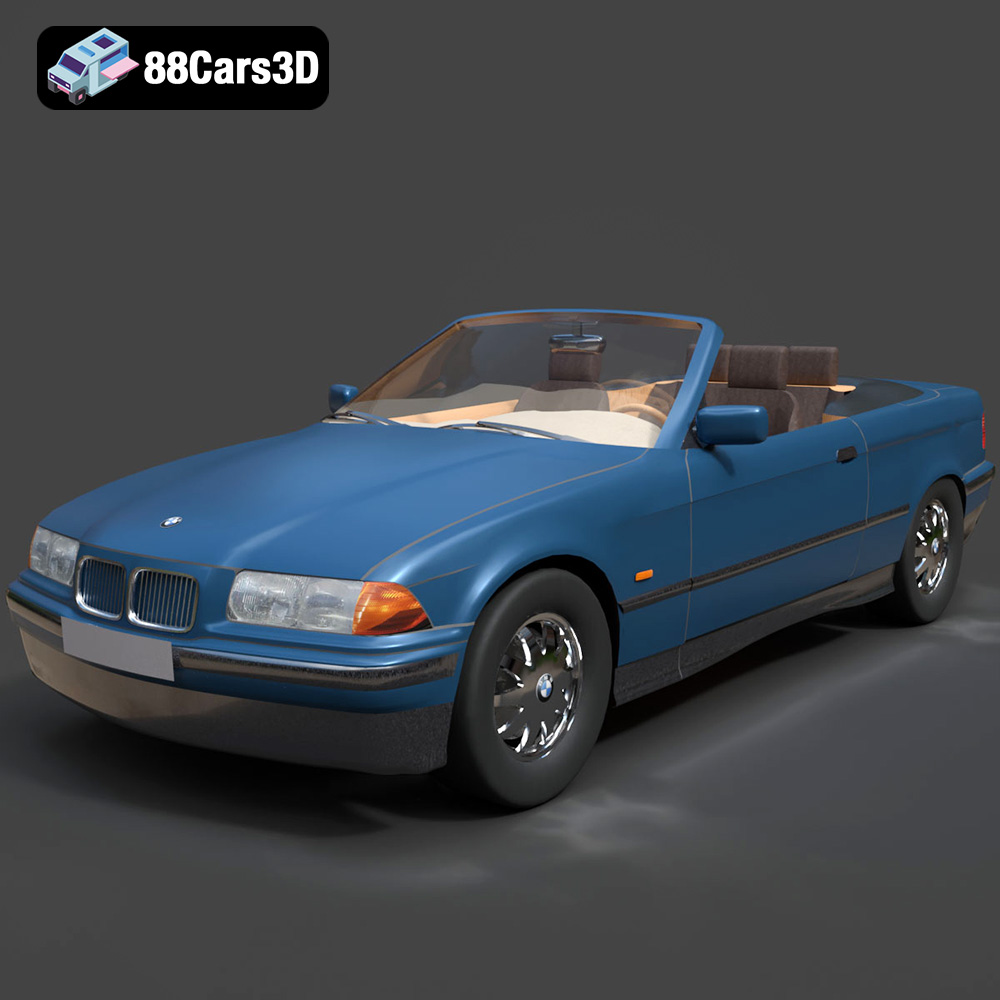
BMW 3 Series E36 Cabrio 325i 1998 3D Model
Texture: Yes
Material: Yes
Download the BMW 3 Series E36 Cabrio 325i 1998 3D Model featuring a classic convertible design and detailed interior. Includes .blend, .fbx, .obj, .glb, .stl, .ply, .unreal, and .max formats for rendering, simulation, and game development.
Price: $10.79
