

“`html
Mastering Your 3D Printer: Choosing the Right Nozzle and Bed Size for Flawless Car Model Prints
The world of 3D printing, especially for intricate automotive models like those found on 88cars3d.com, is a fascinating blend of art and engineering. While the 3D model itself is crucial, the physical manifestation relies heavily on understanding and optimizing your 3D printer’s hardware capabilities. Two of the most fundamental, yet often overlooked, hardware components that dramatically impact print quality, speed, and feasibility are the nozzle diameter and the build plate size. Choosing the correct nozzle size can mean the difference between a detailed, smooth finish and a visibly layered, rough exterior. Similarly, understanding your printer’s build volume dictates the scale at which you can print, or whether you’ll need to split larger models. This guide will delve deep into the technical considerations behind nozzle selection and bed size, empowering you to make informed decisions for your 3D printing projects, from printing individual car parts to assembling an entire fleet. We’ll explore how these parameters affect print quality, speed, material flow, and the types of models best suited for your specific printer configuration.
The Critical Role of Nozzle Diameter in Print Quality and Speed
The nozzle is where the magic happens – it’s the tip of the iceberg, extruding molten filament onto the build plate. Its diameter is arguably the single most influential hardware setting affecting the surface finish and structural integrity of your prints. Most FDM printers come equipped with a standard 0.4mm nozzle, which offers a good balance for general-purpose printing. However, for detailed automotive models, or for those prioritizing speed over microscopic detail, adjusting this can be a game-changer. Understanding the relationship between nozzle size, layer height, extrusion width, and print time is key to unlocking optimal results.
Layer Height: The Foundation of Detail
Layer height is the vertical resolution of your print. It’s the thickness of each individual layer of plastic deposited. For a 0.4mm nozzle, common layer heights range from 0.1mm (fine detail) to 0.3mm (draft quality). When you change the nozzle diameter, the practical and optimal range for layer height also shifts. A general rule of thumb is to keep the layer height between 25% and 75% of the nozzle diameter. For instance, with a 0.4mm nozzle, a layer height of 0.1mm to 0.3mm is typically recommended. Moving to a larger nozzle, like a 0.8mm, opens up layer height possibilities up to 0.6mm. Conversely, a smaller 0.2mm nozzle might be used for incredibly fine details, allowing for layer heights as low as 0.05mm. For highly detailed car models, especially those with smooth curves and intricate panel lines, using a smaller nozzle (0.2mm or 0.25mm) is often preferred. This allows for finer feature resolution, reducing the noticeable ‘stair-stepping’ effect on curved surfaces. However, printing with a smaller nozzle significantly increases print time, as more layers are required to build the same height. For larger, less detailed parts, or for rapid prototyping where speed is paramount, a larger nozzle (0.6mm or 0.8mm) can drastically cut down print times by allowing for larger layer heights and wider extrusion widths.
Extrusion Width and Flow Rate: Filling the Gaps
Extrusion width, often referred to as line width in slicer software, is intrinsically linked to nozzle diameter. While you can technically set the extrusion width independently in some slicers, it’s generally best practice to keep it close to, or a multiple of, your nozzle diameter. For a 0.4mm nozzle, an extrusion width of 0.4mm to 0.48mm is common. Using a wider extrusion width with a larger nozzle (e.g., 0.8mm nozzle with 0.8mm or 1.2mm extrusion width) allows for faster material deposition and can create stronger parts by increasing the surface area of contact between extruded lines. However, too wide an extrusion width can lead to poor adhesion between lines, gaps, and potential under-extrusion if the flow rate isn’t adjusted accordingly. This is where flow rate (or extrusion multiplier) becomes crucial. When increasing nozzle size and extrusion width, you’ll need to increase the flow rate to push more filament through. Conversely, with smaller nozzles, you might need to slightly reduce flow to prevent over-extrusion and blobs. Careful calibration, often involving printing a single-wall cube and measuring the wall thickness, is essential to dial in the correct flow rate for any given nozzle and material combination.
Material Considerations and Nozzle Wear
The choice of filament material also plays a role in nozzle selection. Standard filaments like PLA and PETG are relatively soft and can be printed with most nozzle sizes. However, abrasive filaments such as carbon fiber-filled, wood-filled, or metal-filled filaments can rapidly wear down brass nozzles. For these materials, hardened steel or ruby-tipped nozzles are highly recommended. These harder materials resist abrasion, ensuring a consistent extrusion diameter over time. If you frequently print with abrasive filaments, investing in a hardened steel nozzle is a must to avoid gradual degradation of print quality and potential clogging. Furthermore, some materials have optimal extrusion temperatures and viscosities that might perform better with certain nozzle sizes. For instance, high-viscosity materials might benefit from larger nozzles and higher temperatures to ensure smooth flow.
Optimizing Your Slicer Settings for Different Nozzle Sizes
Once you’ve selected your nozzle, the most critical step is informing your slicer software about this change. Failing to do so will result in incorrect extrusion calculations, leading to under-extrusion (gaps and weak prints) or over-extrusion (blobs, stringing, and dimensional inaccuracy). Most modern slicers, like Cura, PrusaSlicer, and Simplify3D, have dedicated settings for nozzle size, layer height, and extrusion width. Properly configuring these ensures that the slicing engine generates the correct toolpaths and G-code for your specific hardware setup.
Configuring Slicer Profiles: A Step-by-Step Approach
The process for updating your slicer settings is generally straightforward but requires attention to detail.
- Printer Settings: Navigate to your printer’s profile within the slicer. You’ll find a setting for ‘Nozzle Size’ or ‘Diameter’. Enter the exact diameter of your installed nozzle (e.g., 0.2mm, 0.4mm, 0.6mm, 0.8mm).
- Print Settings – Quality: This is where you’ll set the ‘Initial Layer Height’ and ‘Layer Height’. Remember the 25%-75% rule of thumb relative to your nozzle diameter. For fine detail, aim for the lower end (e.g., 0.1mm layer height with a 0.4mm nozzle). For faster prints, you can increase this (e.g., 0.25mm or 0.3mm layer height with a 0.4mm nozzle).
- Print Settings – Shell/Perimeters: The ‘Wall Line Width’ or ‘Extrusion Width’ is crucial. While slicers often default this to match the nozzle size, you might want to adjust it. For standard printing, matching it to the nozzle diameter (e.g., 0.4mm for a 0.4mm nozzle) is common. For stronger prints or faster infill, you might increase it slightly (e.g., 0.48mm). For very fine detail with a small nozzle, you might even reduce it slightly to 0.2mm or 0.3mm for a 0.2mm nozzle, though this is less common.
- Print Settings – Speed: Print speed needs to be adjusted based on nozzle size and layer height. Smaller nozzles often require slower print speeds to allow the filament to melt and extrude properly without causing cooling issues or jams. Larger nozzles can handle faster speeds. For example, printing a 0.2mm layer height with a 0.4mm nozzle might be done at 50mm/s, whereas a 0.2mm layer height with a 0.2mm nozzle might require 20-30mm/s.
- Print Settings – Material: Ensure your temperature settings are appropriate for the material and nozzle size. Sometimes, slightly higher temperatures are beneficial with larger nozzles or higher print speeds to ensure good melt flow and layer adhesion.
Bridging and Support Settings for Enhanced Accuracy
Nozzle size significantly impacts how well your printer can bridge gaps and print overhangs, which are common in complex car models. Smaller nozzles, with their finer extrusion lines, can sometimes struggle with bridging long distances as the filament has more time to cool and sag before the next line is laid down. Conversely, larger nozzles can bridge wider gaps more effectively due to their higher throughput and the thicker lines they lay down. However, they can also produce chunkier, more noticeable support structures. When printing car models with significant overhangs or bridges, you may need to experiment with slicer settings like ‘Support Overhang Angle’, ‘Support Density’, and ‘Support Interface’. For smaller nozzles, consider enabling ‘Combing Mode’ to keep travel moves within the print area, reducing stringing. For larger nozzles, you might find that you need less dense supports or can get away with a larger ‘Support Z Distance’ (the gap between the support and the model) for easier removal, though this can sometimes compromise surface quality on the underside of overhangs. Platforms like 88cars3d.com often provide models optimized for common nozzle sizes, but adjustments will still be necessary based on your specific hardware and chosen nozzle.
Flow Rate Calibration: The Linchpin of Success
Even with correct slicer settings, inconsistent extrusion can occur. This is where flow rate calibration (often called ‘Flow’ or ‘Extrusion Multiplier’) becomes essential. It’s a fine-tuning parameter that compensates for variations in filament diameter, extruder calibration, and the actual melt characteristics.
- Print a Calibration Cube: Slice a simple 20x20x20mm cube with 100% infill and no top layers (just walls). Use your chosen nozzle size and extrusion width settings.
- Measure Wall Thickness: After printing, carefully measure the thickness of the walls of the cube using digital calipers. A standard extrusion width of 0.4mm should ideally result in a wall thickness very close to 0.4mm (or whatever you set it to).
- Adjust Flow Rate: If the measured wall thickness is greater than the set extrusion width, you are over-extruding. Reduce the flow rate percentage (e.g., from 100% to 95%). If the measured wall thickness is less, you are under-extruding. Increase the flow rate percentage (e.g., from 100% to 105%).
- Iterate: Slice and reprint the cube with the adjusted flow rate and re-measure. Repeat this process until the measured wall thickness closely matches your set extrusion width.
This calibration is critical and should be performed whenever you change nozzle size, material, or even a specific spool of filament.
Understanding Your Printer’s Build Volume: Scale and Strategy
The build plate size of your 3D printer dictates the maximum dimensions of a single print you can produce. For automotive enthusiasts, this is a crucial factor in deciding how to approach printing larger or more complex models. Printers range from small desktop models with build volumes of 150x150x150mm to large-format machines capable of printing objects over a meter in any dimension. Understanding your printer’s build volume helps in planning print jobs, selecting models, and employing effective strategies for larger projects.
Assessing Your Printer’s Capabilities
Before you even download an STL file from a platform like 88cars3d.com, you should be aware of your printer’s maximum X, Y, and Z dimensions. This information is usually readily available in your printer’s specifications. For instance, a common desktop printer might have a build volume of 220x220x250mm. This means you can print objects with a maximum width of 220mm, a maximum depth of 220mm, and a maximum height of 250mm in a single piece. Exceeding these dimensions will require either scaling down the model or splitting it into multiple parts.
Scaling vs. Splitting: Which Approach is Best?
When a car model is too large for your build plate, you have two primary options: scaling it down or splitting it.
Scaling Down: This is the simplest approach. You can reduce the overall percentage of the model in your slicer to fit within your build volume. However, scaling down too much can compromise the fine details that make automotive models appealing. For example, scaling a 1:18 scale model down to fit on a small printer might render tiny details like mirrors or badges invisible or poorly printed. Always consider the level of detail present in the original model and how it will translate at a smaller scale.
Splitting the Model: This is often the preferred method for maintaining detail and achieving larger print sizes. Many complex models, especially those sold as print-ready STL files, are designed to be split. Some models come with pre-split versions, while others require you to use software like Meshmixer, Blender, or even some advanced slicers to cut the model into manageable pieces. Splitting allows you to print parts individually, potentially in different colors, and then assemble them later. This is particularly useful for large-scale projects where you might want to print a complete 1:10 scale model, which would be impossible on most desktop printers.
Strategies for Splitting and Assembling Multi-Part Models
Successfully printing and assembling a split model requires careful planning:
- Use Modeling Software: Tools like Meshmixer or Blender are invaluable for splitting complex meshes. You can use cutting planes, boolean operations, or selection tools to divide the model. Look for natural break lines, such as panel gaps, chassis separation, or distinct components (body, wheels, interior).
- Incorporate Alignment Features: When splitting, it’s highly beneficial to add alignment features such as pegs and holes, or interlocking tabs. These ensure that the parts fit together accurately and securely after printing. You can model these directly into the STL or use software tools to add them.
- Consider Printing Orientation: When splitting, you can orient each part optimally on the build plate for the best print quality and minimal support needs. For example, the main body might be printed upside down to minimize supports on visible surfaces.
- Post-Processing for Assembly: Once all parts are printed, some level of post-processing is usually required. This includes removing supports, sanding mating surfaces for a flush fit, and potentially using adhesives (like super glue or epoxy) for assembly. Some builders also incorporate small pins or use modeling putty to strengthen the joints after gluing.
- Test Fit Before Gluing: Always test-fit the parts before applying any adhesive. This helps identify any printing inaccuracies or assembly issues that need to be resolved.
This approach, while more labor-intensive, allows for incredible flexibility in scale and detail, making large and impressive automotive models achievable even on smaller printers.
Material Selection and Printer Calibration: The Supporting Cast
While nozzle and bed size are hardware pillars, the choice of material and the overall calibration of your printer act as the supporting cast, crucial for realizing the potential of your chosen hardware configurations. The right material can enhance detail, improve durability, and simplify post-processing, while a well-calibrated printer ensures that settings are translated accurately into physical prints.
Choosing the Right Filament: PLA, PETG, ABS, and Resins
For 3D printable car models, the material choice depends heavily on the desired outcome:
- PLA (Polylactic Acid): This is the most common and beginner-friendly filament. It’s easy to print, comes in a vast array of colors, and has excellent detail reproduction. It’s ideal for display models where strength isn’t a primary concern. However, it can be brittle and has a low glass transition temperature, meaning it can deform under heat (e.g., in a hot car).
- PETG (Polyethylene Terephthalate Glycol): PETG offers a good balance of strength, flexibility, and temperature resistance compared to PLA. It’s slightly more challenging to print, prone to stringing, but results in more durable parts that are less likely to break. It’s a good choice for models that might see some handling or be placed in warmer environments.
- ABS (Acrylonitrile Butadiene Styrene): ABS is known for its toughness, impact resistance, and higher temperature resistance. However, it’s significantly harder to print, requiring an enclosed printer to manage warping and fumes. It also requires higher print temperatures. For durable, functional car parts or models exposed to stress, ABS can be a good option if you have the right setup.
- Resin (SLA/DLP/MSLA): For unparalleled detail and smooth surfaces, resin printing is the king. Resin printers use UV light to cure liquid photopolymer resin layer by layer. They excel at capturing the finest details, making them perfect for intricate car parts, badges, or entire models where surface finish is paramount. Layer heights can be as low as 0.01mm, offering incredible resolution. However, resin prints are often smaller in build volume, can be brittle depending on the resin type, and require more involved post-processing (washing and curing) and safety precautions due to the chemicals involved.
When downloading models from marketplaces such as 88cars3d.com, consider the intended printing technology and material. Many car models are optimized for FDM with PLA or PETG, while others might be designed specifically for resin printers to showcase extreme detail.
Printer Calibration: Ensuring Accuracy and Reliability
No matter your nozzle size or bed dimensions, a poorly calibrated printer will yield disappointing results. Key calibration steps include:
- Bed Leveling: This is the most critical first step. A level bed ensures the first layer adheres evenly across the entire build surface, preventing warping and print failures. Automatic bed leveling systems help, but manual checks and adjustments are still important.
- E-step Calibration: This calibrates the extruder’s motor steps per millimeter, ensuring it extrudes the exact amount of filament commanded by the slicer.
- PID Tuning: Calibrates the temperature control for both the hotend and the heated bed, ensuring stable and consistent temperatures throughout the print.
- Dimensional Accuracy: Print calibration objects (like cubes or XYZ calibration rhombuses) and measure them to ensure the printer is accurately reproducing dimensions. Adjusting steps per millimeter for the X, Y, and Z axes might be necessary.
- Retraction Settings: Fine-tuning retraction distance and speed is crucial for minimizing stringing and ooze, especially with smaller nozzles or when printing materials prone to stringing like PETG.
Regularly performing these calibrations, especially after changing hardware components like the nozzle, ensures that your slicer settings translate accurately into high-quality prints.
Troubleshooting Common Print Issues Related to Nozzle and Bed Size
Understanding potential problems and how they relate to your nozzle and bed size choices is key to efficient troubleshooting. Many common failures can be traced back to these fundamental parameters or their interplay with slicer settings.
Under-extrusion and Gaps
Cause: Insufficient filament being pushed through the nozzle. This can happen if your flow rate is set too low, your print speed is too high for the nozzle size, or your nozzle diameter setting in the slicer is incorrect (too large). With smaller nozzles, they are more susceptible to under-extrusion if the filament feed is inconsistent or if there’s a partial clog.
Solution: Calibrate flow rate, increase flow rate percentage in the slicer, reduce print speed, verify the nozzle size setting in the slicer, and check for partial clogs. Ensure your extruder is properly tensioned.
Over-extrusion and Blobs
Cause: Too much filament is being extruded. This can result from an incorrect flow rate (too high), a nozzle diameter setting in the slicer that’s too small, or printing too slowly for the nozzle size. Over-extrusion can lead to dimensional inaccuracies and rough surfaces.
Solution: Calibrate flow rate, decrease flow rate percentage, verify nozzle size setting in the slicer, and potentially increase print speed slightly. Ensure retraction settings are optimized to minimize oozing.
Poor Bed Adhesion
Cause: The first layer isn’t sticking to the build plate. This is usually due to an unlevel bed, the nozzle being too far from the bed on the first layer, or incorrect bed temperature settings. For larger prints on larger beds, ensuring consistent adhesion across the entire surface can be more challenging.
Solution: Thoroughly level the bed. Adjust the Z-offset so the first layer is slightly “squished” onto the bed. Use a brim or raft in the slicer for added adhesion. Ensure the bed is clean (using isopropyl alcohol). Experiment with bed temperature settings for your specific filament.
Warping
Cause: Different parts of the print cool at different rates, causing stress that pulls the corners or edges of the print upwards off the build plate. This is more common with materials like ABS and can be exacerbated by large, flat surfaces common in car models. A smaller nozzle and finer layer heights can sometimes reduce warping as less material is being laid down at once.
Solution: Use materials less prone to warping (PLA, PETG), ensure good bed adhesion, use an enclosure to maintain ambient temperature, use a brim or raft, and consider slowing down outer wall print speeds. For very large prints on large beds, heating the enclosure can be critical.
Layer Shifting
Cause: One of the axes (X or Y) fails to move the correct distance during a print, causing subsequent layers to be misaligned. This can be caused by mechanical issues like loose belts, debris obstructing movement, or the stepper motor skipping steps due to excessive speed or acceleration.
Solution: Check belt tension and cleanliness of linear rails/rods. Reduce print speed and acceleration settings in the slicer. Ensure the nozzle path isn’t colliding with any previously printed features.
By understanding how your nozzle diameter and bed size interact with these print parameters and potential issues, you can more effectively diagnose and resolve problems, leading to more successful and high-quality prints of your favorite car models.
Conclusion: Empowering Your 3D Printing Workflow
The nozzle diameter and build plate size are not just arbitrary specifications; they are fundamental hardware choices that profoundly influence your 3D printing capabilities, print quality, and project feasibility. Selecting the right nozzle—whether it’s a fine 0.2mm for intricate details on a classic sports car, a standard 0.4mm for balanced quality and speed, or a robust 0.8mm for rapidly printing larger components—requires a careful consideration of desired detail, print time, and material properties. Similarly, understanding your printer’s build volume is paramount for planning print strategies, deciding whether to scale down or split complex models, and ultimately achieving the desired final product size. Platforms like 88cars3d.com provide meticulously prepared STL files, but maximizing their potential hinges on your ability to configure your slicer and hardware effectively. By mastering the interplay between nozzle size, layer height, extrusion width, and bed dimensions, and by diligently calibrating your printer and understanding material characteristics, you unlock the true power of additive manufacturing. Embrace these technical insights to elevate your 3D printing workflow, tackle ambitious projects, and produce stunning, high-fidelity automotive models that you can be proud of.
“`
Featured 3D Car Models

BMW 4 Series F32 3D Model
Texture: Yes
Material: Yes
Download the BMW 4 Series F32 3D Model featuring clean geometry, realistic detailing, and a fully modeled interior. Includes .blend, .fbx, .obj, .glb, .stl, .ply, .unreal, and .max formats for rendering, simulation, and game development.
Price: $12.99
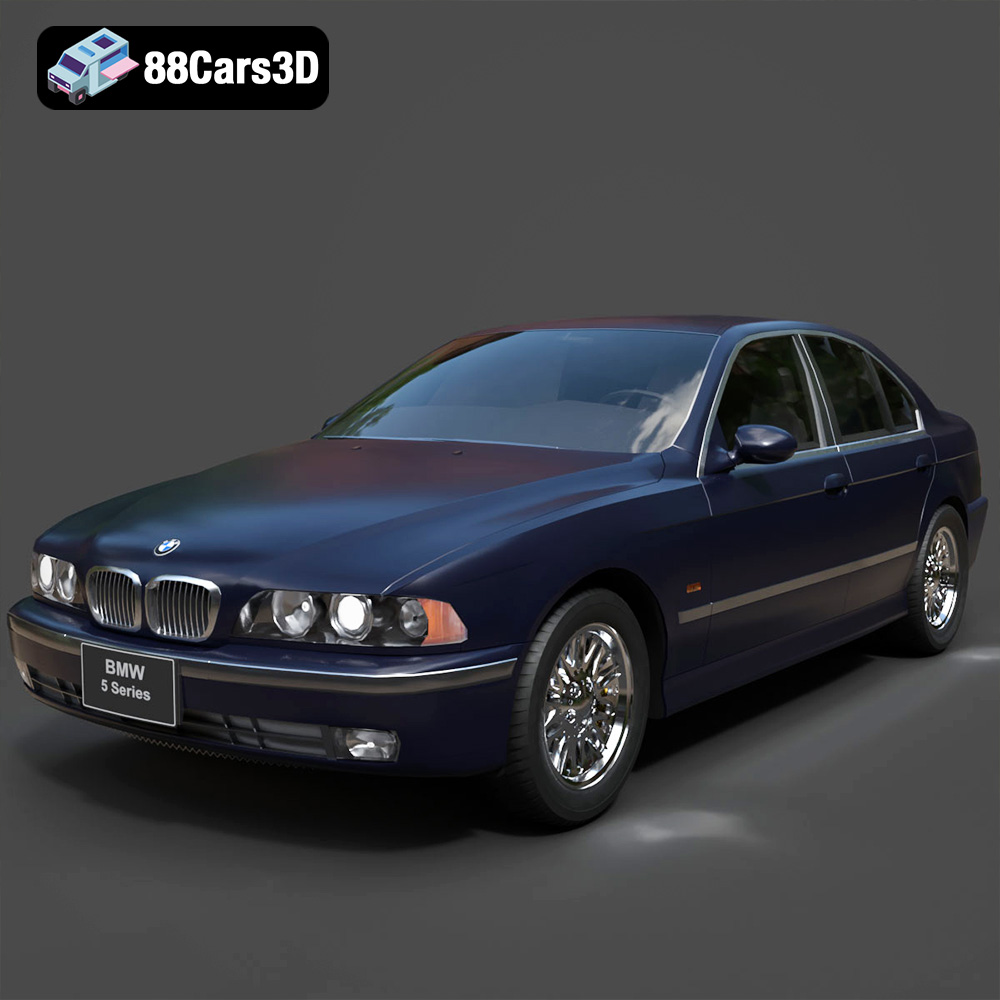
BMW E39 M5-540i 3D Model
Texture: Yes
Material: Yes
Download the BMW E39 M5-540i 3D Model featuring its iconic sedan design, detailed exterior, and realistic interior. Includes .blend, .fbx, .obj, .glb, .stl, .ply, .unreal, and .max formats for rendering, simulation, and game development.
Price: $10.79

BMW 7 Series E38 3D Model
Texture: Yes
Material: Yes
Download the BMW 7 Series E38 3D Model featuring its iconic luxury sedan design and classic aesthetics. Includes .blend, .fbx, .obj, .glb, .stl, .ply, .unreal, and .max formats for rendering, simulation, and game development.
Price: $10.79

BMW 6 Series 640i F12 3D Model
Texture: Yes
Material: Yes
Download the BMW 6 Series 640i F12 3D Model featuring a sleek design and detailed interior. Includes .blend, .fbx, .obj, .glb, .stl, .ply, .unreal, and .max formats for rendering, simulation, and game development.
Price: $10.79

BMW 6 Coupe E63 3D Model
Texture: Yes
Material: Yes
Download the BMW 6 Coupe E63 3D Model featuring a sleek design, detailed interior, and realistic exterior. Includes .blend, .fbx, .obj, .glb, .stl, .ply, .unreal, and .max formats for rendering, simulation, and game development.
Price: $10.79
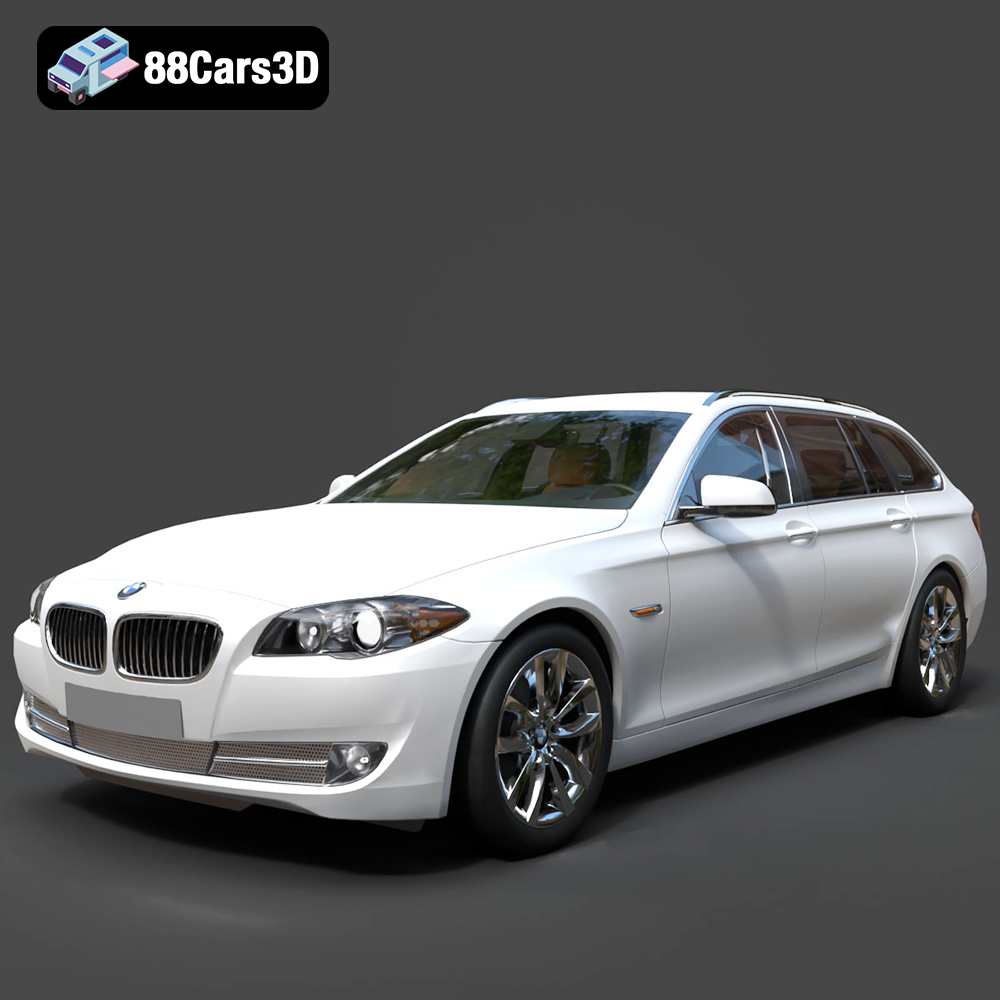
BMW 5 Series Touring F11-007 3D Model
Texture: Yes
Material: Yes
Download the BMW 5 Series Touring F11-007 3D Model featuring a detailed exterior and interior. Includes .blend, .fbx, .obj, .glb, .stl, .ply, .unreal, and .max formats for rendering, simulation, and game development.
Price: $10.79
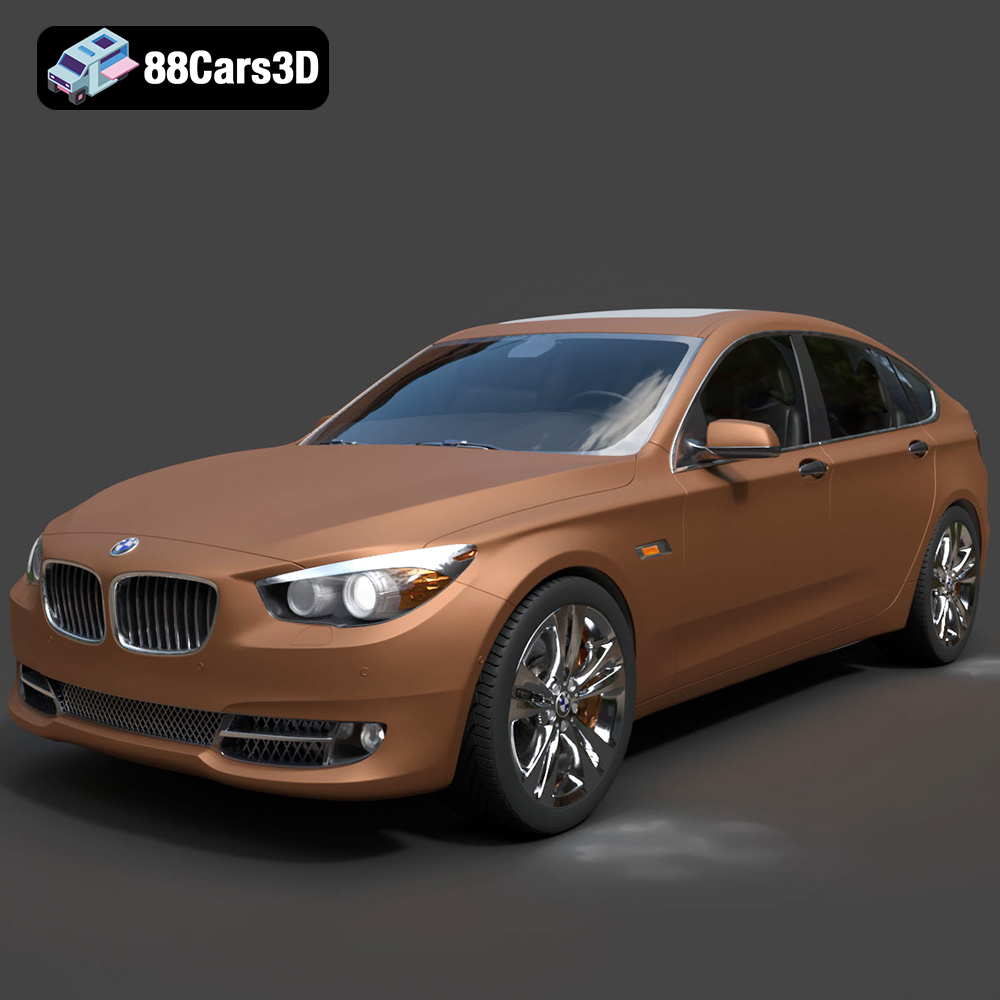
BMW 5 Series Gran Turismo F07-003 3D Model
Texture: Yes
Material: Yes
Download the BMW 5 Series Gran Turismo F07-003 3D Model featuring a detailed exterior and interior. Includes .blend, .fbx, .obj, .glb, .stl, .ply, .unreal, and .max formats for rendering, simulation, and game development.
Price: $10.79
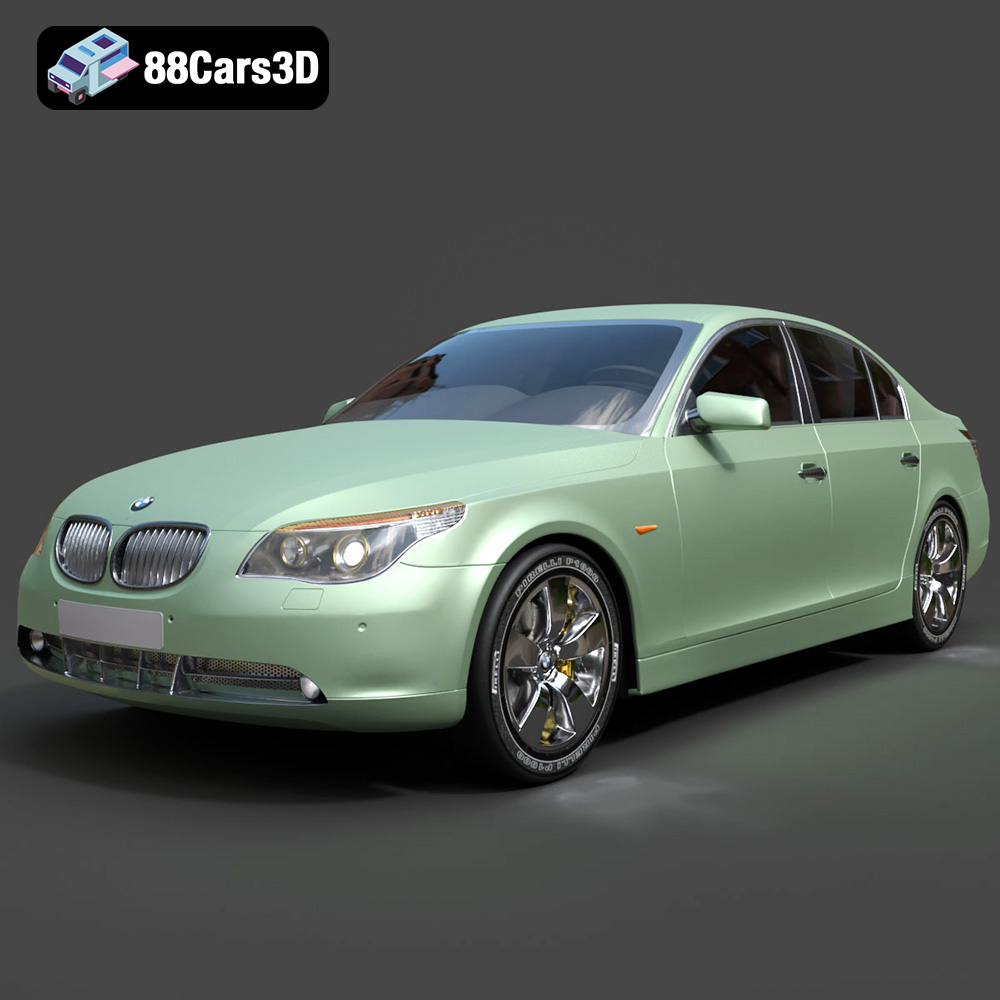
BMW 5 Series E60 3D Model
Texture: Yes
Material: Yes
Download the BMW 5 Series E60 3D Model featuring its iconic sedan design, detailed exterior, and interior. Includes .blend, .fbx, .obj, .glb, .stl, .ply, .unreal, and .max formats for rendering, simulation, and game development.
Price: $10.79

BMW 5 E34-535i 3D Model
Texture: Yes
Material: Yes
Download the BMW 5 E34-535i 3D Model featuring an iconic design, detailed exterior and interior, and accurate representation. Includes .blend, .fbx, .obj, .glb, .stl, .ply, .unreal, and .max formats for rendering, simulation, and game development.
Price: $10.79
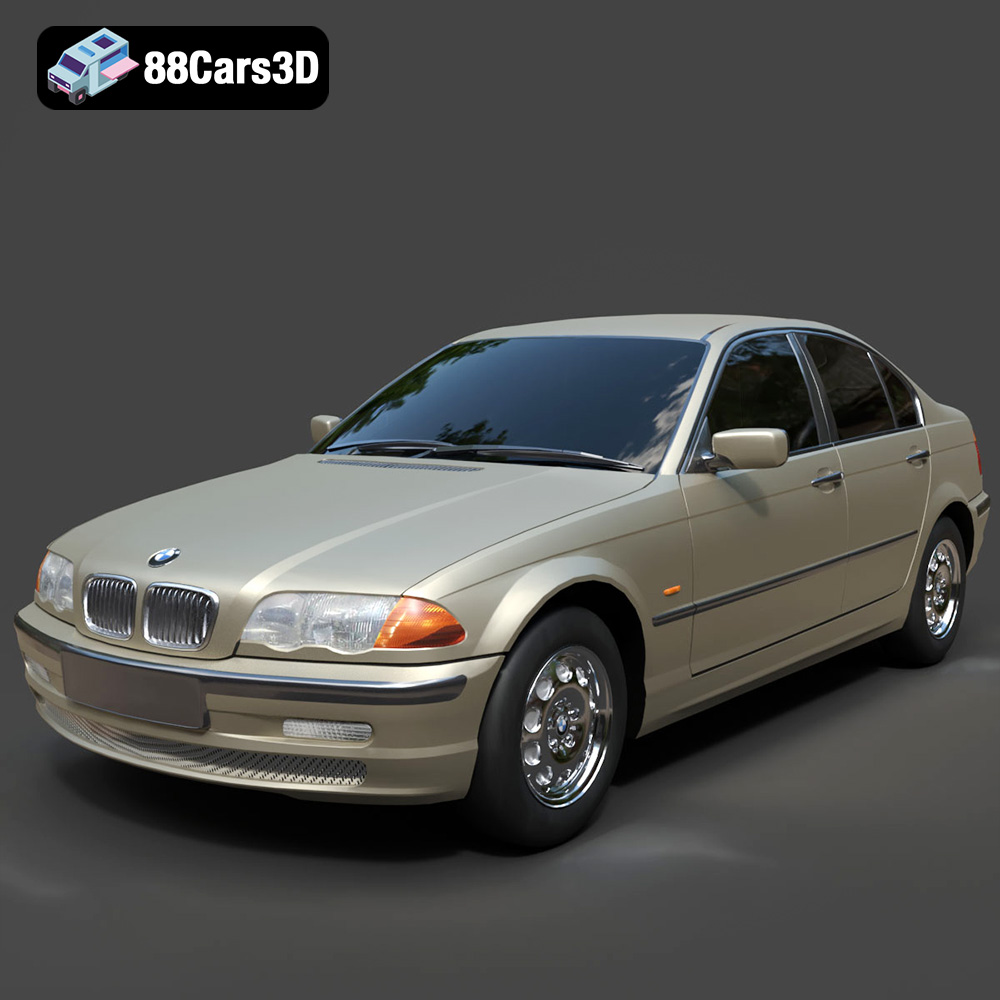
BMW 3 Series E46 3D Model
Texture: Yes
Material: Yes
Download the BMW 3 Series E46 3D Model featuring authentic exterior lines, a detailed interior, and separated components for animation. Includes .blend, .fbx, .obj, .glb, .stl, .ply, .unreal, and .max formats for rendering, simulation, and game development.
Price: $10.79
