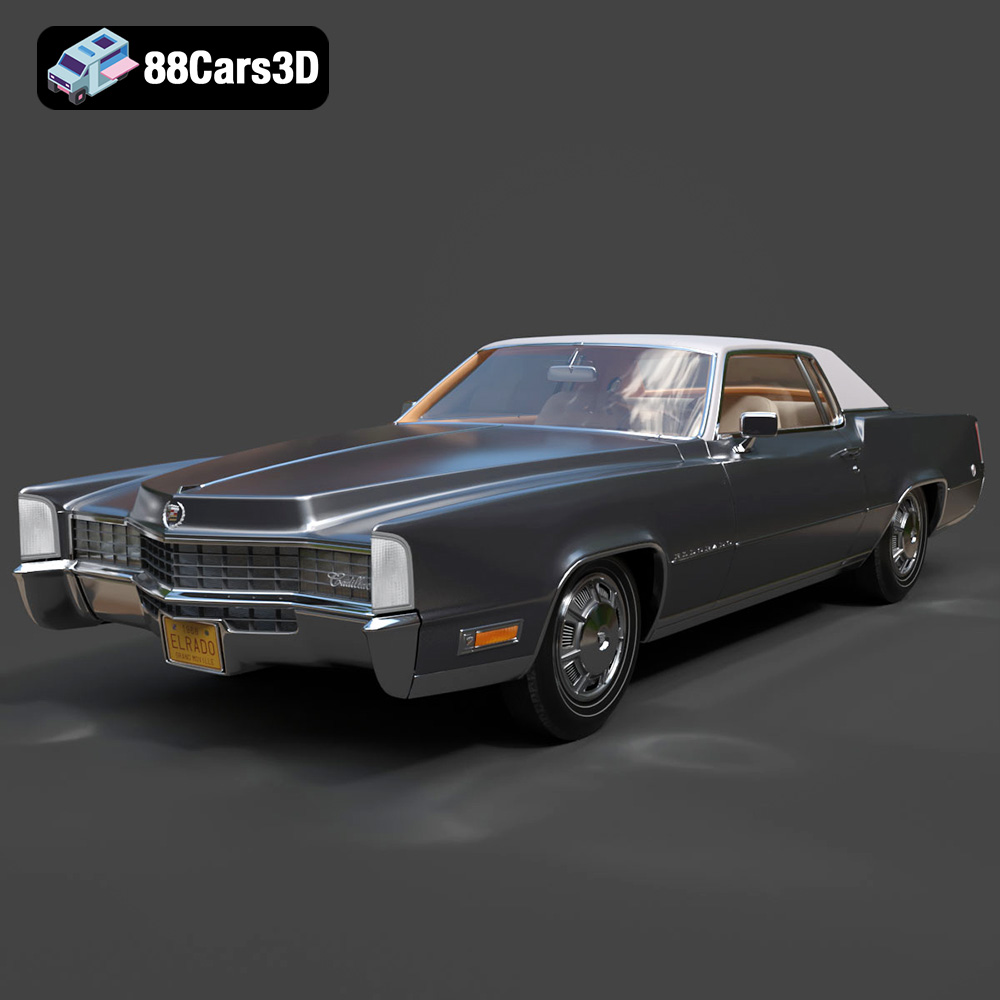
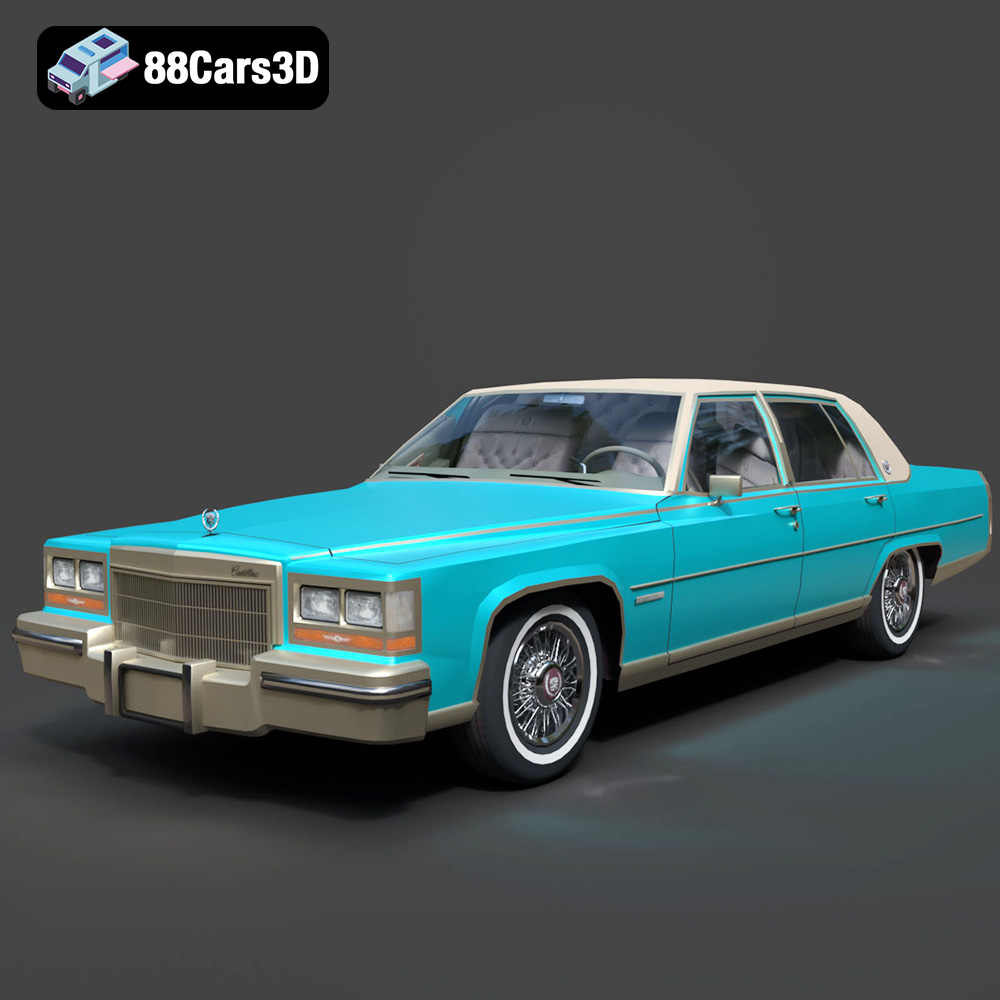
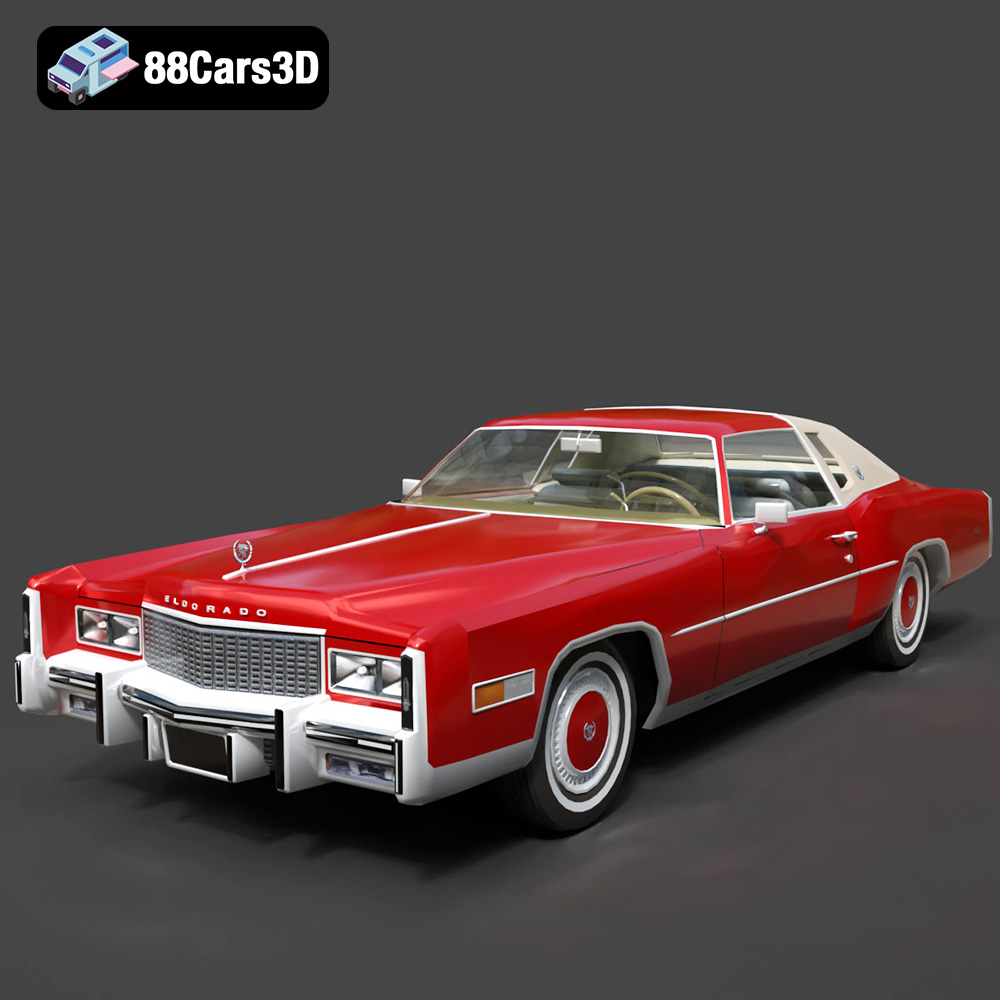
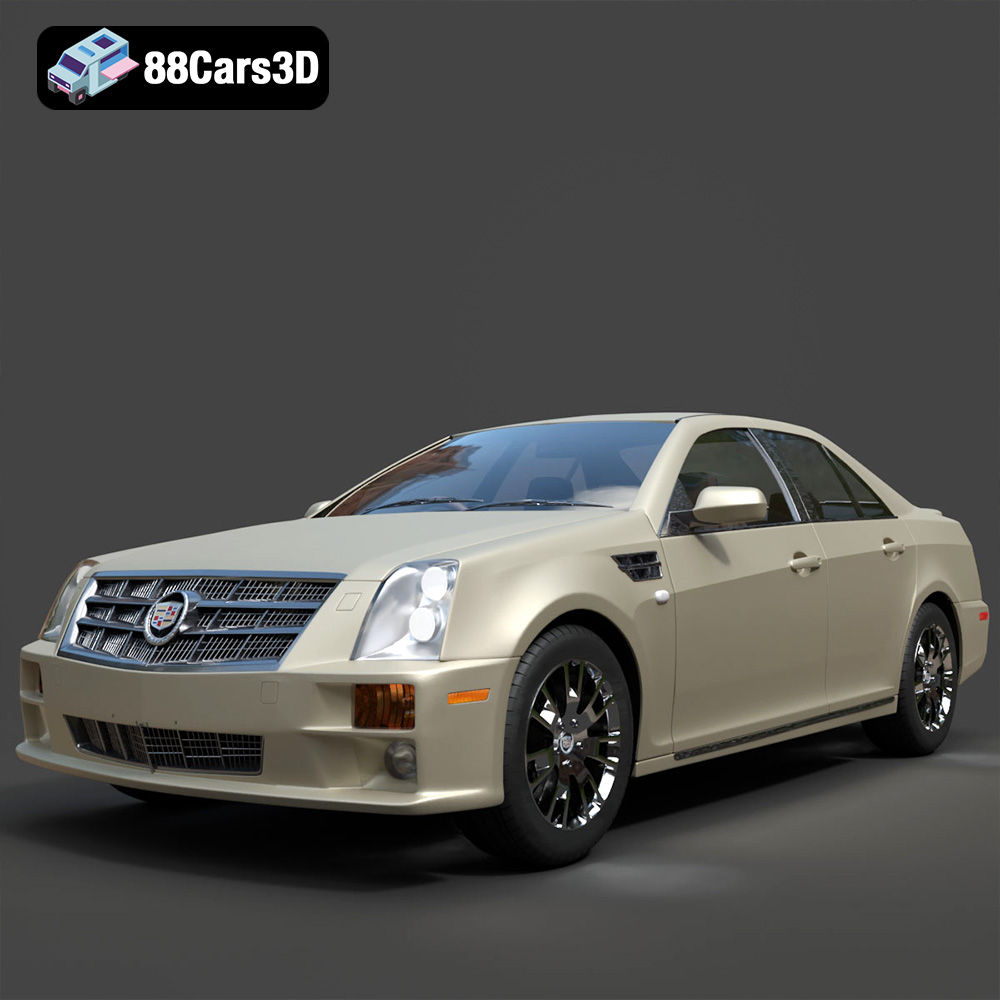
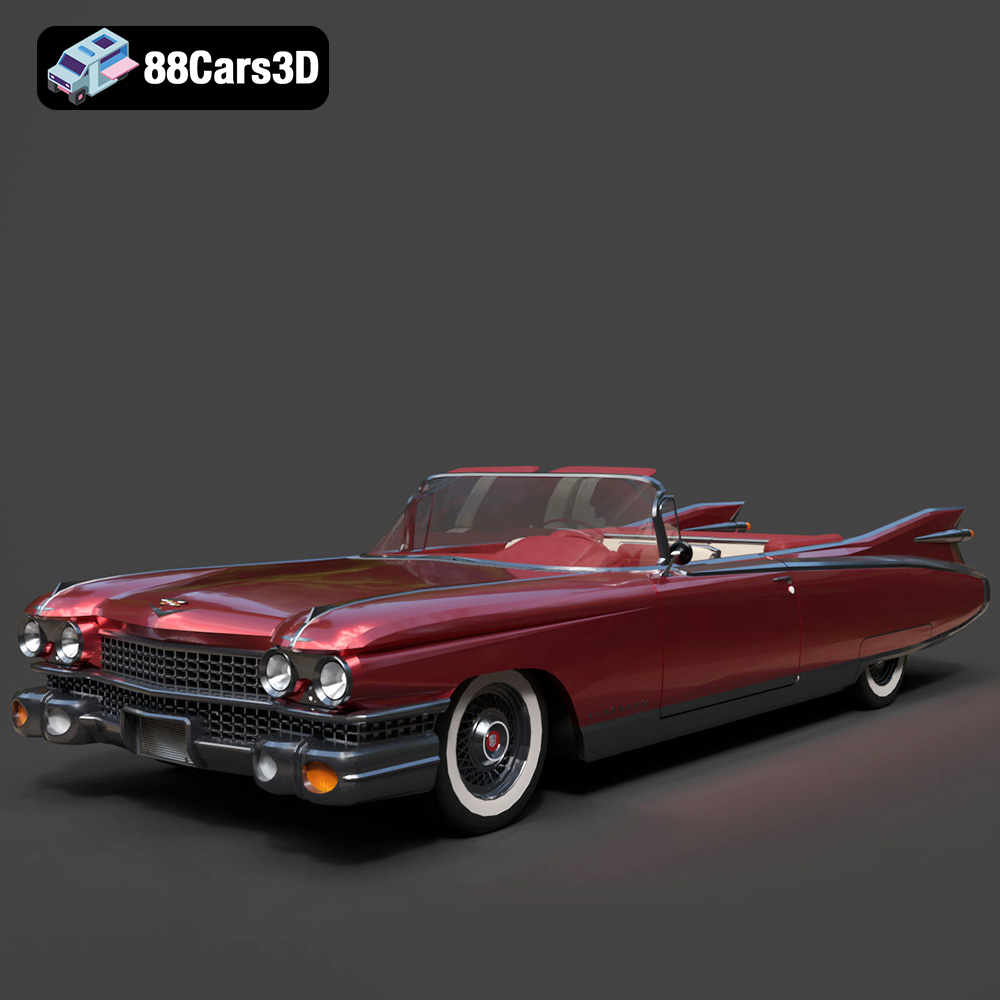
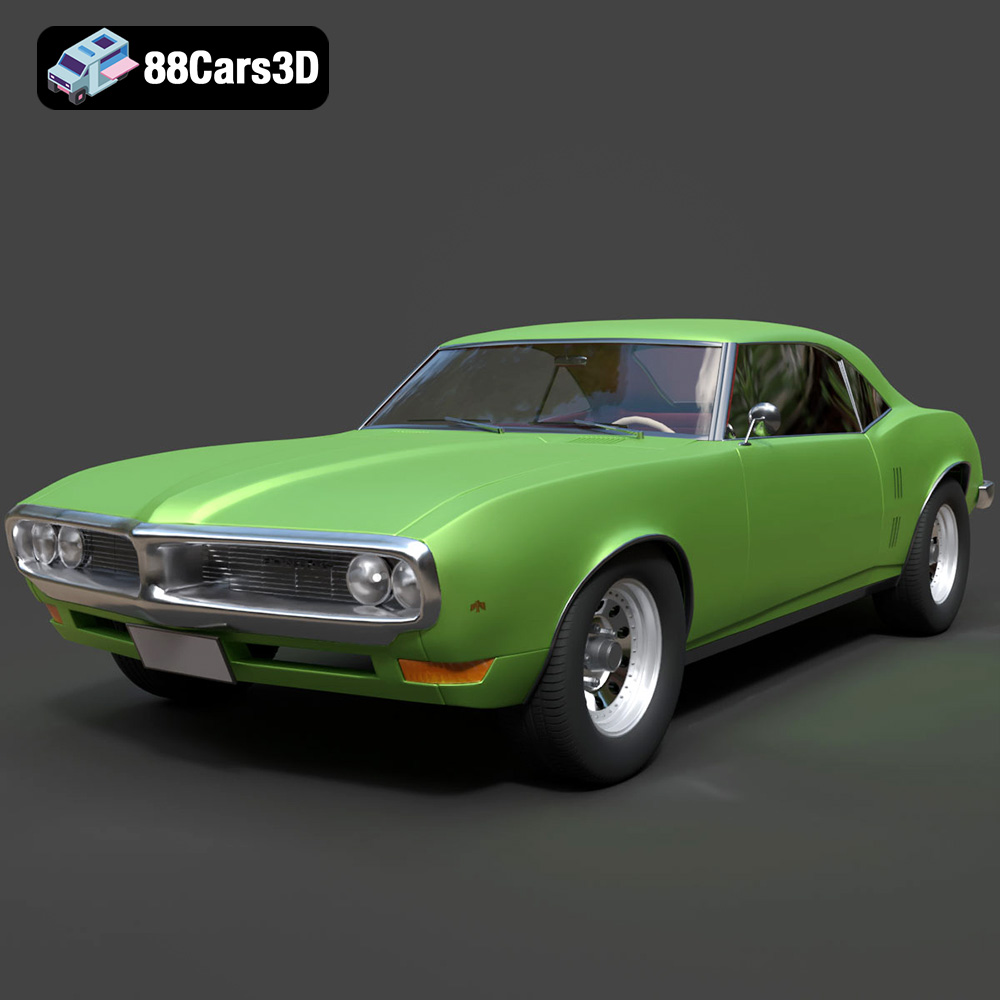
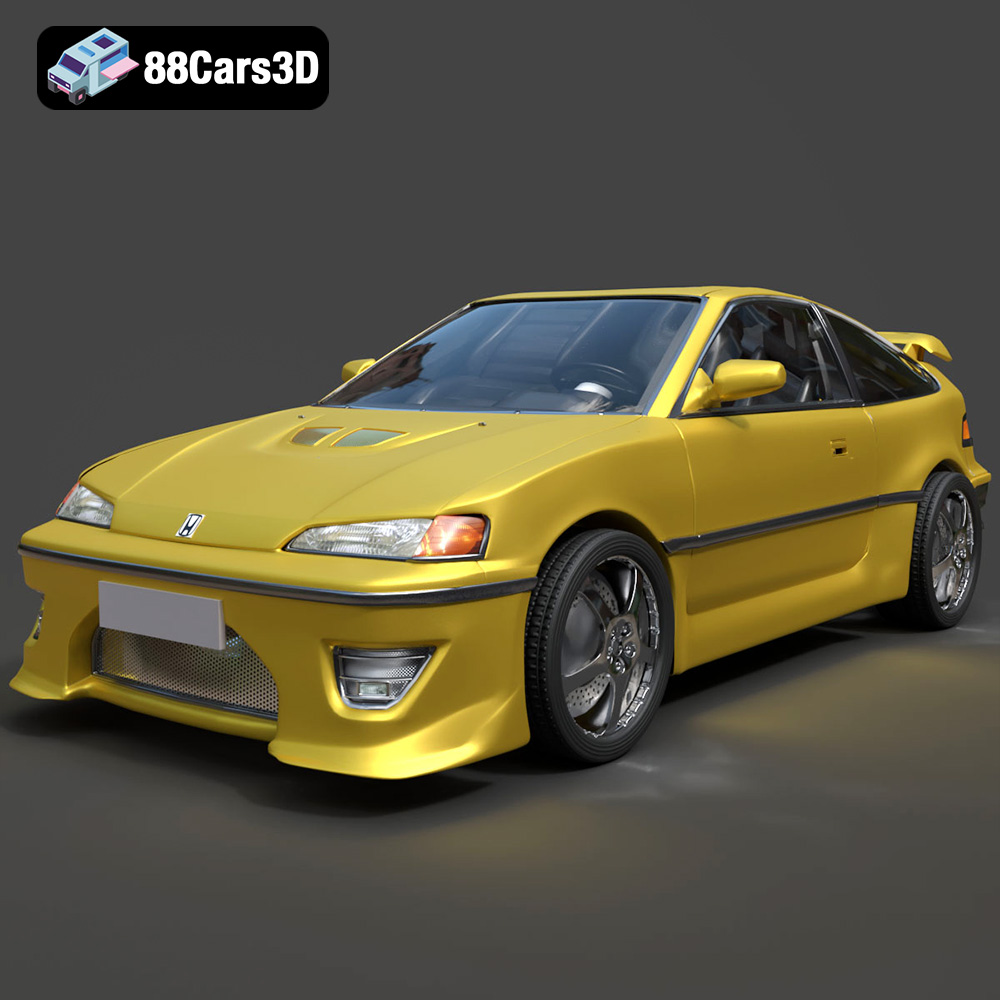
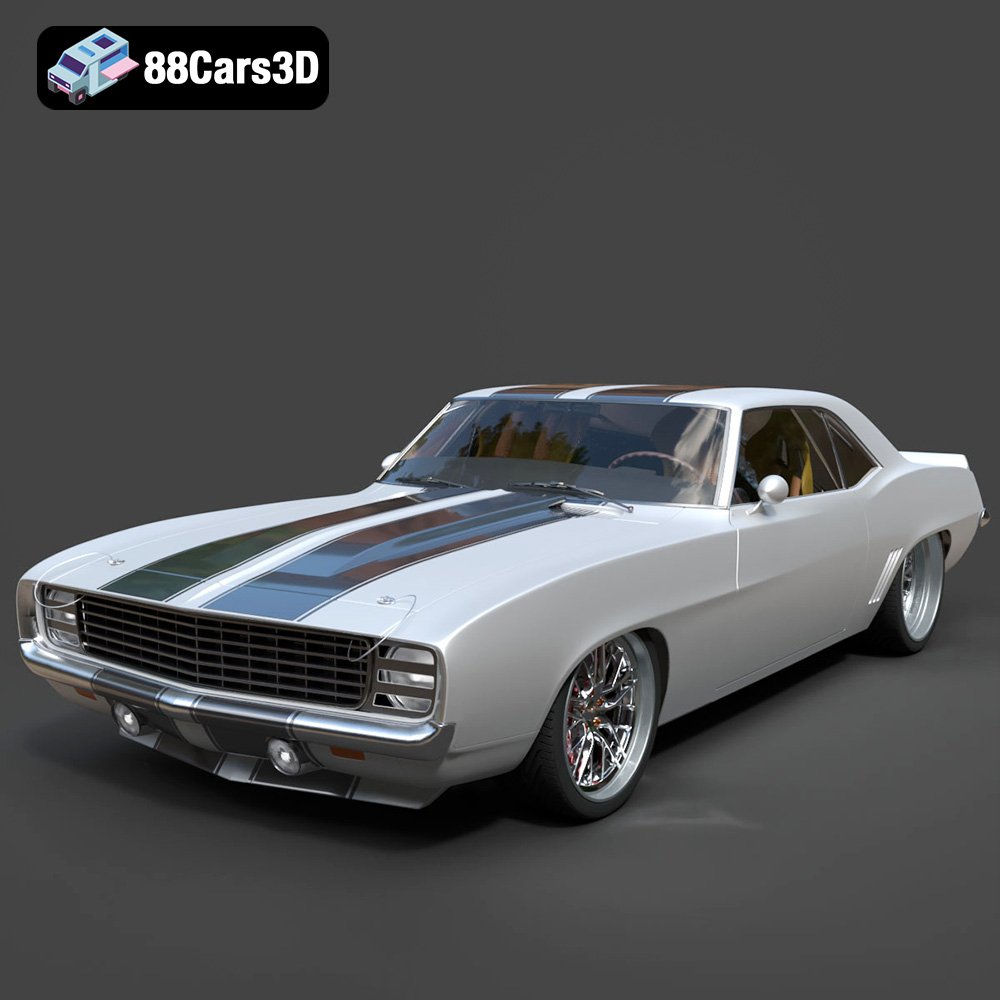
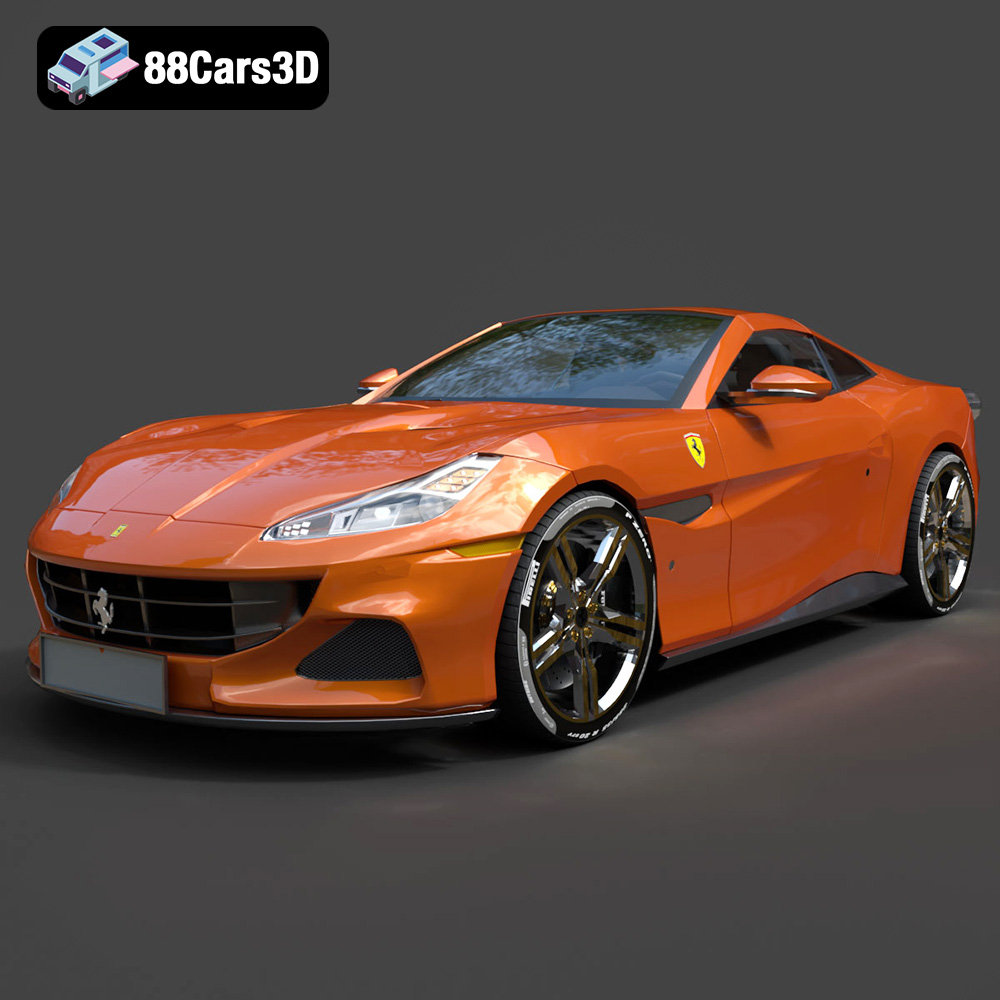
The Engine of Innovation: Unlocking Potential with High-Quality 3D Car Models
In the rapidly evolving digital landscape, the demand for realistic and versatile 3D car models has never been higher. From breathtaking automotive rendering showcases to immersive game environments and cutting-edge AR/VR experiences, high-fidelity vehicle assets are the indispensable foundation upon which innovation is built. Professionals across industries recognize that the quality of these digital assets directly impacts the realism, performance, and overall impact of their projects.
This comprehensive guide delves into the intricate world of 3D car models, exploring their critical role in various applications, the technical considerations for their development and deployment, and the strategies for achieving unparalleled visual fidelity. Whether you’re a seasoned artist, a game developer, an architect, or a marketing professional, understanding the nuances of these digital vehicles is key to driving your projects forward. A reliable source for these meticulously crafted assets is essential, and platforms like 88cars3d.com provide a curated selection of premium 3D car models designed to meet diverse professional needs.
The Foundation of Digital Automotive Excellence: Why Quality 3D Car Models Matter
High-quality 3D car models are far more than just aesthetic components; they are critical technical assets that underpin the success of numerous digital endeavors. Their importance stems from their ability to accurately represent complex real-world designs, provide flexible integration into diverse software environments, and perform optimally under varying computational demands.
Precision in Design and Visualization
For automotive designers and visualization specialists, precision is paramount. A high-fidelity 3D car model ensures that every curve, every panel gap, and every minute detail of a vehicle’s design is accurately represented. This level of detail is crucial for concept evaluation, marketing presentations, and photorealistic product showcases. When a model faithfully replicates its real-world counterpart, it not only enhances visual appeal but also builds trust and credibility for the product or brand being represented. This precision extends to materials, where accurate surface properties like reflections, refractions, and texture mapping contribute significantly to the overall realism of an automotive rendering.
Performance in Real-time Environments
While visual fidelity is crucial for rendering, performance takes center stage in real-time applications such as video games, simulations, and interactive AR/VR experiences. Here, the challenge lies in balancing stunning visuals with smooth frame rates. Optimized 3D car models feature carefully managed polygon counts, efficient UV layouts, and streamlined material setups to minimize rendering overhead. Low-polygon versions (LODs – Levels of Detail) are often employed, allowing the engine to swap out more complex models for simpler ones as the car moves further from the camera, thereby preserving performance without sacrificing perceived quality up close.
The Spectrum of Detail: From Low-Poly to Hyper-Realistic
The term “high-quality” itself can refer to different levels of detail depending on the intended application. A hyper-realistic model designed for a cinematic automotive rendering might boast millions of polygons, intricate interior detailing, and numerous high-resolution texture maps. In contrast, a high-quality model for a mobile racing game would be meticulously optimized with a significantly lower polygon count (perhaps 20,000-50,000 polygons for a hero vehicle), efficient single-atlas UVs, and PBR-ready materials that still look great despite their technical limitations. Understanding this spectrum is vital for selecting the appropriate asset for your project and for appreciating the engineering that goes into creating each type of model.
Understanding 3D Model File Formats
The choice of file format for a 3D car model is a critical technical decision that dictates its compatibility, functionality, and suitability for specific workflows. Each format is designed with particular strengths, addressing diverse needs from full scene editing to optimized real-time deployment and specialized manufacturing processes. Selecting the correct format ensures smooth integration, preserves essential data, and maximizes efficiency within your production pipeline. This understanding is particularly important when sourcing assets, as the right format can save countless hours in conversion and preparation.
Editable Project Files for Deep Customization
- .blend (Blender): This is Blender’s native file format, offering a comprehensive and fully editable scene with all associated data. A .blend file typically includes the 3D car model’s geometry, materials (with node setups), textures, lighting, camera setups, animations, and even physics simulations. It’s ideal for users working within Blender who require complete control over the asset for modification, rigging, or integration into larger Blender projects. For artists who need to tweak every detail, from minor mesh adjustments to material properties or animation sequences, the .blend format provides unparalleled flexibility.
- .max (3ds Max): Similar to .blend, .max is the proprietary file format for Autodesk 3ds Max. It encapsulates the entire 3ds Max scene, including all mesh data, complex material definitions (such as V-Ray or Corona materials), lighting setups, cameras, animation timelines, and modifiers. This format is the go-to for professionals deeply entrenched in 3ds Max workflows, especially for high-end architectural visualization, advertising, and cinematic rendering, where advanced rendering features and precise control over scene elements are crucial. Like .blend, it’s designed for full project fidelity within its native application.
Universal Exchange and Real-time Optimization
- .fbx (Filmbox): Developed by Autodesk, .fbx is perhaps the most widely used interchange format in 3D content creation, particularly favored for game development and real-time pipelines. It excels at transferring 3D model data, including geometry, UVs, textures (references, not embedded), materials, rigging, skinning, and animation, between different 3D software packages like Maya, 3ds Max, Blender, and game engines like Unreal and Unity. Its robust support for animation makes it indispensable for animated 3D car models. When working with complex animated scenes or needing seamless integration into a game engine, .fbx is often the format of choice due to its broad compatibility and feature support.
- .obj (Wavefront OBJ): This is a universal geometry definition file format that is highly compatible across virtually all 3D applications. An .obj file primarily stores vertex positions, UV coordinates, normals, and polygonal faces. Material information is typically stored in a companion .mtl (material template library) file, which references texture maps. While it doesn’t support animation or rigging directly, its simplicity and widespread adoption make it excellent for static mesh exchange and ensuring cross-software compatibility. It’s a reliable choice when the primary goal is to transfer just the geometric data of a 3D car model without complex scene information.
- .glb (GL Transmission Format Binary): As the binary version of glTF, .glb is highly optimized for efficiency and speed. It packages all model data – geometry, materials, textures, animations – into a single, compact file. This format is explicitly designed for AR, VR, and browser-based 3D applications, where quick loading times and small file sizes are paramount. Its efficiency and “delivery-ready” nature make it an increasingly popular choice for interactive web experiences, social media filters, and immersive applications. For deploying 3D car models efficiently on the web or in mobile AR apps, .glb is a superior option.
Specialized Formats for Niche Applications
- .stl (Stereolithography): This format is the industry standard for 3D printing. An .stl file represents a 3D model as a series of connected triangles (a tessellated surface) without color, texture, or other advanced attributes. Its simplicity makes it universally compatible with 3D printers and slicing software. When preparing a 3D car model for physical prototyping or manufacturing via additive processes, converting it to .stl is a necessary step, ensuring the geometry is watertight and suitable for fabrication.
- .ply (Polygon File Format / Stanford Triangle Format): The .ply format is primarily used to store 3D data from 3D scanners and point cloud data. It can store not only geometry but also color, transparency, and other properties associated with each vertex or face. While less common for handcrafted 3D car models, it’s invaluable for reverse engineering existing vehicles or integrating highly detailed scan data into a project. It offers higher precision for complex mesh data, making it useful in CAD or analytical applications where precise surface representation is critical.
- .unreal (Unreal Engine Asset): This isn’t a typical interchangeable file format but rather an engine-ready asset specifically designed for Unreal Engine. While models are usually imported into Unreal via .fbx or .obj, once imported and optimized within the engine, they are stored as .unreal assets (often content packages). These assets include all the necessary engine-specific configurations: static meshes, skeletal meshes, materials (configured with Unreal’s shader graph), textures, collision meshes, LODs, and physics assets. A .unreal asset represents a model fully prepared and optimized for real-time environments within the Unreal ecosystem, ready for immediate use in game levels or simulations.
Understanding these formats empowers you to make informed decisions, ensuring your 3D car models are perfectly suited for their intended purpose, whether it’s an intricate automotive rendering, a high-performance game asset, or a precise prototype for 3D printing. At 88cars3d.com, models are often provided in multiple formats to cater to these diverse professional needs.
Mastering Automotive Rendering: Techniques for Photorealism
Achieving photorealistic automotive rendering is an art form that blends technical proficiency with an keen eye for detail. It’s about more than just a high-polygon 3D car model; it involves meticulous attention to lighting, materials, and post-processing to create an image indistinguishable from a photograph.
Lighting and Environment Setup
Lighting is arguably the most critical element in any render. For automotive rendering, it defines the mood, highlights the vehicle’s form, and reveals the intricate details of its surfaces. High Dynamic Range Images (HDRIs) are a cornerstone of realistic lighting, providing both accurate environmental illumination and reflections. Paired with physical lights (area lights, spot lights) to emphasize specific contours or create dramatic shadows, an HDRI environment can simulate anything from a sun-drenched showroom to a moody urban street. Understanding how light interacts with the car’s reflective surfaces, particularly its paintwork and glass, is crucial for achieving depth and realism. Global Illumination (GI) algorithms, such as path tracing or irradiance caching, are essential for accurately simulating light bounces and indirect illumination, adding a natural softness and continuity to the scene.
Advanced Material Creation (Car Paint, Glass, Chrome)
The materials applied to a 3D car model are what bring it to life. Car paint, in particular, is a complex material, often requiring a layered shader approach to simulate its depth. This typically involves a metallic base coat (for flake effect and primary color), a clear coat (for gloss and reflections), and sometimes an additional layer for pearlescent or candy effects. Physically Based Rendering (PBR) workflows are standard, where parameters like metallic, roughness, and normal maps are used to accurately define surface properties. Glass shaders require careful calibration of refraction index (IOR), tint, and transparency to convincingly simulate real-world glass. Chrome and other metallic surfaces rely on high reflectivity and accurate fresnel effects. Attention to tiny imperfections, like subtle dust or fingerprints on highly reflective surfaces, can elevate realism significantly.
Post-Processing and Compositing for Impact
Even the most technically perfect render can benefit from intelligent post-processing. This final stage involves adjusting color grading, contrast, saturation, and adding effects like depth of field, motion blur, lens flares, and subtle chromatic aberration. Compositing multiple render passes (e.g., beauty, reflections, shadows, ambient occlusion, object IDs) in software like Photoshop or After Effects allows for non-destructive adjustments and finer control over the final image. This is where a render can truly transform into a compelling piece of visual art, guiding the viewer’s eye and enhancing the emotional impact of the automotive rendering.
Integrating 3D Car Models into Game Development
Game development places unique demands on 3D car models, prioritizing performance and interactive fidelity. Integrating these assets effectively requires a deep understanding of game engine pipelines and optimization strategies.
Optimization Strategies for Game Engines (Unreal Engine, Unity)
For game engines like Unreal Engine and Unity, optimization begins with the 3D car model itself. Polycount management is critical; while cinematic renders can afford millions of polygons, real-time game assets must be lean. Developers typically aim for hero vehicles to be in the range of 50,000 to 150,000 triangles, with less important background vehicles significantly lower. This is achieved through careful modeling, judicious use of normal maps to simulate high-poly detail, and the implementation of Levels of Detail (LODs). Each LOD reduces the polygon count as the car moves further from the camera, ensuring efficient rendering at various distances. Further optimization includes minimizing draw calls by consolidating materials and using texture atlases where possible.
Setting Up Physics and Collision Models
Beyond visual representation, game car models need to interact realistically within the game world. This involves setting up robust physics and collision models. A simplified collision mesh (often a low-poly convex hull or a combination of primitive shapes) is created separately from the visual mesh. This collision mesh is used by the game engine’s physics system to calculate impacts, friction, and other physical interactions without the overhead of processing the high-detail visual mesh. Furthermore, vehicle physics systems require specific parameters like center of mass, wheel positions, suspension settings, and engine torque curves, which are meticulously configured within the game engine to provide a believable driving experience.
LODs, UVs, and Texture Atlases for Performance
As mentioned, LODs are fundamental for performance, ensuring the game engine renders only the necessary detail. UV mapping is equally vital, providing the 2D coordinates that tell the engine how to apply textures to the 3D surface. Clean, non-overlapping UVs are essential for accurate texture application and efficient lightmap generation. For game assets, developers often consolidate multiple textures into a single “texture atlas.” This technique groups various smaller textures (e.g., for interior parts, wheels, engine components) onto one large texture sheet. By doing so, the engine only needs to make one draw call to render all these elements, significantly improving rendering performance by reducing overhead, especially critical for vehicles with many distinct parts.
Beyond Visualization: 3D Car Models in AR/VR and 3D Printing
The utility of 3D car models extends far beyond traditional rendering and game development, finding powerful applications in augmented reality (AR), virtual reality (VR), and even physical manufacturing through 3D printing.
Crafting Immersive Experiences with Real-World Scale
In AR and VR, 3D car models enable truly immersive and interactive experiences. For AR, users can place a virtual car model into their real-world environment, scaling it to life-size, walking around it, and even interacting with features like opening doors or changing colors. This is invaluable for automotive sales, allowing customers to “test drive” vehicles in their driveway. In VR, users can enter a fully simulated vehicle interior, experiencing ergonomics, visibility, and spatial comfort long before a physical prototype exists. The key to success in AR/VR is extreme optimization for mobile chipsets (for AR) and ensuring stable framerates for VR to prevent motion sickness. This often means highly efficient models, compact textures, and careful management of rendering complexity, often leveraging formats like .glb for web-based AR.
Preparing Models for Additive Manufacturing
3D printing offers a tangible bridge between the digital and physical realms. 3D car models can be prepared for additive manufacturing to create physical prototypes, scale models, or even functional components. The preparation process involves ensuring the model is “watertight” (i.e., has no open edges or non-manifold geometry), that wall thicknesses are sufficient for the chosen print technology, and that the polygon count is appropriate for the desired resolution and print time. The .stl format is the standard for 3D printing, stripping away all visual attributes to focus solely on the geometric representation. This allows designers to quickly iterate on physical designs, test form factors, and even produce custom parts, dramatically accelerating the product development cycle.
Case Study: Prototyping and Experiential Marketing
Consider an automotive manufacturer developing a new concept car. High-fidelity 3D car models are initially used for digital visualization and engineering simulations. As the design matures, these models are then optimized for VR, allowing executives and potential customers to “sit inside” the car and experience it in full scale months before a physical prototype is built. Simultaneously, sections of the 3D model, such as intricate dashboard components or unique exterior styling elements, can be 3D printed for rapid physical prototyping and tactile evaluation. For marketing, AR applications allow potential buyers to configure the car in their driveway via a smartphone, visualizing different colors and wheel options, creating an engaging and personalized pre-purchase experience. This multi-faceted approach, all stemming from a single, high-quality 3D car model, exemplifies the power and versatility of these digital assets in modern industry.
Choosing the Right 3D Car Model for Your Project
With a vast array of 3D car models available, making the right selection is crucial for project success. It’s not just about aesthetics; technical specifications, compatibility, and licensing all play a significant role.
Assessing Polycount and Detail Level
The polycount (number of polygons or triangles) is a primary indicator of a model’s detail and its suitability for different applications. For cinematic rendering or high-end visualization, a high-poly model (hundreds of thousands to millions of polygons) with intricate details like engine components, fully modeled interiors, and complex tire treads is ideal. For game development, AR/VR, or real-time simulations, a lower-poly count is preferred, often accompanied by normal maps to fake high detail. Always consider the target platform and performance requirements. A model that is too heavy will cripple real-time applications, while one that is too sparse might lack the visual fidelity required for high-quality renders. Ensure the model’s detail level matches your project’s needs.
Evaluating UV Mapping and Texture Quality
Clean and efficient UV mapping is essential for proper texturing and lighting. Check if the model has logical, non-overlapping UVs that allow for accurate application of PBR (Physically Based Rendering) textures. Poor UVs can lead to stretched, distorted, or misaligned textures, significantly degrading the model’s appearance. Assess the resolution and quality of the accompanying textures (diffuse/albedo, normal, roughness, metallic, ambient occlusion, etc.). High-resolution, tileable, and seamlessly applied textures are crucial for realism, especially for close-up shots. Look for models with PBR-ready material setups, as these are the industry standard for realistic rendering across most modern software and engines.
Ensuring Licensing and Asset Readiness
Before integrating any 3D car model into your project, thoroughly review its licensing terms. Understand what rights you have for commercial use, modification, and distribution. Ignorance of licensing can lead to significant legal complications. Beyond licensing, assess the “asset readiness” of the model. Is it well-organized with clear naming conventions for objects and materials? Is it rigged and animated if required? Are multiple file formats available to suit your workflow? Does it include LODs for game development? A truly high-quality asset from a reputable source like 88cars3d.com will typically come with clear licensing, comprehensive documentation, and various formats, making it easy to integrate and customize for your specific project needs.
Conclusion
The journey through the world of 3D car models reveals a landscape rich with technical complexity and creative potential. From the nuanced choice of file formats to the meticulous craft of automotive rendering, and the strategic optimizations for game development, each aspect plays a vital role in bringing digital vehicles to life. The ability to select, prepare, and deploy these assets effectively is a hallmark of professional expertise, enabling stunning visualizations, immersive interactive experiences, and innovative product development.
The demand for high-quality, versatile 3D car models continues to accelerate across industries. By understanding the intricacies of polycount, UV mapping, material definition, and format compatibility, artists and developers can make informed decisions that elevate their projects. Platforms like 88cars3d.com stand as a testament to the pursuit of excellence in this specialized field, providing meticulously crafted assets that serve as the foundation for countless digital innovations. Investing in premium 3D car models is not merely an expense; it is an investment in the fidelity, performance, and ultimate success of your creative and commercial endeavors.
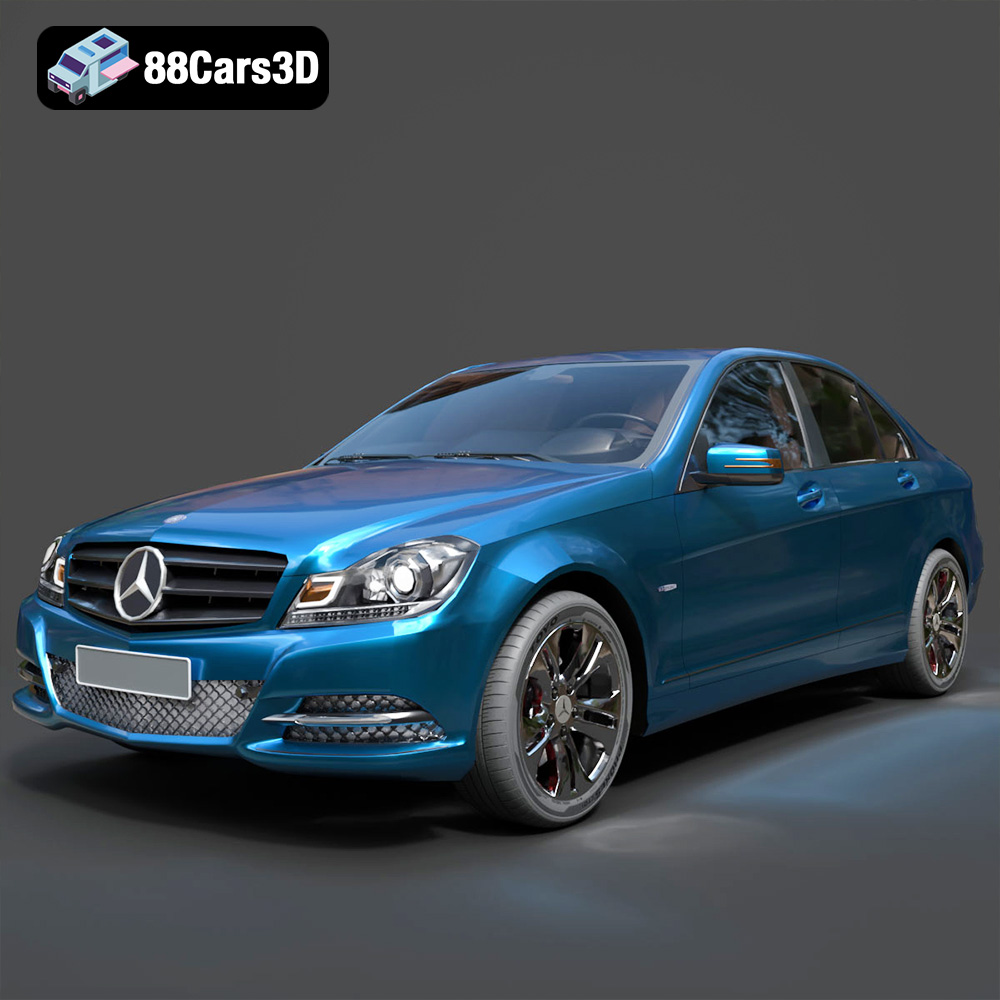
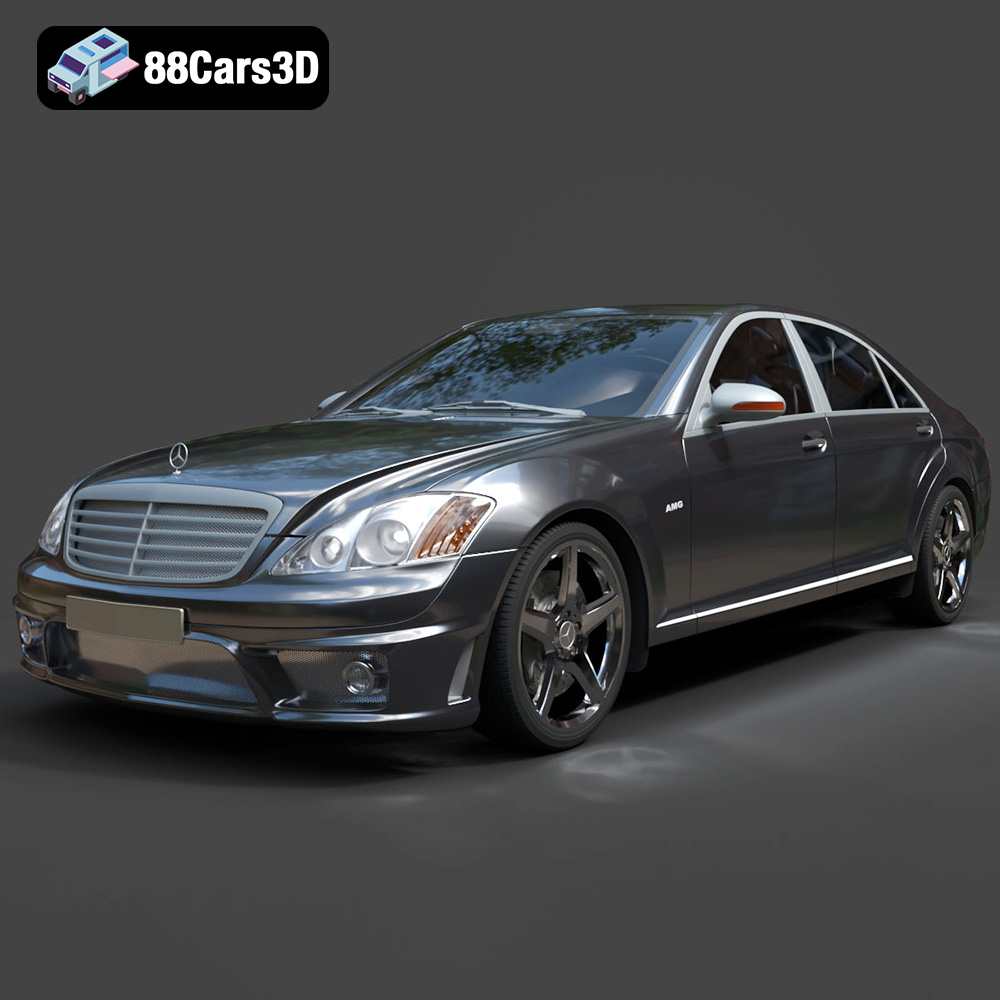
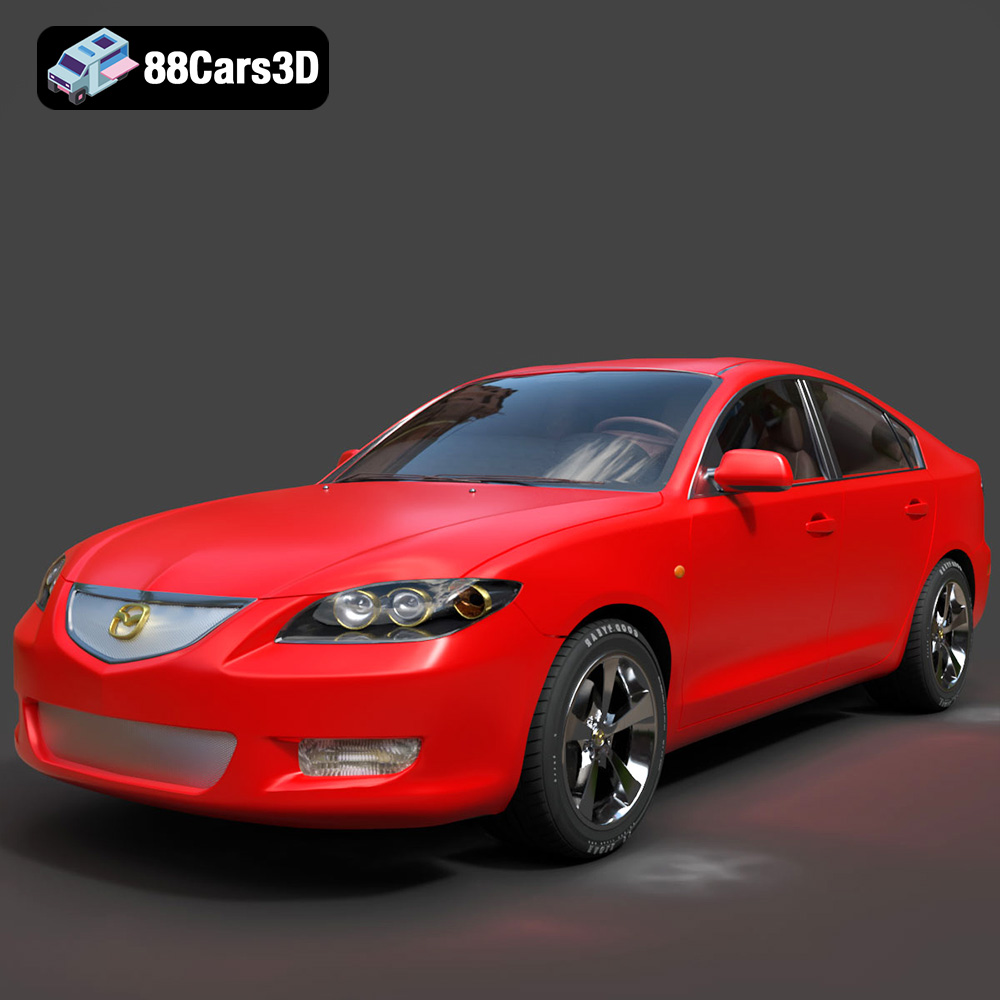
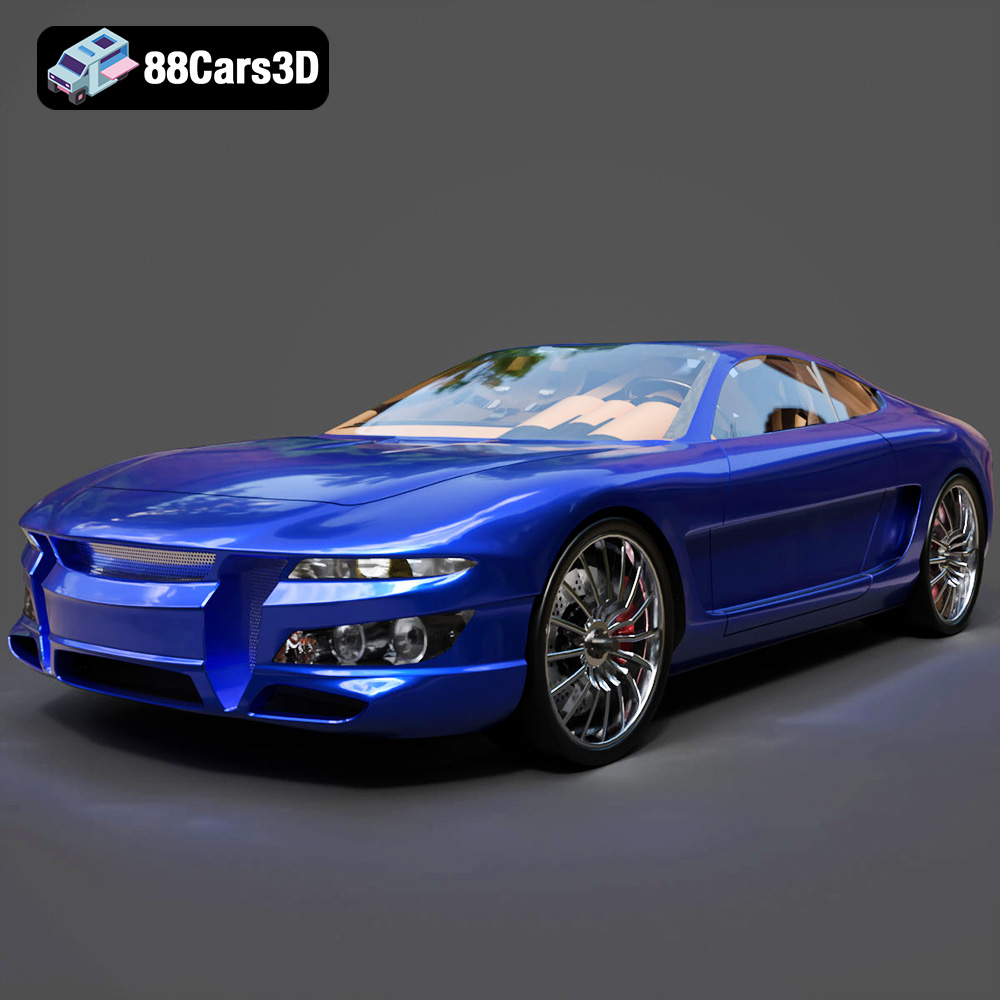
Featured 3D Car Models