

Creating compelling interactive automotive experiences, whether for games, simulations, or advanced visualization, hinges on one critical element: realistic vehicle physics. A car might look stunning with high-fidelity PBR materials and cutting-edge lighting from Lumen, but if it handles like a brick or floats through turns, the illusion shatters. In Unreal Engine, achieving truly immersive and believable vehicle dynamics requires a deep understanding of its integrated physics systems, meticulous model preparation, and clever Blueprint scripting. For studios and developers looking to elevate their projects, mastering vehicle physics is not just an advantage—it’s a necessity.
This comprehensive guide will take you on a deep dive into creating realistic vehicle physics within Unreal Engine. We’ll explore everything from preparing your high-quality 3D car models (like those found on 88cars3d.com) to configuring advanced Chaos Vehicle Component settings, implementing dynamic control systems with Blueprint, and optimizing performance for real-time applications. Whether you’re building a high-octane racing game, an accurate driving simulator, or an interactive automotive configurator, these insights will equip you with the knowledge to bring your virtual vehicles to life with unparalleled realism.
The Foundations of Vehicle Physics in Unreal Engine
Before diving into complex parameter tuning, it’s crucial to establish a solid foundation. Unreal Engine offers powerful tools for vehicle physics, but their effectiveness begins with proper setup and understanding of the underlying systems. The choice of physics engine and the quality of your base 3D model are paramount. For modern Unreal Engine projects (versions 4.26 and later), Epic Games introduced the Chaos Physics engine, which now powers the primary vehicle solution: the Chaos Vehicle Component. This component offers significant improvements over its PhysX-based predecessor, including better performance, determinism, and broader feature sets, making it the go-to choice for any new vehicle implementation.
A well-structured 3D car model is the canvas upon which your physics simulation will paint its masterpiece. This includes not just visual fidelity but also the critical elements for collision detection and pivot points. When sourcing automotive assets from marketplaces such as 88cars3d.com, look for models that are specifically designed for game engines, featuring clean topology, separate wheel meshes, and appropriately scaled dimensions. These pre-optimized assets significantly reduce the time and effort required for preparation, allowing you to focus on the intricate physics tuning. Understanding how to properly import and set up these models is the first step towards a convincing driving experience.
Choosing the Right Vehicle Movement Component: Chaos vs. PhysX
For historical context, Unreal Engine traditionally relied on NVIDIA’s PhysX engine for its physics simulations. While robust, PhysX had limitations, particularly regarding scalability and customizability. With Unreal Engine 4.26, Epic began the full transition to its proprietary Chaos Physics engine. The Chaos Vehicle Component is the modern, recommended solution for vehicle dynamics. It offers a more flexible and robust framework, supporting features like sub-stepping, improved collision detection, and better integration with other Unreal Engine systems. Unlike PhysX, Chaos is fully integrated and open-source, providing developers with more control and future-proofing. When starting a new project, always opt for the Chaos Vehicle Component. It provides a skeletal mesh-based vehicle setup, allowing for dynamic suspension, wheel rotation, and complex collision response, all configured directly within the Blueprint or C++ class.
Preparing Your 3D Car Model for Physics
The journey to realistic vehicle physics begins long before you touch a slider in Unreal Engine; it starts with the 3D model itself. A meticulously prepared model is non-negotiable. Firstly, ensure your car model is comprised of a single skeletal mesh for the main body and separate static meshes for each wheel (front-left, front-right, rear-left, rear-right). Each wheel should have its pivot point precisely at its geometric center, which is crucial for accurate rotation and suspension articulation. The model should also be scaled correctly to real-world dimensions (e.g., 1 unit = 1 centimeter in Unreal Engine is a common practice). Exporting your model in a format like FBX or USD is recommended, ensuring proper rigging, bone setup, and material assignments are preserved.
Upon importing into Unreal Engine, you’ll associate the wheel static meshes with the skeletal mesh in your vehicle’s Blueprint. Crucially, the skeletal mesh needs a properly defined physics asset with collision shapes that accurately represent the car’s body. These collision shapes should be simplified where possible to optimize performance, but complex enough to prevent snagging on environmental geometry. For vehicles, simple convex hull collision for the body and spheres or capsules for the wheels are often sufficient. Remember to create bones for each wheel and attach the wheel static meshes to these bones within your Blueprint, ensuring the wheel geometry moves correctly with the physics simulation. For detailed guidance on skeletal mesh setup, refer to the official Unreal Engine documentation on Skeletal Meshes and Physics Assets.
Configuring Chaos Vehicle Component for Realism
Once your model is prepped, the real fun begins: diving into the Chaos Vehicle Component settings. This component is an extensive toolbox, allowing you to fine-tune virtually every aspect of a vehicle’s behavior, from engine power to tire grip. Mastering these parameters is key to achieving a truly custom and realistic driving feel that matches the characteristics of a specific car model. It’s an iterative process, requiring constant testing and adjustment, but the results are incredibly rewarding.
The Chaos Vehicle Component is accessible when you create a new Blueprint class derived from
VehiclePawn
or
ChaosVehiclePawn
. Within this Blueprint, you’ll find a wealth of properties categorized under Engine, Gearbox, Differential, Suspension, and Wheels. Each category offers precise controls that mimic real-world mechanical systems. For instance, the engine curve dictates how torque is delivered across the RPM range, directly impacting acceleration and power delivery. Gear ratios determine how efficiently that power is transferred to the wheels, while differential types influence how power is split between wheels, affecting traction and cornering. Understanding the interplay of these settings is crucial for crafting a vehicle that feels authentic and responsive, distinguishing it from generic physics implementations.
Drivetrain, Engine, and Gearbox Parameters
The heart of any vehicle simulation lies in its drivetrain. In the Chaos Vehicle Component, the Engine Config allows you to define the engine’s characteristics. The most critical setting here is the Torque Curve, which is a
Float Curve
mapping engine RPM to output torque. A realistic curve will typically show torque peaking in the mid-RPM range, tapering off at very low and very high RPMs. Experiment with different shapes to simulate various engine types (e.g., a low-revving truck engine vs. a high-revving sports car engine). Other important parameters include
Max RPM
,
Idle RPM
, and
Max Torque
.
The Gearbox Config dictates how power is transmitted.
Gear Ratios
for each forward and reverse gear are crucial. Tighter ratios lead to faster acceleration but lower top speeds, while wider ratios do the opposite.
Change Up RPM
and
Change Down RPM
control when automatic transmissions shift gears. For manual transmissions, you’d typically handle gear changes via Blueprint input. The Differential Config determines how power is distributed between the wheels. Common types include
Open
(power goes to the wheel with least resistance),
Limited Slip
(prevents complete power loss to a slipping wheel), and
Locked
(power evenly distributed). The choice of differential significantly impacts handling, especially during cornering and when dealing with traction loss. Front-Wheel Drive (FWD), Rear-Wheel Drive (RWD), and All-Wheel Drive (AWD) setups are configured here by setting the appropriate
Drive Type
.
Wheel and Suspension Setup
The interaction between the wheels, suspension, and the ground is where much of the driving feel is generated. Each wheel in your Chaos Vehicle Component has its own set of configurable parameters. The Suspension Config defines the vertical travel and damping characteristics.
Suspension Force Offset
controls where the spring force is applied.
Spring Rate
(stiffness) and
Damping Rate
(how quickly oscillations are absorbed) are fundamental. A high spring rate makes the suspension stiff, reducing body roll but potentially leading to a bumpier ride, while high damping helps the vehicle settle quickly after bumps. Adjustable suspension components like camber, caster, and toe can also be simulated, influencing steering response and tire wear, though often requiring more advanced Blueprint logic or a custom C++ component for dynamic changes. For basic setup, focus on spring rate and damping to get the right feel.
The Tire Config is equally vital, defining how the tire interacts with various surfaces.
Tire Friction Scales
for longitudinal (forward/backward) and lateral (sideways) grip are essential. These curves describe how much grip the tire has at different slip angles and velocities. A good starting point is to use a realistic friction curve that peaks at a small slip angle and then gradually decreases, mimicking real-world tire behavior. You can also define
Resting Load
and
Max Contact Force
to influence how much force the tires can withstand before deforming or breaking traction. The interplay of suspension and tire settings creates the vehicle’s unique handling characteristics, influencing everything from responsiveness to stability during high-speed maneuvers. This delicate balance is often the most time-consuming part of vehicle physics development.
Advanced Physics Tuning and Enhancements
While the core parameters of the Chaos Vehicle Component provide a robust base, achieving truly exceptional realism often requires delving into more advanced techniques. This includes simulating diverse road surfaces, accounting for aerodynamic forces, and integrating visual effects that enhance the player’s perception of realism. These elements collectively contribute to a richer and more believable driving experience, moving beyond mere functionality to encompass environmental interactions and sensory feedback.
The power of Unreal Engine lies in its interconnectivity. Leveraging physical materials for ground interaction, implementing rudimentary aerodynamic models, and hooking up visual effects like tire smoke via Niagara, all converge to create a holistic simulation. This holistic approach ensures that every aspect of the vehicle’s interaction with its environment is considered, from the subtle nuances of tire grip on wet asphalt to the dramatic visual feedback of a power slide. These advanced enhancements bridge the gap between a technically functional vehicle and one that feels truly alive and responsive to its virtual world.
Material-Based Tire Friction and Surface Interaction
To simulate different road surfaces accurately, Unreal Engine utilizes Physical Materials. These assets allow you to define distinct friction properties for various surface types (e.g., asphalt, gravel, ice, dirt). First, create a new Physical Material asset for each surface type (e.g.,
PM_Asphalt
,
PM_Gravel
). Within each Physical Material, you can set properties like
Friction
and
Restitution
. Crucially, the Chaos Vehicle Component allows you to define
Tire Friction Multipliers
for specific Physical Materials. In your
TireConfig
asset, under the
Chaos Vehicles - Advanced
section, you can add entries to the
Friction Multipliers
array. For example, you might set the multiplier for
PM_Asphalt
to 1.0 (default grip),
PM_Gravel
to 0.6 (reduced grip), and
PM_Ice
to 0.2 (very low grip). This setup automatically adjusts the tire’s grip based on the physical material of the ground surface it’s currently contacting. Additionally, you can combine this with surface-specific sound cues (e.g., gravel crunching) and particle effects to further enhance the realism of the interaction.
Aerodynamics and Downforce Simulation
For high-performance vehicles, aerodynamics play a significant role in handling, especially at speed. While Unreal Engine doesn’t have a built-in full-fidelity CFD (Computational Fluid Dynamics) simulator, you can approximate aerodynamic forces using Blueprint or C++. The simplest approach is to apply a downward force (downforce) and a drag force based on the vehicle’s speed. You can add a
RadialForceComponent
or use
AddForce
nodes in your vehicle Blueprint’s
Event Tick
. For drag, calculate a force proportional to the square of the vehicle’s forward velocity and apply it opposite to the direction of motion. For downforce, calculate a downward force also proportional to the square of the velocity, increasing grip at higher speeds. This can be implemented by adding a force to the vehicle’s center of mass or directly to each wheel based on its world location and the vehicle’s velocity. More complex setups might involve simulating lift, side forces from crosswinds, or even specific downforce parameters for front and rear wings by strategically applying forces at different points on the vehicle’s body based on its orientation and speed.
Integration with Niagara for Visual Effects
Visual effects are paramount in selling the realism of vehicle physics. Unreal Engine’s Niagara particle system is incredibly powerful for this. For vehicle physics, common effects include tire smoke, dust trails, water spray, and even sparks. You can create a Niagara system for tire smoke that emits particles when a wheel is slipping beyond a certain threshold (e.g., lateral slip greater than 0.5 or longitudinal slip greater than 0.2). In your vehicle Blueprint, you can get the slip values for each wheel from the Chaos Vehicle Component. Based on these values, activate or deactivate your Niagara emitters attached to each wheel. Similarly, dust effects can be triggered when the vehicle drives over dirt or gravel Physical Materials, or water spray when it drives through puddles. This dynamic activation of visual effects, tied directly to the physics simulation, significantly enhances the player’s immersion and provides crucial feedback about the vehicle’s current state and interaction with the environment.
Blueprint Scripting for Interactive Vehicle Systems
While the Chaos Vehicle Component handles the raw physics calculations, Blueprint visual scripting is where you connect those physics to player input, gameplay mechanics, and interactive elements. Blueprint empowers developers to create complex systems without writing a single line of C++, making it an invaluable tool for prototyping and developing full-fledged vehicle experiences. From basic input mapping to sophisticated damage systems and dynamic camera controls, Blueprint allows for an incredible degree of customization and interactivity, tailoring the driving experience precisely to your vision.
The ability to respond to user input, change vehicle states, and control cinematic sequences all through a visual scripting language makes Blueprint incredibly powerful. It acts as the bridge between the underlying physics simulation and the desired user experience. Implementing custom handling for drifts, designing an intuitive user interface for an automotive configurator, or orchestrating a thrilling in-game cutscene—all these scenarios benefit immensely from Blueprint’s flexibility. It’s not just about making the car move; it’s about making the player feel connected to the machine and its environment.
Implementing Input and Control Schemes
The first step in any interactive vehicle system is to capture player input. In Unreal Engine, this is typically done through the Enhanced Input System. You’ll create
Input Actions
for acceleration, braking, steering, handbrake, and any other desired controls. These Input Actions are then mapped to specific keys, gamepad buttons, or joystick axes in an
Input Mapping Context
. In your vehicle’s Blueprint, you’ll bind these Input Actions to events. For example, an “Accelerate” Input Action would trigger an event that sets the
Throttle Input
on your Chaos Vehicle Movement Component. Steering input (an axis value between -1.0 and 1.0) would directly feed into the
Steering Input
. The handbrake input can be used to toggle the
Handbrake Input
property. By default, the Chaos Vehicle Component is set up to receive these inputs directly. You can also implement custom input processing, such as a “power slide” input that adjusts the differential lock or applies a specific lateral force to initiate a drift, offering more arcade-like but engaging control.
Dynamic Vehicle States and Gameplay Mechanics
Beyond basic movement, Blueprint allows you to implement complex gameplay mechanics and dynamic vehicle states. Consider a damage system: you could use
Line Traces
or
Box Overlaps
to detect collisions and apply physics impulses, visually deform mesh sections using
Morph Targets
, or swap in damaged static meshes. You could track vehicle health and reduce engine power or steering effectiveness as damage accumulates. For a “boost” mechanic, you could increase the engine’s
Max Torque
or apply an
AddForce
to the vehicle for a short duration. Drifting mechanics can be implemented by dynamically adjusting the
Tire Friction Multipliers
of the rear wheels when the handbrake is engaged and the steering is at an extreme angle, making it easier to maintain a slide. Adaptive suspension, which adjusts
Spring Rate
and
Damping Rate
based on speed, terrain, or user preference, can also be scripted. All these systems rely on reading the current state of the Chaos Vehicle Component (speed, RPM, wheel slip, etc.) and modifying its parameters or applying external forces accordingly through Blueprint nodes, demonstrating the immense flexibility of the visual scripting system.
Camera Systems and Cinematic Sequences
A great driving experience is incomplete without a compelling camera system. Blueprint is ideal for creating dynamic camera setups that follow the vehicle, provide an interior view, or offer cinematic angles. A common approach is to use a
Spring Arm Component
(which prevents collision with environmental geometry) attached to the vehicle, with a
Camera Component
attached to the end of the spring arm. You can then use Blueprint to adjust the spring arm’s length, rotation, and lag based on the vehicle’s speed or current state (e.g., zoom out at high speeds, tilt during turns). For interior views, you can attach a camera directly to a socket inside the cockpit. For replays, or an interactive configurator where you want to showcase the vehicle, Unreal Engine’s Sequencer is the tool of choice. Sequencer allows you to create cinematic sequences by animating cameras, vehicle movement, and even material parameters over time. You can record gameplay and then play it back through Sequencer, or pre-animate camera paths to highlight different features of a car model, such as opening doors or rotating the vehicle for a showroom presentation, making it invaluable for automotive visualization and marketing.
Performance Optimization for Vehicle Physics
Achieving realistic vehicle physics is one thing; making it run smoothly in a real-time environment is another. Performance optimization is a critical step, especially for applications like games, AR/VR experiences, or large-scale virtual production. Complex physics calculations, high-polygon models, and intricate collision meshes can quickly impact frame rates. A well-optimized vehicle not only runs better but also contributes to a more stable and enjoyable user experience. Balancing visual fidelity with performance is an ongoing challenge, but Unreal Engine provides robust tools to manage this effectively.
The key to optimization lies in intelligent resource management and leveraging Unreal Engine’s features designed for scalability. This involves strategically reducing complexity where it won’t be noticed by the player, simplifying collision models, and understanding how physics calculations interact with other systems in the engine. Neglecting optimization can lead to stuttering, inconsistent physics behavior, and a generally poor user experience, undermining all the effort put into creating detailed vehicle models and sophisticated physics. Therefore, considering performance from the outset and continuously profiling your project is essential for any professional development workflow.
LODs for Physics and Mesh
Level of Detail (LOD) is a fundamental optimization technique. For skeletal meshes (like your car body), Unreal Engine automatically generates mesh LODs, reducing polygon count as the camera moves further away. This is crucial for rendering performance. However, you also need to consider physics LODs. While Chaos Physics is generally efficient, constantly simulating complex collision shapes for distant vehicles can add up. For the vehicle’s skeletal mesh, ensure your Physics Asset has simplified collision shapes for higher LODs. For example, at LOD0, you might have detailed convex hulls for the body and spheres for the wheels, but at LOD1 and beyond, you could use a single simple box for the body and turn off wheel collision entirely if the vehicle is far enough away to not interact meaningfully with the environment. This significantly reduces the overhead of collision detection and response for objects outside the immediate player focus. Manage your LOD settings in the Static Mesh Editor (for wheels) and the Skeletal Mesh Editor (for the main body) to fine-tune when detail is reduced.
Collision Complexity and Convex Hulls
The complexity of your collision meshes directly impacts physics performance. While a high-fidelity visual mesh is desired, using that same mesh for collision is almost always inefficient. Instead, utilize simplified collision primitives (boxes, spheres, capsules) or Convex Hulls. For the main car body, generating multiple convex hulls that wrap tightly around the vehicle’s shape provides a good balance between accuracy and performance. You can do this in the Static Mesh Editor (for simple meshes) or the Physics Asset Editor (for skeletal meshes). Aim for the fewest possible collision primitives or convex hulls that accurately represent the general shape of the vehicle. Avoid concave collision shapes if possible, as they are more computationally expensive for physics engines. For wheels, simple spheres or capsules are often sufficient for collision, as their exact tread pattern usually doesn’t need to be represented by the physics system. Regularly profile your game using Unreal Engine’s built-in profilers (like the
stat physics
command) to identify performance bottlenecks related to collision calculations.
Replicating Vehicle Physics in Multiplayer
Multiplayer vehicle physics introduces unique optimization challenges. Due to network latency, perfectly synchronizing physics across multiple clients is incredibly difficult. A common approach is a server-authoritative model where the server simulates the physics and sends periodic updates to clients. Clients then interpolate or extrapolate the vehicle’s position and rotation based on these updates to smooth out movement. While this works well for many games, it can introduce noticeable lag or “snapping” for players with high latency. Optimizing replication involves minimizing the data sent over the network. Instead of replicating every physics parameter, replicate key values like current speed, steering input, throttle input, and gear. Clients can then run a simplified, client-side physics prediction based on these inputs, correcting it with server updates. Unreal Engine’s
UCharacterMovementComponent
(though not directly for vehicles) offers insights into this prediction/correction model. For vehicles, custom Blueprint or C++ solutions are often required to balance network bandwidth with a smooth client-side experience, leveraging the
SetReplicates
and
SetReplicateMovement
functions on your vehicle Pawn and its components.
Beyond the Basics: Professional Tips and Future Considerations
As you gain experience, you’ll discover that vehicle physics development is an art as much as a science. Professional workflows emphasize iterative design, data-driven adjustments, and an awareness of emerging technologies. Building truly exceptional vehicle experiences involves more than just tuning sliders; it requires a deep understanding of driver psychology, gameplay objectives, and the technical capabilities of the engine. Continually refining your approach and exploring new avenues will set your projects apart in the competitive landscape of real-time automotive content.
The Unreal Engine ecosystem is constantly evolving, with features like Nanite and Lumen pushing visual boundaries. Integrating these advancements with robust physics simulations creates a powerful synergy, allowing for visually stunning and interactively rich experiences. Staying informed about engine updates and best practices, coupled with a willingness to experiment, will ensure your vehicle projects remain at the cutting edge, whether for high-fidelity automotive visualization, captivating games, or immersive AR/VR applications.
Data-Driven Design and Iteration
Never assume your initial physics settings will be perfect. Vehicle physics development is an iterative process that demands continuous testing and refinement. Professional teams often employ data-driven design:
- Version Control: Use source control (like Git) to track changes to your vehicle Blueprints and physics assets, allowing you to easily revert to previous stable versions.
- Testing Environments: Create dedicated test maps with various terrains, inclines, and obstacles to comprehensively evaluate vehicle handling under different conditions.
- Community Feedback: If developing a game, incorporate feedback from playtesters. Sometimes, what feels “realistic” to one person might feel “unresponsive” to another. Balance realism with fun and accessibility.
- Real-World Data: Consult real-world vehicle specifications, such as weight distribution, tire types, engine power curves, and suspension travel, as starting points for your parameters. While not always a direct translation, they provide excellent reference.
This structured approach ensures that your vehicle physics evolves into a robust and enjoyable system through continuous improvement.
External Physics Libraries and Custom Solutions
While Chaos Vehicle Component is powerful, there might be niche cases where a project requires even more granular control or specific features not directly offered. For highly specialized simulations (e.g., extremely accurate rally car physics, complex heavy machinery with articulated components), developers sometimes turn to external physics libraries or custom C++ solutions. Libraries like BeamNG.drive’s soft-body physics or custom implementations using rigid body dynamics can provide unique behaviors. However, integrating external libraries is a significant undertaking, requiring extensive C++ development and deep knowledge of Unreal Engine’s physics integration points. It often means forfeiting the ease of use and optimization benefits of the native Chaos Vehicle Component. This path is generally reserved for projects with very specific, non-standard physics requirements where the investment in custom development justifies the potential gains in simulation fidelity.
Integration with Other UE Features: Lumen and Nanite
The beauty of modern Unreal Engine development is the synergy between its various advanced features. While vehicle physics ensures realistic movement, features like Nanite and Lumen elevate the visual realism to unprecedented levels.
- Nanite: This virtualized geometry system allows you to import and render incredibly high-polygon models (like the detailed 3D car models from 88cars3d.com) with minimal performance impact. When combined with realistic physics, a Nanite-enabled vehicle looks stunningly detailed without sacrificing frame rate, enhancing the immersion of the driving experience. This is especially beneficial for automotive visualization and virtual production, where visual fidelity is paramount.
- Lumen: Unreal Engine’s fully dynamic global illumination and reflections system makes vehicles look incredibly realistic by simulating how light bounces and reflects off their PBR materials in real-time. A car with realistic physics driving through a Lumen-lit environment feels truly grounded and present, with dynamic reflections on its bodywork and accurate ambient lighting on its underside.
Combining sophisticated physics with cutting-edge rendering technologies creates experiences that are not only believable in how they move but also breathtaking in how they look, pushing the boundaries of real-time automotive applications, including AR/VR, where visual and interactive realism are critical for immersion.
Conclusion
Crafting realistic vehicle physics in Unreal Engine is a multifaceted challenge that rewards patience, technical understanding, and iterative refinement. From meticulously preparing your 3D car models, like those high-quality assets available on 88cars3d.com, to deeply configuring the Chaos Vehicle Component, scripting intricate gameplay mechanics with Blueprint, and optimizing for peak performance, every step contributes to the final immersive experience. The journey involves balancing the complexities of real-world mechanics with the demands of real-time rendering, always aiming for that sweet spot where realism meets engaging interactivity.
By mastering the techniques outlined in this guide – from fine-tuning drivetrain parameters and suspension setups to leveraging physical materials for diverse surface interactions and integrating advanced visual effects with Niagara – you gain the power to elevate your automotive projects. Remember that continuous testing, iteration, and a keen eye for detail are your most valuable tools. Embrace the power of Unreal Engine’s features like Nanite and Lumen to complement your physics, creating vehicles that not only move realistically but also look spectacularly convincing. The road to exceptional real-time automotive experiences is long, but with a solid foundation in vehicle physics, you’re well on your way to building truly unforgettable virtual drives.
Featured 3D Car Models

BMW 4 Series F32 3D Model
Texture: Yes
Material: Yes
Download the BMW 4 Series F32 3D Model featuring clean geometry, realistic detailing, and a fully modeled interior. Includes .blend, .fbx, .obj, .glb, .stl, .ply, .unreal, and .max formats for rendering, simulation, and game development.
Price: $12.99
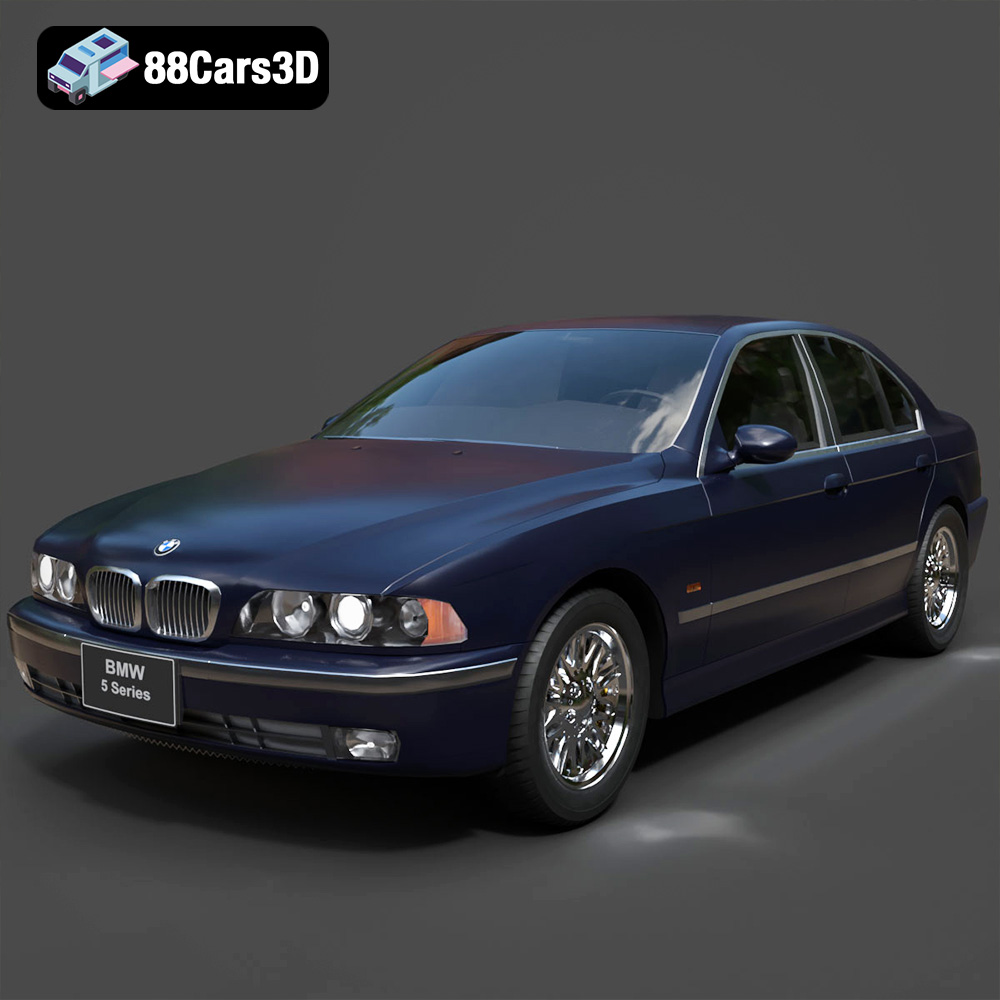
BMW E39 M5-540i 3D Model
Texture: Yes
Material: Yes
Download the BMW E39 M5-540i 3D Model featuring its iconic sedan design, detailed exterior, and realistic interior. Includes .blend, .fbx, .obj, .glb, .stl, .ply, .unreal, and .max formats for rendering, simulation, and game development.
Price: $10.79

BMW 7 Series E38 3D Model
Texture: Yes
Material: Yes
Download the BMW 7 Series E38 3D Model featuring its iconic luxury sedan design and classic aesthetics. Includes .blend, .fbx, .obj, .glb, .stl, .ply, .unreal, and .max formats for rendering, simulation, and game development.
Price: $10.79

BMW 6 Series 640i F12 3D Model
Texture: Yes
Material: Yes
Download the BMW 6 Series 640i F12 3D Model featuring a sleek design and detailed interior. Includes .blend, .fbx, .obj, .glb, .stl, .ply, .unreal, and .max formats for rendering, simulation, and game development.
Price: $10.79

BMW 6 Coupe E63 3D Model
Texture: Yes
Material: Yes
Download the BMW 6 Coupe E63 3D Model featuring a sleek design, detailed interior, and realistic exterior. Includes .blend, .fbx, .obj, .glb, .stl, .ply, .unreal, and .max formats for rendering, simulation, and game development.
Price: $10.79
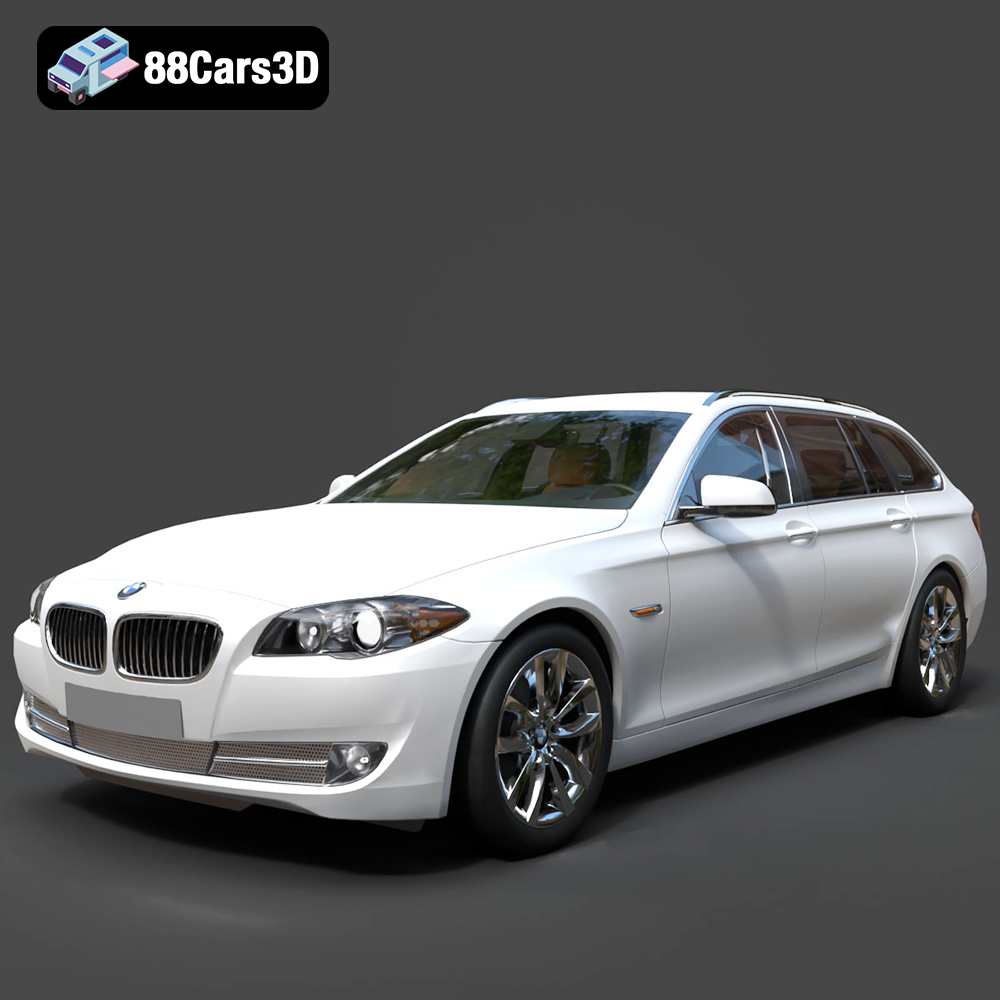
BMW 5 Series Touring F11-007 3D Model
Texture: Yes
Material: Yes
Download the BMW 5 Series Touring F11-007 3D Model featuring a detailed exterior and interior. Includes .blend, .fbx, .obj, .glb, .stl, .ply, .unreal, and .max formats for rendering, simulation, and game development.
Price: $10.79
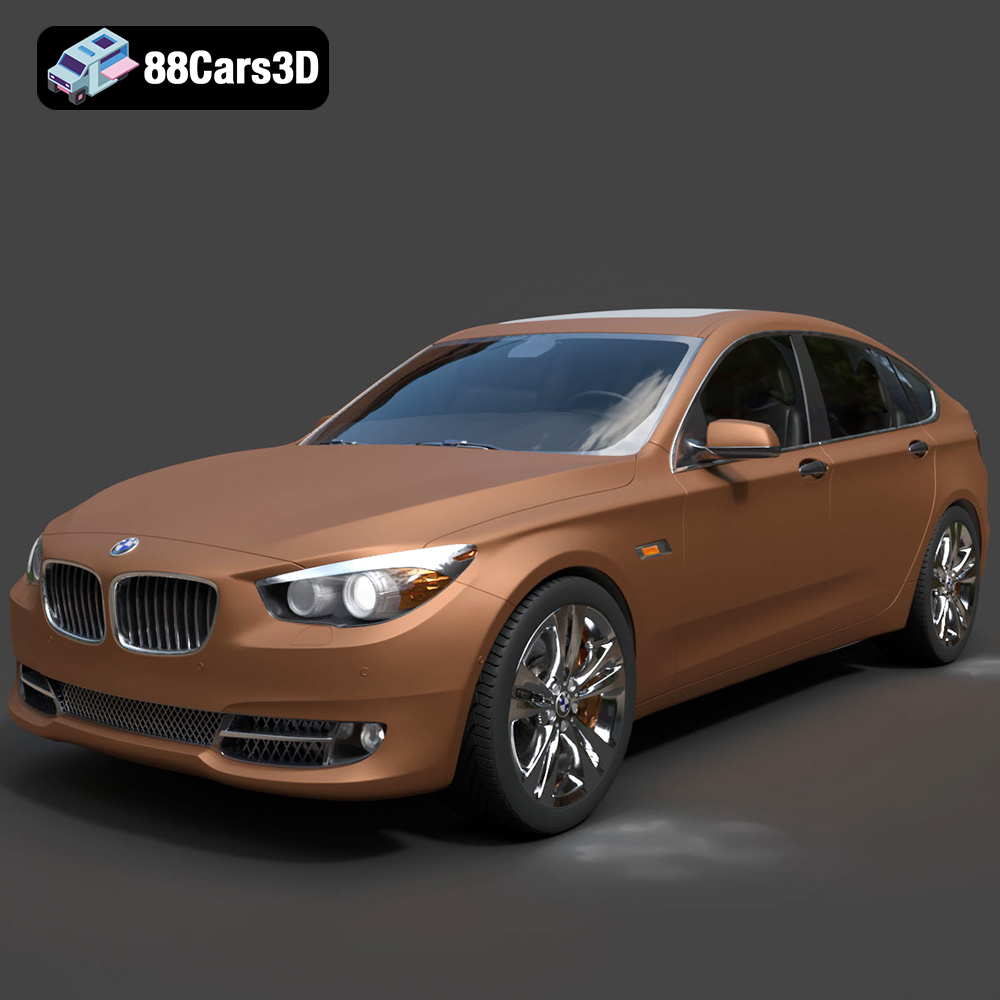
BMW 5 Series Gran Turismo F07-003 3D Model
Texture: Yes
Material: Yes
Download the BMW 5 Series Gran Turismo F07-003 3D Model featuring a detailed exterior and interior. Includes .blend, .fbx, .obj, .glb, .stl, .ply, .unreal, and .max formats for rendering, simulation, and game development.
Price: $10.79
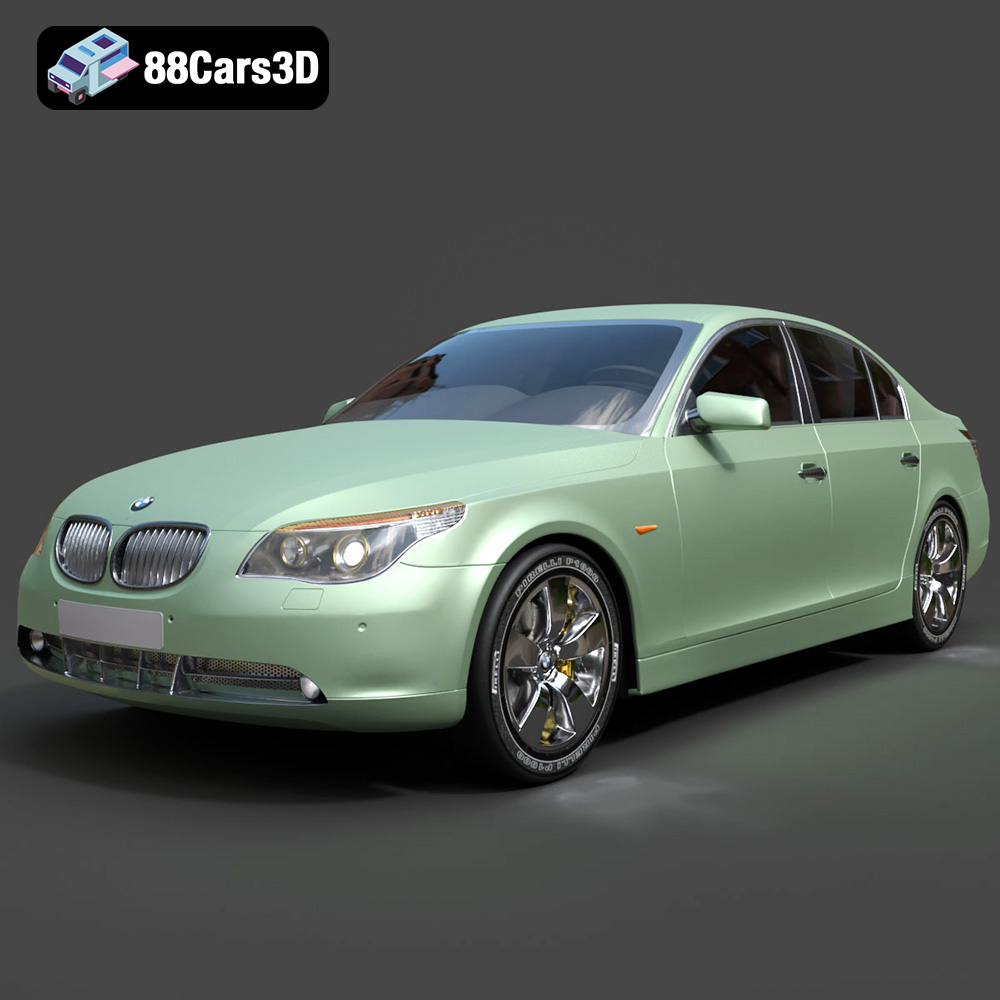
BMW 5 Series E60 3D Model
Texture: Yes
Material: Yes
Download the BMW 5 Series E60 3D Model featuring its iconic sedan design, detailed exterior, and interior. Includes .blend, .fbx, .obj, .glb, .stl, .ply, .unreal, and .max formats for rendering, simulation, and game development.
Price: $10.79

BMW 5 E34-535i 3D Model
Texture: Yes
Material: Yes
Download the BMW 5 E34-535i 3D Model featuring an iconic design, detailed exterior and interior, and accurate representation. Includes .blend, .fbx, .obj, .glb, .stl, .ply, .unreal, and .max formats for rendering, simulation, and game development.
Price: $10.79
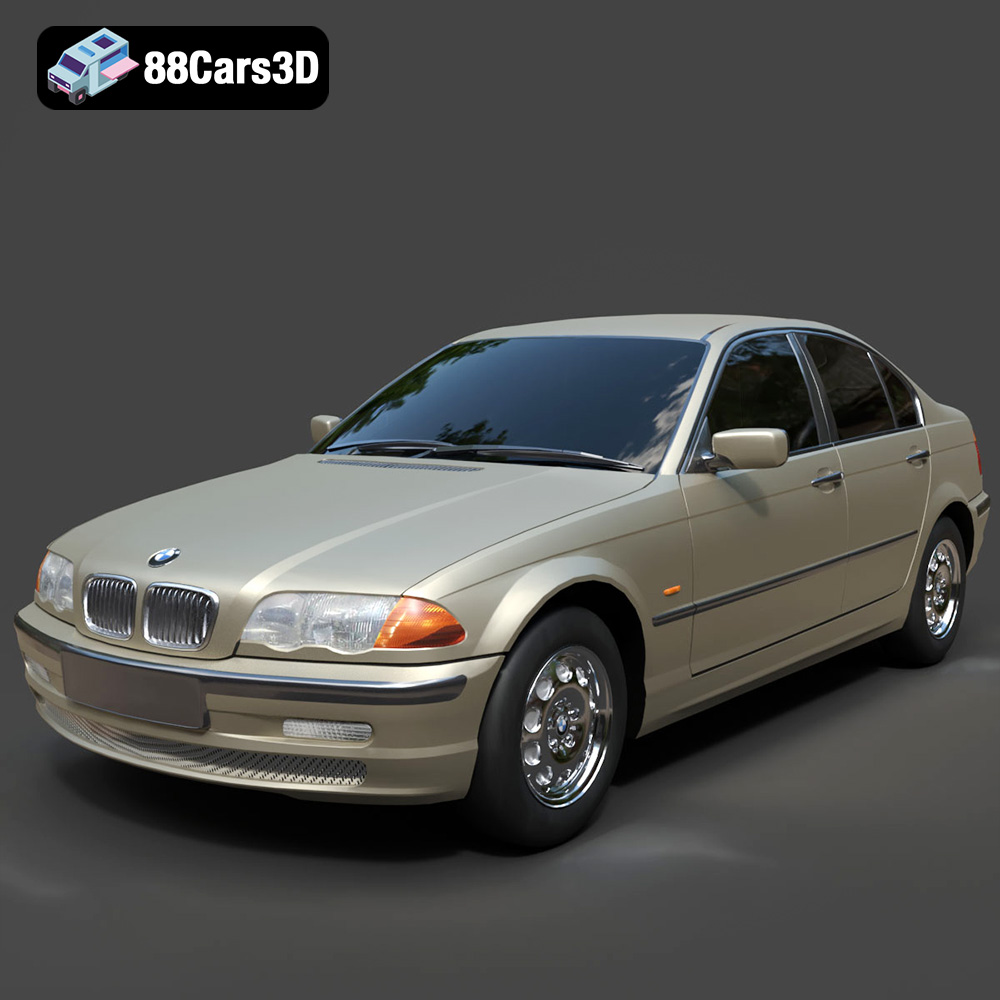
BMW 3 Series E46 3D Model
Texture: Yes
Material: Yes
Download the BMW 3 Series E46 3D Model featuring authentic exterior lines, a detailed interior, and separated components for animation. Includes .blend, .fbx, .obj, .glb, .stl, .ply, .unreal, and .max formats for rendering, simulation, and game development.
Price: $10.79
