

In the dynamic world of Unreal Engine development, where realism meets interactivity, flexibility and scalability are paramount. Whether you’re crafting a cutting-edge automotive visualization, an immersive racing game, or an interactive vehicle configurator, the sheer volume of data—from high-resolution 3D car models to intricate material variations and performance statistics—can quickly become unmanageable. Hardcoding values into Blueprints or C++ classes can lead to brittle, difficult-to-maintain projects, slowing down iteration and hindering collaboration.
This is where data-driven design, specifically leveraging Unreal Engine’s powerful Data Assets, becomes an indispensable strategy. Data Assets provide a robust, designer-friendly framework for externalizing and managing complex data structures, allowing developers to define rich sets of properties for everything from car models and engine types to paint finishes and damage states. By embracing Data Assets, you empower your team to rapidly iterate, scale projects efficiently, and deliver unparalleled experiences with precise control over your content.
In this comprehensive guide, we will dive deep into the world of Unreal Engine Data Assets, exploring how they can revolutionize your automotive and real-time rendering projects. We’ll cover everything from their fundamental setup and integration with Blueprint to advanced applications in automotive configurators, real-time physics, virtual production, and AR/VR optimization. You’ll learn how to streamline your workflows, enhance performance, and build truly flexible systems that can adapt to any creative challenge, ensuring your high-quality assets, like those from 88cars3d.com, shine brighter than ever.
The Power of Data-Driven Design in Unreal Engine
Modern Unreal Engine projects, particularly those involving complex assets like 3D car models, demand a development approach that prioritizes flexibility, maintainability, and designer iteration. Relying heavily on hardcoded values within Blueprints or C++ classes can quickly turn a promising project into a tangled web of dependencies, making even minor changes a significant undertaking. Imagine having to recompile code or painstakingly update dozens of Blueprint instances just to tweak a car’s top speed or add a new paint option. This is where the power of data-driven design, centered around Unreal Engine’s Data Assets, truly shines.
Data Assets (UDataAsset) are a special type of Unreal Engine asset designed to hold pure data. Unlike Actors or Components, they don’t have a physical representation in the world; their sole purpose is to store and provide configuration data. This separation of data from logic is a cornerstone of robust software architecture. It allows designers to modify parameters without ever touching code or Blueprints, significantly accelerating iteration cycles. For automotive visualization, this means easily defining new car models, engine variants, trim levels, and material options in a structured, accessible way.
The advantages are manifold: improved modularity, faster iteration speeds, reduced risk of errors (as data changes are localized), and seamless scalability. When sourcing high-quality automotive assets, such as the optimized 3D car models available on marketplaces like 88cars3d.com, integrating them into a data-driven framework ensures that these detailed models can be dynamically configured and controlled with maximum efficiency, adapting to various project needs without extensive re-work.
Understanding Data Assets vs. Other Data Structures
Unreal Engine offers several ways to manage data, each with its own strengths. It’s crucial to understand when Data Assets are the optimal choice. While simple variables in Blueprints or C++ are fine for isolated, unchanging values, they become cumbersome for anything more complex. Structs (USTRUCT) are excellent for grouping related variables, offering a compact data container. However, to create instances of structs that can be edited in the editor and referenced, they often need to be part of an Actor, Component, or a Data Asset itself.
Data Tables, often backed by CSV or JSON files, excel at storing large collections of uniform data, like a comprehensive list of all tire types with their specific grip values. They are perfect for scenarios where you have many entries of the same type. However, for complex, hierarchical, or unique object definitions, Data Tables can become unwieldy. Each row must conform to a single struct, limiting flexibility when data structures vary significantly between entries. For example, defining an entire car model with unique mesh references, multiple engine options, and distinct interactive features is a better fit for a Data Asset.
Data Assets bridge this gap by allowing you to define a specific type of data object, often based on a custom C++ class or a Blueprint child class of UDataAsset. Each Data Asset instance can then hold unique, potentially complex, and nested data structures, including references to other assets (meshes, materials, animations) or even other Data Assets. This makes them ideal for defining entire content archetypes, like a specific ‘Sports Car Model A’ or ‘Luxury Sedan Model B’, each with its bespoke properties and relationships.
Setting Up Your First Data Asset
To begin harnessing Data Assets, you’ll typically start by defining a custom C++ class that inherits from UDataAsset. This class will define the structure of the data you wish to store. For instance, let’s create a basic UCarConfigDataAsset:
- Create a C++ Class: Right-click in the Content Browser, select “New C++ Class,” and choose
DataAssetas the parent class. Name it something descriptive, likeCarConfigDataAsset. - Define Properties: In your
CarConfigDataAsset.hfile, declare public UPROPERTY variables to store your car’s characteristics. Remember to useUPROPERTY(EditAnywhere, BlueprintReadOnly, Category="Car Data")to make them editable in the editor and accessible from Blueprint. - Example Properties:
FString ModelName;TSoftObjectPtr<UStaticMesh> CarMesh;(For the main body mesh)TSoftObjectPtr<UMaterialInterface> DefaultPaintMaterial;float EngineHorsepower;float TopSpeedKPH;
- Compile and Create: Compile your C++ module. Then, back in the Unreal Editor Content Browser, right-click, select “Miscellaneous” > “Data Asset,” and choose your newly created
CarConfigDataAssettype.
Now you have an instance of your CarConfigDataAsset, which you can name (e.g., DA_SportsCar_GT) and populate with specific values for that particular car model. You can create as many instances as you need, each representing a different configuration or vehicle. This fundamental setup forms the bedrock for building sophisticated, data-driven systems in Unreal Engine.
Implementing Car Configurations with Data Assets
One of the most compelling applications of Data Assets in automotive projects is the creation of dynamic, comprehensive car configurators. Instead of manually swapping out meshes and materials for each car variant, Data Assets allow you to define every aspect of a vehicle’s configuration in a structured, accessible format. This not only streamlines development but also empowers designers to rapidly create and iterate on new car models and customization options without requiring programmer intervention.
Imagine a scenario where you need to showcase a single car model with multiple trim levels, each having distinct exterior accents, interior materials, wheel designs, and engine specifications. Using Data Assets, you can define a ‘base’ Data Asset for the core car model, and then create ‘trim’ Data Assets that inherit or reference specific overrides. This modularity ensures consistency while providing granular control over variations. When a user selects a trim level in your configurator, the system simply fetches the relevant data from the corresponding Data Asset and applies it to the active vehicle in real-time, leveraging the power of Blueprint scripting and material instances.
This approach is particularly valuable when working with high-fidelity 3D car models that feature detailed meshes and realistic PBR materials, such as those optimized for Unreal Engine on platforms like 88cars3d.com. By referencing these pre-optimized assets directly within your Data Assets, you ensure seamless integration and consistent quality across all configurations.
Defining Car Model Properties and Variants
To build a robust car configurator, your Data Assets need to store a wide array of properties. These can include not just visual elements but also performance data and interactive features. Let’s expand on our CarConfigDataAsset example to manage more complex variations:
- Base Properties:
FText DisplayName;(User-friendly name)TSoftObjectPtr<UStaticMesh> MainBodyMesh;(The core body mesh)TArray<TSoftObjectPtr<UStaticMesh>> WheelMeshes;(Different wheel styles)TArray<TSoftObjectPtr<UStaticMesh>> InteriorMeshes;(Various interior trims)TMap<FString, FCarPerformanceData> EngineOptions;(A map linking engine names to a custom struct defining HP, Torque, etc.)
- Custom Struct for Performance Data (
FCarPerformanceData):float Horsepower;float Torque;float TopSpeed;float ZeroToSixtyTime;
- Nested Data Assets: You can also reference other Data Assets. For example, instead of storing paint material paths directly, you could have a
TArray<TSoftObjectPtr<UPaintMaterialDataAsset>> AvailablePaints;where eachPaintMaterialDataAssetdefines a specific paint color, finish (metallic, matte), and associated PBR material instance. This allows for even greater modularity and reusability of paint data across multiple car models.
When creating instances of these Data Assets, designers can pick and choose the relevant meshes, set numerical values, and define available options through intuitive dropdowns and asset pickers in the Unreal Editor. This level of organization makes managing dozens of car models and hundreds of configurations a streamlined process.
Dynamic Material Swapping and PBR Integration
Realistic materials are critical for convincing automotive visualization. With Data Assets, you can dynamically swap materials to represent different paint colors, interior fabrics, or wheel finishes. This is achieved by storing references to UMaterialInterface assets (typically UMaterialInstanceConstant for performance) within your Data Asset. The workflow typically involves:
- Material Setup: Create robust master PBR materials (e.g., a car paint shader, a leather shader) that expose parameters like base color, metallic, roughness, and normal map intensity.
- Material Instances: Create multiple Material Instances from these master materials, each representing a specific variation (e.g., “Red Metallic Paint,” “Black Leather Interior”). Adjust the exposed parameters within these instances.
- Data Asset References: In your
CarConfigDataAsset, include properties likeTSoftObjectPtr<UMaterialInterface> DefaultBodyMaterial;or aTMap<FString, TSoftObjectPtr<UMaterialInterface>> PaintOptions;. - Blueprint Logic: When a user selects a new paint color or interior trim, your Blueprint system retrieves the appropriate
UMaterialInterfacereference from the Data Asset. It then uses theSetMaterialnode on the relevant Static Mesh Component or Skeletal Mesh Component to apply the new material. For multiple material slots, you’d useSetMaterialByNameor iterate through slots.
For optimal real-time rendering, ensuring PBR (Physically Based Rendering) correctness is paramount. When defining your materials and their properties within Data Assets, always verify that your albedo, metallic, roughness, and normal maps are accurately represented. Utilizing industry-standard PBR workflows, where these texture maps are carefully authored and correctly assigned, will ensure that your 3D car models react realistically to Unreal Engine’s advanced lighting systems like Lumen, creating stunning visual fidelity that accurately reflects the quality of assets sourced from platforms like 88cars3d.com.
Enhancing Gameplay and Simulation with Data Assets
While visual customization is a significant application, Data Assets extend far beyond aesthetics. They are incredibly powerful for driving the core gameplay mechanics, physics simulations, and interactive elements of your automotive projects. This separation of data from logic not only simplifies development but also allows game designers and vehicle engineers to fine-tune performance and interaction without touching a single line of C++ or complex Blueprint graphs.
Consider a racing game where different car classes need distinct handling characteristics, engine sounds, or damage thresholds. Or an interactive training simulation where specific parts of a vehicle can be highlighted and provide detailed information upon interaction. Data Assets enable you to centralize all this information. Each car model can have an associated Data Asset that defines its unique attributes, from its mass and engine curve to the specific animations triggered when a door opens. This approach ensures consistency and provides a single source of truth for all vehicle-related data, making updates and balancing significantly easier across the entire project.
Driving Vehicle Physics and Performance Stats
Realistic vehicle physics are at the heart of any compelling driving experience. Unreal Engine’s Chaos Vehicles plugin (or custom physics implementations) relies on a multitude of parameters to simulate everything from engine torque and gear ratios to suspension stiffness and tire friction. Hardcoding these values for every car model is inefficient and prone to errors. Data Assets provide an elegant solution:
- Physics Data Structs: Define custom structs (e.g.,
FEngineSpecs,FTireProperties,FSuspensionConfig) that contain all the relevant physics parameters. - Data Asset Integration: Embed these structs within your
CarConfigDataAssetor create dedicated Data Assets (e.g.,EngineDataAsset,SuspensionDataAsset) that your main car Data Asset references. For example:FEngineSpecs EngineData;TSoftObjectPtr<USuspensionDataAsset> FrontSuspension;TSoftObjectPtr<USuspensionDataAsset> RearSuspension;TArray<float> GearRatios;float MassKg;
- Blueprint Application: In your vehicle Blueprint class, on
BeginPlayor when a new car is selected, retrieve the associatedCarConfigDataAsset. Then, use Blueprint nodes to extract the physics parameters and apply them to theChaosVehicleMovementComponent. Nodes like “SetEngineTorqueCurve,” “SetGearRatios,” and “SetSuspensionForce” can be driven directly by the values stored in your Data Asset.
This empowers vehicle artists and designers to iterate on handling characteristics, engine performance, and even fuel consumption figures without ever touching the underlying code or Blueprint logic. They can create new Data Asset instances for different engine types or suspension setups, test them in-game, and balance performance with remarkable speed and precision. For detailed reference on Chaos Vehicles, consult the official Unreal Engine documentation at dev.epicgames.com/community/unreal-engine/learning.
Interactive Elements and Damage States
Beyond core physics, Data Assets can also drive interactive elements and visual states. For automotive training simulations or interactive showcases, you might want to highlight specific car parts, trigger animations, or show different damage levels. Data Assets make this highly manageable:
- Interactive Points: Define a list of interactive elements within your Data Asset. Each entry could be a struct containing:
FName SocketName;(Or an arbitrary name to identify the part)FText InteractionPrompt;TSoftObjectPtr<UAnimSequence> InteractionAnimation;(e.g., for opening a door)TSoftObjectPtr<UBlueprint> AssociatedWidget;(e.g., a widget showing technical specs for that part)
- Damage States: For game development or accident reconstruction, Data Assets can manage different visual states for damage. Store an array of references to specific meshes (e.g., ‘car_body_damaged_mesh_01’, ‘car_body_heavily_damaged_mesh_02’) or material instances that apply grunge/wear.
TArray<TSoftObjectPtr<UStaticMesh>> DamageLevelMeshes;TArray<TSoftObjectPtr<UMaterialInterface>> DamageOverlayMaterials;TSoftObjectPtr<UNiagaraSystem> DamageParticleSystem;(e.g., for smoke or sparks).
When a car takes damage, your game logic simply consults the associated Data Asset to determine which mesh to swap to, which material to apply, and which Niagara particle effect to spawn. For interactive elements, when a user clicks on a specified area (e.g., a door handle), the system fetches the animation reference from the Data Asset and plays it using Unreal Engine’s Sequencer or direct skeletal mesh animation playback. This granular control allows for rich, detailed interactivity without complex, per-instance coding.
Streamlining Real-time Rendering & Optimization
Achieving stunning real-time visuals in Unreal Engine, especially with highly detailed 3D car models, requires a careful balance between fidelity and performance. Data Assets play a surprisingly crucial role in this equilibrium, enabling you to define and manage rendering-specific optimizations and visual profiles on a per-car or per-configuration basis. This data-driven approach ensures that your projects are not only beautiful but also run smoothly across various hardware targets.
When you’re dealing with automotive visualization, every polygon and texture pixel counts. Assets obtained from marketplaces like 88cars3d.com are often designed with optimization in mind, featuring clean topology and efficient UV mapping. Integrating these assets with Data Assets allows you to take their optimization potential further by explicitly defining how they should behave within Unreal Engine’s rendering pipeline. This includes managing Level of Detail (LOD) settings, leveraging advanced features like Nanite, and tailoring lighting configurations for specific vehicle showcases or environmental conditions.
LOD Management and Nanite Integration
High-fidelity 3D car models can have millions of polygons, which is impractical for real-time rendering at a distance. Level of Detail (LOD) is a fundamental optimization technique, swapping out high-poly meshes for lower-poly versions as the camera moves away. Data Assets can store explicit instructions for LOD management:
- LOD Setup: In your
CarConfigDataAsset, you can store a list of meshes, each representing a different LOD stage:TSoftObjectPtr<UStaticMesh> HighPolyMesh;TSoftObjectPtr<UStaticMesh> MedPolyMesh;TSoftObjectPtr<UStaticMesh> LowPolyMesh;
Your Blueprint logic would then dynamically switch these meshes based on distance or performance metrics.
- Nanite Integration: For incredibly detailed meshes, Unreal Engine’s Nanite virtualized geometry system is a game-changer. Nanite intelligently streams and renders only the necessary detail, allowing for cinematic-quality assets directly in real-time. Data Assets can specify whether a particular car mesh (or specific parts like wheels) should utilize Nanite:
TSoftObjectPtr<UStaticMesh> NaniteEnabledBodyMesh;bool bUseNaniteForBody;(A flag to enable/disable Nanite for this specific body mesh)
This allows you to mix and match. Perhaps the main car body uses Nanite for ultimate detail, while interior components or distant cars use traditional LODs for efficiency. When preparing assets, ensure they have clean topology and valid UVs, regardless of whether they target Nanite or traditional LODs, as good base geometry is crucial for both. Refer to the official Unreal Engine Nanite documentation for best practices on asset preparation at dev.epicgames.com/community/unreal-engine/learning.
By controlling these settings via Data Assets, you provide artists and technical directors with direct control over the rendering pipeline, enabling them to achieve optimal visual quality and performance for each unique vehicle asset.
Optimizing Lumen and Lighting Profiles
Unreal Engine 5’s Lumen global illumination and reflections system delivers incredibly realistic real-time lighting. However, tuning Lumen and other lighting parameters for different scenarios (e.g., an outdoor showroom, an indoor studio, a nighttime street scene) can be complex. Data Assets can store lighting profiles:
- Lighting Profiles: Create a custom struct (e.g.,
FLightingProfile) containing various lighting parameters:float LumenExposureBias;float DirectionalLightIntensity;FLinearColor SkyLightColor;TSoftObjectPtr<UTextureCube> SkyLightCubeMap;TSoftObjectPtr<UPostProcessVolume> AssociatedPostProcessVolume;TSoftObjectPtr<UBlueprint> EnvironmentActorBlueprint;(A Blueprint that sets up lights, atmospheric fog, etc.)
- Data Asset Integration: Embed this struct directly in your
CarConfigDataAssetor create dedicatedULightingProfileDataAssetinstances. - Dynamic Application: When a user selects a car or an environment from your configurator, your Blueprint logic fetches the appropriate
FLightingProfilefrom the Data Asset. It then applies these settings to your scene’s directional light, skylight, and dynamically spawns or activates the specified Post Process Volume or Environment Actor Blueprint.
This allows designers to create distinct “moods” or “studio setups” for each car, all controlled via external data. For example, a sports car might be best showcased with bright, sharp lighting, while a luxury sedan benefits from softer, more diffused illumination. Data Assets provide the mechanism to switch these complex lighting setups dynamically and efficiently, ensuring every vehicle is presented in its best light for real-time rendering.
Scalability for Virtual Production, AR/VR, and Large-Scale Projects
The true test of a data-driven approach lies in its scalability, particularly in cutting-edge fields like virtual production, augmented/virtual reality (AR/VR), and other large-scale visualization projects. Data Assets provide the underlying structure to manage the diverse requirements of these applications, from optimizing content for performance-sensitive platforms to rapidly deploying assets for real-time broadcasts on LED walls. By decoupling content definitions from runtime logic, Data Assets ensure that your projects remain agile and adaptable, no matter how complex they become.
In virtual production, where changes need to happen on the fly, Data Assets allow content creators to swap entire car models, configurations, or even environmental setups with a single click, without reloading the entire scene. For AR/VR experiences, where every millisecond of frame time is critical, Data Assets enable dynamic content loading and optimization profiles tailored to device capabilities. This strategic use of externalized data is essential for maintaining high fidelity while meeting stringent performance targets, facilitating the efficient deployment of high-quality assets sourced from providers like 88cars3d.com across various interactive mediums.
Facilitating Virtual Production Workflows
Virtual production, especially with LED volume stages, demands extreme flexibility and rapid iteration. When a director or cinematographer needs to see a different car model, change its color, or even swap out the background environment, these changes must occur instantly. Data Assets are ideal for this:
- Scene Configuration Data Assets: Create a
UVPScreenConfigDataAssetthat holds references to:TSoftObjectPtr<UCarConfigDataAsset> ActiveCarModel;(The car currently on screen)TSoftObjectPtr<ULightingProfileDataAsset> ActiveLightingProfile;TSoftObjectPtr<UWorld> EnvironmentMap;(A sub-level to stream for the background)TSoftObjectPtr<ULevelSequence> CameraAnimationSequence;(A Sequencer track for pre-defined camera moves)FVector CarSpawnLocation;(Location on the LED stage)FRotator CarSpawnRotation;(Rotation on the LED stage)
- Live Control: Develop a simple Blueprint or UI system that allows the operator to select a
UVPScreenConfigDataAsset. Upon selection, the system dynamically spawns the chosen car model, applies its configuration, streams the background environment, sets the lighting profile, and even triggers the associated camera sequence.
This allows for instantaneous changes, critical during live shoots. Directors can quickly audition different car models or configurations in various virtual environments, accelerating creative decisions and reducing costly reshoots. By centralizing these complex configurations, Data Assets empower the virtual production team to focus on creative execution rather than technical setup, ensuring that high-fidelity automotive models are seamlessly integrated into the virtual stage.
AR/VR Performance and Content Delivery
AR/VR applications, particularly on mobile or standalone headsets, are notoriously performance-sensitive. Detailed 3D car models, while visually impressive, can quickly exceed the rendering budget. Data Assets provide a strategic way to manage content for these platforms:
- Platform-Specific Data Assets: Create specialized Data Assets for AR/VR, or add AR/VR-specific properties to your existing
CarConfigDataAsset:TSoftObjectPtr<UStaticMesh> ARVR_OptimizedBodyMesh;(A lower-poly mesh)TSoftObjectPtr&UMaterialInterface> ARVR_OptimizedPaintMaterial;(Material instance with lower-res textures or simpler shaders)float TargetLODBias;(Force lower LODs for all meshes)bool bDisableLumen;(For performance-critical mobile AR/VR)TSoftObjectPtr<UNiagaraSystem> ARVR_LightweightVFX;(Simpler particle effects)
- Dynamic Loading & Optimization: At runtime, your game logic checks the target platform (e.g., “Is this a mobile AR app?”). If so, it loads and applies the AR/VR-specific meshes, materials, and optimization flags defined in the Data Asset. This allows a single project to serve multiple platforms with tailored content.
- Reduced Package Size: By using soft object pointers and Data Assets, you can implement a robust content streaming system. Only the assets referenced by the currently active Data Assets are loaded into memory, and only the relevant platform-specific assets are packaged. This drastically reduces the initial application download size and memory footprint, which is crucial for AR/VR deployment.
Data Assets enable you to gracefully scale your high-quality automotive content from high-end visualization workstations to mobile AR devices. This ensures that users on any platform receive an optimized experience, without sacrificing the core visual integrity of the 3D car models. For in-depth information on optimizing for various platforms, Unreal Engine’s official documentation at dev.epicgames.com/community/unreal-engine/learning is an invaluable resource.
Conclusion
The journey through data-driven design in Unreal Engine, powered by the versatility of Data Assets, reveals a fundamental shift towards more efficient, flexible, and scalable development practices. For anyone working with complex content, especially in the realm of automotive visualization, real-time rendering, and game development, Data Assets are not just an option but a critical tool for success. They liberate your project from the constraints of hardcoded values, empowering designers and technical artists with direct control over content variations, performance parameters, and interactive experiences.
We’ve seen how Data Assets can form the backbone of sophisticated car configurators, driving dynamic material swaps, managing intricate vehicle physics, and defining interactive elements with ease. Furthermore, their utility extends to crucial optimization strategies, from intelligent LOD management and Nanite integration for pristine visuals to fine-tuning Lumen and lighting profiles for diverse environments. Finally, the scalability Data Assets offer for cutting-edge applications like virtual production and performance-sensitive AR/VR ensures your projects can adapt and thrive across a multitude of platforms and creative demands.
Embracing a data-driven approach with Unreal Engine Data Assets means faster iteration, cleaner code, and a more collaborative development pipeline. By leveraging these powerful tools, you can transform your high-quality 3D car models—whether meticulously crafted in-house or sourced from expert platforms like 88cars3d.com—into dynamic, configurable, and exceptionally performant real-time assets. Start integrating Data Assets into your next Unreal Engine project and unlock a new level of creative control and technical mastery.
Featured 3D Car Models

Bentley Continental Flying Spur 3D Model
Texture: Yes
Material: Yes
Download the Bentley Continental Flying Spur 3D Model featuring clean geometry, realistic detailing, and a fully modeled interior. Includes .blend, .fbx, .obj, .glb, .stl, .ply, .unreal, and .max formats for rendering, simulation, and game development.
Price: $14.99
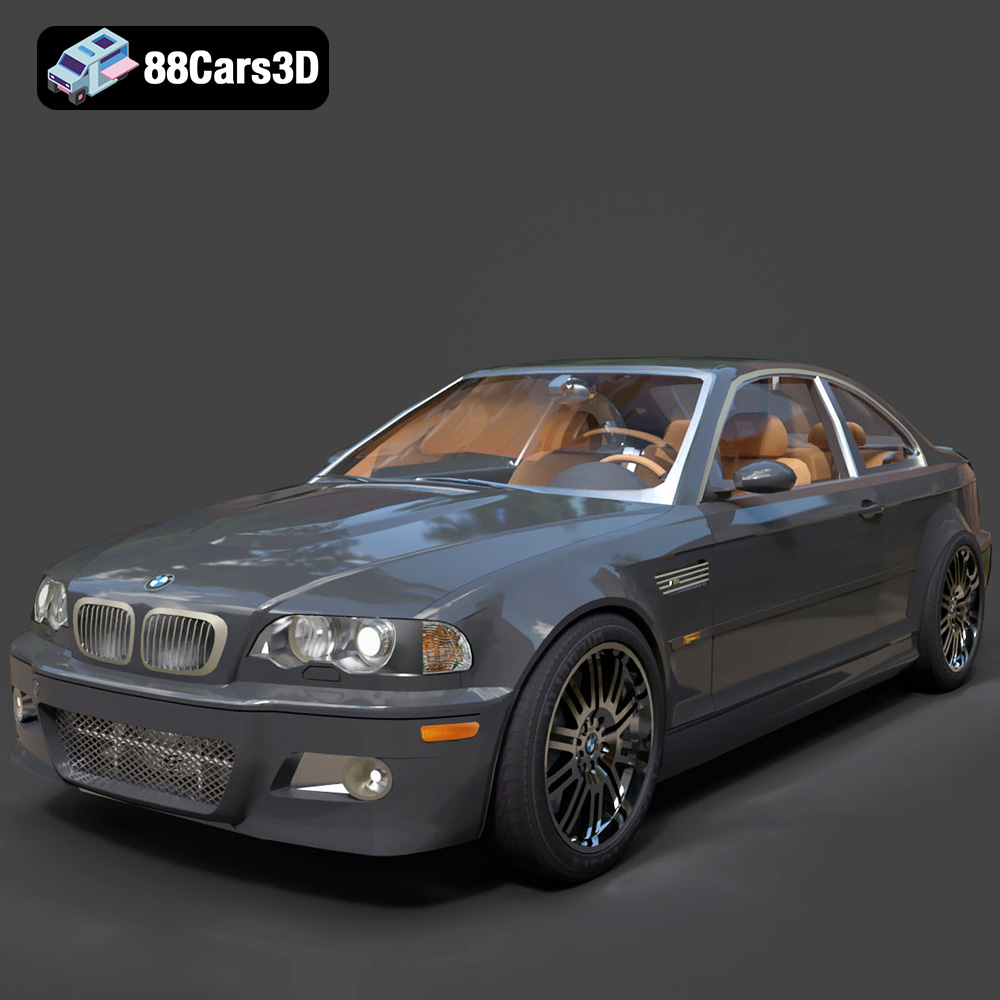
BMW M3 E46 3D Model
Texture: Yes
Material: Yes
Download the BMW M3 E46 3D Model featuring iconic sports car design and detailed interior. Includes .blend, .fbx, .obj, .glb, .stl, .ply, .unreal, and .max formats for rendering, simulation, and game development.
Price: $16.99

BMW i3 Coupe 3D Model
Texture: Yes
Material: Yes
Download the BMW i3 Coupe 3D Model featuring its iconic electric design and compact urban styling. Includes .blend, .fbx, .obj, .glb, .stl, .ply, .unreal, and .max formats for rendering, simulation, and game development.
Price: $17.99

BMW 645ci 2004-2005 3D Model
Texture: Yes
Material: Yes
Download the BMW 645ci 3D Model featuring a sleek, detailed exterior and optimized interior. Includes .blend, .fbx, .obj, .glb, .stl, .ply, .unreal, and .max formats for rendering, simulation, and game development.
Price: $10.79

BMW 330i E90 3D Model
Texture: Yes
Material: Yes
Download the BMW 330i E90 3D Model featuring a detailed exterior, an optimized interior, and accurate mechanical components. Includes .blend, .fbx, .obj, .glb, .stl, .ply, .unreal, and .max formats for rendering, simulation, and game development.
Price: $14.79
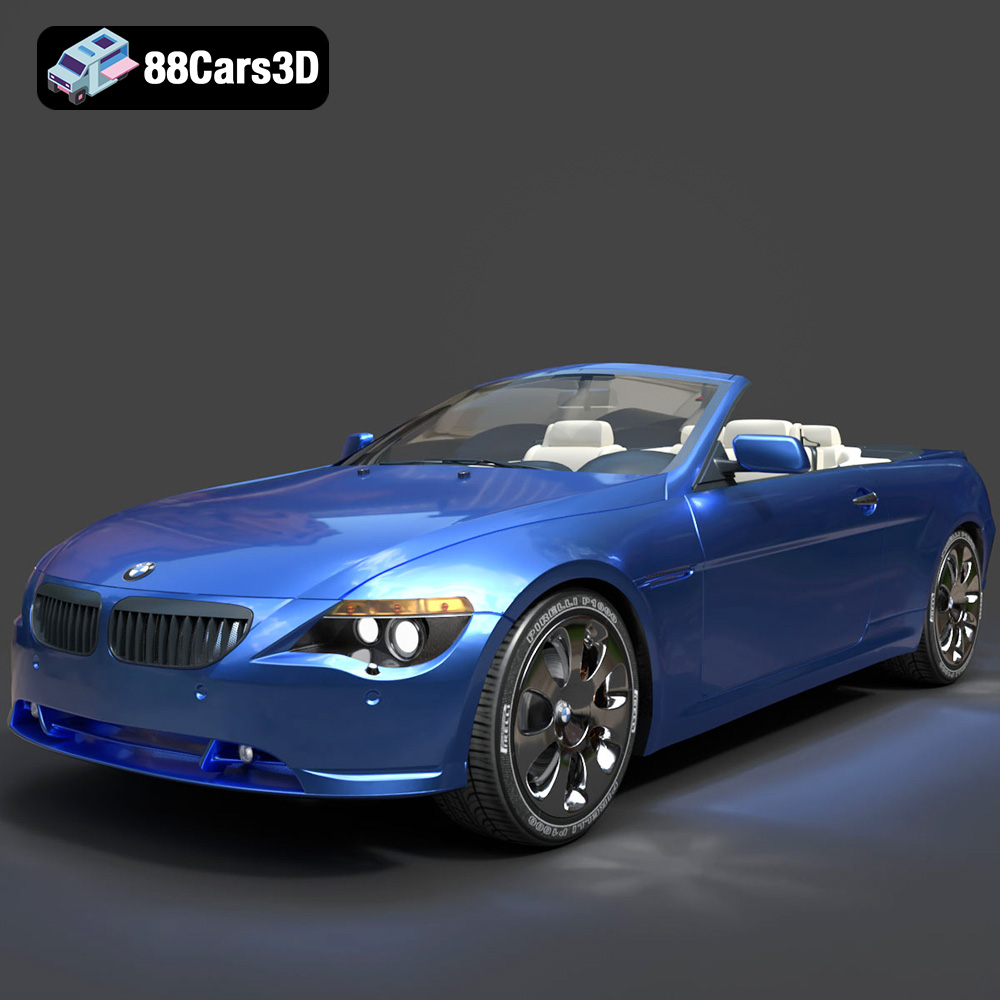
BMW 6 Series Convertible 3D Model
Texture: Yes
Material: Yes
Download the BMW 6 Series Convertible 3D Model featuring clean geometry, realistic detailing, and a fully modeled interior. Includes .blend, .fbx, .obj, .glb, .stl, .ply, .unreal, and .max formats for rendering, simulation, and game development.
Price: $14.99
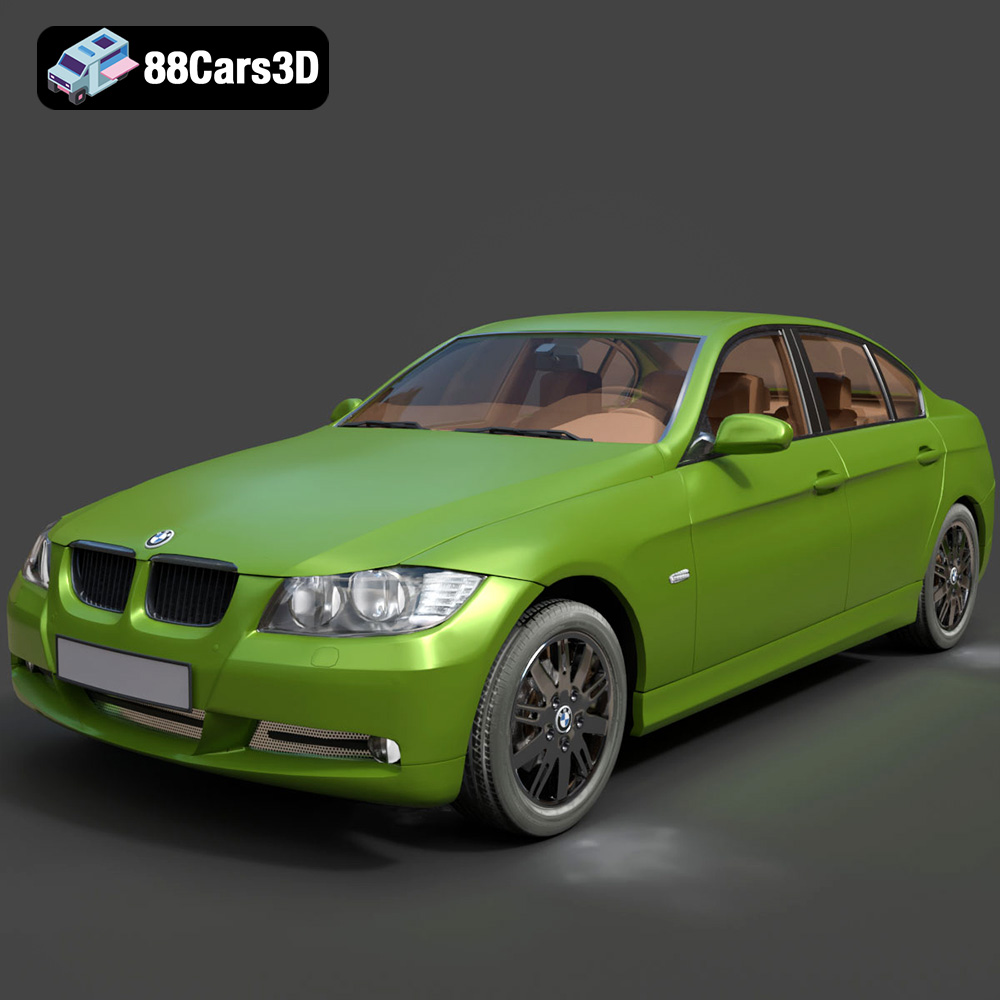
BMW 3-005 3D Model
Texture: Yes
Material: Yes
Download the BMW 3-005 3D Model featuring a sleek design, detailed exterior and interior. Includes .blend, .fbx, .obj, .glb, .stl, .ply, .unreal, and .max formats for rendering, simulation, and game development.
Price: $14.99
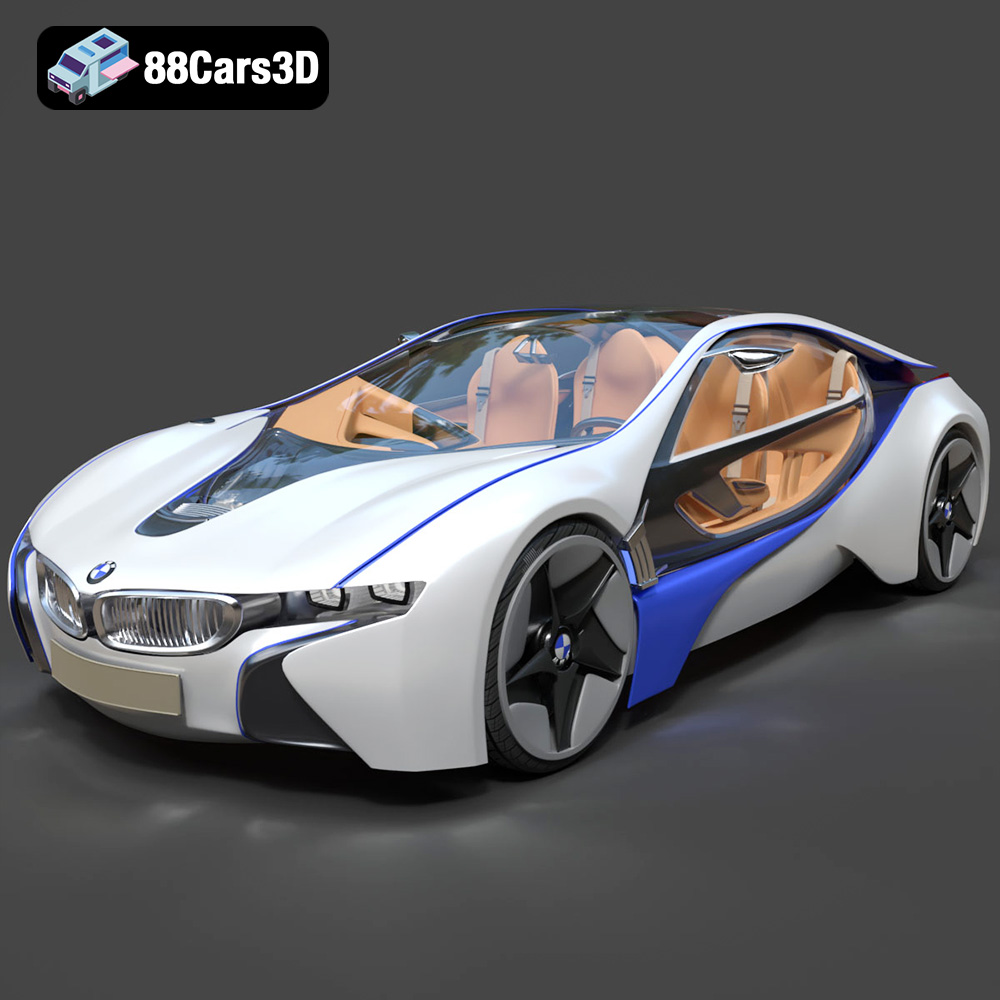
BMW Vision Effecient Dynamics-007 3D Model
Texture: Yes
Material: Yes
Download the BMW Vision Effecient Dynamics-007 3D Model featuring a sleek, futuristic design and hybrid concept aesthetics. Includes .blend, .fbx, .obj, .glb, .stl, .ply, .unreal, and .max formats for rendering, simulation, and game development.
Price: $14.99
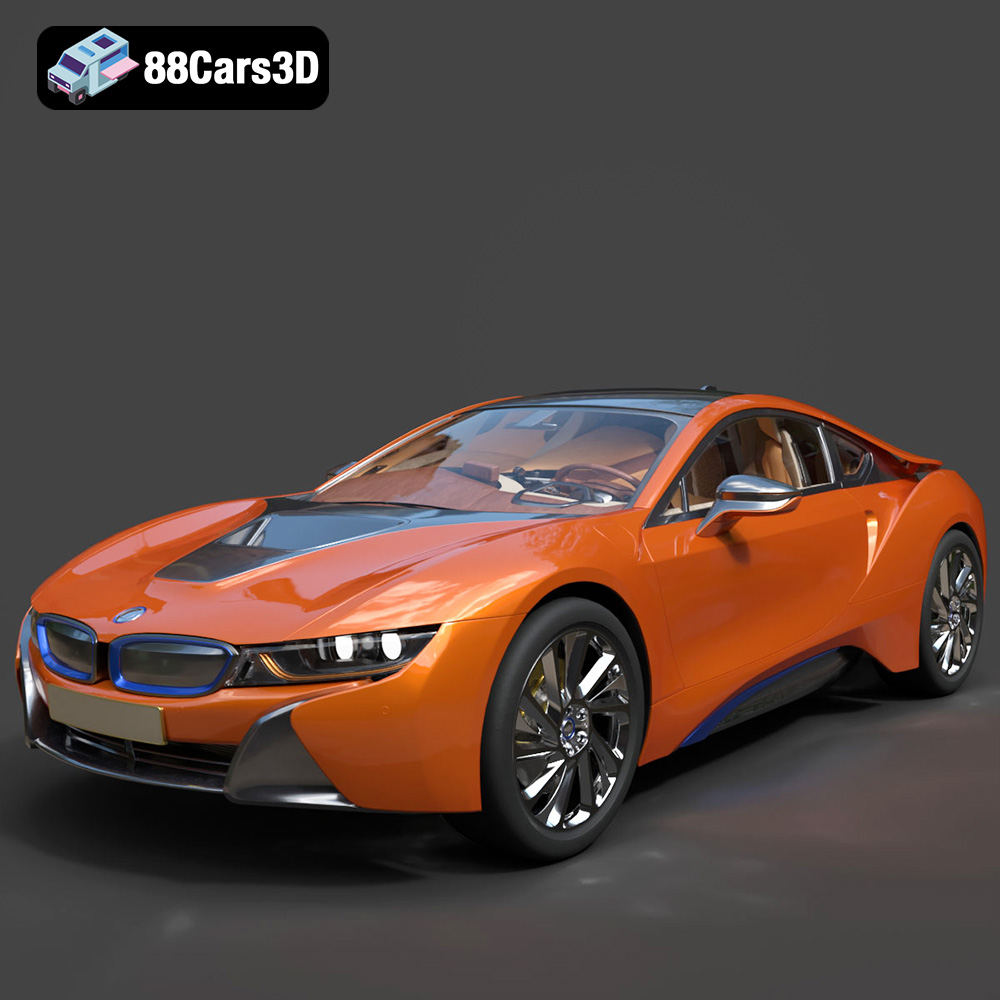
BMW i8 2015 3D Model
Texture: Yes
Material: Yes
Download the BMW i8 2015 3D Model featuring clean geometry, realistic detailing, and a fully modeled interior. Includes .blend, .fbx, .obj, .glb, .stl, .ply, .unreal, and .max formats for rendering, simulation, and game development.
Price: $12.99

BMW 4 Series F32 3D Model
Texture: Yes
Material: Yes
Download the BMW 4 Series F32 3D Model featuring clean geometry, realistic detailing, and a fully modeled interior. Includes .blend, .fbx, .obj, .glb, .stl, .ply, .unreal, and .max formats for rendering, simulation, and game development.
Price: $12.99
